Ski Apparel
Best Ski Base Layers: Three Long Underwear Picks Worth Your Money
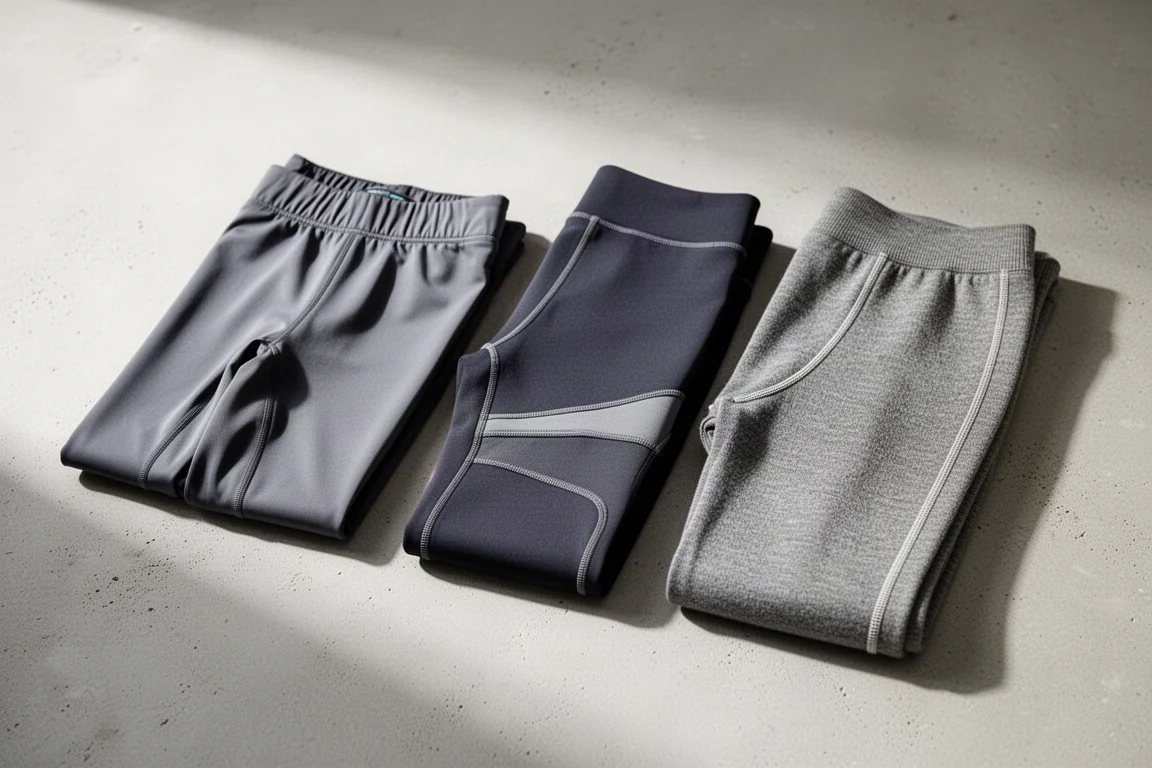
Three base layers tested across a full ski season: a balanced all-rounder, a warm and supportive power-user option, and a premium merino favorite.
Introduction
Base layers are not the flashiest part of a ski kit, but they may be the most important. They sit against your skin all day and effectively control your core temperature, which in turn keeps your hands, feet, and everything else comfortable. If you ski with a shell jacket and swap insulation as conditions change, your base layer becomes the foundation of the whole system.
After a full season of testing several brands, three products stood out as genuinely worth recommending: the Patagonia Capilene, the CWX Insulated Long Underwear, and the Icebreaker Merino 260. Each solves a slightly different problem, so the right choice depends on how and where you ski.
Why Base Layers Matter
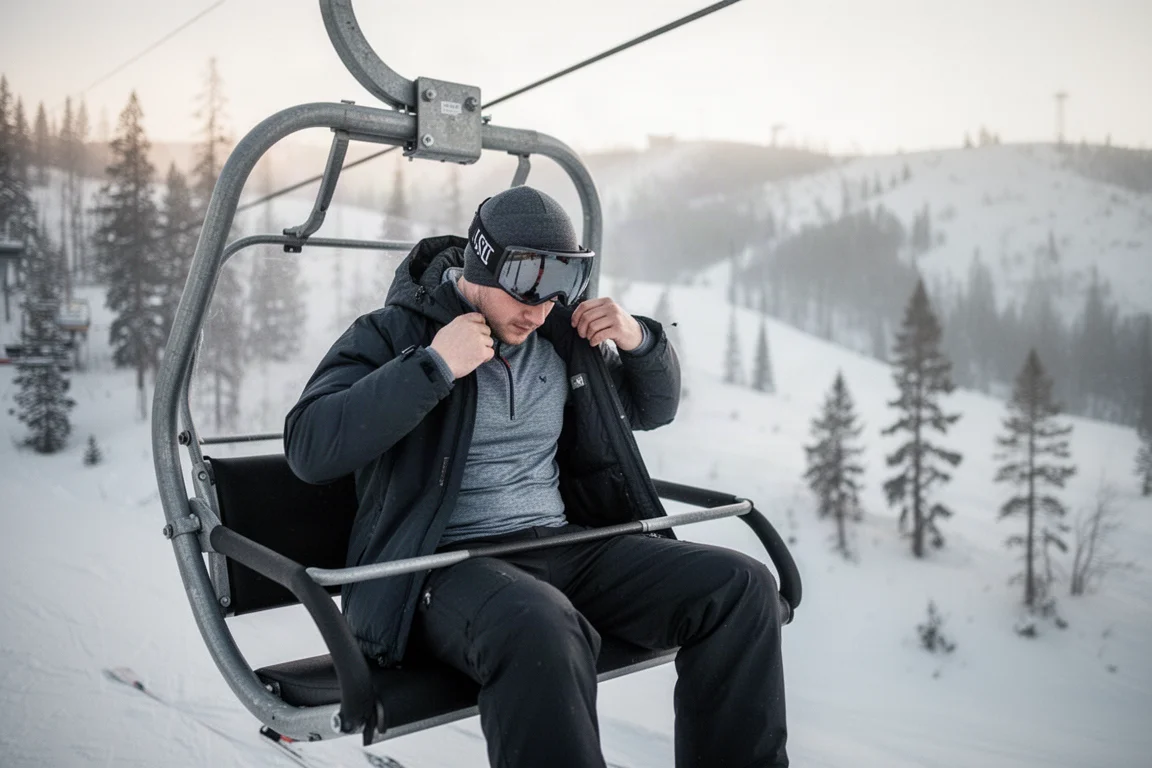
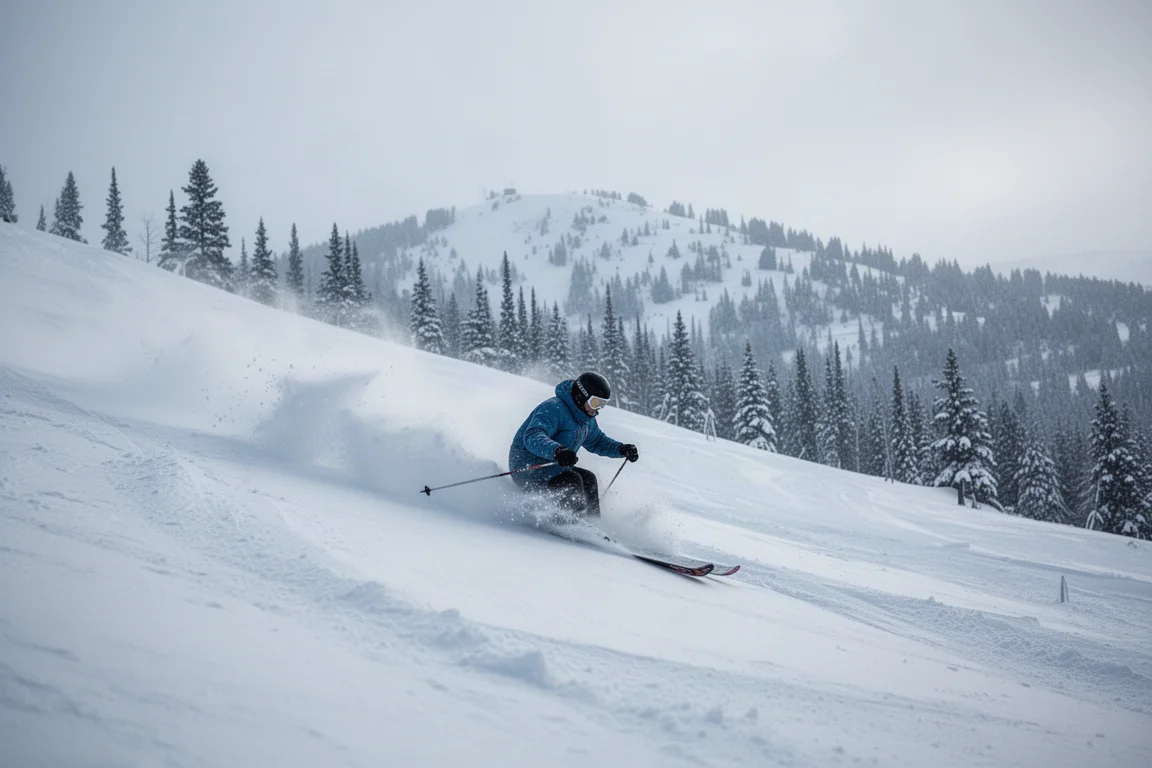
A good base layer keeps your core warm, and a warm core supports blood flow everywhere else. Rather than relying on a heavily insulated jacket, it is worth using a simple shell and adjusting your warmth through your base layers. That flexibility matters more on the mountain than most people realize.
The catch is that fit, warmth, and fabric behavior vary enormously between products. Some stretch out under a jacket, some run too warm on spring days, and some simply fall apart early. Here is how the three standouts compare.
The Reliable All-Rounder: Patagonia Capilene
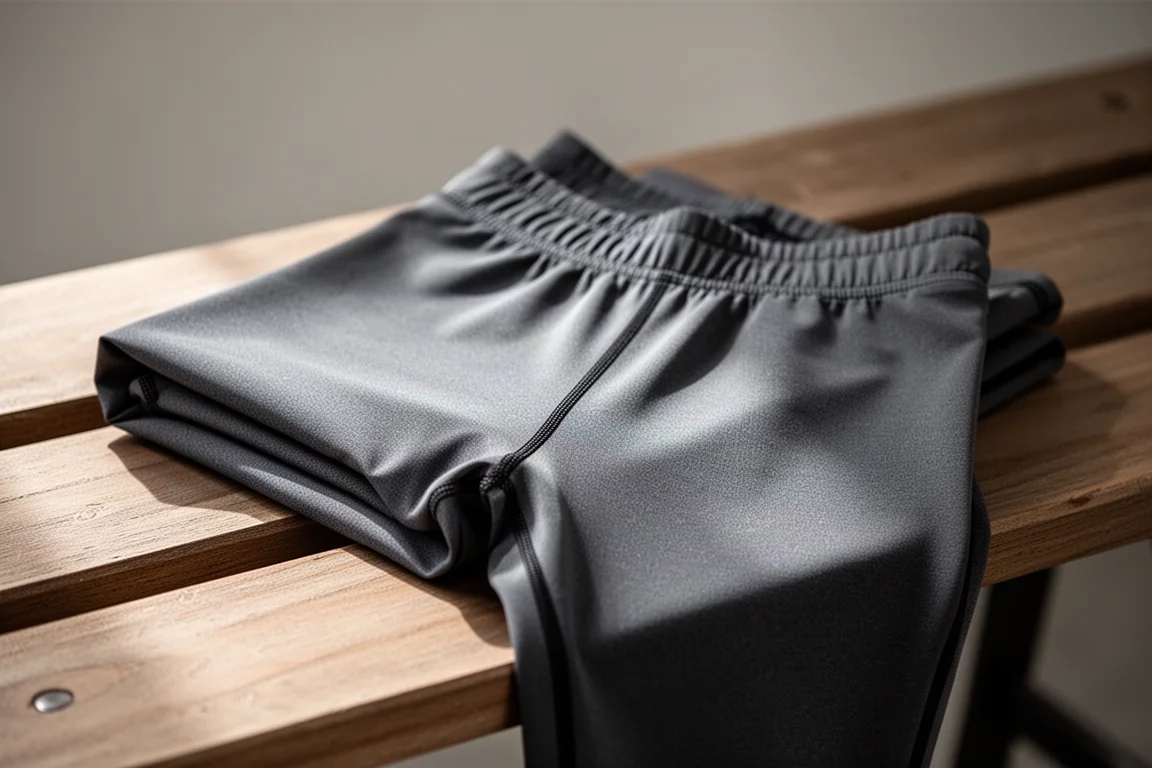
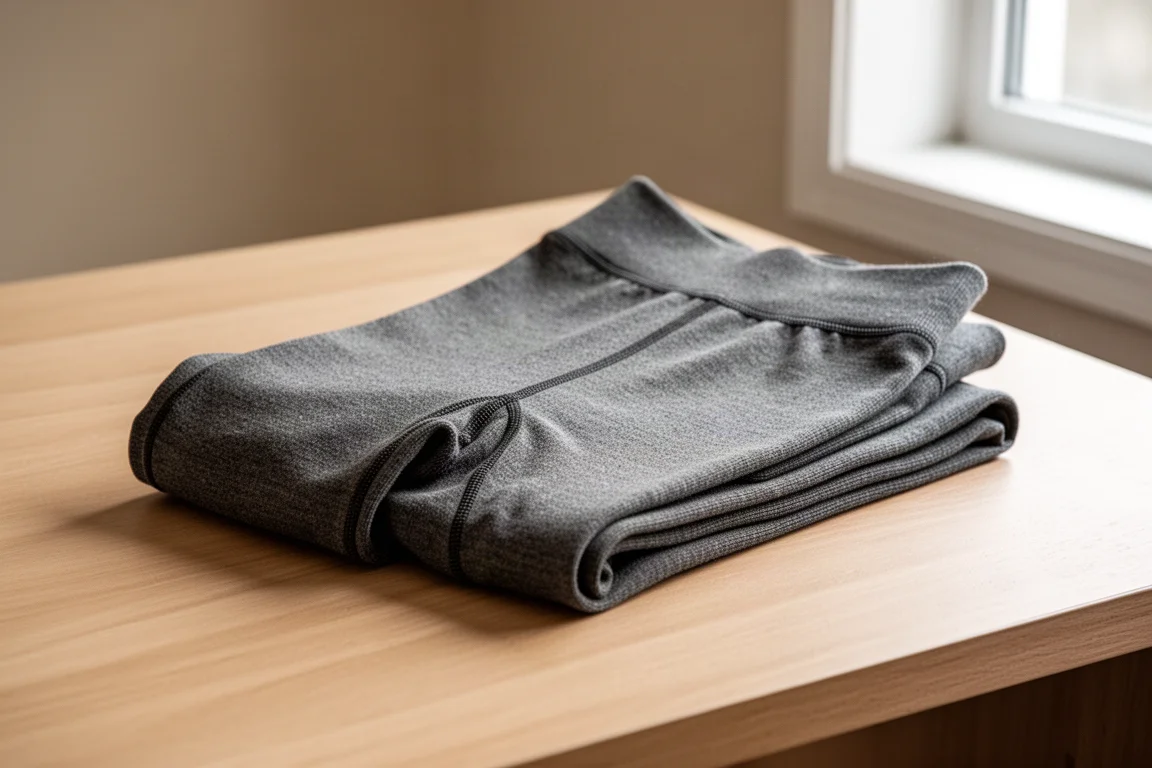
The Patagonia Capilene leggings come in light, medium, and heavy weights, and the medium-weight version hits a very practical middle ground. They are warm, they dry quickly, and the strong elastic waistband holds them in place without feeling overly tight or restrictive through the leg. If you dislike that claustrophobic base layer feeling, these are a genuinely comfortable option.
They are not the warmest or the softest option on test, and they lack the compressive, form-fitted feel some riders want for extra support. But they get the job done across a wide range of conditions, which is exactly why they are the easiest recommendation for most people.
Beyond the garment itself, Patagonia’s repair program adds real long-term value: send a damaged piece in, and the company will repair it and return it, or offer a credit toward a new purchase. The tops are worth a look too, with thoughtful touches like a small hanging loop and thumb holes that keep sleeves from bunching under a jacket. If you want one sight-unseen pick that almost anyone will be happy with, this is it.
The Warm Power-User Pick: CWX Insulated Long Underwear
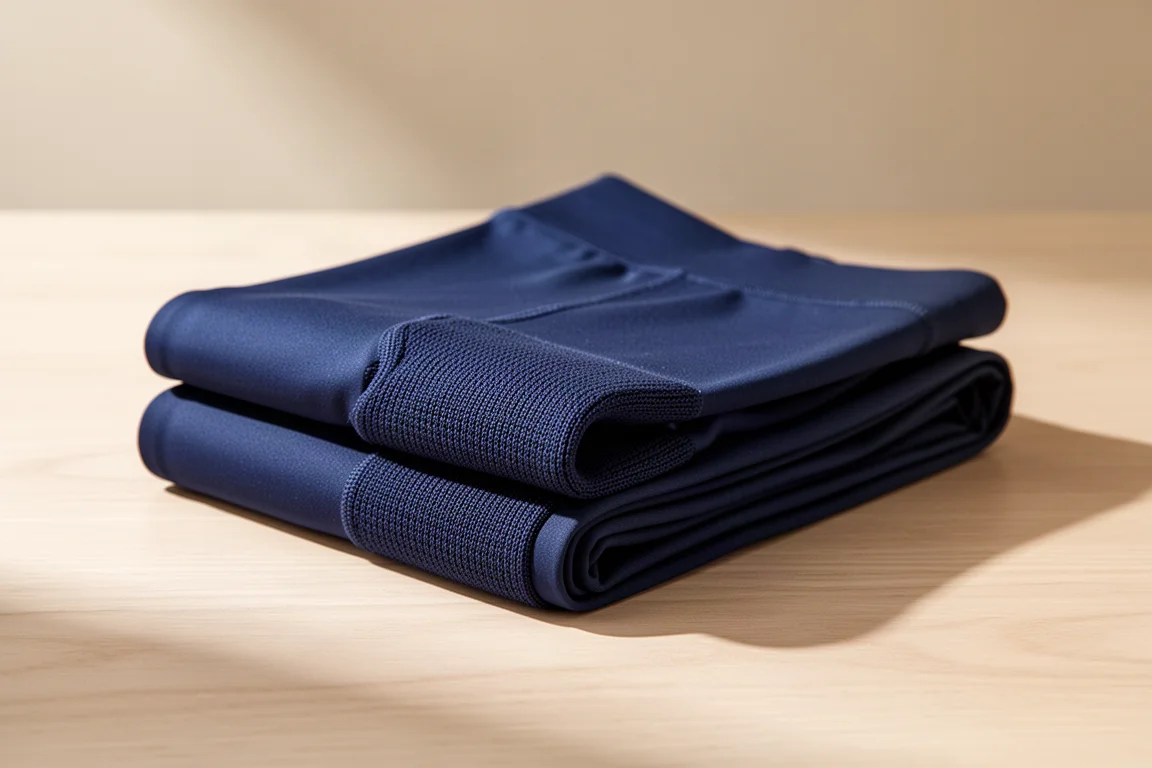
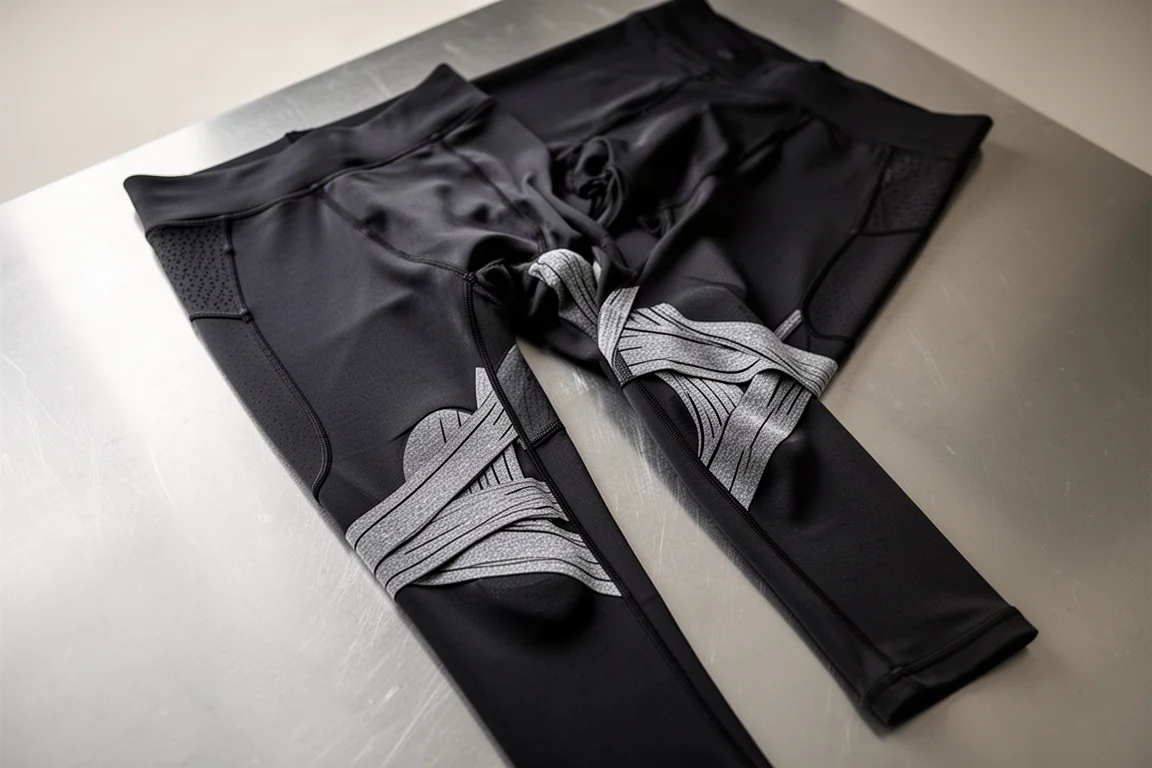
The CWX Insulated Long Underwear is the most distinctive option here. It uses kinesiology-style taping that wraps around the knee and thighs, intended to add support that may help reduce knee strain. Whether the taping delivers measurable benefit is debatable, but the on-snow experience is hard to argue with: on long powder days with plenty of landings and wide skis demanding more from your legs, these felt the most supportive of anything tested, with quads and hips feeling noticeably better at the end of four to six hour days.
They are also the warmest base layer in this group, which is both their strength and their drawback. In deep winter and on long cold days they excel; on spring days they can simply be too much.
Fit matters here. They run small and tight, which appears intentional so the taping sits correctly and the insulation performs. If you are between sizes, size up. Expect them to be form fitted regardless. Durability is a genuine highlight: one original pair was used from 2006 to 2022, and it was outgrown rather than worn out. Starting around $180 they are the spendiest option here, but that kind of lifespan changes the value math, especially with off-season sales. Look for the ski-specific version if you want the warmer, more insulated build. If you get cold easily and want extra support on long days, these are phenomenal.
The Comfort Favorite: Icebreaker Merino 260
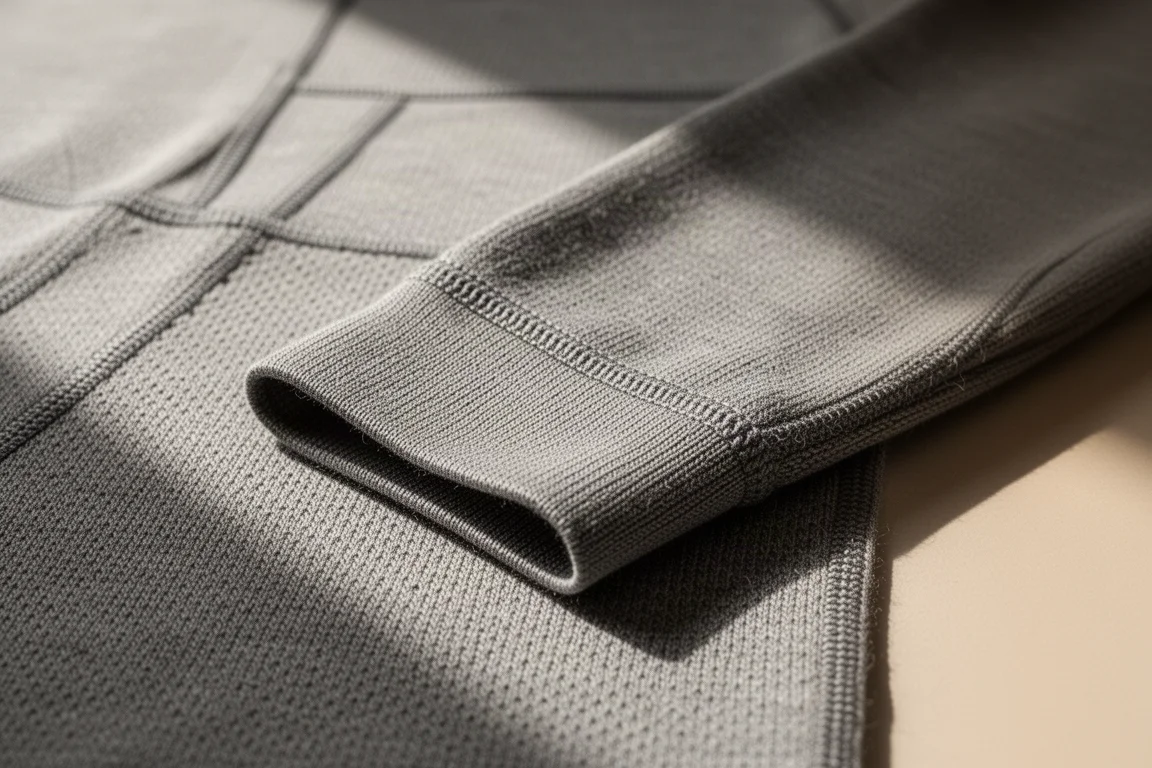
The Icebreaker Merino 260 was the pleasant surprise of the season, and ultimately the favorite. It combines the softness merino is known for with genuinely tight, well-executed stitching, so everything holds together where lesser wool garments tend to loosen up. The elastic is firm, the legs stay warm, and the fit interfaces smoothly with ski socks without bunching.
What impressed most was versatility. These felt comfortable on warm days at the end of the season and were equally pleasant on colder, windier days. That ability to sit in a comfortable middle range across conditions is exactly what makes a base layer easy to live with.
The price can be steep, but deals are commonly available, particularly later in the season. If you want the nicest wool base layer tested, this is the one.
Overall Buying Advice
Choosing between these three comes down to priorities. For sheer bang for your buck and a well-rounded fit that suits most skiers, the Patagonia Capilene is the easy call. If you are a heavier user who skis long days in cold weather and wants extra support and maximum warmth, the CWX is worth the premium, provided you size up for the tight fit. And if comfort and premium merino quality matter most to you, the Icebreaker Merino 260 is the standout, and the one most likely to become a season-long favorite.
One practical note: avoid very stretchy, loose-weave blends for on-hill use. A base layer that shifts and bunches under a shell jacket gets uncomfortable fast, especially in cold, stormy conditions. Fabrics that hold their shape, whether synthetic or wool, consistently performed better for actual skiing.
Conclusion
Base layers will not make you a better skier, but they will keep you warm and let you ski longer, which is arguably just as valuable. The Patagonia Capilene is the safe, versatile pick; the CWX Insulated Long Underwear rewards cold-weather power users with warmth and support; and the Icebreaker Merino 260 is the comfort benchmark. Any of the three is a meaningful upgrade over sweatpants under a shell.
Further reading
Related Reviews
Ski Apparel
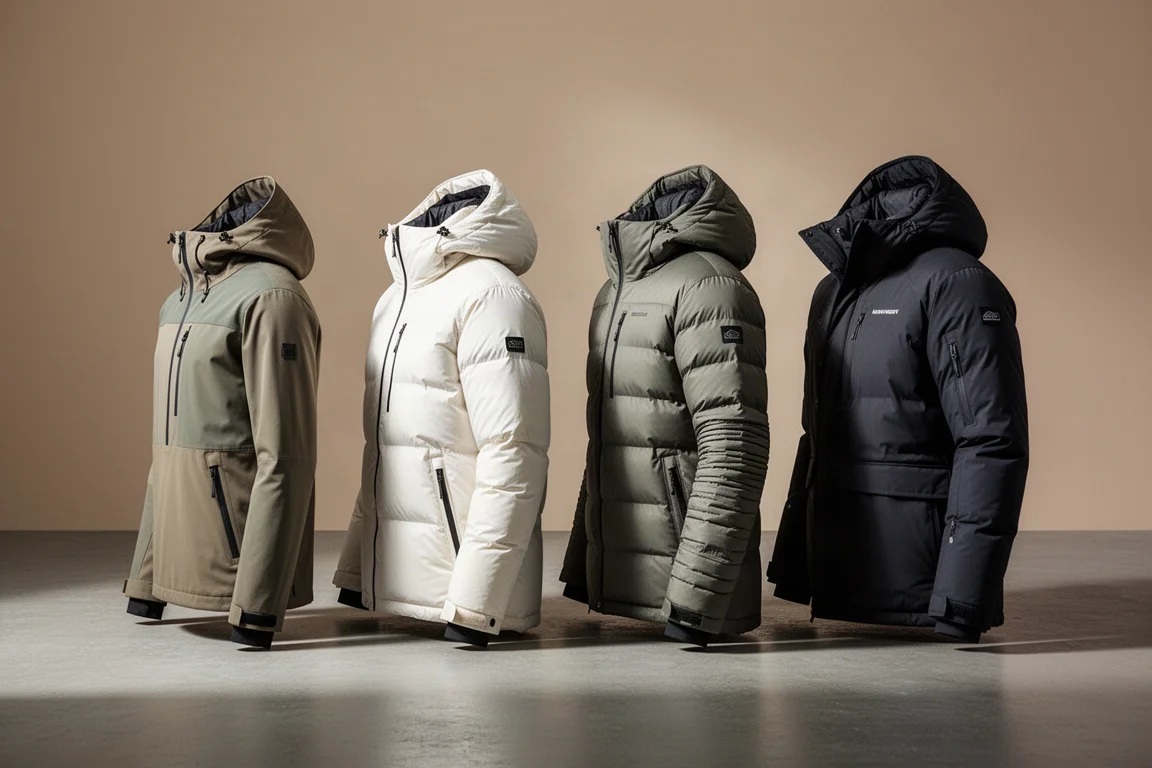
Best Insulated Ski Jackets: Four Options From Light Layering Pieces to Full Winter Armor
Four insulated ski jackets compared, from a lightly insulated hybrid anorak to one of the warmest jackets on the market, with guidance on choosing the right warmth level.
Ski Apparel
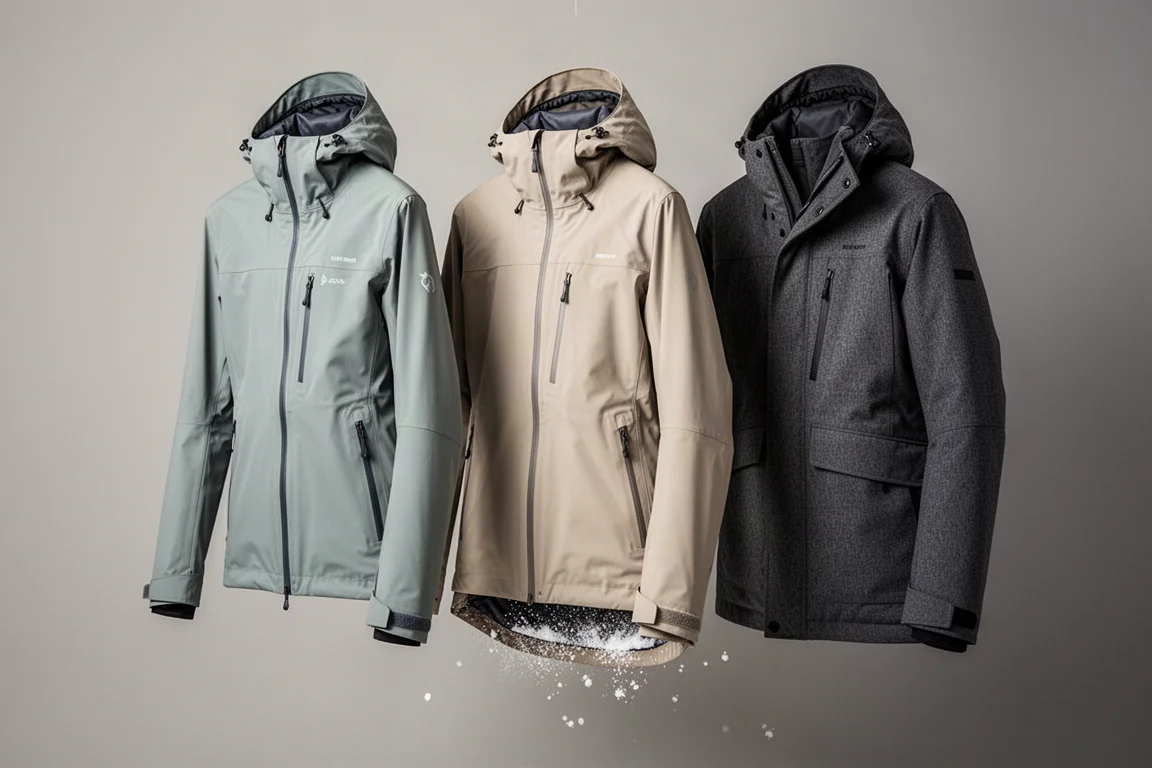
Best Ski Shell Jackets: Three Options for Resort, Touring, and Backcountry
Three hard shells across different weights and feature sets, from a lightweight touring jacket to a fully featured resort coat.
Ski Apparel
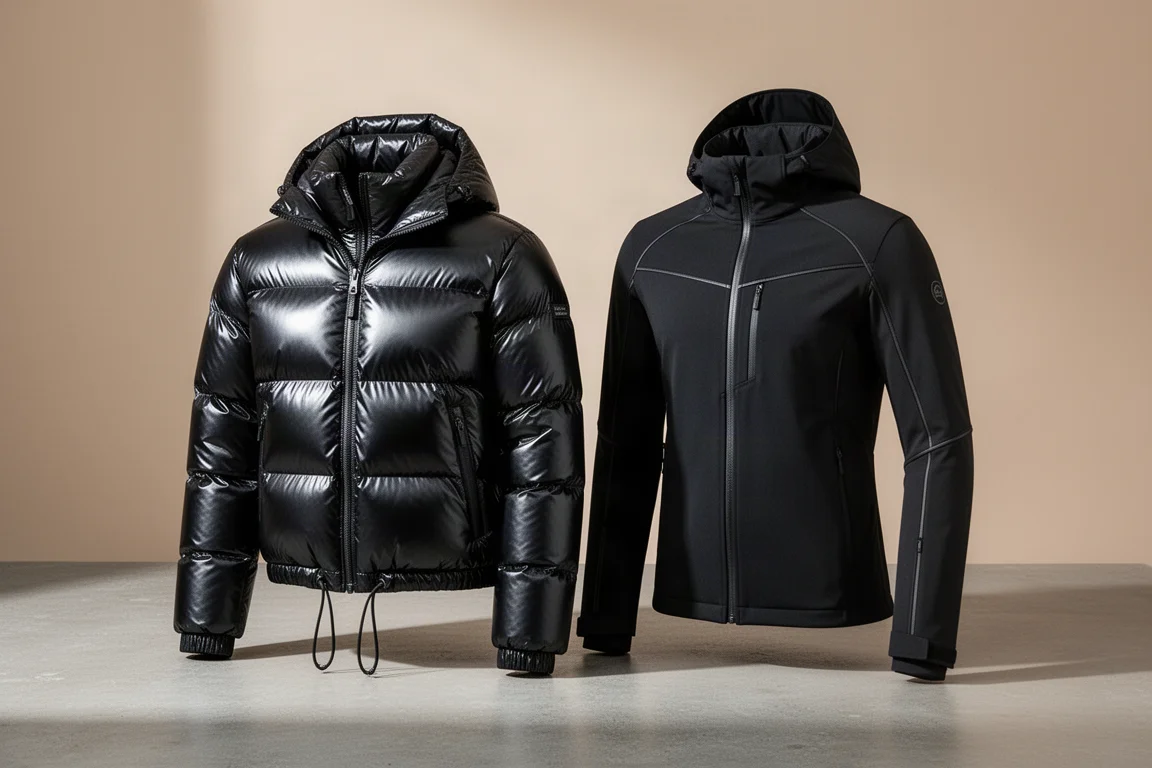
Moncler Ski Jackets Field-Tested: Allesaz Bomber and Hainet Reviewed
Two premium Moncler ski jackets put through resort skiing in snow, sun, and variable conditions. Here is what held up and what did not.