Ski Boots
Six Ski Boots Worth Knowing for 2027: A Hands-On Look
From double-dial BOA freeride boots to Cabrio park classics and an unusual touring hybrid, six boots that each answer a different question on the mountain.
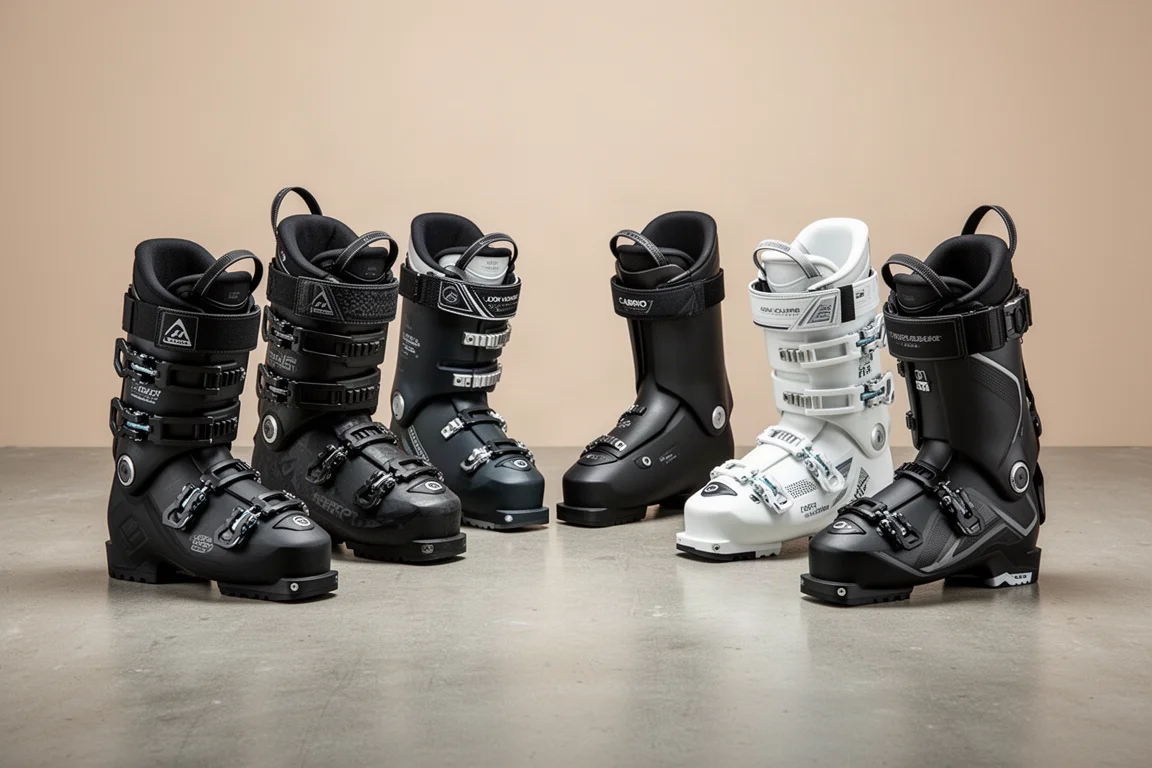
Introduction
Ski boots are the most personal piece of gear on the hill, and few categories inspire as much debate as closures, flex, and fit philosophy. This guide walks through six boots that each take a distinct approach: a double-dial BOA all-mountain option, a burly freeride tank, a slim and reactive low-volume boot, a classic Cabrio park favorite, a three-buckle hybrid with an unconventional design, and a touring boot aimed at skiers who mostly ride lifts. Each one earned its place through extensive on-snow use across carving, park laps, bumps, and backcountry touring.
Nordica Speedmachine 130 BOA DD
This is the kind of boot that quietly gets everything right. Built on a 100 mm last, it manages to feel comfortably snug rather than punishing, and it sits under 2,000 grams in the reference size, so it never feels heavy on long days. The power transfer is strong without being brutally aggressive, making it a genuinely well-rounded all-mountain choice.
The headline feature is the dual-dial BOA system, and the upper-cuff BOA in particular deserves attention. Compared with buckles on the same shell, the BOA delivers more consistent pressure spread across the entire shin, which many skiers find more comfortable over a full day. In long-term use, the BOA hardware itself held up admirably: the plastic wore out before the cables showed any meaningful wear. Pairing the shell with a stiff-tongue aftermarket liner makes the fit even more robust through the ankle and easy entry into the boot.
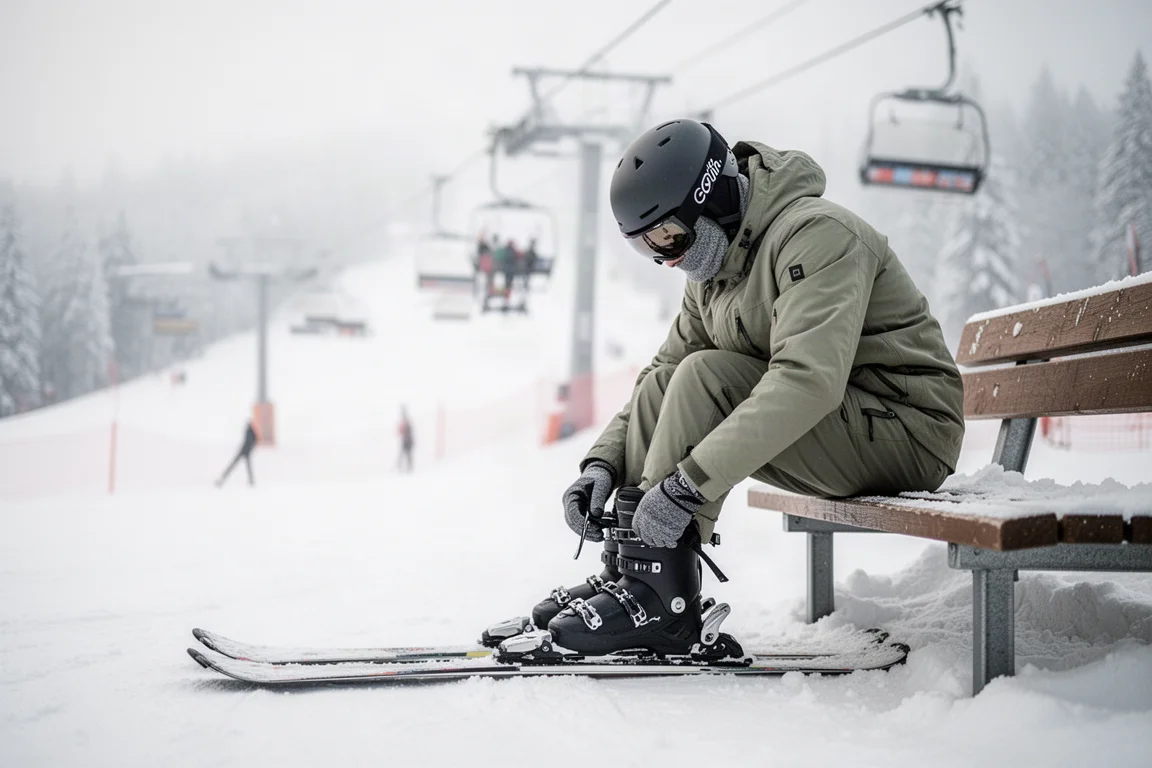
If you want a single boot that does everything well without demanding attention, this is it. It is easy to fit, supportive, and predictable, and it suits skiers who would rather not think about their boots once they click in.
K2 Cortex 140
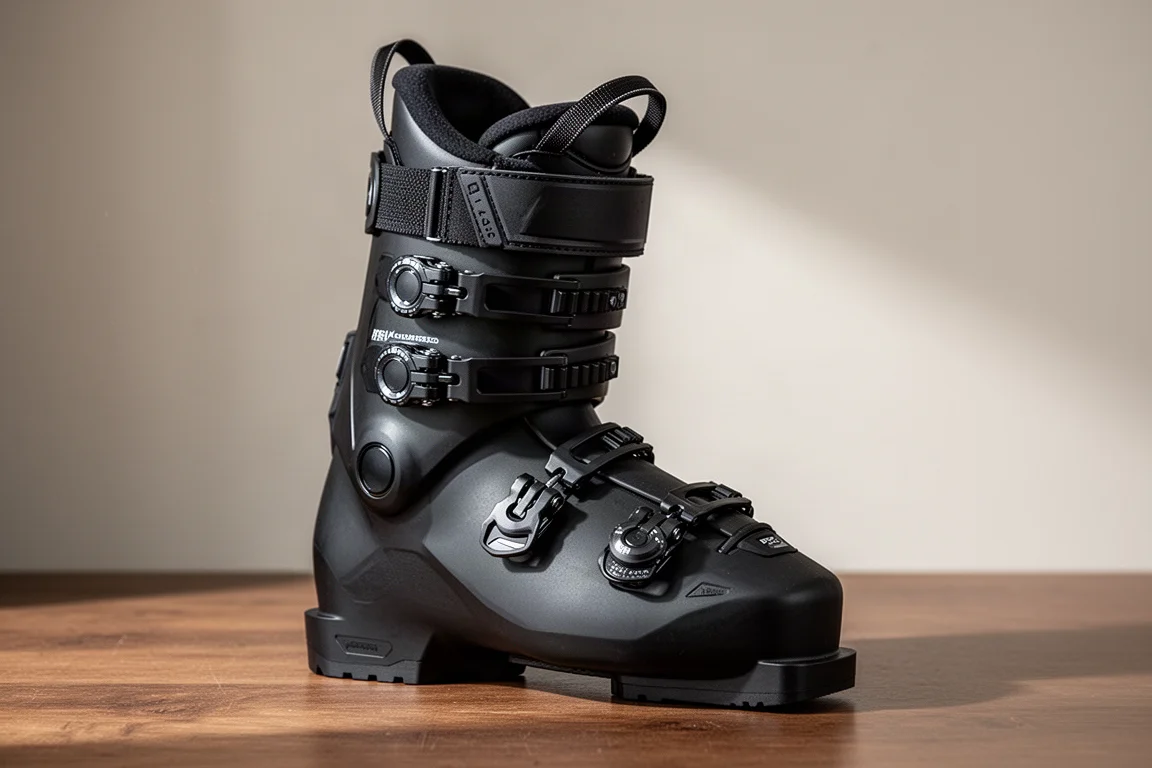
This is the powerhouse of the group. On snow, the solid, planted feel is immediately apparent, and there are not many retail boots that provide this level of power and support. It leans squarely toward a burly freeride identity, and the best days in it came from skiing fast on stiff, freeride-oriented skis. A low ramp angle of around two to two and a half degrees keeps the foot nearly flat, an interesting touch that some park skiers will appreciate even if the overall weight limits that use case.
The trade-offs are real. It is a chunky, heavy boot, and the thick plastic holds the cold, making it feel even stiffer on frigid days. The stock liner is a minimalist race-style lace-up liner that works well, but the shell is tight enough that thicker aftermarket liners can cram the Achilles area without aggressive remolding. Even after softening modifications, it remains a very stiff boot.
If your days revolve around charging hard, racing leagues, or fast groomer laps, this boot rewards that commitment. Skiers who mix in trees, bumps, and park will likely find it wants them to be something they are not.
Salomon S/Pro Alpha 130 BOA
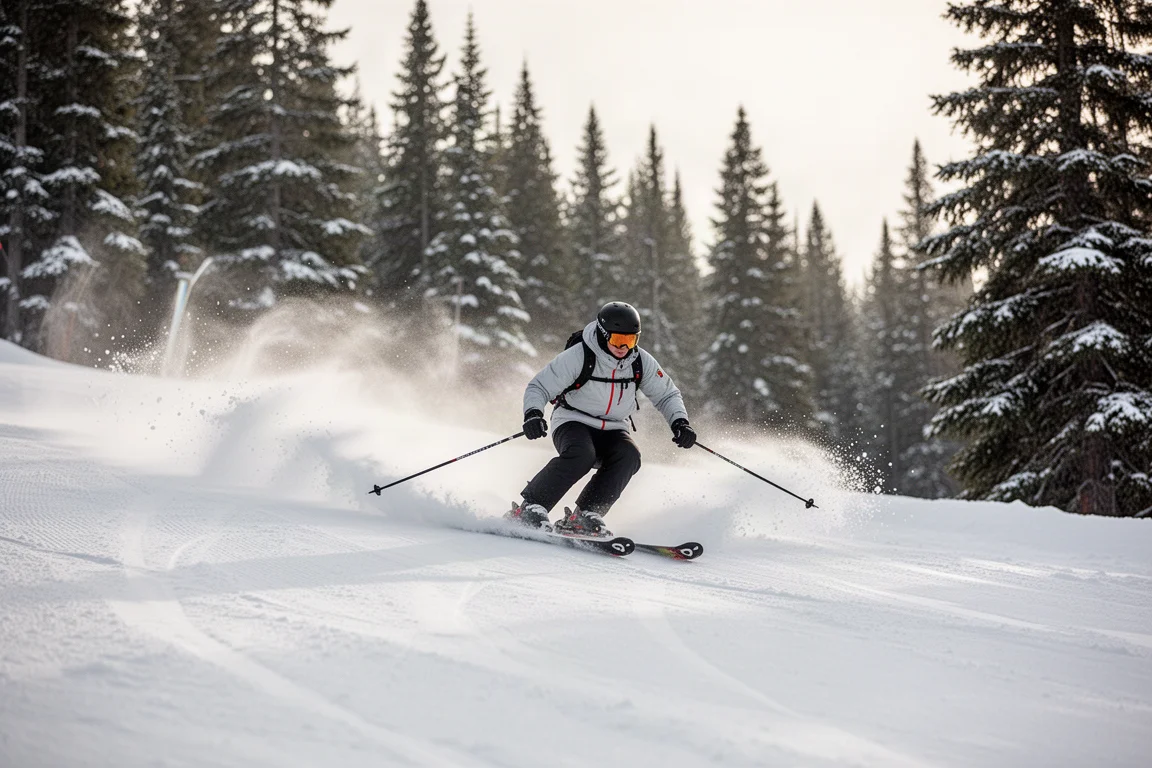
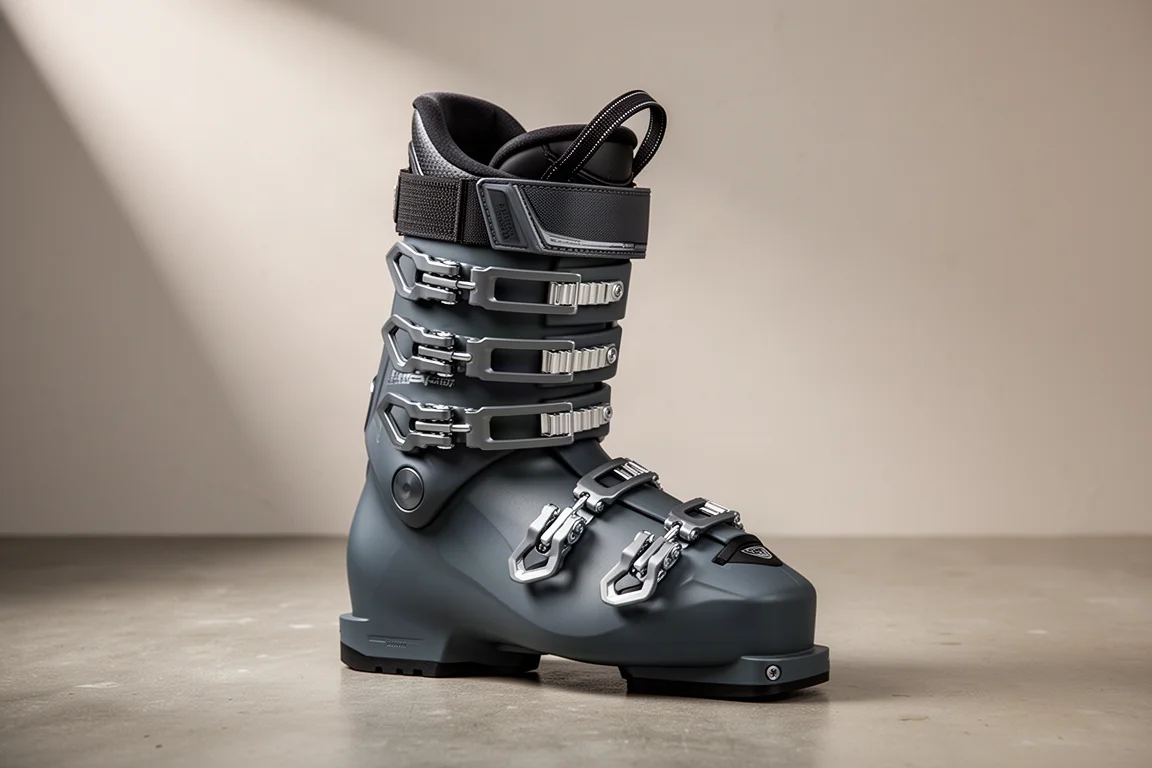
This is the most fascinating boot of the bunch, and arguably the one that rewards patience most. It sits on the low-volume end of the spectrum, with a narrow throat and a very slim overall shape, so the first impression can feel tight and alien. Early days in it can feel twitchy because the Exo Drive construction delivers more direct, reactive power transfer than a conventional overlap shell.
The breakthrough comes when you stop fighting it. Skiers who loosen the power strap slightly and let the boot do the work find that less body motion produces the same ski response. After 50 to 60 days in it, the consensus is that it is one of the most precise boots available in this space, and confidence in it translated into some of the best skiing of the season, park included. It also stays under 2,000 grams, keeping it nimble.
It is a snowy boot in deep conditions, and it does require some thought to get the fit dialed. But for skiers who want maximum precision and are willing to work with a different fit philosophy, it is an outstanding pick.
Dalbello Il Moro Pro
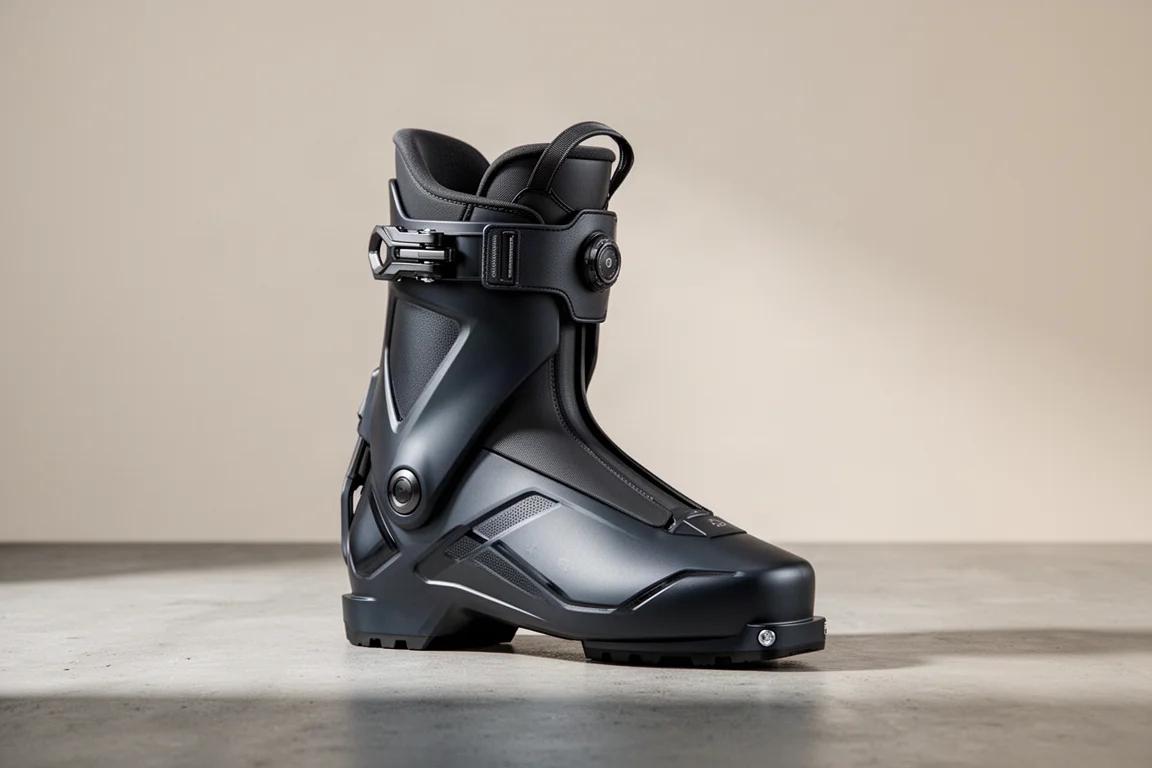
The Cabrio classic, and a boot with a very specific audience. The three-piece design offers a progressive, friendly flex that shines when landing switch or skiing backwards, plus notably higher lateral plastic support than overlap boots provide. For dedicated park and freeride skiers, that combination is exactly why this boot has stayed popular for over a decade.
For skiers whose style has drifted toward carving and all-mountain performance, the story changes. The fit is more tubular and less anatomically sculpted, the stock wrap liner is thin and takes up little volume, and a high instep can leave the foot feeling lost and unable to leverage the flex properly. Outside the park, it can feel a touch sloppy compared with a well-fitted overlap boot.
The entry process takes some learning, but most users adapt quickly. If you are a park-focused skier or someone whose foot shape suits a Cabrio perfectly, this remains a very credible choice. If your goals have shifted toward power and precision, there are better matches on this list.
Armada AR1 110 MV
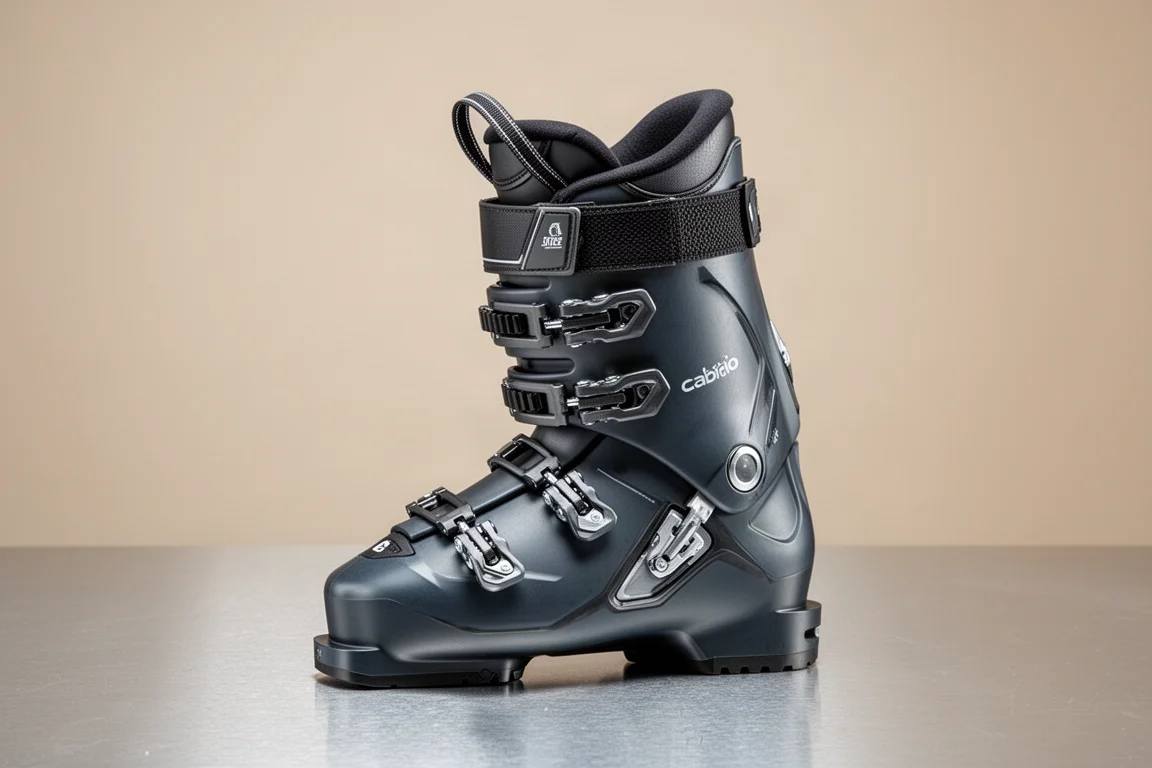
The most experimental boot here: a three-buckle Cabrio engineered to perform like a four-buckle overlap boot. The low hinge point sits roughly an inch lower than a typical overlap boot, which changes the leverage feel in a way that is genuinely hard to describe but easy to notice. The flex is progressive and supple, and the boot feels more precise than a traditional park boot while keeping that forgiving character.
There is a lot going on over the top of the foot, with multiple layers of plastic and liner material stacking up from midfoot to shin. Adding a thin cover layer over the forefoot improves comfort considerably and slightly stiffens the boot. The main limitation is upper cuff support; some movement at the top of the cuff is likely by design, and heavier or more aggressive skiers may want more.

After enough days to dial in the setup, this lands as primarily a park boot, and a very good one. It is far more forgiving than its low-volume competitor for full park days, and it is a boot that tends to grow on you with every outing.
Tecnica Zero G Decoy Pro
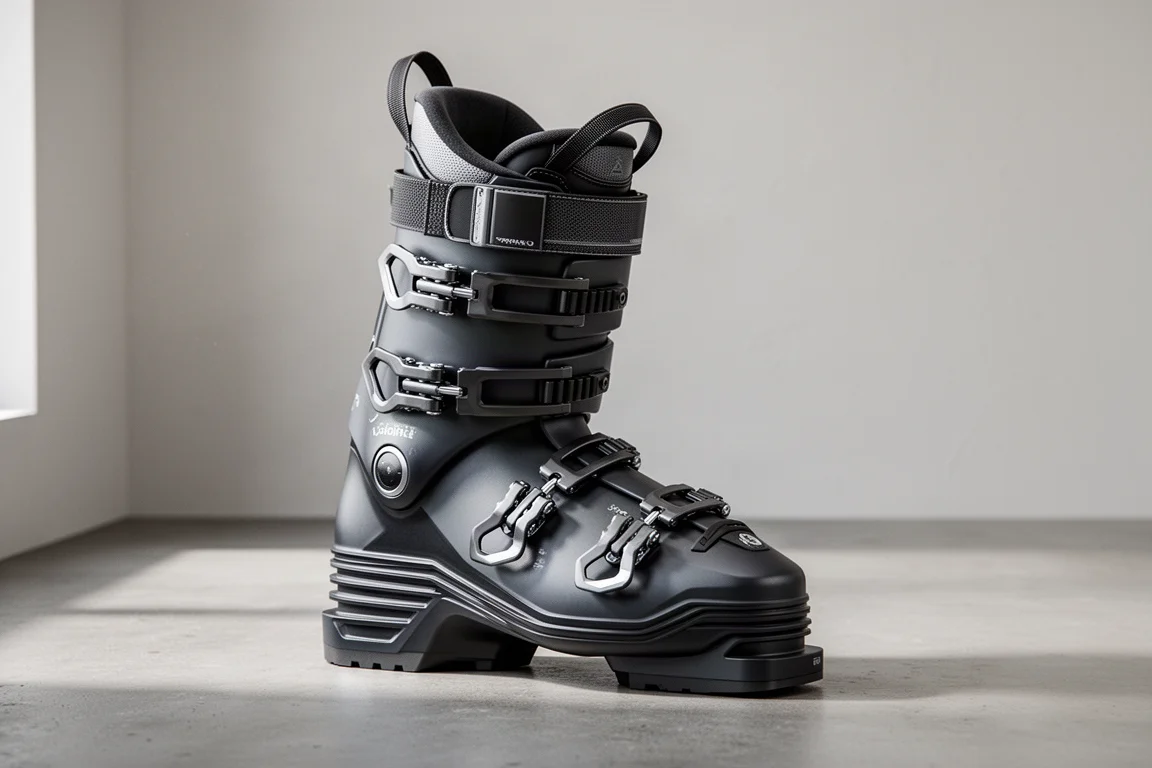
The wildcard: a touring boot designed for skiers who do not primarily tour. Most hybrid touring boots start as alpine boots with touring features bolted on. This one was derived from a touring platform, and the result is a different balance of strengths. The standout figure is 65 degrees of upper cuff motion, which makes the uphill experience dramatically more comfortable and efficient than typical hybrid boots.
On the descent, it behaves better than many tour-derived boots might suggest, though the lightweight plastic can feel slightly springy, so careful skiers should stay attentive to their tibia angulation rather than leaning hard into the boot and expecting it to hold perfectly. As a hybrid, it slots in as a roughly 50/50 boot: genuinely capable both in the backcountry and in resort settings, whereas more alpine-derived tour boots tend to favor one heavily.
It also happens to be the best-looking boot in this group, with a sleek, modern aesthetic. Skiers touring 20 to 50 percent of their days will find this an appropriate single-boot solution; those touring most of the time should look at lighter options in the same family.

How to Choose
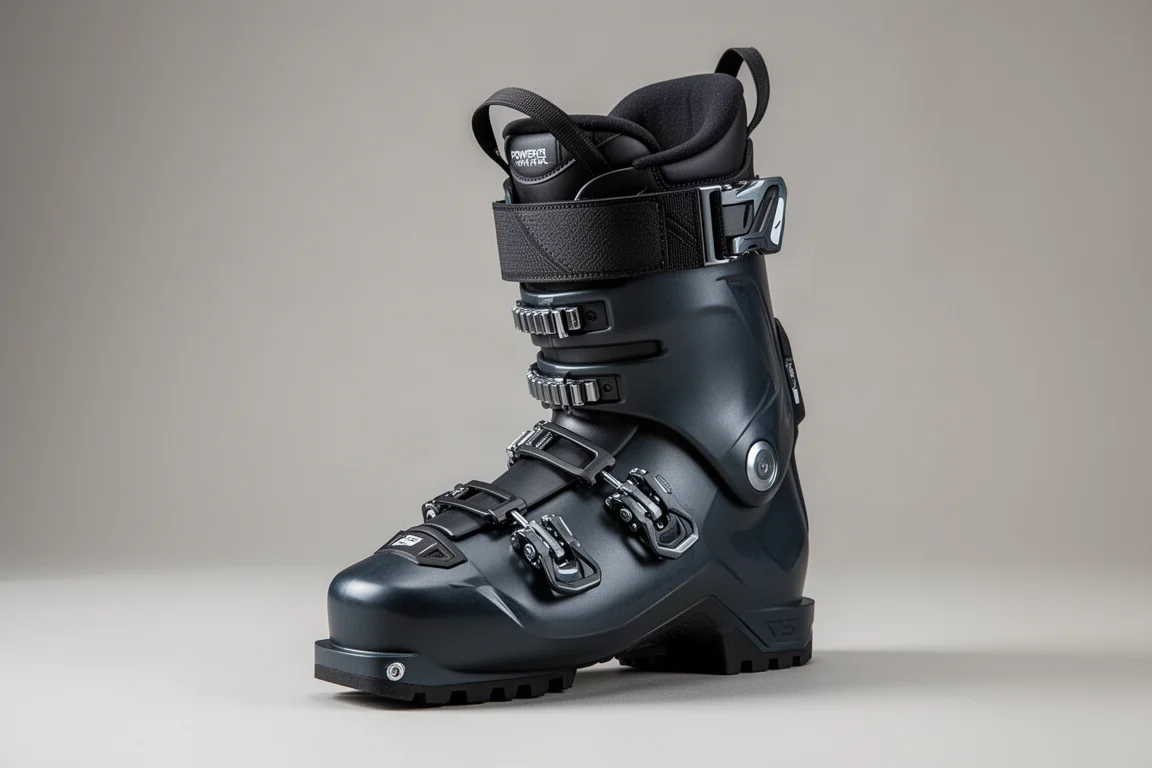
Start with your real day-to-day skiing, not your aspirational skiing. If you want one boot that never asks you to think, the Nordica is the safe, excellent answer. If you charge hard on stiff skis and value solid support above all, the K2 Cortex 140 delivers in spades, at the cost of weight and warmth. Precision-driven skiers with narrower feet should give the Salomon a serious look and be patient through the first few days. Park skiers choosing between the Dalbello and the Armada should decide how much time they spend landing switch versus skiing the rest of the mountain. And if touring is a meaningful slice of your season without being your whole life, the Tecnica fills that hybrid niche better than almost anything else.
Conclusion
There is no single best boot here, and that is the point. Each of these six takes a clear stance on fit, flex, and use case, and the right choice depends entirely on how and where you actually ski. Try before you buy whenever possible, pay attention to volume as much as flex, and remember that a boot that feels strange on day one may end up being your favorite by day fifty.
Further reading
Related Reviews
Ski Boots
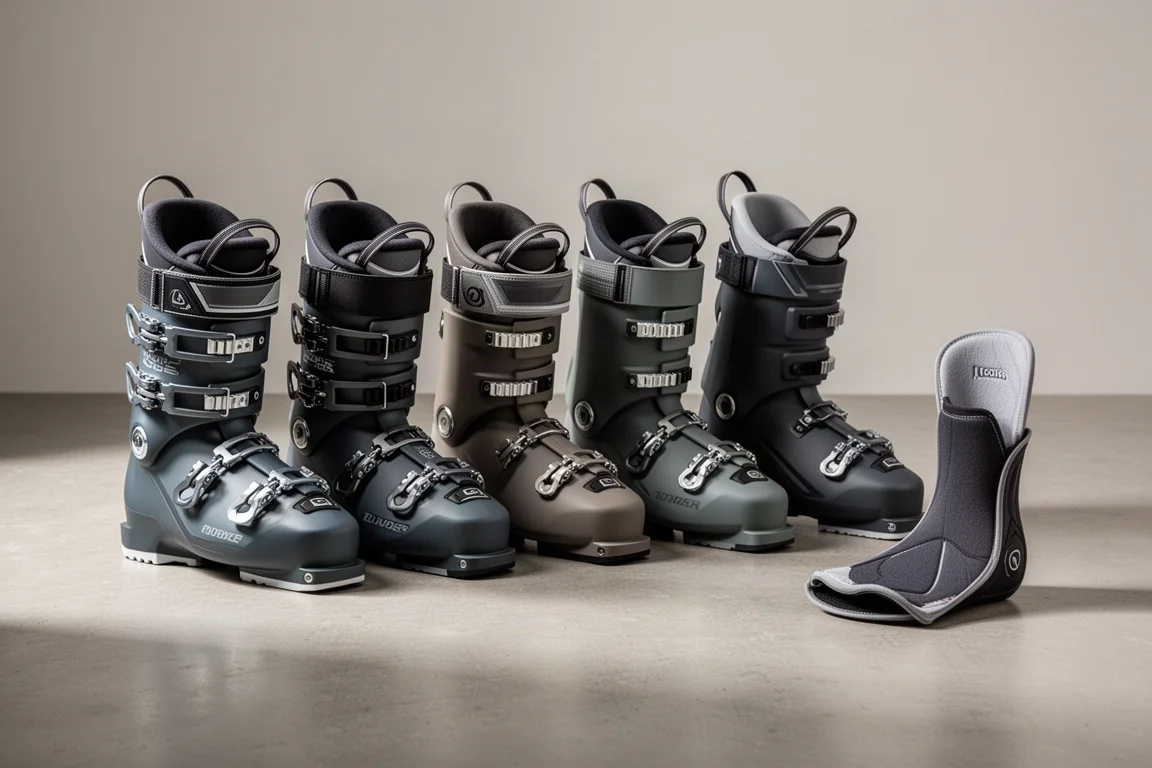
2027 Ski Boot Roundup: Six 130-Flex Boots Worth Knowing
Six 130-flex ski boots for 2027, plus a low-volume liner upgrade, compared on weight, fit, flex feel, and ease of use.
Ski Boots
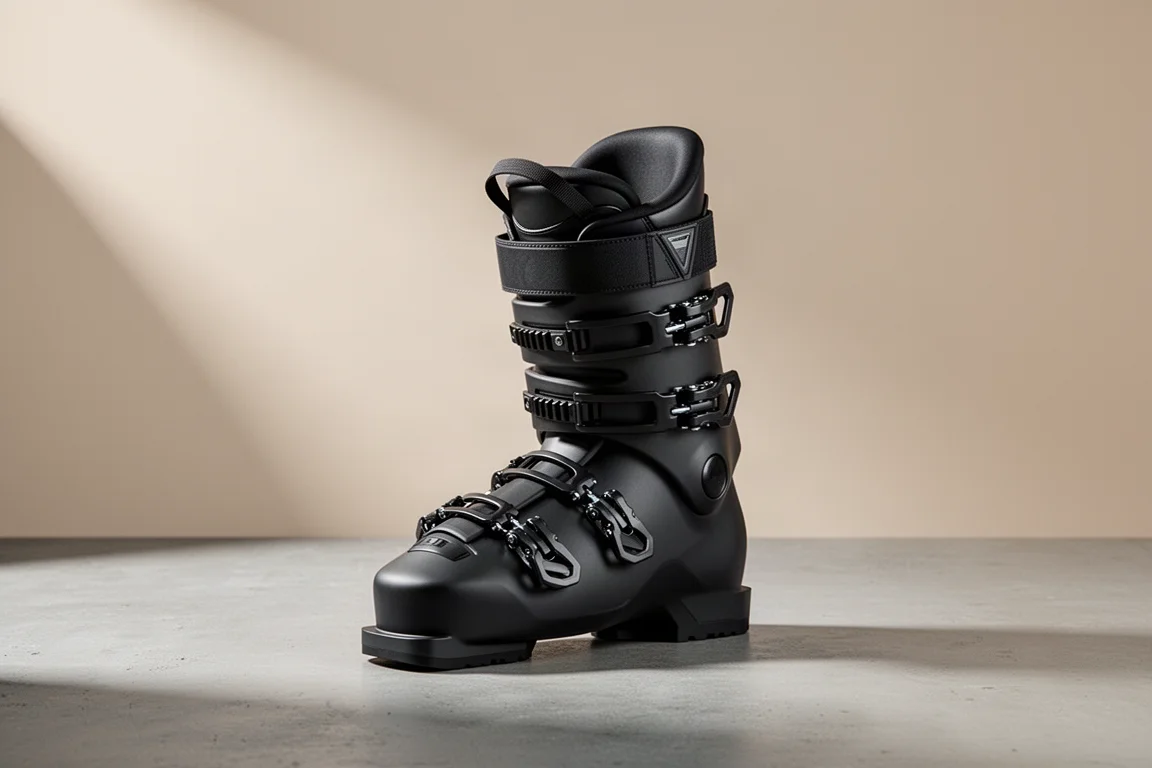
Armada AR One Ski Boot Review: A Three-Piece Cabrio That Finally Gets It Right
Armada's first ski boot blends three-piece Cabrio design with Atomic engineering, a heat-moldable shell, and a 100mm last that fits better than any Cabrio before it.
Ski Boots
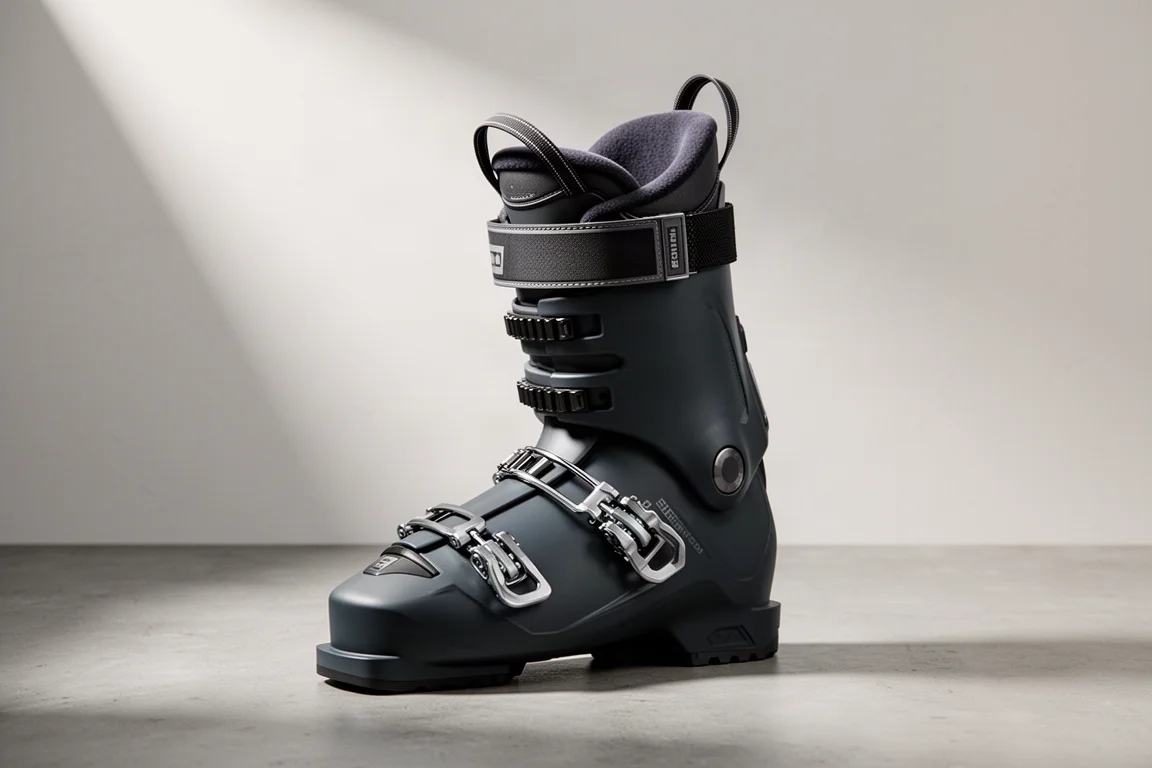
Armada AR1 Ski Boot Review: A Cabrio and Overlap Hybrid for Park and Freeride Skiers
Armada's first ski boot pairs a three-piece cabrio shell with overlap-style buckles and a cable-driven slingshot buckle. Here is where it shines, and what to weigh before buying.