Cycling
Best Single Speed Bikes 2026: Five City, Track and Gravel Singles Compared
Five single speed bikes from around £250 to £825 compared on gear ratio, frame material, comfort and practicality, with clear guidance on which one suits which rider.
Introduction
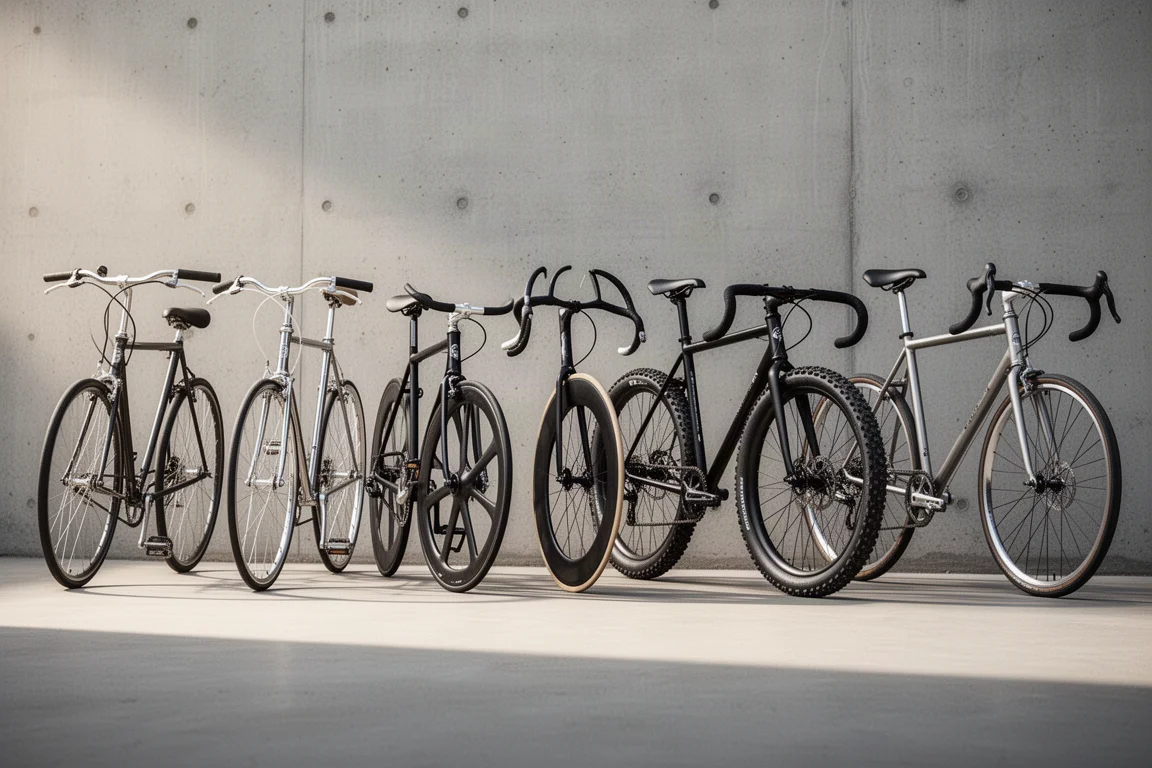
Single speed bikes occupy a narrow corner of cycling, and the variety inside that corner is genuinely surprising. The same basic formula, one gear and no derailleurs, gets built as a flat-bar city runabout, a track-inspired fixed-gear machine, a stripped-back steel road bike, and even a drop-bar gravel bike with disc brakes.
That spread matters when you are buying. Two single speeds at very different prices can look almost identical in a photograph while riding completely differently, because gear ratio, frame stiffness, tyre width and mounting points shape the character of a bike far more than the absence of gears does.
This guide compares five single speed bikes priced from around £250 to £825. Each has a distinct personality, and each suits a different kind of rider.
What to Look For in a Single Speed Bike
Gear ratio comes first. A lower ratio such as 44/18 is easy to start from traffic lights and forgiving on short climbs, while a taller ratio such as 44/16 lets you hold more speed before you spin out. Where you ride matters more than the number on paper.
Hub type comes next. A flip-flop hub lets you run the wheel as a freewheel or flip it for fixed gear, and some bikes include the fixed sprocket while others expect you to buy one separately.
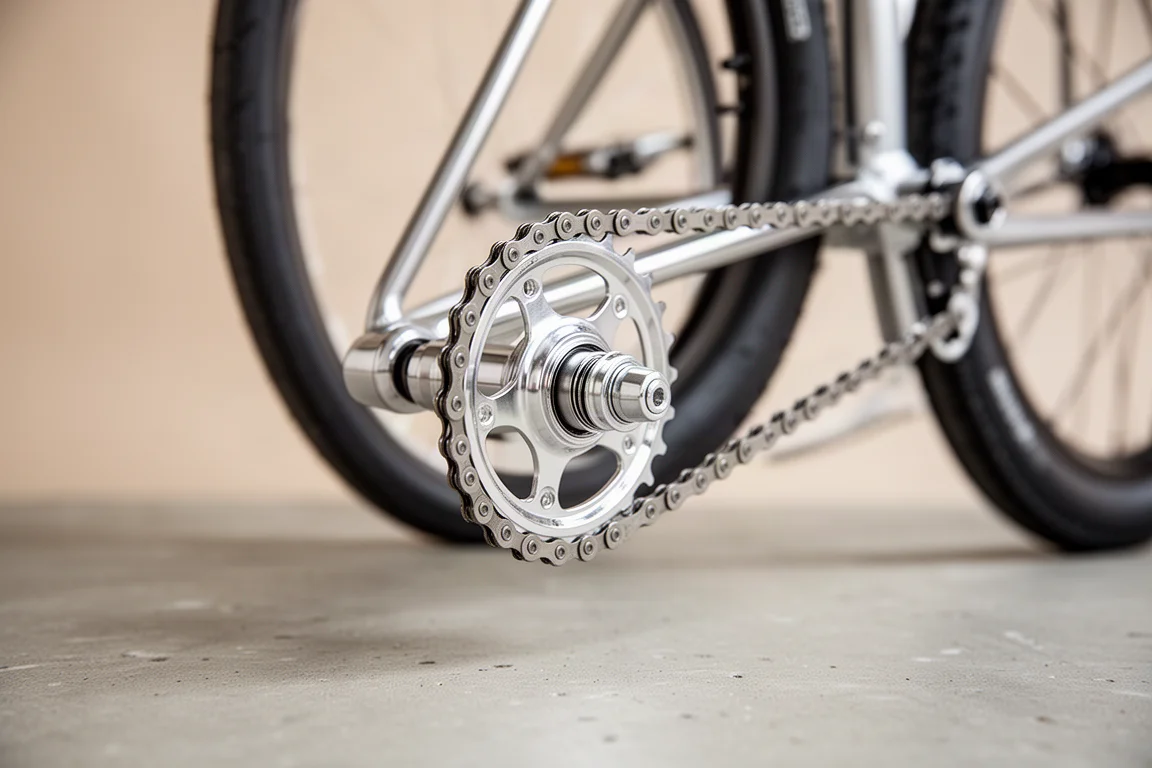
Frame material and tyre clearance decide how the bike feels. Steel frames in this group range from high tensile through chromoly to Reynolds tubing, each with a different balance of comfort, weight and stiffness. Tyre clearance determines how much cushioning you can add later, and rack or mudguard eyelets determine whether the bike can work as a practical commuter.
Brakes are worth a thought too. Rim brakes are simple and light, while mechanical disc brakes give up some lever feel in exchange for stronger performance in wet weather.
Best Budget Pick: Elops City Bike 500
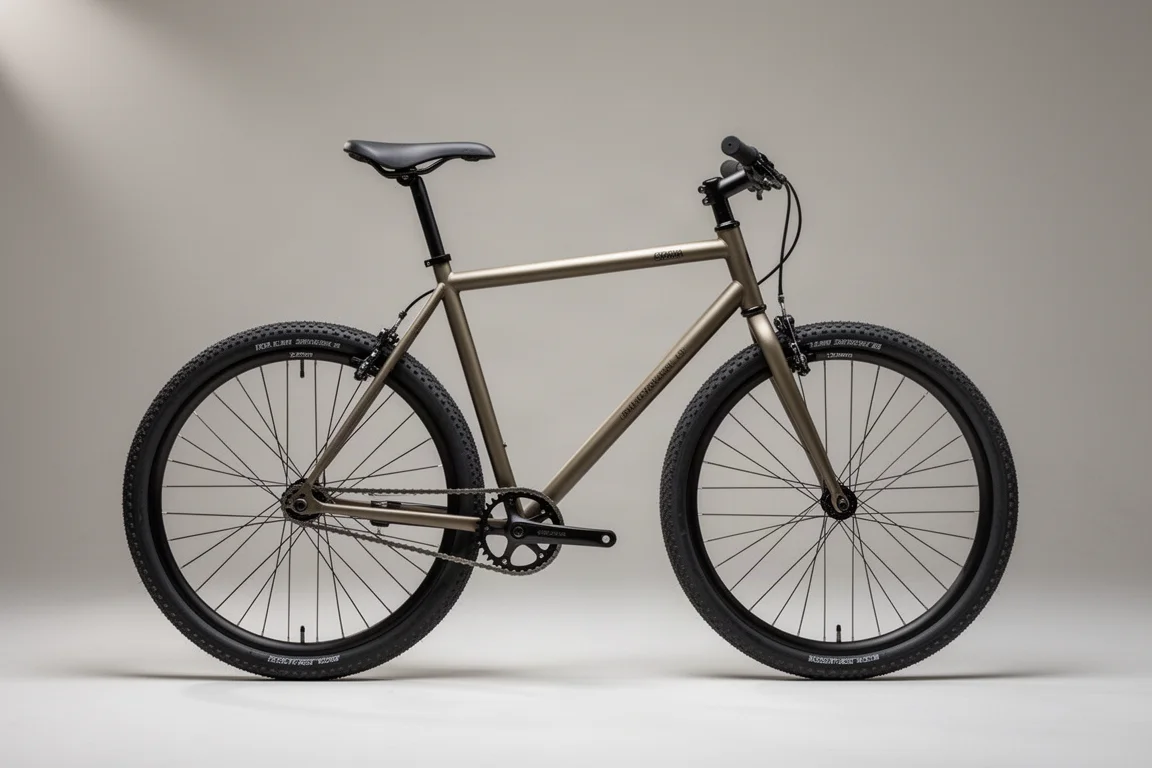
At £250 the Elops City Bike 500 is comfortably the cheapest bike here, and it makes a stronger case than the price suggests. A geared bike at this money would raise fair questions about where the savings came from, but a single speed has so little to go wrong that the simplicity is its own form of reassurance.
The 44/18 ratio is deliberately relaxed. It pulls away easily from a standstill, which suits stop-start commuting and flat-pedal riding, yet it will cruise at roughly 16 mph before you run out of gear. Short climbs pass without much drama.
The frame is full steel, which is generous at this price, and it ships with 32mm tyres that can be replaced with up to 37mm for extra comfort. Flat bars and a short stem create an upright position, and the bike feels nimble enough to weave through traffic, even if it can feel a touch twitchy at the same time. Dropped seat stays and a minimal finish give it a clean, timeless look that reads as far more expensive than it is.
Two compromises are worth knowing. The saddle sits on a fixed, tilted-back orientation that will suit some riders and not others, and adjusting it means changing the seat post rather than sliding the saddle. There are also no eyelets for a rear rack, an odd omission on a bike built for town riding. The hub is a flip-flop design, though the fixed sprocket is not included.
Best All-Rounder: Steed Thoroughbred
The Steed Thoroughbred costs £475 and behaves like a bike that knows exactly what it is for. Its high tensile steel frame is strong and durable rather than light at 10.7kg, and it comes with rack mounts that make it considerably more versatile than the price implies.
The 46/18 ratio sits between the low city gearing and the taller track ratios. It is forgiving enough for standing starts and steep ramps while still covering ground on longer rides, and the flip-flop hub leaves the door open to fixed gear later.
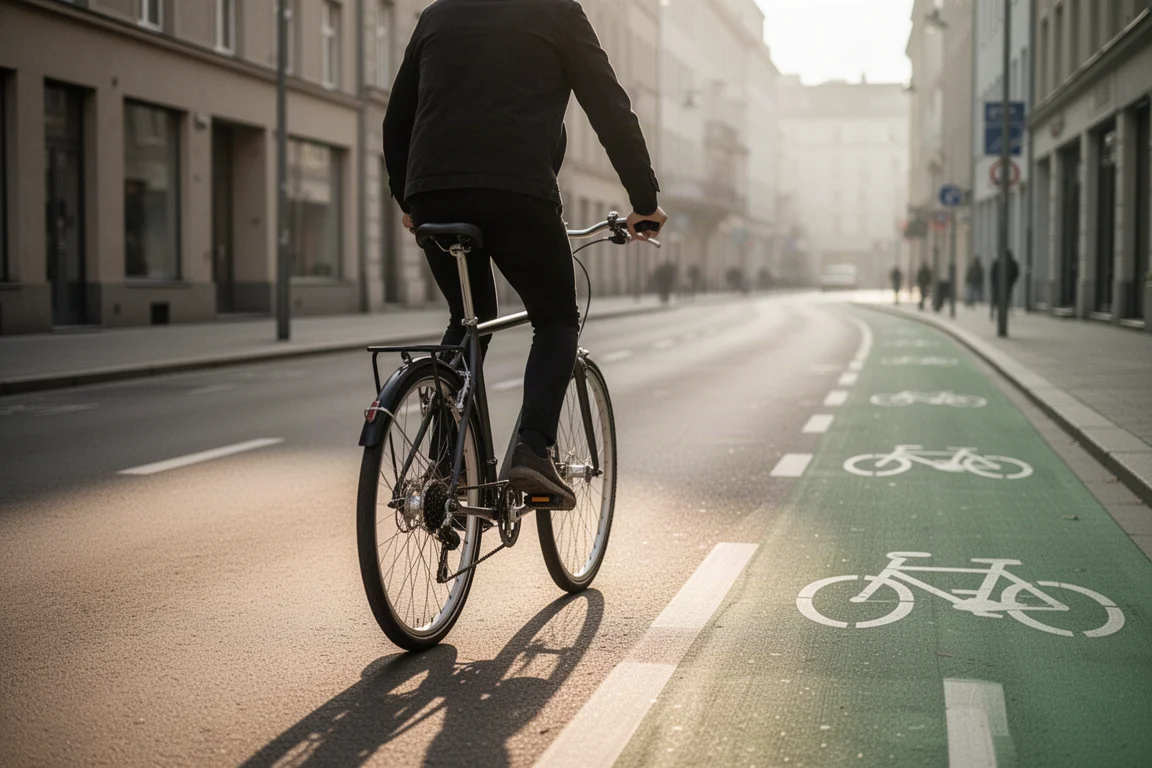
The quill stem is a genuinely practical detail. It adjusts with a single Allen key, so you can raise the bars for a loaded commute and lower them for a longer, more poised ride, and it reinforces the traditional chrome-accented look of the frame.
On the road it feels comfortable and confident. A 103cm wheelbase corners neatly, the flat bars are wide enough to feel stable without being unwieldy, and a 50-mile ride over hilly terrain was handled without trouble. The 28mm Kenda Quest tyres are robust rather than supple, shrugging off rough surfaces and punctures at some cost to ride quality, and the vegan leather grips have stitching underneath that can irritate your hands on longer climbs. Both are easy fixes on an otherwise excellent all-rounder.
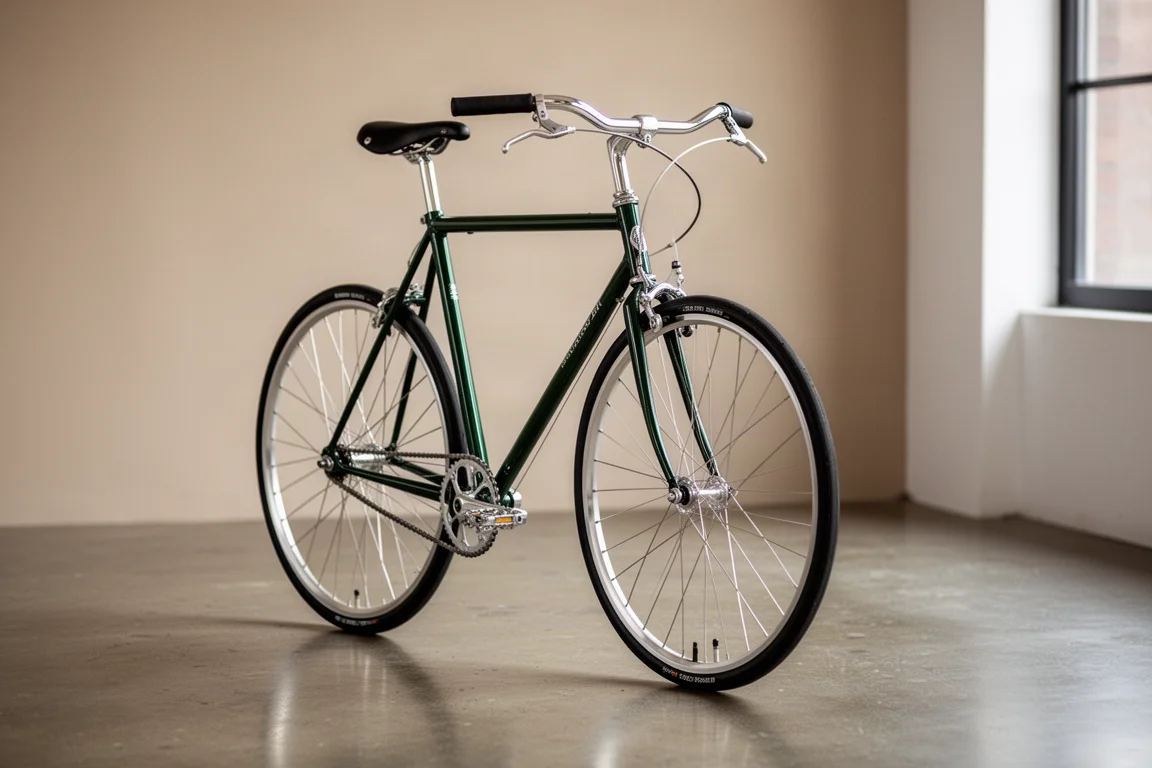
Best for Speed: Quella Oxford
The Quella Oxford is the most single-minded bike in this selection. It belongs to a range where the models differ mainly in colourway, and at £529 it pairs a chromoly steel track frame with the tallest gear ratio here, 44/16.
That ratio matches the bike’s intent. Deep 40mm aluminium wheels and aggressive track geometry make it the fastest of the five, and the flip-flop hub arrives with the fixed sprocket included, which makes sense on a bike many riders will want to run fixed.
At 10.3kg without pedals it is the second lightest here, and the chromoly frame is stiff in a way that pays off on smooth tarmac. The trade-off is that you feel everything. On broken surfaces the ride is harsh, and the 25mm tyres leave little cushioning. A 28mm tyre may fit, though it could be tight at the rear.
The bullhorn handlebars are the other sticking point. They are thin, the bar tape is thin, and the position you naturally ride in puts the brakes out of easy reach, which is not ideal on descents. Many riders end up swapping to drop bars, and once that is done the bike becomes a quick, engaging machine with real character.
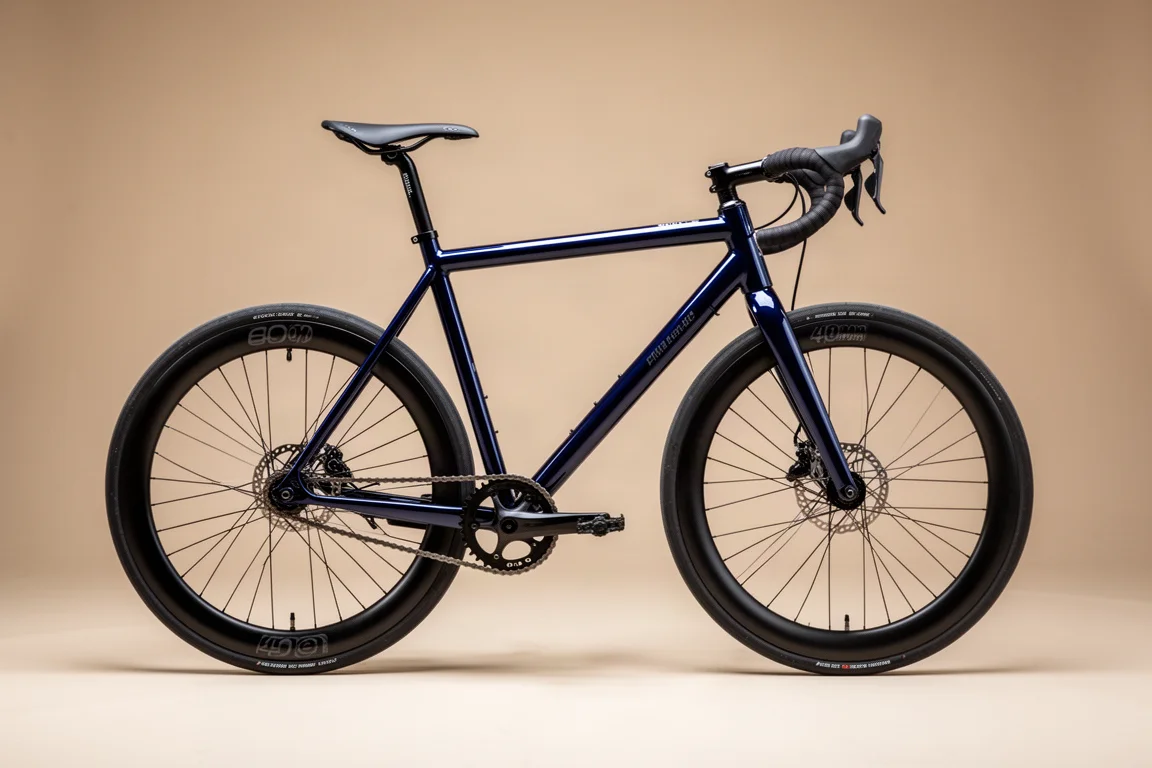
Best for Gravel and Mixed Terrain: Genesis Flyer
The Genesis Flyer is the outlier, and that is exactly its appeal. It is a single speed gravel bike at £700, with endurance geometry, a longer wheelbase, a higher front end and slacker angles than anything else here.
Gravel thinking runs throughout: flared drop handlebars, wide all-terrain tyres and 22 eyelets, more mounting points than most riders will ever use. A double butted aluminium frame keeps weight to 10.4kg, the second lightest in the group, while 37mm tyres bring a level of comfort and stability the others cannot match. The 42/17 ratio is the second lowest, which suits mixed surfaces.
It is also the most fun bike of the five. The aluminium frame and compact front triangle make it responsive and quick to build speed, and it rolls over rough tarmac and broken surfaces with a smoothness the stiffer bikes lack. That makes it as useful on city streets as it is on gravel, and the mechanical disc brakes, though not especially powerful, cope better with wet weather than rim brakes.
Two points to weigh. The brake hoods are very small, leaving little to hold on choppy terrain, which feels less secure than it should. And at £700, a geared alternative in the same family costs only around £100 more, so riders who want a full spread of gears for touring should look there instead. For anyone who wants one gear with genuine all-surface capability, this is a compelling option.
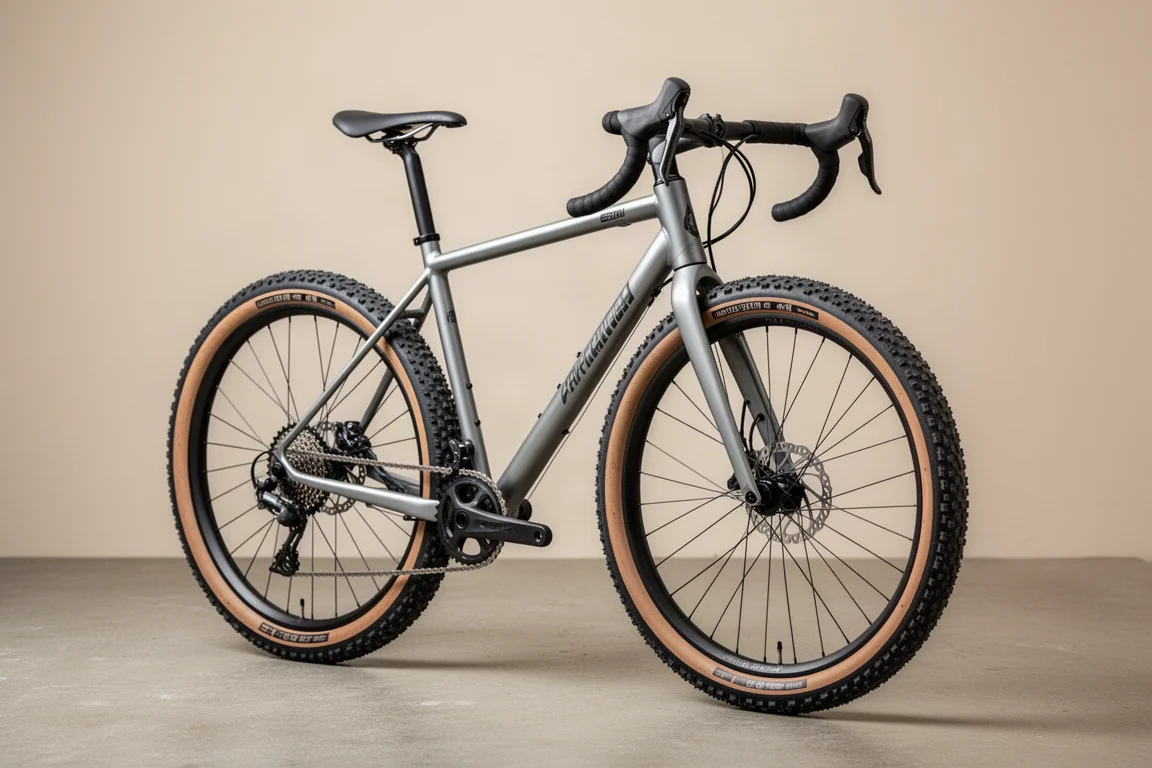
Best Boutique Build: Temple Lightweight Single Speed
The Temple Lightweight Single Speed is the most expensive bike here at £825, and it is built to order as a custom option, so you choose the handlebars, tyres and saddle when you buy.
The frame is Reynolds 520 double butted steel, the highest-grade tubing in this group, and it is not single speed specific. It runs a single speed conversion kit, which means a full set of gears can be fitted later. Seen that way, the price is an investment in a frame rather than a premium on a one-gear bike.
Riding it is remarkably comfortable. The 28mm tyres smooth out rough surfaces, the hoods are the most ergonomic here, and a 106cm wheelbase makes the bike feel planted and stable. The 39/15 ratio has a bigger gear inch than the Steed yet feels easier to turn, though it does spin out sooner on longer rides, which can feel impatient if you like to push on.
That comfort costs some responsiveness. The longer wheelbase makes the bike feel a little sluggish climbing out of the saddle and slower to react than the lighter, stiffer frames in this group. The saddle is short, shiny and not especially grippy, so it works better with everyday clothing than padded shorts.
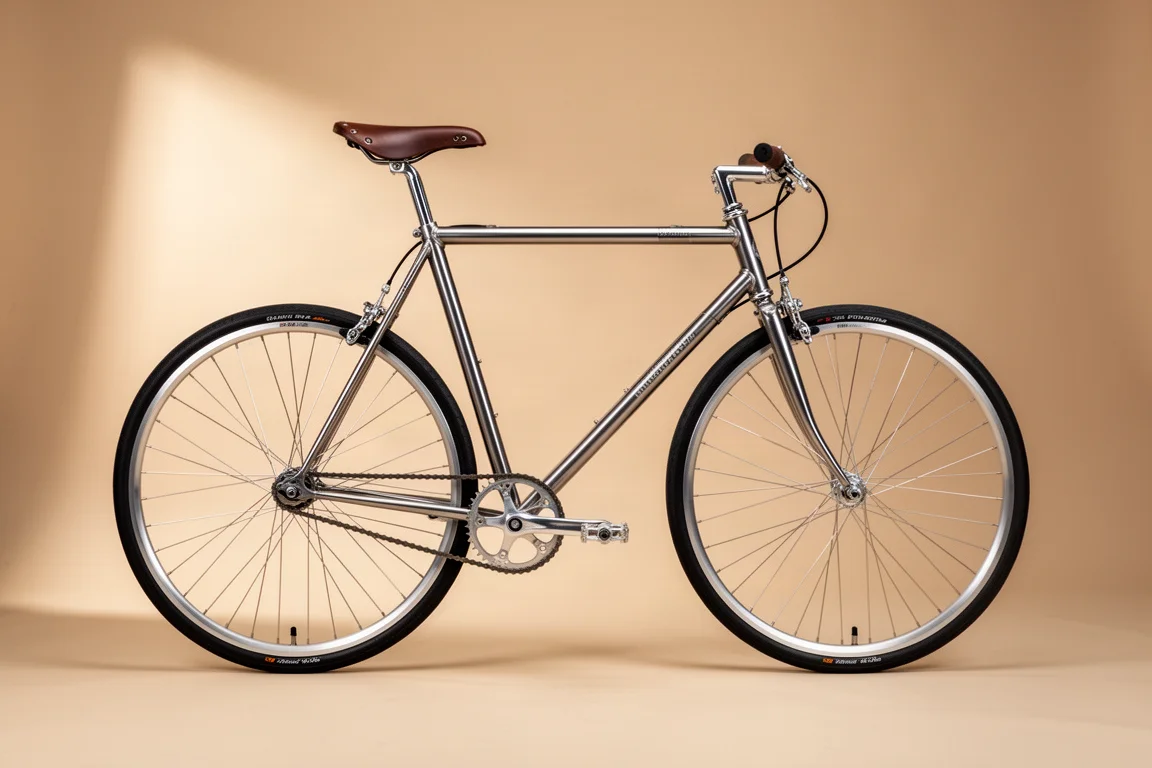
Visually it is the standout. A parallel top tube, lugged fork and detailed seat clamp give it a classic look that has aged well, and the custom ordering process means the finished bike matches what you actually wanted. The only small let-down is a sticker where a proper head badge would be expected.
Buying Advice: Which Single Speed Bike Suits You
These five bikes span roughly £250 to £825, and the price gaps are not simply about quality. They reflect different priorities: weight, frame material, tyre clearance, mounting points, and how much of the build is tailored to you.
For simple, low-cost town transport, the Elops City Bike 500 covers the basics for very little money, as long as the saddle position suits you and you can live without rack mounts. For one bike that handles commuting and longer weekend rides, the Steed Thoroughbred offers the best balance of price, mounting points and gearing.
Riders who put speed ahead of comfort should consider the Quella Oxford, budgeting for a handlebar change if bullhorns do not suit. Anyone who wants the fun factor and the freedom to leave tarmac behind will get more capability than expected from the Genesis Flyer. And riders who want a bike they can tailor now and convert to gears later will find the Temple Lightweight Single Speed justifies its price through the frame.
One general rule applies across all five: ratio first, then tyre clearance, then mounts. Get those three right and a single speed becomes one of the most reliable, low-maintenance bikes you can own.
Conclusion
The single speed category rewards a clear sense of what you actually need. The Elops City Bike 500 proves that a simple, good-looking town bike does not have to cost much. The Steed Thoroughbred shows how much versatility a modest budget can buy. The Quella Oxford delivers outright pace for riders willing to accept a firm ride. The Genesis Flyer stretches one gear further than most riders would expect. And the Temple Lightweight Single Speed offers a frame worth keeping and upgrading over time.
Pick the ratio that matches your terrain, check the tyre clearance and the mounts, and any of these five will serve you well for years.
Further reading
Related Reviews
Cycling
2026 Bike of the Year and the Cycling Gear Worth Watching
A drop bar roundup for 2026 covering the Ridley Kanzo Fast 2.0, Shimano Dura-Ace Di2 R9300, Trek Checkpoint ALR Gen 3, Specialized Tarmac SL9, Garmin Fenix 9 and Insta360 X6.
Cycling
Best All-Road Bikes 2026: Six Versatile Endurance Road Bikes Worth Considering
A practical look at six all-road and endurance road bikes, from lightweight carbon speed machines to steel all-rounders and comfort-focused mile eaters.
Cycling
Best All-Road Bikes 2026: 8 Endurance Bikes for Road and Light Gravel
Eight all-road bikes that blur the line between endurance road and light gravel, compared on tire clearance, ride character, practicality, and value.