Home Cooling
Best Room Air Conditioners and Coolers for 2026: Window, Portable, Mini Split, and Evaporative Picks
From budget window units to quiet U-shaped inverters, dual-hose portables, mini splits, and swamp coolers: eleven ways to keep a single room or shop cool this summer.
Introduction
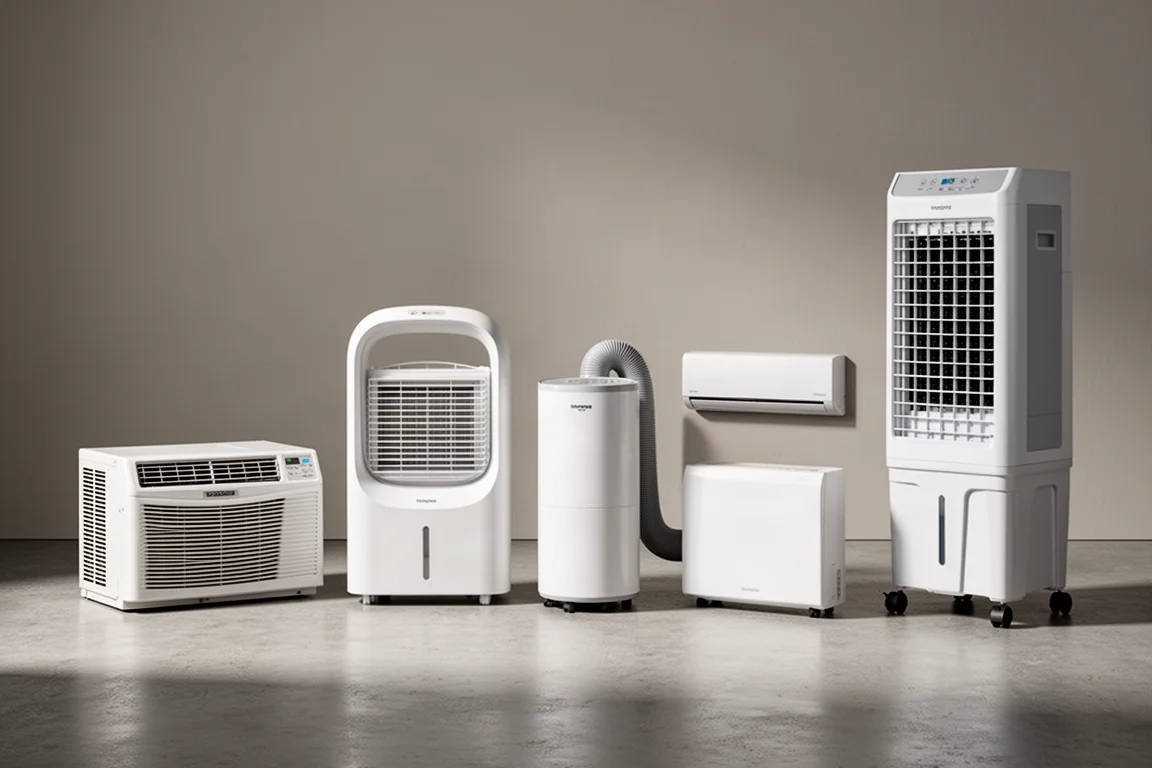
Summer arrives fast, and with it comes the same annual problem: a bedroom, a shop, or a garage that turns miserable by mid-afternoon. Central air is one conversation, but for a single room or single zone there are four practical paths: window units, portable units, mini splits, and evaporative coolers. This guide walks through eleven solid options across all four categories, from a hundred dollar swamp cooler to a full-size mini split, with the trade-offs of each spelled out plainly.
How Many BTUs Do You Actually Need?
BTU stands for British thermal unit, and it is the number that decides whether your new cooler can actually handle your space. A rough rule of thumb maps BTUs to square footage, but it ignores real factors: hot air rises, so high ceilings change the math, sun exposure matters, and heat-producing equipment such as welders or kitchen appliances can swing the requirement dramatically.
A better approach is an online BTU calculator that asks about ceiling height, sun exposure, climate, and heat sources. For example, a 300 square foot shop with 15 foot ceilings, heavy sun exposure, a hot climate, and equipment that produces heat might be rated anywhere from around 7,000 BTU on one calculator to 17,000 BTU on another that plans for a worst case scenario: a still, blazing 105 degree day at the peak of summer. The conservative answer is usually the right one, because a slightly oversized unit beats an undersized one during the two brutal weeks in the middle of summer.
If you are unsure of your square footage, Google Maps can help. Right-click a corner of your building, choose measure distance, click the remaining corners to close the loop, and the total area appears on screen. You can trace odd-shaped rooms and upper floors the same way. It is a free, surprisingly accurate tool.
Types of Room Cooling
All compressor-based air conditioners work on the same principle: a hot side and a cold side. A compressor compresses gas, which gets hot; air from outside blows over a radiator on the hot side and dumps that heat outdoors. The condensed gas then expands on the cold side, which makes it cold, and a fan pulls room air across the cold coil and returns it to the room. The two air streams never mix, and that separation is the key detail when we get to portable units later.
Evaporative coolers are the exception: they cool by evaporating water into the air, which is cheap and effective but only works well in dry climates, and they add moisture to the room as a side effect.
Window Air Conditioners
The classic. Window units have been around for decades, and while older designs are loud and power hungry, they have saved plenty of people on brutal days. If all you need is cold air for a small room on a budget, a basic no-frills 6,000 BTU unit with multi-speed fan, programmable timer, and Energy Star certification can be found around $220, and it will simply run and run for years.
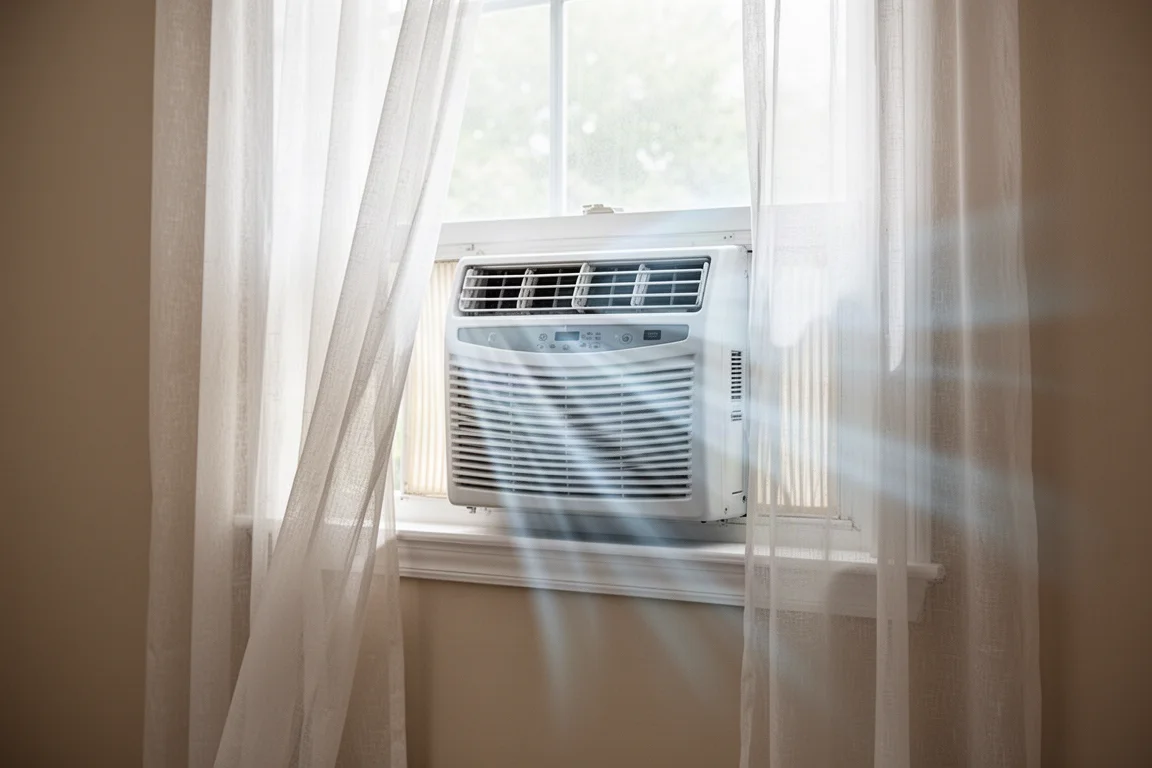
LG 8000 BTU Dual Inverter Smart Window Air Conditioner
The LG is the opposite of the no-frills option: it packs the latest inverter technology into an 8,000 BTU window unit. An inverter regulates the electricity the compressor draws based on the actual cooling load, so instead of the binary on-or-off behavior of standard units, it can run at every middle setting. When it is not very hot out, you only pay for the cooling you actually need, which saves money over the course of a year.
At around $376 you step up 2,000 BTU from the basic units, and you also get a remote plus smart features, so you can control the unit from your phone anywhere. If long-term running costs matter to you, this is a smart pick.
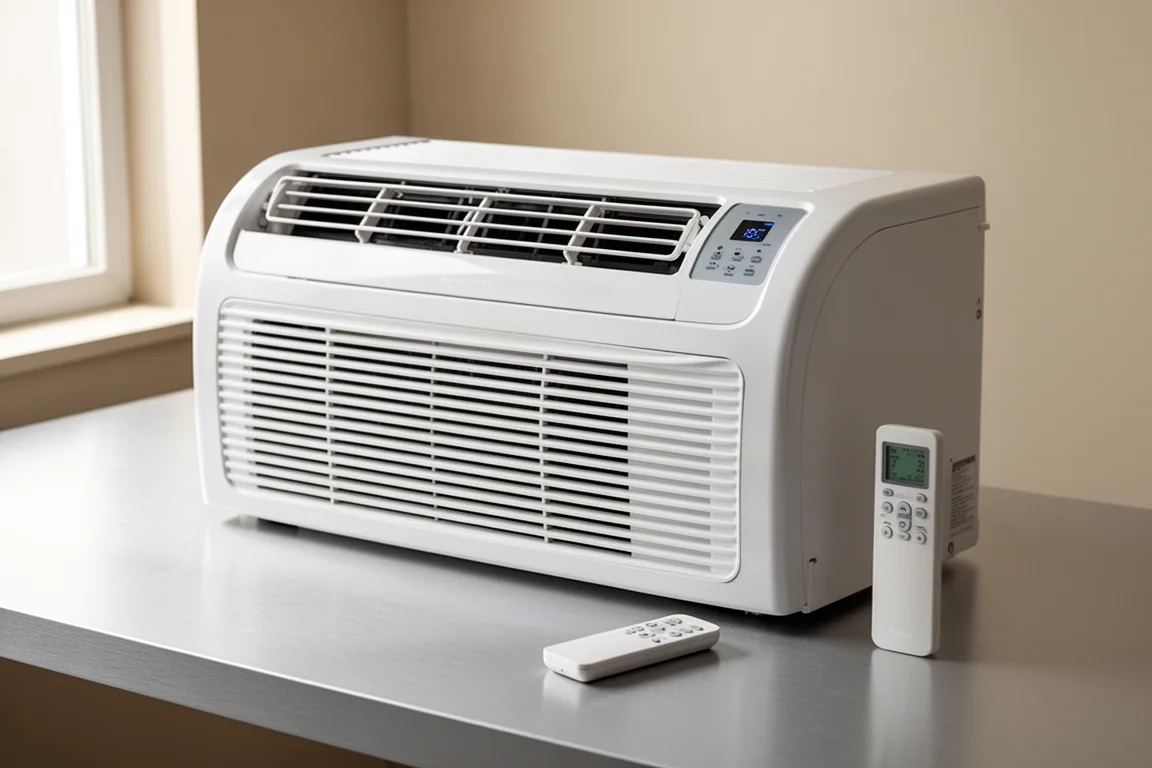
Midea 10000 BTU U-Shaped Inverter Window Air Conditioner
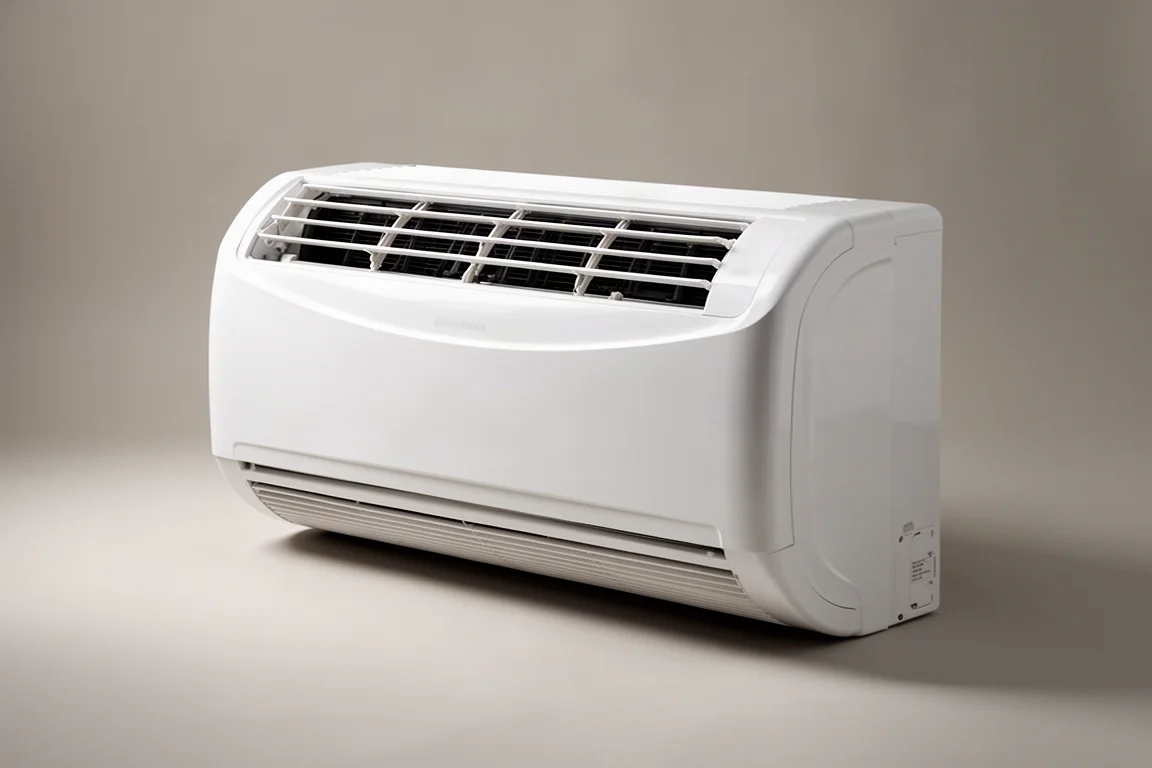
The Midea U-shaped unit has earned a genuine following, and for good reason. It is essentially a mini split in your window: the noisy compressor section sits outside the window sash, the window closes down into the U-shaped slot at the top, and only the whisper-quiet cold side hangs inside. That design also lets far more light through the window than a traditional unit.
The result is an inverter-powered, smart-enabled window AC that is quiet enough that you can hear the television over it. For a 140 year old stone house where cutting through foot-and-a-half-thick walls for a mini split was not an option, this unit kept every room but the kitchen comfortable. It runs around $419 with all the smart features included.
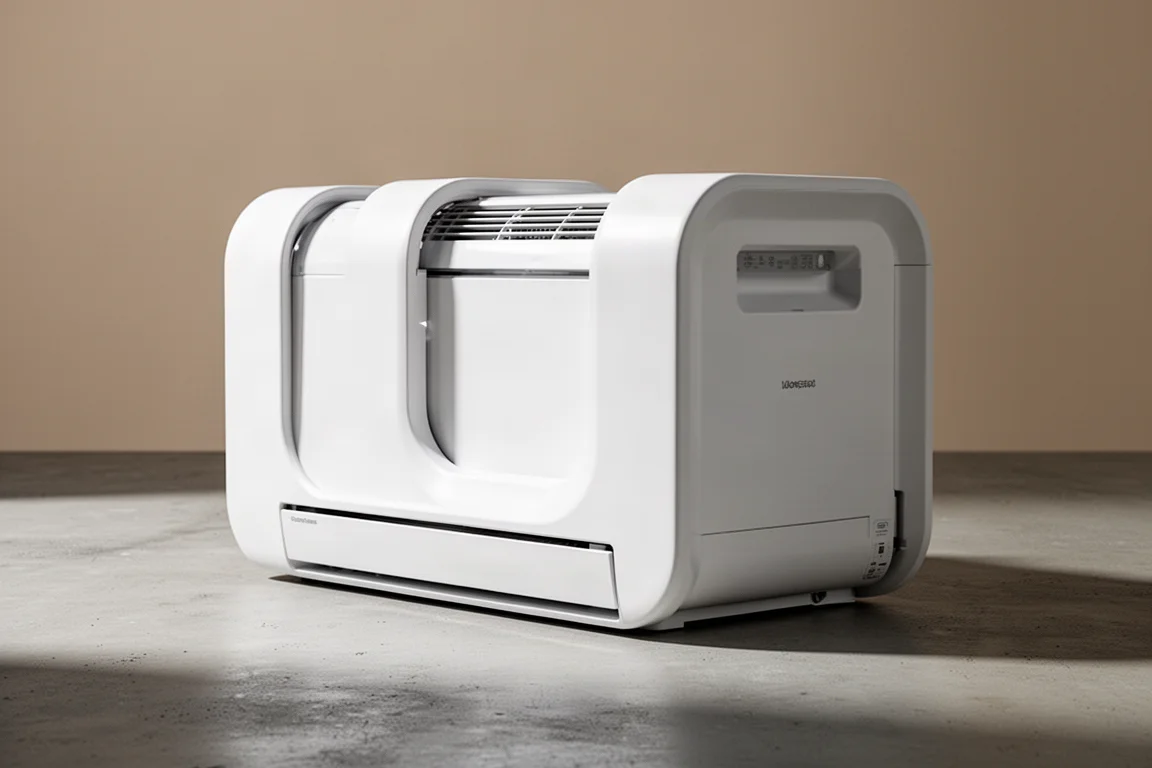
Midea 12000 BTU U-Shaped Inverter Window Air Conditioner
If your room is bigger, the same design comes in a 12,000 BTU version for about $459. That is only around $40 more than the 10,000 BTU model, and if you suspect you might need the extra capacity, take it. There will be a stretch in mid-summer when a unit that is barely big enough simply is not enough, and this is one upgrade that costs very little now and saves you then.
Portable Air Conditioners
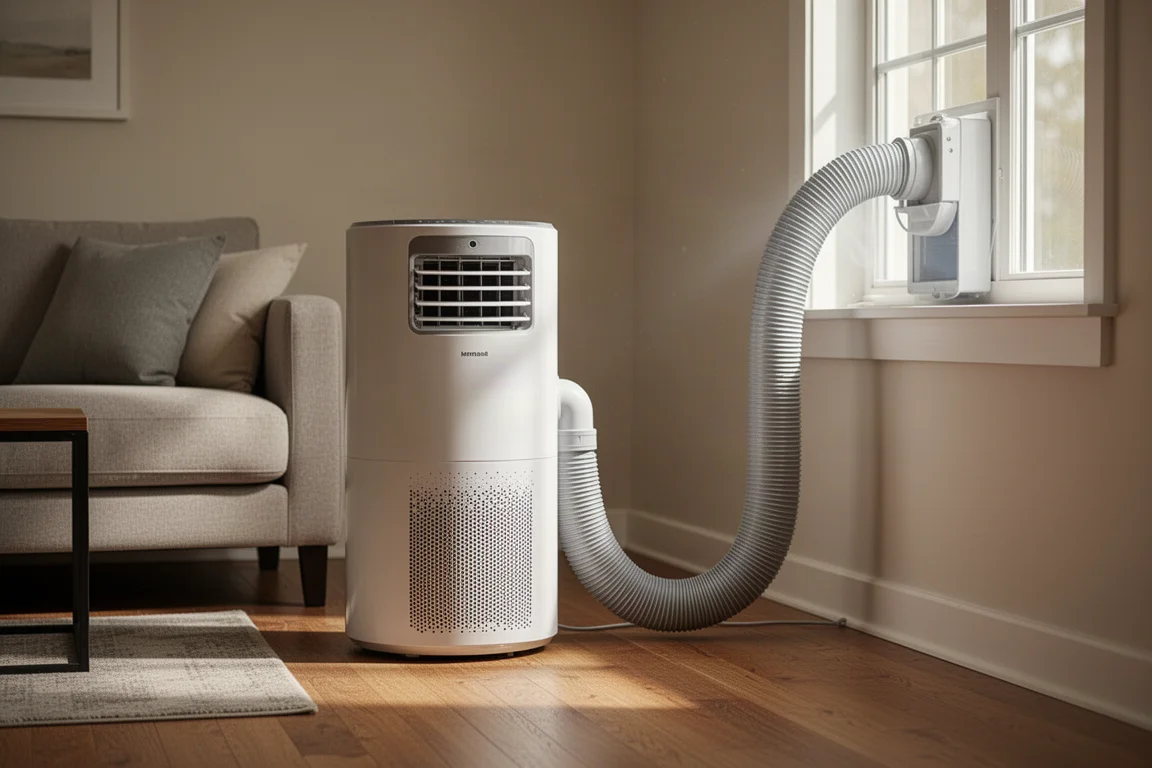
Portable units, the rolling droids of the cooling world, have become hugely popular, but they carry real drawbacks worth understanding. The hot side of the compressor lives in your room with you, radiating heat, and the exhaust hose radiates heat too. Worse, because the unit pulls room air and sends part of it out the hose, it lowers the pressure in the room, and nature abhors a vacuum: hot air gets sucked in from outside to replace it.
There is a separate European rating, BTU SACC, that accounts for these losses. A “12,000 BTU” portable often performs closer to an 8,000 BTU unit once you adjust, and even a 10,000 BTU dual-hose model is really a 10,000 BTU performer despite its 12,000 BTU compressor rating. Set expectations accordingly.
Black+Decker 12000 BTU Portable Air Conditioner
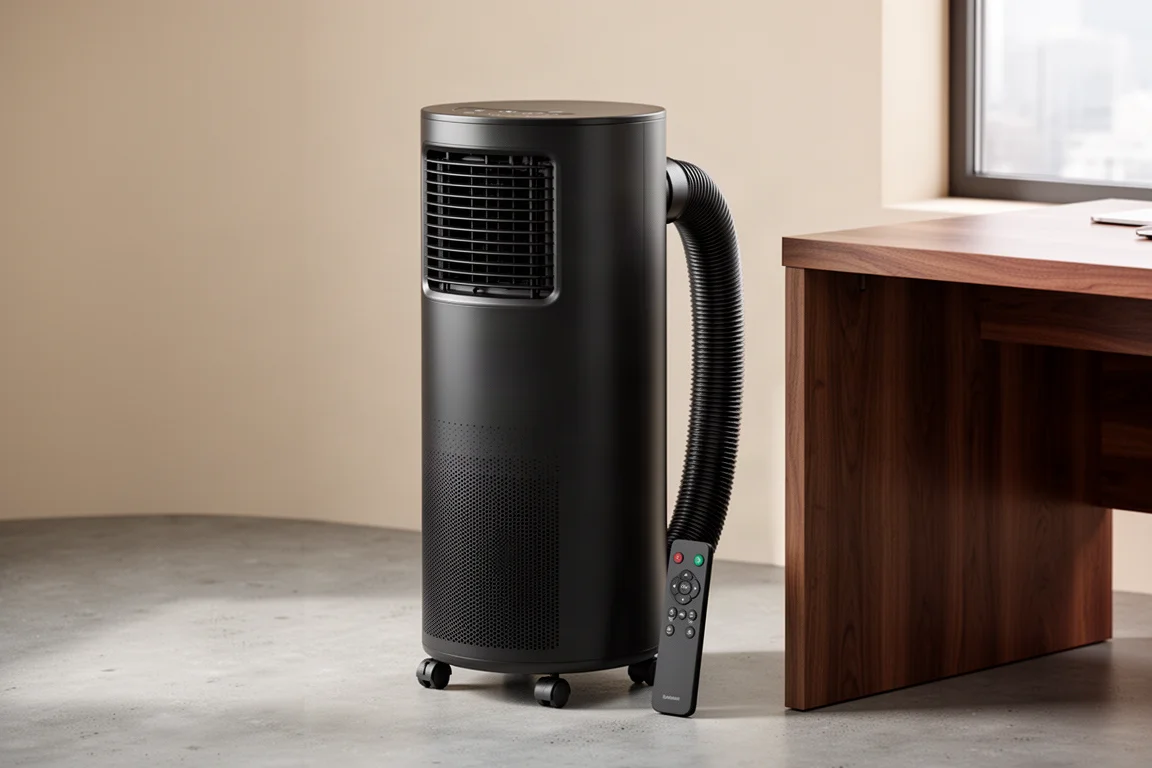
If you have no standard window for a regular window unit, or you just want cooling without any installation fuss, the Black+Decker is arguably the best bang for the buck in the portable category. At around $400 for the 12,000 BTU version, it is a solid, reliable unit with a remote, and it is not the loudest machine in its class. Keep in mind that its effective output is closer to 8,000 BTU after heat losses, so size up your room estimate honestly. A smaller 8,000 BTU version costs about $50 less, but after adjustment it behaves like a 6,000 BTU unit, which is marginal for most rooms.
Midea Dual Hose Portable Air Conditioner
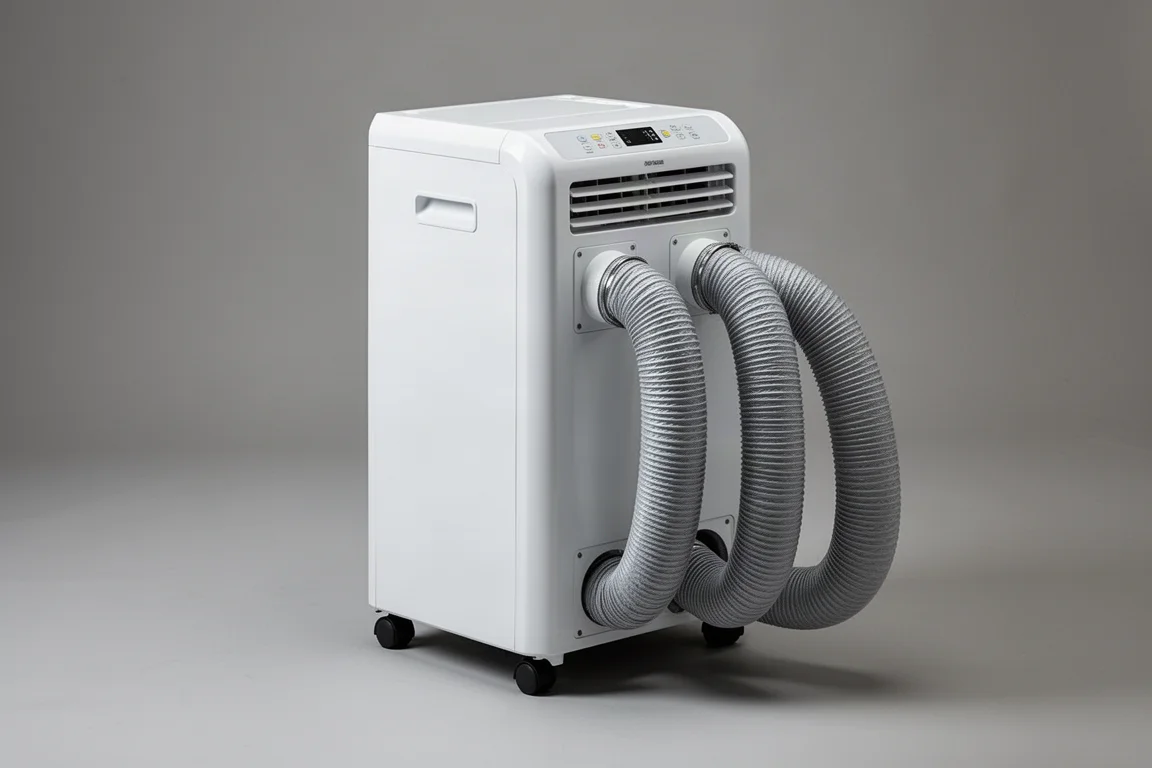
The dual-hose design solves one of the portable category’s biggest problems: one hose pulls outside air in to cool the hot side, and the other pushes it back out, so the unit no longer creates the vacuum that drags hot air into your room. It is also an inverter unit, so it adjusts its power draw to the load and goes easier on your electricity bill than a standard portable.
What it does not eliminate is heat radiating from the unit and the warm hose, which is why the SACC rating matters here. At around $530 you are paying for the inverter tech, the dual-hose design, and better build quality, and for many buyers that combination is worth it.
Mini Splits
Mini splits are, for pure cooling performance, probably the best option available: the most electrically efficient category, essentially a compact single-zone version of a central air system. The trade-offs are installation and cost. You need a place outside for the condenser, either a poured or pre-built pad or a wall bracket, and you need a hole drilled through your wall for the refrigerant and electrical lines. A wall bracket keeps the condenser off the ground with air circulating all around it, which is less attractive but arguably more practical.
Once installed, the head unit mounts high on the wall, takes up no window or floor space, and cold air falls naturally down into the room. Owners of retrofitted older houses consistently describe these units as extremely quiet, sometimes so quiet you have to check whether it is actually blowing.
Della 12000 BTU Mini Split
Mini splits rarely come in small capacities, so the entry point is around 12,000 BTU. The Della is a budget option: it is not the most refined brand in the category, but it is arguably the best of the budget choices. At around $700, frequently with a $35 coupon, you get 12,000 BTU, smart features, a remote, and everything you need for the install except the pad and the tools. If you are handy, or know someone who is, this is a genuinely affordable way into mini split ownership.
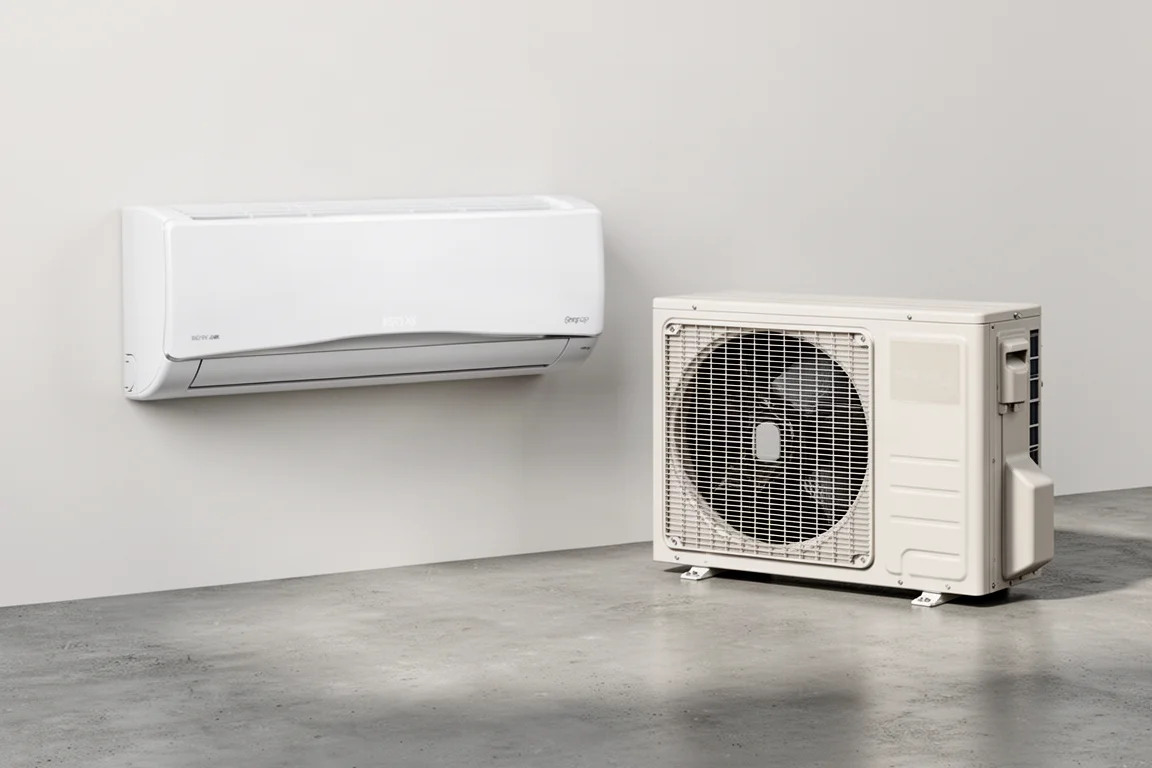
Senville Lido Series 8000 BTU Mini Split
Step up a few dollars and the Senville Lido series is hard to argue with. Note that unlike the Della, which runs on standard 110/120 volt power, this unit needs 220/240 volts, so you may need an electrician to add an outlet. The install is otherwise the same.
At around $1,035, with a $100 coupon bringing it just under a thousand dollars, you get a smart unit and one of the most reliable brands in the category. If you can afford it and this is your size range, it is a straightforward recommendation.
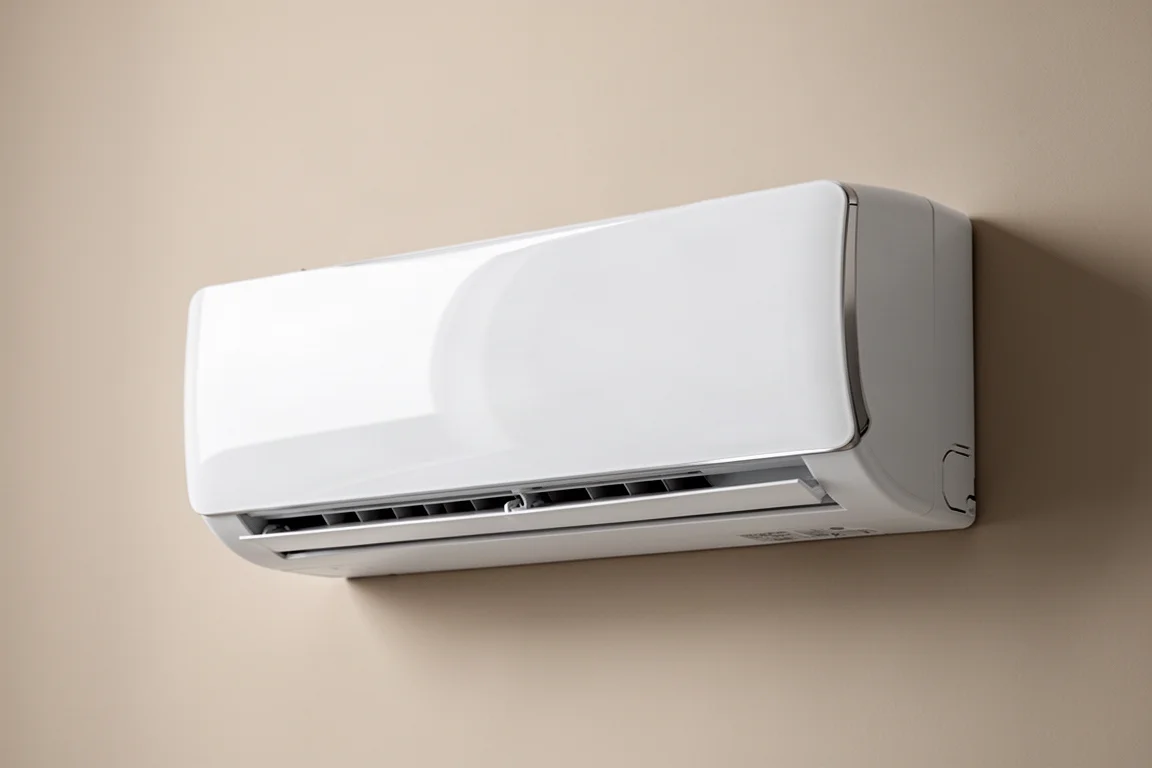
Senville 24000 BTU Mini Split
For large spaces, Senville’s 24,000 BTU unit is a bigger version of the same formula, around $1,700 with smart features and a remote included. Senville is the name that keeps coming up when you talk to HVAC installers: nearly everyone in the trade lists it among their recommendations. Pair it with the app-based smart controls and you can pre-cool the house on the way home, and the system scales back usage automatically when nobody is there.
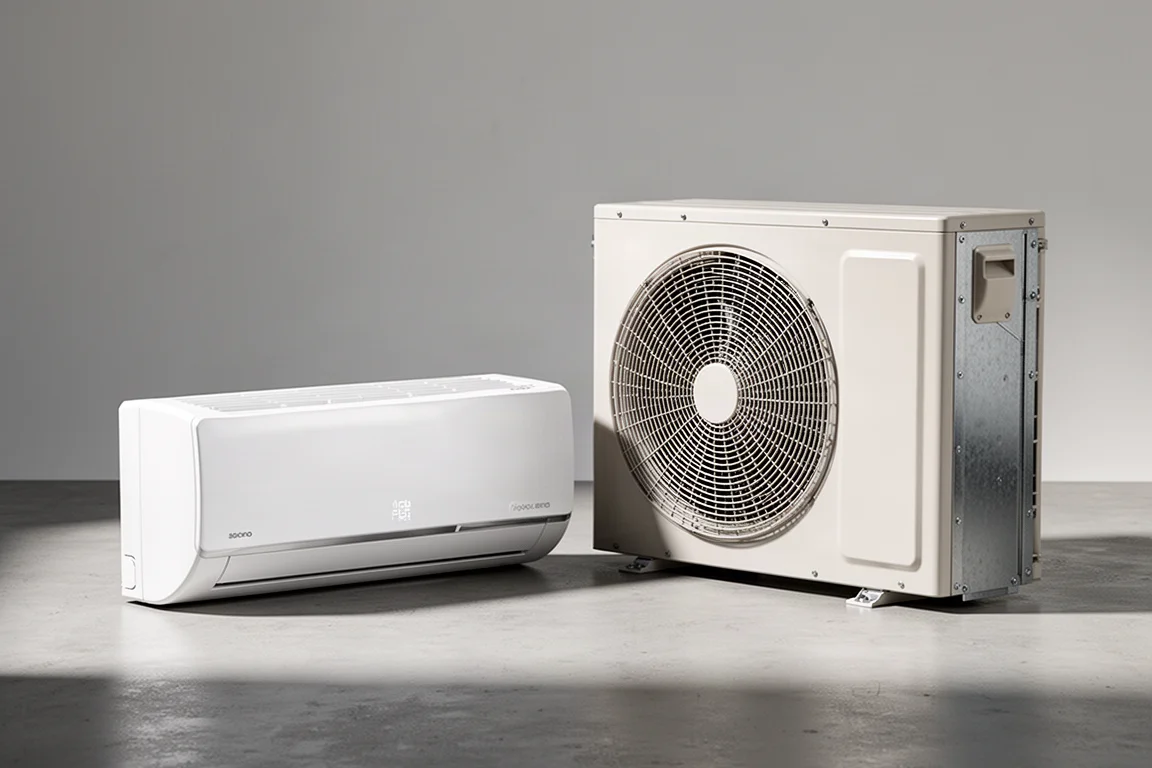
Evaporative Coolers
Evaporative cooling, or the swamp cooler as many of us grew up calling it, is not technically air conditioning. Water evaporates over a media pad while a fan blows air through it, and the evaporation drops the air temperature noticeably. The homemade version, a fan blowing across a wet towel, has kept plenty of renters alive through hot summers.
These units are much cheaper than AC, but they have two big caveats. They add a significant amount of moisture to the room, which is a benefit in a dry climate but a rust risk in a shop and a mold risk in a house. And they simply do not work well in humid regions; regional charts divide the country into zones where evaporative cooling is ideal, marginal, or ineffective, so check where you fall before buying.
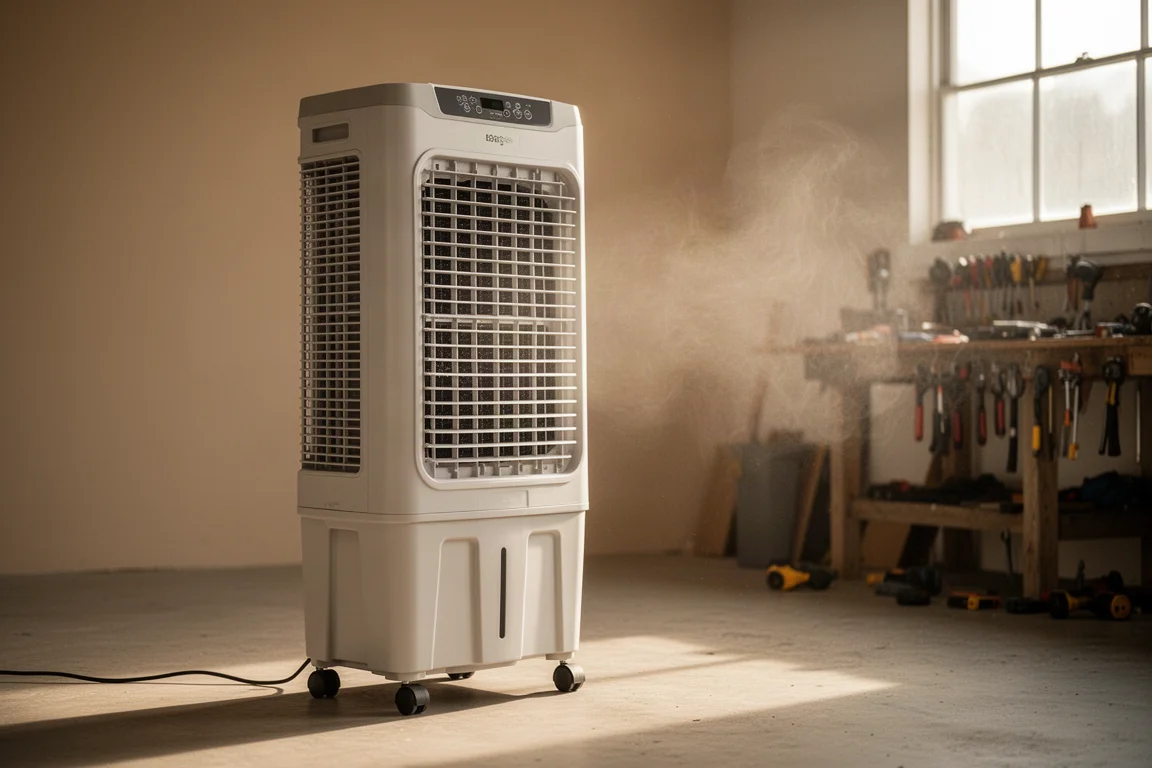
Timmykey Evaporative Cooler
The Timmykey is a hundred dollar personal swamp cooler: an automated version of the fan-and-wet-towel trick. Water wicks up through the media and the fan blows air through it. It offers three or four modes, three speeds, and a humidifier function, which in this case is exactly what it is. For the money, ratings suggest it is a reasonable little unit.
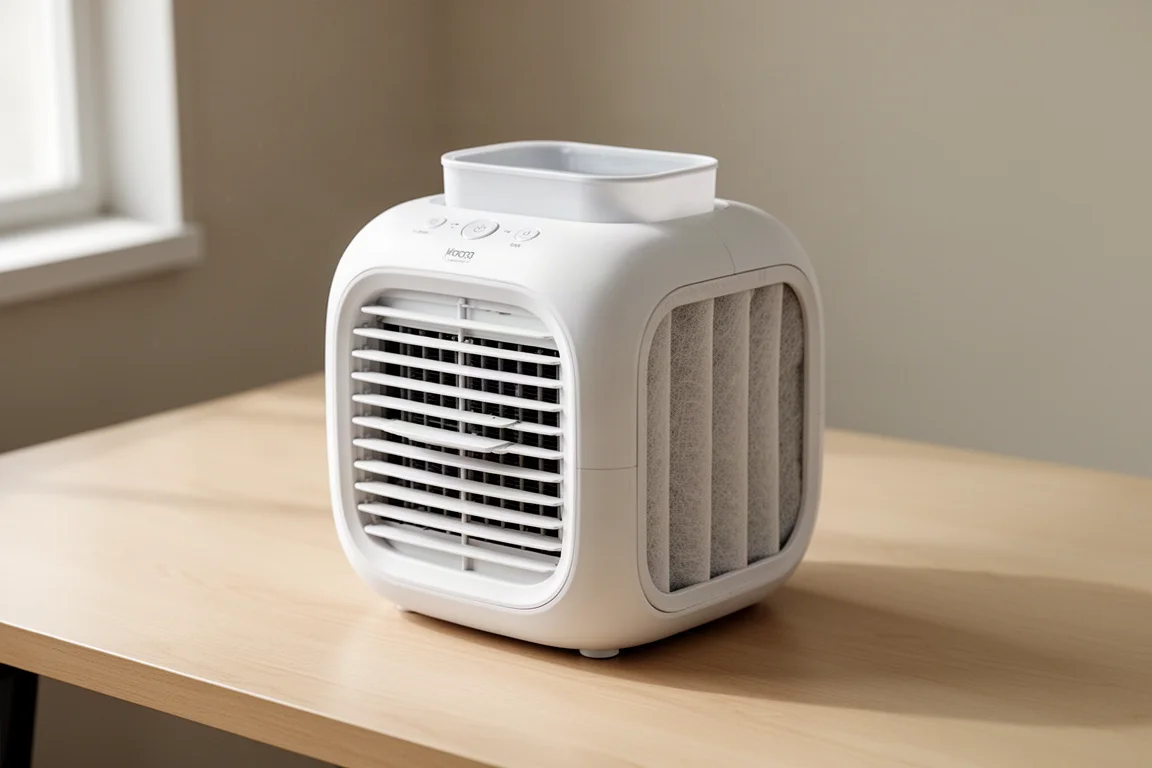
Mepty 1800 CFM Evaporative Cooler
For something sturdier, the Mepty moves 1,800 cubic feet per minute of air, and some sellers offer ice packs you can chill to make the water even colder. It has four directional vents and a remote, sits at a manageable size, and at around $170 with a $30 coupon it is a good value for a drier climate patio, garage, or small shop.
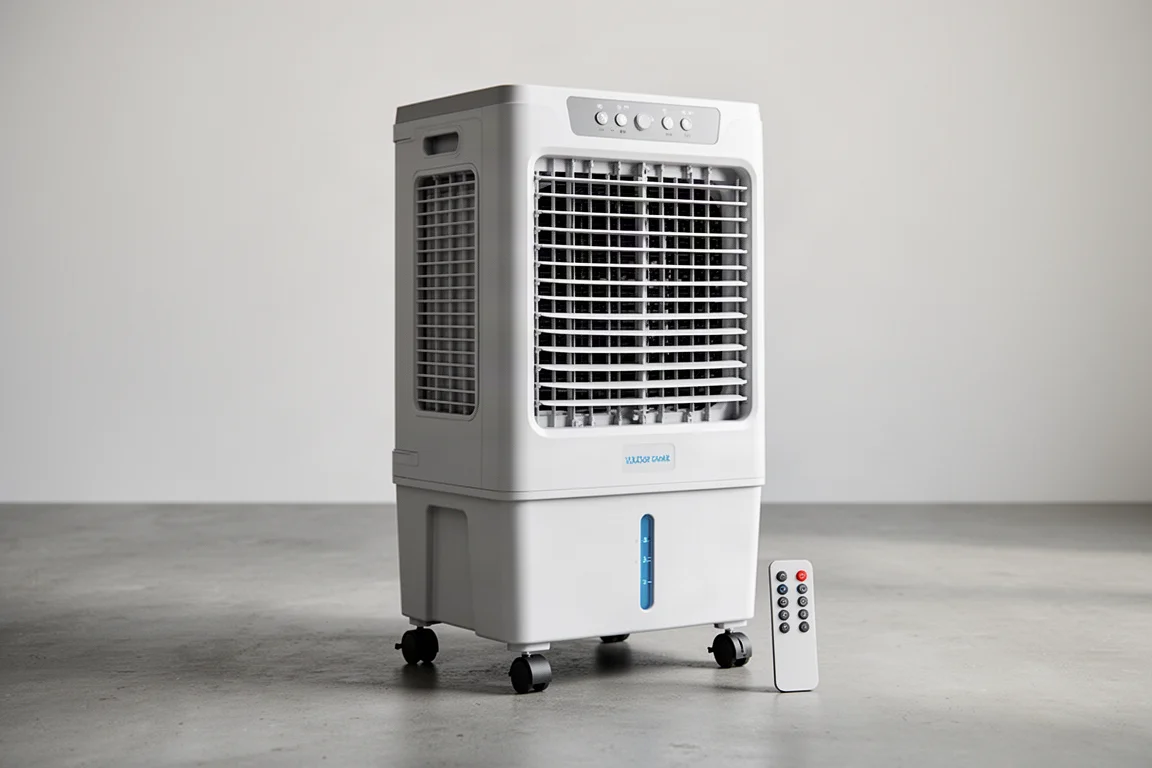
Mepty 10 Gallon Industrial Swamp Cooler
The same company makes a bigger, more robust version: a three-speed, industrial-strength unit with a 10 gallon tank, around $320 with a $20 coupon. If you need to move serious air through a larger shop or workspace in a dry region, this is the one on this list built for that job.
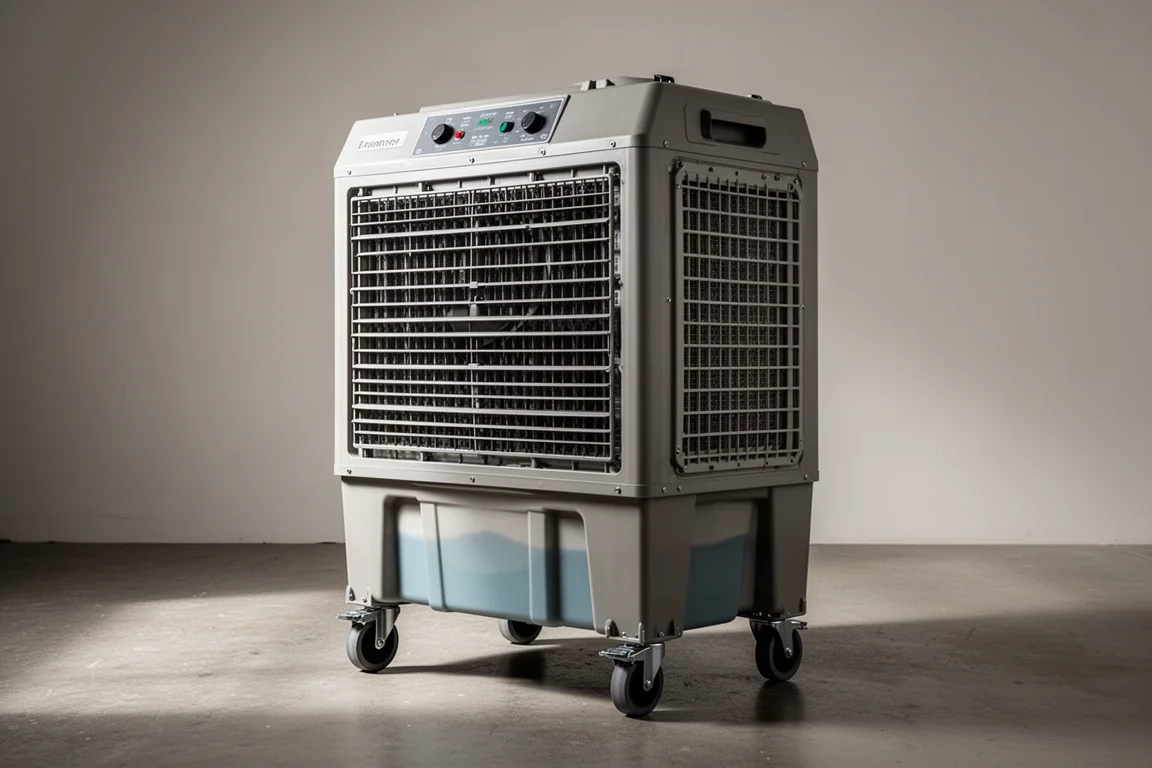
Buying Advice
Start with the BTU math and be honest about your worst case scenario, not your average afternoon. Then match the technology to your situation: a basic window unit for a small room on a budget, an inverter window unit like the LG or the Midea U-shaped models for quiet, efficient everyday cooling, a portable only when window installation is impossible, a mini split when you want the best long-term efficiency and can handle the install, and an evaporative cooler only if you live somewhere dry enough for it to actually work. Spending a little more upfront for inverter technology or extra capacity usually pays for itself in comfort and running costs.
Conclusion
There is no single best cooling solution, only the best one for your room, climate, and budget. The Midea U-shaped units deliver mini split quietness without wall surgery, the LG brings inverter efficiency to a mid-size room, Senville anchors the mini split category, and the Mepty coolers make evaporative cooling affordable. Size it right, pick the style that fits your space, and this summer’s heat wave becomes a non-event.
Further reading
Related Reviews
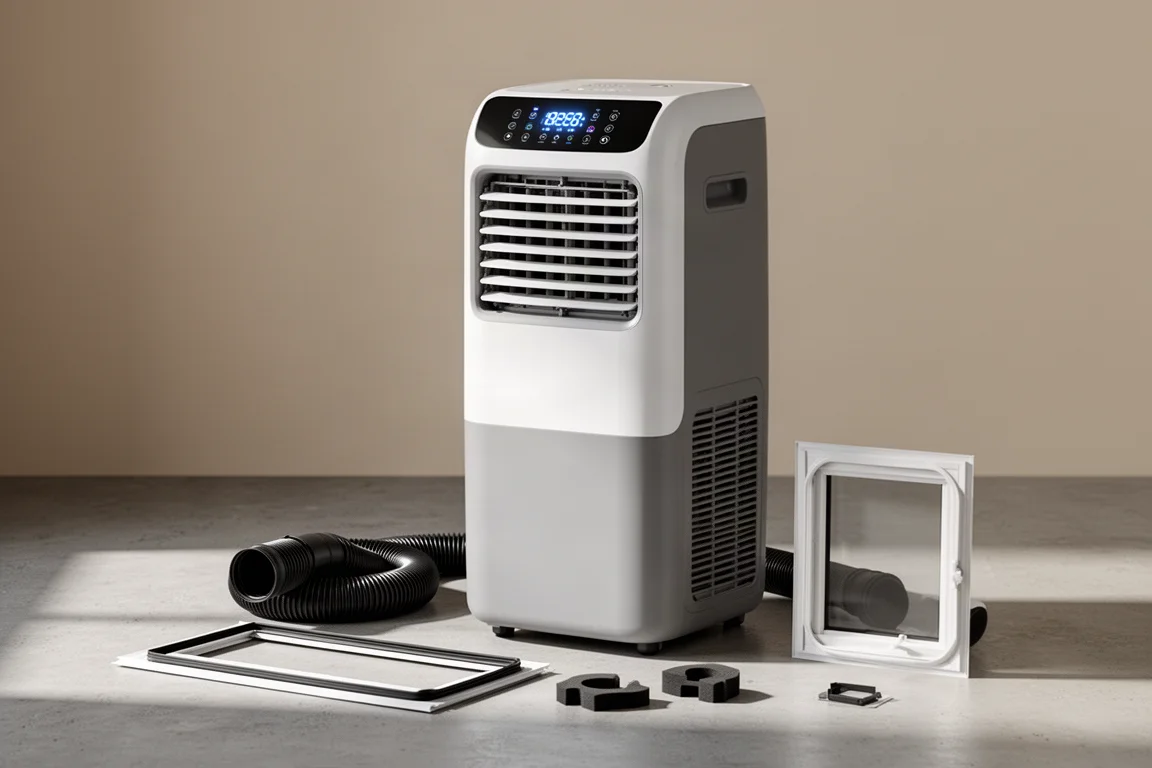
Home Cooling
Dreo AC516S Portable Air Conditioner Review: Affordable Cooling With Few Compromises
A drainless-friendly portable AC with strong app support, quiet operation, and a price that undercuts the competition, with the usual single-hose trade-offs.
Home Cooling
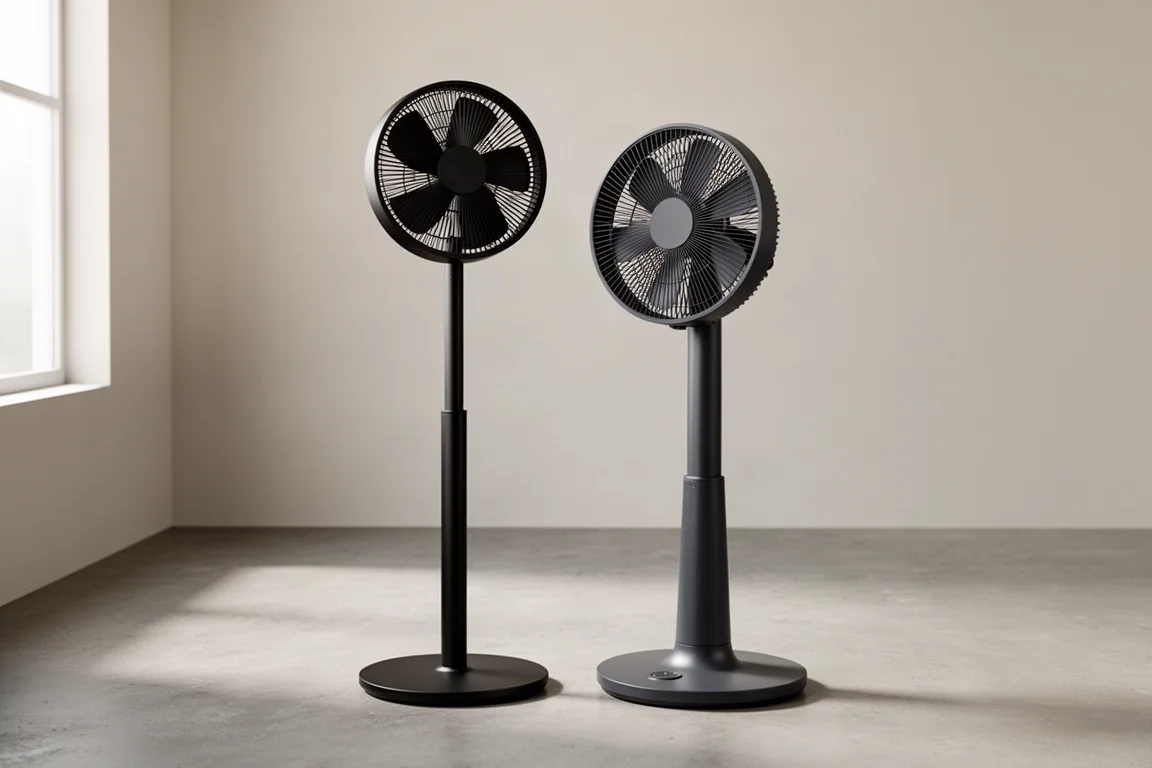
Lasko Cyclone vs Dreo Smart Pedestal Fan: Which One Deserves Your Money?
A head-to-head look at two pedestal fans covering height, noise, airflow, oscillation, and smart controls to help you pick the right one.

Backpacking Gear
Building a 10 lb Base Weight: An Ultralight Backpacking Gear List
A practical walkthrough of the ultralight pieces behind a 10 lb base weight, from a 765 g pack and a roomy one-person tent to a full camp chair and a dependable water filter.