Pool Cleaners
Best Robotic Pool Cleaners 2026: 10 Models Tested for Coverage, Suction, and Filtration
Ten new robotic pool cleaners tested for pool coverage, suction, filtration, waterline cleaning, and shallow area performance to help you pick the right one for your pool.
Introduction
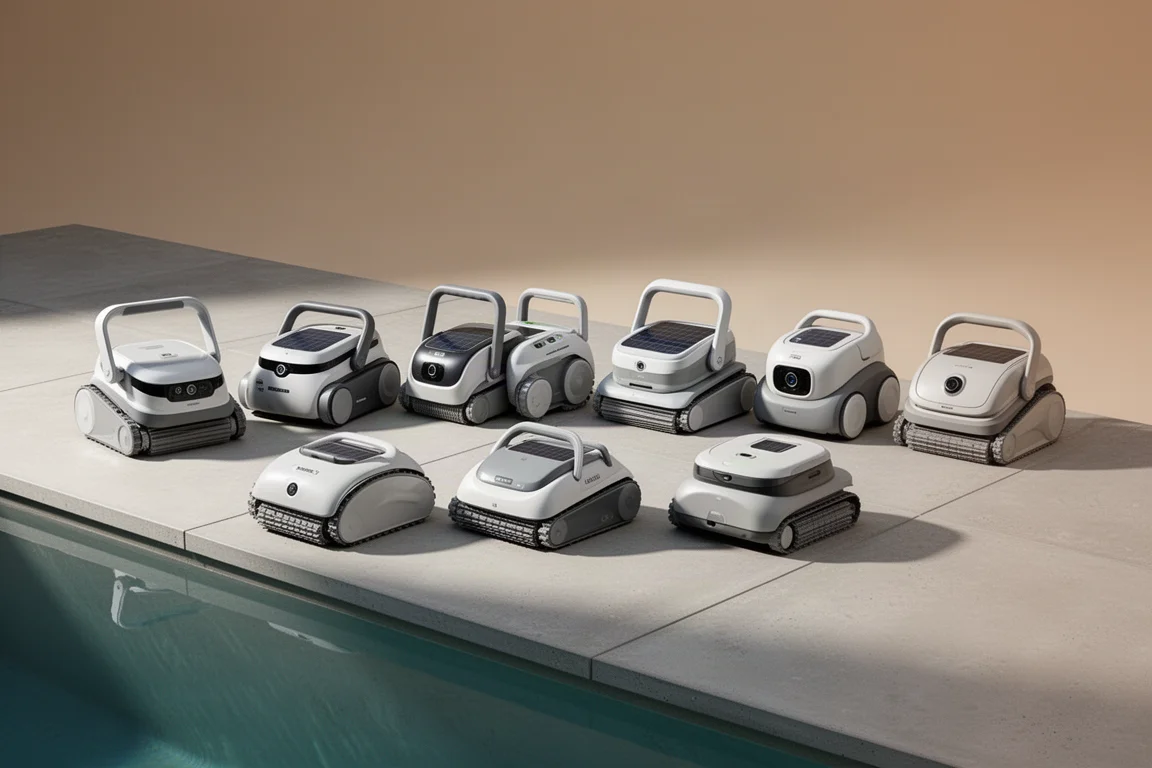
Choosing a robotic pool cleaner used to be a simple decision based on price and brand reputation. This year, the market has expanded with new models from established names like Dolphin and Aiper, plus fresh entries from MOVA and Beatbot. The question is whether a high-tech robot finally outperforms a budget model.
This guide covers ten robotic pool cleaners tested for pool coverage, suction, filtration, waterline cleaning, shallow area performance, and day-to-day usability. The goal is to help you match a robot to the specific needs of your pool, whether that means handling leaf litter, fine silt, or waterline pollen.
Pool Coverage: The Numbers That Matter
Pool coverage is the foundation of any cleaning robot’s job. A robot that misses sections of the wall, floor, or stairs leaves behind visible dirt and requires more manual intervention. In this test, coverage was measured across three zones: pool walls, pool floor, and stairs and bench seat areas.
The least expensive robot in this group, the Ecovacs Ultramarine P1, spent about 45 minutes in wall and waterline cleaning mode before switching to a controlled floor cleaning pattern. Over a 2 hour and 9 minute session, it covered 81% of the pool walls, 99% of the pool floor, and 38% of the stairs and bench seat area.
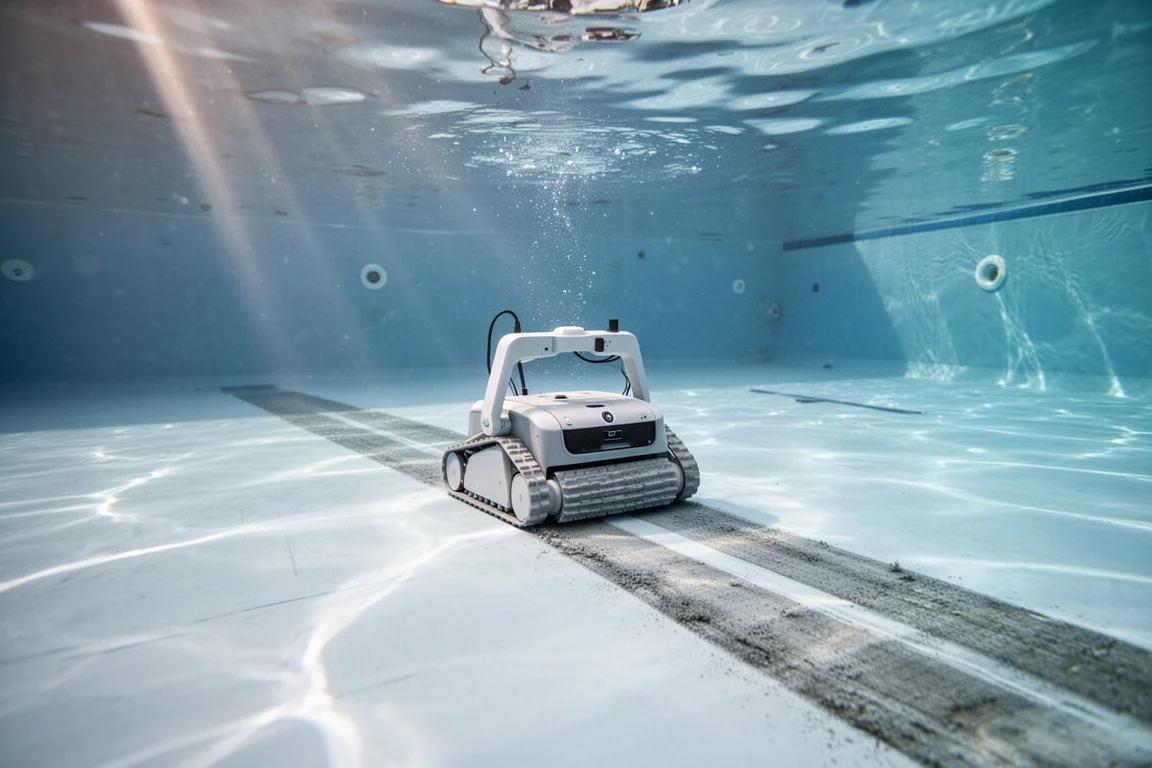
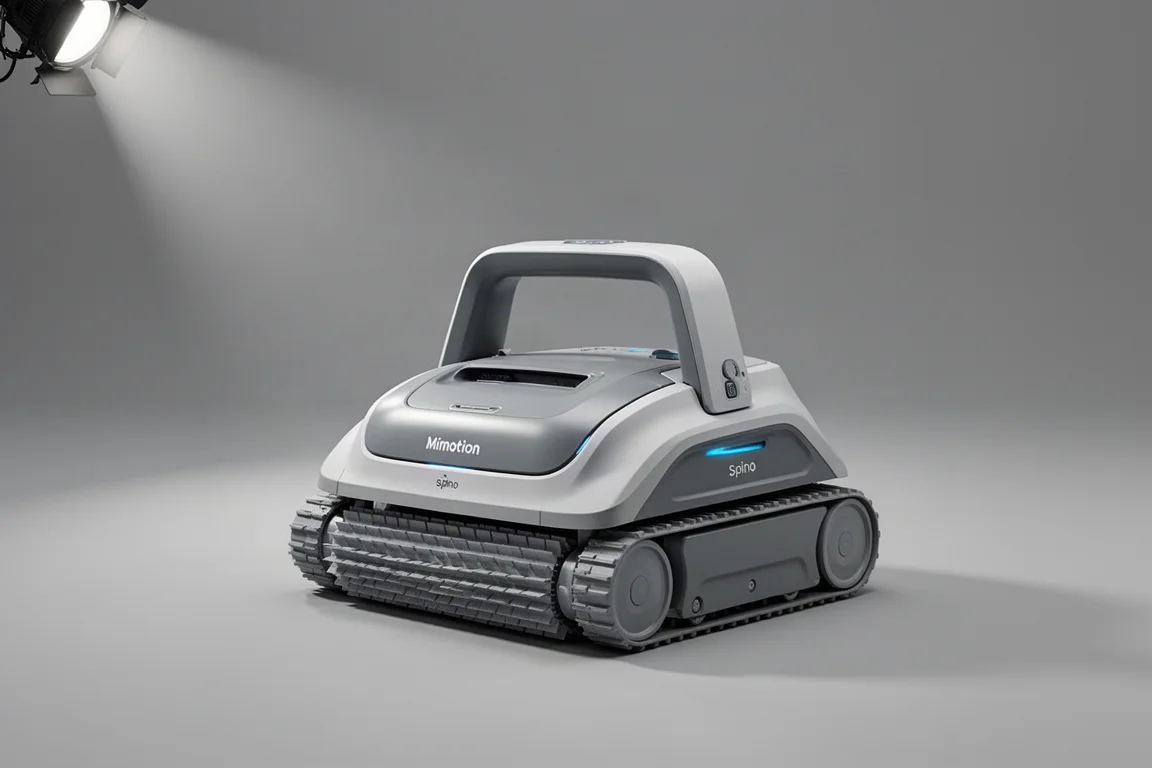
The Mimotion Spino E1, priced at $498, spent roughly an hour in wall-only mode but got stuck in the deep end bench area for almost that entire time. It then switched to a floor-only mode with decent coverage using what appeared to be a fairly random pattern. After a 2 hour and 51 minute session, it covered 47% of the pool walls, 97% of the pool floor, and 28% of the stairs and bench seat.
The Beatbot Sora 10, a new budget option from a company known for expensive pool robots, stayed in a hybrid wall and floor pattern for its entire 4 hour and 47 minute session. It covered 97% of the pool walls, 100% of the pool floor, and 67% of the stairs and bench seat area, taking a commanding lead for first place.
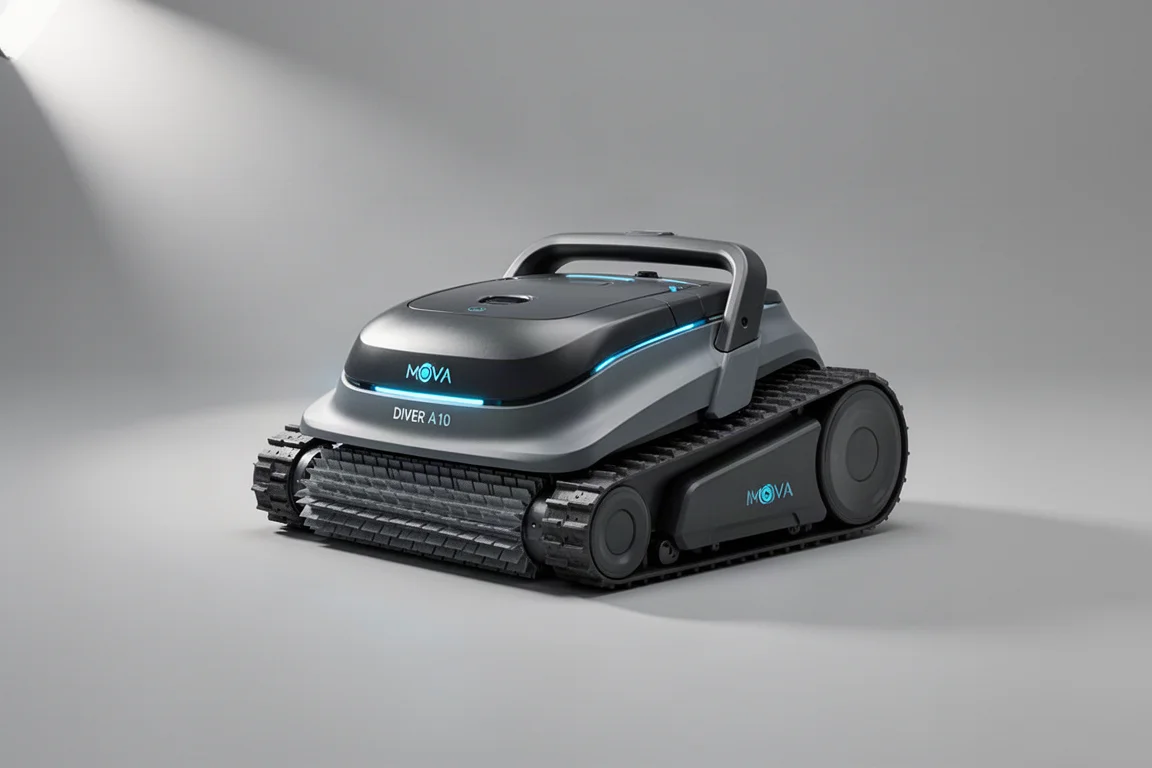
The MOVA Diver A10, priced at $549, is MOVA’s first attempt at a robotic pool cleaner. Despite getting briefly stuck in the deep end, it delivered very good wall coverage during its first 1 hour and 30 minutes before switching to a controlled floor-only mode. In its 3 hour and 51 minute session, it covered 76% of the pool walls, 99% of the pool floor, and 49% of the stairs and bench, placing it second behind the Beatbot.
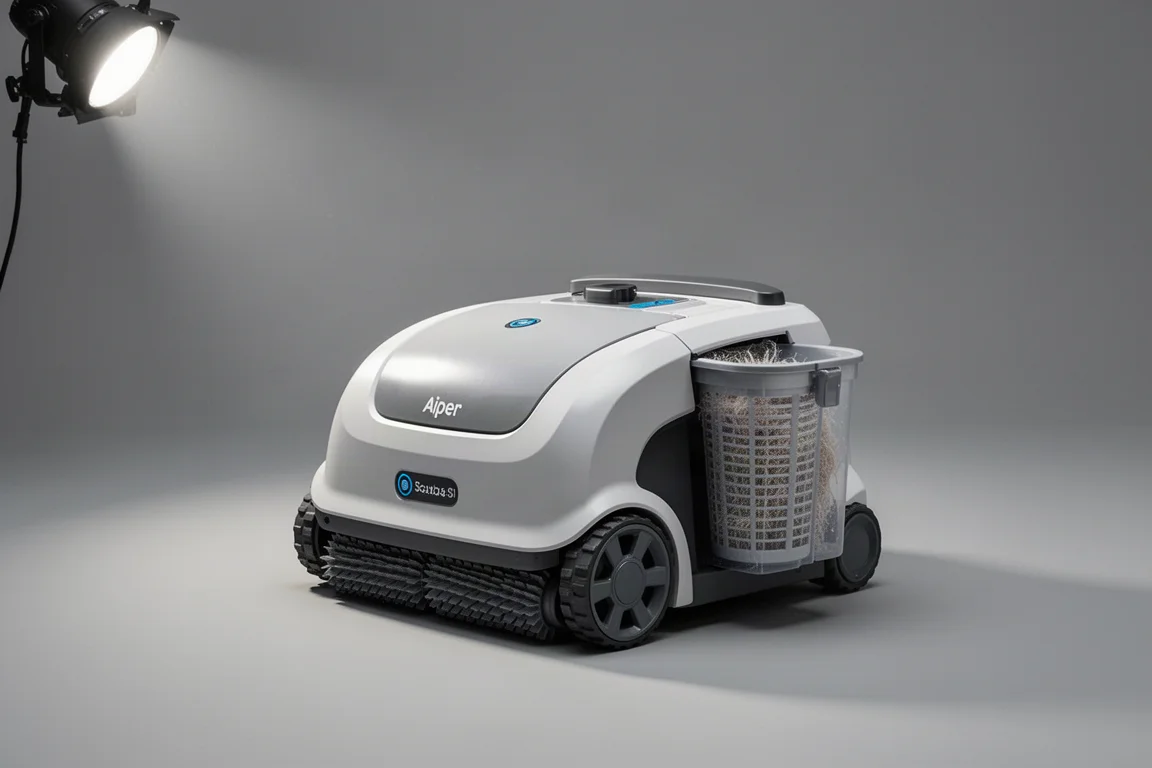
The Aiper Scuba S1, priced at $579, has been a long-standing recommendation due to its solid performance and reasonable price point. It stayed in wall-only mode for around 2 and a half hours before switching to floor-only mode. In its 4 hour and 5 minute session, it covered 86% of the pool walls, 99% of the pool floor, and 62% of the stairs and bench, taking over second place but not quite matching the Beatbot.
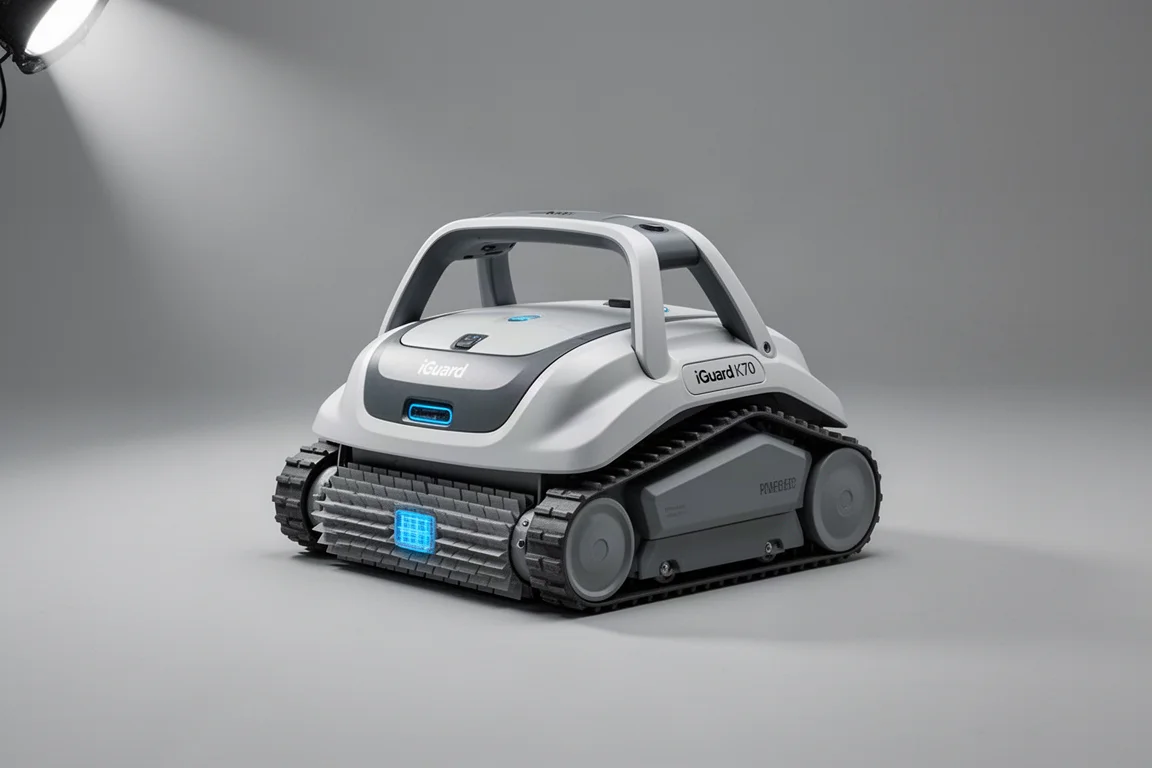
The iGuard K70 required additional testing after an initial run performed poorly. It was discovered that the K70 had a secondary 40 micron filter installed that is not mentioned anywhere online. With that filter installed, the K70 ran for 3 hours and 15 minutes despite advertising 7 hours of runtime, and it only climbed about 30% of the wall height, covering 40% of the pool walls, 100% of the pool floor, and 26% of the stairs and bench area. After rerunning all tests without the secondary filter, the K70 ran for 4 hours and 54 minutes, the longest of any robot in the test. It covered 96% of the pool walls, 100% of the pool floor, and 64% of the stairs and bench, putting it in second place behind the Beatbot.
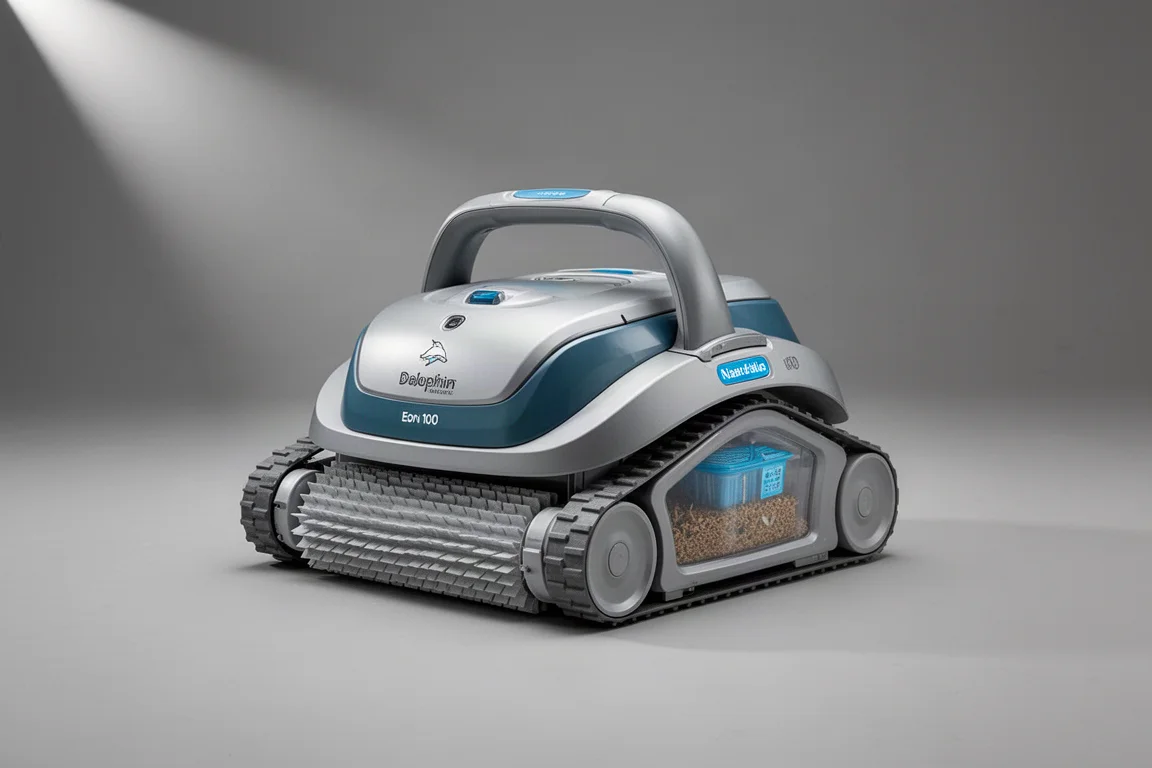
The Dolphin Nautilus Eon 100, priced at $899, advertised smart map capabilities, but in practice it looked like it was mostly cleaning randomly. It missed a large section of the wall and did not try to clean above the bench seat. It still cleaned for 2 hours and 38 minutes, covering 74% of the walls, 100% of the floors, and 66% of the bench and stair area, good enough for fourth place.
Also priced at $899, the Aiper Scuba V3 is similar in size to the S1 but has a top-mounted exhaust port and a camera to help map the pool and target debris. The extra tech did not seem to help with coverage. The Scuba V3 cleaned the walls for the first 1 hour and 15 minutes but never got onto the stairs or bench seat before switching to floor-only mode. It cleaned for 3 hours and 14 minutes, covering 69% of the pool walls and 99% of the pool floor, but only 10% of the stairs and bench area.
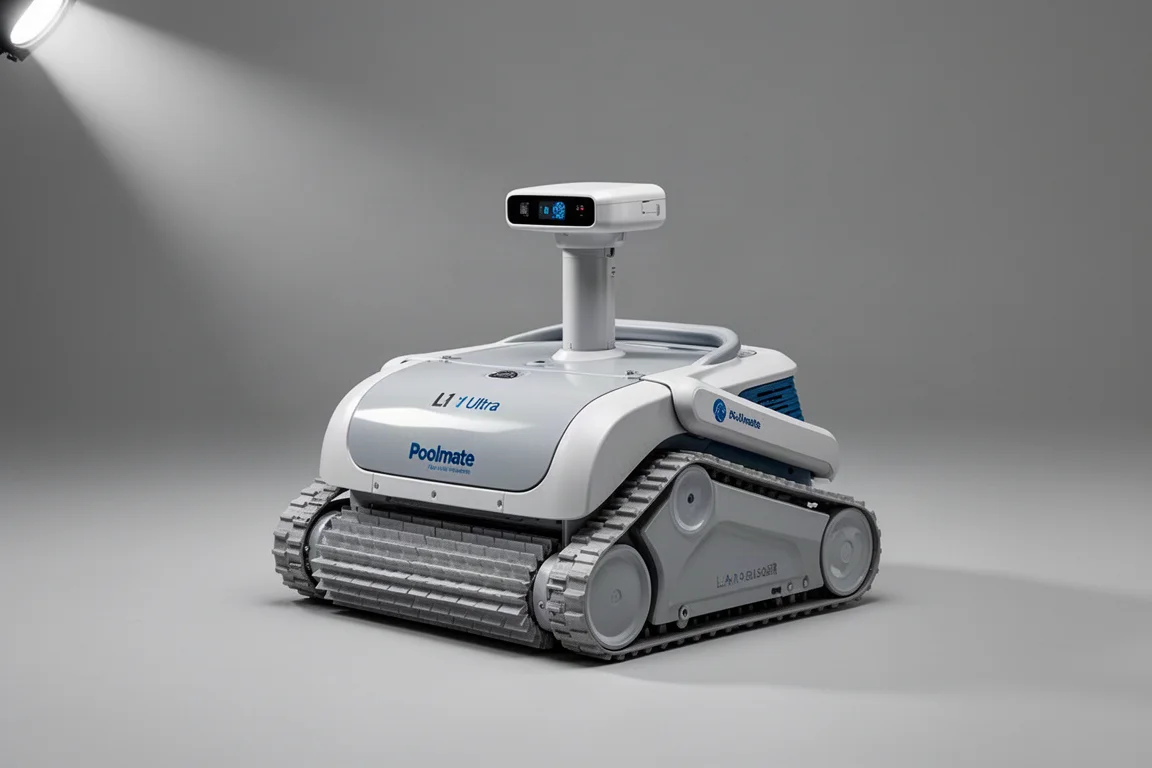
The Poolmate L1 Ultra, priced at $1,399, includes a top-mounted LAR sensor similar to what you would find on a robotic vacuum. In testing, the L1 Ultra seemed confused and spent 1 hour and 30 minutes cleaning one quarter of the pool before switching to floor-only mode. In its 3 hour and 23 minute session, it covered only 41% of the pool walls, 99% of the pool floor, and 41% of the stairs and bench area.
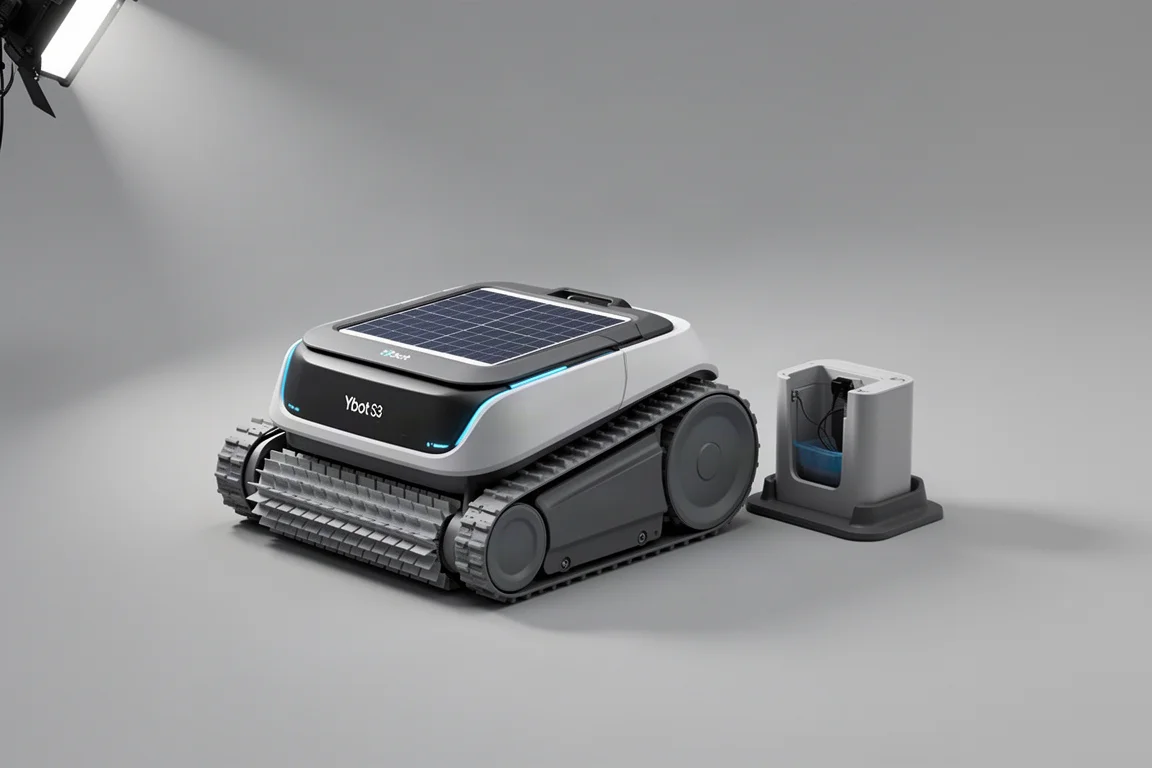
The Ybot S3, with its solar-powered auto empty and recharge dock, stayed in a hybrid wall and floor cleaning mode for its entire 2 hour and 20 minute session. It covered 91% of the pool walls, 99% of the pool floor, and 56% of the stairs and bench seat area, putting it just barely in fourth place overall.
For the fourth year in a row, a random pattern budget robot took the top spot for pool coverage. There is basically no correlation between price and pool coverage.
Debris Pickup: Leaves and Large Particles
Coverage alone does not mean a robot is actually cleaning well. Debris pickup is where the differences between models become clear, and the right choice depends on what kind of debris your pool deals with most.
For leaf and large debris pickup, three key features matter: suction, avoiding disturbance of debris, and debris bin size.
Suction determines whether a robot cleans only the leaves it passes over directly or pulls in surrounding debris. In this test, the Beatbot Sora 10, Aiper Scuba V3, Dolphin Nautilus Eon 100, and Ybot S3 had plenty of suction to prevent leaves from floating away. The MOVA Diver A10, Aiper Scuba S1, Ecovacs Ultramarine P1, and Poolmate L1 Ultra all had an average amount of suction. The Mimotion Spino E1 also had average suction but kept turning its suction motor on and off, which hurt its performance. The iGuard K70’s suction without the secondary filter was very good, on the same level as the Beatbot and Aiper Scuba V3. With the secondary filter installed, it was well below average.
Avoiding disturbance of leaves is the second important feature. A rear exit exhaust can stir up debris and send it back into the water column. The Dolphin Nautilus Eon 100, despite doing a great job picking up leaves, was the worst offender. Any time it got near a wall, its rear suction exhaust stirred up surrounding debris. The iGuard K70 also pulled in leaves from behind only to blast them into the water column, and it managed to get leaves stuck around its exhaust port, indicating a turbulent flow issue. The Aiper Scuba S1 has historically struggled with stirring up leaves, but a firmware update seems to have programmed it to turn off the suction motor whenever it gets tilted, resulting in less stirred-up leaves.
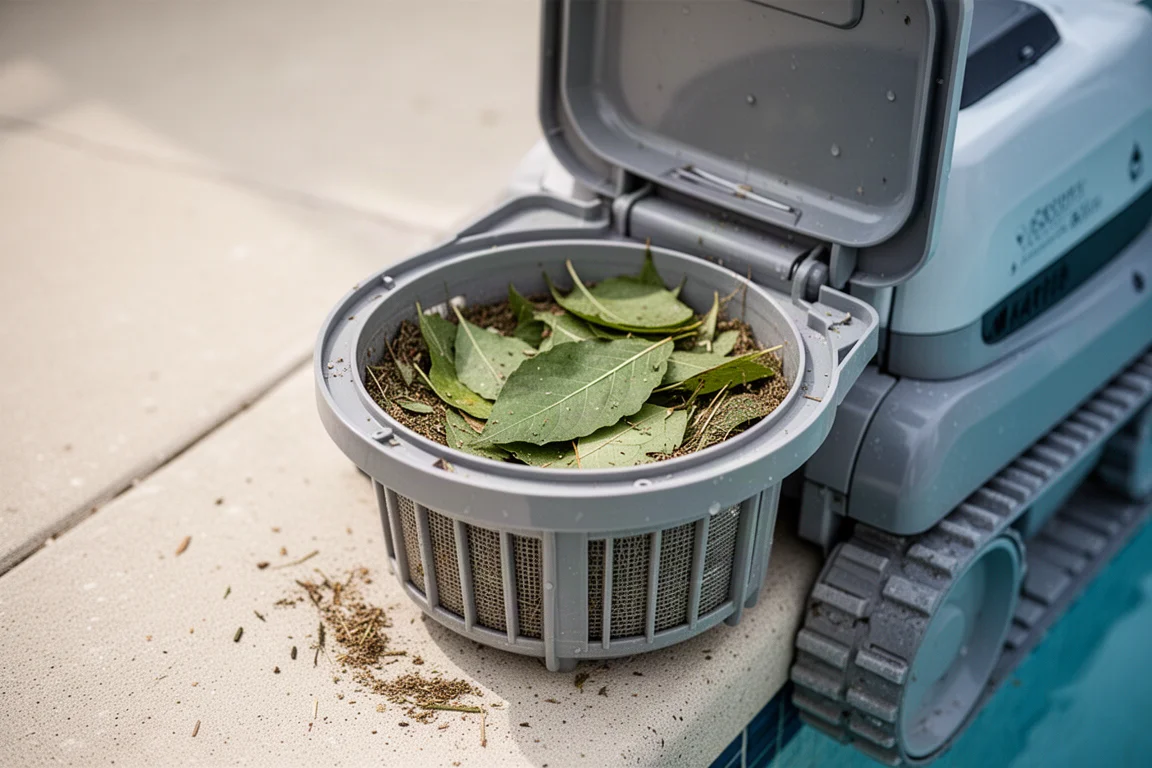
Debris bin size is the third factor. The Beatbot Sora 10 has nearly double the bin size of every other robot except the Dolphin, making it a very strong pick for pools with leaf litter issues.
Fine Particle Filtration: Sand, Silt, and Pollen
If your pool is covered by a screen or you do not have many trees nearby, you probably struggle more with fine particles like silt or pollen. For these conditions, a robot needs enough suction and the correct type of filter.
In the fine sand and silt test, all the cleaners performed relatively similarly, leaving clean to mostly clean tracks through the sand, except the iGuard K70 with the secondary filter installed, which passed directly over the sand without picking it up. Even the turbo suction setting on the K70 was slightly worse.
Filter mesh size is critical for capturing fine particles. Almost all of the robots use 180 micron main filters. The MOVA Diver A10 looks like it could have slightly better filtration due to the circular shape of its filter holes. The main filter on the iGuard K70 looked slightly less than 180 microns, while the Beatbot Sora 10 uses a smaller 150 micron filter. The Dolphin Nautilus Eon 100’s filter holes are absolutely tiny, though the official product page lists both 60 and 70 micron sizes.
Secondary filters also help. The iGuard K70 includes a 40 micron secondary filter on its most recent version. The most common type of secondary filter is a filter floss inner basket, found on the Ecovacs Ultramarine P1 and both Aiper robots. The Ybot S3 has an extremely fine, almost paper-like secondary filter. The MOVA Diver A10 lists an optional 3 micron filter on its product page, but it was not available to purchase.
When a filter mesh is too big for the particles being picked up, the cleaner fires them straight into the water column, where they eventually settle scattered throughout the pool. Despite having a secondary filter floss basket, both Aiper robots still kicked up sand into the water column, though the S1 performed better than the V3. The iGuard K70’s secondary filter does not serve much purpose: without it, the robot throws sand and silt into the water column, and with it, it does not pick up anything at all.
The best silt performance came from the Ybot S3, Dolphin Nautilus Eon 100, and Ecovacs Ultramarine P1, which all effectively picked up the sand and silt and captured it in their filter baskets.
Waterline Cleaning: Reaching the Pollen Line
Pollen not only sinks to the bottom of the pool but also gets stuck near the waterline. The ability for a robot to reach and scrub the waterline is an important selection criterion for pools with this issue.
The best waterline cleaners were the Ecovacs Ultramarine P1, which reached all the way up to the coping of the pool and did a great job scrubbing pollen off the tiles, and the Dolphin Nautilus Eon 100, which reached up approximately 3 inches but did not scrub quite as vigorously.
The MOVA Diver A10 did a good job of reaching up high onto the wall but a poor job of actually cleaning it. The Mimotion Spino E1 and iGuard K70 without the secondary filter were slightly above average, reaching 2 inches above the waterline. With the secondary filter installed, the iGuard K70 was only able to climb about one third of the way up the walls. The rest of the robots mostly cleaned at or slightly above the waterline.
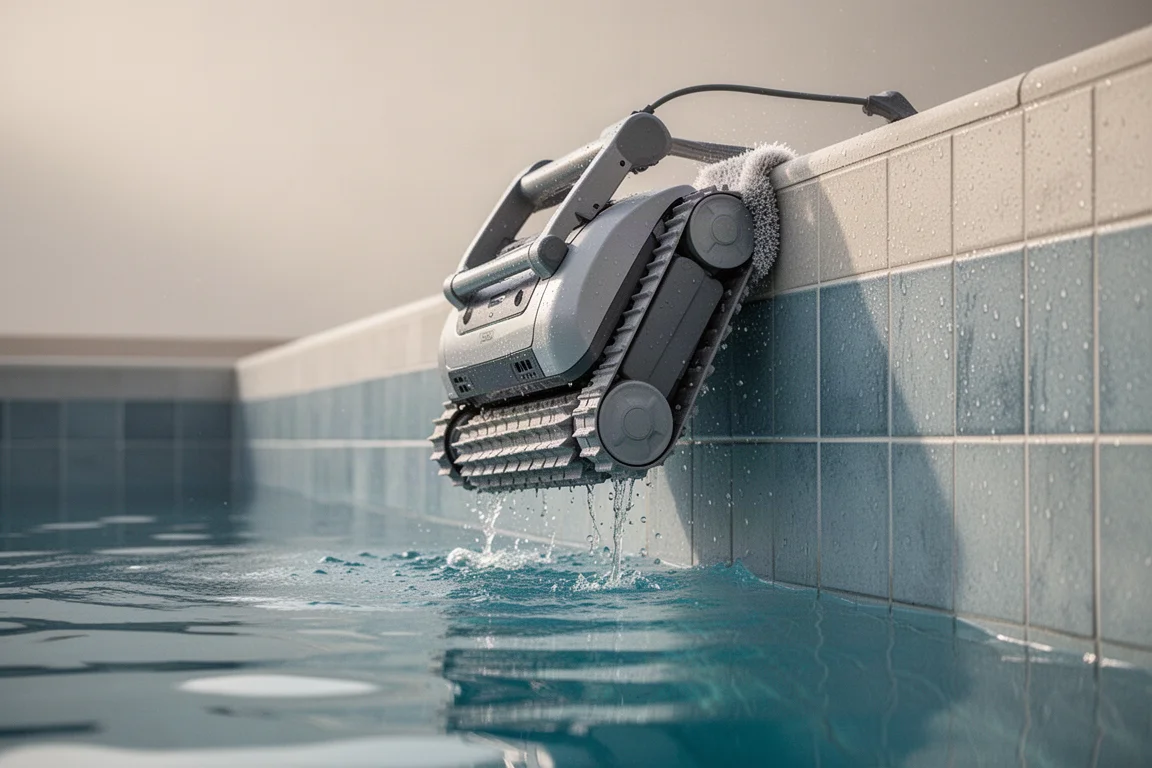
If your pool has a very constant water level, the Aiper Scuba V3 might be a good option since it has a waterline cleaning mode that travels horizontally with excellent coverage and good scrubbing action. But for pools with waterline fluctuations, it would not reach high enough.
Shallow Area Performance: Sunshelf and Tanning Ledge
Some pools have a shallow tanning ledge or sunshelf that needs cleaning. In this test, an 8 inch deep area was built to evaluate each robot’s ability to climb and clean on top of it.
Five of the ten robots would not climb onto the shallow shelf at all. The MOVA Diver A10 climbs up but turns off its suction motor while on the 8 inch deep shelf. The Mimotion Spino E1 and Ybot S3 climb up but immediately go back down without cleaning or exploring the shelf. Only the Aiper Scuba V3 and Ecovacs Ultramarine P1 attempted to clean the top of the 8 inch deep shelf, though there are some concerns that the Ecovacs would climb out of the pool if given the opportunity.
Day-to-Day Usability: Weight, Bins, and Convenience
The physical handling of a pool robot matters for regular use. Most of these robots weigh around 50 pounds when first pulled out of the water, draining down to less than 25 pounds.
The heaviest was the Dolphin Nautilus Eon 100 with a max weight of 56 pounds and an empty weight of 23 pounds. The lightest was the Aiper Scuba S1 with 39 pounds max and 20 pounds near empty. The exact weight of the iGuard K70 could not be measured because pulling it out with a strap around the roller caused the debris bin to fall out, though that does not happen when using the handle. The Ybot S3 is never really supposed to come out of the pool, as charging and emptying are handled by its in-water dock.
Cleaning the debris bins is another area where robots differ. The Beatbot Sora 10’s large open top bin was by far the easiest to clean, followed by the Poolmate L1 Ultra, which opens on both sides. The Ecovacs Ultramarine P1 also has an open top design but takes extra time to clean the filter floss insert. The Dolphin Nautilus Eon 100 has a closed top but was still relatively easy to rinse. The Mimotion Spino E1 and MOVA Diver A10 were mostly average with their hinge top designs. The iGuard K70 was similar, opening only from the front. The lowest scores went to the Aiper Scuba S1 and Scuba V3, which both have hinge tops and separate filter floss baskets and take the most time to clean.
Filter basket retention is also important. When filled with leaves and pollen and pulled out of the water, the Ybot S3 completely dumped its entire basket contents. The Beatbot Sora 10, Mimotion Spino E1, MOVA Diver A10, and both Aiper robots had just a few particles come out in the drained water. The Poolmate L1 Ultra, Dolphin Nautilus Eon 100, Ecovacs Ultramarine P1, and iGuard K70 had zero particles come out when the baskets were drained.
Advanced Features: Hunting Modes and Self-Cleaning Docks
A notable feature in this generation is a hunting mode that uses cameras on the front of the robot to actively find and pick up larger debris. The Aiper Scuba V3, Ybot S3, and Poolmate L1 Ultra all have hunting modes.
In a test with leaves placed at the bottom of the pool, the Aiper Scuba V3 methodically scanned and cleaned all the leaves in just 8 minutes. The Ybot S3 looked like it was doing more of a routine cleaning and took a total of 16 minutes. The Poolmate L1 Ultra’s hunting mode completely failed, and it ended up getting stuck in the deep end again.
The Poolmate L1 Ultra’s poor mapping and navigation was confirmed by the manufacturer, which stated that it does not currently support pools with sloped bottoms. A future firmware update is planned, but no firm date was given.
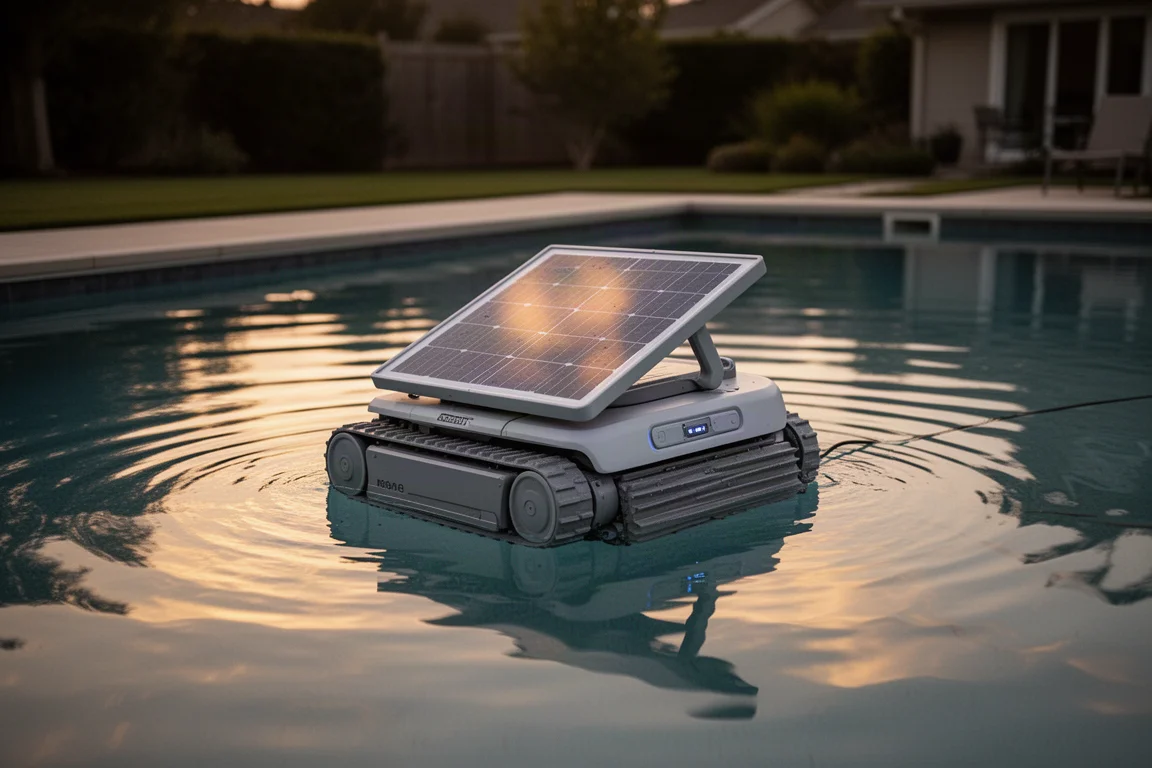
The Ybot S3 has grand intentions of being completely wireless and hands-off. The large solar panel on the base charges both the robot and the base’s internal battery, meaning the robot can always charge when it self docks regardless of sunlight. Its auto empty system pumps the contents of the filter basket into a large bag inside the bin that needs emptying much less frequently.
In practice, the Ybot S3 sporadically lost communication with its dock and the app, and the auto docking process occasionally failed. For many pool areas, finding enough sun to keep the battery charged could be a challenge, even without a pool screen. The dock had to be plugged into AC power instead of using the solar panel. The S3 is a super innovative design that does work sometimes, but at $2,500, most people are going to expect it to work all the time.
Best Overall: Beatbot Sora 10
The Beatbot Sora 10 is the best option for most people. It had the best pool coverage, strong runtime, good waterline cleaning, excellent leaf pickup with a giant debris bin, and a slightly finer filter mesh. Combined with its affordable price and Beatbot’s reputation for excellent customer service and warranty support, it is the most confident recommendation in this category.
The Sora 10 does not have a whole lot of downsides other than failing the 8 inch water depth sunshelf test. According to Beatbot, it can clean in as little as 12 inches of water. The 150 micron filter basket will not trap algae or fine sand and silt, and the optional 3 micron filter is only compatible with the Sora 30, not the Sora 10.
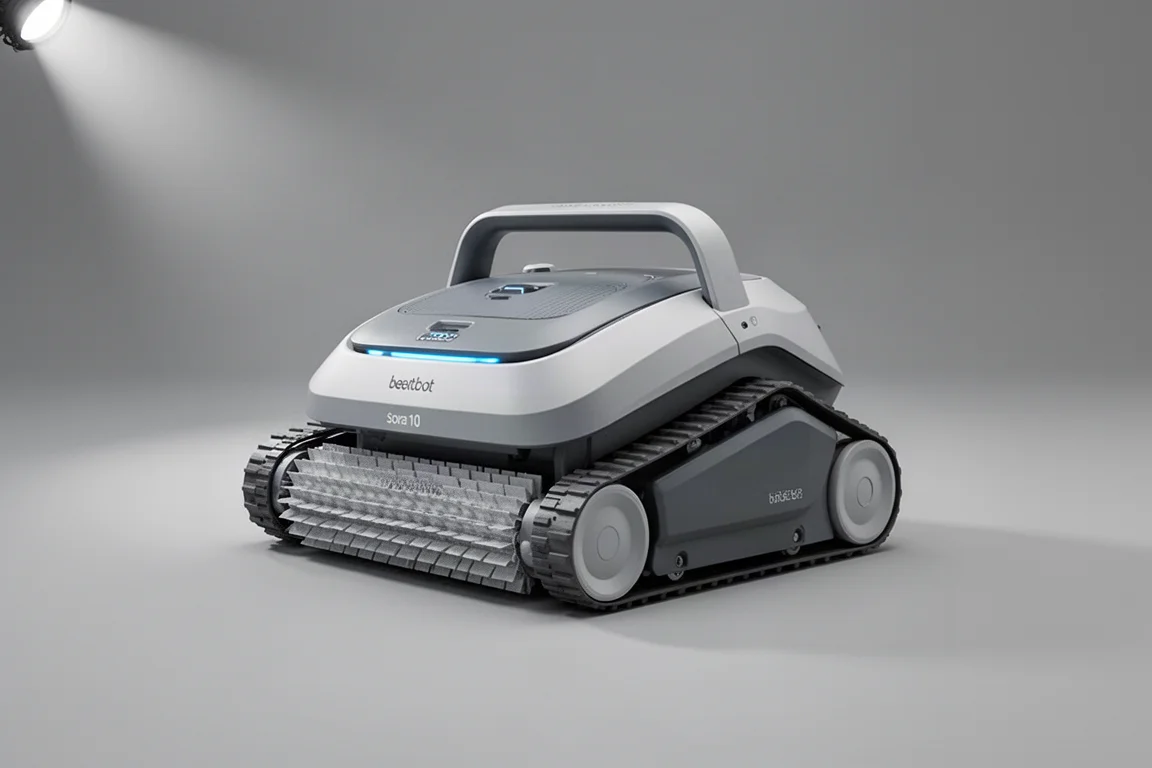
Best for On-Demand Cleaning: Aiper Scuba V3
If you are looking for something a little more advanced at a slightly higher price point, the Aiper Scuba V3’s intelligent debris hunting is one of the most impressive features in this category. It makes on-demand cleaning possible: toss the robot into the water a few minutes before you want to swim and come back to a completely clean pool.
The Aiper Scuba V3 also passed the 8 inch sunshelf test. However, even with its secondary floss filter, it struggled with sending fine sand and silt into the water column.
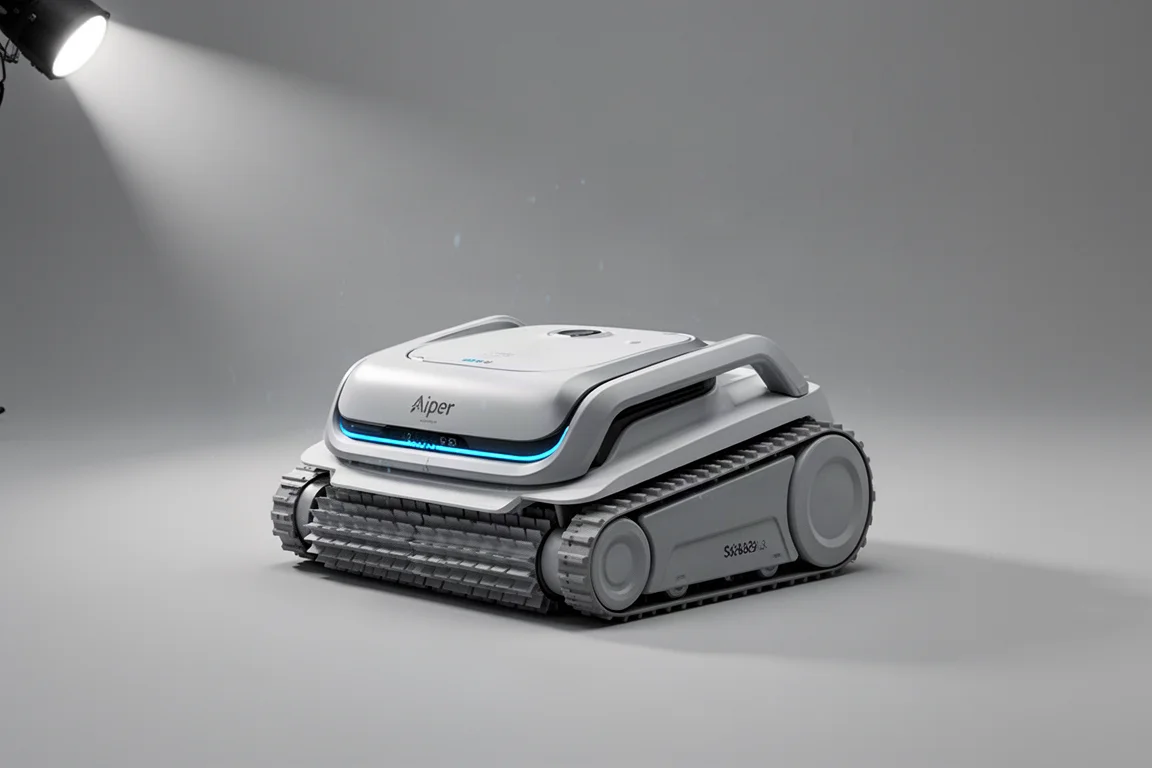
Best Budget Pick for Fine Particles: Ecovacs Ultramarine P1
If your pool’s primary issue is sand, silt, or pollen, the Ecovacs Ultramarine P1 is the budget pick. It has a very effective secondary floss filter, great waterline cleaning that reached over 3 inches out of the water, and the ability to climb into shallow ledges.
There is a slight concern that it would climb out of the pool if given the chance. The filter basket on the Ultramarine is extremely small, so it is not a great option for pools with a lot of leaf litter.
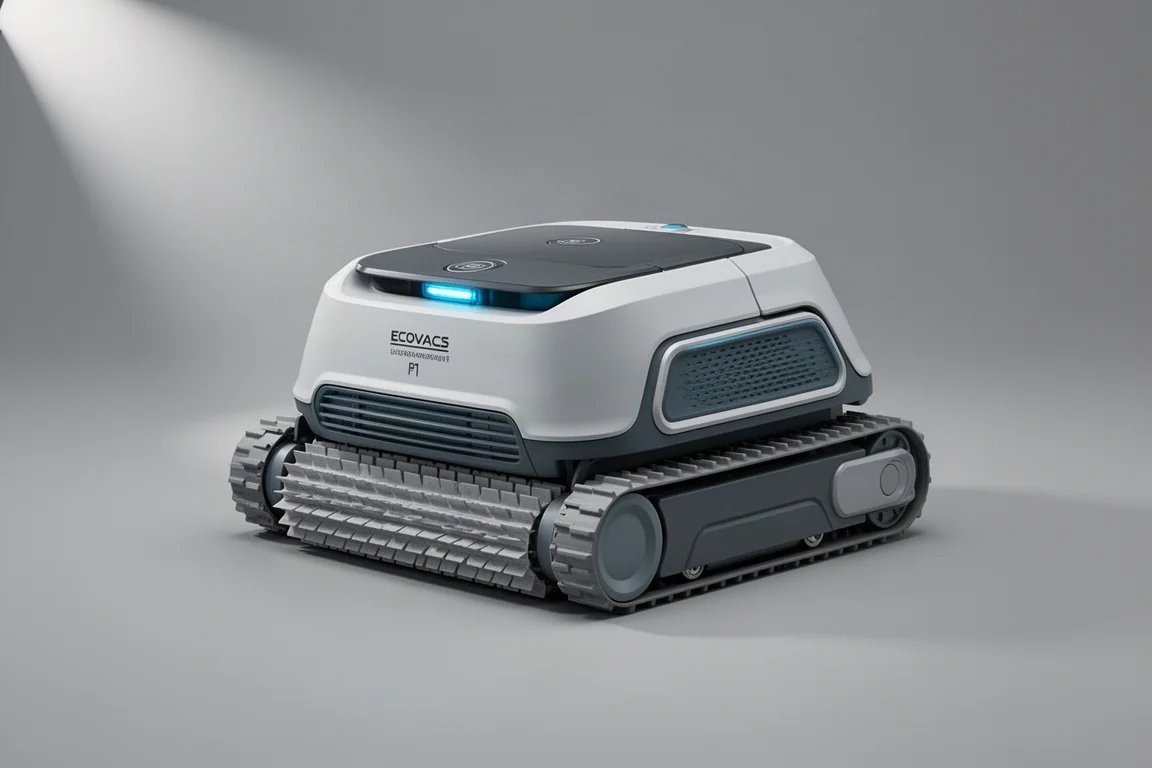
Best Higher-End Pick for Fine Particles: Dolphin Nautilus Eon 100
For a higher-end recommendation for a pool with sand, silt, or pollen issues, the Dolphin Nautilus Eon 100 comes with a very high capacity 60 micron primary filter and excellent waterline cleaning. It has better overall coverage than the Ecovacs Ultramarine P1 and a much larger debris bin, making it a good cleaner for both leaves and silt.
Other Models Considered
The Aiper Scuba S1 remains a solid performer with good coverage and a reasonable price point, though it takes the most time to clean its bin and filter floss basket. The MOVA Diver A10 is a respectable first attempt with very good wall coverage, but it turns off its suction motor on shallow shelves. The Mimotion Spino E1 has decent floor coverage but struggles with walls and stairs. The iGuard K70 performs well without its secondary filter but is confusing to set up correctly. The Poolmate L1 Ultra has potential with its LAR sensor but currently fails on sloped-bottom pools. The Ybot S3 is innovative but unreliable in practice for the price.
Buying Advice
The most important takeaway is that price does not correlate with pool coverage. A budget robot like the Beatbot Sora 10 outperformed models costing several times more.
Start by identifying your pool’s primary debris type. If you deal with leaves, prioritize suction, debris bin size, and a design that does not stir up debris. If you deal with sand, silt, or pollen, prioritize filter mesh size and secondary filtration.
Consider your pool’s physical layout. If you have a shallow sunshelf, only a few models can clean it effectively. If you have a sloped bottom, some mapping robots will struggle. If your waterline fluctuates, look for a robot that reaches high enough to handle it.
Think about day-to-day convenience. How heavy is the robot when wet? How easy is the bin to clean? Does the basket retain debris when pulled out of the water? These factors affect how often you will actually use the robot.
Conclusion
The robotic pool cleaner market has never been more competitive. The Beatbot Sora 10 stands out as the best overall value with top-tier coverage and excellent leaf pickup. The Aiper Scuba V3 offers impressive on-demand cleaning with its hunting mode. The Ecovacs Ultramarine P1 and Dolphin Nautilus Eon 100 are strong choices for pools with fine particle issues.
The key is matching the robot to your specific pool conditions rather than assuming a higher price means better performance. With the right choice, a robotic pool cleaner can handle the routine work and keep your pool ready for swimming with minimal effort.
Further reading
Related Reviews
Pickleball Paddles
2025 Paddle Awards: The Best Pickleball Paddles of the Year
A category-by-category breakdown of the best pickleball paddles of 2025, covering value, control, all-court, power, and paddle of the year.
Automotive Accessories
70mai Dash Cam Comparison: A200 vs A510 vs A810
Three dash cameras from 70mai across different price points reveal how resolution and sensor quality impact real-world footage clarity, especially for number plate visibility and low-light performance.
Mobile Gaming Accessories
8BitDo FlipPad vs GameSir Pocket Taco: Which Vertical Phone Controller Fits You Best?
Two compact vertical phone controllers with very different approaches to connectivity, controls, and everyday use. Here is how they compare across seven practical categories.