Cycling Accessories
Best Road Tubeless Sealants: Six Sealants Tested at High Pressure
A practical comparison of six tubeless sealants for road cycling, based on puncture sealing performance at 70 PSI and long-term maintenance considerations.
Introduction
Road tubeless setups have become increasingly popular, and sealant choice is one of the most important decisions for riders who want to avoid roadside repairs. The right sealant can turn a sharp puncture into a brief pressure loss and a quick spin of the wheel, while the wrong one can leave a rider stranded.
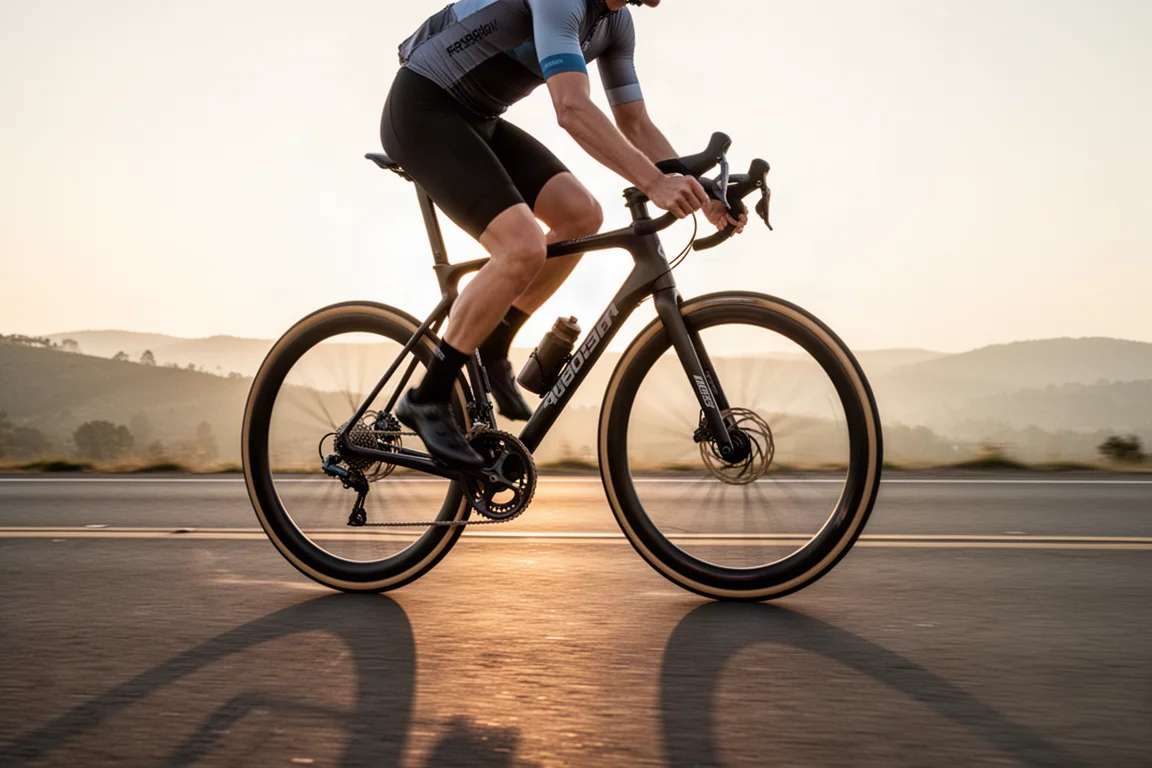
This comparison looks at six tubeless sealants used in road cycling, with a focus on how well each one seals punctures at high pressure and how much maintenance it demands over time. The aim is to help riders choose a sealant that matches their priorities, whether that is maximum puncture protection, low maintenance, or value.
How These Road Tubeless Sealants Were Evaluated
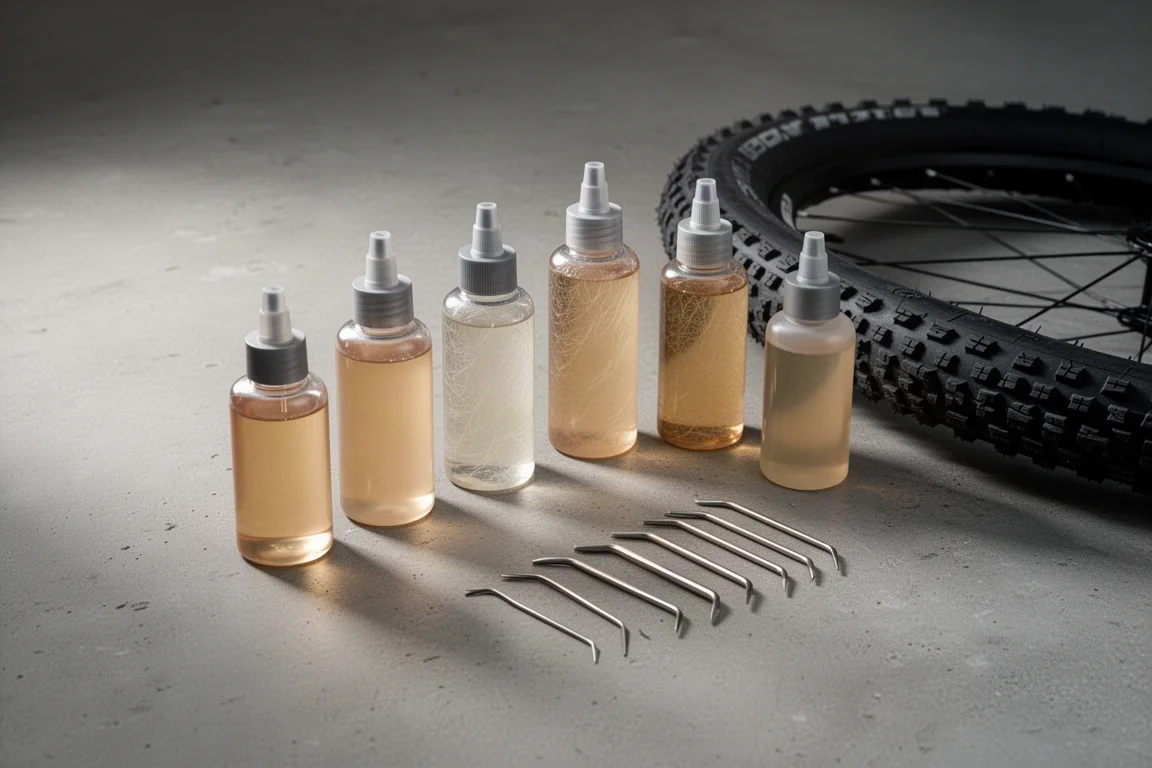
Each sealant was tested in a 28 mm road tire mounted on a Zipp 303 wheel, inflated to 70 PSI, which is the limit for this setup under ETRTO standards. Punctures were simulated with screwdrivers ranging from 1 mm to 7 mm. After each puncture, the tire was spun to see whether the sealant could close the hole and hold pressure.
The test continued through increasing screwdriver sizes until the tire could no longer hold 70 PSI. That approach makes the results directly relevant to road riders who run higher pressures, where sealant has a harder job than in lower-pressure gravel or mountain bike setups.
Silca Sealant: Carbon-Fiber Formula for Road Pressures
Silca Sealant is a newer entry that uses a foaming latex formula with carbon fibers suspended in the liquid. The idea is that the sealant coats the inside of the tire as the wheel turns, spreading those carbon fibers across the inner surface. When a puncture occurs, the fibers clot at the hole, and continued riding pushes more fibers into the damaged area, reinforcing the seal as the tire is used.
That behavior is especially relevant for road tires and higher pressures. If a puncture breaks the initial seal, the pressure can drop, but the carbon fibers can re-seal the hole and allow pressure to build again. In testing, this sealant sealed a 7 mm puncture and still held 70 PSI. The screwdriver set did not go large enough to find the point where it could no longer cope, making it the clear top performer in this group. It is positioned as a premium sealant, not massively cheap, but around what you would expect to pay for a top-tier option.
Stan’s Tire Sealant: The Popular Choice
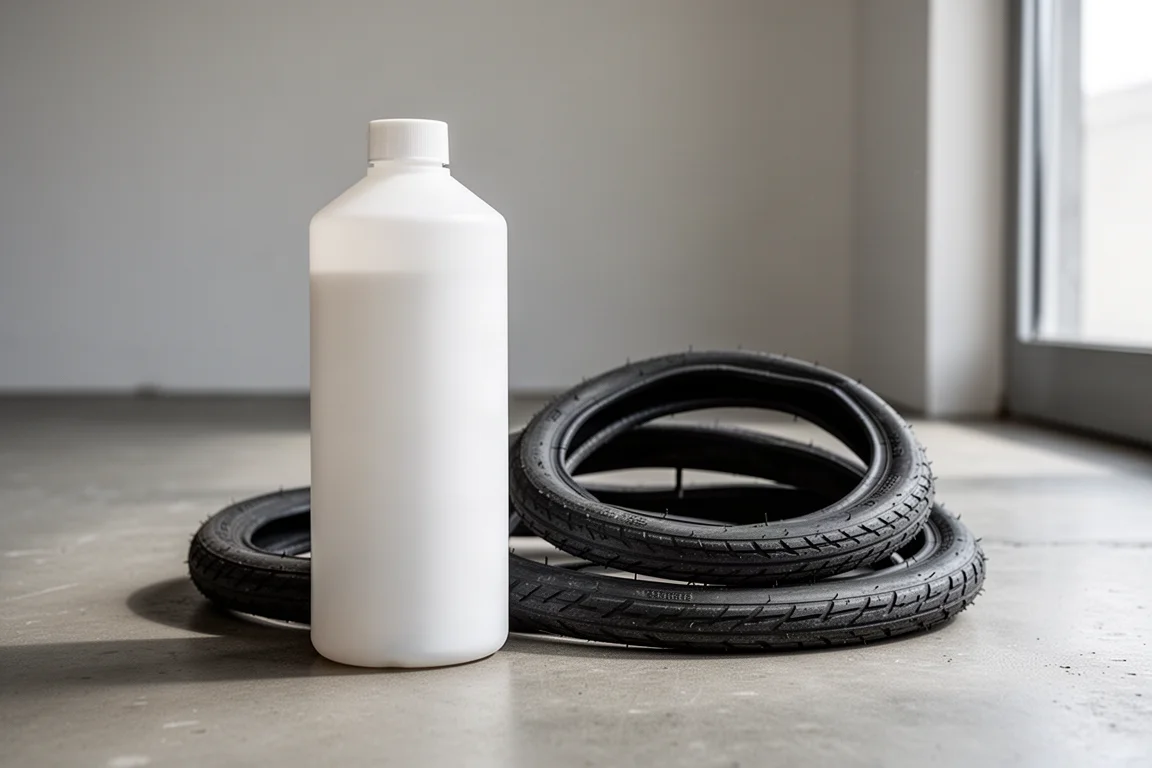
Stan’s Tire Sealant is one of the most widely used sealants in cycling, and it claims to seal holes up to 6.5 mm. However, that claim does not specify a pressure range, leaving it unclear whether the figure applies to gravel pressures or road pressures.
In this road-focused test at 70 PSI, Stan’s did not perform well. The sealant poured out of the bottom of the tire, and the tire was emptied of sealant rather than holding a seal. It could not reach the 4.5 mm screwdriver stage that separated the stronger performers from the weaker ones. Riders who use Stan’s at lower pressures may have a different experience, but for high-pressure road tubeless, the test results were disappointing.
Effetto Mariposa Vegetalex: Biodegradable Latex Sealant
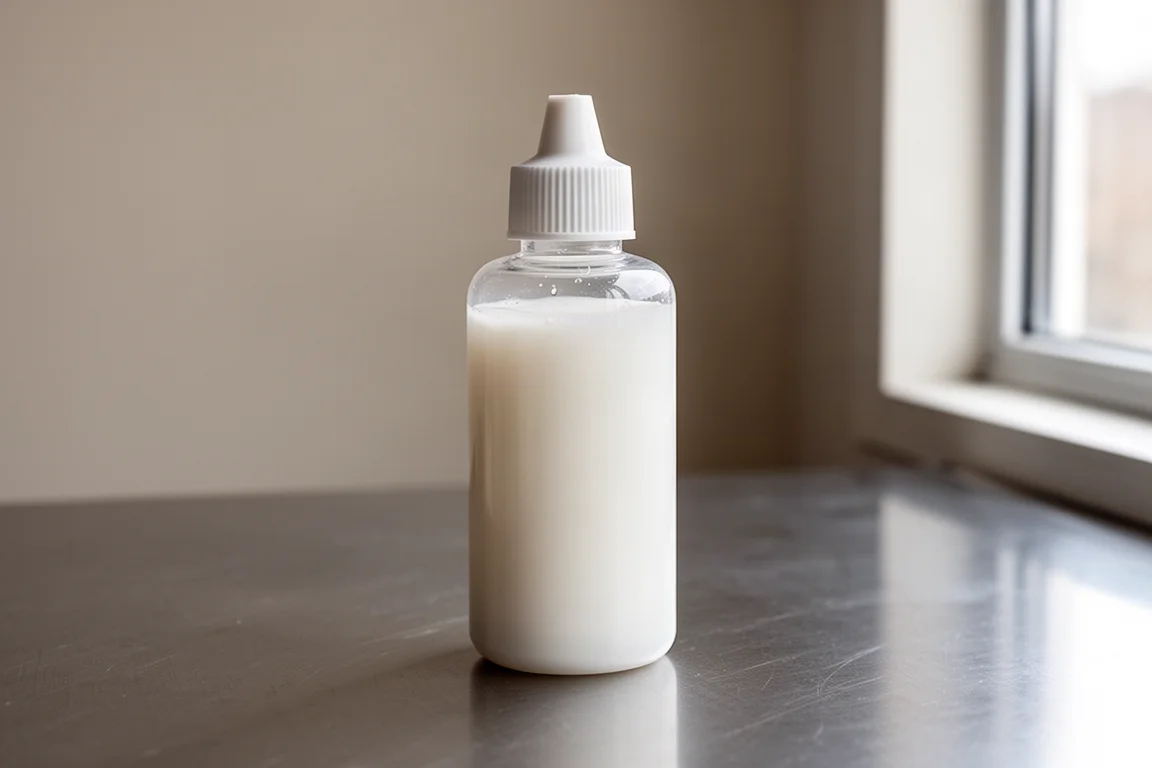
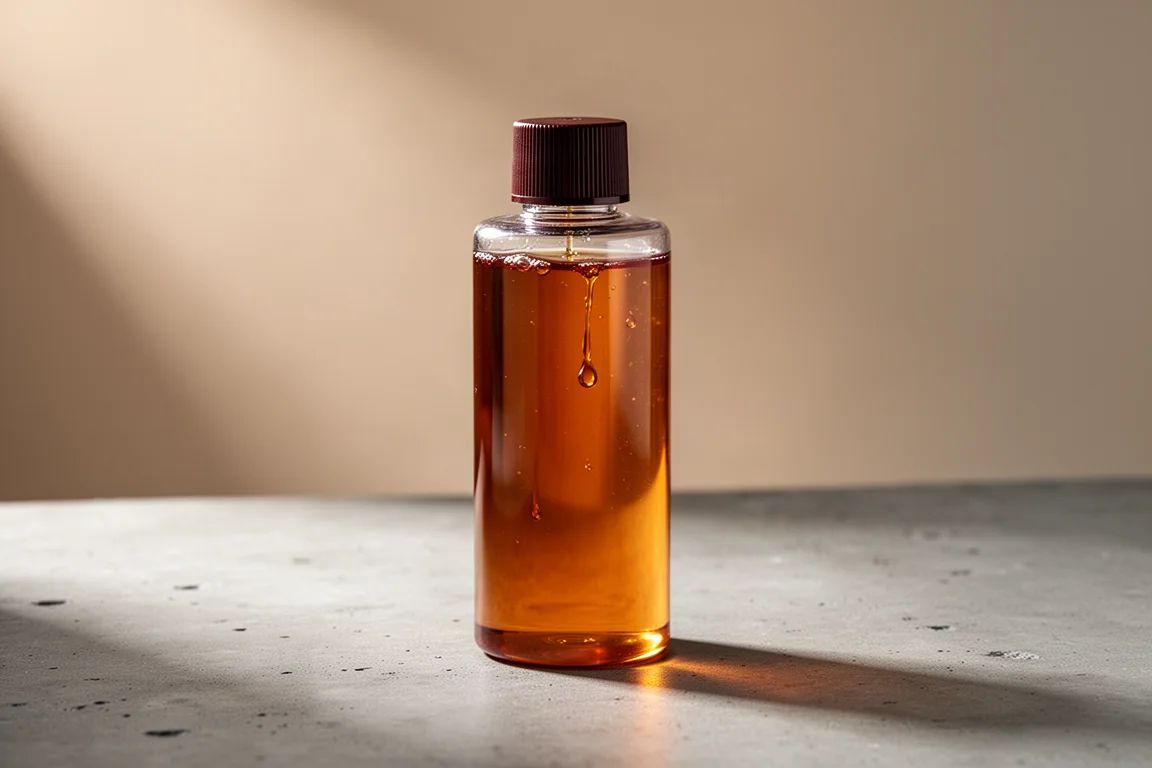
Effetto Mariposa Vegetalex is a more niche sealant with a distinctly oily appearance in the bottle. Its main selling point is a more biodegradable and natural formulation, and it is described as hypoallergenic, which may appeal to riders with latex sensitivities. The claimed sealing limit is 5 mm at low gravel pressures and only 3 mm at road pressures.
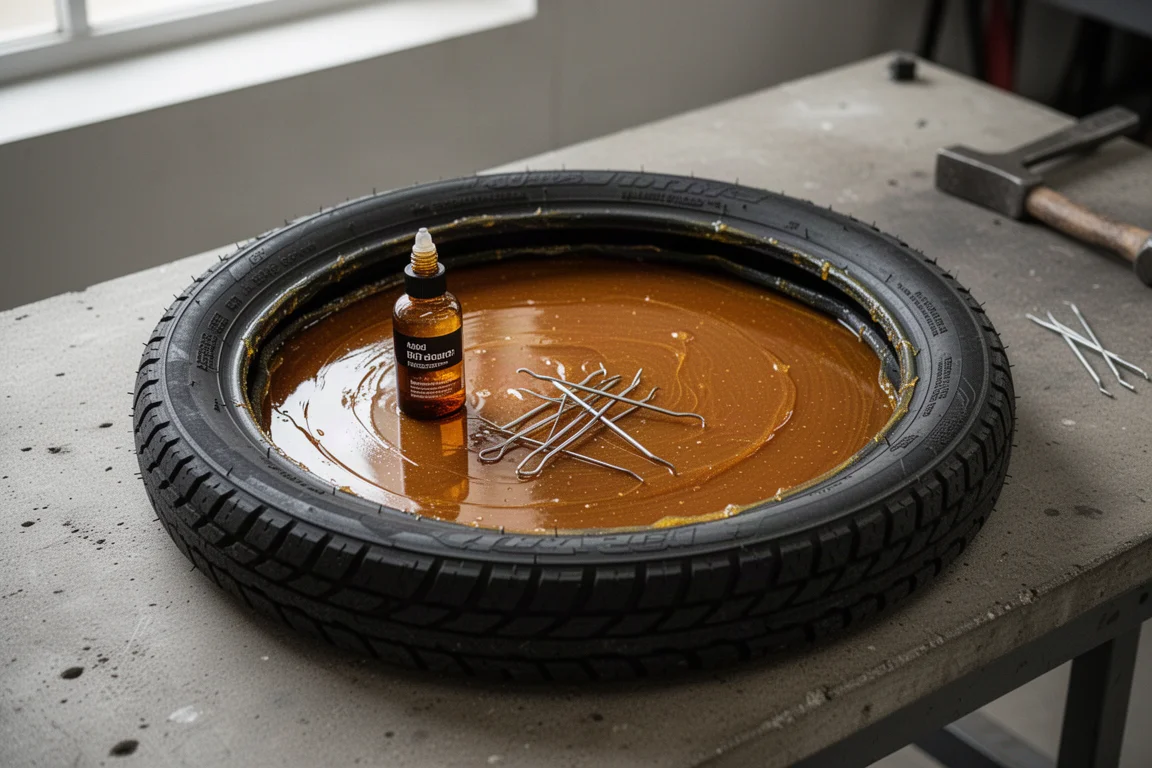
In testing, Vegetalex held on to the sealant well. When the tire was opened, the liquid was still inside and had a different consistency from the others, appearing thicker and oily. That is not necessarily a bad thing, but it did not translate into strong sealing performance. It was unable to reach the 4.5 mm screwdriver size, so it sits among the lower performers for high-pressure road use. Riders who prioritize a more natural formula may still find it interesting, but it is not the strongest choice for demanding road punctures.
Orange Seal Sealant: Quick Sealing, Short Lifespan
Orange Seal Sealant is a regular, well-known formula that claims to seal holes up to 6 mm in diameter. Its most notable characteristic is a short recommended lifespan inside the tire, listed as only 30 to 45 days. Many other sealants in this comparison are rated for up to around 6 months, so Orange Seal demands a much more frequent replacement schedule.
That short lifespan makes it a high-maintenance option, especially for riders who do not want to refresh sealant every month or so. In testing, Orange Seal sealed holes up to 3 mm and did so quickly, often needing little more than a spin of the wheel. It could not handle the 4.5 mm screwdriver, and its short service life placed it at the bottom of this group despite respectable sealing speed.
Muc-Off Sealant: High-Pressure Claims
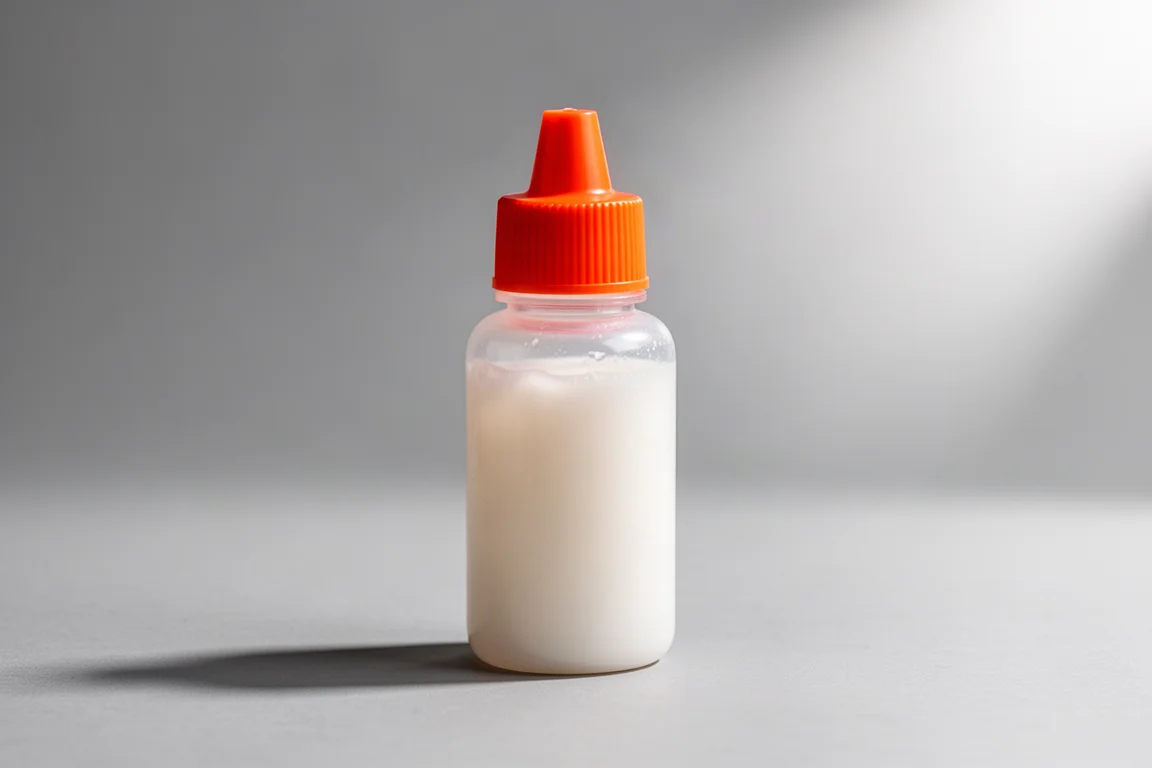
Muc-Off Sealant comes in a large bottle and makes ambitious claims: it says it can seal holes up to 6 mm in diameter and handle pressures up to 120 PSI. Those two figures may not apply to the same puncture size, and it is reasonable to expect that 120 PSI refers to smaller holes while 6 mm applies more to gravel pressures.
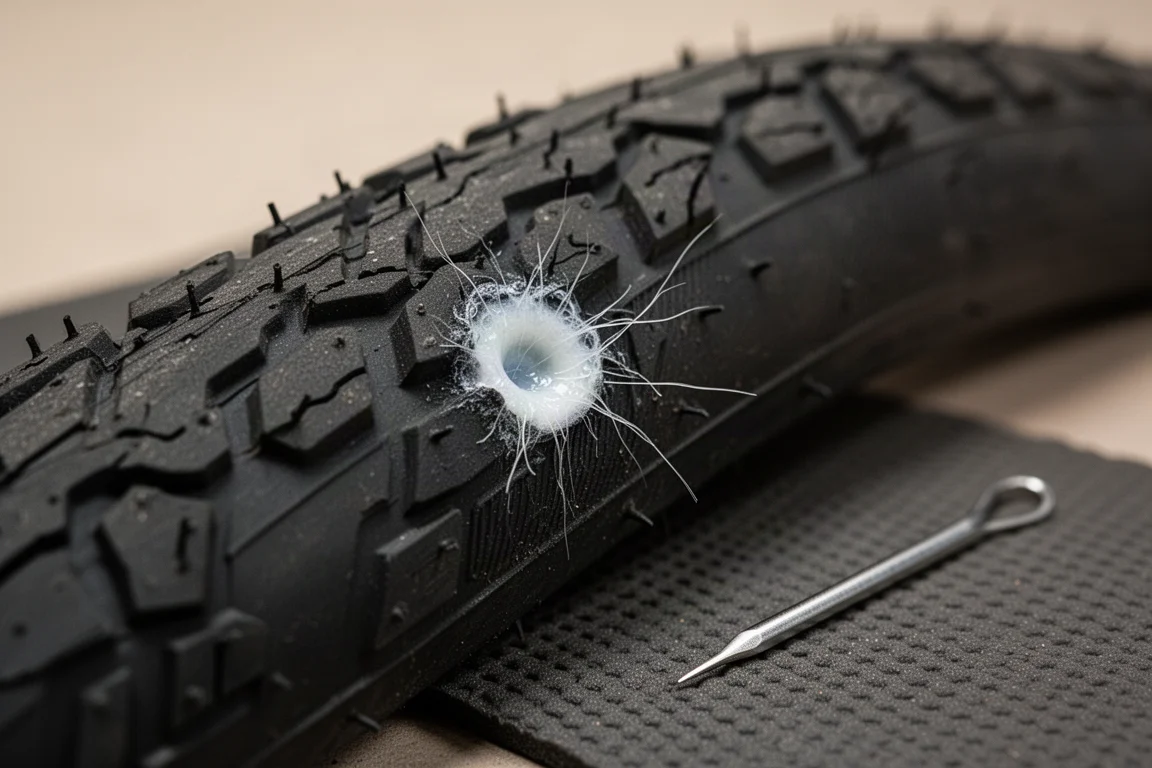
Even so, Muc-Off performed very well at 70 PSI. It sealed quickly, held higher pressures, and managed to seal a 5.5 mm puncture from a substantial screwdriver. Looking inside the tire, there were fibrous strands poking through the sealant, similar to the carbon fibers in Silca. That particle structure appears to help the sealant build a stronger plug. It did not quite reach the full 6 mm claim in this test, but it was one of the strongest performers overall.
Lifeline Sealant: Budget-Friendly Performance
Lifeline Sealant is significantly cheaper than the other sealants in this comparison, and its claims are more modest. It is rated to seal holes up to 5 mm, with no specific pressure range given, though that figure may apply to pressures around 60 to 70 PSI. It also has a lifespan of up to about 6 months, which is competitive with the longer-lasting options.
In testing, Lifeline exceeded expectations by sealing holes up to 4.5 mm. That is below its 5 mm claim, but it still outperformed several more expensive sealants at high road pressure. For riders who want a capable sealant without spending premium money, Lifeline is a compelling choice, especially given its long service life.
Buying Advice for Road Tubeless Sealants
The best sealant for road tubeless depends on what a rider values most. For maximum puncture protection at high pressure, Silca Sealant stood out by sealing a 7 mm puncture and holding 70 PSI. Muc-Off Sealant was also strong, with quick sealing and a 5.5 mm result. Lifeline Sealant offers impressive value, sealing 4.5 mm at a much lower price and lasting up to about 6 months.
Riders who dislike frequent maintenance should pay close attention to lifespan. Orange Seal’s 30 to 45 day recommendation makes it a high-maintenance choice, while Lifeline and several others last much longer. Effetto Mariposa Vegetalex may suit riders who want a more biodegradable, hypoallergenic formula, but its 3 mm road-pressure claim and test result make it less suitable for high-pressure road punctures. Stan’s Tire Sealant, despite its popularity, did not hold up in this high-pressure road test.
Conclusion
This comparison shows that sealant choice matters a great deal for road tubeless. Silca Sealant delivered the strongest high-pressure performance, sealing a 7 mm puncture and holding 70 PSI, while Muc-Off Sealant and Lifeline Sealant also impressed for different reasons. Riders who want the best chance of staying on the road after a sharp puncture should prioritize sealants that can handle road pressures, and Silca currently sets the benchmark in this group.
Further reading
Related Reviews
Cycling Accessories
7 Inexpensive Everyday Products That Are Brilliant for Cyclists
Seven cheap household products that solve real problems for cyclists, from portable bike washing and dry shoes to clean bottles and protected paintwork.
Cycling Accessories
Amazon Cycling Accessories Worth Buying: Five Practical Picks
A basket of low-cost cycling accessories judged on real-world use, from a dash cam style camera and light combo to bone conduction headphones and one tool best left on the shelf.
Cycling Accessories
Electric Bike Pumps Compared: AS2 Pro Tiny Pump vs AS2 Pro Max
A practical look at two battery-powered bike pumps: what they do well, where they fall short, and which one suits which kind of rider.