Road Bikes
Best Road Race Bikes: Focus Izalco Max 9.8 vs Specialized Tarmac SL8 Pro and Canyon Ultimate
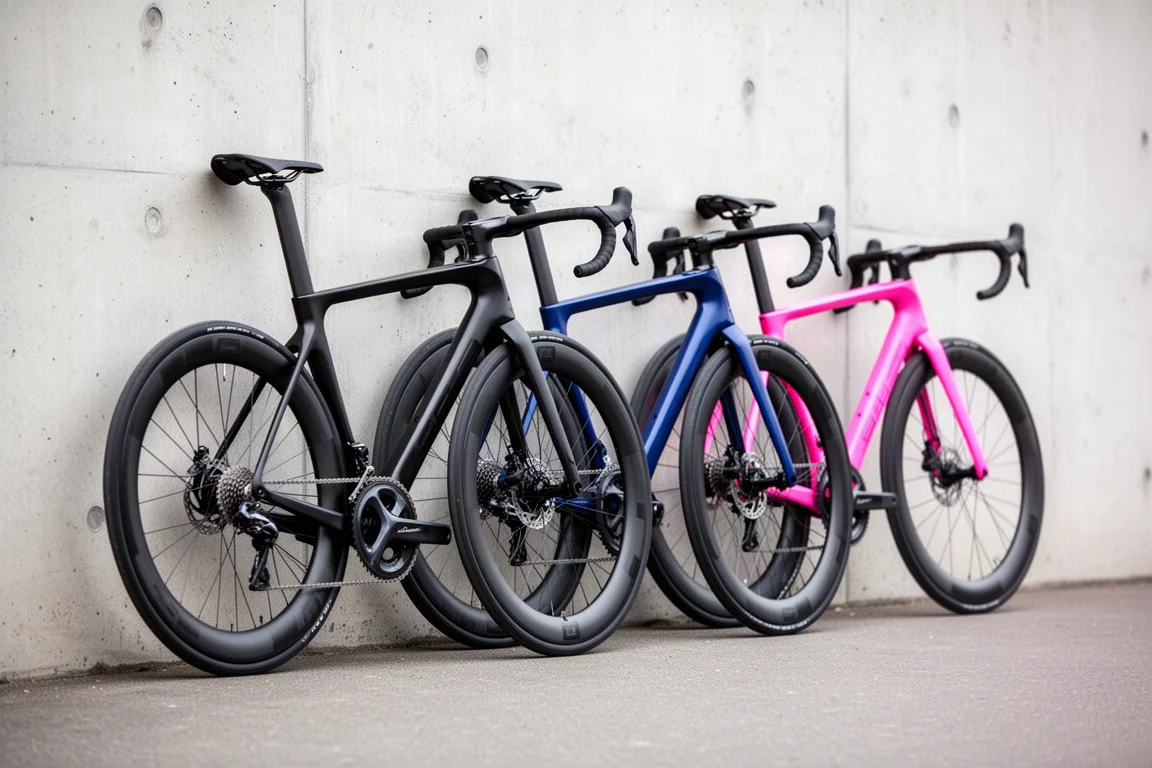
Four Ultegra Di2 and Force AXS race builds compared on price, cockpit adjustability, handling, and spec. The Focus Izalco Max 9.8 takes the overall nod.
Introduction
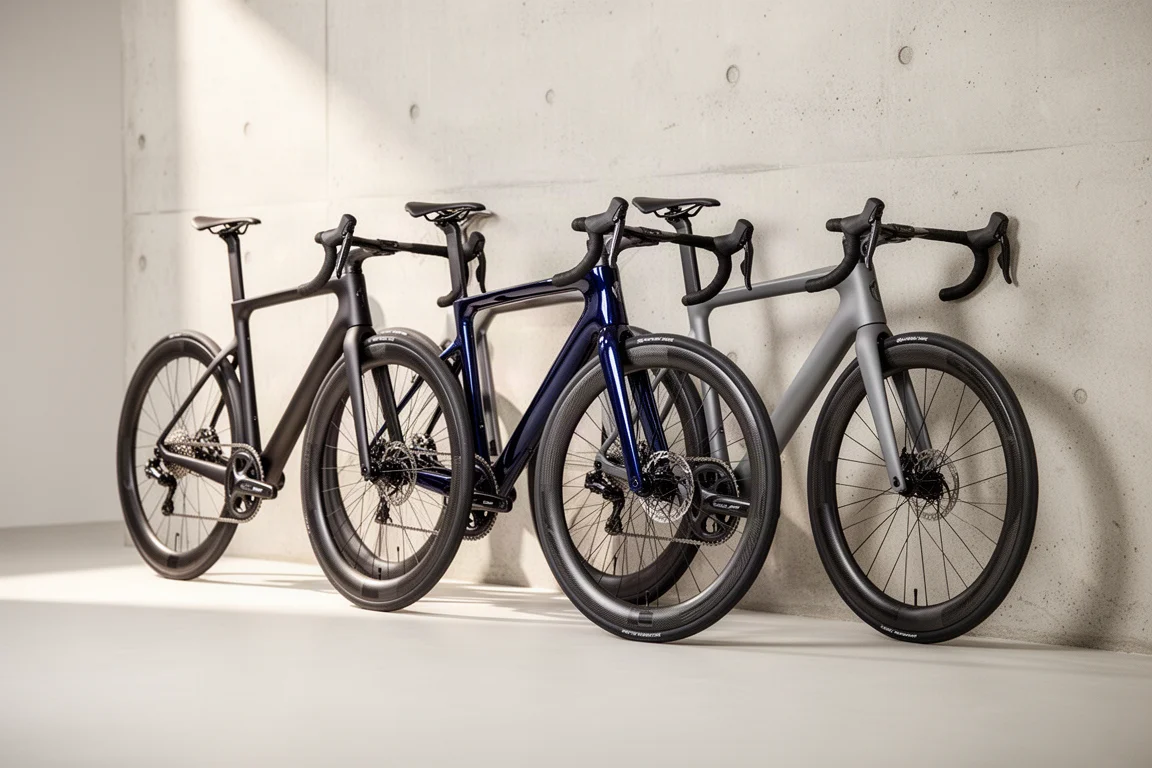
Road race bikes are expensive, and the gap between a good one and a great one usually shows up in the details rather than the headline numbers. Cockpit adjustability, tire choice, rim depth, and the way a frame behaves under a hard effort all matter more than a spec sheet suggests.
This comparison covers four builds chosen to reflect a realistic amateur racer specification: Shimano Ultegra Di2 or SRAM Force AXS groupsets, aero wheels, quality tires, and carbon cockpits. All four are a significant step up in every area compared with what a comparable budget bought a decade ago, and the Specialized and Canyon builds also include a power meter.
Prices differ sharply, and so does the amount of customization each bike allows. The Focus Izalco Max 9.8 comes out as the best overall balance of spec, ride quality, and fit flexibility, but the other three have clear cases of their own.
How These Race Bikes Compare
Four things separate these bikes in practice. The first is price and regional availability, because two of the four are not sold in every market. The second is the cockpit: some use a standard stem and round steerer, which makes bar and stem changes simple, while others use a proprietary one-piece system. The third is handling character, which ranges from quick and reactive to calmer and more stable at speed. The fourth is spec detail, from tire width to rim depth to whether a power meter is included.
All four frames use a mix of truncated aerofoil tube shapes, aggressive riding positions, and steep angles intended to deliver quick handling and a lively ride feel. The differences show up in how that intent is tuned.

Wheels and tires are the easiest place to change a bike’s character after purchase, and two of the builds here leave obvious room for improvement: one would benefit from wider tires, and another ships with rims that feel deeper than the frame really wants on a climb.
Focus Izalco Max 9.8: The Overall Pick
The Izalco Max 9.8 is the most adjustable bike in this group. It pairs a standard round steerer with a normal stem, so bar shape, bar width, and stem length can all be changed without hunting for proprietary parts. If your position matters to you, that flexibility is worth more than a small weight saving.
On the road it is a little more mellow than the sharpest bikes here. The reach to the bars is slightly longer and the head tube angle a touch slacker, which slows the handling at low speed and makes it feel marginally less eager than a criterium-focused race bike. The payoff comes at speed, where it feels calmer and more settled on long fast descents, which suits riders who value stability over snap.
The spec is hard to fault apart from one omission: there is no power meter. If you already own one, that is not an issue, but if you want one, it belongs in the overall cost. The paint finish is plain, and that is about the only aesthetic complaint.
In the UK the bike sits at just under £6,600, and in Europe it is priced at just under €6,800. It is not currently available in the US.
Specialized Tarmac SL8 Pro: The Sharpest Handler
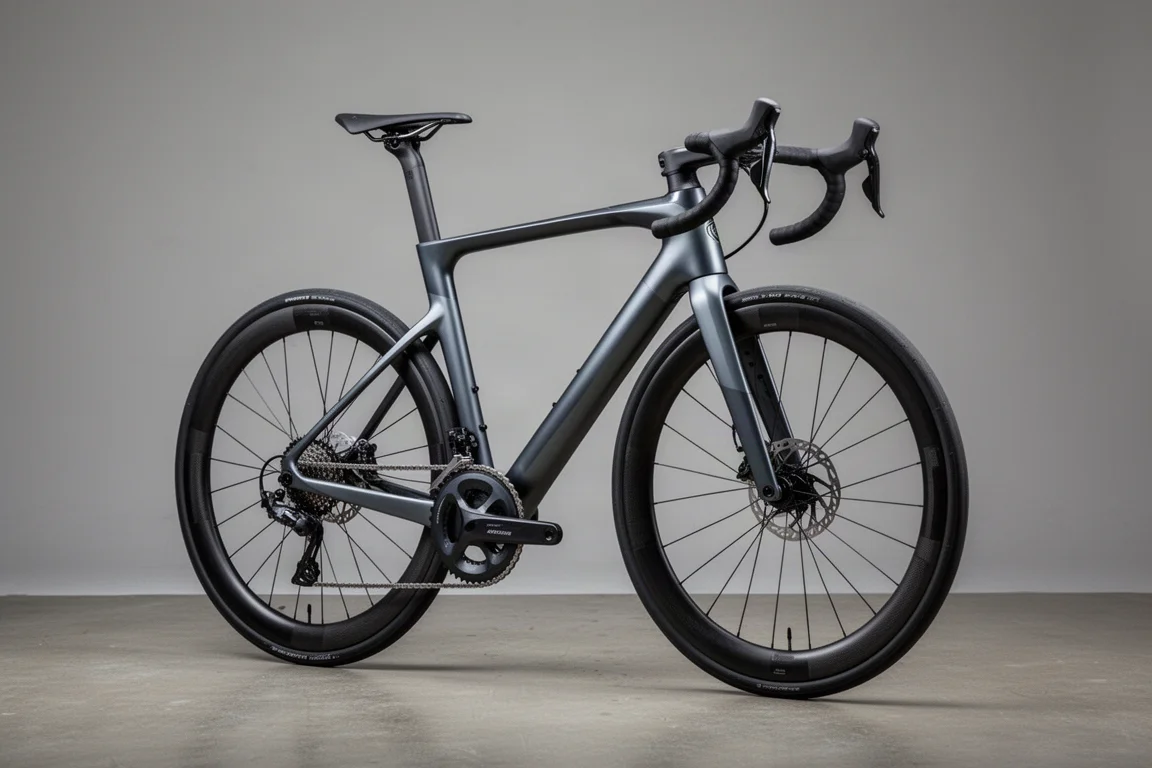
The Tarmac SL8 Pro is the most reactive bike of the four. The stack is low, the steering is very quick, and it feels excellent when you are climbing or making small adjustments to your line through a corner. For criteriums and twisty group rides, that combination is close to ideal.
It also uses a non-integrated cockpit with a standard stem, so the same easy customization that makes the Focus appealing applies here too. A power meter is included as standard, which softens the effect of the higher price.
Two details are worth knowing before you buy. The bike comes with 26 mm tires as standard where 28 mm would suit it better, and the brake rotors are very loud in wet weather, noisy enough to be genuinely irritating on quiet roads. Rotors are relatively cheap and easy to replace, so neither issue is a dealbreaker, but both are worth budgeting for.
At around £8,000 the Tarmac SL8 Pro is the most expensive bike in this comparison, though it is still well below the World Tour specification S-Works Tarmac SL8 at around £12,000. If the price is a stretch, the Tarmac SL7 with a 12-speed Shimano 105 groupset costs less than half as much.
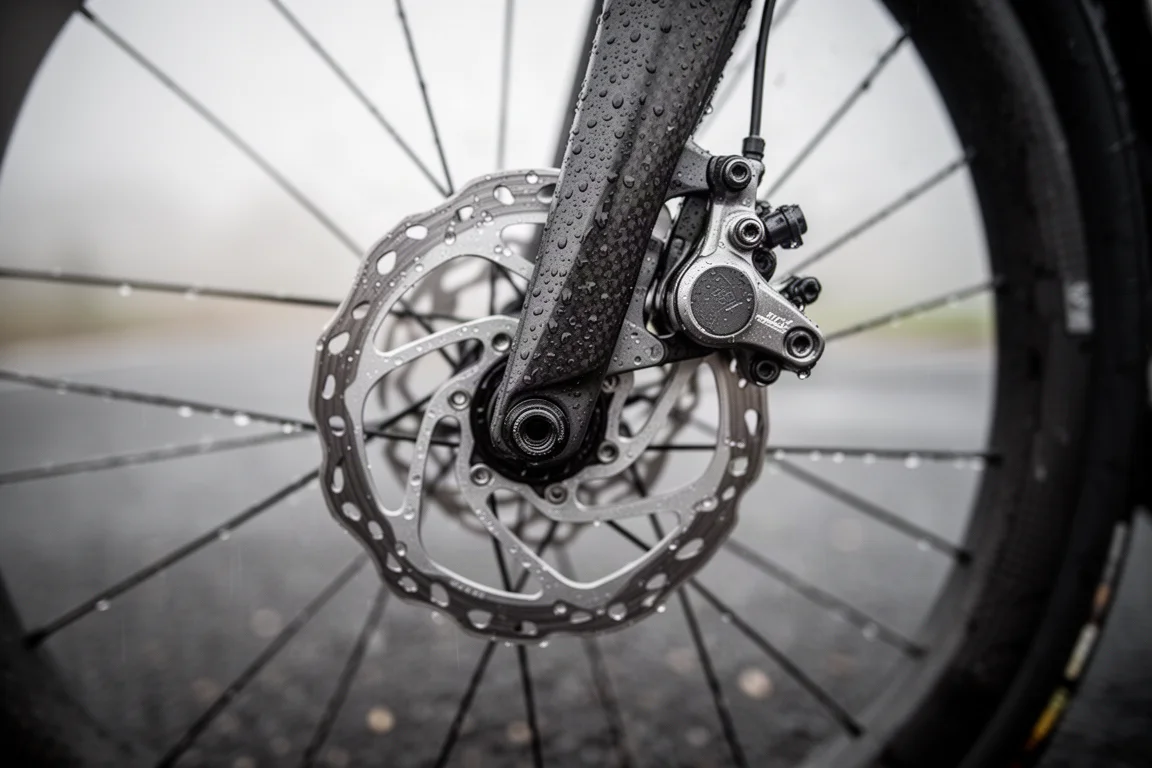
That tire and rotor detail matters most to riders who train through the winter and race in changeable conditions, where a wider tire and quieter braking are worth more than a small aerodynamic gain.
Canyon Ultimate CF SL Aero: Best Value in the UK and Europe
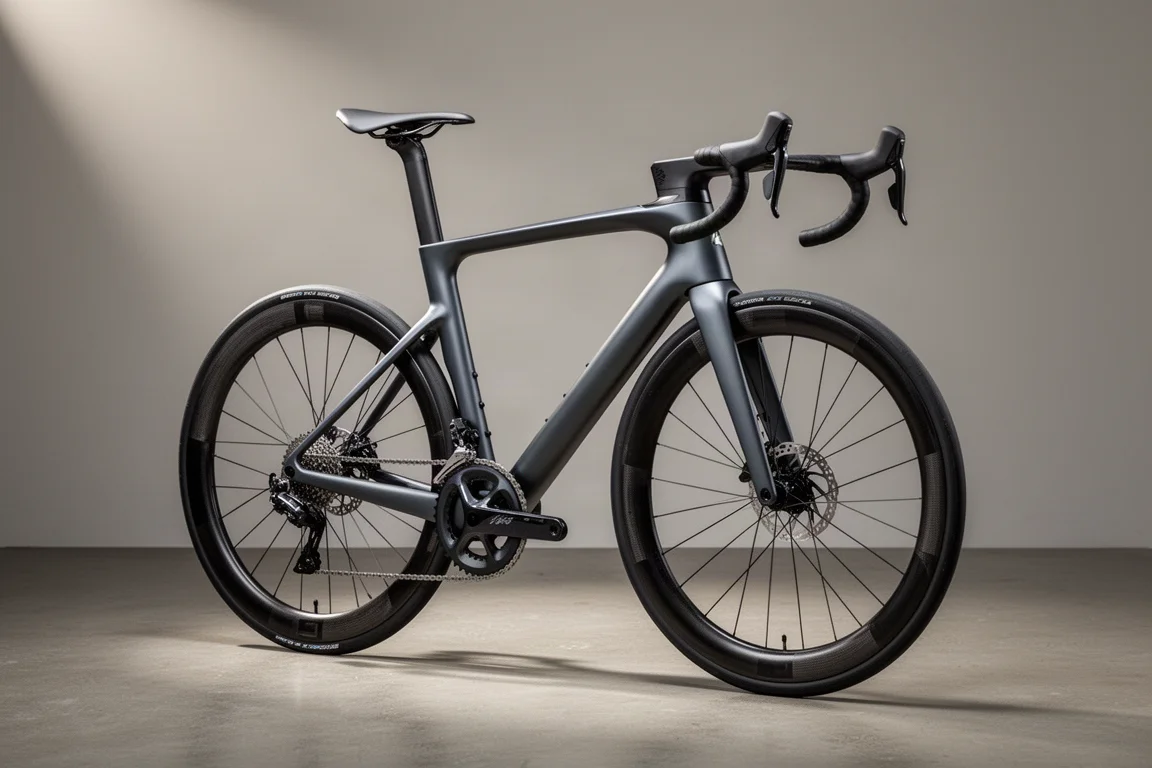
The Ultimate CF SL Aero is the value pick of the group at just under £4,800 in the UK, and the reason is partly the direct-sales business model. That model keeps costs down, and one of the trade-offs is a one-size-fits-all approach to components.
The clearest example is the cockpit. Canyon uses a proprietary full carbon integrated handlebar, and it is the only bar compatible with the fork because the bike uses a quill-style stem system. The bar does have adjustable width, but in practice most riders will find their setting and leave it there, and the narrowest option is 39 cm. What cannot be changed is stem length without replacing the entire handlebar, and it is not clear whether a replacement can be bought, what sizes exist, or what it would cost.
If you are not fussy about bike fit, that may not matter much. The bar itself is comfortable, has a good drop shape, and looks clean. Beyond the cockpit, the stock tubeless tires are fine but not the fastest, and the 50 mm and 62 mm rims are arguably a touch deep for the frame: they feel fast on the flat but make the bike feel more sluggish than expected on climbs. Handling sits between the Tarmac and the Izalco Max, not quite as lively as the former and a little more nimble than the latter, which makes it a good all-round compromise. A power meter is included.
This specific model is not available in the US.
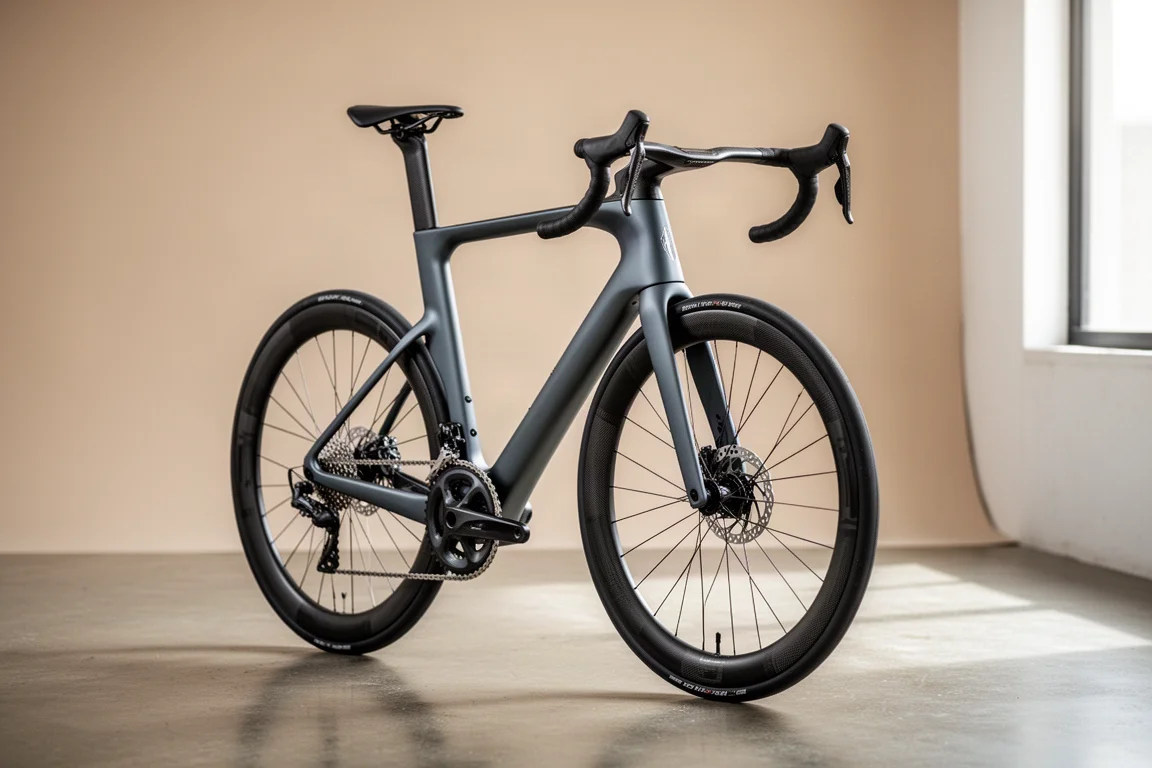
Canyon Ultimate CF SLX 8 Di2: The US Option
Buyers in the US who want an Ultimate with a Shimano Ultegra Di2 groupset need to move up a level to the Ultimate CF SLX 8 Di2, priced at just under $6,300. It is the same Ultimate platform, so the handling balance described above carries over: less eager than the Tarmac, more responsive than the Izalco Max, and well suited to riders who want one bike that does a bit of everything.
The cockpit caveat applies to the Ultimate as a model. The integrated bar and quill-style stem are what make the frame’s clean front end possible, and they are also what limit stem length and bar width changes to the options Canyon offers.
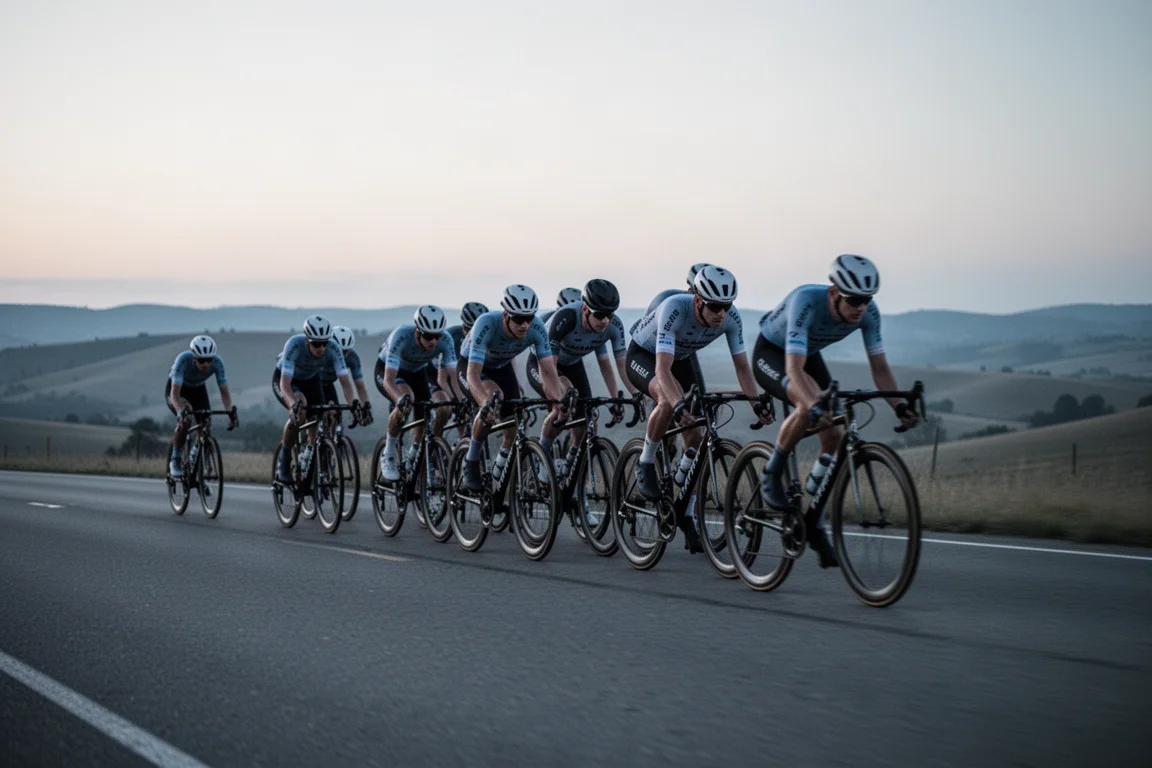
For US riders, the practical decision is between the Ultimate CF SLX 8 Di2 and the Tarmac SL8 Pro: one is cheaper with a more restricted cockpit, the other costs more but allows a standard stem and includes a sharper front end.
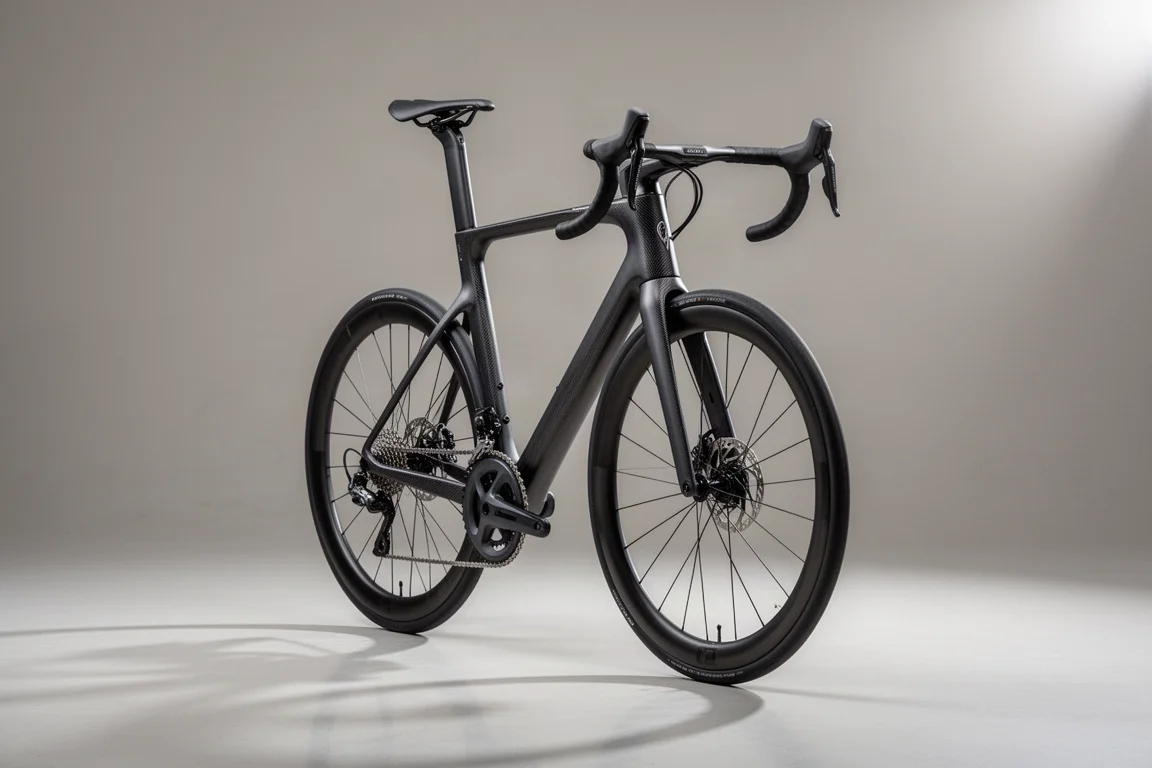
Buying Advice: Matching the Bike to Your Riding
If you race criteriums or ride twisty roads with a lot of sharp corners, the Tarmac SL8 Pro is the natural choice. Its quick steering and low stack reward riders who want immediate responses, and the standard stem keeps fit changes simple. Budget for wider tires and quieter rotors.
If you want the most flexible fit and the calmest high-speed manners, the Focus Izalco Max 9.8 is the strongest all-round package. It is the bike to choose if you are particular about bar width and stem length, or if you spend a lot of time on long descents. Add a power meter if you need one.
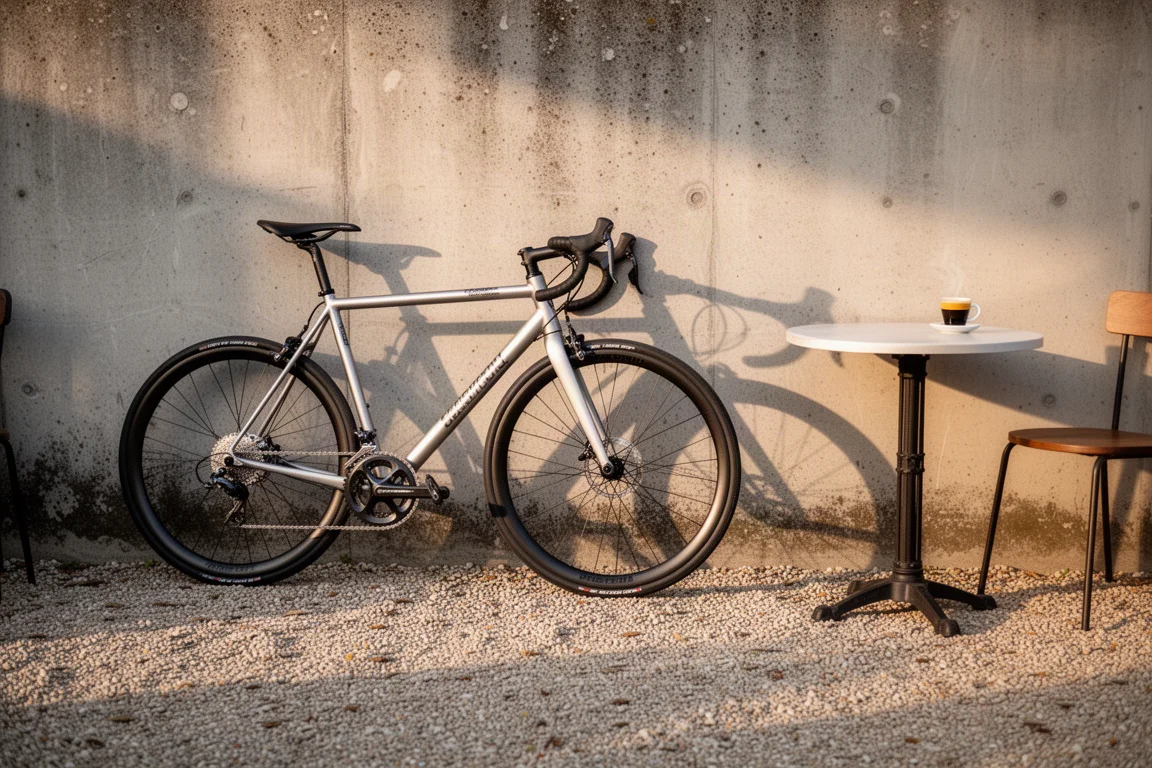
If budget is the deciding factor and you are shopping in the UK or Europe, the Canyon Ultimate CF SL Aero is hard to argue with at just under £4,800, provided you are happy with the cockpit as it comes and accept that the stock tires and deep rims are not the fastest combination. US buyers who want an Ultimate with Ultegra Di2 should look at the Ultimate CF SLX 8 Di2 instead.
One final point applies to all four: these are expensive bikes, and every brand here also sells cheaper race bikes that follow the same frame philosophy. The Tarmac SL7 with a 12-speed Shimano 105 groupset, at less than half the price of the SL8 Pro, is the clearest example.
Conclusion
All four of these bikes are excellent, and the differences between them come down to priorities rather than outright quality. The Focus Izalco Max 9.8 wins here because it combines a strong spec, a calm and composed ride at speed, and the freedom to change the cockpit to suit your position. The Tarmac SL8 Pro is the sharper, faster-handling option, and the two Canyon Ultimate builds deliver the same platform at different price points depending on your region.
Further reading
Related Reviews

Road Bikes
10 New Road Bikes Worth Watching: Aero, Titanium, Steel and Endurance Standouts
A practical roundup of 10 new road bikes, from aero flagships chasing single-watt gains to titanium, steel and endurance platforms built for real roads.
Road Bikes
2026 Tour de France Road Bikes: Six Race Machines Worth a Closer Look
Six race bikes from the 2026 Tour de France grid, reviewed for paint, silhouette, wheels and the specification details that matter to buyers.
Road Bikes
3T Strada Italia Review: A Radical Aero Road Bike That Rides Smooth
A made in Italy carbon aero road bike with a deep head tube, wide tire clearance and a genuinely comfortable ride. Here is what to know before buying.