Road Bikes
Best Road Race Bikes Compared: Focus Izalco Max 9.8, Specialized Tarmac SL8 Pro and Canyon Ultimate CF SL Aero
Three modern all-round race bikes compared on price, handling and cockpit adjustability, with clear buying advice for each type of rider.
Introduction
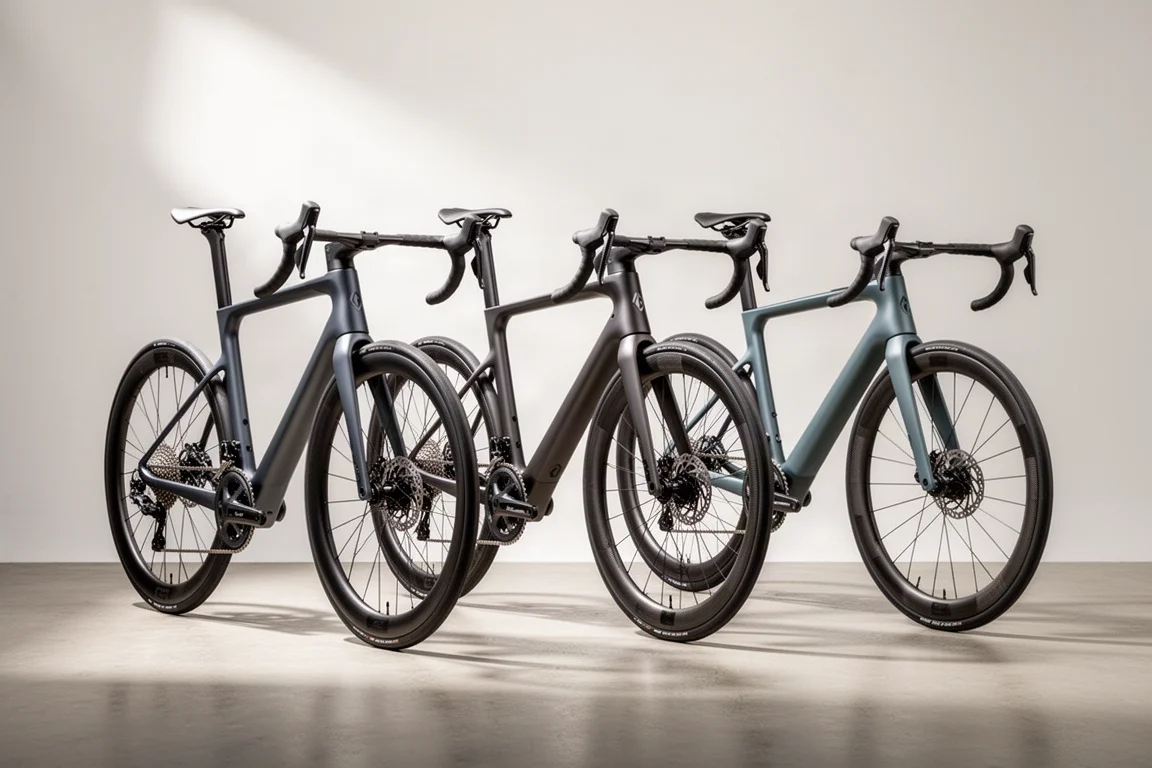
Modern all-round race bikes have become seriously expensive, but they have also become genuinely fast and highly capable. This comparison looks at three bikes that answer the same question in three different ways: how do you build a road race bike that climbs well, handles confidently, and still makes some kind of financial sense?
All three sit at the sharp end of the all-round category, mixing truncated aerodynamic tube shapes with aggressive riding positions and steep angles for quick handling and a lively ride feel. They also represent three very different pricing and ownership models, and that matters as much as the frame itself.
What These Three Race Bikes Have in Common
The builds here reflect a practical amateur racer specification rather than a pure halo spec. Each bike runs a Shimano Ultegra Di2 or SRAM Force AXS groupset rather than the top-tier Dura-Ace or Red equivalents, and all three come with aero wheels, quality tires and carbon cockpits. The Specialized and Canyon models also include a power meter, while the Focus does not.
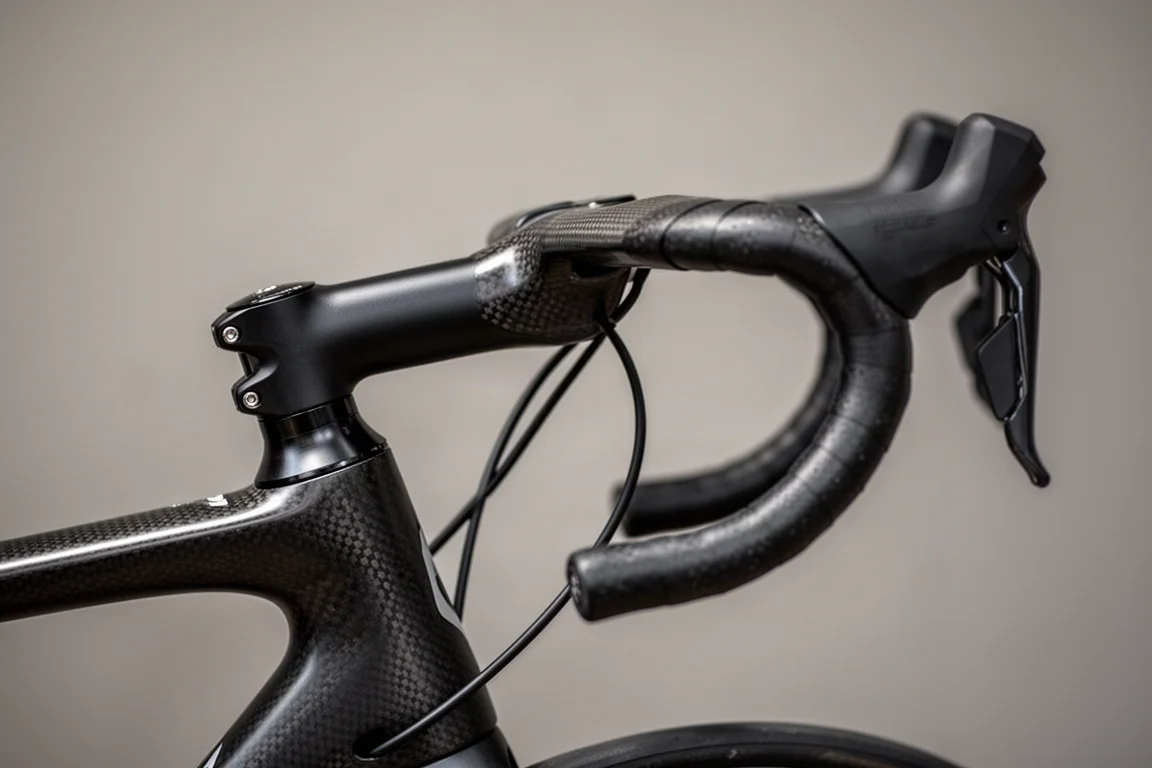
Where the three diverge most clearly is at the cockpit. Both the Specialized Tarmac SL8 Pro and the Focus Izalco Max 9.8 use a non-integrated cockpit with a standard stem, which keeps bar shape, bar width and stem length fully changeable. The Canyon Ultimate CF SL Aero takes the opposite approach, with a proprietary one-piece carbon bar and stem.
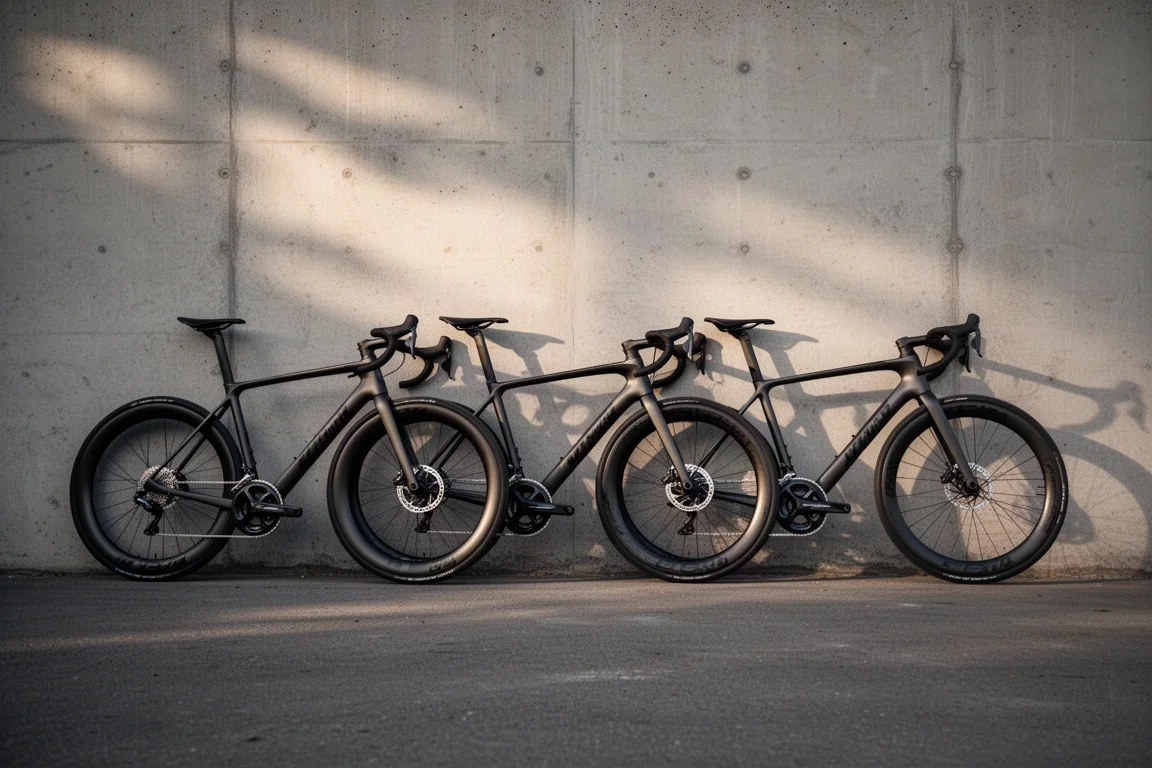
It is also worth remembering that every one of these brands builds cheaper race bikes. A Specialized Tarmac SL7 with a 12-speed Shimano 105 groupset, for instance, costs less than half the price of the SL8 Pro build compared here.
Focus Izalco Max 9.8: Our Overall Pick
The Izalco Max 9.8 is the pick of this group. Pricing sits at just under £6,600 in the UK and just under €6,800 in Europe, and Focus bikes are not currently available in the US.
Its cockpit uses a standard round steerer and a normal stem, so swapping bar width, bar shape or stem length is straightforward. Handling is on the mellower side for a race bike: reach to the bars is slightly longer and the head tube angle a little slacker than the Tarmac, which slows the steering a touch at low speed but pays off with a calmer, more planted feel at high speed.

The main spec gap is the missing power meter, which the other two bikes include. If you already own one that is no problem at all, but if you do not, it is something to factor into the overall cost. The paint finish on this model is also fairly plain.
Across the whole package, though, there is very little to criticise. The spec, the ride quality and the adjustability all hold up.
Specialized Tarmac SL8 Pro: Sharpest Handling
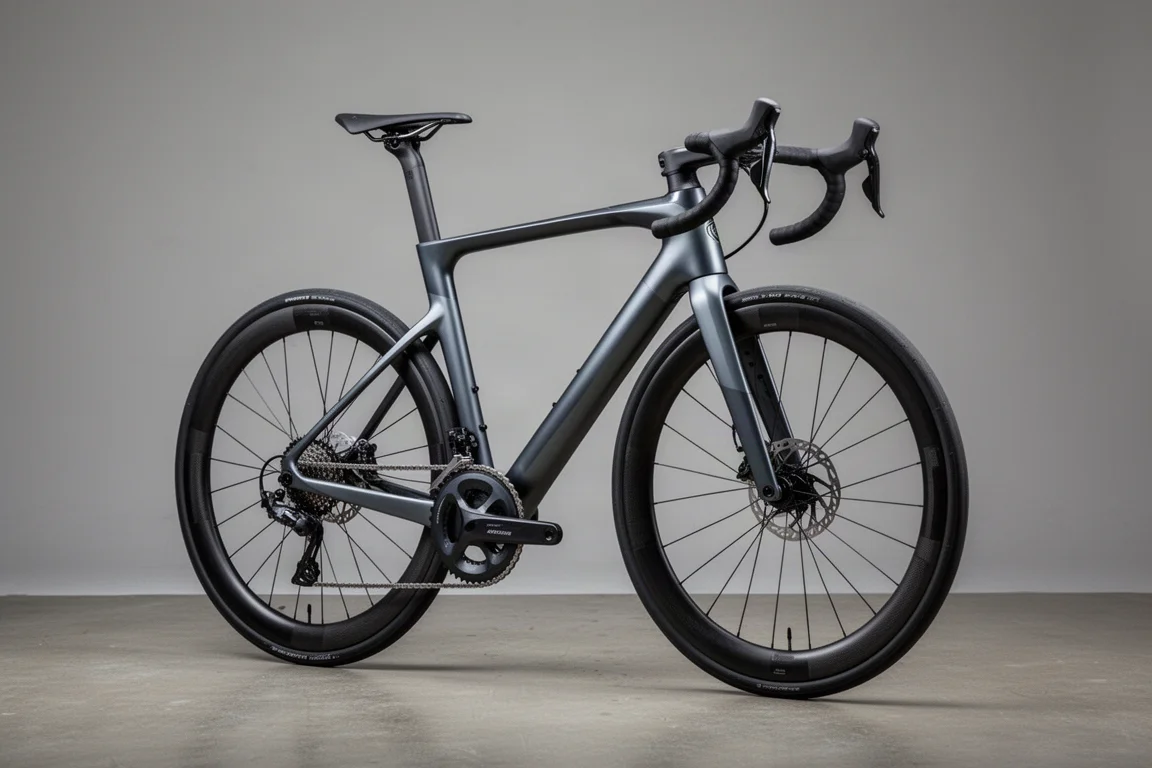
At around £8,000, the Tarmac SL8 Pro is the most reactive of the three. Stack is low and steering is very quick, which feels excellent when climbing or when making small adjustments to your line. Riders who race criteriums or ride twisty group routes with plenty of sharp corners will find that this character suits them best.
There are two practical points to weigh up. It ships with 26mm tires, and 28mm would be a better fit for most riders on real roads. The SRAM Paceline rotors also get noticeably loud in wet weather, which is annoying rather than dangerous, and rotors are relatively cheap and easy to replace.
Canyon Ultimate CF SL Aero: Best Value, With Caveats
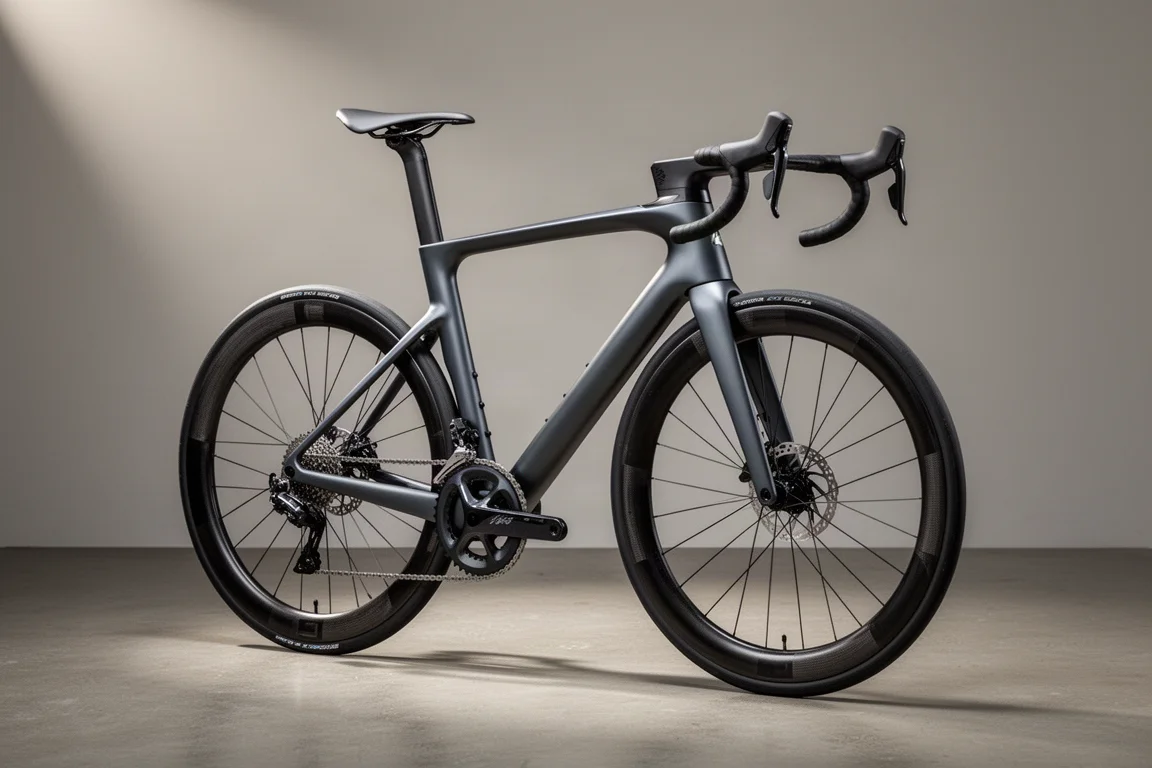
The Canyon Ultimate CF SL Aero comes in at just under £4,800 in the UK, and that specific model is not available in the US. The closest US option with Ultegra Di2 is the Ultimate CF SLX 8 Di2 at just under $6,300.
That price advantage comes directly from the direct-sales model, and it arrives with a trade-off: a proprietary full carbon integrated handlebar that is the only bar compatible with its fork. The bar uses a quill-stem style system, and while its width is adjustable down to 39cm, stem length cannot be changed without replacing the entire handlebar. Replacement bars are also not clearly listed as a spare part, so what is available and what it costs is unclear.
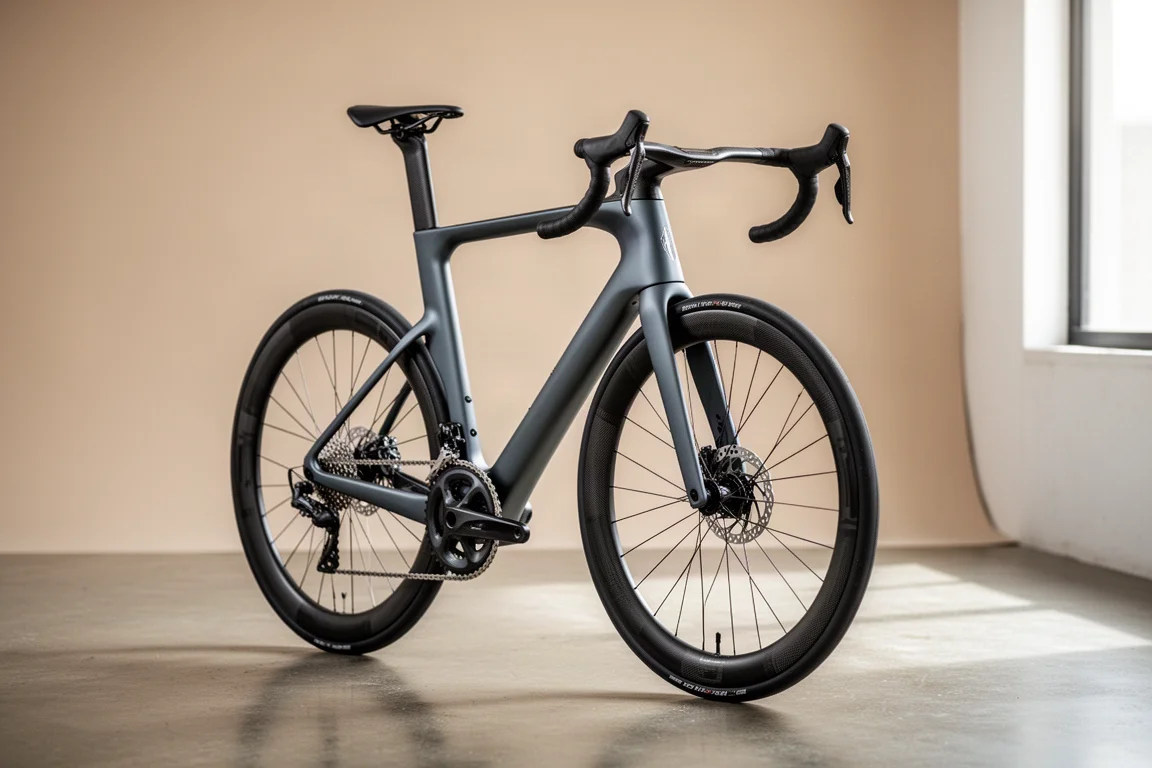
Handling sits between the other two bikes, livelier than the Focus but not as sharp as the Tarmac. The tires are fine but not the fastest, and the 50mm and 62mm deep rims feel quick on flat roads while adding a slightly sluggish feel when climbing.
If you are not especially fussy about bike fit, the value on offer here is difficult to argue with.
Buying Advice
Choosing between these three comes down to how much you value adjustability, handling sharpness and outright price. The Focus Izalco Max 9.8 is the most rounded option: a standard cockpit that takes any bar or stem, calm high-speed manners, and a strong spec, with the cost of a power meter added on top if you want one.
The Specialized Tarmac SL8 Pro is the one to choose if you race criteriums, ride tight and twisty routes, and want the quickest, most reactive front end of the group. Budget for a tire swap to 28mm and be prepared for noisy rotors in the wet.
The Canyon Ultimate CF SL Aero makes the most sense if price is the priority and you are comfortable with a fixed stem length and a proprietary cockpit. It is the cheapest route into this level of spec, and the handling is a genuine middle ground between the other two.
Availability is worth checking before you commit. Focus bikes are not currently available in the US, and the Canyon model described here is not sold there either, where the Ultimate CF SLX 8 Di2 is the Ultegra Di2 equivalent.
Conclusion
All three of these bikes are excellent, and any of them would make a fast, capable race bike. The difference is in priorities: the Focus Izalco Max 9.8 wins on adjustability and all-round balance, the Specialized Tarmac SL8 Pro wins on sharpness and reactivity, and the Canyon Ultimate CF SL Aero wins on value for money. Match the bike to the riding you actually do, and you will end up happy with any of them.
Further reading
Related Reviews

Road Bikes
10 New Road Bikes Worth Watching: Aero, Titanium, Steel and Endurance Standouts
A practical roundup of 10 new road bikes, from aero flagships chasing single-watt gains to titanium, steel and endurance platforms built for real roads.
Road Bikes
2026 Tour de France Road Bikes: Six Race Machines Worth a Closer Look
Six race bikes from the 2026 Tour de France grid, reviewed for paint, silhouette, wheels and the specification details that matter to buyers.
Road Bikes
3T Strada Italia Review: A Radical Aero Road Bike That Rides Smooth
A made in Italy carbon aero road bike with a deep head tube, wide tire clearance and a genuinely comfortable ride. Here is what to know before buying.