Road Bikes
Best Road Race Bikes: 10 Aero and Lightweight All-Rounders Worth Considering
Ten race bikes that blend low weight with aero speed, with the measured figures, ride quality notes, and trade-offs that matter before you buy.
Introduction
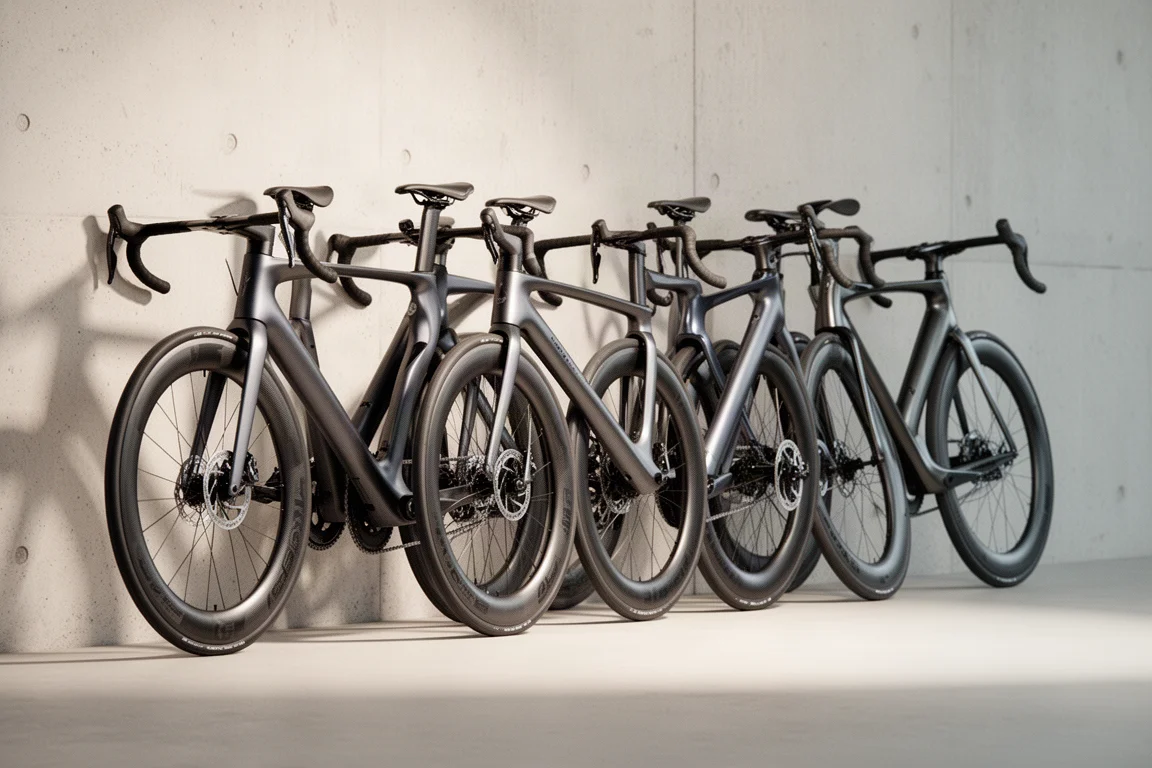
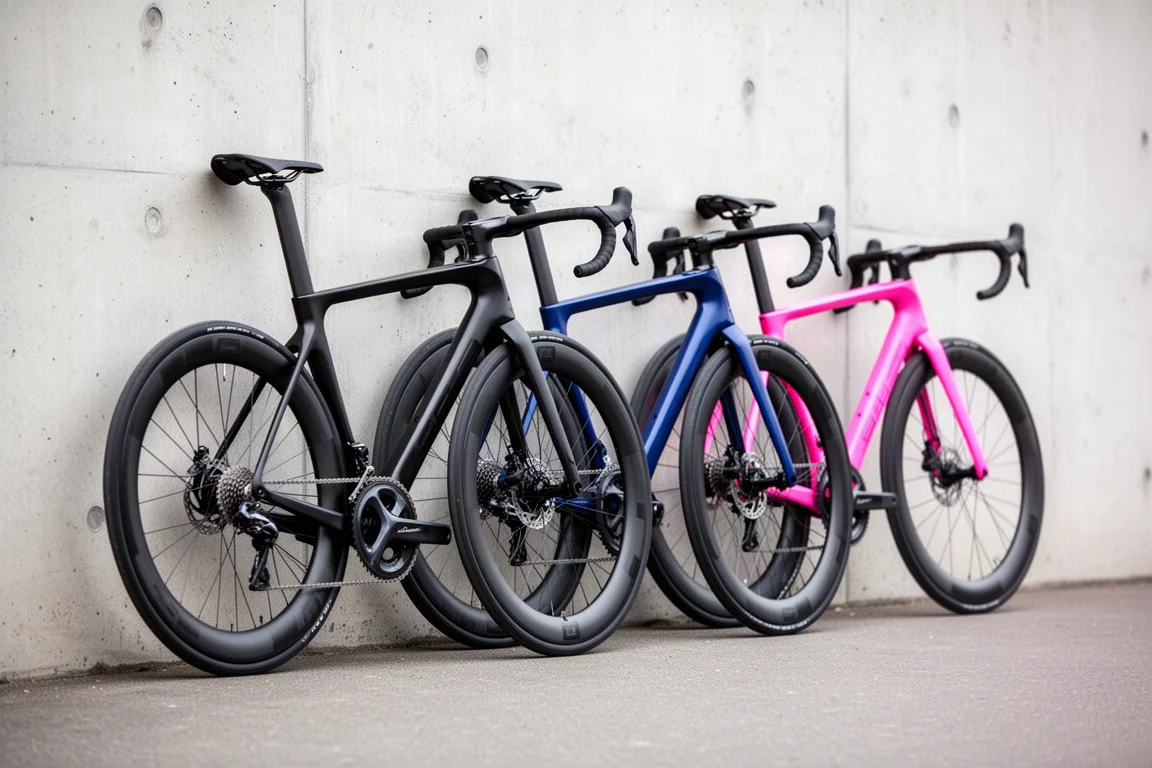
Road race bikes have converged on a single idea: one machine that climbs like a lightweight and slices through the air like a dedicated aero bike. The days of choosing between a pure climbing frame and an outright aero frame are largely over, and the ten bikes below show how far that convergence has come.
This roundup covers established WorldTour platforms alongside newer direct-sales challengers. It focuses on what each bike actually delivers: measured weight, claimed aero figures, stiffness under hard efforts, ride quality on broken tarmac, and the practical details that decide whether a bike stays enjoyable after the first honeymoon month.
What These Ten Race Bikes Have in Common
Every bike here sits in the same broad category, an all-round race platform that tries to be light enough for long climbs and slippery enough for flat, fast roads. The differences show up in how each brand balances those two priorities, and in how much you pay for the result.
Frame weights in this group range from a claimed 690 g to around 850 g, while complete bikes land between roughly 6.4 kg and 8 kg depending on specification, wheels, and tire choice. That spread matters more than the headline numbers suggest, because a bike that measures well on the scales does not automatically feel fast on the road.
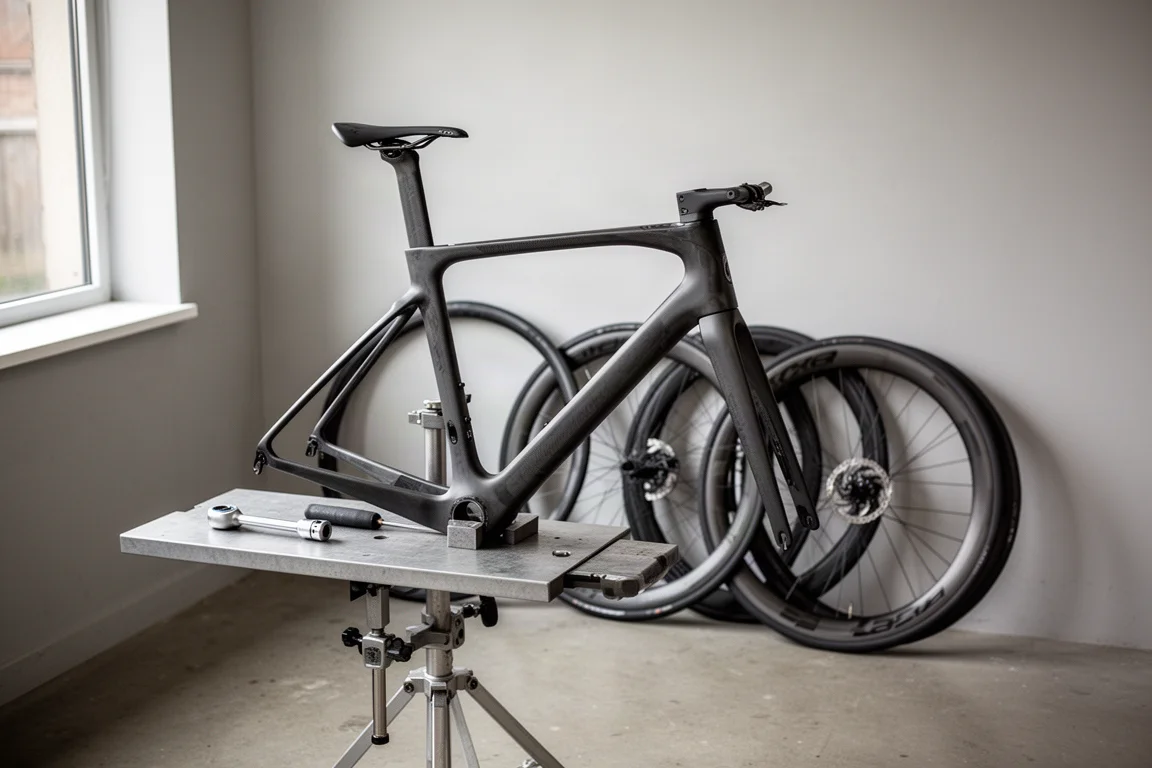
Tire clearance and cockpit design are the other big dividing lines. Most of these bikes accept 30 mm to 32 mm rubber, a few go wider, and a handful still ship with narrow 25 mm or 26 mm tires that hold back comfort on rough surfaces. One-piece cockpits look cleaner and test faster, but two-piece setups remain easier to adjust and easier to pack for travel.
Specialized Tarmac SL8
The Tarmac SL8 is the benchmark most of this list is measured against. It takes the low weight of Specialized’s climbing platform and the aero shapes of the discontinued Venge and merges them into one race bike, with a measured build weight of around 6.5 kg. In independent wind tunnel testing it needs roughly 209 watts to hold 45 km/h, which puts it within a few watts of the fastest aero all-rounders while remaining substantially lighter.
On the road, the low mass gives the bike an immediate, urgent feel. It responds sharply under acceleration, climbs with very little sense of dragging weight, and stays stiff under hard efforts, yet it is unusually smooth for a race bike. Riders coming from endurance machines often find the difference smaller than expected, and the stock 26 mm tubeless tires at low pressure are comfortable enough that many owners will only move wider out of preference rather than necessity.
Equipment is well chosen, with a 12-speed Shimano Dura-Ace groupset and a dual-sided power meter, and nothing that demands an immediate upgrade. The main reservations are price and the fixed handlebar width, which requires a conversation with a dealer if you want something narrower or wider. A cheaper route may be to buy a frame set and build it with your own component choices.
Trek Madone SLR
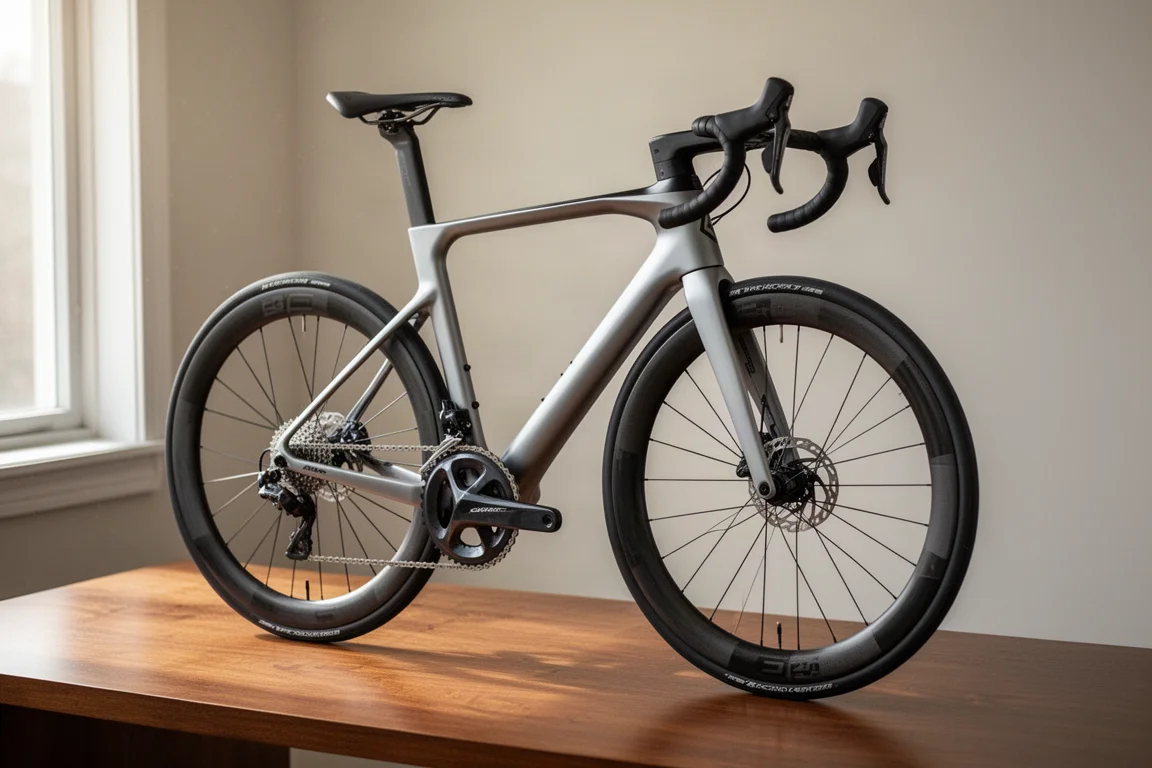
Trek’s eighth-generation Madone SLR merges the Madone and the Emonda into a single platform, which means the lightweight climbing model is no longer a separate purchase. The claimed frame weight is 796 g painted in a size 56, roughly 370 g lighter than the previous Madone but still heavier than the Emonda it replaces, and the fork drops to a claimed 350 g.
The distinctive IsoFlow cutout in the seat cluster remains, and Trek claims an 80 percent increase in vertical compliance over the old Madone. Aero performance is said to match the previous generation rather than beat it, with new tube shapes, a narrow handlebar, and aero bottles focused on holding the line rather than making a leap. Savings over the older Madone are quoted at 13 watts at 22 mph and considerably more at higher speeds.
In practice the bike feels stiff and fast, firmer under sprinting than the Tarmac SL8 but less rigid than the Dogma F. Weight is the sticking point: the range-topping build measured 7.34 kg, well above the claimed figure and heavier than several rivals here. Builds start around $3,500 and climb to roughly $13,500, with frame set options and a wider size range than before.
Giant TCR Advanced SL
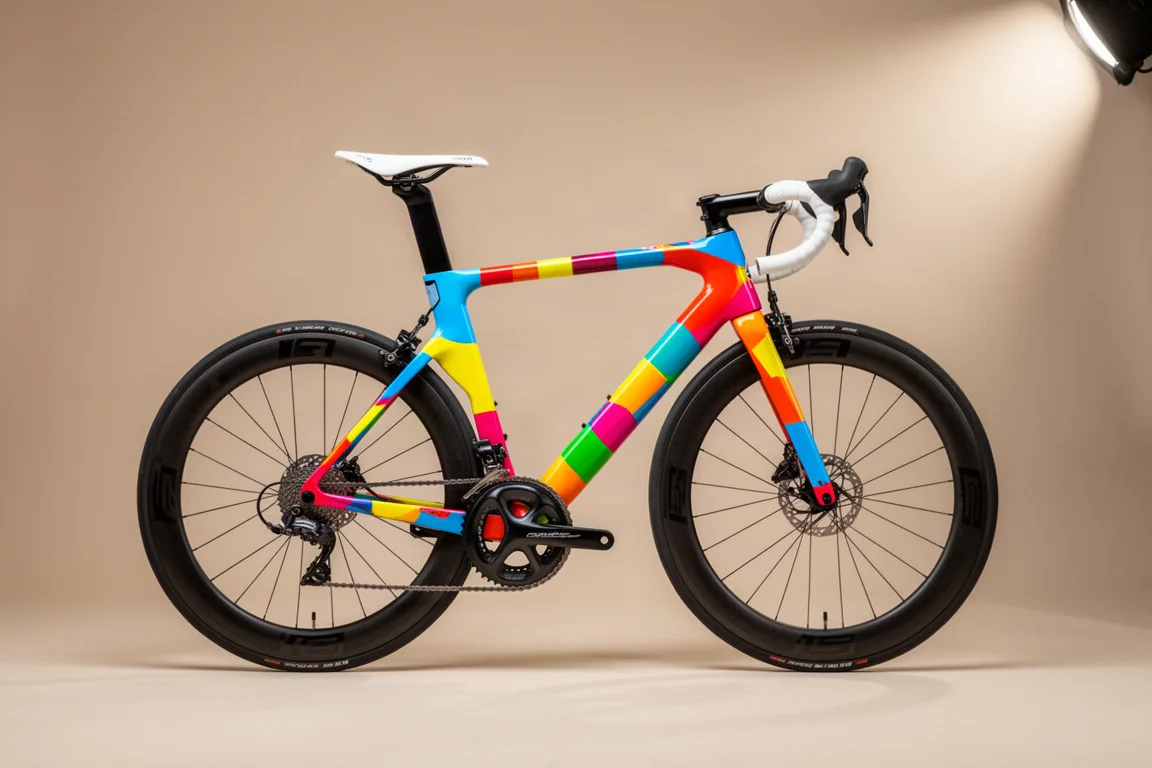
The TCR Advanced SL is the lightest complete bike in this group. Giant claims a 690 g frame for the SL, down from 765 g, and a complete bike weight of 6.4 kg, which is lower than the Tarmac SL8’s measured figure. It is also the stiffest TCR yet, and the gains come from a combination of manufacturing changes rather than one headline feature.
The front half of the frame is molded as a single piece with one bladder instead of three, and a new cutting process reduces the piece count from 330 to 270. Aero gains are modest by the standards of this category, with a claimed 2.2 watts saved for the frame and just over 4 watts for the complete bike, plus a combined 12-watt claim when wheels, tires, bar, and frame are considered together.
On the road the TCR is quick, direct, and noticeably stiff through the frame and the wheels. It keeps the classic look, including non-dropped rear stays, and the geometry remains one of the most trusted in the category. The main compromises are a two-piece bar and stem on many builds, where a one-piece cockpit might have added aero, and tire clearance that stays largely unchanged. Prices span a wide range, from around £2,700 to £12,000.
Cannondale SuperSix Evo
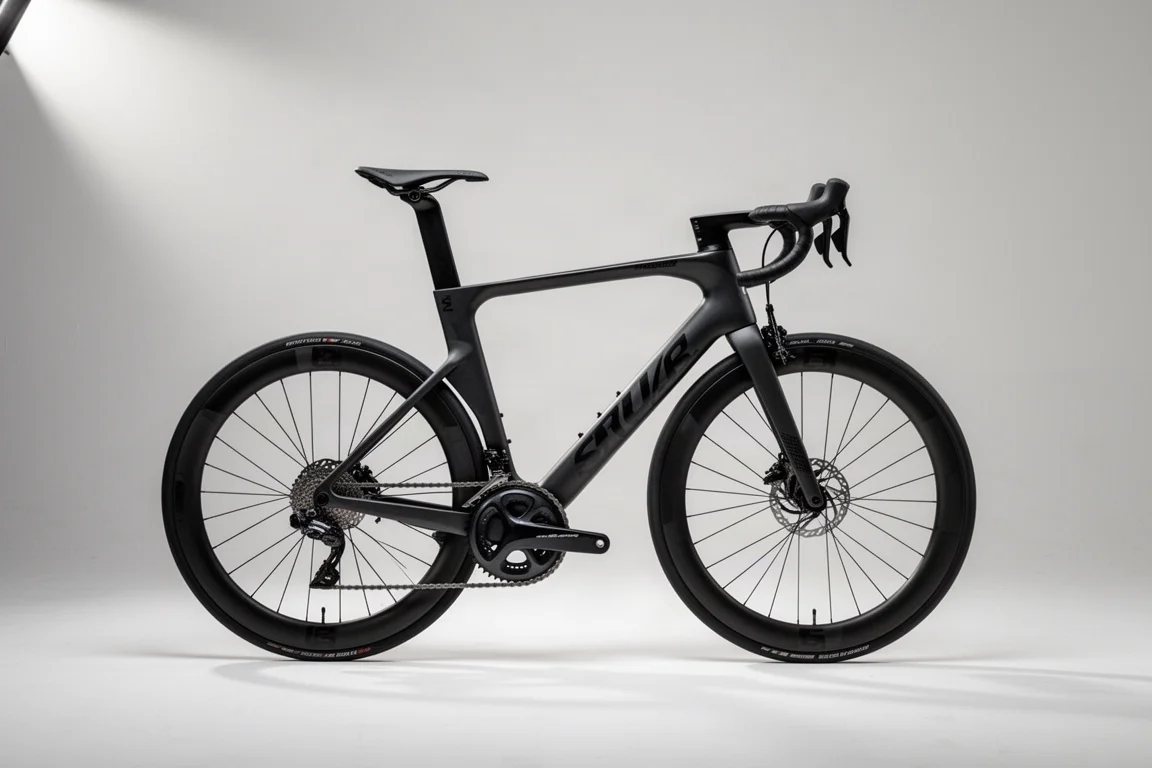
The fourth-generation SuperSix Evo continues a long run as one of the easiest race bikes to recommend. It keeps the slim silhouette of the previous version while adding a deeper fork, a pinched head tube, a truncated down tube, and a new one-piece cockpit on the top builds, with routing that now passes inside the steerer and headset bearings.
Cannondale claims a 12-watt aero saving at 28 mph over the outgoing bike, and the high-modulus frame is quoted at 810 g painted. A Lab71 version drops that to a claimed 770 g for a significant price premium. The measured complete bike came in at 7 kg with a 12-speed SRAM Red AXS groupset, cages, and a computer mount, which is competitive rather than class-leading.
Ride quality is a strength. The bike is smooth over imperfect tarmac for a stiff aero frame, and it carries speed easily without demanding very high speeds to feel efficient. The threaded T47 bottom bracket is a welcome change for anyone who has lived with a creaking press-fit system, and the one-piece bar is comfortable and well shaped.
Watch points include official tire clearance of 30 mm, which is narrower than several rivals, and a price that starts above £6,000 for the most attainable version. A frame set is available for less than most premium rivals if you prefer to choose your own parts.
Giant Propel Advanced
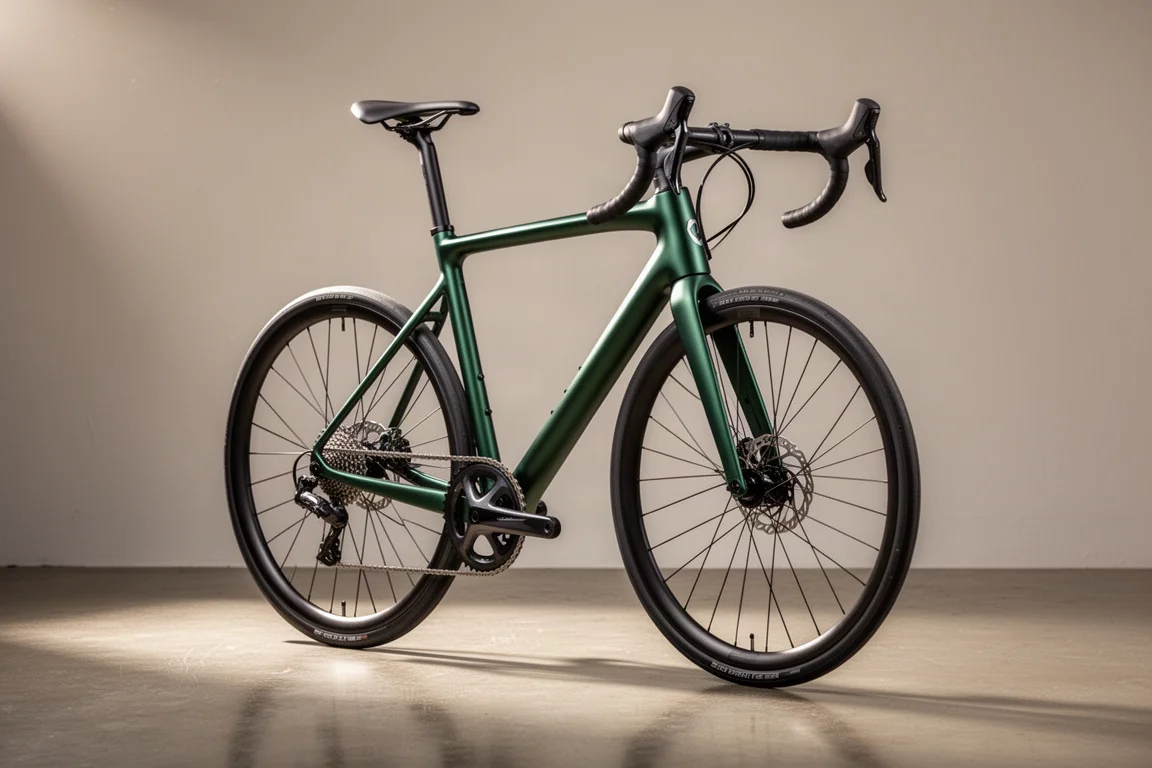
The Propel Advanced is Giant’s outright speed option, and the mid-range model covered here is a good example of the brand’s value proposition. Aero savings are claimed at 6.2 watts at 40 km/h, compliance is up substantially over the old bike, and the bottom bracket area is stiffer, addressing the two main criticisms of the previous generation.
The complete bike measured 7.8 kg with deep carbon wheels and a SRAM Force AXS groupset, which is reasonable for a dedicated aero platform at this price. A power meter is included, tire clearance goes to 30 mm, and the new cockpit finally routes hoses neatly under the stem and into a D-shaped steerer. Geometry now matches the TCR, making it easier to move between the two.
There are still details worth changing. The bike ships with narrow 25 mm tires, which hold back comfort noticeably, and the 10-33 cassette is small for a bike that could double as an all-rounder. Swapping to wider tires is the single most effective upgrade. The range runs from around £3,000 to £12,000.
Enve Melee
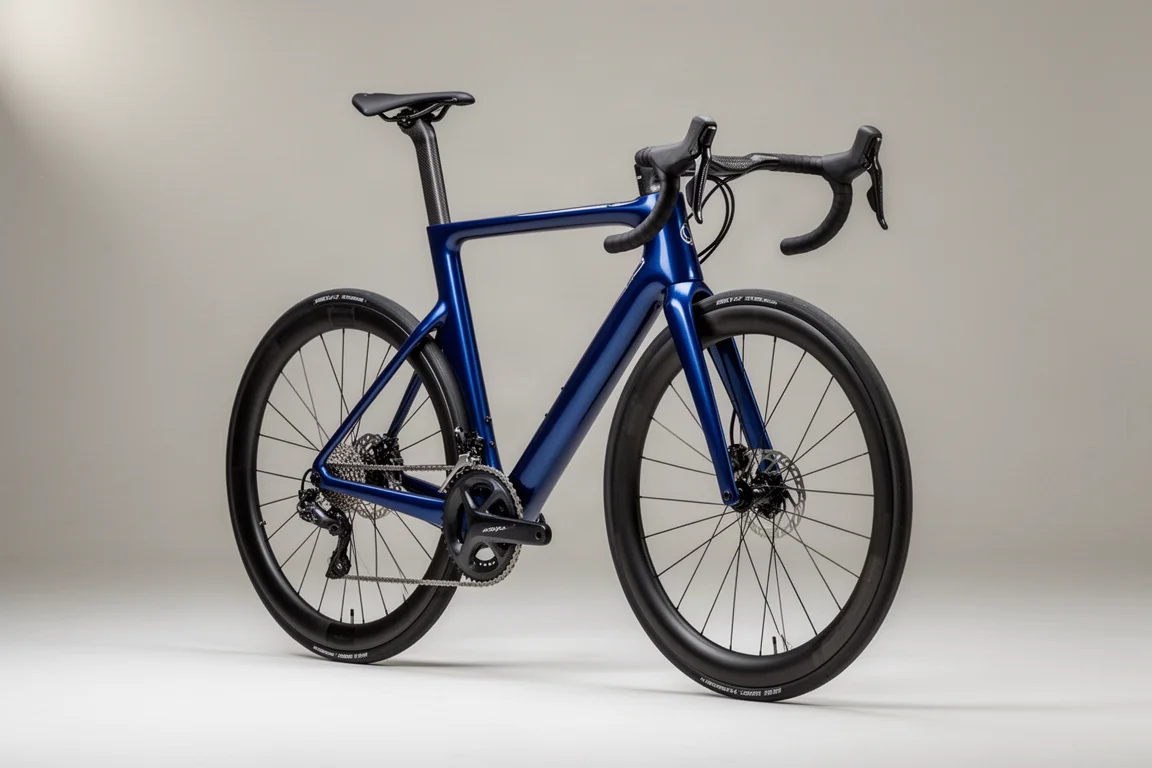
The Melee is a race bike designed for riders who do not race, and it earns its place through practicality rather than headline numbers. It accepts tires up to 35 mm and includes mudguard mounts, features that are almost unheard of on an aero race frame. The claimed frame weight is 850 g painted in a size 56, with a measured complete weight of 7.2 kg.
The bike is sold as a frame set module that includes frame, fork, handlebar, stem, and seat post, with a choice of stem length and bar width. Complete builds sit around £10,000, which is high relative to similarly equipped rivals, and UK buyers get a single colour option.
What stands out is the ride. It is quick and lively with race bike responses, but the taller stack and wider tire capacity make it far easier to live with than a pure race machine. It stays smooth over rough roads, handles well, and works as a year-round bike rather than something you retire when the weather turns. The fiddly seat post wedge and the limited colour choice are the main irritations.
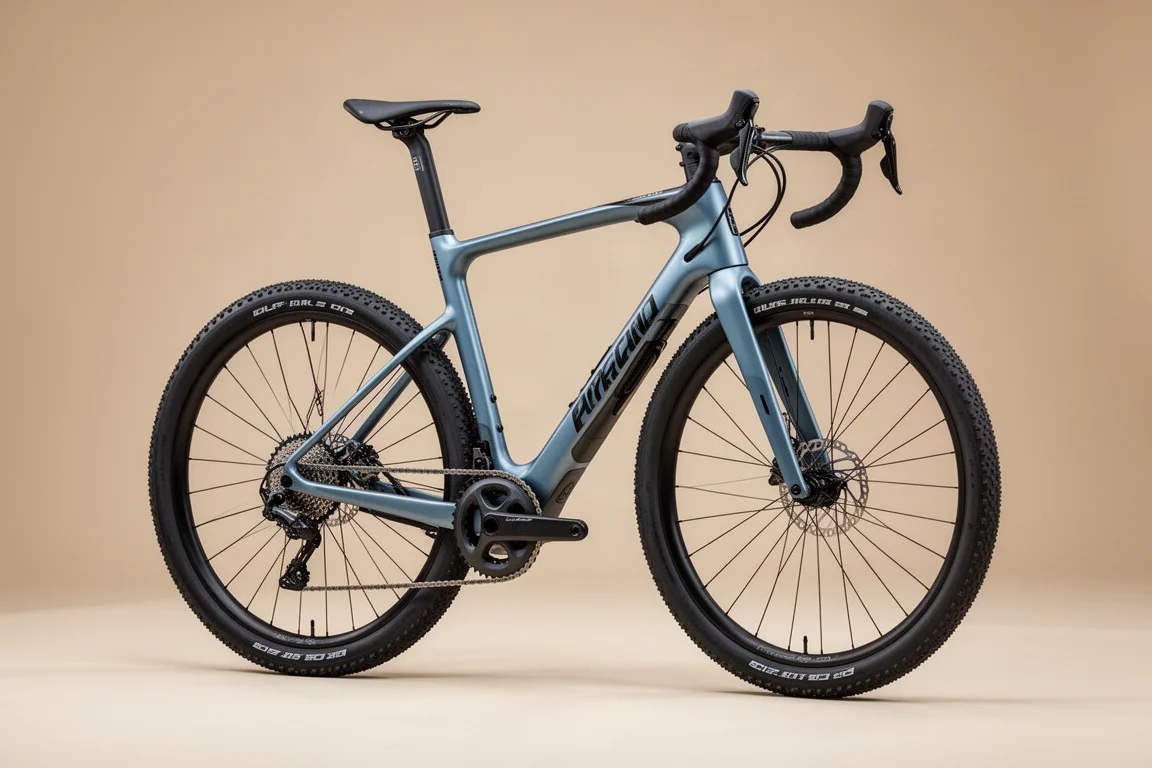
Colnago V4 RS
The V4 RS looks very close to the V3 RS it replaces, and the aero and weight figures are broadly unchanged. The real change is stiffness, and it is obvious from the first pedal stroke. Colnago developed its own testing method to analyse how the frame deforms under a rider sprinting or climbing, and the result is one of the most responsive race bikes in this group.
Measured weight is 7.16 kg, which is on the heavy side given the price and specification, and the build tested came with a 12-speed Shimano Dura-Ace Di2 groupset and carbon wheels. Handling is the standout feature: a slacker head angle and a steeper seat tube make it exceptionally stable and confident on descents, and it stays composed at high speed.
Details include a threaded T47 bottom bracket, long-life headset bearings, a multi-tool integrated into the stem, and 32 mm tire clearance. The frame set costs around £5,000 and complete builds run towards £13,000, so it sits firmly in premium territory. A flimsy computer mount and the fact it is not made in Italy are small but real gripes.
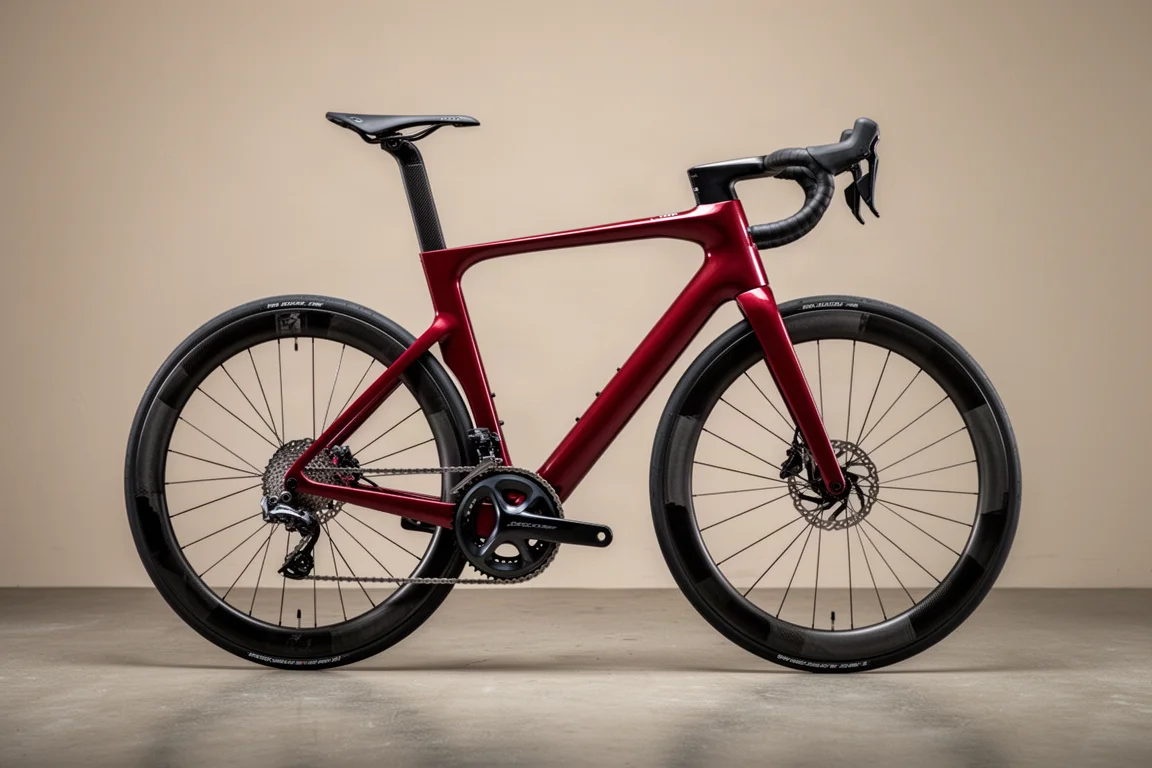
Pinarello Dogma F
The Dogma F is a pure race machine, and it behaves like one. Measured weight is 6.8 kg without pedals but with cages and a computer mount, which is competitive, and the frame is built around a very stiff front end and bottom bracket. Aero performance compares well with rivals in independent wind tunnel testing.
Stiffness is the defining characteristic. It is one of the stiffest bikes in this group, transmitting a lot of road surface information through the contact points. It is firm rather than harsh, but it does not smother bumps the way the Tarmac SL8 or the Madone SLR do, and it rewards hard, fast riding far more than steady cruising.
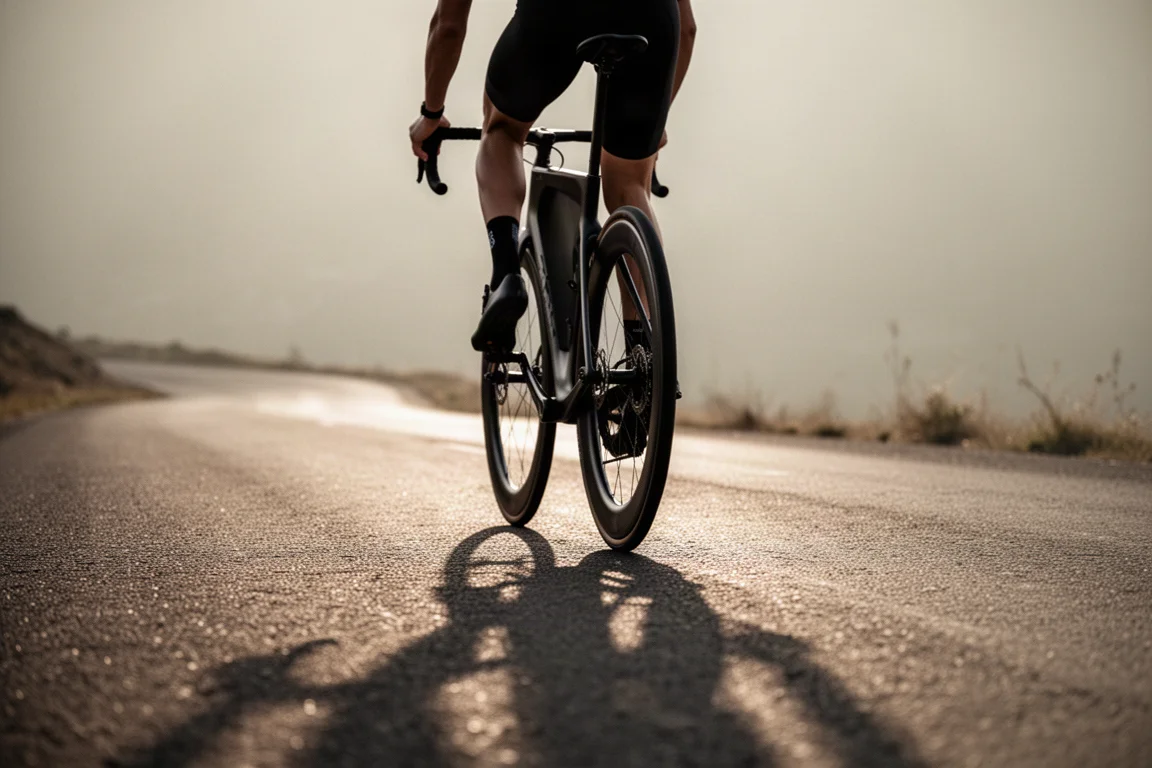
The one-piece handlebar measures 38 cm at the hoods and 42 cm in the drops, which puts the rider in an efficient position but creates a long, stretched fit. Tire clearance tops out at 30 mm, narrower than most rivals, and the compact 50/34 chainset is a sensible choice for real roads rather than race gearing. It is also one of the most expensive bikes here, which makes the compromises harder to accept.
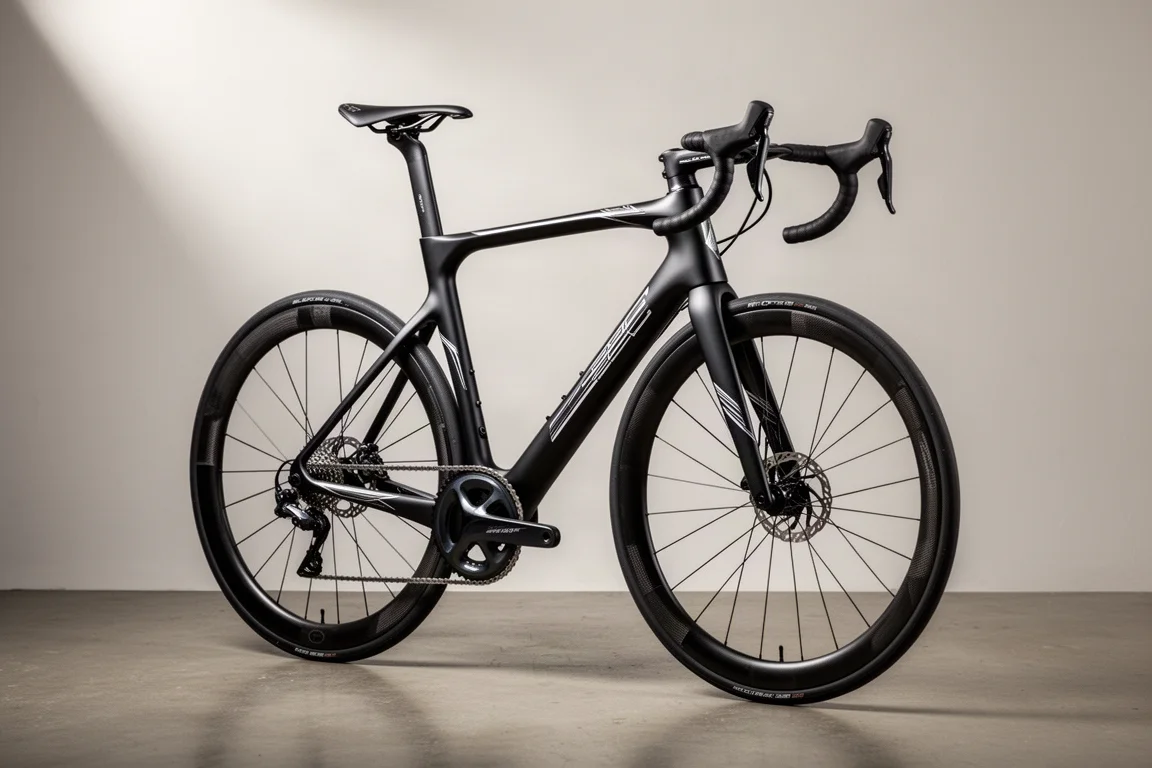
Canyon Aeroad CFR
The fourth-generation Aeroad CFR keeps the dedicated aero approach rather than merging with the Ultimate climbing platform. Canyon says the goal was more stiffness in key areas, a small aero improvement, and lower weight. The previous generation already tested at 204 watts for 45 km/h in independent wind tunnel work, so gains here are incremental.
Measured weight is 7.1 kg for the range-topping CFR build with a SRAM Red AXS groupset and deep-section wheels. Canyon claims the new bike is as aerodynamic on 50 mm rims as the old bike was on 62 mm rims, which improves stability in crosswinds and makes the bike easier to handle on gusty days. Tire clearance is 32 mm, with 28 mm fitted as standard.
Practical touches stand out. Rubber stoppers under the fork protect the frame when the front wheel is out, T25 bolts are used throughout, and the Pace handlebar allows removable drops and width adjustment. The optional aero drops, claimed to save 14 watts, are not fitted as standard, and the bottle cages only hold Canyon’s own bottles securely. Prices start just under £4,000, with the CFR as tested at just under £9,800.
Van Rysel RCR
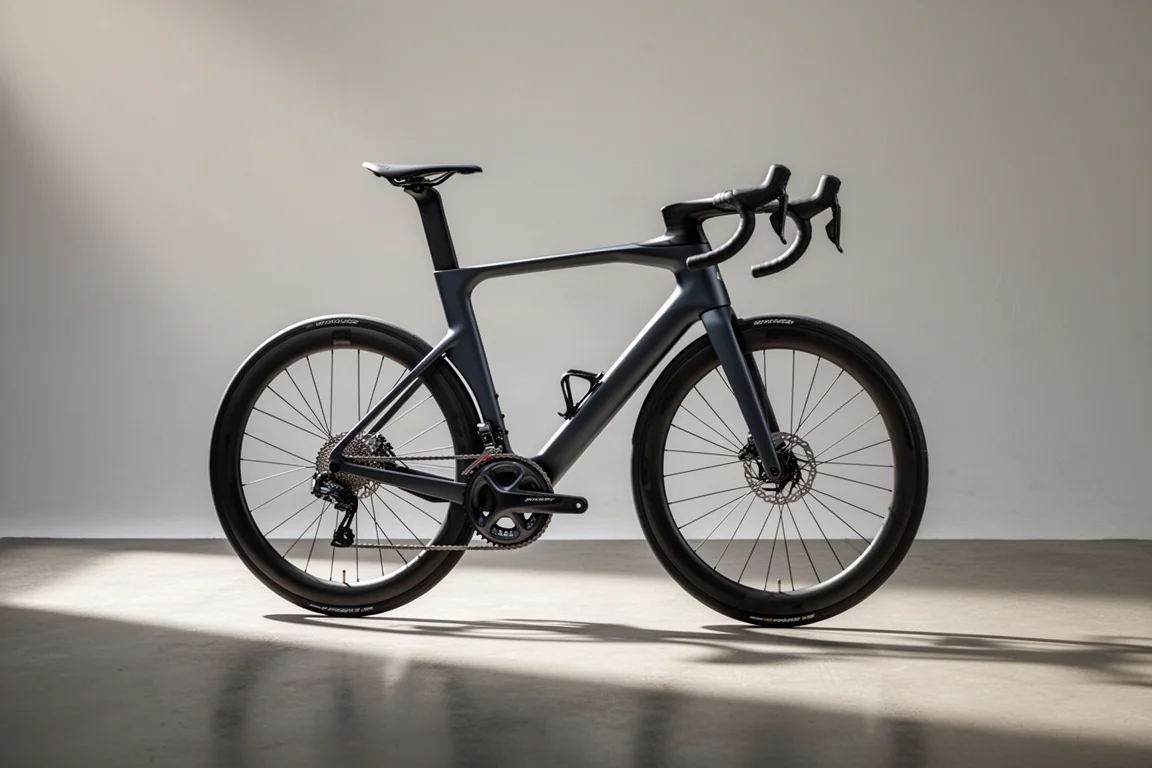
The RCR is the newest and most affordable way into this category. It is designed to be both aerodynamic and light, with a claimed 830 g frame in size medium and a Pro-level version at 790 g, and independent wind tunnel testing of the Pro model recorded 207 watts at 45 km/h, matching far more expensive bikes.
The entry model measured 8 kg in a size large without pedals. It ships with a SRAM Rival AXS groupset, sensible 48/35 gearing with a 10-36 cassette, a power meter, 28 mm tubeless tires, and 33 mm tire clearance. The geometry feels familiar next to more established race bikes, and the bike is quick, stiff under power, and lively through corners.
Comfort is where it gives ground. On rough tarmac the ride is firm and transmits a lot of feedback through the bar and saddle, closer to an older aero bike than the latest all-rounders. Switching to wider tubeless tires helps noticeably. At £4,500 for the entry build, rising to around £9,000 for the team replica, it undercuts similarly equipped rivals by a wide margin.
Buying Advice
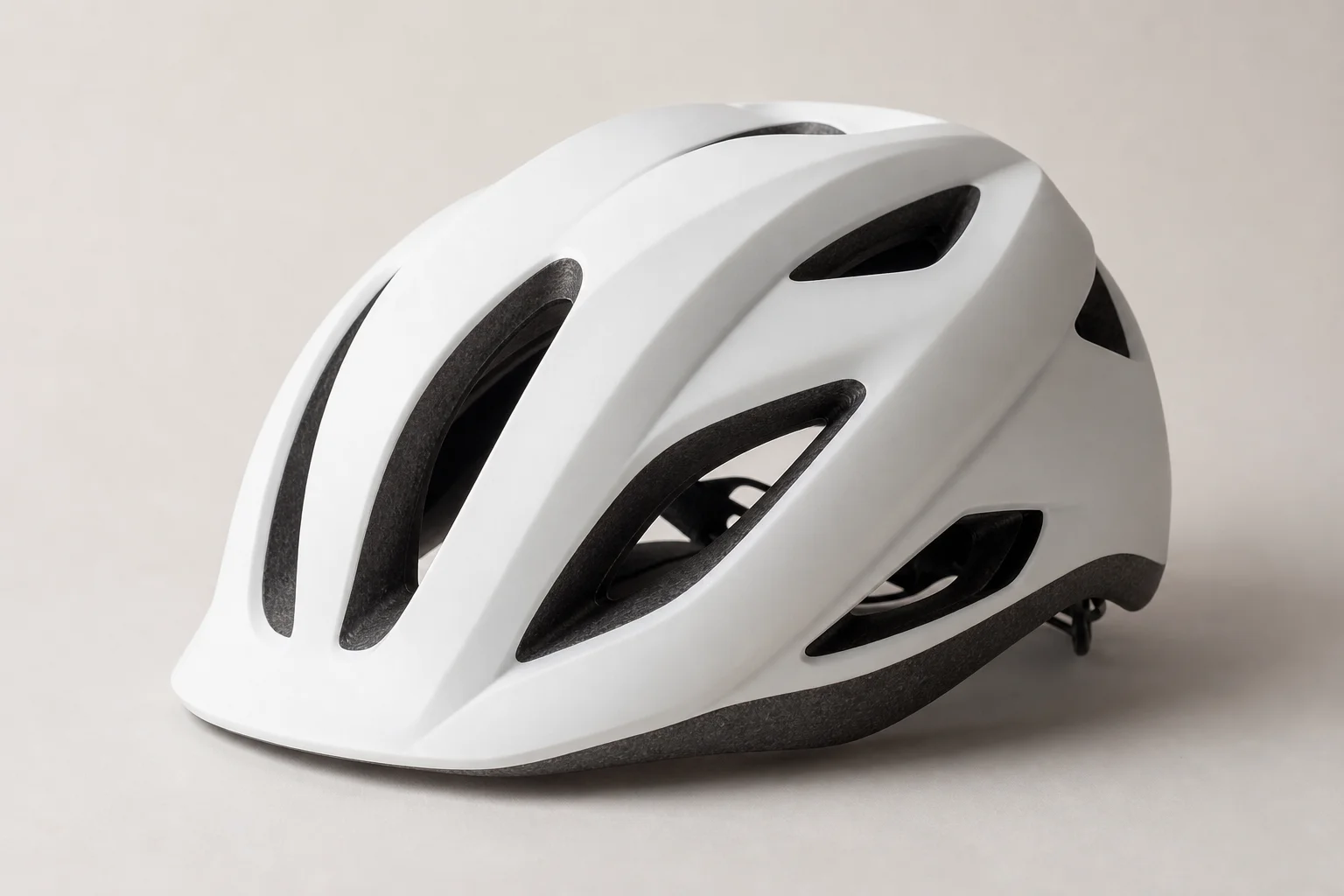
If weight is your priority, the Giant TCR Advanced SL and the Specialized Tarmac SL8 are the two bikes here that lead on the scales, and both combine that with genuine aero performance. The Tarmac remains the most complete package in this group, with the best balance of low weight, speed, stiffness, and comfort, though it is also among the most expensive.
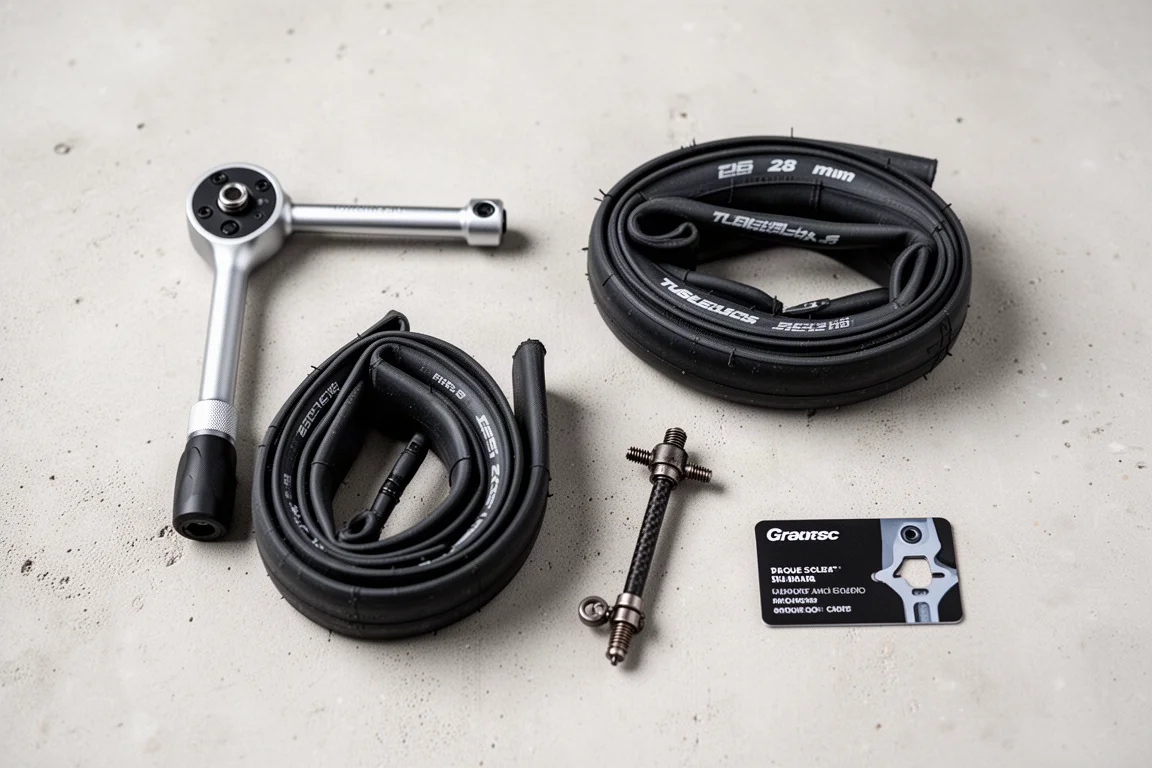
If value matters more than the last few watts, the Van Rysel RCR and the Canyon Aeroad CFR deliver most of the performance for considerably less money. The Canyon is the smoother and more refined of the two; the Van Rysel is cheaper and firmer.
For riders who want one fast bike that still works in poor weather, the ENVE Melee is the most practical option thanks to its 35 mm tire clearance and mudguard mounts. For pure race performance on smooth roads, the Pinarello Dogma F and the Colnago V4 RS are the most single-minded, with the Colnago offering the better handling and the Pinarello the harder edge.
Tire clearance is worth checking before you buy. Anything limited to 30 mm will feel more compromised on rough roads than a bike that accepts 32 mm or more, and swapping the stock tires is often the cheapest performance and comfort upgrade available. Cockpit design matters too: a one-piece bar saves watts but limits fit adjustment, while a two-piece setup makes it far easier to dial in reach and width.
Conclusion
There is no single winner in this group, because the right race bike depends on which compromise you are willing to accept. The Tarmac SL8 and the TCR Advanced SL lead on weight without giving away much in the wind. The SuperSix Evo and the Aeroad CFR balance speed with a level of smoothness that makes them easy to live with week after week.
The Madone SLR and the Dogma F are the most single-minded machines here, fast and stiff but heavier or firmer than the class leaders. The Melee trades outright race sharpness for year-round usability. The RCR proves that a properly developed aero race bike no longer has to cost a fortune, as long as you can accept a firmer ride.
Whichever you choose, the fundamentals are the same: match the tire clearance and gearing to the roads you actually ride, and pick the bike whose character suits the way you ride rather than the one with the best number on a spreadsheet.
Further reading
Related Reviews
Road Bikes
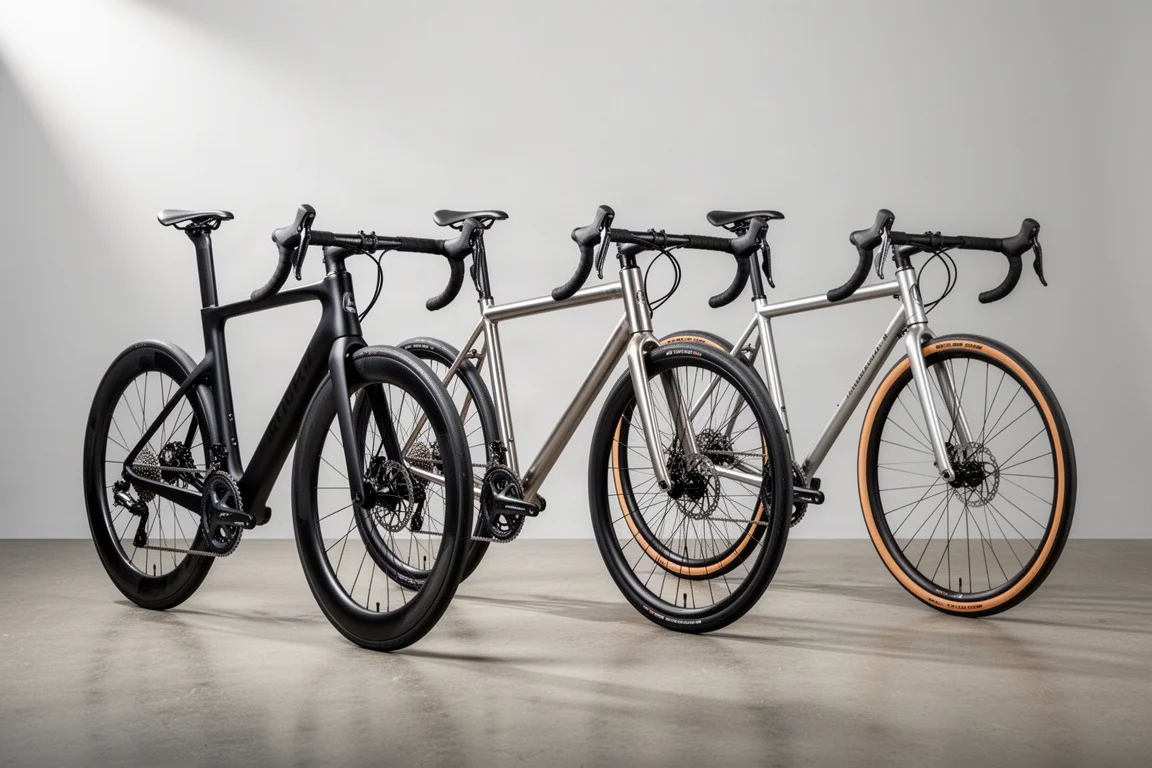
10 New Road Bikes Worth Watching: Aero, Titanium, Steel and Endurance Standouts
A practical roundup of 10 new road bikes, from aero flagships chasing single-watt gains to titanium, steel and endurance platforms built for real roads.
Road Bikes
2026 Tour de France Road Bikes: Six Race Machines Worth a Closer Look
Six race bikes from the 2026 Tour de France grid, reviewed for paint, silhouette, wheels and the specification details that matter to buyers.
Road Bikes
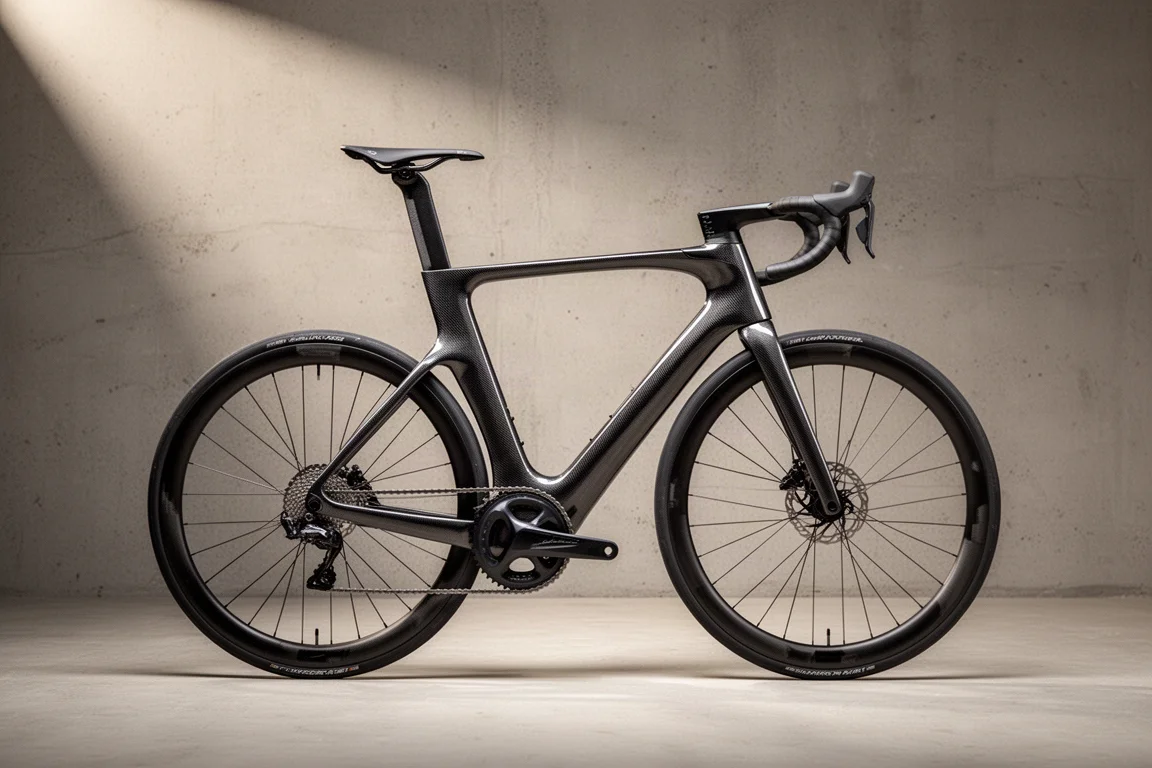
3T Strada Italia Review: A Radical Aero Road Bike That Rides Smooth
A made in Italy carbon aero road bike with a deep head tube, wide tire clearance and a genuinely comfortable ride. Here is what to know before buying.