Cycling Gear
Best Road and Gravel Bikes and Cycling Tech of 2026: Six Standouts Worth a Closer Look
Six cycling products that stood out in 2026, from an aero gravel race bike and a reworked Tarmac SL9 to a flagship groupset, a premium multisport watch and a three-in-one 360 camera.
Introduction
Every year brings a flood of new bikes, groupsets and gadgets, and only a handful of them are worth remembering. The 2026 crop is no exception. There are race bikes that finally balance aerodynamics with ride quality, a gravel platform that has been rethought around handling rather than wind tunnel numbers alone, and a flagship road groupset that has left plenty of riders asking whether the upgrade is really worth it.
This roundup collects the six products that stood out most clearly this year. Some are straightforward recommendations. Others are worth understanding properly before you commit, because the value case is more complicated than the marketing suggests. Either way, each one represents a real decision you might face when spending your own money.
How We Picked the Standouts
The shortlist was built around four questions. Does the product solve a real riding problem? Does it hold up outside ideal conditions? Does it offer fair value at its price point? And does it move its category forward rather than simply refreshing it?
That last question matters more than it used to. Several of this year’s launches are refinements of existing platforms rather than reinventions, and the difference between a meaningful update and a cosmetic one is often only visible once you look closely at what has actually changed.
The result is a list weighted towards products with a clear reason to exist, whether that reason is handling, versatility, all-day comfort or price.
Ridley Kanzo Fast 2.0: Aero Gravel That Actually Handles
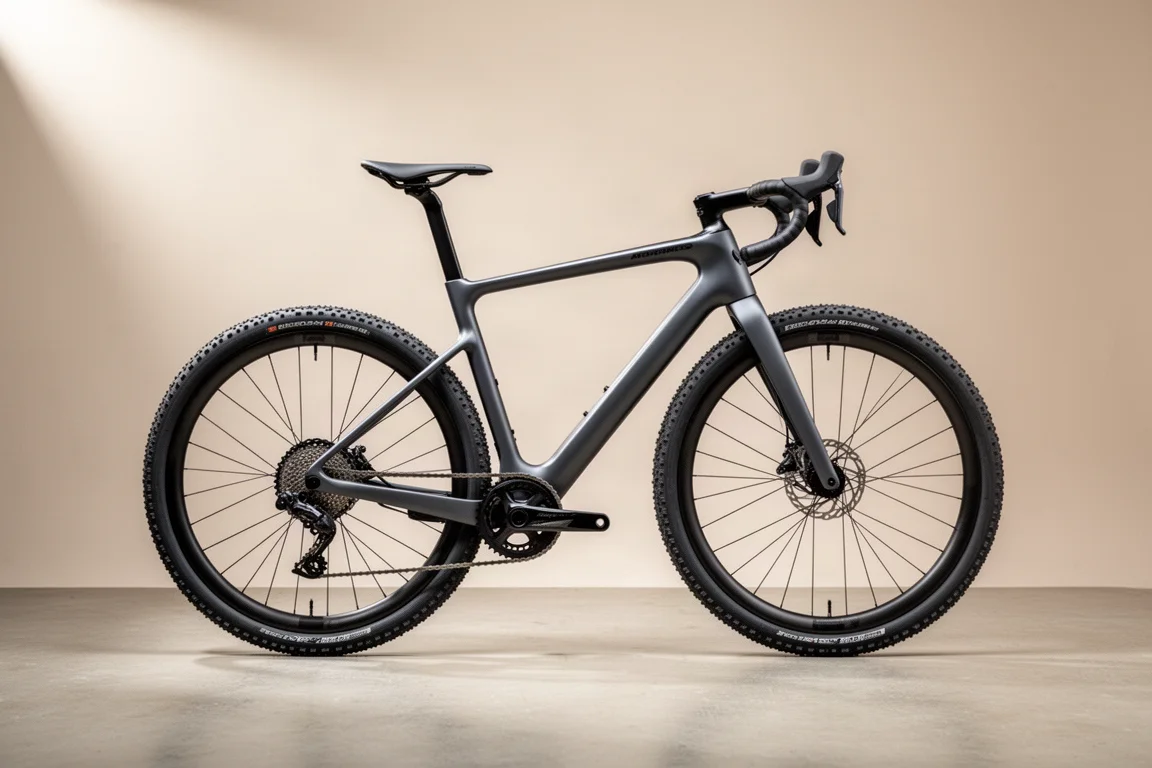
Aero gravel bikes have a reputation problem. Too often they are road frames with bigger tyre clearance, quick in a straight line on smooth surfaces and nervous everywhere else. The Kanzo Fast 2.0 takes a different approach, pairing a wind-tunnel-developed aero frame with handling that stays composed on tight, technical terrain.
The details are unusually practical. Tyre clearance runs to 58 mm, and the bike ships with 55 mm tyres, so there is room to spare. Down tube storage has been moved out from underneath the bottle cages, a change aimed at stopping loaded bottles from rattling over rough ground. There are also fender mounts, which means the bike can be used through the wetter months instead of being parked.
The package is rounded out by a wide gravel wheelset with carbon spokes, ceramic bearings and a claimed weight of just over 1,300 g. Riders who want a single bike for fast gravel and road-style riding have a strong case here.
Shimano Dura-Ace Di2 R9300: A Cautious Flagship Update
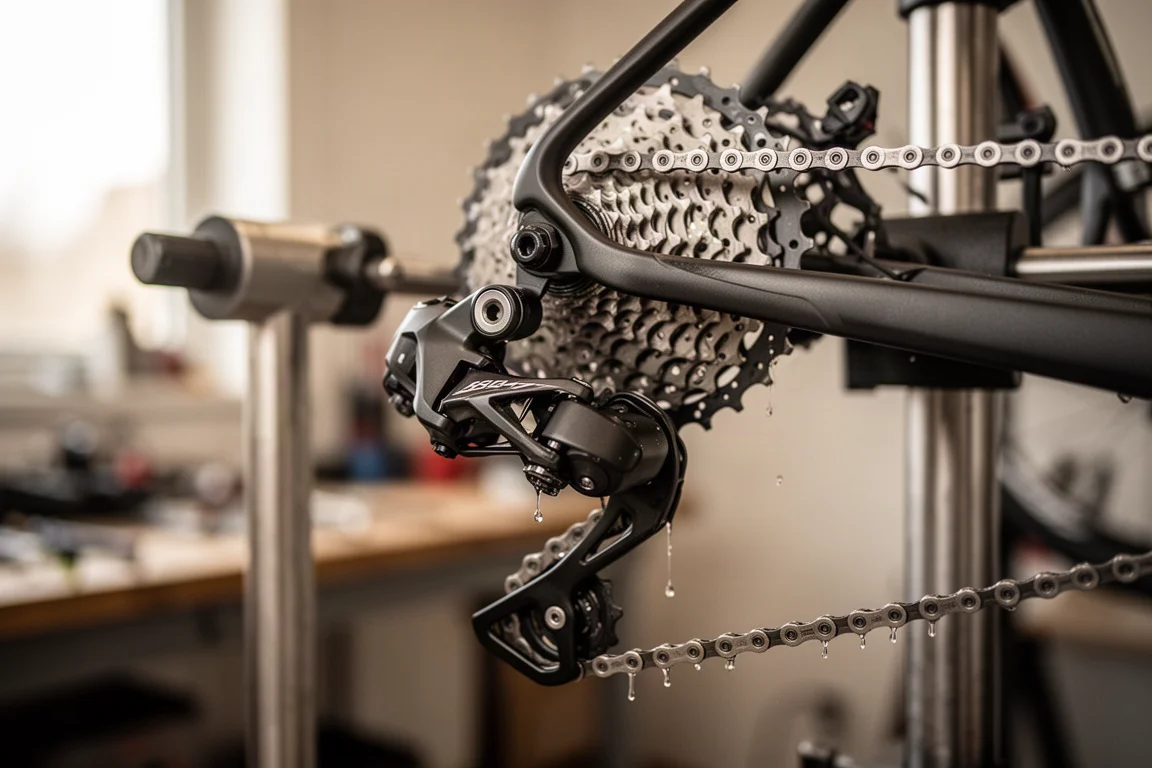
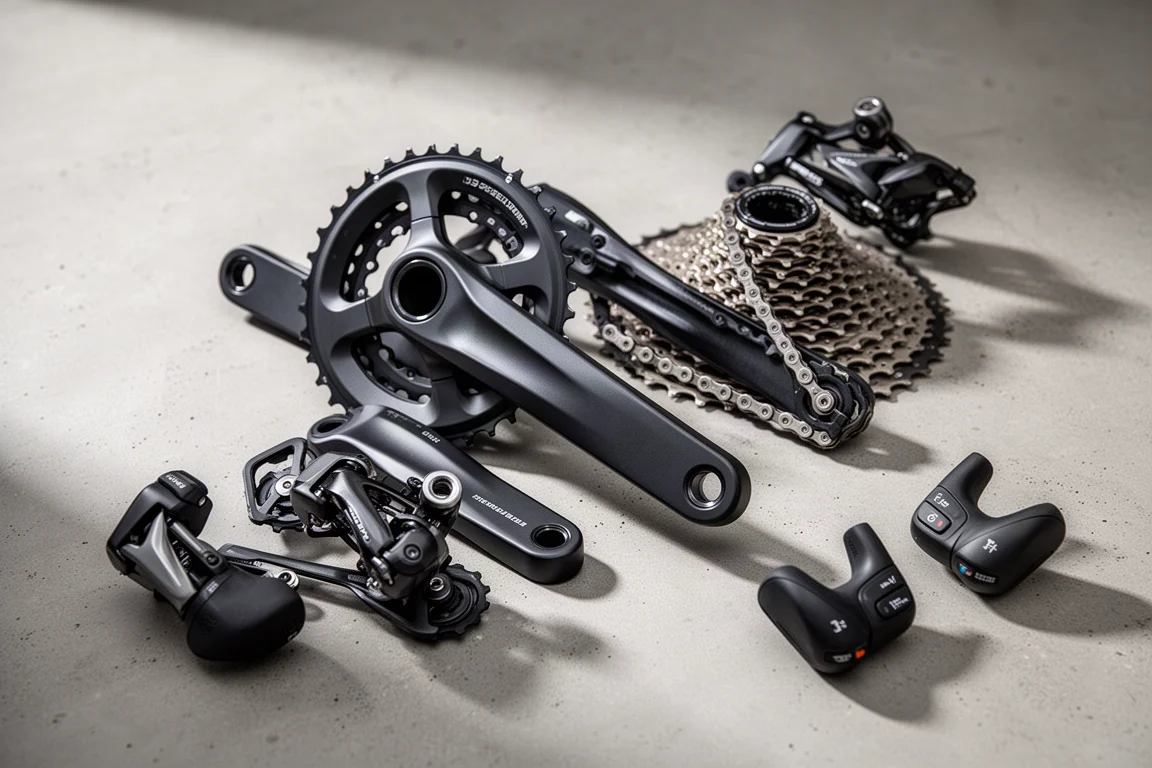
The new Dura-Ace group has already been spotted in race use ahead of any official launch, and what is visible so far is a modest step: 13 speeds, a semi-wireless layout, a new direct mount crank design that hints at an updated power meter, and repositioned auxiliary buttons on the shifters.
That last change is genuinely welcome. Moving the auxiliary buttons away from the top of the hood puts them in a more natural position, rather than under a layer of rubber where the feel is vague. The rest of the package is harder to get excited about. The finish is a plain black that gives little away about the price, and the crank arms remain aluminium rather than carbon.
The bigger question is the semi-wired design. Electronic shifting is not limited by the number of clicks in a mechanical ratchet, so a 13-speed cassette could in principle be offered as an upgrade path for existing derailleurs and shifters. Whether that happens is unknown, and the more likely outcome is that riders who want the extra sprocket pay for it. Expect a four-figure flagship price for a generation that, on current evidence, looks more like a careful refresh than a leap.
Specialized Tarmac SL9: Second-Tier Frame, Top-Tier Builds
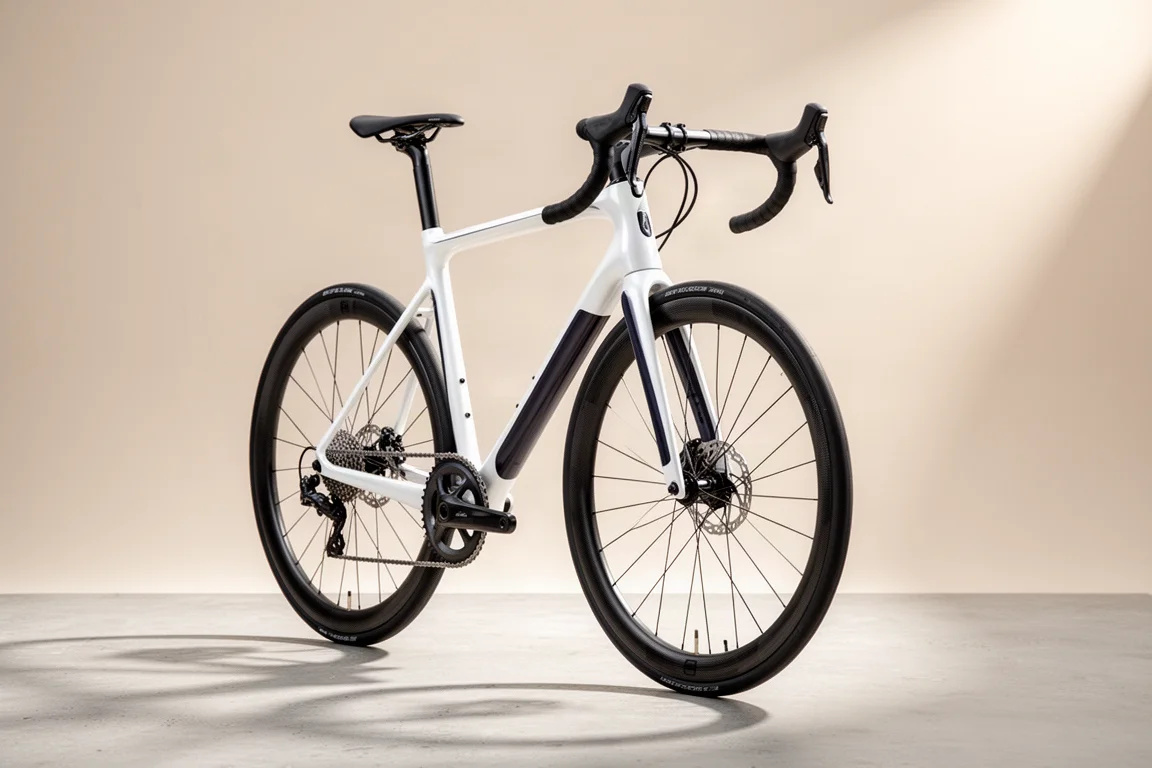
The Tarmac SL9 range has expanded with S-Level, Expert and Comp models that effectively replace what used to be the Pro tier. The frame uses a 10R carbon blend instead of the 12R layup found further up the range, but the rest of the design carries over largely unchanged.
Specialized has also made Red and Dura-Ace Di2 builds available at this level, arguing that the SL9 is fast enough to justify top-tier groupsets. The top-spec S-Level model costs £8,799 in the UK, against £12,000 for the S-Works. You give up roughly half a kilo, along with slightly cheaper Roval Rapide CL wheels that do not use carbon spokes.
For most riders, that is a sensible trade. Paying for a halo frame rarely delivers proportional gains, and the second-tier option keeps the ride experience close while leaving budget for wheels or a power meter later.
Garmin Fenix 9: A Premium Multisport Watch
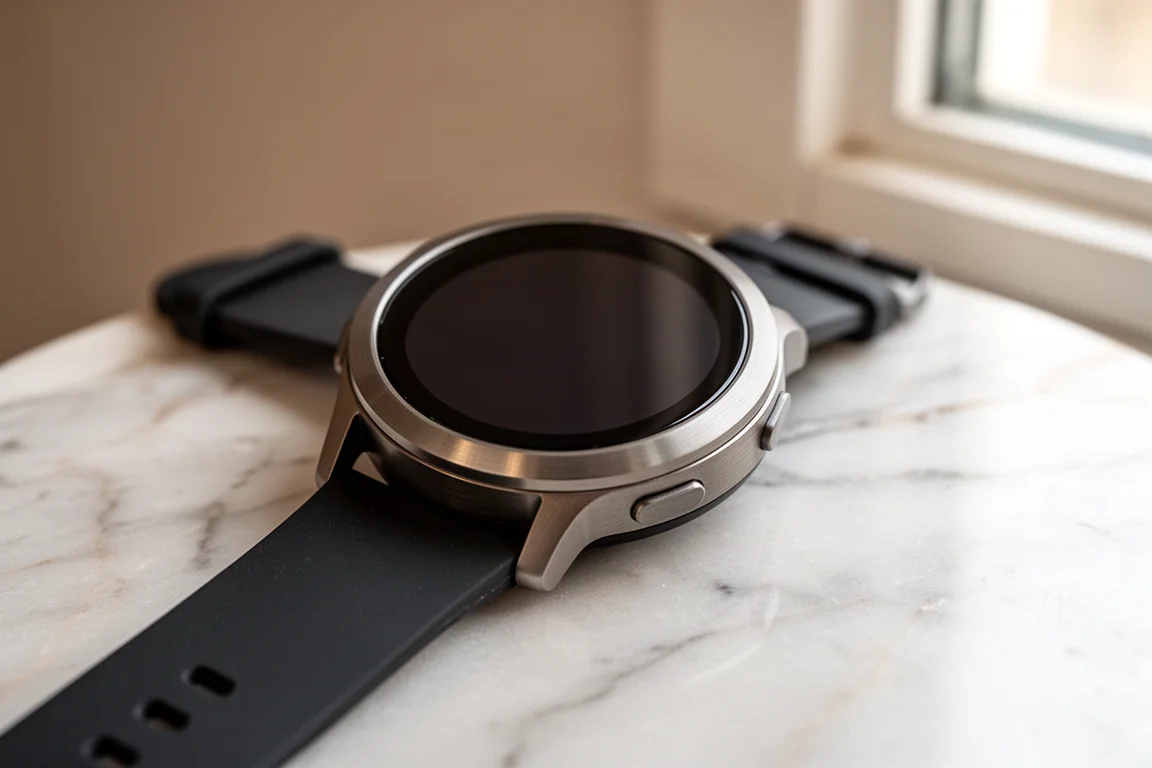
Garmin’s new flagship watch brings a brighter display, quicker performance and an expanded feature set, wrapped in a titanium case. Prices start at $859.99, with higher-spec and solar variants reaching $999.99 and above.
That is a lot of money for a device competing with bike computers that cost considerably less, and it is worth being clear about what you are buying. A smartwatch is a rechargeable device rather than a lifetime purchase, so the cost is spread across the years you actually use it. For riders who want one device for training, commuting and daily wear, that can still make sense.
The Fenix line has been pushing steadily towards the luxury end of the smartwatch market, and the Fenix 9 continues that trend. If you already rely on a bike computer for ride data, the case for adding a flagship watch is much weaker than it is for someone who wants wrist-based tracking everywhere they go.
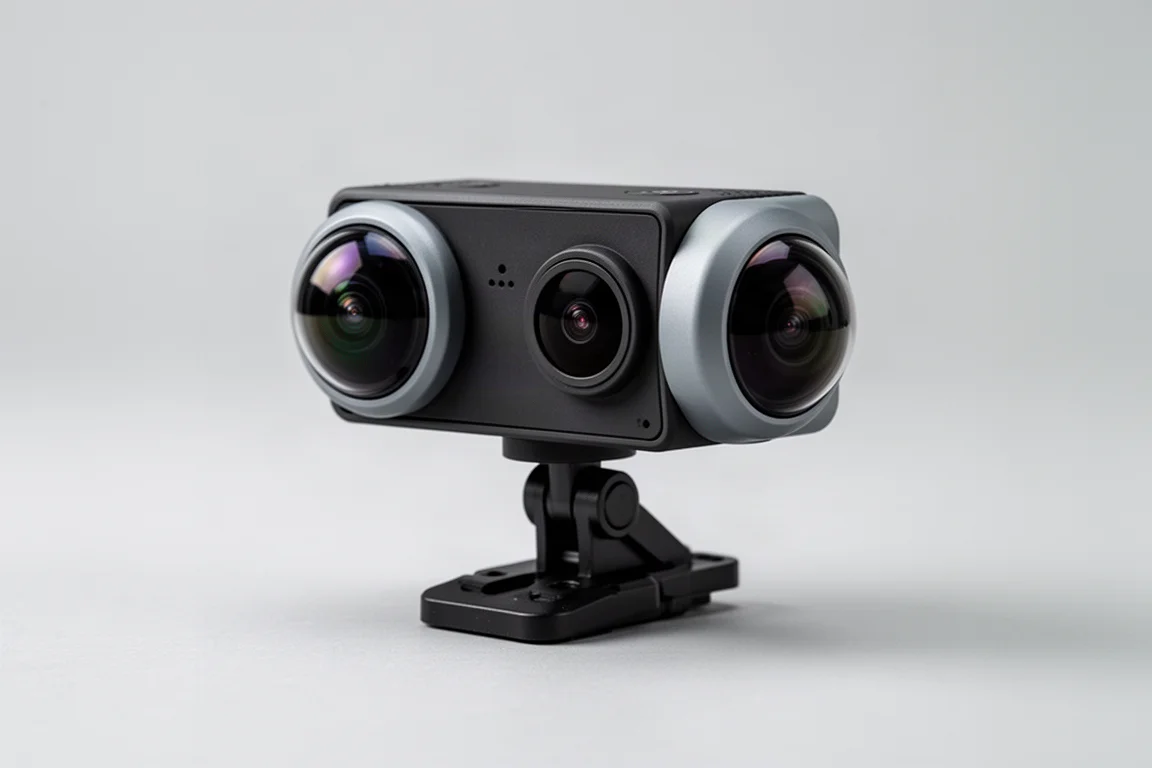
Insta360 X6: Three Cameras in One
360 action cameras have become genuinely useful for riders who film their own rides, largely because they let you choose the framing after the fact. A traditional action camera locked to a chest mount drifts out of position the moment you move around on the bike. A 360 camera captures everything and lets you crop later.
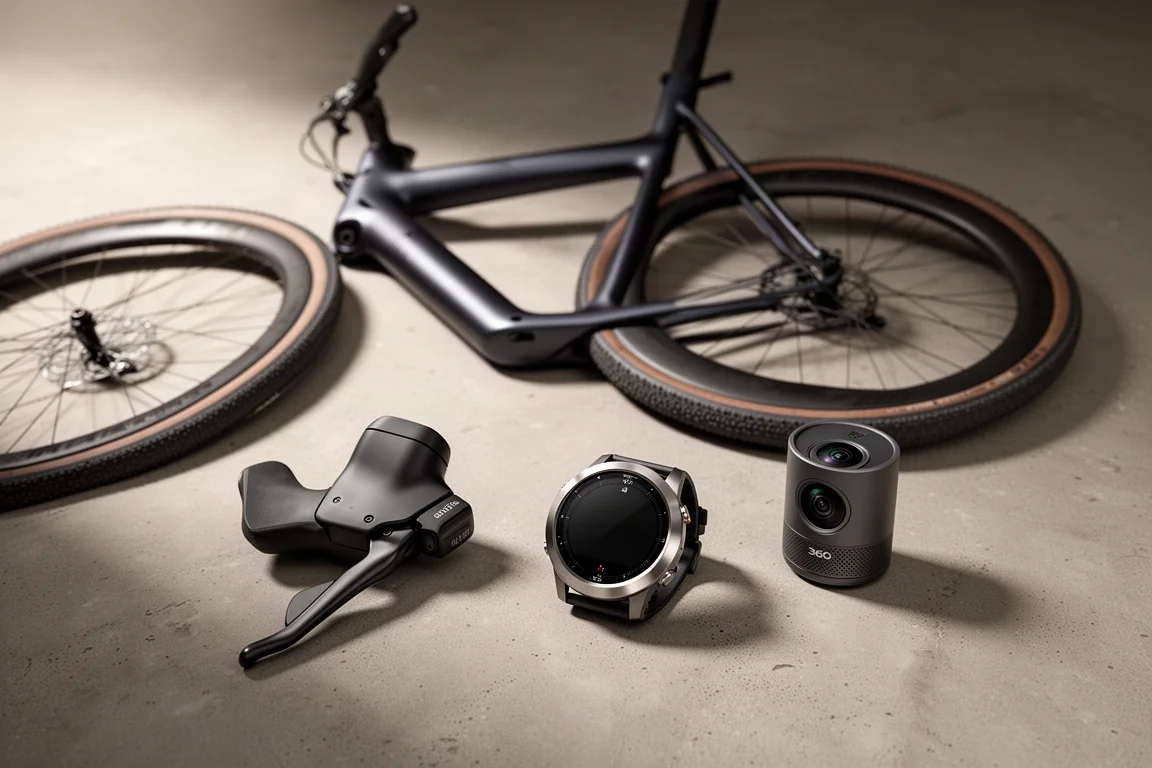
The X6 pushes that idea further. It works as a conventional single-lens action camera, as a full 360 camera on or off the bike, and with a powered selfie stick that has its own joystick, effectively turning the rig into a gimbal for smooth tracking shots. It shoots 8K, handles low light well and processes footage quickly.
There is also a genuinely useful convenience feature. Plug the camera in to charge overnight and it will produce an edit of the previous day’s footage automatically. For riders who want to document rides without spending evenings in an editing suite, that is a meaningful shortcut.
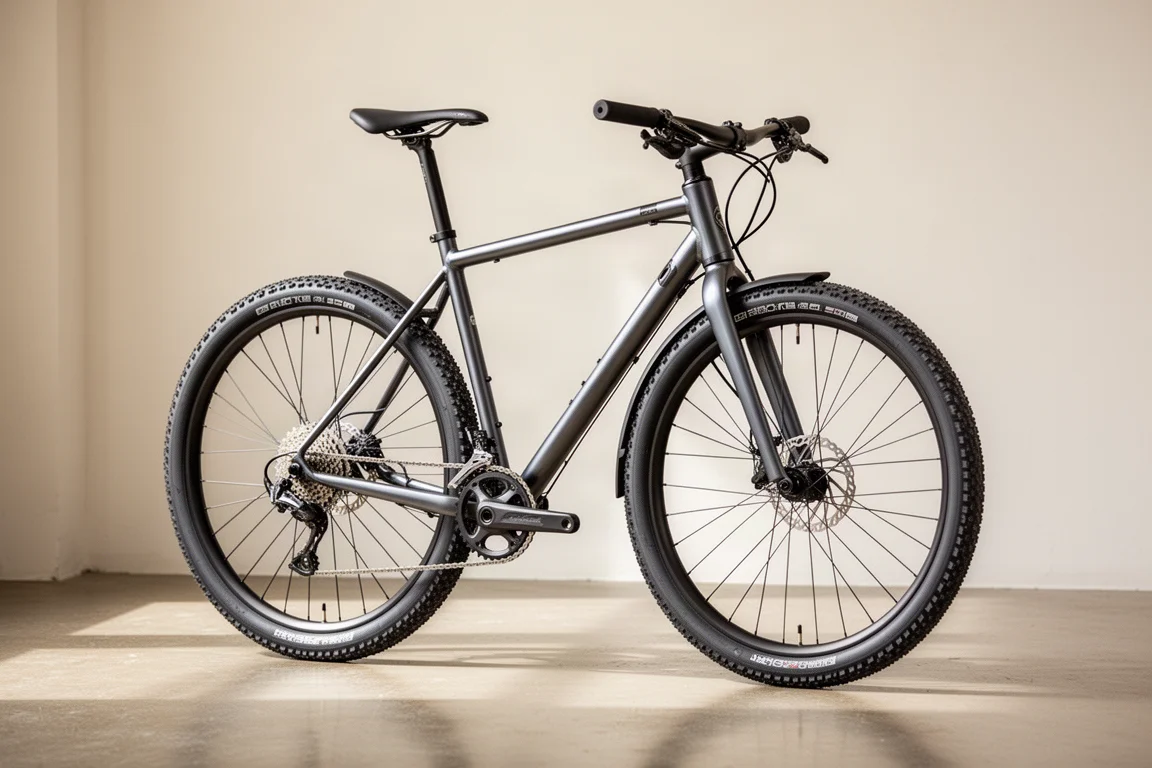
Trek Checkpoint ALR Gen 3: Value Gravel Done Well
Not every standout this year is expensive. The Checkpoint ALR Gen 3 is an aluminium gravel bike with modern geometry and generous tyre clearance, and it lands in the sub two grand bracket while still feeling like a current-generation design.
That combination is rarer than it should be. Aluminium frames remain heavier than carbon, and this bike sits below the carbon models in the range, but for riders who want a capable gravel platform without a premium outlay, it is one of the easier recommendations of the year.
What Else Stood Out This Year
Beyond the shortlist above, several other bikes are worth knowing about: the Giant Revolt Advanced SL 0, a top-spec gravel build at around 7.5 kg with more aggressive geometry that still keeps the Revolt’s balanced ride; the Canyon Endurace CF SLX, a comfortable and capable endurance bike that nevertheless feels sporty; the Giant Propel, which continues to blur the line between aero and all-round race bikes; and the Ridley Noah Fast 3.0, which shares the aero thinking behind the Kanzo Fast 2.0.
Buying Advice: Matching the Bike to the Riding
The most useful question is not which product is best, but which one fits the riding you actually do. For gravel, tyre clearance and handling matter far more than aero claims, which is exactly why the Kanzo Fast 2.0 and the Checkpoint ALR Gen 3 both earn their places despite sitting at opposite ends of the price range.
For road riders, a second-tier frame usually makes more sense than a halo model, since the performance gap is small relative to the price gap. The same logic applies to groupsets. Across the current generation, shifting and braking performance is broadly comparable between tiers, so the premium options are largely about finish, weight and prestige.
It is also worth watching how brands approach pricing and specification. Ridley’s online configurator, for example, lets buyers change much of the build to their own preference at little or no extra cost, and Trek has been notably aggressive on value this year. Those details often matter more to the final cost of ownership than a frame’s claimed weight.
Conclusion
2026 has delivered a genuinely useful spread of options. The Ridley Kanzo Fast 2.0 shows what aero gravel can be when handling is treated as a priority rather than an afterthought. The Trek Checkpoint ALR Gen 3 proves that a modern gravel bike does not have to be expensive, and the Specialized Tarmac SL9 makes a strong case for buying the second rung of a flagship platform.
The two tech products on the list are more situational. The Garmin Fenix 9 is a well-equipped flagship watch at a flagship price, so it makes most sense for riders who want one device for everything. The Insta360 X6 is the most flexible option here for anyone filming their own riding, provided the 360 workflow appeals to you.
The one item to approach with caution is the Shimano Dura-Ace Di2 R9300. It will almost certainly shift beautifully, but on current evidence the changes look incremental for a groupset expected to carry a four-figure price tag. If a 13-speed option eventually reaches existing derailleurs and shifters, that upgrade path may prove the smarter route.
Further reading
Related Reviews
Cycling Gear
8 Cycling Products Riders Keep Coming Back To
Eight cycling components and accessories with clear strengths, honest trade-offs and long-standing reputations among riders and mechanics.
Cycling Gear
Aero Helmets and Bottle Setups Tested: Six Options Ranked by Measured Watt Savings
Wind tunnel data on six aero helmets and bottle setups, with real watt savings, practical trade-offs, and guidance on what is worth buying first.
Cycling Gear
Aero Road Bikes and Fast Tires Worth Watching in 2026
Four aero road bikes and one fast road tire, with the real strengths, the open questions, and what to check before you buy.