Cycling Gear
Best Road Cycling Upgrades: Wheels, Tyres, Power Pedals and Frames Worth Knowing
A practical roundup of deep-section wheels, new road tyres, a magnesium frame, power meter pedals and a monocoque frameset, with the trade-offs that matter.
Introduction
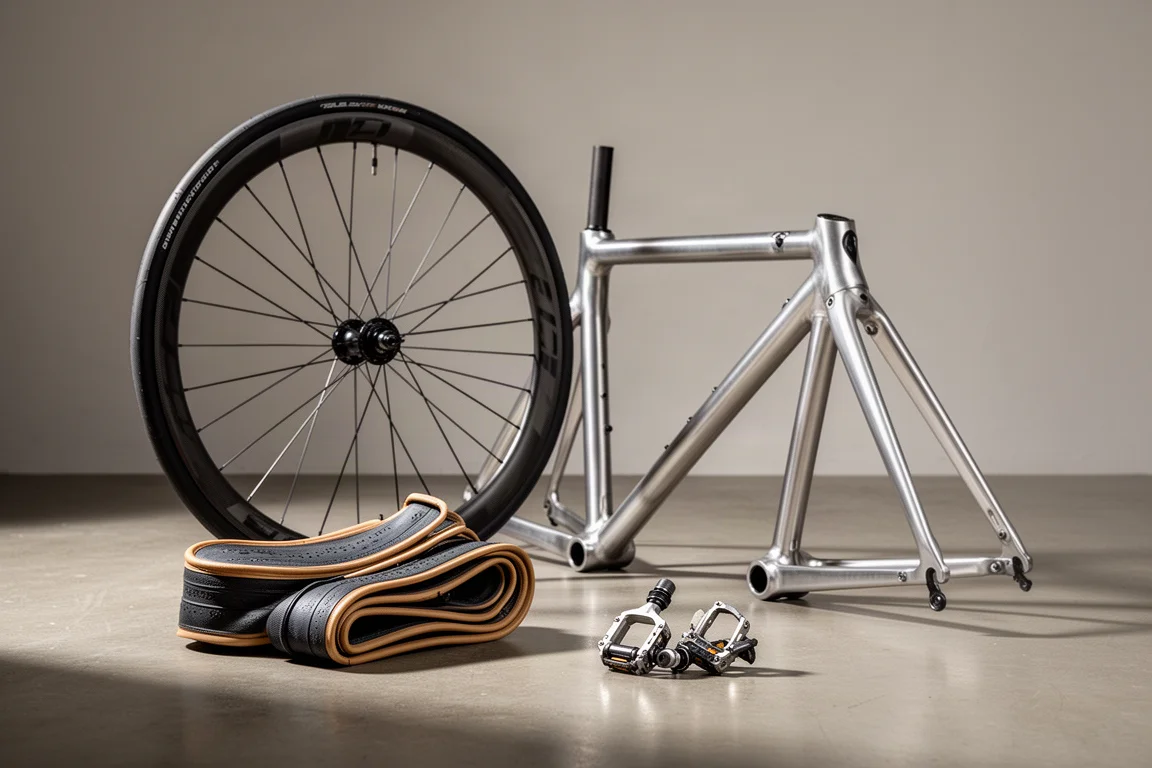
Not every new product deserves a place on your bike, and the gap between marketing language and real-world benefit is usually where money gets wasted. This roundup collects the road cycling gear that stood out over the past month: a six-wheel deep-section carbon group test, two new road tyres aimed at the same performance category, a magnesium road frame that challenges the assumption that metal frames have to be heavy, a set of power meter pedals that move between bikes, and a monocoque frameset from a brand better known for components.
The thread running through all of it is value. Not cheapness, but whether the price you pay buys something you will actually notice on a ride. That could be a lighter wheel that climbs better, a tyre that stays fast and grippy in mixed conditions, or a frame that gives up a little refinement in exchange for a much lower price.
Each pick below is described in plain terms, with the trade-offs stated rather than glossed over, so you can work out which of them, if any, fits the way you ride.
What We Looked At
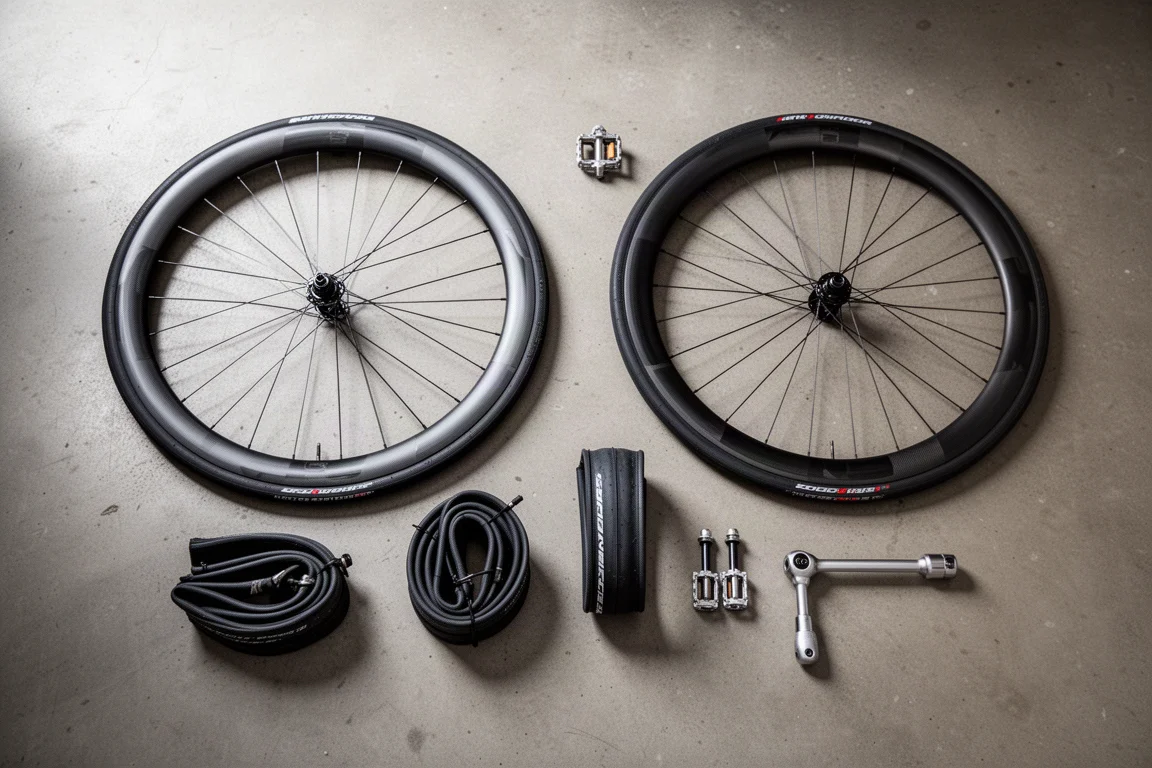
The wheel test that anchors this roundup covered six deep-section carbon wheelsets spanning a wide price range, from just under £1,000 at the bottom to around £2,500 at the top. The aim was not to find the fastest wheelset money can buy, but to work out where the sweet spot sits for a strong enthusiast rider who does not need the exact equipment used at the top level of the sport.
Ride feel, weight, rim width and tyre compatibility carried more weight than headline aerodynamic claims. Several wheelsets in the test sit in the same performance conversation while costing hundreds of pounds apart, which makes compatibility and long-term ownership costs worth as much attention as the numbers on a spec sheet.
The tyres, frame and pedals in this roundup were judged on the same principle: what does the product actually change about a ride, and what does it ask of you in return.
A note on how prices are quoted. Where a product is sold in both the UK and the US, both figures appear, because exchange rate differences are large enough to change which option looks like the better buy.
Zipp 404 Firecrest: The Group Test Winner
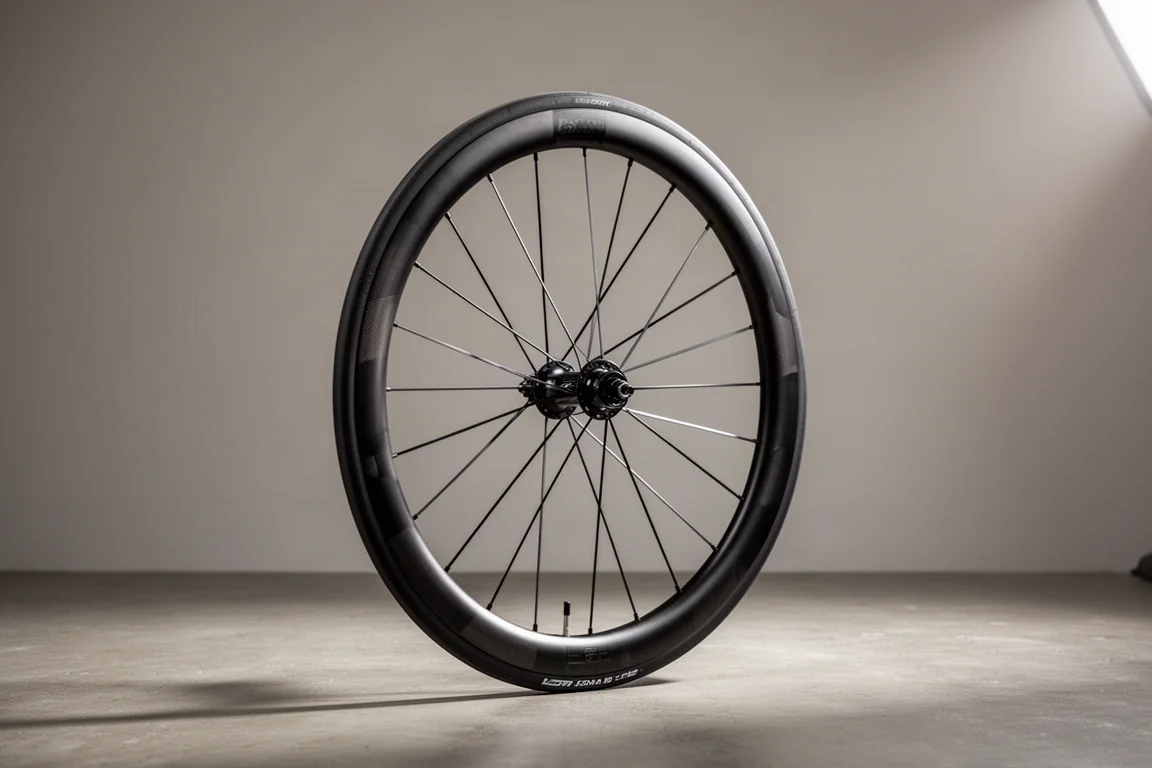
The Zipp 404 Firecrest came out on top of the wheel group test, and part of the reason is a construction change rather than a marketing one. The latest version uses a hookless design, and straight rim walls are both easier and cheaper to manufacture. Zipp passed that saving on: this generation costs around £800 less than the version before it, while also being lighter.
On the road, the combination of aero benefit, ride feel and robustness is what earned it first place. It is a wheelset that does not force a choice between speed and everyday usability.
The 404 Firecrest also has the widest internal rim width in the test at 23mm. That matters more than it sounds. With a 28mm or even 30mm tyre fitted, the sidewall stays properly supported instead of ballooning out past the rim, which gives a more stable contact patch and a more comfortable ride at the pressures most riders actually use.
Shimano Dura-Ace C50: Pro-Level Wheels at a Keener Price
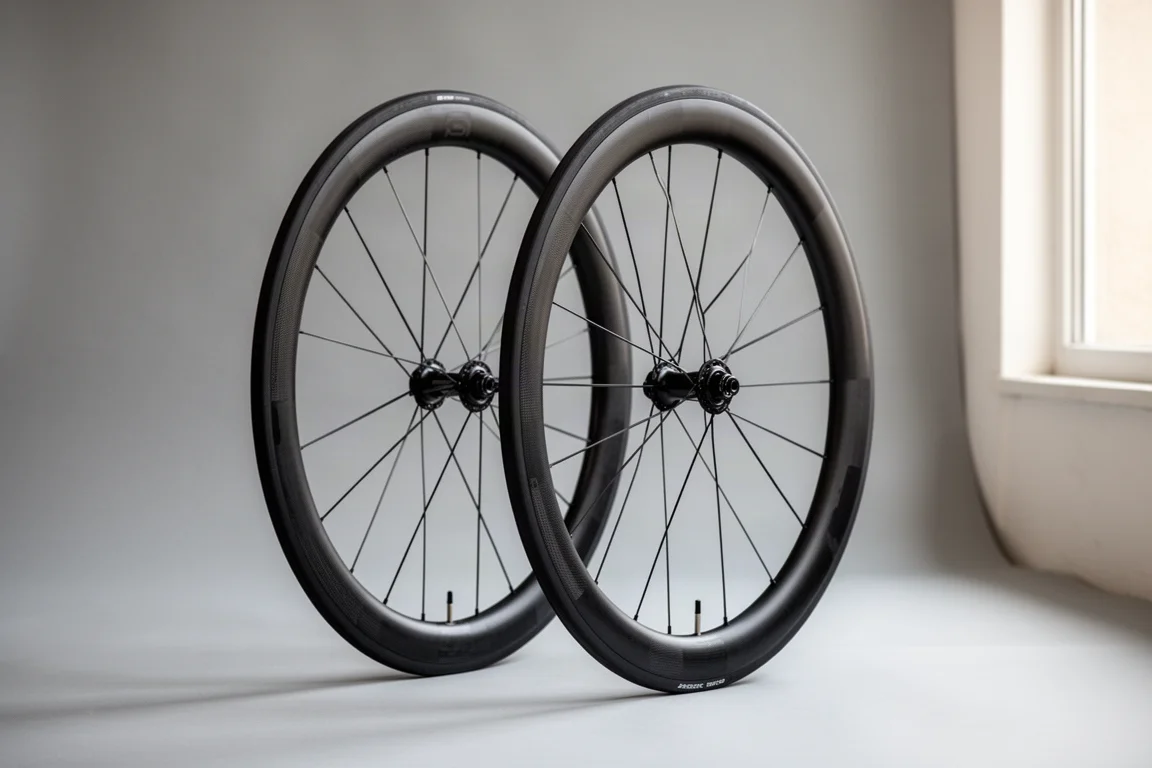
The new Dura-Ace C50 wheels sit alongside Shimano’s 12-speed groupset, and the surprise here is the price. Despite the Dura-Ace name, they landed roughly £700 below the most expensive wheels in the test, which puts them in a far more accessible bracket than the badge suggests.
They are light, they are fast, and they felt genuinely good to ride, which is what you would hope for from a wheelset in this tier. The catch is compatibility. The freehub only works with the new 12-speed cassette, so choosing these wheels commits you to Shimano’s 12-speed ecosystem rather than letting you carry over existing parts.
For riders already building around that groupset, that is no problem at all. For everyone else, it is worth factoring into the total cost before deciding.
Vittoria Corsa Next: A Nylon-Casing All-Rounder
Vittoria’s Corsa range has always leaned on a cotton casing for suppleness, which comes with a trade-off in durability. The Corsa Next changes the formula. It uses a nylon casing and is aimed squarely at the Continental Grand Prix 5000 and the Schwalbe Pro One TLE, the two tyres that define this performance category, and it is priced just below both of them.
The figures hold up. Weight is a little over 300g, essentially matching the cotton-casing Corsa, so durability has not been bought with extra rotating mass. Vittoria added silica to the compound alongside graphene, which is claimed to improve wet-weather grip, and the tyre is built for tubeless use as the brand’s first hookless-compatible road tyre.
In use it proved supple, fast and grippy in dry conditions, and it sealed well once mounted, even if it did not go on easily. It has not yet been ridden in the rain, so the wet grip claim remains unverified. Riders who want a tan wall version will have to wait, because there is not one for now.
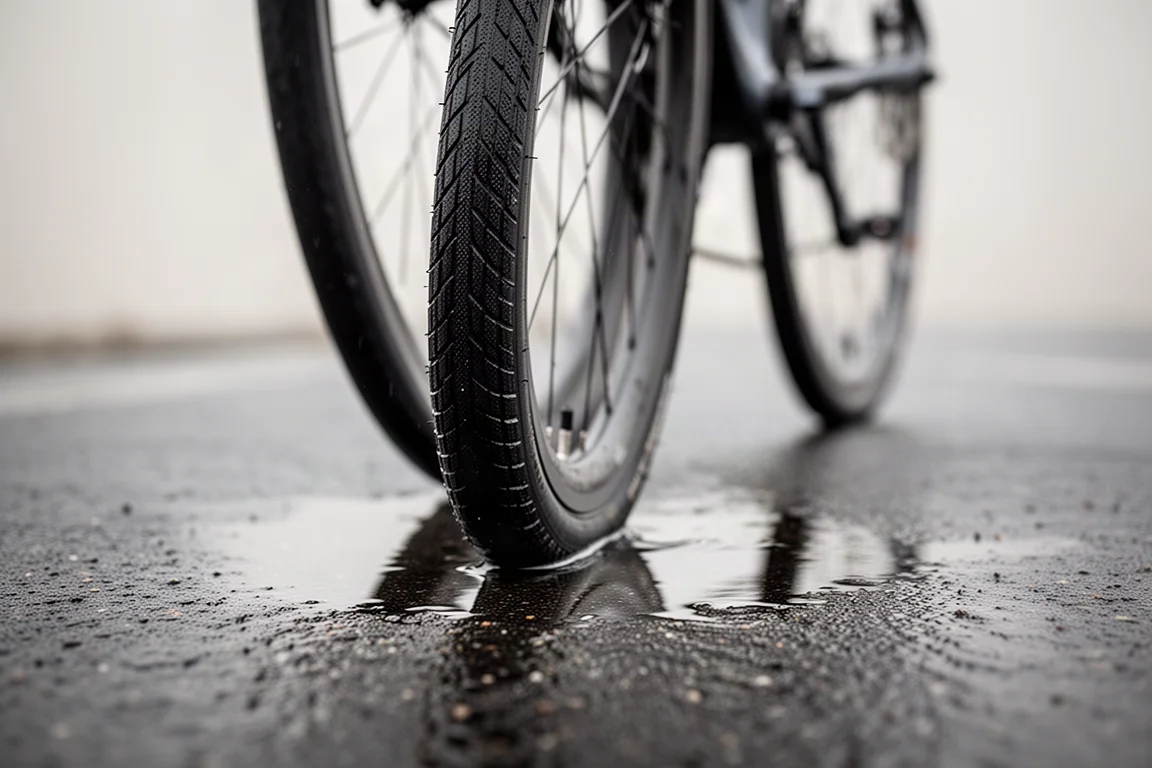
On balance, the Corsa Next performs at a level that is hard to separate from the Continental it is targeting, and it costs less. If that holds up over a full season, it is a straightforwardly good buy.
Challenge Criterium: Cotton Casing Speed With a Twist
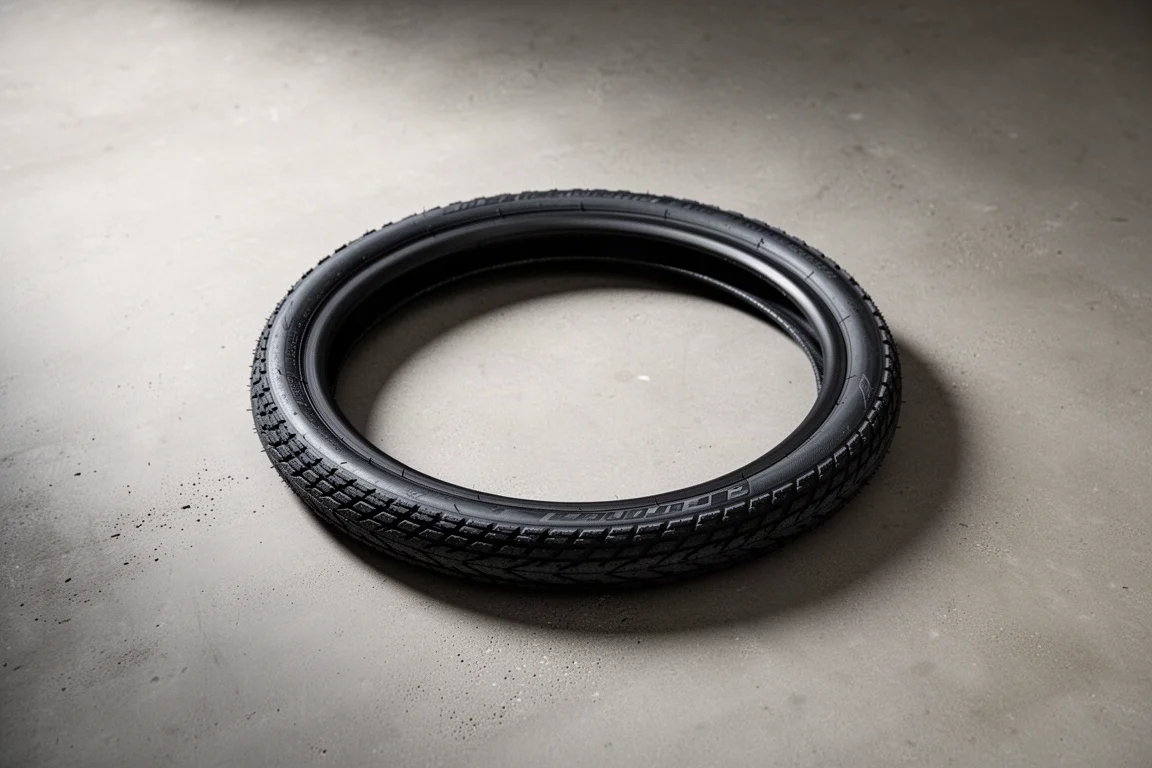
The Challenge Criterium goes the other way, with a cotton casing and a very high 350 TPI count. That combination delivers the smooth, fast feel cotton casings are known for, and at 258g the tyre is noticeably lighter than the Vittoria Corsa Next.
Where it gets interesting is the positioning. Challenge claims both wet-weather grip and durability for the Criterium, and there is built-in puncture protection in the casing as well. A tyre named after criterium racing would normally be expected to trade protection for outright speed, so the Criterium ends up somewhere between a race tyre and an everyday fast tyre. It is also hookless compatible, which helps if you run disc brakes and want those pale sidewalls to stay pale.
Whether that blend suits you depends on what you want from a fast tyre. It is a genuinely supple, light option with more resilience than the name implies.
Vast R1: Magnesium Makes a Comeback
Magnesium frames had a moment in the 1990s and then largely disappeared, so the Vast R1 is a notable return to the material. Vast has built its approach around magnesium and makes a case on weight, performance and environmental grounds.
The headline figure is a claimed frame weight of 1,250g, which is remarkably light for a metal frame. For comparison, the recently released Specialized Allez Sprint frame is reported at around 1,500g, so the Vast R1 claims a roughly 250g advantage while costing considerably less. The complete bike comes in at $2,299, or £2,299, against around $3,000 for the Allez Sprint, and it accepts tyres up to 32mm.
Magnesium has sustainability advantages that are easy to overlook. Around 60 per cent of the magnesium Vast uses is recycled from the automotive industry, and die-casting produces far less waste than machining a part from a solid block. The material is also easier to recycle. The trade-offs show up in the finish: the welds are not the prettiest, which is unsurprising for a manufacturer at the start of its development curve with the material.
Vast also claims magnesium damps vibration better than aluminium, though that is hard to verify on a bike running 32mm tyres, where the tyre does most of the damping work. The frame weight is the real story here, and it is a promising starting point.
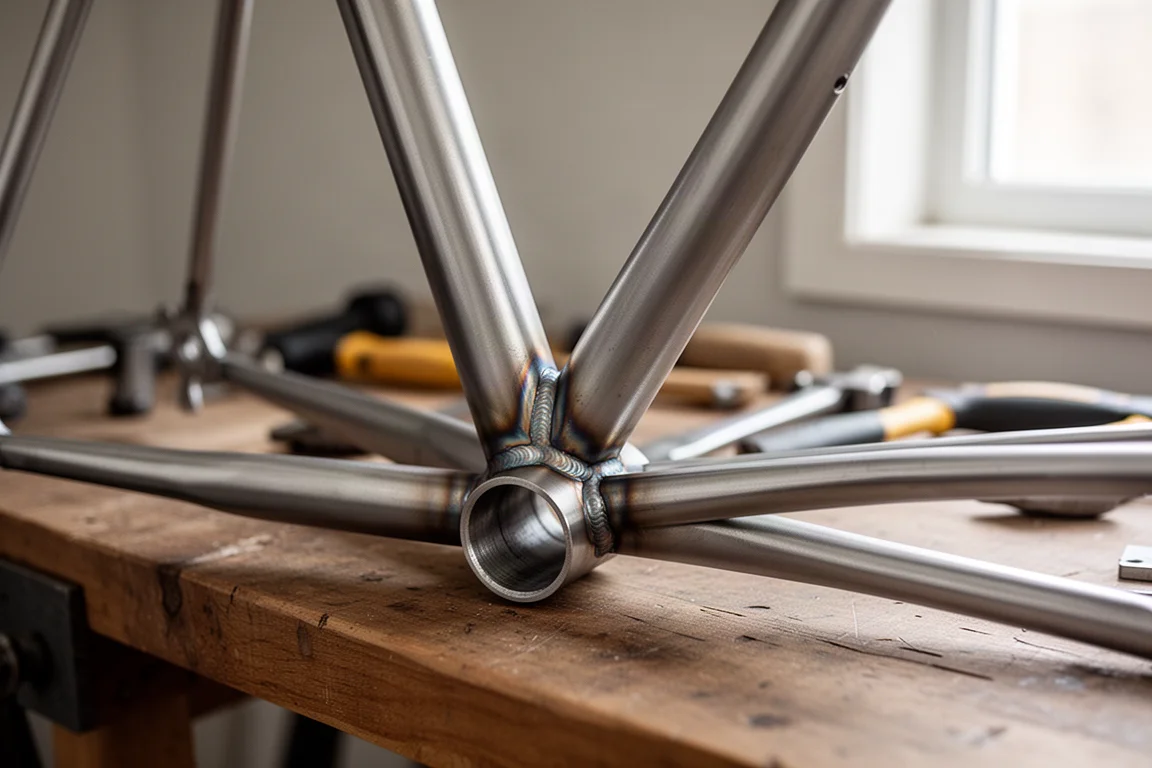
One component choice on this build is worth flagging. The Praxis crankset will not suit every rider, and some will prefer to budget for a different crank, which is a personal call rather than a flaw in the frame.
Garmin Rally XC100: Versatile Power Meter Pedals
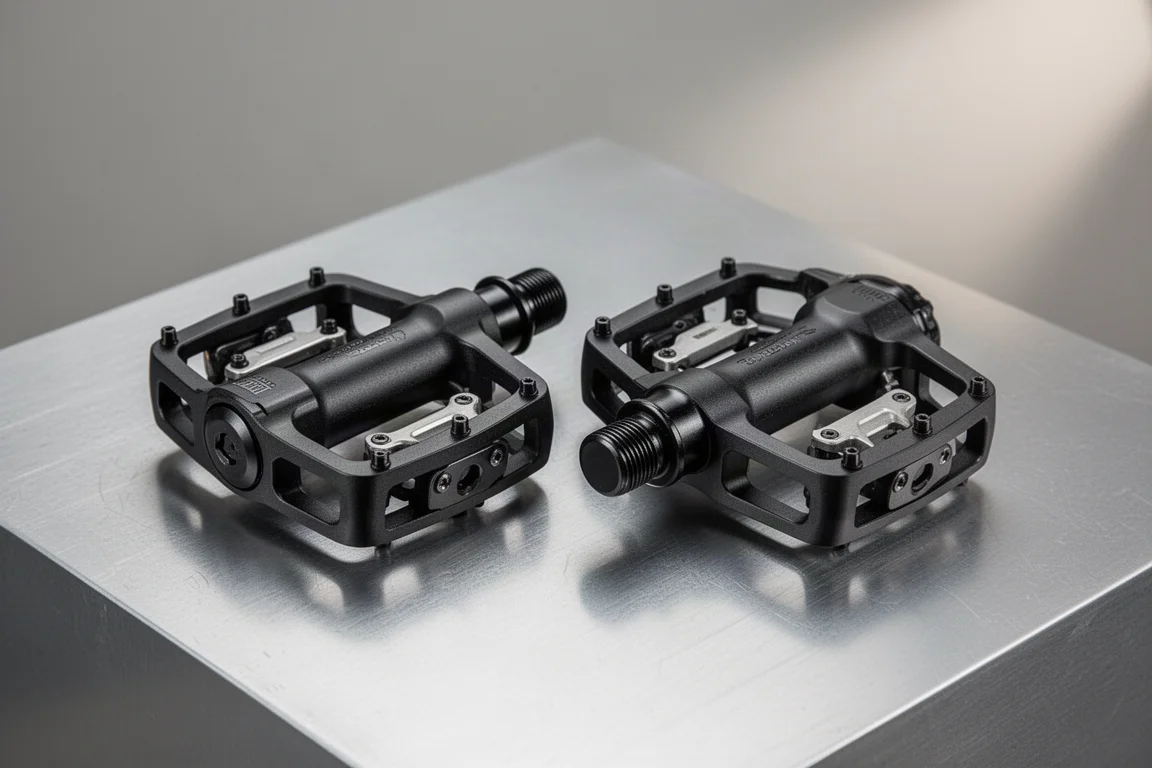
The Rally XC100 measures power from the left side only, which keeps it at the more accessible end of the power meter market. If you later want total power, the system can be upgraded, and the pedal bodies can be swapped to road cleats rather than replaced entirely.
Durability has held up well in use, including through several pedal strikes, with power readings still coming through sensibly. That matters for a component that sits at the lowest point of the bike and takes hits other parts never see.
The strongest argument for the Rally pedals is versatility. Because the power measurement lives in the pedals rather than in a crank or hub, the same unit can move between bikes and between disciplines, which makes it a sensible purchase for riders with more than one bike in the garage.
Enve Melee: A Monocoque Frameset With a Split Personality
The Enve Melee is only the second frame Enve has produced. The first was a custom road frame built in Utah, and this one is a monocoque made in the Far East, which signals a clear move into mass-production frames.
It is marketed as a race bike, and the geometry backs that up: it is aggressive, and it works with Enve’s new bar and stem system, which allows fully integrated hoses. But the details pull in another direction. There are mudguard mounts, and there is clearance for 35c tyres, which makes the Melee feel closer in spirit to an all-day performance bike than a pure criterium machine. Sold as an adventure road or performance endurance bike, it would make complete sense.
The frame comes in at 850g, which is not especially light, and it is not an aero bike either, though the tube shapes are clearly optimised. What you are really buying is a very good home for Enve’s own finishing kit, since the bar, stem, seat post, saddle and wheels all come from the same brand.
Price is the sticking point. The frameset costs £5,300 in the UK and $5,500 in the US. A Specialized Aethos frameset, for comparison, is £4,500 and lighter. Confidence in the build quality is reasonable given Enve’s long history making carbon components, forks and rear triangles, but it is a lot to spend on a frame whose identity takes some explaining.
Riders who want an aggressive position and a fully integrated front end will find plenty to like. Riders shopping purely on weight per pound will find better value elsewhere.
Buying Advice: Matching the Upgrade to the Ride
Wheels are the easiest place to overspend. The group test showed that the sweet spot sits well below the top of the market: the winning Zipp 404 Firecrest is cheaper and lighter than it used to be, and the Dura-Ace C50 offers pro-tier performance at a lower price than its badge implies, provided you are happy inside the 12-speed ecosystem. If you want the widest rim and the most flexible tyre fitment, 23mm internal width is the number to look for.
Tyres come down to casing and intent. The Vittoria Corsa Next is the value play: nylon casing, tubeless, hookless compatible, priced under its two main rivals, with durability and wet grip claims attached. The Challenge Criterium is the lighter, more supple option with a cotton casing and more protection than its racing name suggests.
For frames, the Vast R1 makes the strongest value argument here: a claimed 1,250g magnesium frame at $2,299, with a genuinely greener material story, in exchange for welds that still have room to improve. The Enve Melee is a different proposition entirely, a premium frameset for riders who want Enve’s integrated cockpit and are willing to pay for it.
Power meter pedals are the simplest decision of the lot. If you ride more than one bike, the Rally XC100’s ability to move between them, and to be upgraded or converted to road cleats later, is worth more than a marginal difference in readings.
Conclusion
The most useful upgrades in this roundup are the ones where a clear engineering or manufacturing change shows up as a real-world benefit. The Zipp 404 Firecrest got cheaper and lighter because of a construction change. The Vittoria Corsa Next brings a durable casing to a category where it was missing, at a lower price than the incumbents. The Vast R1 shows that magnesium can produce a genuinely light metal frame with a better environmental profile, even if the finish is not yet perfect.
The Enve Melee is the most debatable pick, and not because of quality. It is a well-made frame that would make more sense described as an all-road performance bike than a race bike. The Garmin Rally XC100 is the easiest recommendation of the group, simply because it works across bikes and disciplines.
Match the upgrade to the riding you actually do, and the money goes further.
Further reading
Related Reviews
Cycling Gear
8 Cycling Products Riders Keep Coming Back To
Eight cycling components and accessories with clear strengths, honest trade-offs and long-standing reputations among riders and mechanics.
Cycling Gear
Aero Helmets and Bottle Setups Tested: Six Options Ranked by Measured Watt Savings
Wind tunnel data on six aero helmets and bottle setups, with real watt savings, practical trade-offs, and guidance on what is worth buying first.
Cycling Gear
Aero Road Bikes and Fast Tires Worth Watching in 2026
Four aero road bikes and one fast road tire, with the real strengths, the open questions, and what to check before you buy.