Road Bikes
Best Road Bikes: Seven Standout Models Worth Considering
Seven road bikes that stood out for performance, value and craft, from a handmade Italian carbon frame to a magnesium build and a modern steel all-rounder.
Introduction
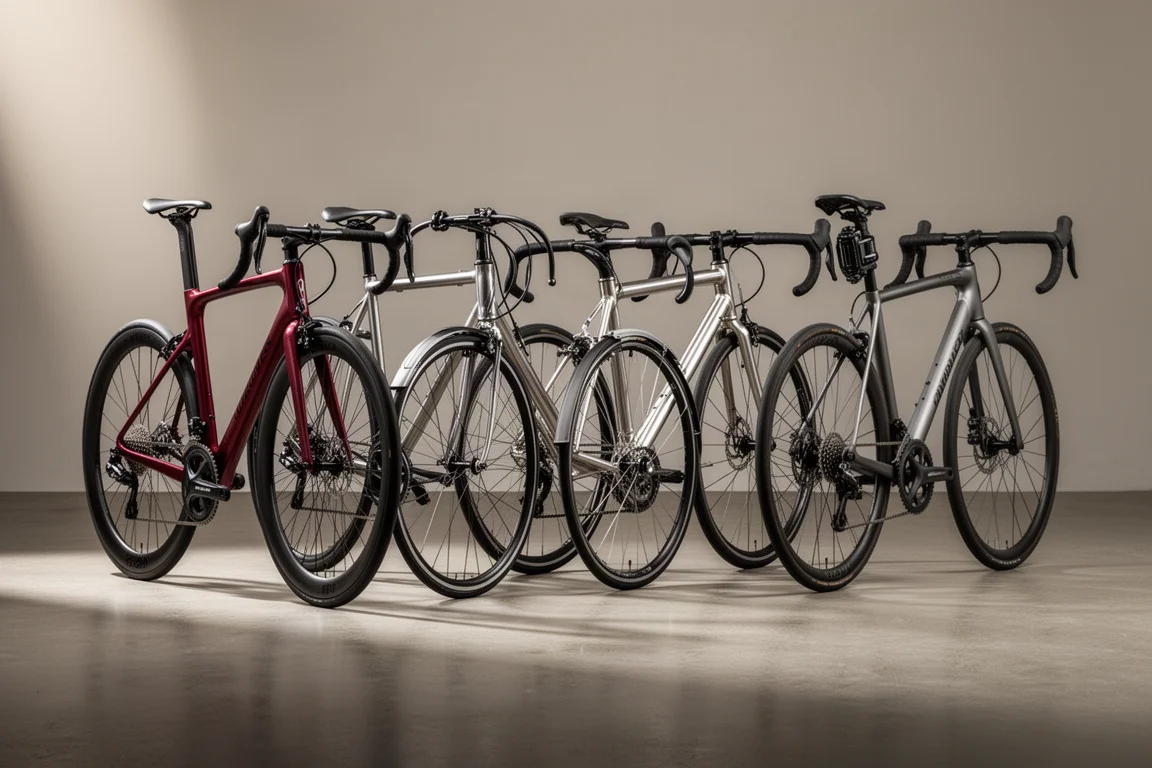
The road bike market has been rebuilding pace after a disrupted few years, and the past twelve months still delivered a steady stream of new launches. This roundup gathers the bikes that impressed most, the ones worth recommending to riders who want the latest and greatest rather than simply the most expensive.
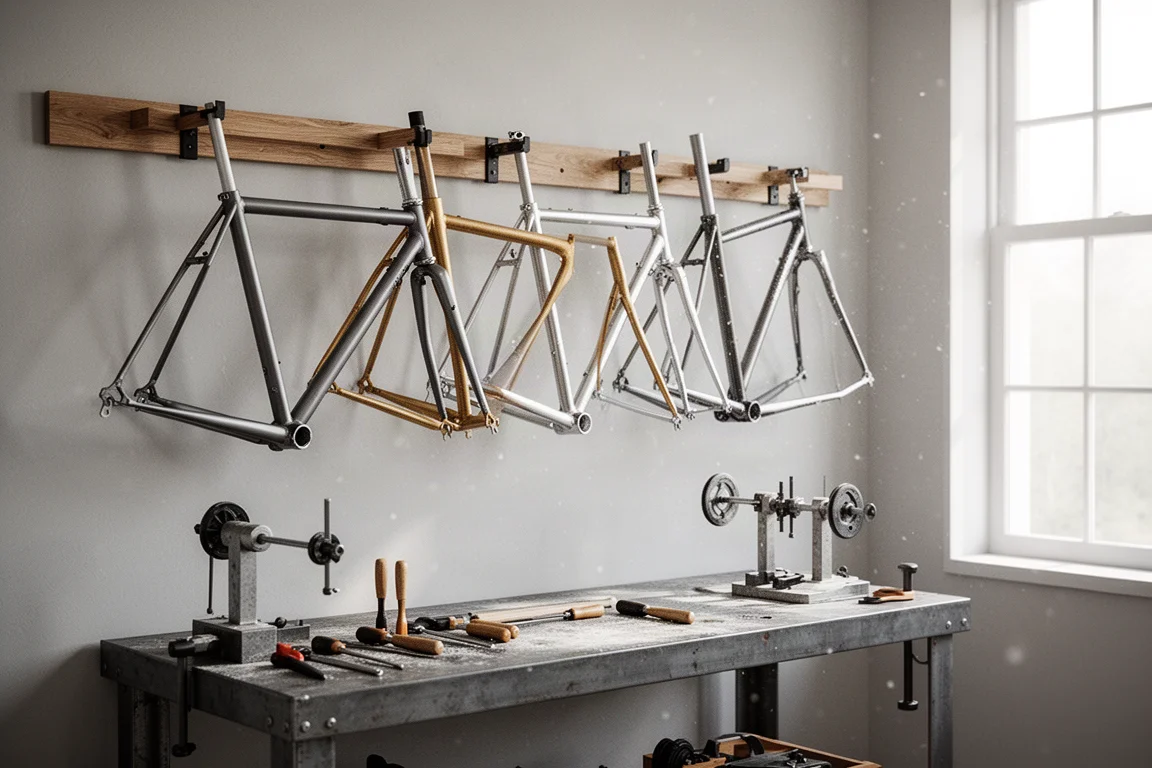
There are halo bikes here, including a handmade Italian frame that sits at the very top of the market, but value for money was weighed just as heavily as outright performance. Not every bike in this list is carbon either, with steel and magnesium both earning a place.
How We Judged This Roundup
Two questions shaped the selection: how well does the bike ride, and how much sense does it make at its asking price? Some models here win on craft and exclusivity, others on weight-to-price ratio or on genuinely useful new technology.
Frame material was left open on purpose. A carbon superbike, a steel all-rounder and a magnesium frame sit comfortably in the same list because each one solves a different problem for a different rider.
Colnago C68: Handmade Craft With Modern Integration
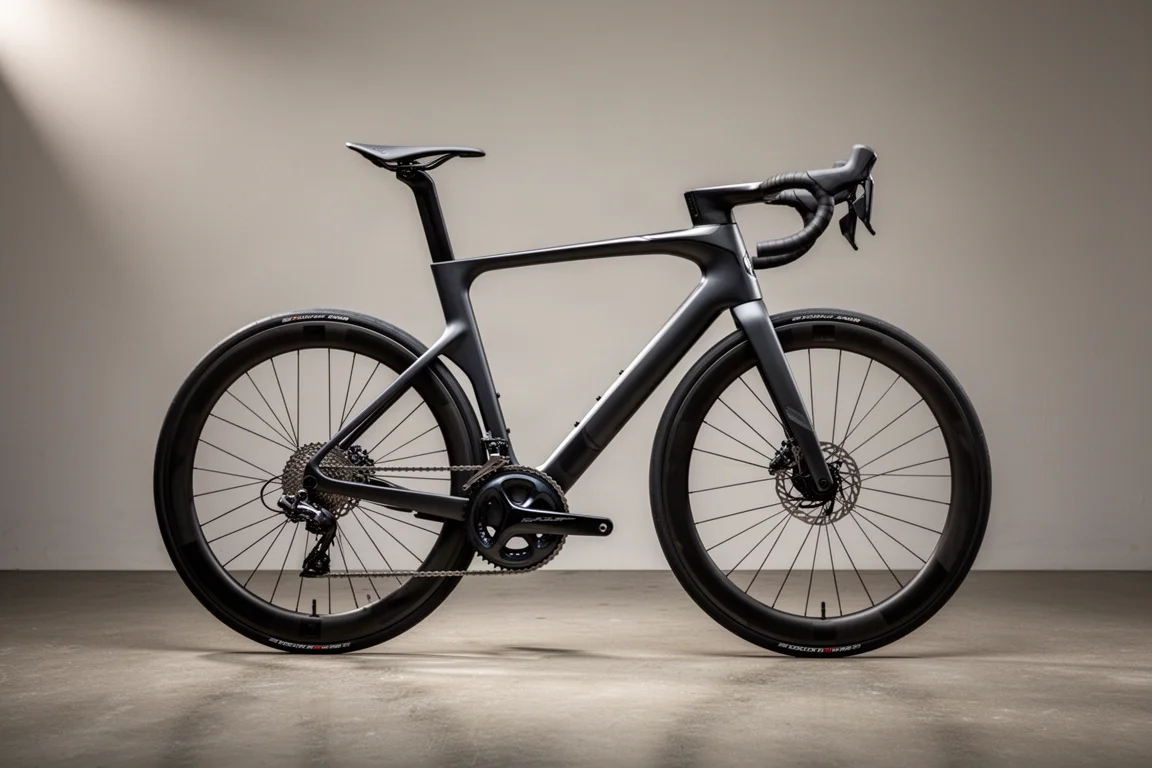
The Colnago C68 is the halo bike of this group and a next generation classic. It is still handmade in Italy, as every C series Colnago has been, and it is still built from separate tubes rather than a monocoque.
The difference this time is that the lugs are incorporated into the tubes themselves. The top tube, for example, includes the lugs that join it to the head tube and the seat tube, which gives the frame a smooth and modern look. Colnago also offers a version with 3D printed titanium lugs for a fully made-to-measure C68.
It comes with a brand new CC01 handlebar that will appear on other new Colnago models, and a Ceramic Speed headset with a lifetime guarantee, so owners do not have to face the time-consuming job of dismantling an integrated cockpit. The C68 earned a five-star rating, and for riders after the classiest superbike available, it is hard to look past. It is reassuringly expensive: the frameset costs just over £5,000, while the Dura Ace Di2 build comes in at just under £12,500.
Cannondale Synapse: Integrated Lights and Radar as Standard
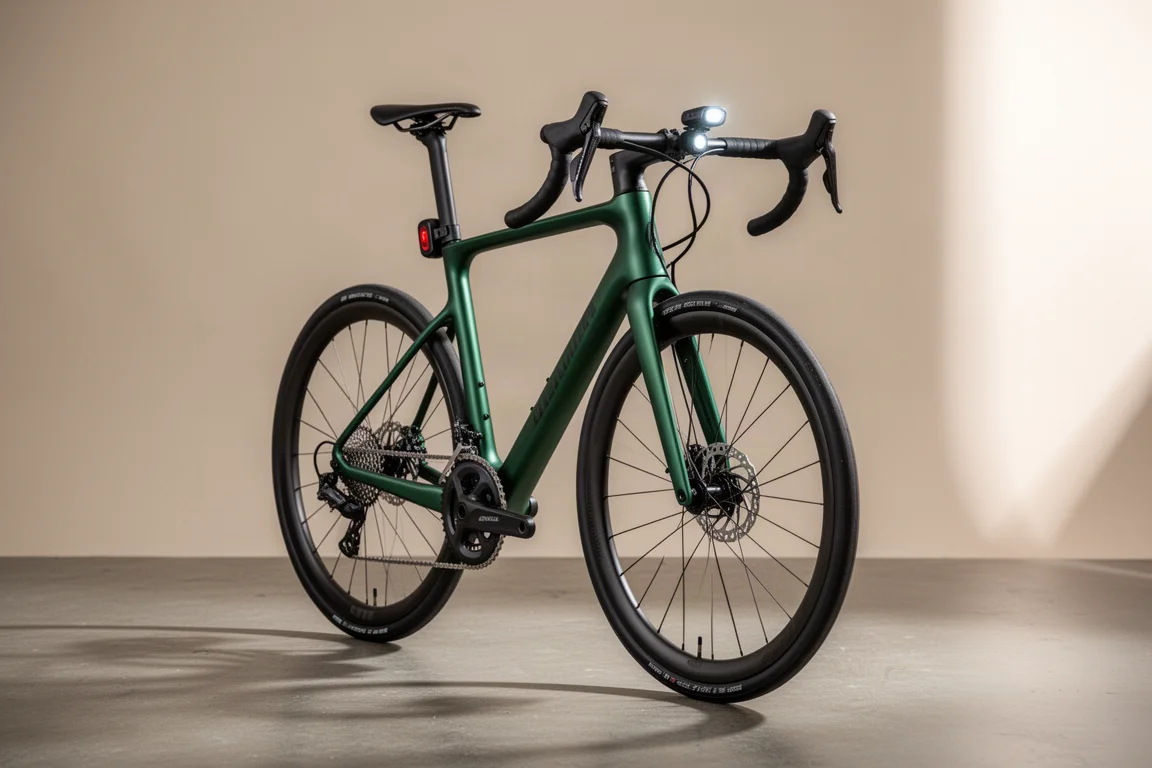
Cannondale’s new Synapse arrives with SmartSense, a system of integrated lights and radar that runs off a single battery. This kind of technology is commonly built into e-bikes, but this is the first time a major player has implemented it on one of its big-selling road models.
Cannondale frames it around convenience and confidence, and the logic is easy to follow. Daytime running lights and rear-facing radar are two things many riders refuse to leave home without, and on this bike they are always on board.
The bike itself has been completely redesigned, with a beautiful ride quality. The endurance geometry is the same as before, but comfort has been improved, tire clearance runs to 35mm, and Cannondale claims the smoothest ride yet. The Synapse Carbon 4 can be bought without lights and radar, though still SmartSense compatible, for £2,400 with a Tiagra spec, while the range runs up to £9,000 for the Synapse RLE with Dura Ace Di2 and the full light and radar package.
Vaast R1: Magnesium at an Accessible Price
The Vaast R1 comes from a new American brand and is built from magnesium tubing. Vaast says the material is lighter than aluminum, stronger than steel, and priced competitively against aluminum.
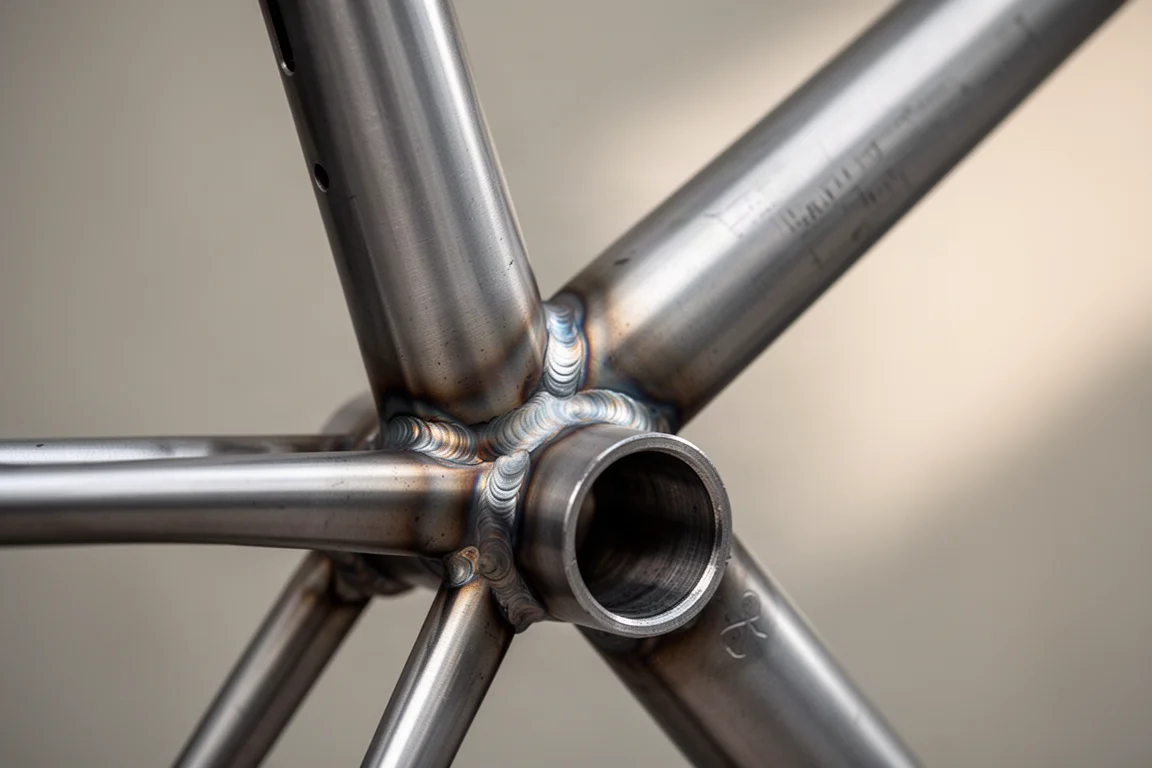
Magnesium also brings an environmental angle: it is easier to recycle than aluminum, and the brand uses fiber-based plastic-free packaging while partnering with Green Worldwide Shipping to offset the carbon emissions of its shipping.
The R1 lists at £2,299.99, which puts it towards the cheaper end of high-performance alloy bikes equipped with Shimano 105, and its 8.93 kg weight sits towards the lighter end. That weight-to-price ratio is genuinely impressive. The welds holding the tubes together look industrial and could be neater, and the frame was not ridden long enough to comment on strength, but nothing about them suggests they will be breaking soon. The Vaast R1 earns its place here on more than the novelty of magnesium.
Canyon Ultimate: A Refined Lightweight Climber
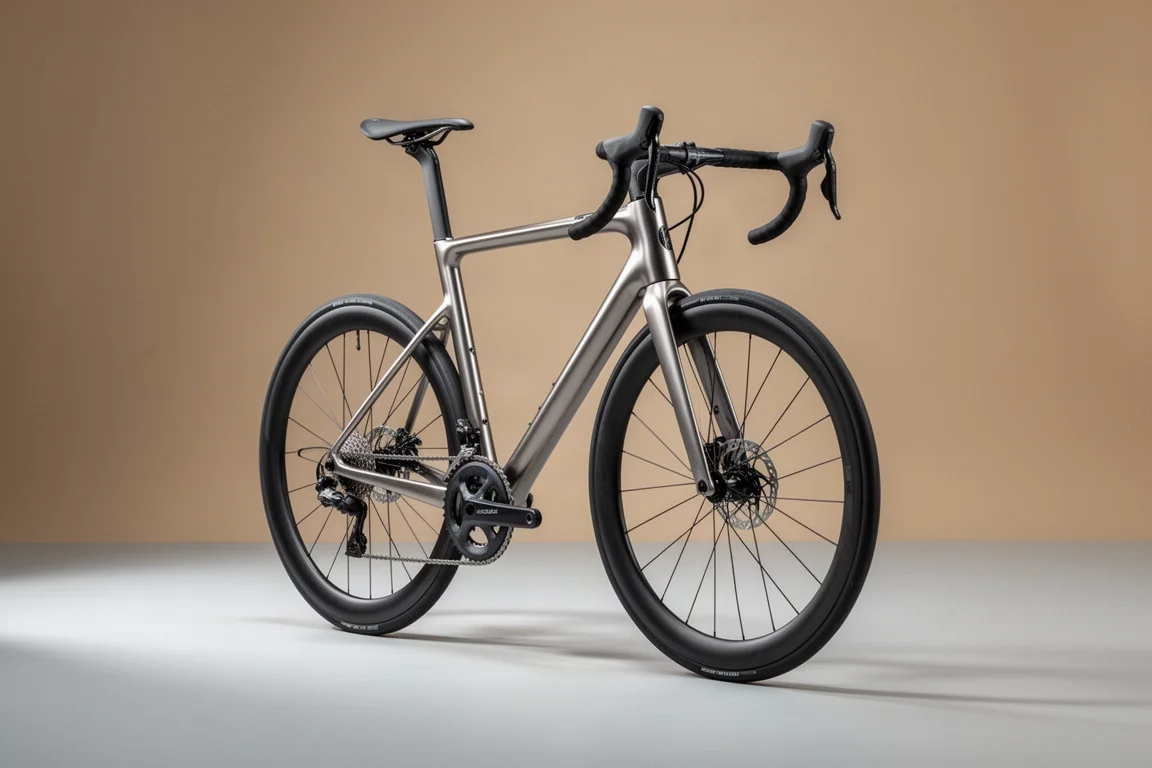
The fifth generation of Canyon’s lightweight climbing bike is an evolution rather than a ground-up redesign, but the refinements are meaningful. Canyon lists better comfort and improved ergonomics with room for tires up to 32mm, reduced drag saving up to a claimed 10 watts for the frame set alone compared with the previous model, and fully invisible cable and line integration in an easy-fitting cockpit that adjusts for height and width without any steerer tube cutting.
Weight remains a headline figure, with a claimed 6.3 kg for the flagship Ultimate CFR Di2. The new geometry now matches the Aeroad’s, and the refined ride quality is matched by an aesthetic that stays instantly recognizable. In a market full of dropped seat stays and deeply sculpted carbon, the Ultimate’s gentle lines, classic looks and colorways are a breath of fresh air. Pricing starts at £2,699 for the Ultimate CF SL 7 with mechanical Shimano 105 and reaches £10,899 for the Ultimate CFR eTap with SRAM Red AXS and Zipp 353 NSW wheels.
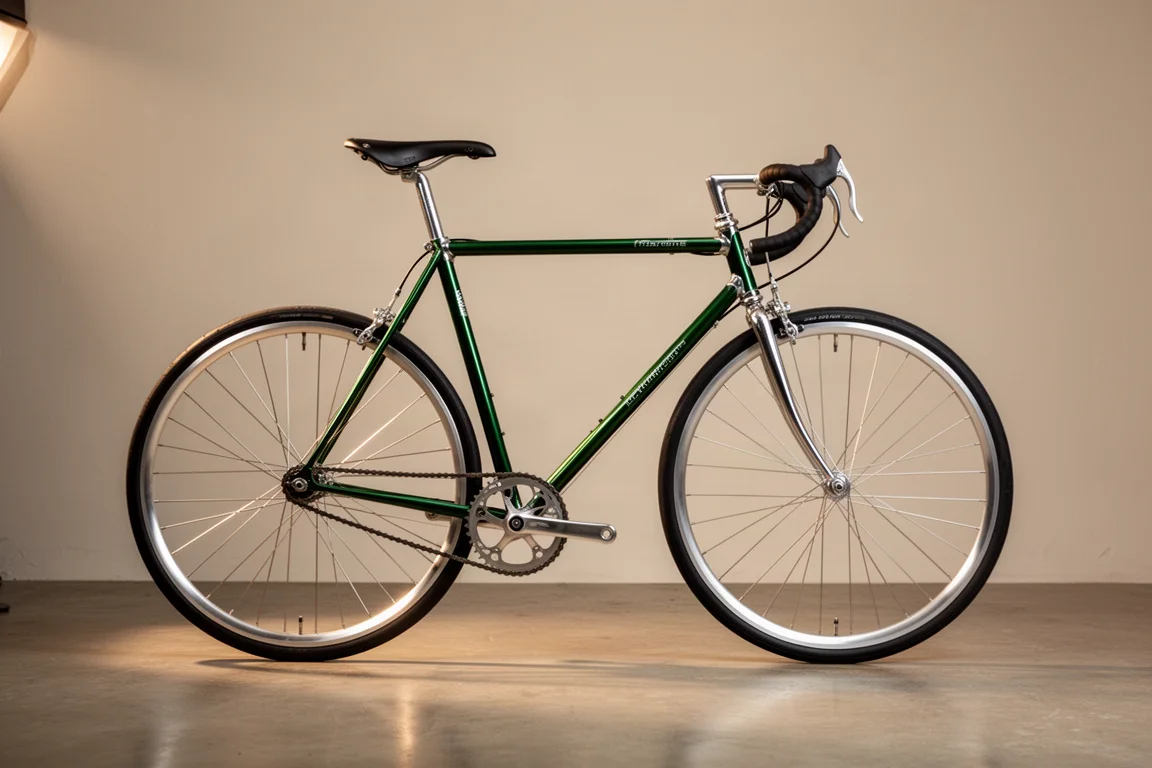
Fairlight Strael: Steel Craftsmanship With Real Versatility
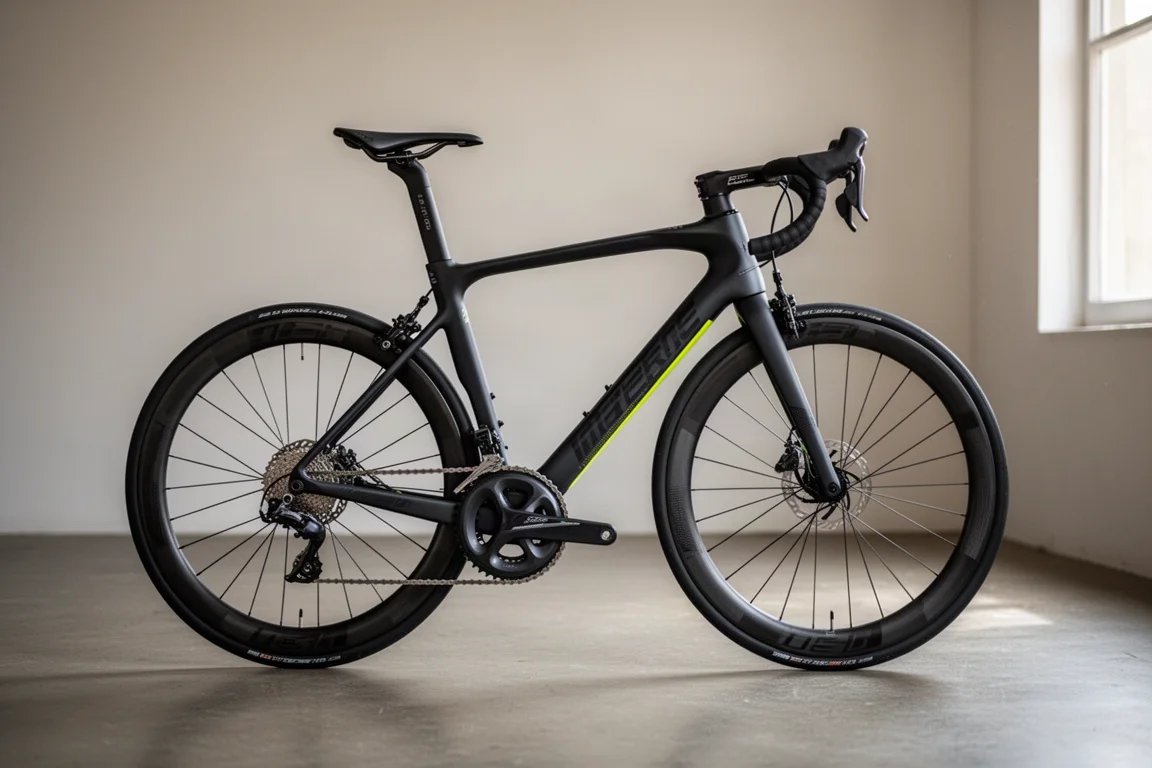
The third iteration of Fairlight’s steel road bike is built from Reynolds 853 and 725 tubes, all custom made for the brand, and it is the tube profiles that make it special. The triple-butted top tube in Reynolds 853 is particularly distinctive, fully oversized, and Fairlight describes it as a critical component in delivering a comfortable ride. For a touch of luxury, the rear dropouts are made in partnership with Bentley.
Workmanship and attention to detail run through the whole bike, and every area seems to have a clear purpose that is then beautifully executed. There are mounts for mudguards, a rear rack and an extra bottle cage under the downtube, a modular cable guide system that works across mechanical groupsets as well as Shimano Di2 and SRAM eTap, and internal routing for a dynamo light in the carbon fork.
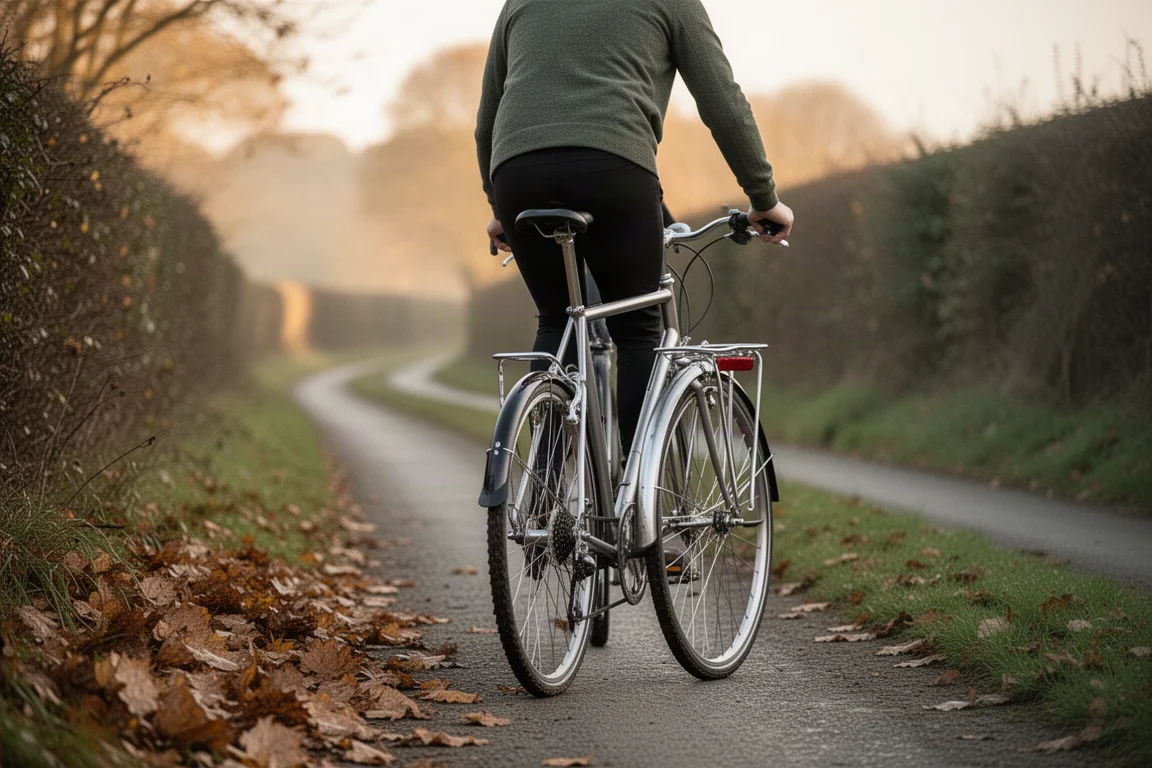
On the road it excels across the board, with a connectivity that inspires confidence whether cruising along or looking to put the hammer down. The frameset costs just under £1,400, while the Ultegra build comes in at £3,099, which is fair pricing for a bike built to last well beyond the current season.
Cervélo Soloist: Aerodynamics for the Week-in, Week-out Rider
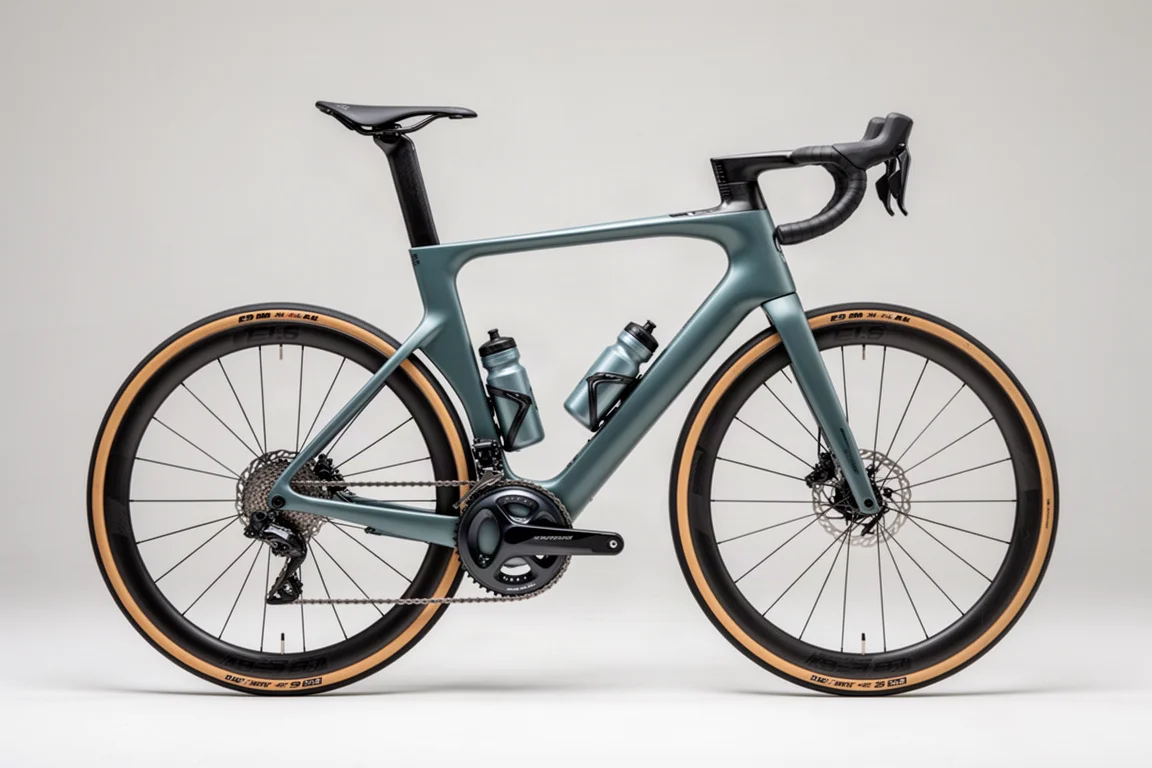
The Soloist name returns, this time as what Cervélo describes as an affordable, practical bike for the week-in, week-out amateur racer. It is a touch lighter than the S5 and significantly more aerodynamic than the R5.
There are similarities to the latest Caledonia, including dropped rear stays that allow tires up to 34mm. The Caledonia can be bought with cable-operated gearing, but the Soloist undercuts it by a few hundred pounds, which is unusual in this part of the market.
The Soloist 105 retails at £3,000 and the Ultegra spec model at £3,500. That is still a large sum to spend on a bicycle, but it makes the Soloist far more affordable than Cervélo’s other race-focused offerings, and the most expensive models with Shimano Dura Ace Di2 and SRAM Force Rival eTap AXS sit at £6,800 and £7,100.
Trek Domane: Simplified IsoSpeed and Lower Weight
Trek overhauled the Domane’s IsoSpeed suspension system in pursuit of reduced weight and greater simplicity. It is now a rear-end system only and it is non-adjustable, with Trek reporting that Domane owners rarely used the adjustability function.
The weight savings are substantial: SLR builds are as much as 700 grams lighter than the outgoing models, while SL builds shed around 300 grams. Trek claims the IsoSpeed on the new bikes is set to mirror the previous system in its most comfortable setting, so the lighter frame should not come at the cost of comfort.
This generation is too new to have been ridden yet. The outgoing version was the smoothest thing on two wheels, with its creeping weight above the 9 kg mark the only real criticism. Pricing starts at £3,300 for the new Domane SL 5 with Bontrager Paradigm SL wheels and a mechanical Shimano 105 groupset, rising to £12,500 for the Red eTap AXS SLR 9.
Buying Advice: Matching the Bike to Your Riding
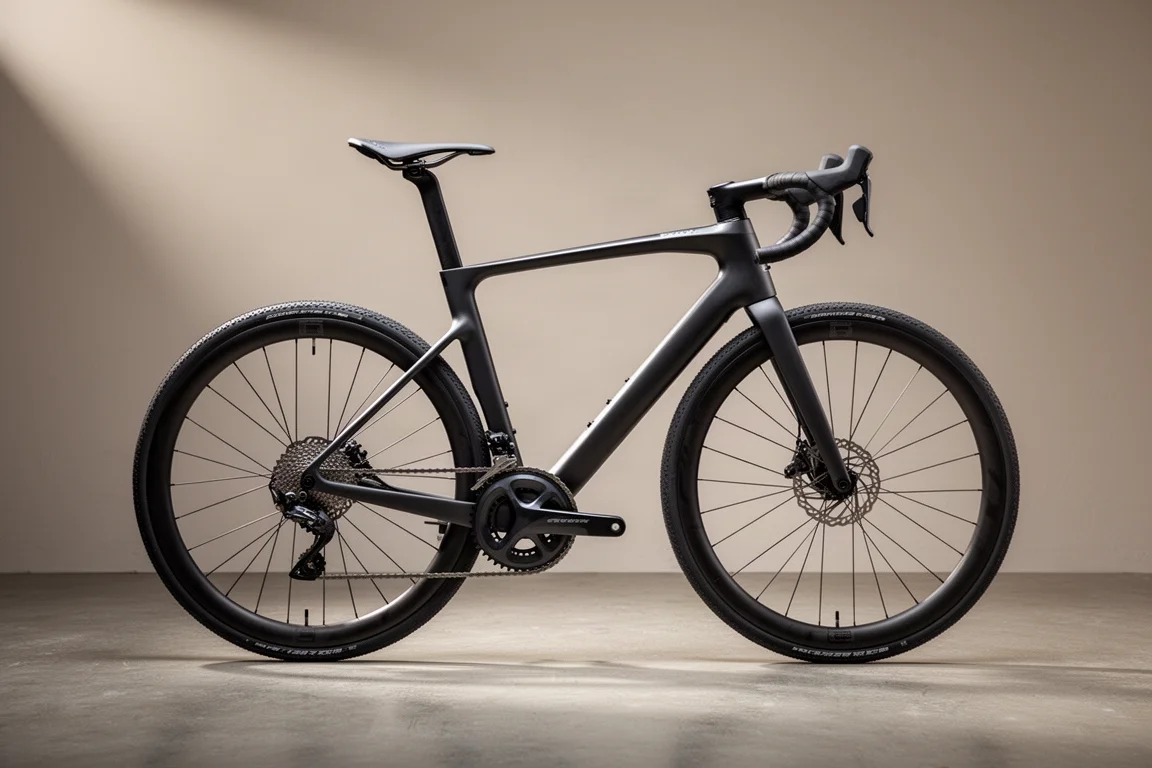
The right choice here depends far more on the kind of riding you do than on the price tag. If you want endurance comfort with safety technology built in, the Cannondale Synapse makes the strongest case, with lights and radar that are always on the bike. Riders chasing climbs and low weight will gravitate to the Canyon Ultimate, while the Cervélo Soloist offers aerodynamic efficiency and a more accessible entry into race-focused design.
For riders who value longevity, ride feel and practicality, the Fairlight Strael is a compelling steel option with mudguard, rack and dynamo routing built in. The Vaast R1 stands out for its weight-to-price ratio at an accessible figure, and the Colnago C68 is the pick when craft, heritage and exclusivity matter most. The Trek Domane sits between the comfort and performance camps, with a simplified suspension design and a lighter frame than before.
Frame material should not decide the purchase on its own. Steel, magnesium and carbon all appear in this list, and each brings different strengths to a different rider.
Conclusion
There has been no shortage of new road bikes to consider, and the seven models here cover a wide spread of priorities: handmade Italian craft, integrated safety tech, an accessible magnesium frame, a refined lightweight climber, versatile steel, aerodynamic practicality and a simplified endurance design. Match the bike to the riding you actually do, and any of these will make far more sense than a bike chosen on looks alone.
Further reading
Related Reviews
Road Bikes
10 New Road Bikes Worth Watching: Aero, Titanium, Steel and Endurance Standouts
A practical roundup of 10 new road bikes, from aero flagships chasing single-watt gains to titanium, steel and endurance platforms built for real roads.
Road Bikes
2026 Tour de France Road Bikes: Six Race Machines Worth a Closer Look
Six race bikes from the 2026 Tour de France grid, reviewed for paint, silhouette, wheels and the specification details that matter to buyers.
Road Bikes
3T Strada Italia Review: A Radical Aero Road Bike That Rides Smooth
A made in Italy carbon aero road bike with a deep head tube, wide tire clearance and a genuinely comfortable ride. Here is what to know before buying.