Road Bikes
5 Road Bikes You Won't See at the Tour de France in 2026
Five aero road bikes from brands missing the sport's biggest shop window, from a value carbon frameset to an Italian-made one-by build.
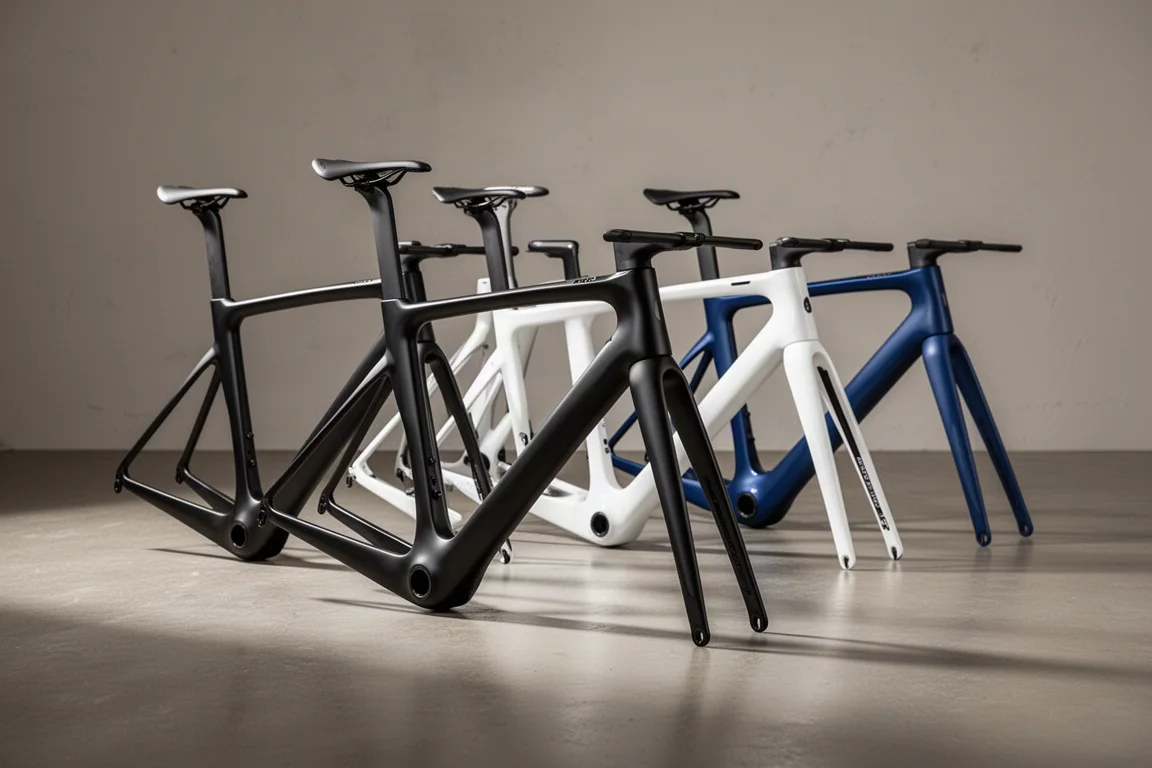
Introduction
The Tour de France is the biggest event on the cycling calendar, and for three weeks in July it doubles as the sport’s biggest shop window. Brands spend heavily to put their bikes in front of television cameras, and the teams that line up each year tend to reflect that investment.
Plenty of interesting bikes, though, have nothing to do with that race. Some brands choose not to chase that kind of exposure, while others simply have not been invited. The five road bikes below will not be on the start line this year, and each one still has a clear case for a rider who is shopping rather than spectating.
What We Looked For
Aero road bikes are easy to sell on numbers and harder to live with. The shortlist here was judged on four things: how the frameset actually handles real roads rather than perfectly smooth race tarmac, how much tyre clearance it offers, whether the cockpit and hardware can be maintained without a pro mechanic and a limitless supply of spare parts, and where the price sits against the performance on offer.
That last point matters more than it used to. Several of these bikes compete with World Tour platforms on aerodynamics while asking considerably less, and a couple of them offer geometry choices that make the same model name work for very different riders.
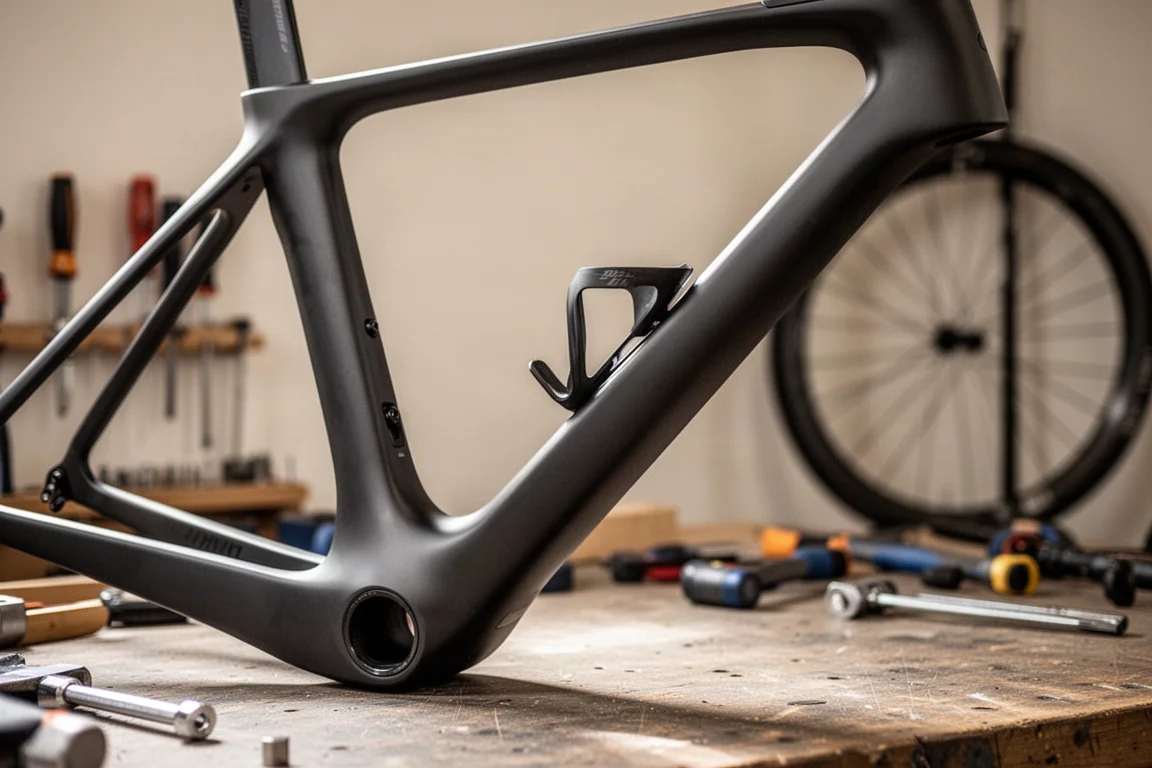
Just as importantly, all five bring something a little different. One is a Chinese frameset that has already won at world championship level, two were developed around wider tyres and real-world surfaces, one comes in both endurance and race fits, and one was making the case for a single chainring years before the rest of the peloton caught on.
Quick Pro ER1
Chinese brands are among the most discussed topics in cycling right now, with a number of manufacturers from the Far East looking to shake up the industry. XDS grabbed much of the attention by racing its X Lab bikes at last year’s Tour, but Quick Pro is another name worth watching. The brand’s AR1 all-rounder was ridden to a win at the Kigali Road World Championships by Team GB rider Harry Hudson, and the Euskaltel-Euskadi team is riding the ER1 aero road bike for the 2026 season.
The ER1 is designed to be lightweight, stiff and aerodynamic. It uses a deep airfoil down tube and head tube along with a wide-stance aero fork, and there is a neat cutout for the bottle cage moulded into the down tube, similar in concept to what Pinarello does on the Dogma F. The frame is built from high modulus T1100 and M65 carbon fibre, and Quick Pro claims top-spec builds can weigh as little as 6.8 kg when paired with the brand’s own carbon-spoke Can Win wheels and integrated handlebar. For an aero bike, a frameset price of around $2,000 is a genuinely competitive starting point.
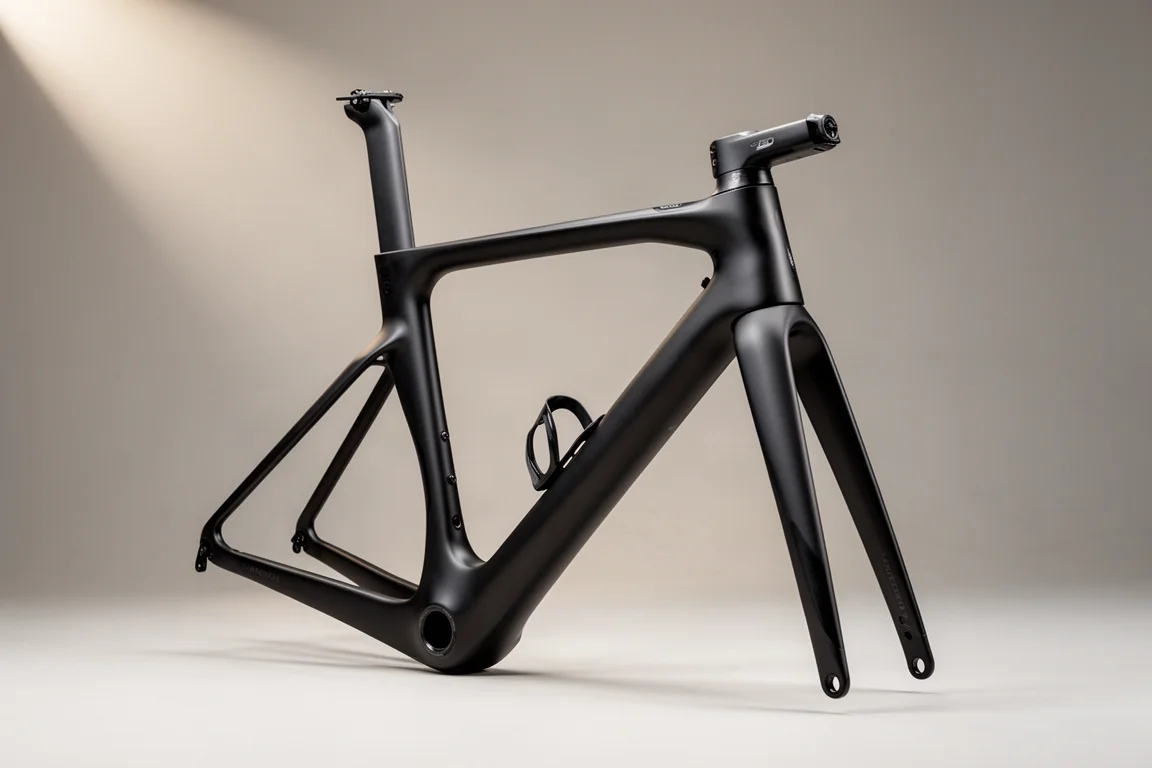
Merida Reacto
With Bianchi taking over as bike sponsor of Bahrain Victorious, Merida is out of the World Tour and out of the Tour de France for the first time since 2013. That means the new Reacto will not be raced in July, which is a shame, because this is still one of the most appealing aero platforms in the sport.
The current Reacto is admittedly long in the tooth, but it remains a favourite for its combination of ride quality and excellent value. Details of the new version have not been confirmed, yet there is plenty to read from its unofficial appearance at last year’s Tour. Merida appears to be keeping the Reacto as a full aero platform rather than watering it down into a one-bike-does-everything design in the mould of the Specialized Tarmac or Trek Madone. The fork blades, head tube and down tube airfoils all look deeper, and the bottom half of the seat tube is carved out more aggressively, most likely to save weight and possibly to improve tyre clearance as well.
It is a less radical design than some recent aero bikes, and that is not automatically a bad thing. Wacky proprietary parts tend to make a bike more annoying to live with for riders who do not have a pro mechanic and a free supply of spares.

For most buyers, the practical appeal here is straightforward: a proven platform, a sensible design philosophy and pricing that undercuts most of the World Tour aero field.
Argon 18 Nitrogen Pro
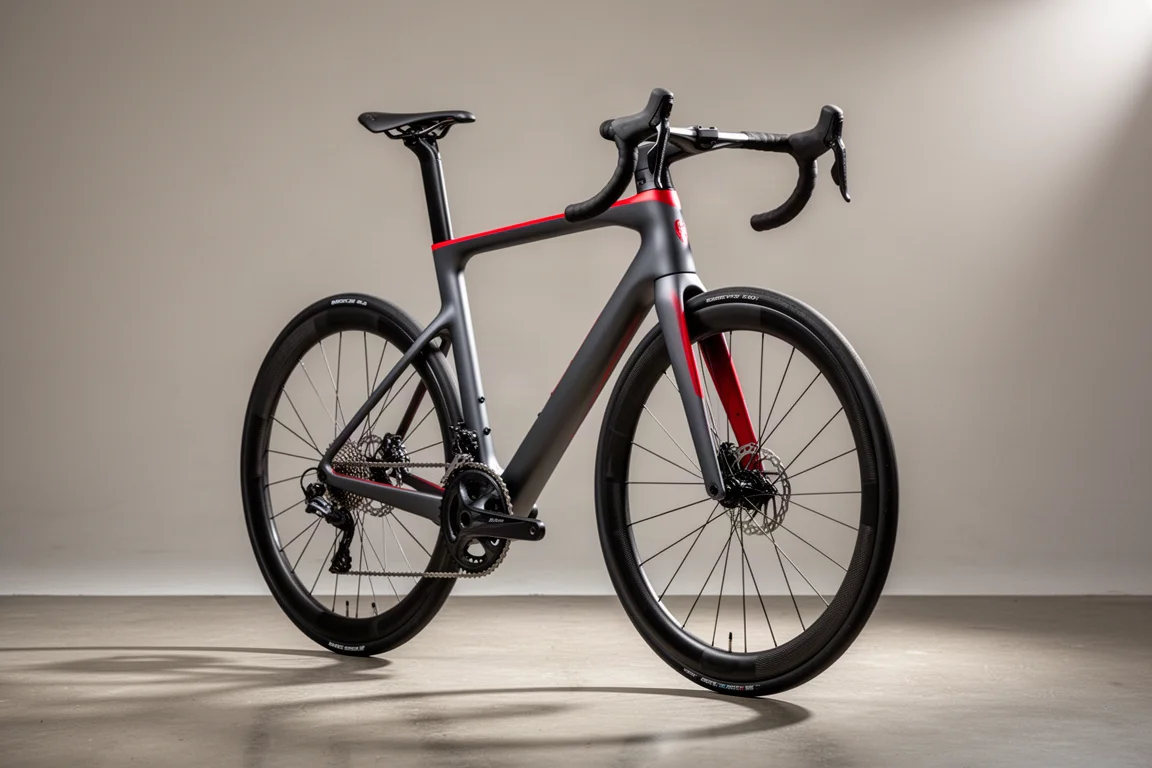
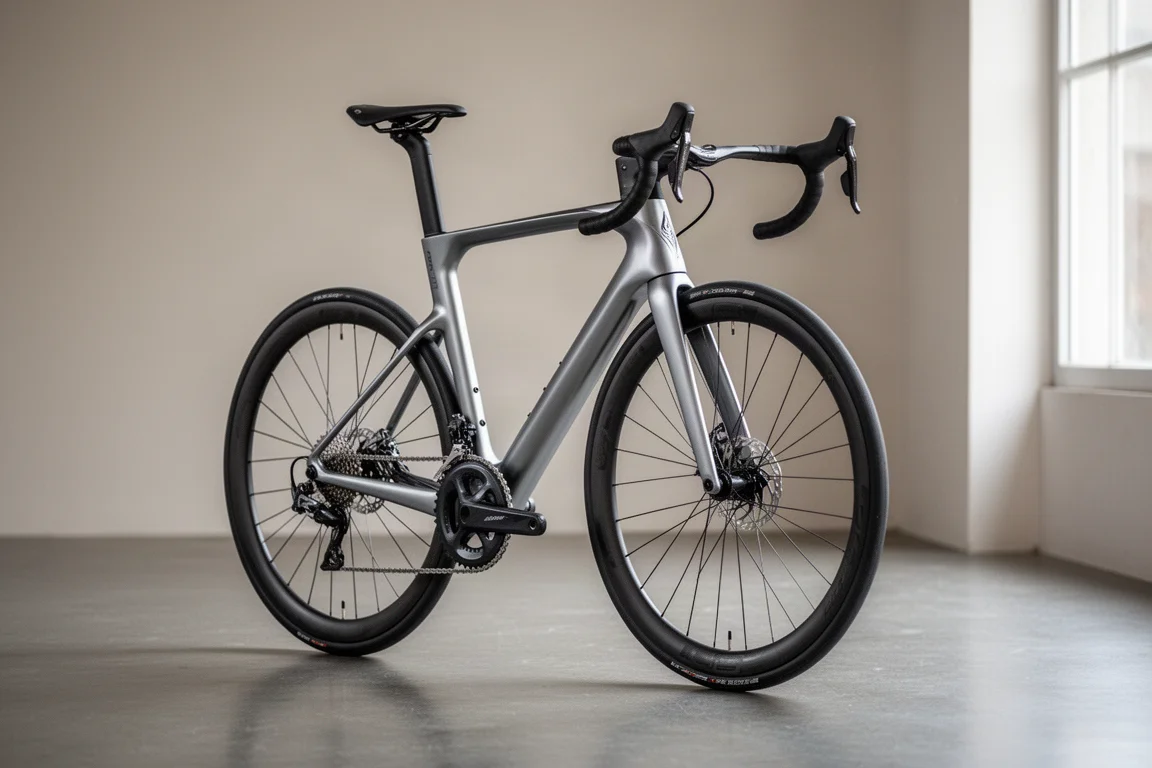
The Nitrogen Pro is the result of three years of research and development by the Canadian brand, and it is explicitly an aero bike designed for the real world rather than the smooth tarmac laid on for a race peloton. That shows up in the details. The frame is optimised around 30 mm tyres with clearance for 34s, and it comes with a custom wheelset designed by Scope to match.
Up front there is a one-piece handlebar with a narrow 36 or 38 cm bar width across the entire size range. It might not sound exciting on paper, but the headset runs CeramicSpeed solid lube bearings, which should hold up far better than standard bearings after a winter of riding. Overall, the Nitrogen Pro looks a lot like a pared-down drop bar version of Argon 18’s time trial and triathlon bikes.
The aerodynamic claim is significant: Argon 18 says it saves 24 watts of aero drag at a pro-peloton-appropriate speed compared with its previous flagship road bike, the Sum Pro.
Rose Shafe
The Shafe is another new aero bike, launched with claims of impressive aerodynamic performance and a UCI-legal complete bike weight. It will not appear at this year’s Tour because Unibet’s Rose Rockets were not handed a wild card spot, but that has no bearing on how the bike itself looks.
The Shafe reads as a World Tour-worthy race bike, with sculpted aero tubes and a long list of smart details. At the cheaper end of the range it comes with a more amateur-friendly endurance geometry, while higher-end builds get a more traditional long and low race fit. Tyre clearance runs to 35 mm, and the bike uses aero-optimised bottle cages plus another custom wheelset developed with Scope to make the most of the frameset’s aerodynamic shape.
The numbers are competitive too. Rose claims the Shafe is 10 watts more aerodynamic at 45 km/h than the previous Ex Lite, and that the top-spec model weighs as little as 6.6 kg in a size medium.
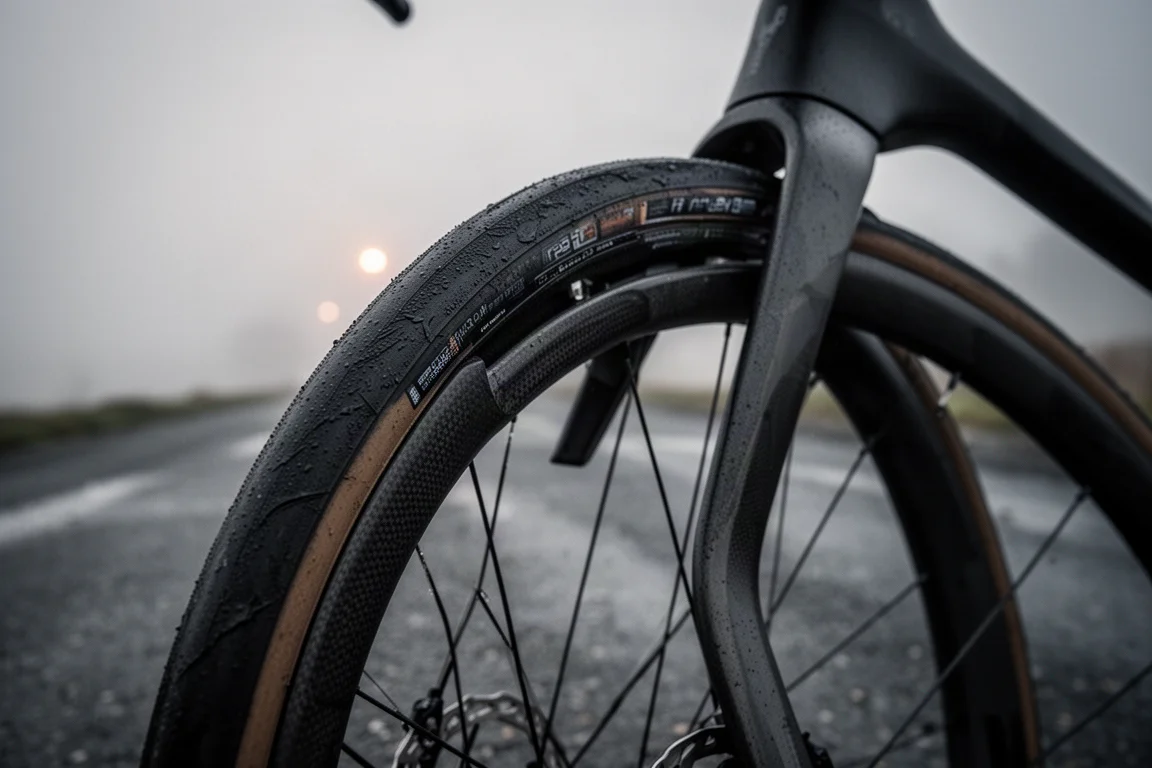
Because the geometry changes across the range, it is worth deciding early whether you want the endurance fit of the cheaper builds or the long and low position of the faster ones, since the two suit quite different riders.
3T Strada
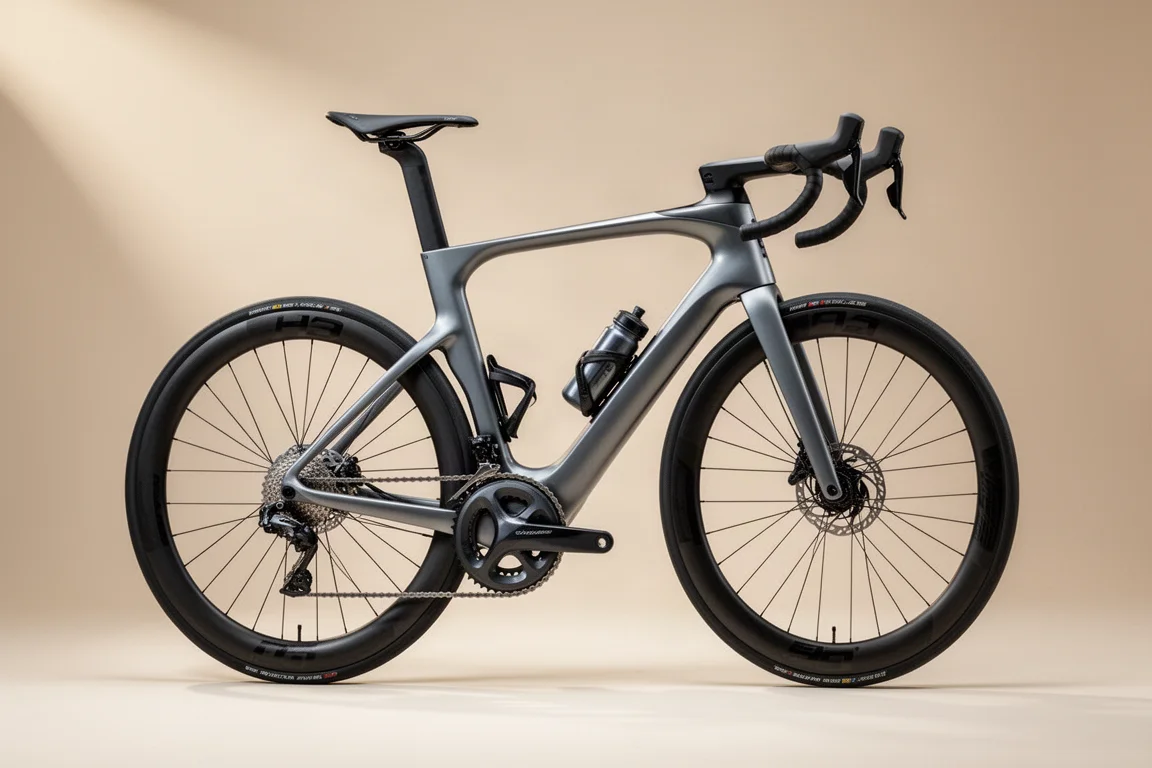
Single chainring drivetrains are a fast-growing trend in the pro peloton, but the brand that started it on the road will not be at this year’s Tour. The 3T Strada is best known for its partnership with Aqua Blue Sport and the attempt to make one-by the default option in the World Tour back in 2018. It did not work out at the time, but the idea was clearly ahead of its time: single chainring setups are now ridden throughout the Tour de France, and Jonas Vingegaard used one to race up the Galibier during the 2024 edition.
Today’s Strada is less dogmatic about the format. It ships with a front derailleur mount as standard, and you can remove it if you prefer. The bike has also had a complete design refresh since 2018 and is now pitched as an aero comfort bike rather than a pure race machine, thanks to its endurance-style geometry and generous tyre clearance.
For riders who value European manufacturing, there is also a version of the Strada made in Italy in 3T’s own factory using filament wound carbon fibre, which gives a finish straight out of the mould.
Overall Buying Advice
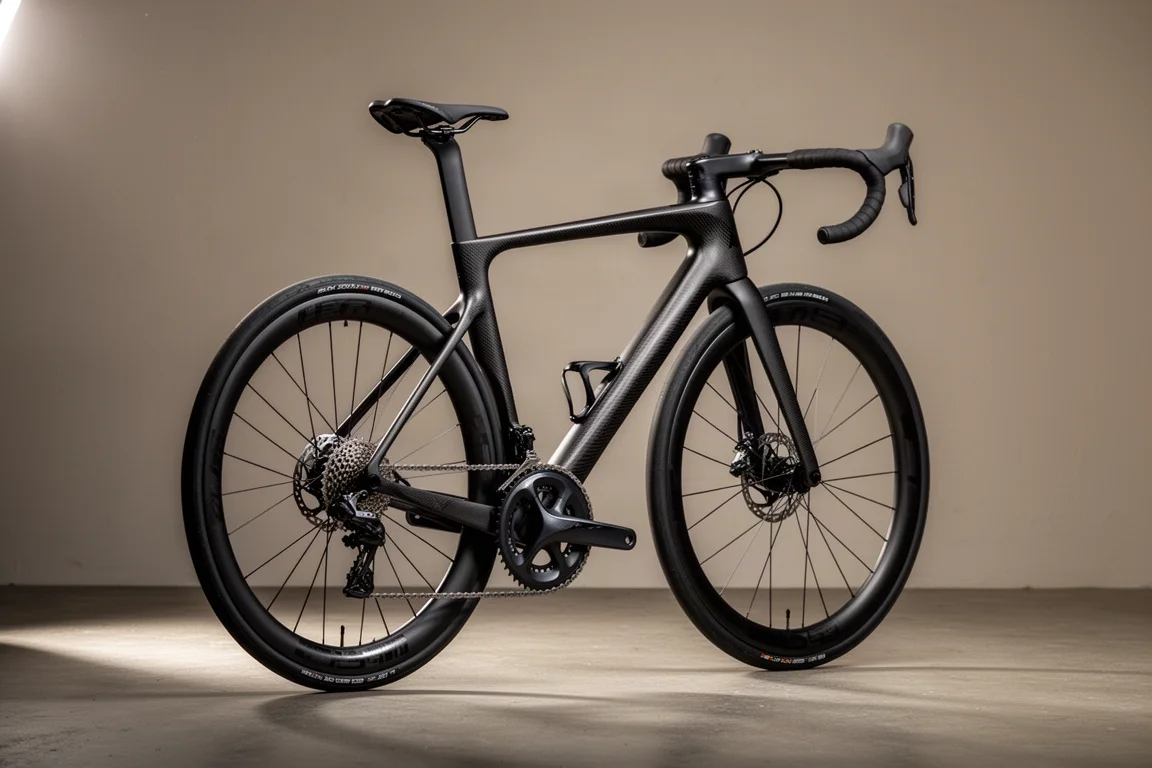
The five bikes here cover a wide spread of priorities, so the right pick depends on what you actually want from an aero road bike.
If value is the headline concern, the Quick Pro ER1 is the one to study first. A claimed 6.8 kg top build with the brand’s own wheels and cockpit, backed by a frameset price around $2,000, is a strong proposition, though you should factor in how easily the brand can be serviced where you ride.
If you want a proven platform with a sensible design philosophy, the Merida Reacto is the comfortable choice. It is due a refresh, and the unofficial glimpses suggest the next version will be a more refined aero bike rather than a reinvention, which should suit riders who dislike fiddly proprietary hardware.
For real-world road surfaces, the Argon 18 Nitrogen Pro and the Rose Shafe are the most interesting of the group. Both were developed around wider tyres, with clearance for 34 mm and 35 mm respectively, and both pair custom Scope wheelsets to their framesets. The Argon 18 leans on a narrow one-piece cockpit and durable headset bearings, while the Rose lets you choose between endurance and race geometry depending on the build.
The 3T Strada is the specialist pick. It makes most sense for a rider who wants a single chainring setup, a comfortable aero position and Italian-made construction, and who is happy to treat the front derailleur mount as optional rather than essential.
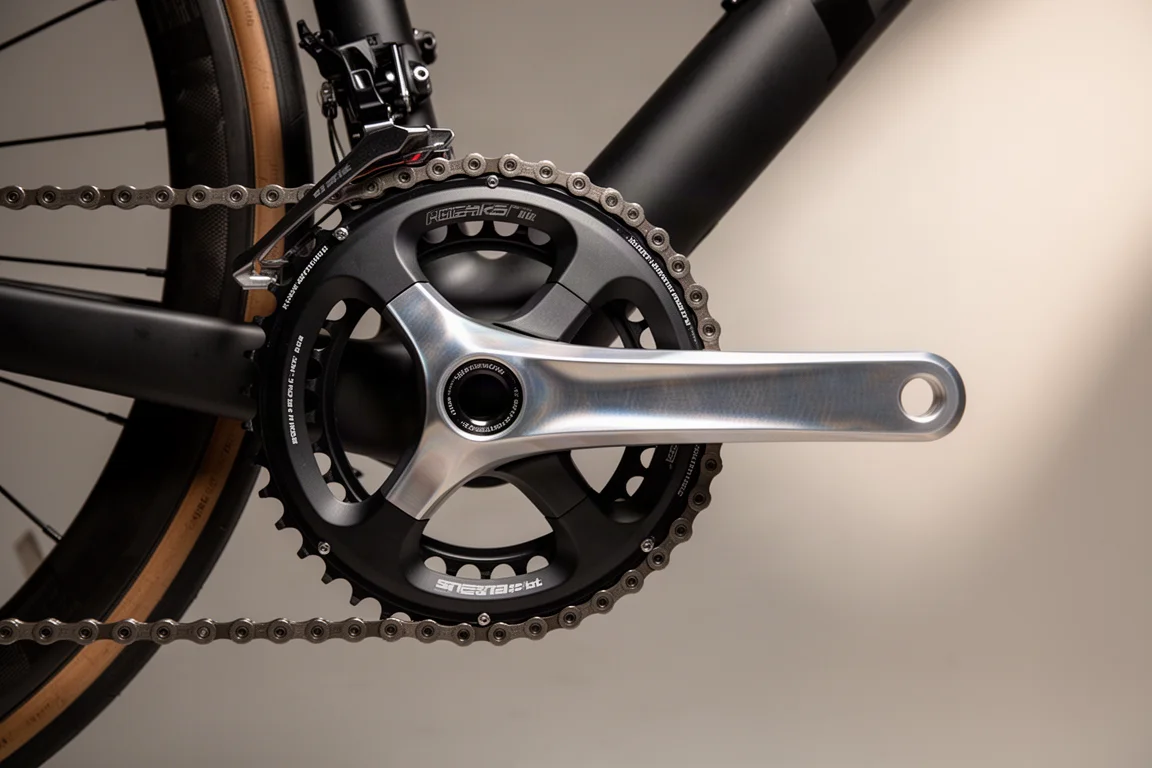
Whichever route you take, check three things before committing: the geometry and fit of the specific build you are buying, the maximum tyre width the frame and fork accept, and how easy it is to source consumable parts such as cockpit hardware and headset bearings. Those three factors shape day-to-day ownership far more than a wind tunnel figure.
Conclusion
None of these bikes will be on television in July, and none of them need to be. The Quick Pro ER1 shows how quickly Chinese brands have closed the gap, the Merida Reacto proves that a well-mannered aero platform still matters more than novelty, the Argon 18 Nitrogen Pro and Rose Shafe make the case for aero bikes built around the roads people actually ride, and the 3T Strada remains the most convincing argument for one-by on the road. Match the geometry and clearance to your riding, and any of the five will serve you well.
Further reading
Related Reviews

Road Bikes
10 New Road Bikes Worth Watching: Aero, Titanium, Steel and Endurance Standouts
A practical roundup of 10 new road bikes, from aero flagships chasing single-watt gains to titanium, steel and endurance platforms built for real roads.
Road Bikes
2026 Tour de France Road Bikes: Six Race Machines Worth a Closer Look
Six race bikes from the 2026 Tour de France grid, reviewed for paint, silhouette, wheels and the specification details that matter to buyers.
Road Bikes
3T Strada Italia Review: A Radical Aero Road Bike That Rides Smooth
A made in Italy carbon aero road bike with a deep head tube, wide tire clearance and a genuinely comfortable ride. Here is what to know before buying.