Road Bikes
Best Road Bikes for Every Budget: Six Picks From Entry Level to Flagship
A practical budget-by-budget guide to six road bikes, from an alloy starter with 11-speed Shimano 105 to a flagship carbon race machine.
Introduction
Choosing a road bike becomes much more manageable when you start with a budget instead of a specification sheet. Each price band unlocks a fairly predictable set of features, and knowing what to expect at each level makes it far easier to judge whether a particular bike represents good value or simply costs more.
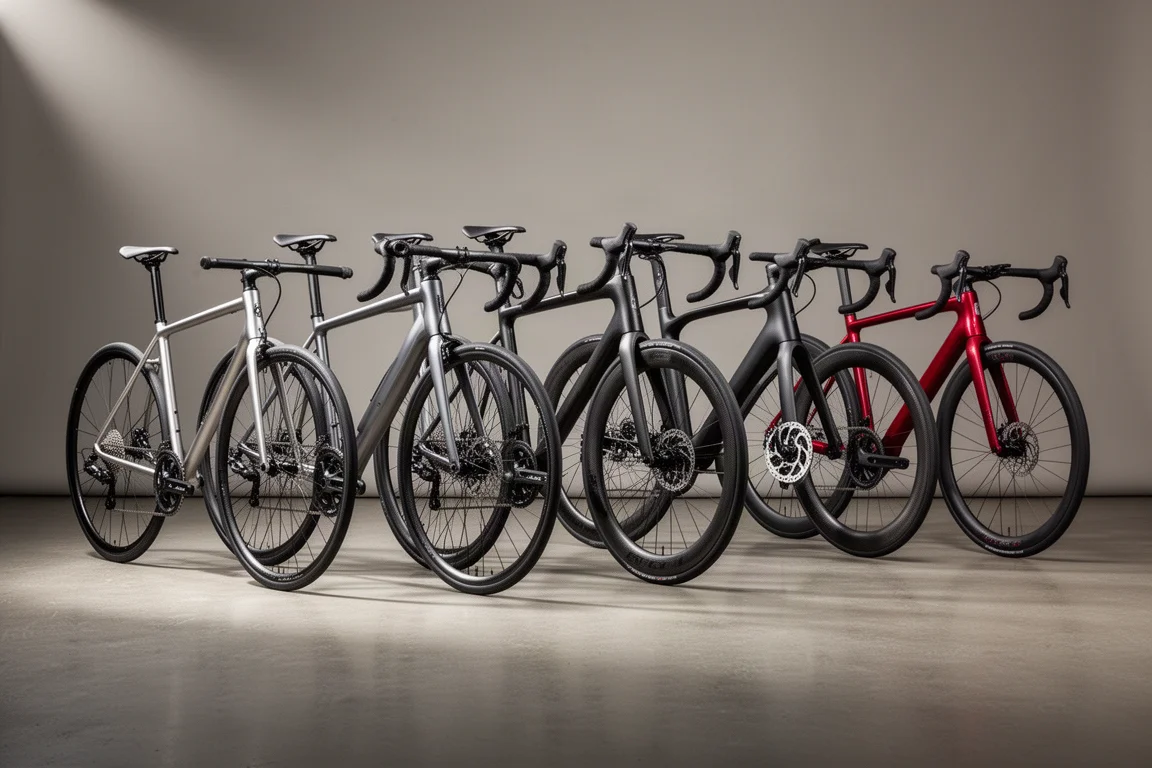
The six bikes below cover the full spectrum, from an alloy starter bike with an unusually generous groupset to a flagship race machine that leaves almost nothing to upgrade.
How to Choose a Road Bike by Budget
Around £1,000, expect an alloy frame, usually paired with a carbon fork. Gearing at this level typically comes from Shimano’s lower tiers, either 8-speed Claris, 9-speed Sora, or 10-speed Tiagra, though the strongest budget bikes can stretch to 105.
Spending roughly twice that amount brings a more sophisticated frame, hydraulic disc brakes, and better components. Alloy is still common and carbon sometimes appears, but a quality alloy frame can be lighter and ride better than a cheaper carbon one.
At around £3,000, features from much more expensive bikes begin to filter down: a carbon frame, electronic or high-end mechanical gearing, and hydraulic disc brakes. Carbon wheels are possible, though higher-end alloy wheels are more likely and will perform better than the entry-level options below them.
Above that, the bands move quickly. Around £8,000 typically buys either a top-tier frame with mid-level components, or a mid-tier frame with range-topping parts. At the very top, flagship bikes pair the best frames with range-topping groupsets and cutting-edge components, leaving little to improve beyond a tire or saddle swap to suit personal preference.
Best Budget Pick: Decathlon Triban RC 520
At a price where 8-speed Claris would be the norm, the Triban RC 520 ships with 11-speed Shimano 105. That brings a wide, closely spaced gear range from a 50/34 chainset and an 11-32 cassette, so the jumps between gears are noticeably smaller than on a Claris-equipped bike.
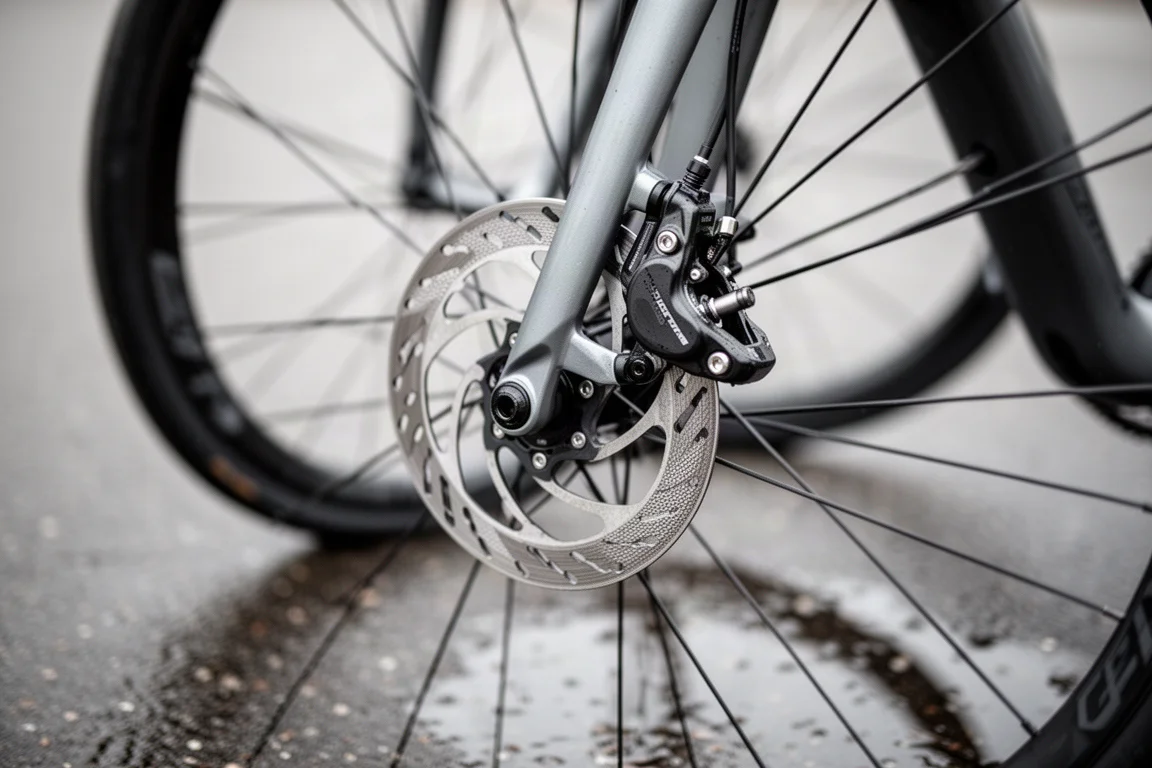
Braking comes from TRP Hy/Rd calipers, which are cable operated but hydraulically actuated. That delivers strong power and good modulation without pushing the price up. Decathlon also specifies a lot of its own components, including tubeless-ready wheels. Stock tires are 28mm, and the frame accepts up to 36mm, which opens the door to a plusher ride. Mudguard mounts and a rack mount add all-weather capability and load-carrying practicality.
At this price the bike is not especially light, though it is on par with the competition, and the ride is comfortable and relaxed rather than sharp.
Best Entry-Level All-Rounder: Specialized Allez
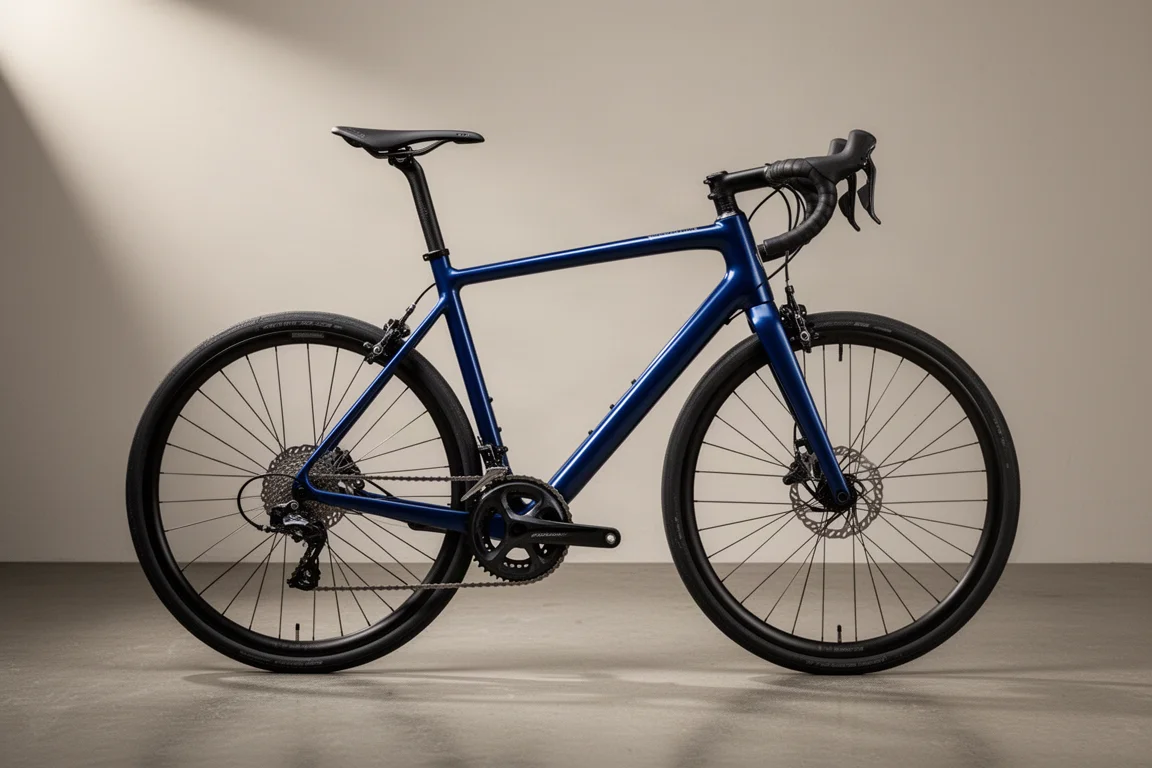
The Allez is Specialized’s entry-level road bike, and it benefits from trickle-down technology from the brand’s high-end race models, including an all-carbon fork and butted frame tubing to save weight. Drop seat stays and internal cable routing keep the design looking current.
The 2024 model year update brought disc brakes and clearance for 35mm tires, or 32mm when mudguards are fitted. The higher-spec version pairs 10-speed Shimano Tiagra with hydraulic disc brakes, while the base model uses Shimano Claris and mechanical disc brakes. The higher-spec build is the one worth targeting.
Comfort-focused Specialized components include the Body Geometry Bridge saddle and shallow drop bars, and the bike rolls on Axis Sport wheels with 30mm tires. Rack and mudguard mounts make it versatile enough for commuting and light gravel riding as well as fast recreational rides. The frame design and colorway are fairly restrained rather than eye-catching.
Best Endurance Bike: Giant Defy Advanced 0
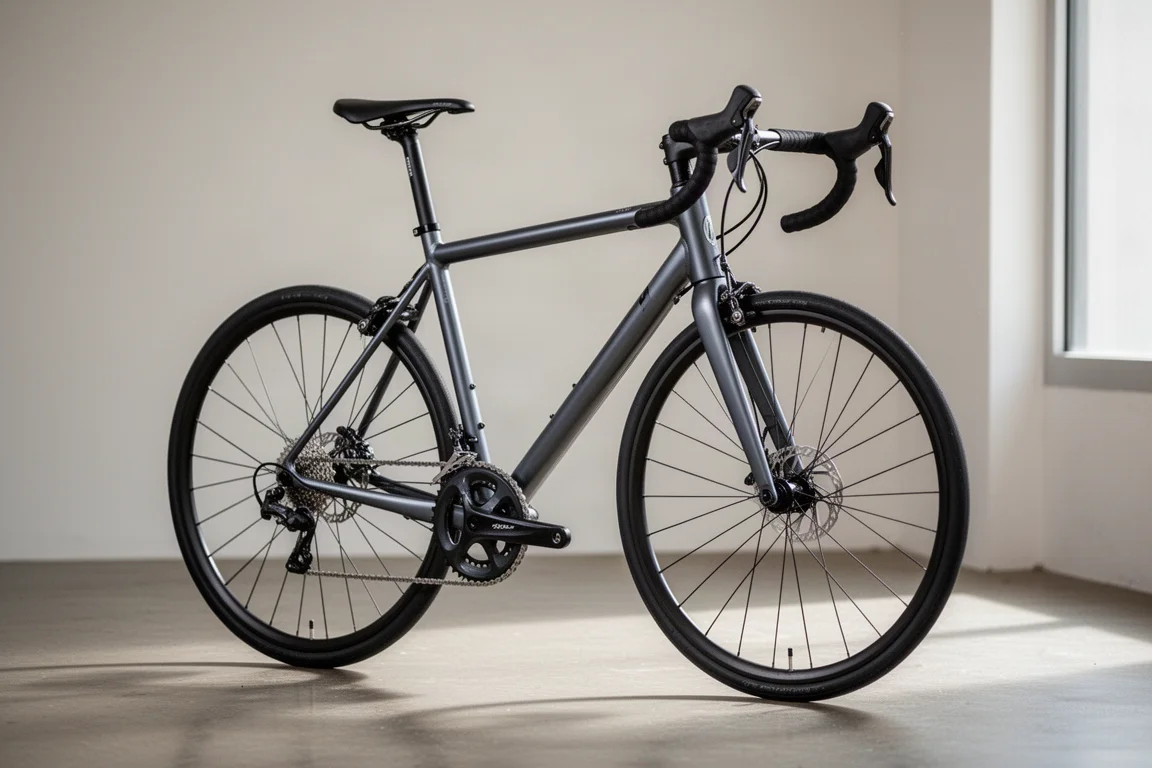
The Defy is Giant’s endurance road bike, and the Advanced 0 pairs a carbon frame with SRAM’s Rival eTap AXS wireless groupset and Giant’s own reasonably lightweight wheels. Together they form a complete package at a price point where carbon frames, electronic gearing, and hydraulic disc brakes all become realistic.
A D-shaped carbon seatpost adds compliance, and the bike ships with tubeless-compatible 32c tires. Because the groupset is wireless, the only cables on display are the brake hoses. The bar and stem are not integrated, which makes fit adjustments straightforward.
Drop seat stays give the bike a modern profile, and the overall mix of features makes the Defy difficult to fault at this level.
Best Lightweight All-Rounder: Canyon Ultimate
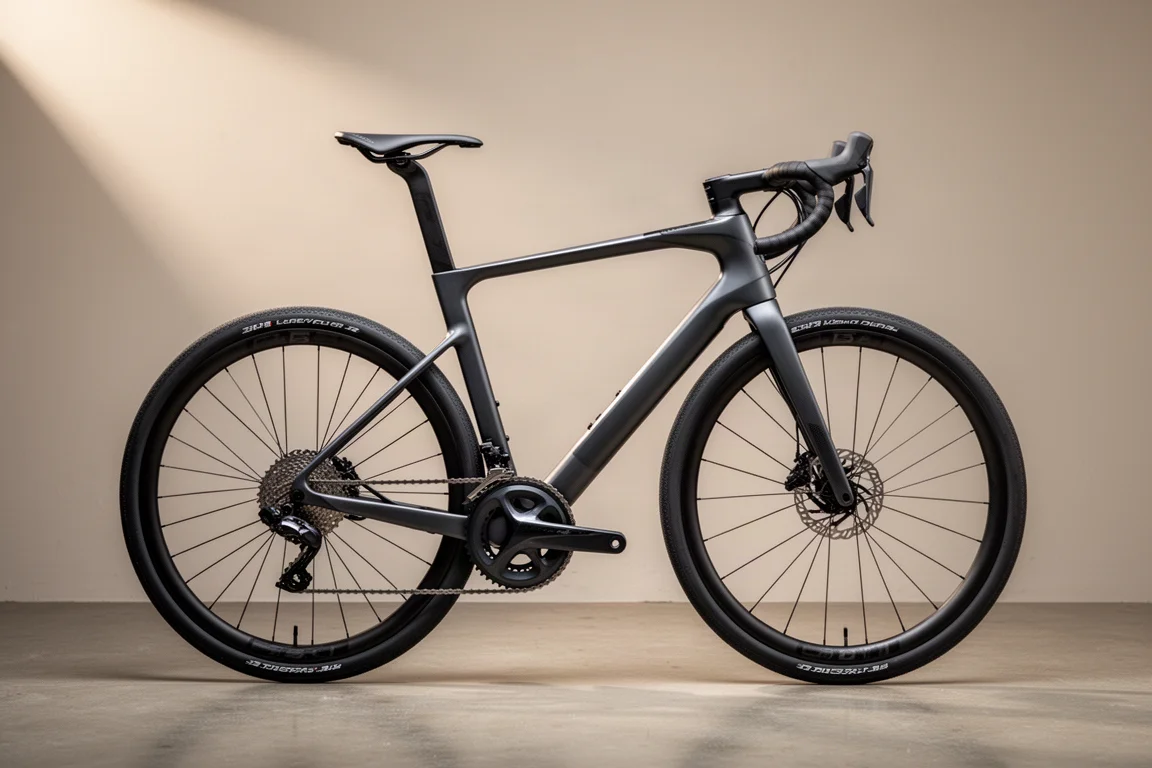
The Ultimate is Canyon’s lightweight all-rounder. The frame is shaped for aerodynamic efficiency without adopting the all-out aero design of the brand’s dedicated race platform, and the ride position is set for all-day comfort while remaining aggressive enough that higher-spec versions are ridden at world tour level.
This build runs Shimano’s 12-speed Ultegra Di2 groupset along with a lightweight compact power meter from 4iiii. Canyon’s own width-adjustable CP18 aero cockpit and a Selle Italia SLR Boost Superflow S saddle complete the contact points.
DT Swiss ARC 1400 Dicut DB wheels and Continental GP5000 tires finish a specification that generally exceeds what is offered at this price.
Best Aero Race Bike: Trek Madone SLR 6
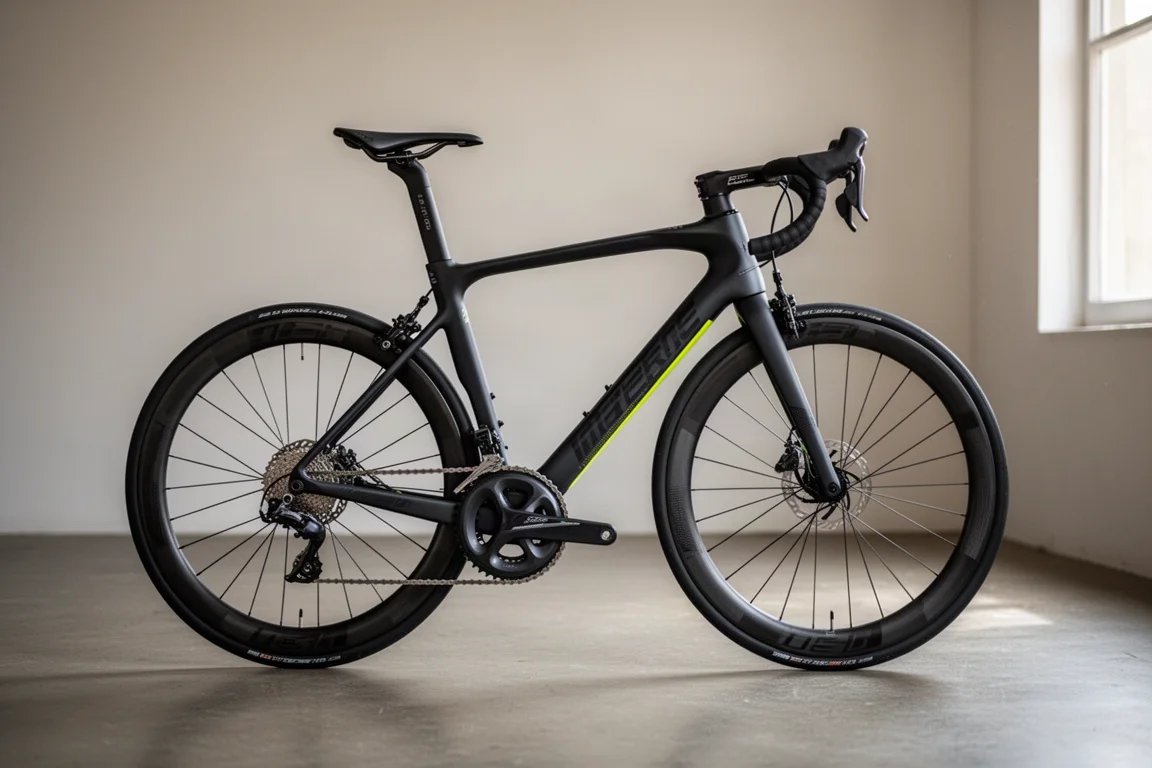
Around £8,000 forces a decision: put the money into the frame or into the components. The Madone SLR 6 takes the frame-first approach, using the same top-end frame as models that cost considerably more, along with Bontrager carbon wheels that also appear on far pricier builds.
The compromise is the Shimano 105 Di2 groupset. It is a third-tier groupset, but it performs very well, and the extra weight matters little on a bike that is not built around low weight. A claimed 7.75 kg keeps it competitive.
Because the frame is the strongest part of the package, it can be upgraded later. Swapping the groupset down the line would bring the build closer to a much more expensive model.
Best Flagship Bike: Cannondale SuperSix EVO LAB71
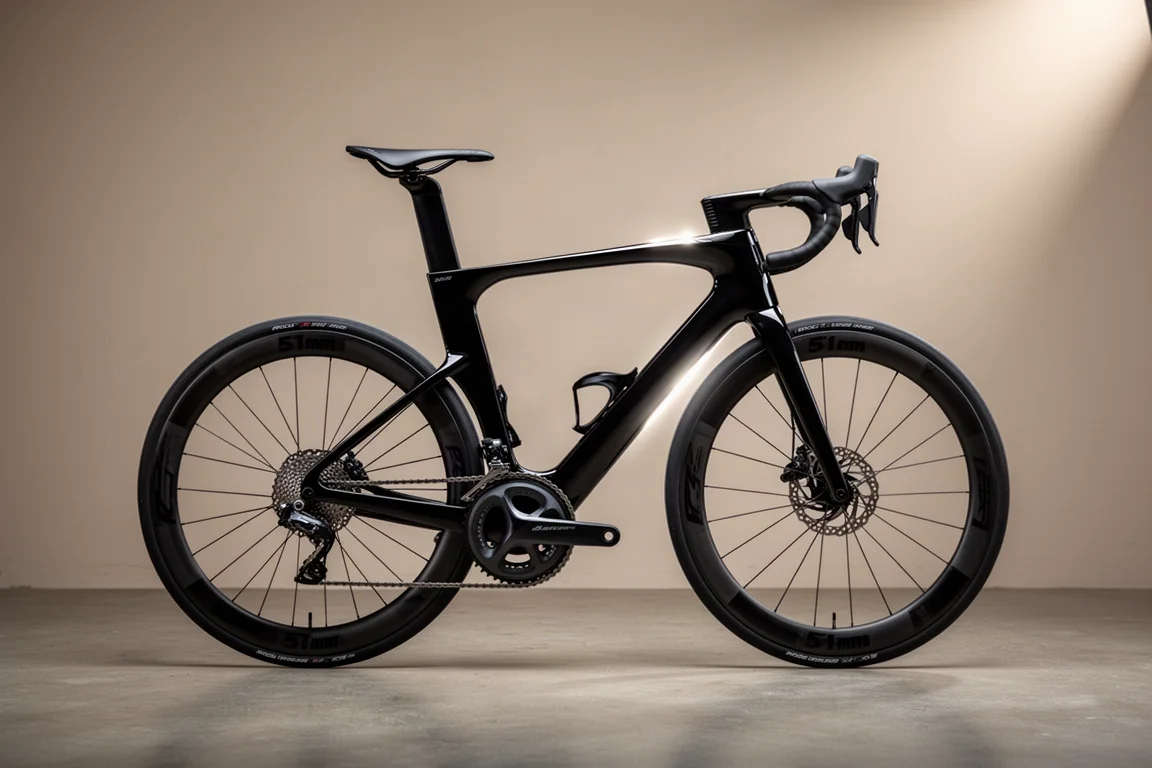
At the flagship end, compromises should be hard to find. The LAB71 SuperSix EVO uses a higher grade of carbon than the rest of its family, trimming 40 grams compared with the Hi-MOD version.
It comes with a full Shimano Dura-Ace groupset and a new carbon integrated cockpit, plus the brand’s own RSL 50 wheels wrapped in Continental GP5000 tires. Detail touches include a CeramicSpeed bottom bracket, a carbon-railed saddle, and aero water bottles and cages designed specifically for the bike.
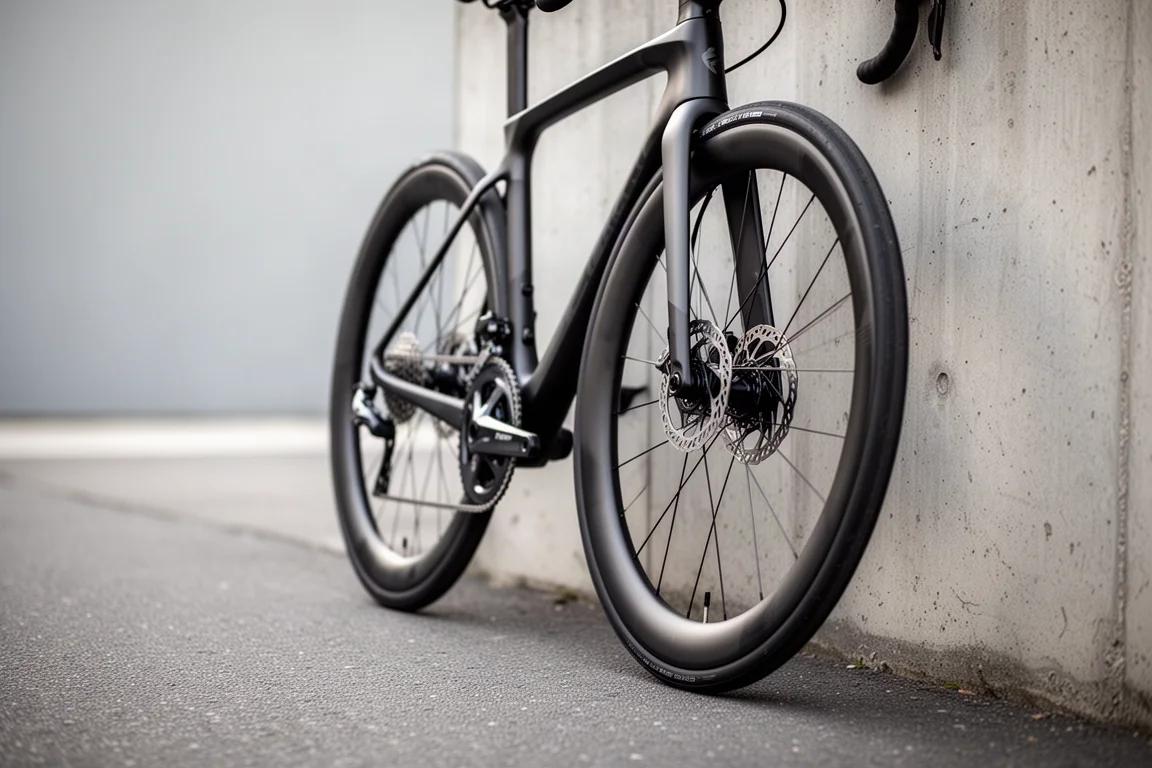
The result is an all-encompassing package for riders who want to exploit speed on climbs, descents, and flat roads alike.
Buying Advice
Start with the frame. Components wear out and can be replaced, but the frame defines how a bike rides and how far it can be developed over time. A bike with a strong frame and a mid-level groupset will usually serve you better long term than the reverse.
Match the price band to what you actually need. Tire clearance and mounting points for mudguards or a rack matter far more than a lighter groupset if the bike will be used for commuting or mixed-surface riding. If outright speed is the goal, prioritize frame quality and wheelset, and accept a lower-tier groupset where necessary.
Conclusion
Each of these bikes makes a convincing case at its own price. The Triban RC 520 stands out for groupset value, the Allez for versatility, the Defy for endurance comfort with electronic shifting, the Ultimate for a balanced all-round build, the Madone SLR 6 for a top-tier frame that can grow with you, and the LAB71 SuperSix EVO for a near-complete flagship specification.
Further reading
Related Reviews

Road Bikes
10 New Road Bikes Worth Watching: Aero, Titanium, Steel and Endurance Standouts
A practical roundup of 10 new road bikes, from aero flagships chasing single-watt gains to titanium, steel and endurance platforms built for real roads.
Road Bikes
2026 Tour de France Road Bikes: Six Race Machines Worth a Closer Look
Six race bikes from the 2026 Tour de France grid, reviewed for paint, silhouette, wheels and the specification details that matter to buyers.
Road Bikes
3T Strada Italia Review: A Radical Aero Road Bike That Rides Smooth
A made in Italy carbon aero road bike with a deep head tube, wide tire clearance and a genuinely comfortable ride. Here is what to know before buying.