Road Bikes
Best Road Bikes: Six High-End Options Worth Knowing Before You Buy
A practical look at six standout road bikes, from rim-brake holdouts and featherweight climbers to fully custom builds and aero race machines.
Introduction
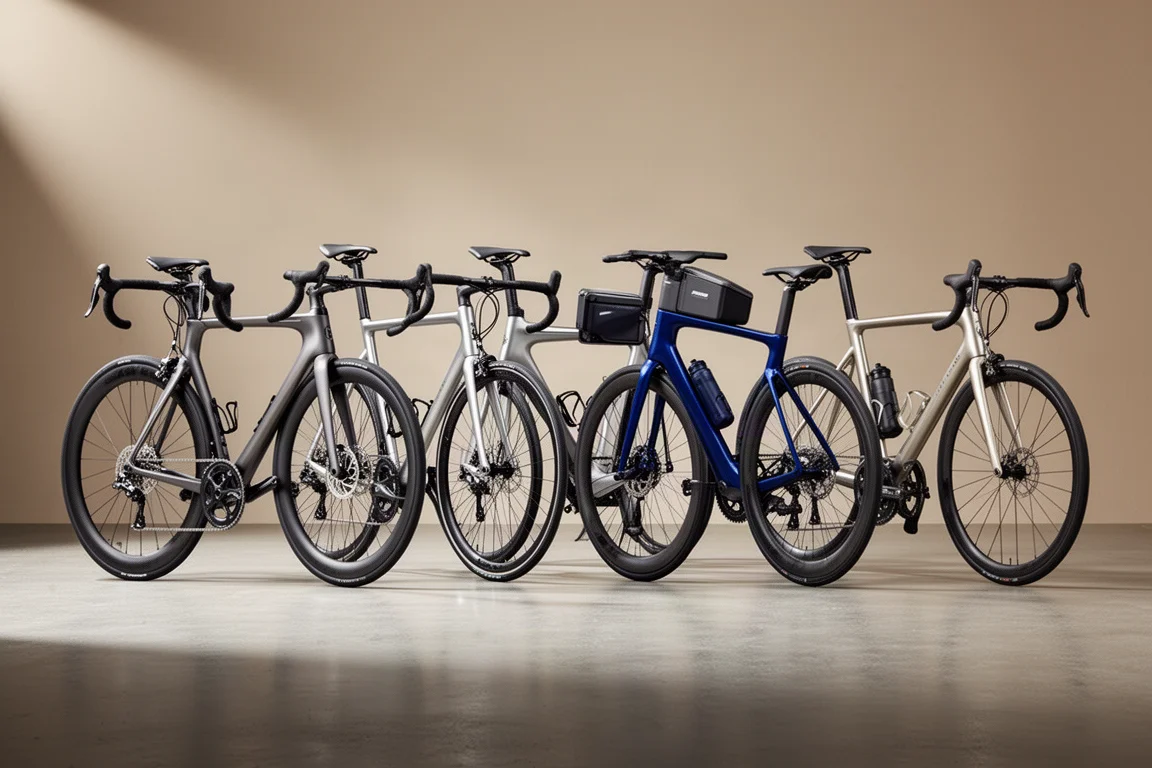
Road bikes at the top of the market have always been about trade-offs, and the current crop makes those trade-offs unusually interesting. Some brands are chasing grams, some are chasing watts, and at least one is still offering a traditional rim brake option when almost everyone else has moved on.
This roundup covers six road bikes that each take a clear position. Two are climbing-focused, one is fully bespoke, one is a WorldTour-proven all-rounder, and two come from the same Spanish brand but sit at very different points on the price ladder.
The goal here is not to crown a single winner. It is to help you work out which of these bikes actually matches the riding you do, and which compromises you are willing to live with.
How We Evaluated These Bikes
Four things shaped this list: weight, aerodynamics, fit and geometry options, and price relative to what you get. Weight matters most for riders who spend their time on long climbs, while aerodynamic efficiency tends to pay off on faster, flatter terrain and in crosswind-exposed conditions. Fit and geometry decide whether a bike stays comfortable after four hours, which matters far more than a claimed watt saving.
Price is deliberately included as a criterion rather than an afterthought. Several bikes here cost more than a small car, and comparing them honestly means comparing what the money actually buys, whether that is a lighter frame, a custom paint finish, or a complete bike with a strong groupset.
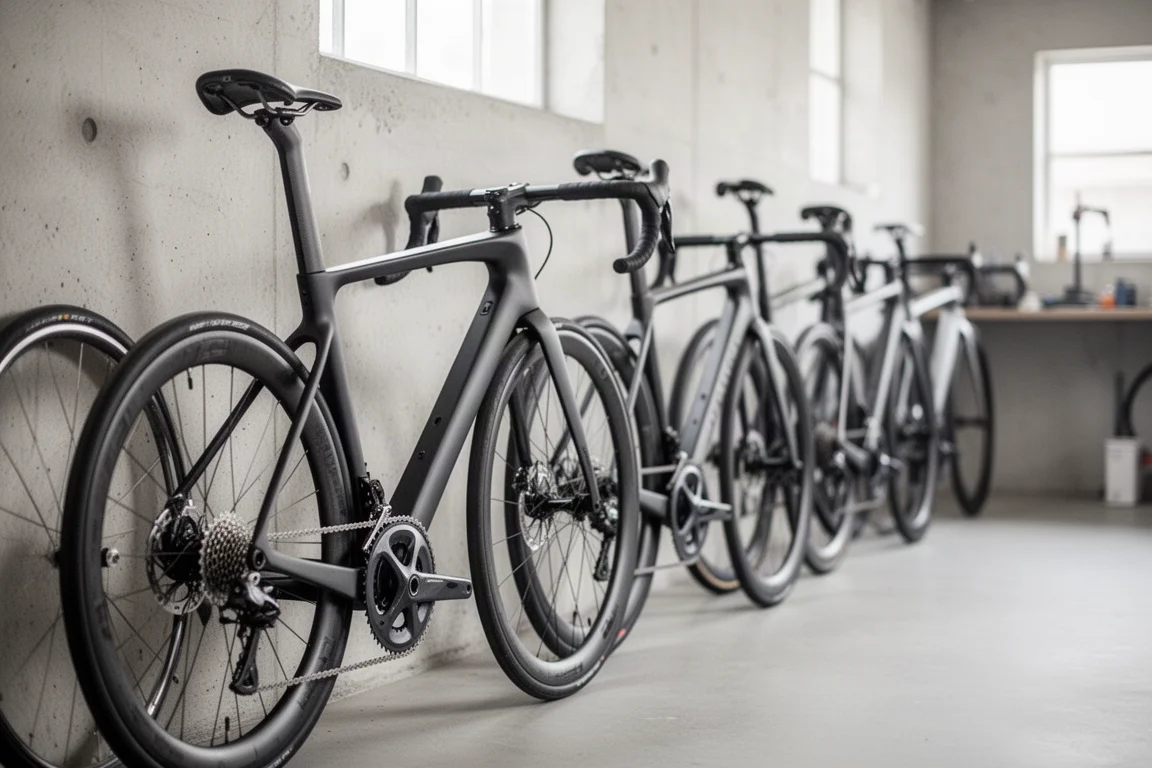
Clearance for wider tires is another factor worth watching. Road bikes have crept upward here, and several models on this list now accept tires up to 30 millimeters, which opens up rougher surfaces and longer, more comfortable days.
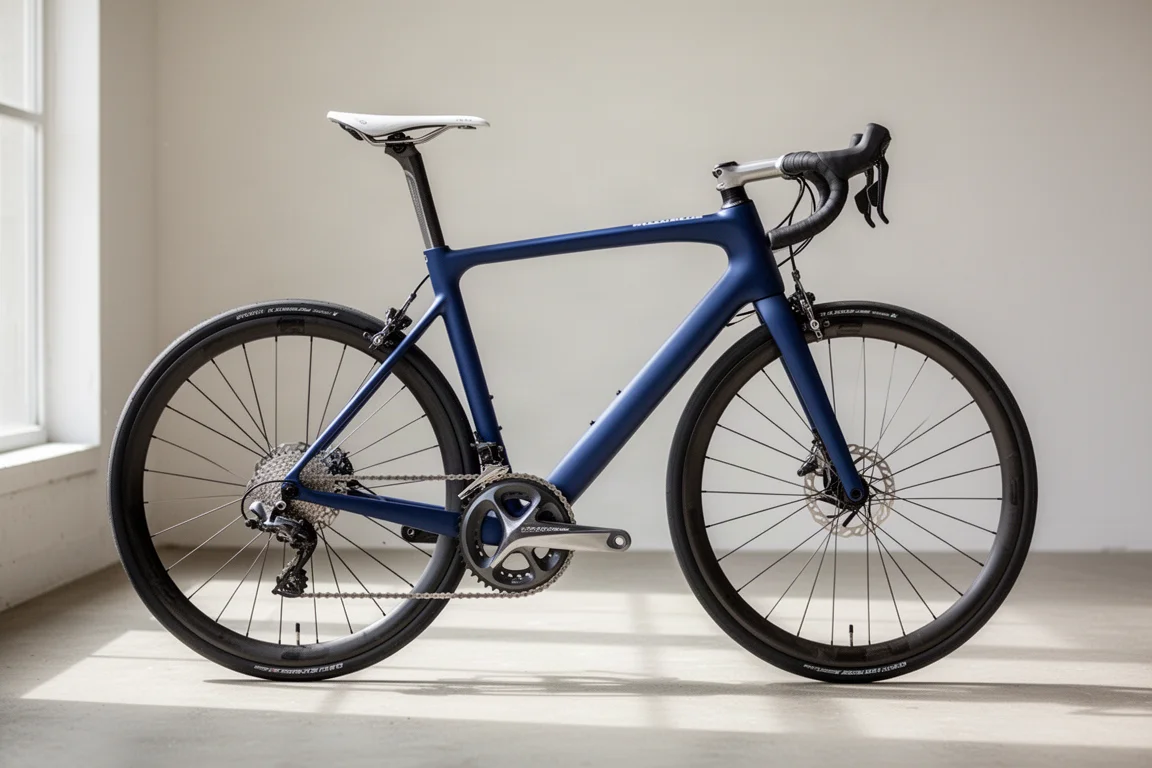
The entry-level model in the Orca range is worth mentioning up front as the value reference point for this list. The Orca M20 LTD comes in at a considerably lower figure than the flagship bikes here while still using an Ultegra groupset, which makes it the bike to compare everything else against when the numbers get eye-watering.
Pinarello Dogma F
The Dogma F is the fifth generation of a bike with a very distinctive silhouette, and it is one of the few top-tier road bikes still offered with traditional rim brakes. Disc brakes are the better choice in almost all circumstances, but offering the option keeps a certain kind of rider happy, and it is a genuinely rare thing at this level of the market.
Beyond the brake choice, the frame is claimed to be lighter, stiffer and more aerodynamic than the outgoing model. A 53 centimeter disc frame kit is claimed to save 256 grams over the previous version, which is a modest but real step. The design language remains unmistakable, which is no small thing in a category where many bikes are converging on the same look.
The headline figure here is price. Complete bikes start at around 11,000 pounds, so this is a bike that sits firmly at the very top of the market.
Merida Scultura
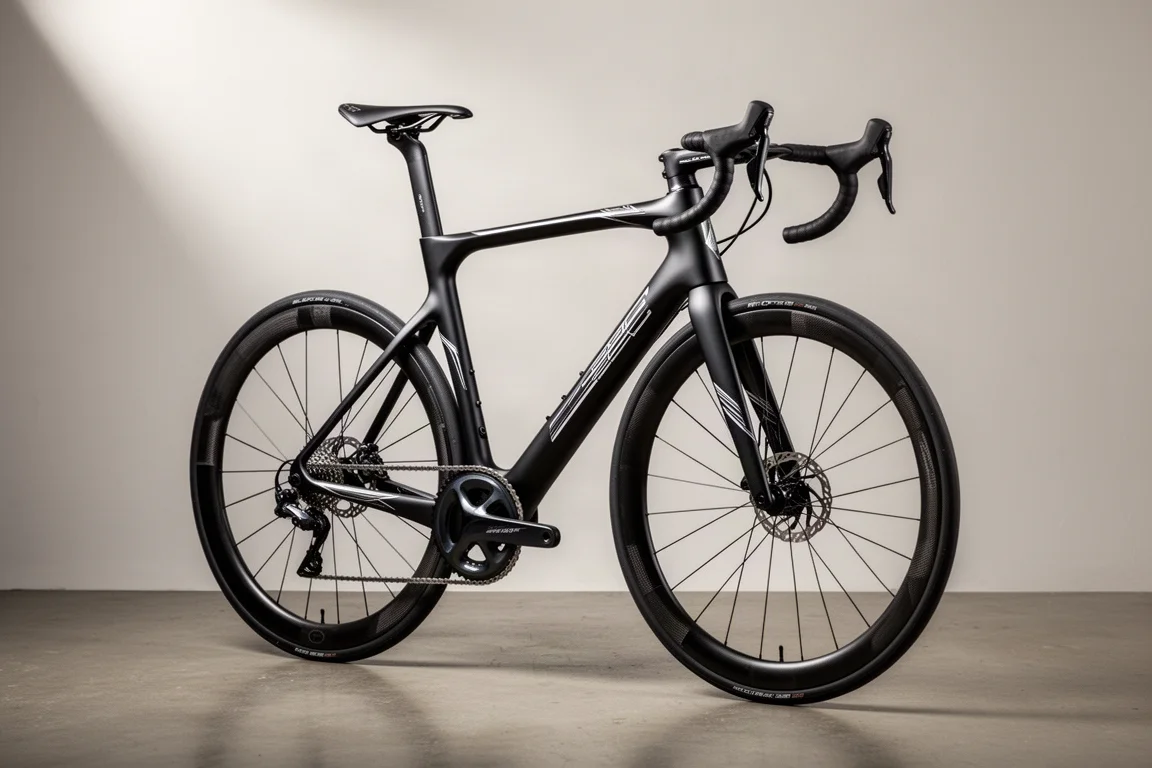
Now in its fifth generation, the Scultura is Merida’s flagship climbing bike, and reducing weight was clearly the priority. A medium frame is claimed to weigh 822 grams, which is 38 grams lighter than the outgoing frame. That is not an enormous saving on its own, but it is more notable given that the bike also moved to more aerodynamic tube profiles rather than simply shaving material.
Merida claims that with the right specification you can save almost 17 watts of drag at 45 kilometers per hour compared with the previous Scultura. Very few riders will spend their day at that speed, but it is a meaningful number for anyone racing.
Tire clearance is up to 30 millimeters, which is a welcome change for riders who spend time on rougher road surfaces. A top-spec Scultura Team CF5 is priced at around 7,750 pounds, which is a lot of money in absolute terms, yet it undercuts the Dogma F by roughly 3,250 pounds for a broadly similar specification.
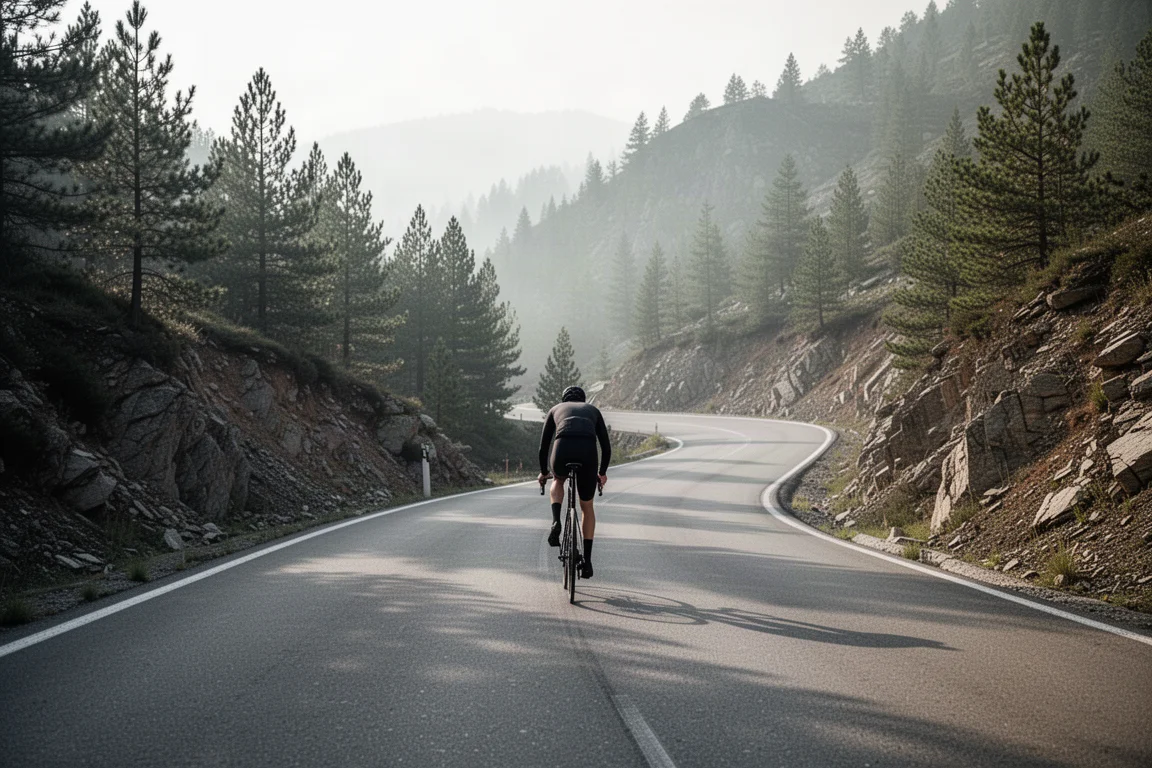
That price gap is what makes this bike interesting. If you are comparing flagship frames on specification rather than badge, the Scultura lands in a genuinely competitive position relative to the rest of this list.
ENVE Custom Road
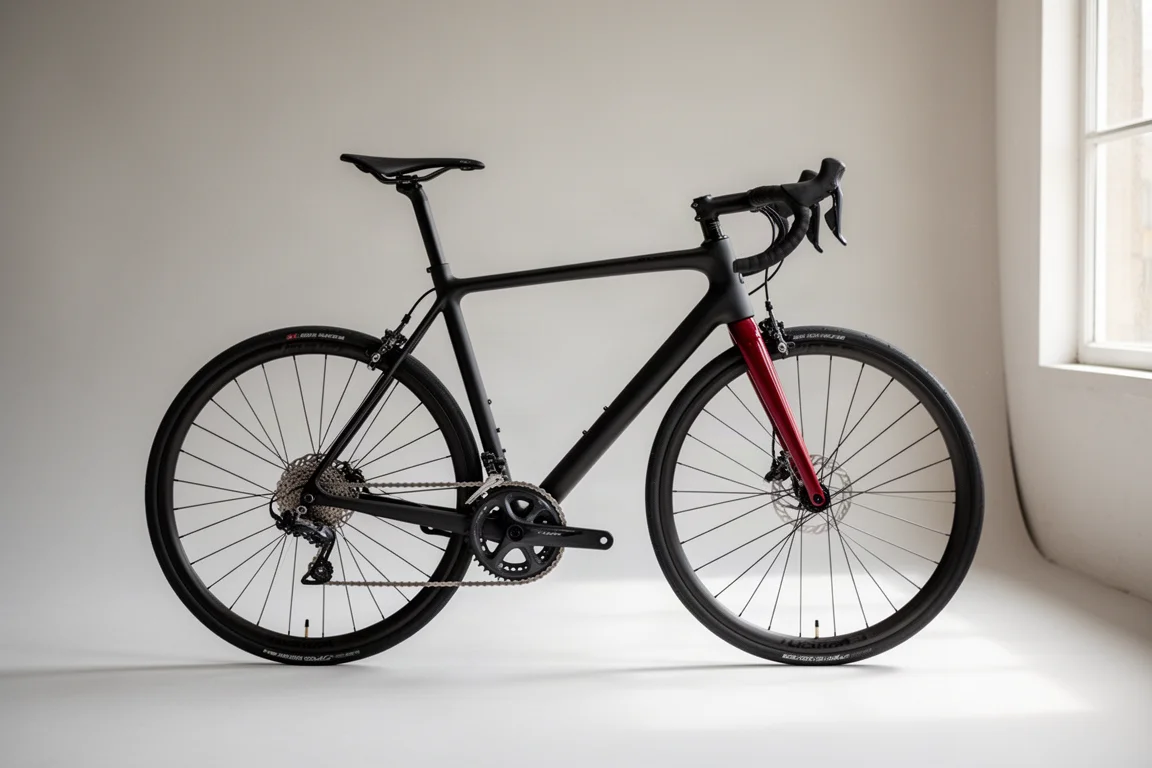
ENVE is best known for components, and the brand has moved into complete bikes with the Custom Road. It is a niche proposition, but an impressive one. Buyers choose between race geometry and all-road geometry, with maximum tire clearance adjusted to suit whichever they pick.
Every frame is built bespoke to the rider’s fit, which is what drives the cost. A frameset runs around 7,000 dollars, and a custom paint job is included at that price. When off-the-shelf superbikes cost a similar amount, the fully custom approach becomes a more understandable proposition for riders who can afford it.
Perhaps the most welcome detail is that the Custom Road includes mudguard mounts. Performance and practicality do not have to be mutually exclusive, and it is good to see a high-end bike acknowledge that.
Cervelo R5
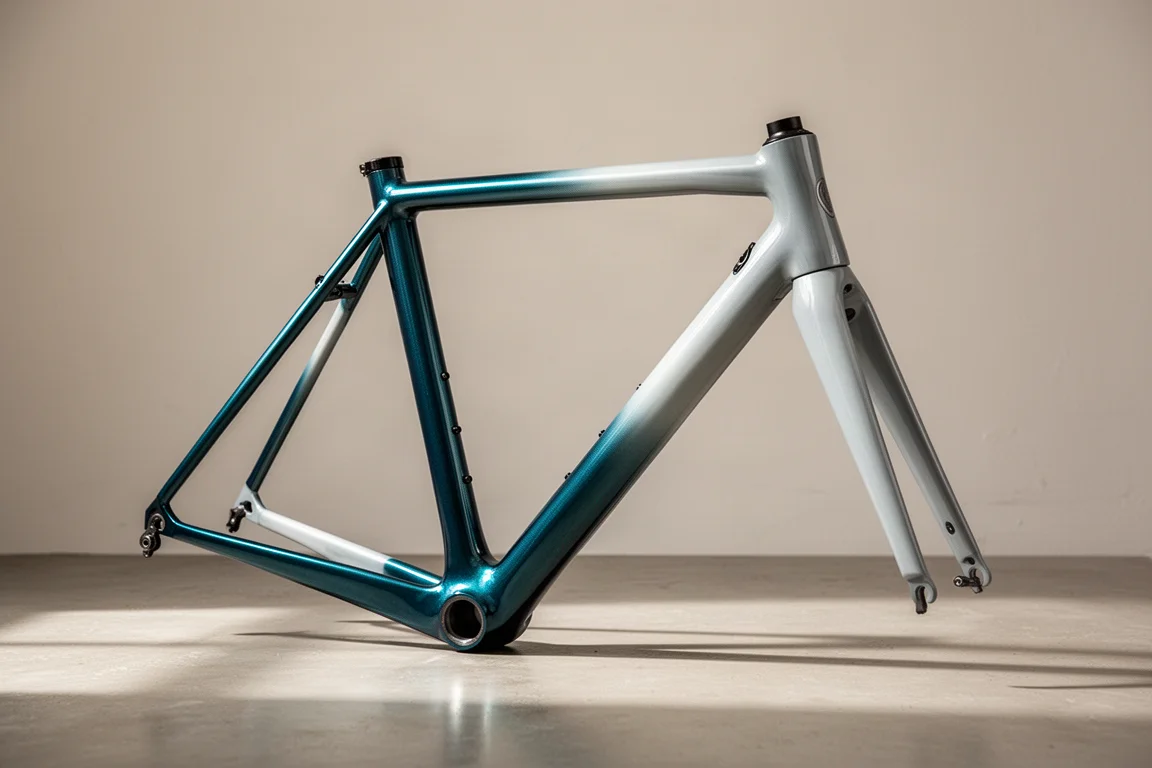
Cervelo has a long history of building fast bikes, and the R5 is its lightweight all-rounder. Claimed weight for a 56 centimeter frame is 703 grams including paint, which is an unusually honest way to quote a figure and a genuinely impressive number.
What makes the R5 stand out is a deliberate decision in the opposite direction from most of the market. Rather than chasing maximum stiffness, Cervelo claims it has reduced longitudinal stiffness at the front end, based on feedback from its sponsored teams who found the previous version could feel harsh over long days in the saddle.
That is a rare example of a brand publicly trading a marketing-friendly number for rider comfort. The design already has a WorldTour win behind it, so the approach appears to be working.
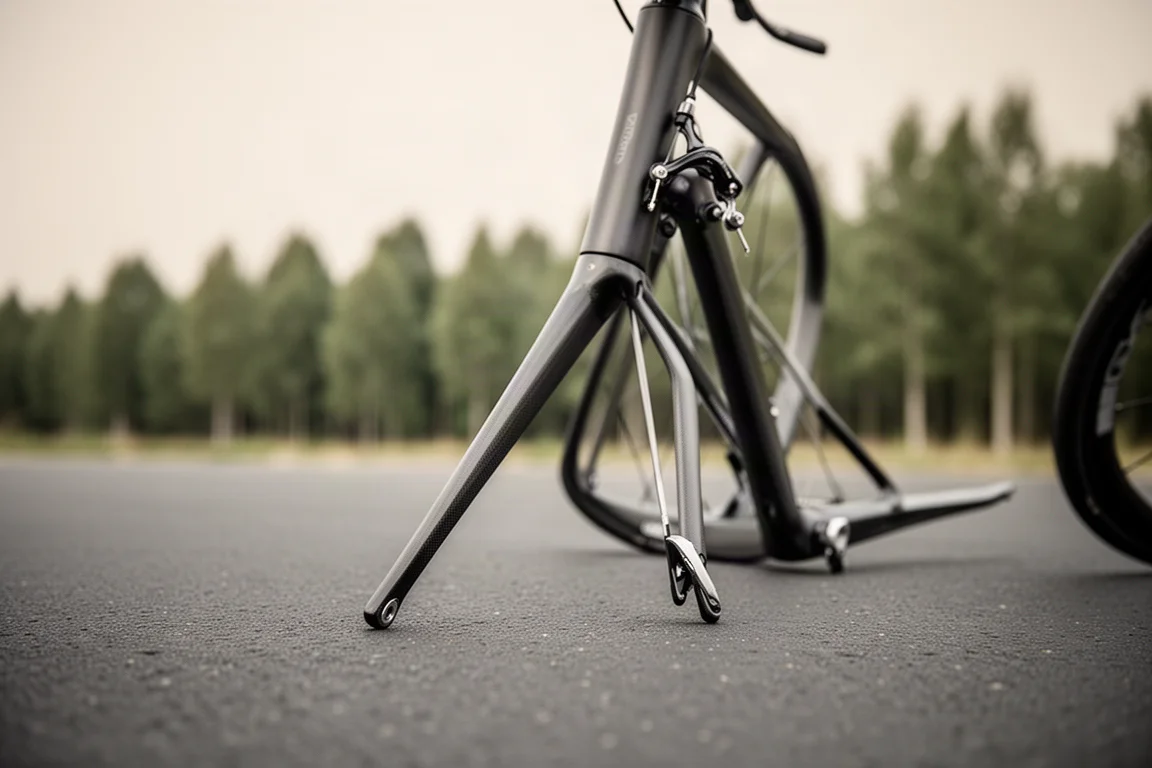
For riders who value a composed front end over outright rigidity, this is one of the more compelling frames on the list.
Orbea Orca Aero
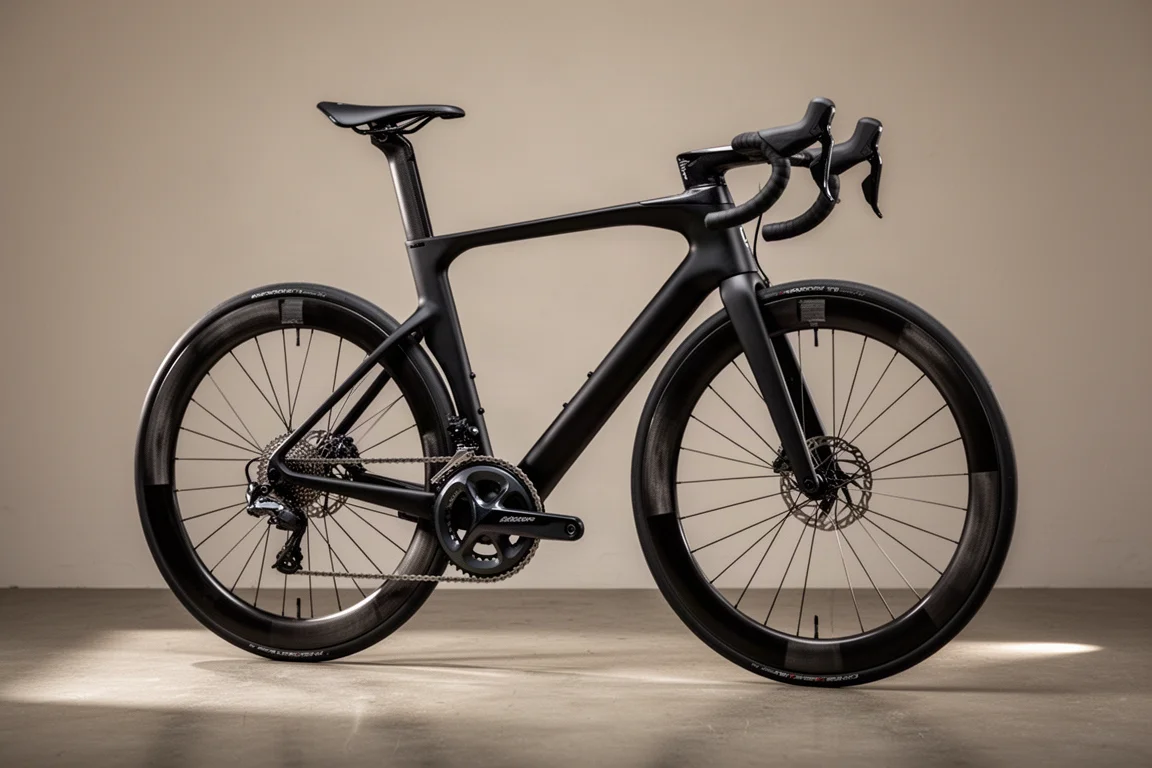
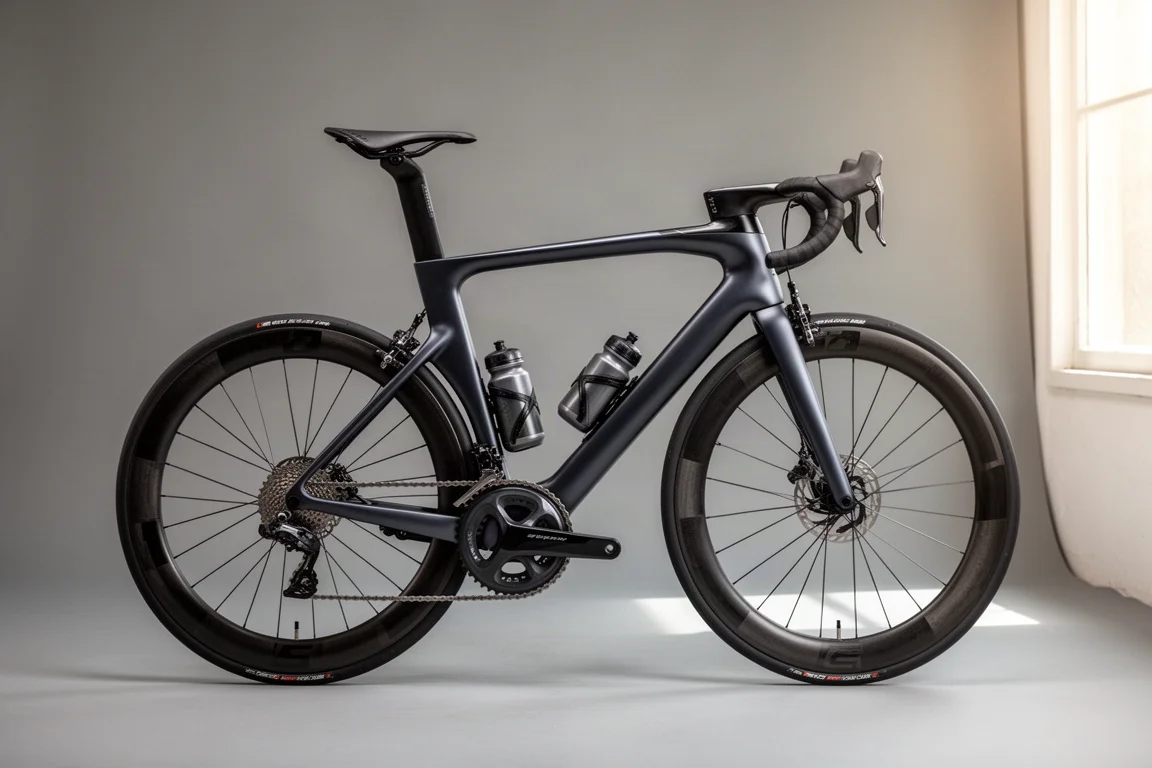
Where the rest of this list has leaned toward saving weight, the Orca Aero is unapologetically about reducing drag. At a glance it borrows heavily from time trial design, with an aero water bottle and an integrated storage box giving it a silhouette that looks built for speed rather than subtlety.
It is not a triathlon bike, though. This is an out-and-out aero race bike, and the storage box can be removed if you would rather run it clean. Orbea claims the new frame saves 15 watts at 40 kilometers per hour compared with the outgoing Orca Aero, which is a substantial figure at a speed that competitive riders genuinely reach.
The frameset is optimized for 25 to 28 millimeter tires but still accepts up to 30 millimeters. Top-spec models are not cheap, and this sits at the performance-first end of the range.
Buying Advice
The right choice here depends almost entirely on the terrain you ride and how much you are willing to spend. If your riding is dominated by long climbs and you want the lightest package with a sensible price relative to the class, the Scultura makes a strong case. If aerodynamic efficiency on fast, flat roads matters more, the Orca Aero is built around exactly that priority.
Riders who value comfort over stiffness numbers should look closely at the R5, which was tuned around long days in the saddle rather than maximum rigidity. If fit is the thing that has never quite worked on off-the-shelf bikes, the Custom Road solves that problem directly, at a price that reflects the bespoke process.
The Dogma F remains the emotional choice. Rim brakes at this level are becoming rare, and if that traditional look appeals to you, the option will not be around forever. Just be prepared for the price.
For most riders, the practical move is to set a budget first and then decide which two of weight, aerodynamics and customization matter most. Trying to get all three at once is where the costs escalate fastest.
Conclusion
All six of these bikes are genuinely capable, and none of them is a bad purchase in isolation. What separates them is philosophy. Merida and Cervelo prioritize weight and ride quality, Orbea splits its range between value and outright aerodynamic speed, Pinarello leans on character and tradition, and ENVE offers a fully bespoke route for riders whose fit has never been quite right.
Match the bike to the riding you actually do, be honest about your budget, and any of these will serve you well for a long time.
Further reading
Related Reviews

Road Bikes
10 New Road Bikes Worth Watching: Aero, Titanium, Steel and Endurance Standouts
A practical roundup of 10 new road bikes, from aero flagships chasing single-watt gains to titanium, steel and endurance platforms built for real roads.
Road Bikes
2026 Tour de France Road Bikes: Six Race Machines Worth a Closer Look
Six race bikes from the 2026 Tour de France grid, reviewed for paint, silhouette, wheels and the specification details that matter to buyers.
Road Bikes
3T Strada Italia Review: A Radical Aero Road Bike That Rides Smooth
A made in Italy carbon aero road bike with a deep head tube, wide tire clearance and a genuinely comfortable ride. Here is what to know before buying.