Road Bikes
Best Road Bikes Around $5,000: Seven Options Worth Shortlisting
Seven road bikes at or near the $5,000 mark, from endurance comfort builds to aero race frames, with the trade-offs that matter before you buy.
Introduction
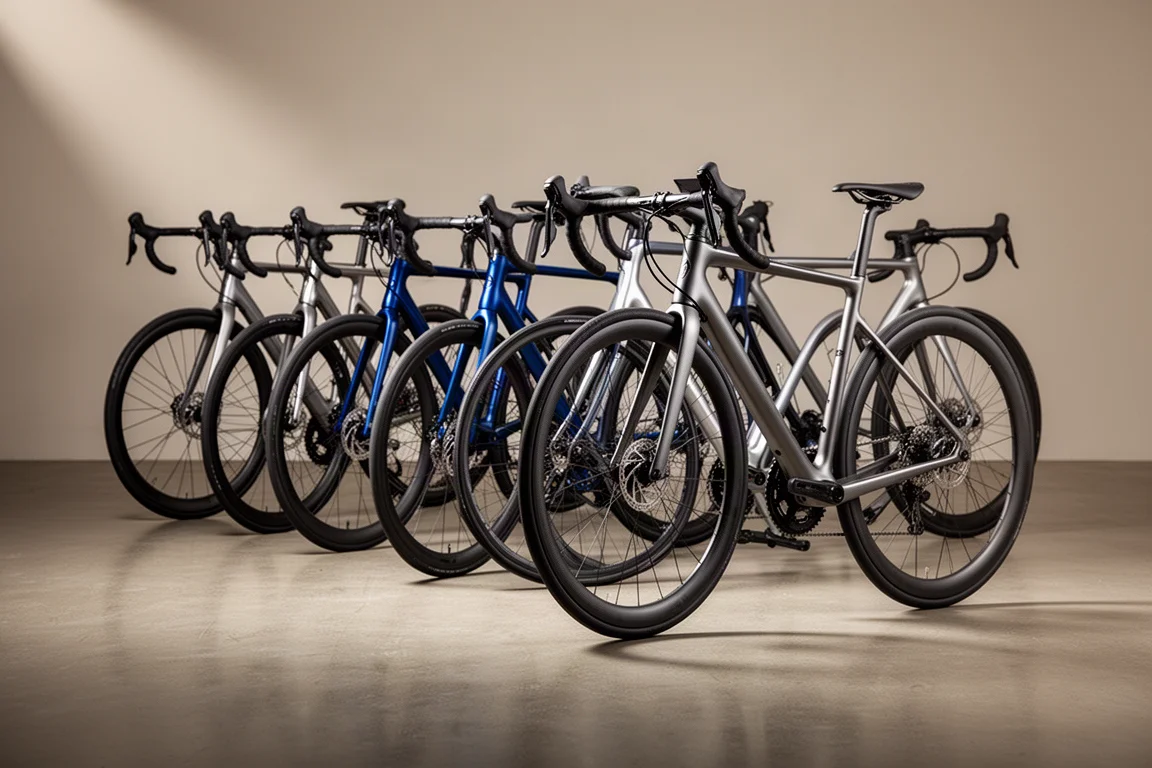
Road bikes at the very top of the range have pushed past $10,000, and that has sent plenty of riders looking further down the price list. The good news is that around $5,000 you can still buy a high-quality lightweight carbon frame, an electronic groupset from Shimano or SRAM, and components that hold up to real training and racing. This roundup covers seven bikes that sit at or very close to that budget.
The selection spans endurance, aero and lightweight race models, so there is something here for most riding styles and priorities. Some of these bikes come from brands that sell direct, some are previous-generation models still available at a discount, and some are sold through dealers where the final price is not always fixed.
What Around $5,000 Buys You Right Now
At this price, most of the major players will sell you a high-quality carbon frame, and electronic shifting is now the norm rather than the exception. Shimano and SRAM both feature heavily across this group. The differences between their groupsets come down to ergonomics, gear range and how the batteries are charged rather than raw performance.
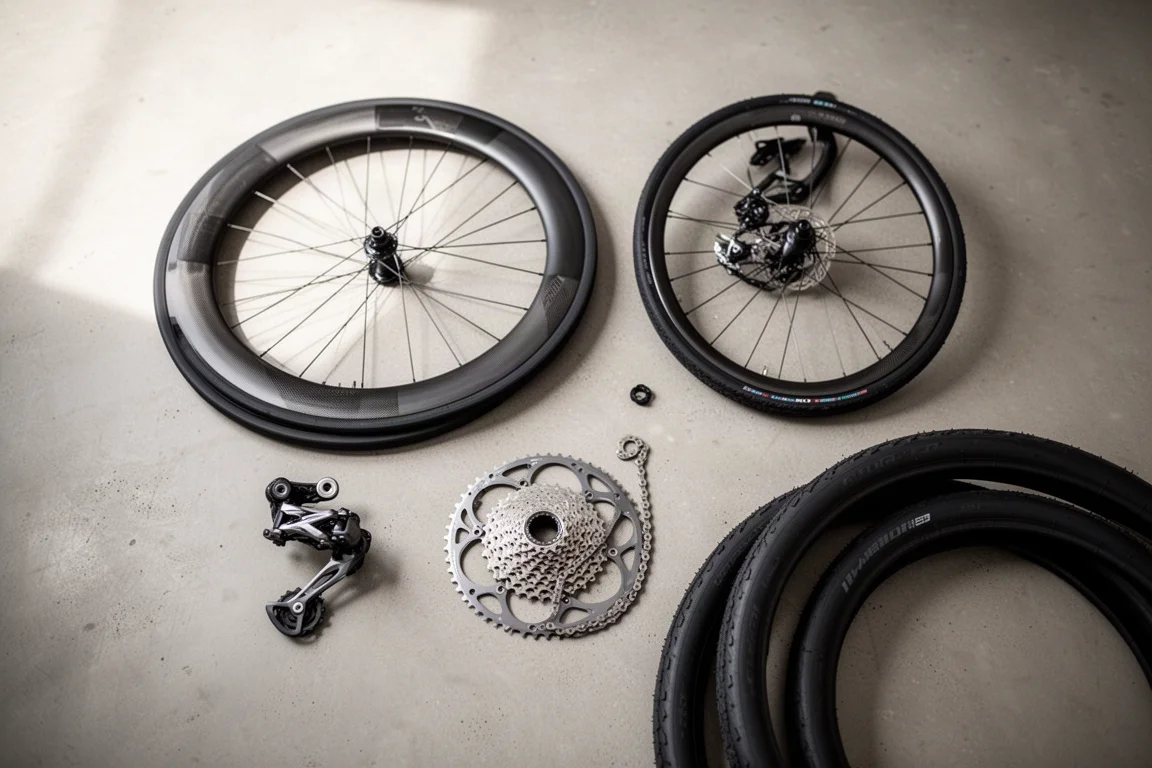
There are three dependable ways to get more bike for the money. Buying direct removes the dealer margin. Choosing a previous-generation model while stock lasts gets you a higher-tier groupset and better wheels for the same spend. And picking a frame with a regular two-piece handlebar and stem keeps fit changes simple, cheaper and easier to live with over several seasons.
The last thing worth weighing is how the bike is set up out of the box. A great frame with modest wheels is an easy upgrade later, while a great wheelset on a frame you do not enjoy riding is money wasted. Fit, geometry and comfort should come first, then the specification list.
Canyon Endurace
Canyon is where a lot of road bike searches begin, and the Endurace is the endurance option in the range. Endurance bikes are in a strong place right now, offering plenty of performance alongside a more comfortable riding position, and this one looks like good value for the money. It rides fast regardless of the category it sits in.
The specification is the standout. You get a Shimano Ultegra Di2 groupset, which is a step above the Shimano 105 found on many rivals at this price, and a power meter is included as well. That is a feature several bikes in this roundup do not offer, and it makes the Endurace unusually well equipped for training and structured riding.
The one point to think about is the one-piece handlebar, which does not allow an easy stem length change if you want a longer or shorter reach. Most riders buying this bike will find the stock setup perfectly fine. Riders at the extremes of height or with specific fit requirements may find it a challenge to adjust.
Orbea Orca
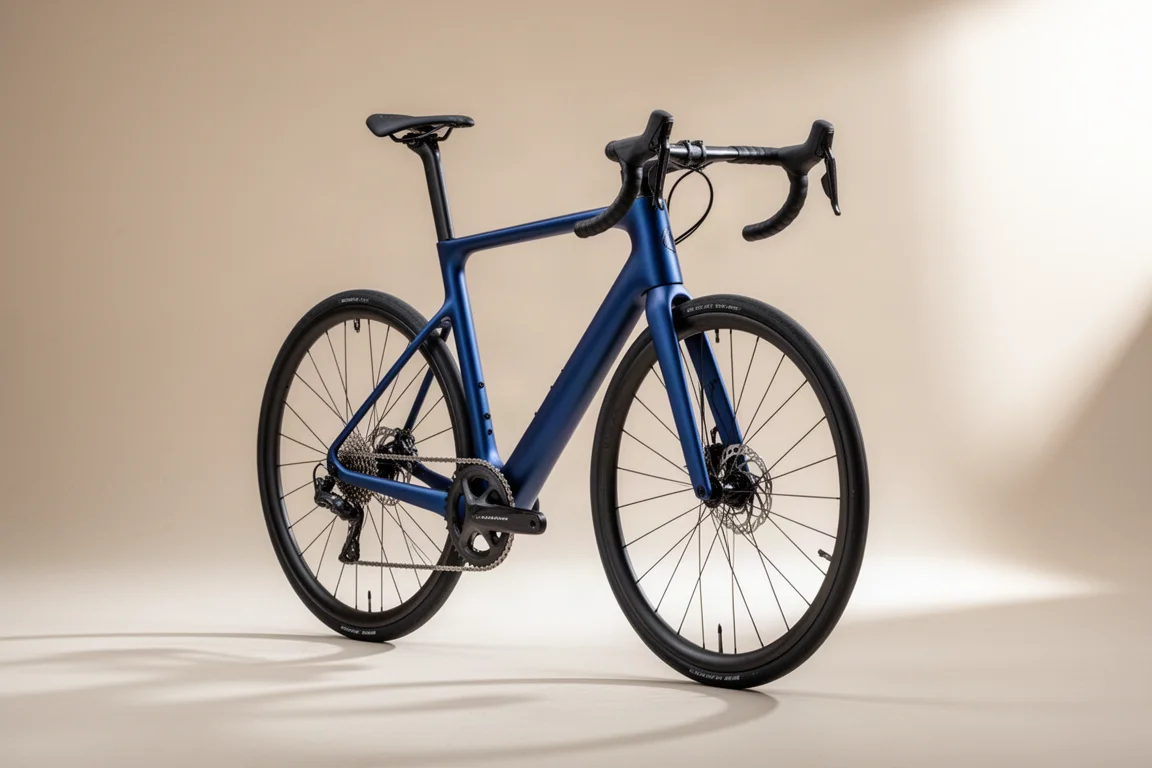
Orbea has a reputation for offering strong value, and the latest Orca has moved back towards a lightweight focus while keeping the modern details riders expect. The name has been around for more than 20 years, and the frame has changed considerably over that time. Today there are two versions: the OMR, designed to be a little more compliant and comfort focused, and the OMX, built to be as light as possible.
The OMX frame is genuinely light, at under 800 g, with a fork around 350 g, which puts it in the same conversation as other lightweight platforms. As specified at its stock price the complete bike will not be super light, but it is a strong platform to build on with upgrades later.
Customisation is where the Orca stands apart. The stock build starts at $4,700, which leaves room to add a SRAM power meter and bring the total to just under $5,000. You can also change the wheels, tyres, saddle, handlebar and much more, so both the look and the parts list can be tailored to your preferences, something most manufacturers do not offer.
Ventum NS1
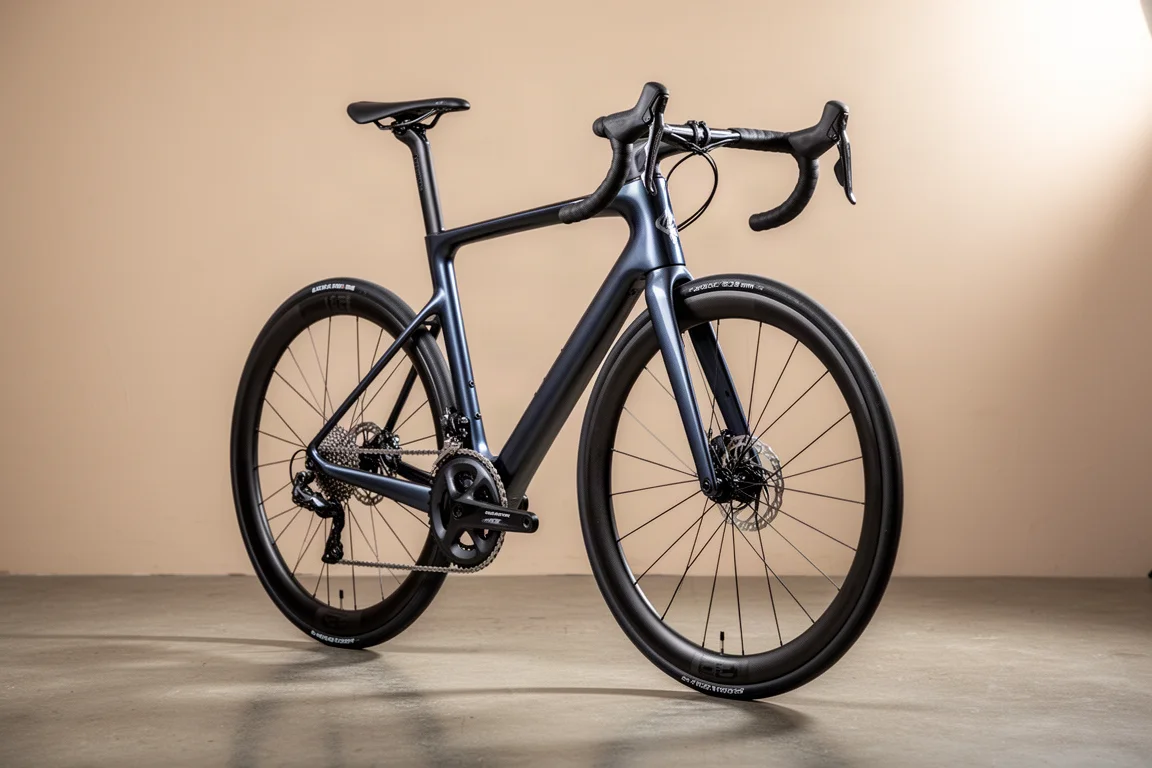
Ventum has been gaining popularity in recent years, and the NS1 is a genuinely appealing aero road bike. It uses a carbon fibre frame and fork with the company’s own one-piece carbon handlebar and stem, plus full internal routing for a clean front end. In use it delivers strong speed and good handling without giving away much in the way of comfort.
Ventum follows a direct sales model, which is a big part of why the value proposition is strong, and unlike some direct brands it lets you customise the build. The example here starts from a stock bike with Zipp 303s wheels added, which takes the price to just over $5,000. There is a range of colours to choose from as well.
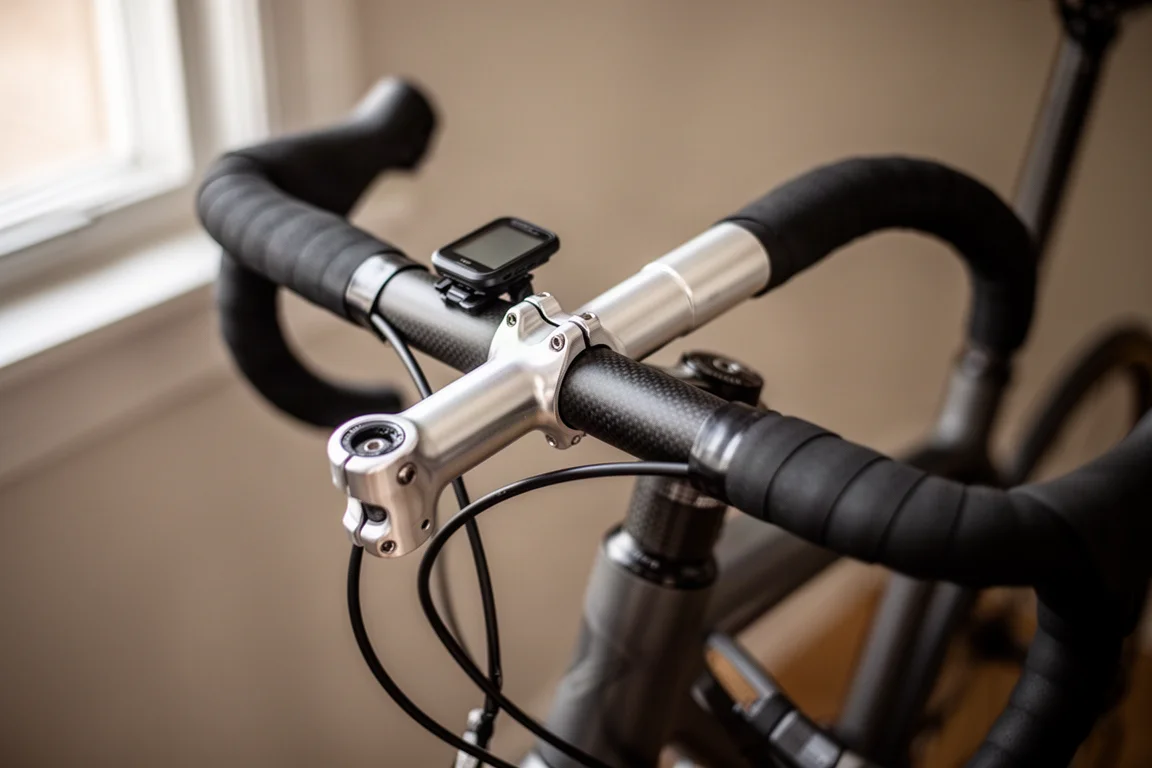
One practical detail to plan for: the company is based in the United States but ships around the world, and shipping costs can run into a few hundred depending on where you are based. It is worth checking that figure before you commit, because it affects the final landed price of the bike.
Cervélo Soloist
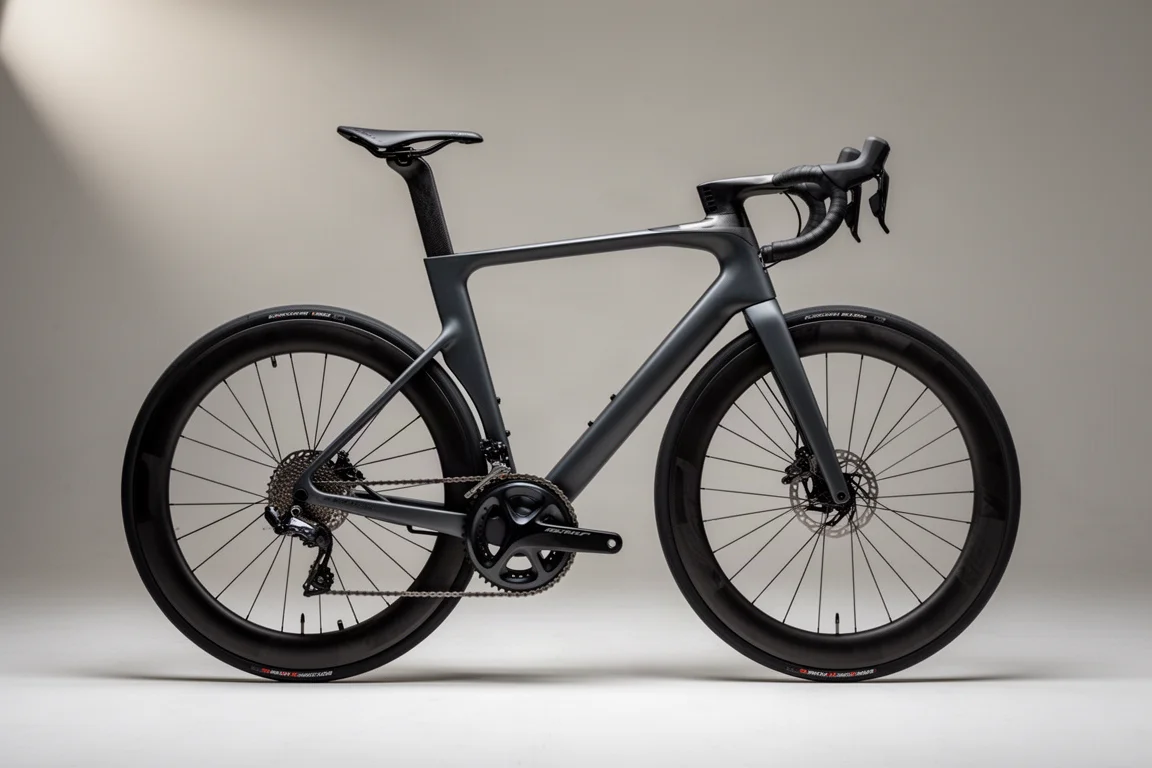
Cervélo has never been the most accessible brand on price, and the Soloist was introduced to change that. It does not quite land inside the $5,000 target, sitting around $200 above it, but because it is sold through dealers and local bike shops there may be some room to negotiate the price down to your budget.
You get a choice of a SRAM Rival AXS or a Shimano 105 Di2 groupset, and the better pick comes down to personal preference. Both weigh roughly the same. Shimano brings excellent ergonomics, fast shifting and reliability, while SRAM offers a lower gear range and easier battery charging because the front and rear derailleur batteries are removable rather than tucked inside the frame. The Rival hoods are not quite as comfortable as those on 105 Di2.
The Soloist also gets plenty of aero shaping while keeping a regular two-piece stem and handlebar. At this price point that is a sensible choice, because it lets you change the stem or bar to dial in fit, go narrower or wider, or adjust reach without hunting for a proprietary part. It also makes the bike easier to maintain and more straightforward to live with long term.
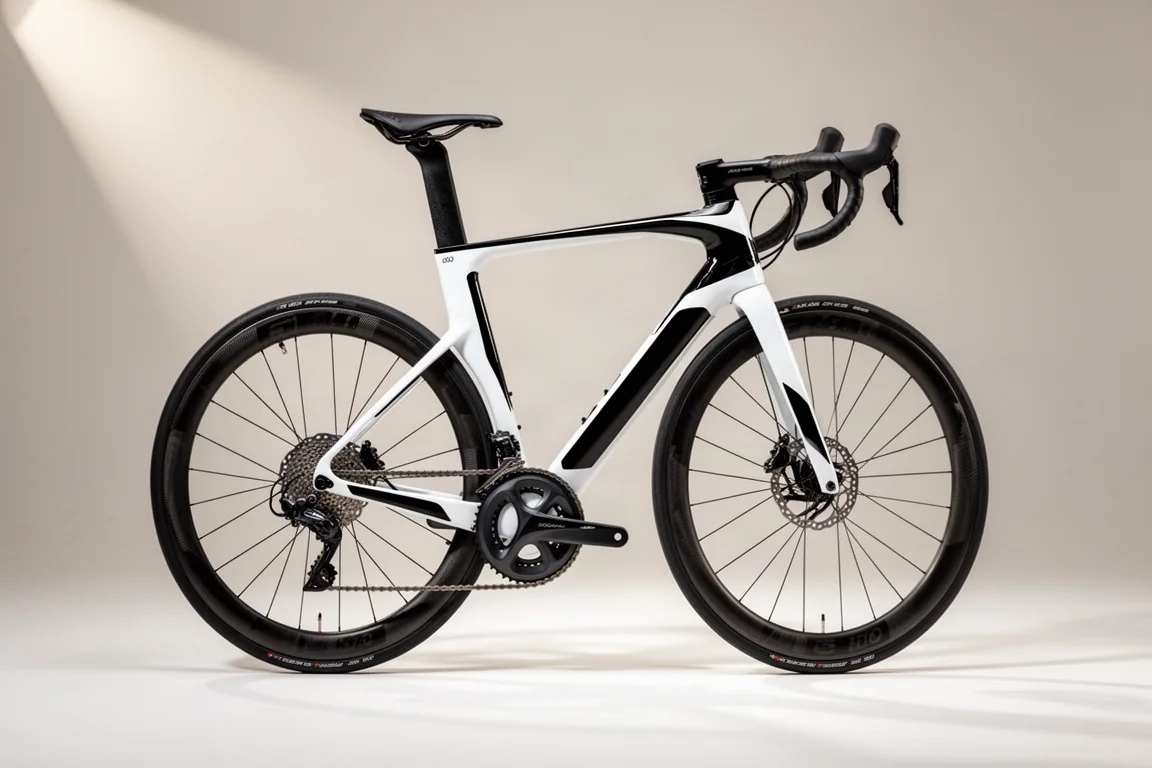
Specialized Tarmac SL7
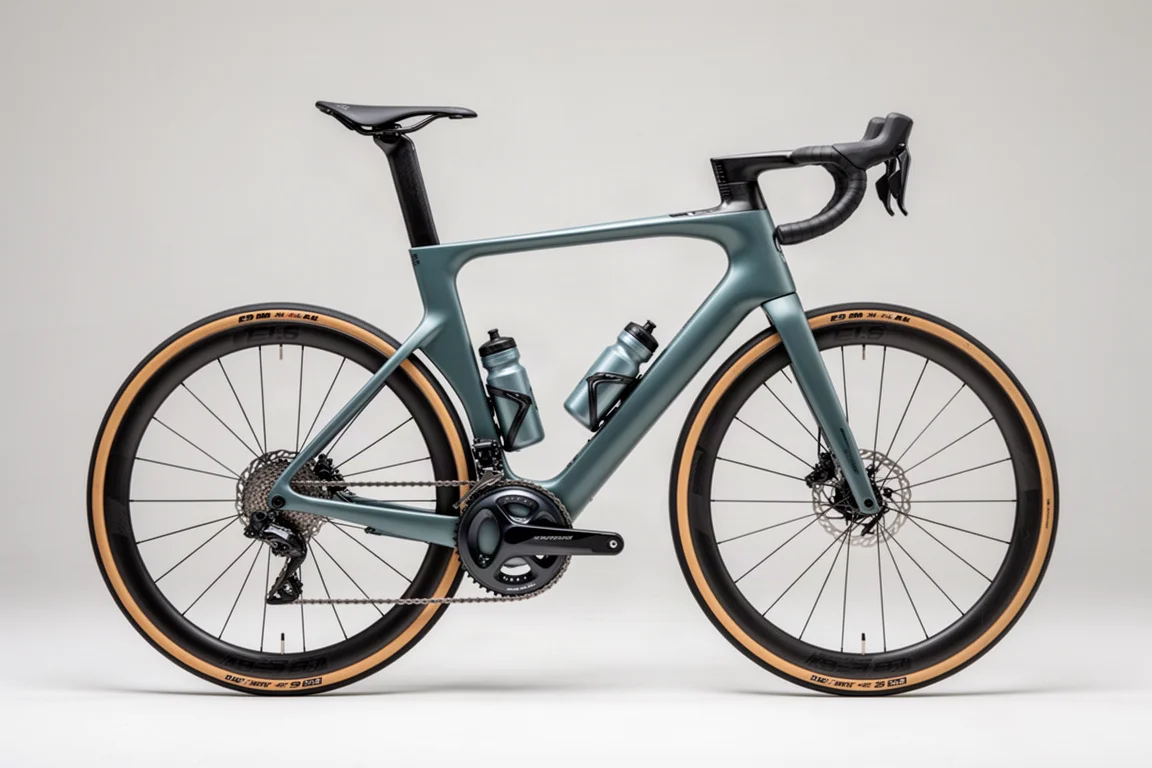
Specialized will not sell you the newest top-tier race bike at this price point, at least not yet, but the previous-generation Tarmac SL7 remains in the range at a much lower price. That is how the brand’s model cycle works: when a new version arrives, the outgoing one moves down the price list. Here the SL7 with Shimano 105 Di2 comes in at $4,500, comfortably under budget.
There is one clear blemish on the specification. The wheels are alloy DT Swiss rather than the carbon wheels found on several other bikes in this roundup. They are perfectly functional and not especially heavy, but they are not carbon, not particularly light and not aerodynamic. If you are set on a Specialized and happy to put money towards a wheel upgrade later, or you already own a set of wheels to fit, the SL7 is a sound choice.
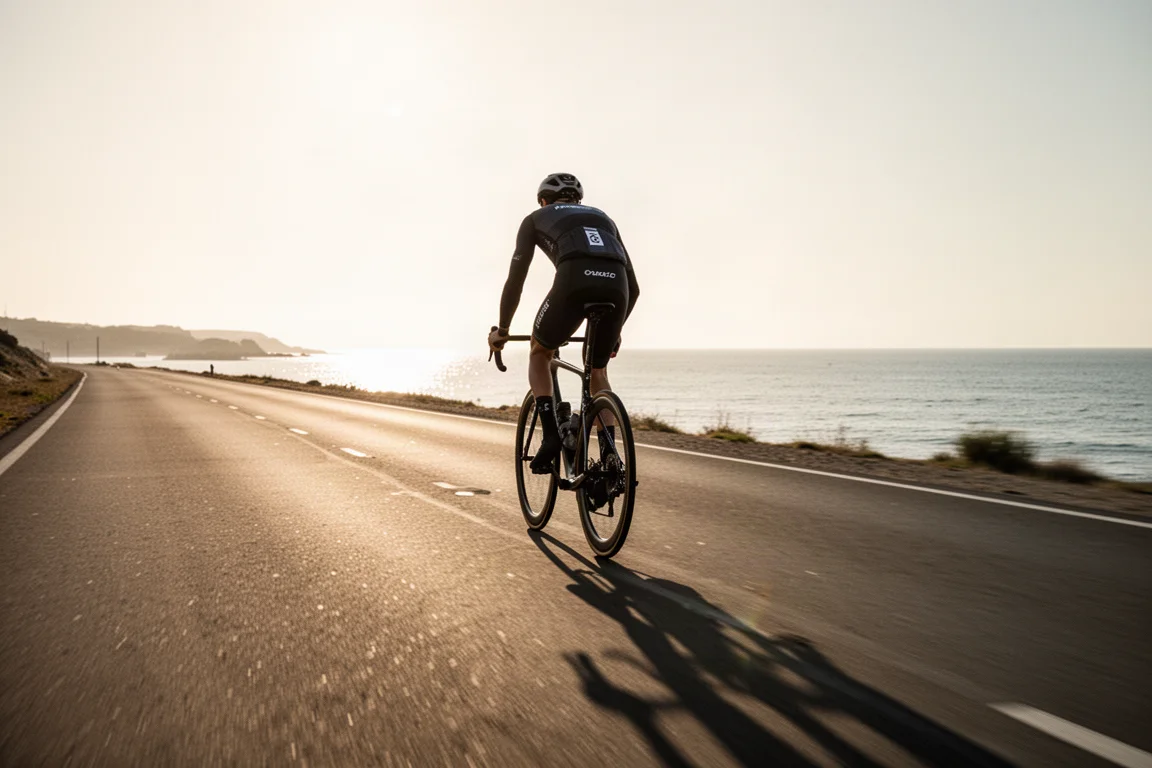
On the plus side, the frame is not as light as the newer generation model, but it is close in aerodynamic terms, and plenty of riders prefer the way it looks. Compared with the newest version, the main difference is weight rather than outright speed.
Cannondale SuperSix Evo
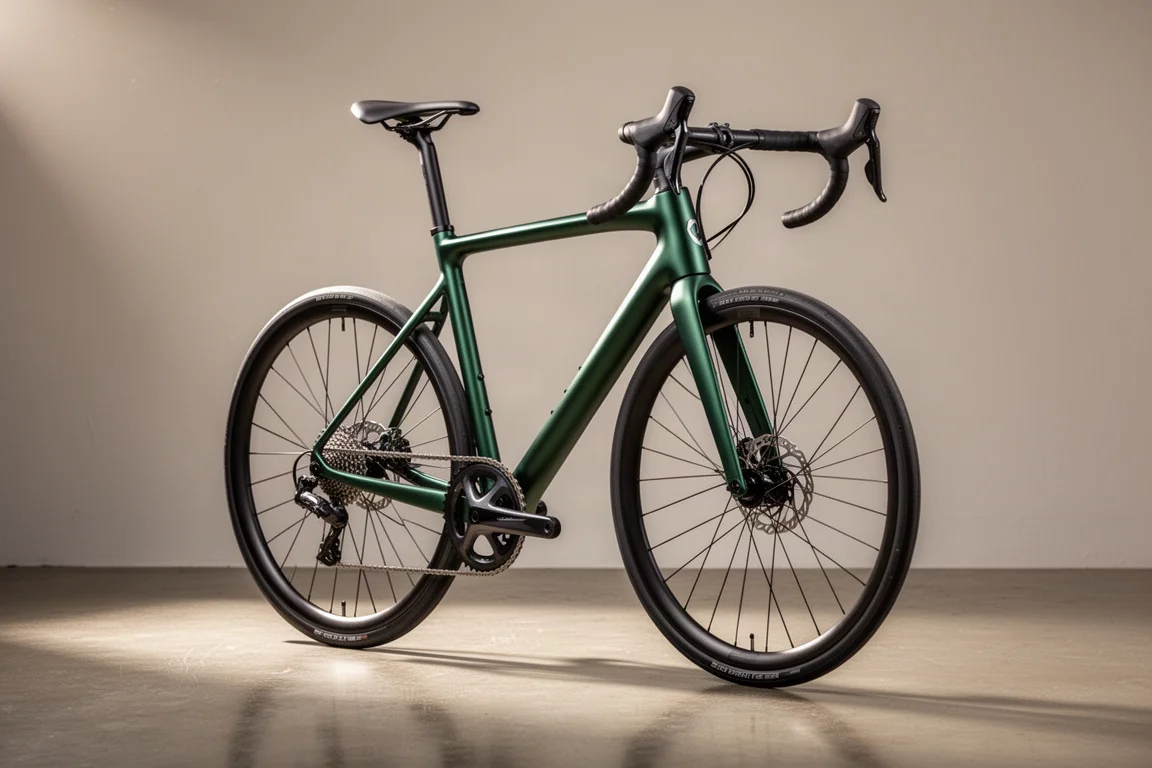
The story at Cannondale is similar. The current SuperSix Evo is an excellent bike in its top-level builds, and at this price you get it with a Shimano 105 Di2 groupset for $4,500. That is a competitive figure for a frame carrying the company’s latest technology and a clear step forward from the previous generation.
The compromise is in the wheels. This build uses DT Swiss R470 wheels, which trail the carbon options on other bikes here. As with the Tarmac, that is an upgrade path rather than a deal breaker, especially if you already have a good set of wheels sitting in the garage that you can move across.
What you are really buying is the frame, and it is a very good one. If the geometry suits you and you are willing to plan a wheel upgrade, the SuperSix Evo makes a lot of sense as a long-term platform.
Giant TCR Advanced Pro
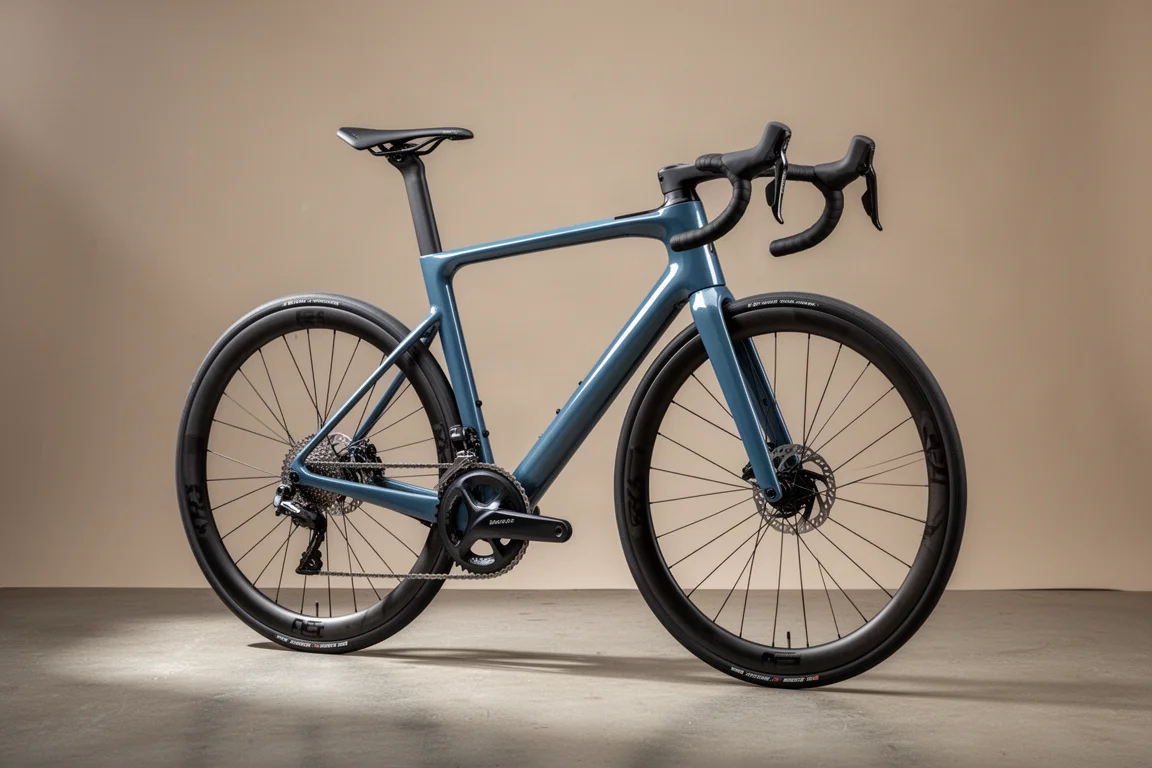
This is arguably the best deal in the group. It is a good moment to buy a new bike, because new models are arriving and many brands still hold stock of the outgoing generation. The TCR Advanced Pro is one of those: not the newest version of the platform, but a carbon race bike with a Shimano Ultegra Di2 12-speed groupset and deep-section carbon fibre wheels.
That combination delivers a lot more bike for the money than most of the alternatives here. You are getting a better groupset and genuinely good wheels, on a frame that has proven itself. The only real blemish is the external cable routing, where the newest bikes, including several in this roundup, run the cables internally for a cleaner front end.
If you can live with the older generation and the external routing, the discount makes this the strongest value option of the seven, and the one many riders would pick if the decision came down to specification per dollar.
Overall Buying Advice
Start with the riding you actually do. If long days and comfort matter most, the endurance geometry of the Canyon Endurace is the natural fit, and the Ultegra Di2 groupset and included power meter make it hard to argue with on equipment. If you want speed and aero efficiency, the Ventum NS1 and the Cervélo Soloist both deliver it, with the Ventum offering customisation and the Cervélo offering easier fit changes and dealer pricing.
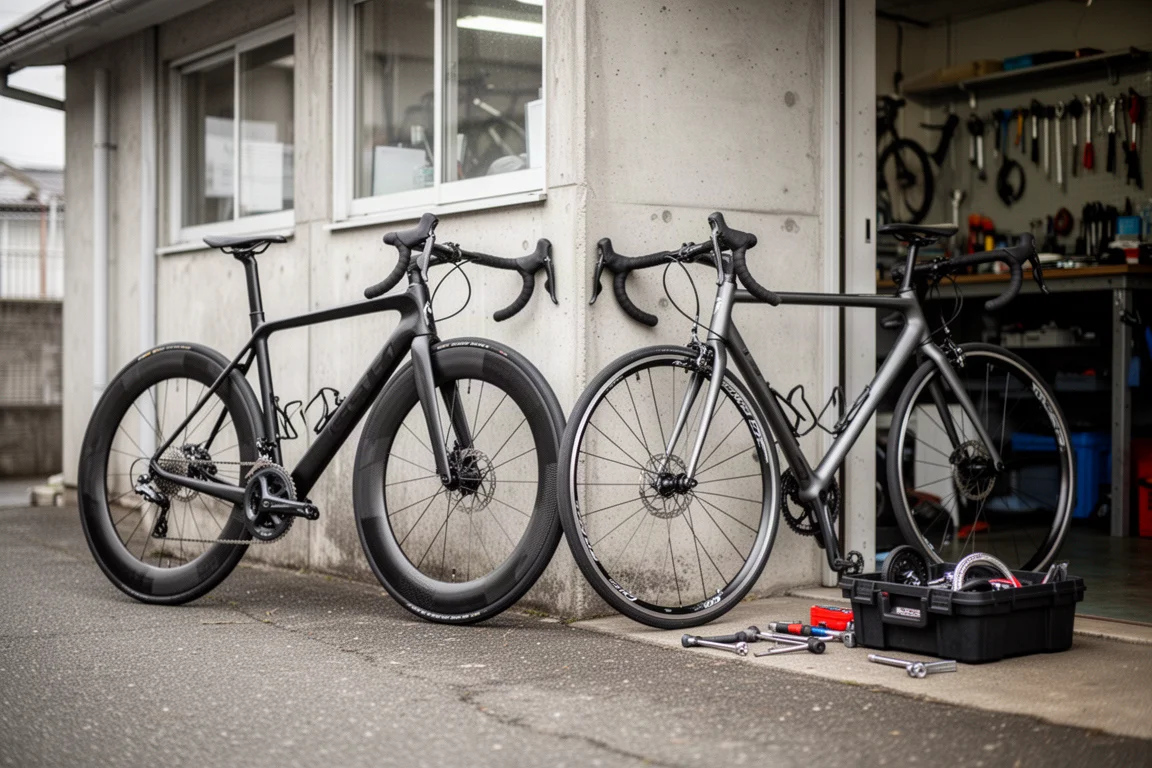
Then look at the two upgrade platforms. The Specialized Tarmac SL7 and the Cannondale SuperSix Evo both put a strong frame under you at $4,500, with the money saved going towards wheels later. The Orbea Orca takes a different route by letting you configure the build up front, so you can shape the bike around your budget instead of accepting a fixed specification.
Finally, weigh the value play. The Giant TCR Advanced Pro pairs a Shimano Ultegra Di2 12-speed groupset with deep-section carbon wheels for less than the rest, and the only real concession is external cable routing. If outright equipment per dollar is your priority, that is the bike to shortlist first.
Conclusion
You do not need to spend $10,000 to get serious performance from a road bike. At around $5,000, every bike here gives you a quality carbon frame and electronic shifting, and several of them add wheels, power meters or higher-tier groupsets that would have cost considerably more a few seasons ago. The differences between them come down to geometry, fit adjustability, wheels and how much customisation you want.
Pick the frame that suits your riding, check whether the wheels and cockpit will work for you, and treat anything you plan to upgrade later as part of the total cost. Do that, and any of these seven will serve you well for years.
Further reading
Related Reviews

Road Bikes
10 New Road Bikes Worth Watching: Aero, Titanium, Steel and Endurance Standouts
A practical roundup of 10 new road bikes, from aero flagships chasing single-watt gains to titanium, steel and endurance platforms built for real roads.
Road Bikes
2026 Tour de France Road Bikes: Six Race Machines Worth a Closer Look
Six race bikes from the 2026 Tour de France grid, reviewed for paint, silhouette, wheels and the specification details that matter to buyers.
Road Bikes
3T Strada Italia Review: A Radical Aero Road Bike That Rides Smooth
A made in Italy carbon aero road bike with a deep head tube, wide tire clearance and a genuinely comfortable ride. Here is what to know before buying.