Road Bikes
Best Road Bikes Around 2,000: Seven Value-First Options
Seven road bikes around the 2,000 mark, covering carbon and aluminium frames, endurance and race geometry, and Shimano groupsets from Tiagra to Ultegra.
Introduction
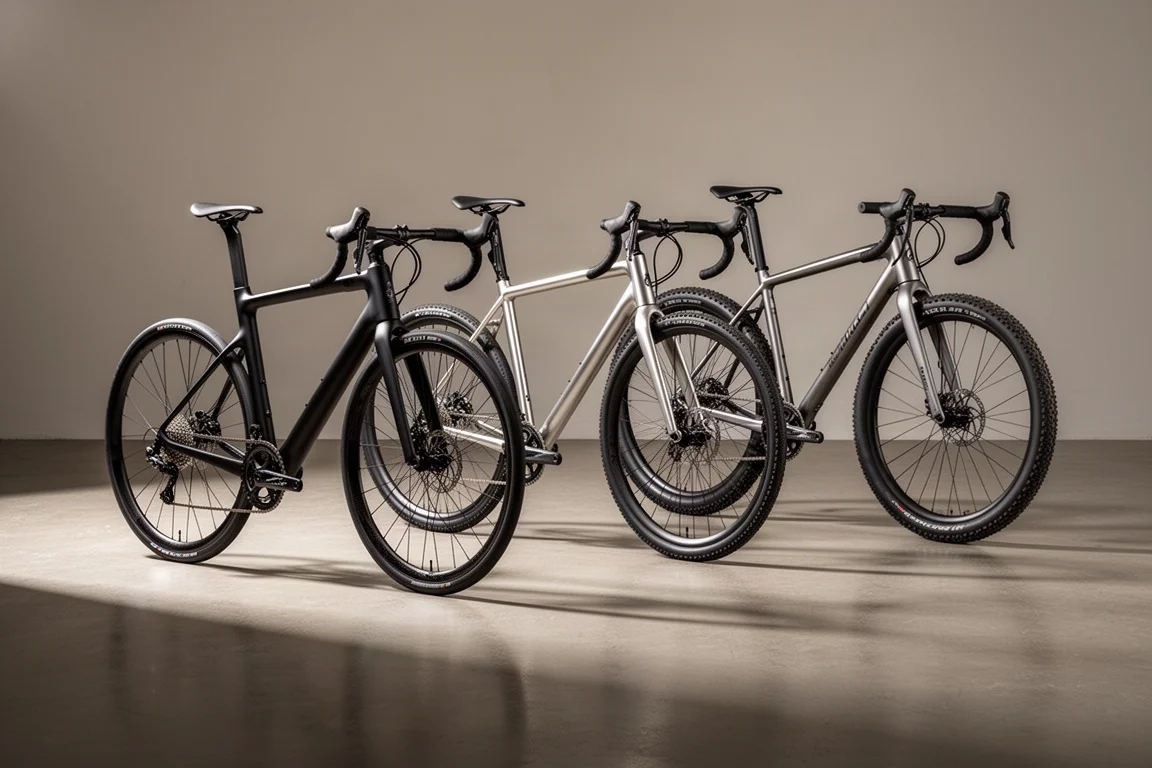
There is a persistent assumption that a serious road bike requires a serious outlay. It does not. Around the 2,000 mark there are bikes capable of road racing, gran fondos, and everyday riding for fun and fitness. The seven options below all sit in that band, and each makes a slightly different set of trade-offs to get there. Some prioritise frame quality, others components, and one or two bend the definition of a road bike entirely.
What to Expect at This Price Point
Two decisions shape everything else: frame material and groupset.
Carbon is within reach, but the frames at this price are heavier than flagship versions. Where a top-end frame might weigh around 700g, the carbon here is more likely to sit between 900g and over a kilogram. From the outside the finish can look identical, so the difference is better judged by weight and ride feel than by appearance.
Aluminium, often shortened to alloy, is the other common option, and it should not be dismissed. Modern alloy frames offer genuinely good ride quality, plenty of stiffness for racing and low weight. Some alloy frames are as light as, or lighter than, a cheaper carbon frame.
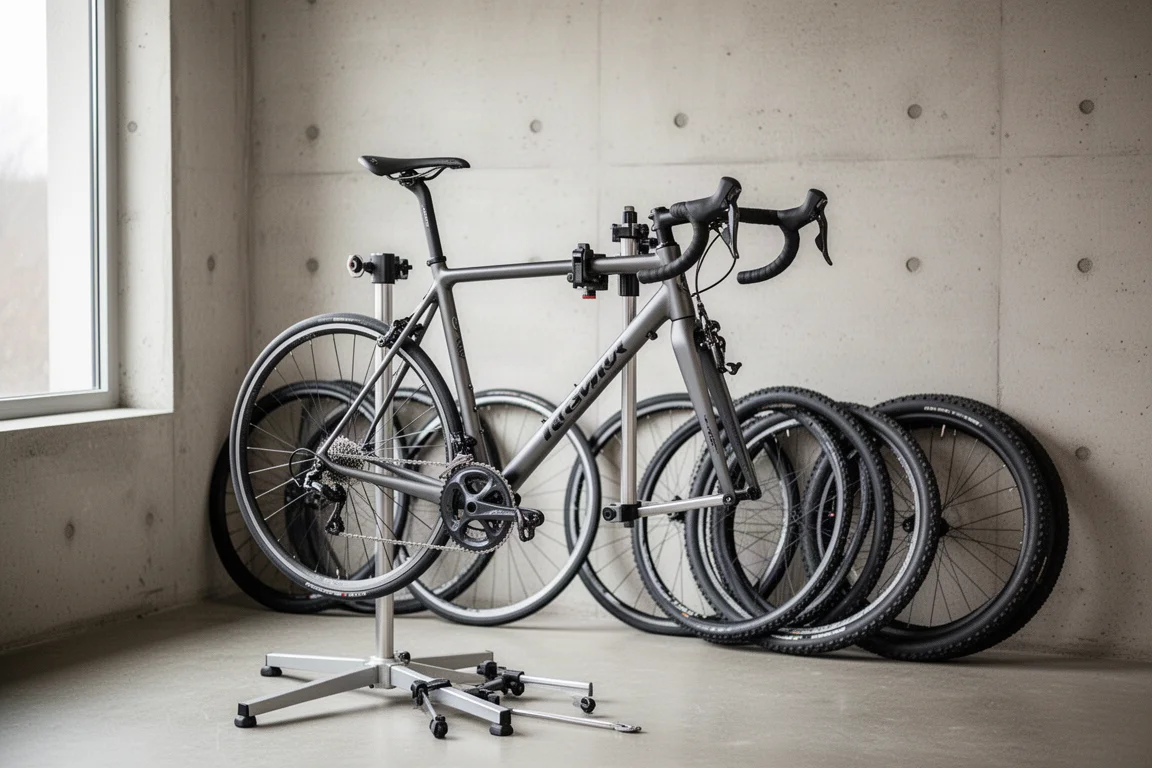
On components, Shimano is effectively the only game at this price. Neither SRAM nor Campagnolo appears in any meaningful way. Within Shimano the range runs from Ultegra mechanical at the top down through 105 to Tiagra. The rest of the build is where the compromises land: wheels, tyres, seat post, saddle, handlebar and stem. Those are also the easiest places to upgrade later, and wheels and tyres usually return the most performance and comfort per pound spent.
Giant TCR Advanced 1
The TCR Advanced 1 is the value benchmark here. It pairs a carbon frame and fork with Shimano Ultegra 11-speed mechanical shifting and hydraulic disc brakes. That is the previous generation of Ultegra rather than the newer 12-speed electronic version, but it remains a superb groupset: crisp shifting, strong brakes, and no battery to charge. It simply works.
The frame accepts 32mm tyres and runs internal cable routing for most of its length. Wheels and tyres are tubeless ready, and this is the obvious upgrade point. Fitting a set of deeper section carbon wheels would turn it into a bike that is equally at home racing or on a sportive. Ride quality is excellent and the overall package is hard to fault at this price.
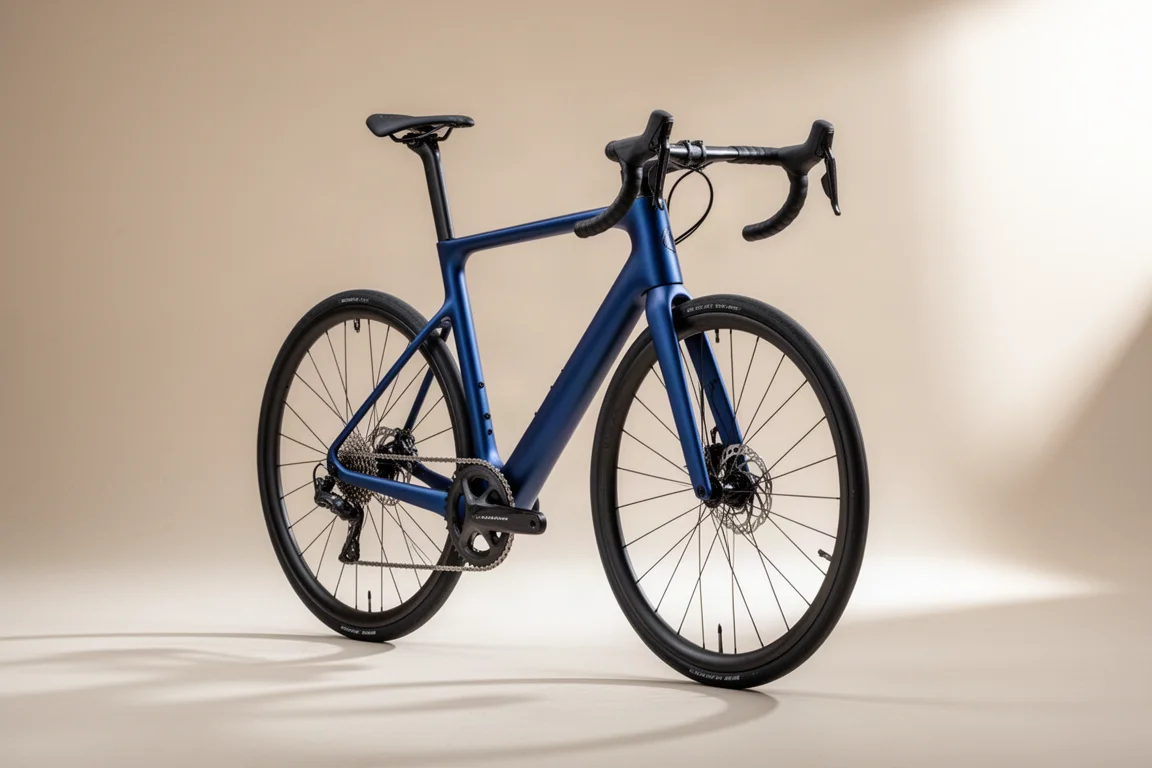
Canyon Endurace
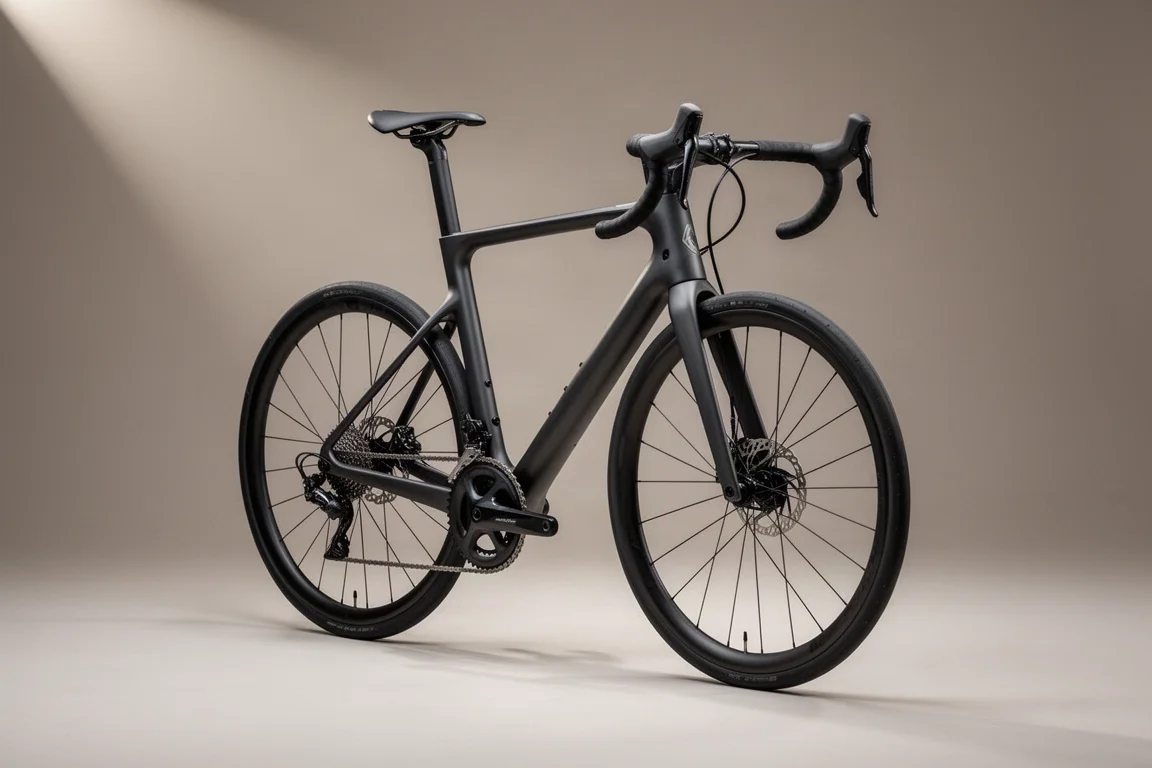
Canyon has built a strong reputation for value, quality and performance, and the Endurace is a clear example. This build pairs a carbon frame with Shimano 105 disc brakes and mechanical shifting, a combination that is difficult to beat at this price.
The Endurace is an endurance bike, as the name suggests. The geometry is more relaxed than a race bike, producing a more upright fit that suits long rides, sportives and gran fondos.
Tyre clearance extends to 35mm, which opens up a wide range of options for a smoother, more comfortable ride on imperfect surfaces.
Canyon Ultimate
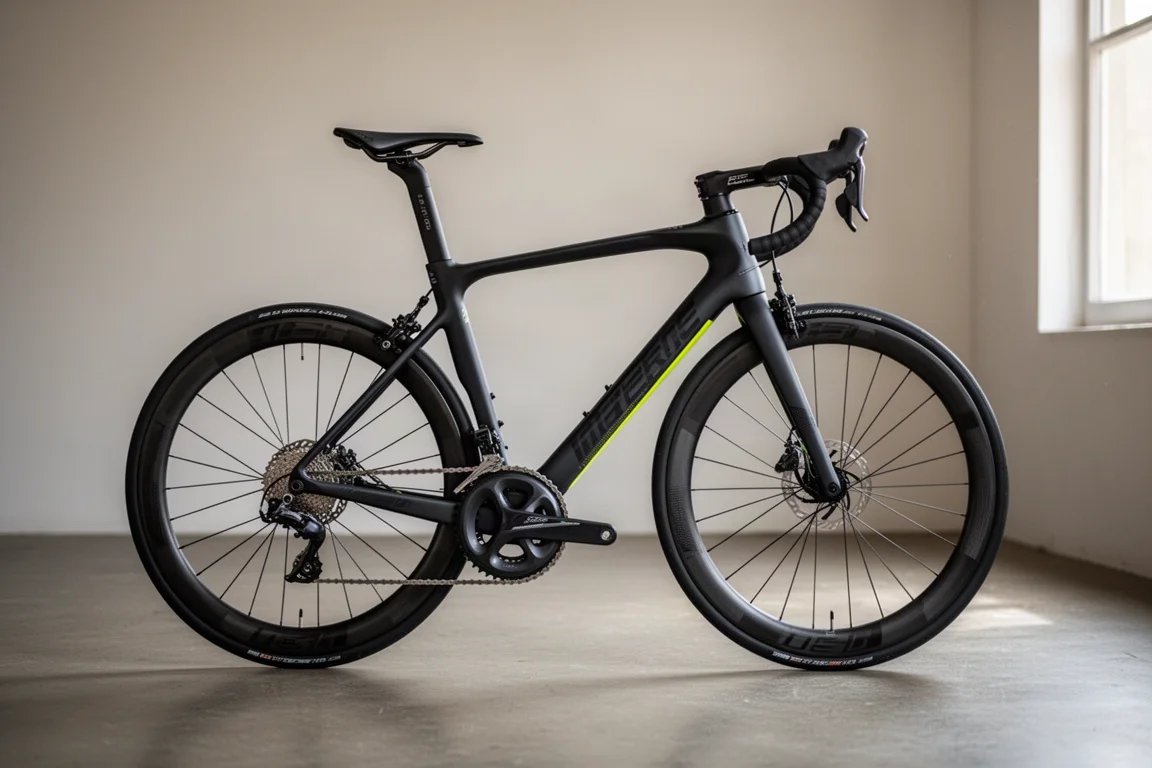
The Ultimate is Canyon’s flagship race platform, and the cheapest complete build sits slightly above this price band. Spending roughly 150 more gets an entry-level Ultimate that shares the carbon frame approach of the Endurace but takes a different direction on geometry.
The Ultimate has a shorter head tube for a lower stack and a slightly longer reach, producing a more stretched, more aerodynamic position. Whether that suits you depends on how you ride. For racing, the Ultimate is the sharper choice. For gran fondos and riding for fun or leisure, the Endurace is likely the better fit, particularly with its wider tyre clearance.
Trek Emonda AL4
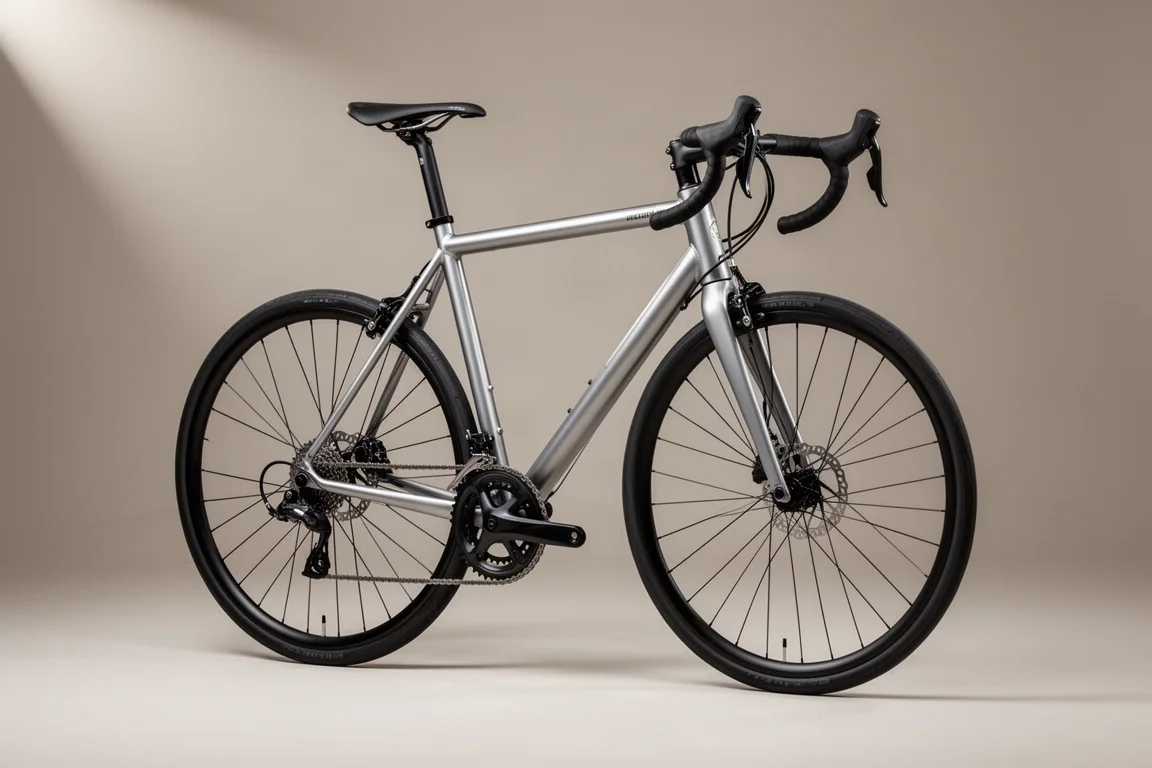
Trek does not offer a carbon road bike in this price range. Instead, its strongest option here is the Emonda AL4, which uses an aluminium frame at 1,750, well under the budget. The Emonda is Trek’s lightweight platform, carbon at the top and aluminium at the lower end, and Trek is one of the few brands still investing seriously in aluminium.
The trade-off is the groupset. Shimano Tiagra is Shimano’s fourth tier, sitting below 105 and Ultegra. It is a 10-speed mechanical setup with hydraulic disc brakes. It sounds heavier than the groupsets above it, and it is, but performance, functionality and ergonomics are all fine. Tiagra is a reliable workhorse and should not be dismissed.
On paper the Emonda is not as strong a value as the bikes already covered, but it costs less, and aluminium appeals to riders who want something more resilient. The handling is a highlight: the geometry is essentially the same as the higher-end carbon Emonda, so it rides well, just with a slightly heavier overall package. Wheels and tyres are the usual upgrade path if you want a flashier, sportier feel.
Specialized Diverge Elite E5
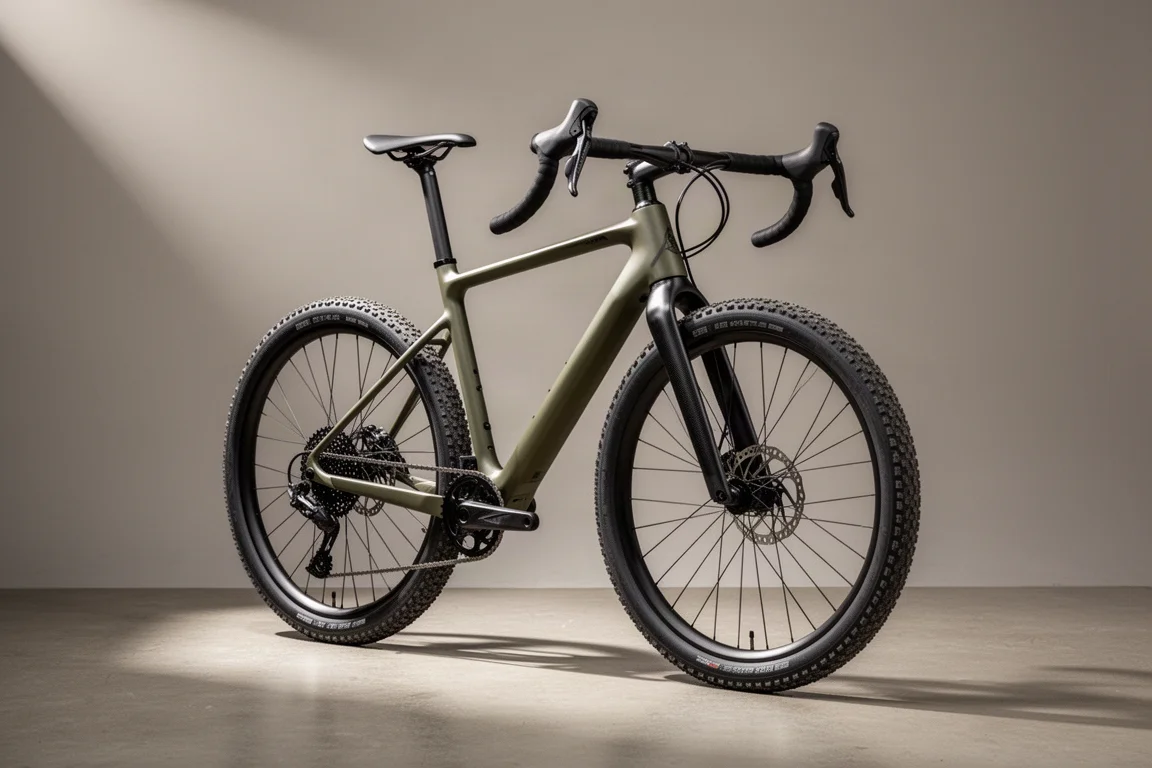
Specialized does not sell a complete road bike at this price. There is no Tarmac or Allez build in this band, although an aluminium frame can be bought on its own. The Diverge Elite E5 instead comes from the gravel and adventure line, and that turns out to be a useful curveball.
The build uses an alloy frame, a carbon fork and no Future Shock suspension. The groupset is Shimano GRX 400, with hydraulic disc brakes and mechanical shifting.
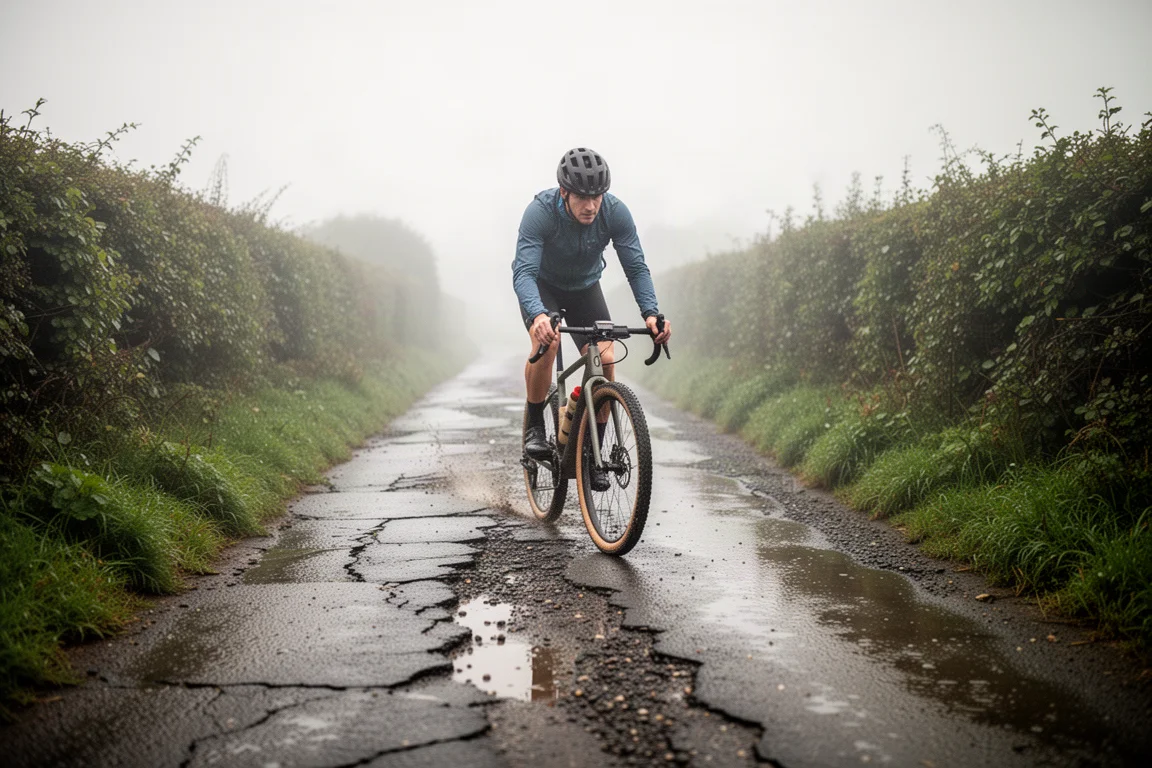
It is a different proposition from a race bike: fat slick tyres, a more upright position and easier gears. On rough or poorly maintained tarmac, narrow lanes, and wet or wintry surfaces, that combination makes a lot of practical sense. If comfort and long distance matter more than racing and marginal gains, this is a serious contender.
Vitus Zenium CRS
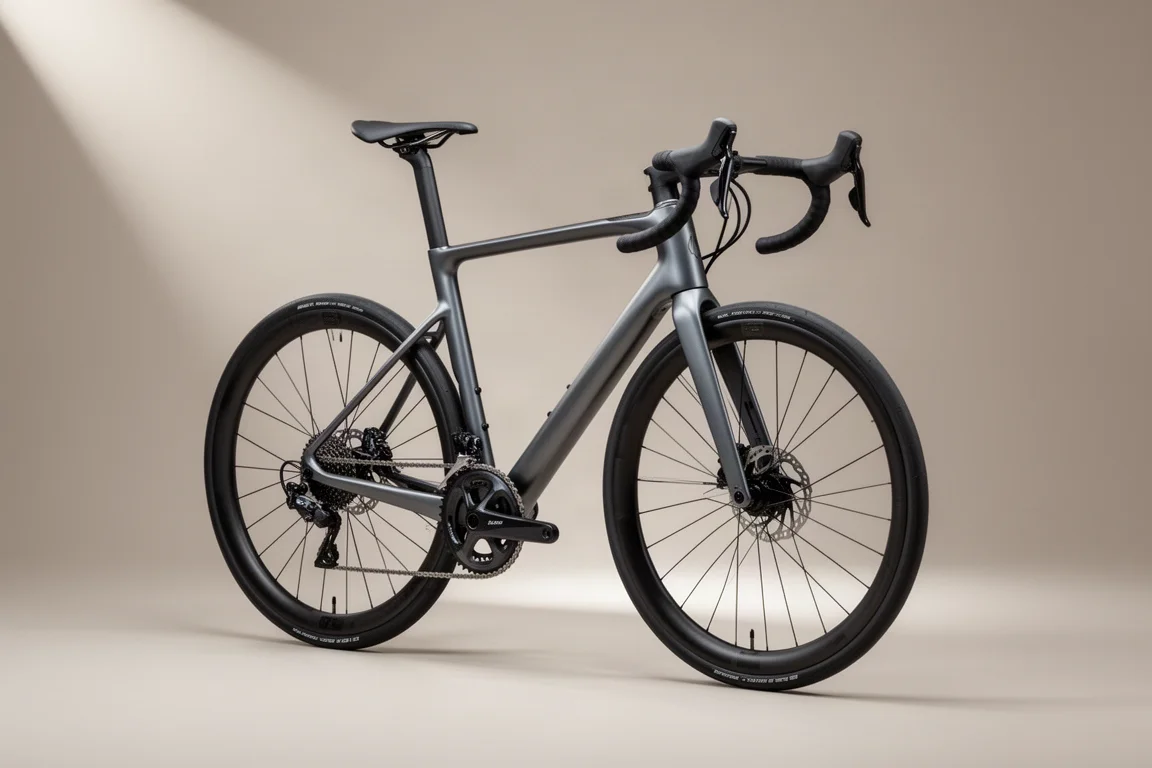
Vitus is a house brand with a strong record on value and a line of sleek-looking bikes. The Zenium CRS fits this category neatly. The frame is UCI certified, so it is eligible for racing, and there is clearance for 32mm tyres, which gives a useful cushion on rough roads and effectively maxes out comfort for a race-oriented bike.
Because it is sold direct, you can order online and have it delivered to your door in a box, anywhere in the world. Regular sales mean the effective price is often lower than list.
Rose Pro SL Disc
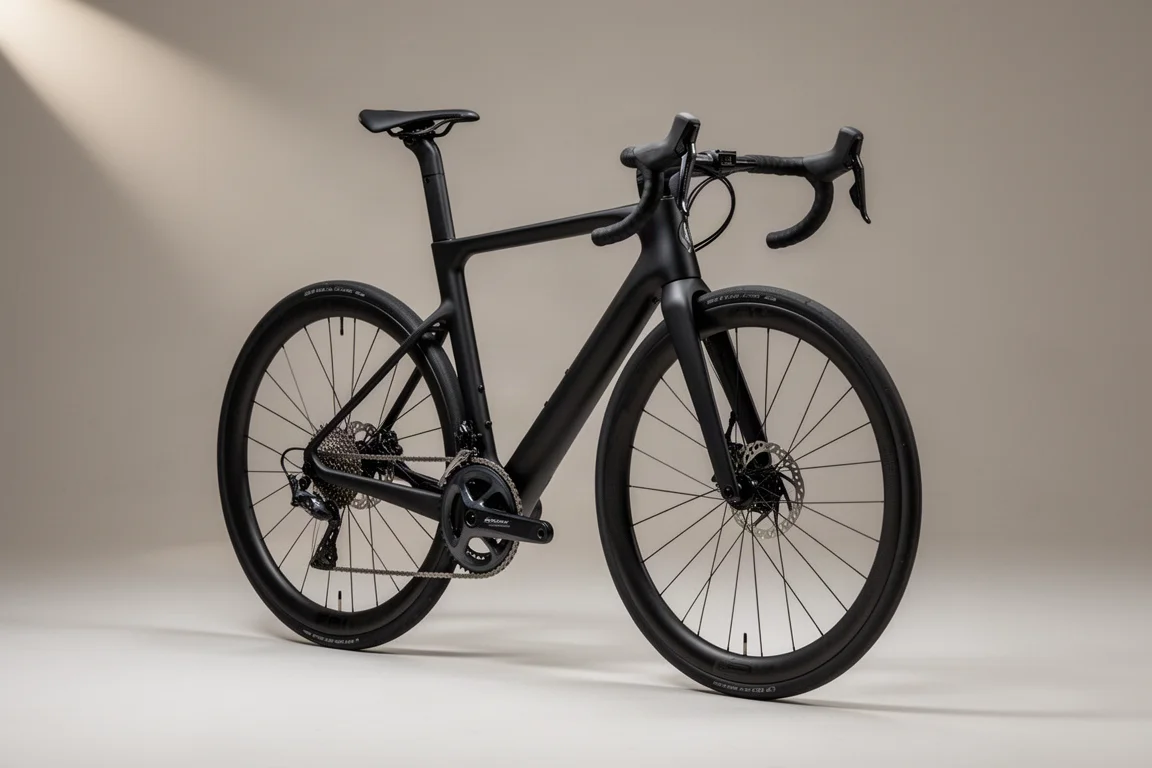
Rose is a German brand that has quietly built a reputation for well designed, good value bikes, and it often flies under the radar. The Pro SL Disc is a strong pick from its range, and it arrives with a carbon frame that looks considerably more expensive than it is.
Its standout feature is full internal cable routing, something usually reserved for high-end bikes, and the only instance of it in this roundup. There is also an internal seat clamp, which keeps the lines clean and reinforces the high-end look. The groupset is Shimano Ultegra 11-speed mechanical with hydraulic disc brakes, the same as the Giant TCR Advanced 1 and still one of the best mechanical setups you can buy. Not the newest 12-speed electronic generation, but more than enough for the vast majority of riders.
Buying Advice
The right choice depends on which compromise you would rather live with.
If outright value and component quality matter most, the Giant TCR Advanced 1 and the Rose Pro SL Disc stand out, combining carbon frames with Shimano Ultegra mechanical shifting and hydraulic disc brakes.
If comfort and long-distance riding are the priority, the Canyon Endurace and the Specialized Diverge Elite E5 are the stronger fits, with more upright positions and wider tyre clearance. The Endurace leans toward road riding, while the Diverge leans toward versatility on poor surfaces.
If racing is the goal, the Canyon Ultimate offers a more aggressive, aerodynamic position, though it sits slightly above the price band. The Vitus Zenium CRS is a well-rounded, race-capable option with UCI certification and a direct-to-door buying model.
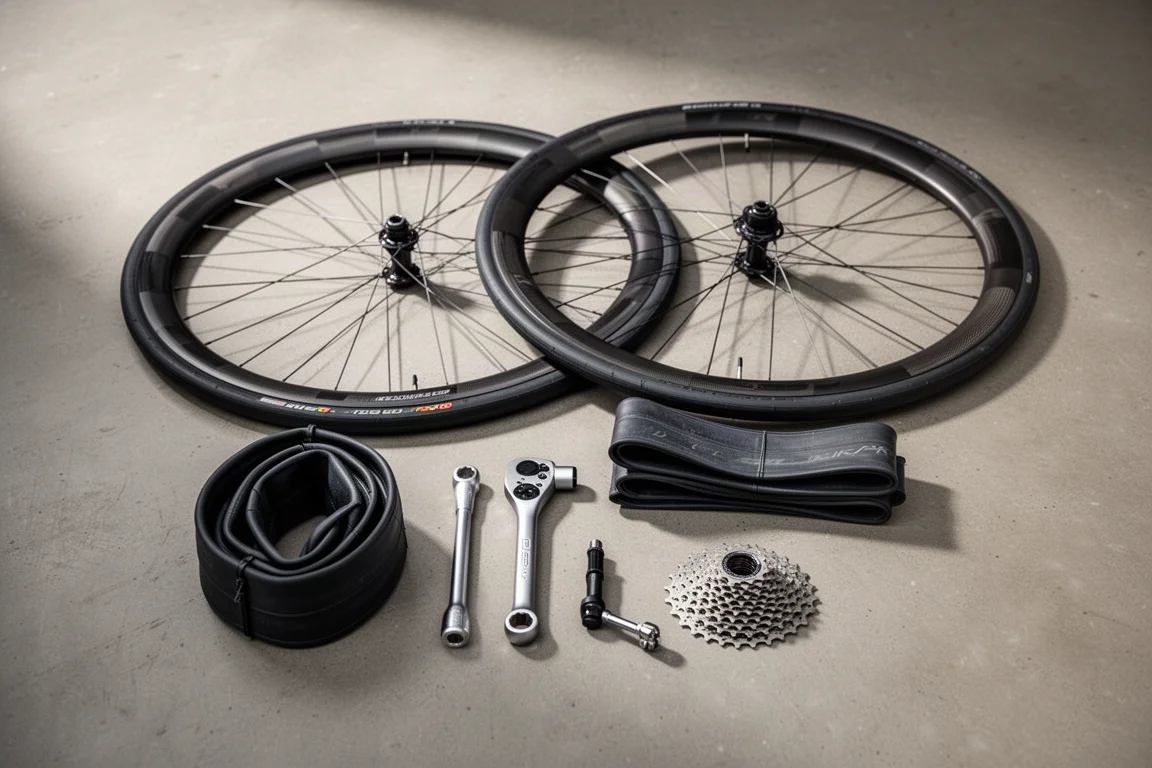
And if budget discipline or durability matters more than the specification sheet, the Trek Emonda AL4 undercuts everything here with an aluminium frame and a reliable Tiagra groupset, plus handling inherited from a much more expensive platform. Across all seven, wheels and tyres remain the most effective upgrade, and it is rare that a bike at this price cannot be meaningfully improved with a better wheelset.
Conclusion
You do not need to spend five figures to get a road bike that performs. The bikes here cover a range of priorities, from value-led carbon builds to aluminium workhorses and gravel-adjacent all-rounders, and each one makes a defensible case at this price. Matching the bike to how you actually ride matters more than chasing the highest specification on paper.
Further reading
Related Reviews

Road Bikes
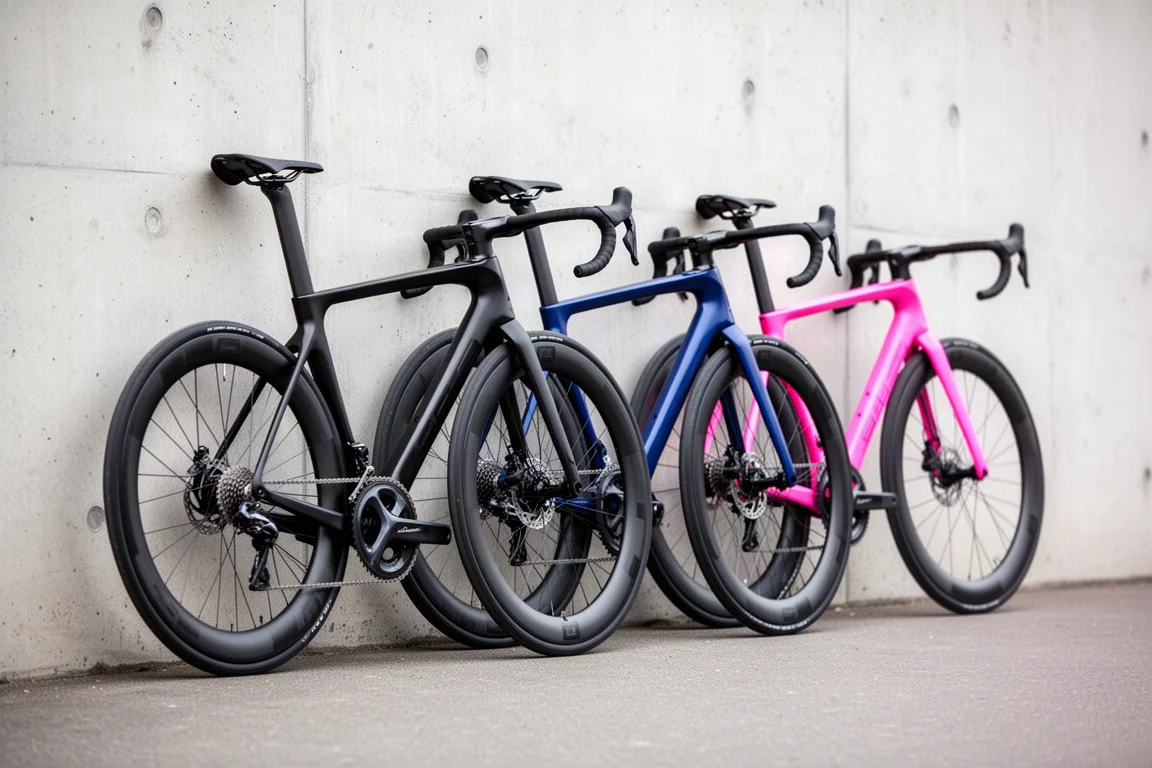
10 New Road Bikes Worth Watching: Aero, Titanium, Steel and Endurance Standouts
A practical roundup of 10 new road bikes, from aero flagships chasing single-watt gains to titanium, steel and endurance platforms built for real roads.
Road Bikes
2026 Tour de France Road Bikes: Six Race Machines Worth a Closer Look
Six race bikes from the 2026 Tour de France grid, reviewed for paint, silhouette, wheels and the specification details that matter to buyers.
Road Bikes
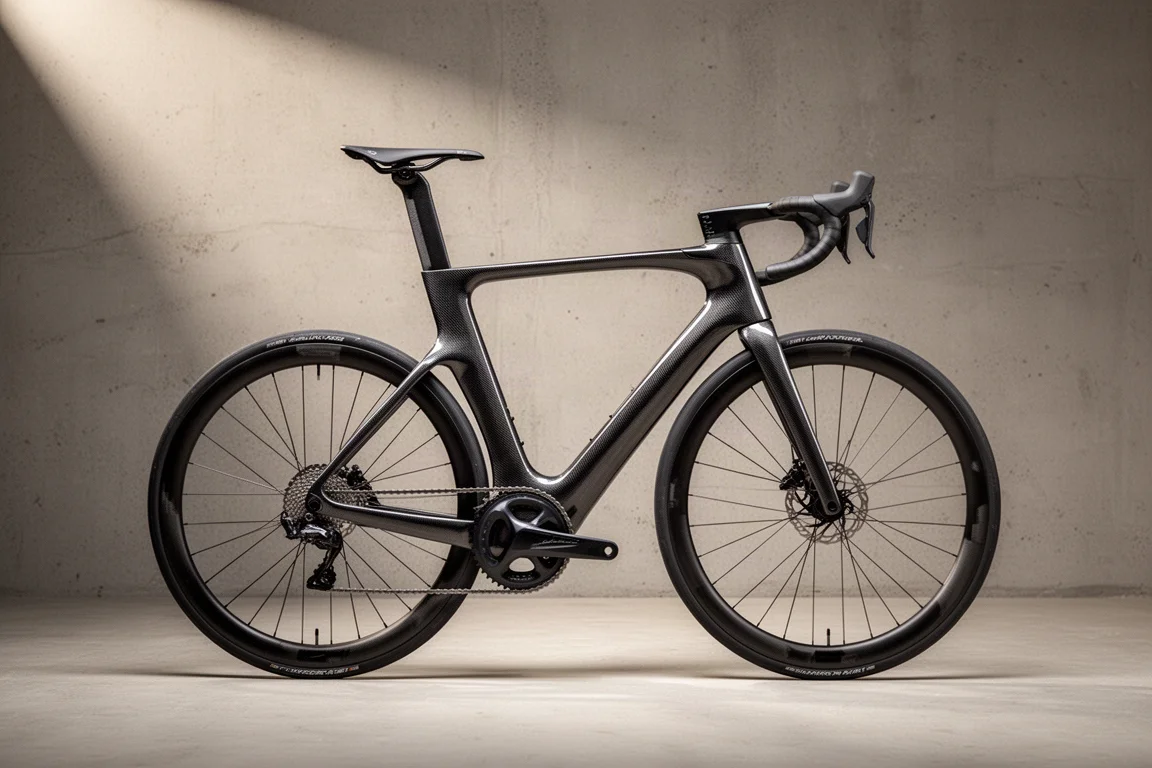
3T Strada Italia Review: A Radical Aero Road Bike That Rides Smooth
A made in Italy carbon aero road bike with a deep head tube, wide tire clearance and a genuinely comfortable ride. Here is what to know before buying.