Road Bikes
Best Road Bikes Around £1,000: Seven Models Worth a Closer Look
A practical look at seven road bikes in the popular sub-£1,000 bracket, from alloy commuters to carbon-framed sportive machines.
Introduction
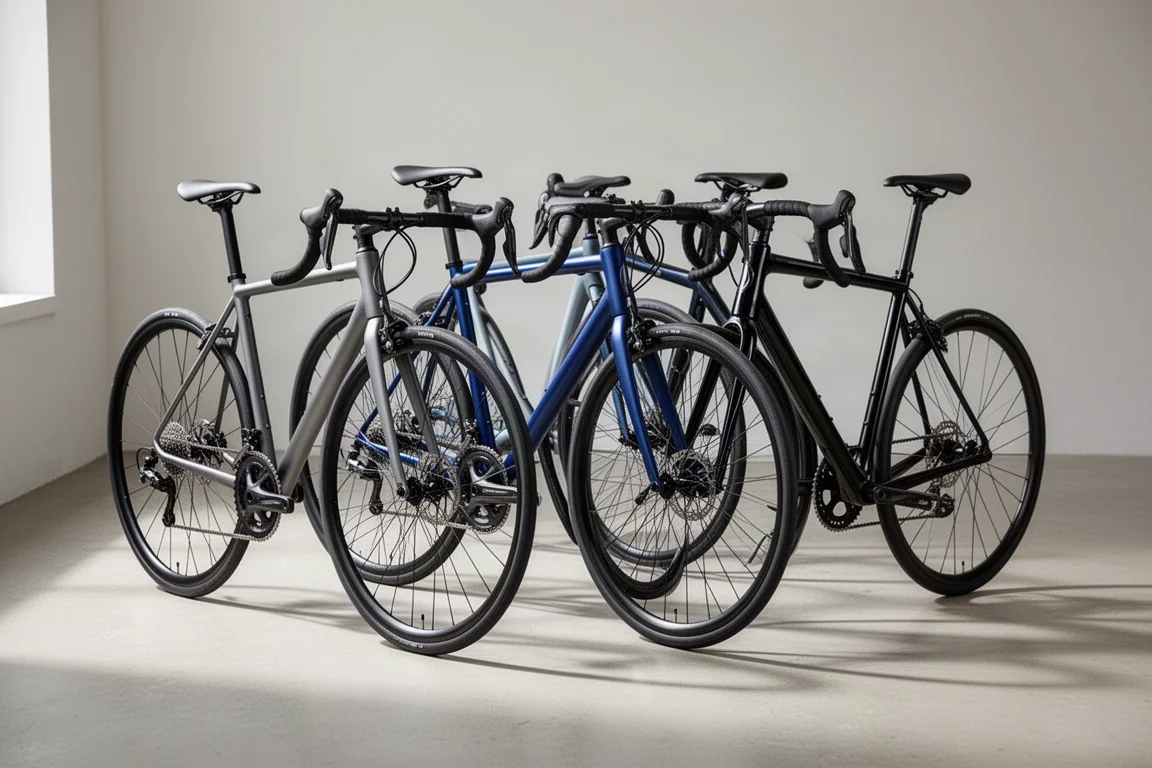
The sub-£1,000 road bike bracket is one of the busiest in cycling, and it is also one of the most rewarding to shop in. Carbon forks, light alloy frames and slick drivetrains are now the order of the day at this price, which means buyers can expect genuine performance rather than an apology for the budget.
The seven bikes below take noticeably different routes to the same price point. Some use full carbon frames, others refine aluminium to a very high standard, and drivetrain choices range from Shimano Claris up to 105. Here is what each one does well and where the compromises sit.
What to Expect From a Road Bike at This Price
The defining feature of this bracket is the frame. Carbon fibre appears on a couple of models here, while others pair a well-built alloy frame with a carbon fork, which is a generous specification at this money. Build weights across the group land somewhere between roughly 9.6 kg and 10.3 kg, which is light enough to make longer climbs and big days out noticeably easier.
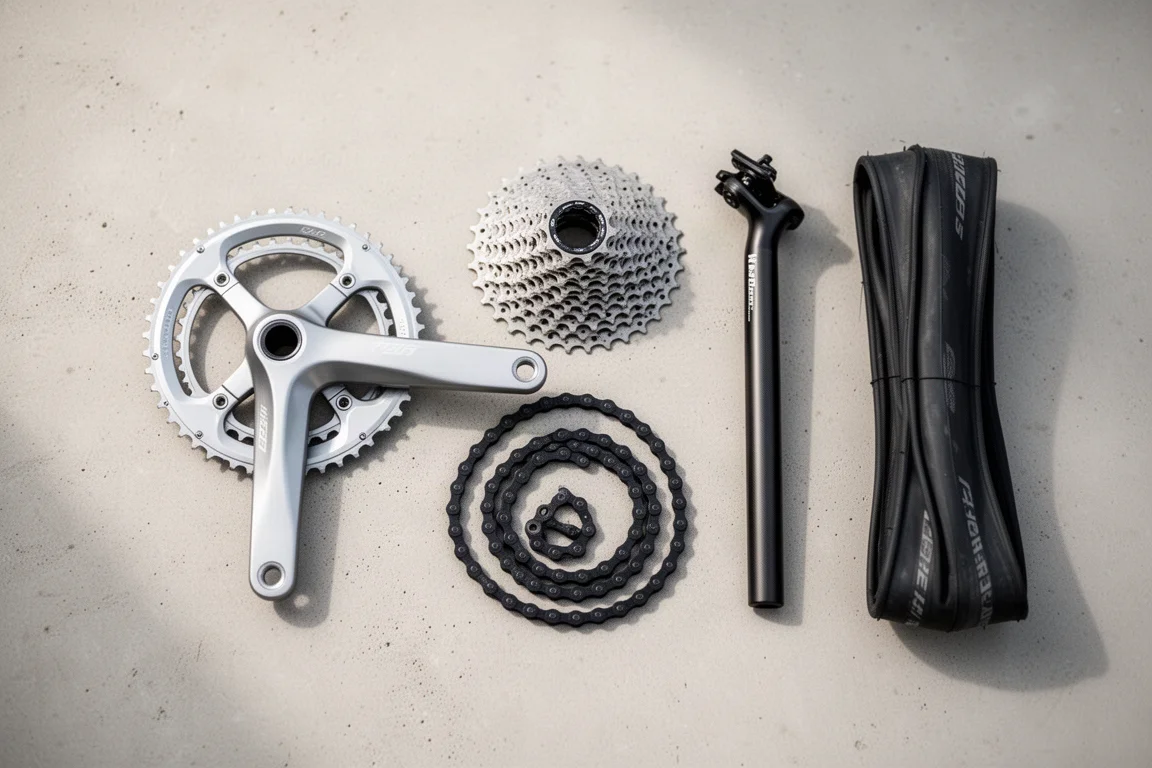
Drivetrain choice matters just as much as the frame. Shimano 105 sits at the sharp end, Tiagra occupies the middle ground, and Claris 8-speed trades a narrower spread of gearing for proven reliability and simple maintenance. Brakes split between disc and rim, and both approaches can work well when the components are chosen carefully rather than fitted to hit a price.
Wheels and finishing kit are usually where the savings show up, yet several of these bikes still manage branded wheelsets, decent tyres and thoughtful details. The sections below cover what each model delivers and where the money has been spent.
Vitus Zenium
The Zenium is one of the few genuinely carbon-framed options in this bracket. The sleek carbon frame keeps overall weight down to around 9.6 kg, and it is extremely stiff, so power transfer through the Shimano Tiagra drivetrain feels excellent. Riders who want sharper, more precise shifting may prefer a 105-equipped alternative, but Tiagra is what keeps the price where it needs to be.
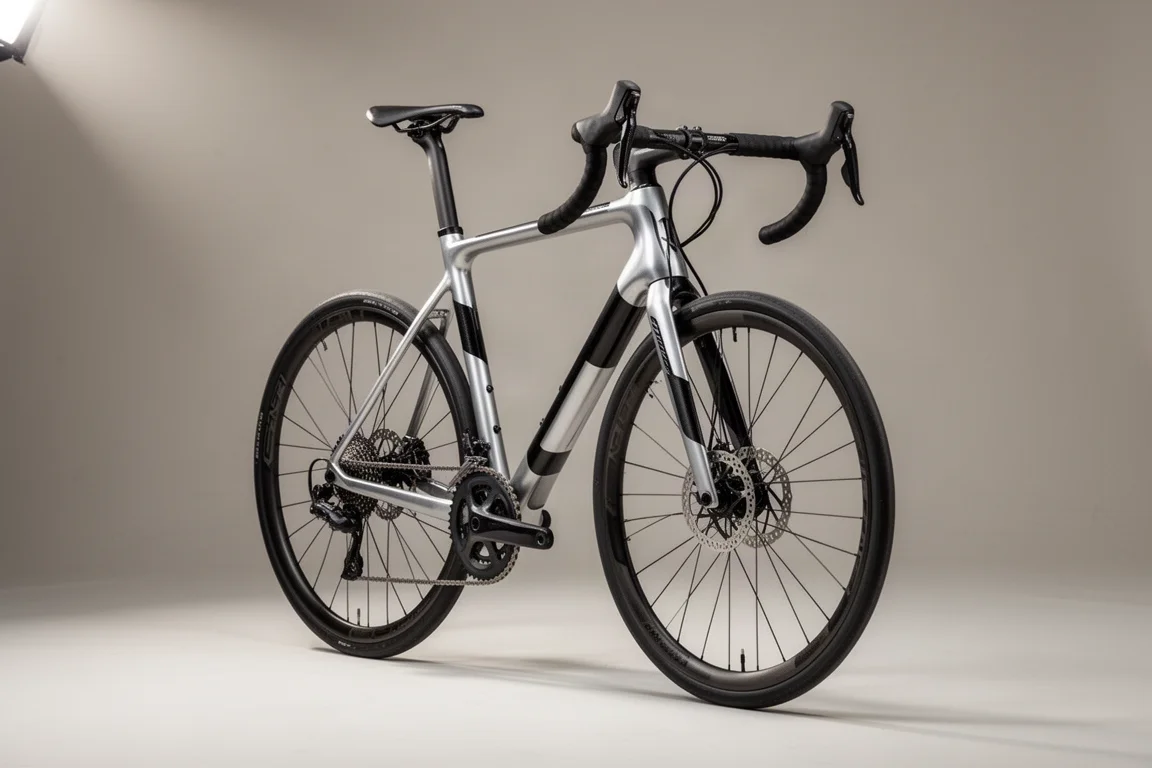
Vitus now supplies its own wheelset on this model, and it is both light and strong, replacing the middling Shimano wheels used previously. A refreshed silver and black paint finish gives it real presence, and the combination of punchy disc brakes with a generally excellent finishing kit makes the Zenium a machine that is genuinely enjoyable to ride fast on the open road.
Boardman SLR 8.9 C
Boardman has been hitting the mark year after year in this price bracket, and the full carbon SLR 8.9 C is another strong entry. The frame has been tested inside Chris Boardman’s own wind tunnel, which means innovations found on the brand’s top-of-the-range bikes reach a far more affordable machine.
There are compromises, as there must be at this price. The Tektro R315 brakes and Shimano Tiagra gearing are good rather than exceptional, and neither is as sharp as 105 or Ultegra. Even so, this is a rapid bicycle that would be just as happy punishing a daily commute as it would be goading more expensive bikes on a weekend competitive ride.
Vitus Razor
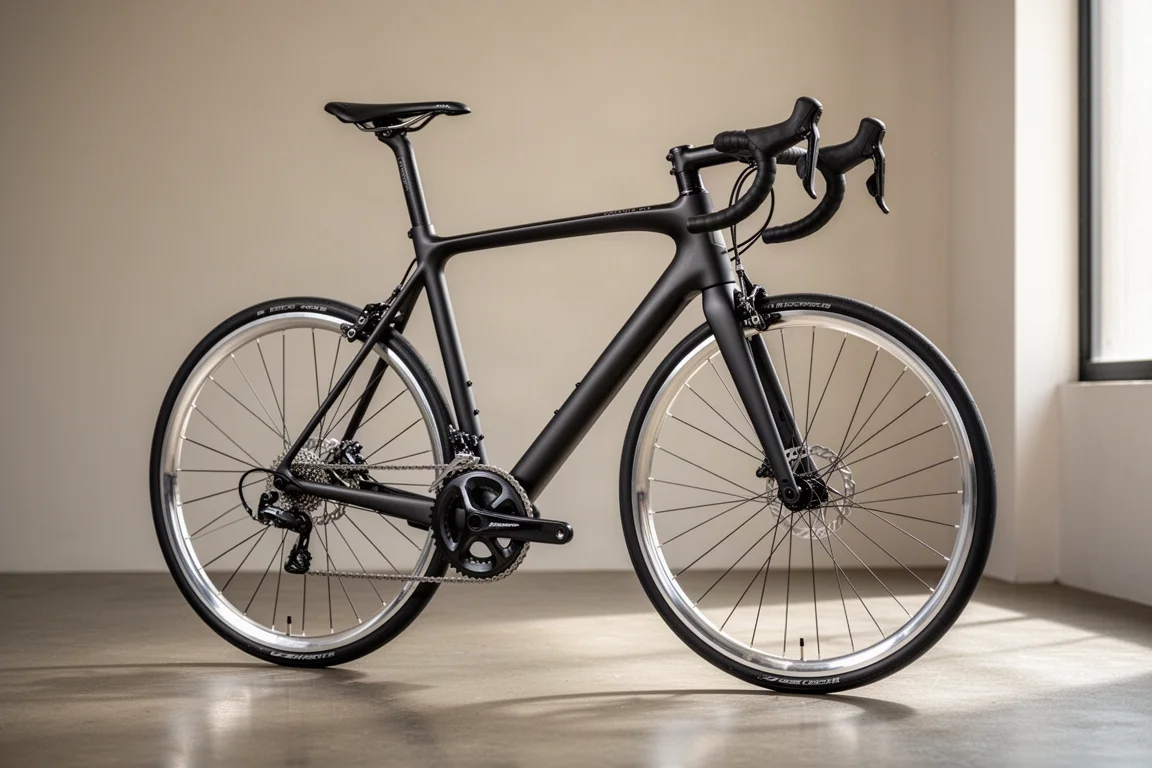
The Razor is built around an aluminium frame that is both light and extremely durable, paired with carbon fibre forks, which is a generous touch at this price point. At around 10.3 kg it is slightly heavier than the carbon-framed bikes here, but it is still no heavyweight, and the lack of heft makes a real difference when it comes to tackling big climbs.
The overall geometry is fairly forgiving, placing comfort ahead of outright performance, which suits riders who want to spend hours in the saddle. Shimano’s Claris 8-speed does not offer the widest spread of gearing, but the technology has proven robust and reliable, so maintenance should be straightforward. Pricing on this model tends to fluctuate through the year, so it is worth keeping an eye on.
Carrera Vanquish
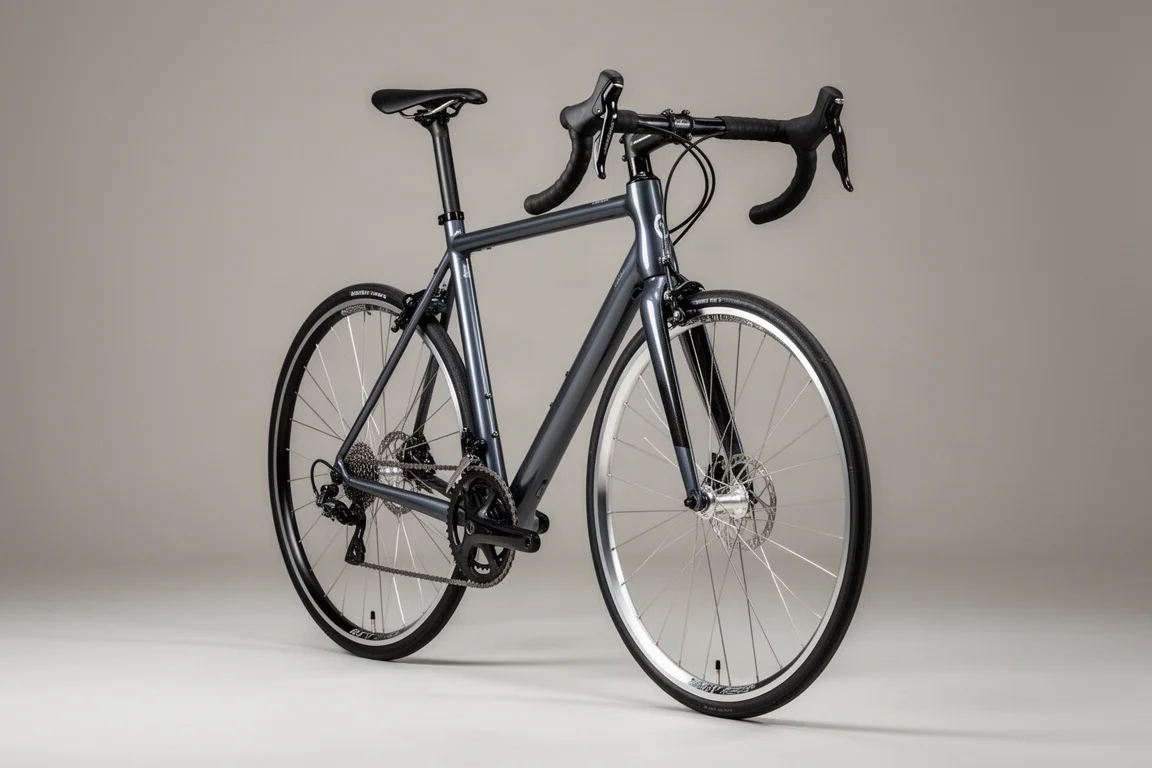
The Vanquish is a good illustration of how an older model can carry a better specification than a newer one for the same money or less. It has moved away from disc brakes in favour of cheaper Tektro pivot rim brakes, and it runs a 16-speed groupset built from some of Shimano’s most popular components.
At around £375 it is a genuine bargain buy, and it does not look half bad either. The thing to weigh up is longevity, because some of the components here are likely to give up before the buzz of fast road riding wears off.
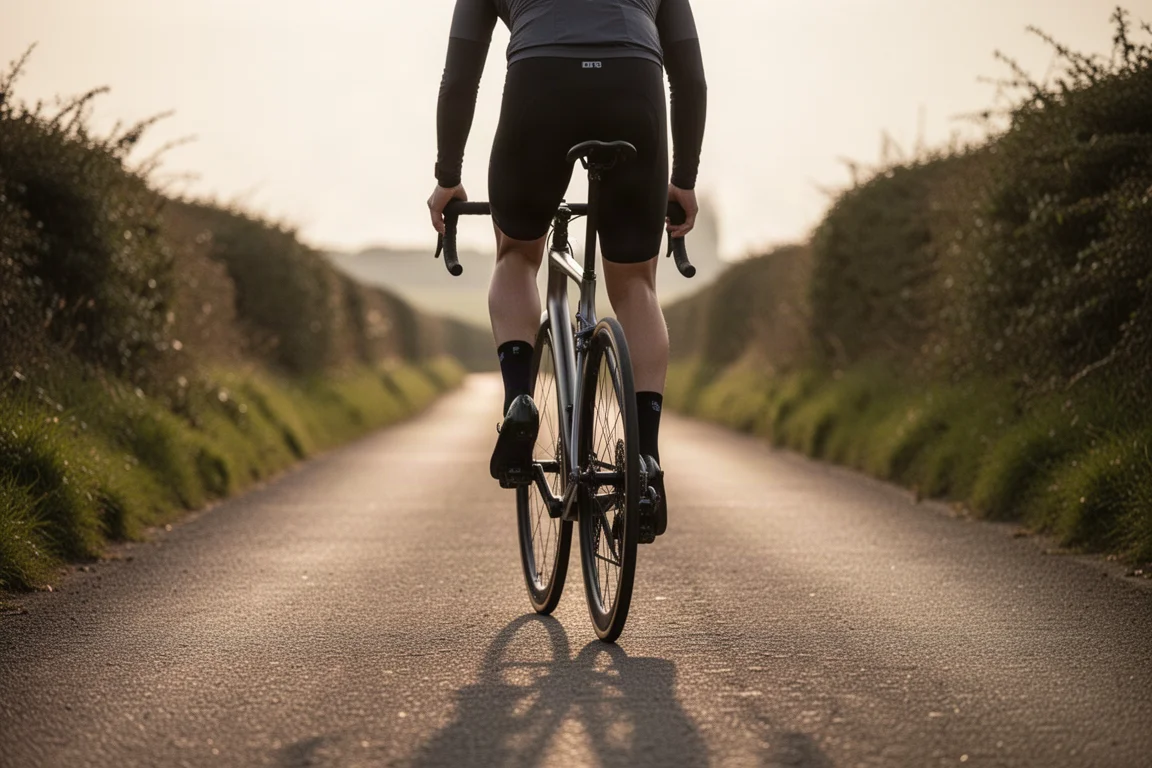
For riders using a bike like this mainly for commuting, training loops and fair-weather weekend miles, the value is hard to argue with, provided rim brakes and a simpler groupset fit the way you ride.
Trek Domane
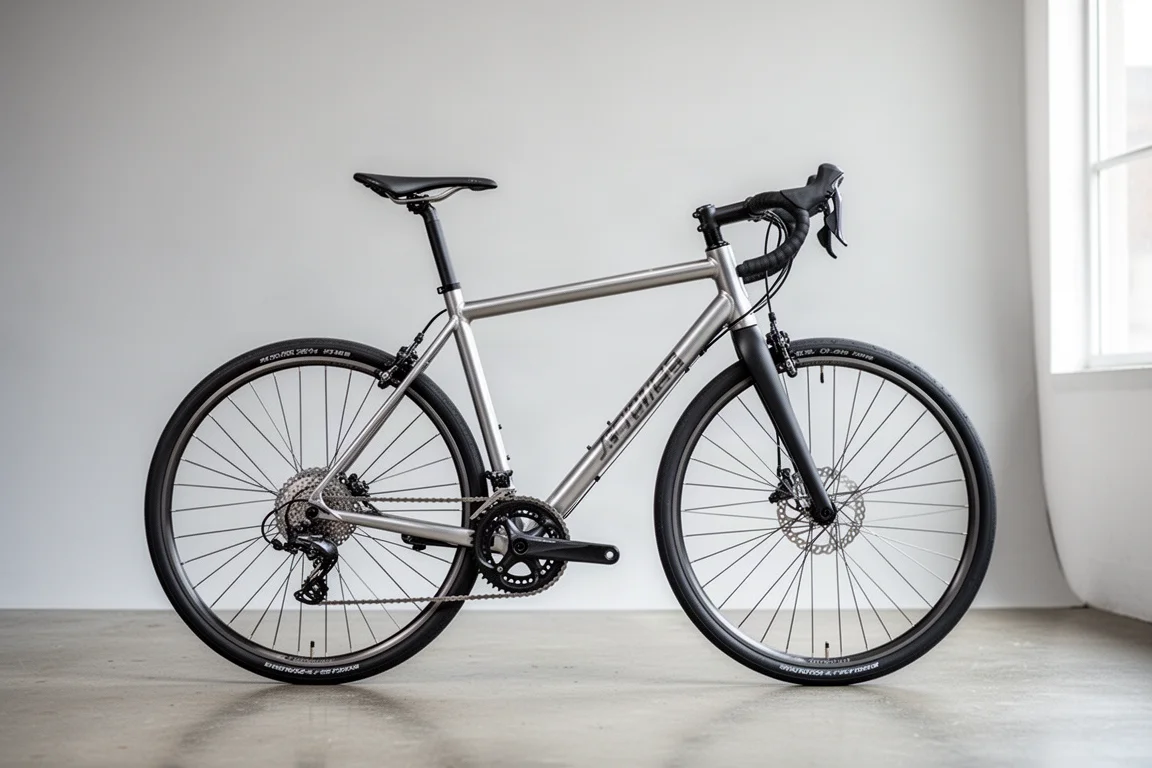
Many of the components on the entry-level Domane are similar to other affordable models on this list, but the additional money is plowed into Trek’s expertise in creating fast frame shapes. The geometry is aimed squarely at riders who want to increase the pace of their longer rides without giving up comfort along the way.
Branded Bontrager R1 Hard-Case Lite 700 wheels raise this machine slightly above several of its rivals here, and the overall package is a sensible choice for anyone who wants a proven platform for longer, quicker days in the saddle.
Cannondale CAAD Optimo
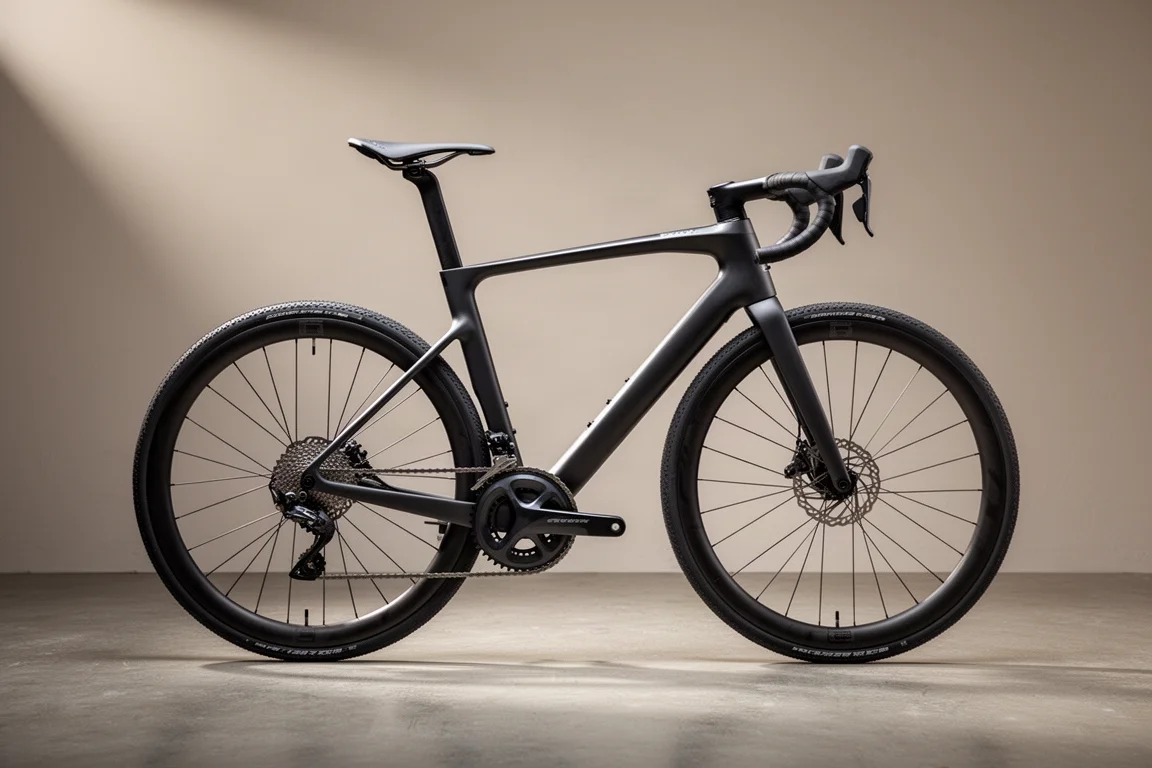
The CAAD Optimo uses Cannondale’s SmartForm C2 aluminium construction, created with the brand’s Tube Flow Modelling design process. The result is a frame that is lighter than other similarly priced premium alloy offerings and offers more feel through the bars, which makes it sharp, fast and responsive to inputs.
That comes as little surprise given Cannondale’s long history at the forefront of professional bike racing. The geometry is similar to the much more expensive SuperSix Evo, offering proper performance without sacrificing comfort. The Shimano 105 groupset is excellent, though the Tektro R741 caliper rim brakes feel a little stingy and the styling may be too plain for some tastes. The money clearly goes into the frame, and it is one of the sweetest aluminium frames available, with a lighter carbon fork now part of the package.
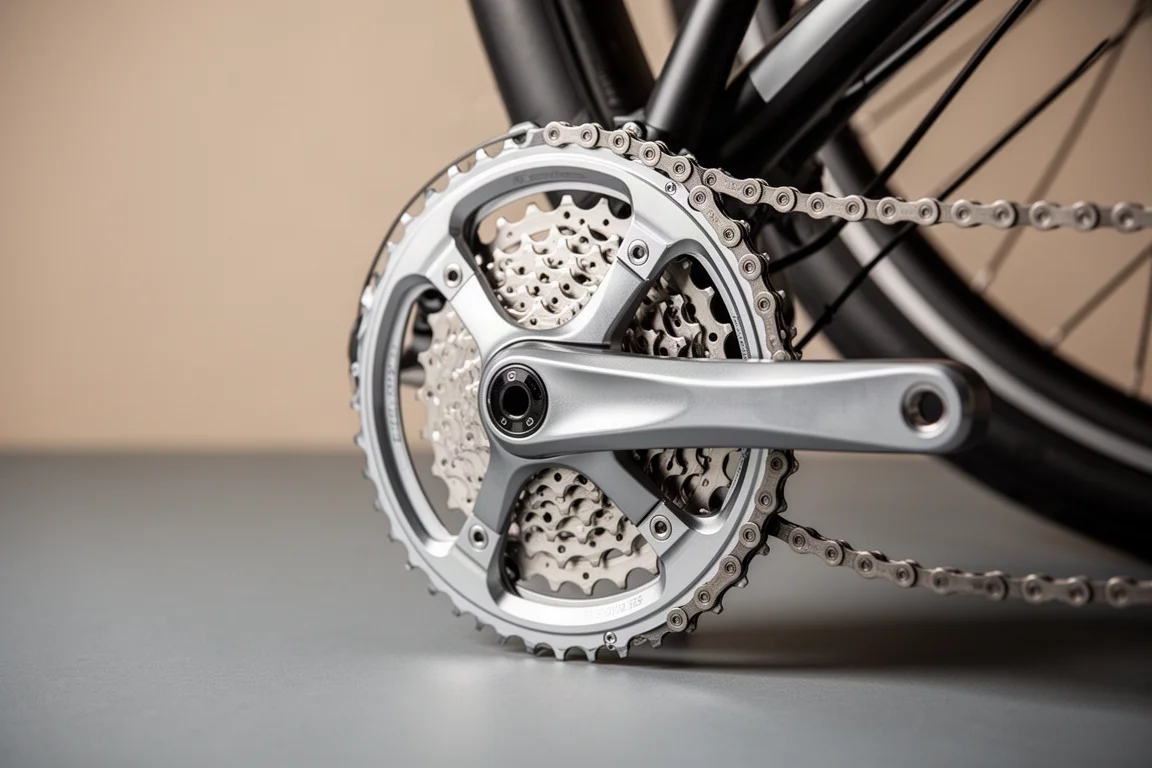
For riders who want alloy performance with a race-adjacent feel, the CAAD Optimo is the sharpest-handling option on this list, and the 105 drivetrain gives it a real edge over several rivals.
Cube Attain
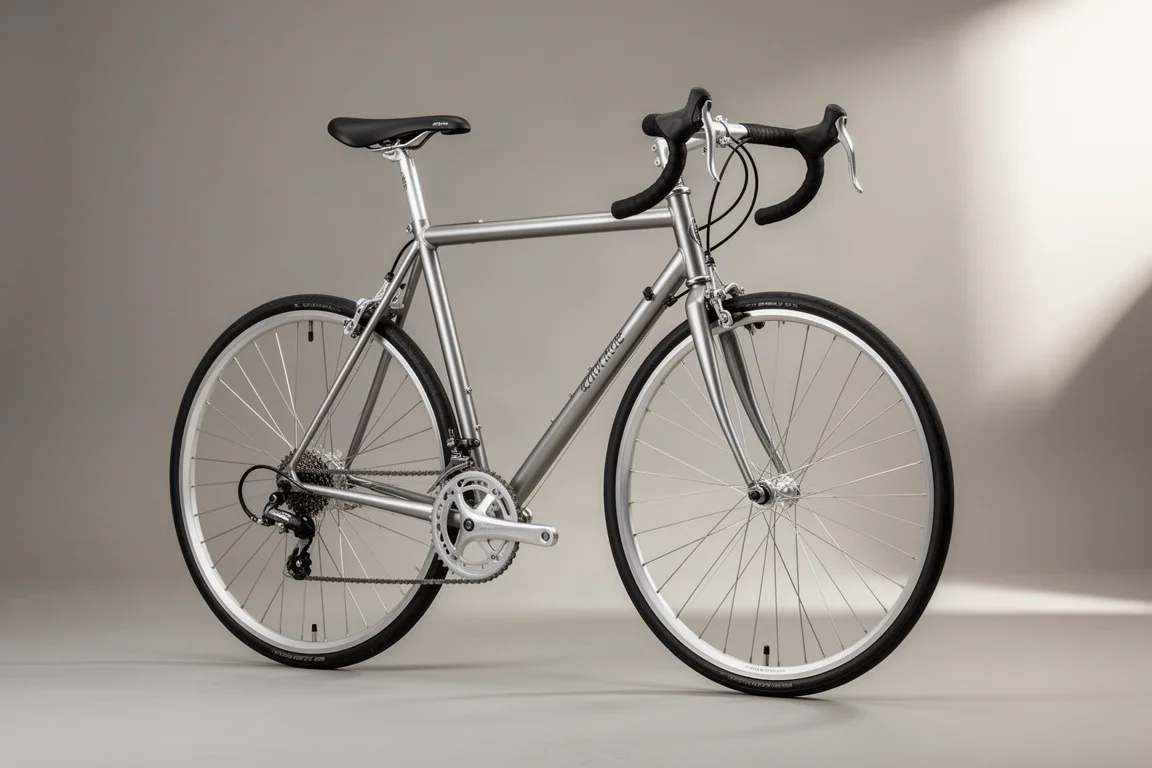
The Attain looks like a bike that wants to go fast, and it has the muscle to back that up. Oversized tubes and a beefy bottom bracket make it stiff and purposeful, yet it somehow manages to remain pretty comfortable over longer distances, which is a difficult balance to strike.
A full carbon front fork reduces weight somewhat, and the finishing kit has been revisited, with disc brakes included, which is generous at this price. The main criticism is the Shimano Claris 8-speed transmission, which feels a little cheap when bolted to a frame of this stature; buyers who are fussy about shifting will want to spend a little more. Overall it is a great road bike that ticks plenty of boxes.
Buying Advice
Choosing between these bikes comes down to three decisions: frame material, drivetrain and brakes.
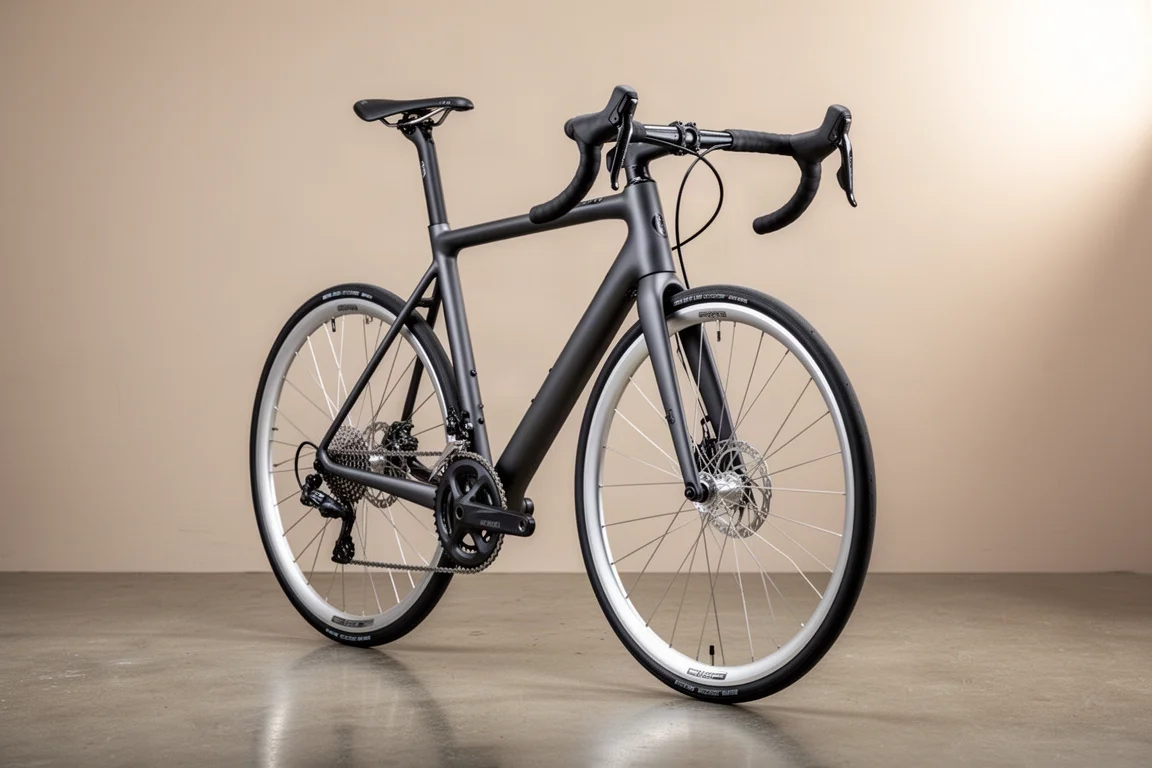
Frame material sets the tone. Carbon frames such as the Vitus Zenium and Boardman SLR 8.9 C keep weight down and soak up road buzz, while well-executed aluminium frames like the Cannondale CAAD Optimo and Cube Attain can be just as rewarding to ride, particularly when paired with a carbon fork.
On drivetrains, Shimano 105 is the sharpest option here, Tiagra sits in the middle, and Claris trades a narrower gear range for reliability and easy maintenance. If crisp shifting matters most, prioritise 105 or Tiagra. If low running costs matter more, Claris is a sensible compromise.
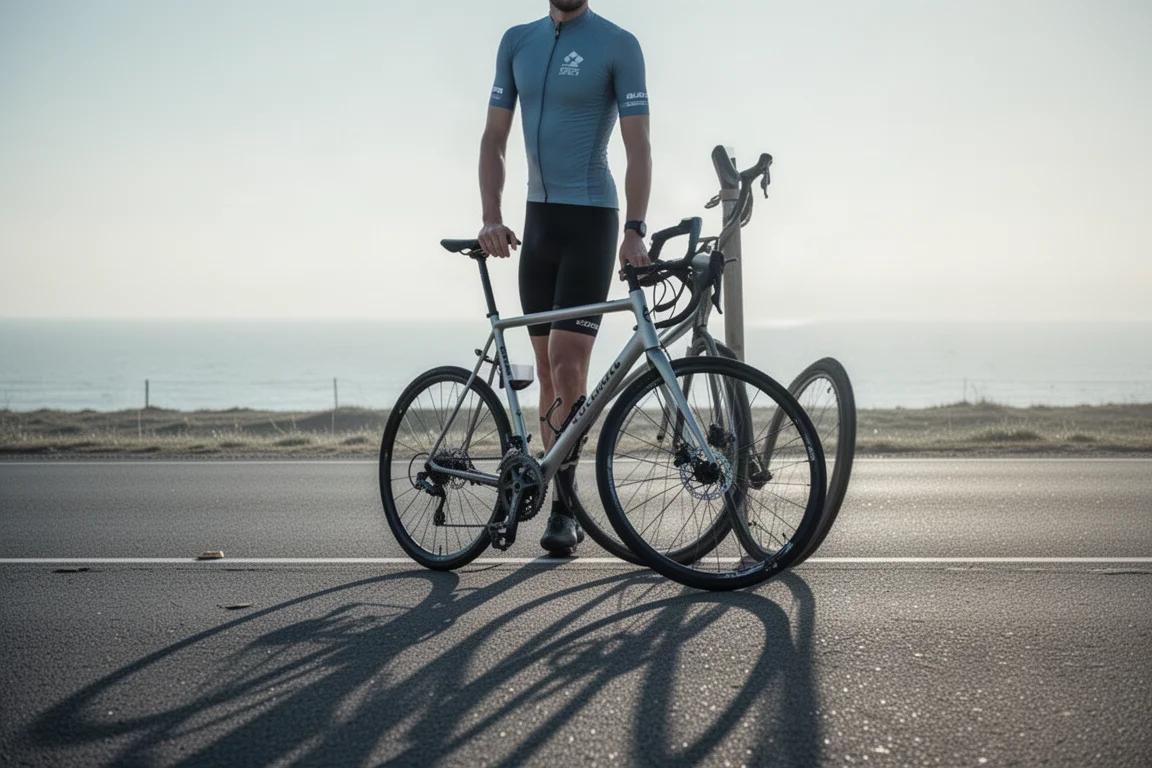
Brakes are the other dividing line. Disc brakes bring confident stopping power, while rim brakes keep weight and cost down and are simpler to look after. Whichever you choose, the practical advice is the same: decide which two or three things matter most to your riding, and accept that something else will be a compromise at this price. Every bike on this list gets the fundamentals right.
Conclusion
The sub-£1,000 road bike market is in good shape. Carbon frames, carbon forks, dependable drivetrains and thoughtful finishing kits are all available at this price, and the seven bikes here show how differently brands approach the same budget. Match the frame material, groupset tier and brake type to the riding you actually do, and any of these will serve you well for a long time.
Further reading
Related Reviews

Road Bikes
10 New Road Bikes Worth Watching: Aero, Titanium, Steel and Endurance Standouts
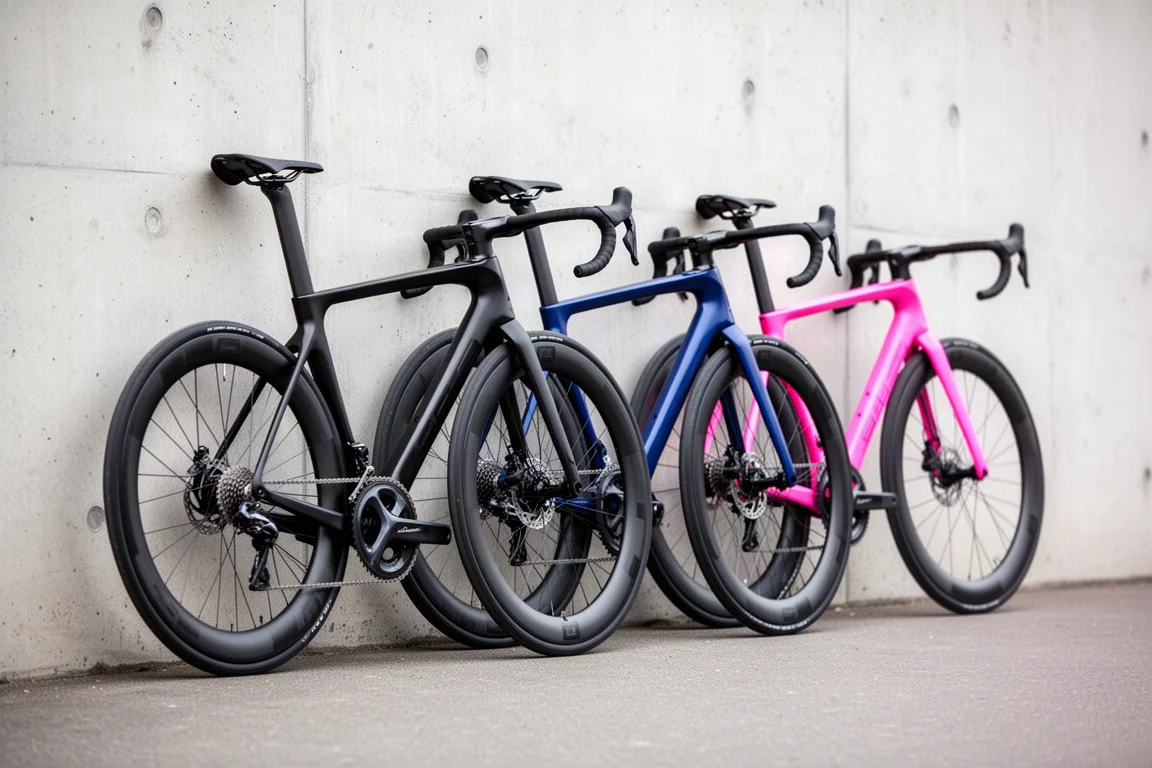
A practical roundup of 10 new road bikes, from aero flagships chasing single-watt gains to titanium, steel and endurance platforms built for real roads.
Road Bikes
2026 Tour de France Road Bikes: Six Race Machines Worth a Closer Look
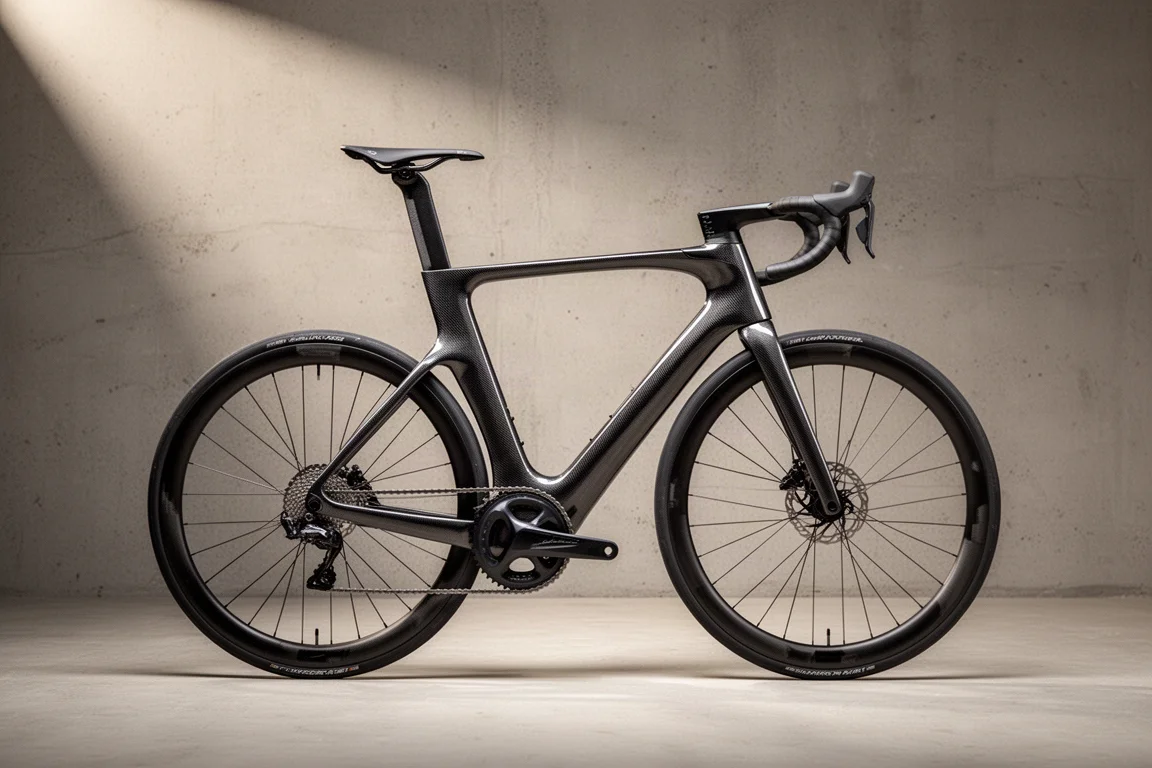
Six race bikes from the 2026 Tour de France grid, reviewed for paint, silhouette, wheels and the specification details that matter to buyers.
Road Bikes
3T Strada Italia Review: A Radical Aero Road Bike That Rides Smooth
A made in Italy carbon aero road bike with a deep head tube, wide tire clearance and a genuinely comfortable ride. Here is what to know before buying.