Road Bikes
Best Road Bikes 2026: Seven Standout Models for Every Budget
Seven road bikes for very different riders and budgets, from halo carbon race machines to aluminium value picks, with notes on what each one does well.
Introduction
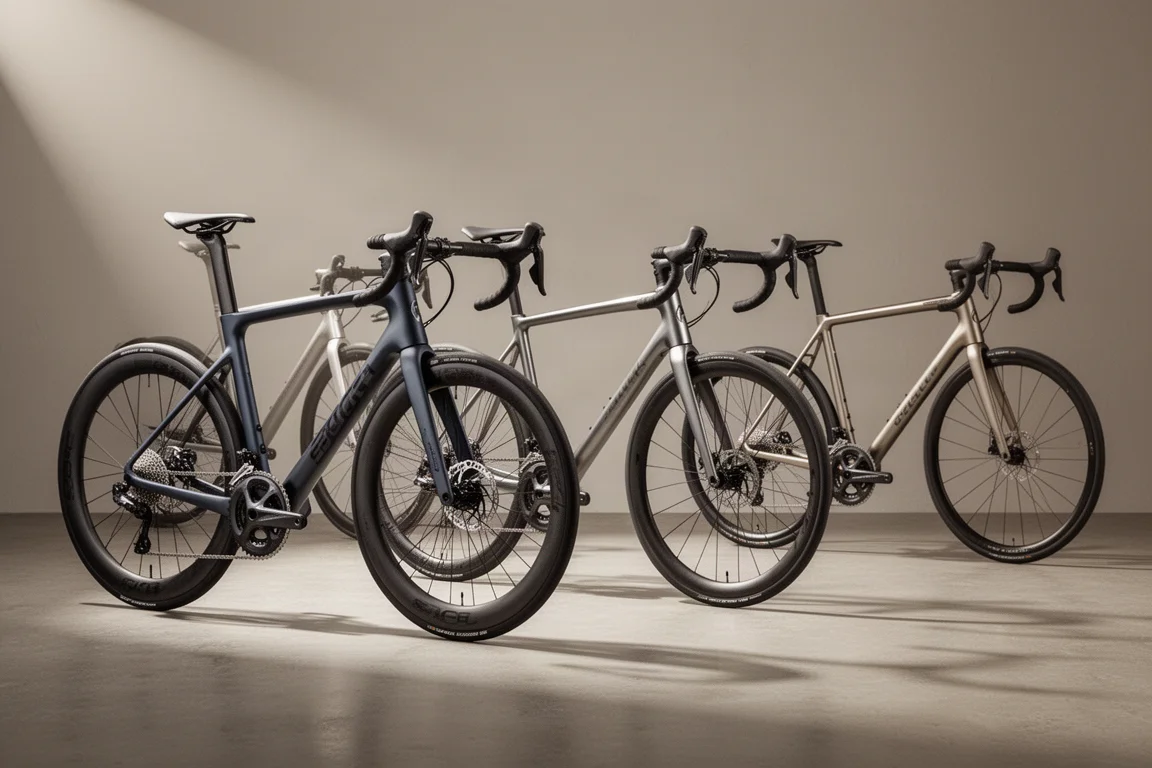
Road bike development has been moving quickly, and the current crop of new models reflects it. Some of the bikes here sit firmly in halo territory, with matching price tags. Others are aluminium, or cost a fraction of the flagship machines while still delivering a ride worth paying for. This roundup covers seven road bikes that impressed for very different reasons: outright race pace, low weight, component value and sensible pricing.
Value for money was weighed as heavily as pure performance, which is why the list is not all carbon and not all five-figure builds. Each entry below explains who the bike suits and what is worth knowing before buying.
What We Looked For
Three factors shaped the selection. The first is ride quality: how a bike behaves under power, through corners and over long distances matters more than a spec sheet. The second is component value, with groupsets, brakes, wheels and cockpits judged as a complete package rather than as isolated parts. The third is upgrade headroom, because several bikes here respond noticeably to a simple tire change, often the cheapest way to improve comfort, grip and braking feel.
Frameset construction carried weight too. Carbon still dominates at the performance end, but aluminium remains genuinely competitive when the geometry and fork are done well, and a couple of the bikes here make that case convincingly.
Specialized Tarmac SL8: A Halo Race Bike
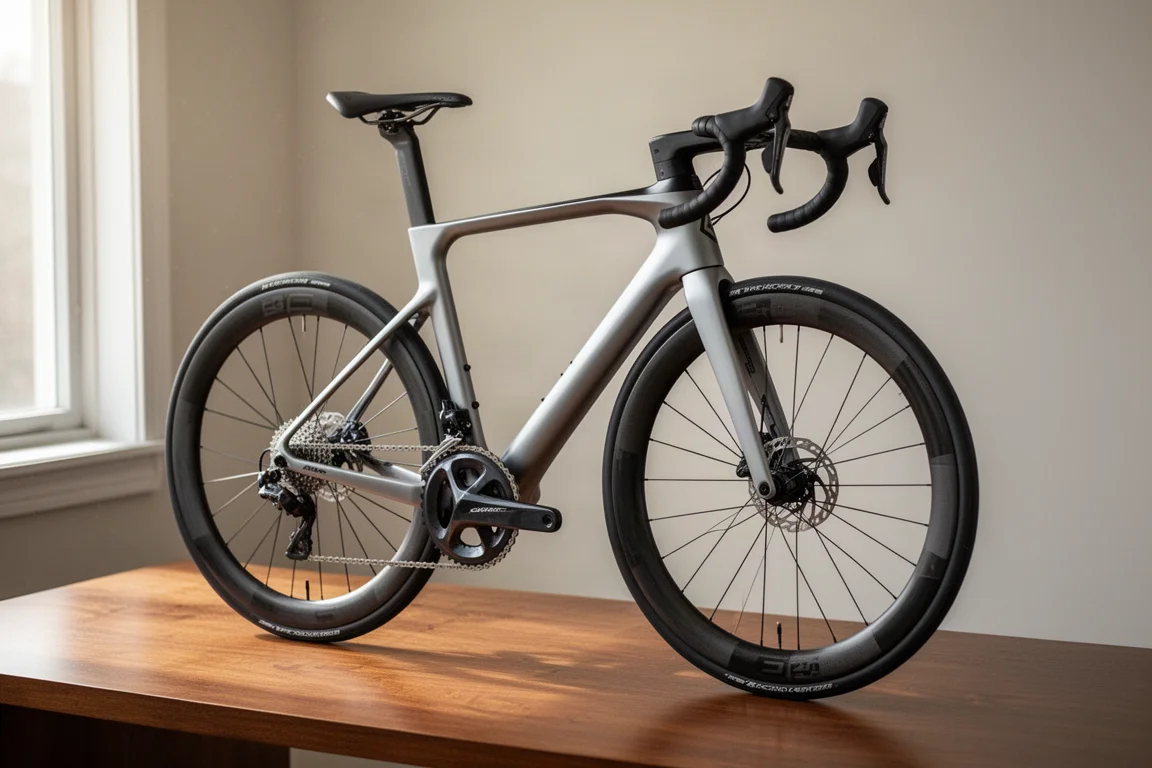
Now in its eighth generation, the Tarmac SL8 arrived to a reception of excitement and intrigue following a launch tied to the World Championships in Glasgow. The Tarmac name has been synonymous with road racing for years, and bikes from this line have sat under some of the biggest World Tour teams for more than a decade, collecting hundreds of professional victories along the way.
As a package it is very hard to fault. It is fantastically light, uses a brand-new cockpit that helps it slice through the air, and offers all the stiffness you could want without a harsh ride. It is perfectly balanced and leaves nothing to be desired for anyone chasing a fast, responsive race bike.
Cheap it is not. Full builds start at around £6,000 and run to roughly £12,000, and framesets are available for riders who would rather build their own. If budget drives every decision, this is not the starting point. If you are shopping at the top of the market, it is the benchmark.
Triban RC 520: Strong Value Under the Threshold
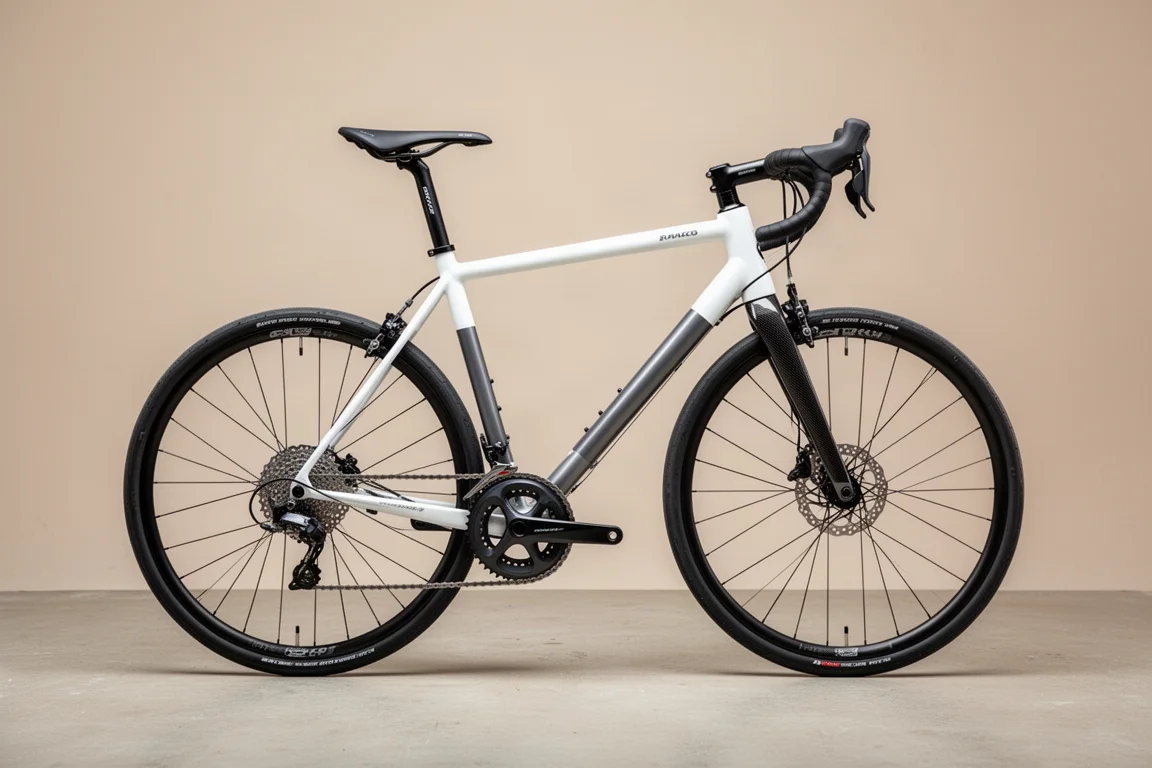
Finding a disc brake road bike under £1,000 takes some effort, and several major brands do not offer one at that price at all. Triban, owned by sports retail giant Decathlon, has built its reputation on value, and the RC 520 is a clear example of it.
The frame is aluminium with an endurance slant. The bike ships with 28 mm tires and accepts rubber up to 36 mm, which gives it useful flexibility for rougher surfaces. Shimano 105 derailleurs handle shifting, while cable-actuated hydraulic disc brakes manage stopping. That braking setup will not put fully hydraulic systems out of a job, but it does outperform rim brakes and fully cable-actuated disc brakes.
Weight is where the bike gives ground. The frame, fork and wheelset are all on the heavy side, so this is not a light machine. Taken as a whole, though, it rides smoothly and stably and represents excellent value in the sub-£1,000 category. Swapping the stock tires is the one change worth making, since it improves ride feel, braking performance and grip.
Pinarello F7: Dogma DNA for Less
Pinarello’s road range is now split into two pillars: the F-series for racers and the X-series for endurance riders. Both are headed by range-topping Dogma models, but the bikes beneath them carry many of the same characteristics for less money, and the F7 is the one that stands out.
The F7 runs an Ultegra 12-speed Di2 groupset, carbon wheels, a carbon cockpit and the brand’s distinctive under-fork design. The carbon fiber used for the frame sits just one step below what goes into the Dogma, so much of the performance carries over at a considerably lower price. At £7,000 it is still a serious outlay, and nobody would call that cheap. For riders who want Dogma F-style performance without paying Dogma F money, it makes a strong case.
On the road the F7 delivers a smooth, dynamic and playful ride feel. As with the Triban, upgrading to higher-end tires is the simplest way to extract the most from the platform.
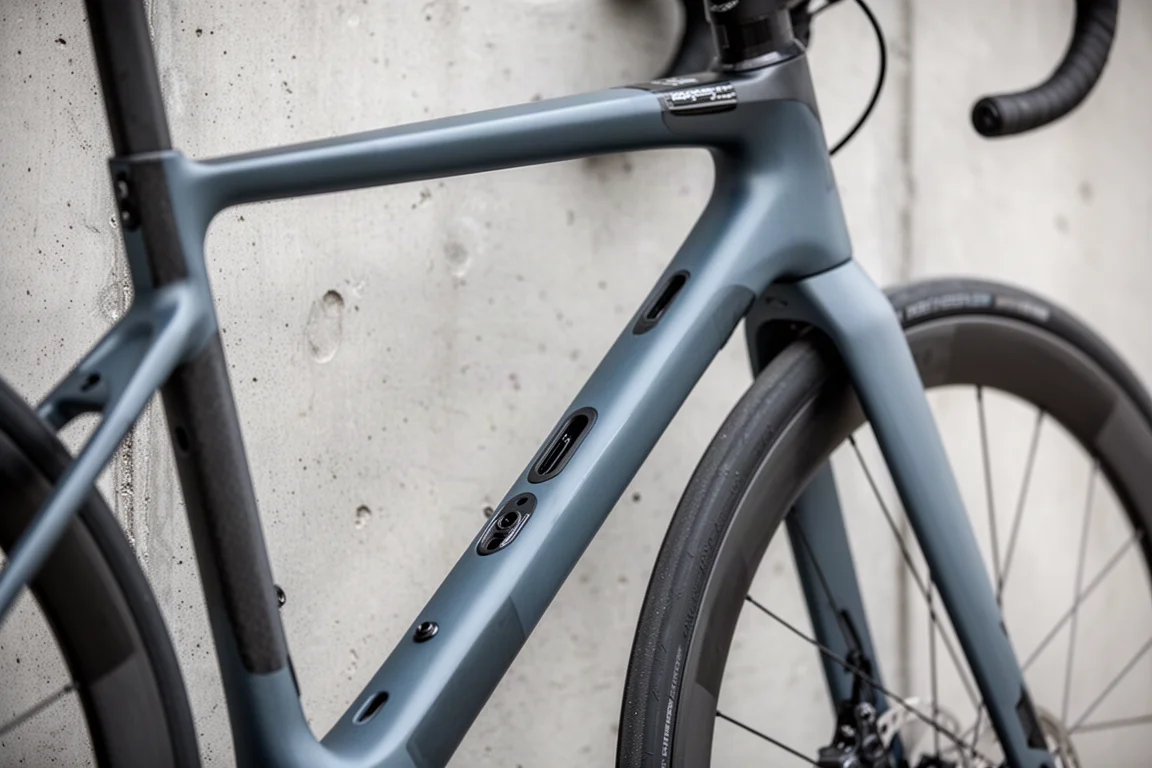
That recommendation matters more at this price point, because the frame, wheels and cockpit are already doing their job. The contact patches are where the remaining gains are hiding.
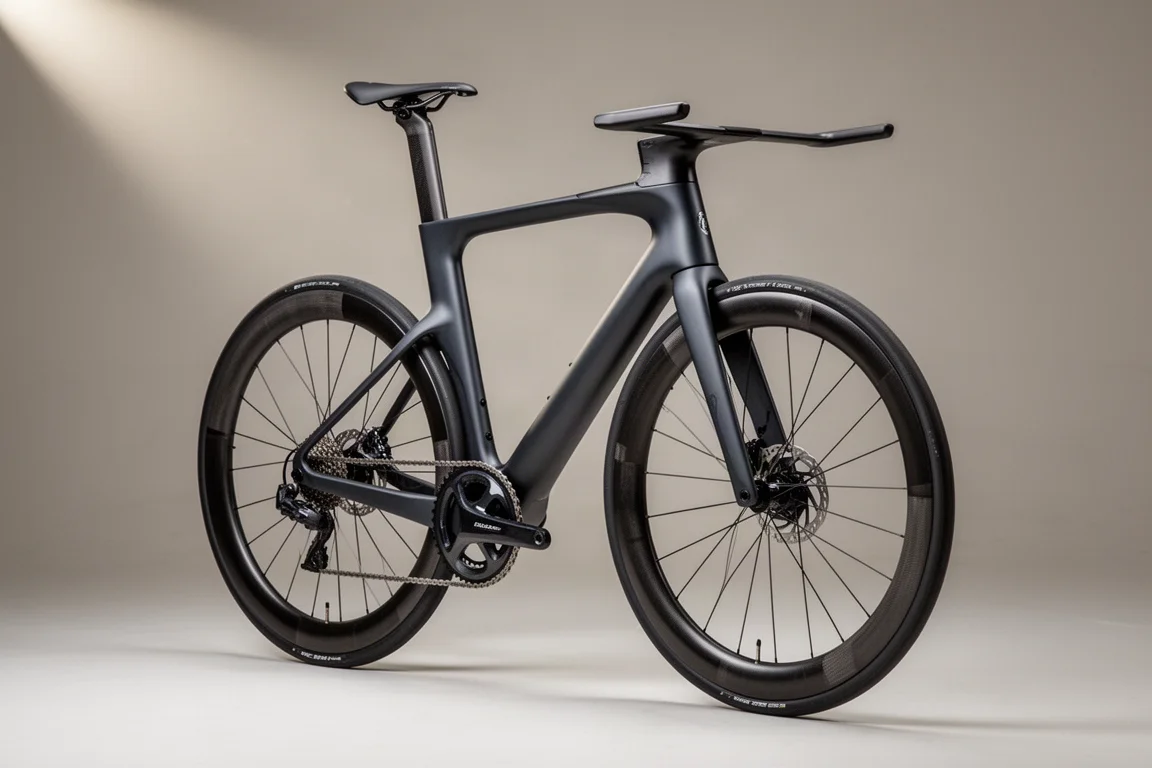
Cannondale CAAD Optimo 4: A Light Entry-Level Option
Cannondale’s flagship race bikes carry five-figure price tags, but the CAAD Optimo 4 shows that a good value road bike does not require a huge outlay. It pairs an aluminium frame with a carbon fork and draws on everything Cannondale has learned since launching the CAAD line in 1997.
This is an entry-level aluminium road bike aimed at riders making a first move into drop bars without committing thousands up front. It is the only rim brake bike on this list, and it compensates with other strengths. The ride is stable and predictable while retaining the direct road feedback that aluminium frames are known for. The 8-speed Claris gearing is not as impressive as the components on the Triban RC 520, but the Optimo 4 is noticeably lighter, which makes it a strong option for faster-paced riding at an entry-level price.
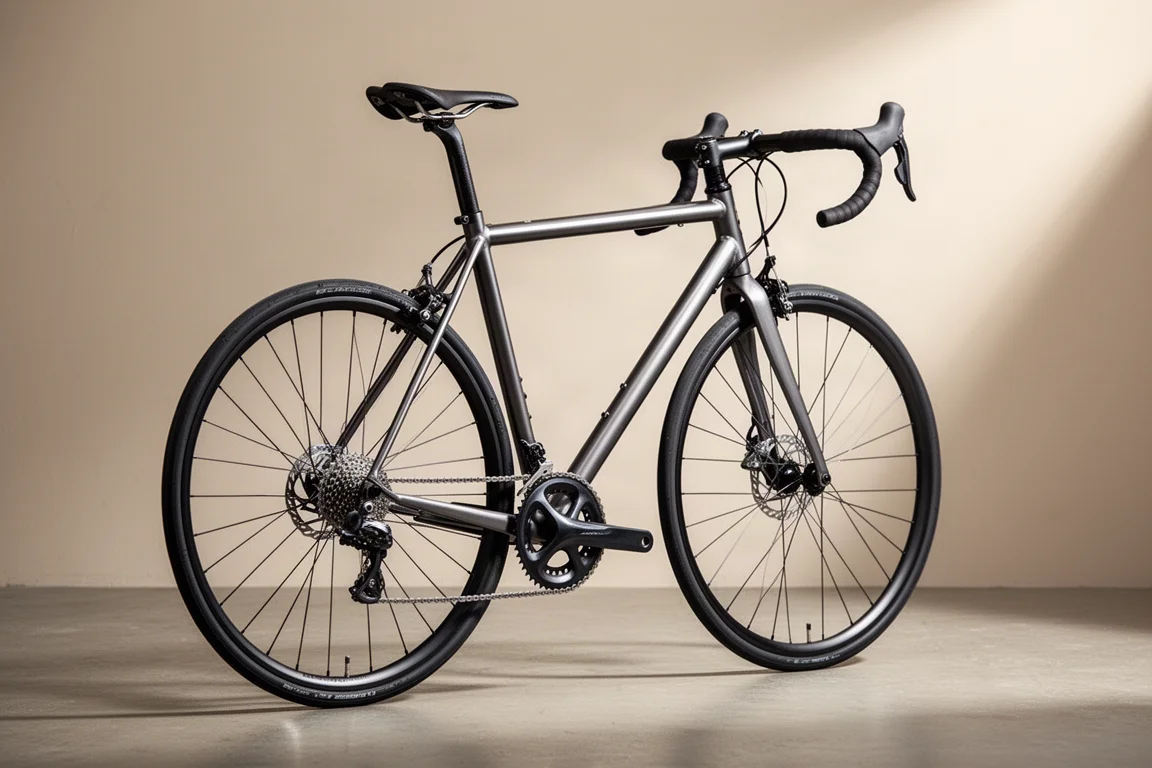
Van Rysel RCR: Value Meets World Tour Ambition
Van Rysel, Decathlon’s cycling brand, unveiled a new range of bikes in the spring, and the RCR was among the models on show. It is set to become the official ride of Team AG2R Citroën, and it looks like a genuine do-it-all racing machine.
What makes the RCR interesting is the combination it promises: Van Rysel’s value positioning paired with World Tour-level performance. Van Rysel describes it as the perfect balance between lightness, stiffness and aerodynamics, and the sculpted tube shapes with a claimed frame weight hovering around 800 g suggest that claim has substance behind it.
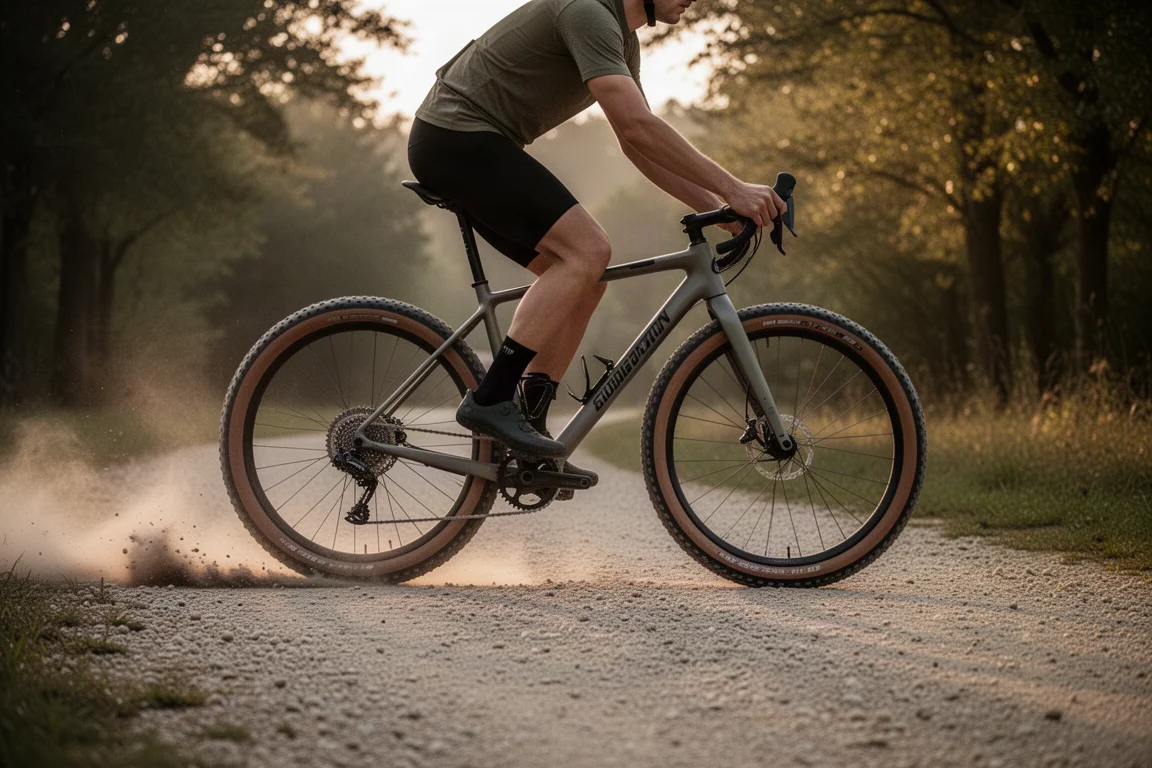
If the ride delivers on that promise, the RCR could become one of the more compelling propositions in the racing category for riders who want performance without a halo-bike premium.
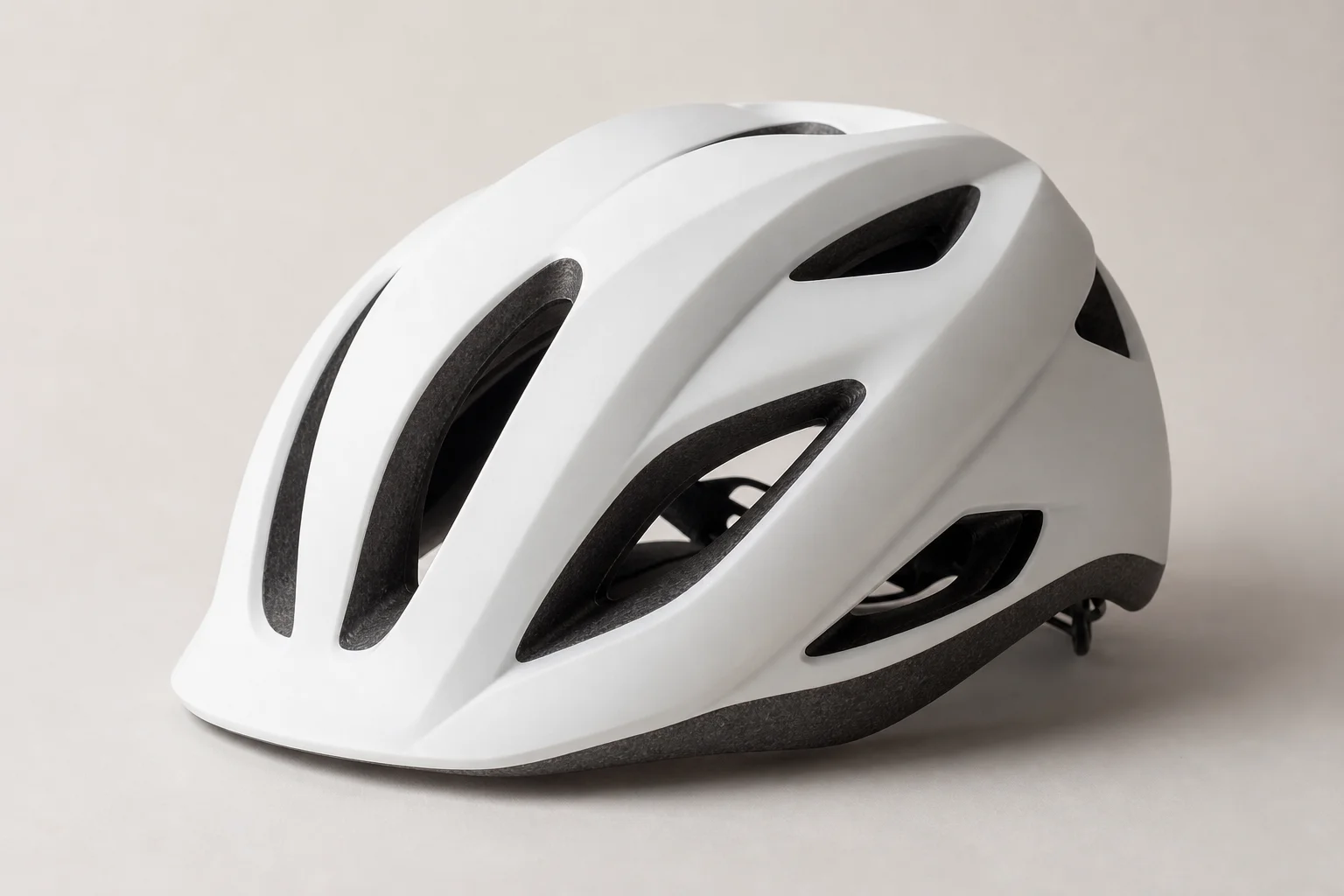
Cannondale SuperSix Evo: Climbing Focus, Aero Refinement
Cannondale released the fourth generation of the SuperSix Evo in February. The line has a strong climbing reputation, and this version received an aerodynamic redesign alongside changes to the frameset hierarchy, including the introduction of Lab71 framesets that took over as the range-topping option.
The broader trend of lightweight bikes becoming more aerodynamic, and aero bikes becoming lighter, is visible here. After a complete remodel, the new SuperSix Evo continues down a more aerodynamic path, and it earned our Climbing Bike of the Year recognition. Testing showed it kept its snappiness under pressure on climbs while striking a sweet balance between fast handling and stability, without turning overly skittish on descents.
Practical touches matter too: a return to a threaded bottom bracket, tire clearance up to 34 mm, and a cleaner method of routing cables internally through the head tube. The fourth generation is clearly more refined than its predecessor and has rediscovered some of the SuperSix’s climbing DNA. It is available in a wide range of builds across a broad price bracket, which makes it one of the more accessible platforms on this list.
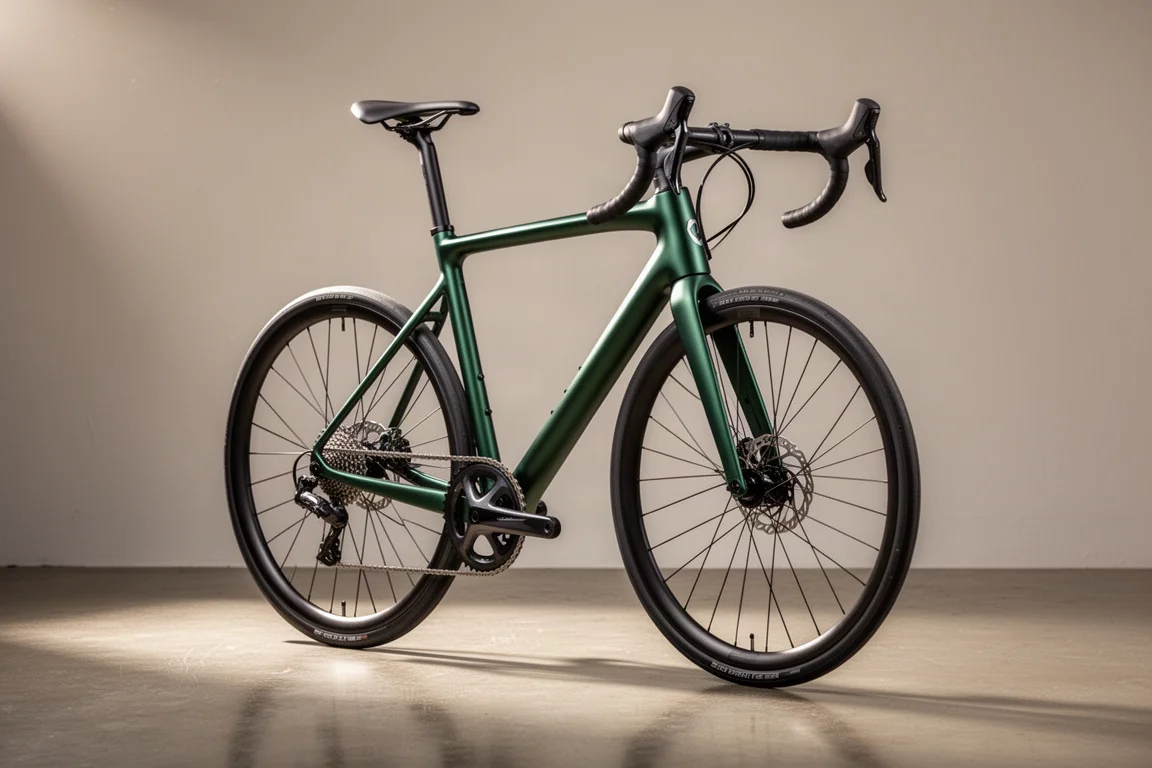
Factor O2 VAM: Built for the Weight-Conscious
The Factor O2 VAM targets weight-conscious riders rather than chasing every aerodynamic claim. Debuting at the Tour de France, the O2 carries a claimed frame weight of 730 g, which places it firmly in the super bike category.
It is a genuine contender at that level. The race-tested geometry has stayed largely the same apart from a small increase in stack height, and low weight is the defining characteristic: a complete build came in at 6.33 kg, producing a bike that is incredibly responsive and playful.
The trade-off is flatline speed. This is not an aero bike, and it is not a do-it-all race bike either, so riders who live somewhere particularly flat will miss out on wind-slicing efficiency. For anyone who spends as much time going uphill as coming down, the O2 VAM makes a lot of sense.
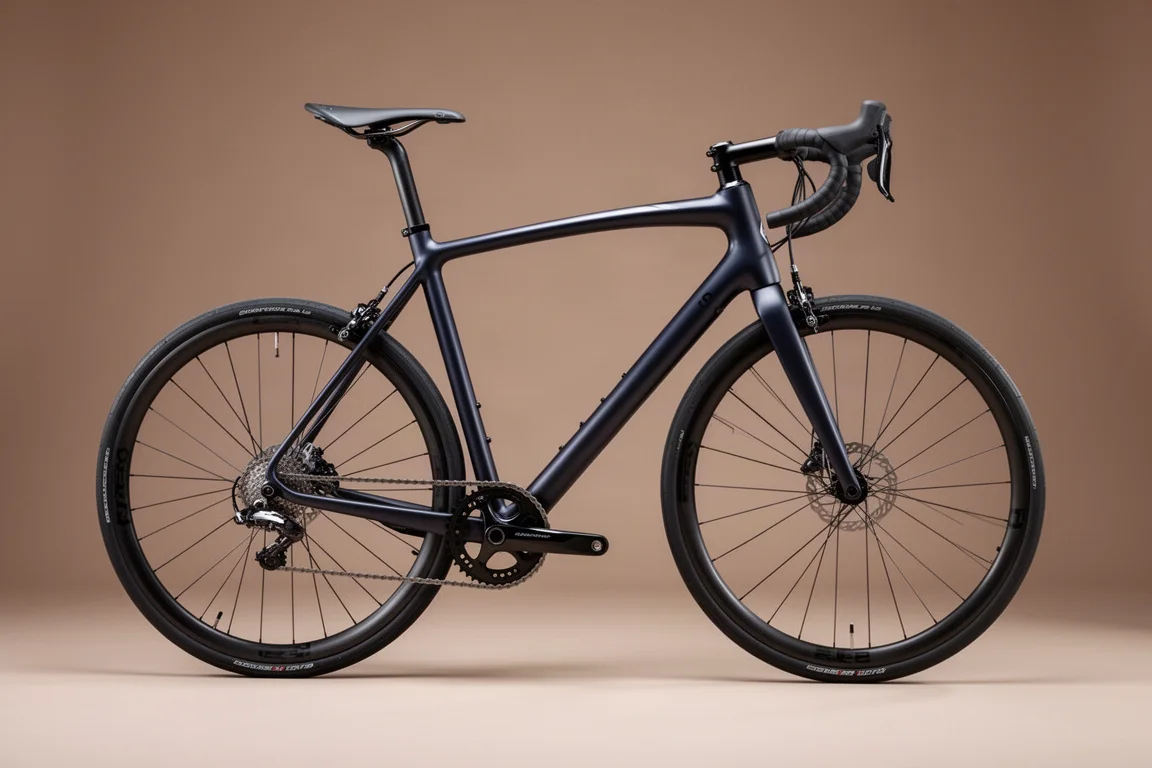
Buying Advice: Matching the Bike to Your Riding
Start with the terrain you actually ride, not the terrain you aspire to ride. Riders on hilly roads will feel the benefit of a light platform such as the Factor O2 VAM or the SuperSix Evo every time the road tilts upward. Riders on flatter, more exposed routes will get more from an aerodynamic frame and deep-section wheels.
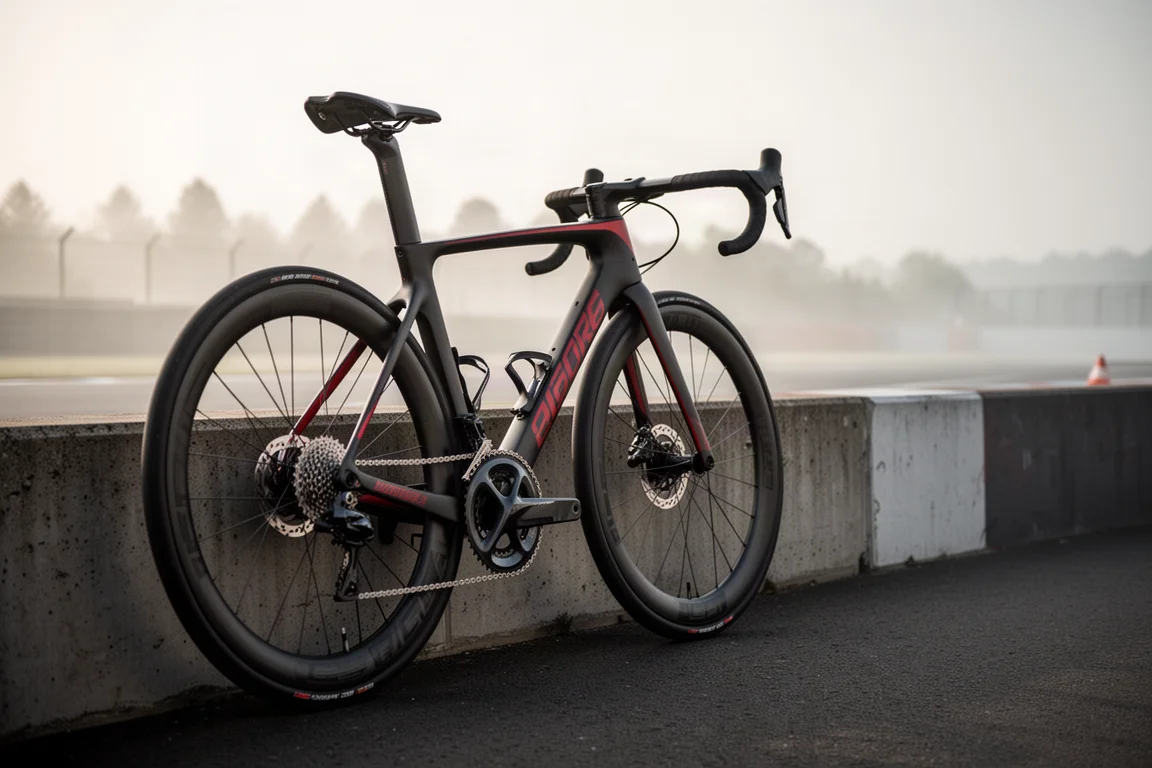
Budget is the second filter. The Triban RC 520 and the CAAD Optimo 4 sit at the accessible end, and both are capable of covering serious distance. The Tarmac SL8, Pinarello F7, SuperSix Evo and Factor O2 VAM occupy the performance end, where the returns are real but the entry price is steep. Tires are the one upgrade worth budgeting for across the board, since they change how every one of these bikes feels on the road.
Conclusion
There is no single best road bike here, only the best fit. The Tarmac SL8 is the benchmark race machine. The Triban RC 520 and CAAD Optimo 4 make the case that a good road bike does not require a huge budget, with the Triban favouring components and the Optimo favouring weight. The Pinarello F7 brings Dogma-adjacent performance down a tier, the Van Rysel RCR pairs value with World Tour ambition, the SuperSix Evo balances climbing feel with aerodynamic refinement, and the Factor O2 VAM is the lightest option for riders who climb more than they cruise on the flat.
Match the bike to your roads, your budget and the way you actually ride, and any of these seven will serve you well.
Further reading
Related Reviews

Road Bikes
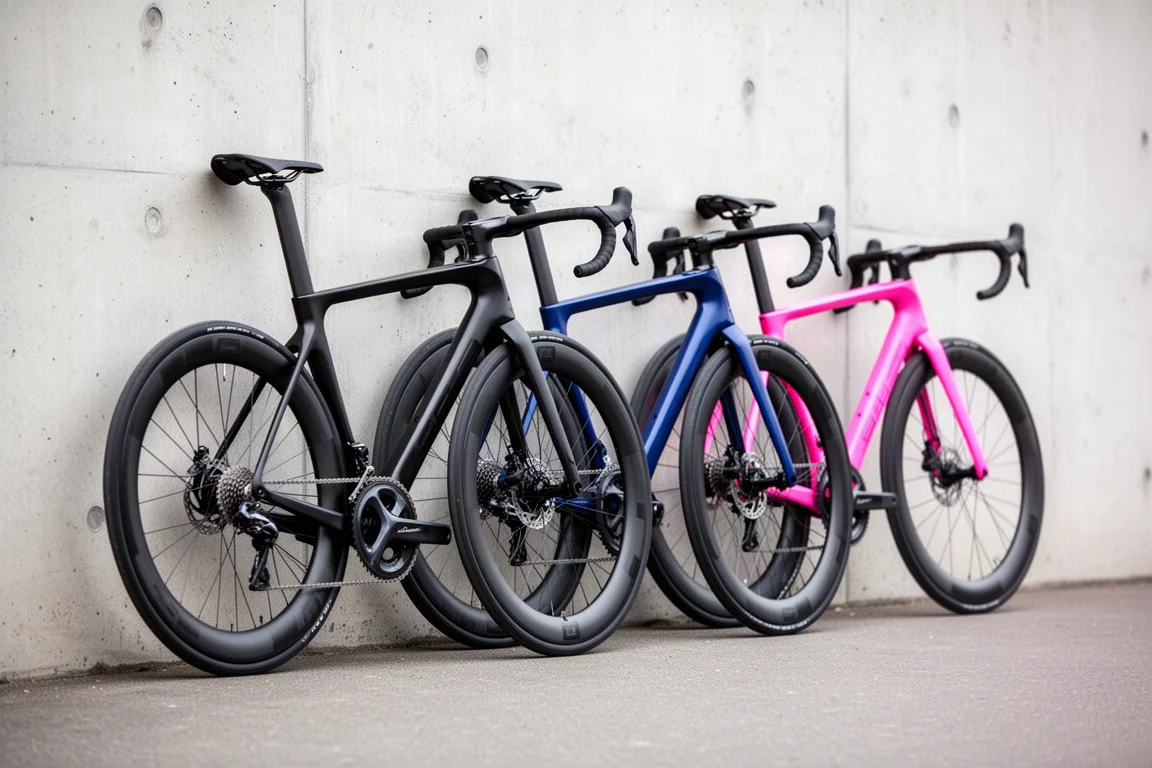
10 New Road Bikes Worth Watching: Aero, Titanium, Steel and Endurance Standouts
A practical roundup of 10 new road bikes, from aero flagships chasing single-watt gains to titanium, steel and endurance platforms built for real roads.
Road Bikes
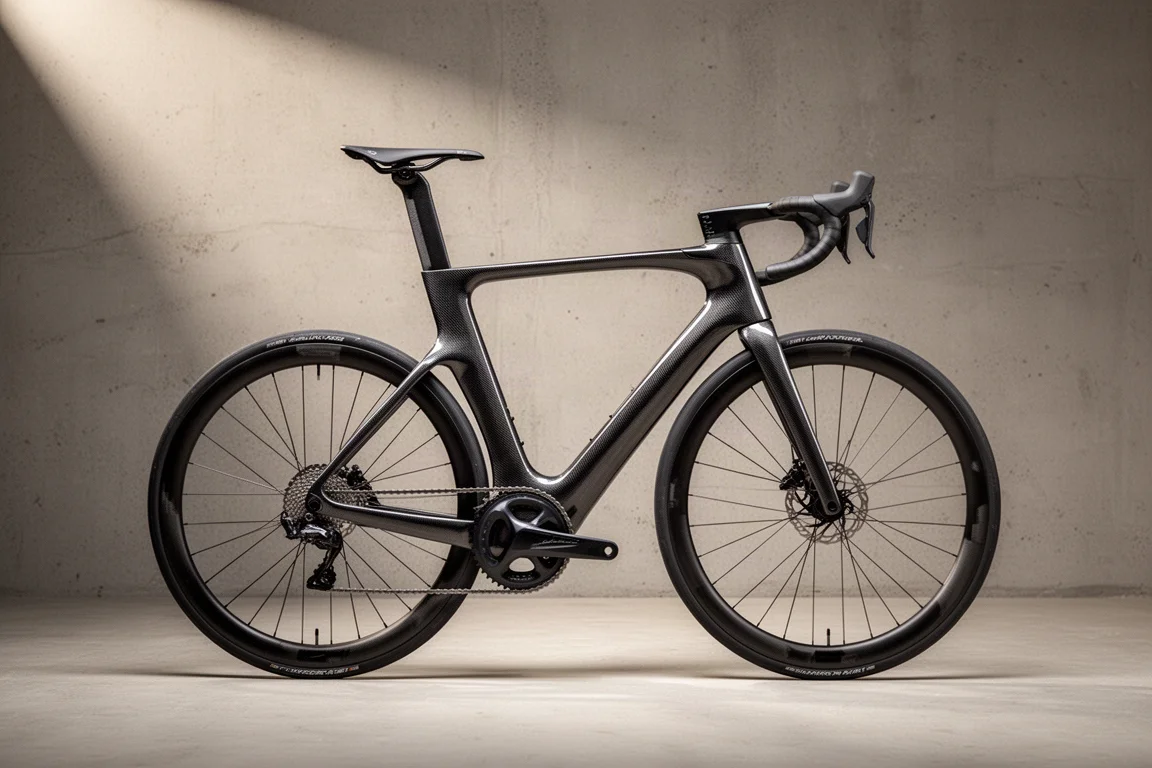
2026 Tour de France Road Bikes: Six Race Machines Worth a Closer Look
Six race bikes from the 2026 Tour de France grid, reviewed for paint, silhouette, wheels and the specification details that matter to buyers.
Road Bikes
3T Strada Italia Review: A Radical Aero Road Bike That Rides Smooth
A made in Italy carbon aero road bike with a deep head tube, wide tire clearance and a genuinely comfortable ride. Here is what to know before buying.