Road Bikes
Best Road Bikes 2026: The Race Machines the Pro Peloton Rides
A practical guide to the road bikes raced at the 2026 Tour de France, from the three platforms tied for most used in the peloton to the newest designs now reaching shops.
Introduction
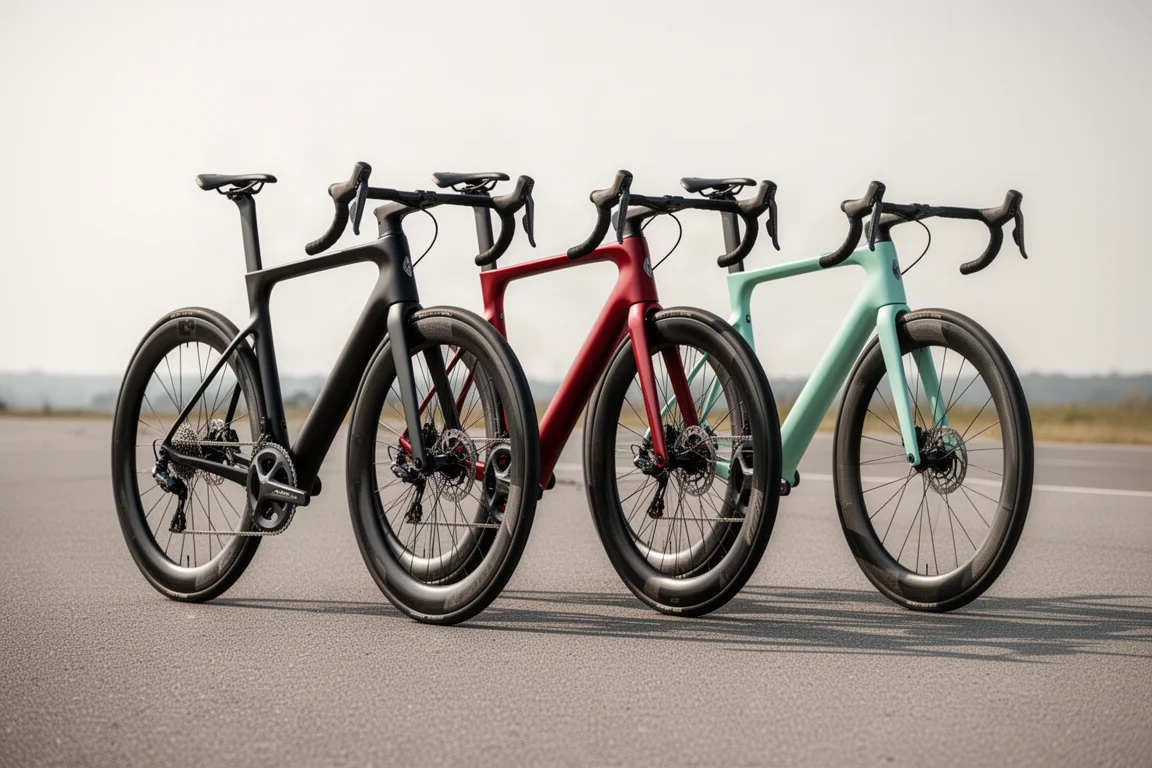
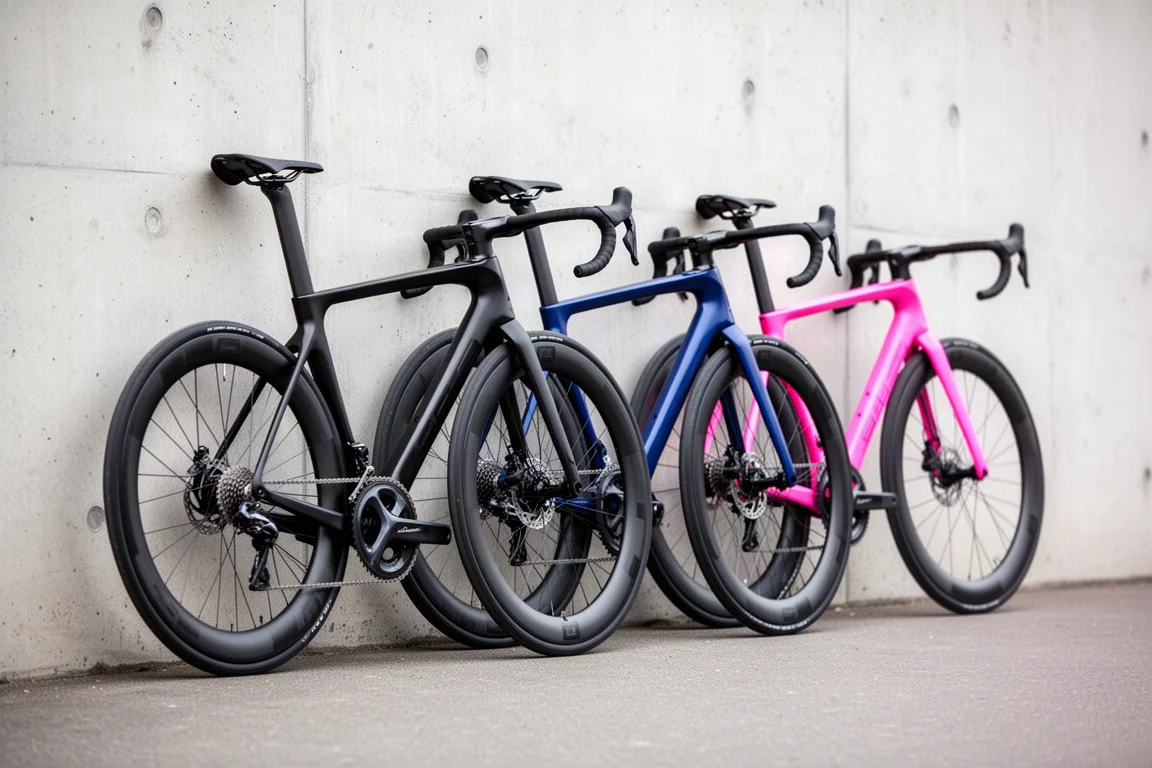
The 2026 Tour de France peloton is an all-carbon affair, and almost every bike on the start line is one you can buy. That is part of what makes road racing unusual: the equipment used by the fastest riders in the world is, in most cases, available to anyone with the budget for it. This guide covers the race machines that matter most in the 2026 peloton, from the three platforms tied for the most used bike in the sport to a group of designs that arguably deserve a place on the start line.
What Defines a 2026 Race Bike
All 23 teams at the 2026 Tour de France are racing carbon fibre frames. The last metal bike in the race was the Pinarello Dogma FP in 2006, which used a magnesium main triangle with a carbon fork and rear triangle, and the last steel bike appeared in 1995, when Miguel Indurain took his fifth consecutive victory. Modern race bikes are a single-material proposition, so the differences between them come down to tube shapes, integration and weight rather than frame material.
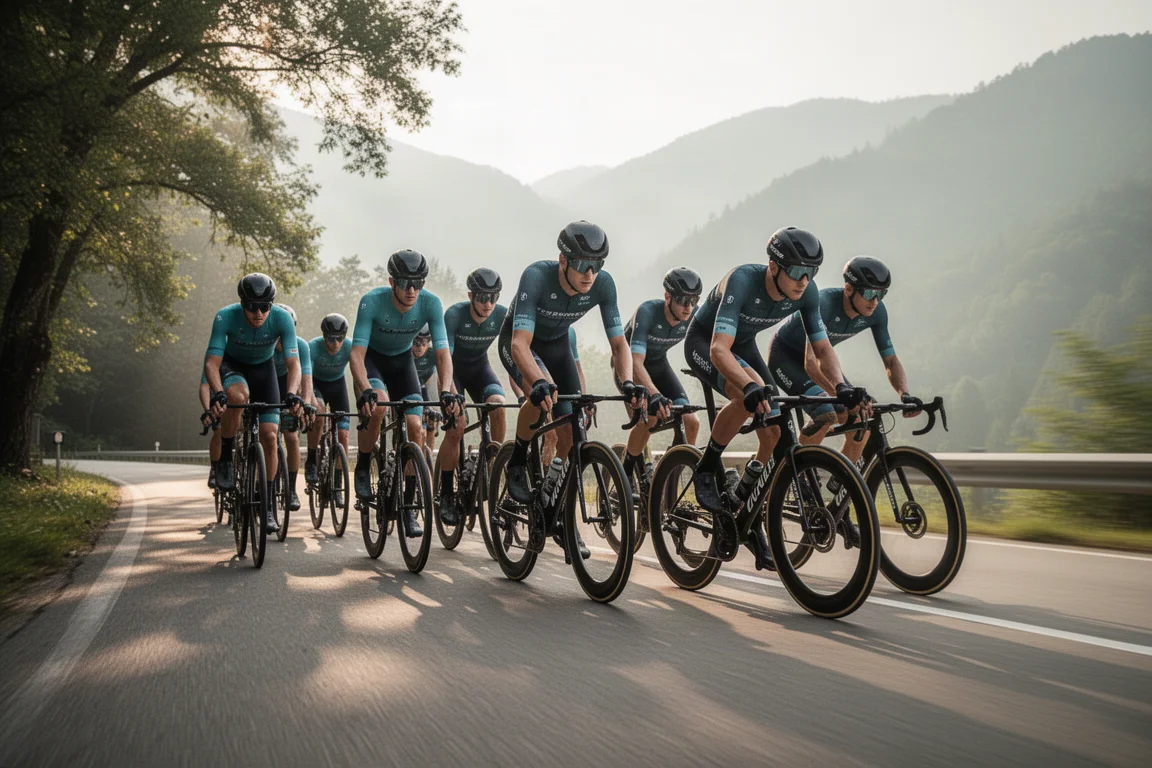
The rules also require that any bike raced in competition is available to consumers within 12 months of its first appearance, which is why prototypes such as the Orbea Orca Aero eventually reach shops. Groupsets follow a similar pattern of consolidation: 12 teams race Shimano, 10 race SRAM Red, and Cofidis are the only team in the race on Campagnolo.
Colnago V1-RS: The Bike Behind a Grand Tour Dynasty
The Colnago V1-RS is the machine Tadej Pogačar has been racing to his biggest results, and unlike some race equipment, it is a bike consumers can actually buy. The team version is a super lightweight unpainted build of a radical aero frame, fitted with ENVE SES wheels with silver hubs and spokes.
It is a premium proposition, but few bikes in the peloton carry the same racing pedigree, and the aero frame design means it is not purely a collector’s item.
Cervélo S5: Aero Refined
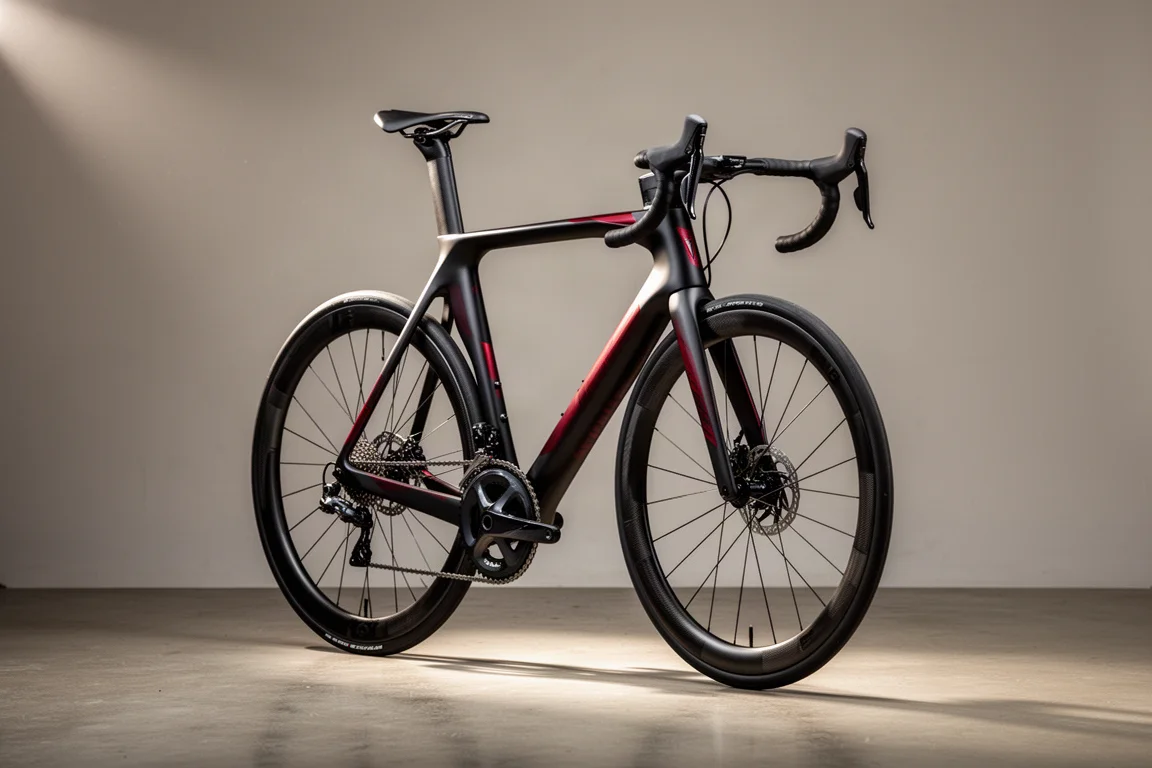
The Cervélo S5 is widely regarded as one of the best aero bikes in the world, and the latest version is a clear step on from its predecessors. It is lighter and noticeably more comfortable than earlier models, which matters on long race days.
The most distinctive detail is the V-shaped handlebar, shaped to reduce frontal area and improve aerodynamic efficiency. Complete builds run Reserve wheels, and the overall package is a proven race-winning platform for riders who want a dedicated aero machine without the old compromises.
Pinarello Dogma F: A Peloton Favourite
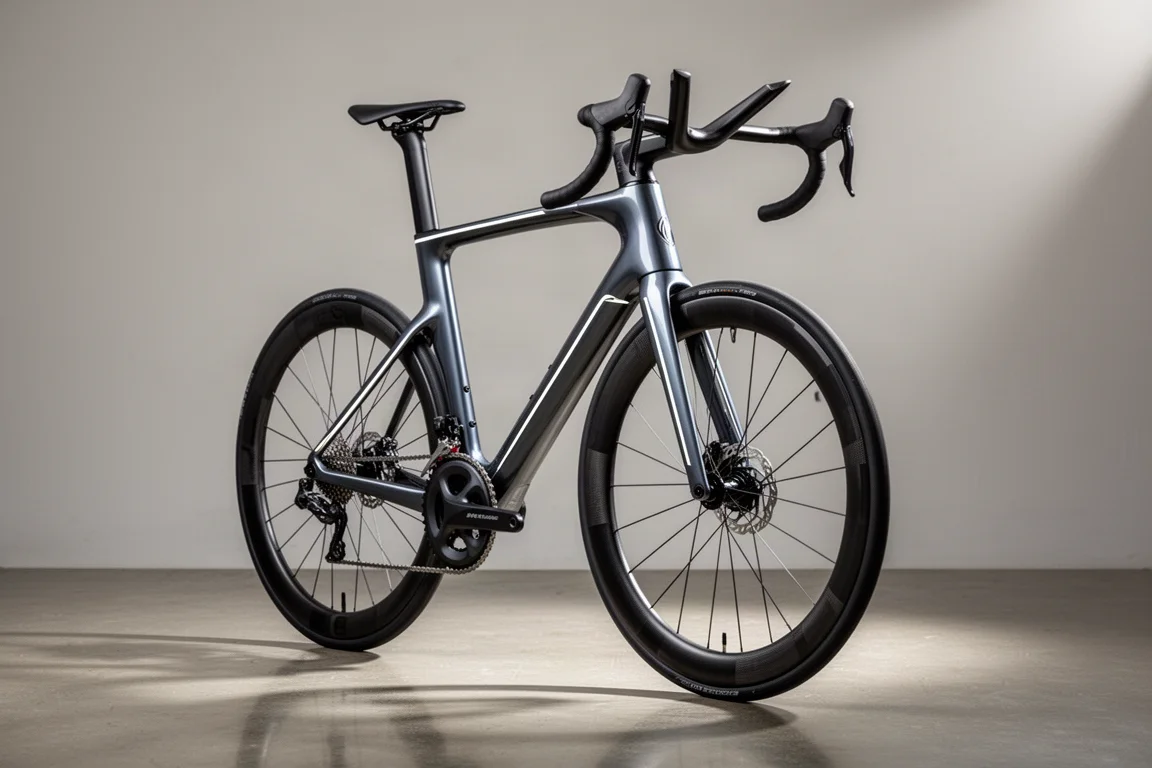
The Pinarello Dogma F sits in a three-way tie for the most popular bike in the 2026 pro peloton, alongside the Canyon Aeroad CFR and the brand new Specialized Tarmac SL9. It is the platform of choice for two teams in the race, which is a strong signal of how well it works across different riders and different race programmes.
For buyers, that breadth of adoption is the main argument: this is a bike that a wide range of professionals have reached the same conclusion about.
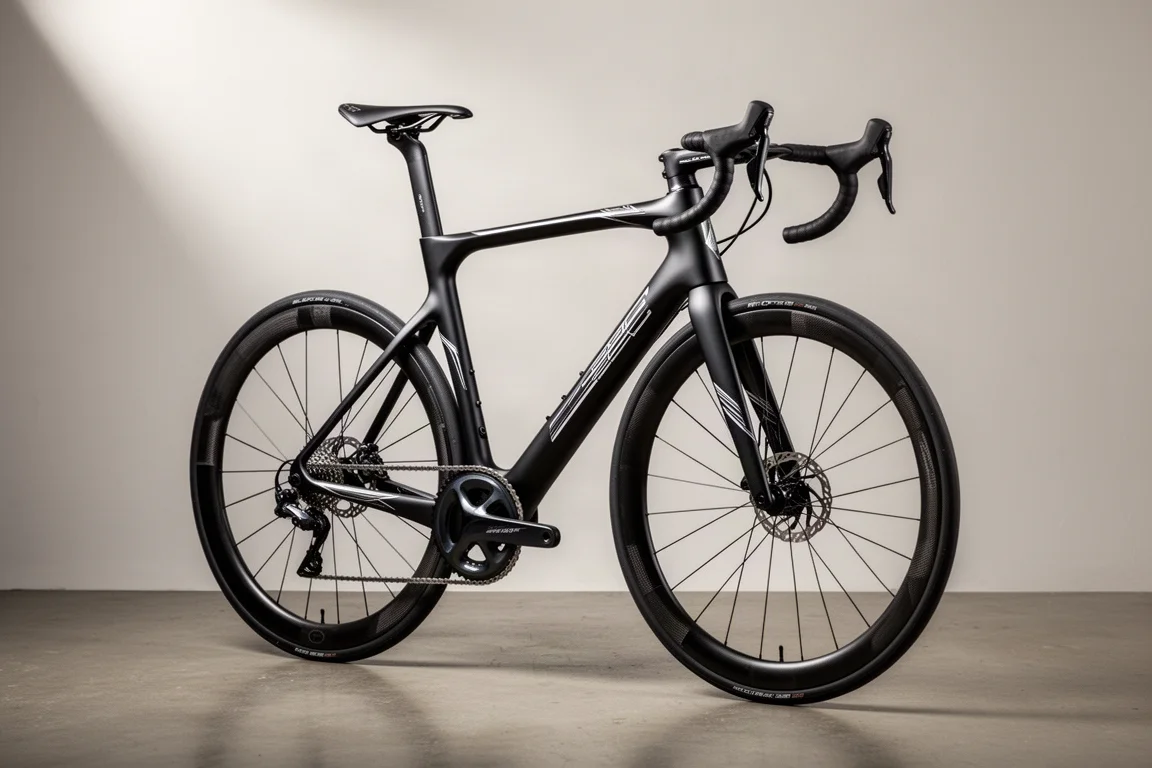
Canyon Aeroad CFR
The Canyon Aeroad CFR is the second of the three most used bikes in the 2026 peloton, raced by Movistar and Alpecin-Deceuninck. It is one of the most visible platforms in the race, and its presence across two high-profile teams reflects how competitive it remains at the very top of the sport.
If peloton adoption is your measure of a safe purchase, the Aeroad CFR is one of the strongest answers in this guide.
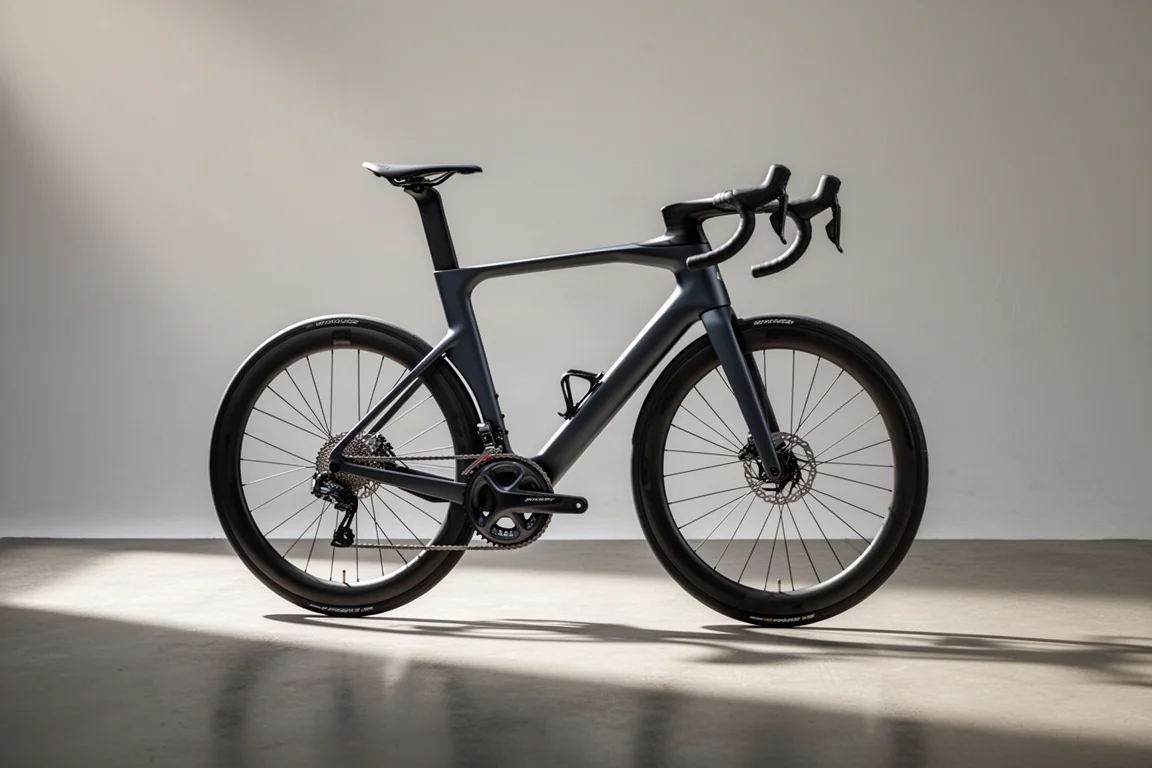
Specialized Tarmac SL9
The Specialized Tarmac SL9 is brand new for 2026 and already one of the three most used bikes in the peloton, raced by Red Bull-Bora-Hansgrohe and Soudal-Quick-Step. Remco Evenepoel rides a special paint job that commemorates his status as reigning Olympic champion, which gives the platform a rare amount of race-day visibility.
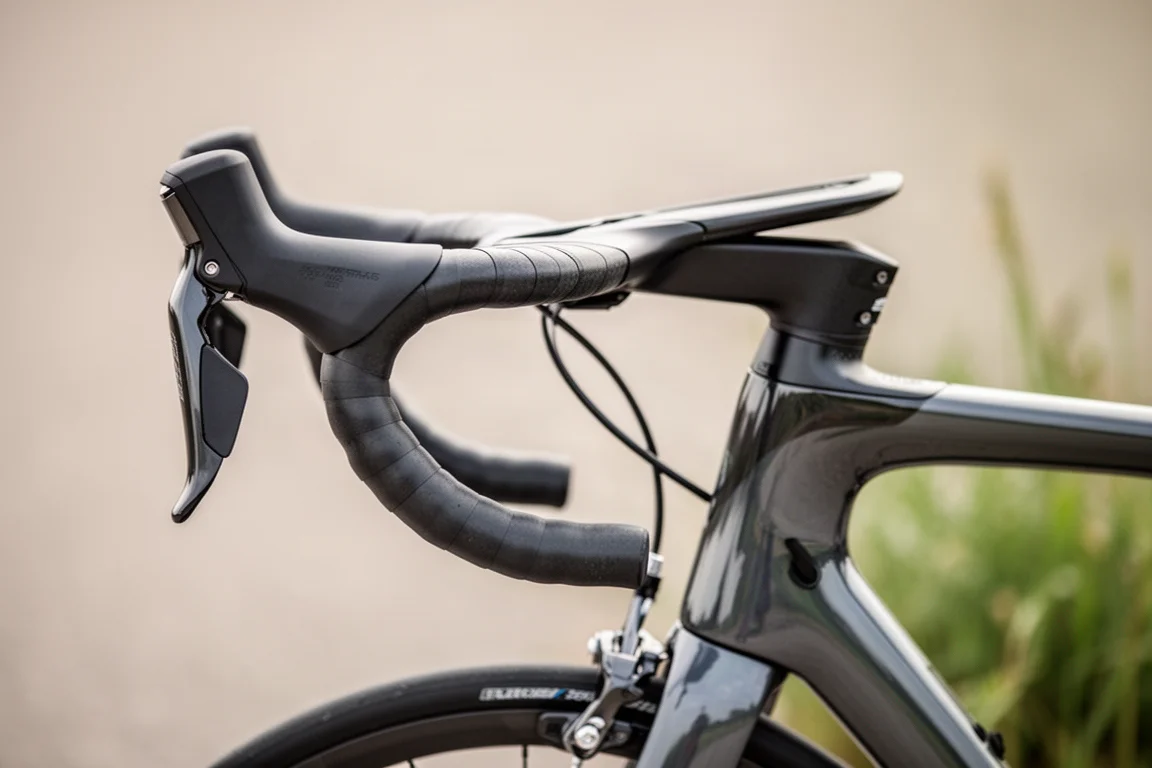
As the newest generation of the Tarmac line, the SL9 is the most current version of a platform that two of the sport’s biggest teams have chosen for the season’s biggest races. The special edition finish, however, is a team-specific detail rather than a standard retail option.
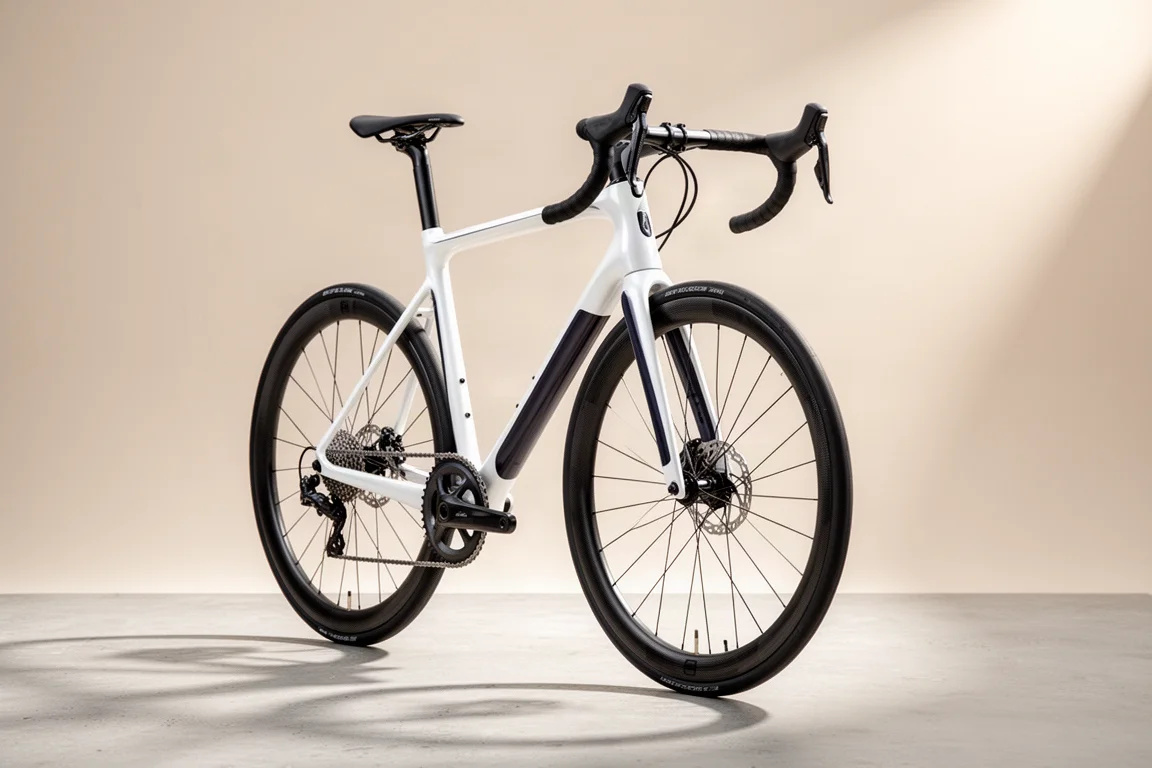
Bianchi Specialissima RC
Bianchi’s new Specialissima RC is the bike Bahrain Victorious line up on. It is an all-rounder in the modern sense, combining aero performance with low weight, and Bianchi claims the frame’s exclusive use of Countervail carbon fibre brings vibration-absorbing properties.
The bike was released only a few weeks before the Tour, which makes it one of the freshest designs in the peloton and a genuine alternative for riders who want one bike to cover climbing and flat terrain.
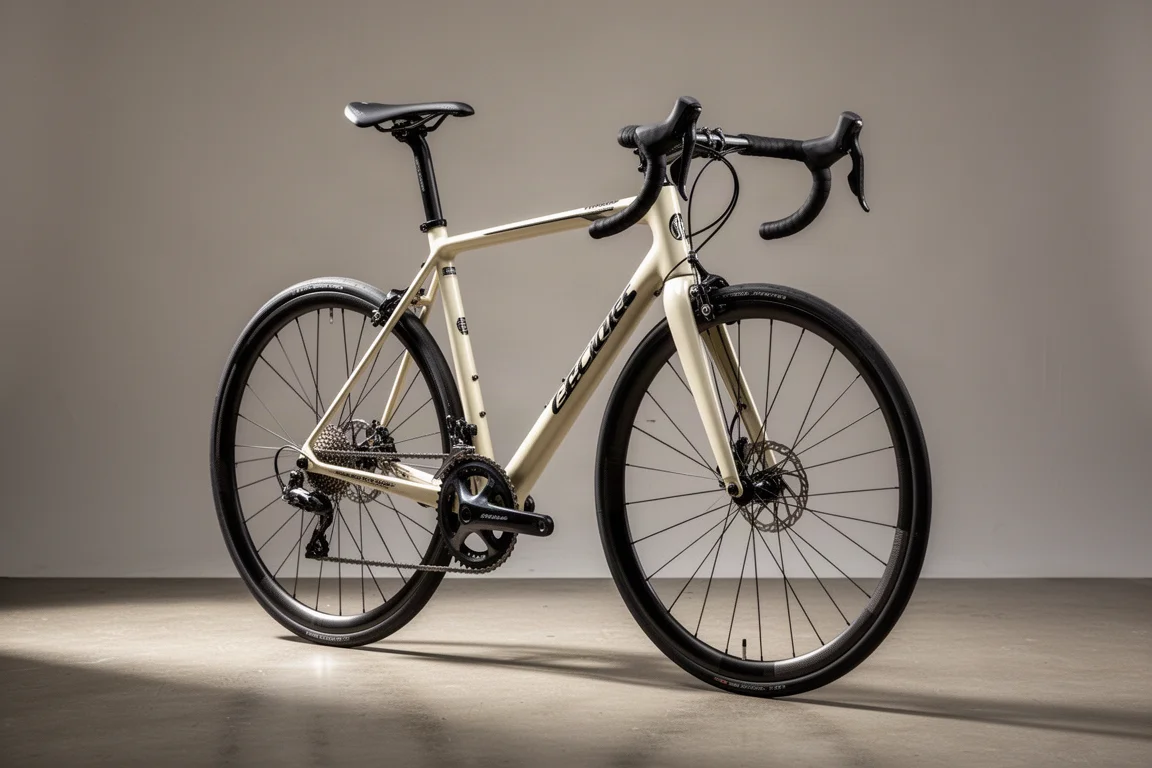
Wilier Filante SLR ID Two
The Wilier Filante SLR ID Two is one of the easiest bikes to spot in the bunch thanks to its bright red finish, and it is the platform Groupama FDJ race on. Wilier has been delivering some excellent performing bikes in this period, and the Filante SLR ID Two is a good example of the brand’s current form.
It combines a striking team livery with current-generation race performance, which makes it a compelling option for riders who want a bike that looks as fast as it is.
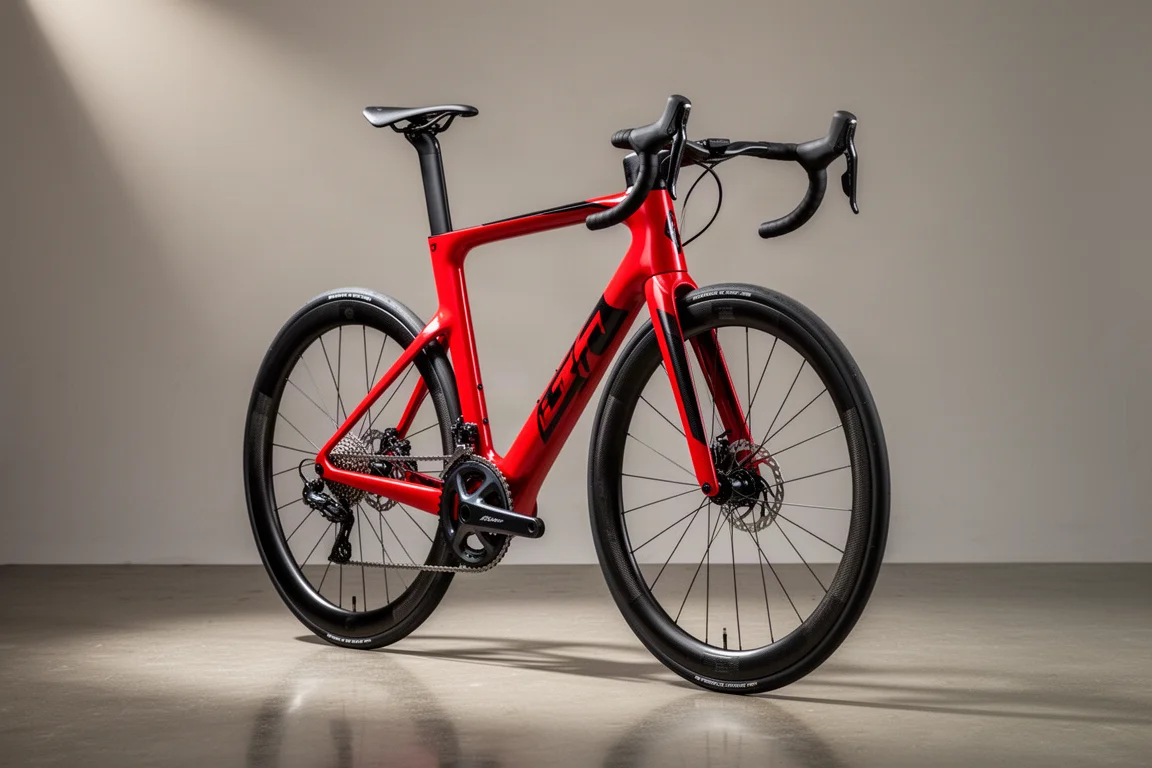
Orbea Orca Aero
The Orbea Orca Aero is a useful illustration of how the availability rules work in practice. It first appeared in competition at the Tour de l’Ain Rhône-Alpes, and only now is it available to buy and appearing on retailer websites.
That makes it one of the newest aero platforms you can actually purchase, and a rare example of a bike that raced as a prototype before it became a product you could order.
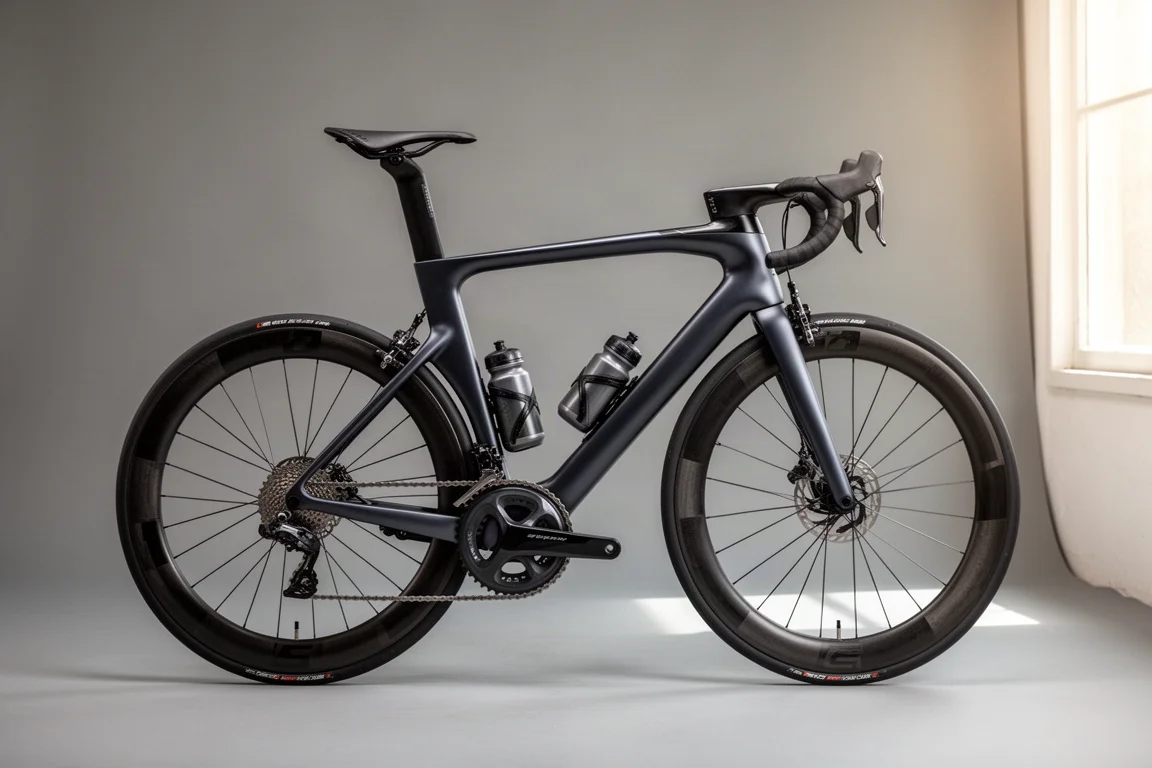
Ridley Noah Fast 3
Uno-X race the Ridley Noah Fast 3, which sits alongside a new Ridley model in the team’s line-up. It is not the most conventionally beautiful bike in the peloton, and that styling is a matter of taste.
The ride quality, however, has impressed, and the Noah Fast 3 remains the established machine in the team’s stable while the newer design settles in. For riders who care more about how a bike performs than how it photographs, it is worth a serious look.
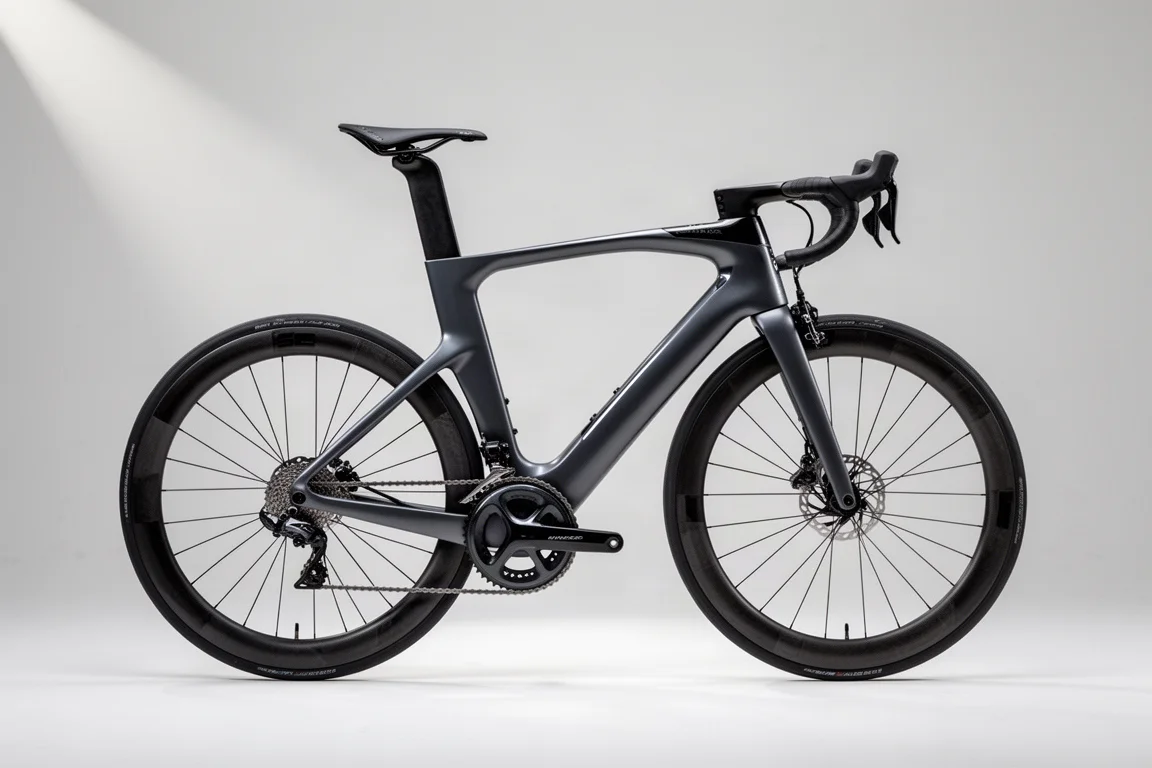
Trek Madone
Lidl-Trek race the eighth generation of the Trek Madone, a bike with one of the most distinctive frame details in the sport: a cutout in the seat tube. Eight generations of development have gone into this platform, and this version is the current state of Trek’s race bike.
The cutout is the talking point, but the appeal is broader than novelty. This is a fully developed race machine from one of the biggest brands in cycling.
Giant Propel
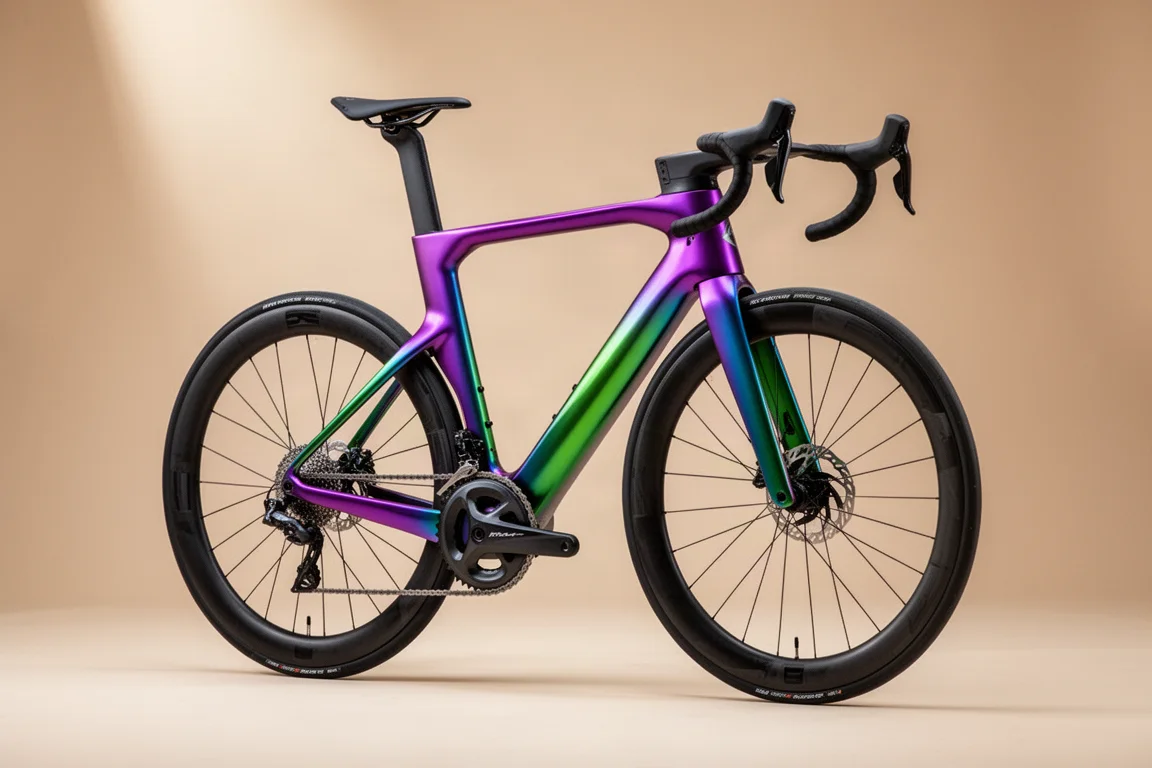
Team Jayco-AlUla race the Giant Propel that was released earlier in 2026. The latest version has been on a diet, and it is built up with Cadex components and wheels, Giant’s in-house componentry brand. The carbon spokes in the Cadex hubs are a genuinely striking detail.
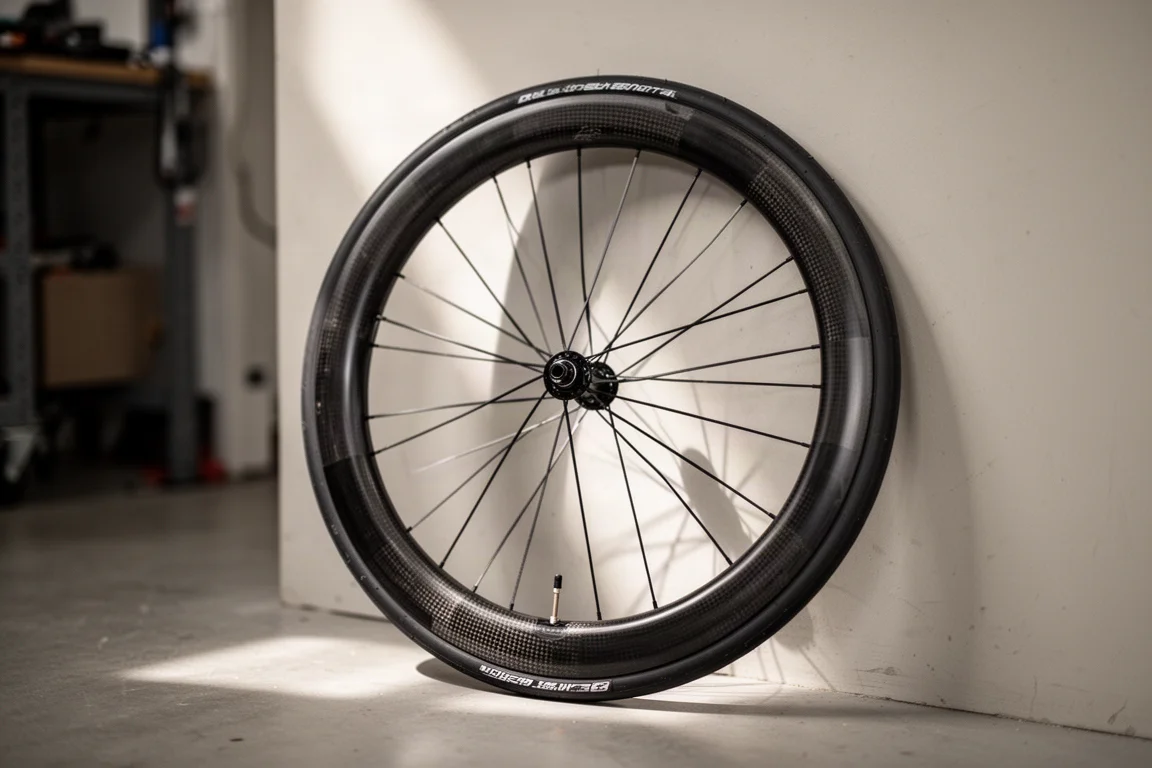
With a lighter frame and Cadex wheels and components throughout, the Propel is one of the more complete factory builds in the race, and it gives buyers a clear picture of what the platform can do when it is specified without compromise.
Rose X-Lite FFx
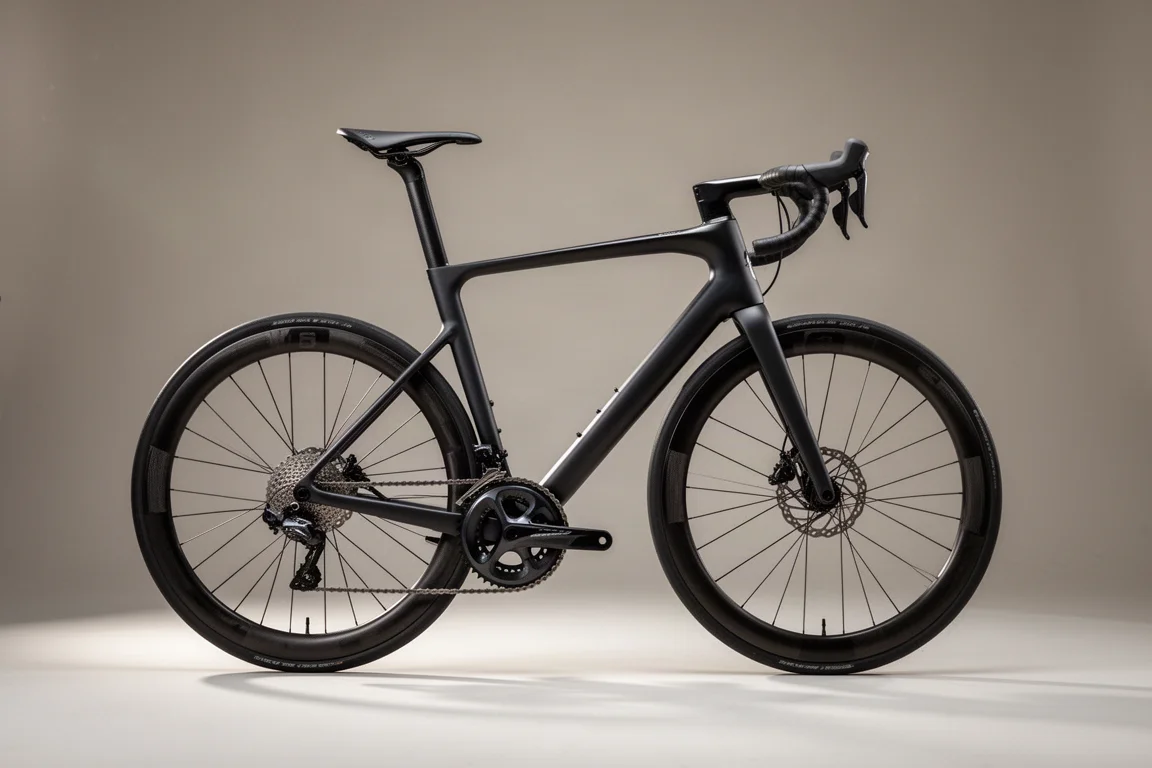
The Rose X-Lite FFx is one of the bikes that deserves a place at the Tour de France. It is raced by the Unibet Rose Rockets team, which narrowly missed out on a wild card entry for 2026, and there is a strong chance it will be on the start line next year.
Early impressions of the X-Lite FFx are very positive, which makes it one of the more interesting value-focused race platforms to watch over the next season.
Factor One
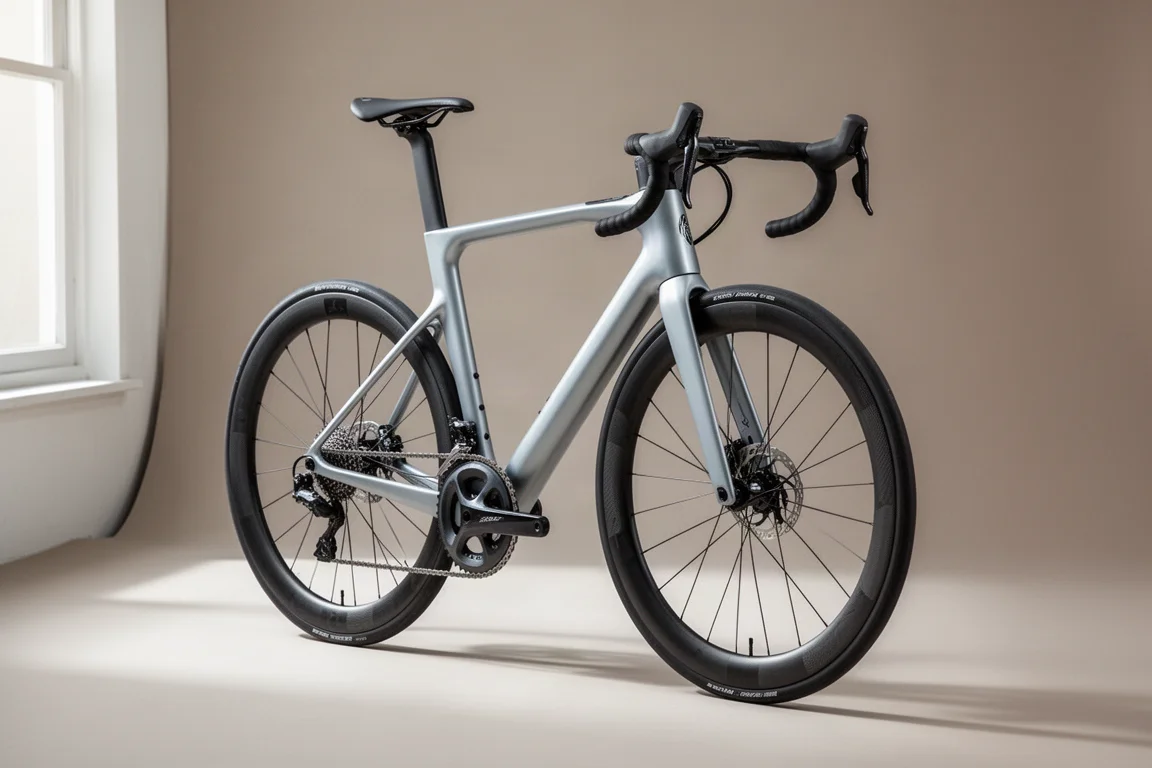
The Factor One is one of the most distinctive race bikes in the world, and it is probably the fastest aero bike available. It is not currently raced at the Tour de France, which is a shame on two counts: a bike this quick belongs in the biggest race of the year, and its uncompromising design would put paid to the idea that all modern race bikes look the same.
For riders who want something that performs at the very front of the aero category and refuses to blend in, the Factor One is the obvious answer.
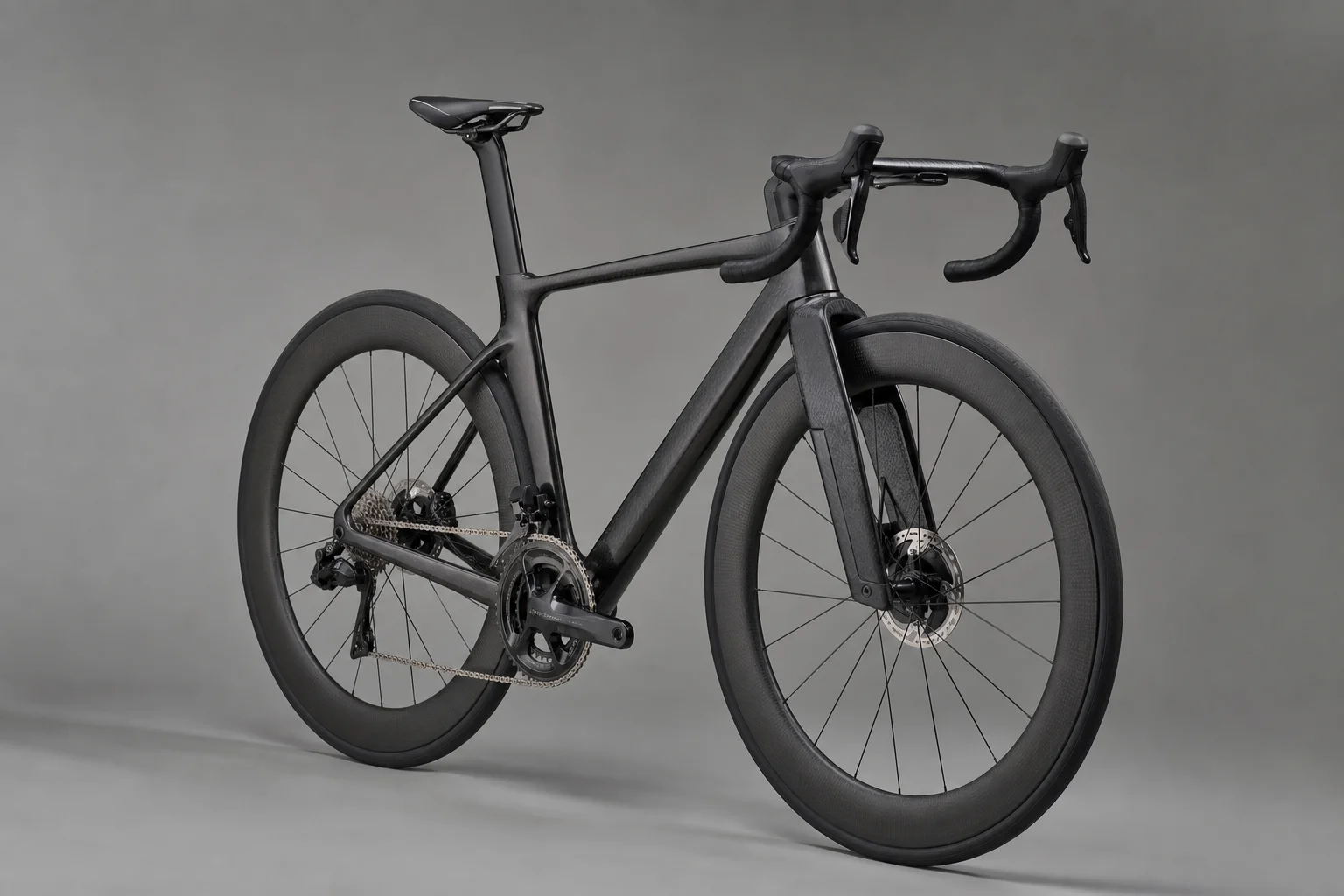
Winspace T1600
Winspace builds bikes for plenty of other brands, and the T1600 suggests the company is close to putting its own name on a men’s Tour de France bike. Winspace already sponsors a very successful women’s team, so the racing pedigree is not in question.
The T1600 is the platform that could take the brand into the men’s race, which makes it an interesting proposition for buyers who like to get ahead of the market rather than follow it.
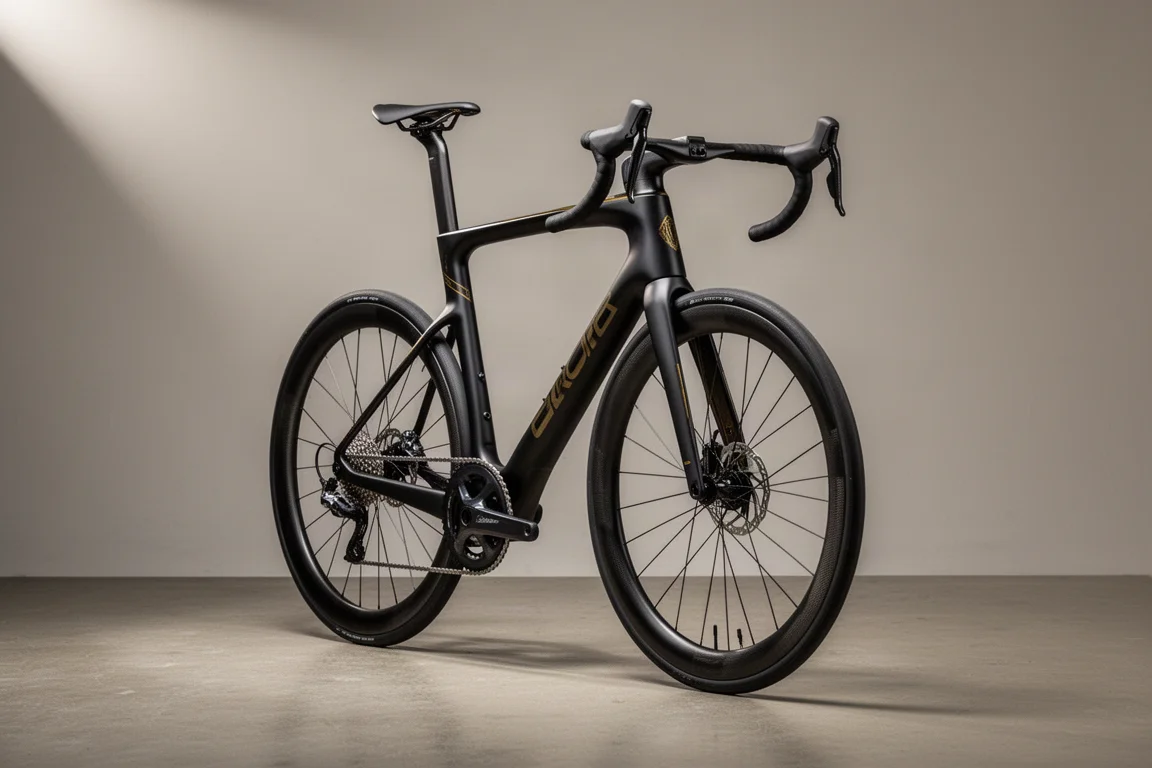
Quick Pro ER1
The Quick Pro ER1 is another Chinese race bike that has earned attention, and it looks to be an extremely good value race bike. It is the second Chinese machine in this group of bikes that arguably deserve a Tour de France start.
For riders who want race performance without paying flagship money, the ER1 is the most direct route into this level of the market.
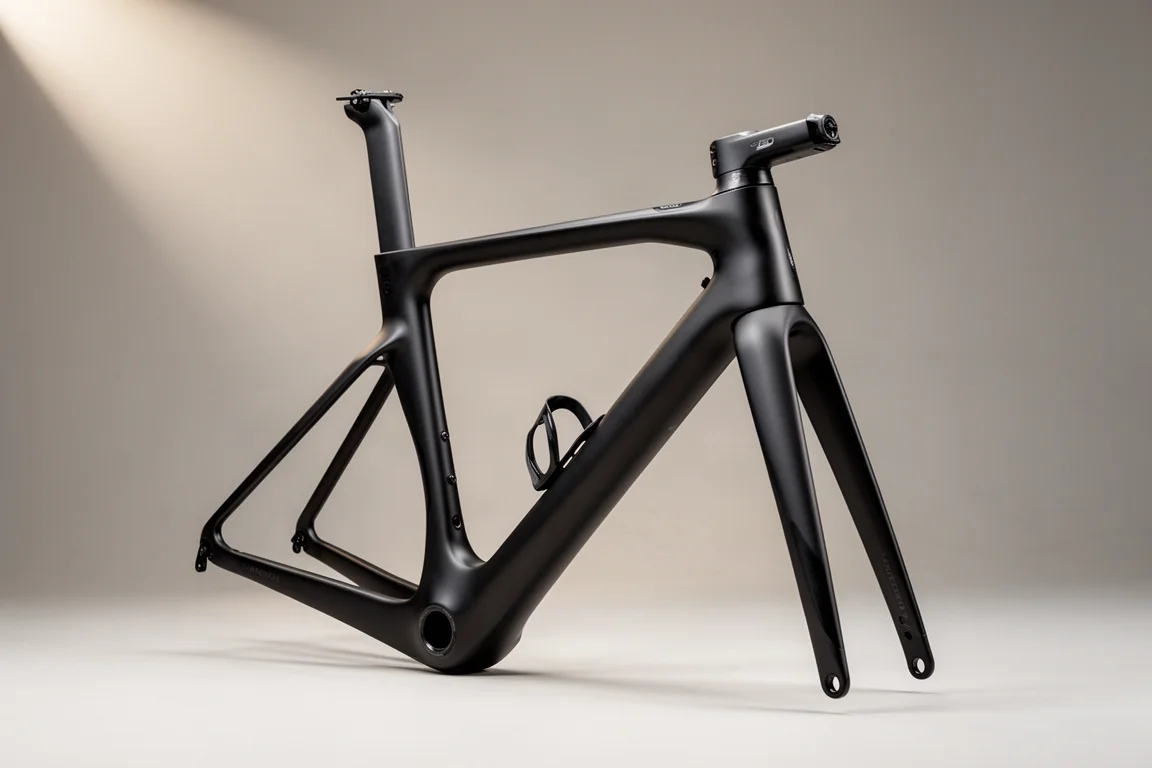
Also on the 2026 Start Line
Beyond the headline platforms, the 2026 peloton is filled with interesting machinery. Team Total Energies race the new Cube Lightning Arrow C68X from the German brand, while Cofidis line up on a new Look Blade 795 RS3, which is said to come with 350 fit options and is the only Campagnolo-equipped bike in the race. EF Education-EasyPost use the fifth generation Cannondale SuperSix, and NSN, the team of Biniam Girmay, race the Scott Foil, which is probably the oldest bike in the peloton.
Further down the list, Team Picnic PostNL race the Lapierre Xelius DRS, Tudor Pro Cycling stay Swiss with the BMC Teammachine R, and Caja Rural, a Spanish wild card entry, use the MMR Aléon, an all-rounder from a brand that is rarely seen in the UK or the US. XDS Astana race the XDS Aernatus, the flagship race bike from the Chinese brand X Lab. Merida’s new Reacto was released this year but has not had much of a spotlight since Bahrain Victorious switched to Bianchi, and there are rumours that Soudal-Quick-Step could ride it next season. Van Rysel also has a new prototype in the peloton, expected to be called the RCR Pro.
Buying Advice
If you are shopping at this end of the market, the differences between these bikes come down to fit and priorities rather than outright quality. Every platform here is a carbon race bike ridden by professionals, and the frame is only part of the cost: wheels, cockpits and groupsets vary considerably between builds.
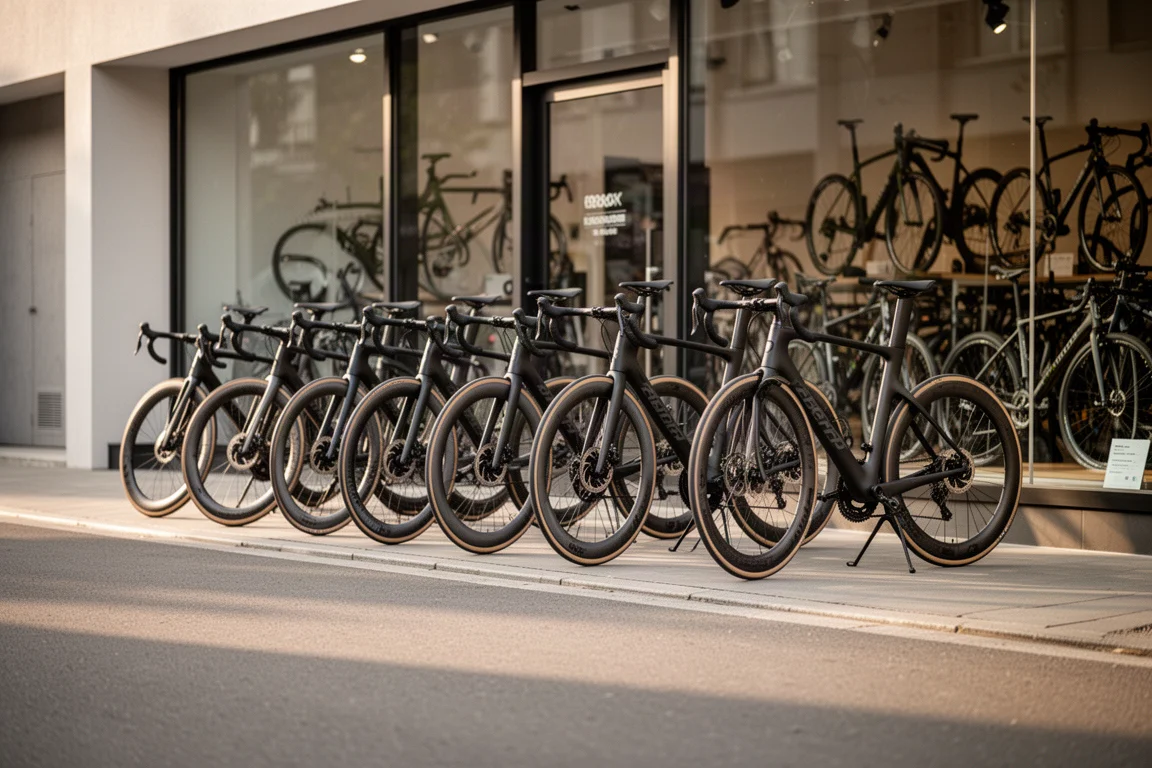
It is also worth remembering that not every premium road bike is a race bike. The Specialized Aethos, a pure climbing bike with more relaxed geometry, is a better choice for most riders even though it is less suited to the demands placed on riders competing at the Tour de France. If you want the race experience rather than a race result, a friendlier position will usually serve you better.
Availability matters too. The rule that requires race bikes to be on sale within 12 months of their first appearance means prototypes such as the Orbea Orca Aero do reach customers, but often later than the race debut suggests, and build and size options can be limited at first.
Finally, think about what you actually ride. A dedicated aero platform rewards riders who spend their time at speed, while newer all-rounders such as the Bianchi Specialissima RC are designed to combine aero performance with low weight. Matching the bike to the riding you do is worth more than any single specification number.
Conclusion
Every bike in this guide is a carbon race machine at the top of the market, and the differences between them are smaller than the price tags suggest. If you want the exact platform that has won the biggest races, the Colnago V1-RS and the Cervélo S5 are the obvious places to start. If you want the most widely trusted designs in the peloton, the Pinarello Dogma F, the Canyon Aeroad CFR and the Specialized Tarmac SL9 are the three that teams have converged on. And if value matters, the Quick Pro ER1 and the Winspace T1600 show how quickly the race bike market is changing.
Further reading
Related Reviews

Road Bikes
10 New Road Bikes Worth Watching: Aero, Titanium, Steel and Endurance Standouts
A practical roundup of 10 new road bikes, from aero flagships chasing single-watt gains to titanium, steel and endurance platforms built for real roads.
Road Bikes
2026 Tour de France Road Bikes: Six Race Machines Worth a Closer Look
Six race bikes from the 2026 Tour de France grid, reviewed for paint, silhouette, wheels and the specification details that matter to buyers.
Road Bikes
3T Strada Italia Review: A Radical Aero Road Bike That Rides Smooth
A made in Italy carbon aero road bike with a deep head tube, wide tire clearance and a genuinely comfortable ride. Here is what to know before buying.