Road Bikes
Best Road Bikes 2025: Eight Race Machines Worth Considering
Eight road bikes spanning entry-level alloy to handcrafted Italian carbon, with the real strengths and trade-offs to weigh before buying.
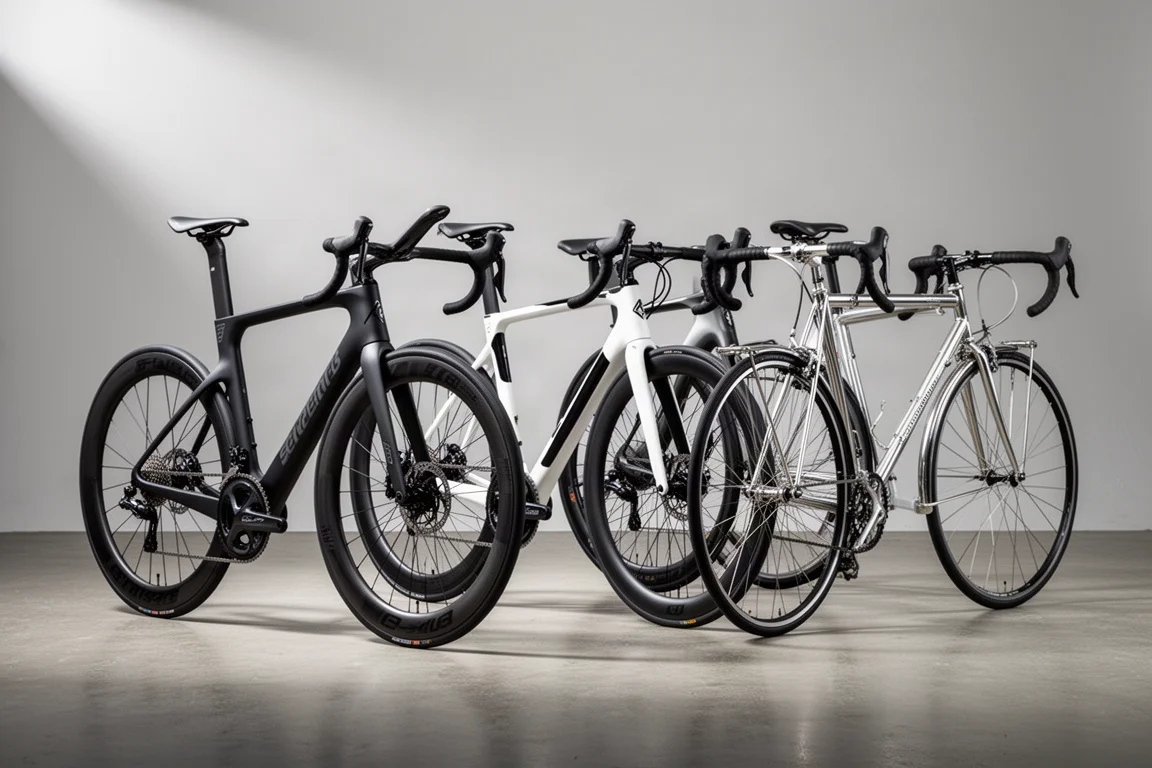
Introduction
Road bike design has settled into a recognisable pattern: carbon frames, electronic groupsets and tube shapes honed in the wind tunnel. What separates a bike that merely looks fast from one that feels right over a long ride comes down to details such as frame weight, geometry, tyre clearance and how sensibly the build kit has been chosen.
The eight bikes below cover that spectrum. There is an alloy machine that brings disc brakes in under the £1,000 mark, a direct-sales all-rounder with a power meter as standard, and two flagship race bikes at the opposite end of the market. Each one is here for a specific reason.
What We Looked For
Frame material and claimed weight matter, but they are only part of the picture. A bike that is 100 g lighter is rarely the difference between a good ride and a great one, while a geometry that suits your position can transform how confident you feel on a descent.
Aerodynamic refinement, tyre clearance, comfort over rough tarmac and the value offered by the component specification all shaped the selections here. Where a brand makes a specific claim, such as a frame weight or a drag reduction, that claim is noted as the manufacturer’s own rather than as an independent measurement.
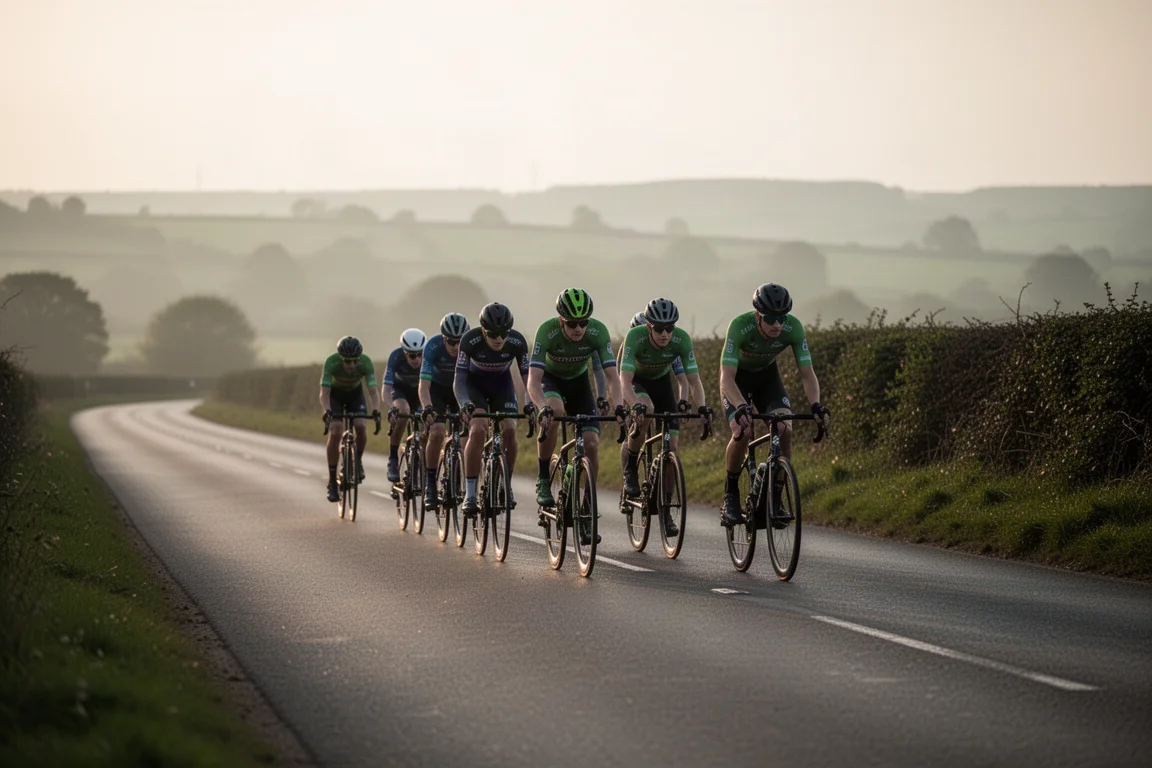
Price sits in the mix too, and the spread is wide. Some of these bikes are built to win races, others to make road riding accessible. Both are legitimate goals, and the right answer depends on how and where you ride.
Specialized Tarmac SL8
The Tarmac SL8 was the dominant race bike of the 2024 pro season, with more than 180 wins at that level, and it earned race bike of the year recognition. Rider First engineering is claimed to deliver the same responsive handling and power transfer across every frame size, and the frame has had extensive aerodynamic refinement in the wind tunnel.
The Expert build at around £6,000 shares much of the frame design and aerodynamic benefit of the range-topping model, using a different carbon layup that adds just under 100 g to the frameset. Shimano Ultegra Di2 provides electronic shifting, Roval C38 carbon wheels are paired with S-Works Turbo tyres, and the claimed weight is 7.2 kg, roughly 400 g more than the range-topping build. It is not a value bike, and the specification for the money trails direct-sales rivals such as Canyon and Van Rysel, but for aggressive, race-ready performance it is hard to overlook.
Argon 18 Sum Pro
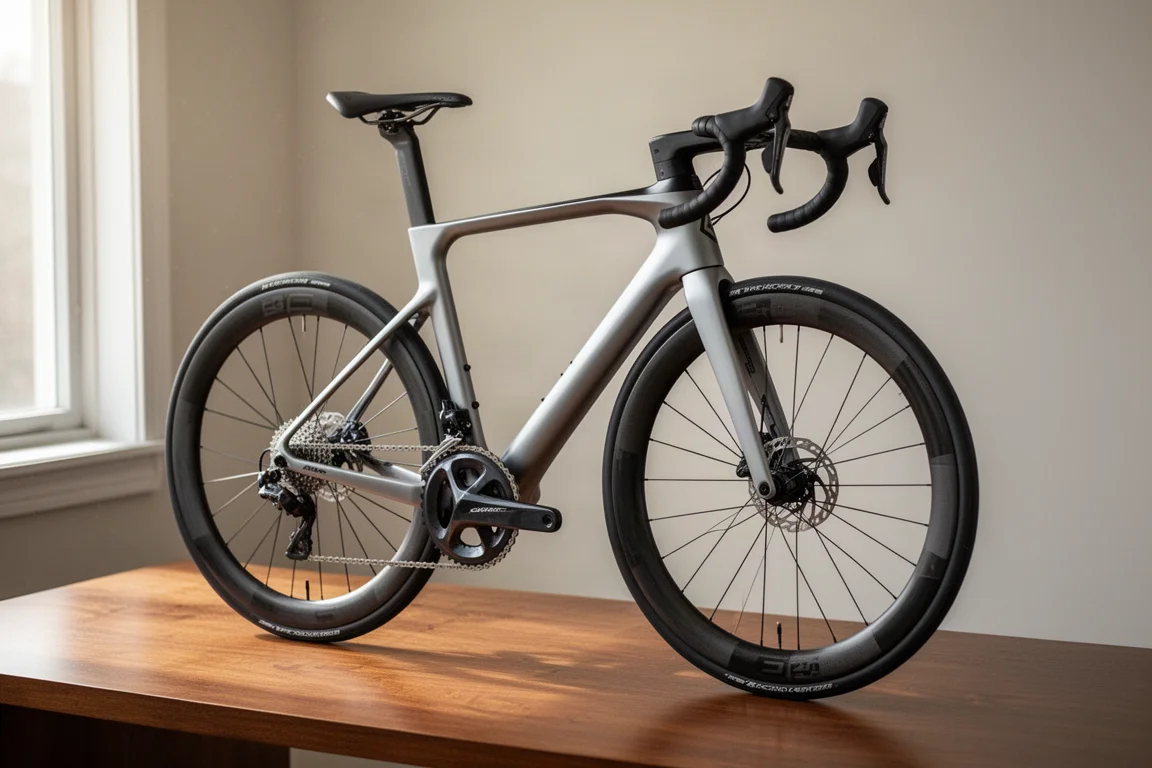
Argon 18 is a Canadian brand founded in 1989 by a former professional cyclist. It does not currently sponsor a top-division team, but the Sum Pro is built to go toe to toe with the best. It blends the aerodynamic features of the Nitrogen model with the climbing agility of the Gallium Pro, so the all-rounder label is earned rather than assumed.
The carbon layup is described as the most advanced Argon 18 has produced, combining power transfer stiffness with compliance. Aerodynamics were developed using computational fluid dynamics, with an hourglass-shaped head tube, a flared fork, slim down tube profiles and a D-shaped seat post. The frame is claimed at 850 g with clearance for 30 mm tyres, which helps keep longer rides comfortable on rough tarmac. The two-piece FSA ACR stem and SLK handlebar give up some of the sleekness of a one-piece cockpit in exchange for easier adjustment. At around $8,950 it offers exceptional performance without a WorldTour price tag.
Triban RC 520
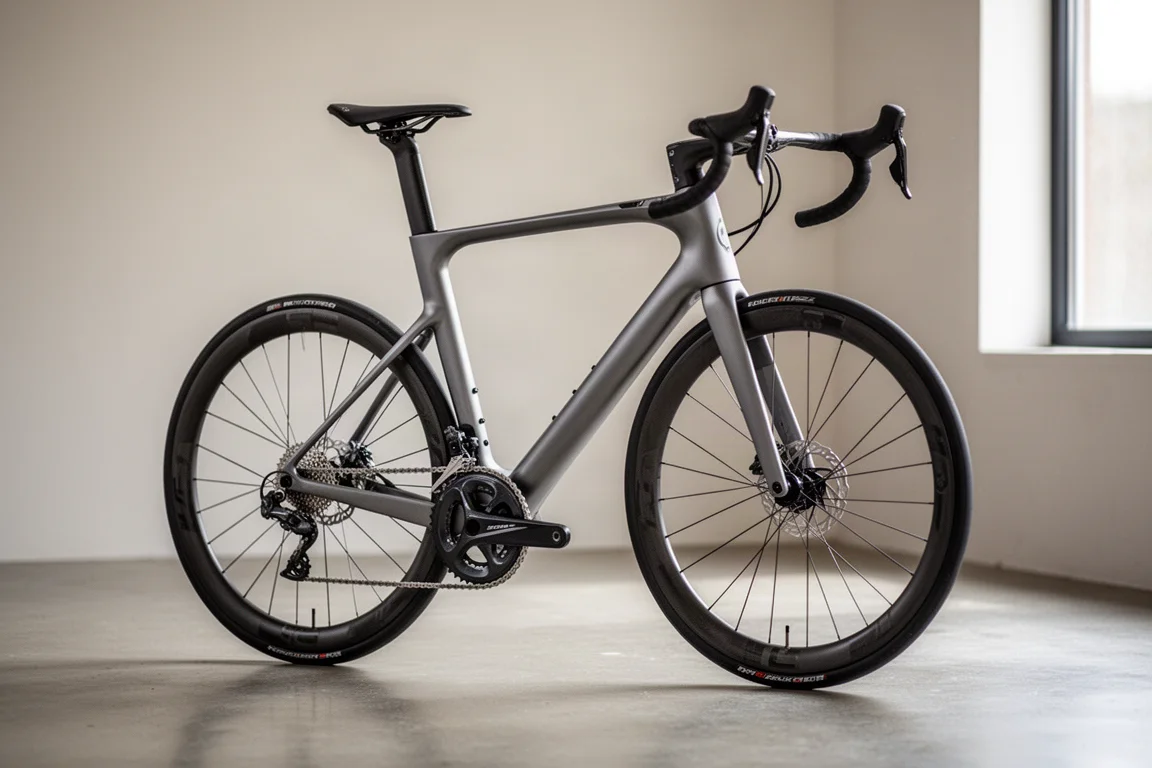
The Triban RC 520 is aimed at riders getting into road cycling on a budget. At just under £850 or $850 it will not win prizes for speed or weight, but disc brakes under the £1,000 mark are a rare find among the big brands.
The Triban Evo frameset is built from 6061 T6 aluminium with a geometry suited to longer rides. The frame is not the lightest at a claimed 1,780 g in size medium, but it includes rack and mudguard mounts, which makes it unusually versatile for commuting or touring. A carbon-bladed fork with an aluminium steerer adds stiffness while absorbing frontal vibration, and tyre clearance up to 36 mm opens the door to light gravel riding.
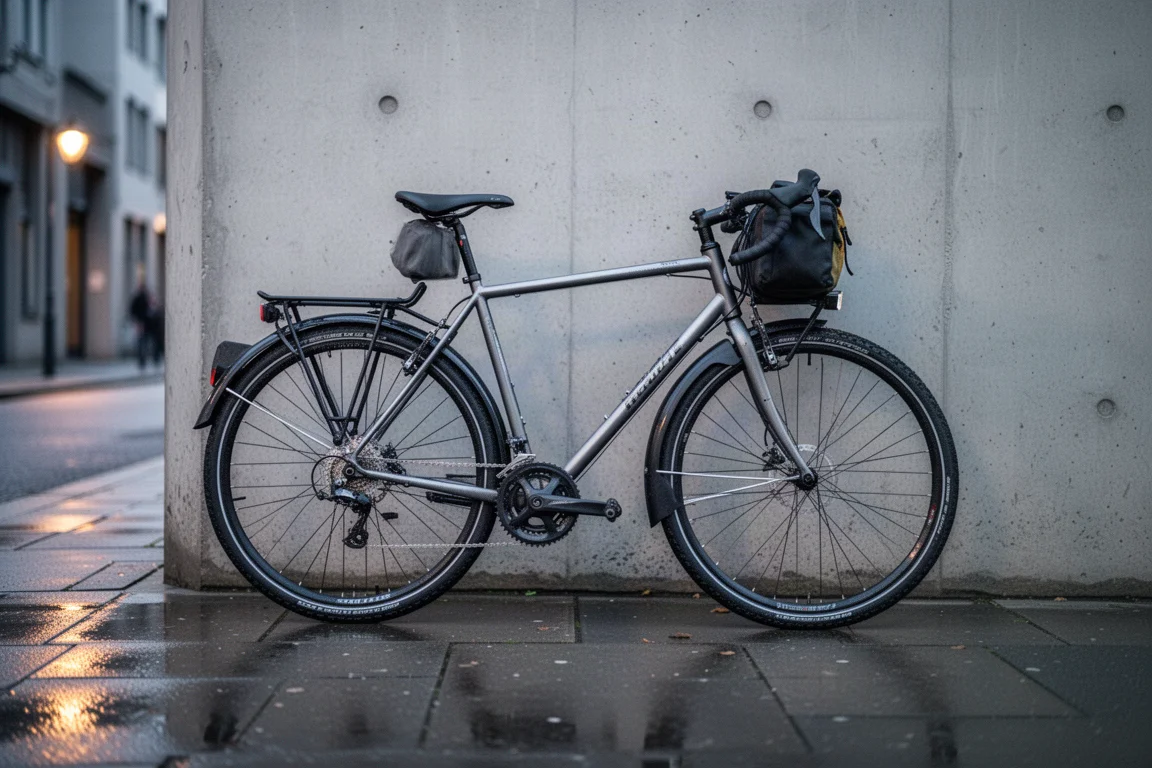
On the road the RC 520 is easy to ride, with a stable geometry that inspires confidence in descents and corners. The Microshift groupset and TRP hydro disc brakes are not fully hydraulic, but they outperform traditional rim brakes and make cable maintenance simpler. The bike carries some extra weight, and the stock tyres are not particularly supple, so a tyre upgrade is a sensible early change. Frame stiffness also means more road buzz than you would feel on a higher-end model such as the Cannondale Optimo. As an entry point into road cycling, the specification for the money is strong.
Pinarello Dogma F
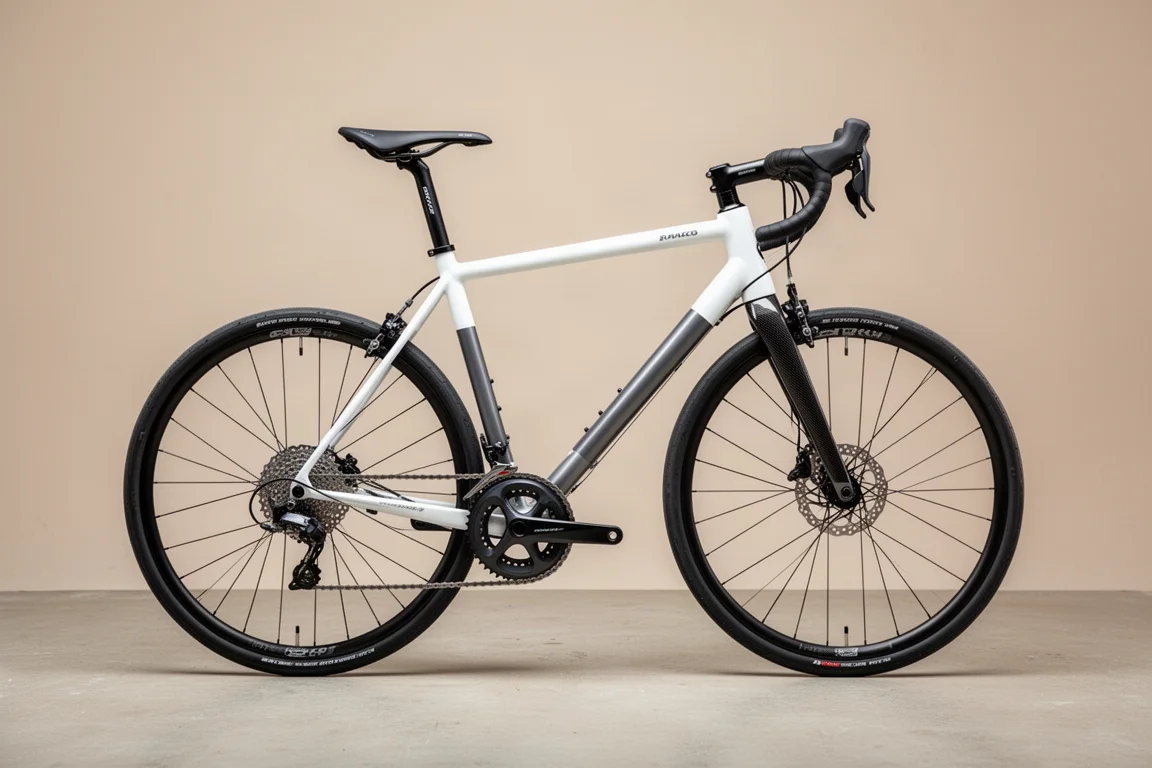
The latest Dogma F focuses on improved aerodynamics and reduced weight, and it is the bike the Ineos Grenadiers team rides. A size 53 build is claimed at 6.63 kg, helped by new carbon fibre technology from Pinarello’s carbon partner. The design was informed by analysis of Geraint Thomas’s 2022 Tour de France data, with small aerodynamic optimisations rather than wholesale changes.
A deeper, narrower head tube reduces drag, the bottom bracket has been redesigned, and M48X carbon fibre increases stiffness while cutting 108 g from the previous frame weight. A flared Most Talon integrated handlebar continues the aero theme, tyre clearance has grown to 30 mm, and cable routing and the integrated seat clamp have both been reworked for easier maintenance. Complete builds start at $14,500 across six colourways, which keeps this firmly in flagship territory.
Merida Scultura
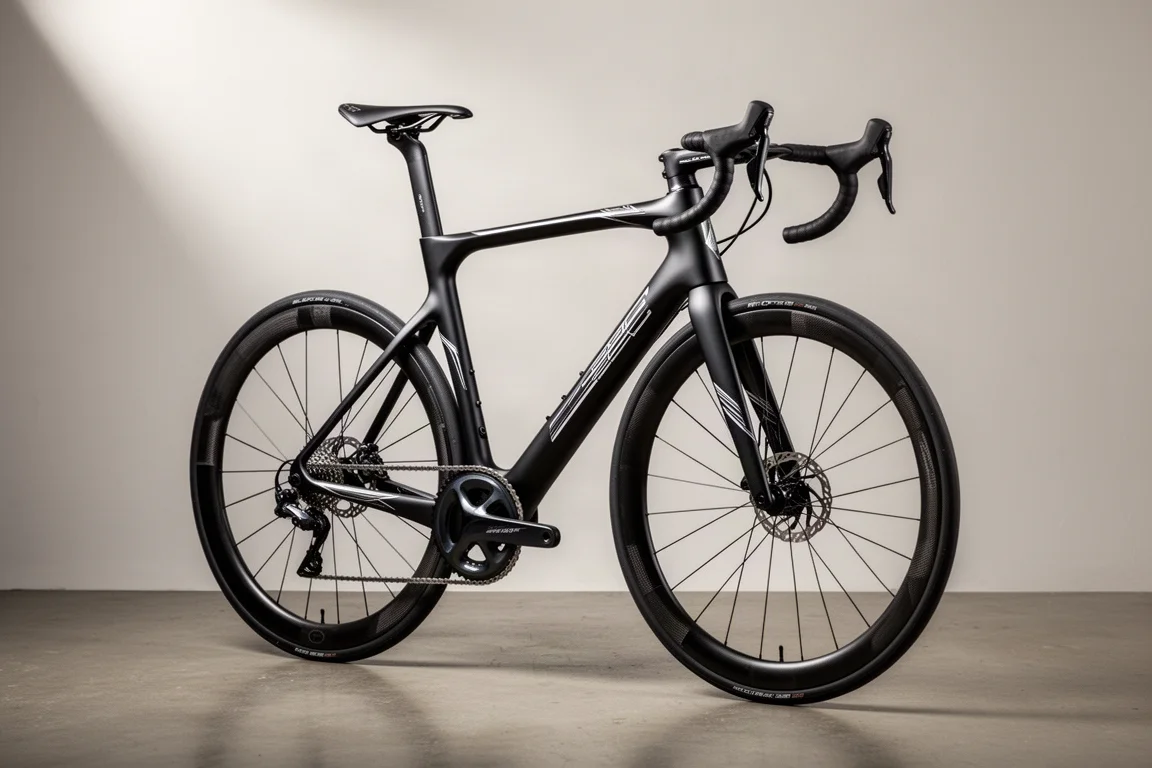
The Merida Scultura suits riders who want a traditional race bike setup without the aerodynamic jargon that dominates modern marketing. There are modern touches, including dropped seat stays, but Merida has resisted going all in on aero and focused instead on getting the geometry right. The result is a package with excellent power transfer.
Merida’s second-tier CF3 carbon construction uses rounded tube profiles to save weight and maintain comfort over long rides. Shimano 105 Di2 brings smooth electronic shifting, and the generous 11-34 cassette is well suited to tough climbs. There are no high-end carbon wheels or top-tier components, but the specification is chosen smartly to keep costs down without hurting ride quality. At around $3,300, with a clean white and black finish, it is a strong value option for riders who want electronic shifting on a capable race bike.
Cannondale CAAD13
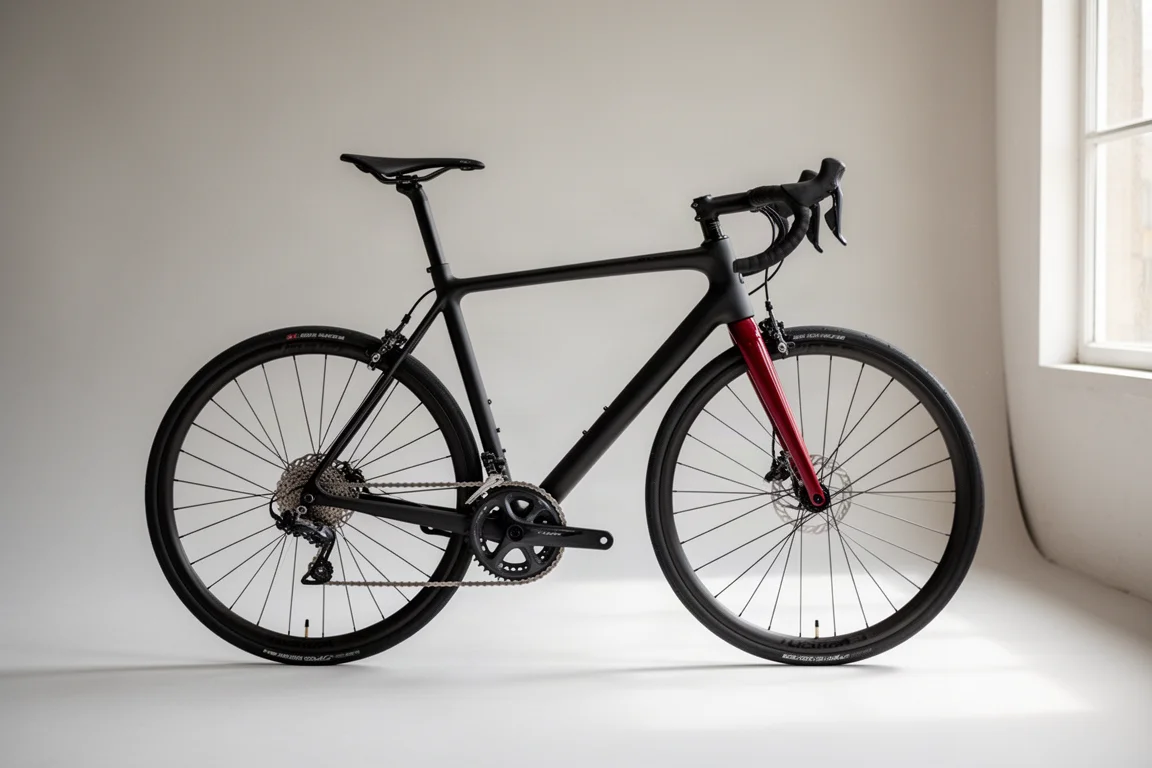
The Cannondale CAAD13 is proof that alloy does not have to mean a low-end bike. Cannondale has spent decades getting the most out of aluminium road frames, and the CAAD13 uses a SmartForm C1 premium alloy frame paired with a full carbon fork. It is light, stiff and aimed squarely at riders who value efficiency.
Modern alloy frames do not need boring cylinder shapes either. The CAAD13 has some aerodynamic optimisation in its down tube and seat tube, and the dropped rear stays allow tyres up to 30 mm for extra comfort and grip on rougher roads. Cannondale describes it as the most advanced and best performing alloy frame it has made, and it comes with a groupset to match. The caveat is that alloy is generally less forgiving than carbon fibre, although SAVE technology is built into the frame to keep the ride smooth as well as stiff.
Canyon Ultimate CF SLX 8
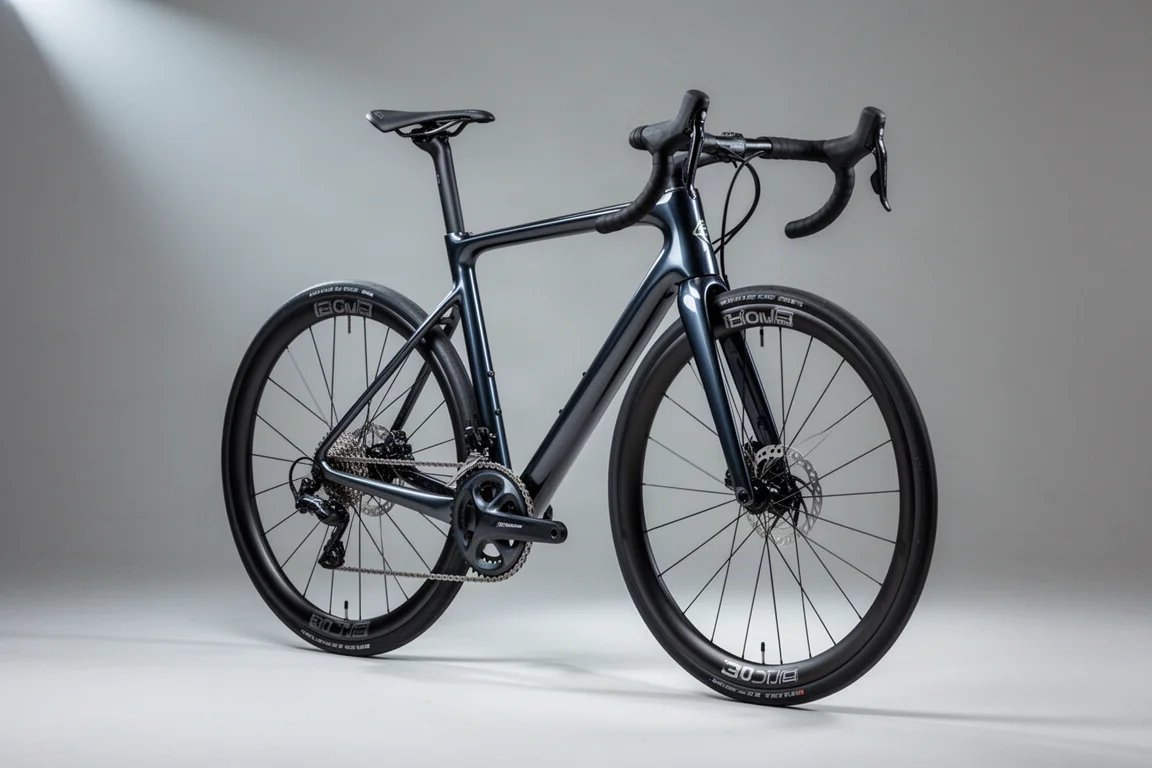
The Canyon Ultimate CF SLX 8 is an all-round race bike that excels on climbs while holding its own on the flats, making it a natural competitor to the Tarmac SL8. Now in its fifth generation, the Ultimate combines aerodynamic improvements with the lightweight characteristics the series is known for, and the revised head tube and seat tube help it work across a wide range of terrain.
Balanced handling is a key strength, and the value proposition is strong because Canyon sells direct to customers with no distributor in between. This build pairs a Shimano Ultegra Di2 groupset with DT Swiss ARC 1400 wheels and a 4iiii power meter, and includes the Canyon CP18 integrated aerodynamic cockpit, a feature many brands reserve for their flagship models. It retails at $6,999 or £6,199. The understated black colour scheme will not appeal to everyone, but the combination of speed, climbing ability and price is hard to argue with.
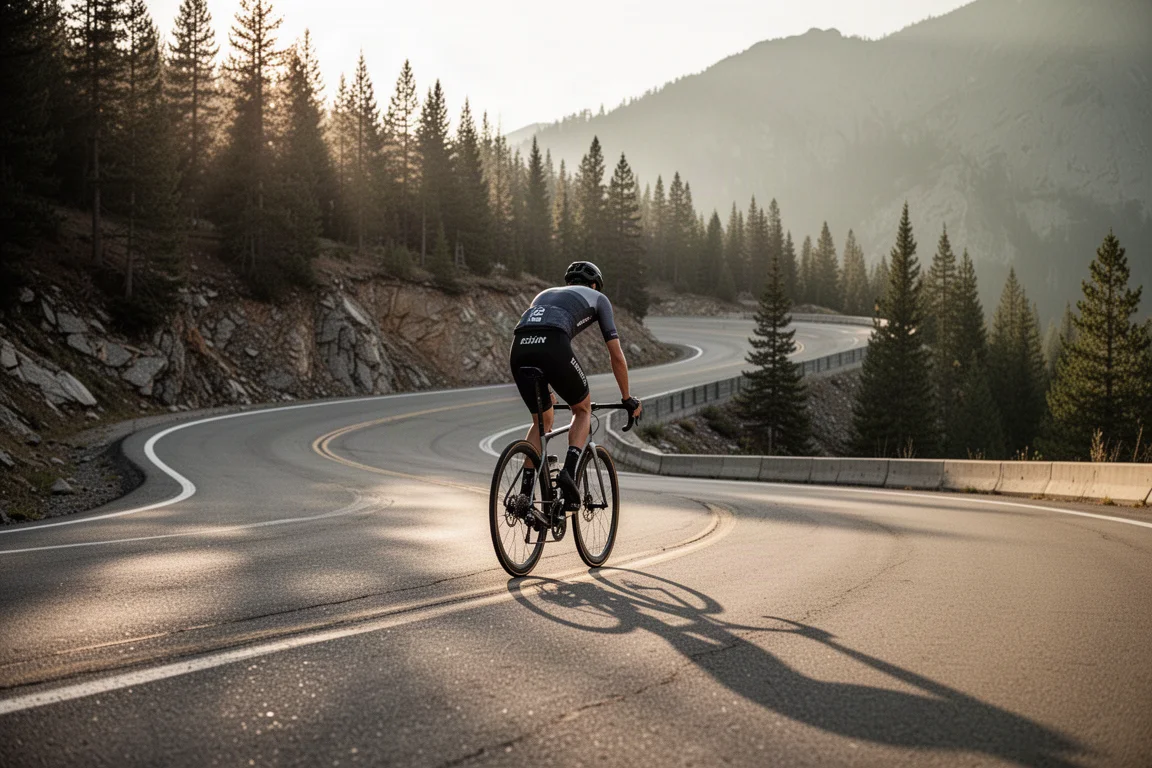
For riders who want race-level equipment without paying flagship prices, this is one of the most complete packages in the list, and the included power meter makes structured training straightforward from day one.
Colnago C68
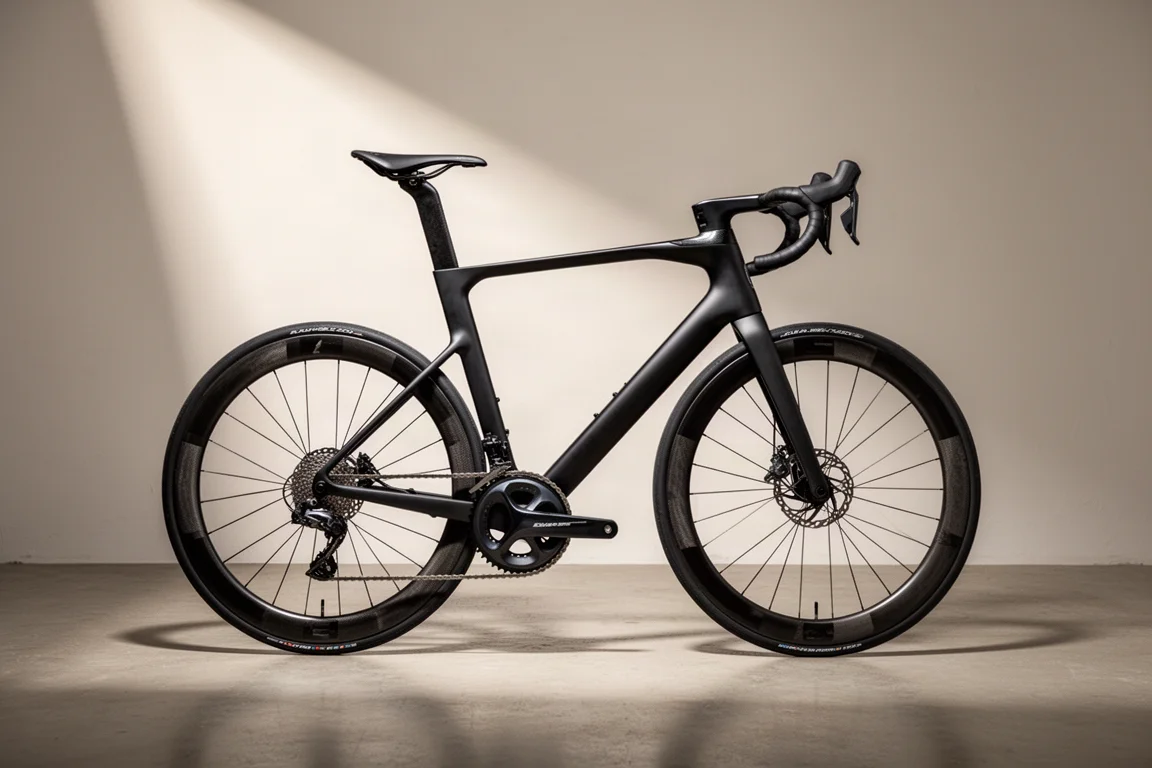
The Colnago C68 is a different proposition entirely. The C series has long been regarded as the pinnacle of Italian bike manufacturing, and the C68 is the latest iteration of that handcrafted formula, aimed at riders who want the ultimate in both aesthetics and performance. It is not stuck in the past either, with tyre clearance grown to 32 mm for more versatility and comfort.
Premium technology runs through the frame, including a lightened fork, an updated steerer tube and a CeramicSpeed SLT headset that promises maximum performance with minimal maintenance. The geometry is borrowed from Tadej Pogačar’s Tour de France winning V4RS, so race performance sits at the heart of the design. Custom builds start from over $9,000 or £9,000, which places it firmly in collector territory as much as race territory.
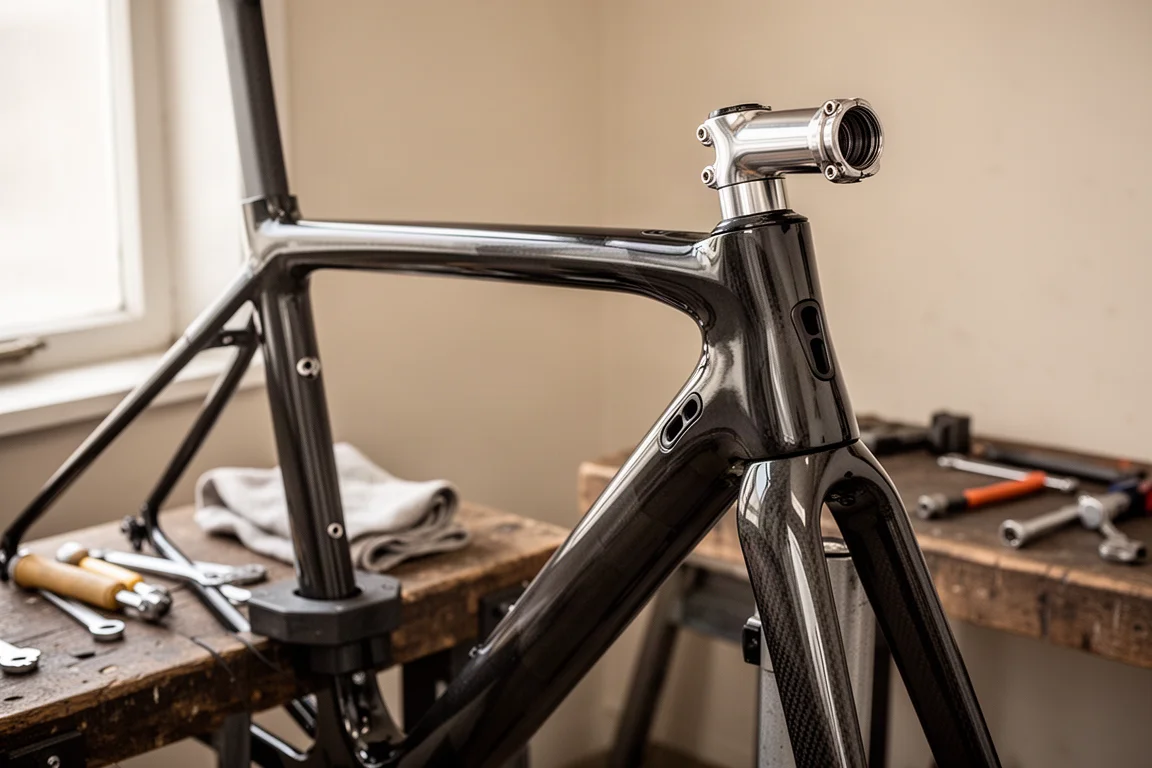
A bike like this is bought for the long term, and the combination of handcrafted construction and contemporary standards makes it something to be cherished on the road as much as in a collection.
Buying Advice
Start with the riding you actually do. If race results matter, the Tarmac SL8, Dogma F, Canyon Ultimate and Argon 18 Sum Pro all prioritise speed, stiffness and aerodynamic efficiency, with different balances of price, exclusivity and adjustability. The Sum Pro stands out for its ride quality and less common badge, while the Ultimate adds a power meter and an integrated cockpit at a direct-sales price.
If you are newer to road riding, or you want one bike for commuting, touring and light gravel, the Triban RC 520 is the obvious starting point thanks to its mounts, 36 mm clearance and disc brakes at an entry-level price. The Merida Scultura and Cannondale CAAD13 sit in the middle: the Scultura delivers electronic shifting and a traditional race feel for around $3,300, while the CAAD13 shows how refined an alloy frame can be.
At the top end, the Pinarello Dogma F and Colnago C68 are as much statements as they are race bikes. The Dogma F is the more performance-focused choice with its 6.63 kg claimed build weight, while the C68 leans into handcrafted Italian construction and long-term ownership.
Conclusion
Eight bikes, eight different answers to the same question. The best road bike for you is the one whose priorities match your riding: race-day speed, all-day comfort, or a balance of the two at a price that makes sense.
Whether you are chasing a podium or simply enjoying weekend group rides, this selection shows there is genuinely something here for a wide range of riders and budgets.
Further reading
Related Reviews
Road Bikes
10 New Road Bikes Worth Watching: Aero, Titanium, Steel and Endurance Standouts
A practical roundup of 10 new road bikes, from aero flagships chasing single-watt gains to titanium, steel and endurance platforms built for real roads.
Road Bikes
2026 Tour de France Road Bikes: Six Race Machines Worth a Closer Look
Six race bikes from the 2026 Tour de France grid, reviewed for paint, silhouette, wheels and the specification details that matter to buyers.
Road Bikes
3T Strada Italia Review: A Radical Aero Road Bike That Rides Smooth
A made in Italy carbon aero road bike with a deep head tube, wide tire clearance and a genuinely comfortable ride. Here is what to know before buying.