Road Bikes
Best Road Bikes 2023: Nine Standout Models Worth Considering
A practical look at nine 2023 road bikes, from aero race machines and endurance all-rounders to a magnesium frame that undercuts carbon on price.
Introduction
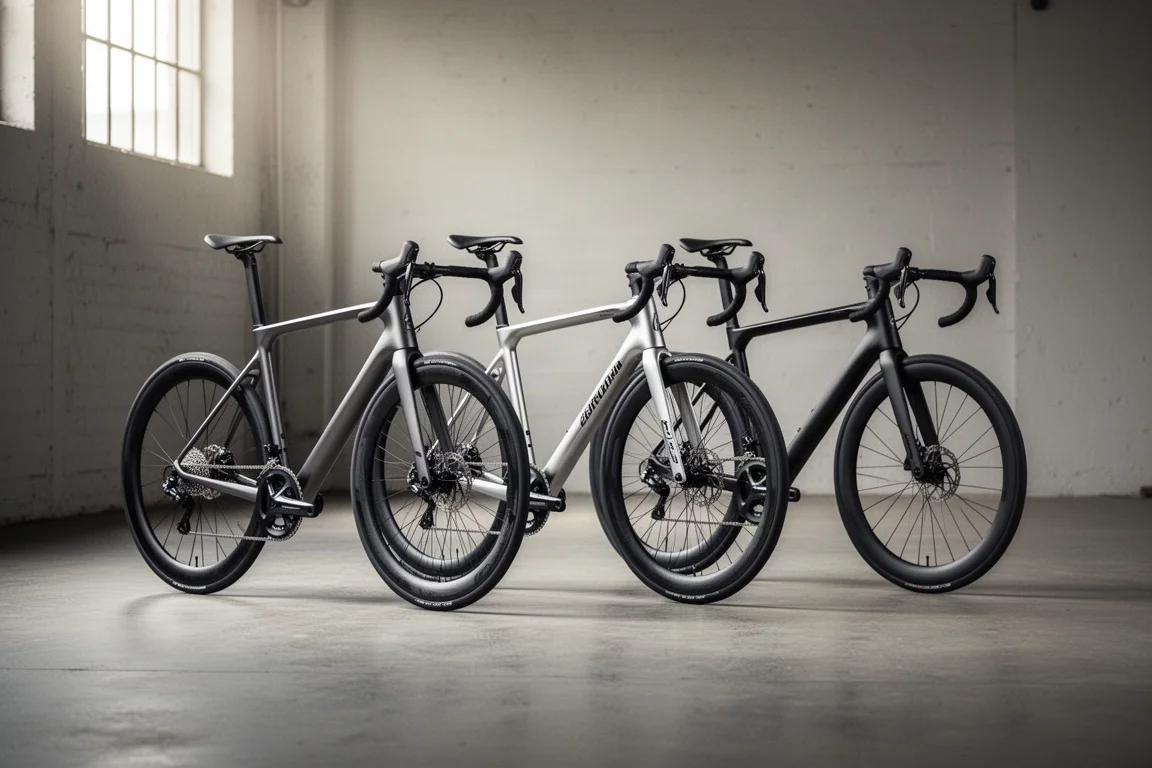
The 2023 model year brought a wave of new road bike launches, and the nine bikes below cover the breadth of what arrived: wind tunnel focused aero race bikes, endurance machines built for long days on rough surfaces, and one magnesium frame that undercuts carbon on price.
The most striking theme is convergence. Aero bikes have shed weight, endurance bikes have picked up aero tube shapes, and tire clearances have grown across the board. That means the right choice now depends far more on the roads you actually ride than on the category a bike happens to sit in.

How These Bikes Were Evaluated
Every bike here was judged on the things that matter when real money is on the table: rider comfort, weight, aerodynamic claims, tire clearance, ease of maintenance at home, and value relative to the rest of the brand’s own range.
Weight and aero figures are manufacturer claims and are quoted at the speeds the manufacturer specifies. Drag savings shrink considerably at everyday riding speeds, so a headline watt figure at 50 km/h never translates directly to a Sunday club run.
Trek Madone SLR
The Madone SLR is the most radical redesign in this group. IsoFlow, a hole through the seat tube, replaces the IsoSpeed decoupler used on the previous generation, and Trek claims the change makes the bike lighter and more aerodynamic with no impact on comfort. In practice the new bike is not quite as smooth as the model it replaces, but tire clearance has grown, so the 25 mm tires it ships with can be swapped for something wider to restore real-world comfort.
The one-piece handlebar and stem is just as distinctive. Hood-to-hood width is 39 cm, noticeably narrower than a conventional drop bar, which pulls the shoulders and arms inward to reduce frontal area. Combined with the new frame, Trek claims the result is a faster bike than the outgoing Madone.
Giant Propel
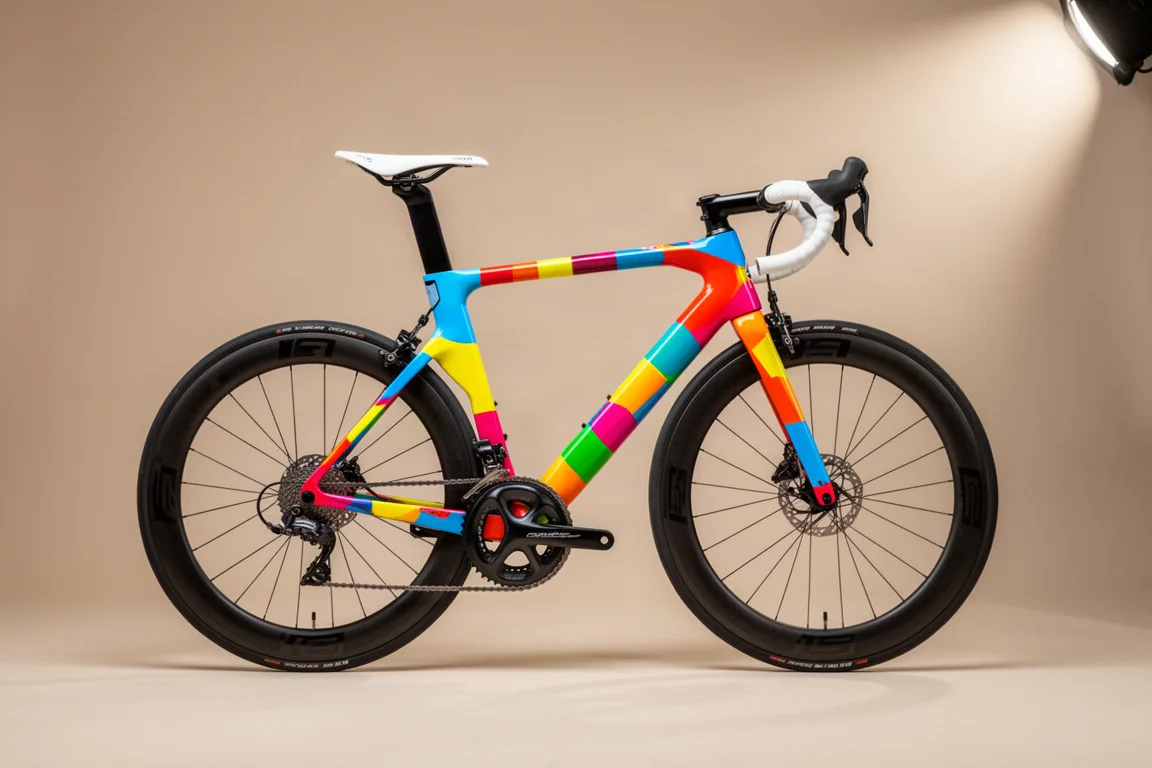
The Propel has never been the most popular aero race bike on the market, and this new version directly addresses the main reason why. Aero profiles, a one-piece handlebar and stem, and dropped seat stays keep drag low, while weight drops to an actual 6.9 kg for a size ML built with a top-end Dura-Ace Di2 12-speed groupset. That makes it lighter than the Trek Madone SLR.
Ride quality is the other headline. The Propel is fast, handles well, and its comfort sits near the best in its class, all without unusual aero gimmicks. Combined with Giant’s usual value for money, it becomes a genuine alternative to the brand’s own TCR.
Cannondale Synapse
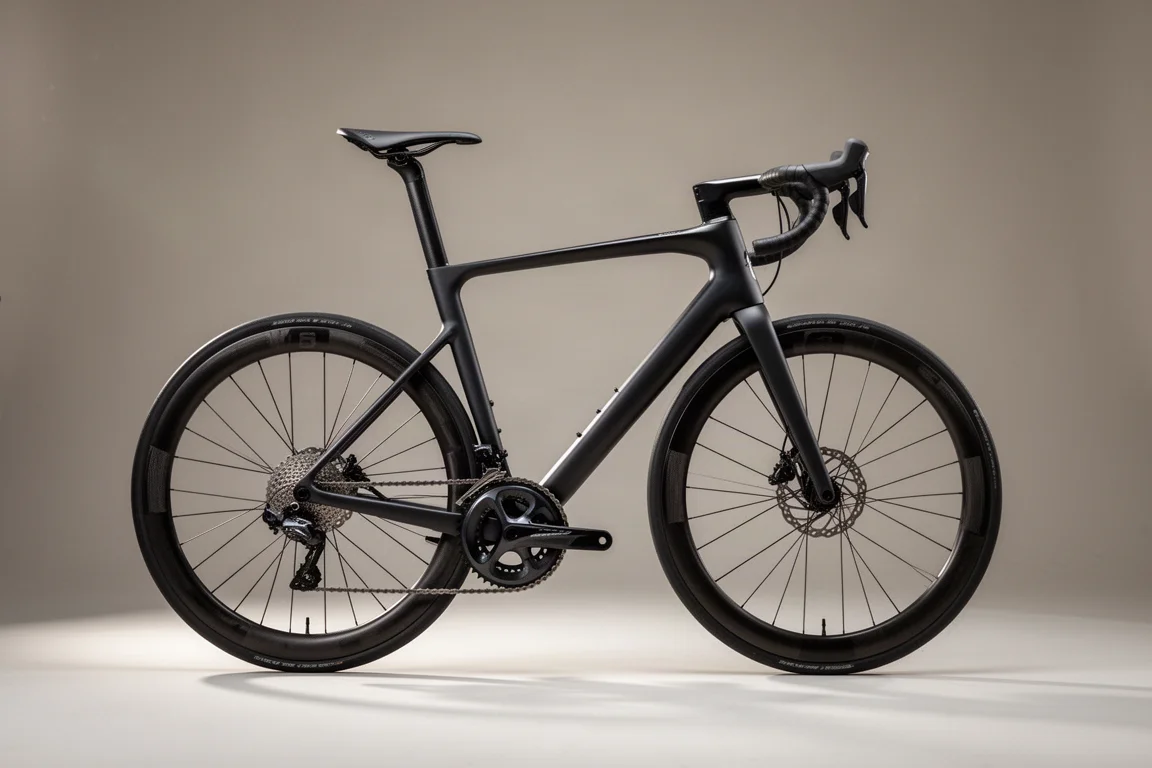
The Synapse has long been one of the most popular endurance road bikes, and the new version is a significant step change. An aero makeover gives it a modern, faster look, and the practical details are arguably more important: clearance for 35 mm tires front and rear, a threaded bottom bracket in place of a press-fit design, and mudguard mounts.
Ride quality holds up the reputation. The new Synapse is faster and more responsive than before while keeping the smoothness that made the model a favourite for long sportives and gran fondos on rough road surfaces.
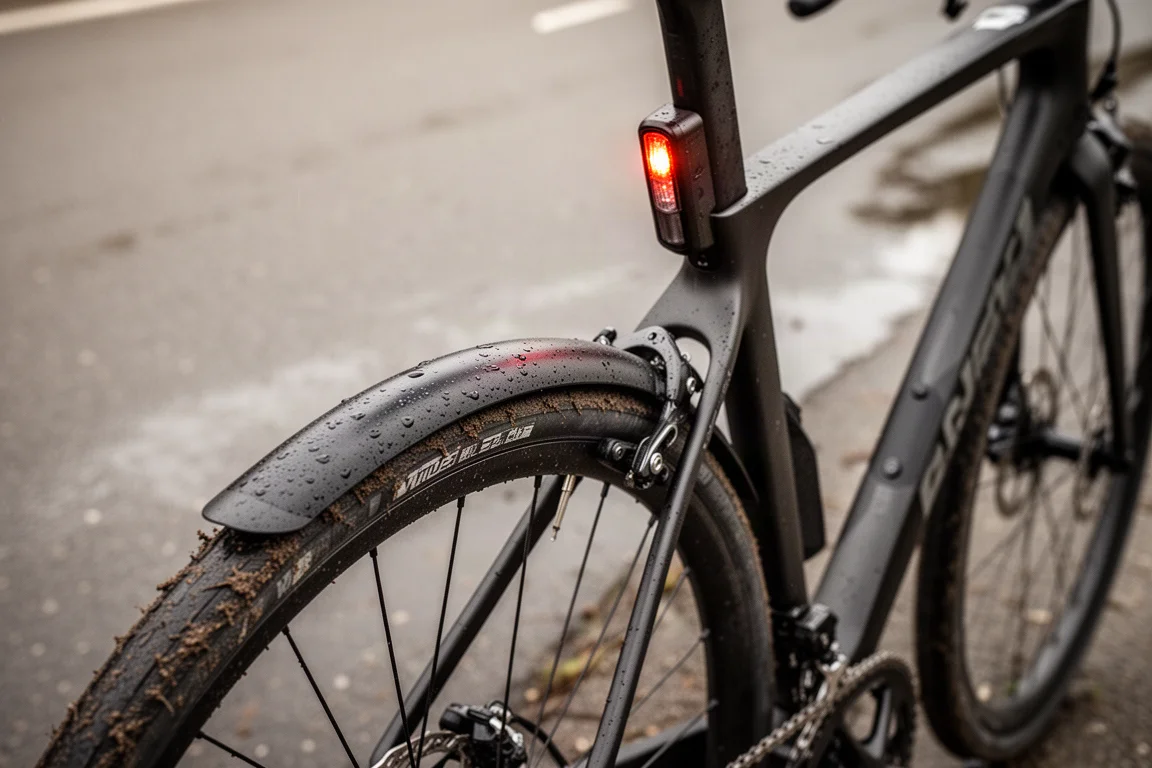
The one feature worth thinking through before buying is the integrated daytime running light system. Front and rear lights plus a battery are built into the frame design, which is clever, but it also means you cannot easily upgrade or replace them with lights of your own choosing.
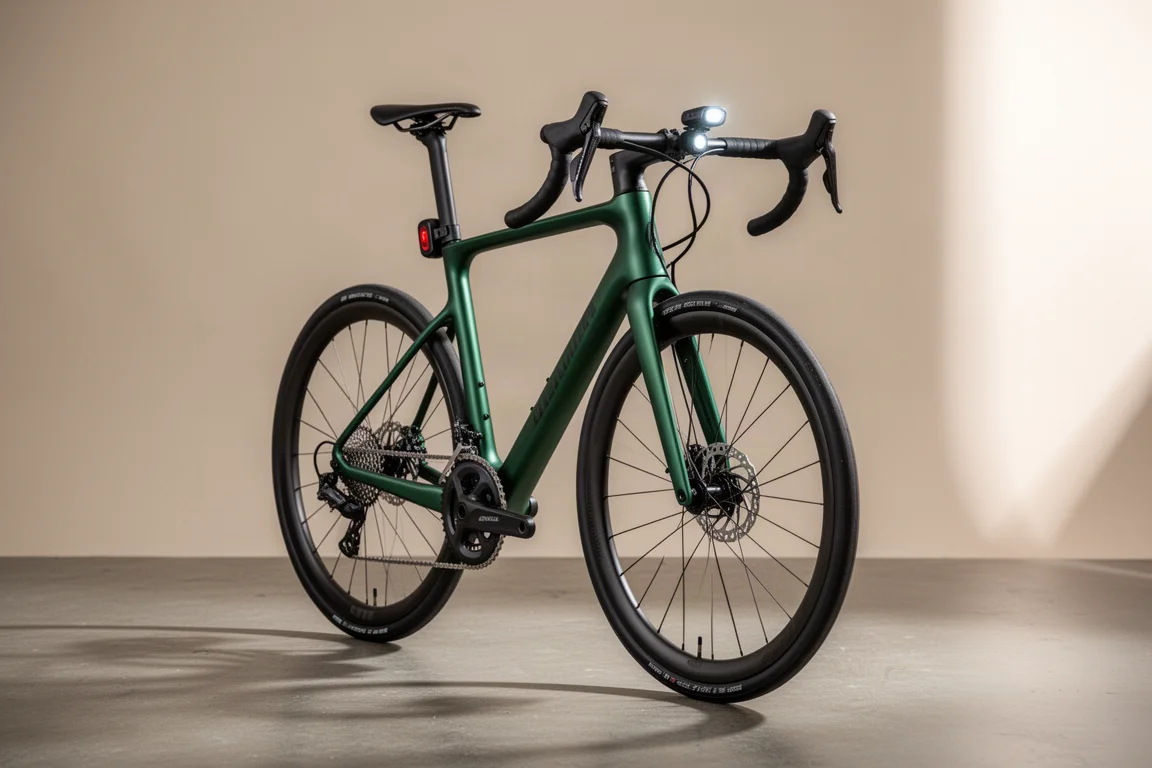
Trek Domane
The Domane has been fully updated, and the headline change is weight. Trek claims a 300 g saving on the frame, which addresses one of the main criticisms of the previous generation, a bike that rode beautifully but sat on the portly side.
That saving came partly from removing the front IsoSpeed coupler while keeping the rear IsoSpeed, although the rear unit is no longer adjustable. The class-leading 38 mm tire clearance and down tube storage both remain. The same changes filter down to the more affordable SL model, where the claimed saving is a substantial 700 g.
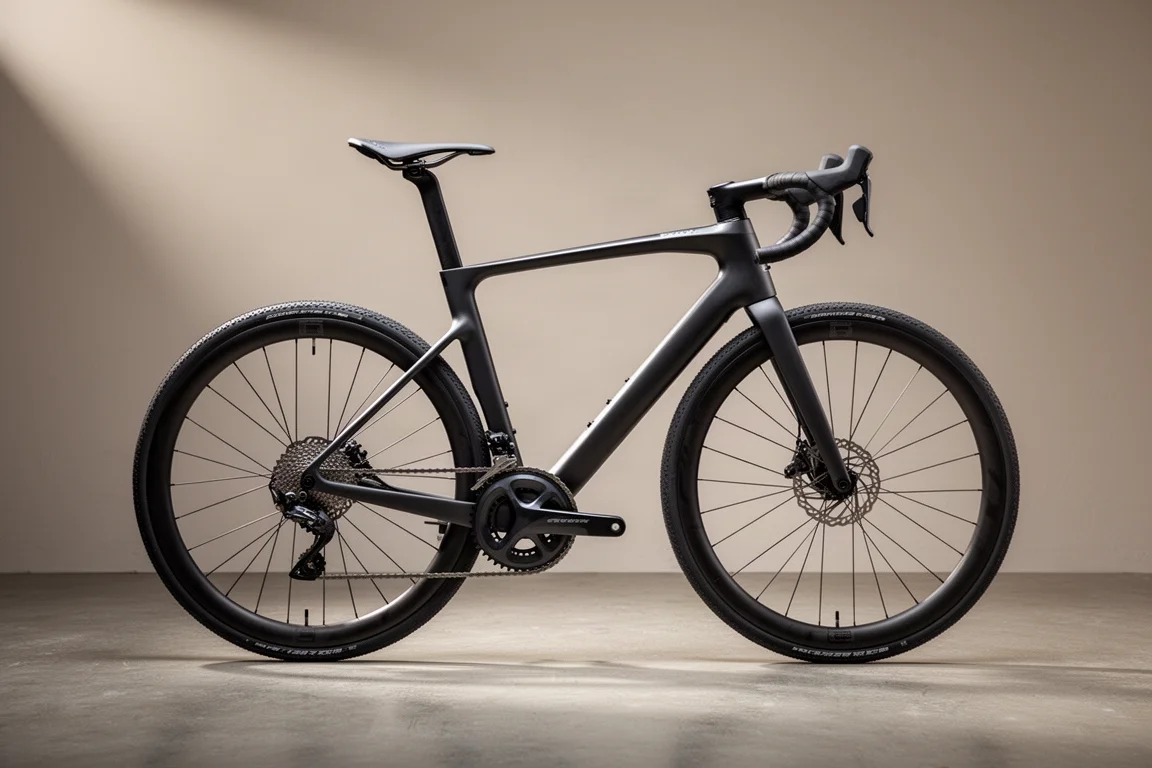
Cervelo Soloist
The original Soloist was one of the first road bikes to borrow its aerodynamics from time trial machines, and the name returns for 2023. Rather than chasing the flagship position, which the S5 already holds, the new Soloist is positioned as the more accessible option in the range, with prices running from £3,000 to £7,000.
That is still serious money, but well short of the £13,000 commanded by some range-topping bikes. The new Soloist sits between the S5 and the R5 on aerodynamics and is lighter than the S5. Practical details matter here too: a conventional two-piece handlebar and stem with simple internal routing running under the stem makes fit changes straightforward, and 34 mm tire clearance opens the door to rough roads or light gravel.
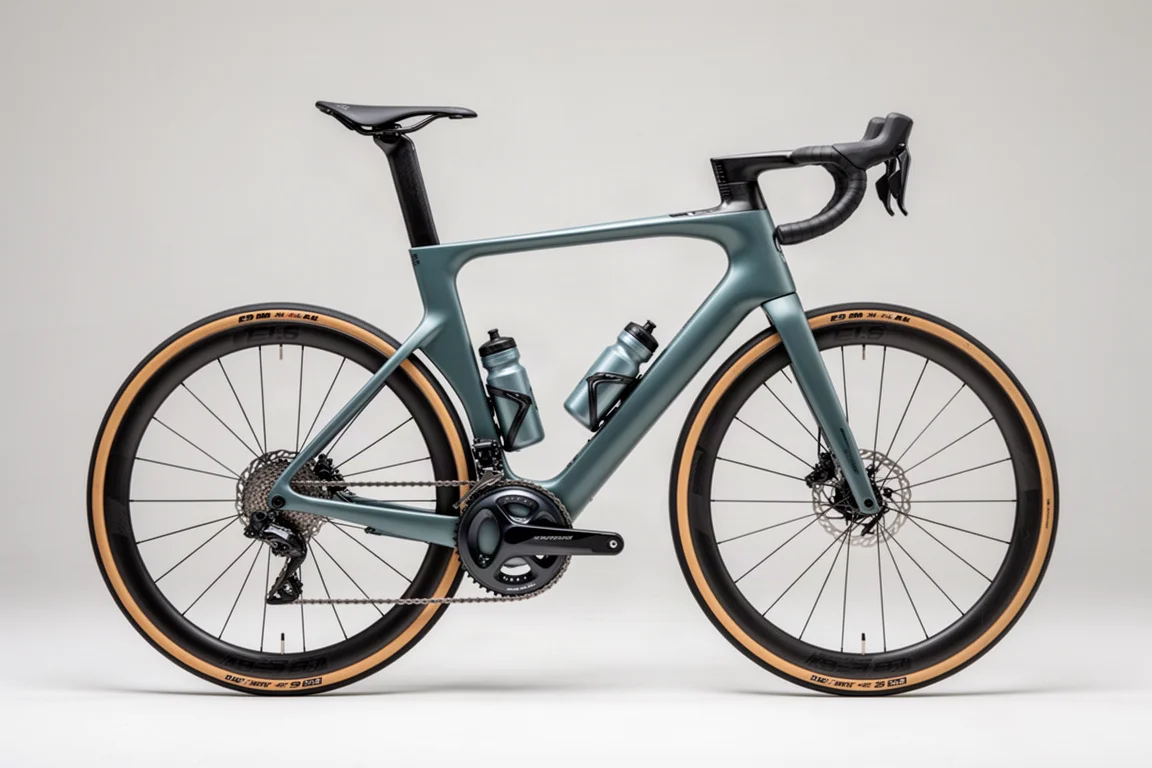
Canyon Ultimate
The Ultimate is a modern classic that has changed little over the years because it does almost everything a road race bike needs to do. The new version keeps that formula and refines it: light enough, aero enough, and stiff enough for the mountains, flat roads, racing and gran fondos.
The updates are small but useful. Full internal cable routing arrives with a new handlebar and stem, tire clearance grows to 32 mm, and the geometry is racier than before, in line with the Aeroad. Aero gains are modest, with a claimed 5 W drag saving only once you are above 45 km/h, which shows that aerodynamics were deliberately left to the Aeroad. The range-topping model is claimed at 6.3 kg, and the line runs across three tiers, CF SL, CF SLX and CFR, with the CF SL starting at just over £2,600.
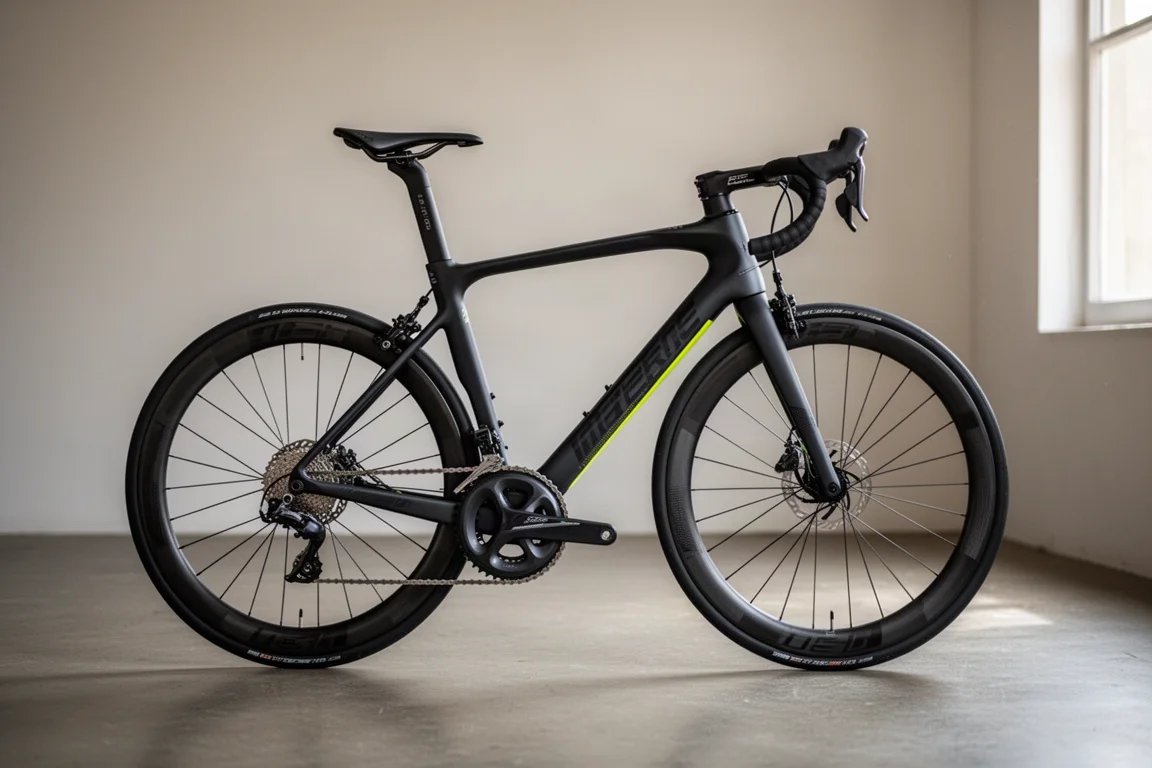
Scott Foil
The Foil is one of the original aero road bikes, and the new version pushes frame design about as far as the current UCI rules allow. Scott claims it is 20 percent faster, 9 percent lighter and 10 percent more comfortable than the outgoing bike, a substantial set of numbers for a single update.
The most visible change is the use of compensation triangles between the main frame junctions, the biggest being a shelf between the seat tube and the down tube at the bottom bracket. Comfort comes from 30 mm tire clearance and a slim D-shape seat post sitting inside an aero fairing, a neat solution that aims to avoid the usual aero-versus-comfort trade-off.
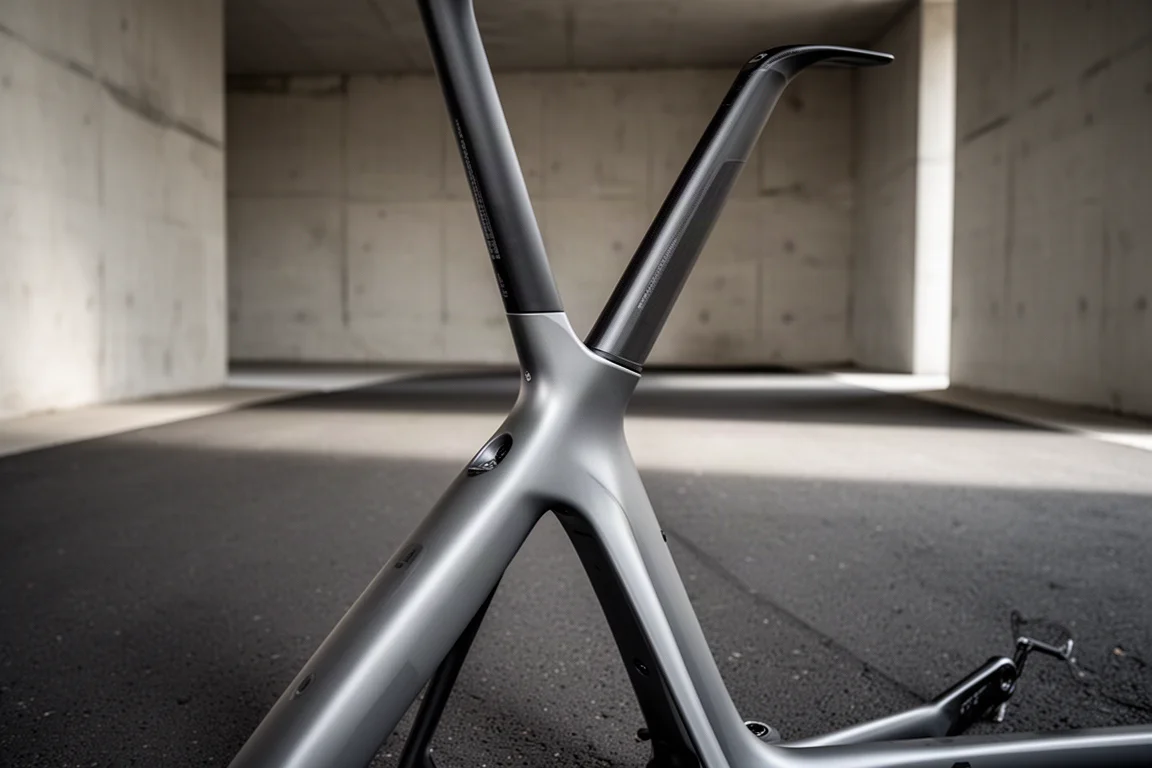
It remains one of the most aerodynamic-looking road bikes you can buy, and riders who prioritise outright speed will find plenty to like. The 30 mm tire clearance is still tighter than the endurance-focused bikes in this list, so those chasing maximum rough-road comfort have better options elsewhere.
Cube Lightning Air C:68X
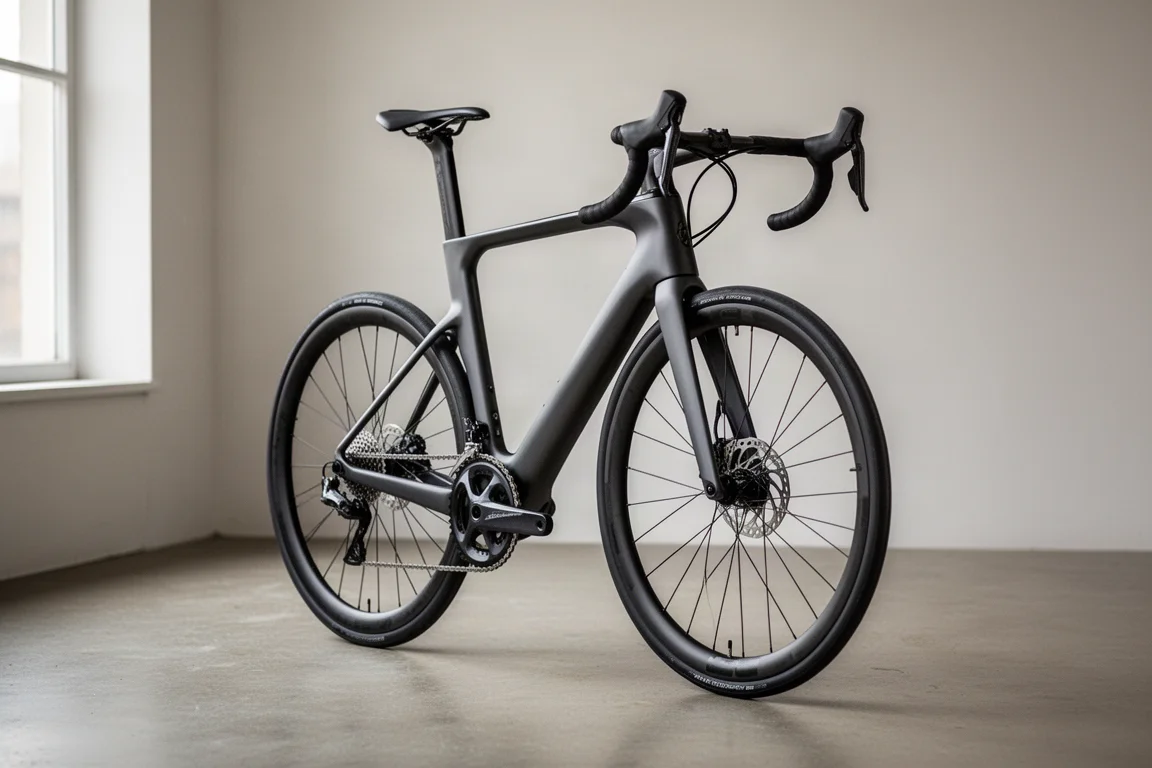
Aero and low weight rarely arrive together, and the Cube Lightning Air C:68X is a serious attempt to close that gap. The top-end model is claimed at 6.6 kg, which puts it among the lightest aero road bikes currently available.
The frame is new, but it is not an out-and-out aero bike, and Cube still offers a dedicated aero model elsewhere in the range. Instead this is a lightweight aero crossover in the mould of the Specialized Tarmac SL7. The frame is claimed at 799 g, lighter than the roughly 900 g typical of aero frames, and the tube profiles are smaller than a conventional aero race bike while keeping a truncated shape to manage drag. Value is strong as usual for Cube, with a Shimano Ultegra Di2 build at around £6,000.
VAAST R1
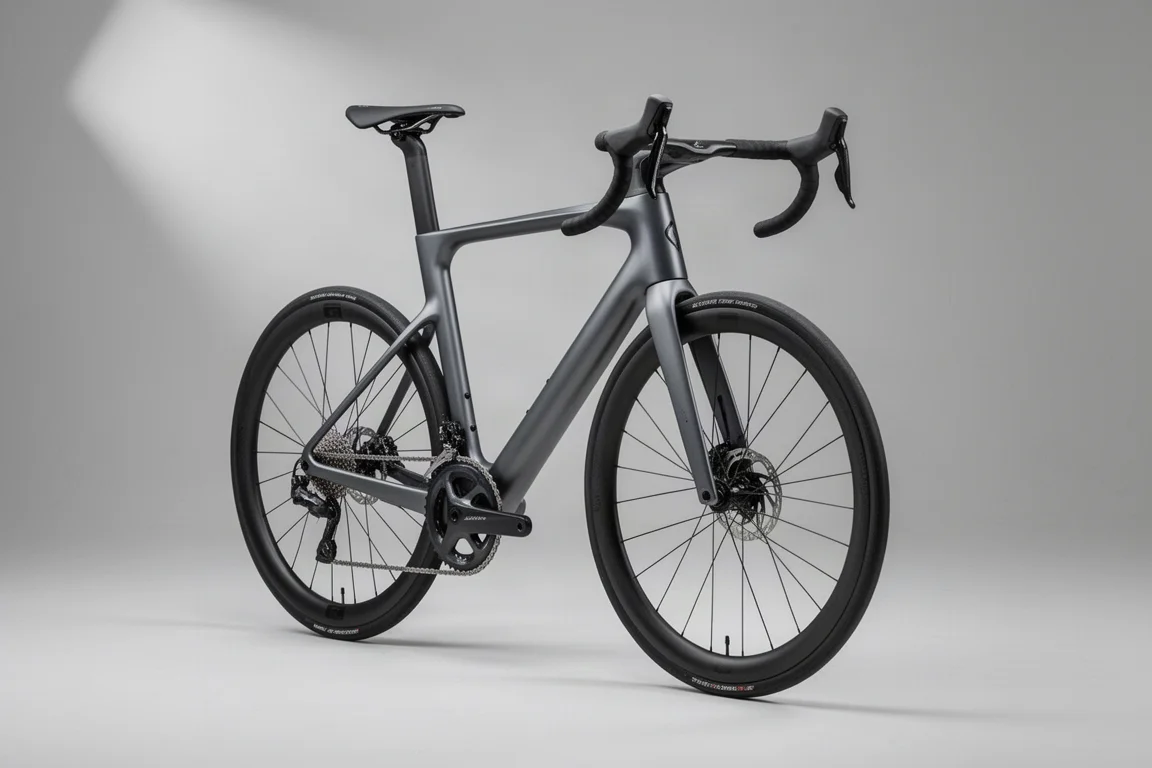
The VAAST R1 is the outlier here because its frame is not carbon. It uses super magnesium, a material that is still uncommon but has plenty going for it. It is lighter than aluminium and almost as light as carbon fibre, and its ride quality is smoother than aluminium and close to a good carbon frame.
The value case is the most compelling part. A similarly equipped carbon fibre road bike costs roughly £1,200 more, so the R1 delivers carbon-adjacent weight and comfort for considerably less. For riders who want a fast, smooth road bike without paying carbon prices, it is a genuinely interesting option.

The trade-off is familiarity. Super magnesium remains a niche frame material, so it is worth knowing that you are choosing something less established than carbon. If that does not bother you, the ride quality and the price are both hard to argue with.
Buying Advice
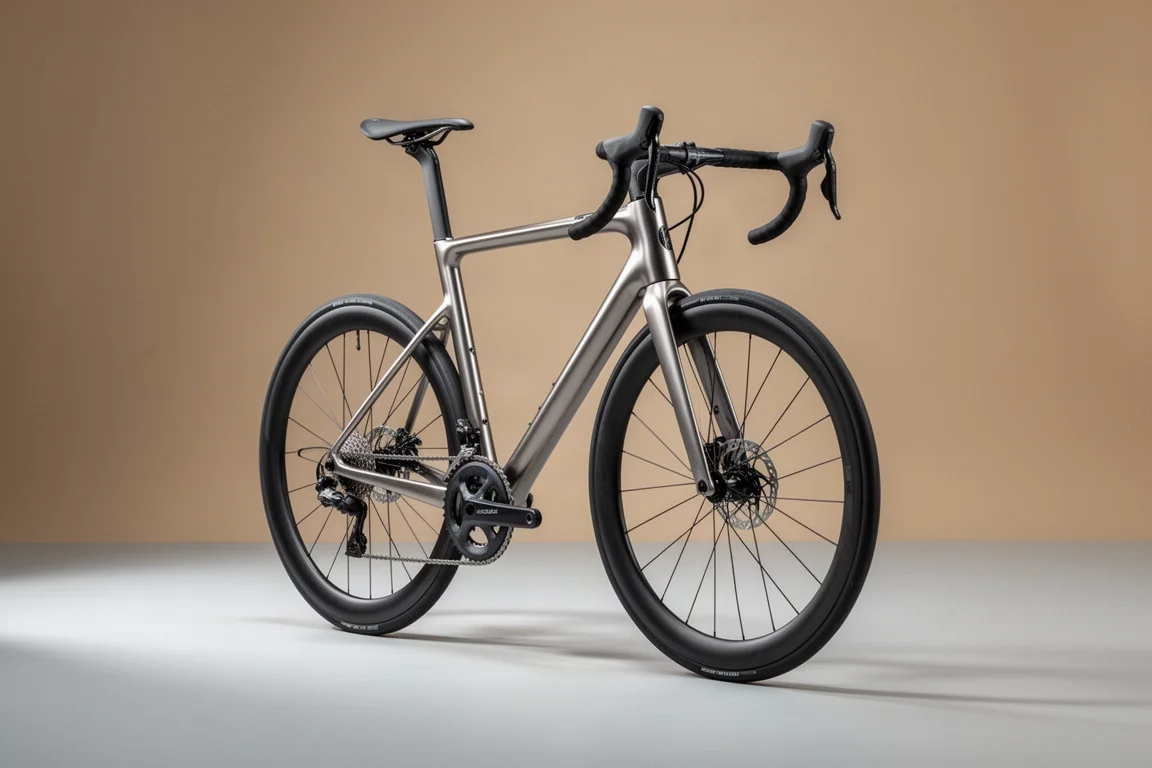
Start with tire clearance, because it shapes everything else. Bikes in this group range from 25 mm on the Madone SLR to 38 mm on the Domane, and clearance determines how much comfort you can dial in later without changing frames. If you ride on poor surfaces, 32 mm and above is the safer bet.
Weight and aero claims deserve context. A claimed watt saving at 50 km/h is a marketing number, not a Tuesday morning number, and a 300 g or 700 g frame saving matters most on long climbs. Decide which of those two scenarios describes your riding.
Finally, think about servicing. Threaded bottom brackets, two-piece cockpits and routing that runs under the stem all make home maintenance easier, while fully integrated lights and one-piece bars trade convenience for clean lines. If you spanner your own bike, that trade-off should carry real weight in the decision.
Conclusion
There is no single best road bike in this group, only the one that matches how you ride. The Trek Madone SLR and Scott Foil chase outright aerodynamic speed, the Giant Propel and Cube Lightning Air C:68X combine aero shapes with genuinely low weight, and the Canyon Ultimate remains the do-everything all-rounder it has always been.
The Cannondale Synapse and Trek Domane are the picks for long days and rough tarmac, with wide tire clearance and practical frame features. The Cervelo Soloist sits neatly in the middle, offering aero performance at a price well below the range-topping bikes. And the VAAST R1 proves that magnesium can deliver weight and comfort close to carbon for noticeably less money.
Match the bike to the road, and the money you spend will feel well spent.
Further reading
Related Reviews
Road Bikes
10 New Road Bikes Worth Watching: Aero, Titanium, Steel and Endurance Standouts
A practical roundup of 10 new road bikes, from aero flagships chasing single-watt gains to titanium, steel and endurance platforms built for real roads.
Road Bikes
2026 Tour de France Road Bikes: Six Race Machines Worth a Closer Look
Six race bikes from the 2026 Tour de France grid, reviewed for paint, silhouette, wheels and the specification details that matter to buyers.
Road Bikes
3T Strada Italia Review: A Radical Aero Road Bike That Rides Smooth
A made in Italy carbon aero road bike with a deep head tube, wide tire clearance and a genuinely comfortable ride. Here is what to know before buying.