Road Bikes
Best Road Bikes 2022: Seven Machines Worth Shortlisting
Seven road bikes that cover every budget and priority, from a value carbon all-rounder to a World Tour proven climbing frame.
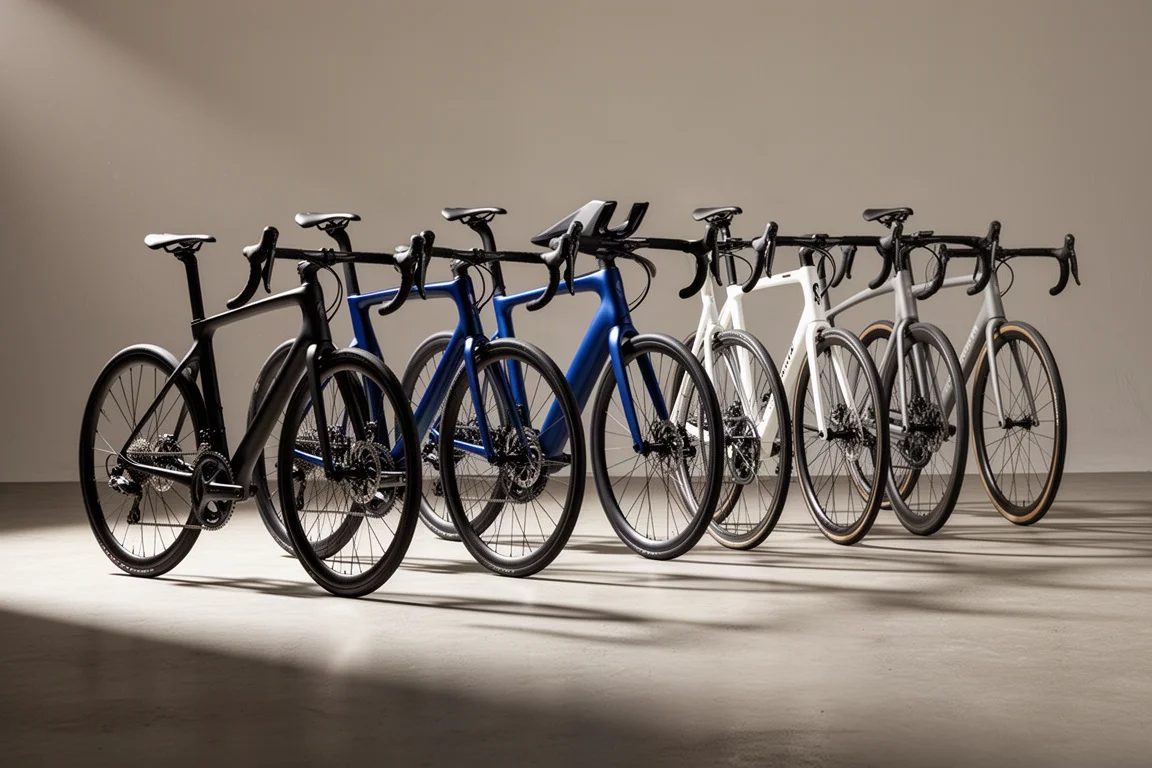
Introduction
The past few years have been extraordinary for the cycling industry. Demand has massively outstripped supply, and as a result new bike launches have been fewer and further between than in a standard year. That does not mean there have been no standout machines. The seven bikes below are the ones worth shortlisting if you are buying a new road bike, spanning race-ready carbon frames, value-focused builds and a deliberately simple climbing bike.
What We Looked For
Every bike here earns its place for a different reason, so the shortlist is built around a few practical questions: how much performance you get for the money, how the frame behaves on climbs, descents and flat roads, and how easy the bike is to live with over time. Tyre clearance, wheel specification, cable routing and the use of standard parts all matter, because they shape what you can change later. Weight and aerodynamics matter too, but only in the context of what a rider actually feels on the road.

A few themes run through the list. Bikes that keep standard bar, stem and seat post dimensions are easier to fit and upgrade. Bikes with room for wider tyres are more comfortable and more versatile. And bikes with a clear design priority, whether that is low weight, aero efficiency or ride quality, tend to be more satisfying than those that try to do everything at once.
Giant TCR
The Giant TCR, short for Total Compact Road, is a Taiwanese brand’s thoroughbred race bike and has always been a lightweight machine. Its most recent update elevated its aero credentials with truncated ellipse tubing, which is claimed to reduce drag. The TCR does not adopt the dropped seat stay trend seen elsewhere, and from an aesthetic point of view that is a plus. The bike feels rapid on the road.
In its 2021 form the TCR took top honours in a race bike comparison. It is lighter than the competition: the top-end model came in at 6.6 kg, while the Shimano Ultegra Di2 build weighs 7.37 kg and comes with 42mm carbon wheels and a power meter as standard. That build costs £5,199 or $6,100, and there is room to spend less or considerably more.
The top-spec Advanced SL Zero, whose frameset costs £2,549 or $3,350, did not perform as well. Its ride is quite stiff, much of which comes down to the integrated seat post, and that also limits resale value because there are only a few millimetres of saddle height adjustment. Across the range there is space for 32mm tyres, and Giant sends all of its carbon models out with tubeless wheels, which suits riders who like sealant setups. The brand also continues to resist full cable integration in favour of a two-piece bar and stem, a combination that is practical if not especially fashionable.
Liv Langma
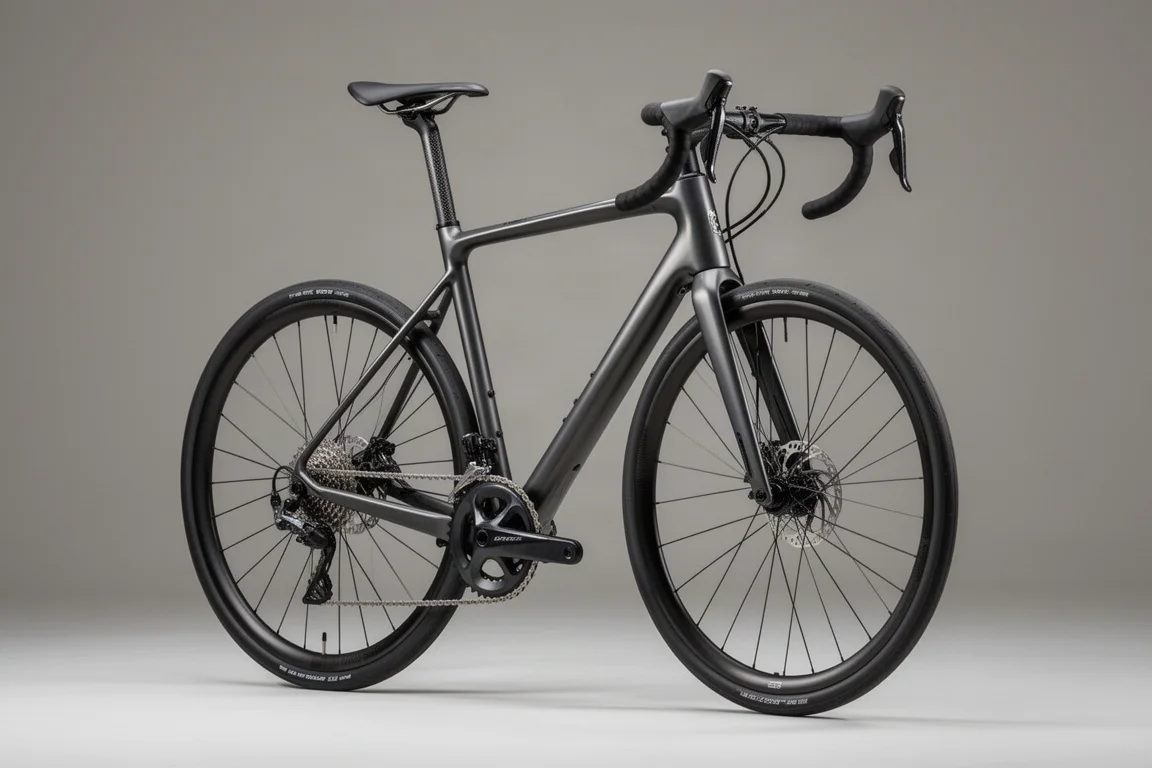
Liv is Giant’s sister company, building bikes around female riders, and the Langma is its own bike rather than a rebadged TCR. It shares many of the TCR’s conventions and has been raced at World Tour level by the Liv Racing team. The original Langma did not win universal praise, but for 2022 Liv increased fork stiffness by 50 percent on the SL model, and that comes through clearly in the ride quality.
Tyre clearance is 32mm, as on the TCR, and the Langma combines truncated ellipse tubing for aero gains with skinny, traditional seat stays. It is a race bike first, but one with a frame developed specifically around female riders rather than adapted from a unisex platform.
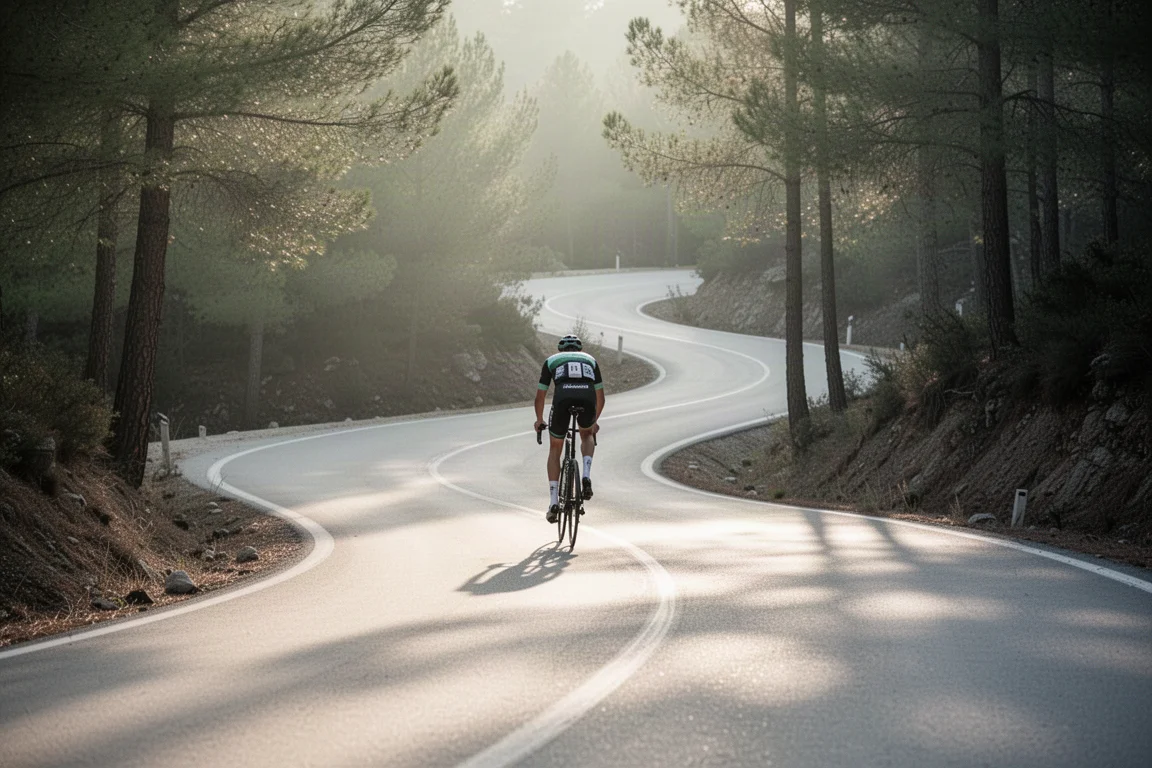
That combination makes it an interesting option for riders who want race-bike speed without the most aggressive front end on the market.
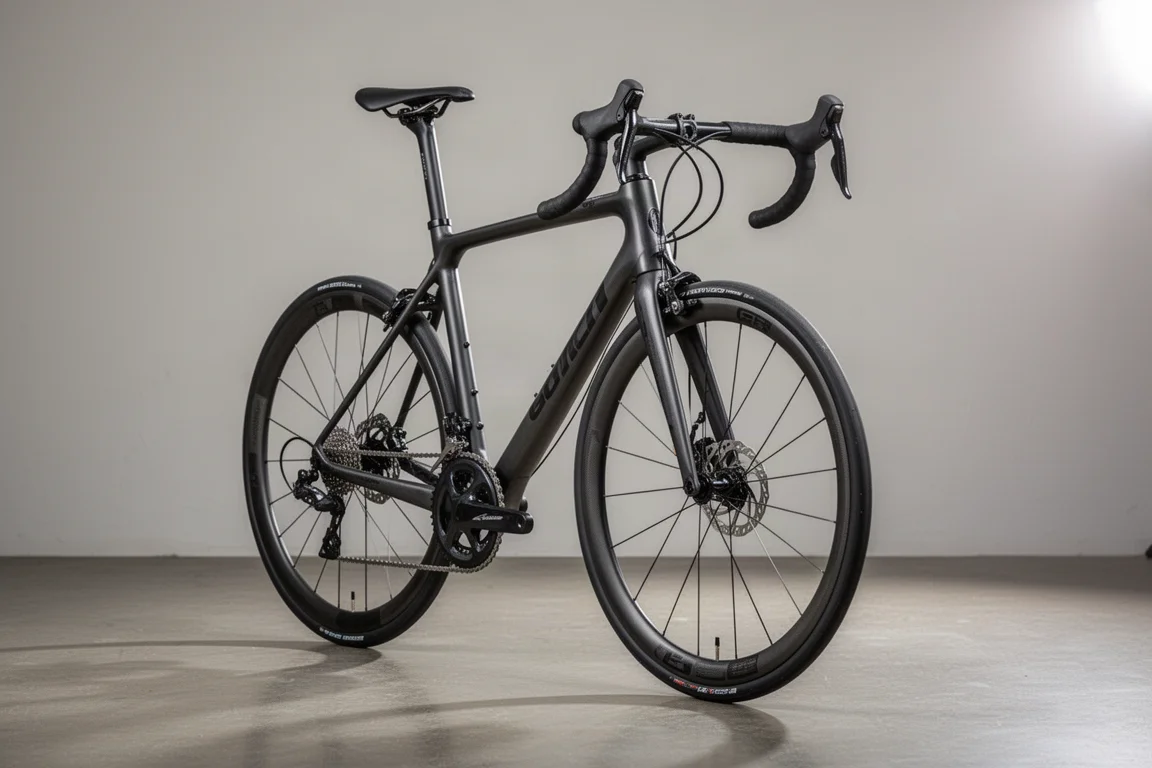
Boardman SLR 8.9
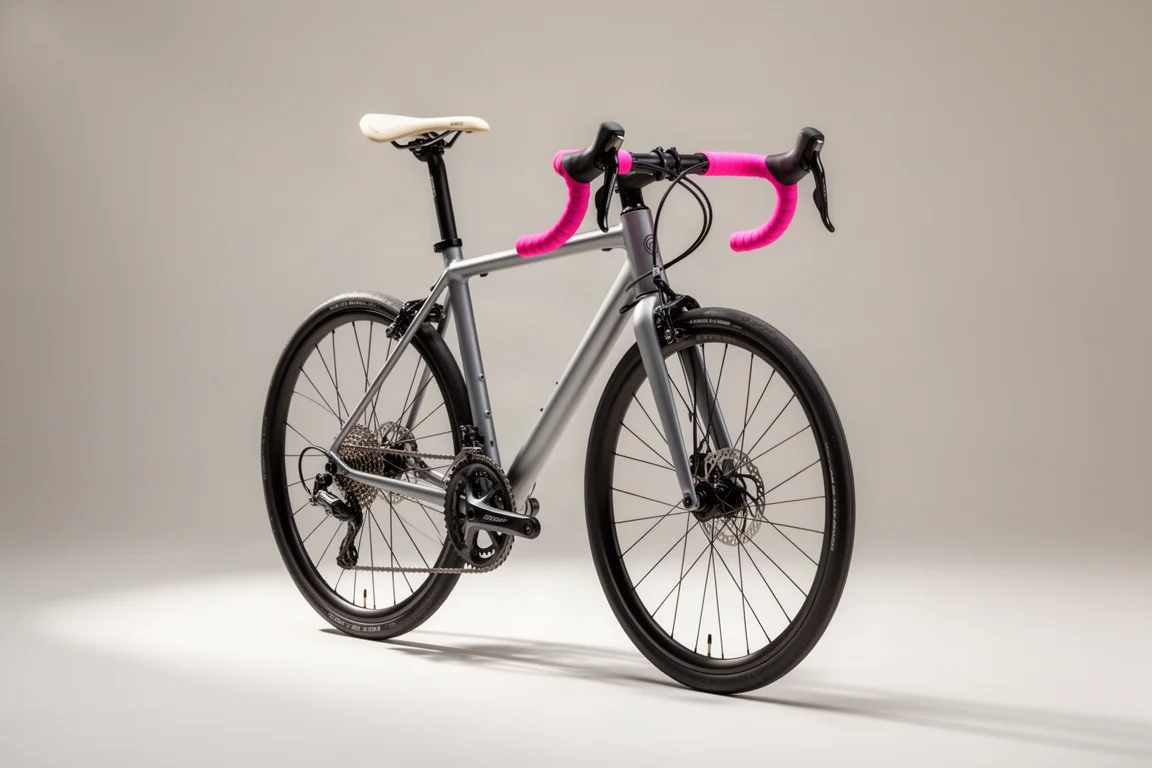
At £1,100, the Boardman SLR 8.9 is the value pick of this list, and it is worth the extra £100 over the sub-£1,000 category it was entered into, because the specification is simply that good. The frame is aerodynamically optimised carbon, and Boardman built its own wind tunnel before realising that this was a tough business to be in, so its aero claims carry a certain added credibility.
This was the only rim brake bike in that £1,000 test, while the other bikes at the price came with cable-operated disc brakes. In braking testing, the rim stoppers were actually the fastest. Rim brakes, a carbon frame and lighter wheels also brought the overall weight down to 8.75 kg, which is heavier than bikes costing £3,000 to £5,000 but far lighter than anything else at this price. Shifting comes from Shimano 105, another impressive feat at this price point.
The geometry is fairly sporting with a low front end, but the reach is not particularly long, which makes the bike easy to live with. A more stretched-out position is simply a longer stem away. The overall conclusion is that this is the kind of machine that can stay with a rider from the start of their cycling journey right through to racing, and a wheel upgrade makes it an excellent long-term investment.
Vitus Vitesse Evo
Vitus is the in-house brand at Wiggle, and the Vitesse Evo is aimed at riders who want a performance package without a huge outlay. The Ultegra Di2 model is priced at £3,699, which is a significant investment, but comparable specifications elsewhere generally cost around £1,000 more. Vitus also offers a more aero-focused bike, while the Vitesse Evo is built as an all-rounder with climbing and great handling at the front of mind.
The built bike in a size medium weighs 6.67 kg. The frame clears 30c tyres and has space for up to 32s depending on the tyre and rim combination. Brake and Di2 cables are exposed at the handlebar, which is not entirely fashionable but will suit some preferences. The geometry is sporting, with tight 410mm chain stays that create a really nippy ride quality.
The 30mm wheels on this build are from Reynolds, with a 21mm internal rim width and a 29.5mm external width, and they pumped 25c Schwalbe Pro 1 tyres out to 28mm. Much of the finishing kit, including handlebars, stem and seat post, is carbon, which is something most mainstream brands cannot offer at this price. All of it is standard too: a 27.2mm round seat post and conventional bar and stem measurements, which is good news for anyone who likes to fettle and tinker.
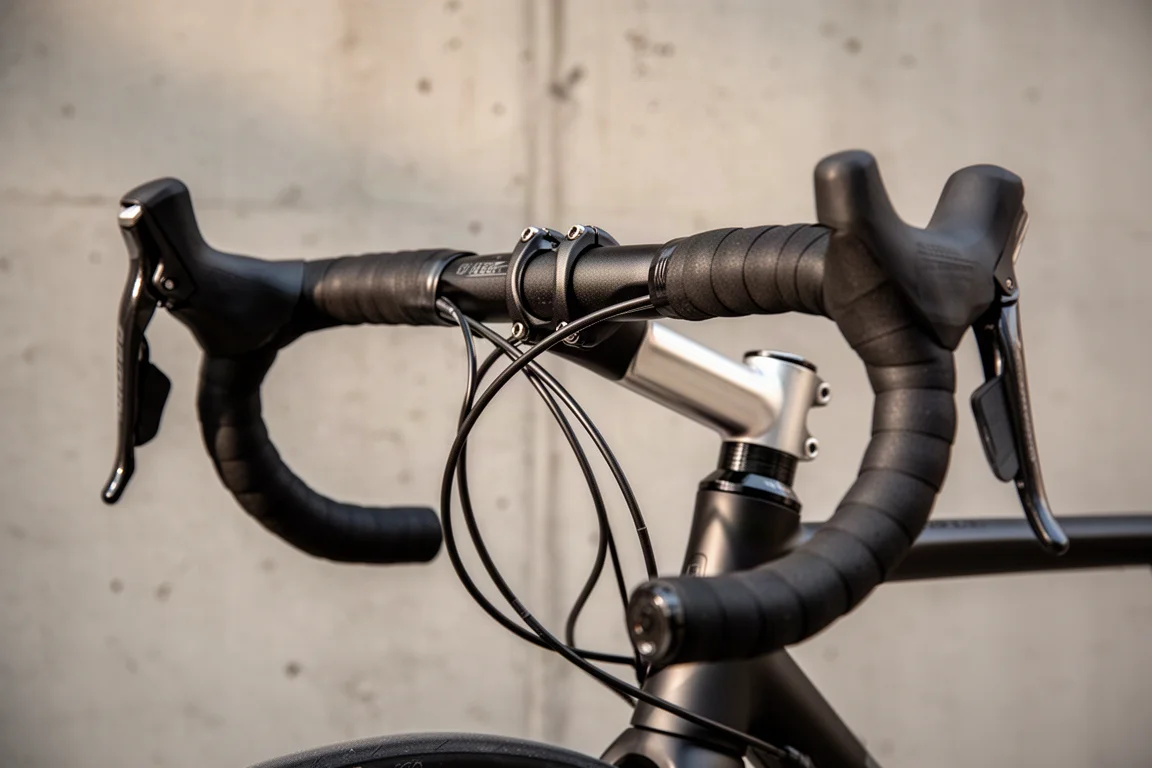
The ride performs excellently on climbs, descents and flat roads. The only thing missing is a deeper 50mm wheel option, which would round out the package.
Merida Scultura
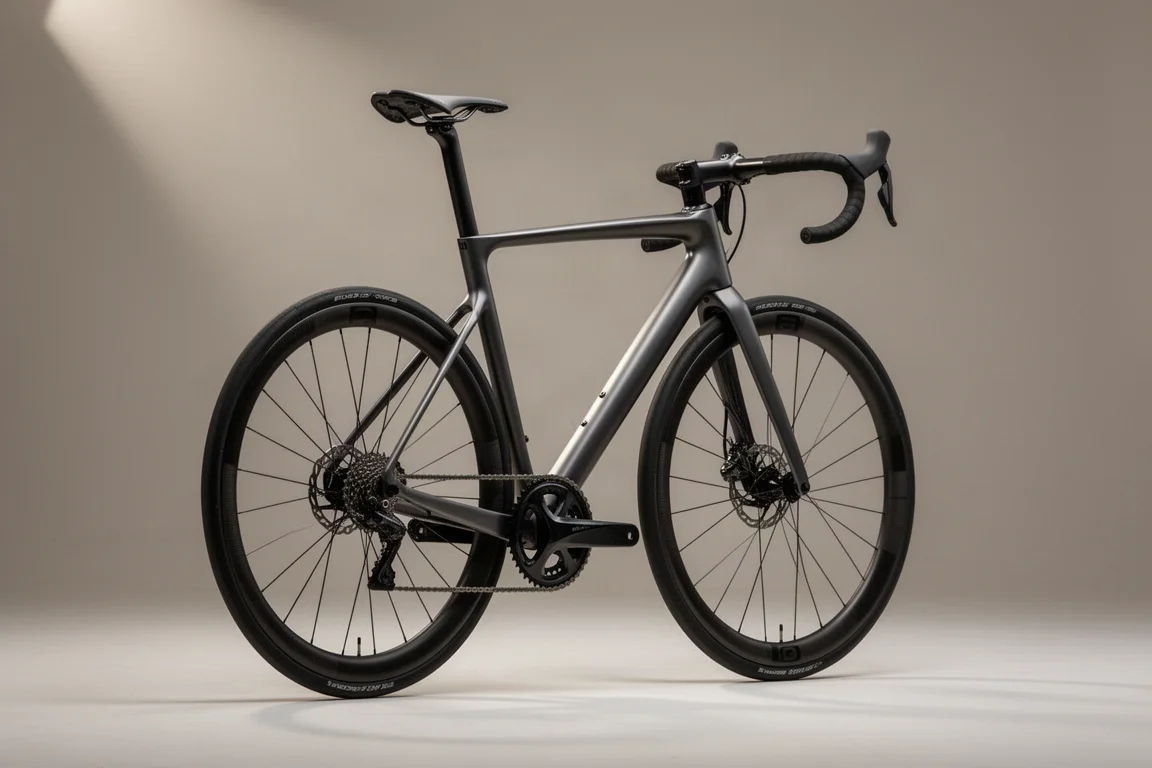
Merida’s aero race bike is the Reacto, which had a big update for 2021 with improved aerodynamics and comfort. Much of what the brand learned from the Reacto has passed down to the Scultura 5, which receives a 2022 facelift. The marketing pitch reads like a game of buzzword bingo, lighter, more aero, more vertically compliant, with increased lateral stiffness, but Merida backs its claims with significant data.
The CF5 frame has a claimed weight of 822 grams and the fork comes in at 389 grams, a saving of 38 grams on the previous iteration. Realistically that difference is hard to notice, but a 4.4 percent saving is not to be sniffed at from an engineering standpoint. The primary aero update is a new one-piece cockpit with all cables hidden. There are split spacers, and Merida uses a metal sleeve wrapping the carbon steerer to dispel worries about cable damage or clamping force. Cable integration, a hidden seat post clamp and lower seat stays add up to a claimed 4.2 percent saving in aerodynamic drag.
Comfort has been addressed as well, first by fitting 30mm tyres and second by shortening the seat tube to allow more flex from a longer seat post. The team edition tested comes with Dura-Ace and costs £7,750, and lower-spec models are also available.
Cervélo R5
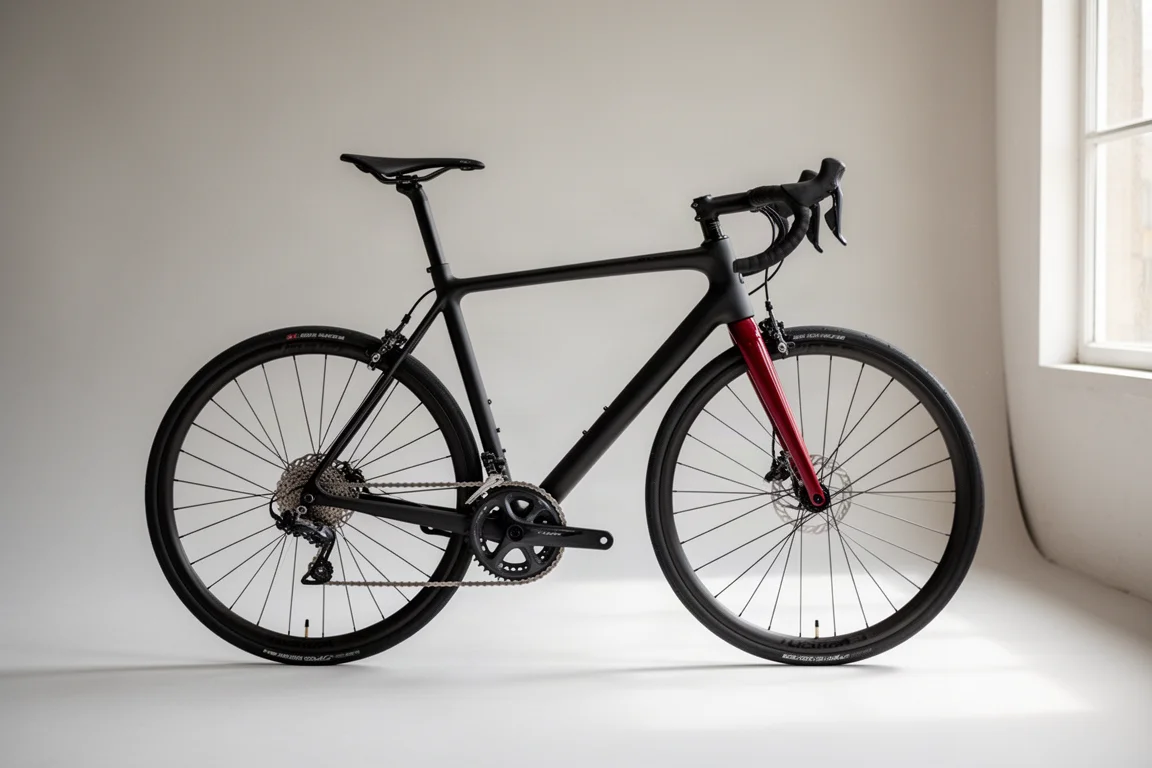
The R5 is Cervélo’s climbing bike. The 2022 model has been raced at World Tour level throughout 2021, and it is a bike for the mountains rather than a semi-light all-rounder. The focus is on low weight: the frame weighs 703 grams and the fork 329 grams in a size 56. Savings have been made elsewhere too, with the stem and bar losing 12 grams and the seat post 20 grams, so the build comes in comfortably under 6.8 kilograms.
Cable routing is now internal for a marginal aero saving, and minor adjustments to the tube profiles save a few watts, including a fastback profile on the seat tube and seat post. The geometry is exactly the same as before. Fork trail was adjusted by half a millimetre to compensate for the larger tyre, and that is it.
What has changed is the seat post: the 25mm offset version is replaced by a 15mm version in the larger sizes, which is intended to allow for the more forward position that bike fits are leaning towards. The junction of the down tube, seat tube and seat stays sits 15mm lower than before, making the frame more compact. Compact frames are generally a little lighter, and dropping that junction also increases the leverage of the seat post for a little more compliance without changing the geometry.
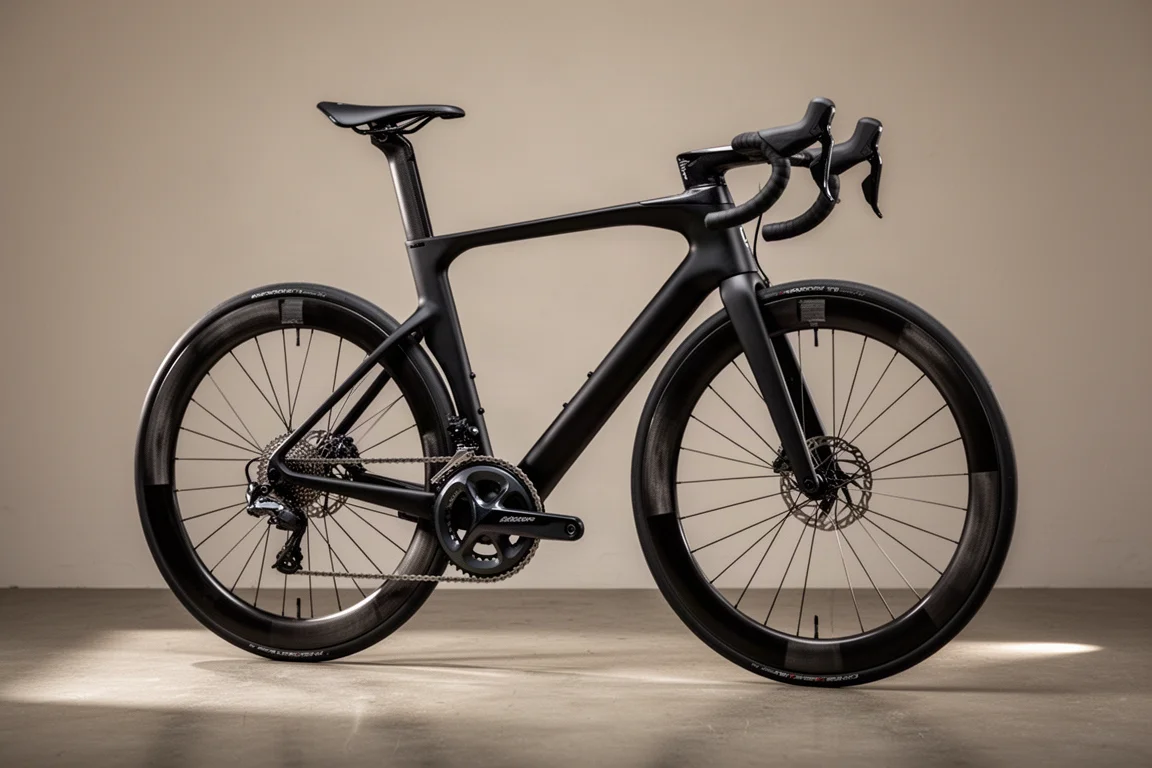
Specialized Aethos
The Specialized Aethos is a very different beast from everything else here. Specialized markets it as a non-race bike because it has not been optimised for aerodynamics, yet the geometry mirrors that of the Tarmac, with round tubes in place of aero profiles. The result is a stunning ride quality. On the same loop as a Tarmac, the difference in speed at a very similar power output was minimal, so unless you are racing and every second counts, this bike is easy to recommend.
The Aethos was designed entirely around ride quality, which produces two extremely traditional profiles. What separates it from something you might have bought in the 1990s is the weight: the S-Works frame in a size 56 is just 585 grams with a 270 gram fork. That is another reason it is not a race bike, because it is too light for the UCI limits. A featherweight frame always feels amazing thanks to quick acceleration and a weightless climbing feel. Science says aerodynamics make you faster, and it is right, but this bike puts a grin on your face from the very beginning of every ride.
The S-Works bike is not cheap at £11,750, and the non-S-Works model has a slightly heavier frame. For 2022 Specialized also released a Rival eTap spec model at £4,500. The main caveat is that at these prices a custom build with ride quality tuned to you is within reach, but if you do not have time for that and you ride for the pure love of it, the Aethos is well worth checking out.
Buying Advice
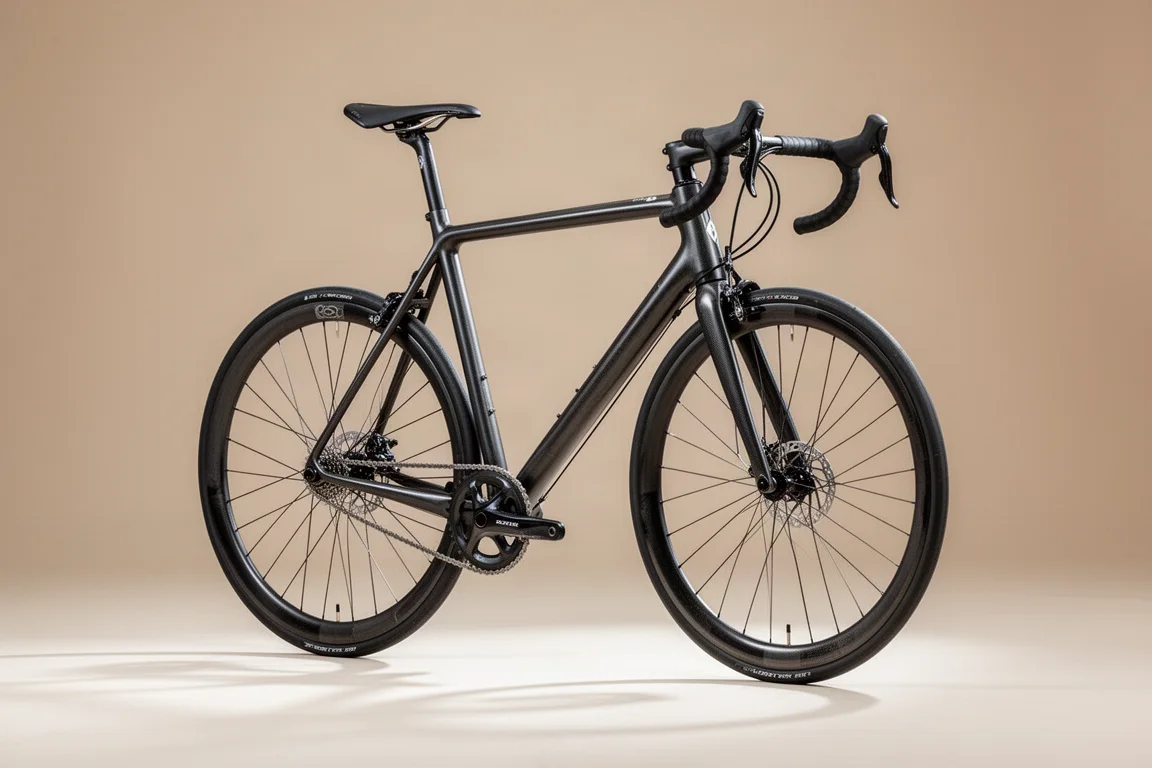
Match the bike to the riding you actually do. If racing and every second counts, the aero and race-oriented frames here make the most sense, while a low-weight climbing bike rewards riders who spend their time on long ascents. For most riders, the deciding factors are simpler: tyre clearance, wheel specification, the parts you can swap later, and how the fit can be adjusted.
Budget matters as much as specification. The Boardman SLR 8.9 shows how much performance is available at the lower end, while the Vitus Vitesse Evo delivers a race-ready package for considerably less than comparable builds elsewhere. At the top of the range, the Aethos and the R5 are specialist tools built around a single priority, and both reward riders who know what that priority is. Whichever way you go, prioritise standard parts and good tyre clearance, because those two things keep a bike enjoyable for years.
Conclusion
These seven bikes cover everything from an £1,100 carbon all-rounder to a World Tour proven climbing frame. The right choice depends on where you ride, how you ride and how much you want to spend. Start with the bikes that match your terrain and your budget, then check the details that matter over the long term: fit, clearance and how easily the bike can be upgraded.
Further reading
Related Reviews

Road Bikes
10 New Road Bikes Worth Watching: Aero, Titanium, Steel and Endurance Standouts
A practical roundup of 10 new road bikes, from aero flagships chasing single-watt gains to titanium, steel and endurance platforms built for real roads.
Road Bikes
2026 Tour de France Road Bikes: Six Race Machines Worth a Closer Look
Six race bikes from the 2026 Tour de France grid, reviewed for paint, silhouette, wheels and the specification details that matter to buyers.
Road Bikes
3T Strada Italia Review: A Radical Aero Road Bike That Rides Smooth
A made in Italy carbon aero road bike with a deep head tube, wide tire clearance and a genuinely comfortable ride. Here is what to know before buying.