Cycling
Best Road and Gravel Bikes: 14 Picks Worth Considering
A practical roundup of race, endurance, all-road and gravel bikes, with the real strengths and trade-offs to weigh before you buy.
Introduction
Ask five riders which bike they would buy this year and you will get five different answers, because the honest answer depends on the riding you actually do. A criterium racer, a weekend club rider and someone who spends Sundays on loose forest tracks need very different machines, even if all three of them are looking at drop-bar bikes.
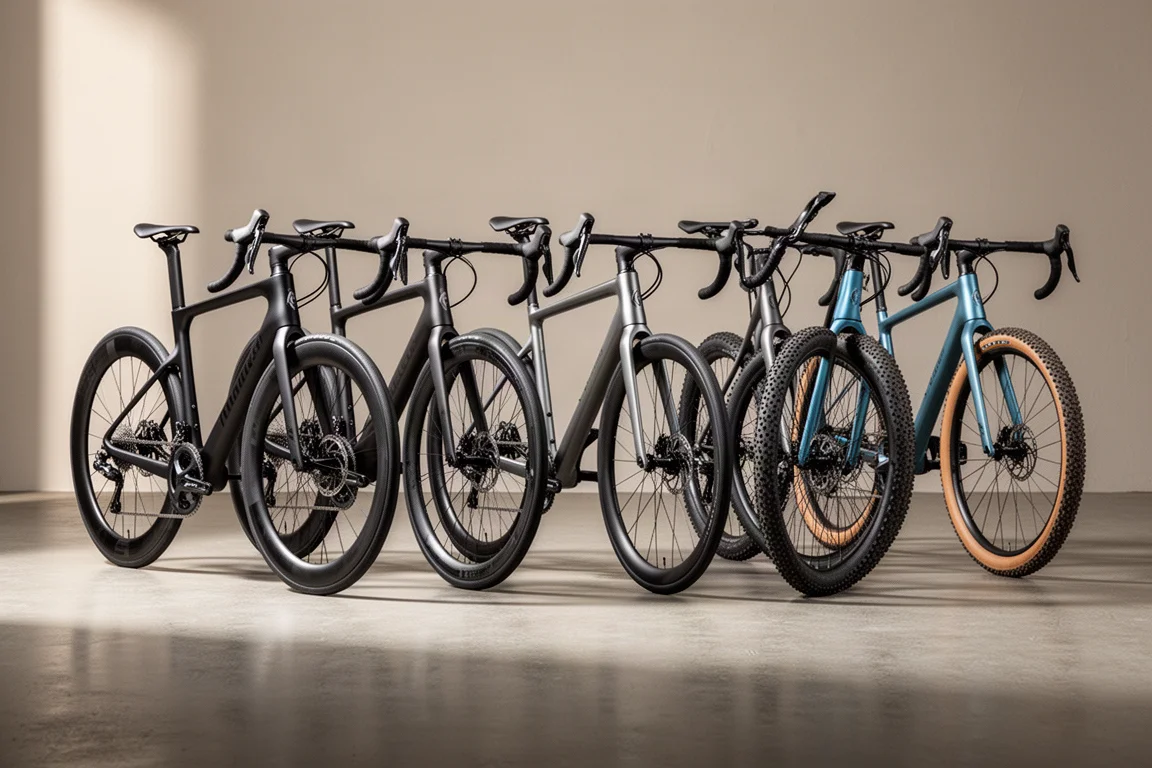
This roundup covers the bikes that stand out across those categories: aero race bikes, endurance road bikes, all-road bikes that sit between the two, fast gravel bikes, progressive gravel bikes built for technical terrain, and a few picks that focus on value above everything else. Some of them are obvious choices, some are less fashionable, and a couple are genuinely surprising.
How These Bikes Were Chosen
The common thread is that each of these bikes does a specific job well rather than trying to be everything. Geometry matters as much as the spec sheet, so the picks here reflect how a bike is likely to feel on real roads and real trails rather than how it looks on paper.
Practical details count too. Tire clearance, bottom bracket standards, cable routing and the mounts available for bags, mudguards and lights all shape how a bike lives with you over several seasons. Several of the bikes below are chosen precisely because they are easy to maintain at home.
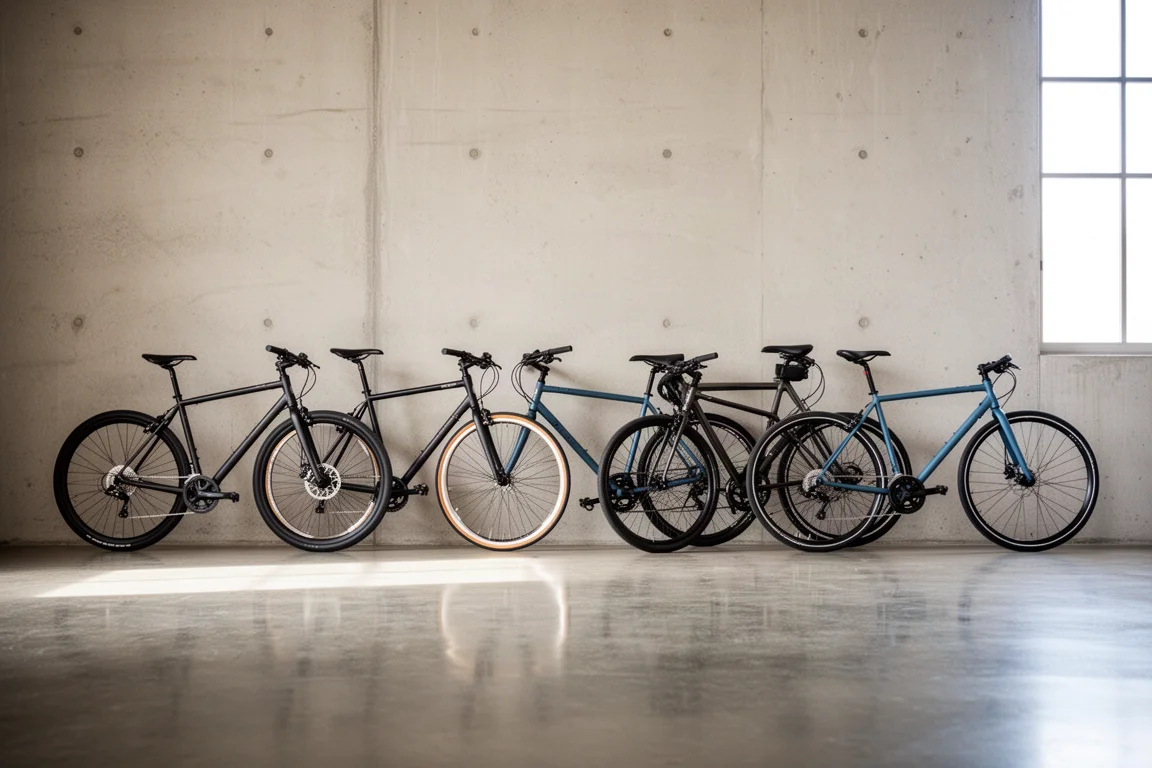
Price is the other unavoidable factor. Road and gravel bikes have become more expensive, but value still exists, and a few of these picks deliver noticeably more bike for the money than their better-known rivals. Where a model range spans several builds, the notes below focus on what the platform offers rather than a single spec level.
Canyon Aeroad: Aero Speed With Room to Adjust
The Aeroad is a speed-focused aero road bike that does not pretend to be a featherweight climbing specialist, although the upper builds are still light. The range is deep, running from the CF SLX to the CFR, and the most expensive CFR build is roughly $3,000 to $5,000 cheaper than a Specialized or Trek with comparable parts. That gap is the core of the argument here: more bike for less money.
It is also unusually adaptable for an aero race bike. The handlebar offers easy height and width adjustment, and you can swap between aero and regular drop shapes. The Gear Groove system accepts modular accessories such as a phone mount, a computer mount or aero extensions for duathlon and triathlon racing, and this is one of very few bikes that lets you fit TT extensions to a carbon handlebar without affecting the warranty.
Specialized Tarmac SL8: The Race Bike That Just Works
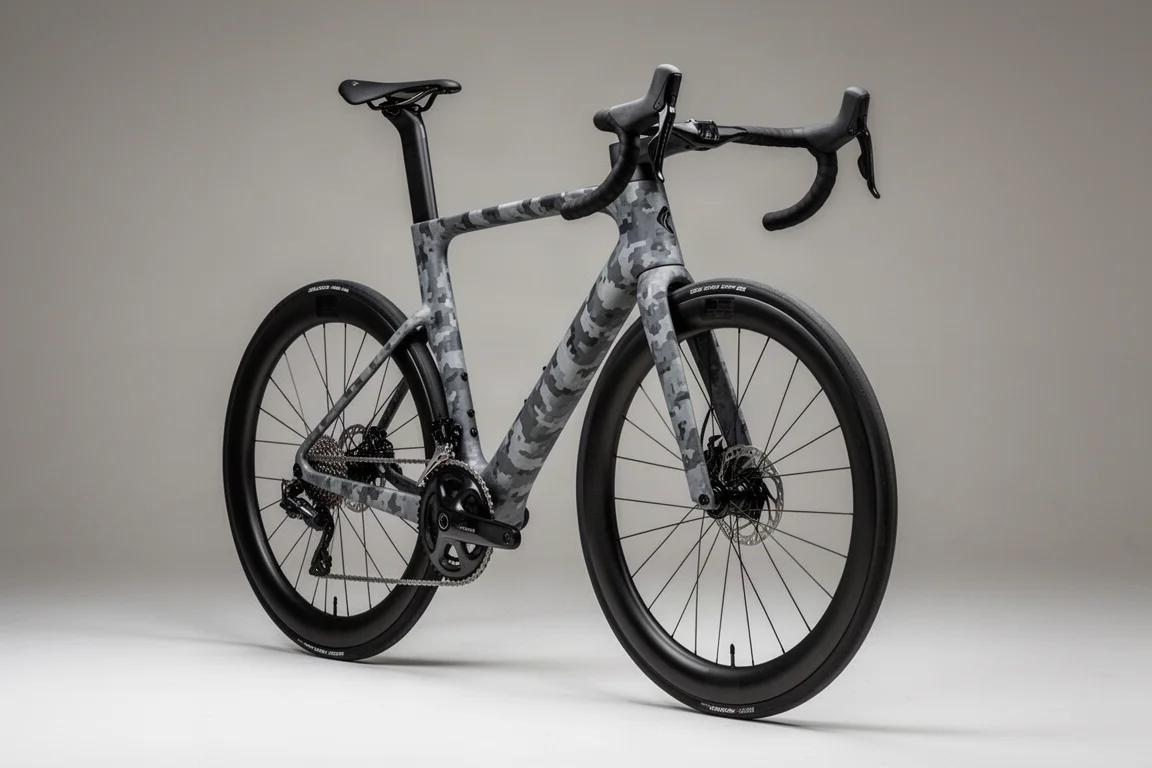
The Tarmac has been a popular choice for years for a simple reason: it works. Performance and handling are excellent, and the SL8 is one of the lightest bikes in the aero category while still measuring well in wind tunnel testing. That combination means you get aero efficiency without the weight penalty that aero bikes often carry.
Comfort is the part that surprises people. A skinny seat post and dropped rear stays take the edge off rough surfaces, and the front end is comfortable too, so this is one of the smoothest bikes in its class. There is room for tires up to 32mm, and sensible details such as a threaded bottom bracket make home maintenance straightforward.
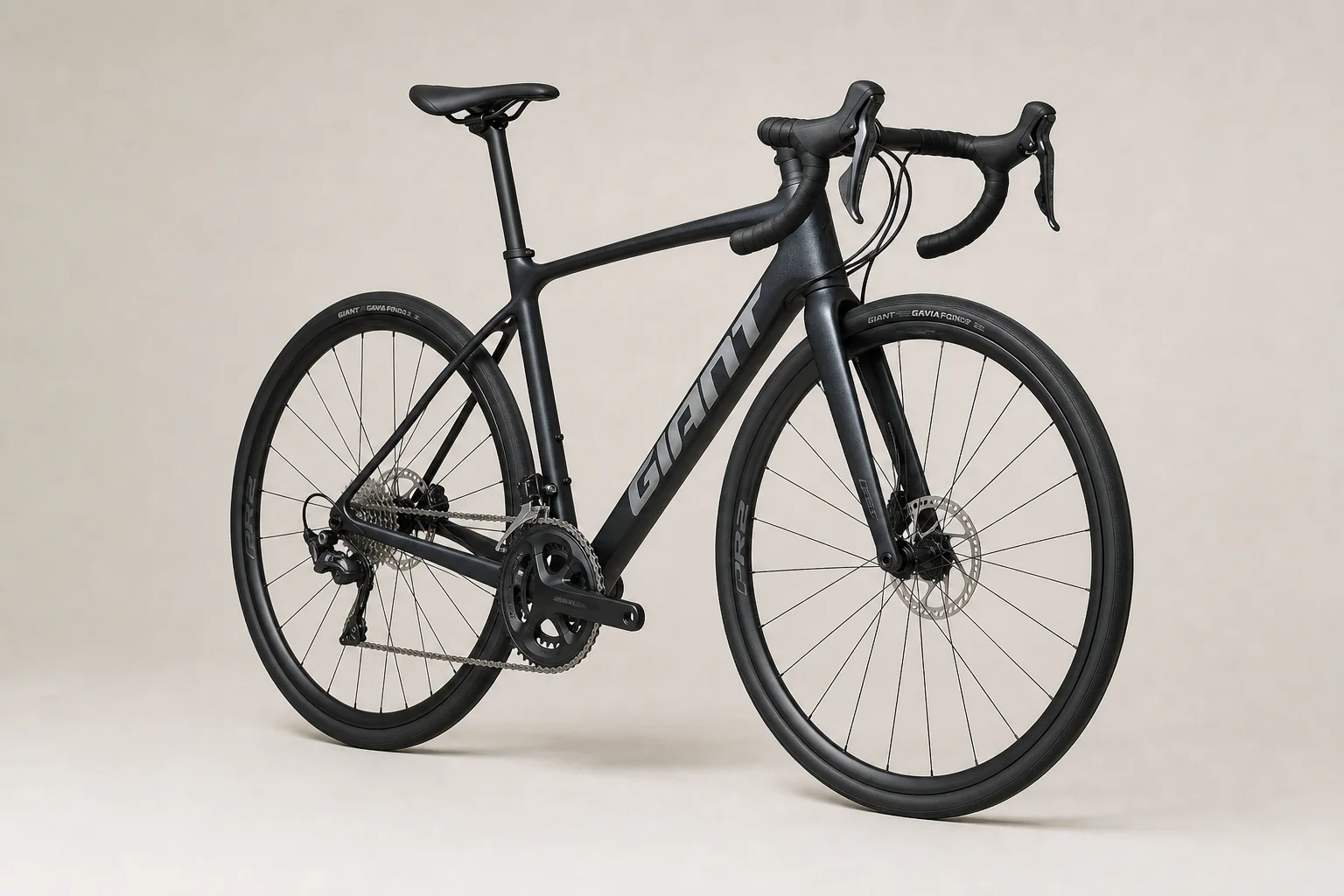
Giant Defy: Endurance Comfort Without Going Soft
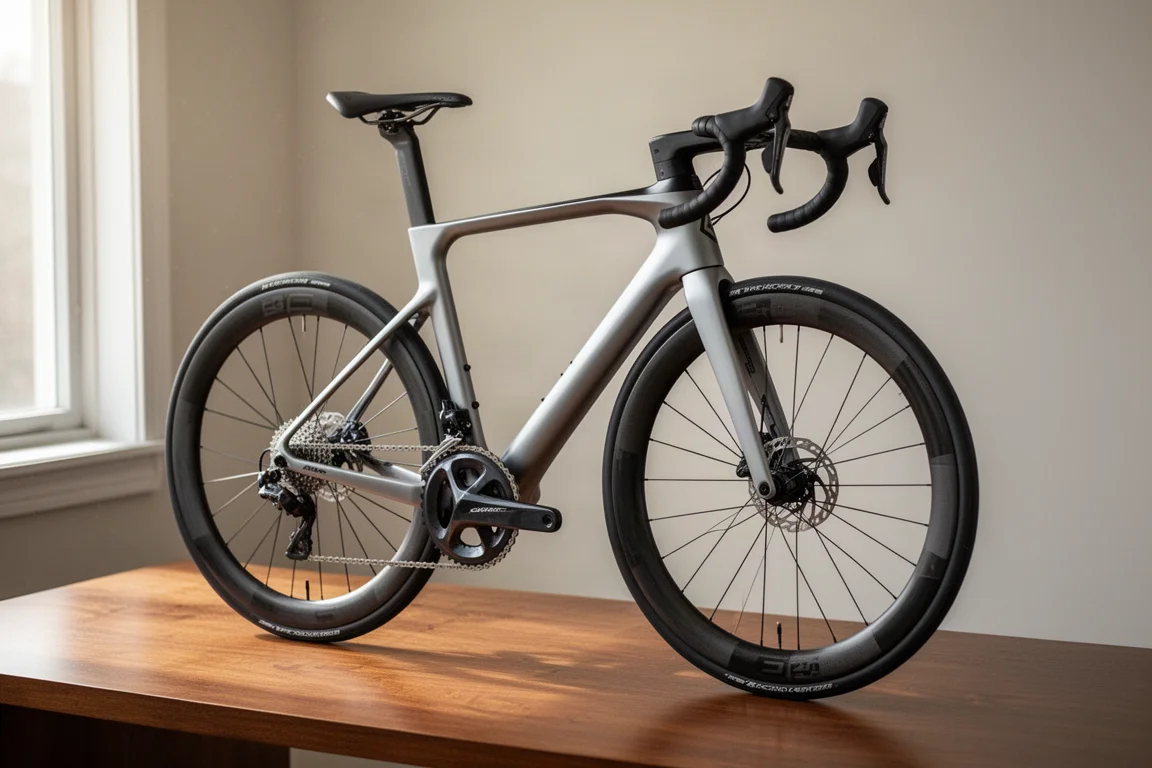
If comfort and a smooth ride matter more to you than pure aerodynamic efficiency and minimum weight, the Defy is one of the easiest recommendations in this list. It is not the best bike in any single criterion, but it offers the best blend of weight, stiffness, speed and comfort, and it rides extremely well as a result.
The geometry is a big part of that. It is not overly upright or short, so it still feels fairly racy without being as extreme as a dedicated road race bike. The range is deep, from the range-topping SL through the mid-range Pro down to more affordable builds including Shimano 105 options, so there is a sensible entry point at most budgets.
Giant TCR: The Dependable All-Rounder
The TCR is not the most exciting bike here, and it does not have the desirability of some flashier brands, but it is a solid classic road bike that simply does what you want from a road bike. Now in its tenth generation, it delivers good performance, great handling and good comfort, with classic lines and dropped rear stays.
Giant offers strong value across the range, whether you choose the range-topping SL or the mid-range Pro, which is arguably the sweet spot of price, weight and performance. The brand also manufactures its own frames and has a wide dealer network, which makes ownership easier than it is with some direct-only options.
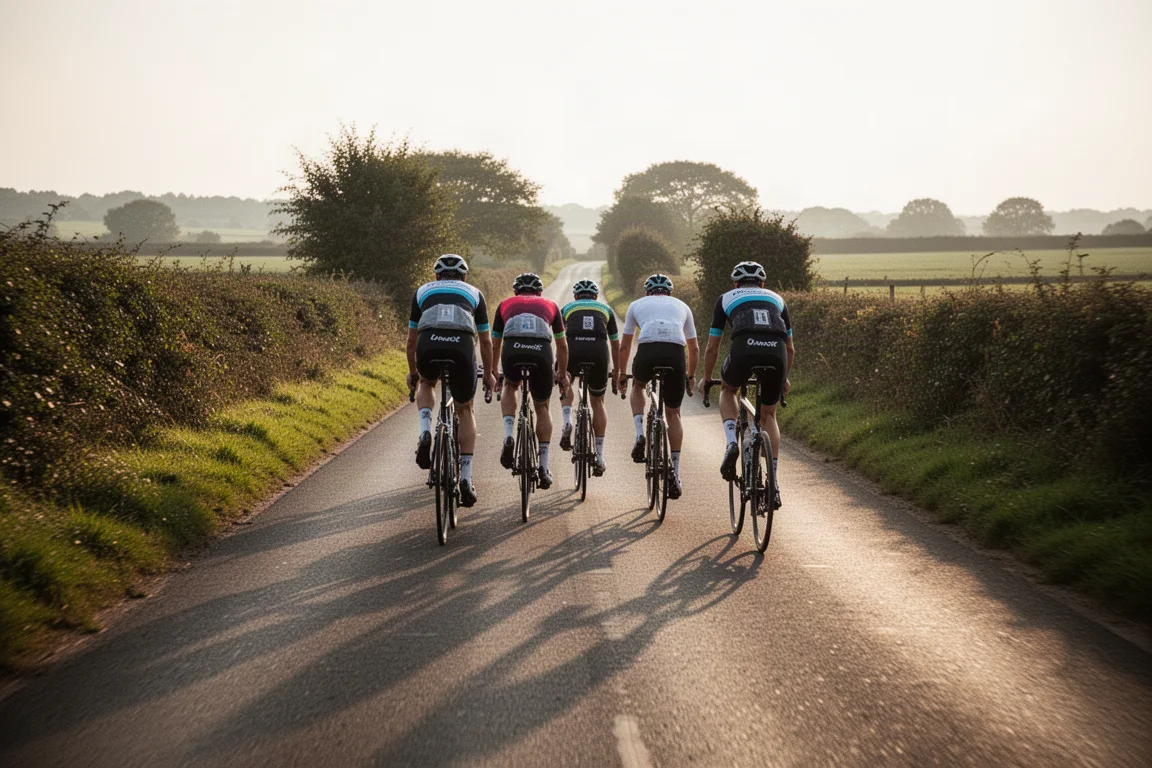
For riders who want a race bike at heart but a slightly more relaxed position, the TCR is still built around a race-oriented stack and reach. That is worth knowing before you buy, because it shapes everything from how the bike feels on long days to how much flexibility you need to be comfortable on it.
FiftyOne Seeker: All-Road Speed With Real Comfort
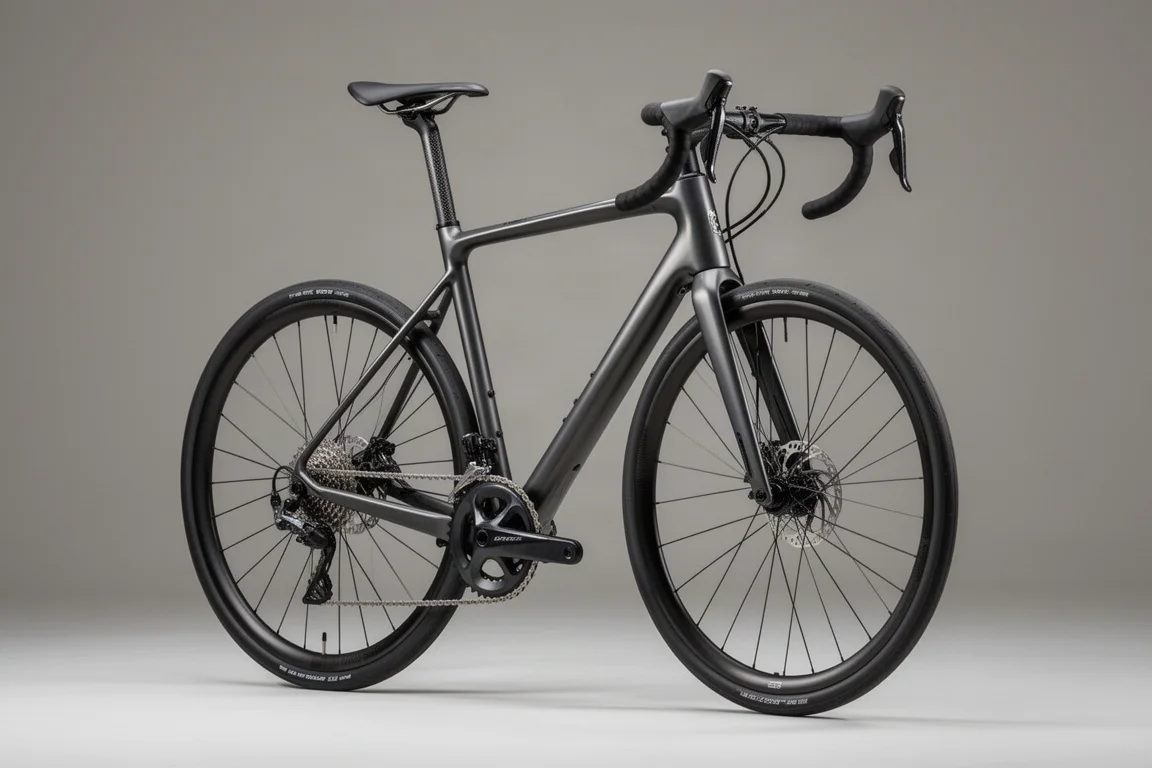
The Seeker sits in the emerging all-road category: a bike with geometry a little more relaxed than a race bike, but not so laid back that it loses its edge. Tire clearance goes up to 40mm, so it can handle rougher surfaces without giving up road manners.
What makes it stand out is the frame weight. At under 700g it gives the Tarmac SL8 a genuine run for its money, which is remarkable for a bike with this much comfort built in. The details are sensible too: a T47 bottom bracket, a round seat post and an external seat clamp for easy adjustment, paired with a one-piece aero handlebar and stem with internal routing.
Van Rysel RCR: A Value Race Bike That Delivers
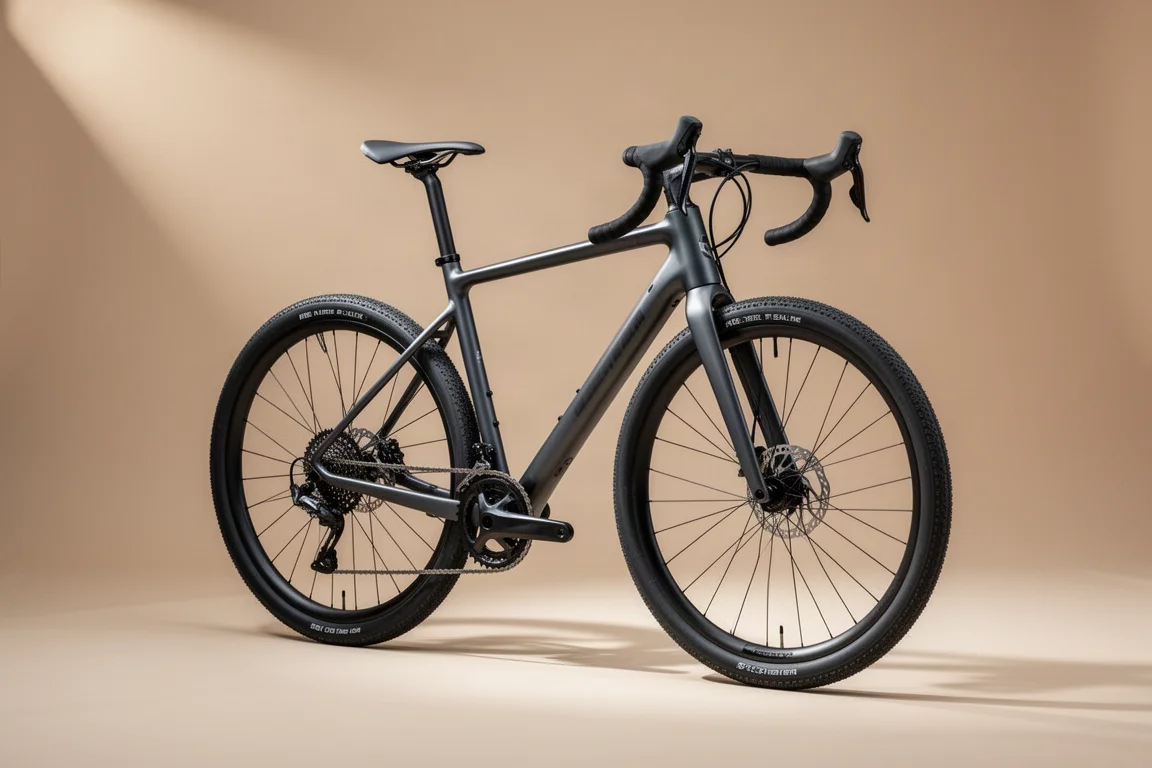
Van Rysel arrived as something of a disruptor in the road market, and the RCR is its first serious lightweight aero race bike. It is essentially aiming at Tarmac territory, and in a SRAM Rival AXS build it made a strong impression: very good performance for a debut road bike.
Pricing is where the RCR makes its case. It is not cheap in absolute terms, but you get more bike for your money than you do from far more established brands, and the performance backs that up. If you want race-bike speed without paying a heritage premium, this is worth a serious look.
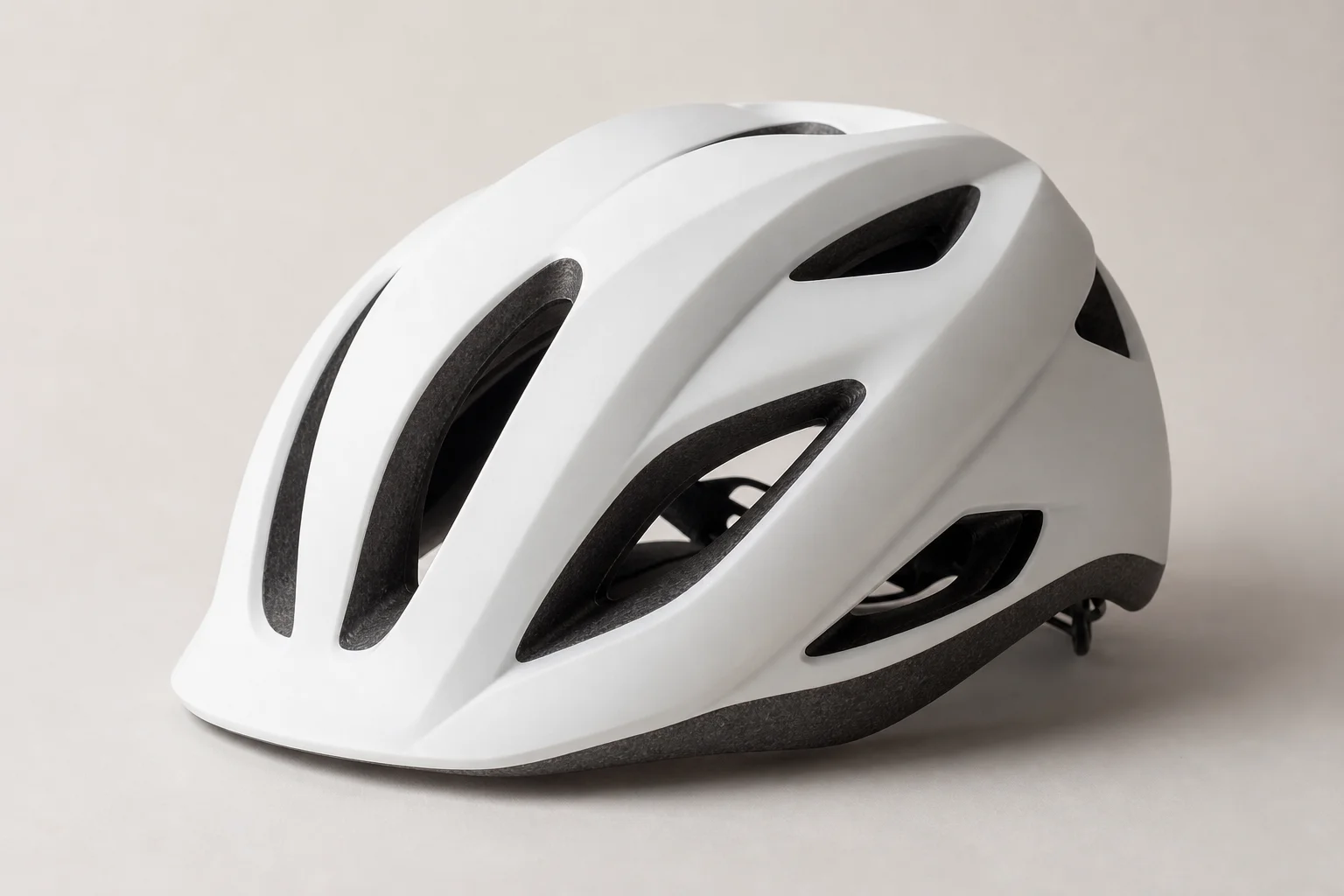
Giant Revolt: High-Performance Gravel at a Fair Price
The Revolt is a box-ticking gravel bike that does the important things well. Tire clearance, bikepacking-friendly geometry and a broad range of builds mean you do not have to spend a fortune to get a well-specced gravel bike, and performance is excellent across the range.
Giant also offers a suspension-corrected version, the Revolt X. If you can accept a suspension fork on a gravel bike, it adds a lot of comfort on long rough rides and more capability on chunky, technical trails. For everything from fast gravel to loaded bikepacking, this is a very safe recommendation.
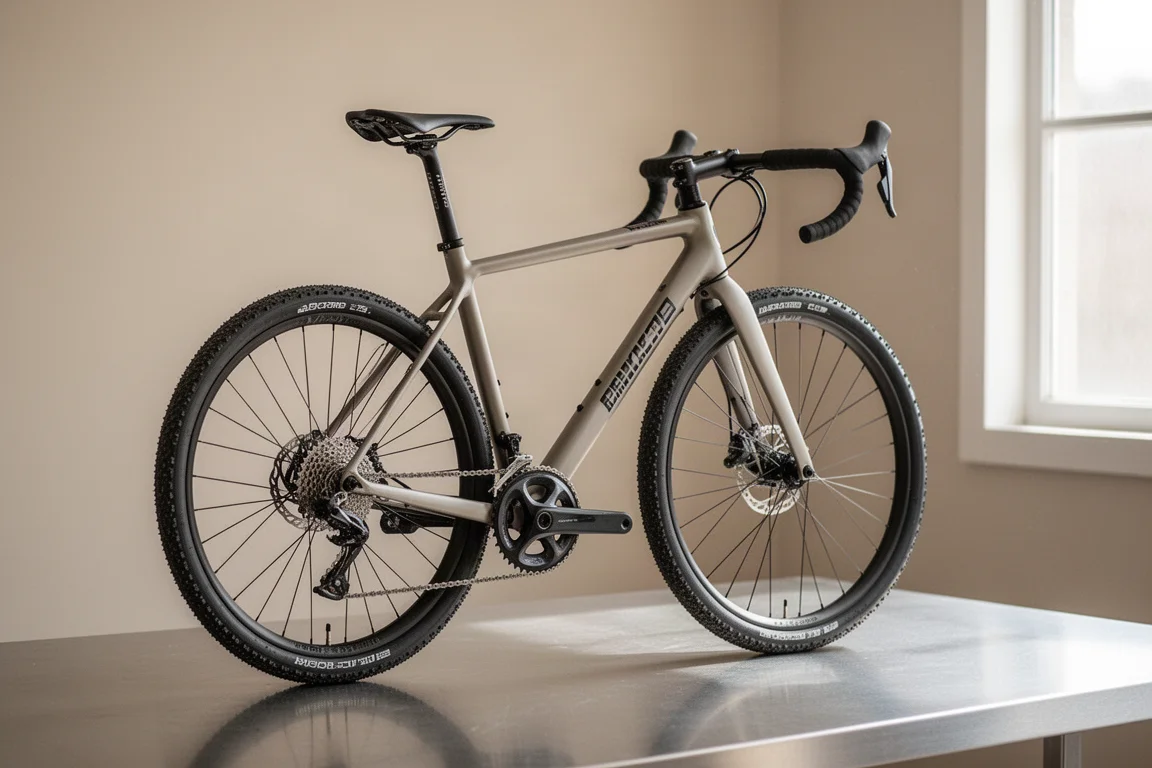
Canyon Grizl: Another Strong Value Gravel Option
The Grizl is the natural alternative to the Revolt, and the two compare very closely on features, tire clearance and bikepacking geometry. Both offer excellent performance and good value, and both brands provide a wide enough range that you can find a sensible spec at most budgets.
There is one meaningful difference in approach. The Grizl is available with a suspension fork, but the frame itself is not suspension corrected, so that option is best treated as an addition rather than a foundation. If you are choosing between the two, brand preference, local availability and price are likely to decide it, and neither will disappoint.
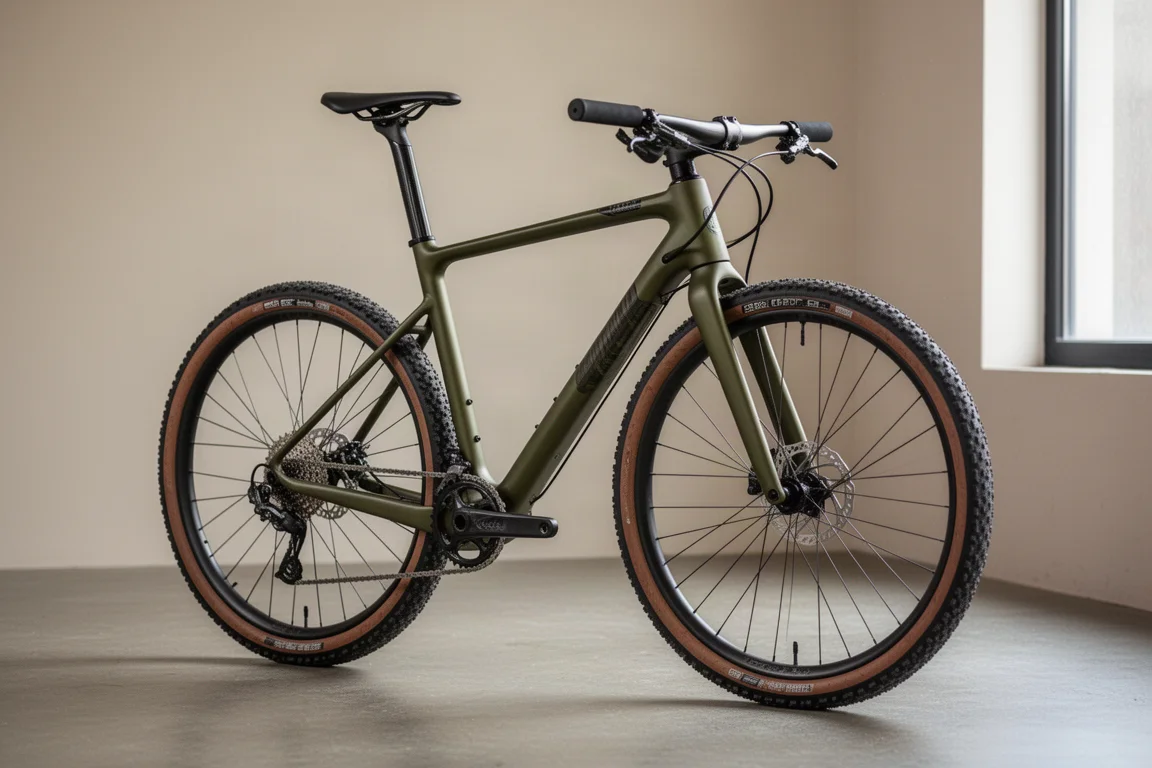
Mondraker Arid: Gravel With Mountain Bike Manners
If your gravel riding leans towards burlier, rougher and more technical trails, the Arid takes a page from the mountain bike geometry playbook. A slacker head angle, longer wheelbase, long reach, short stem and wide handlebar add up to a bike that feels far more stable when the surface gets loose.
It is suspension corrected and can take a dropper seat post, with room for wide tires, down tube storage and a generous set of bikepacking mounts. Think of it as a soft-core mountain bike for riders who want that capability without buying an actual mountain bike.
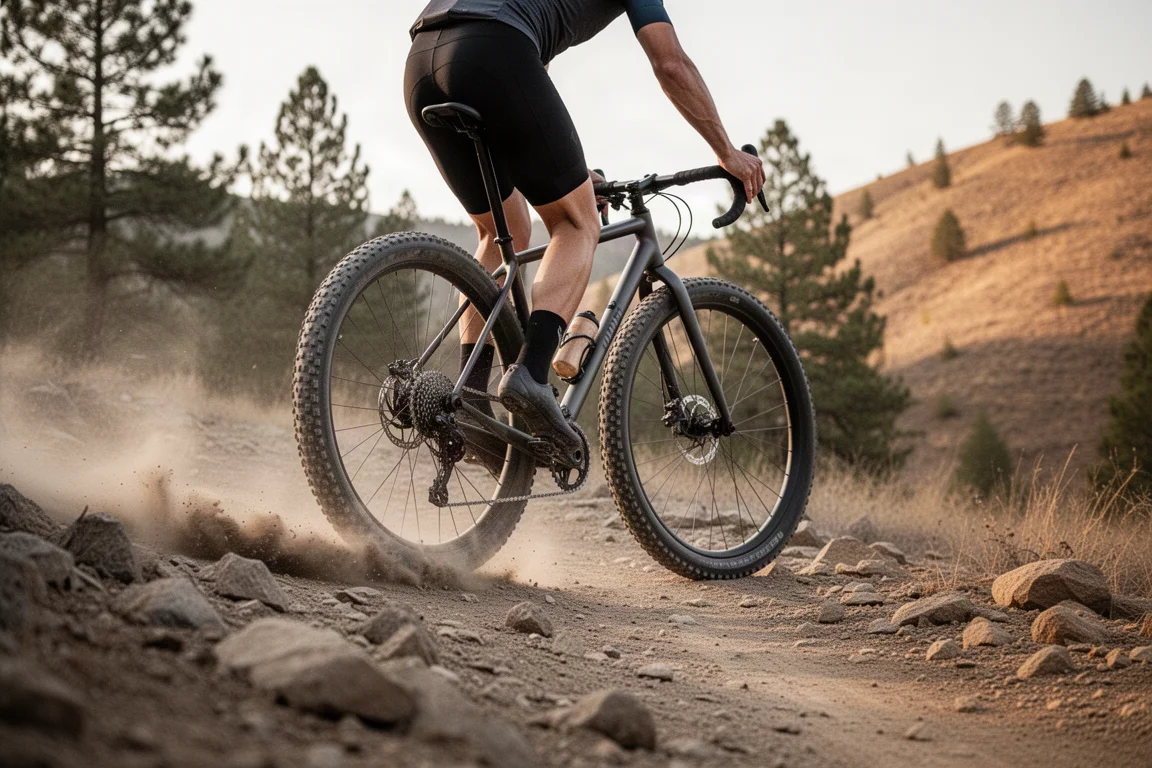
That geometry does change the character of the bike on smoother, faster gravel, where a more conventional gravel racer will feel sharper. It is a trade-off worth understanding before you buy, and it is the reason this bike suits a specific kind of rider rather than everyone.
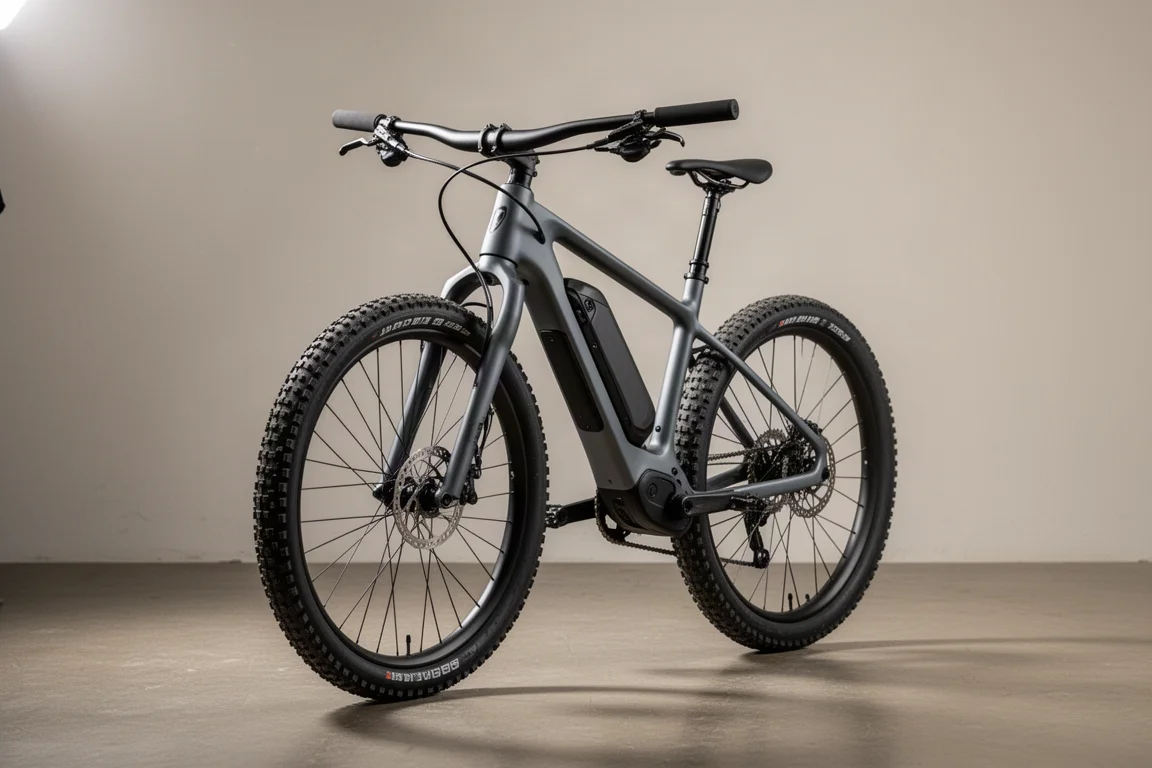
Propain Terrel CF: Capable and Keenly Priced
The Terrel CF follows the same philosophy as the Arid: mountain-bike-inspired geometry for technical terrain, with a slack front end, longer wheelbase, long reach, short stem and wide handlebar. It is suspension corrected, accepts a dropper post, offers plenty of tire clearance, down tube storage and extensive mounts.
What separates it is value. This is a lot of capability for the money, which makes it an easy recommendation for riders who want to push a drop-bar bike onto trails that would normally call for flat bars. If the more conventional gravel bikes in this list feel too tame, this is one of the strongest alternatives.
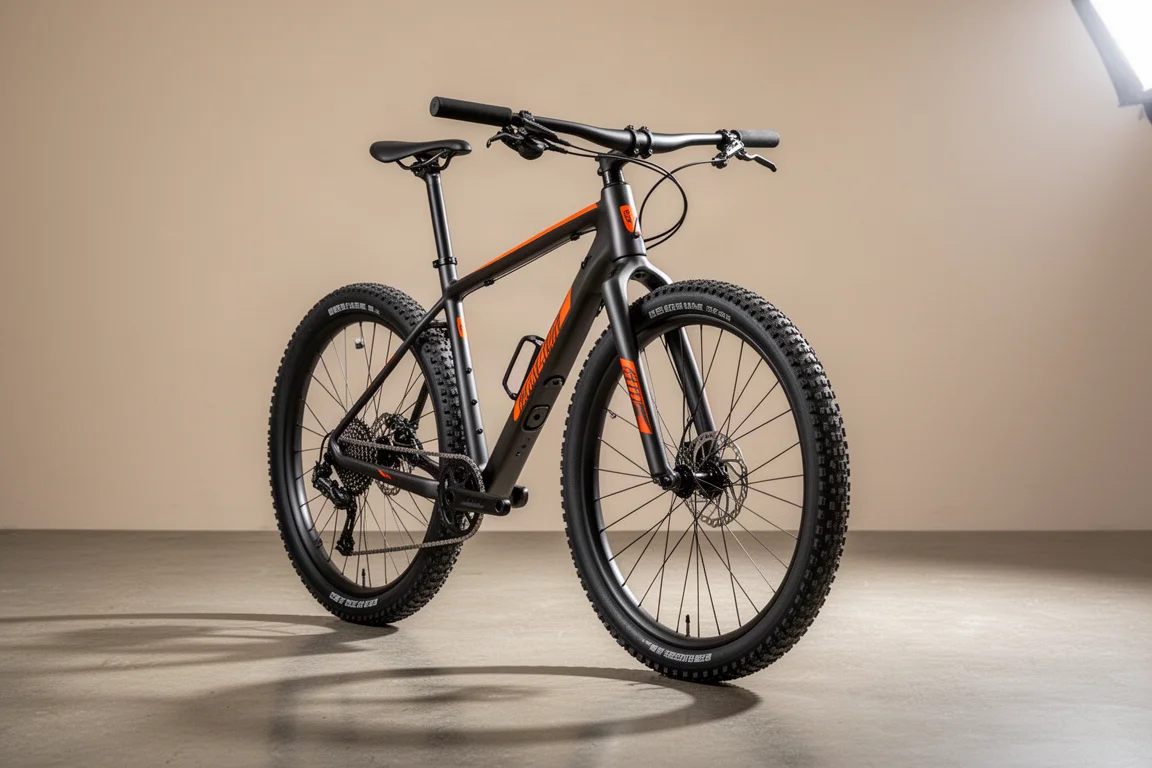
Boardman Adventure: The Value Gravel Pick
The Adventure range was updated with a focus on low prices, starting at just £850. The £2,000 model is the interesting one, combining a full carbon frame and fork with a Shimano GRX 2x groupset, which is a lot of bike for the money.
The main caveat is availability, since the range is not widely sold outside the UK. There is also a degree of brand snobbery around Boardman in its home market, and it is worth putting that aside: on specification and price, the Adventure delivers a great deal for relatively little cash.
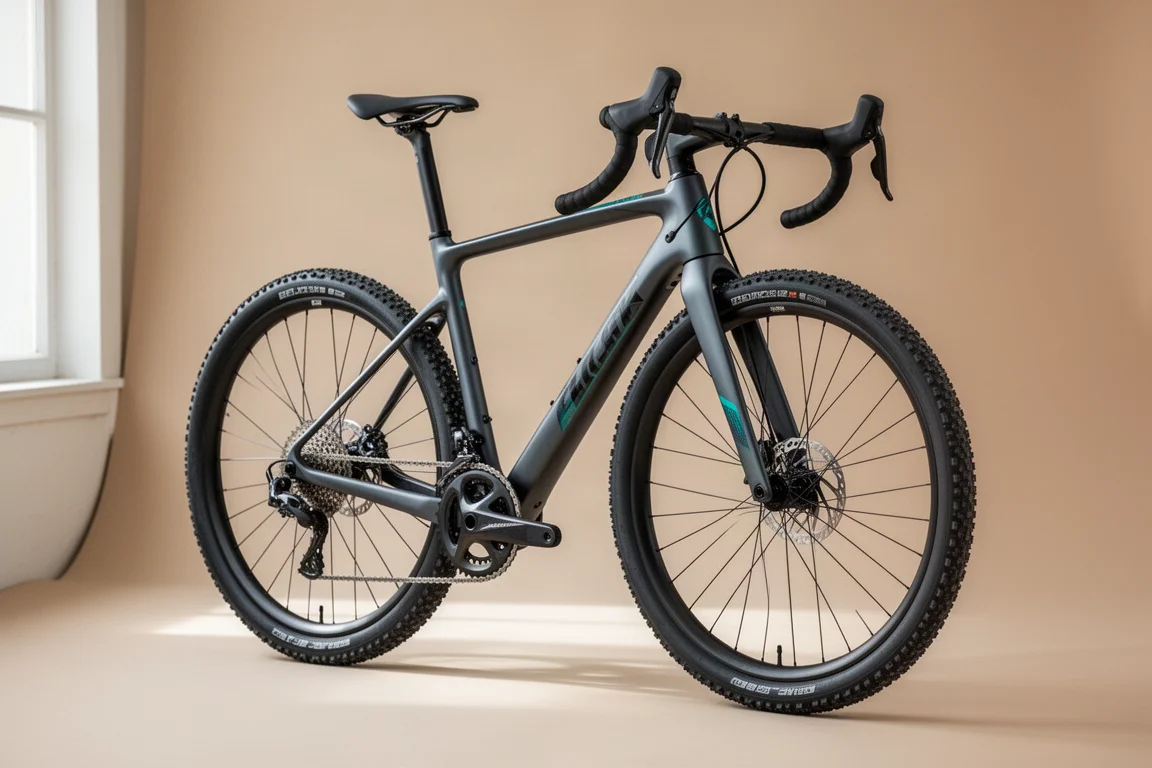
Specialized Crux: Light, Simple and Fun
The Crux has been a long-term favorite, and the latest version keeps the formula that made it good. The update brings a new SRAM gravel groupset and a revised rear dropout, while retaining the external bottom bracket, external cable routing and simple round tubes that make it easy to live with.
It is not purely a gravel bike. Big tire clearance, low weight and good geometry make it fast and genuinely fun, whether you are racing cyclocross, blasting around woods at the weekend or simply riding it hard on mixed surfaces. It is less versatile for loaded bikepacking and adventures, and it is expensive, but as a fast gravel bike it remains one of the best.
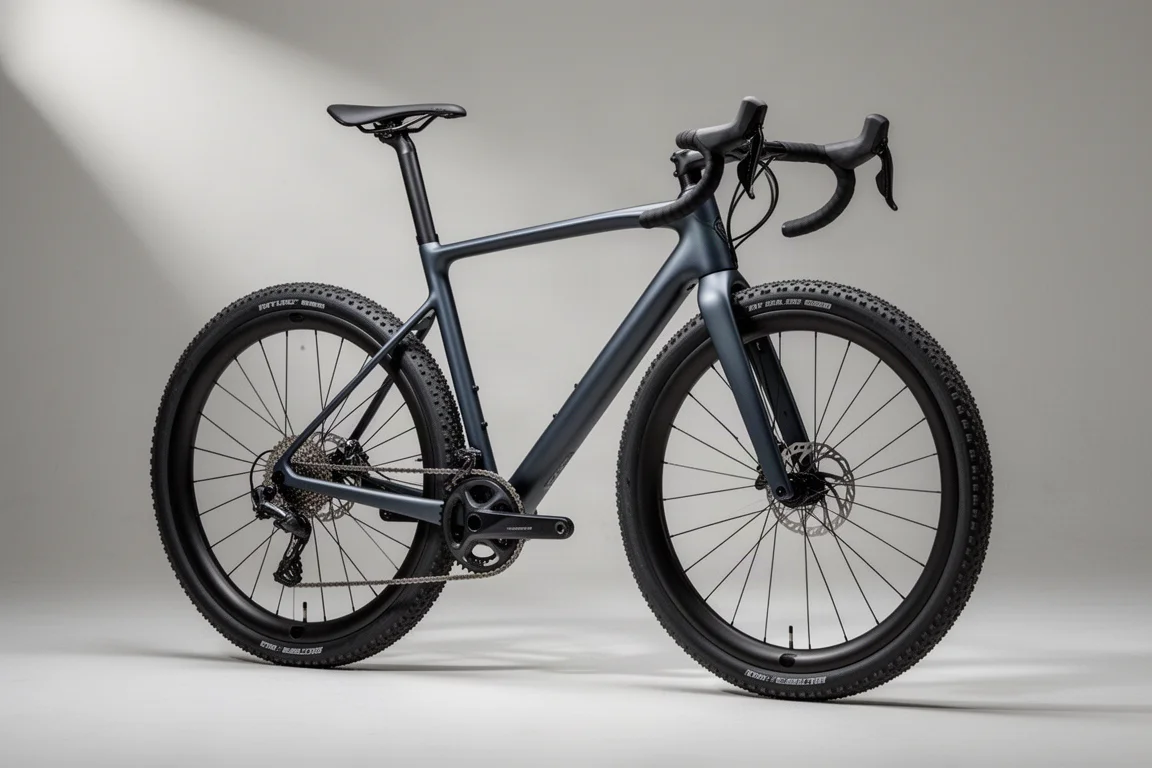
Enve MOG: Premium Gravel That Covers Everything
The MOG ticks nearly every box that matters in modern gravel design: big tire clearance, down tube storage neatly tucked into the frame, mounts on the fork and top tube, and fender mounts for wet-weather riding. Aerodynamics are taken seriously too, with internal routing and a two-piece handlebar and stem inspired by the brand’s race bike.
That combination makes it unusually broad in ability. It works for gravel racing, for long distance comfort and for bikepacking, which is rare now that gravel has split into race-focused and adventure-focused camps. The obvious downside is price, because this sits firmly in the money-no-object part of the market.
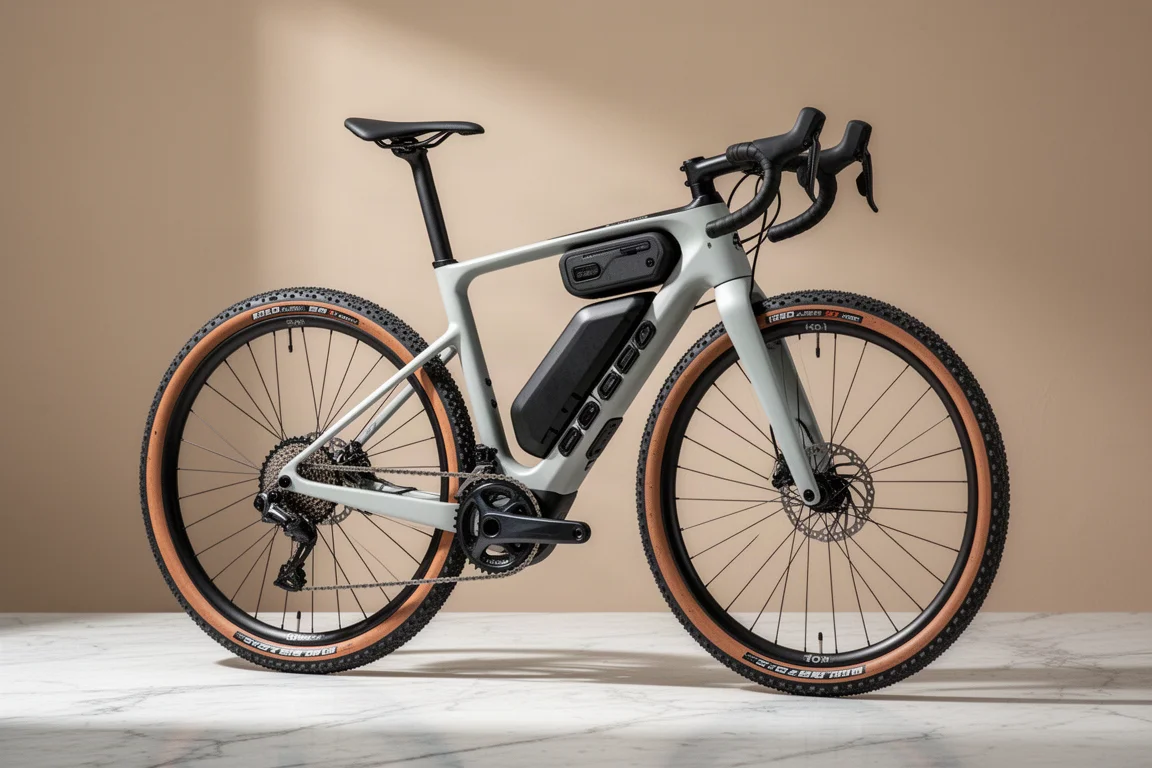
Fairlight Secan: The Steel Option
Not everyone wants carbon, and the Secan is the standout metal choice here. The latest version refines a formula that has been proven over several years: a silky smooth gravel bike that also works well as a road bike on fast slick tires.
The steel frame uses a Reynolds 853 main triangle, and it carries all the mounts you would want for mudguards, dynamo lighting, long-distance riding and bikepacking. It looks excellent and rides as well as it looks, which is why it remains an easy recommendation for riders who prefer steel.
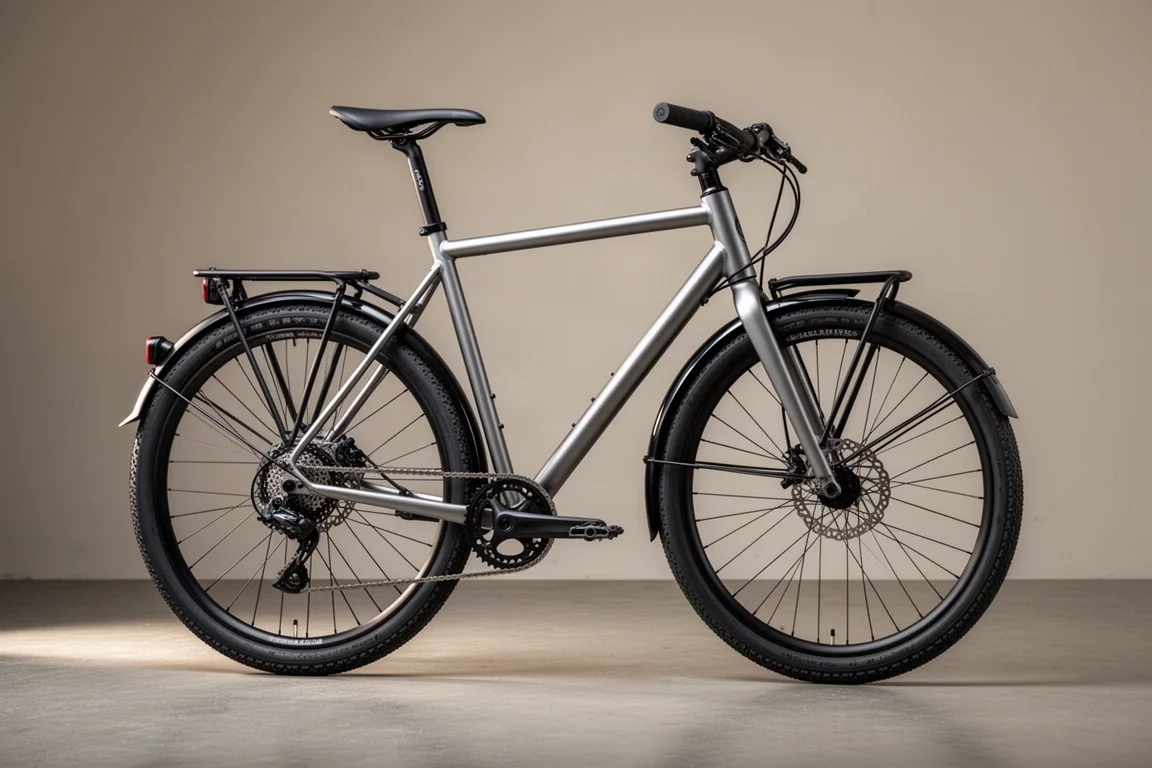
Overall Buying Advice
Start with the surface you ride most, not the one you ride occasionally. If most of your miles are on tarmac, a race or endurance road bike will reward you far more than a gravel bike with knobbly tires. If your rides regularly include rough tracks, a gravel platform with sensible tire clearance will be faster and more comfortable than a road bike pushed beyond its limits.
Geometry is the second decision, and it matters more than any single component. A race-oriented bike will feel sharper but demands more from the rider, while all-road and endurance geometry trades a little speed for comfort over long distances. Progressive gravel geometry with a slacker front end adds stability on technical terrain at the cost of some sharpness on smooth, fast gravel.
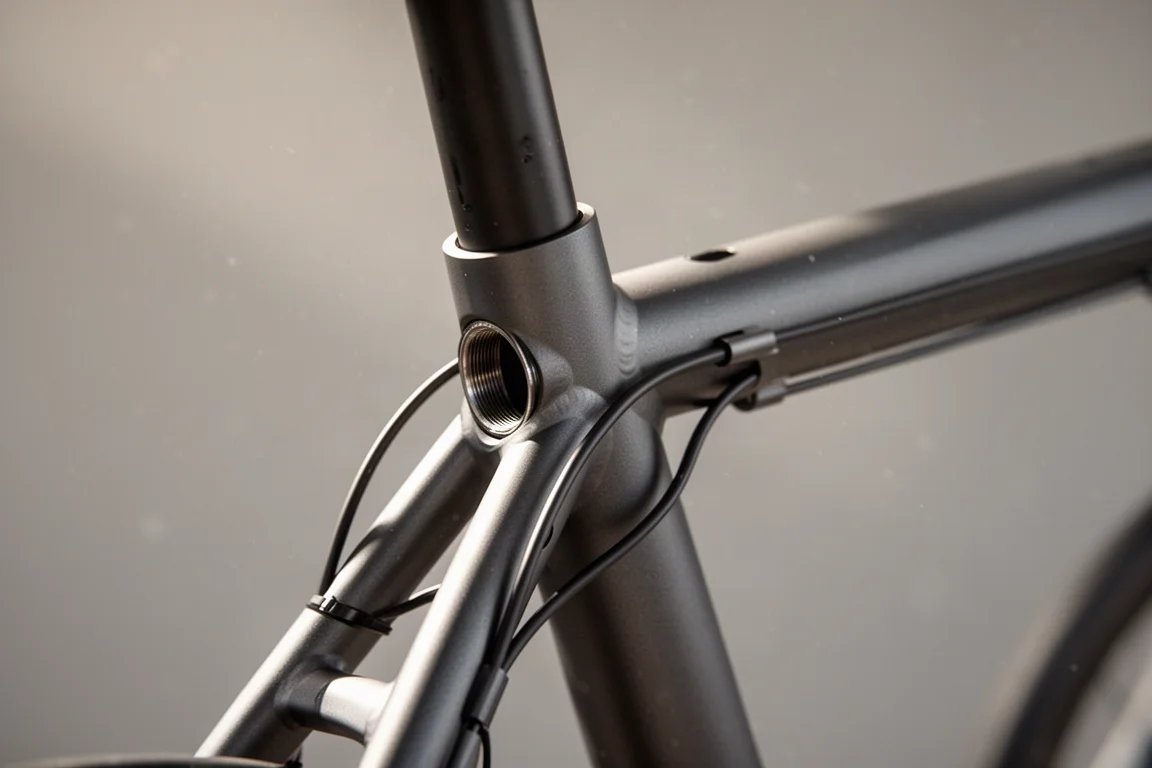
Value deserves a closer look than it usually gets. Several bikes here undercut better-known rivals while offering comparable performance, and a deep model range means you can often buy into a good frame and upgrade components later. Details such as a threaded bottom bracket, external cable routing and standard seat post diameters can save real money and frustration over the years you own the bike.
Conclusion
The right bike is the one that matches your riding rather than the one at the top of someone else’s list. The Canyon Aeroad and Specialized Tarmac SL8 make the strongest case for riders who race or ride fast, the Giant Defy and FiftyOne Seeker suit riders who want comfort without losing speed, and the Giant TCR remains the dependable all-rounder.
On the gravel side, the Giant Revolt and Canyon Grizl cover fast gravel and bikepacking at fair prices, the Mondraker Arid and Propain Terrel CF bring mountain bike capability to technical trails, and the Boardman Adventure delivers remarkable value for UK buyers. The Specialized Crux and Enve MOG sit at the fast and premium ends of the category, while the Fairlight Secan proves that steel still has a place. Whichever direction you choose, buy for the riding you do most and you will be happy with the result for years.
Further reading
Related Reviews
Cycling
2026 Bike of the Year and the Cycling Gear Worth Watching
A drop bar roundup for 2026 covering the Ridley Kanzo Fast 2.0, Shimano Dura-Ace Di2 R9300, Trek Checkpoint ALR Gen 3, Specialized Tarmac SL9, Garmin Fenix 9 and Insta360 X6.
Cycling
Best All-Road Bikes 2026: Six Versatile Endurance Road Bikes Worth Considering
A practical look at six all-road and endurance road bikes, from lightweight carbon speed machines to steel all-rounders and comfort-focused mile eaters.
Cycling
Best All-Road Bikes 2026: 8 Endurance Bikes for Road and Light Gravel
Eight all-road bikes that blur the line between endurance road and light gravel, compared on tire clearance, ride character, practicality, and value.