Road Bikes
Best Rim Brake Road Bikes: 8 Road Race Bikes Still Worth Buying
A practical roundup of eight rim brake road bikes, from alloy entry models to carbon race frames and a classic copper-finished build.
Introduction
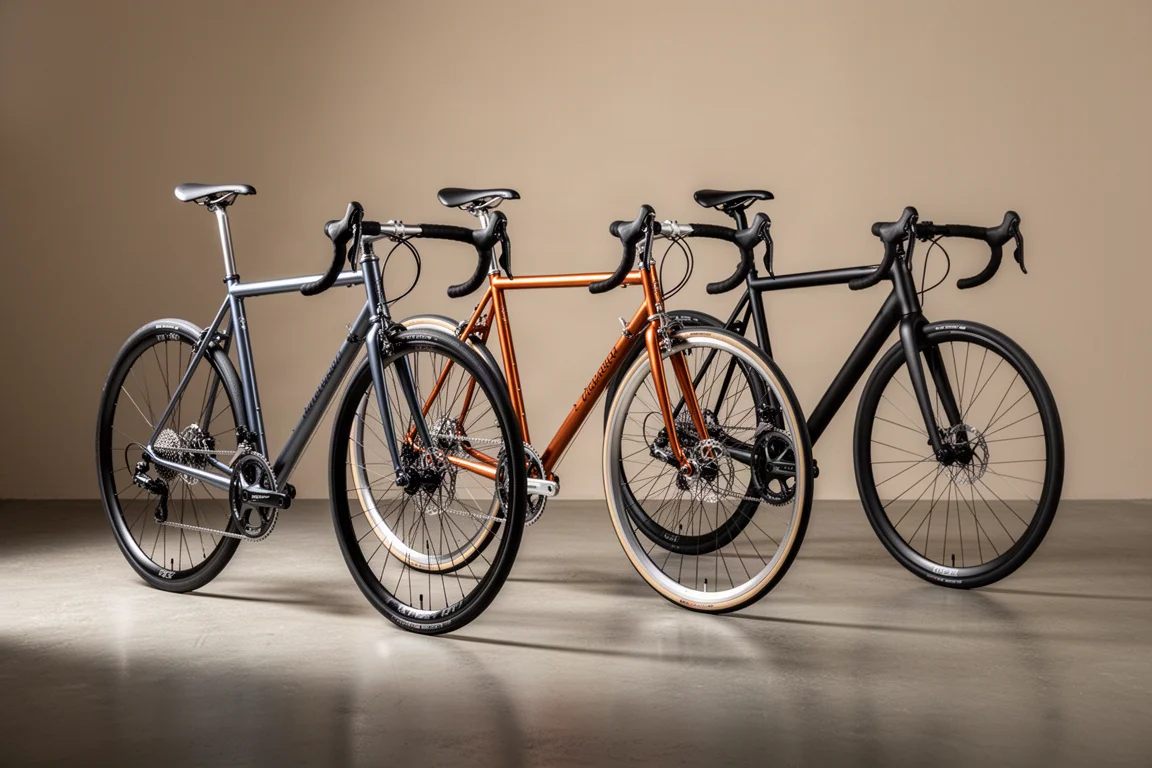
Rim brakes still have a dedicated following among road riders, and plenty of road race bikes with rim brakes remain available. For riders who value simplicity, lower cost, and easy maintenance, rim brake road bikes can still be a smart choice. This roundup covers eight models, from alloy entry bikes that make excellent first road bikes to carbon race platforms and a classic copper-finished build for riders who want something distinctive.
Each bike here has a clear place in the market. Some are ready to race, some are designed for long-distance comfort, and others are platforms that reward upgrades over time. The common thread is the rim brake, which keeps the bikes lighter on complexity and often lower in price than equivalent disc brake models.
Cannondale CAAD Optimo: A Confident Entry Into Road Riding
The Cannondale CAAD Optimo is Cannondale’s entry-level road bike option, built around an alloy frame with dropped seat stays and partial internal cable routing. Despite its racier geometry, it has fittings and clearance for mudguards, although with 25 mm tyres measuring closer to 26 mm, mudguard fit is tight.
Cannondale keeps maintenance straightforward with a threaded bottom bracket. The compact crankset and 11-30 tooth cassette provide a useful spread of gears, and there are four specifications in the range. The range-topping build uses Shimano 105 shifting, with Shimano rim brakes swapped for Tektro R741 dual pivot calipers, a common choice on entry-level bikes.
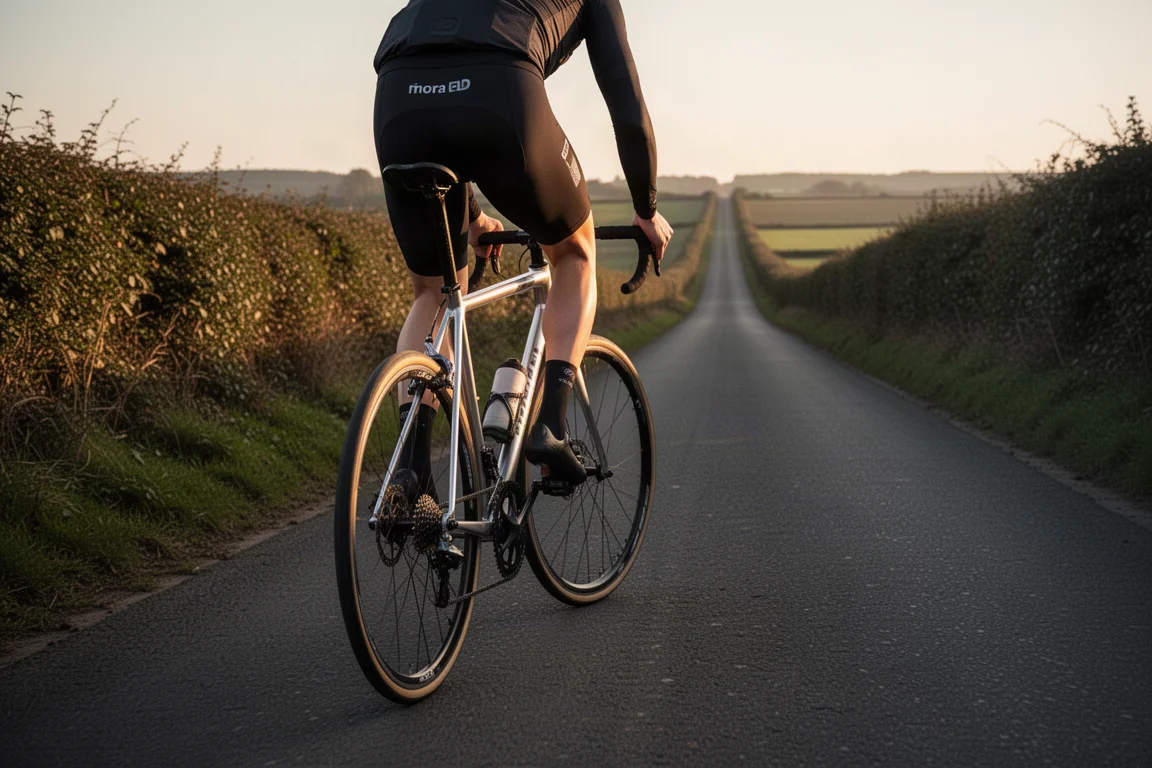
As a starter road bike, the CAAD Optimo is a strong platform that can be upgraded over time. Riders who want a race-inspired alloy frame without moving to disc brakes will find a lot to like here. It is not bad for £1,300.
Specialized Allez Elite: Versatile Alloy Endurance
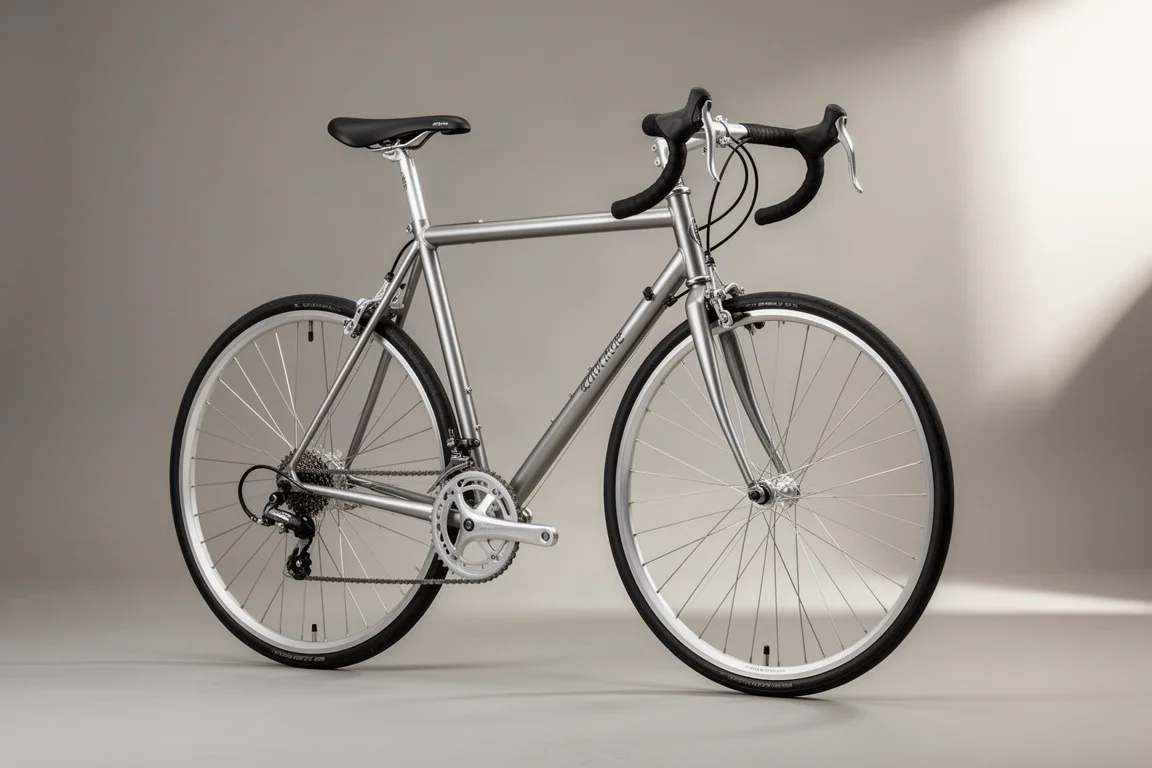
Ask many cyclists about their first serious road bike and the Specialized Allez is likely to come up. The Allez has been an incredibly successful model for Specialized, and it still caters to riders who prefer rim brakes. One reason for its popularity is versatility, and the Elite model shows why.
The £1,500 Allez Elite comes with a strong alloy frame and a SRAM Rival 22-speed groupset. With reliable DT Swiss wheels and mudguard mounts, the platform can be built into a capable winter bike. Riders can also fit a rack, making it a lovely long-distance commuter. Others simply keep upgrading it with new parts as the frame clocks up tens of thousands of miles.
That flexibility makes the Allez Elite more than a first road bike. It is a frame that can serve as a winter trainer, a commuter, or a dependable all-rounder for riders who want one bike to do several jobs.
Giant TCR Advanced: Carbon Race Performance With Rim Brakes
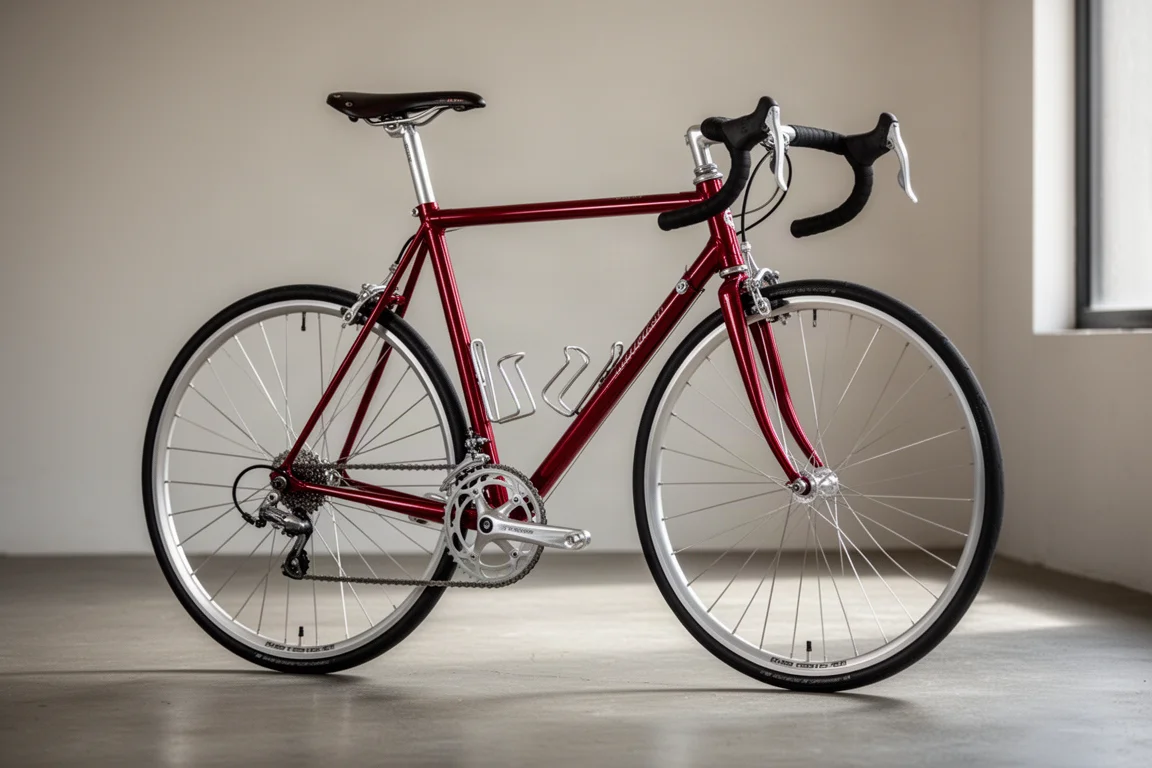
The Giant TCR is another stalwart of the cycling world. While the latest and greatest version of the bike has disc brakes and electronic shifting, Giant still makes the TCR Advanced as an excellent carbon platform for racers and recreational riders alike. The rim brake TCR platform has proven capable enough for professional racing, and it remains a strong choice for riders who want carbon performance without disc brakes.
The stock build comes with a full carbon frame and fork, a full Shimano 105 groupset, and tubeless-ready wheels and tyres. That is a brilliant build for the money, and it leaves room for go-faster upgrades later.
For riders who want a race-ready carbon frame that can be improved over time, the TCR Advanced is a sensible platform. It balances performance, value, and the simplicity of rim brakes in a package that suits both fast group rides and recreational racing.
Merida Scultura Rim 400: Simple, Proven Alloy Race Geometry
When it comes to off-the-peg options, few can rival the Merida Scultura. As with Giant’s TCR, the latest Scultura used by WorldTour professionals has moved to disc brakes and aero tube shapes, but the Scultura Rim 400 offers perfect simplicity at a price that will not leave you scraping together every penny.
The aluminium frame comes with a strong kit list: a full Shimano 105 groupset, a carbon fork, a carbon seatpost, and own-brand wheels. It has just been discontinued, but stock of the old bike remains, which keeps it relevant for riders who want a proven alloy race bike with rim brakes.
The Scultura Rim 400 is a straightforward choice for riders who want reliable components and race-inspired geometry without paying for the latest disc brake platform. It is a bike that prioritises function and value.
Trek Emonda ALR: Alloy Climbing Platform
The Trek Emonda was one of the only rim brake frame models still offered in both alloy and carbon versions. The Emonda ALR and SLR frames sit at different price points, with the ALR and SLR positioned around £1,150 / $1,150 and £3,850 / $3,800 respectively.
The Emonda is Trek’s climbing bike, so if you are looking to build something for sailing up the climbs, this is a great place to start. The ALR brings that climbing-focused design to an alloy frame, making it an appealing option for riders who want a lightweight-feeling bike without carbon frame costs.
For riders who prioritise ascent performance, the ALR is a natural starting point. It offers the Emonda platform’s climbing character in a more accessible alloy package, and it can be upgraded as fitness and ambitions grow.
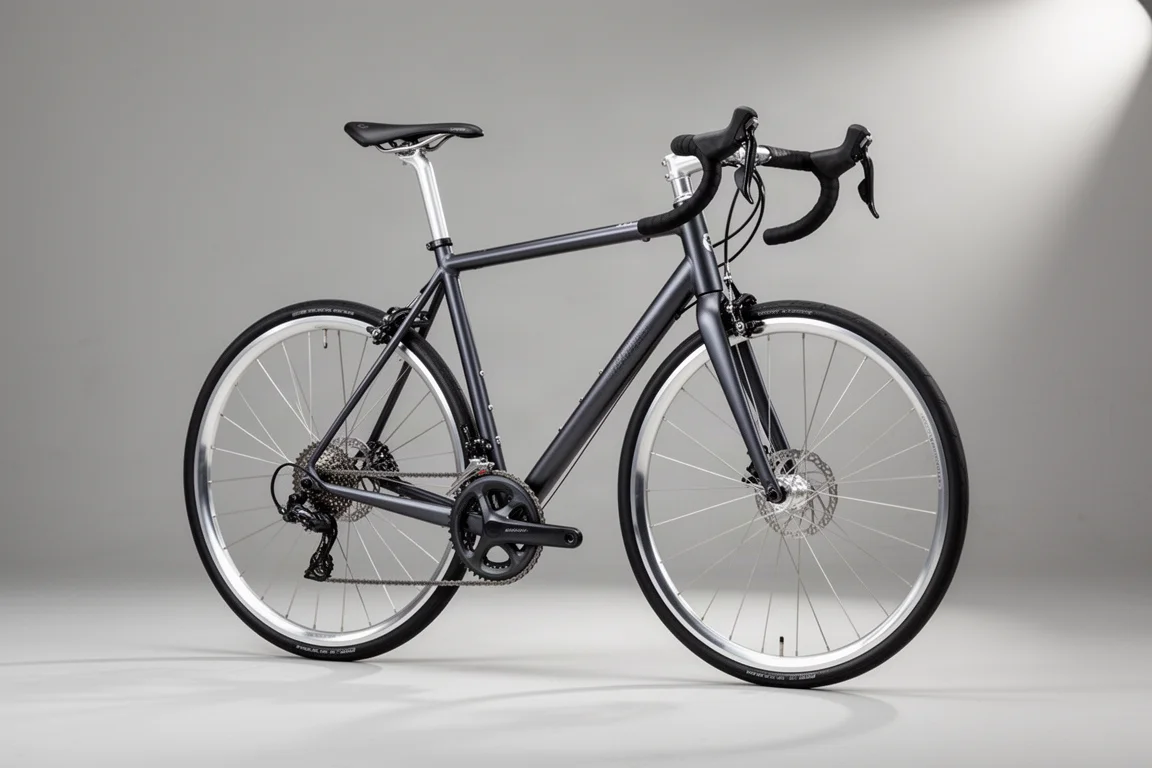
Trek Emonda SLR: Carbon Climbing With Two Geometry Options
The carbon Emonda SLR takes the climbing platform further with two geometry options. The H2 fit suits the majority of recreational riders, while the H1 fit is for riders who want a super long and low race bike. That choice lets riders tune the Emonda SLR to their preferred position rather than adapting to a single fit.
As Trek’s climbing bike in carbon form, the SLR is aimed at riders who want a lightweight race platform for steep roads and fast ascents. It shares the Emonda family’s focus on climbing, but with the lower weight and sharper ride quality that a carbon frame can provide.
For riders who want a dedicated climber and prefer rim brakes, the Emonda SLR is a compelling option. The two geometry choices also make it easier to find a fit that works for recreational riding or aggressive racing.
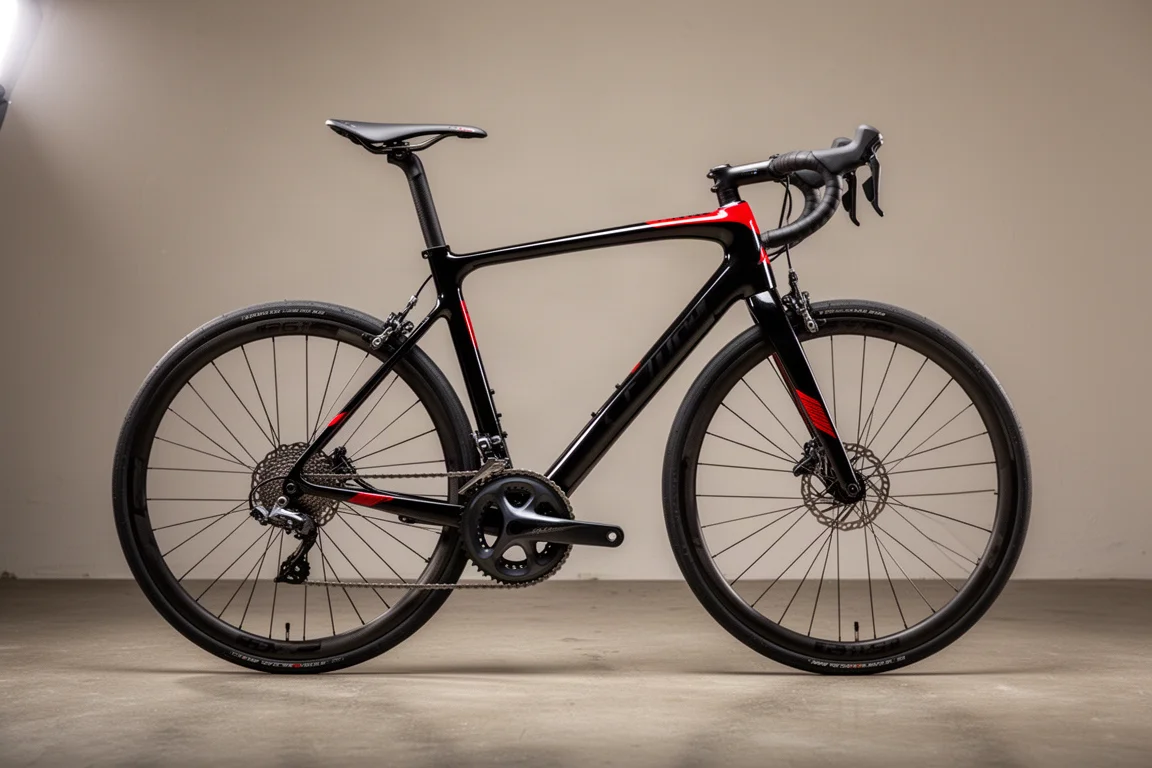
Colnago V3RS: Italian Rim Brake Race Heritage
While Colnago now offers the latest disc brake only V4RS, the older V3RS rim brake frameset is still available. The V3RS rim brake frameset was part of a Campagnolo and Colnago combination that won the biggest race on the calendar, making it a meaningful choice for riders who value Italian racing heritage.
A full Campagnolo Super Record groupset, wheels, and finishing kit would make this a purest’s dream build. Your average Sunday ride might not finish on the Champs-Élysées, but this bike would certainly be a dream build for fans of the Italian brand.
The V3RS is not about chasing the latest standards. It is about owning a rim brake race frame with a genuine competition pedigree and a classic Italian identity.
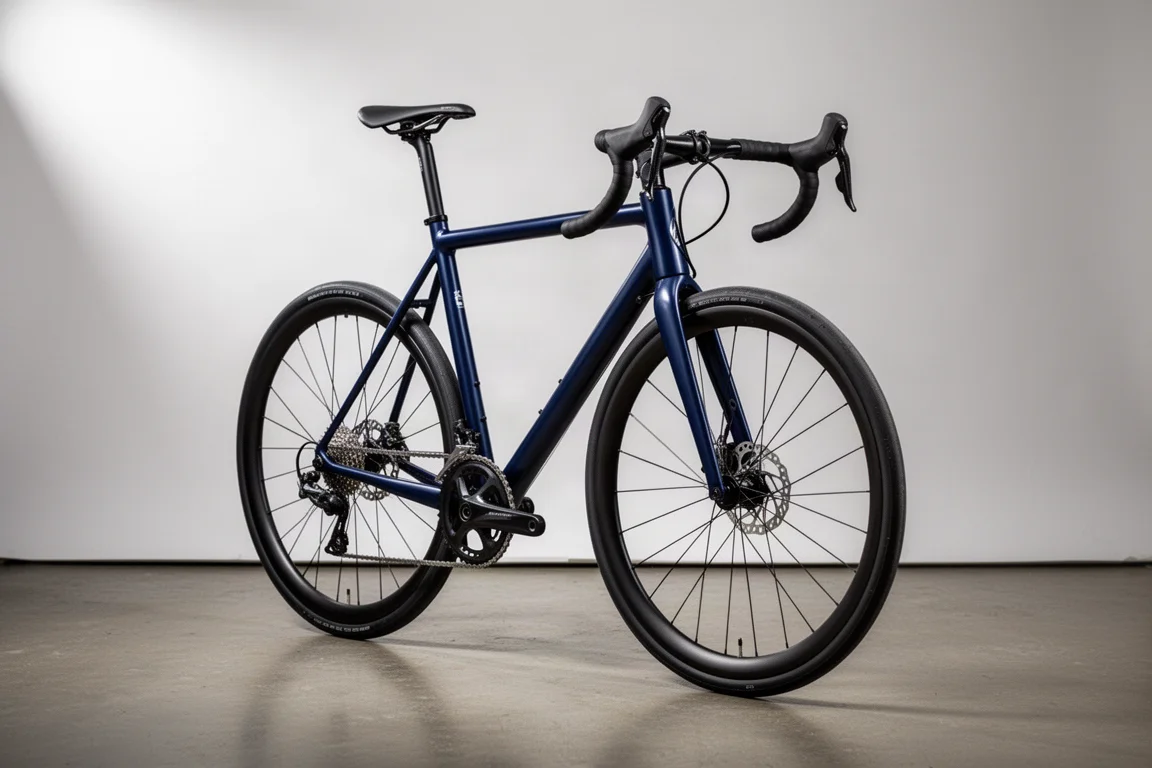
Wilier Ramato: Classic Copper Finish With Modern Builds
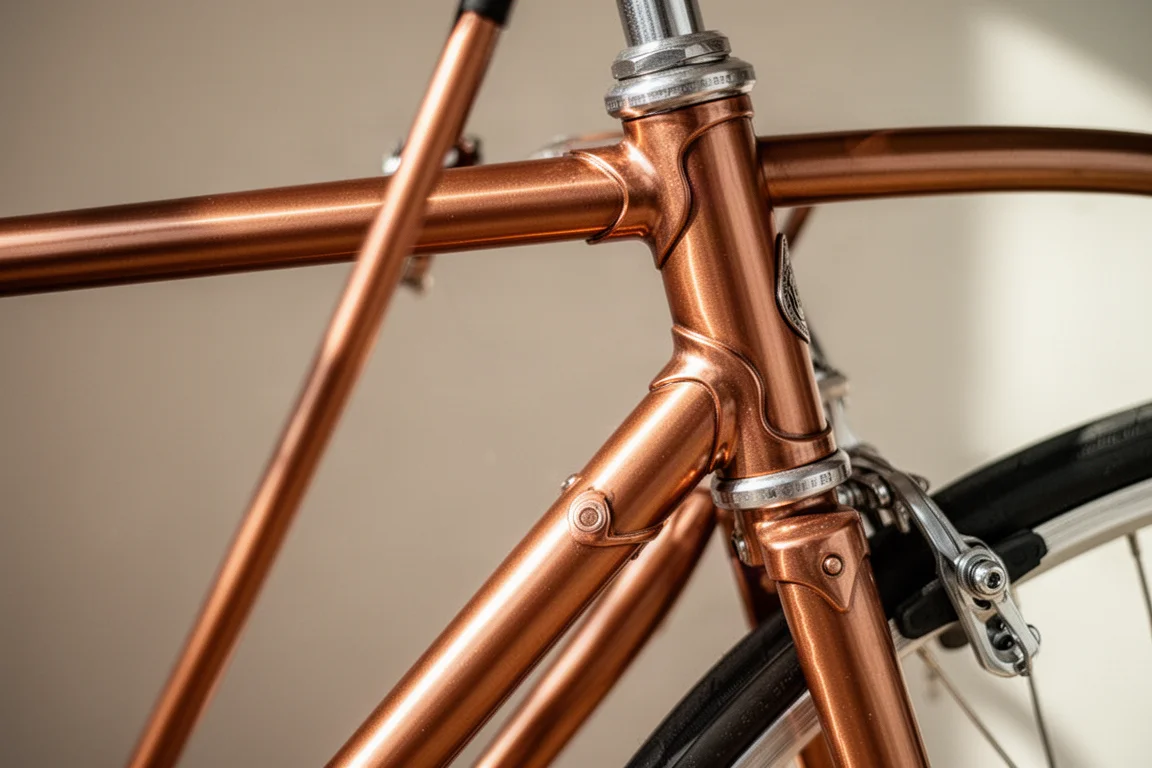
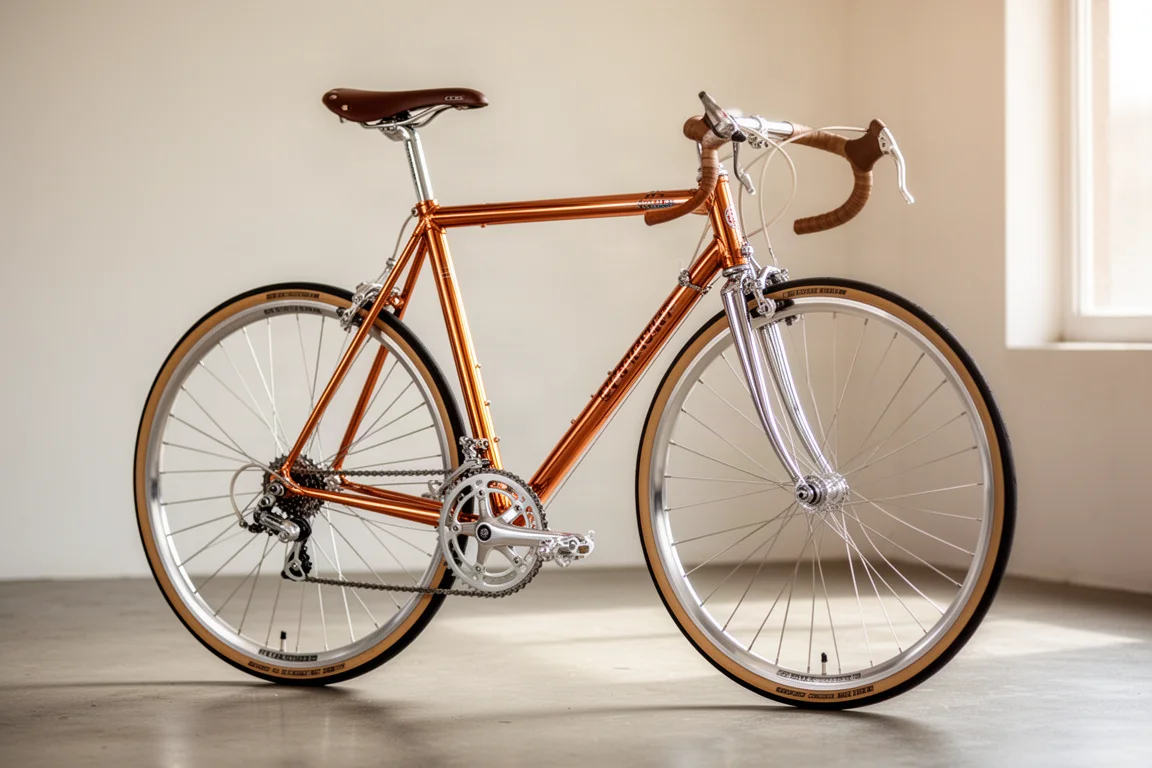
The Wilier Ramato is a head-turning option for riders who appreciate classic looks with modern performance. Wilier designed this bike as a tribute to frames that made it a famous brand, and the gorgeous copper colour was first used in the 1940s. The builds available on the Ramato are thoroughly modern.
To achieve the frame effect, the frame is mirror polished and then fully chromed. Paint is added with a fully transparent lacquer, a process that takes a lot of time and makes this a rather expensive bike. A Campagnolo Record build would be an absolute dream to ride, with Campagnolo alloy wheels and Michelin tyres. If that is not to your taste, you could go retro with a set of Ambrosio rims and some super supple tubular tyres.
The Ramato is for riders who want a rim brake road bike that stands apart. It combines a labour-intensive finish with modern components and the option to build it in either a contemporary or retro direction.
Overall Buying Advice
Choosing a rim brake road bike comes down to the kind of riding you do and how much you want to spend. Alloy models like the Cannondale CAAD Optimo, Specialized Allez Elite, Merida Scultura Rim 400, and Trek Emonda ALR offer strong value, reliable groupsets, and frames that can be upgraded over time. They are well suited to riders who want a first serious road bike, a winter bike, a commuter, or a dependable all-rounder.
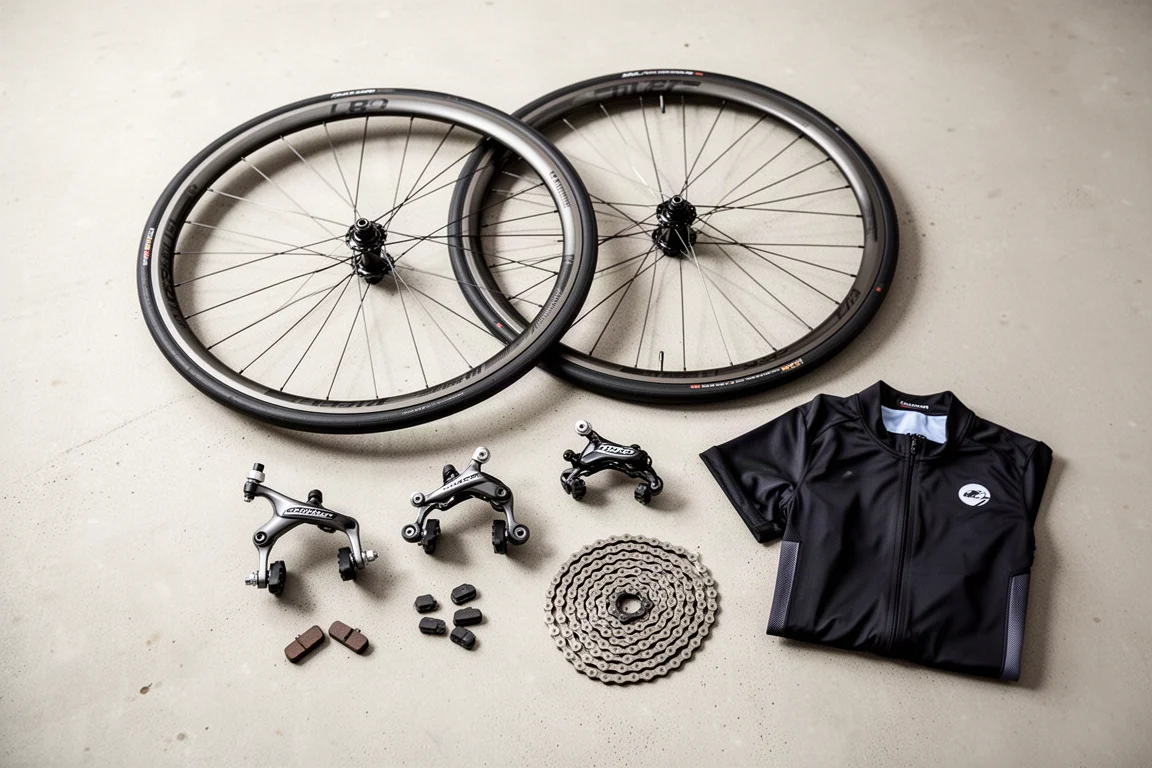
Carbon platforms like the Giant TCR Advanced and Trek Emonda SLR suit riders who want lighter weight and sharper race performance. The Colnago V3RS and Wilier Ramato sit at the premium end, where heritage, finish, and Italian racing identity matter as much as specifications. Across all eight bikes, check mudguard clearance, groupset condition, wheel compatibility, and geometry before you buy.
If simplicity and lower running costs matter, rim brakes remain a practical choice. If you want the latest disc brake platform, that is a different path, but these eight bikes show that rim brake road racing is far from over.
Conclusion
Rim brake road bikes still have a dedicated following, and the models in this roundup show why. They cover a wide range of riders, from those buying their first serious road bike to those chasing a lightweight climbing frame or a classic Italian-inspired build. Each one keeps the rim brake advantage of simplicity and often lower cost, while still offering modern groupsets, wheels, and frame technology.
Whether you choose an alloy starter bike or a premium carbon race frame, the key is to match the bike to your riding. For many riders, a well-chosen rim brake road bike remains a confident and rewarding purchase.
Further reading
Related Reviews

Road Bikes
10 New Road Bikes Worth Watching: Aero, Titanium, Steel and Endurance Standouts
A practical roundup of 10 new road bikes, from aero flagships chasing single-watt gains to titanium, steel and endurance platforms built for real roads.
Road Bikes
2026 Tour de France Road Bikes: Six Race Machines Worth a Closer Look
Six race bikes from the 2026 Tour de France grid, reviewed for paint, silhouette, wheels and the specification details that matter to buyers.
Road Bikes
3T Strada Italia Review: A Radical Aero Road Bike That Rides Smooth
A made in Italy carbon aero road bike with a deep head tube, wide tire clearance and a genuinely comfortable ride. Here is what to know before buying.