Aquarium Inverts
Best Reef Tank Cleanup Crew Inverts: 8 Useful Critters Worth Adding
A practical roundup of reef tank cleanup crew inverts, from turbo snails and hermit crabs to shrimp, urchins, and sand cucumbers, with clear strengths and trade-offs.
Introduction
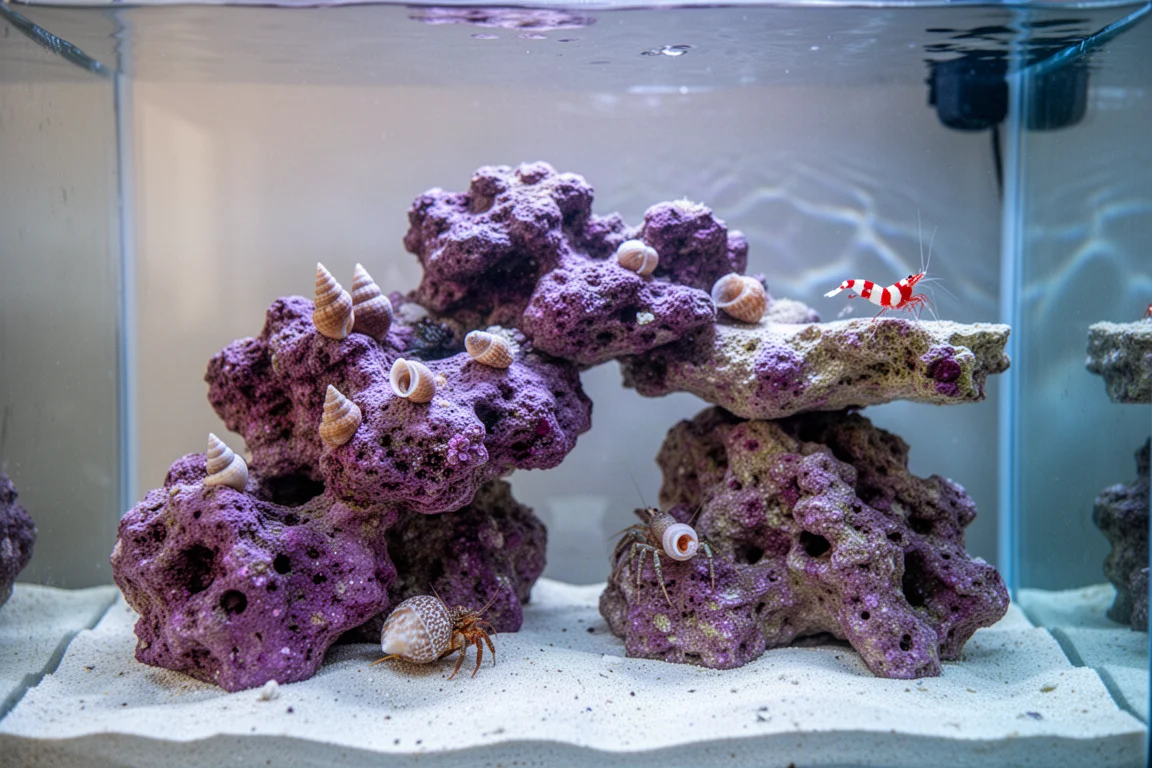
A reef tank is not only about the fish and the coral. The small invertebrates quietly working the glass, rock, and sand do much of the day-to-day maintenance that keeps a system looking stable. Snails scrape film algae off surfaces you cannot easily reach. Hermit crabs work detritus out of the gaps between rocks. Sand-dwelling inverts keep the substrate turned over so it does not become a nutrient trap.
That is why a cleanup crew is best treated as a planned part of the tank rather than an impulse purchase. This roundup covers eight invertebrate groups that earn their place in a reef system, with the practical role each one plays and the trade-offs worth knowing before you order.
Why a Curated Cleanup Crew Matters
The most useful way to think about cleanup crew invertebrates is prevention rather than cure. Adding the right animals early means nuisance algae, leftover food, and detritus get worked on continuously, before they ever build up into a visible problem. Once a problem is established, it is a much harder job for a handful of animals to reverse.
Variety is the other key principle. Different inverts are shaped for different jobs. Some graze flat surfaces, some scrape rock, some dig into the sand, and some reach into places you cannot see. Building a mixed crew means more of the tank is being worked at any given time.
It is also worth planning for replenishment. Not every animal settles in for the long term, and some are eaten by tank mates or simply do not adapt. Expecting a crew to stay at its original count indefinitely leads to frustration. A small refresh every few months is a normal part of keeping a reef tank clean.
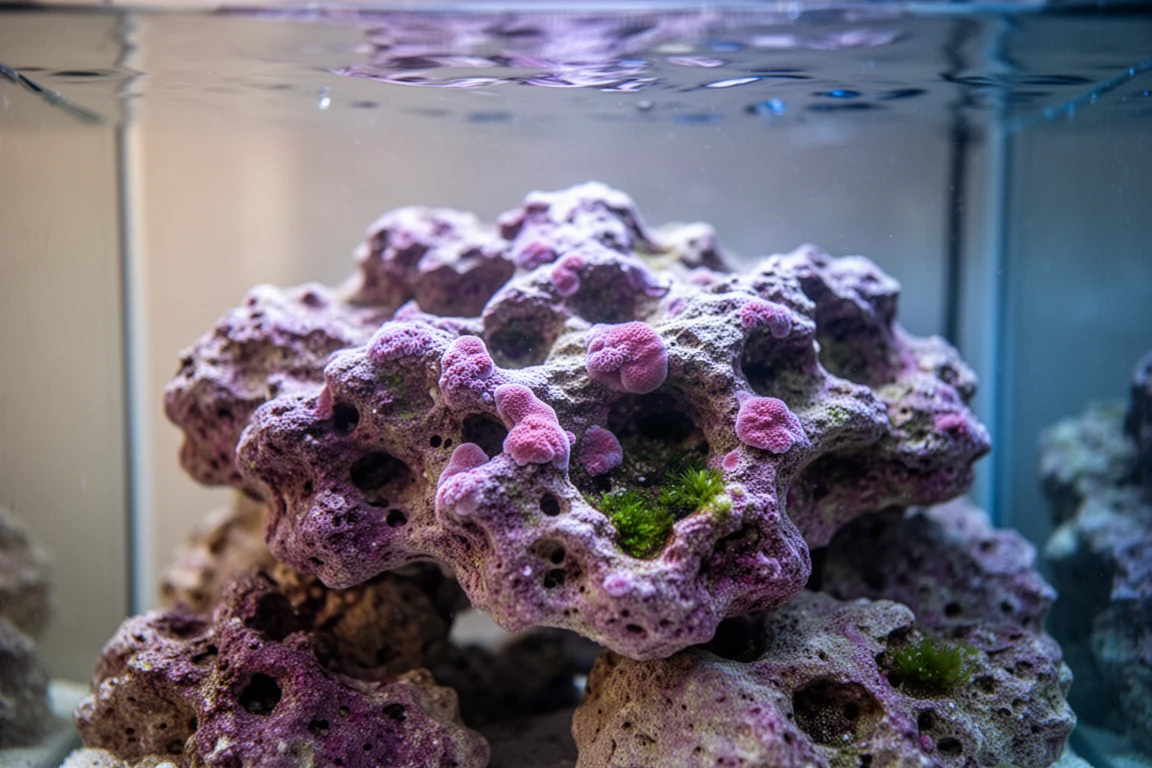
A final point on stocking levels. Introducing too many of one type at once can backfire. Overloading a tank with heavy grazers can strip the available food supply, and once the food runs out, those animals can decline and release waste back into the water. A modest, well-matched crew usually outperforms a large one over time.
Mexican Turbo Snails
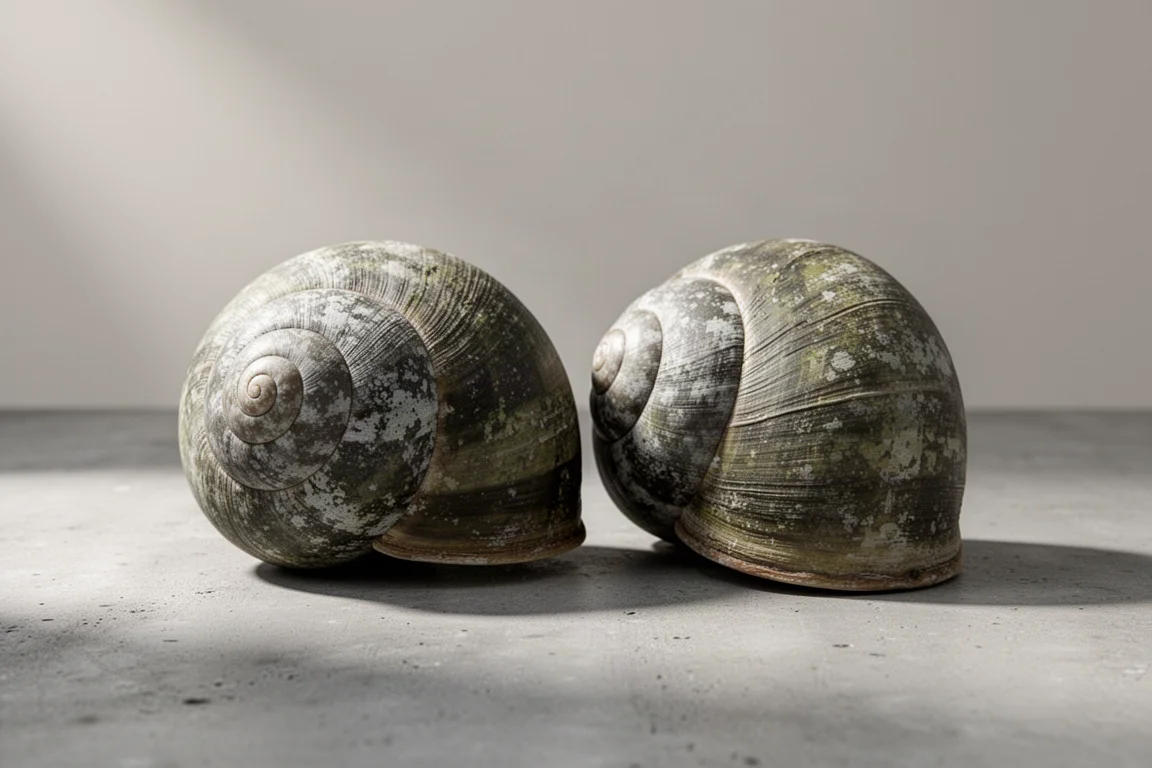
Mexican turbo snails are among the most voracious grazers available for a reef tank. They are large, they are constantly feeding, and they work across glass, rock, and bare substrate. For anyone dealing with persistent film and hair algae on the rockwork, they are one of the most direct solutions.
The trade-off is their size and strength. They can behave like bulldozers, pushing loose frags and small pieces of rock out of position as they move. They also have a notable downside when they die. A dead turbo snail produces an unpleasant odor and, while declining, can gradually release nutrients back into the water. Stocking them sensibly and removing losses promptly matters.
Blue-Legged Hermit Crabs
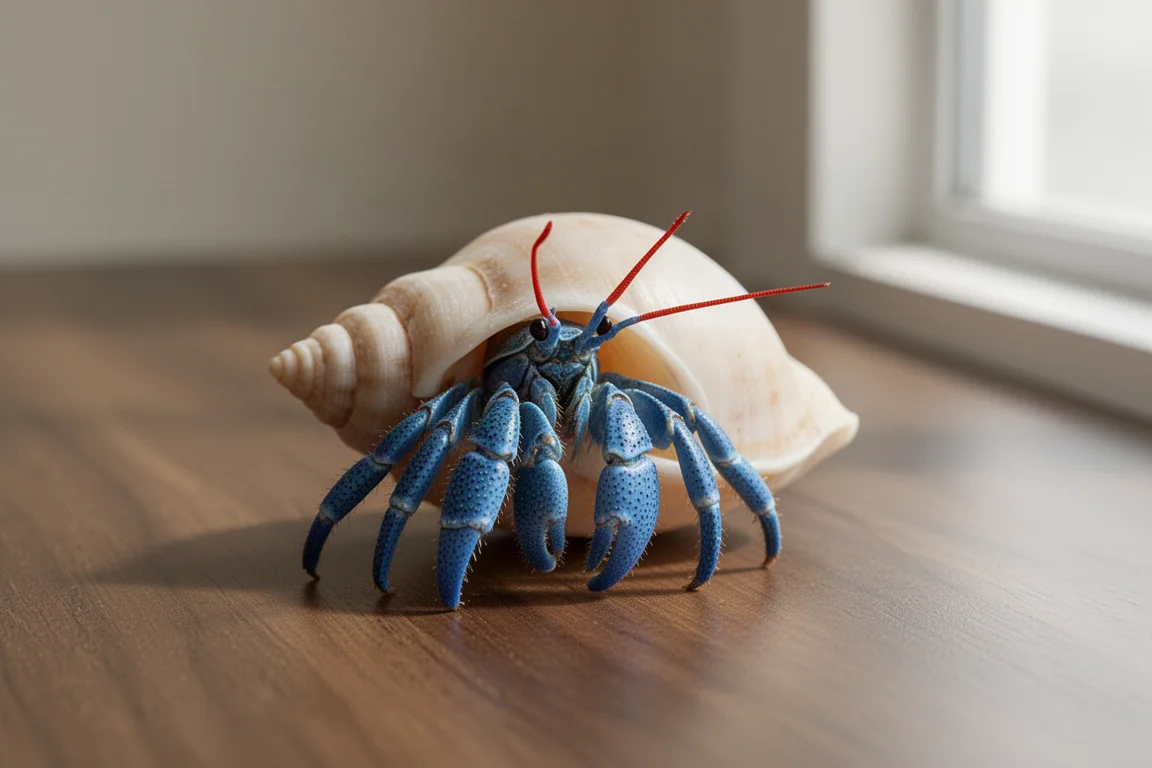
Blue-legged hermit crabs are detritus specialists. Where snails graze open surfaces, hermits push into the spaces between rocks, turning over substrate and working through the small pockets of waste that snails tend to ignore. They are hardy, affordable, and active enough that their behavior is genuinely interesting to watch.
The main consideration is temperament. Hermits are opportunistic, and some species are considerably more aggressive than others. The red-legged Mexican hermits in particular are known to go after snails and other hermits, though they are also among the most affordable and hardest-working. Blue-legged hermits strike a better balance for most mixed tanks. Crab-on-snail predation is a normal part of reef ecology rather than a sign that something has gone wrong.
Cleaner Shrimp
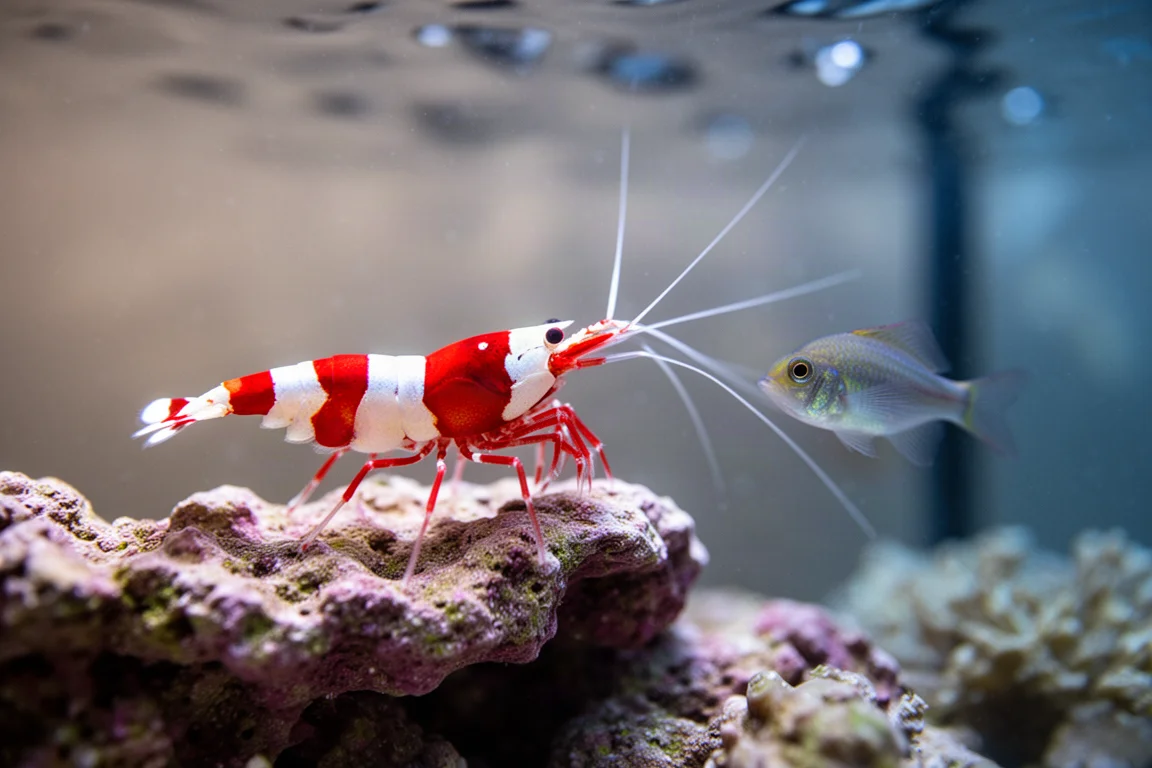
Cleaner shrimp are a favorite for good reason. They are hardy, affordable, visually striking, and they perform a genuinely useful service by picking parasites and dead tissue off fish. Watching a fish hold position while a shrimp works across its body is one of the more rewarding behaviors to observe at home.
It is important to set expectations accurately. A cleaner shrimp will not eradicate an established parasite problem in a tank. What it can do is help keep parasite loads down as part of a broader approach. Not every cleaner shrimp will begin cleaning fish immediately, and some never pick up the behavior at all, though many do over time as both the shrimp and the fish settle in.
Emerald Crabs
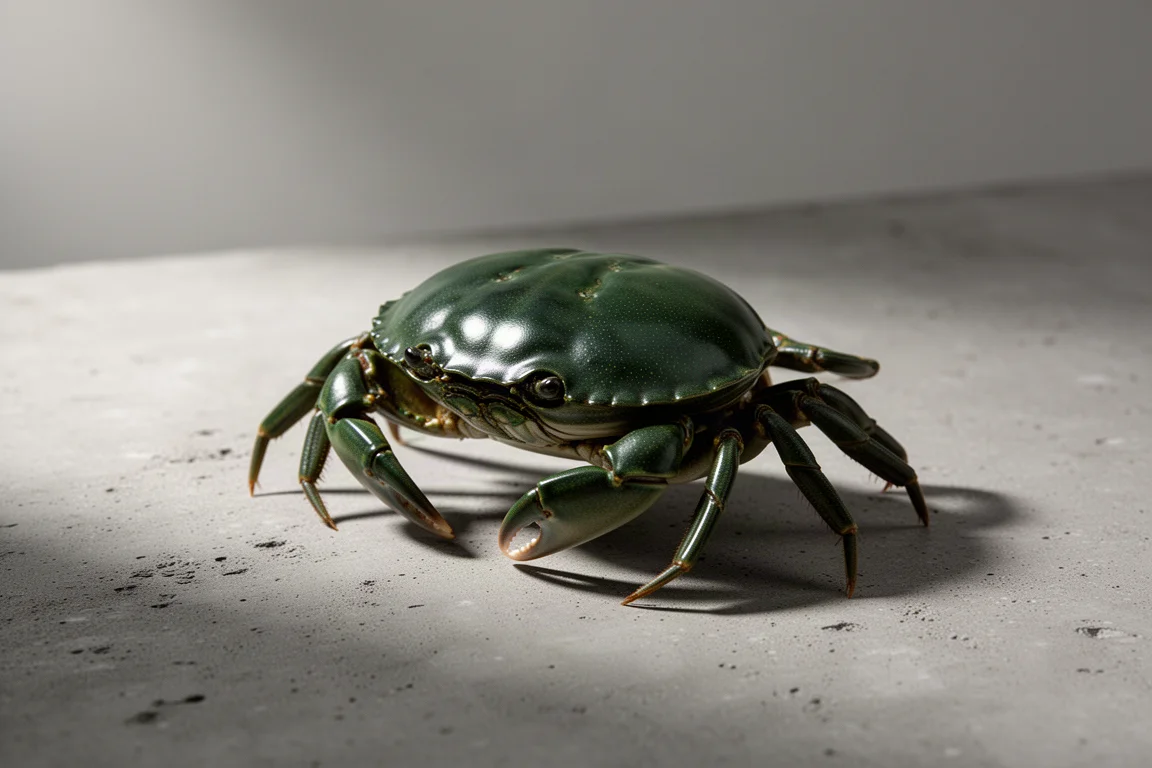
Emerald crabs are best known for eating bubble algae, one of the more stubborn nuisance algae types in a reef tank. The key word here is prevention. Emeralds are effective when they go in before bubble algae becomes established, working on small growths before they get a chance to spread.
They are much less reliable as a cure for an existing heavy infestation. If a tank is already covered, a single crab is unlikely to solve it. Buying the right animal also matters: a true emerald crab has a smooth, hard, shiny green shell. Fuzzier crabs with visible hairs on the body are a different animal entirely and do not perform the same role.
Peppermint Shrimp
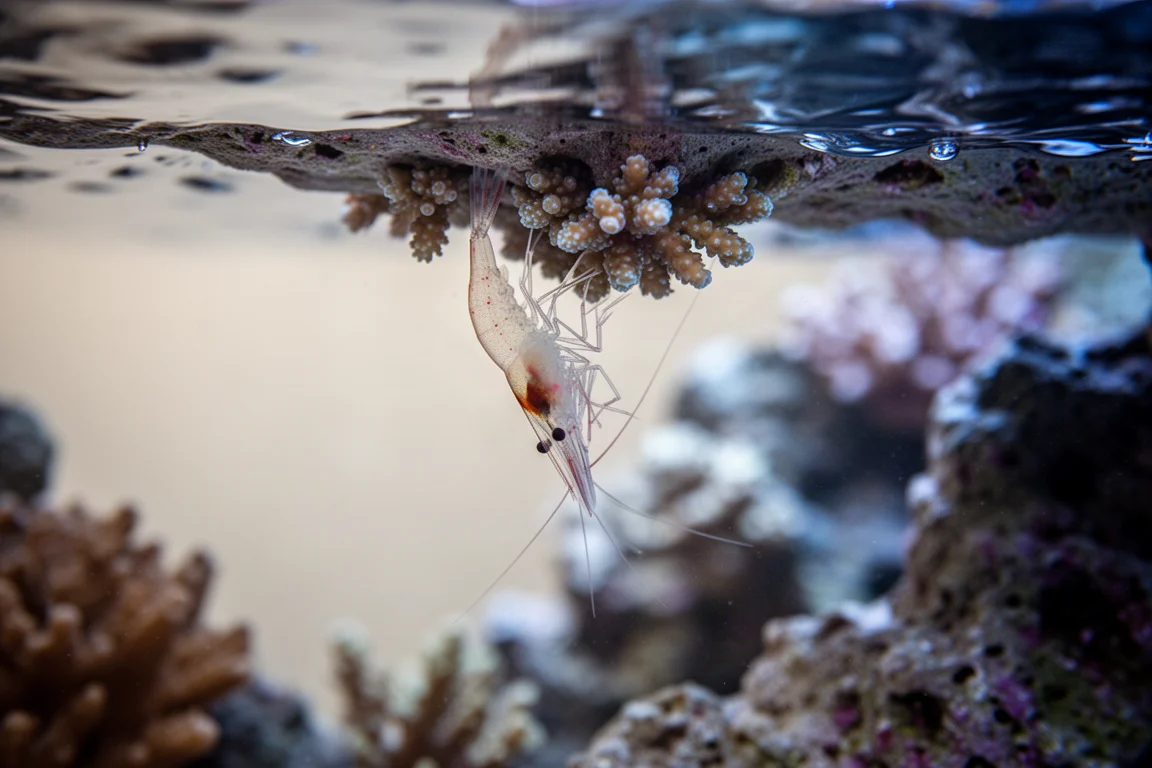
Peppermint shrimp are a highly practical choice for aiptasia control, and they are inexpensive enough that most tanks can support two or three without strain. The prevention logic is the same as with emerald crabs. Introduce peppermints early, and any aiptasia that arrives on new rock or coral is likely to be found and consumed before it has a chance to reproduce and spread.
They are also useful against vermetid snails. The hard tube a vermetid builds protects it from the shrimp, but if the tube is broken open, the exposed soft tissue becomes an easy meal, and a peppermint will get to work on it.
One feeding note matters here. Peppermints are scavengers and will eat almost anything, which means a tank that is fed lightly can leave them hungry and inclined to pick at LPS corals. Keeping a consistent daily feeding routine reduces that risk considerably. Adding peppermints to a tank already overrun with large, established aiptasia is a much less reliable fix.
Tuxedo Urchins
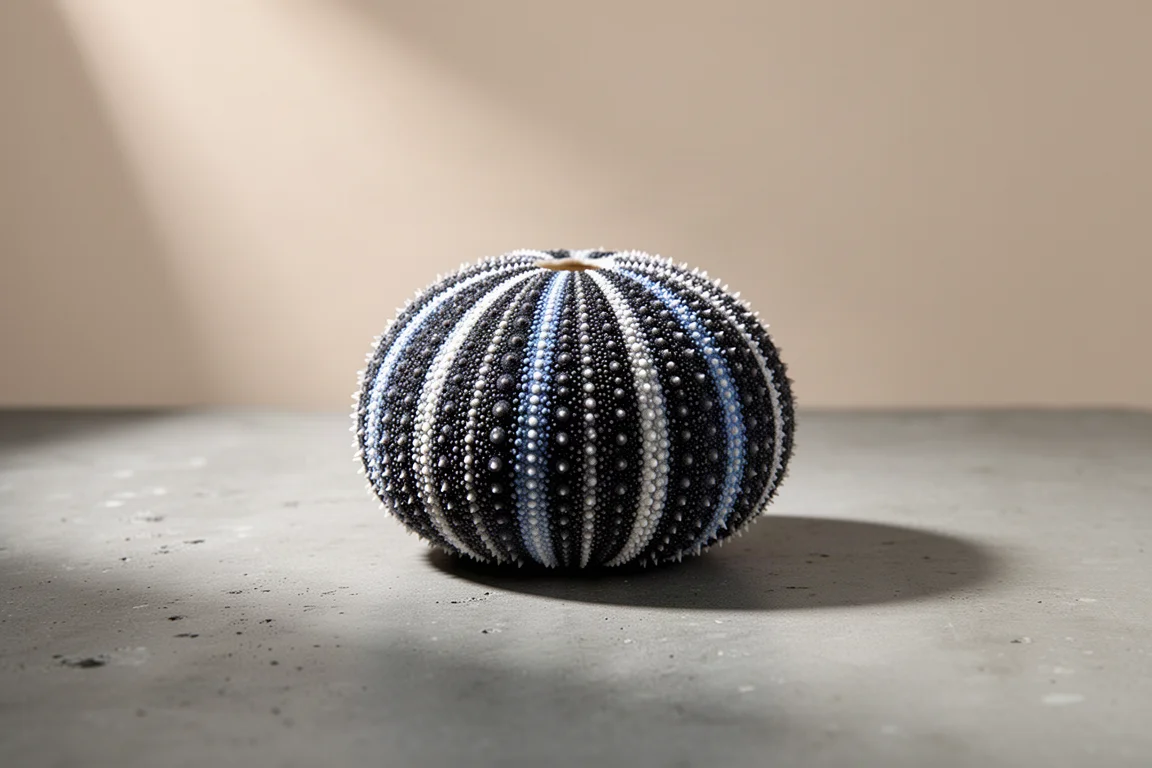
Urchins are among the more underrated members of a cleanup crew. Tuxedo urchins and their relatives are strong algae grazers, and they will work on types of encrusting algae that few other animals will touch, including the tough reddish-brown films that otherwise have to be scraped off with a tool. Many reef keepers also report that urchins appear to help spread coralline algae around the rockwork as they graze, though that observation is largely anecdotal.
The practical consideration is handling. Urchin spines are sharp, and reaching into a tank without looking can mean a painful surprise. They are also strong enough to knock over loose coral frags and, occasionally, to carry small items around the tank on their spines. Given the grazing power they bring, many reef keepers consider that an acceptable trade.
Nassarius Snails
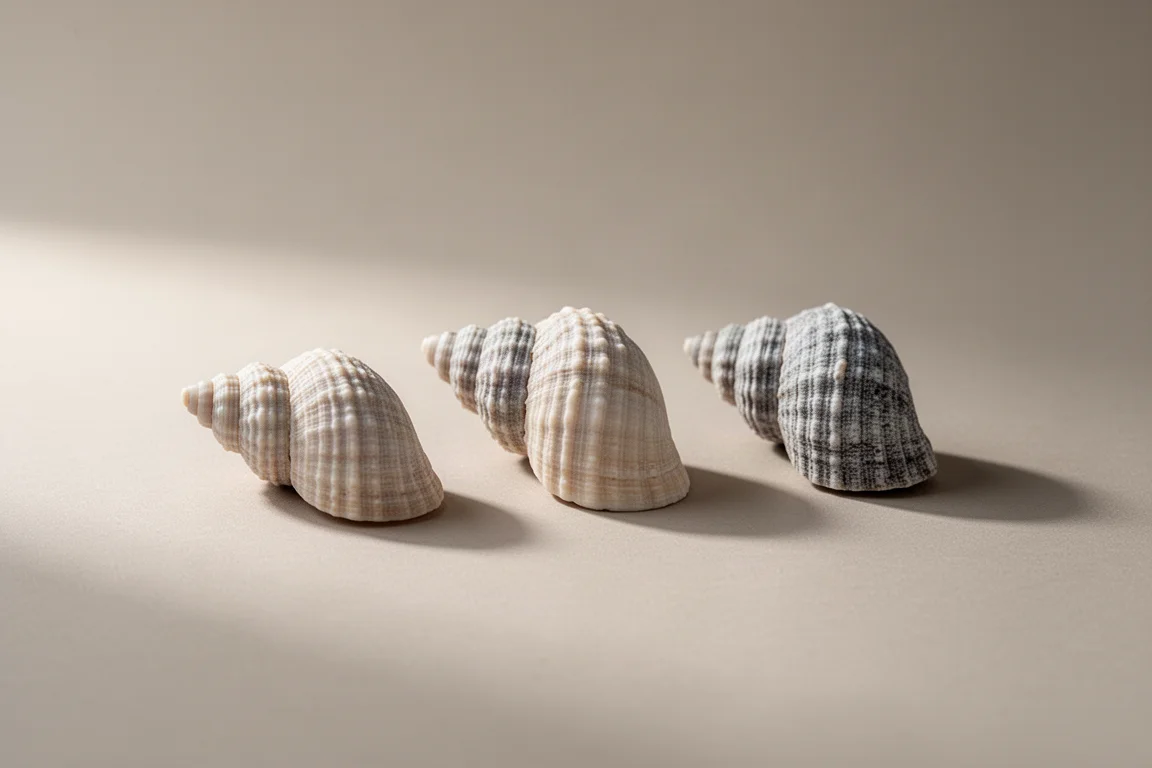
Nassarius snails live in the sand and are easy to forget about until feeding time, when they emerge in numbers from below the substrate. Their value is continuous sand turnover. By constantly working through the sand bed, they help keep detritus from accumulating and reduce the conditions that favor red slime and other nuisance growth.
The main appeal is reducing maintenance. A well-stocked group of sand-working inverts can meaningfully cut down on how often a sand bed needs to be siphoned. That said, sand stewardship still benefits from occasional targeted attention. Turning over too much of a sand bed at once disturbs the microbial community within it, so a light touch on a rotating basis is generally safer than a full deep clean.
Sand Cucumbers
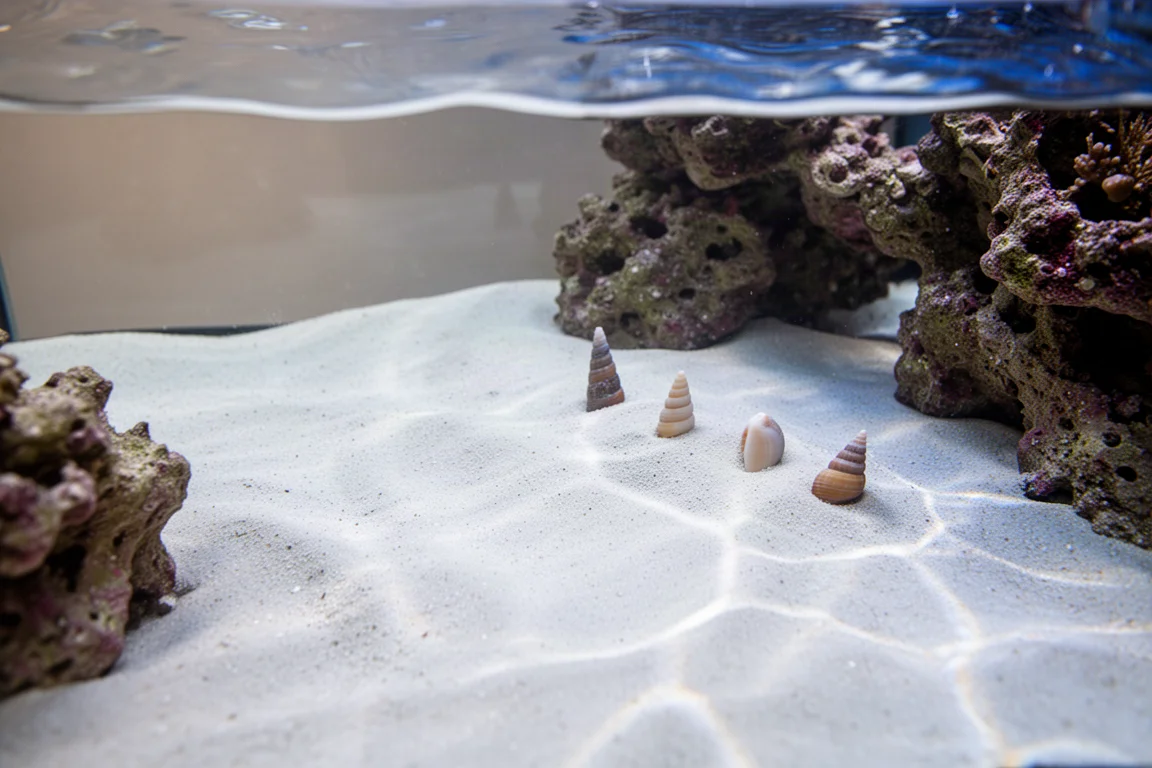
Sand cucumbers are the quietest members of this list and one of the easiest to keep. The small brown and grayish sand-dwelling varieties are harmless, inexpensive, and undemanding. They take in sand, filter out the edible material within it, and deposit clean, processed sand behind them in a continuous cycle across the substrate.
The selection detail matters: the large, brightly colored cucumber varieties are a different proposition and best avoided. Stick to the small, plain sand-dwelling types. Beyond that, there is little to manage. They bother nothing, they require no special care, and they quietly contribute to keeping a sand bed in good condition.
Buying Advice
The most reliable approach is to build a cleanup crew around the specific surfaces and problems in your tank rather than buying a mixed package on impulse. A tank with heavy rock algae benefits most from grazers like turbo snails and urchins. A tank with a deep sand bed benefits most from Nassarius snails and sand cucumbers. A tank with exposed rock gaps benefits from hermits and brittle or serpent stars that can reach into tight spaces.
Introduce animals early where prevention is the goal, particularly for emerald crabs and peppermint shrimp. Plan for occasional replenishment rather than expecting a fixed population to persist indefinitely. And keep stocking levels moderate. A crew that matches the available food supply will stay healthy and keep working, while an oversized one tends to decline and add to the nutrient load it was meant to reduce.
Conclusion
A reef tank’s cleanup crew is not a decoration. It is a working system, and the most useful invertebrates are the ones matched to real jobs in your specific setup. Turbo snails handle heavy grazing, hermits work the gaps, cleaner shrimp add both function and character, emerald crabs and peppermint shrimp head off nuisance problems before they start, urchins reach algae nothing else will touch, and Nassarius snails and sand cucumbers keep the substrate turning over.
Choose a handful of these based on what your tank actually needs, add them early where prevention is the point, and refresh the crew periodically. The result is a system that stays cleaner with less hands-on effort from you.
Further reading
Related Reviews

Backpacking Gear
Building a 10 lb Base Weight: An Ultralight Backpacking Gear List
A practical walkthrough of the ultralight pieces behind a 10 lb base weight, from a 765 g pack and a roomy one-person tent to a full camp chair and a dependable water filter.

Road Bikes
10 New Road Bikes Worth Watching: Aero, Titanium, Steel and Endurance Standouts
A practical roundup of 10 new road bikes, from aero flagships chasing single-watt gains to titanium, steel and endurance platforms built for real roads.
Saltwater Aquarium Setup
10 Questions About Cycling a Saltwater Aquarium: What You Need to Know
Essential questions and answers for cycling a reef tank or saltwater aquarium, from biome building to light management and bacterial supplements.