Headlamps
6 Rechargeable Headlamps Put to the Test: Which Ones Actually Deliver Their Lumens?
We compare six popular rechargeable headlamps on real lumen output, runtime, fit, and charging speed so you can buy with confidence.
Introduction
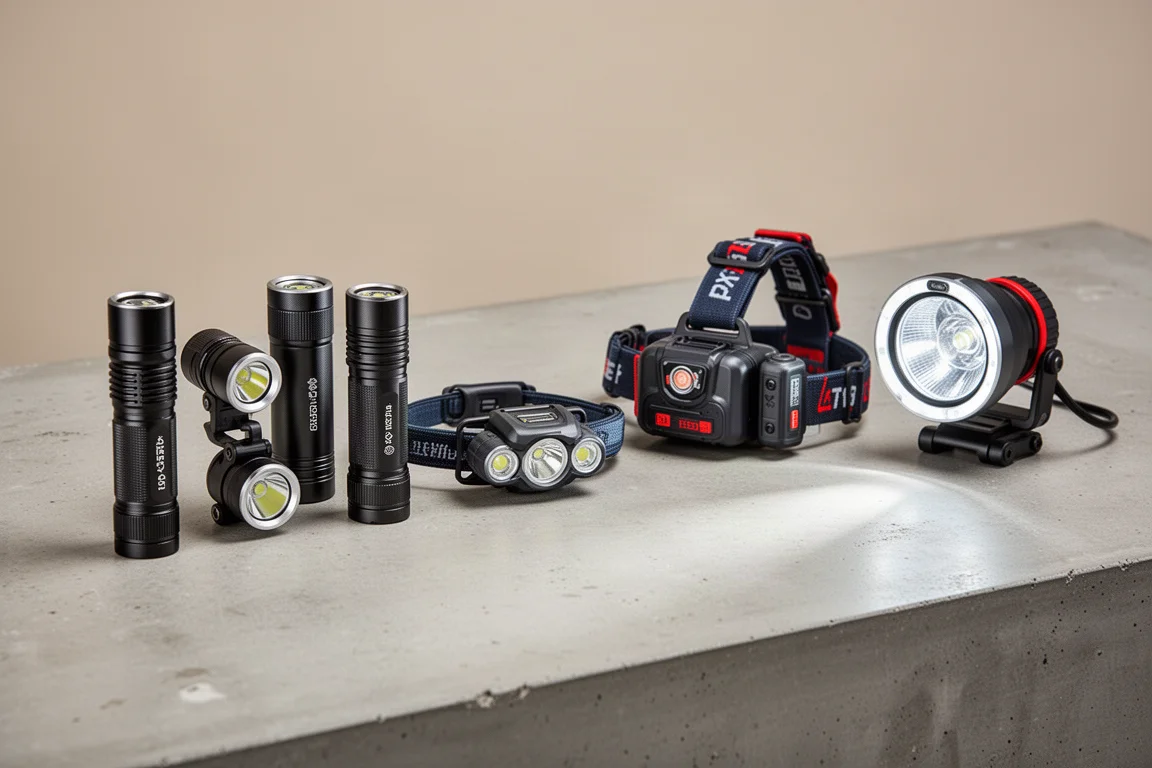
Headlamp lumen claims keep climbing, and the numbers on the box do not always match what lands on the wall in front of you. To separate marketing from reality, six of the most requested rechargeable headlamps were measured for actual lumen output, runtime, charging speed, and how well they stay put on your head.
The lineup covers a wide spread: an Amazon bestseller, a well-known budget brand, a enthusiast favorite, a worksite option, a lightweight outdoor specialist, and a tool-truck model with wireless charging. Here is how they stack up.
How We Evaluated These Headlamps
Each headlamp was tested for measured lumen output on high (after a 30-second stabilization period per the ANSI FL1 standard), runtime until output dropped to unusable levels, charging time and delivered battery capacity, and subjective fit and adjustability. All models tested are headlamps without proximity sensors, since those can drop output unpredictably during measurement.
Measured output versus advertised lumens turned out to be the most revealing metric, and runtime at usable brightness matters even more for something you wear continuously.
The 18650 Cylinder Trio: Salonik, Coast and Nitecore
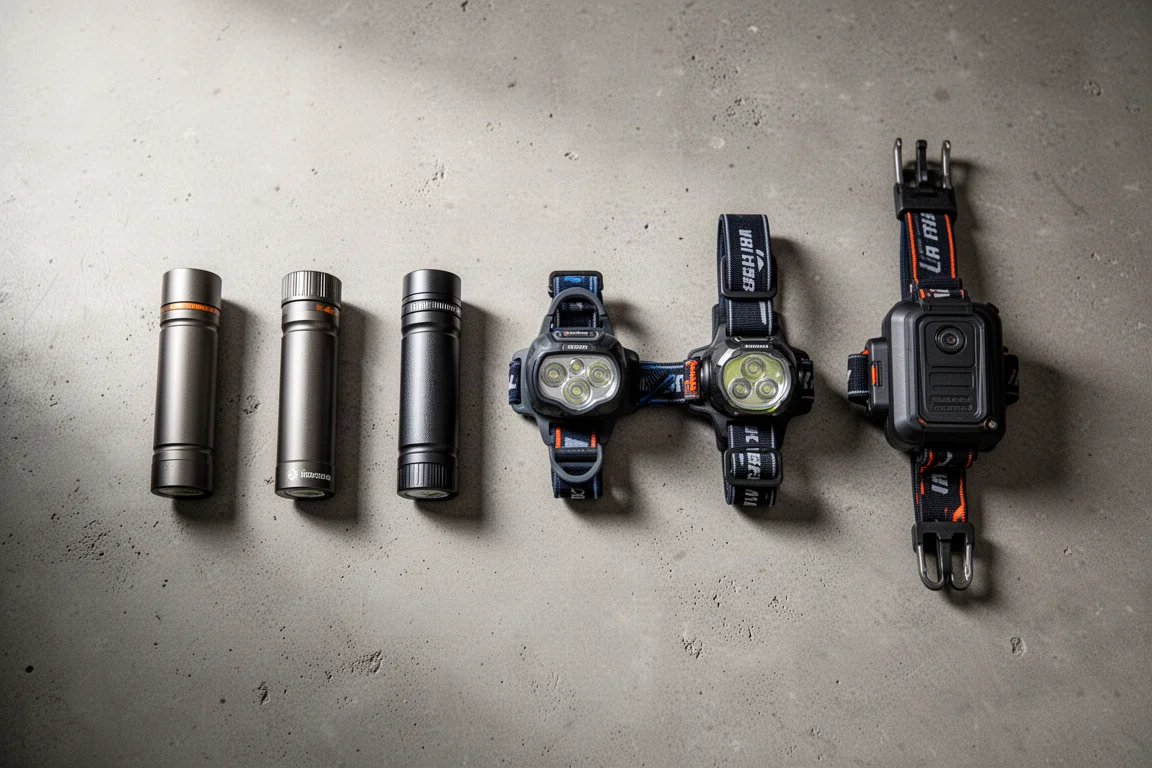
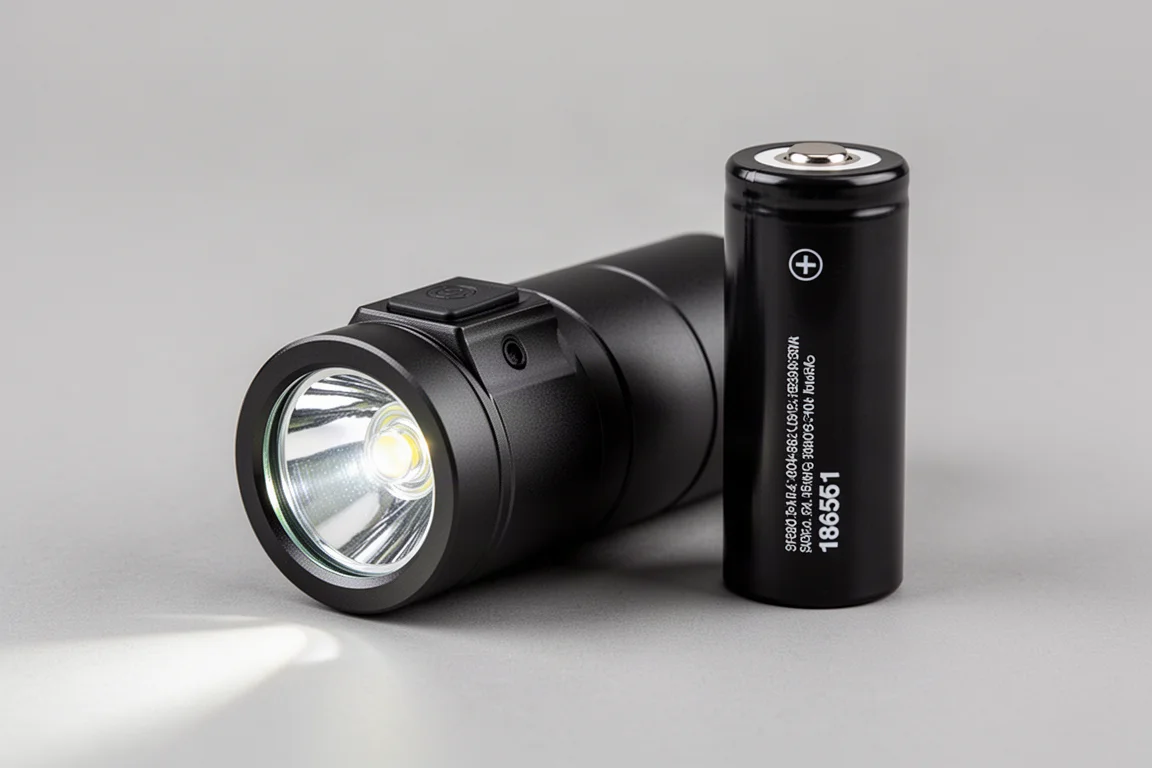
The first three models share a similar cylindrical aluminum design with an angle-adjustable light housing and a removable 18650 battery inside.
Salonik Hedgehog Rechargeable Headlamp
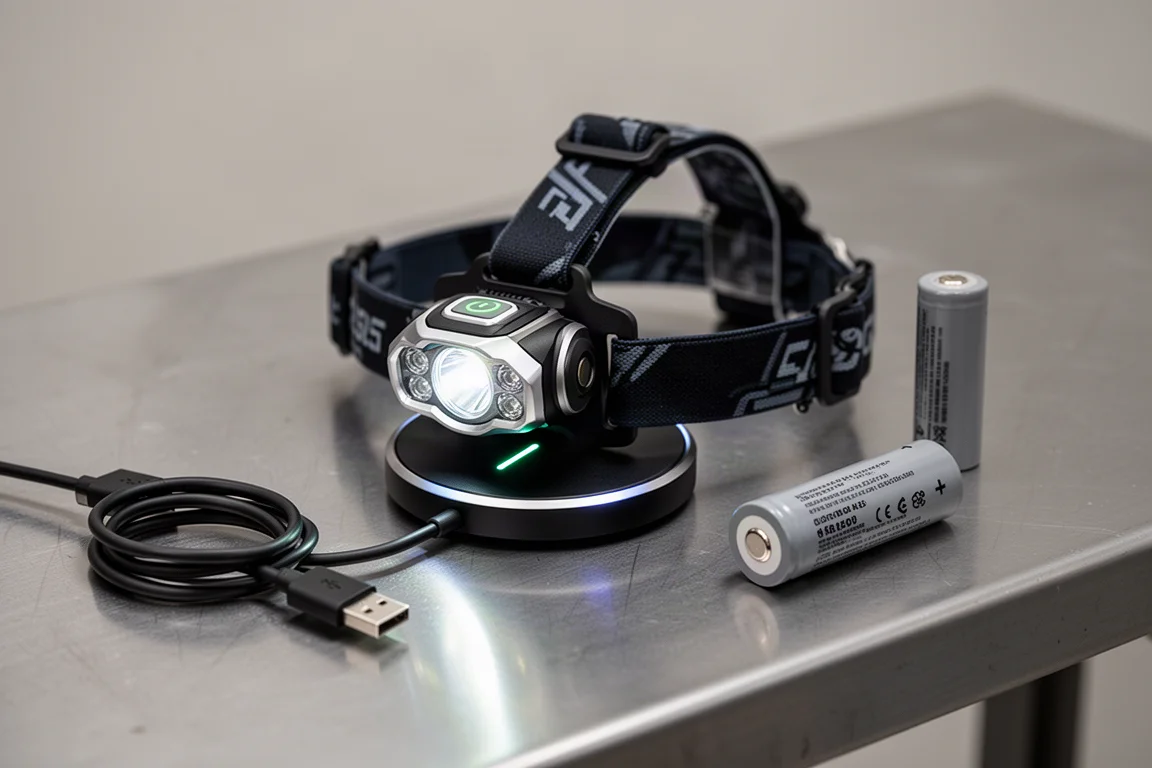
The best-selling rechargeable headlamp on Amazon costs $35 and claims 1,000 lumens, two LEDs, and 3.5 hours on high from a 2,200 mAh 18650. Modes are easy to navigate: hold the button to adjust output, and it remembers your last-used mode when you click it back on. The battery unscrews from one end, and the other end unthreads to reveal a micro USB charging port.
Measured output on high came in around 612 to 615 lumens, roughly 62 percent of the claim. Lower modes sit at about 450, 330, 140, and 50 lumens. Not great, but by budget Amazon-brand standards it could be worse. In runtime testing it managed 2 hours 45 minutes against its advertised 3.5 hours on high, and charging was a pleasant surprise at about 1.2 amps, with the cell even exceeding its 2,200 mAh rating.
Coast XPH30R
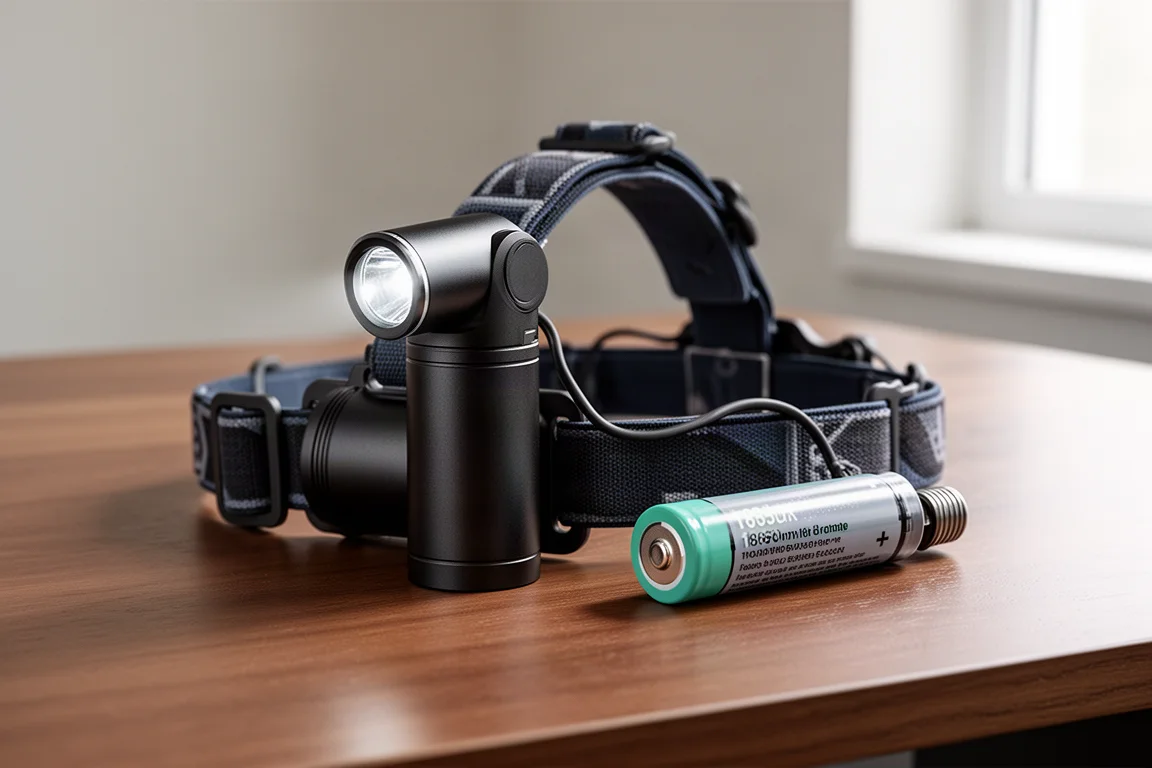
At $46, the Coast XPH30R matches the Salonik on paper with a claimed 1,000 lumens from a similar cylindrical housing. Coast is widely available and typically affordable, and this example feels like a step up in build quality: no sharp edges, oiled smooth threads, a USB-C port, and a branded 2,600 mAh battery. It also offers beam focus, which is rare in this category.
Measured high output was about 912 lumens, much closer to its claim, and in real use it looks basically the same as a 1,000-lumen light. The problem is sustained output. It dropped out of turbo quickly and spent most of its 3-hour-20-minute runtime near 100 lumens, less than half its advertised 45 minutes… on paper it claims roughly 0.75 hours on high, but most of that time was spent at keychain-light levels. Charging revealed why: the supplied cell delivered only around 1,600 to 1,700 mAh despite the 2,600 mAh label. If you buy this light, plan to replace the battery with a quality high-capacity 18650 right away.
Nitecore HC60
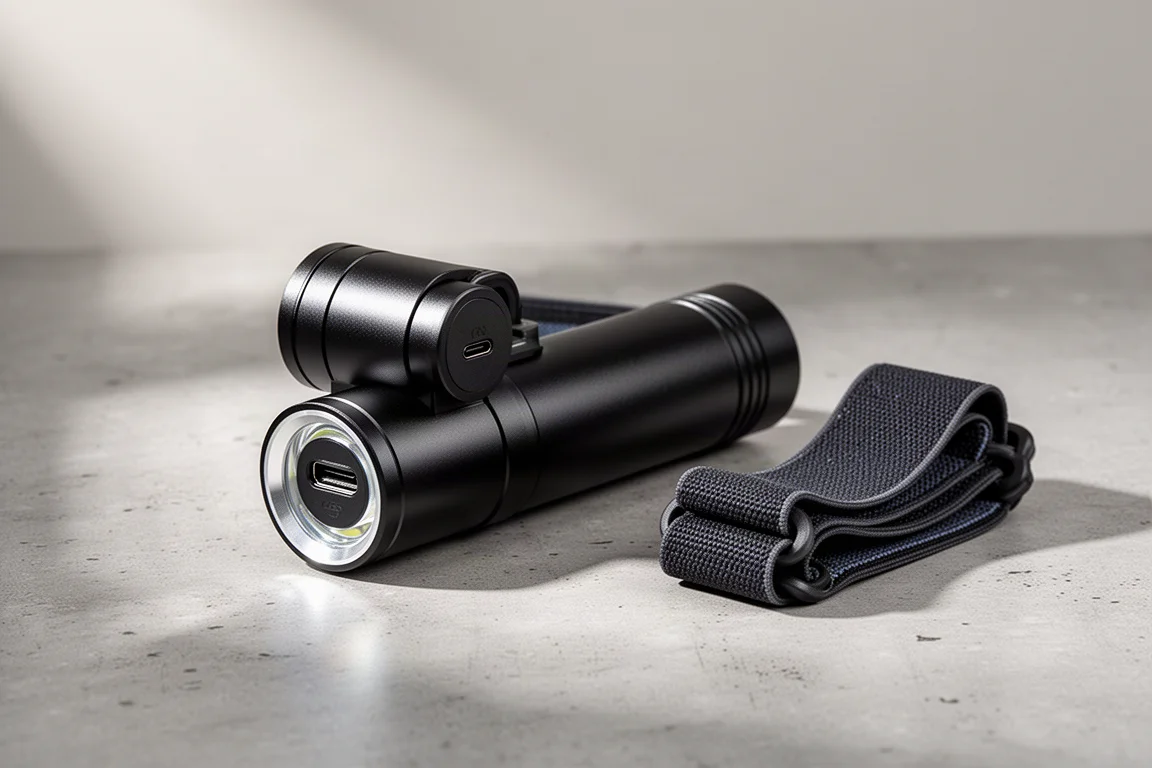
The Nitecore HC60 costs $60 and finally delivers on the 1,000-lumen figure: measurements of 1,020 to 1,052 lumens, called at 1,040. It ships with a genuinely high-capacity 3,400 mAh 18650, which showed roughly 4,000 mAh equivalent when charged, though that took over nine hours, so a standalone charger and a spare battery are practically required. It uses micro USB, and the fine threads on the cap are slower to open than the Coast’s.
The small front switch is not the easiest to use quickly, and the focused, higher-candela beam is very bright in person. In runtime testing it spent about three hours at its honest 420-lumen high setting, longer than the 2.5 hours advertised. Its main drawbacks are fit: it took considerable fiddling to sit right, slid up on a hat, and needed to be worn low to stay put.
Milwaukee 2115 Red Lithium USB 3.0
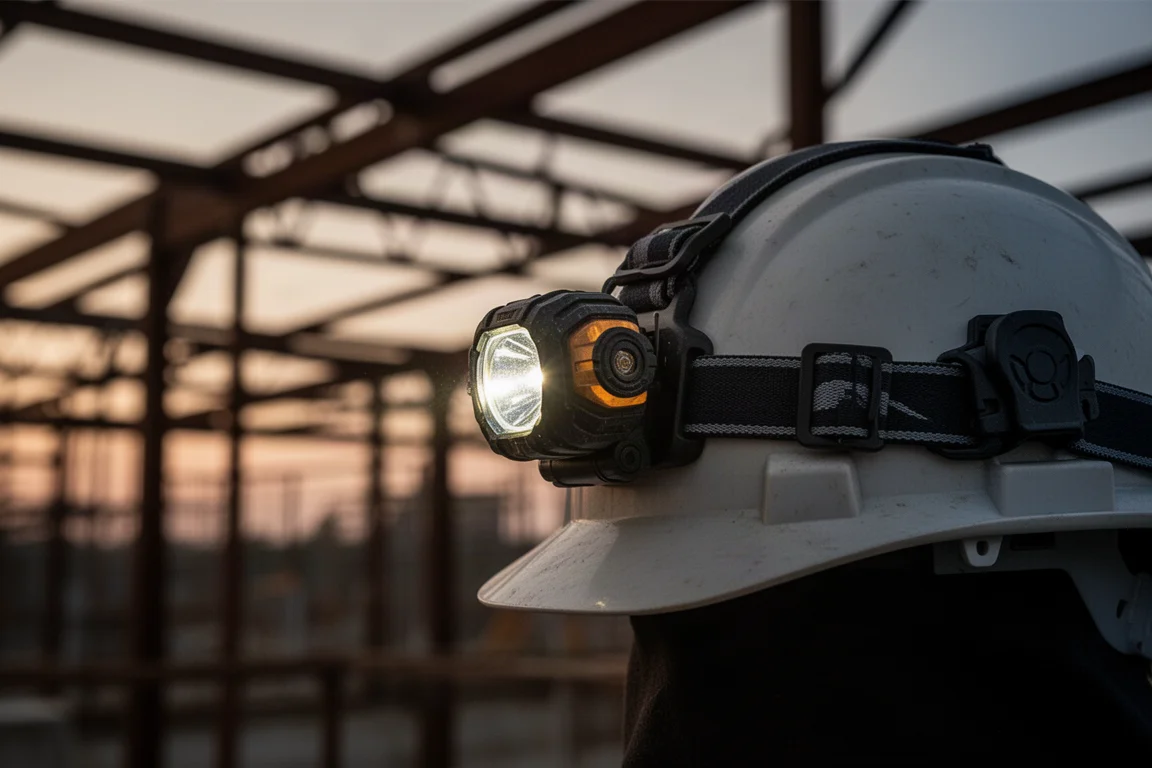
The Milwaukee 2115 is a different design entirely: 600 claimed lumens in a package built around Milwaukee’s proprietary swappable 3,000 mAh Red Lithium battery pack carried at the back of the head. It includes hard hat clips, since Milwaukee headlamps lean toward hard hat users, and this is one of their least hard-hat-focused models.
Measured high output was around 516 lumens, under the 600 claim, with medium at 300, low at 112, and dim at 25. What Milwaukee reliably delivers is light quality: the true-view color temperature is easier on the eyes and identifies colors better, producing a clean, crisp 600-lumen-class appearance.
The rear battery pack is by no means unnoticeable, and the headband felt loose and baggy even after tightening, though it works well on hard hats. On the plus side, it ran 2 hours 18 minutes against its advertised 2 hours on high, and charging is the fastest here at around 1.8 to 2 amps for a full charge in 1.5 hours. If you work around hard hats, the light quality is worth it.
Petzl ACTIK Core 450
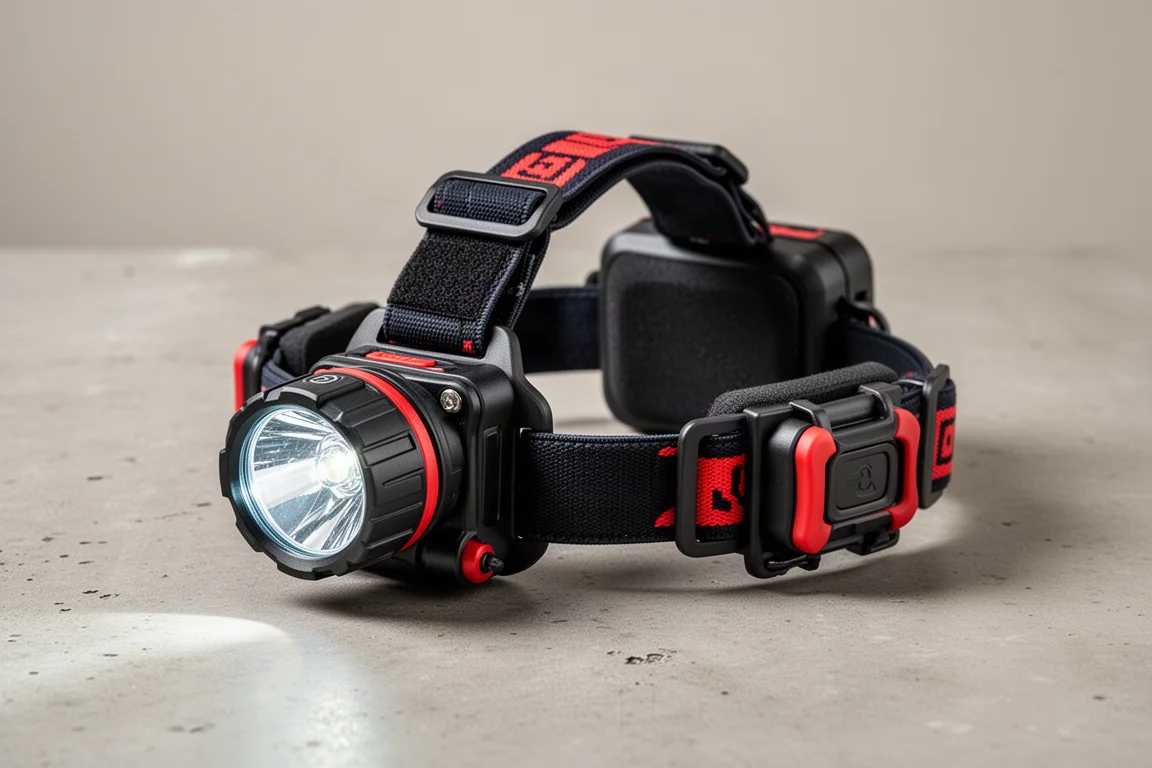
The Petzl ACTIK Core 450 is enormously popular at outdoor retailers, costs $70, and weighs only 75 grams. The goal was clearly minimal weight for hikers and climbers, with the trade-off being a plasticky feel: thin, hollow button, and an opening mechanism with less finesse than a TV remote. It uses a Core lithium battery, roughly equivalent to 1,250 mAh, and can also run on AAA batteries, which is a nice flexibility for a lithium variant.
Measured high output was 412 to 414 lumens, quite close to the 450 claim, with medium around 120 lumens. It advertised 2 hours on high and delivered essentially 2 hours 40 minutes of usable light. The headband is the easiest and most stable of the bunch, so light you forget you are wearing it, though the angle adjustment feels clicky and hollow. For climbing and weight-sensitive outdoor use, it is a strong pick, just do not step on it.
Matco ProCharge Headlamp
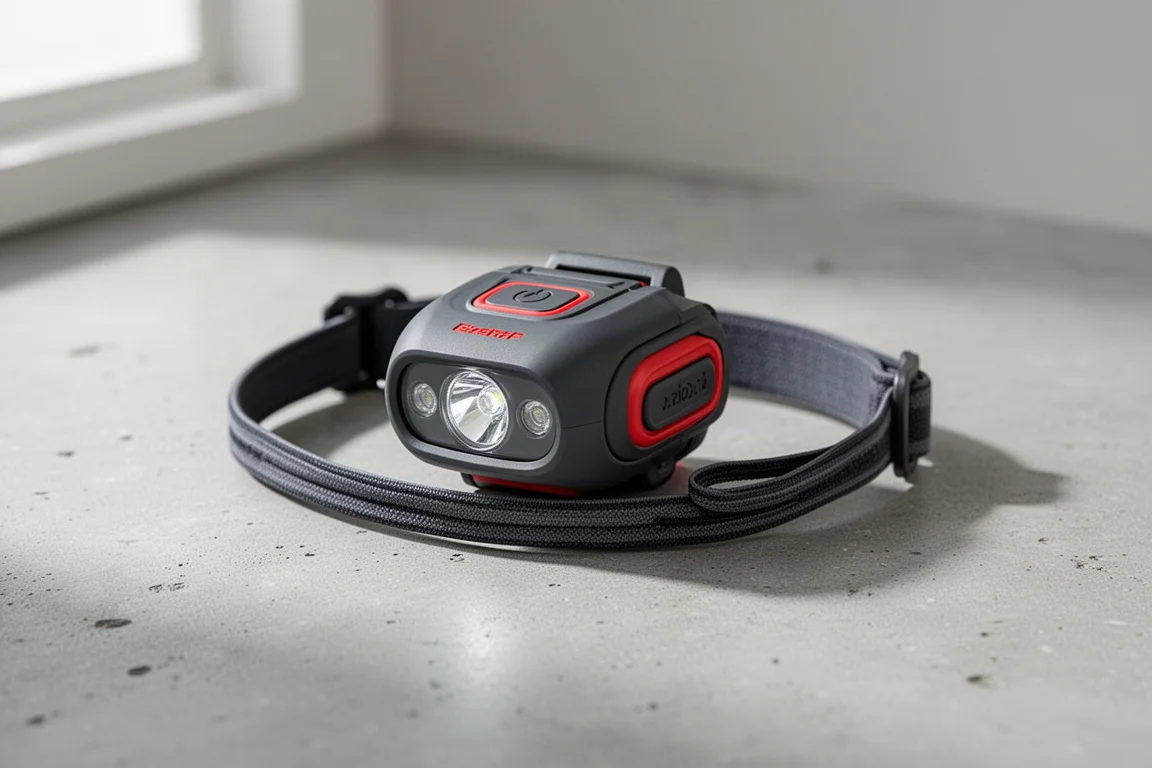
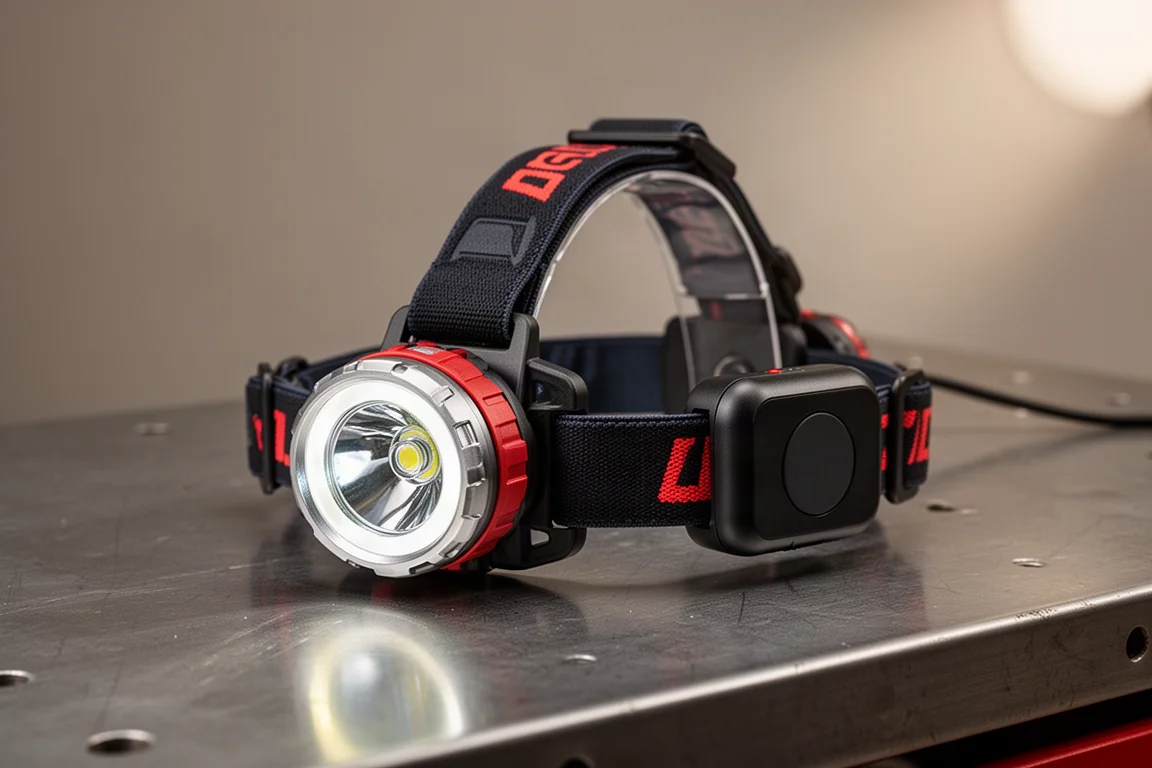
The Matco ProCharge headlamp is the newest entry from the tool trucks at about $92, offering 400 lumens from a spotlight plus 400 lumens through a ring flood light. Its signature feature is wireless charging via Matco’s ProCharge pads, which magnetize to surfaces like car lifts and include a cradle for phones; a standard USB-C port also works.
Measured output was remarkably honest: 392 to 400 lumens on the spotlight and 400 on the flood. It advertised 2 hours on high and held its output well in spotlight mode, reaching about 2 hours 40 minutes of usable runtime. Charging took 2 hours 23 minutes and delivered about 1,715 mAh, matching its rated capacity.
Fit and Comfort: How They Stay on Your Head
Fit varied more than expected. The Matco strap is straightforward, with a grippy lining that keeps things from moving, and it is the only headband that routes behind the bracket so the light’s bracket rests directly against your head. The Salonik is plug-and-play with nice angle adjustability. The Petzl is the easiest and least likely to move once on.
The Coast uses a simple single strap but took a lot of fiddling to fit, though the light can detach from the bracket entirely to magnetize to work surfaces, which is occasionally useful. The Milwaukee felt clunky and baggy even after removing slack, though the third strap helps on the head and it works well on hard hats. The Nitecore also took considerable adjustment and had trouble staying put, sliding up on hats.
Runtime: What Happens After the First 30 Seconds
Peak lumens are only part of the story. The three aluminum 18650 models all fell from their highs to a similar range within minutes. The Coast dropped fastest and coasted near 100 lumens for the rest of its run. The Salonik held up better than expected at 2 hours 45 minutes. The Nitecore, which is rated for 1 hour on turbo, refused to stay in turbo for more than a couple of minutes and instead spent about three hours at its honest 420-lumen high setting.
Among the models advertising exactly 2 hours on high, the Milwaukee ran 2 hours 18 minutes before dying first, while the Matco and Petzl both delivered usable light until around the 2 hour 40 minute mark. For something that stays on your head for long stretches, the average lumens over the whole run matter most, and there the Nitecore took first place, followed surprisingly by the Milwaukee.
Charging Speeds and Battery Capacity
Charging results varied wildly. The Petzl Core battery took 3 hours 8 minutes at about half an amp, delivering roughly 1,600 mAh equivalent. The Matco took 2 hours 23 minutes and matched its capacity closely. The Salonik charged at a generous 1.2 amps in a fast time and even exceeded its rating.
The Coast is the problem child: despite the 2,600 mAh label, the supplied cell delivered only about 1,600 to 1,700 mAh, which explains why it could not hold 900 lumens and fell to 100 so quickly. The Nitecore’s genuinely high-capacity cell charged at only half an amp, taking over nine hours, so budget for an external charger and a spare cell, which pushes the real cost of that $60 light closer to $90. The Milwaukee was the charging standout at roughly 2 amps for a full charge in 1.5 hours and a cell delivering about 2,900 mAh.
Overall Buying Advice
If honest brightness per dollar matters most, the Nitecore HC60 is the standout: it met its 1,000-lumen claim, has a large-capacity swappable battery, and posted the best average lumens, provided you accept the slow charging and fussy fit. The Petzl ACTIK Core 450 and Matco ProCharge delivered essentially everything they advertise, making them the most trustworthy claims in the group: Petzl for lightweight climbing and outdoor use, Matco for automotive technicians who can benefit from the wider wireless charging family despite the higher price.
The Coast XPH30R has appealing design features and came close on peak lumens, but the underperforming supplied battery drags it down; buy it only if you plan to immediately fit a quality 18650. The Milwaukee 2115 suits hard hat users best, with excellent light quality and the fastest charging, though it falls short of its lumen claim and the rear battery adds weight. The Salonik Hedgehog is hard to be mad at for $35: it misses its headline number badly, but charges quickly, runs reasonably long, and remains the budget pick if you treat the 1,000-lumen figure as fiction.
Conclusion
Measured output, runtime, and charging data tell a very different story than box ratings. The Nitecore over-delivers on lumens, the Petzl and Matco deliver almost exactly what they promise, the Milwaukee brings best-in-class light quality and charging for worksite users, and the budget options trade honest specs for low prices. Match the choice to your actual use case, and check the real runtime numbers before trusting any lumen figure on the packaging.
Further reading
Related Reviews
Headlamps
Nitecore UT27 Headlamp Review: Ultralight Comfort, Limited Real-World Output
An ultralight 2.7 oz headlamp with flood, spot, and red LEDs plus a swappable battery, but its real-world brightness falls short for fast movement.
Headlamps
Nitecore NU33 Review: A Compact 700-Lumen Headlamp for Everyday Adventure
A close look at the Nitecore NU33, a lightweight USB-C headlamp with throw, flood, and red modes, strong runtimes, and a few trade-offs worth knowing before you buy.
Headlamps
Petzl Swift RL Review: A 92 g Headlamp With Reactive Lighting and 1,200 Lumen Boost
A practical look at the Petzl Swift RL, covering reactive lighting, output modes, comfort, charging and the trade-offs worth knowing before you buy.