Headlamps
Petzl Swift RL Review: A 92 g Headlamp With Reactive Lighting and 1,200 Lumen Boost
A practical look at the Petzl Swift RL, covering reactive lighting, output modes, comfort, charging and the trade-offs worth knowing before you buy.
Introduction
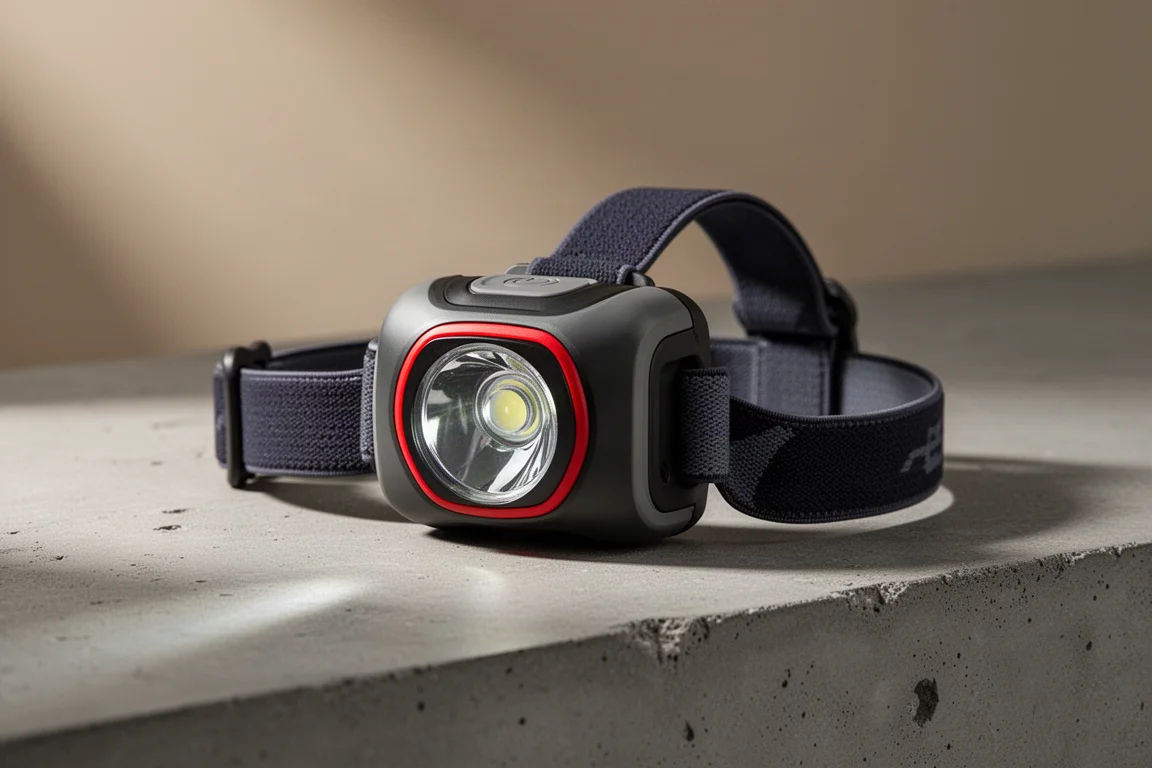
The Petzl Swift RL is a rechargeable headlamp built around reactive lighting, a system Petzl has been developing for several years. Rather than running at one fixed output, a sensor on the front of the lamp reads the scene and adjusts brightness to suit it. At full power Petzl rates the beam distance at 155 m, and the complete headlamp weighs 92 g.

That combination is the heart of the appeal. A light that dims itself when you are reading a map and brightens the moment you look up the trail spends its battery far more gradually than one locked to a single setting. For a headlamp expected to cover everything from a fast evening run to a long winter day on the hill, that difference matters.
Who This Headlamp Is For
The Swift RL suits anyone who wants one light that adapts to different tasks instead of a shelf of specialised lamps. Runners are the most obvious audience, and the low weight and secure headband make it a natural fit for evening road and trail sessions. Climbers and mountaineers get a lamp that packs down small, sits comfortably over a helmet, and can be pushed to a very bright boost when route finding gets serious. Hikers and winter walkers benefit most from reactive mode, because it stretches battery life across a long day.
It is also a sensible pick for anyone who already owns a headlamp and wants a more capable main light, keeping the older unit as a spare. A second headlamp weighs roughly the same as a spare battery, so carrying both is a practical way to add redundancy without much penalty.
Main Strengths: Reactive Lighting and Brightness
Reactive mode is where the Swift RL earns its keep, and the lamp always starts there. The sensor on the front of the housing measures the light coming back to it, so a close-up task such as reading receives a small amount of output while a look into the distance triggers a much brighter response. The three reactive settings cap out at 100 lumens on the first click, 275 lumens on the second, and the full 1,200 lumens beyond that, with the lamp moving between levels as conditions change.
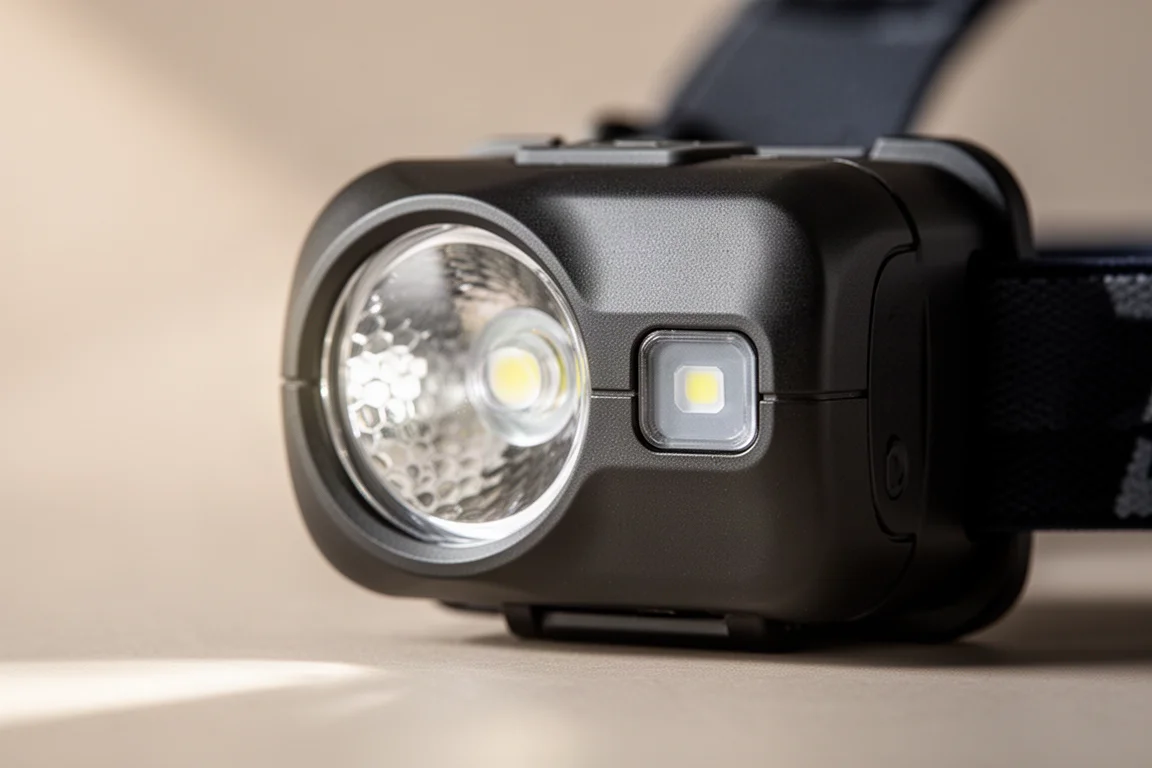
Reactive lighting can be switched off when it is not helpful. Holding the single button down moves the lamp into standard mode, which offers three fixed levels of 10, 190 and 800 lumens. Petzl appears to treat 800 lumens as plenty for most activities and reserves the top end for a boost mode: a double click delivers 1,200 lumens for six seconds. That short window is deliberate, since leaving the lamp at maximum would drain the battery quickly.
A red light is available too, reached by holding the button while the lamp is on. It is useful for night navigation and for reading without losing night vision, and a second click turns it into a flashing beacon for emergencies. There is also a lock function: holding the button while the lamp is off triggers a brief red flicker, and the light then stays locked until the same hold is repeated, which prevents accidental activation inside a pack.
Comfort, Fit, and Carrying Options
The headband is one of the more noticeable updates. It uses an elasticated cord that slides easily to fit, and the padding behind the lamp can be removed if you want to strip weight or wash it. In practice the whole assembly is light enough that removing the padding rarely seems worth the effort. The band adjusts quickly and sits well over a helmet, which widens its use well beyond running.
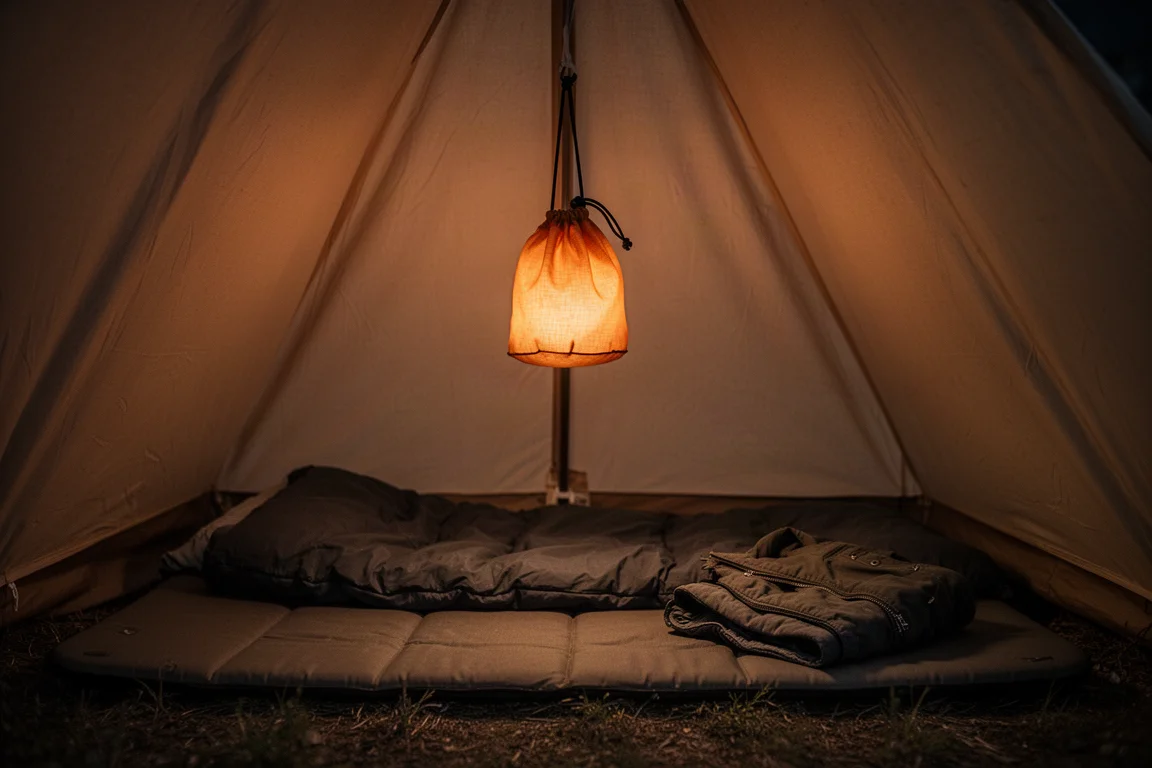
The lamp folds down small for its output, and it feels robust enough to be tucked into a rucksack without rattling around. Petzl also supplies a small storage bag that doubles as a lantern: place the lamp inside, switch it on, and hang it in a tent for a soft, diffused glow that lights the space more evenly than a bare beam.
Charging, Battery, and Weather Resistance
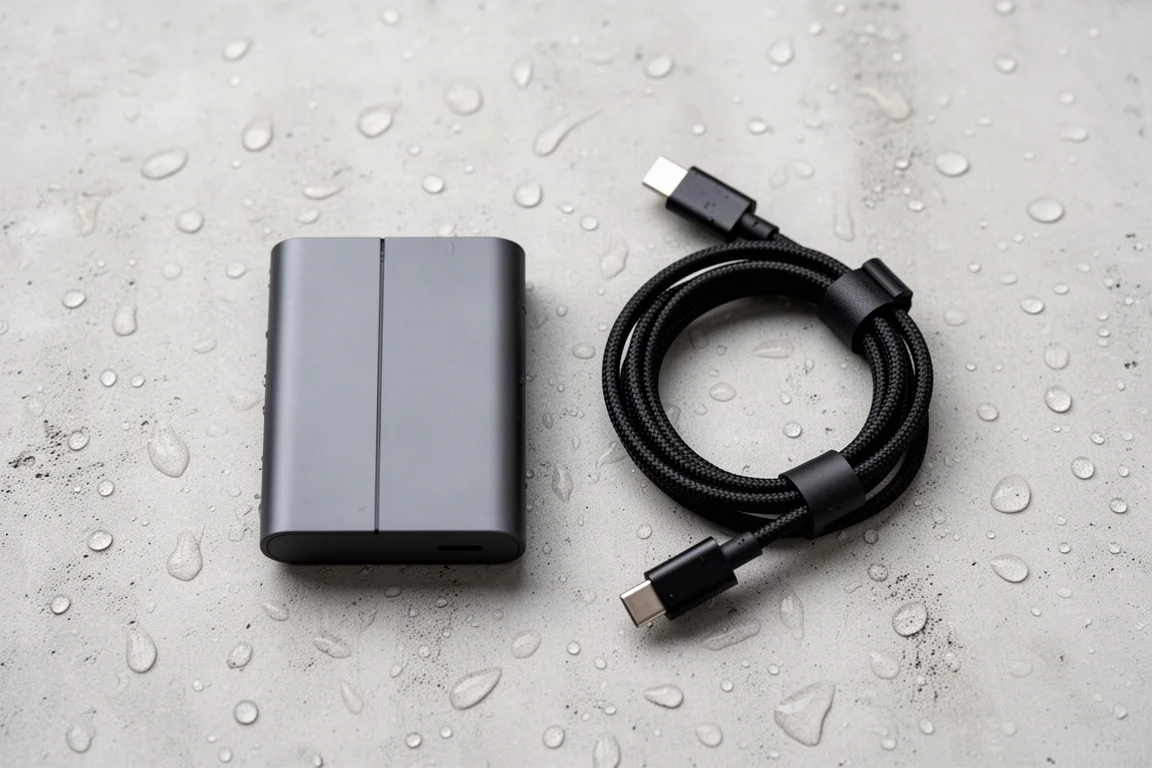
Charging is handled over USB-C, so the Swift RL shares a cable with most other kit rather than demanding a separate one. The battery is removable: the lamp twists apart easily so a fresh cell can be fitted on the hill if the first one runs out, and spare batteries are available separately. A five-bar indicator on the side shows remaining capacity, and it appears when the lamp is switched off after use, so a quick glance tells you whether to charge before the next outing.
Battery life is best summarised by the realistic case. In reactive mode at the medium setting, Petzl quotes a minimum of seven hours of burn time, which covers the majority of activities. Output and runtime trade off against each other in the usual way across the other modes, so the choice of setting is really a choice about how long you want the light to last.
Weather protection is rated IPX4. That is not fully waterproof, but it covers rain and splashing, so the lamp can be carried in a damp pack and used in wet conditions without concern. It is not intended for full submersion.
Things to Consider Before Buying
The reactive system is excellent, though not perfect for every situation. In thick mist the beam can bounce back and confuse the sensor, and when you are working near someone else wearing a headlamp, the output can shift up and down as their light enters the sensor’s view. Switching to standard mode solves both cases, but it is worth knowing that the automatic behaviour sometimes needs overriding.
Boost output is capped at six seconds, so the very brightest setting is a momentary tool rather than a mode you can run continuously. The IPX4 rating is also worth weighing if you expect sustained heavy rain or regular use around water, since this is not a fully waterproof design. Finally, the single-button control is simple to learn, but it does mean most advanced functions, including the red light, the lock and the switch between reactive and standard modes, depend on press-and-hold gestures.
Buying Advice
The Swift RL makes the most sense as a primary headlamp for people who move between activities. If you run in the evenings, climb, and walk in the hills, one lamp that packs small, fits a helmet and adapts its output automatically can replace several less flexible options. Reactive mode is the reason to choose it, because it is what keeps the battery useful across a long day rather than in a short burst of maximum output.
If your needs are simpler, such as occasional use around a campsite, a lower-output lamp would be enough and the extra brightness here would go unused. For anyone who regularly heads out after dark and wants a light that can be trusted to last, the Swift RL is a well-rounded choice: light on the head, quick to charge, and easy to live with.
Conclusion
The Petzl Swift RL takes a mature idea and keeps refining it. Reactive lighting, a 92 g body, USB-C charging, a removable battery and a comfortable headband add up to a headlamp that covers running, climbing and hillwalking without asking the user to think much about settings. The trade-offs, an IPX4 rating and a six-second boost, are worth understanding before buying, but they do not undermine what is otherwise a very capable all-round light.
Product link
View more details for Petzl Swift RL
This product is mentioned in the review. Check the specifications, options, and compatibility before buying.
View more details for Petzl Swift RLFurther reading
Related Reviews
Headlamps
Nitecore UT27 Headlamp Review: Ultralight Comfort, Limited Real-World Output
An ultralight 2.7 oz headlamp with flood, spot, and red LEDs plus a swappable battery, but its real-world brightness falls short for fast movement.
Headlamps
Nitecore NU33 Review: A Compact 700-Lumen Headlamp for Everyday Adventure
A close look at the Nitecore NU33, a lightweight USB-C headlamp with throw, flood, and red modes, strong runtimes, and a few trade-offs worth knowing before you buy.

Backpacking Gear
Building a 10 lb Base Weight: An Ultralight Backpacking Gear List
A practical walkthrough of the ultralight pieces behind a 10 lb base weight, from a 765 g pack and a roomy one-person tent to a full camp chair and a dependable water filter.