Headlamps
Nitecore UT27 Headlamp Review: Ultralight Comfort, Limited Real-World Output
An ultralight 2.7 oz headlamp with flood, spot, and red LEDs plus a swappable battery, but its real-world brightness falls short for fast movement.
Introduction
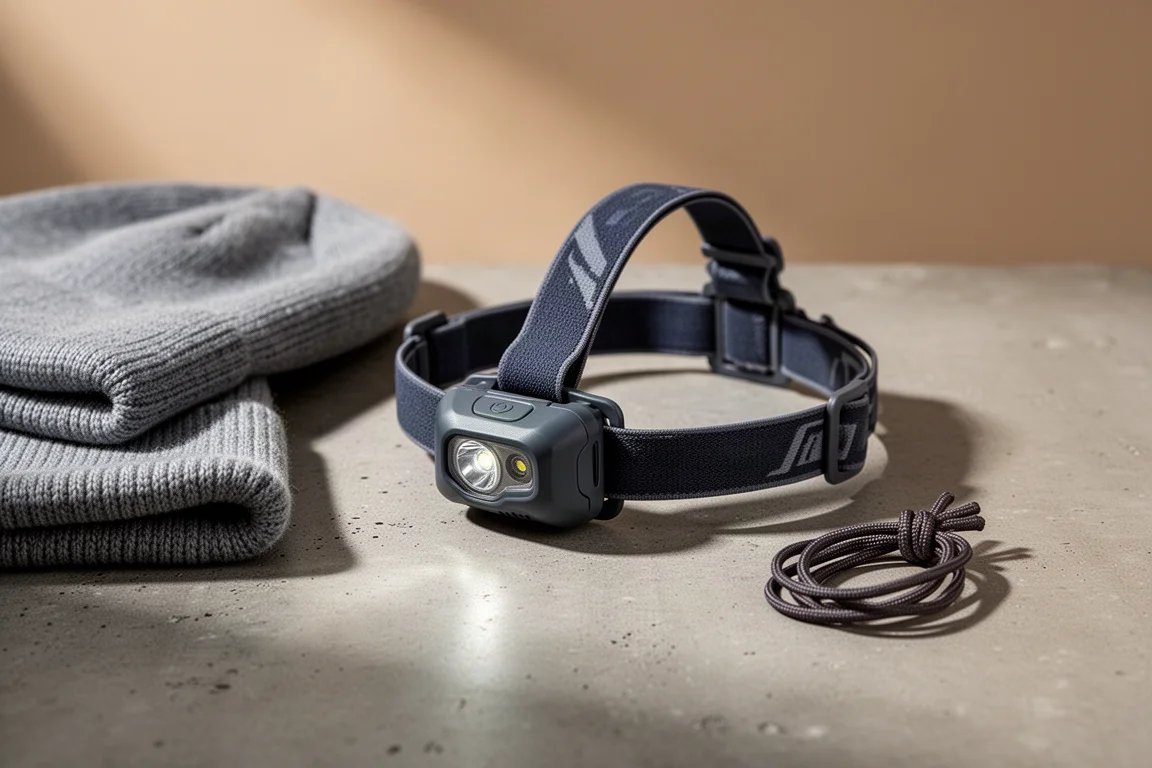
Nitecore has spent years building flashlights, headlamps, batteries, and chargers, and the UT27 is its ultralight entry for people who count grams. The spec sheet reads well: three light sources, a removable lithium-ion cell, AAA compatibility as a fallback, an IP66 rating, and a weight of 2.7 ounces with the battery installed.
The catch shows up once the light leaves the spec sheet. In extended real-world use, the UT27 is comfortable and genuinely easy to live with, but its output is modest in ways that matter when you are moving quickly or navigating uneven ground. This review breaks down where it works, where it falls short, and who should consider something brighter.
Who This Headlamp Is For
Weight is the whole design brief here. The UT27 is built to be ultra light for hikers, backpackers, and runners, and at 2.7 ounces with the battery in place it largely delivers on that promise. The headband is fully adjustable, and a silicone band runs along the inside to help hold the lamp steady against your head.
That combination makes it a natural fit for camp chores, time inside a tent, cooking, reading, and slow-paced hiking where you mainly need to see what is directly in front of you.

If your use case involves speed or technical terrain, the picture changes. Trail running with the UT27 is difficult because the beam does not carry far enough ahead to reveal roots, rocks, or ice before you reach them. Cycling is a similar story: the output is too low to read a road or trail at speed.
Main Strengths
The interface is one of the better parts of this headlamp. Two buttons handle everything. Press and hold the T button to enter the throw beam, then tap to step between its two levels. Press the W button at any point to flip straight over to flood. Press T twice from off for the red LEDs at 16 lumens, and press it once more for a flashing red mode. Holding the button turns the red mode off again.
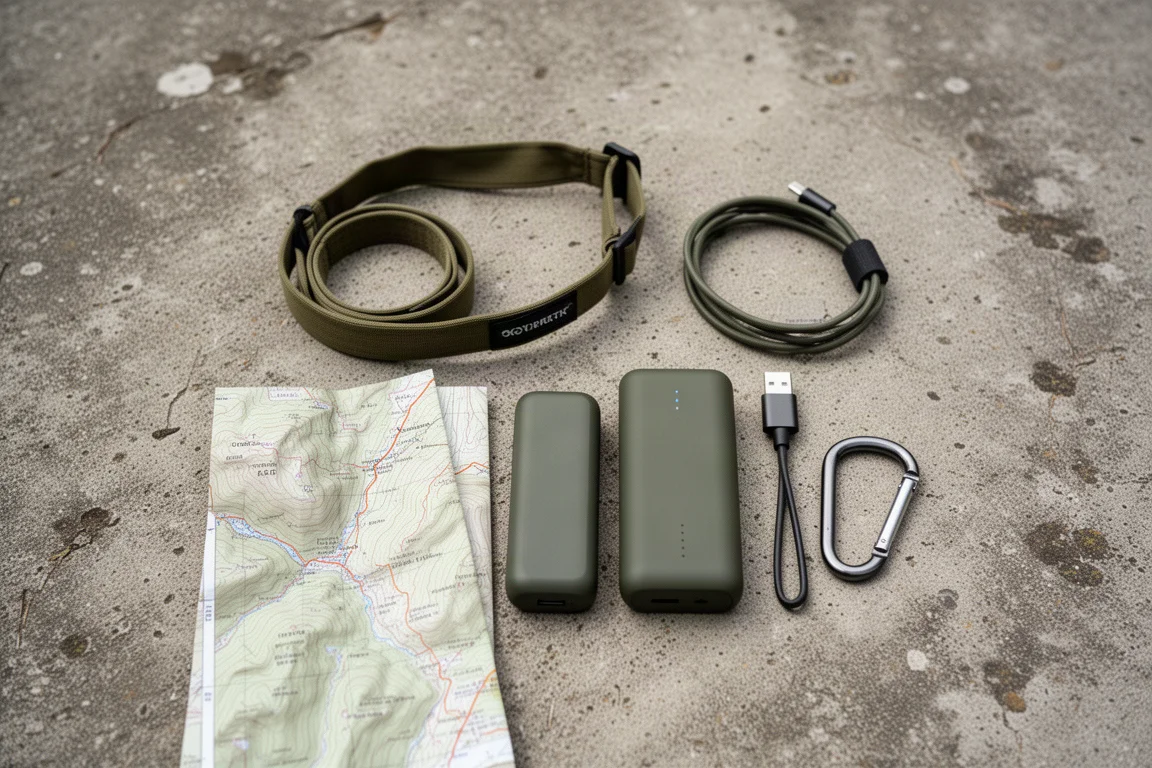
The rest of the strengths are practical ones. The lithium-ion battery is removable and easy to swap, and it can be replaced with AAA cells in a pinch, though AAA runtimes are shorter in each mode. Replacement lithium-ion batteries cost roughly $10. A power level indicator flashes three times above 50 percent charge, twice below 50 percent, and once below 10 percent. A lockout mode prevents accidental activation in a pack, the housing tilts through 90 degrees so it can point straight ahead or straight down, and the IP66 rating covers rain and drops of about a meter, though the light is not intended for submersion.
Beam Quality and Real-World Output
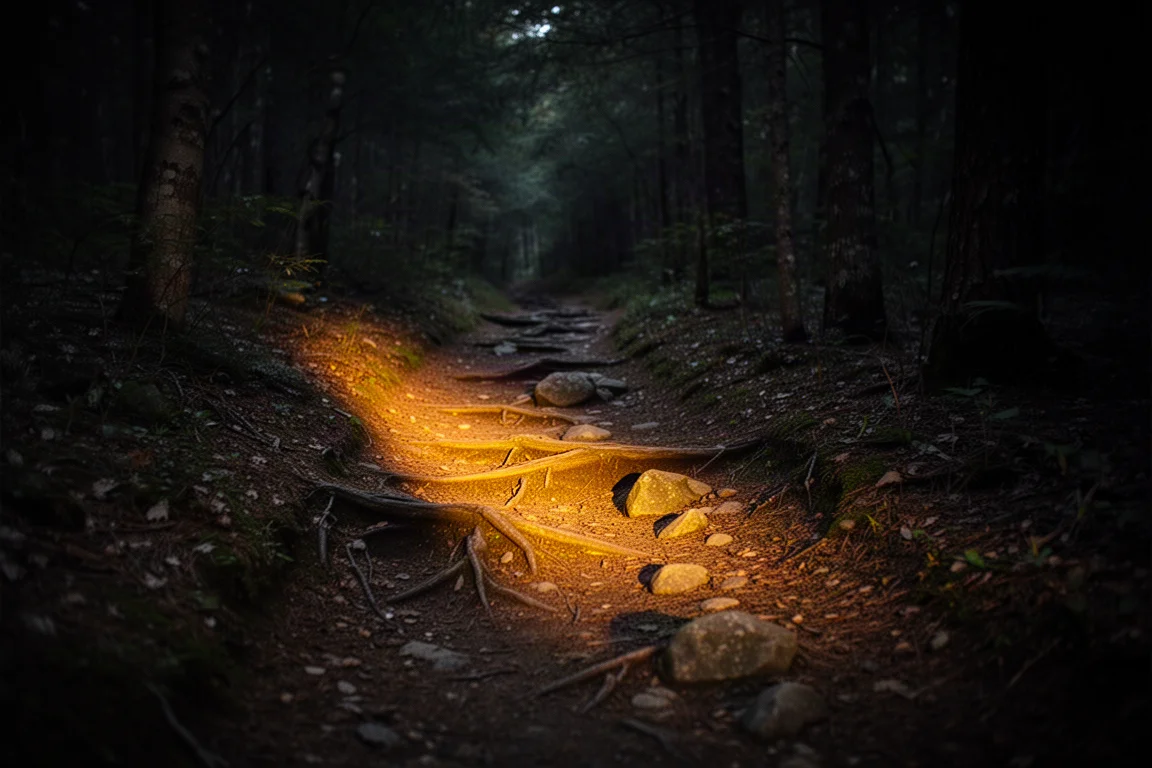
This is where the UT27 loses ground. The throw beam is very warm, with a strong yellow-orange cast, while the flood beam is a cool white. The two LEDs sit at opposite ends of the color spectrum, and they do not blend well when turbo runs both at once.
That warm tint is not just a preference issue. When the throw beam is the only light you have, it colors everything around you in the same yellow-orange tone, which flattens the contrast between a rock or a root and the ground it sits on. Detail becomes mushy and the eye has less to work with. The flood beam avoids the color problem but is dimmer still.
Turbo reaches 520 lumens with both LEDs at full output, but it holds that level for only about 30 seconds before one LED steps down and the light drops back to a much lower level.
One thing worth remembering when judging any headlamp from footage: camera sensors, lenses, and ISO settings are more sensitive to light than the human eye, so a beam can look considerably brighter on screen than it does in person.
Things to Consider Before Buying
The 400-lumen throw mode and 200-lumen flood mode look reasonable on paper, but in practice both feel dim. On a clear night it takes fully dark conditions before the UT27 starts to feel adequate, and even then the warm beam limits how much detail you can pick out.
Other trade-offs to weigh:
- Turbo lasts only about 30 seconds before stepping down.
- The housing tilts down through 90 degrees but cannot be angled upward, so looking up means tilting your head.
- The two beam colors are mismatched, and a single consistent color across both LEDs would make more sense for detail and contrast.
- The included diffuser bag is not especially useful because the light is not bright enough to benefit much from diffusion. It works better as a carry pouch.
- The body is plastic, which keeps weight down and feels acceptable in quality, but it does not feel premium.
- AAA batteries work in an emergency, but they deliver shorter runtimes than the lithium-ion cell in each mode.
Buying Advice
At $55, the UT27 sits in the middle of the headlamp market, and bundles that add a spare battery cost more. A replacement lithium-ion cell runs about $10, which is reasonable for anyone planning to keep the light for several seasons.
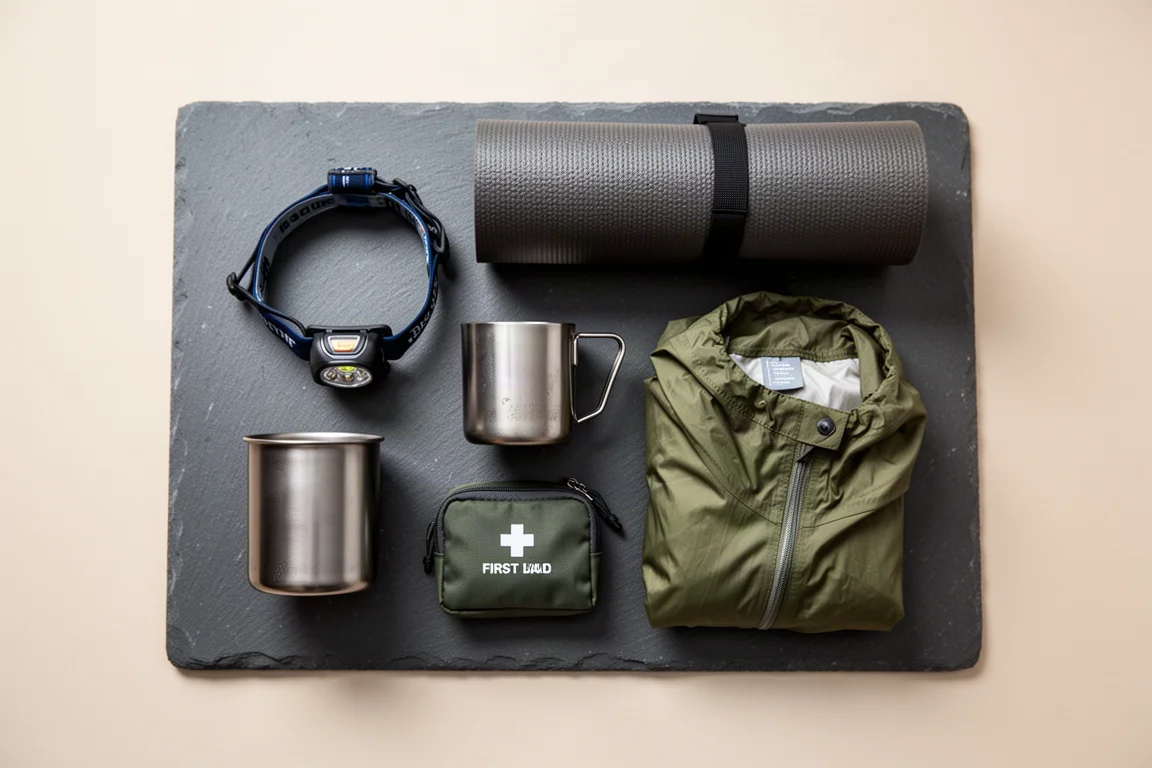
Buy it if you want an ultralight headlamp for camp, tent use, and unhurried hiking, and if you value the red LED mode, the swappable battery, the lockout function, and the low weight. Look elsewhere if you trail run, bike at night, or need a beam that reveals technical ground at speed. In those situations a heavier light with more output is the better trade.
Conclusion
The Nitecore UT27 gets the physical design right. It is very light, comfortable, stable on the head, easy to operate, and flexible thanks to the removable battery, the AAA fallback, the red LEDs, and the lockout mode.
What holds it back is illumination. The throw beam’s heavy warm tint reduces visible detail, the flood beam is dim, and turbo only lasts around 30 seconds. For slow hiking, camp, and tent use it will get the job done. For running, trail running, or cycling, its output is a real limitation worth taking seriously before you buy.
Product link
View more details for Nitecore UT27
This product is mentioned in the review. Check the specifications, options, and compatibility before buying.
View more details for Nitecore UT27Further reading
Related Reviews
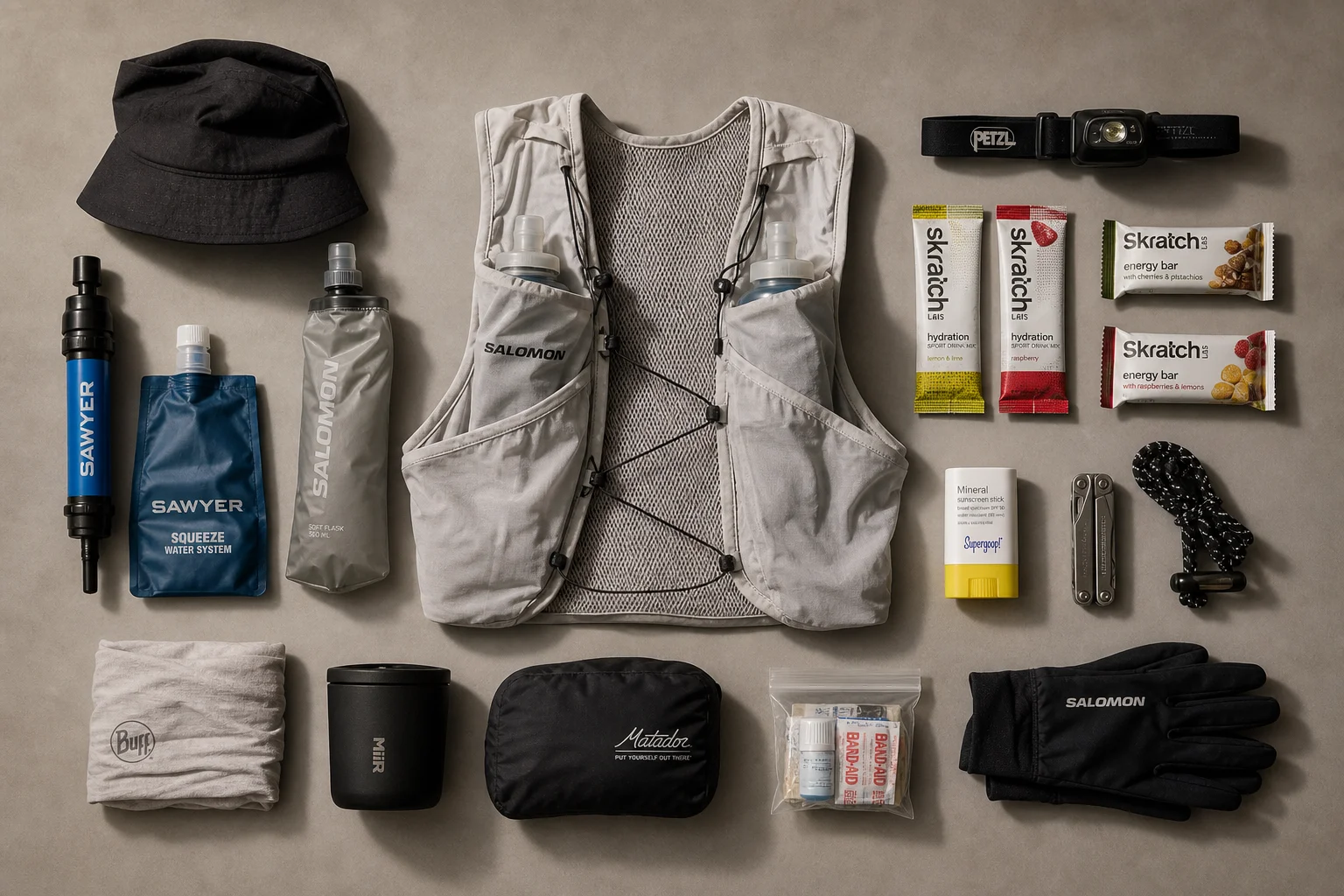
Trail Running Gear
28-Mile Trail Run Pack Loadout: Ultralight Gear for High Alpine Self-Supported Running
A complete breakdown of gear, clothing, hydration, nutrition, and safety equipment for a 28-mile high alpine trail run with 7,800 feet of elevation gain.
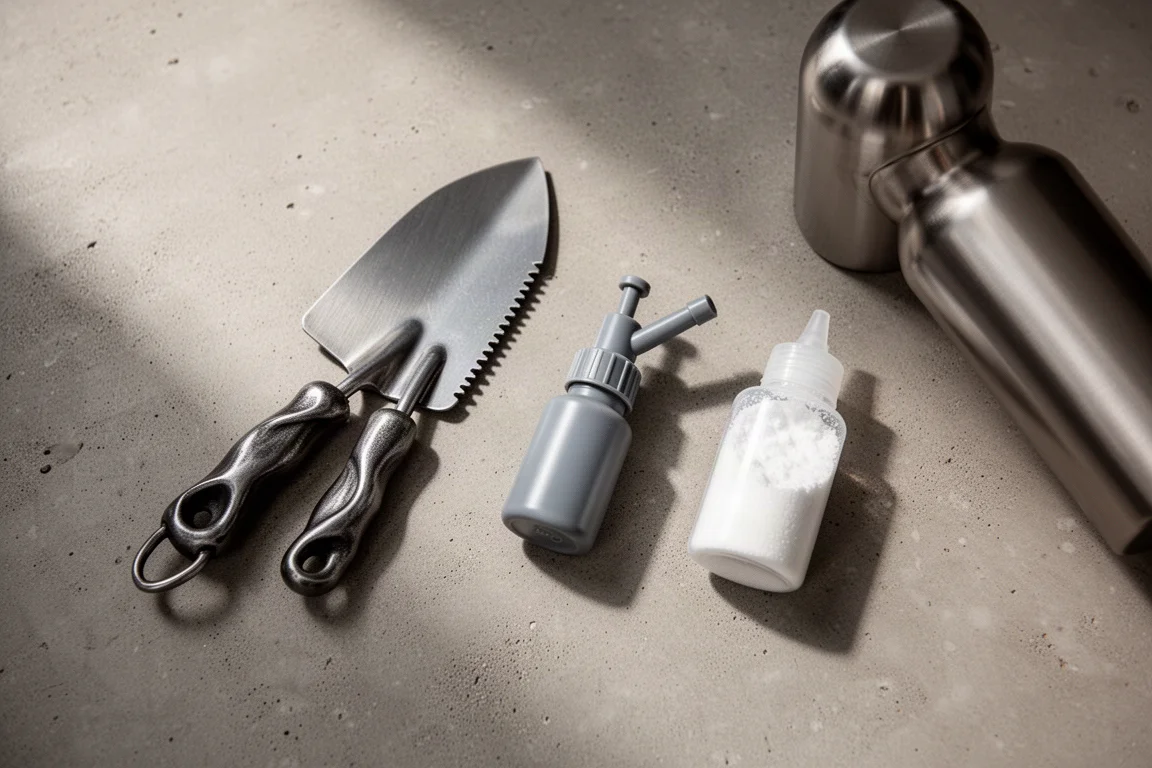
Backpacking Gear
Backpacking Bathroom Kit: Three Essentials for Going in the Woods
A lightweight three-piece system for backcountry bathroom breaks: a durable trowel, a bottle-mounted wash nozzle, and a powdered soap that will not freeze.
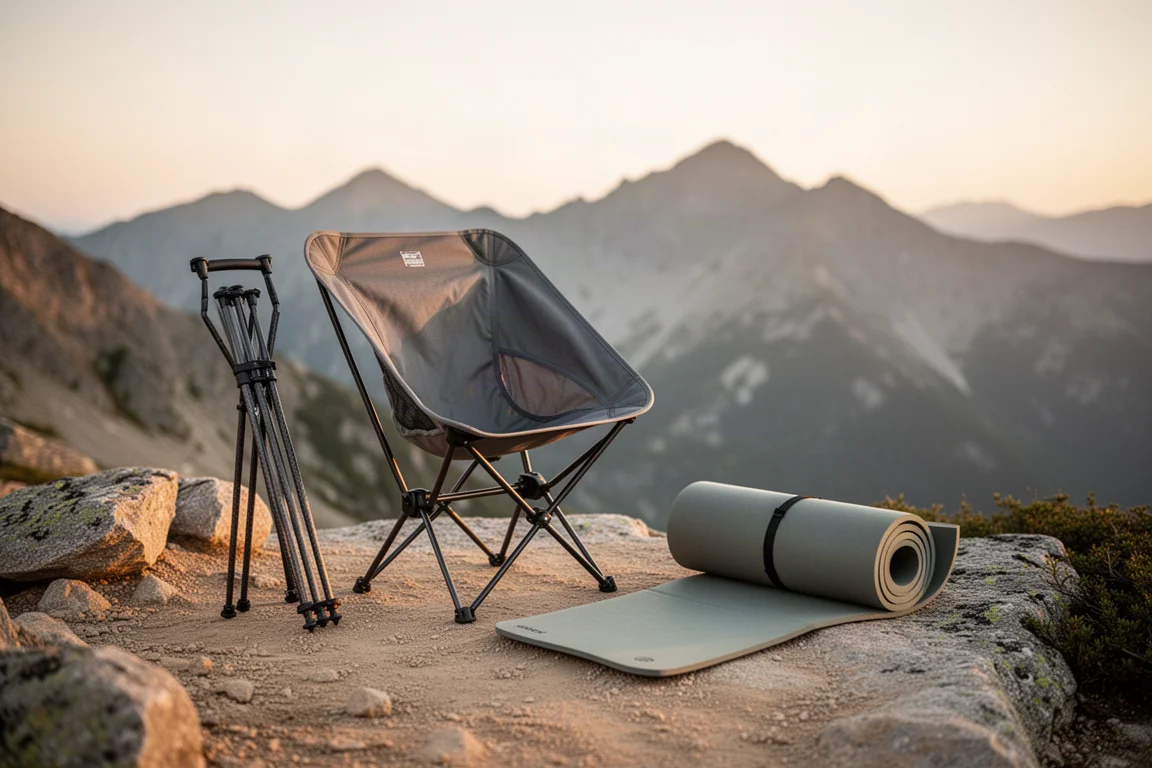
Backpacking Gear
Backpacking Chairs: Two Lightweight Options and How to Choose
A practical look at the chair versus ground debate, plus two lightweight seat options and the trade-offs worth checking before you buy.