Road Bikes
Best Real-World Road Bikes 2026: Eight Options Between Race and Endurance
Eight road bikes that sit between a race bike and an endurance bike, with calmer geometry, wider tire clearance, and weights that stay competitive.
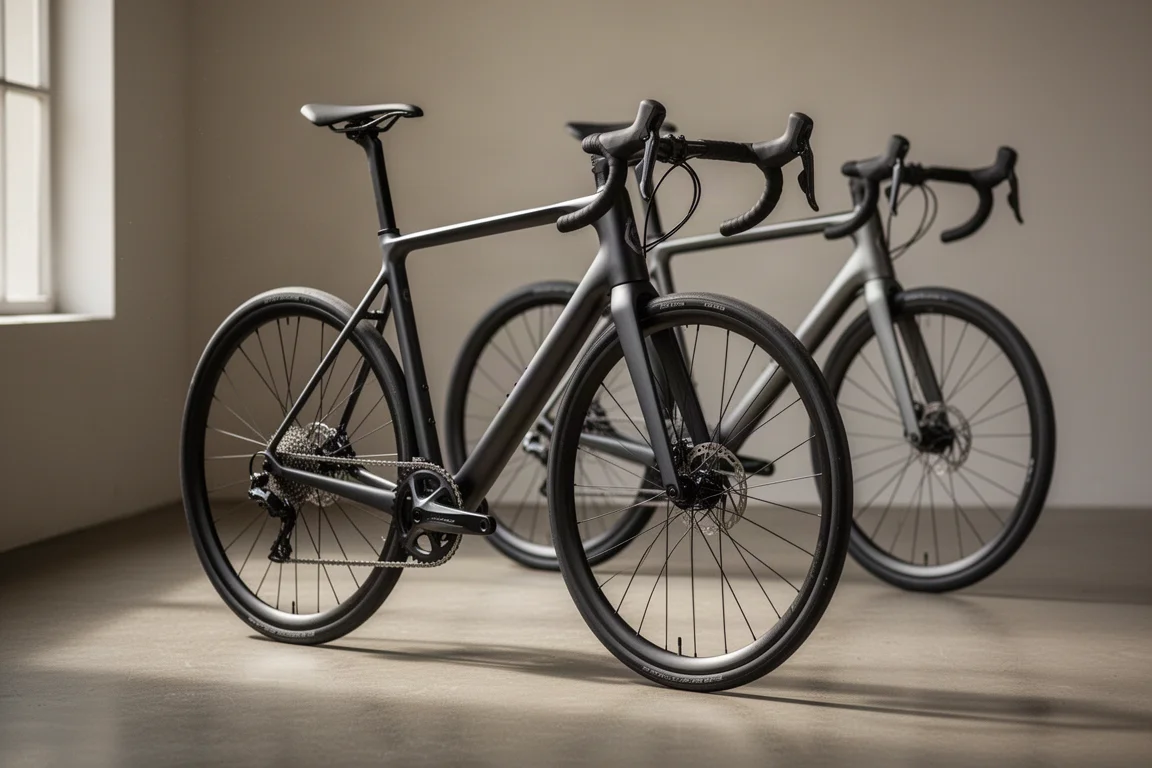
Introduction
There is a strong argument that many road riders are buying the wrong bike. A race bike makes complete sense if you race, train for long hours every week, and win or lose by the smallest margins. In that context an aggressive position and every aerodynamic gain are exactly what you need. It is also genuinely remarkable that the same bikes ridden at the front of the professional peloton can be bought by anyone, which is not possible in most other sports.
For the rest of us, riding for enjoyment, fitness, and the thrill of going quickly, that same machine can be a compromise. It can be harder to live with, harder to hold a strong position on for hours, and more limited in the tires it can run.
This roundup looks at eight road bikes that sit between a full race bike and a relaxed endurance bike: geometry that is a little more laid-back, clearance for wider tires, and weights that stay competitive with race machines. They are not a single category, and each brand has its own interpretation of where the balance should sit.
What Actually Matters: Geometry, Tire Clearance, and Weight
Start with geometry. The bikes here use a longer wheelbase, a slightly higher stack, and a shorter reach than a race bike, with slightly relaxed angles. The point is not to make a bike slow or upright. It is to keep the fast steering, the confident cornering, and the responsive feel when you push hard on the pedals, while removing the part of a race fit that most riders cannot hold comfortably for long.
Front end height is where this becomes visible. A pure race bike with a short stack often ends up with two, three, or four centimetres of spacers under the stem just to put the handlebars where the rider wants them. Set up that way, the handlebar height can be exactly the same as a bike with a higher stack running a single small spacer. The second bike looks cleaner, and the rider has given up nothing in position.
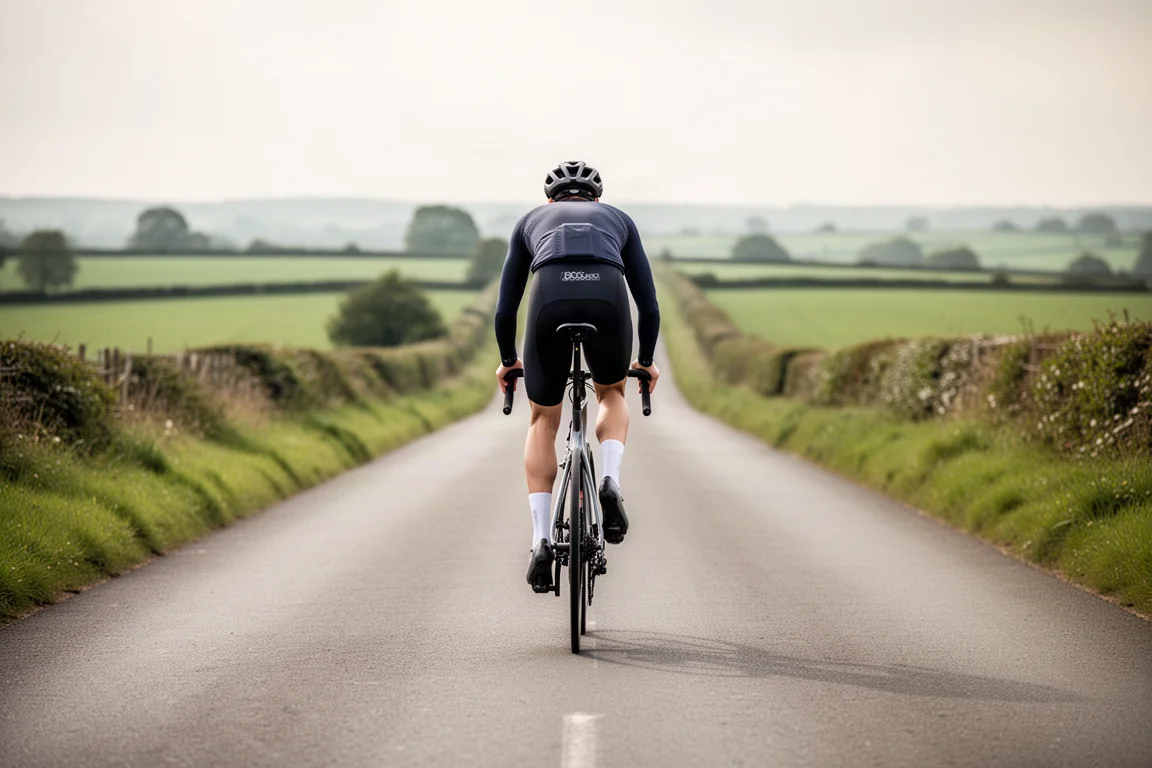
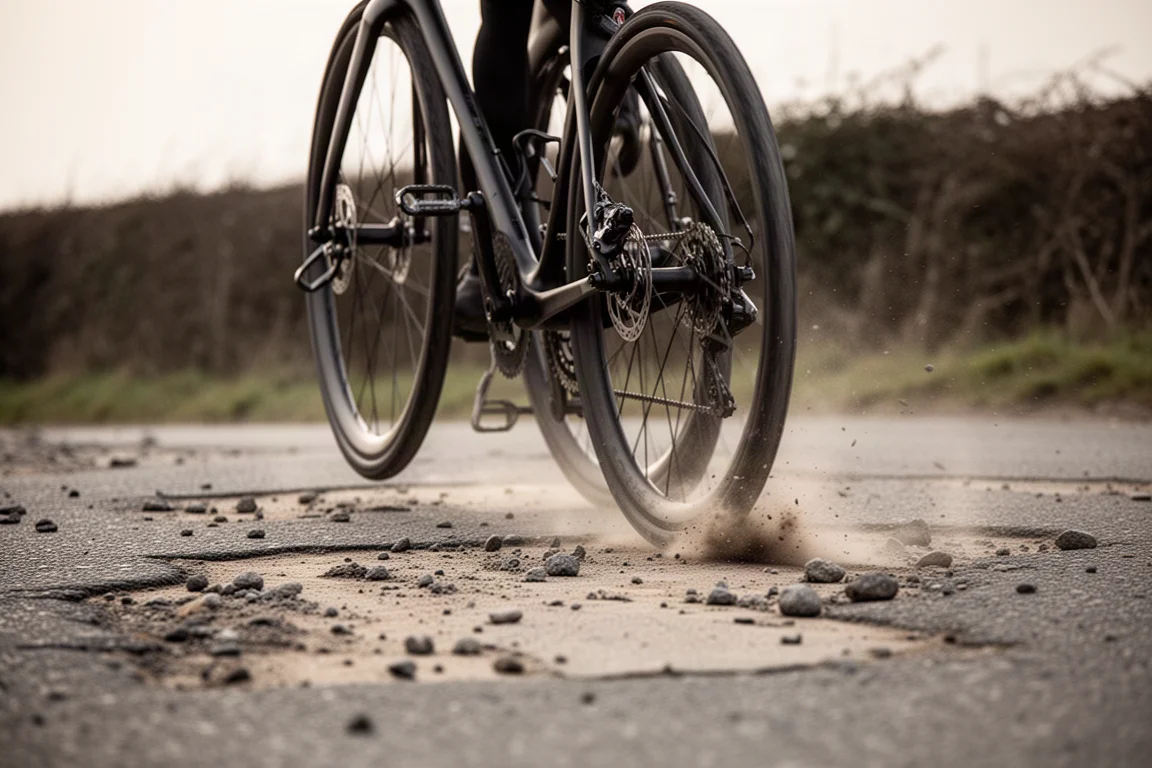
Tire clearance is the second major factor. Race bikes are still limited to around 32 mm in most cases, which is not enough for many riders who have experienced the benefits of wider rubber. Testing across 35 mm to 40 mm tires has produced results that are more interesting than expected. On rough, patched, and gravel-strewn roads, a wider tire at lower pressure adds control and confidence, cushions the surface, and does not give away speed. Studies suggest wider tires are not slower, and in some conditions they are faster. On a sketchy descent, a narrow tire forces you to slow for cracks and steer around potholes, while a wider tire rolls through and carries momentum.
Weight is the third factor, and it is not reserved for race bikes. A well-built all-rounder can come in at around 7 kg, which is lighter than many road race bikes and well inside the range of a superlight race machine. Frames in this space can weigh around 690 g, comparable to top-end race frames and lighter than many race bikes that sit between 700 g and 800 g. Low weight is what gives a bike its agility and responsiveness, and it is available here.
Aerodynamics deserve a measured view. The gains quoted for aero frames are real and measurable, but they matter most to riders paid to win races. On a Sunday club ride the difference is small. The rider is the largest part of the drag equation by a wide margin, which means the position you can hold comfortably for two or three hours matters far more than the shape of the frame. A bike with a slightly higher front end often makes it easier to hold a compact, elbows-in position for longer, and easier to actually use the drops, which are better for descending, sprinting, and reducing frontal area.
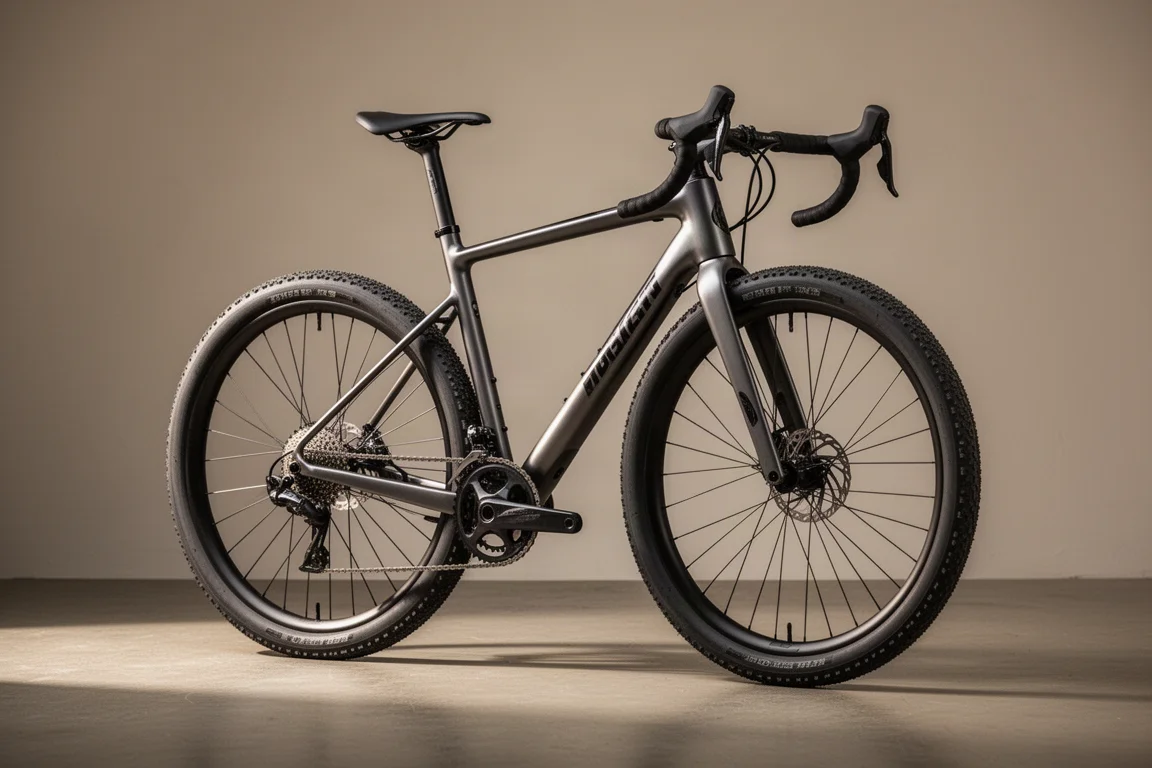
51 Speedster: The All-Rounder at the Centre of This
The 51 Speedster is a useful reference point because its geometry sits deliberately between the two extremes. It is not as aggressive as a race bike and not as relaxed as an endurance bike, and the balance is close to ideal for everyday fast riding.
In a build with SRAM Red AXS and a set of lightweight carbon wheels, it comes in at around 7 kg, which places it among superlight race bikes on weight alone. The frame is around 690 g. On the road that translates into a lively, responsive feel: it climbs well both seated and out of the saddle, and it does not hold you back.
There are practical touches too. The front end is fully integrated with a carbon aero handlebar and some aero shaping on the down tube, so it does not give away much in efficiency even though it is not a wind tunnel project. The front end runs a single 5 mm spacer and could be slammed if you wanted. Tire clearance is generous enough to run the wide rubber the roads actually call for.
The experience is what matters most. On local roads and on longer trips, the position allows you to ride faster for longer, with less fatigue, no back or neck ache, and more power available late in a ride.
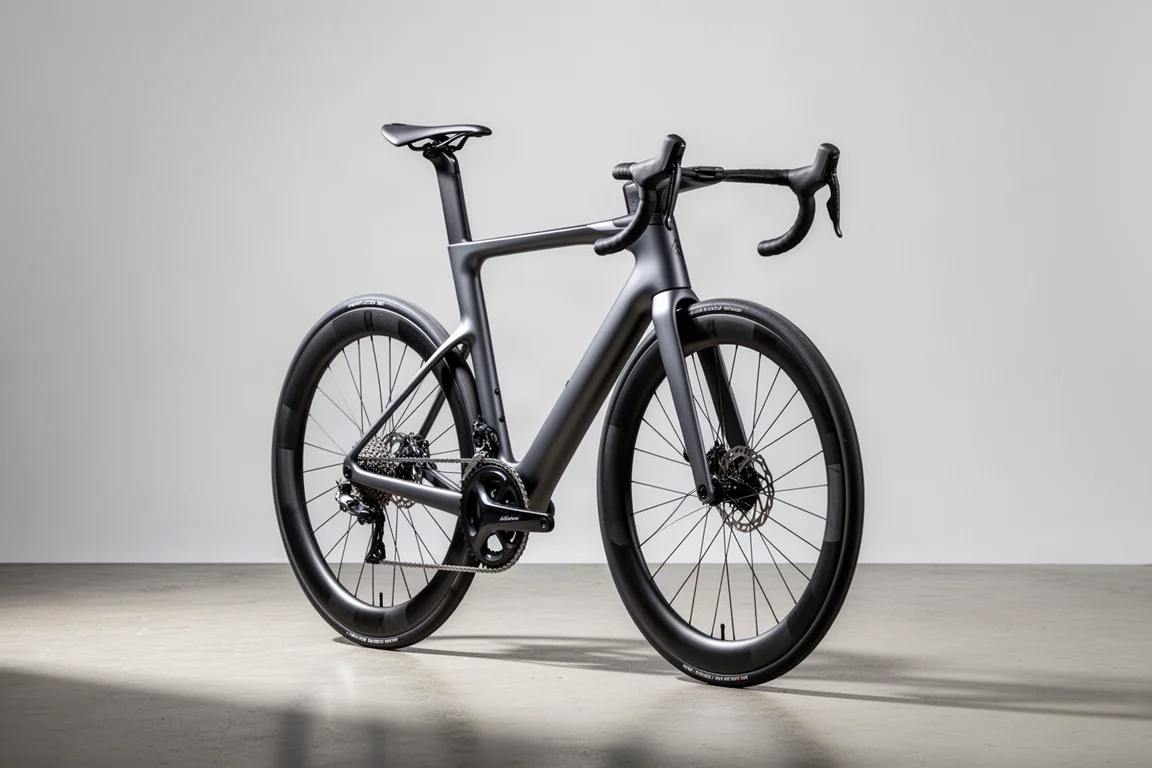
Factor Monza: Laid-Back Geometry, Wide Tire Room
The Factor Monza follows the same thinking, with a slightly more laid-back geometry than a race bike and clearance for wide tires. It is a good fit for riders who want the calmer front end and the tire volume without moving all the way to a relaxed endurance platform.
It also suits riders who still want the responsive feel of a fast road bike. The geometry keeps the handling lively while making the position easier to hold over long distances.
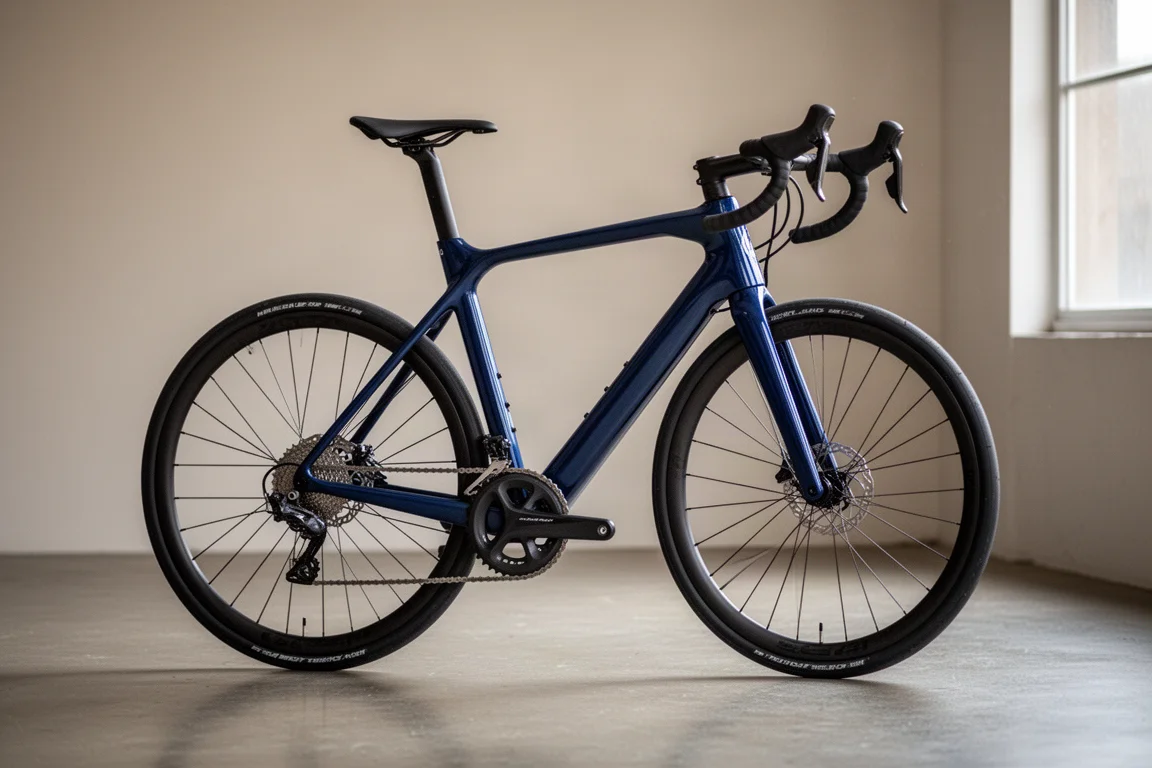
BMC Roadmachine: Sporty Endurance, All-Road Ready
The BMC Roadmachine is a sporty endurance all-road bike with clearance for 40 mm tires. That combination makes it one of the more versatile options here: it keeps an endurance ride character while accepting rubber wide enough for broken tarmac and light off-road sections.
For riders whose routes mix smooth lanes with rough surfaces, this is a straightforward choice. The wider tire option does the heavy lifting on comfort, while the frame still feels like a road bike rather than a gravel bike.
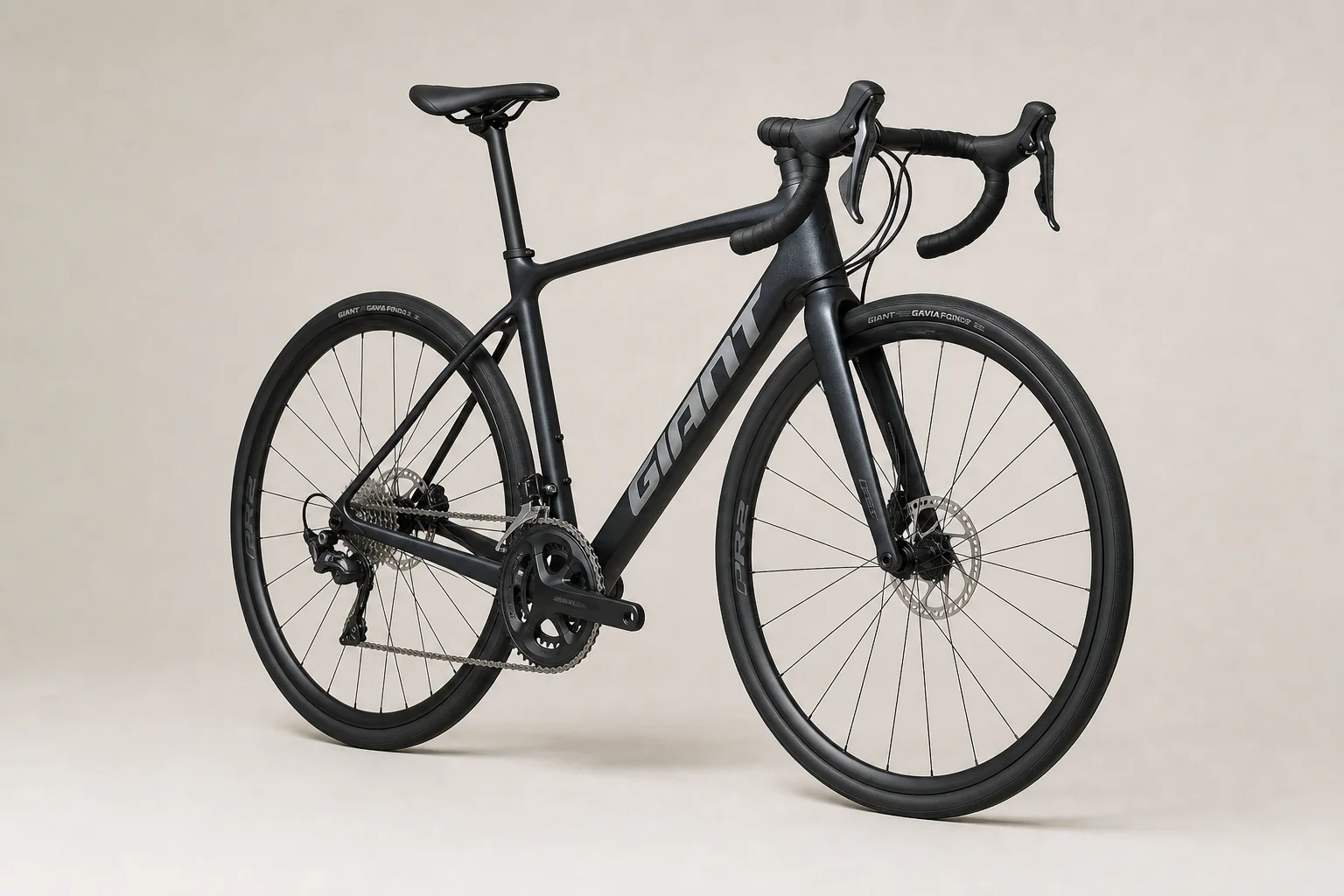
Giant Defy: The Racier Endurance Option
The Giant Defy is a racier, more aggressive take on the endurance bike, and it also accepts tires up to 40 mm. If you want a familiar, sharper feel with the benefit of wider tires and a slightly calmer position, this is the closer match.
Riders coming from a race bike often find this style of endurance machine the easiest transition, because the handling stays quick while the position becomes something you can hold for a full day.
Trek Emonda: Laid-Back With Wide Tire Space
The Trek Emonda has moved to a more laid-back geometry than before while keeping space for wide tires. It suits riders who want a light, quick bike that no longer demands a full race position.
That combination keeps the bike feeling fast on climbs and lively under acceleration, without asking for the extreme setup a race frame expects.
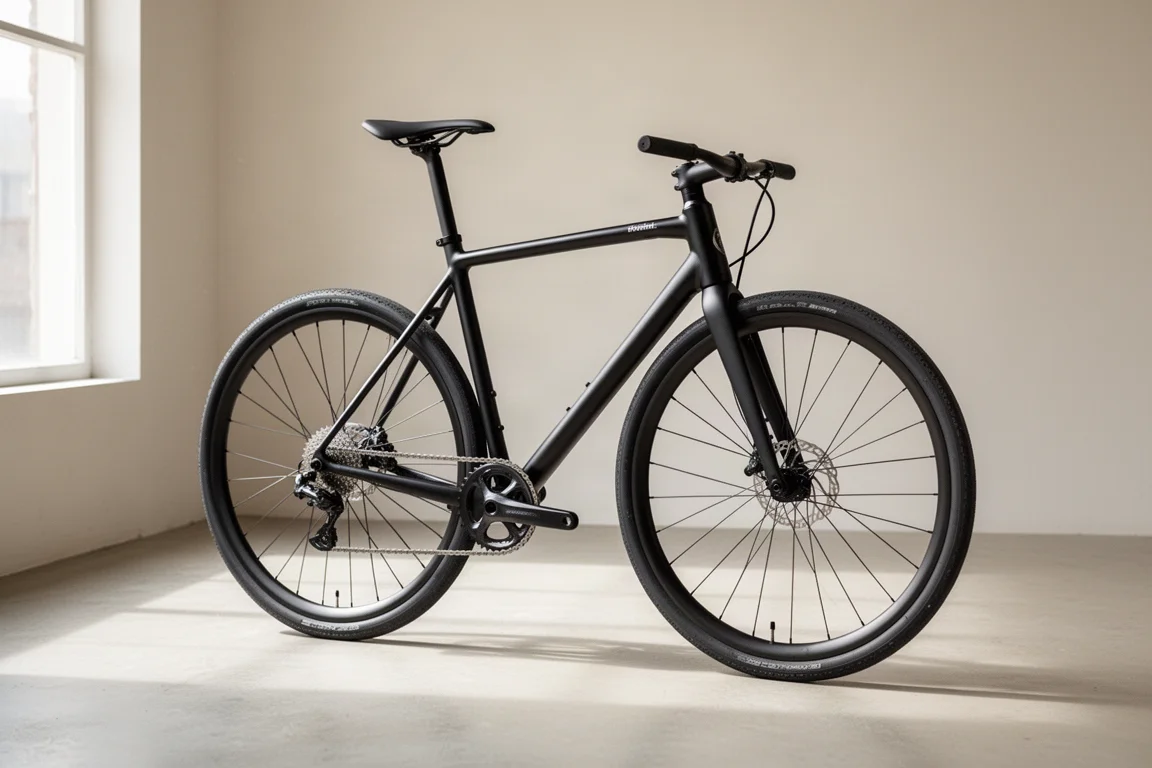
3T Strada Italia: Bigger Tire Clearance, Calmer Angles
The 3T Strada Italia takes the same direction, with bigger tire clearance and a more laid-back geometry. It is a strong option if tire volume and a calmer front end are your priorities.
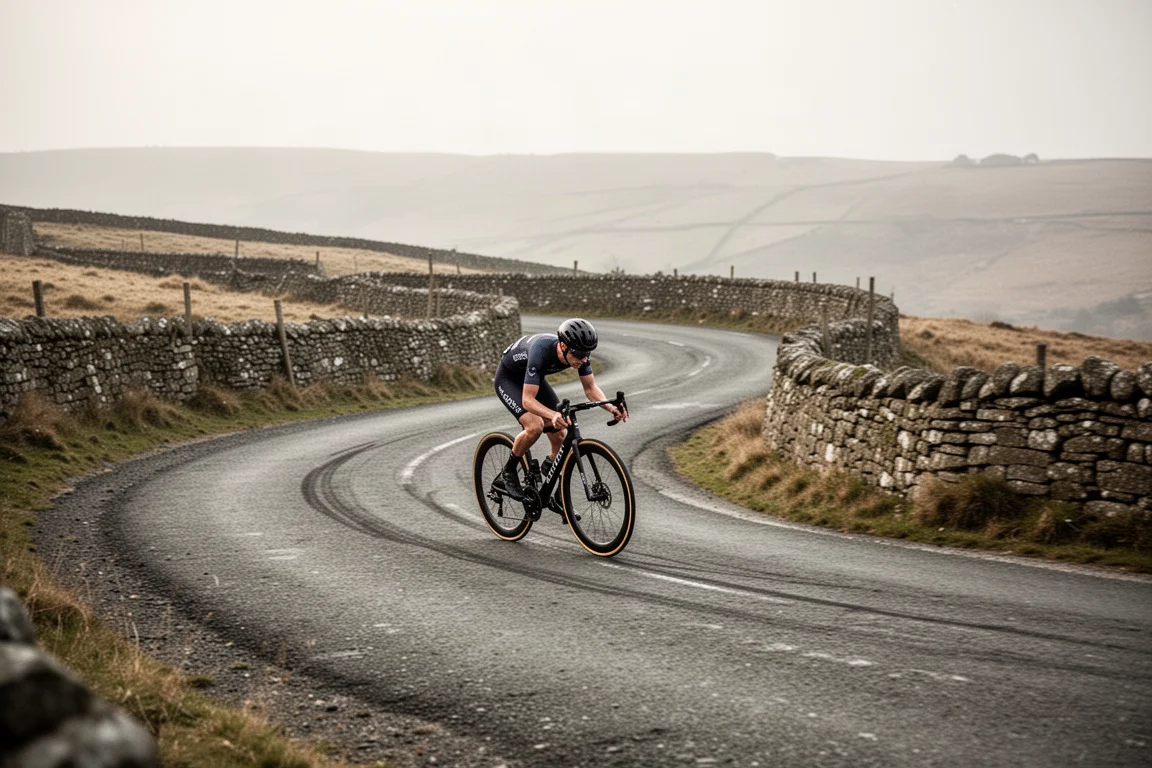
For riders who spend most of their time on coarse chip seal or patched lanes, that combination of volume and a less extreme position is the difference between a bike you tolerate and a bike you look forward to riding.
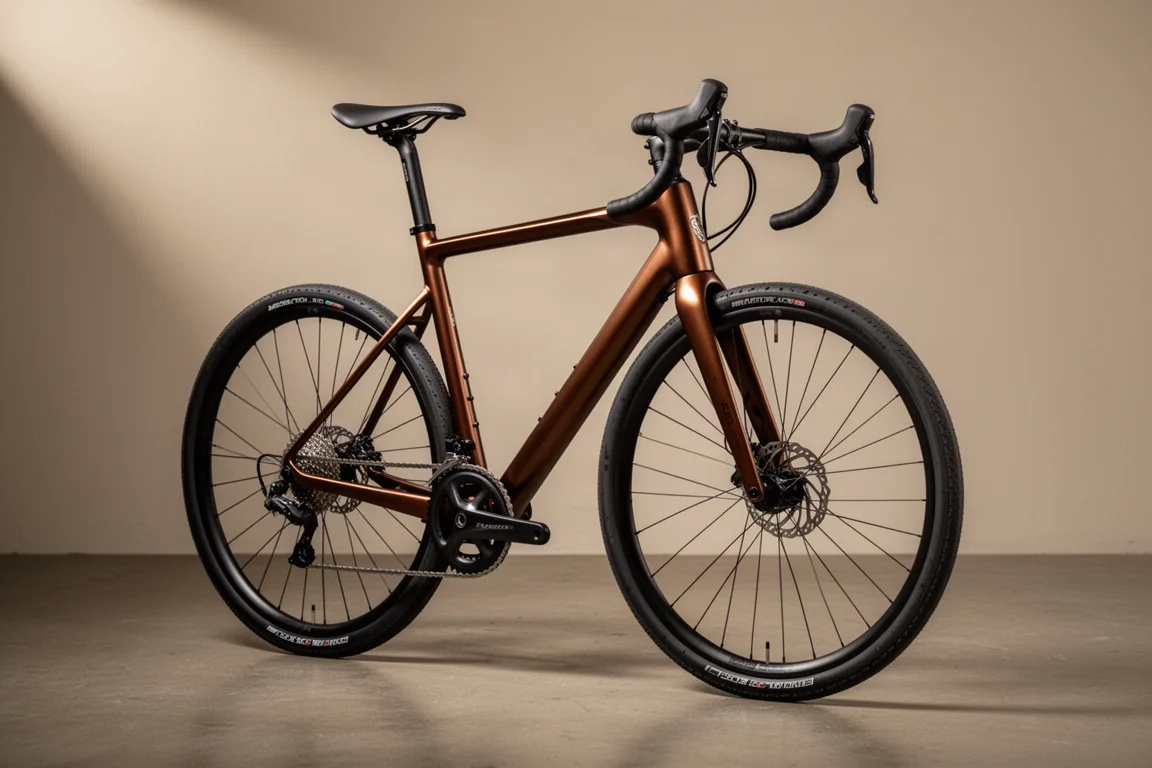
Specialized Aethos 2: Lighter and Less Extreme
The Specialized Aethos 2 is a new take on a lightweight road bike. It is not as aerodynamic as the aero-focused race bikes, but it now accepts tires up to 35 mm and has a slightly higher stack, which makes it noticeably less extreme than the earlier version that shared race bike geometry with the Tarmac.
For riders who value low weight and a simple, comfortable position above aerodynamic marginal gains, it is a logical pick. The extra tire clearance also means it can be set up for the roads you actually ride.
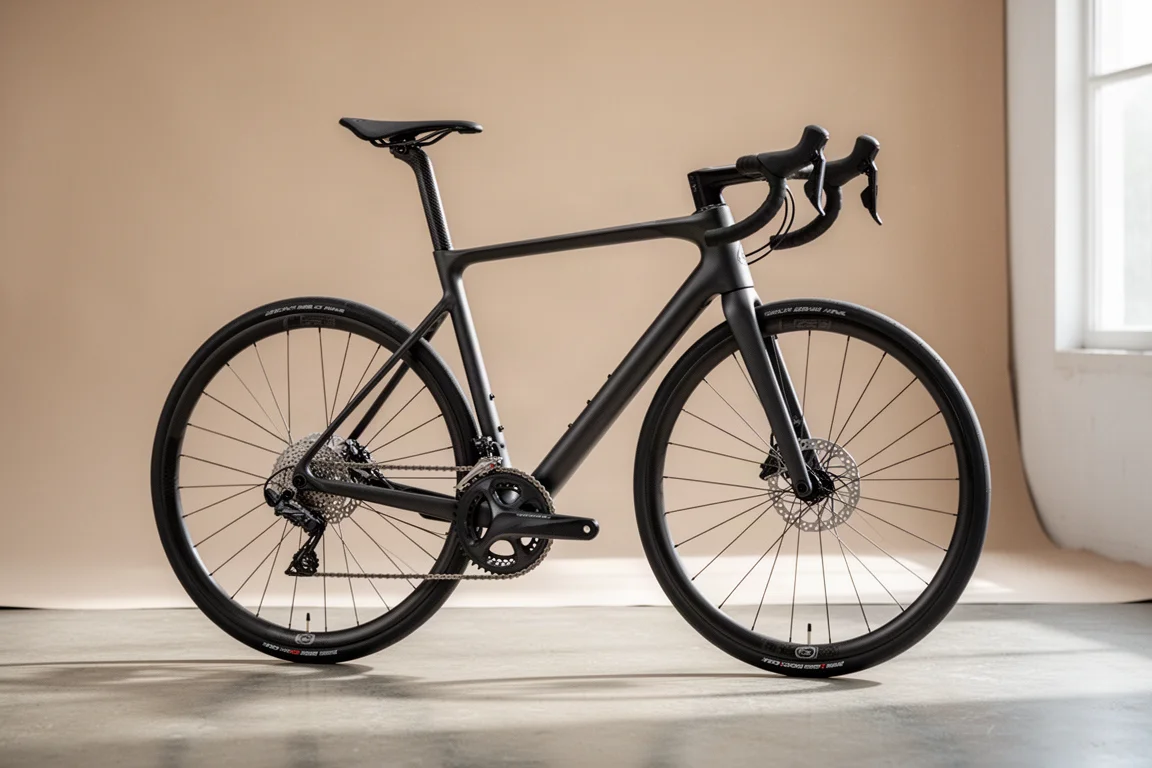
Specialized Tarmac SL8: When a Race Bike Is Still Right
The Specialized Tarmac SL8 is the counterpoint, and it is included here for context. It is a pure road race bike with a shorter stack than the bikes above, and it is the right tool if you race and train at a high level where small margins decide results.
For most riders the giveaway is the setup. A Tarmac SL8 frequently ends up with a tall stack of spacers under the stem to bring the handlebars up to a workable height, which means the front end is lower than the rider actually wants. Once that is corrected, the handlebar height can match a bike like the 51 Speedster, without the cleaner look.
Overall Buying Advice
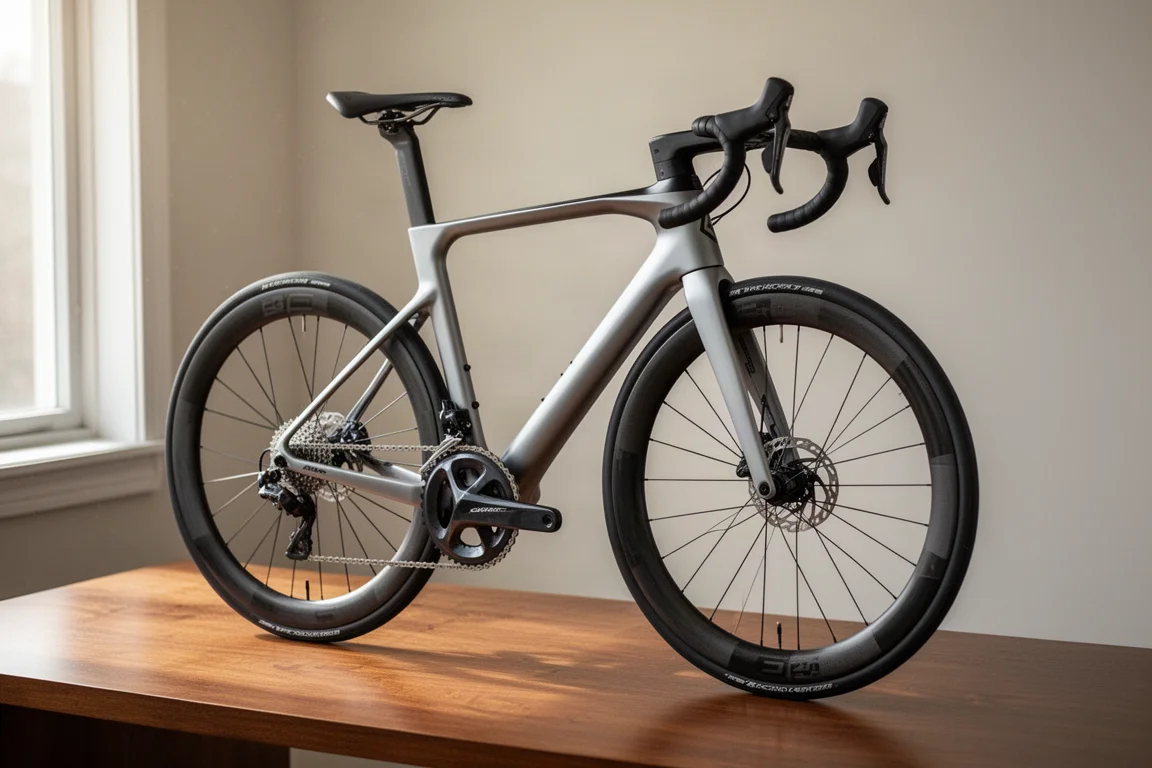
The most useful question is not which bike is fastest, but which bike you will ride most. If you race and your results depend on small margins, a race bike remains the correct choice. If you ride for enjoyment, fitness, and speed on real roads, a bike with slightly more laid-back geometry and room for wider tires will usually give you more speed overall, because you will hold a better position for longer and ride with more confidence.
Practical points to weigh: how much tire clearance you need for the roads you ride, whether the front end can be set up without a tall stack of spacers, and whether the complete build weight is competitive. A bike in this middle ground can be as light as a race bike, and weight is one of the biggest contributors to how lively a bike feels.
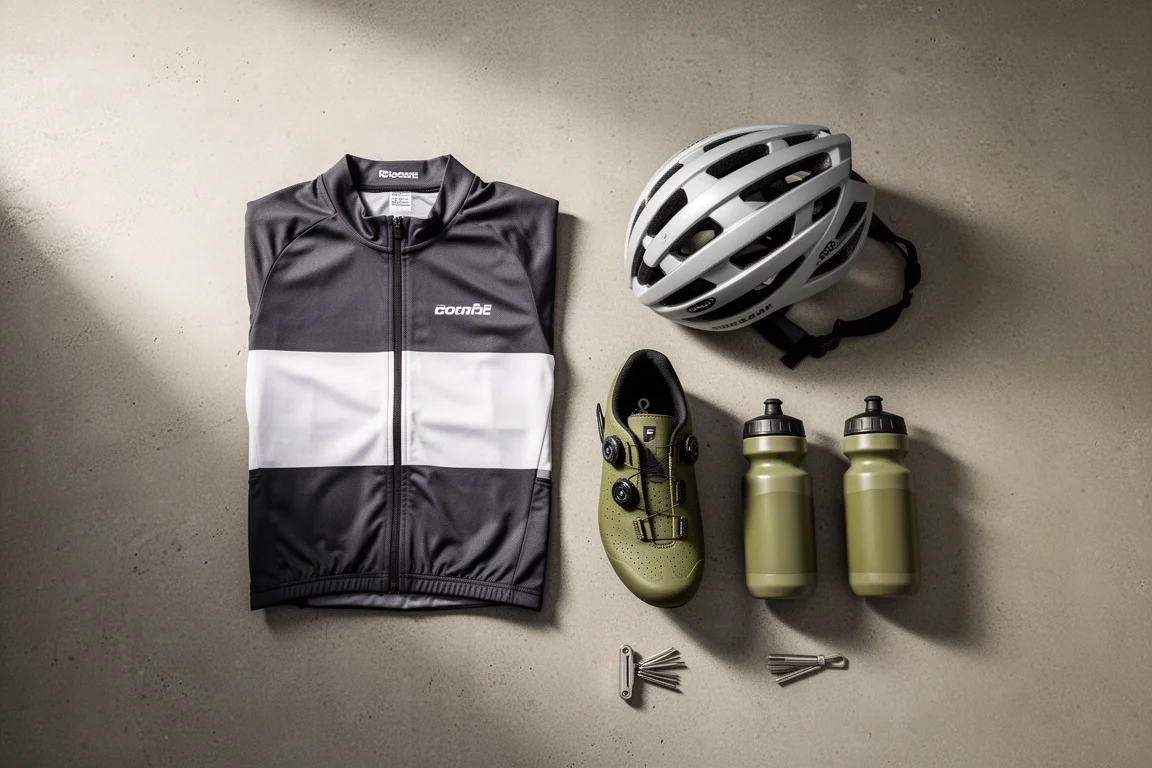
If you already own a race bike, the sensible test is to compare handlebar height and tire clearance rather than frame stickers. Many riders find the race bike is not being used for the riding they actually do, and a bike with a calmer front end and wider tires ends up covering more kilometres each year.
Conclusion
The space between a race bike and an endurance bike has become the most interesting part of the road market. Geometry that is slightly more laid-back, clearance for wider tires, and competitive weight combine into bikes that keep the speed and the thrill while removing compromises most riders never signed up for.
The 51 Speedster is the clearest expression of that idea here, with a frame around 690 g, a build near 7 kg, and a position that is easy to hold. The Factor Monza, BMC Roadmachine, Giant Defy, Trek Emonda, 3T Strada Italia, and Specialized Aethos 2 each interpret the same brief a little differently, and the Specialized Tarmac SL8 remains the benchmark for riders whose results justify a full race bike.
Further reading
Related Reviews
Road Bikes
10 New Road Bikes Worth Watching: Aero, Titanium, Steel and Endurance Standouts
A practical roundup of 10 new road bikes, from aero flagships chasing single-watt gains to titanium, steel and endurance platforms built for real roads.
Road Bikes
2026 Tour de France Road Bikes: Six Race Machines Worth a Closer Look
Six race bikes from the 2026 Tour de France grid, reviewed for paint, silhouette, wheels and the specification details that matter to buyers.
Road Bikes
3T Strada Italia Review: A Radical Aero Road Bike That Rides Smooth
A made in Italy carbon aero road bike with a deep head tube, wide tire clearance and a genuinely comfortable ride. Here is what to know before buying.