Road Bikes
Best Race Bikes: Four Category Winners for Climbing, Aero Speed, and Value
Four category-winning road race bikes compared on weight, aerodynamic gains, handling character, ride quality, and price positioning.
Introduction
A race bike has to earn its place in more than one way. Straight-line speed is only part of the picture. How a bike handles, how it damps road vibration, and what it costs all shape whether it is the right machine for a particular rider.
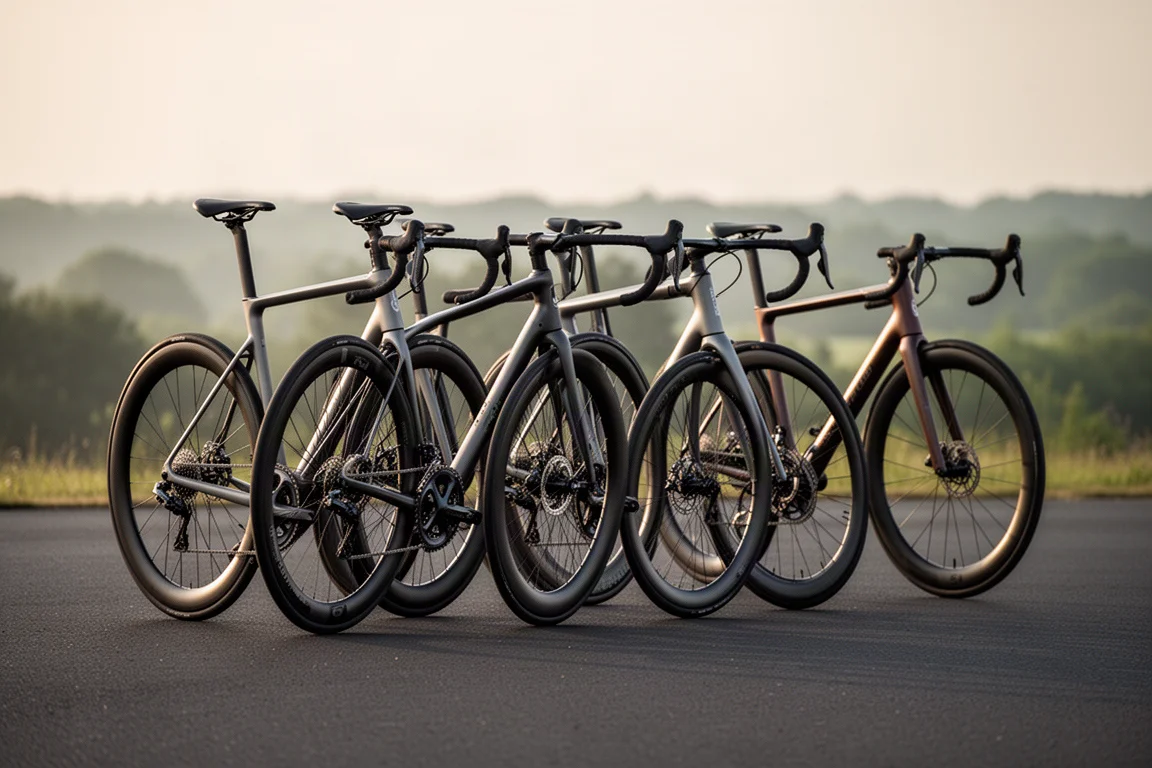
Across a group test covering four categories, the field was narrowed down to four winners: a dedicated climbing bike, a value-focused aero bike, an outright aero machine, and an overall race bike of the year.
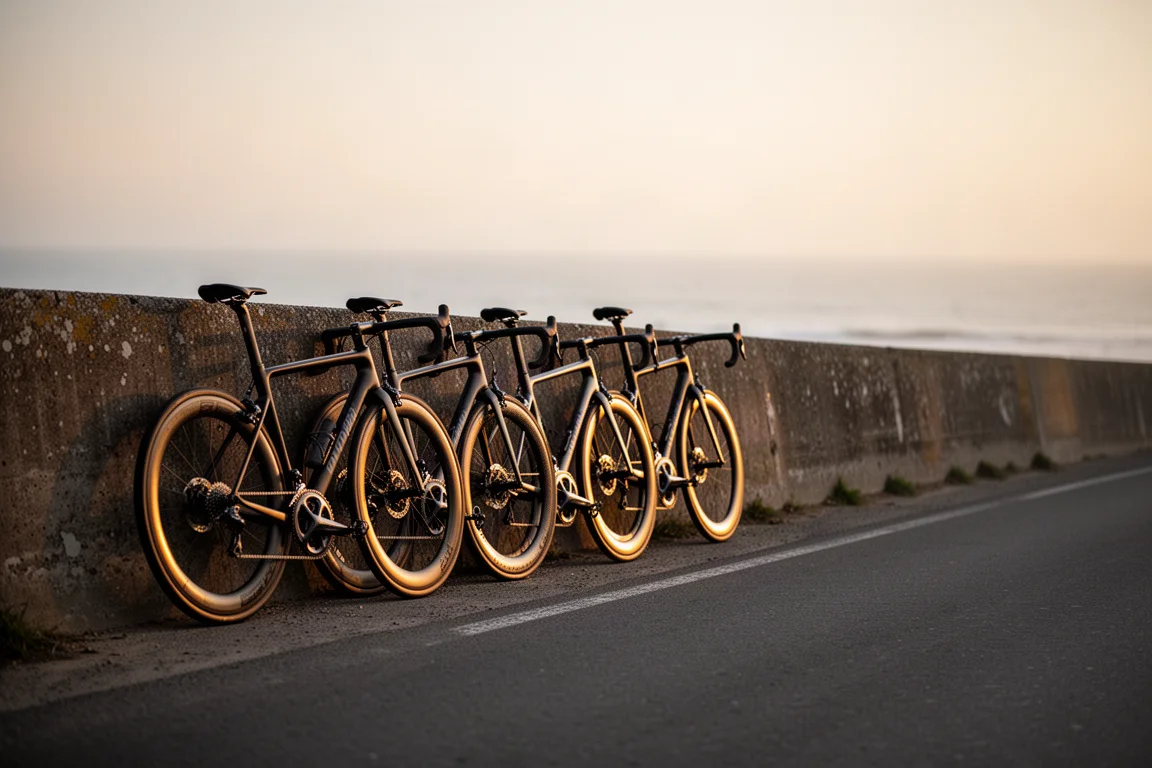
The four winners below stand out because each one resolves a different set of priorities. The notes that follow focus on the details that matter at the point of purchase: claimed weight, aerodynamic gains, ride quality, handling character, and price positioning within the group.
How These Race Bikes Were Assessed
Every bike in the group was ridden over the same mix of terrain, from short steep climbs to flat, exposed roads and fast, technical descents. Four qualities carried the most weight.
Weight and climbing response matter most where the road pitches up, but they also affect how quickly a bike accelerates out of a corner. Aerodynamic efficiency was judged at realistic road speeds rather than in isolation, since the rider accounts for the majority of total drag. Handling was assessed on composure as much as speed, with bikes that respond quickly but predictably scoring better than those that feel nervous. Ride quality covered vibration damping and how the frame, wheels, and tyres work together over coarse tarmac.
Value was considered separately, because the price of entry varies enormously across this category.
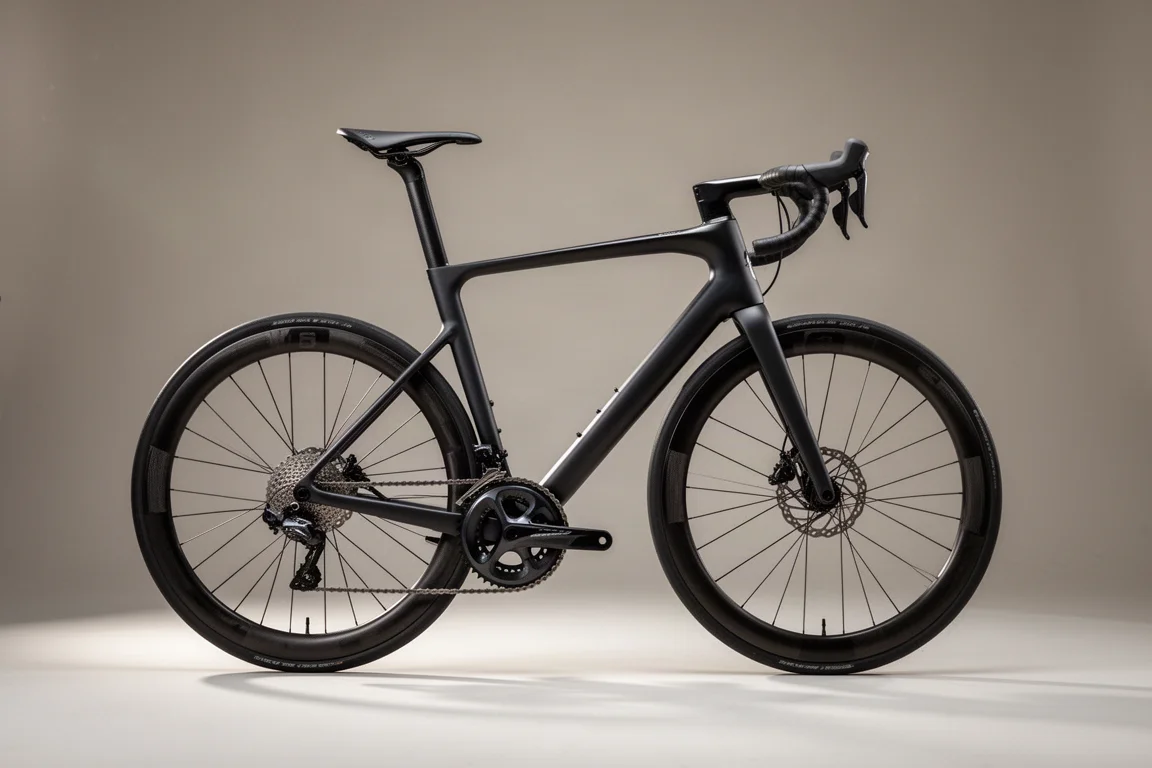
Best Climbing Bike: Cannondale SuperSix Evo
The Cannondale SuperSix Evo takes the climbing category on the strength of its claimed frame weight. A painted 56 cm frame is claimed at 770 g, the lightest in the group. That low mass is paired with 50 mm deep wheels, a combination that makes the bike very quick to accelerate and helps it hold speed once it is up to pace.
Aerodynamics were not ignored. The latest generation is an evolution rather than a revolution, carrying over aero tweaks claimed to save 11 watts over the previous version. The geometry feels especially well suited to climbing out of the saddle, and on the way back down the bike feels poised and controlled, which makes it easier to push a little closer to the limit.
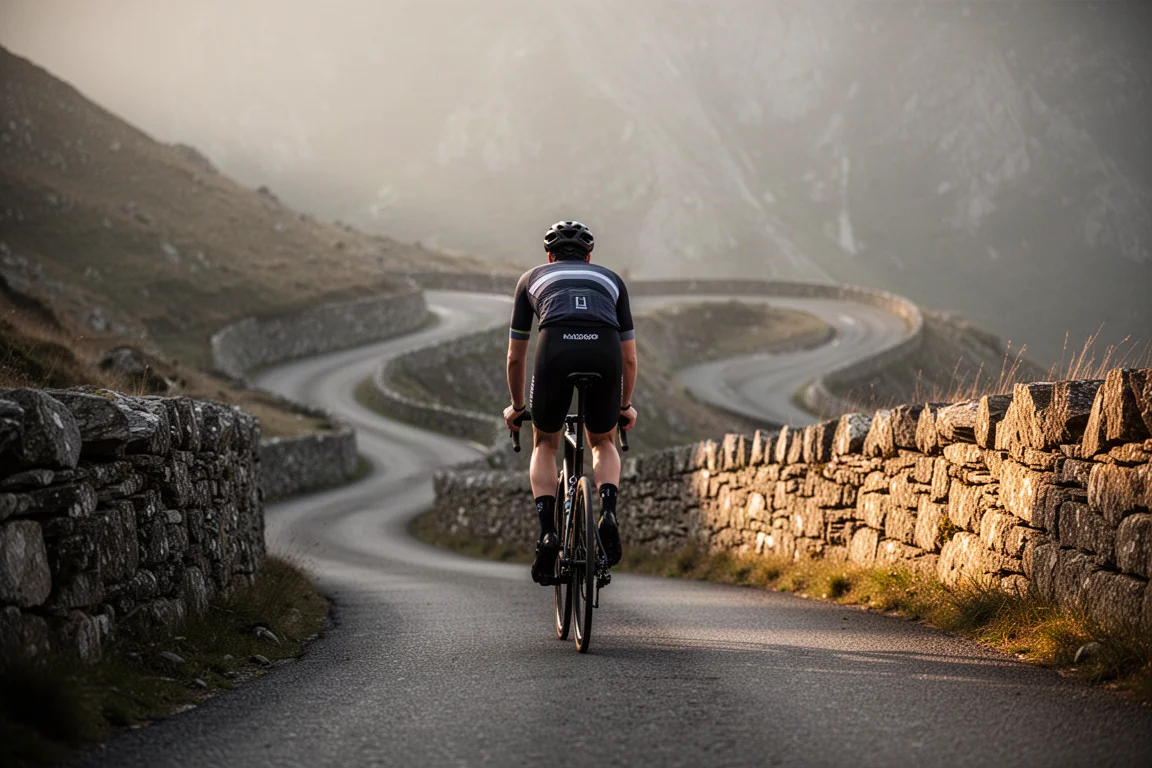
It is not the fastest bike in the group on flat roads, and it is not the most comfortable either, though it does damp vibration better than several others. Where it shines is on short, steep climbs where momentum and low weight decide the outcome.
The top specification sits among the most expensive bikes tested, though still below the £15,000 mark. The entry-level model is the fourth cheapest in the group, which makes the platform more accessible than the flagship price suggests.
Best Value Race Bike: Giant Propel
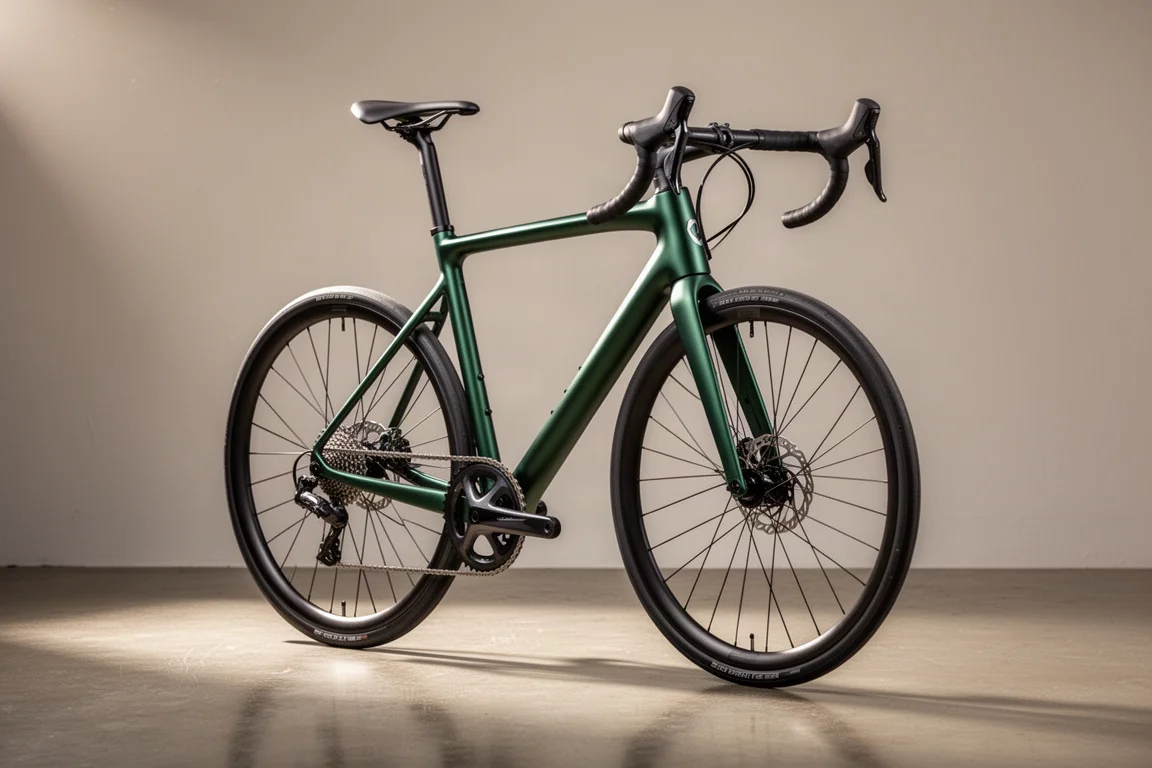
The Giant Propel wins the value category. Long regarded as a strong aero performer for the money, the latest version has softened into more of an all-rounder while keeping its aerodynamic character.
Slimmer tube shapes are claimed to make it 6.2 watts faster at 40 km/h than the previous model, and it feels genuinely quick on flat, open roads. Shallower 50 mm wheels and slimmer tubes also keep it stable in crosswinds, and the combination of tyres mounted on wider rims with a calmer front end means it is less jarring over rough surfaces than some rivals.
Weight is competitive too. In top specification with a fixed seat post, the frame is claimed at 845 g, the second lightest aero bike in the group. Handling, comfort, and straight-line speed are all strong, though the overall winner edges it out in each of those areas.
Where the Propel separates itself is price. Its entry-level model is the only bike in the group to start below £3,000, which makes it the most sensible route into modern aero design for most riders.
Best Aero Bike: Trek Madone
The Trek Madone takes the aero category. Since the rider accounts for roughly 80 percent of the aerodynamic drag a cyclist has to overcome and the bike for the remaining 20 percent, the design brief here is about making that final fifth as small as possible.
A major update addressed earlier criticisms. The frame shed around 300 g by dropping the previous vibration-damping system, a seat tube cutout was added to help preserve ride quality, and new tube shapes and a redesigned handlebar are claimed to save about 60 seconds over an hour of riding.
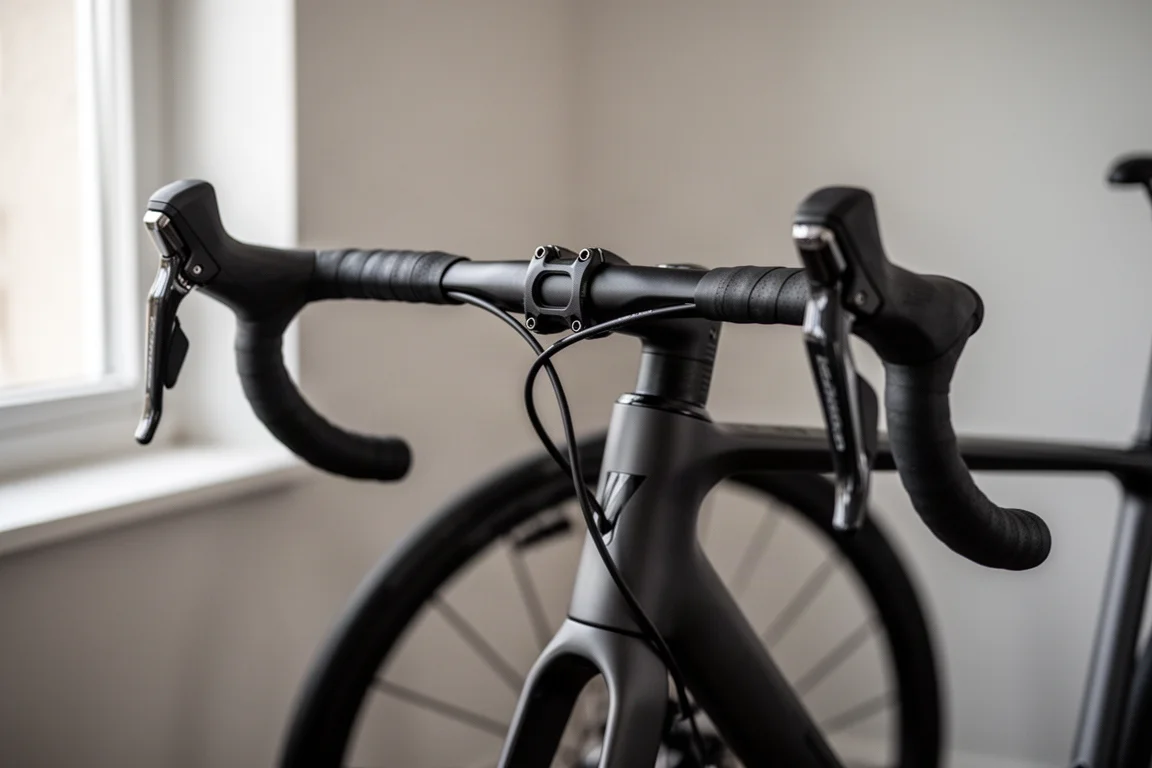
That handlebar is the most distinctive part of the package. On a 54 cm frame it measures 42 cm at the drops but narrows to 39 cm at the hoods, which supports a more aerodynamic position without compromising the stance used when descending. On the smallest 47 cm frame the bars measure just 35 cm at the hoods, a useful detail for smaller riders, and the three smallest sizes also come with a wider saddle.
Comfort is decent but not a standout, and the handling is the most divisive aspect. It responds to the smallest shift in weight and the tiniest movement of the bars, which makes it exceptionally quick but noticeably twitchier than everything else in the group. Riders who want a more controlled feel may prefer a different platform.
Pricing is on the exclusive side. The top model is the second most expensive bike tested and the entry-level model the third most expensive.
Best Overall Race Bike: Cervélo S5
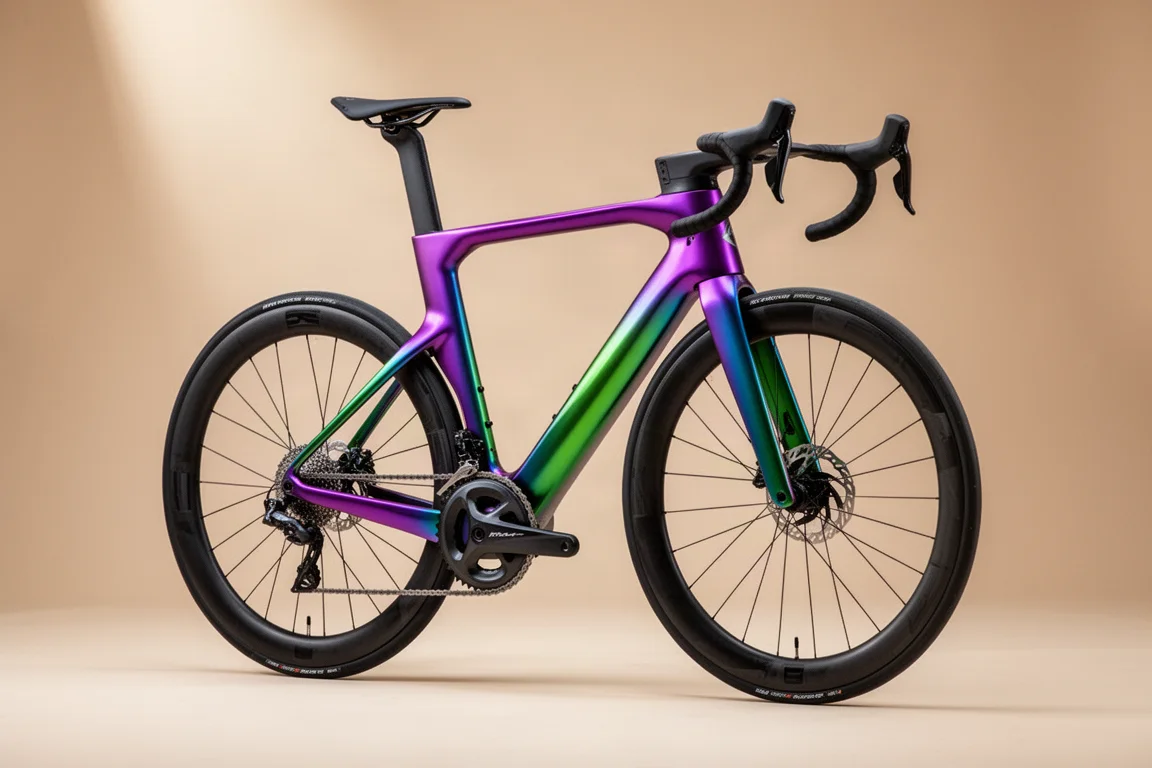
The Cervélo S5 takes the overall race bike of the year award on the strength of its balance. It changes line quickly without ever feeling nervous, which makes it easy to take corners tighter and faster with confidence that the limit will not arrive unexpectedly.
The wheel and tyre package plays a significant part. Internal rim widths of 25 mm at the front and 24 mm at the rear stretch 28 mm tyres out to roughly 31 mm, giving the tyre shoulders a gentler slope than anything else in the group. The result is a larger contact patch, more grip, and a more progressive feel when the bike is loaded up and banked hard into a corner.
That same setup gives the S5 the best ride quality of the bikes tested, even against models with flexing seat posts. Coarse tarmac is absorbed rather than deflected, and the bike stays planted where others skip about.
The trade-off is weight. At 8.22 kg in this build the S5 is heavier than comparable bikes in the group, and the gains it makes in aerodynamics and rolling resistance are what offset that mass. Handling and comfort are where it wins, and as a complete package it is the most rounded race bike of the group.
Buying Advice: Matching the Bike to Your Riding
The four winners suit different riders rather than ranking one above another in every situation. If your riding is built around steep climbs and repeated accelerations, the lightest platform here is the obvious starting point. If most of your miles are covered on flat and rolling roads, an aero bike will return more for the same effort.
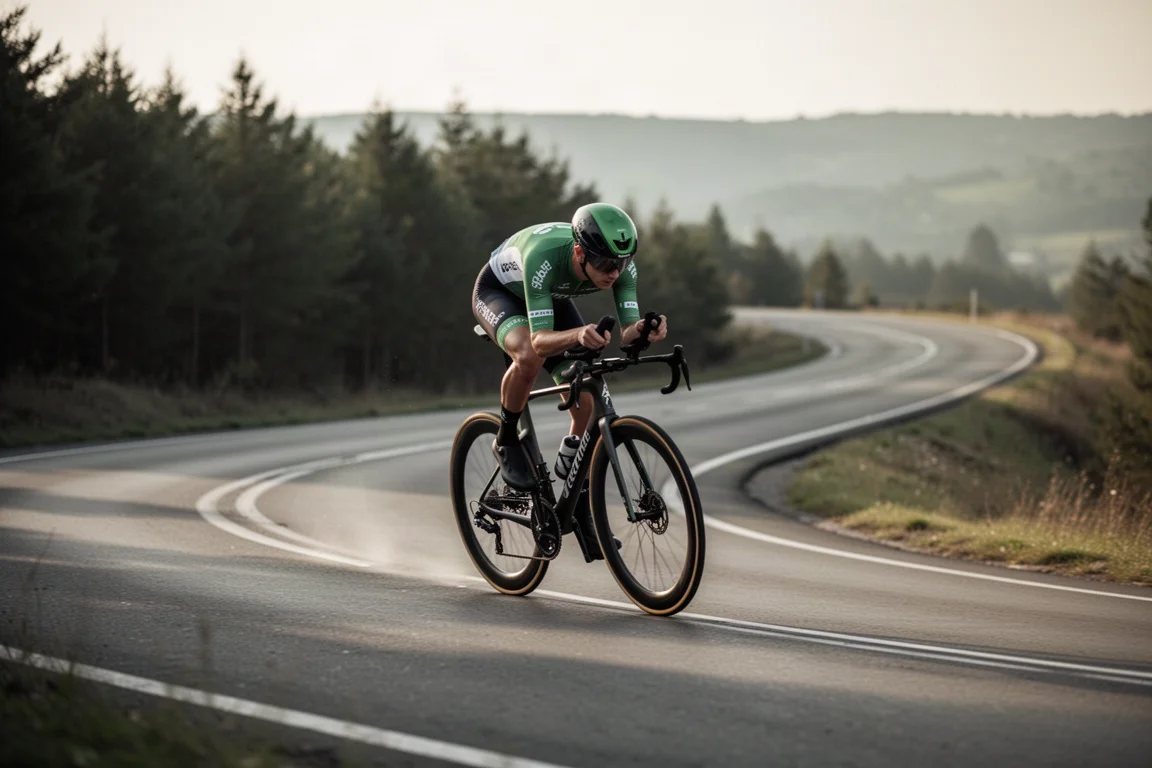
Budget changes the calculation. The value winner is the only bike in this group with an entry price below £3,000, and it still carries the aerodynamic and weight improvements of the latest generation, which makes it the most straightforward recommendation for most buyers. The climbing and aero category winners sit at the other end, with flagship builds that rank among the most expensive tested.
Handling preference deserves as much attention as the specification sheet. One of these bikes is deliberately sharper than the rest, and that character is either the reason to buy it or the reason to look elsewhere. Riding position and bar width matter too, particularly for smaller riders, where narrower hoods and a wider saddle make a real difference to comfort over long distances.
Ride quality is the last piece. Frames that flex, wide rims, and generous tyre volumes all contribute, and a bike that absorbs rough tarmac well will feel faster over a long day than its weight alone suggests.
Conclusion
Four bikes, four different answers. The Cannondale SuperSix Evo is the lightest and the sharpest climber. The Giant Propel delivers the strongest combination of performance and price. The Trek Madone is the fastest in a straight line and the most aggressive to steer. The Cervélo S5 is the most complete package, pairing confident handling with the best ride quality in the group.
Start with the terrain you ride most and the budget you can justify, then choose the character that matches. Any of these four will reward a rider who picks it for the right reasons.
Further reading
Related Reviews
Road Bikes
10 New Road Bikes Worth Watching: Aero, Titanium, Steel and Endurance Standouts
A practical roundup of 10 new road bikes, from aero flagships chasing single-watt gains to titanium, steel and endurance platforms built for real roads.
Road Bikes
2026 Tour de France Road Bikes: Six Race Machines Worth a Closer Look
Six race bikes from the 2026 Tour de France grid, reviewed for paint, silhouette, wheels and the specification details that matter to buyers.
Road Bikes
3T Strada Italia Review: A Radical Aero Road Bike That Rides Smooth
A made in Italy carbon aero road bike with a deep head tube, wide tire clearance and a genuinely comfortable ride. Here is what to know before buying.