Road Bikes
Best Premium Aluminum Road Race Bikes: Trek Emonda ALR, Specialized Allez Sprint and Cannondale CAAD13
Trek Emonda ALR, Specialized Allez Sprint and Cannondale CAAD13 compared on weight, geometry, tire clearance, build options and price.
Introduction
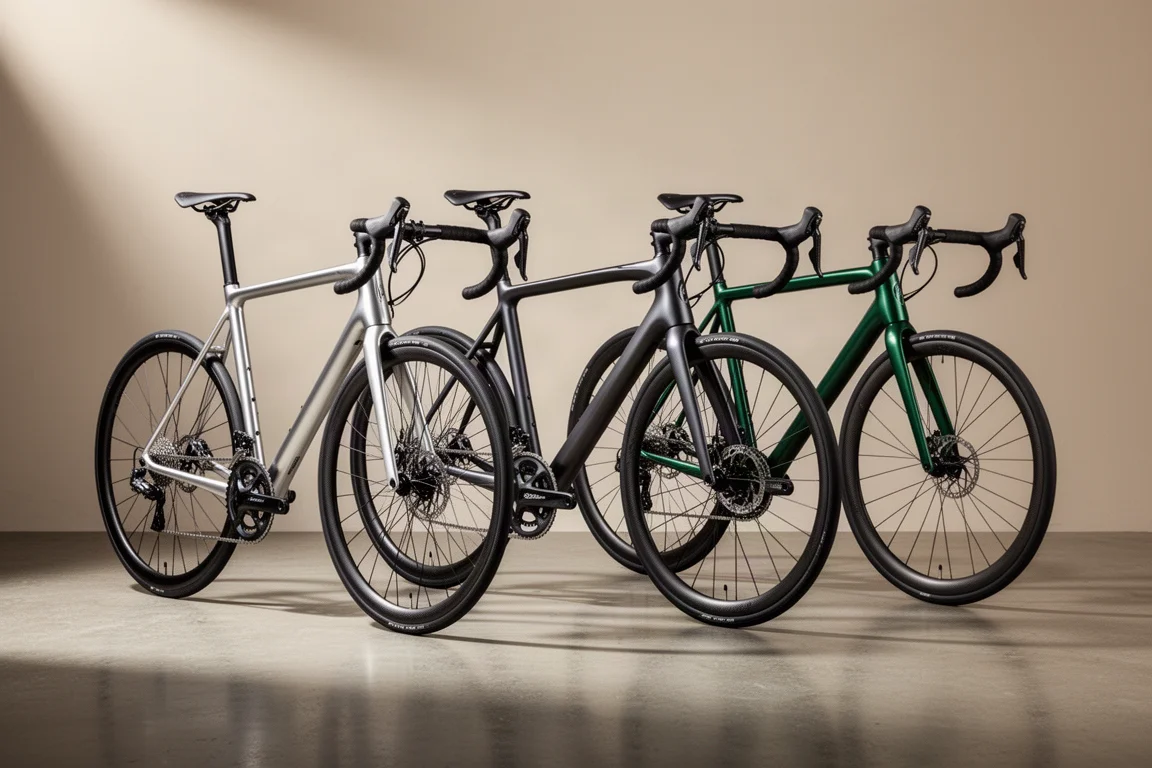
Aluminum race bikes hold a specific place in the road market: stiff, durable frames built for criteriums and fast group rides, priced well below their carbon counterparts. Three models define that space at the moment, and the newest of them has just landed.
The Trek Emonda ALR is the fresh arrival, an aluminum take on the Emonda positioned as the highest-value road race bike in the Trek range. It goes up against the Specialized Allez Sprint, which adopted its geometry from the Tarmac SL7 in its most recent update, and the Cannondale CAAD13, the long-running benchmark of premium aluminum with a genuine cult following.
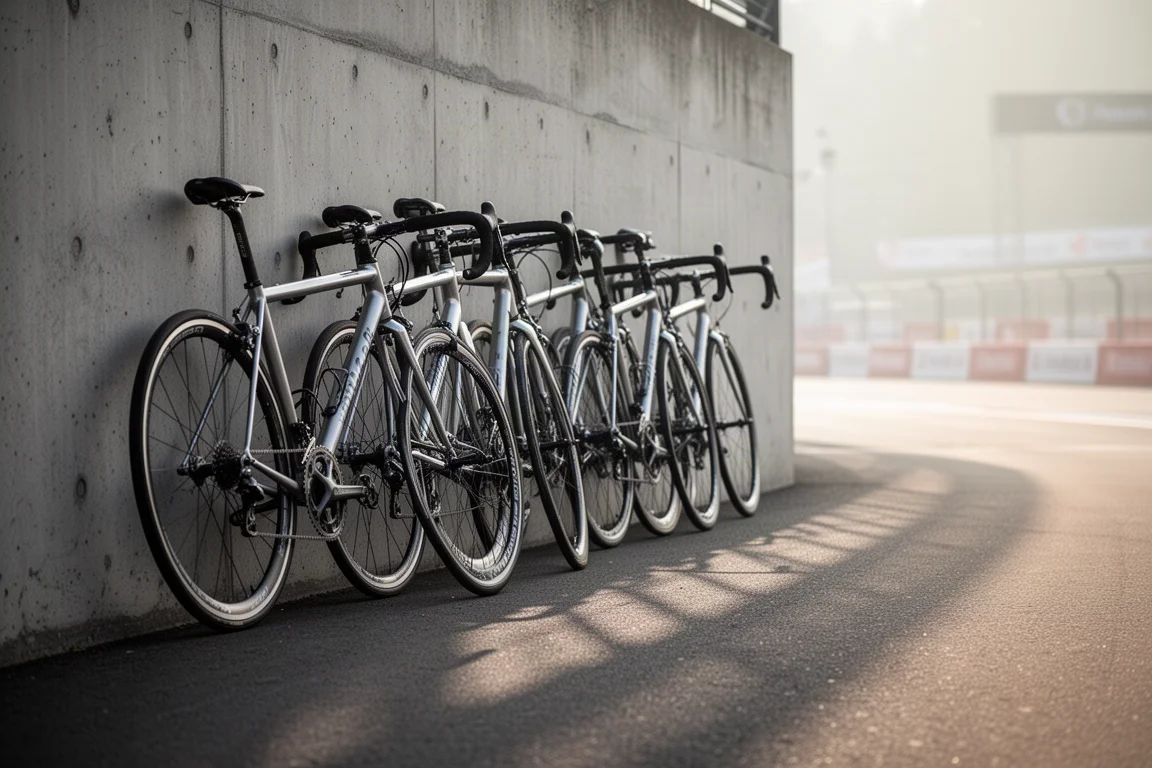
This comparison looks at the details that matter when you are actually racing: frameset weight, geometry, tire clearance, cockpit integration and the builds each brand offers. All three are capable bikes, and the newest one also carries two compromises worth understanding before you spend anything.
How These Three Bikes Compare
All three sit in the same premium aluminum race category. The differences come down to weight, fit and price rather than philosophy.
Trek claims 1,667 grams for the new Emonda ALR frameset, against 1,910 grams for the outgoing version, a saving of roughly 250 grams. That looks significant on paper, though the complete builds tell a quieter story: the Emonda ALR 5 with mechanical Shimano 105 is only around 40 grams lighter than before, on a bike that totals about 9 kilograms.
The Allez Sprint is the opposite case. Specialized claims its Shimano 105 mechanical build comes in roughly half a kilogram lighter than the Emonda, which makes it the lighter complete bike of the two. Cannondale has not published a claimed weight for the CAAD13 Disc 105 build, so a direct weight comparison with the other two is not possible.
Price is the other dividing line. The Emonda ALR comes in around £500 to £575 cheaper than the Allez Sprint.
Trek Emonda ALR
The new Emonda ALR is the most significant update of the three, and most of the changes are structural rather than cosmetic.
Trek has replaced the press-fit bottom bracket with a threaded T47 unit, a change that simplifies maintenance and creak troubleshooting. The frame is claimed to be the lightest Emonda ALR yet at 1,667 grams for the frameset, and the tubing has been reshaped with new aero profiles and a newly integrated stem for a cleaner, more purposeful silhouette.
Geometry is the other headline change. Where the previous Emonda ALR used Trek’s H2 fit, the new frame moves to H1.5, which sits between the H2 geometry of the carbon Emonda SL and the H1 fit of the race-ready Emonda SLR. Depending on frame size, that means a head tube roughly 1.9 centimeters lower, producing a more direct front end and a rider position that is a little more aerodynamic.
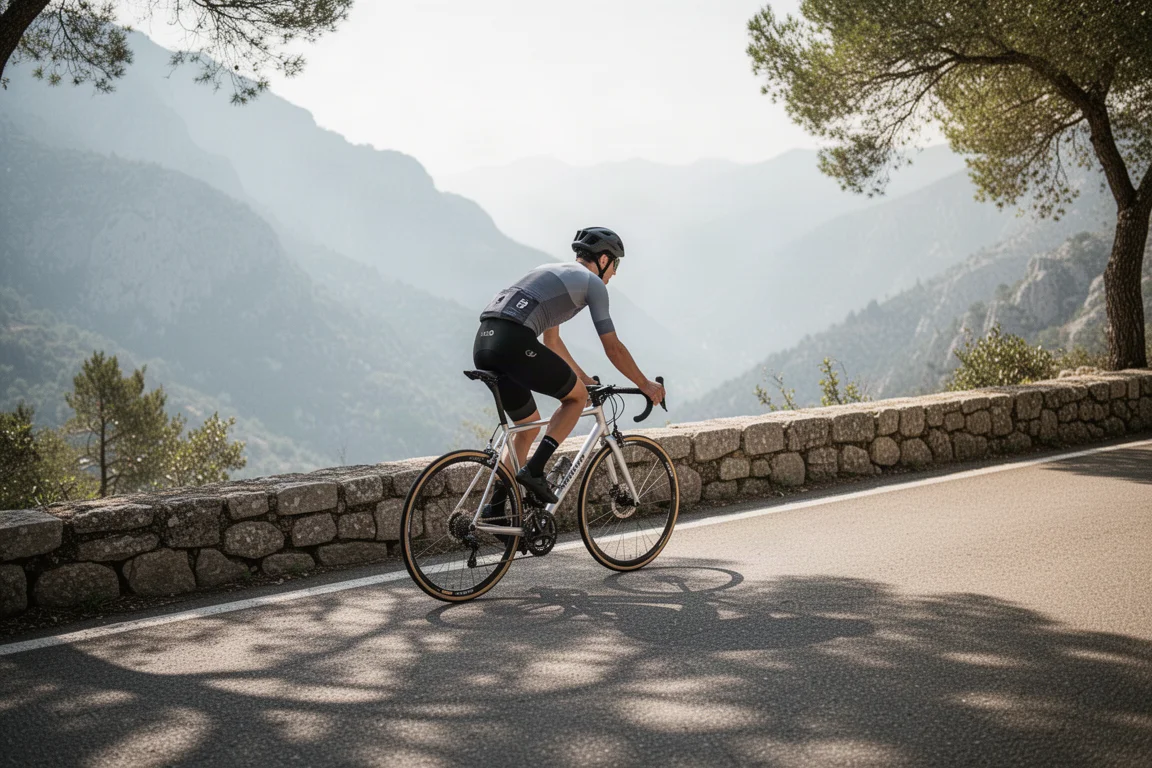
Two compromises are worth flagging. Tire clearance tops out at 28c, at a time when racers commonly run anything from 25c to 30c, so there is little room to go wider. Build options are also limited to mechanical Shimano 105, Shimano 105 Di2 and a frameset, with nothing in the UK below £2,325 and the frameset at £1,300. Riders who want a cheaper Trek road bike are pointed toward the endurance-focused Domane range rather than a more affordable race frame.
If your priority is a race-ready aluminum bike at the lowest entry point of the three, the Emonda ALR makes a strong case, as long as 28c tires and the available builds suit you.
Specialized Allez Sprint
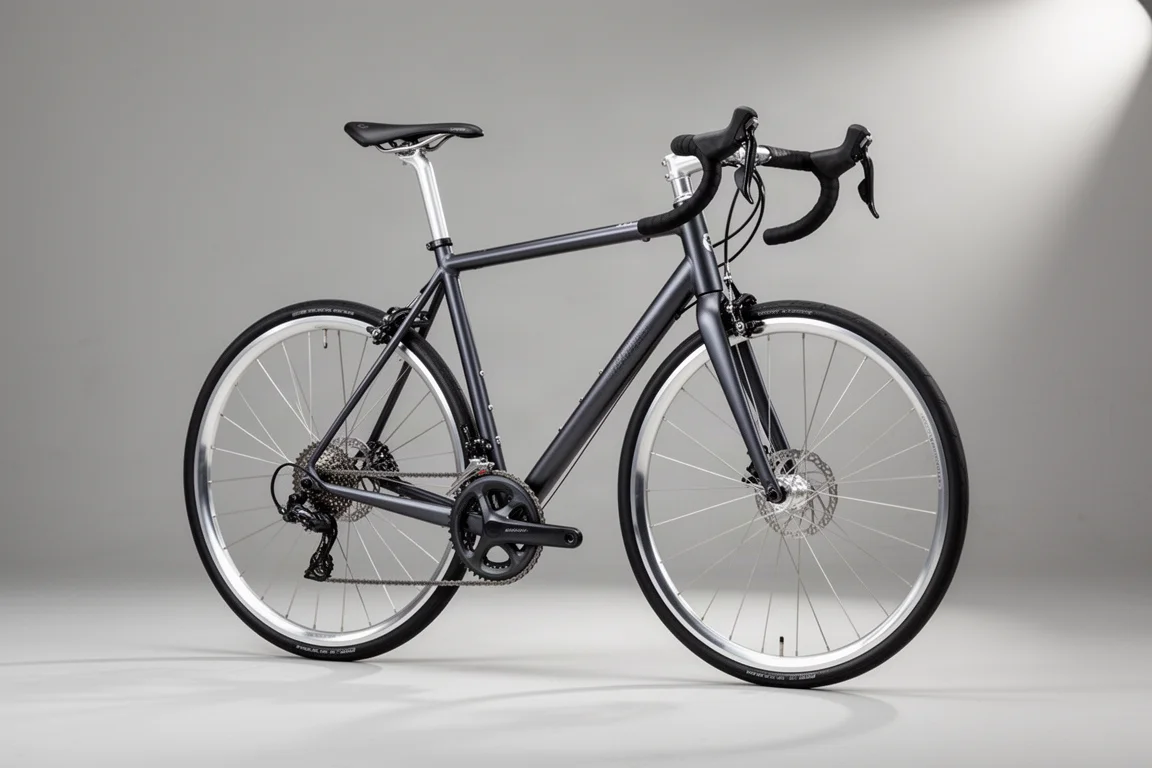
The Allez Sprint was the most recently updated of the three before the new Emonda arrived, and that update reshaped it around the Tarmac SL7.
Specialized carried over the Tarmac SL7 geometry wholesale, then worked on dropping weight, improving aerodynamics and increasing frame stiffness. The result is a claimed half a kilogram weight advantage over the Emonda in the equivalent Shimano 105 mechanical build, which is a meaningful gap for a race bike.
The aero focus shows in the details. The Allez Sprint runs an aero carbon seatpost instead of the standard 27.2 millimeter unit found on the Emonda, and its geometry is very close to the new Emonda apart from a front end that sits about 6 millimeters lower, helping the rider get a little more aerodynamic. The same effect can be achieved on the Emonda with a greater negative drop stem, so the difference is tunable rather than fundamental.
The trade-off is price and finish. The Allez Sprint costs around £500 to £575 more than the Emonda, and its welds are more visually prominent and more divisive than the smoother junctions on the Trek. Specialized also does not offer a Shimano 105 Di2 build, which looks like a deliberate choice: following the same price structure, such a build would land somewhere around £3,600 to £3,700.
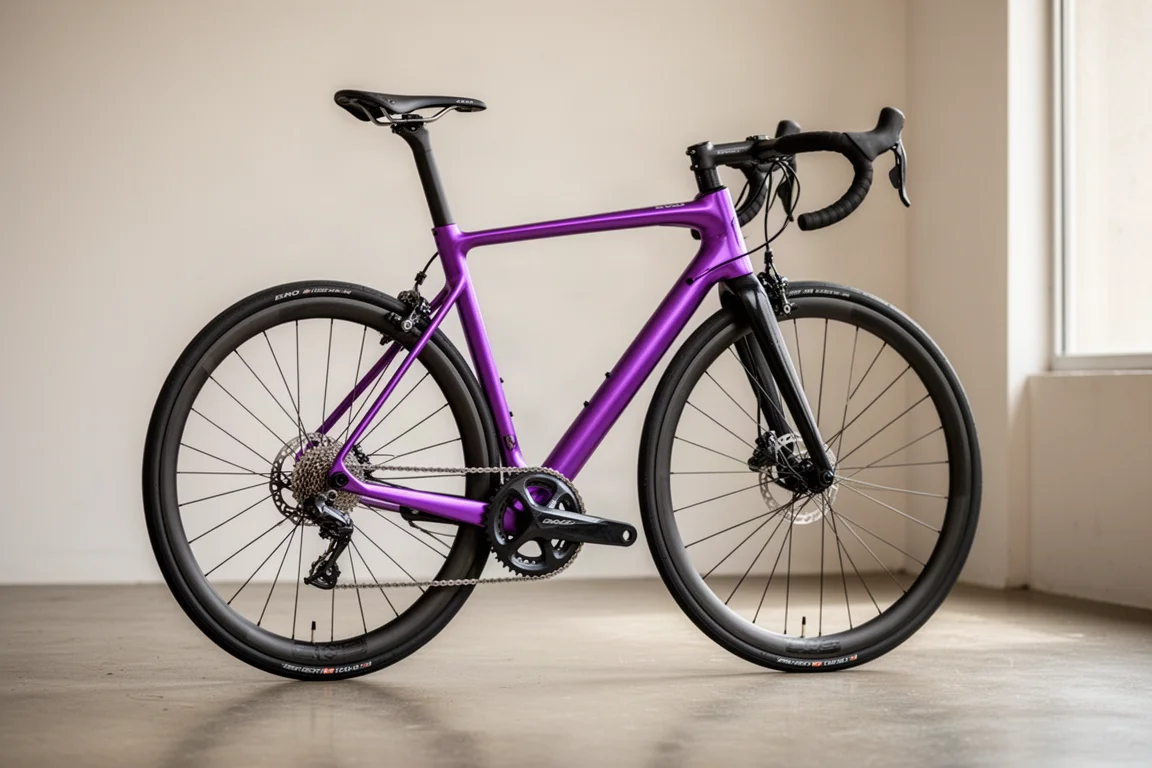
Cannondale CAAD13
The CAAD13 is the original premium aluminum race bike, and it has been through more iterations than either of its rivals, which is a large part of why it has such a devoted following.
It remains competitive on price with the newer bikes, and the frame itself has not been left behind on performance. The clearest area where it shows its age is the cockpit: there is no integrated setup here, so the front end lacks the cleaner cable routing and sculpted look of the Emonda ALR and the Allez Sprint.
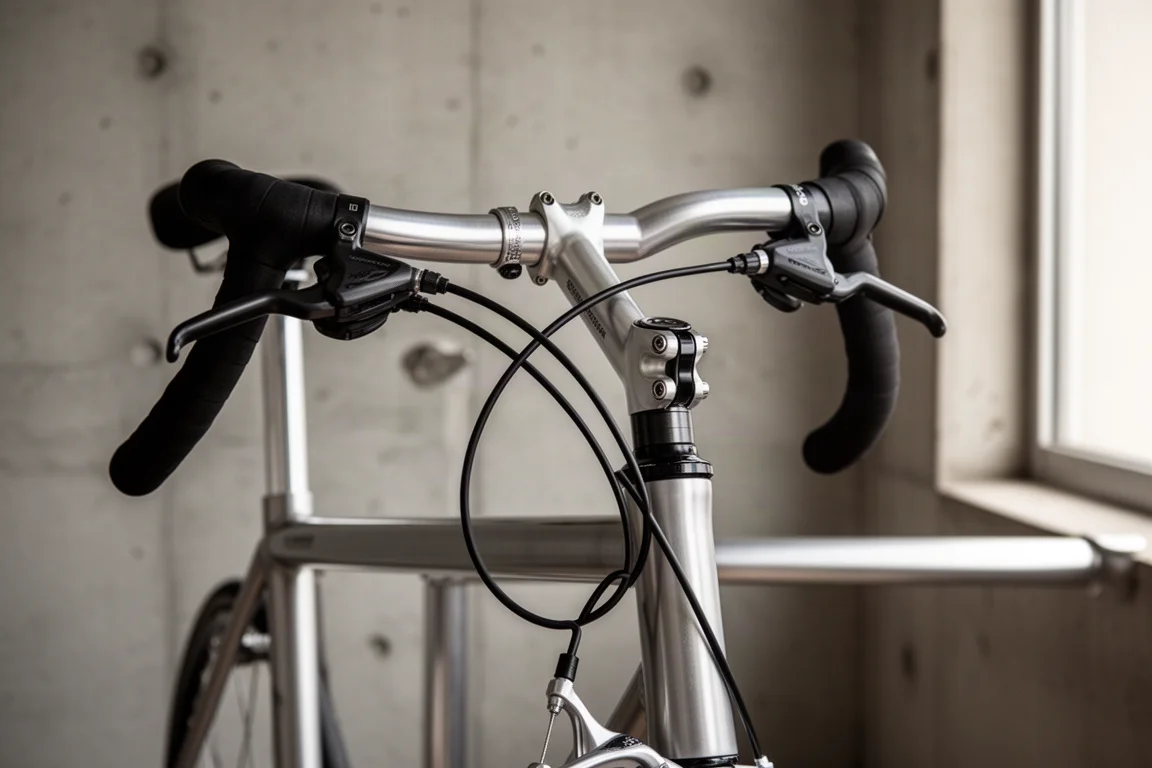
Cannondale has not published a claimed weight for the CAAD13 Disc 105 build, which makes a straight comparison with the other two difficult. Just as importantly, the CAAD13 is no longer sold as a frameset, so riders who want to build up their own bike have to look elsewhere. That is likely a factor in why the CAAD13 appears less often in junior road racing fields, where the Allez Sprint has become a common sight despite costing more.
None of that makes it a bad bike. It is a proven platform with a long track record, and for riders who want a complete, well-established aluminum race bike rather than a project build, it still holds up.
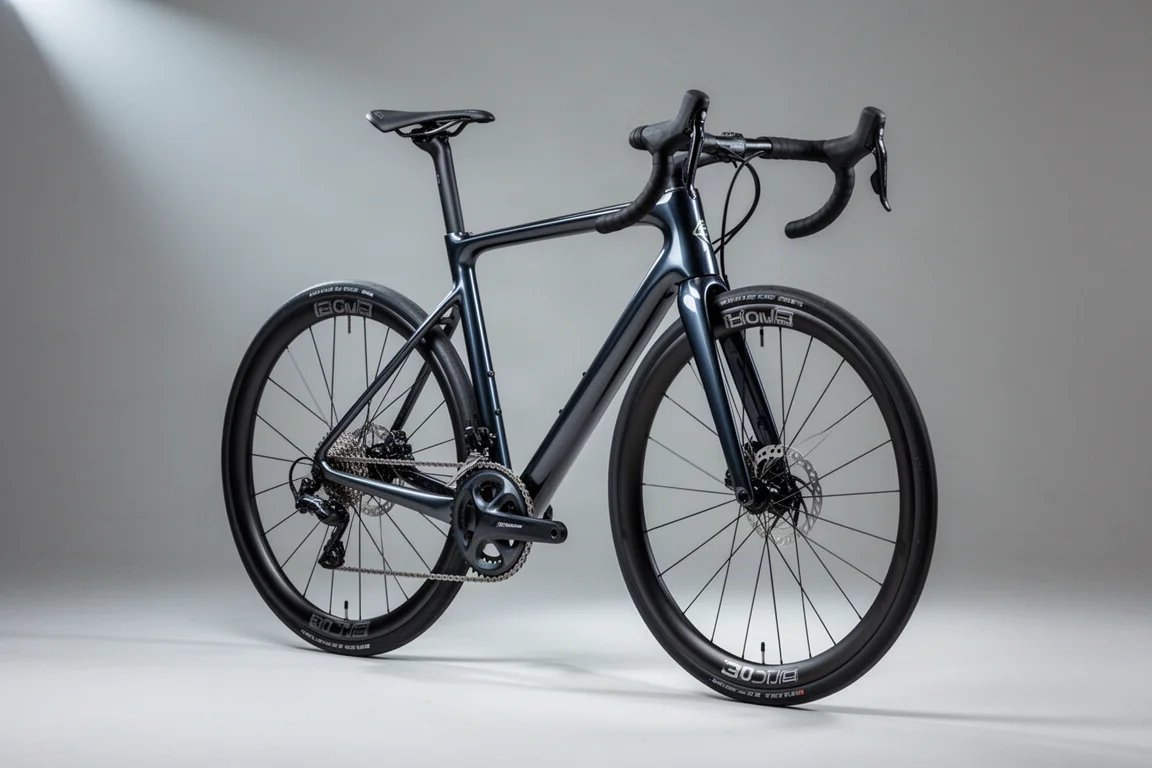
Aluminum or Carbon at This Price?
At this price point, carbon alternatives are always part of the conversation. Bikes such as the Vitus Zenium and the Giant Defy Advanced 2 both come with a Shimano 105 groupset for similar money, and that comparison is a fair one to make.
Weight is not automatically the reason to switch. The Giant Defy is claimed to be around 100 grams heavier than the Emonda in the same specification, so moving to carbon does not guarantee a lighter bike. If the appeal is ride feel, carbon may have an edge, but that is a preference rather than a rule.
There is also a case for staying with aluminum at this level. A top-end aluminum frame is generally stiffer than value carbon, will last a long time if it is kept clean, can be lighter in some cases, and will not shatter into fragments in a crash. Manufacturing quality control can also be better on a well-made aluminum frame than on a carbon frame built to a tight budget.
Which One Should You Buy?
Picking a winner from these three is genuinely close, because all of them are trying to be a budget race bike and each succeeds in a slightly different way.
On paper, the Emonda ALR takes the edge. It may be around half a kilogram heavier than the Allez Sprint as a complete build, but it is roughly £500 cheaper, and putting that saving toward a fast set of wheels would more than offset the extra weight. For riders who want to race without spending carbon money, that combination is hard to argue with.
The Allez Sprint is the choice for riders who want the lighter claimed build, the aero carbon seatpost and the lower front end, and who are willing to pay the premium for them. The CAAD13 remains a very good bike, but the absence of a frameset option makes it harder for the custom-build market to adopt, which is a real limitation for riders who like to spec their own components.
If your budget is tighter and a race-focused geometry is not essential, Trek’s endurance-oriented Domane range is the natural place to look instead. If you want the sharpest handling of the three and can live with 28c tires, the Emonda ALR is the one to shortlist first.
Conclusion
The premium aluminum race bike segment has never been short of strong options, and this trio shows why. The Trek Emonda ALR brings a lighter claimed frameset, a threaded bottom bracket and a more aggressive fit, but limits you to 28c tires and builds starting at £2,325 in the UK. The Specialized Allez Sprint offers a lighter complete build and a more aero front end for around £500 to £575 more. The Cannondale CAAD13 stays competitive on price and performance, held back mainly by its older cockpit design and the loss of its frameset option.
For most riders shopping in this space, the Emonda ALR’s combination of price and race-ready geometry is the most persuasive, with the Allez Sprint close behind for anyone who values low weight above all. Whichever you choose, a premium aluminum race frame is a durable, stiff and genuinely fast way to get to the start line without carbon-level spending.
Further reading
Related Reviews

Road Bikes
10 New Road Bikes Worth Watching: Aero, Titanium, Steel and Endurance Standouts
A practical roundup of 10 new road bikes, from aero flagships chasing single-watt gains to titanium, steel and endurance platforms built for real roads.
Road Bikes
2026 Tour de France Road Bikes: Six Race Machines Worth a Closer Look
Six race bikes from the 2026 Tour de France grid, reviewed for paint, silhouette, wheels and the specification details that matter to buyers.
Road Bikes
3T Strada Italia Review: A Radical Aero Road Bike That Rides Smooth
A made in Italy carbon aero road bike with a deep head tube, wide tire clearance and a genuinely comfortable ride. Here is what to know before buying.