Generators
Best Predator Generators to Buy Before the Next Storm: Seven Options Compared
From a 2,000-watt portable inverter to a 13,000-watt open-frame workhorse, a practical look at the Predator generator lineup and which model fits your needs.
Introduction
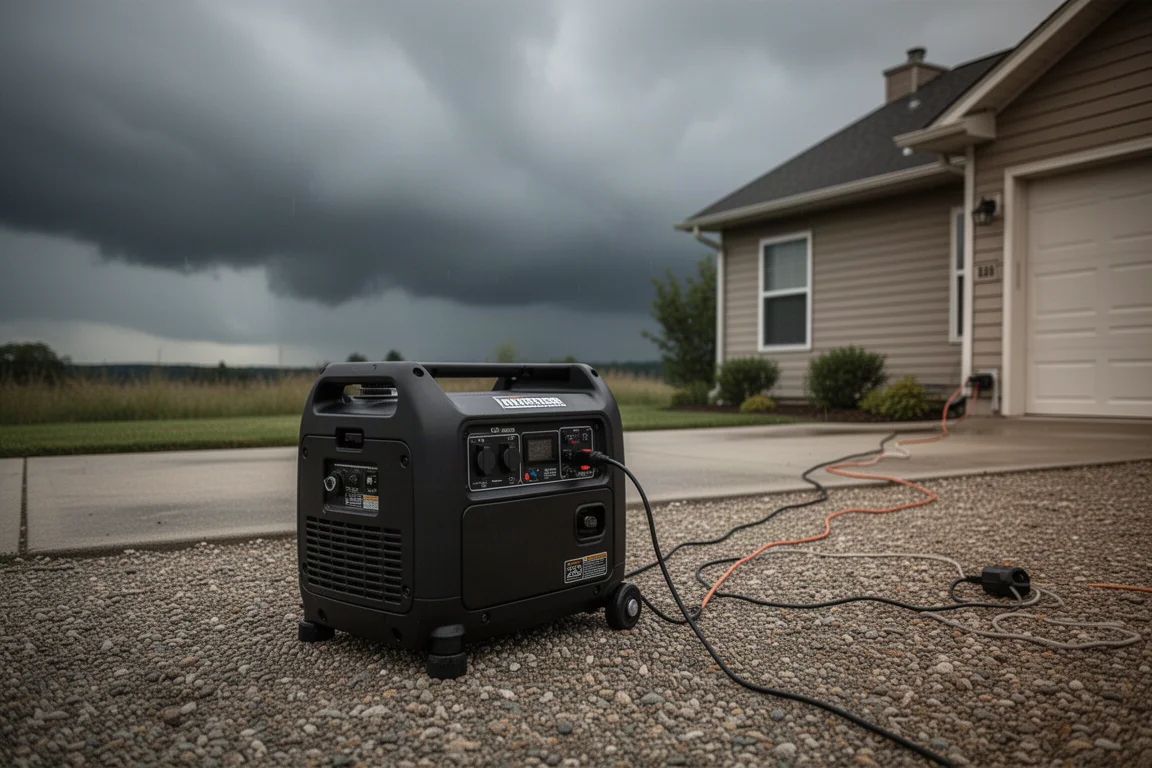
Every year the same story repeats: a big storm rolls through, people panic, and suddenly there is not a generator for sale anywhere near you. The lesson is simple. Generators are the tool you need before you need it. If you wait until the weather forecast turns ugly, you will pay full price, someone will price gouge, and you may be lucky to get one at all.
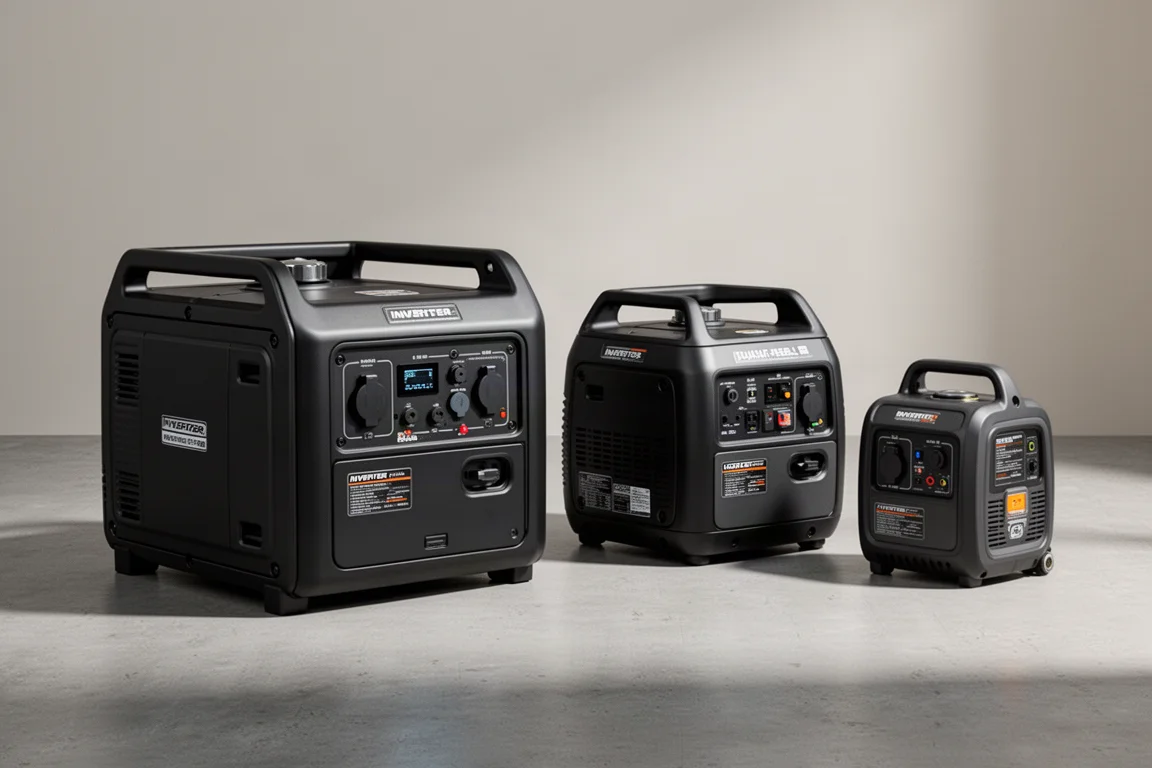
This guide breaks down the Predator generator lineup, from small portable inverters to a 13,000-watt open-frame brute, so you can match the right model to your home, RV, or budget. We have also included a few accessories that make a bigger difference than most people expect.
Why Inverter Generators Are Worth It
There are basically three types of generators to consider. The first, and the favorite of most RVers and food truck operators, is the fully enclosed super quiet inverter generator. The enclosure, along with internal foam, cuts sound dramatically, and the inverter electronics throttle the engine so it runs as quietly as an internal combustion generator can. These also carry the best convenience features, including remote start and eco modes.
The second reason to prefer an inverter is power quality. Inverter generators produce a pure sine wave rather than a stepped waveform. That stepped style is rough on electronics, and if you plan to run your phones, tablets, or a large TV during an outage, an inverter is the right choice. You will not get the most watts per dollar with an inverter, but you get quiet, clean power.
Predator 11500 Watt Tri-Fuel Inverter Generator
This is the newest model in the lineup, and it is the top of the heap: fully enclosed, super quiet, inverter-based, with remote start and CO safety shutoff. At a listed $2,200, a 20% discount brings it to $1,760, which is a remarkable price for a tri-fuel electric start inverter in this class.
The panel is where it earns its keep. You get a 50-amp 120/240V outlet, plus 240V options at 42-amp max and 30-amp, and a tri-fuel selector for gasoline, propane, and natural gas. Two of these units can be linked together for well over 20,000 watts of combined output. In a serious outage, this is enough to run your house and your neighbor’s house. The fully enclosed design includes built-in wheels and handles, and both EPA and CARB versions are offered.
Predator 9500 Watt Inverter Generator
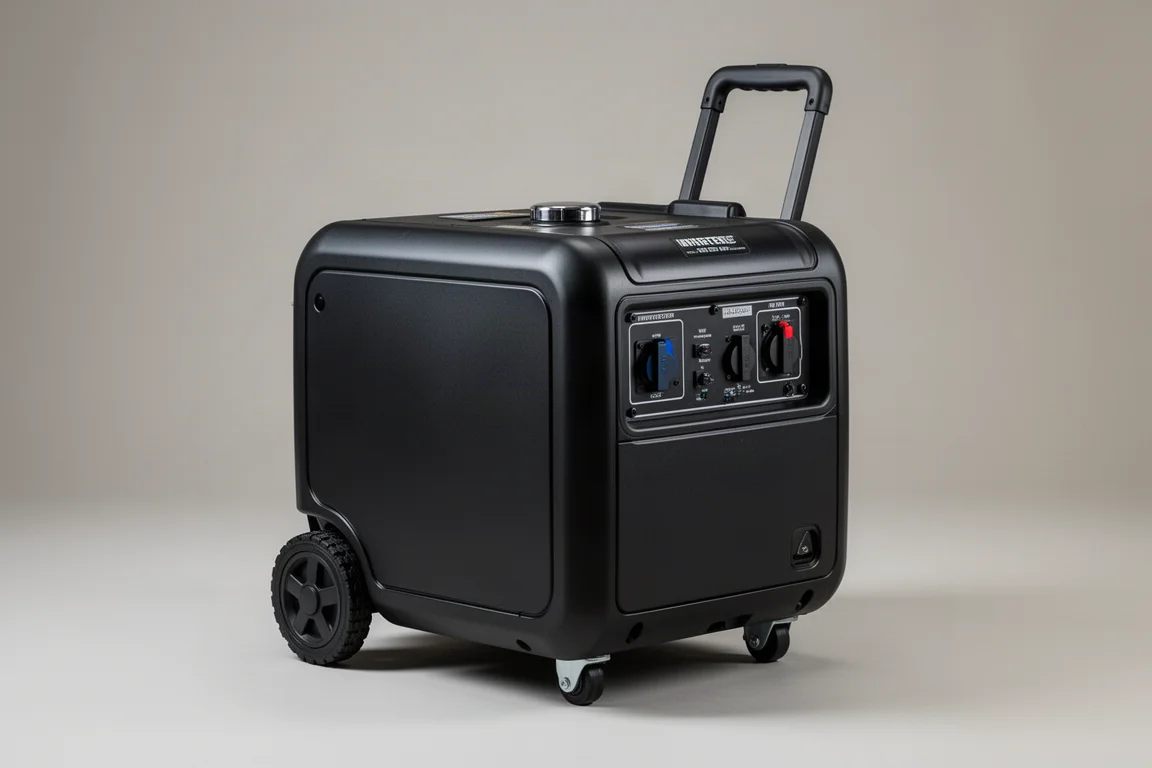
The 9,500-watt fully enclosed inverter is the model many families run as their main backup. Like its bigger sibling, it is gas powered with electric start, quiet enough for close quarters, and loaded with the features that make outages far less stressful.
It sits comfortably between the 5,000 and 11,500 in capability: more than enough for most homes, without the bulk of the largest enclosed unit. If you want one generator that quietly handles a whole house and you do not need tri-fuel flexibility, this is the sweet spot in the enclosed lineup.
Predator 5000 Watt Dual Fuel Inverter Generator
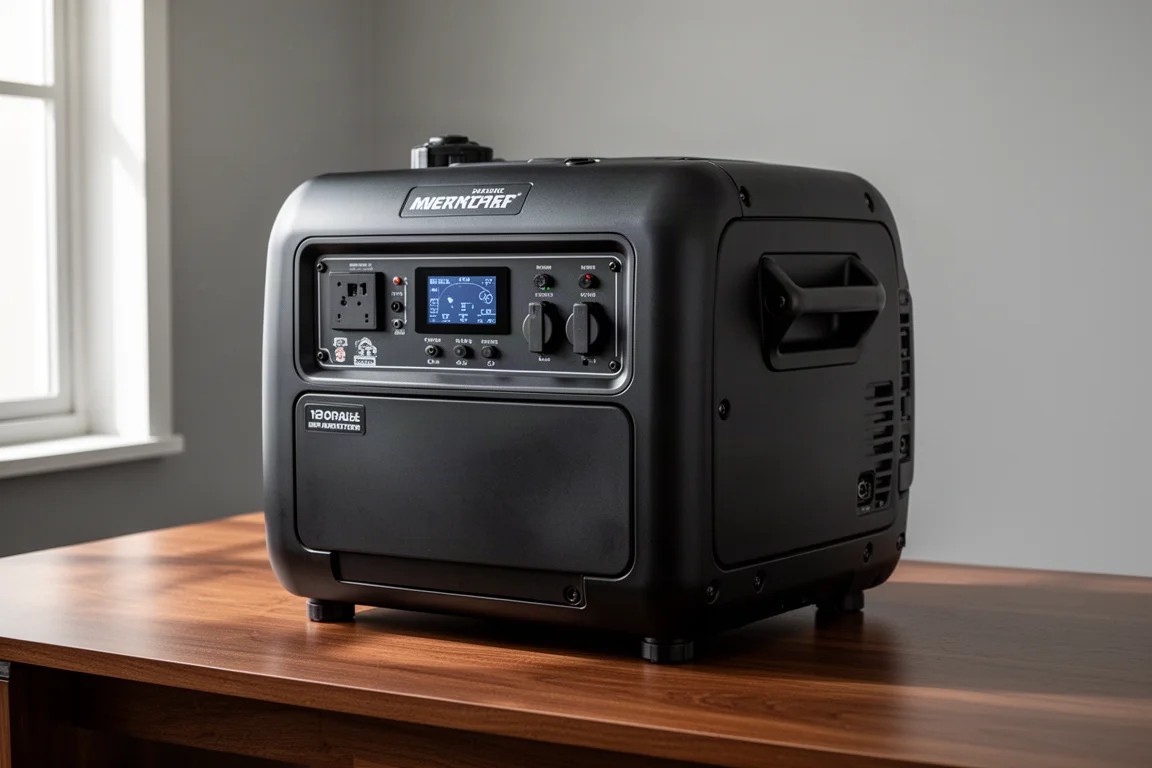
The 5,000-watt dual fuel model has become the RV standard, and it is easy to see why. Listed at $1,100, a 20% discount brings it to roughly $800. It delivers 5,000 max starting watts and 3,900 running watts on gasoline, dropping to 3,600 running watts on propane, so keep in mind that gas gives you the most power, followed by propane and then natural gas.
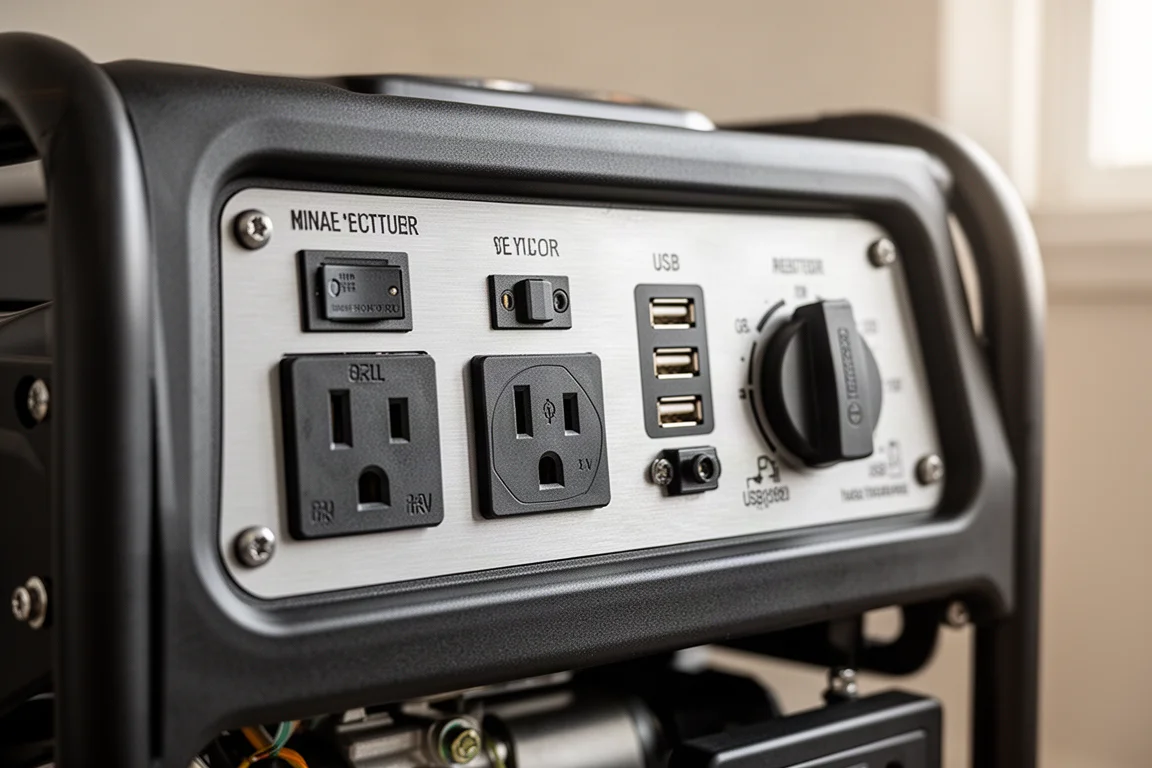
The panel includes two 120V household outlets, an RV outlet, a 12V outlet, a USB-C port, and a USB-A port. It also has electric start, a genuine quality-of-life upgrade, and remote start that turns out to be far more pleasant than many people expect.
One clever option: this unit supports parallel operation. Buy one now and add a second later, or buy two and only take one on a camping trip. It is a flexible setup worth thinking about.
Predator 3500 Watt Inverter Generator
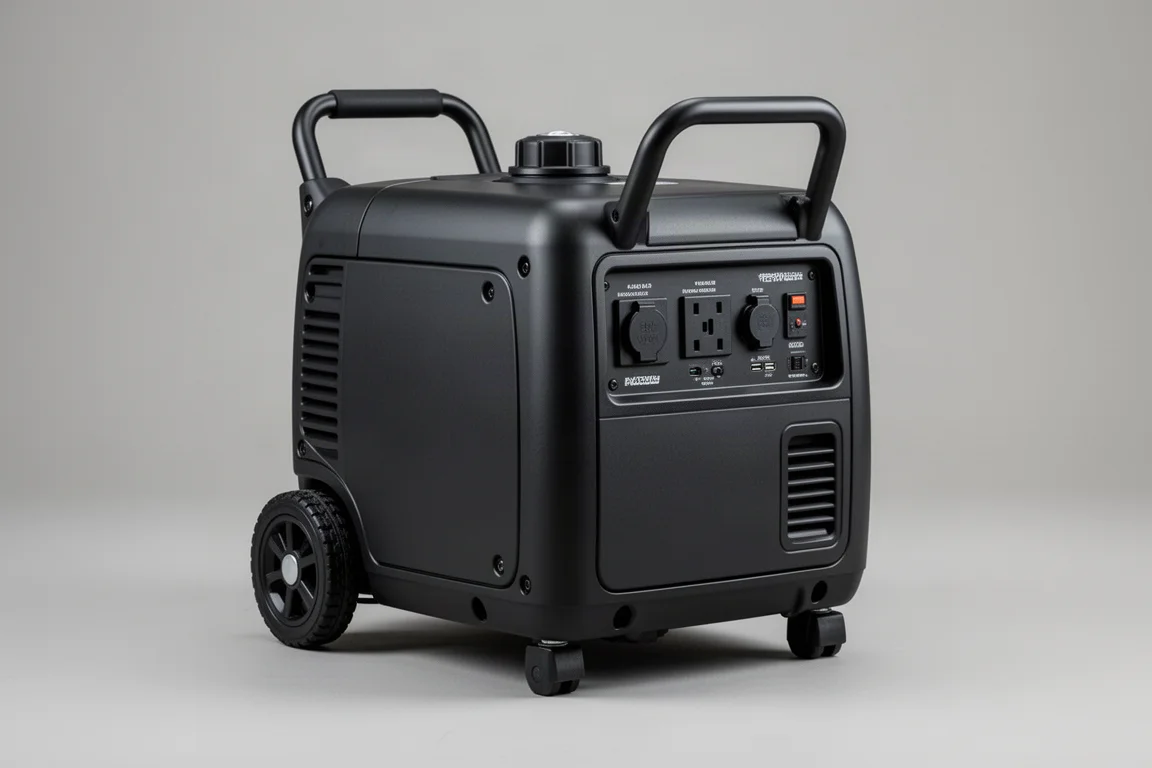
The 3,500-watt inverter is the old-school go-to for RV use, and it still earns that reputation. One full-time RVing couple who use one report it has saved them repeatedly on the road. It is fully enclosed, quiet, and portable enough to move around without drama.
For lighter RV needs, tailgating, or backing up a fridge and some essentials at home, it covers a lot of ground at a friendlier price than the 5,000. The 5,000 is the newer standard, but the 3,500 remains a very sensible choice.
Predator 2500 Watt Inverter Generator
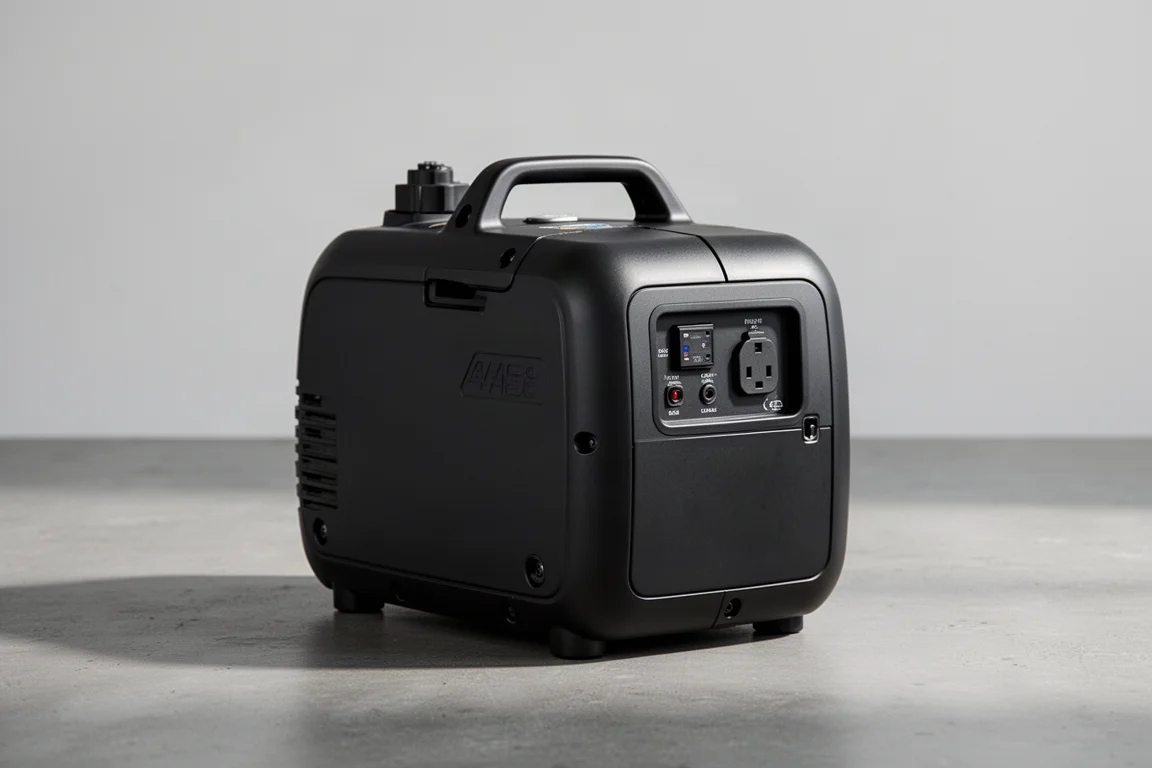
The 2,500-watt enclosed inverter is one of the small portable options, and its main appeal is the same as its siblings: it is about as quiet as a gas generator gets. It is also genuinely easy to move and store, which matters more than most buyers anticipate.
For campers, tailgaters, or anyone keeping phones, laptops, and lights alive through a short outage, it is a comfortable fit.
Predator 2000 Watt Inverter Generator
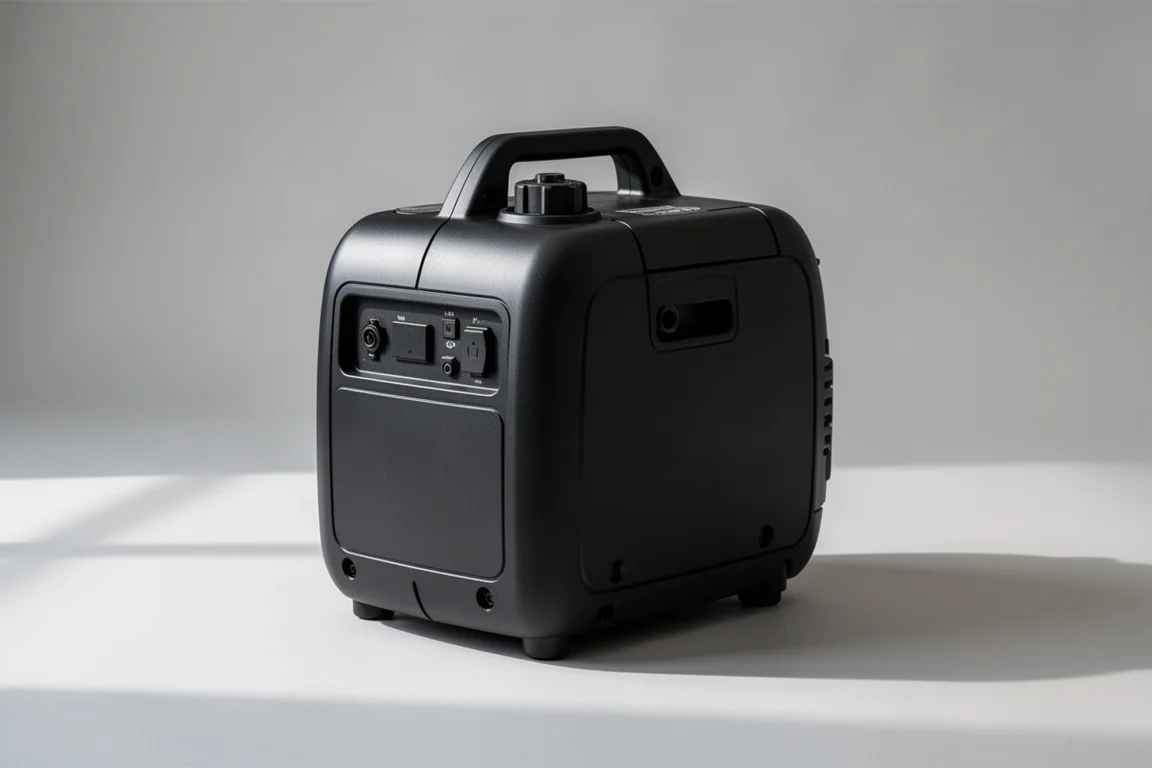
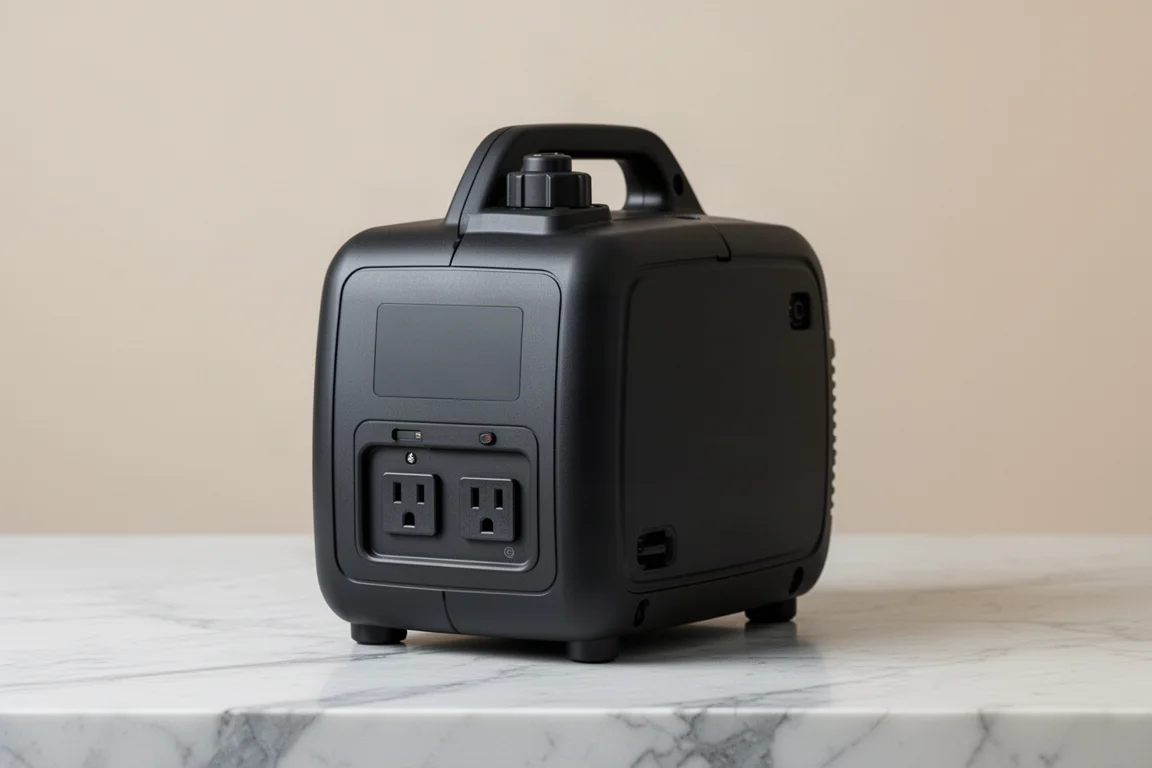
At the smallest end sits the 2,000-watt inverter, the classic compact choice. It produces clean pure sine wave power, which is exactly what you want for sensitive electronics, and it is the easiest of the enclosed units to carry and stow.
It will not run an air conditioner or a whole house, but for essential electronics and small devices, it is a simple, quiet solution.
Predator 13000 Watt Tri-Fuel Open Frame Generator
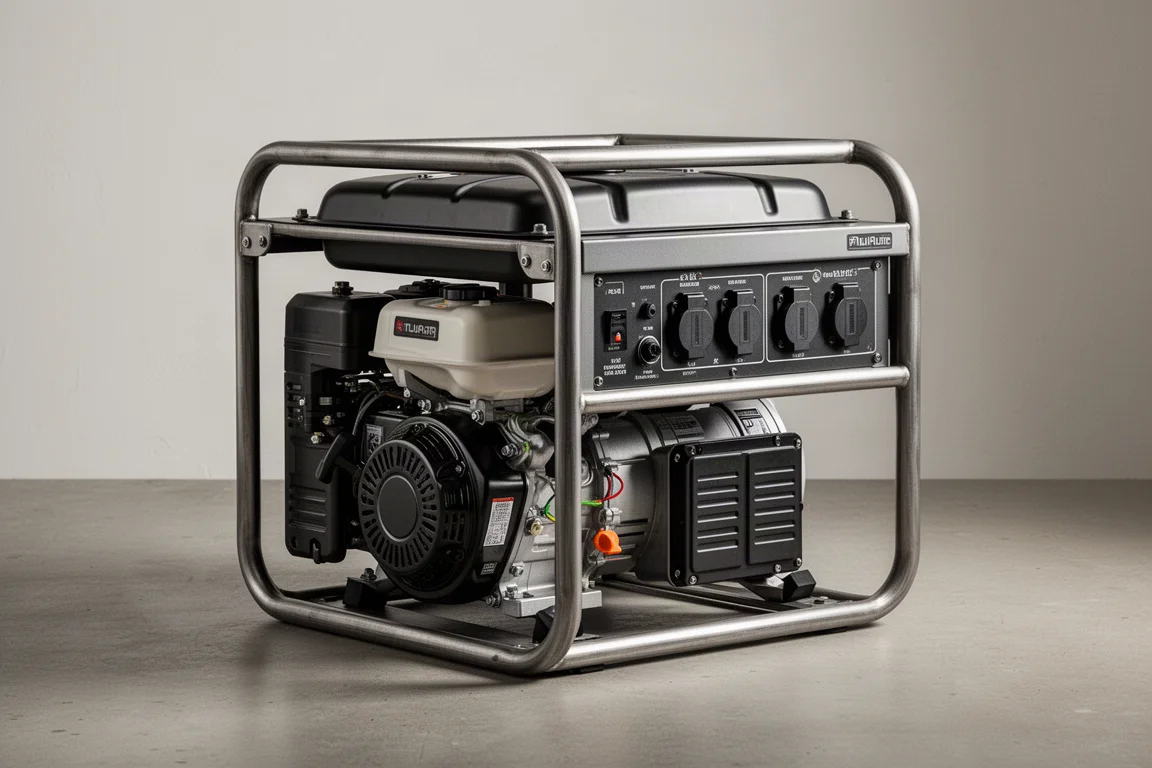
If you need maximum power on a budget, the open-frame 13,000-watt tri-fuel is the pick. Listed at $1,300 before the sale, a 20% discount takes it to around $1,040, which is outstanding for this capacity. The panel offers a 42-amp max 240V outlet and a 30-amp 240V outlet, both switchable between 120V and 240V, plus a fuel selector for gasoline, propane, and natural gas. It has electric start and CO safety shutoff.
The trade-off is noise: open-frame units are not enclosed, so they are loud, and this one is not an inverter. But for raw watts per dollar, nothing else here competes. One important note: these open-frame units ship as a bare cube without the wheels and handles shown in product photos. Wheel kits are sold separately. The enclosed inverter models, by contrast, have wheels and handles built in.
Accessories That Actually Matter
Fuel stabilizer is effectively required by warranty. Nearly every generator warranty states that fuel stabilizer must be used, and if you ever send a unit in for service, the fuel system will be sampled. A bottle costs around $8, and on a $2,000 piece of equipment it is a smart, simple safeguard.
Beyond that, consider a heavy-duty wheel kit, with 8-inch and 10-inch options around $60, and a generator cover, roughly $18 for the large size and $14.99 for the smaller one. Good cords matter too: the further you run power, the higher the gauge and better quality the cord you need. Do not pair a two-thousand-dollar generator with worn-out bargain cords.
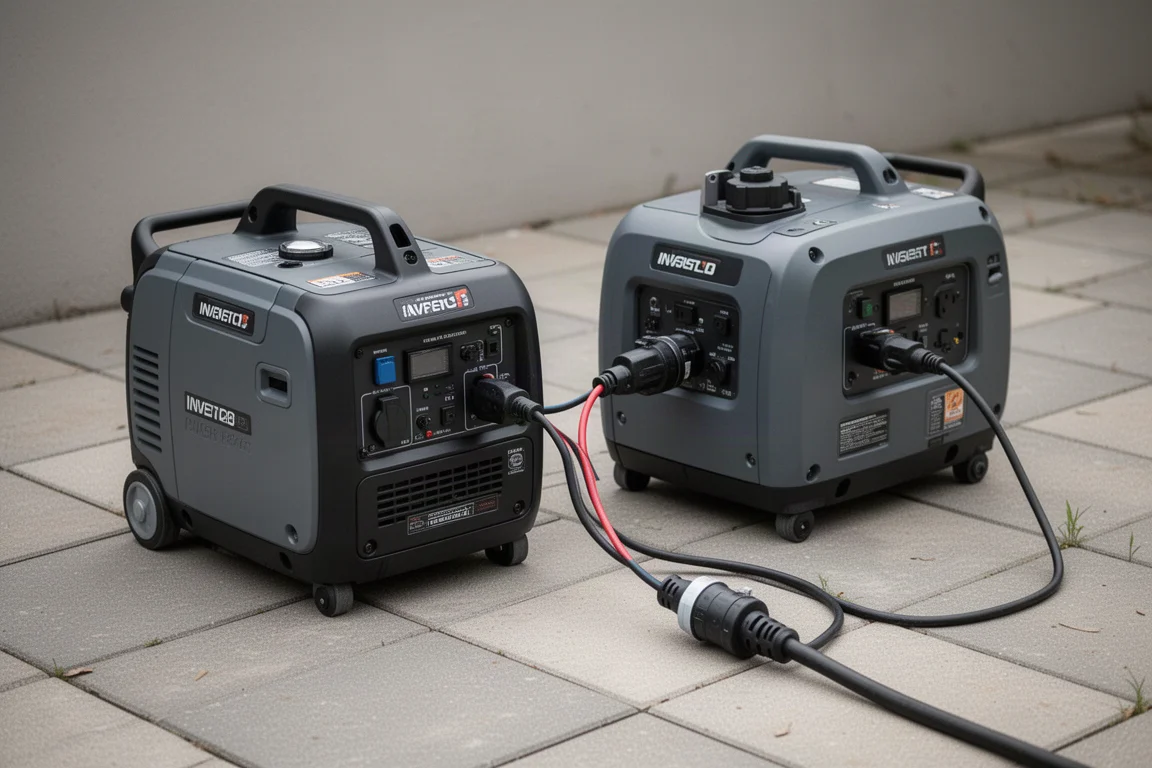
The parallel kit is the underappreciated gem. It lets you run two generators as one, and the units do not need to be the same brand, model, or wattage. The caveat: output is capped at the lower of the two, so a 3,000 and a 5,000 combined act as two 3,000s. Still, for RVers, buying two smaller units is easier to lift, easier to store, and more flexible than one giant cube. Parallel kits come in 50-amp and 30-amp versions.
Buy Now, Not After the Storm
A generator is not a one-and-done solution. During a multi-day hurricane aftermath, fuel runs out, and so does the gas station’s power. Anyone who has lived through that knows the sun comes out afterward for a week of beautiful weather, which is exactly when a solar power station earns its place. Generators and solar systems work together, and real independence means having both.
Timing matters financially as well. Buying before the storm means sale pricing instead of panic pricing, and some retailers offer stacked savings during promotional windows that can shave even more off the total.

Conclusion
The Predator lineup covers nearly every backup power need: the 11500 tri-fuel for whole-home capability, the 9500 for a quieter family setup, the 5000 dual fuel as the modern RV standard, the 3500 as the proven classic, the 2500 and 2000 for light portable use, and the 13000 open-frame for maximum watts per dollar. Pick the one that matches your real needs, grab the fuel stabilizer, a cover, and the right cords, and buy it before the next storm makes the decision for you.
Further reading
Related Reviews
Generators
A-iVolt 10000-Watt Inverter Generator Review: Big Power, Surprisingly Quiet
A 10,000-watt starting / 8,000-watt running dual-fuel inverter generator with electric, pull, and remote start, GFCI outlets, and parallel capability.
Generators
Genmax vs Predator vs Honda: 2000-Watt Inverter Generator Showdown
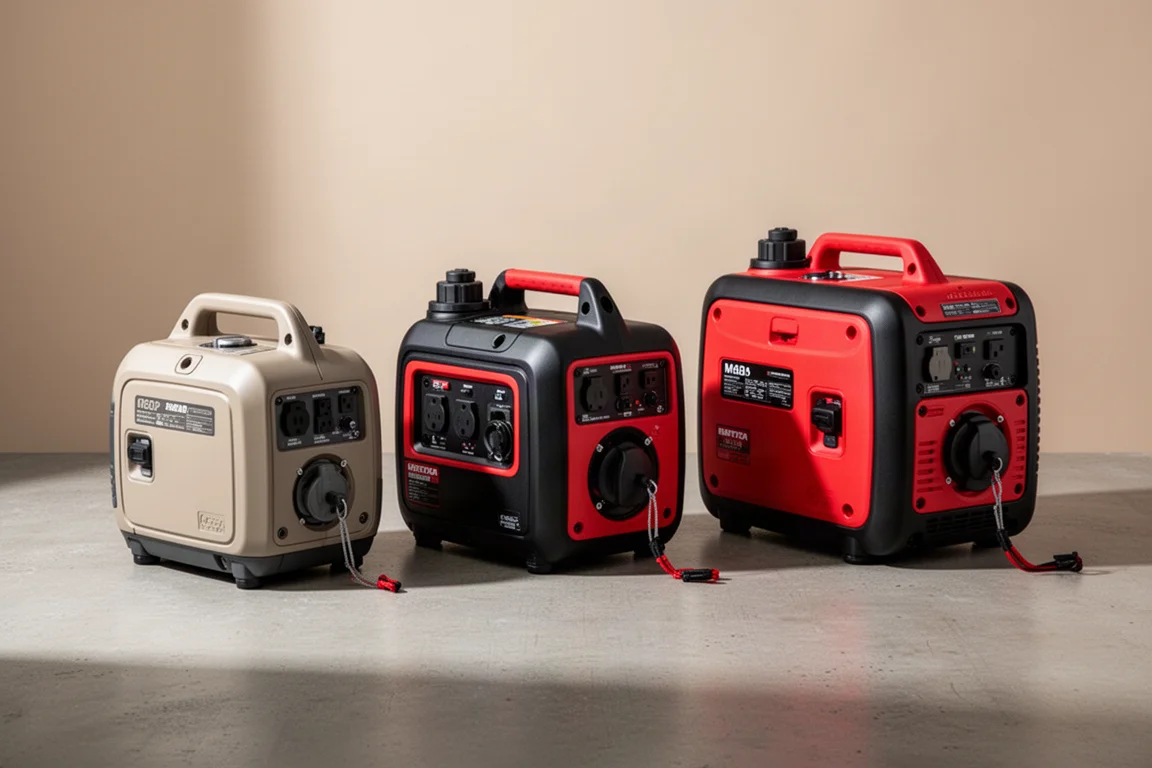
We put three 2000-watt inverter generators through noise, power quality, fuel efficiency, and engine wear tests to see whether a $370 model can match a $1,200 Honda.
Generators
Best 2300-Watt Inverter Generators: Quiet Power for Camping and Backup
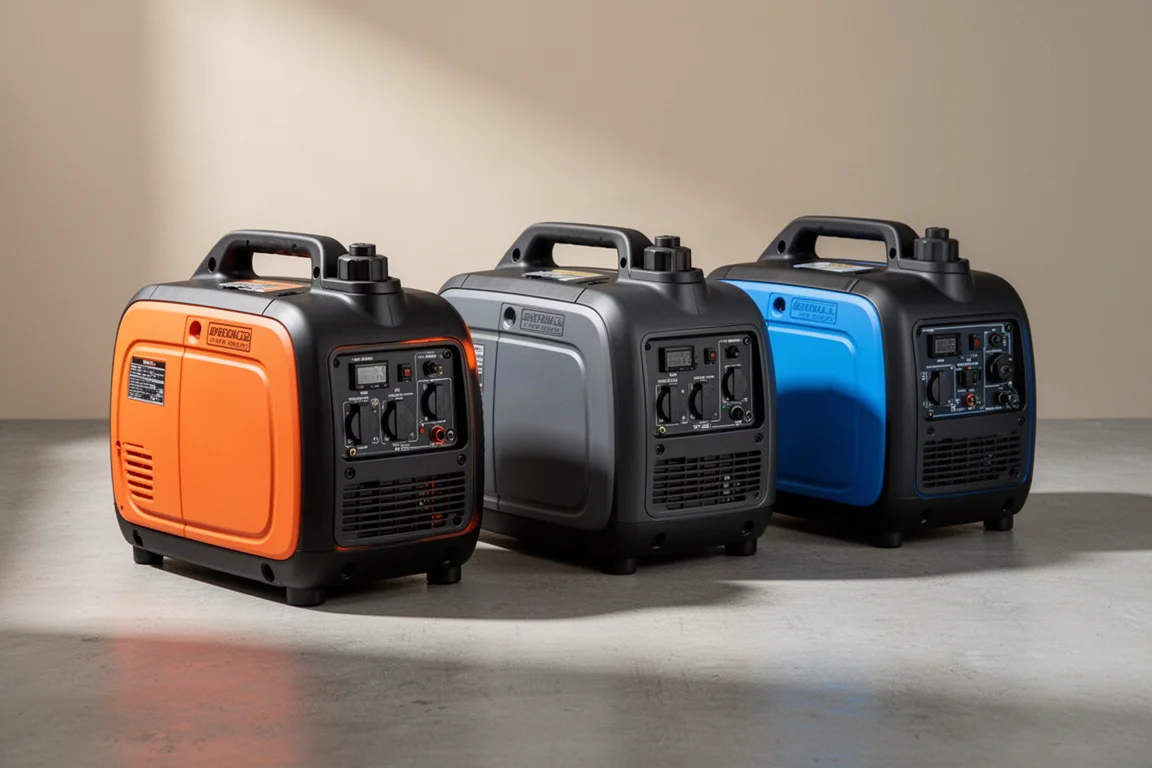
A hands-on look at the Maxpeedingrods MXR 2300 alongside the Honda EU2200i and Pulsar G2319N, with honest notes on price, noise, and features.