Cycling Power Meters
Best Power Meter Pedals: Favero, Garmin, Look, and Wahoo Compared
A practical guide to the main power meter pedal systems, covering cleat compatibility, weight, price, battery life, serviceability, and data accuracy.
Introduction
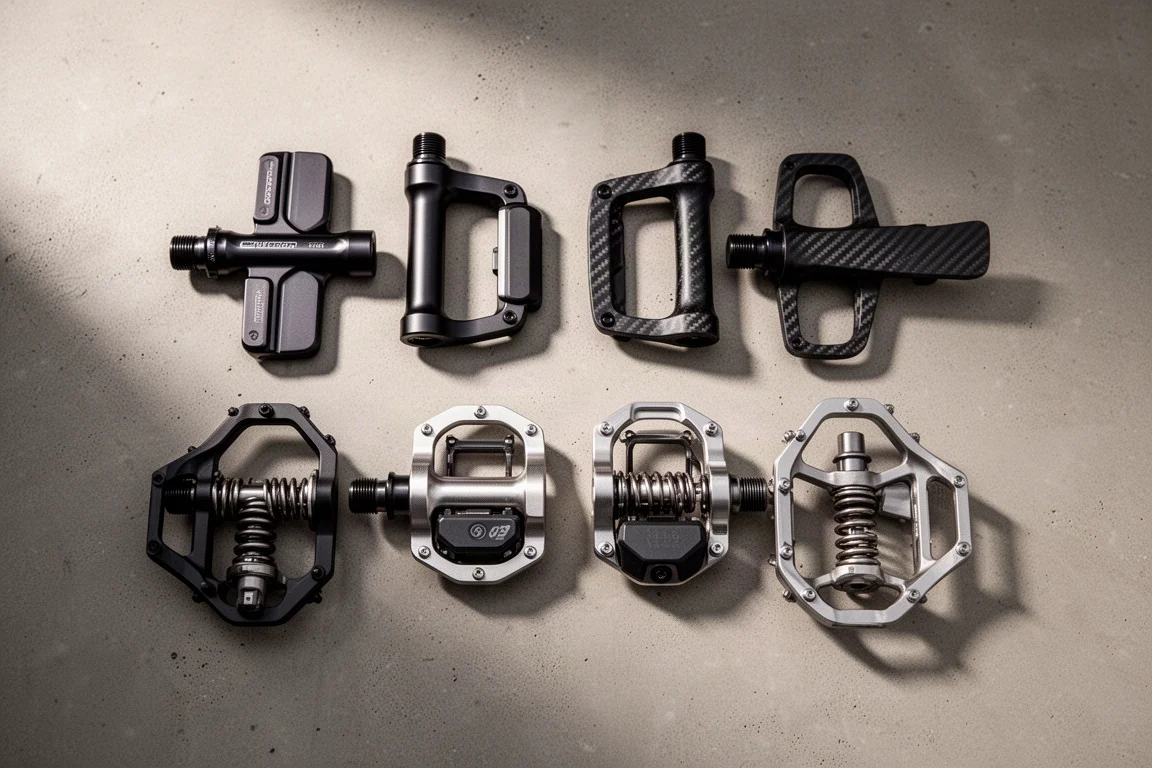
Power meter pedals have one clear advantage over crank based and spider based systems: they fit almost any bike, and they move between bikes in minutes. That portability is why so many riders start their power journey at the pedal rather than at the crankset.
Four established systems cover almost everything a rider could want: Favero, Garmin, Look, and Wahoo. Each takes a different approach to cleats, batteries, servicing, and price. SRM also produces power meter pedals, but they cost roughly twice as much as the options covered here, which places them outside this comparison.
What follows is a practical breakdown of each system, including what it weighs, what it costs, how it is set up and serviced, and how the data behaves.
What to Check Before You Buy a Power Meter Pedal
Cleat compatibility is the first decision, and it is far less restrictive than it used to be. Favero and Garmin both offer options for three-bolt Look Kéo or Shimano SPD-SL cleats, plus two-bolt SPD bodies for off-road use. Look works only with its own Kéo cleats, but it also offers an off-road pedal body for SPD cleats. If you ride Speedplay, Wahoo is the only choice in this group.
Q factor is the detail that catches people out. Favero’s Assioma Duo-Shi spindles are built to work with Shimano SPD-SL pedal bodies, but Q factor grows by 10 mm, which places the centre of the pedal body 5 mm further out on each side. Riders who spend most of their time on gravel or mountain bikes, where Q factor is typically wider, will likely be comfortable. Dedicated road riders who have had a bike fit and know the stance width they want may not be.
The standard Assioma Duo runs a narrower 54 mm Q factor, closer to a conventional road pedal. Garmin’s Rally and Favero’s Assioma pedals match normal road pedals closely on Q factor and stack height, and both offer adjustable release tension. Weight differences across the group are small enough that they are unlikely to change a buying decision on their own, unless the goal is something like a national hill climb.
Installation, Battery Life, and Serviceability
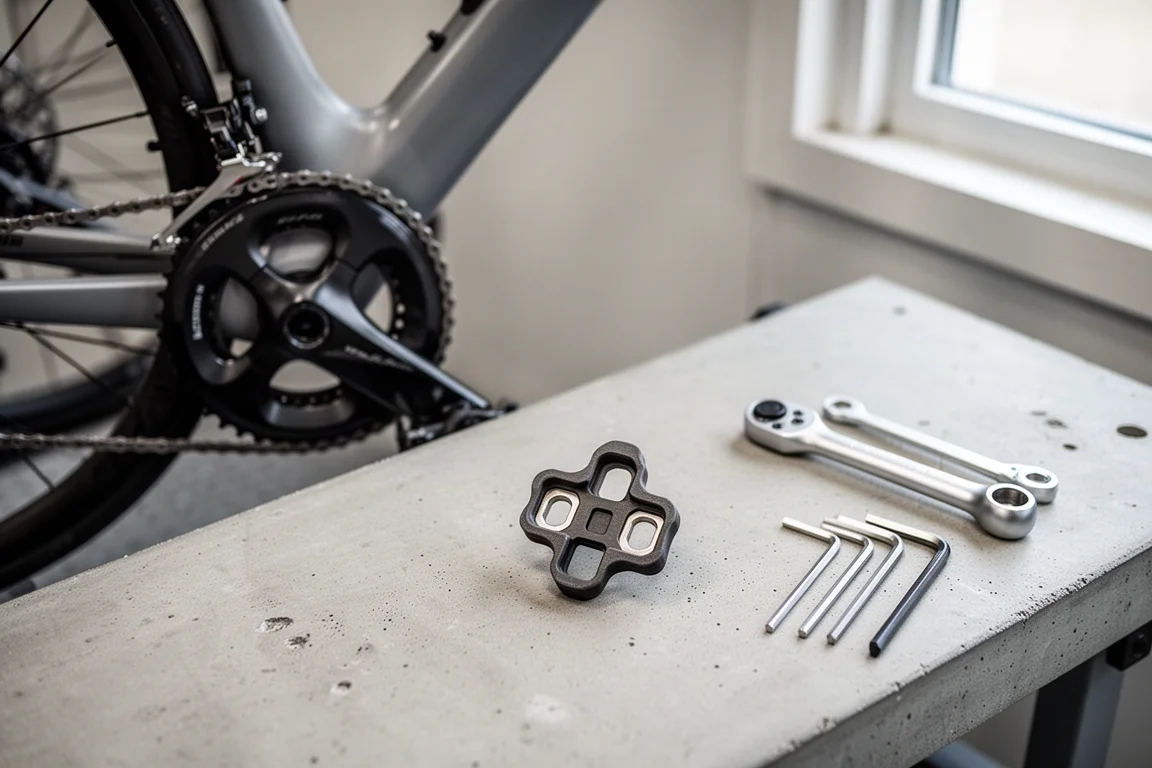
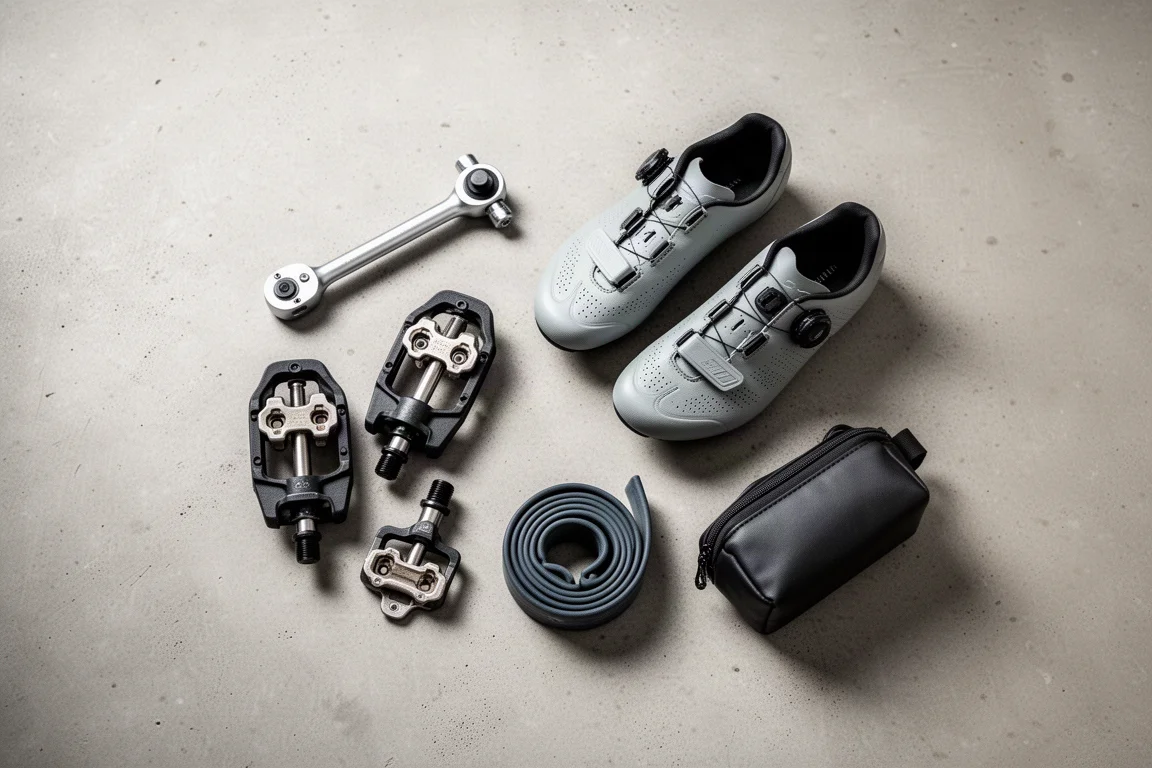
Specialist tools are no longer needed. Every system here installs with an 8 mm Allen key or a 15 mm pedal spanner. A torque wrench is worth owning if you swap pedals between bikes regularly, because correct tightness keeps power data consistent. For a permanent installation, doing the pedals up snugly and letting them settle over a couple of rides is fine.
Setup runs through a smartphone app on all four systems. Favero, Garmin, and Wahoo each handled registration, firmware updates, and settings without trouble. Look’s app was a different story: account creation failed, the pedals could not be registered, firmware could not be updated, and settings could not be changed until the account was manually approved. Look pedals do not require app activation the way Favero pedals do, but registering them is what activates the warranty and unlocks firmware updates.
Battery approach splits the group. Favero, Look, and Wahoo use rechargeable lithium-ion batteries with roughly 50 to 60 hours of runtime, which for most riders means charging about once a month. Garmin’s Rally pedals run on replaceable coin cell batteries rated at around 120 hours, so a spare pair in a saddle bag covers long trips and ultra distance rides. Rechargeable batteries are sealed against the weather and remove the risk of a mis-seated battery door.
Servicing favours Favero. Its pedals open with an Allen key alone, with no precision screwdriver and less fiddling than Garmin’s design. Garmin and Look pedals are also home serviceable, and both let you move the spindle between road and off-road pedal bodies. Wahoo states that Powrlink Zero pedals are not user serviceable: bearing service means returning them to Wahoo or an official dealer, and a DIY attempt is likely to void the warranty.
Two smaller notes. Look requires a proprietary three-prong tool, around £15, to remove the axle end cap before the pedal can be opened. And swapping pedal bodies is not cheap: Garmin Rally XC200 bodies cost just under £350 a set, while Look X-Track Power bodies cost £300 a set, both on top of the road pedals themselves.
Favero Assioma Duo: The Best Value Road Option
The Assioma Duo is the cheapest way into power meter pedals in this group, at just under £580 or $650, and it uses a Look Kéo compatible road body. Each set weighs 305 g, which places it between Look’s lightest road pedals and Garmin’s heaviest. The rechargeable battery runs for 50 to 60 hours, and the pedals need to be activated through the app before use.
On the bike it behaves like a normal road pedal. Release tension is adjustable, the 54 mm Q factor and stack height are in line with conventional road pedals, and the external pods, while not the sleekest design, have not caused shoe clearance problems. Data has proven excellent and very reliable over several years of comparison against smart trainers and other power meters. Servicing is a straightforward Allen key job.
Favero Assioma Duo-Shi: Shimano SPD-SL Compatibility With a Wider Stance
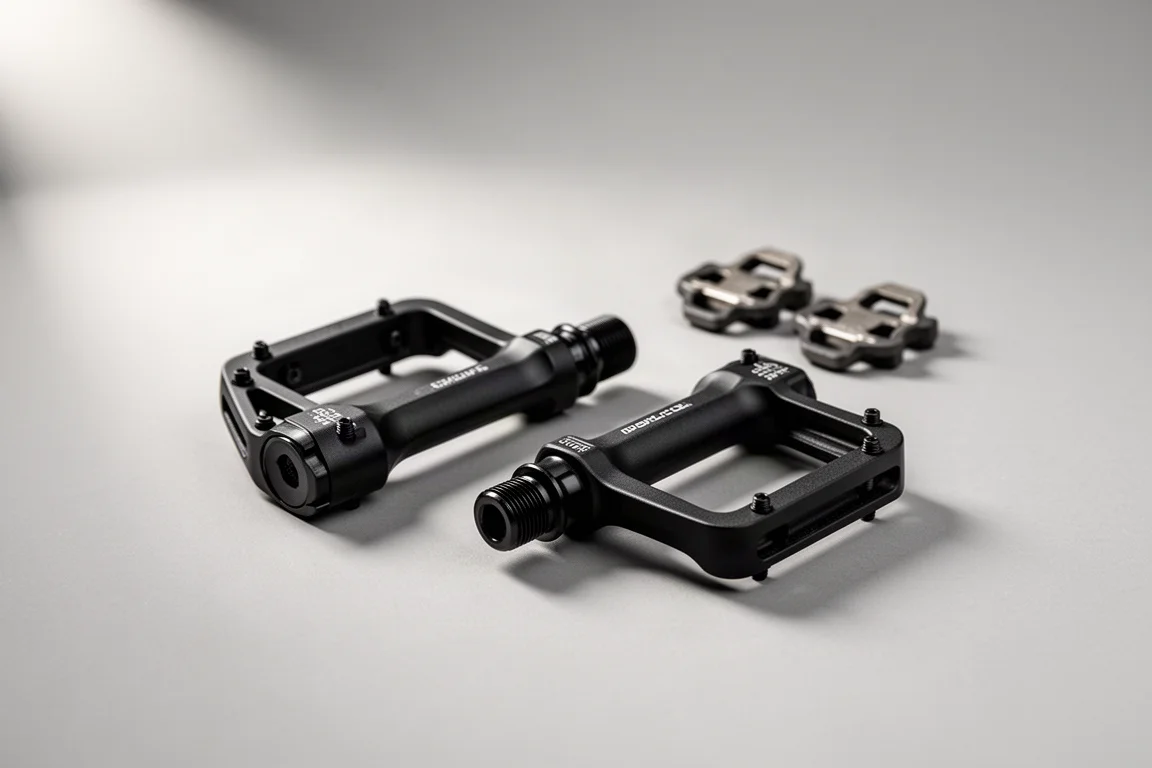
The Duo-Shi takes the same electronics and pairs them with spindles built for Shimano SPD-SL pedal bodies, which is useful if you already own SPD-SL pedals and shoes you like. The trade-off is stance width: Q factor grows by 10 mm, moving the centre of the pedal body 5 mm out on each side.
Whether that matters is personal. Riders coming from gravel or mountain bikes, which generally run a wider Q factor, will probably not notice the difference. Riders who have been through a bike fit and know they want to stay narrow may prefer the standard Assioma Duo, with its 54 mm Q factor and Look Kéo cleats. The rest of the package, including rechargeable battery life, app setup, and home servicing, carries over unchanged.
Favero Assioma Pro MX: The Lightest Off-Road Option
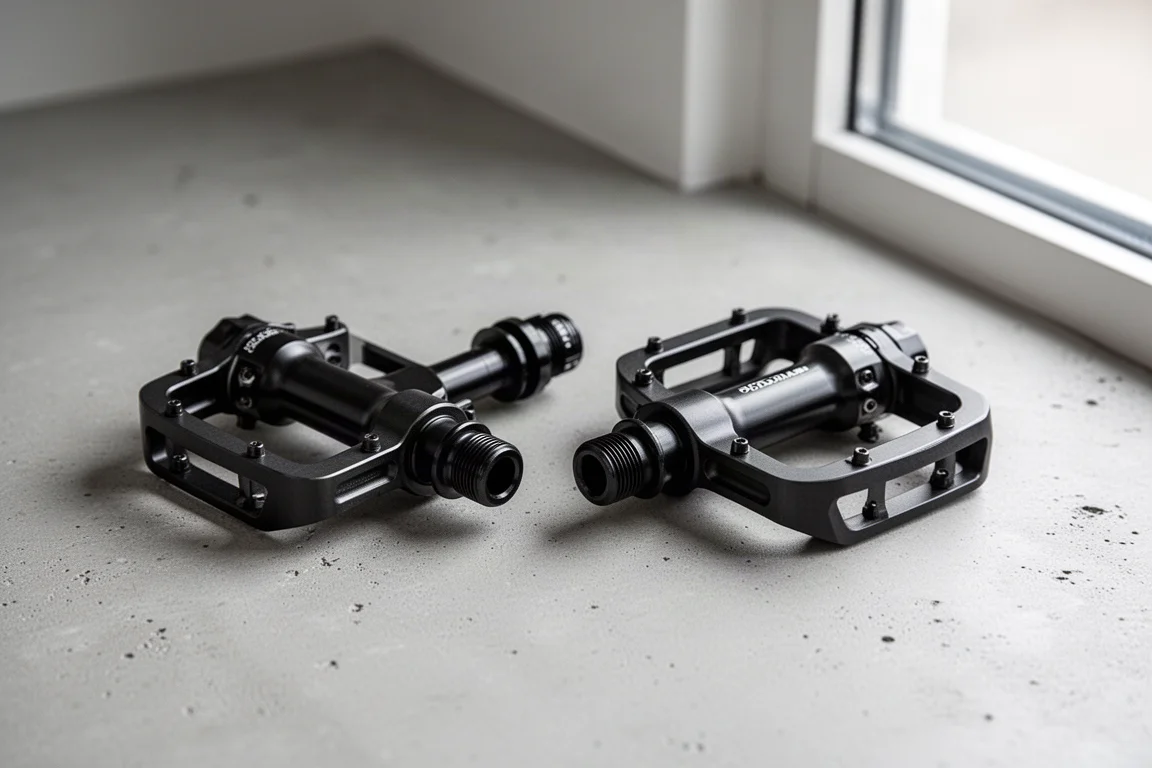
For SPD riders, the Assioma Pro MX is the lightest off-road option here at 384 g per set, and it is priced at £599 or $759. The electronics live entirely inside the spindle, so there is no external pod and the pedal looks like a conventional off-road pedal. That cleaner design is the direction many riders would like to see road pedals take as well.

It shares the Favero approach to ownership: rechargeable battery, app based setup, and home servicing with basic tools. What it does not offer is the ability to move the spindle into a road pedal body, so riders who want one meter for both road and gravel need a different strategy. One practical option is to run a single off-road SPD set across both bikes and fit two-bolt cleat adapters to your road shoes.
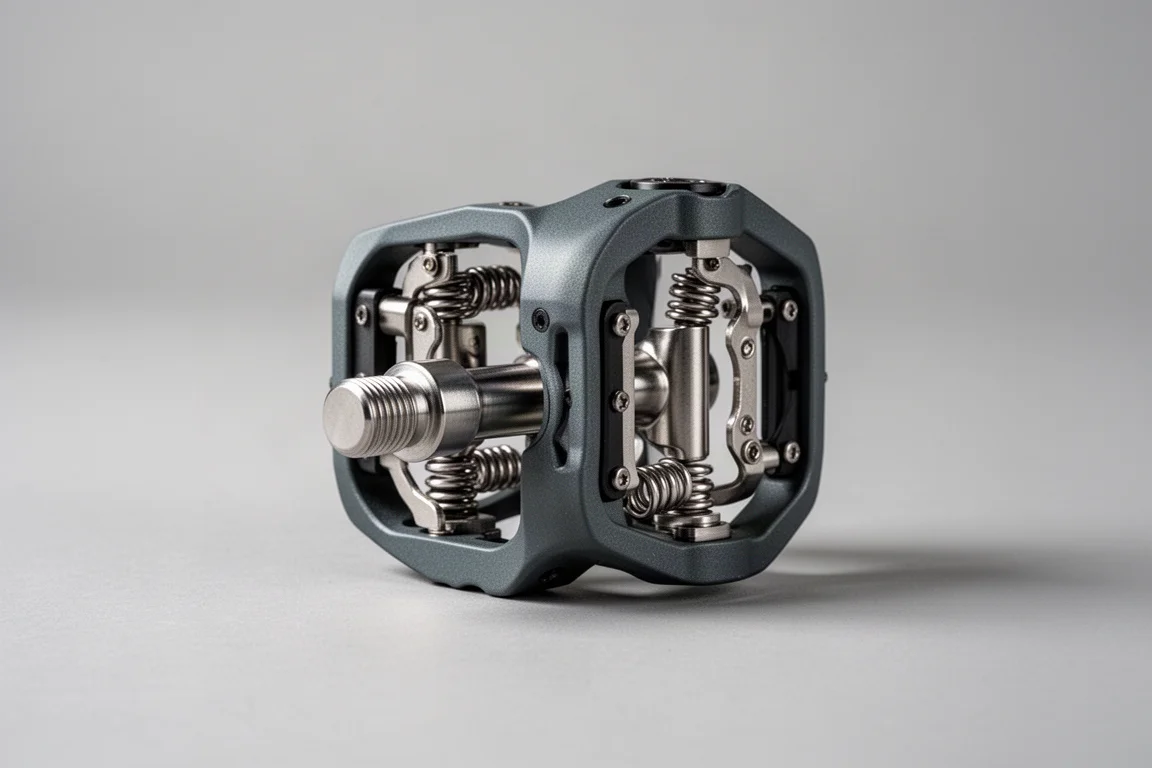
Garmin Rally RS200: Shimano SPD-SL With Coin Cell Power
Garmin’s Rally platform is the only one here that covers Look Kéo, Shimano SPD-SL, and Shimano SPD off-road bodies, which makes it the most flexible system if you want to move between disciplines without buying twice. The RS200 is the Shimano SPD-SL road version.
It is also the heaviest road option at 320 g per set, and among the most expensive, at just under £770 in the UK. Battery life is the strong point: replaceable coin cells run for around 120 hours, roughly double the rechargeable systems, and a spare pair weighs almost nothing in a saddle bag.
Setup through the Garmin app was trouble free, release tension is adjustable, and the data has been excellent and very reliable over several years of comparison. Home servicing needs Allen keys, a socket wrench, and a precision screwdriver. The spindle can later be moved into Rally XC200 off-road bodies, which cost just under £350 a set.
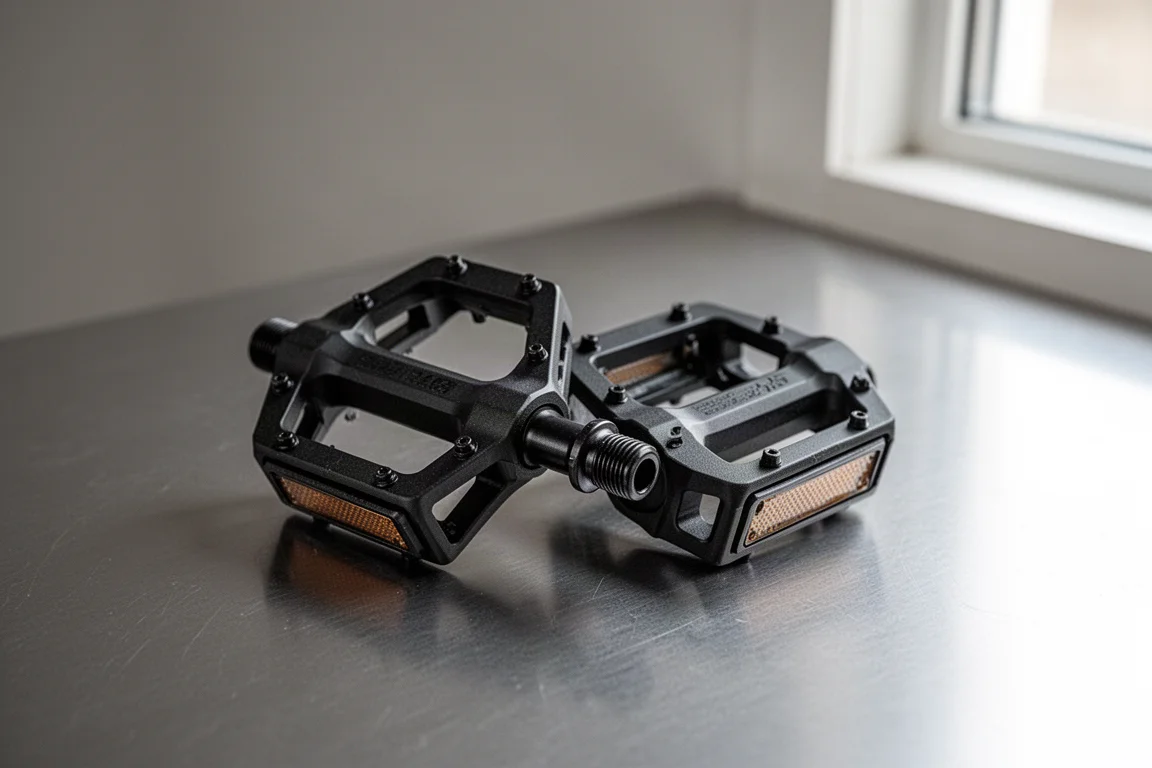
Garmin Rally RK200: The Look Kéo Version of the Rally Platform
The RK200 is the same Rally platform with a Look Kéo compatible road body, so riders who prefer Kéo cleats get the same electronics, the same coin cell battery life of around 120 hours, and the same app based setup. In the UK it sits at the same price as the RS200, just under £770.
Ownership mirrors the RS200: adjustable release tension, home servicing with standard tools plus a precision screwdriver, and the option to move the spindle into off-road pedal bodies later. The choice between the two comes down to cleat preference rather than any difference in performance or data quality.
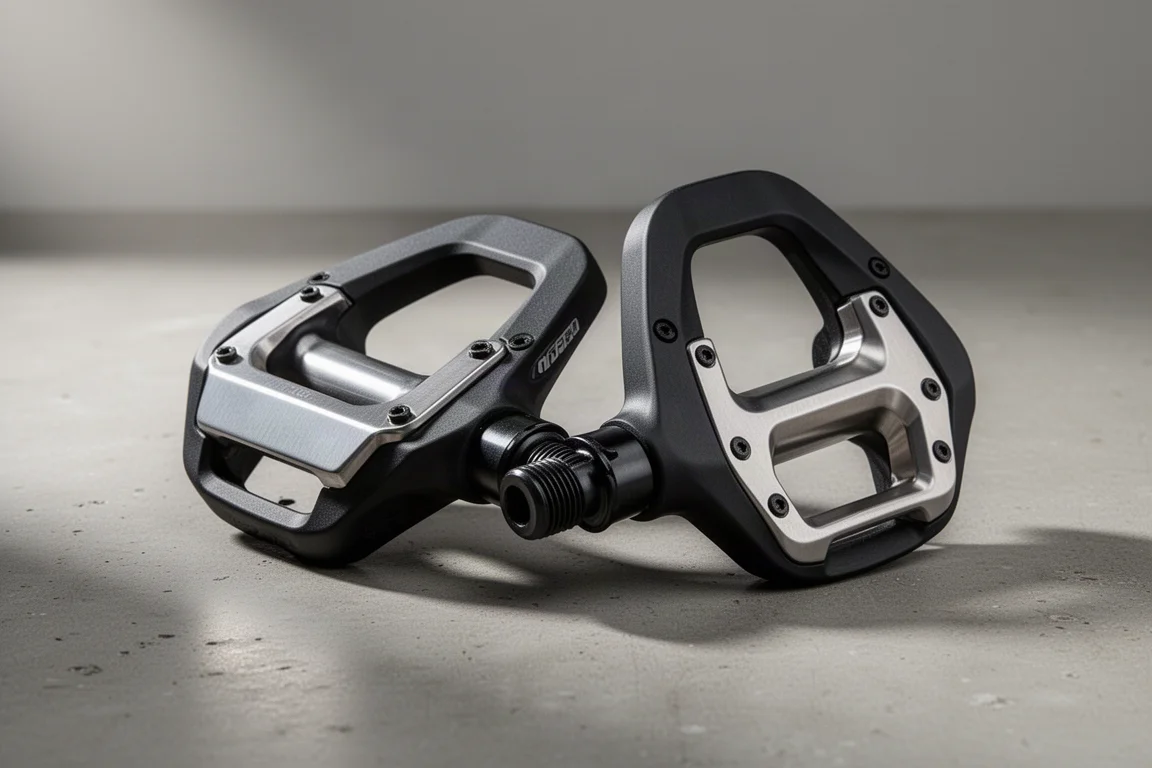
Garmin Rally XC200: The Most Versatile Off-Road System
The XC200 is the off-road member of the Rally family, using a Shimano SPD body. At 444 g per set it is the heaviest off-road option here, and at just under £960 in the UK or just under $1,200 in the US it is also one of the most expensive.
What you get for that is the longest battery life in the group at around 120 hours on replaceable coin cells, plus the ability to swap the spindle into Rally road bodies if your riding changes. Data quality has been excellent and very reliable across years of use.
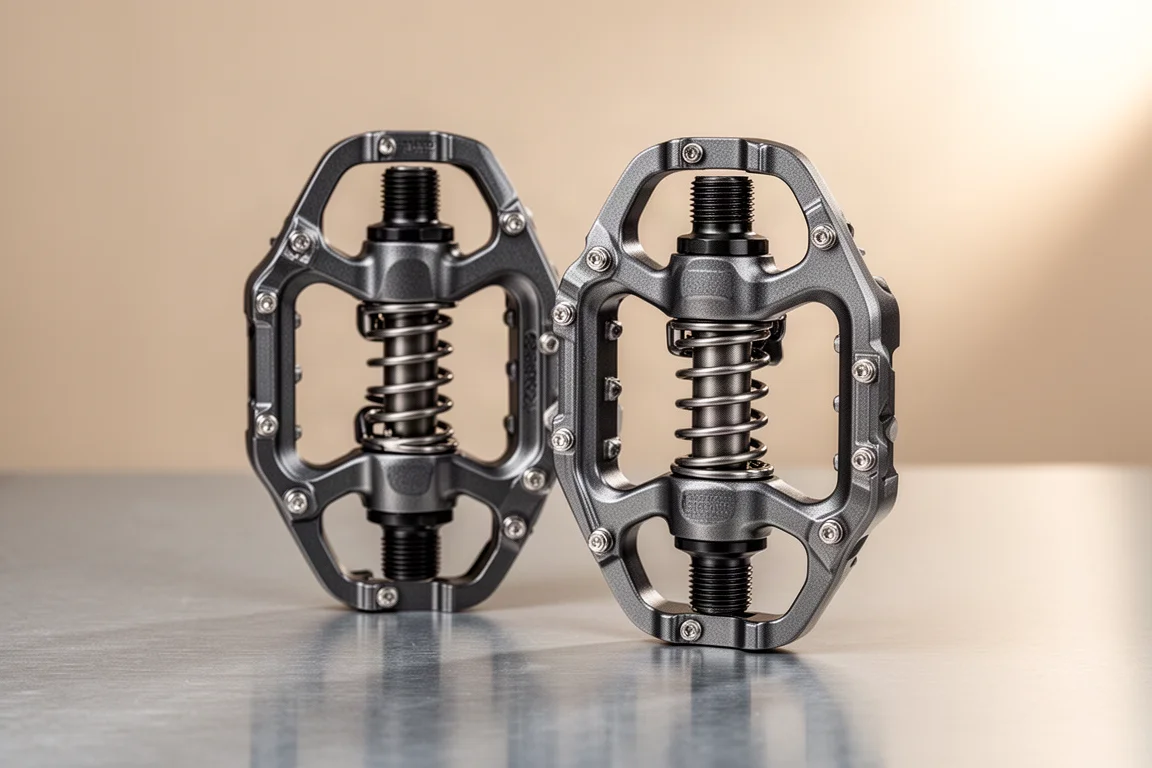
Look Keo Blade Power: Light, But Not Without Frustrations
Look’s Keo Blade Power is the lightest road option here at 269 g per set, and it uses a carbon blade to retain the cleat. That design is potentially a touch more aerodynamic than a sprung pedal, and the price is £899 in the UK or $999 in the US.
The blade has a practical downside. Release tension cannot be adjusted directly; you buy a different blade instead, at around £40 a set. Look also supplies 16 Nm blades with the power version rather than the 12 Nm blades used on the standard pedals, which makes unclipping noticeably harder. Many riders will want a softer blade fairly quickly.
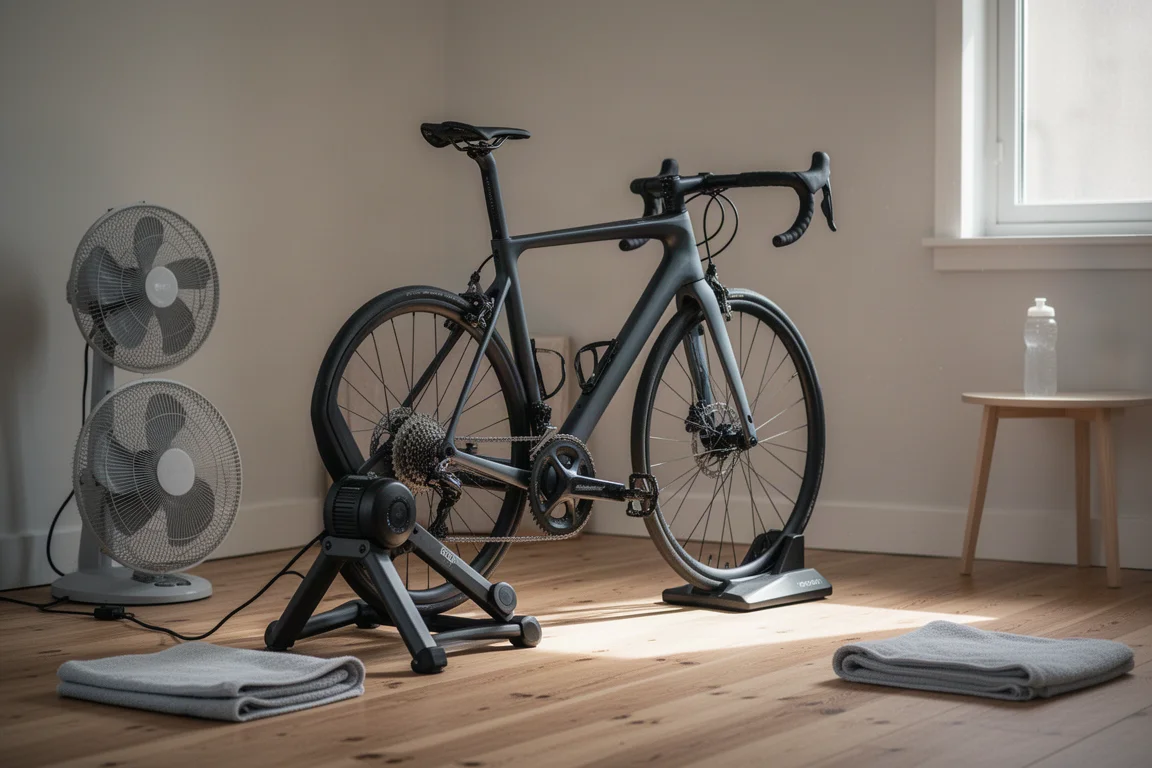
Setup was the weakest part of the experience. The Look app would not allow an account to be created, so the pedals could not be registered, the firmware could not be updated, and settings could not be changed until the account was manually approved. Even then, updating to the latest firmware took several attempts. The pedals do not need app activation the way Favero’s do, but registration is what activates the warranty, and firmware matters for data quality.
On accuracy the picture is mixed. Outdoors the data lined up well with on-bike power meters. Indoors, compared against a true dual-sided crank based power meter, the right pedal consistently under-reported and left-right balance drifted, on both the shipping firmware 1.5 and the later 1.011 version. The likely cause is an error in the zero offset process indoors, which Look suggested could come from wireless interference in a crowded training setup. The other pedals in this comparison handled the same environment without issue. The encouraging part is that this looks like a software problem rather than a hardware one, so a firmware fix is plausible.
Servicing needs a proprietary three-prong tool, around £15, to remove the axle end cap before the pedal can be opened. On the plus side, the spindle can be moved into X-Track Power off-road bodies, which cost £300 a set.
Look X-Track Power: The Off-Road Look Option
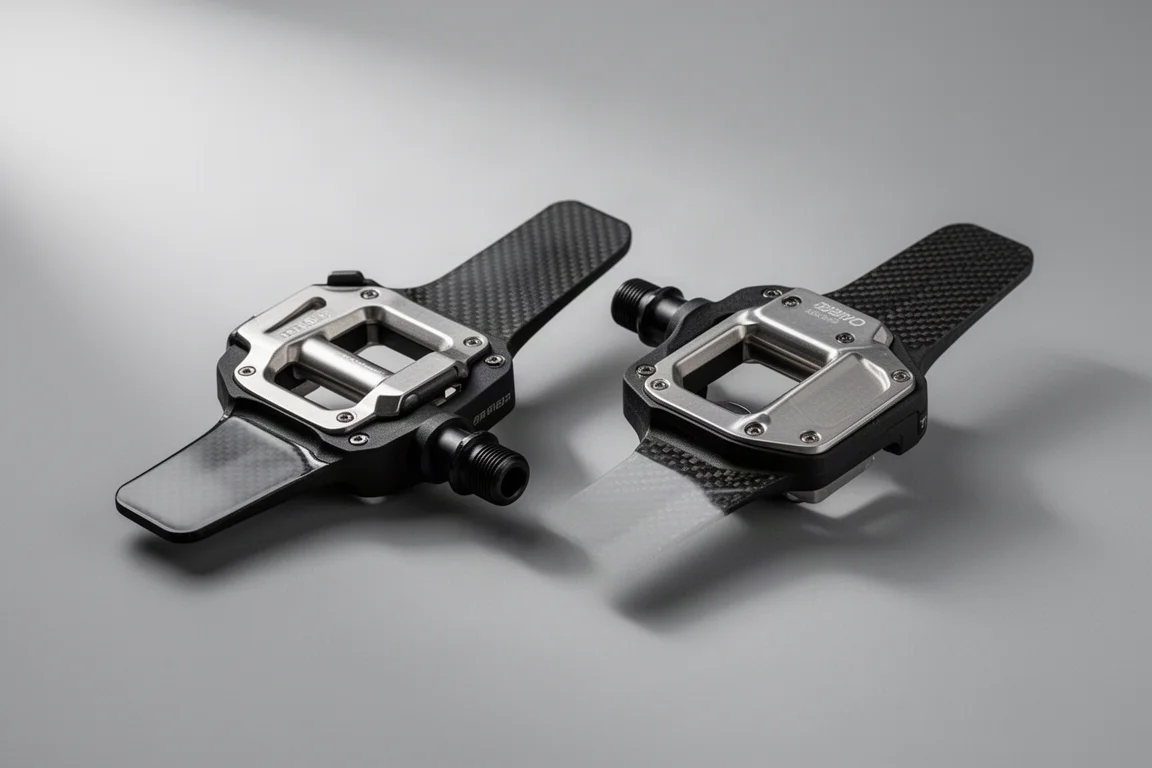
The X-Track Power brings Look’s power meter to an off-road SPD body. At 405 g per set it sits between Favero’s Pro MX and Garmin’s XC200 on weight, and it is priced at almost £1,000 in the UK or $1,099 in the US.
It shares the Look ownership experience: rechargeable batteries with 50 to 60 hours of runtime, app based setup, the same proprietary end cap tool for servicing, and the same ability to swap spindles between road and off-road bodies. Riders considering it should weigh the price against the lighter and cheaper Favero Pro MX, and keep an eye on whether Look resolves the setup and indoor data behaviour seen on its road pedals.
Wahoo Powrlink Zero: For Speedplay Fans Only
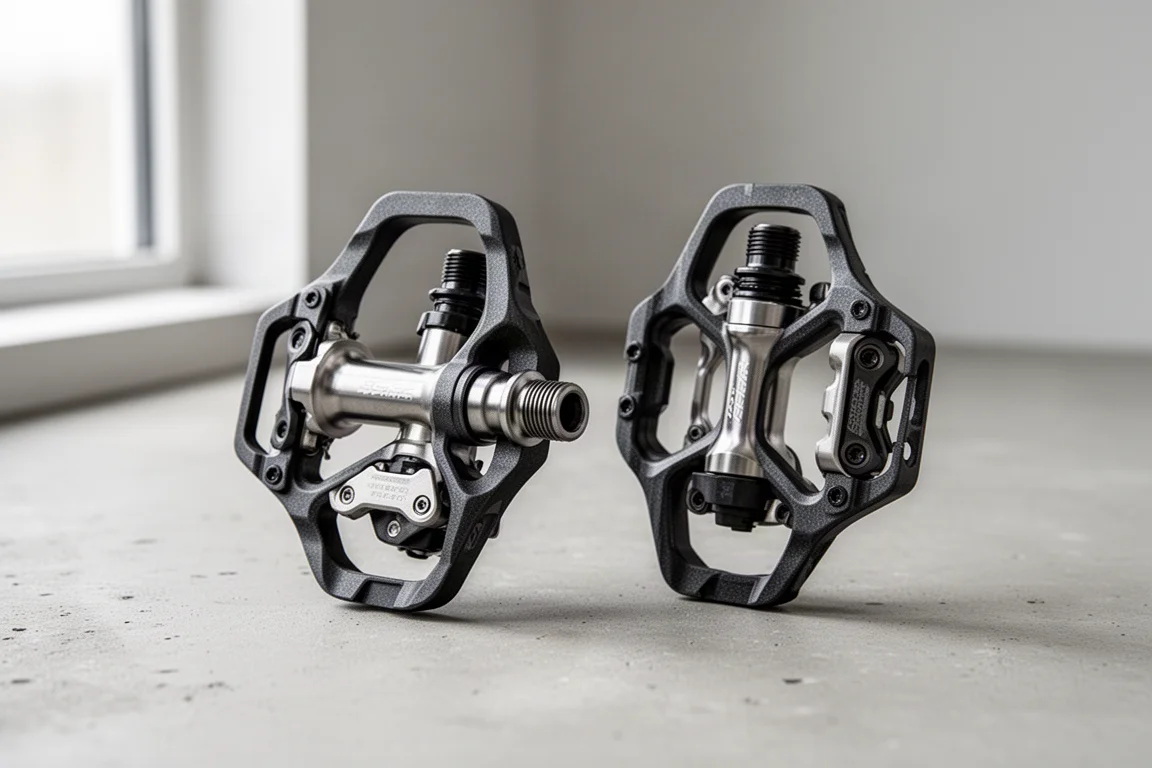
The Powrlink Zero is the only option here built around the Speedplay platform, with dual-sided entry and exit and a standard dual-sided pedal body. There is no aero body option, so riders who rely on a Speedplay aero pedal will need to look elsewhere.
Weight looks impressive at 277 g per set, but Speedplay cleats weigh 148 g for the pair, against 73 g for Shimano cleats and 68 g for Look Kéo grip cleats, so much of that advantage disappears once the whole system is on the bike.
Setup through the Wahoo app was trouble free, and the data performed flawlessly, matching a crank based power meter and a smart trainer. Battery life is 50 to 60 hours from an internal rechargeable battery. The main caveats are mechanical: Wahoo states the pedals are not user serviceable, so bearing service means returning them to Wahoo or an official dealer, and doing it yourself is likely to void the warranty. Clipping in also takes some adjustment; the pedal wants a firm roll of the foot rather than a simple stamp, which can feel awkward for riders new to Speedplay.
Which Power Meter Pedal System Should You Choose?
The clearest conclusion is that Favero offers the best value. The Assioma Duo is the cheapest road option and the Pro MX is the lightest off-road option, both with rechargeable batteries and straightforward Allen key servicing. For most riders that combination is hard to argue with.
Garmin’s Rally is the pick if flexibility matters most. It is the only system here with Look Kéo, Shimano SPD-SL, and Shimano SPD bodies, battery life is around 120 hours on coin cells, and the data has been excellent over years of use. The price premium is real, and the replacement pedal bodies are expensive, but a Rally road set plus off-road bodies and a pair of Favero sets land within roughly £100 of each other, so the decision is really about whether you prefer swapping bodies or owning two complete sets.
Wahoo is easy to recommend only if you already ride Speedplay and like it. If you have never used the platform, try a cheaper non-power Speedplay pedal set first before committing to the power version.
Look is the hardest to recommend right now. The hardware platform is promising, and the Keo Blade Power is the lightest road pedal here, but the app problems and the indoor data behaviour point to a product that needed more time before launch. There is no obvious hardware flaw, so a firmware update could change the picture considerably.
One further option is worth considering: a single off-road SPD power meter set can cover both a road and an off-road bike if you add two-bolt cleat adapters to your road shoes. That keeps the cost down and removes the need to move pedals between bikes.
Conclusion
Power meter pedals remain the most portable way to add power to a bike, and all four systems here install with basic tools. Favero leads on value with the Assioma Duo and the Pro MX. Garmin leads on flexibility and battery life with the Rally family. Wahoo suits committed Speedplay riders. Look has the lightest road pedal in the group, but its app and indoor data behaviour need to be sorted before it can be recommended without caveats.
Further reading
Related Reviews
Cycling Power Meters
Five Affordable Power Meters for Road and Off-Road Cycling
Five practical power meter options under $500 that deliver reliable power measurement without breaking the budget.
Cycling Power Meters
Assioma Pro MX-2 Review: Dual-Sided Off-Road Power Meter Pedals
A light dual-sided off-road power meter pedal with a claimed 191 g weight, plus or minus 1% accuracy and a 60-hour battery.
Cycling Power Meters
Best Power Meter Pedals 2026: Seven Systems Compared
A practical comparison of seven power meter pedal systems, covering accuracy, battery life, servicing, weight and price.