Cycling Accessories
Best Power Meter Pedals: Wahoo Power Link Zero, Favero Assioma and Garmin RS200
A practical comparison of three pedal-based power meters, covering accuracy, consistency, durability and the trade-offs that decide which one suits your riding.
Introduction
Power meter pedals are the simplest way to add power to a road bike. There is no crank to swap, no rear hub to rebuild and no workshop time involved: a set of pedals and an 8 mm spanner covers most bikes, and the same pedals can move from one frame to the next in minutes. For riders who ride several bikes, travel with a rental, or simply want one accurate data source across a stable, pedals are the most flexible option available.
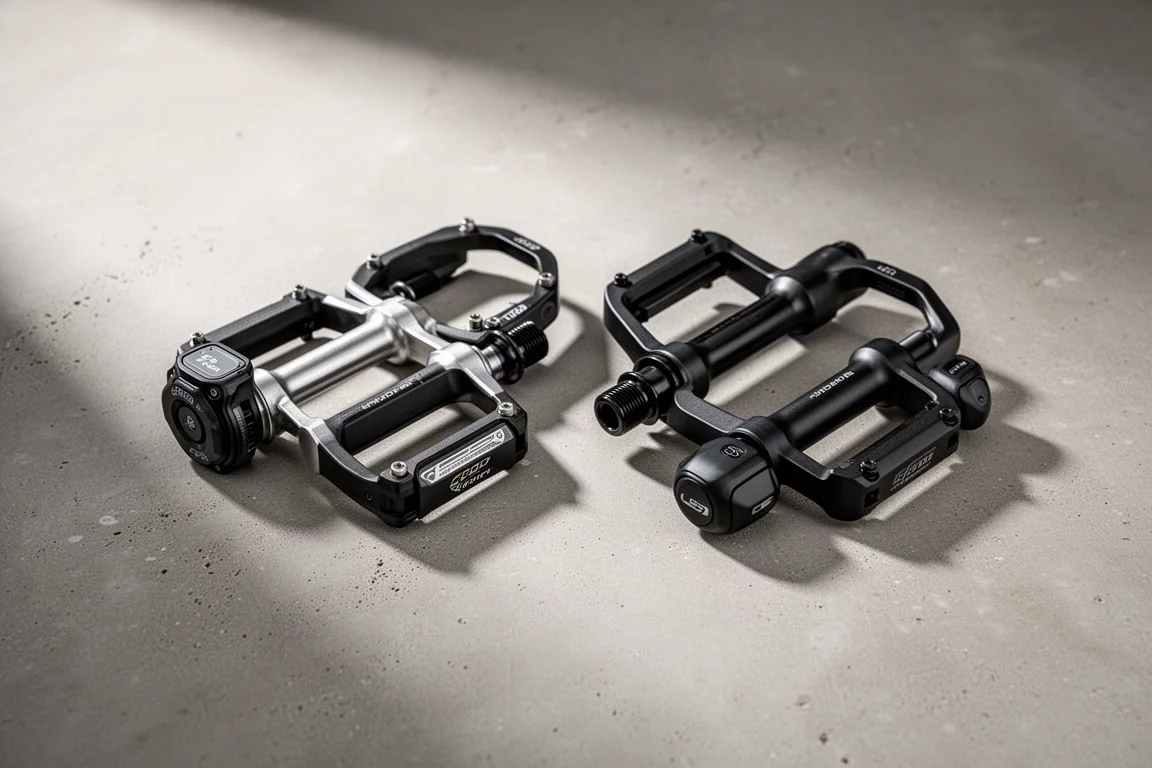
Three pedal-based systems come up most often in that conversation: the Wahoo Power Link Zero, the Favero Assioma and the Garmin RS200. The Wahoo and the Favero both come in dual-sided and single-sided versions, and the two sit at very different points on the price ladder. The Garmin sits higher again in price and offers a feature the other two do not.
What Matters Most in Power Meter Pedals
Two numbers get quoted most often: the accuracy claim and the battery life. In practice, consistency matters just as much. A meter that always reads slightly high is workable; a meter that drifts by 20 or 30 watts depending on the day is not, because every training zone you ride in depends on the number holding steady. Temperature compensation and a sensible zero offset routine do more for real-world consistency than a headline accuracy figure.

Durability is the other long-term question. Pedals take road spray, grit, kerb strikes and constant load, and bearings are usually the part that gives first. A sealed design that cannot be greased by the rider is fine as long as the sealing does its job, and much less forgiving if it does not. Cleat system, charging method, battery visibility on your head unit and whether the pedals report any pedalling dynamics data round out the picture.
Wahoo Power Link Zero: Accuracy and Consistency
The Power Link Zero is a dual-sided pedal power meter with a claimed accuracy of within 1 percent, in line with other top-end meters. The useful question is not the claim itself but how the pedals track a reference meter over real terrain.
Compared against a dual-sided crank-based power meter on the same bike over local roads with hills and efforts, the two power traces followed the same line through the peaks and troughs of a typical hour-long ride. Deviations appeared occasionally but stayed in the region of a few watts. That is a strong result for a pedal-based system, where the measurement point sits further from the crank and is exposed to more movement.
Wahoo Power Link Zero: Durability and Everyday Use
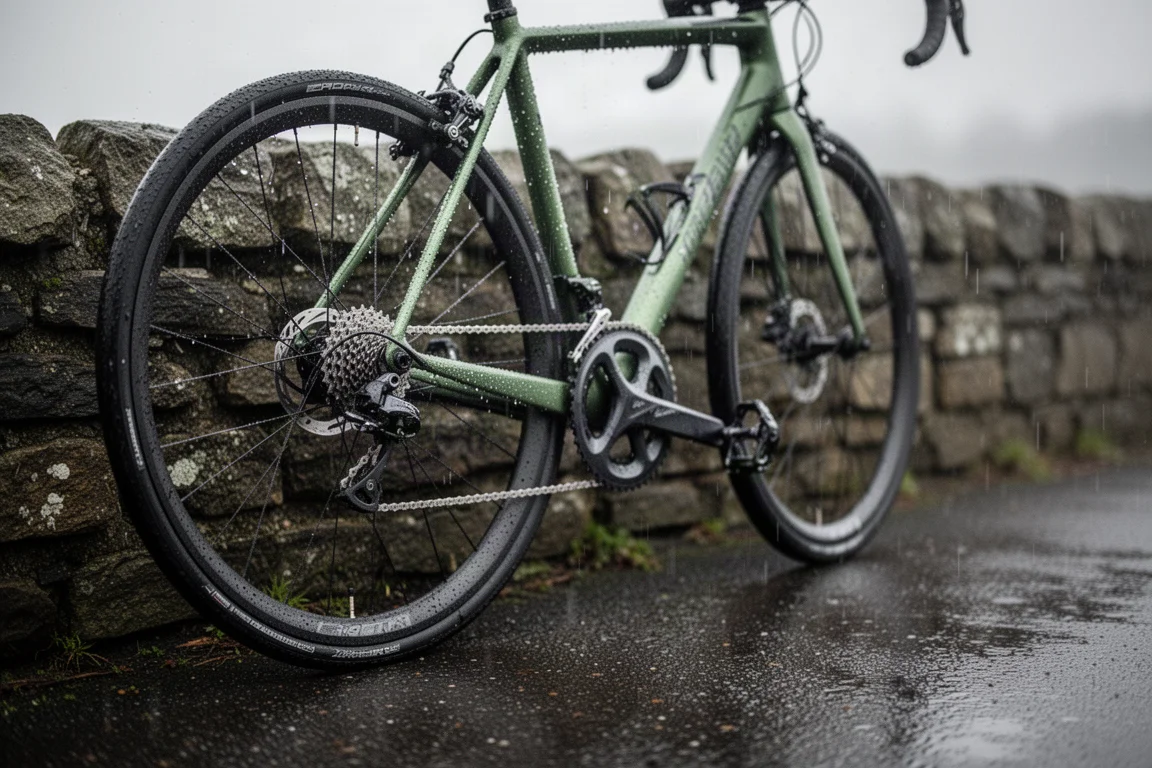
The pedals use fully sealed bearings that are not intended to be opened and regreased by the rider, a change from earlier designs in the same cleat family. Early production units developed play in the axle and pedal body, and affected pedals were replaced by Wahoo. The issue behaved like a quality control batch problem rather than a design flaw. After more than six months and several thousand kilometres in rain, sunshine and everything in between, the pedals in long-term use have stayed free of play, with bearings that still run smoothly and no reported problems with firmware, app support or head unit connections.
Temperature behaviour is the one habit worth building. Compensation is built in, but a zero offset taken immediately after wheeling a bike out of a warm house can produce a notable fluctuation compared with a crank-based meter, on the order of 30 watts in one recorded case. The fix is simple: leave the bike outside for about ten minutes before starting, or ride easy for 10 to 15 minutes and then perform a zero offset before the first effort. Once riding, the compensation works as it should, with no drift as ambient temperature rises through a ride.
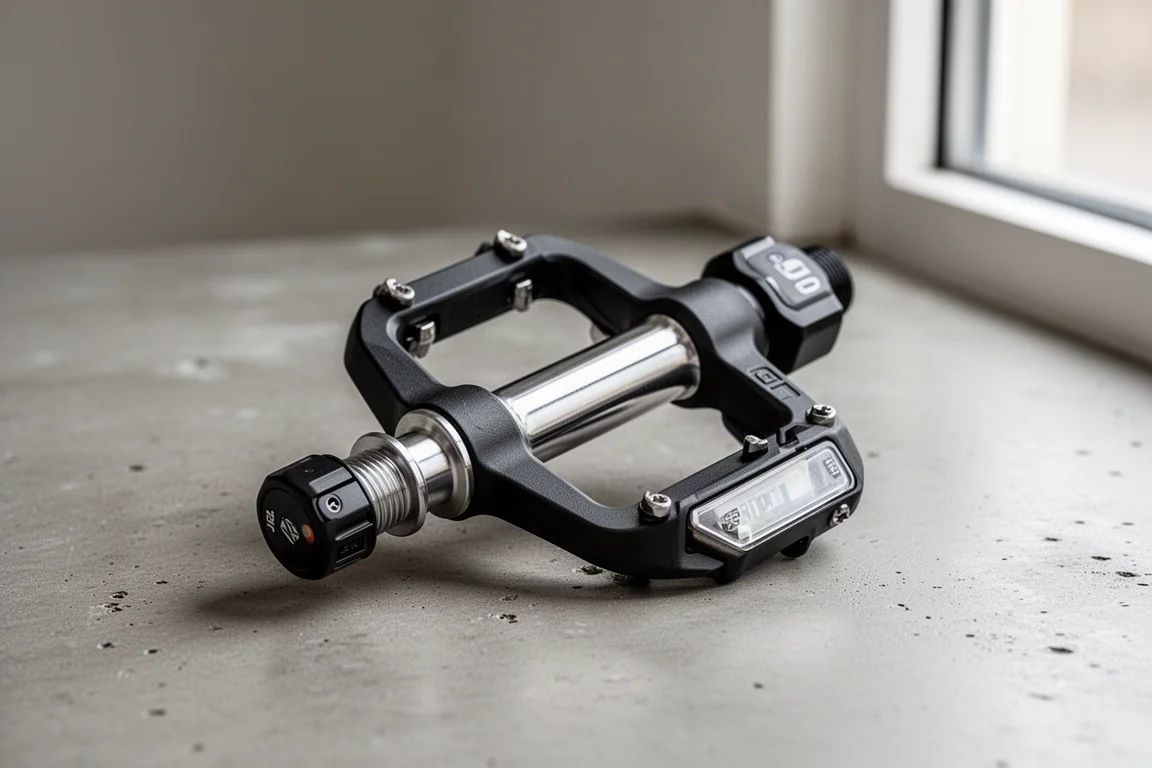
Battery life is claimed at 75 hours, which is shorter than some competitors but works out to roughly a monthly charge for a rider logging 10 hours a week. Charging uses USB-C capsules that clip over the pedal bodies and top the pedals up quickly, and remaining battery is visible in the app or on a head unit. Crank length can be set in the app. The cleat is the familiar Speedplay-style design with plenty of float, and setup avoids the float-angle fiddling of a three-bolt cleat: line it up, adjust for and aft, and ride. Clip-in and clip-out feel different from a three-bolt system at first, but the double-sided entry makes pulling away from a stop noticeably quicker. The one omission is pedalling dynamics data, which these pedals do not report.
Favero Assioma: The Best Value Option
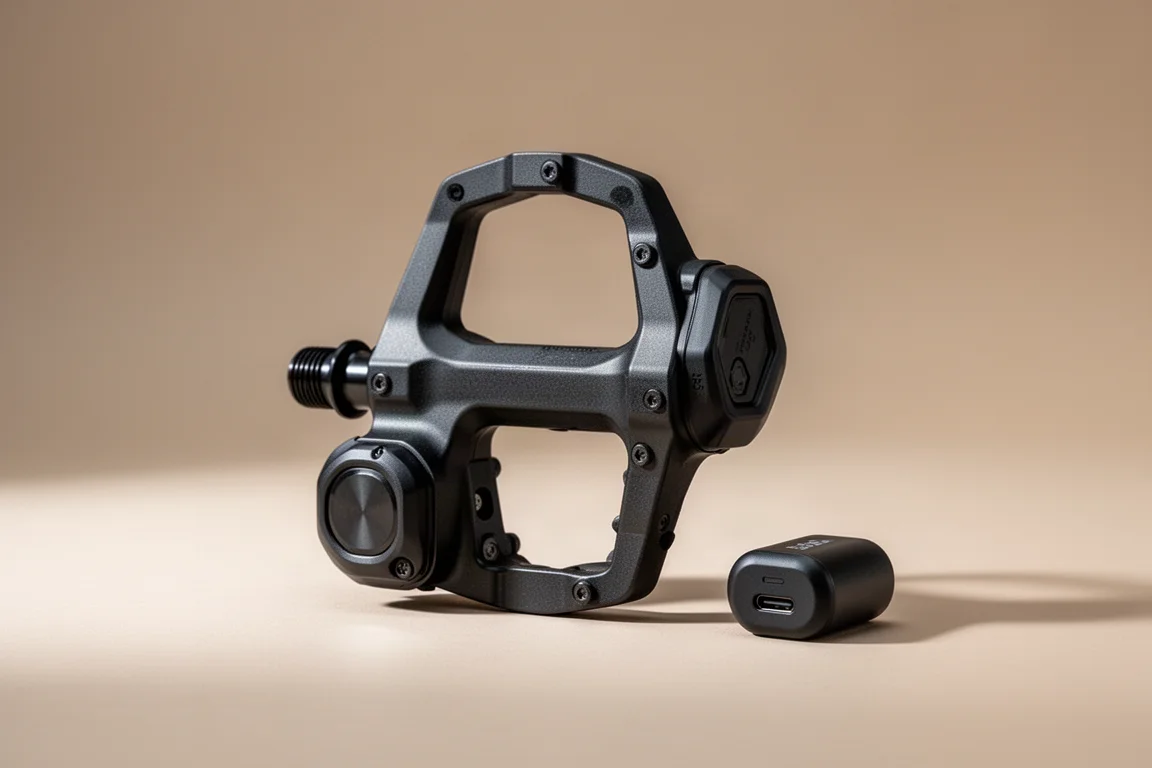
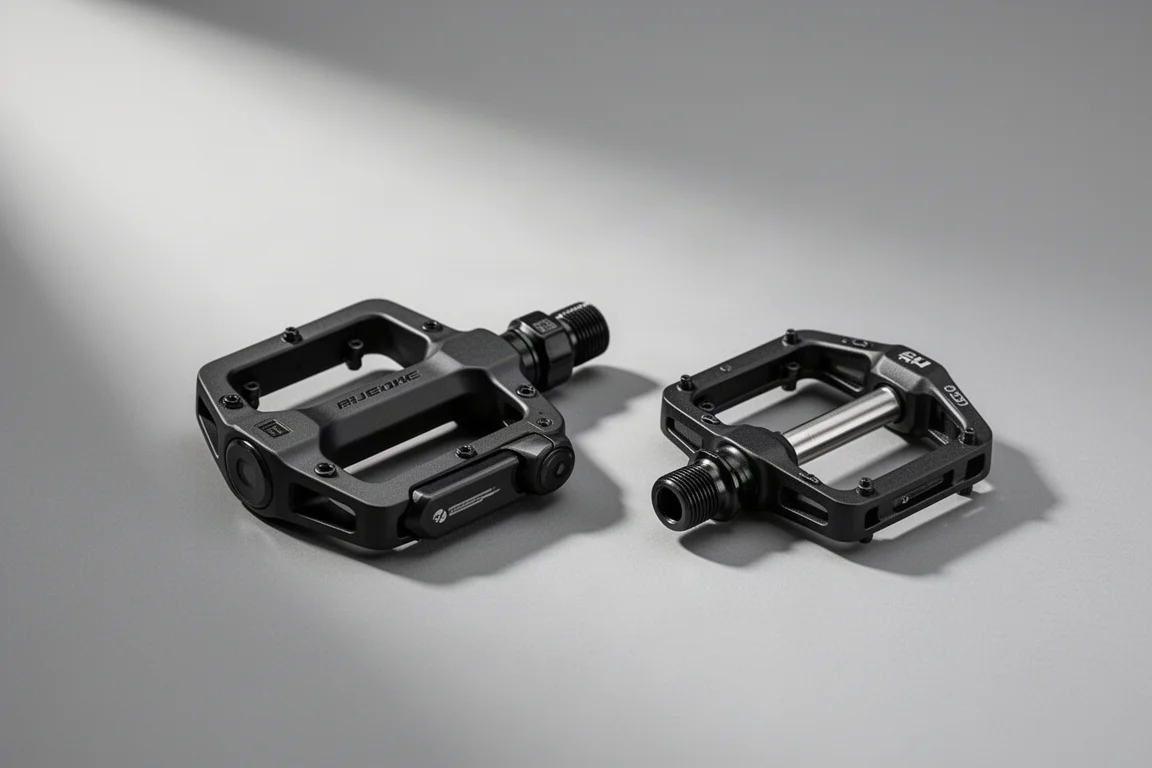
The Assioma is the value play. It comes in dual-sided and single-sided versions and costs meaningfully less than the Wahoo, with discounts easy to find. Two body options are available: a Look-compatible version that behaves much like a standard road system, and a Shimano-compatible version that increases stance width, which is worth checking against your bike fit before ordering. The design uses a similar external pod at the spindle to the Wahoo, and the pedals hold up to heavy, year-round use.
For riders with no strong attachment to a particular cleat system, this is the most affordable way into pedal-based power.
Garmin RS200: More Flexibility at a Higher Price
The RS200 is the most expensive of the three. Its argument is flexibility: the pedal body can be swapped for a different system, including a mountain bike SPD body, and there are very few power meter pedal options for off-road, gravel or mountain bike use. The Garmin also adds a layer of pedalling dynamics data that neither the Wahoo nor the Favero reports, which suits riders who want to analyse how they apply power through the stroke rather than just how much.
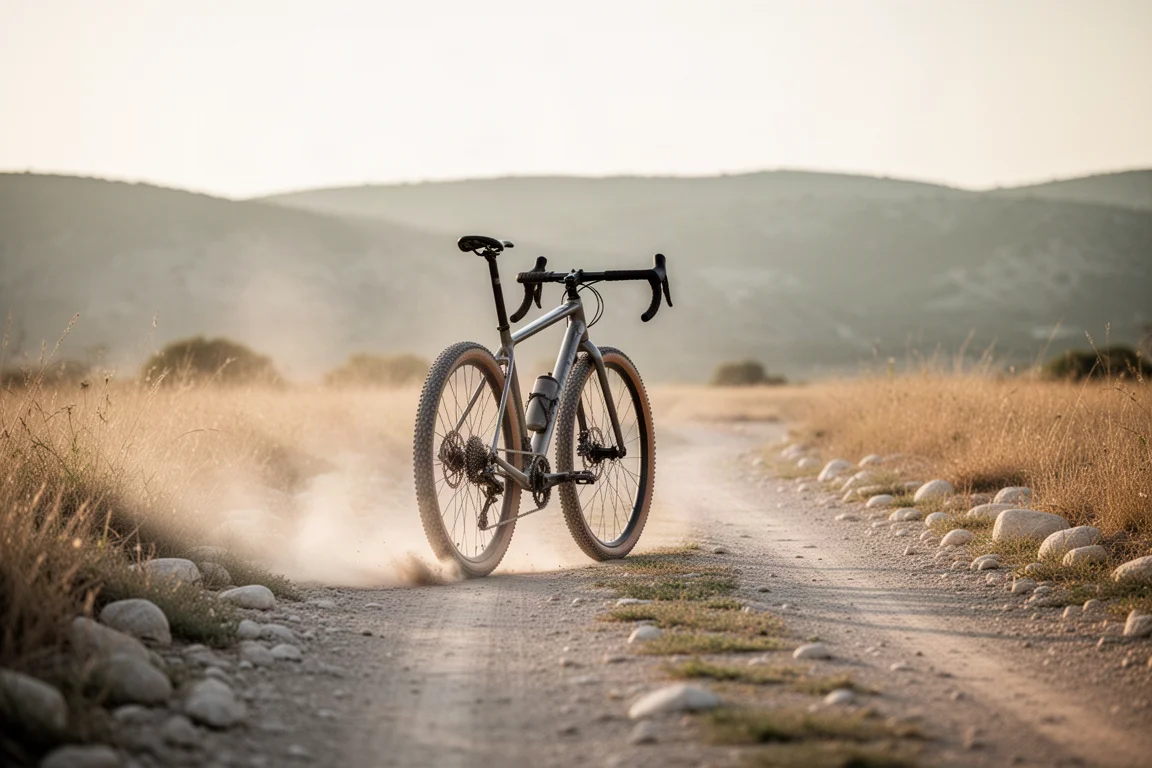
That combination, plus the higher price, defines who the RS200 is for. If your riding includes gravel or trails and you want power data there, the swappable bodies are the practical answer. If your riding is entirely on tarmac and you mainly want reliable totals and zone data, the extra cost buys features you may never open.
How the Three Options Compare
On price, the order is clear: the Favero Assioma is the cheapest, the Wahoo Power Link Zero sits in the middle, and the Garmin RS200 is the most expensive. On accuracy and consistency over months of riding, the Wahoo pedals tracked a crank-based reference meter within a few watts and held their calibration behaviour through changes in temperature once the zero offset routine was followed. On durability, they came through six months of all-weather use without play or rough bearings.
On flexibility, the Garmin wins outright: swappable pedal bodies open up off-road systems that the other two do not offer, and it is the only one of the three with pedalling dynamics data. On cleat preference, the Wahoo pedals are the obvious choice for riders already comfortable on a Speedplay-style cleat, while the Favero’s Look-compatible version keeps things conventional.
Buying Advice: Choosing Your Power Meter Pedals
Start with budget and cleat preference, because those two decide most of the question. If cost is the priority, the Favero Assioma is the clear pick, particularly in its Look-compatible form. If you ride the Speedplay-style cleat and want the most accurate and consistent reading of the three, with durability to match, the Wahoo Power Link Zero is the one to choose, in dual-sided form for full left and right data or single-sided form if you only need total power.
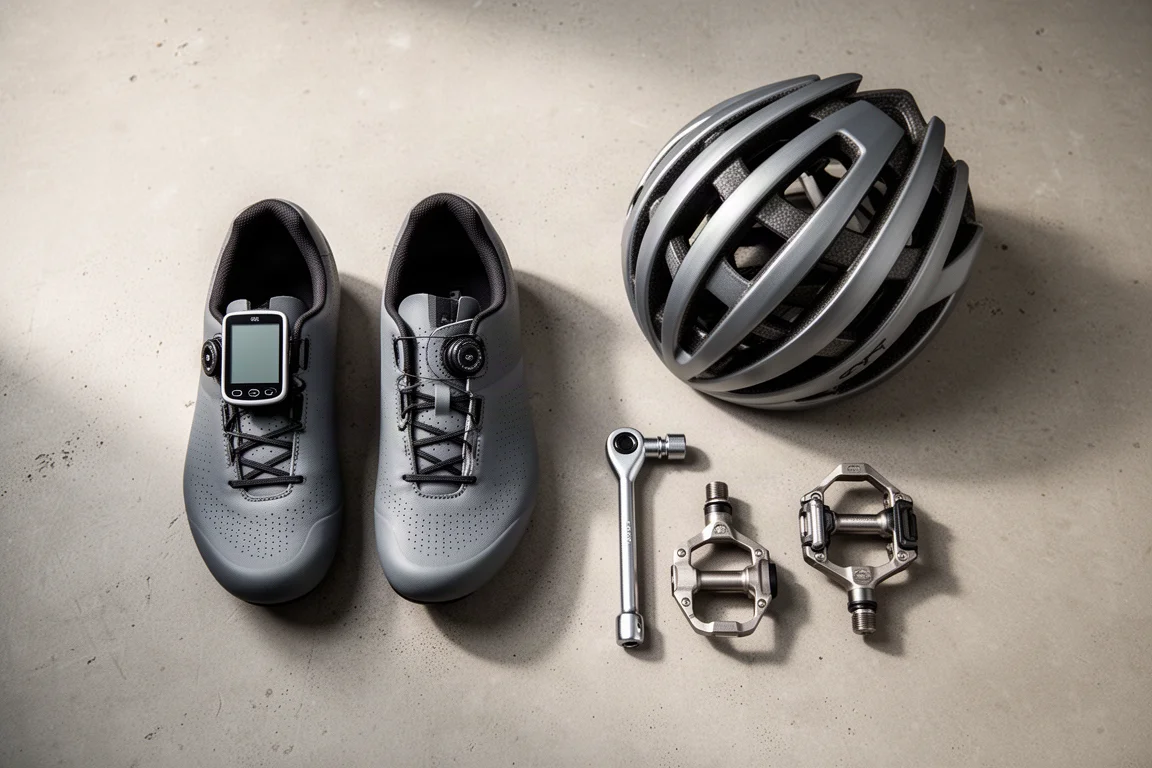
Then consider where you ride and how much data you want. Riders who split their time between tarmac and gravel, or who want to analyse pedalling mechanics, have a genuine reason to look at the Garmin RS200 despite the price. Everyone else can save the difference. Whichever you pick, build the zero offset into your routine: let the bike settle to outdoor temperature first, or ride easy for ten minutes before calibrating, and the numbers you train with will stay trustworthy.
Conclusion
Pedal-based power meters earn their place through flexibility, and all three of these options do the basic job well. The Wahoo Power Link Zero stands out for measurement that matched a crank-based meter closely over a long period, sealed bearings that have stayed smooth through hard use, and a cleat that is genuinely quick to live with. The Favero Assioma remains the best value route into power, and the Garmin RS200 is the option to consider if you need off-road compatibility or deeper pedalling data.
Further reading
Related Reviews
Cycling Accessories
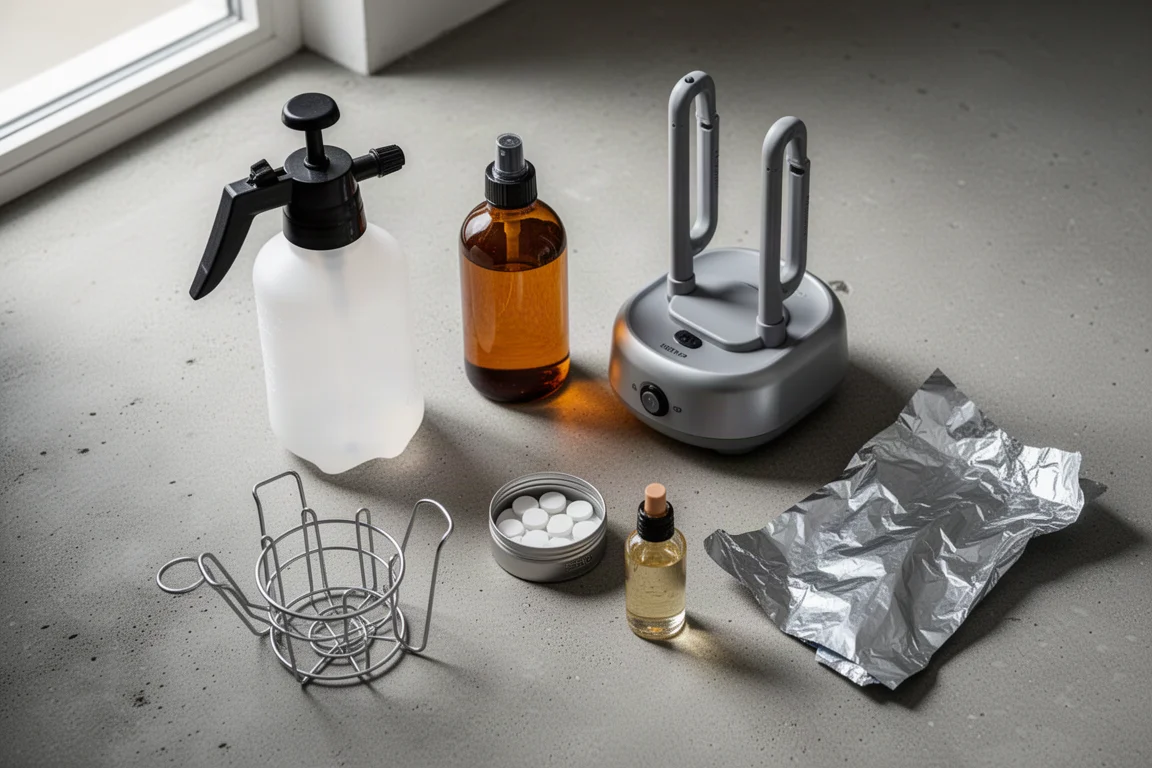
7 Inexpensive Everyday Products That Are Brilliant for Cyclists
Seven cheap household products that solve real problems for cyclists, from portable bike washing and dry shoes to clean bottles and protected paintwork.
Cycling Accessories
Amazon Cycling Accessories Worth Buying: Five Practical Picks
A basket of low-cost cycling accessories judged on real-world use, from a dash cam style camera and light combo to bone conduction headphones and one tool best left on the shelf.
Cycling Accessories
Electric Bike Pumps Compared: AS2 Pro Tiny Pump vs AS2 Pro Max
A practical look at two battery-powered bike pumps: what they do well, where they fall short, and which one suits which kind of rider.