Portable Power Stations
Best Portable Power Stations for Car Camping: Bluetti AC50B, EB3A, and AC180 Compared
A practical guide to choosing a portable power station for car camping, with three Bluetti models matched to different trip lengths, devices, and power demands.
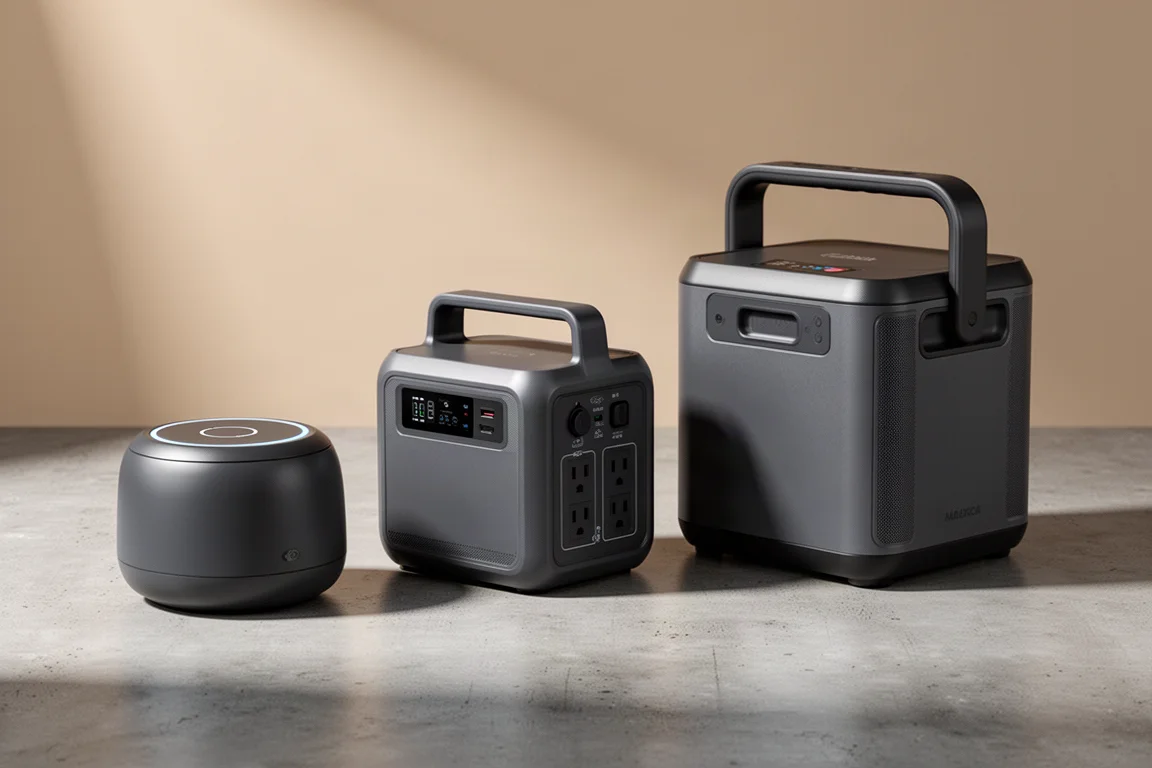
Introduction
Car camping puts a specific set of demands on a portable power station. The gear goes into the back of the car, the car sits parked at the campsite, and the tent does the sleeping. That means a power station has to deliver usable power without claiming more space than it deserves, and it also means the car cannot be counted on as a charging source when it stays put for the whole trip.
Three factors separate one power station from another: total watt-hour capacity, inverter output for the AC outlets, and the number and type of outputs. The three Bluetti models below sit at different points on that scale, from a light and affordable unit for phones and tablets to a larger station that can run a 12V fridge across a long weekend or a full week with solar help.
What Matters Most in a Camping Power Station
Capacity decides how much you can run and for how long. A bigger battery simply runs longer between charges, but it is easy to buy far more capacity than a car camping setup needs. Too small, on the other hand, and you can run into trouble even with a solar panel on hand, because cloudy and rainy days limit how much charging you can actually do.
Inverter output matters just as much when you plan to run anything with a motor or a heating element. If the inverter cannot supply enough watts for a device, the station cannot run it at all. Knowing the wattage of the appliance you intend to bring is the starting point, and it is worth remembering that high-wattage devices drain a battery quickly no matter how large it is.
Outputs are the third piece. Stations that lean toward USB ports rather than AC outlets often make more sense for camping, because USB charging runs off the DC side of the battery instead of waking the inverter. Multiple USB-C ports delivering 65 to 100 watts can charge a laptop directly, without a charging brick plugged into an AC outlet.
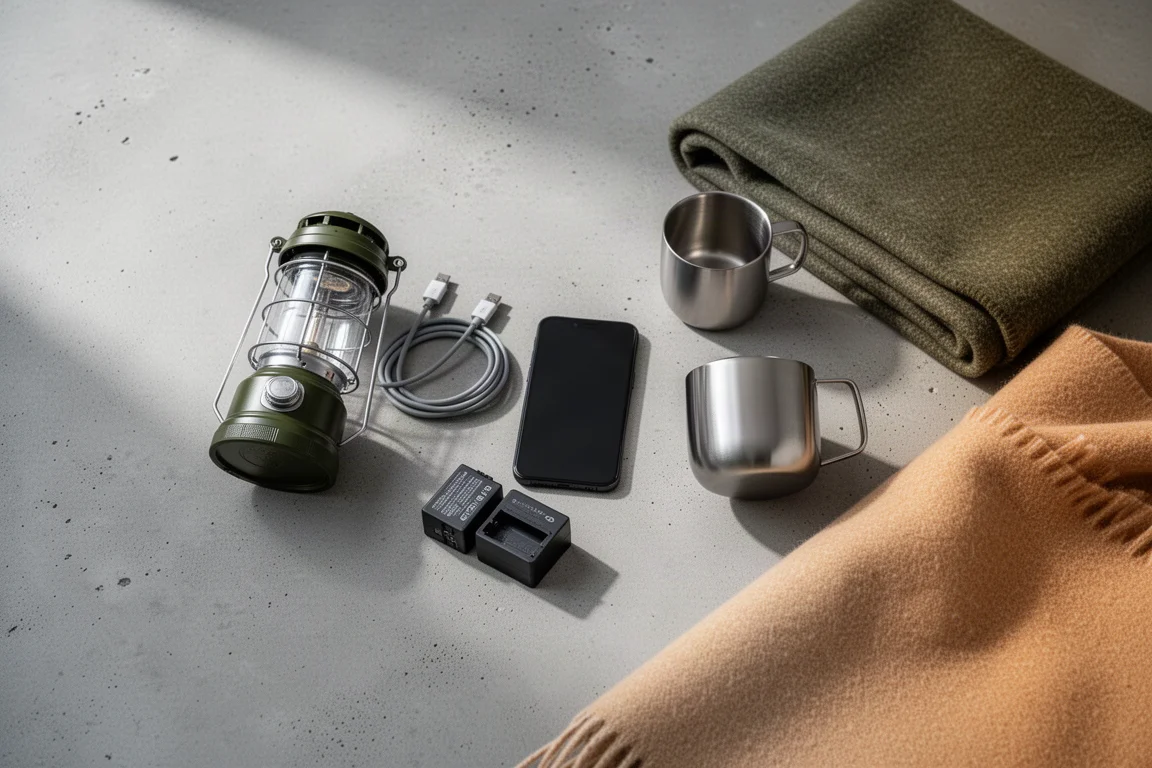
A useful rule of thumb is to buy slightly more capacity than your inventory of devices suggests, since advertised output is not always delivered in full. Battery chemistry deserves attention too: lithium iron phosphate is the more durable and reliable choice for long-term use, even when it costs a little more. Budget, warranty coverage, and the practicality of the whole setup for your own style of camping round out the picture.
Bluetti AC50B: A Simple, Affordable Option for Small Devices
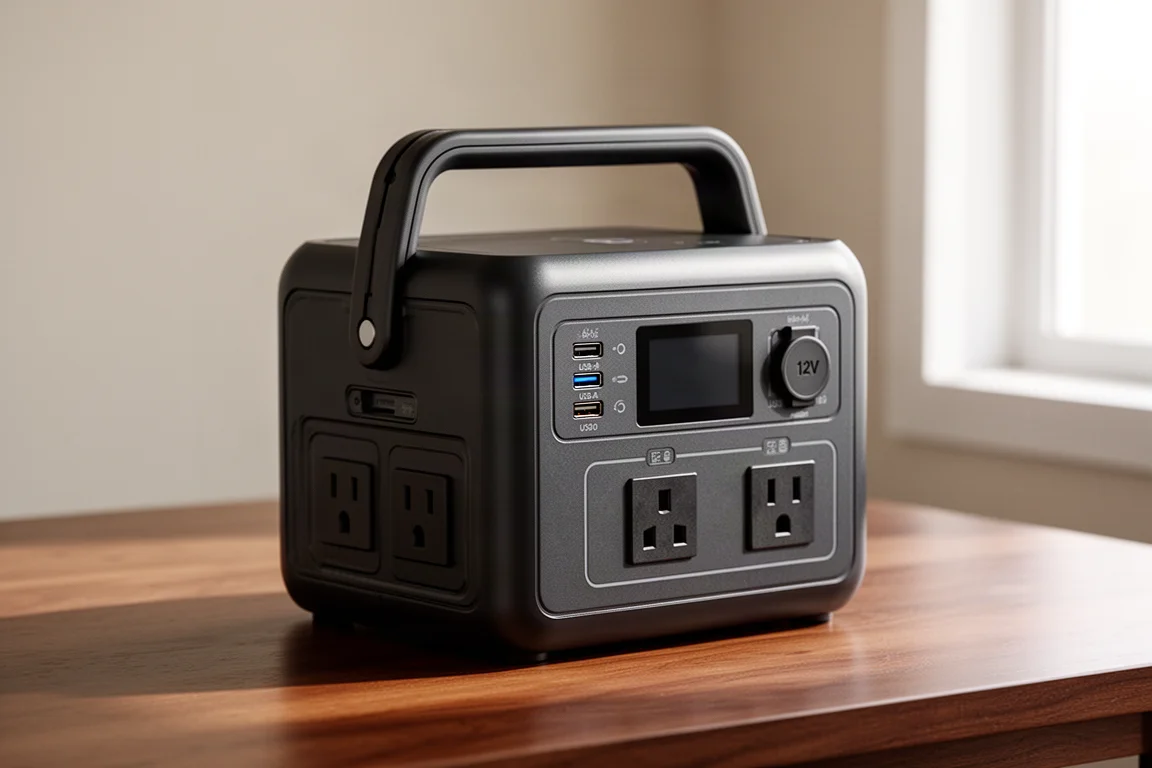
The Bluetti AC50B carries a 448Wh lithium iron phosphate battery rated for up to 3,000 charging cycles to 80 percent of capacity. Its pure sine wave inverter provides 700 watts of AC output with a power lift to 1,000 watts, and the front panel holds one 12V output, two USB-C ports at 65 watts each, one USB-A port, and two 120V AC outlets. Solar input tops out at 200 watts, and with turbocharging enabled in the Bluetti app the unit can reach a full charge in as little as 45 minutes.
In extended field use, the AC50B proved simple and genuinely affordable. On a weekend trip it ran a 12V fridge alongside iPad and phone charging, and the fridge pulled it from 85 percent down to 57 percent over roughly nine hours overnight. A 100 watt solar panel took it from 56 percent back to 100 percent in about three hours, leaving it topped up well before lunch.
That same test showed the limit of the capacity. For a weekend running a fridge, a station in the 700Wh range is more comfortable, and the AC50B is not built for heavy-duty loads. It is at its best charging phones, tablets, camera gear, and lanterns. One missed opportunity is the absence of a wireless charging pad on top, which the other two models here include.
Bluetti EB3A: The Compact Choice With Wireless Charging
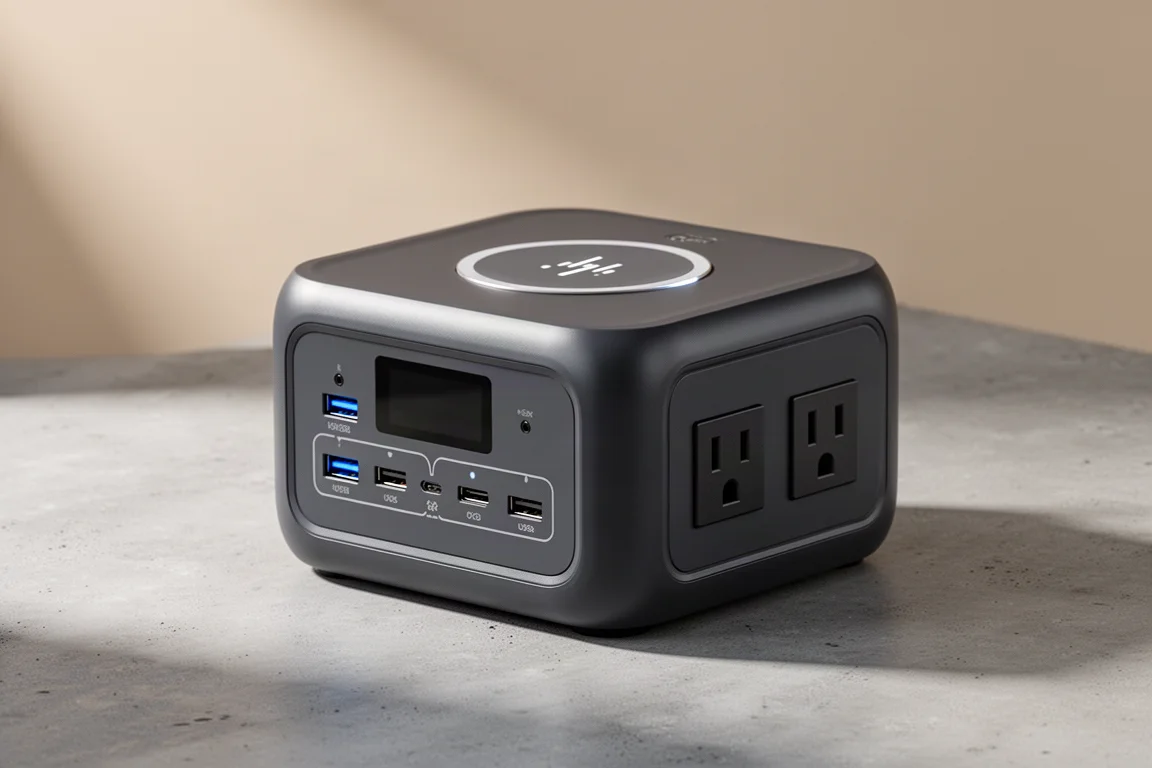
The Bluetti EB3A is the smallest option of the three, with a capacity under 300Wh and a 600 watt inverter that handles a 1,200 watt surge. A wireless charging pad sits on top of the housing, so a phone can be topped up without a cable and without switching on the inverter.
Its output selection covers the everyday camping load well: phones, tablets, camera batteries, and camping lights all charge comfortably, and the port count is sufficient for a typical tent setup. The trade-off is runtime. With under 300 watt hours on board, anything drawing high wattage will empty the battery quickly, so this is a station for light charging rather than sustained appliance use.

The compact footprint is the real argument in its favor. It takes up very little room in a packed car, and for short trips where the goal is simply keeping small electronics alive, that is often the only thing that matters.
Bluetti AC180: More Capacity for Longer Trips
The Bluetti AC180 steps up to just over 1,000 watt hours and an inverter rated at 1,800 watts, which opens the door to higher-wattage appliances that the smaller units cannot drive. Like the EB3A, it includes a wireless charging pad on the top surface. Paired with a 200 watt solar panel, it can be kept topped off through a trip.
The obvious cost of that capability is size and weight. The AC180 is about as large as makes sense for car camping, where every item competes for space alongside the tent, the cooler, and the rest of the gear. It is the right answer for longer trips and for anyone who wants a generous buffer, and the wrong answer for campers who only need to charge a phone and a headlamp.
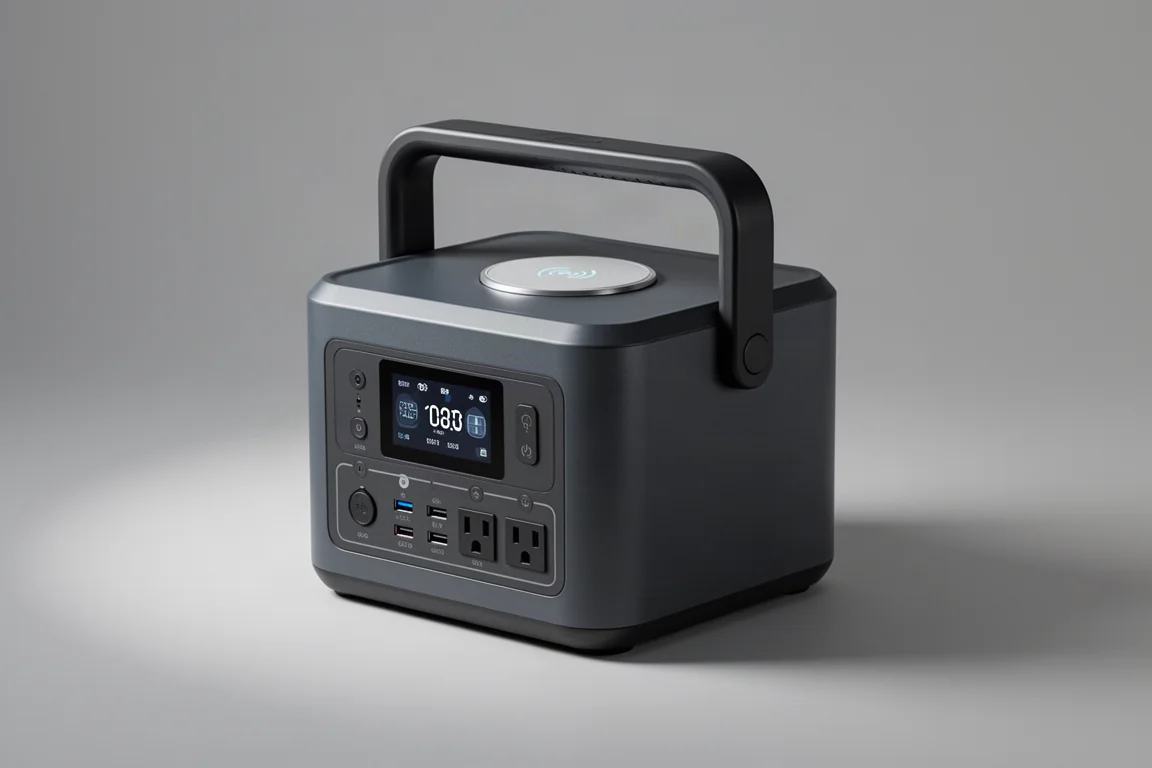
Matching Capacity, Space, and Solar Charging
Whether you need a large station depends heavily on whether you can recharge during the day. With a solar panel available and decent sun, a smaller station can be topped up and remain useful across a full trip. Without any way to recharge in the field, a larger battery is the safer purchase, and a unit above 1,000 watt hours becomes the more sensible choice.
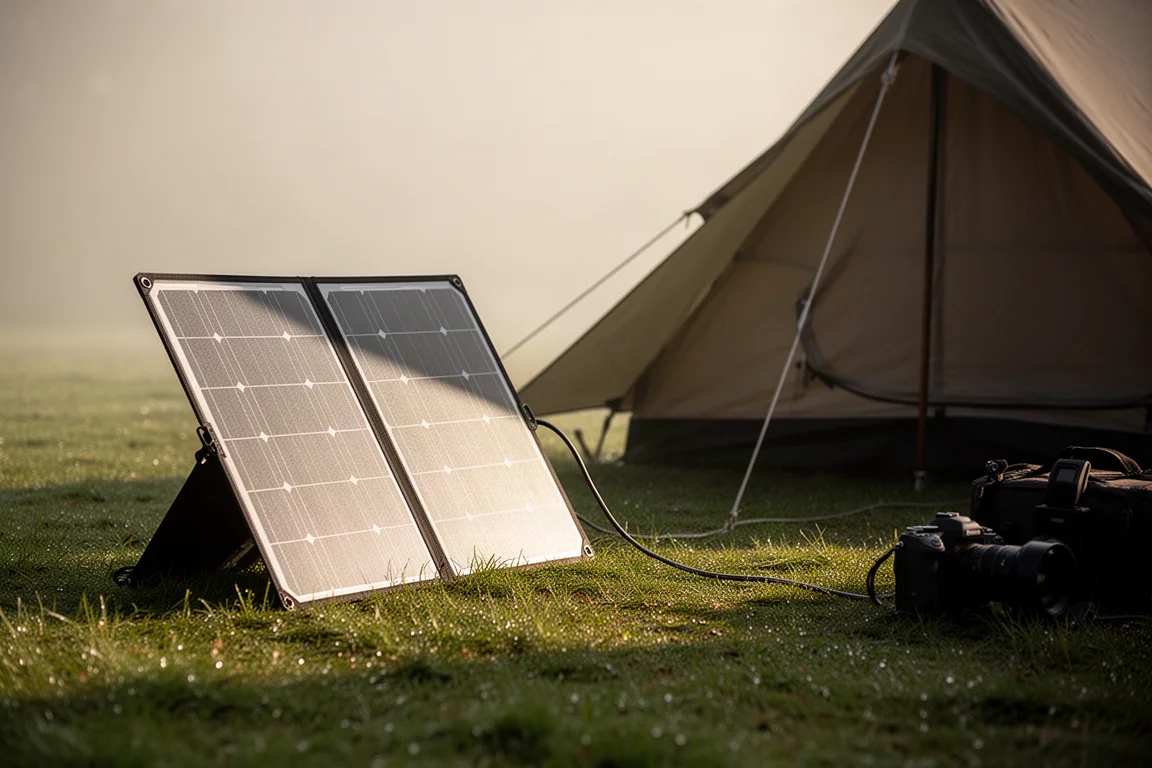
There is a middle path worth considering. A station in the 700 watt hour range paired with a 200 watt solar panel delivers a capable, tidy system that uses less space in the car and costs less than the largest option. It is a good example of matching the equipment to the trip rather than defaulting to maximum capacity.
Buying Advice
Start with an inventory of what you actually need to power, then add a buffer. A station slightly larger than your calculated requirement covers the gap between advertised capacity and real-world output, and it leaves room for the occasional extra device.
Prioritize lithium iron phosphate batteries, check the warranty, and pay attention to brand reliability rather than chasing the lowest price. Reports that describe a unit used in the field, in the same kind of application you have in mind, are far more useful than first impressions straight out of the box. Practicality matters as much as specifications: a station that is too heavy or too bulky will stay home, no matter how much capacity it offers.

For car camping, the sensible range runs from a compact unit for device charging up to a station just over 1,000 watt hours for fridge use and longer trips. Beyond that, the space penalty usually outweighs the benefit, and a smaller station with daytime solar charging can cover more than it first appears.
Conclusion
Choosing a camping power station comes down to three numbers and one habit. Capacity, inverter output, and the mix of ports decide what a station can do, and the habit of buying slightly above your measured need keeps it useful when conditions are less than ideal.
The Bluetti AC50B suits campers who want an affordable, straightforward unit for small electronics. The EB3A is the smallest and lightest of the three and adds wireless charging on top. The AC180 covers longer trips and higher-wattage appliances, with the size and weight to match. Match the station to the trip you actually take, and it will earn its place in the car every time.
Further reading
Related Reviews

Portable Power Stations
Anker SOLIX F3000 Review: A Powerful Portable Power Station With a Few Design Quirks
The Anker SOLIX F3000 delivers strong performance, fast charging, and a competitive price, but a few design choices may give you pause.

Portable Power Stations
EcoFlow Delta 3 Series: Five New Power Stations Previewed
EcoFlow expands the Delta 3 lineup with five models, from the compact Classic to the flagship Ultra Plus. Here is what each one offers.
Portable Power Stations
Oscal Power Max 6000 Review: A Large Solar Generator With Real Trade-Offs
A week of off-grid use shows what the Oscal Power Max 6000 handles well, where it falls short, and when a fuel generator still makes more sense.