Cycling Accessories
Best Portable Electric Bike Pumps 2026: Nano, Mini and Off-Bike Picks
A practical roundup of portable electric bike pumps across nano, mini and off-bike categories, with the real strengths and trade-offs of each model.
Introduction
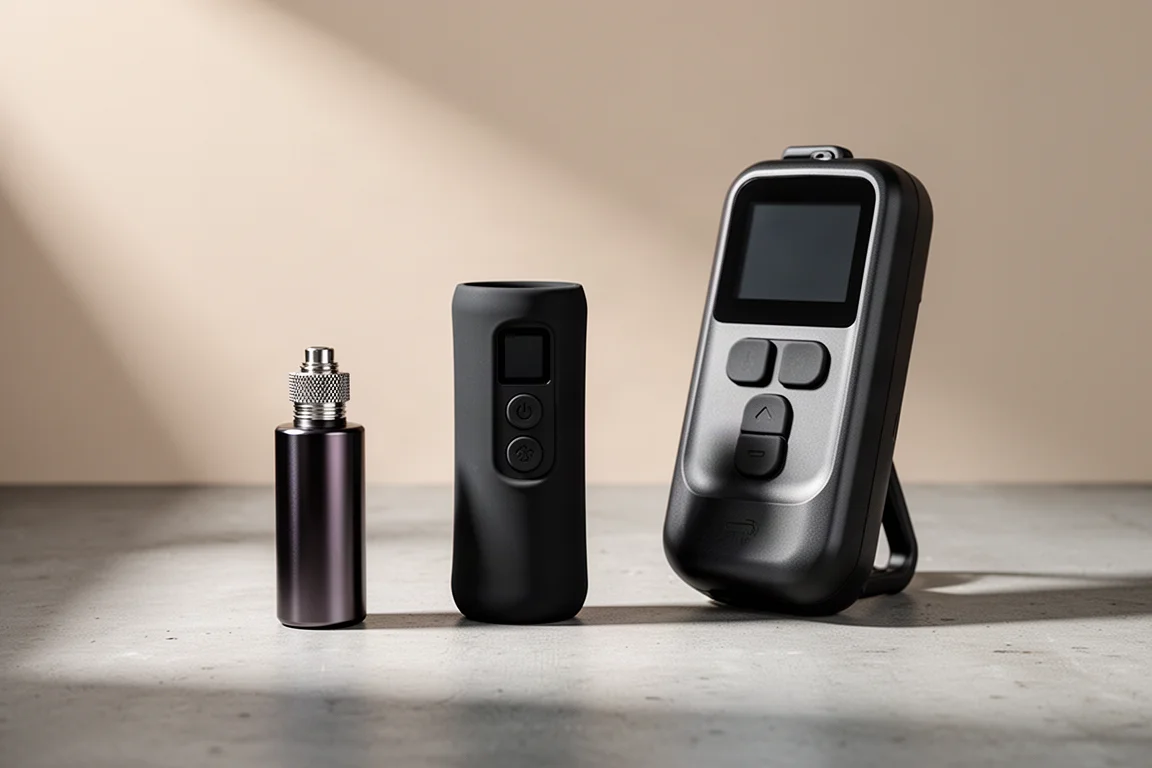
Portable electric pumps have gone from novelty to standard kit. Every pump in this roundup charges over USB-C, works with both Presta and Schrader valves, and ships with a sealable travel bag that keeps grit and water away from the mechanism. Past those shared basics, the field splits into three groups: nano pumps built for jersey pockets, mini pumps that add screens and programmable pressure limits, and off-bike pumps designed to live in a workshop, garage or car.
This guide covers what each group does well, where the individual models differ, and which pump makes the most sense in each category.
What to Look For in a Portable Electric Pump
Three numbers shape the buying decision: battery capacity, claimed maximum pressure and charge time. The nano group settles around a 300 mAh battery, a claimed charge time of 30 minutes or less, a claimed 100 PSI ceiling and a weight between 93 g and 110 g. Mini pumps move up to 120 to 190 g, with batteries running from 400 to 600 mAh. Off-bike pumps go bigger again and spend the extra capacity on speed rather than portability.
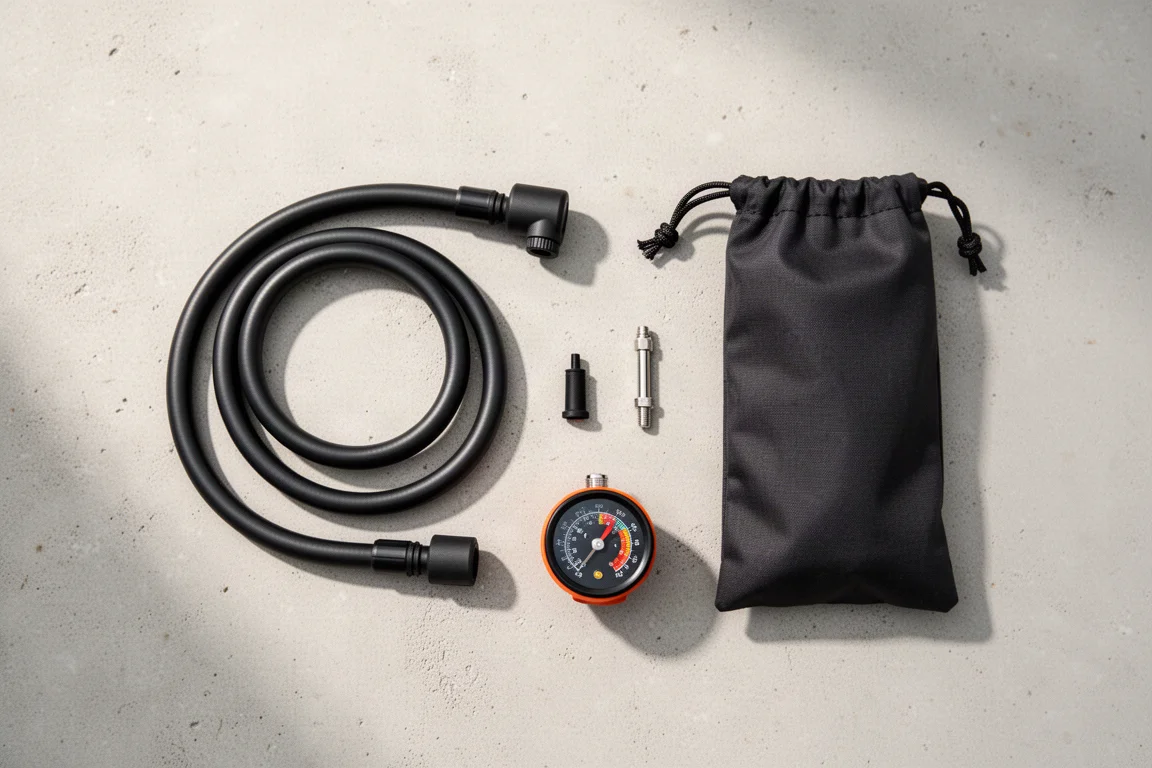
Spec sheets only tell part of the story. Two design details matter just as much in daily use. The first is where the buttons and screen sit relative to the valve nozzle, because that decides whether you can set a pressure, start the pump and watch the reading without covering the display or knocking the unit out of operation mid-fill. The second is the silicone sleeve, which adds grip, insulates your fingers and takes the edge off vibration.
One detail applies to every pump here: the USB-C charging port doubles as the air intake, so it pays to keep the port clear while inflating.
Nano Pumps: Light, Pocketable and Simple
The nano group is defined as much by what it leaves out as by what it includes. None of these pumps has a display, and none is programmable, so you inflate toward a target and stop when your own gauge says so. In return you get the lightest and smallest pumps in this roundup.
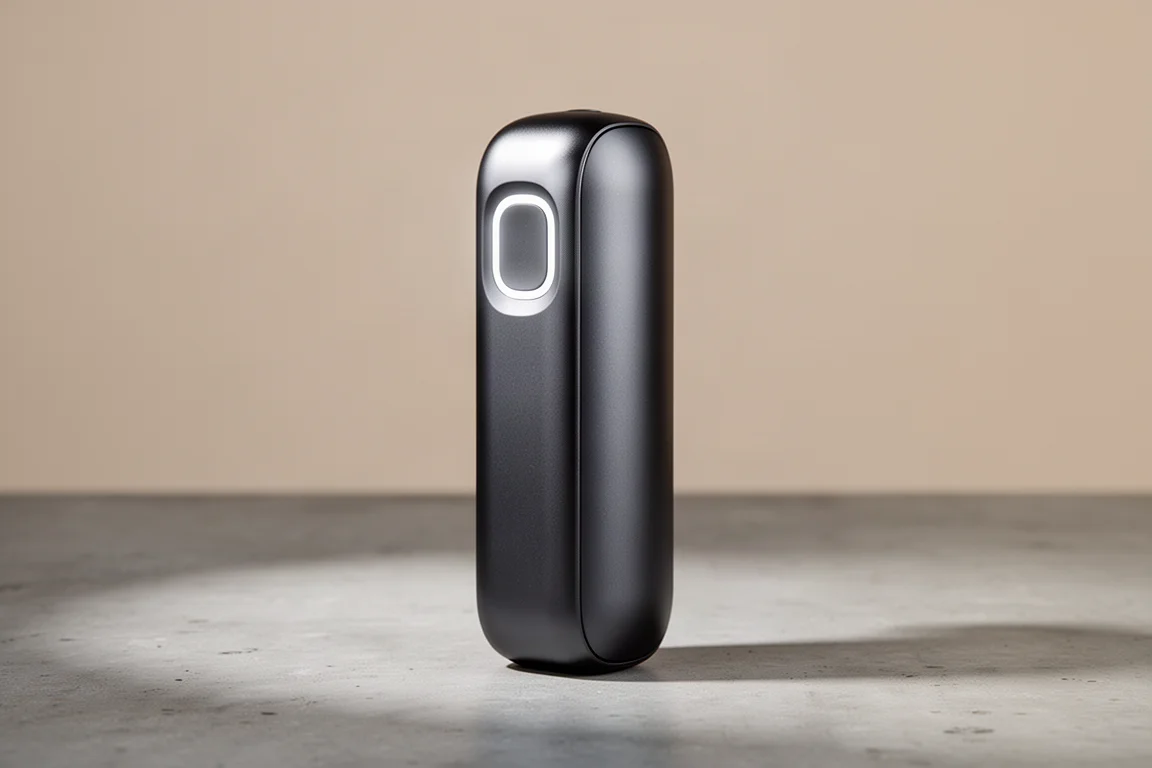
Muc-Off AirMach
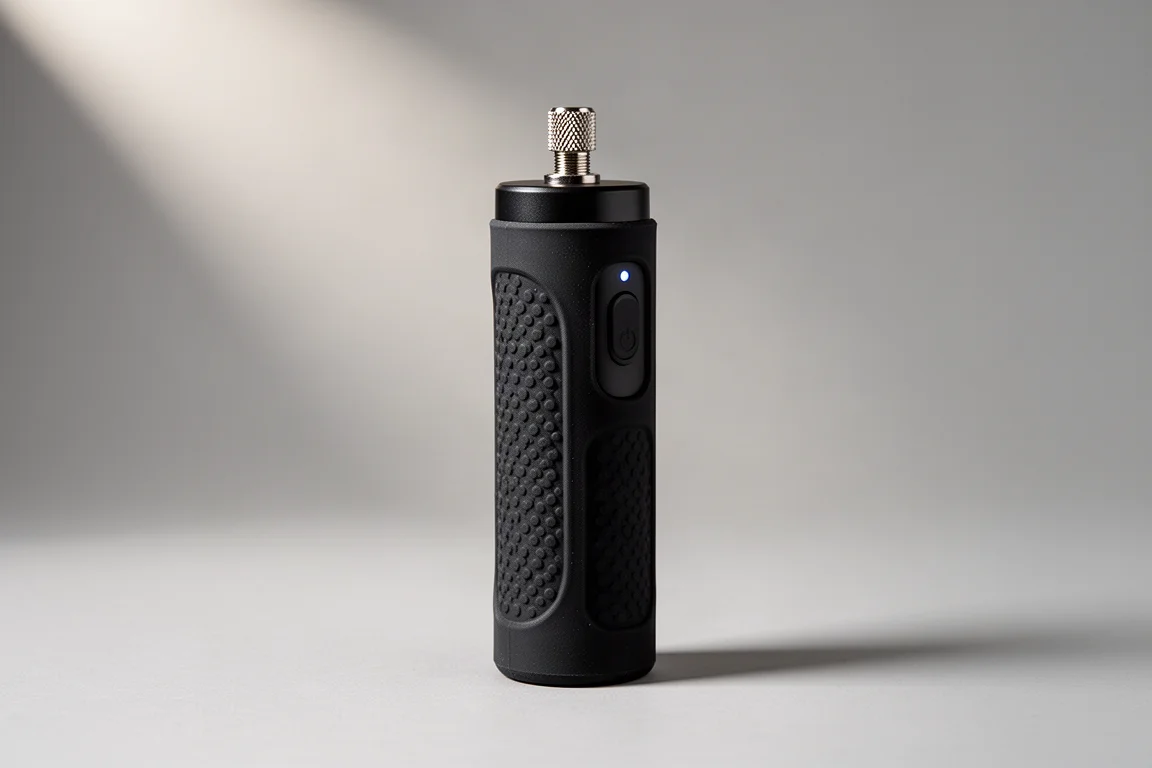
The AirMach arrives in a silicone case that gives it a genuinely premium feel, and the pattern moulded into the sleeve adds a useful amount of grip. The metal valve nozzle is knurled, which makes switching between Presta and Schrader setups noticeably easier. The valve seal itself is fairly soft rubber, so expect it to wear over time when pressed against a metal valve, and no spare seal is included in the box, although replacements are available from the brand.
Operation is simple. The button is well placed and backed by an easy-to-see LED: press once to wake the unit, then double press to start pumping. It filled a 30c tire to 50 psi in around 60 seconds and successfully seated a tubeless tire.
CYCPLUS AS2
The AS2 includes more in the box than most of its rivals: a flexible hose, a spare valve seal and an adapter pin for Schrader valves. It also ships in a silicone case that is less striking than the Muc-Off sleeve but entirely functional.
Its nozzle is much smaller, which makes it slightly fiddlier to open when you are replacing the seal or switching to Schrader, but it also makes the pump far less intrusive in use. The button sits on the underside of the unit and is covered by the case, so locating it by feel is harder, particularly with gloves on. A cutout or a raised bump in the case would solve that.
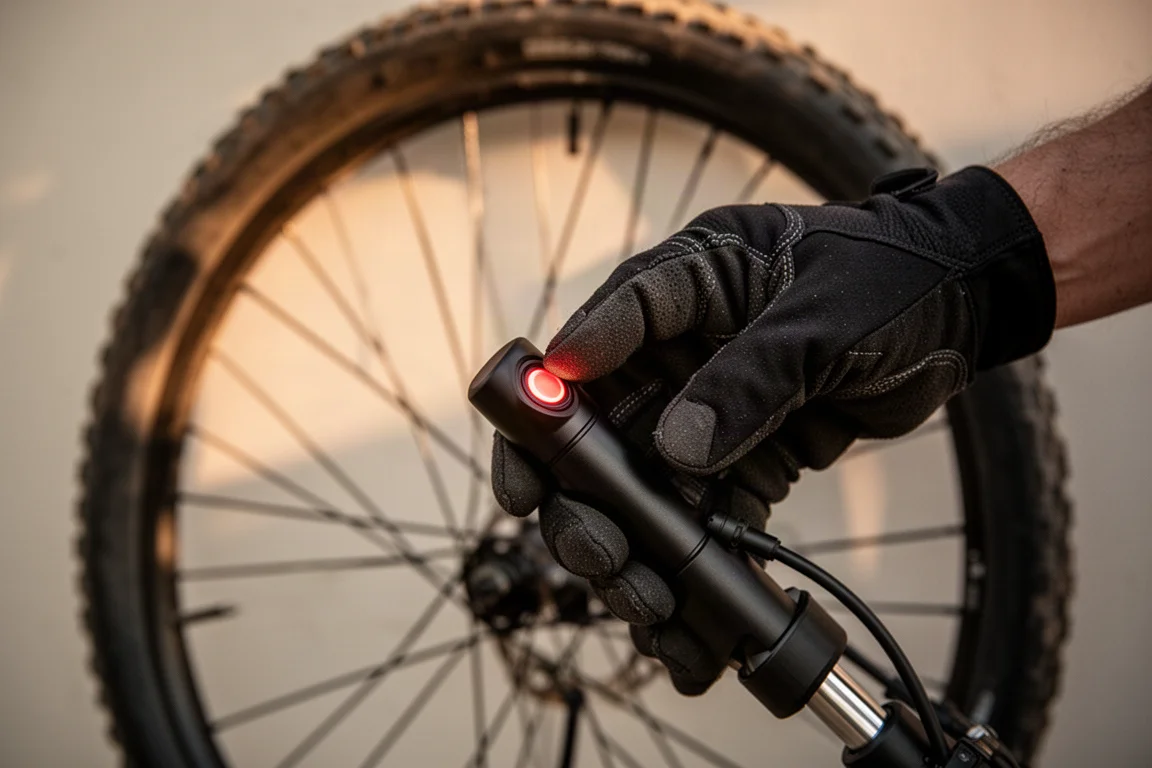
Inflation performance matches the AirMach at around 60 seconds to 50 psi, and it seated a tubeless tire as well. It also vibrated noticeably less than the Muc-Off.
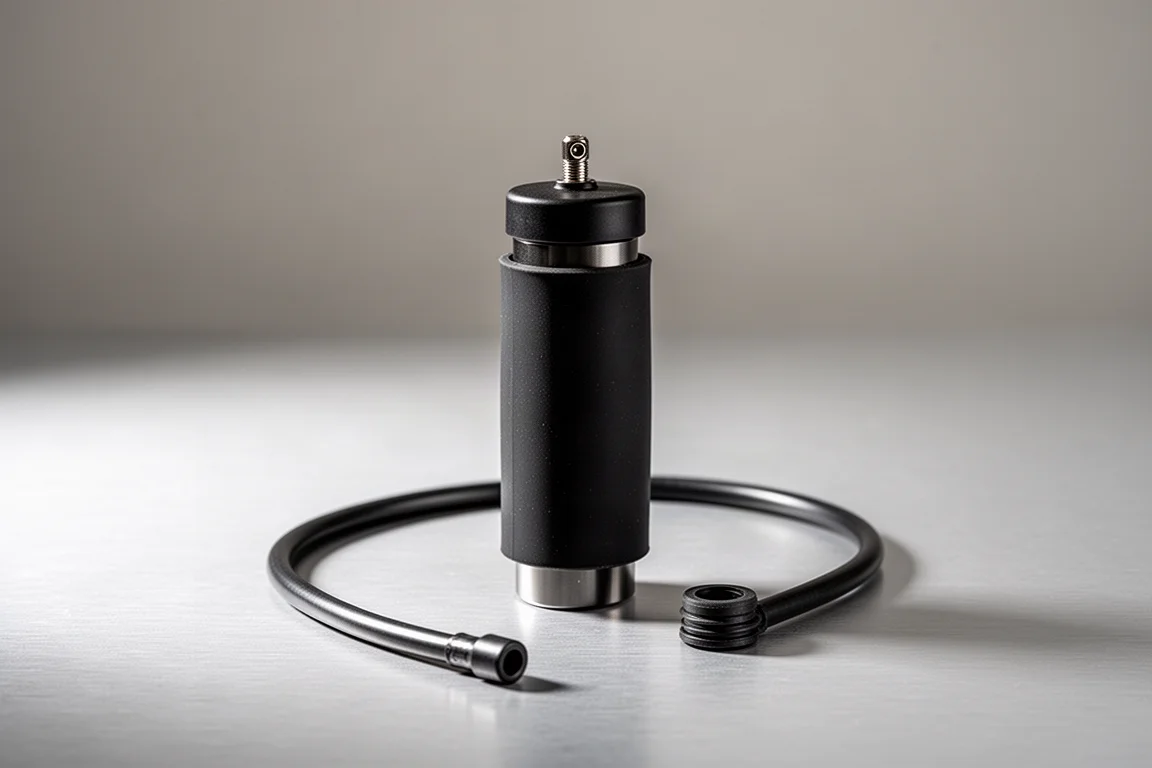
Fumpa Nano
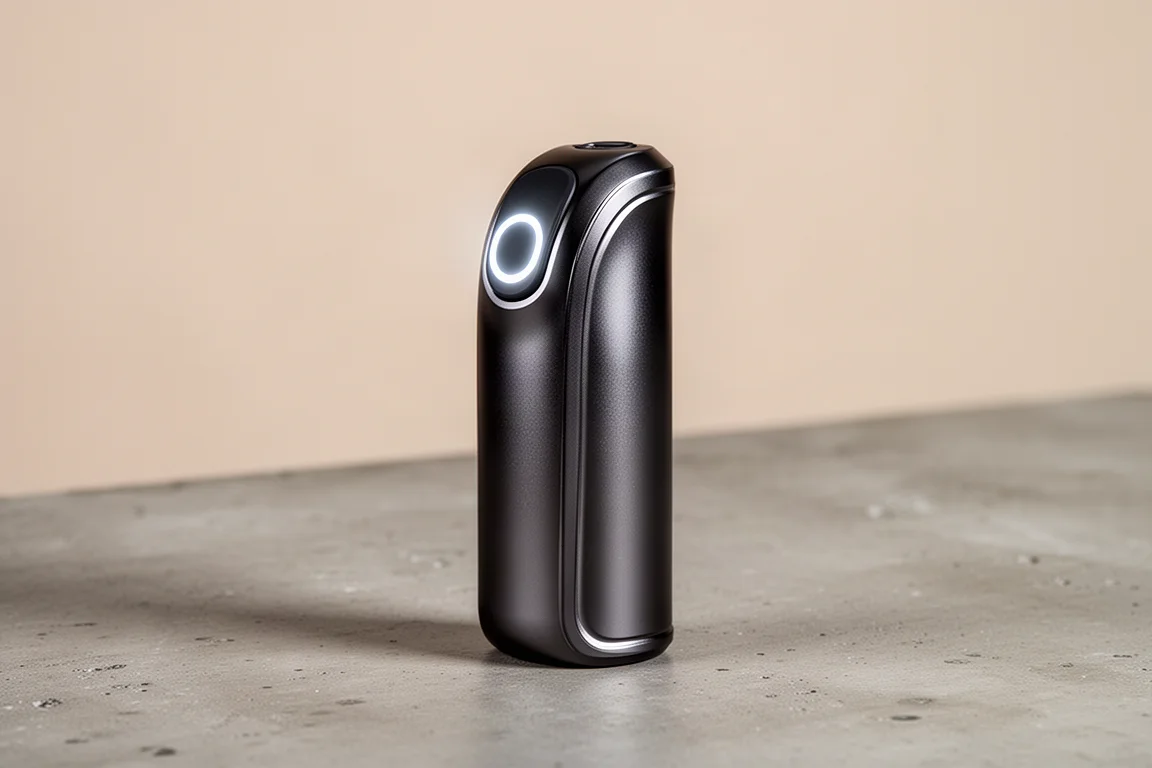
The Fumpa Nano looks different from everything else in this group, and its spec sheet is different too. It is the outlier of the nano category, claiming a maximum of 120 PSI rather than 100, and it is the only pump here that claims a one-hour charge time instead of 30 minutes or less. It is also by far the most expensive option in this category.
In the hand the curved edges work well, and the raised, illuminated button is easy to find. The control logic is different from the rest: hold the button down until pumping starts, lift your finger, then press again to stop. The lack of a silicone sleeve is noticeable, because the anodized aluminum casing is less grippy than the sleeved pumps and conducts heat and vibration back to your hand more quickly.
It is clearly a powerful unit, reaching 50 psi in under a minute and seating a tubeless tire.
Mini Pumps: Screens, Presets and Bigger Batteries
Three things separate the mini group from the nano pumps. They are larger and heavier, at 120 to 190 g. They introduce LCD displays and extra buttons so you can set a target pressure and let the pump stop on its own. And they carry bigger batteries, ranging from 400 to 600 mAh.
Topeak E-Booster Digital
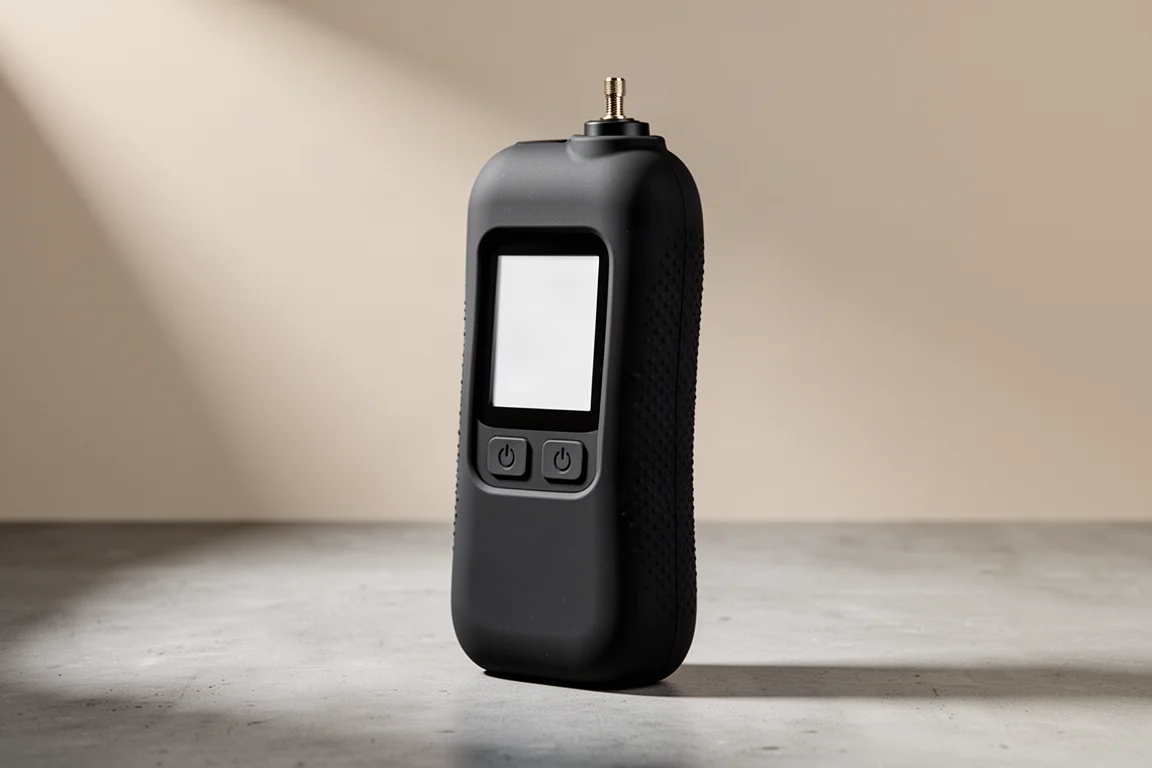
The E-Booster Digital is a relatively new product, and it is the largest pump in the mini category, pushing the limit of what you would want to carry on the bike. That bulk houses the biggest battery in the group at 600 mAh, so if you want to be prepared for several inflations, this is the one to pick.
It has a distinctive sliding switch that pivots between Presta and Schrader valves, plus a decent-size screen with illuminated buttons that are big and easy to operate. Setting the pressure is straightforward, and the unit does not shut itself off quickly, which gives you time to set your target, position the pump and start it. The screen and buttons would be even better on the nozzle side of the unit.
The silicone case is good for grip, insulating fingers and damping vibration. It took exactly 60 seconds to reach 50 psi on a 30c tire, and afterwards the battery still showed full; five full inflations came out of one charge. Watch your hand placement, because it is easy to catch a button and cut an inflation short, or to cover the USB-C charge port that doubles as the air intake.
CYCPLUS AS2 Pro
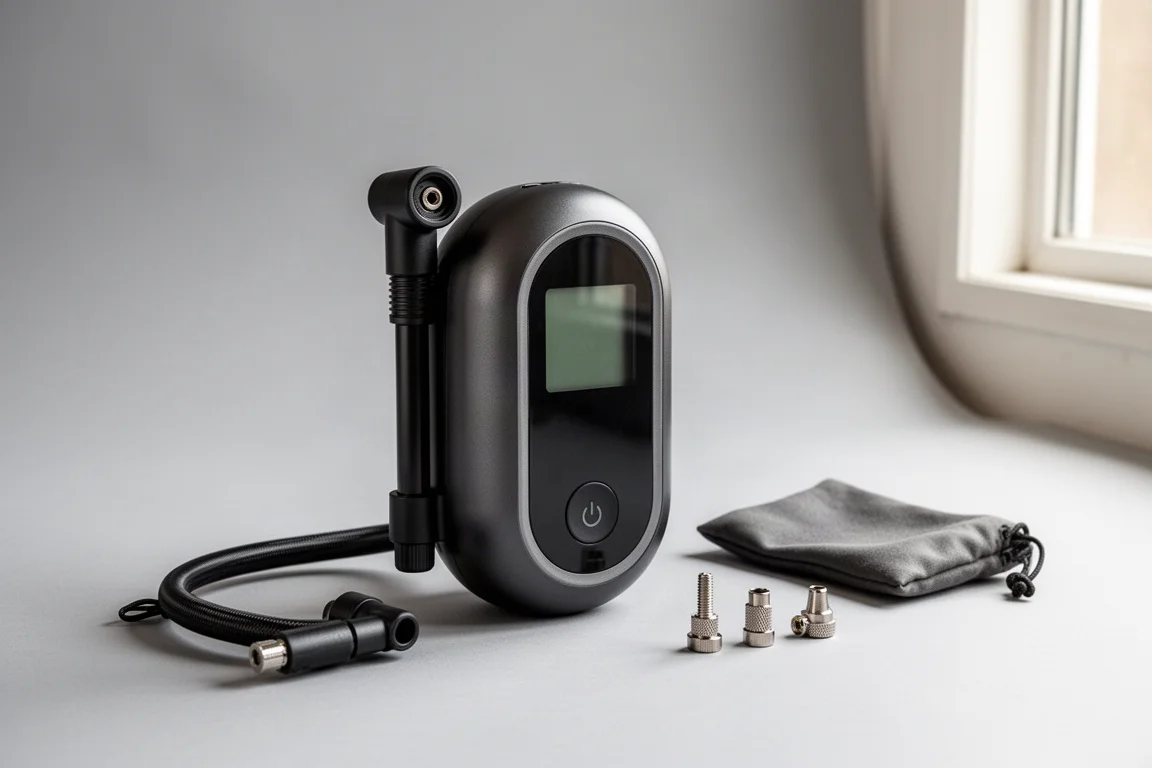
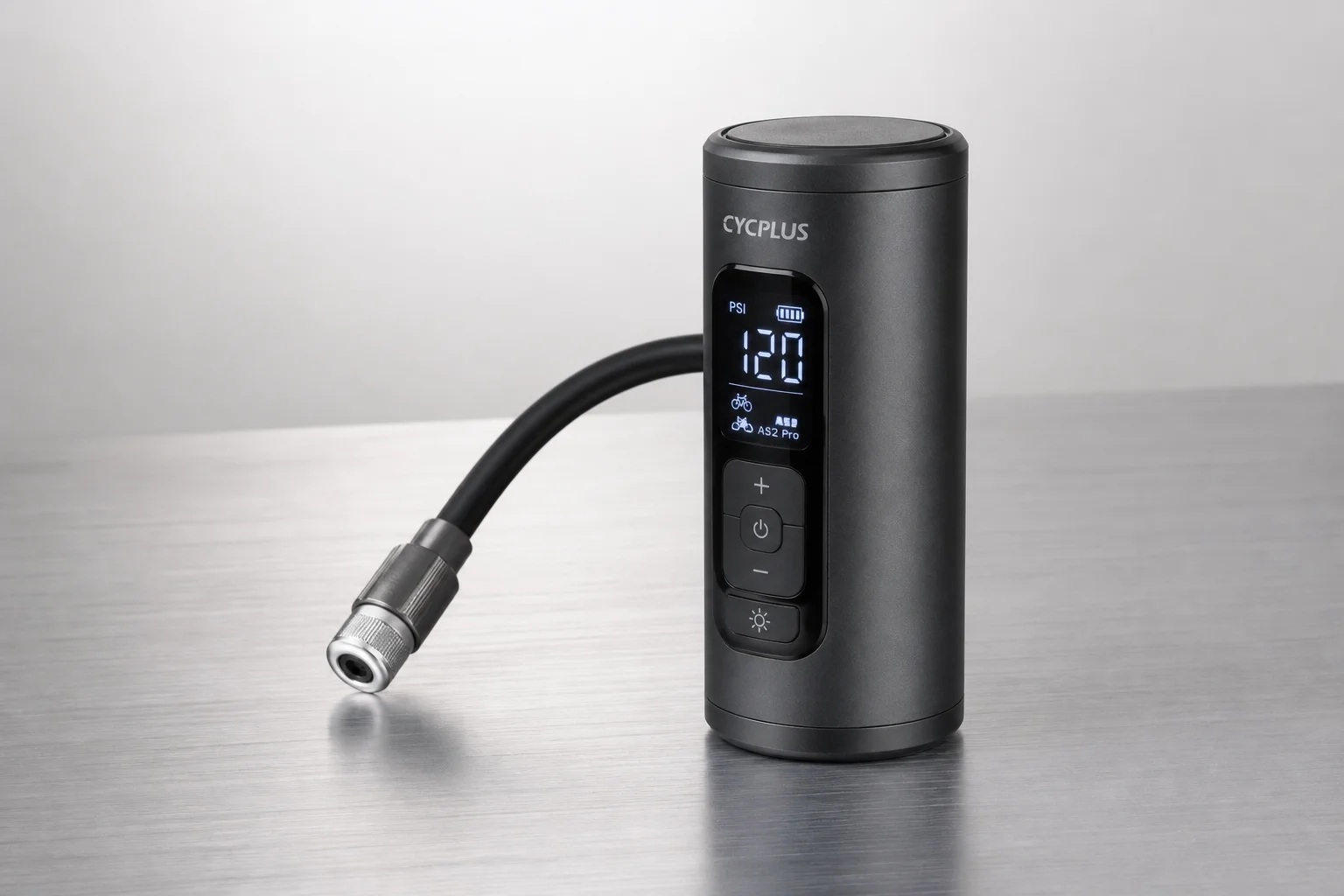
The Pro is the bigger brother of the AS2, though only just: it is nearly identical in every dimension apart from height, where it is about 5 mm taller. It includes the same accessories, a flexible hose, an extra valve seal, a ball inflator and a Schrader adapter pin.
What sets it apart is the screen and the programmable pressure limit. It is as simple to use as the standard AS2, but the buttons did not grow with the body. They are smaller, which makes them fiddlier to operate, and more so with gloves on. As with the Topeak, moving the screen and buttons to the nozzle side would help.
It is quick, taking 37 seconds to bring a 30c tire to 50 psi, and it delivered four inflations from its 420 mAh battery, just one fewer than the Topeak manages from a 600 mAh cell.
Fumpa Mini
The Fumpa Mini is a bigger brother to the Nano, and the size gap between the two is far more obvious, with every dimension growing. It carries a 400 mAh battery, the smallest in this category, and it has no screen and no programmable pressure limit. There is no silicone sleeve either, and despite having the smallest battery here it is the heaviest pump in the group.
It is a powerful unit all the same, reaching 50 psi in around 30 seconds.
RockBros AS1
RockBros includes the extras now expected in this category, and the AS1 is the second lightest pump in the mini group with a 450 mAh battery.
Its real advantage is layout. The buttons and screen sit on the nozzle side of the unit, which means you can set your pressure, confirm the device is not about to switch itself off, start the inflation and then watch the pressure climb. It also makes it much harder to press a button by accident and stop the pump halfway through a fill.
Inflation took 36 seconds, so it is quick. The one thing to watch is heat, because after repeated inflations it ran noticeably hotter than the others here.
Off-Bike Pumps: Workshop and Garage Power
These are the pumps better left at home in the workshop, garage or car. Batteries are bigger again, and the payoff is more power and faster inflation rather than anything you would carry on a ride.
Fumpa Classic
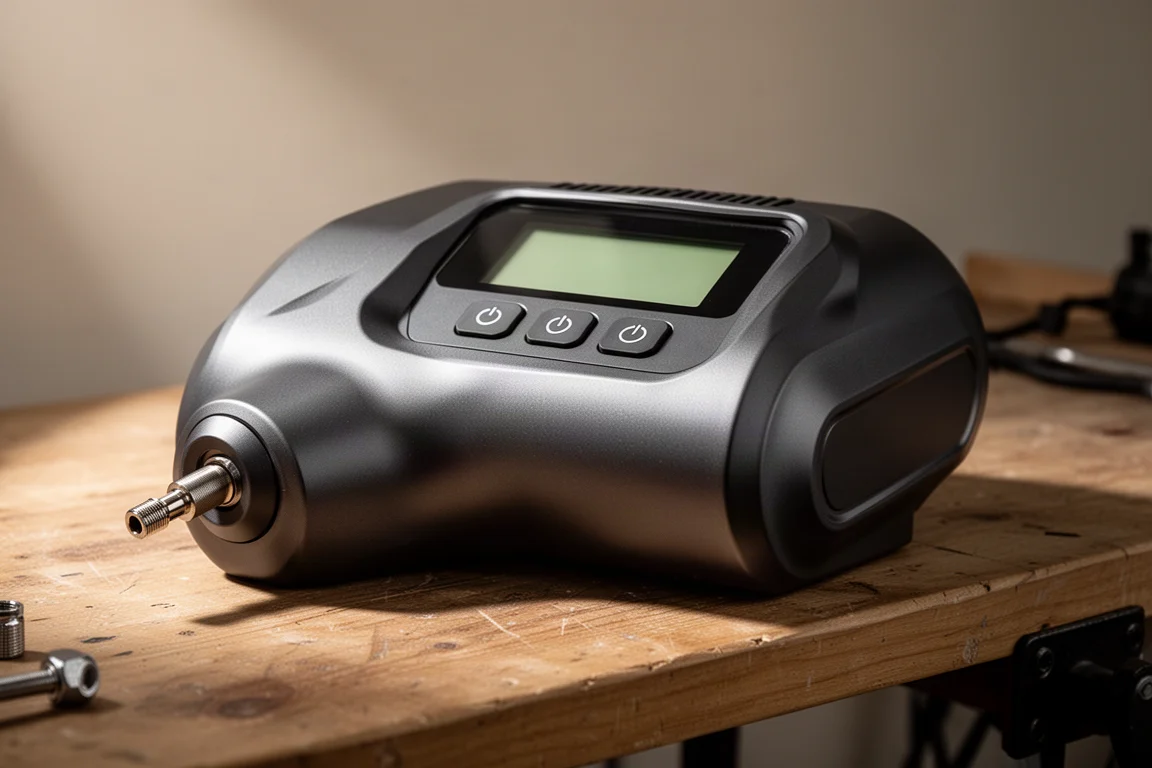
The Classic packs a 550 mAh battery into a pretty large casing. It has three easy-to-use buttons and a display that shows all the information you need, and it can cycle between bar, PSI and kPa. Since this pump will not be joining you on a ride, its size and weight matter much less.
What stands out is speed. It filled a 30c tire to 50 psi in just 18 seconds and did it with ease. The button and screen placement is excellent, letting you watch the numbers as the tire comes up to pressure.
CYCPLUS AS2 Pro Max
The Pro Max follows exactly the same pattern as the two smaller CYCPLUS models and performs just as well. It is not quite as fast as the Fumpa Classic, taking 30 seconds to reach 50 psi, which is still a strong result. The textured finish on the silicone case is a nice touch.
Bosch Electric Bike Pump
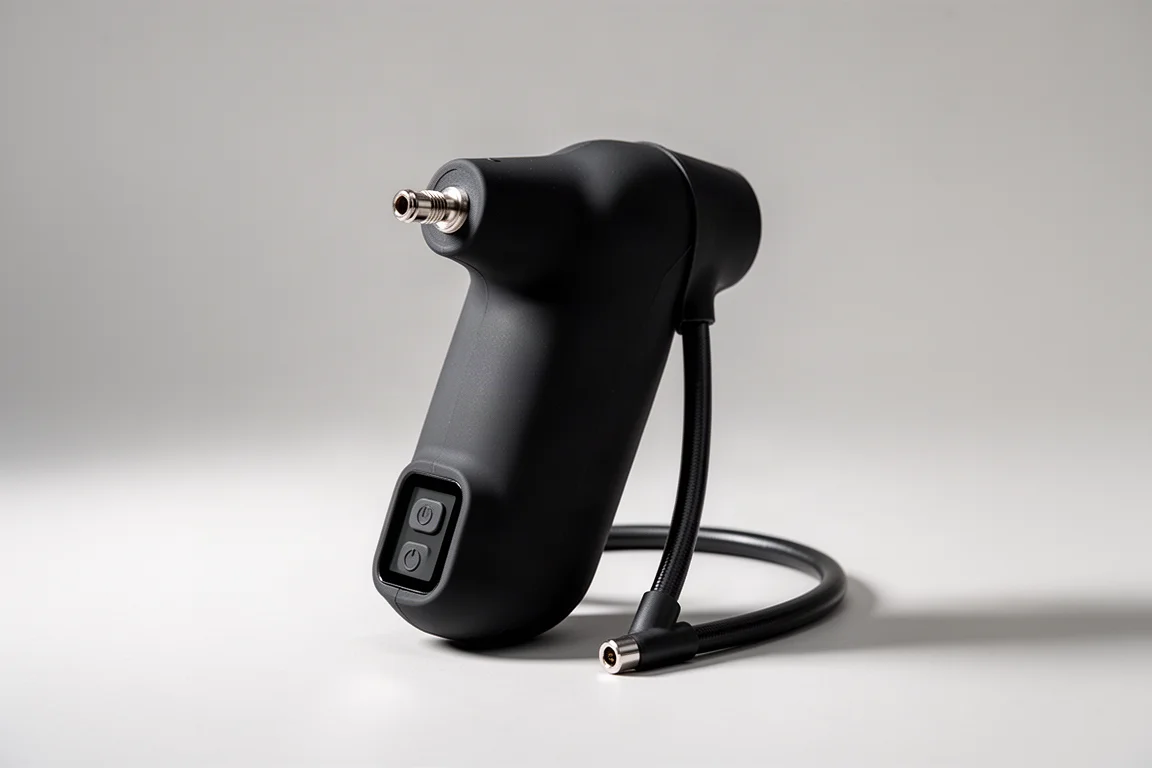
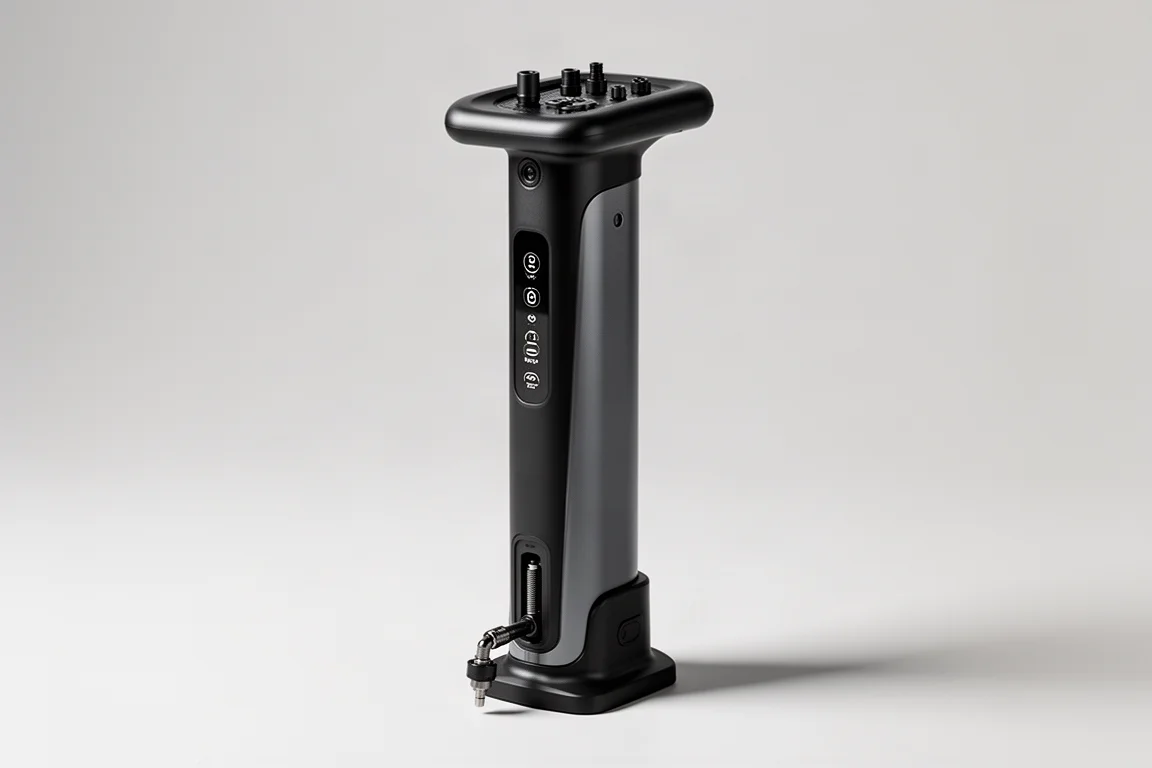
Bosch is the only brand here that breaks away from the shared design language. The unit is very ergonomically friendly and has a good selection of buttons to control its operations, and the spare adapters are housed in the pump’s handle, which keeps them safely stored.
In use, though, there are issues, and it suits Schrader valves far better than Presta. Once you have inflated through a Presta valve and want to unscrew the pump, the Presta adapter stops the head from spinning, which makes removal seriously difficult. Getting it free took a couple of pairs of pliers.
Overall Buying Advice
In the nano category the CYCPLUS AS2 takes the top spot. Its small form factor comes from keeping the nozzle head within the main housing, and the easy-to-operate silicone sleeve, reasonable price and included extras make it both a quality product and good value. The Muc-Off AirMach is a close alternative for anyone who prefers a more tactile sleeve, while the Fumpa Nano suits riders who want the highest pressure claim in the smallest class.
In the mini category the CYCPLUS AS2 Pro wins. The incremental size increase over the standard AS2 still fits a jersey pocket or saddle bag, and the larger 420 mAh battery gives you an extra inflation or two, with the digital display and programmable limit completing the package. The Topeak E-Booster Digital is the better choice if you regularly switch between Presta and Schrader or want the biggest battery, and the RockBros AS1 offers the best screen and button layout at a respectable price.
For off-bike use the Fumpa Classic is the pick, thanks to its button placement, clear screen and sheer power. The Topeak E-Booster Digital can hold its own in the same role, since both it and the CYCPLUS AS2 Pro Max carry 600 mAh batteries and sit at similar prices, but the Topeak edges ahead with lower weight, illuminated buttons and its valve switch.
Conclusion
Choosing a portable electric pump comes down to where you will use it. Nano pumps reward riders who want the smallest possible unit in a jersey pocket and are happy to stop inflating by their own gauge. Mini pumps suit riders who want a screen, a preset pressure and a bigger battery in something that still travels. Off-bike pumps trade portability for speed and capacity, and make the most sense on a workshop bench or in the car.
Whichever category fits your riding, all of these pumps share the same fundamentals: USB-C charging, support for Presta and Schrader valves, and a sealable travel bag to keep the unit clean.
Further reading
Related Reviews
Cycling Accessories
7 Inexpensive Everyday Products That Are Brilliant for Cyclists
Seven cheap household products that solve real problems for cyclists, from portable bike washing and dry shoes to clean bottles and protected paintwork.
Cycling Accessories
Amazon Cycling Accessories Worth Buying: Five Practical Picks
A basket of low-cost cycling accessories judged on real-world use, from a dash cam style camera and light combo to bone conduction headphones and one tool best left on the shelf.
Cycling Accessories
Electric Bike Pumps Compared: AS2 Pro Tiny Pump vs AS2 Pro Max
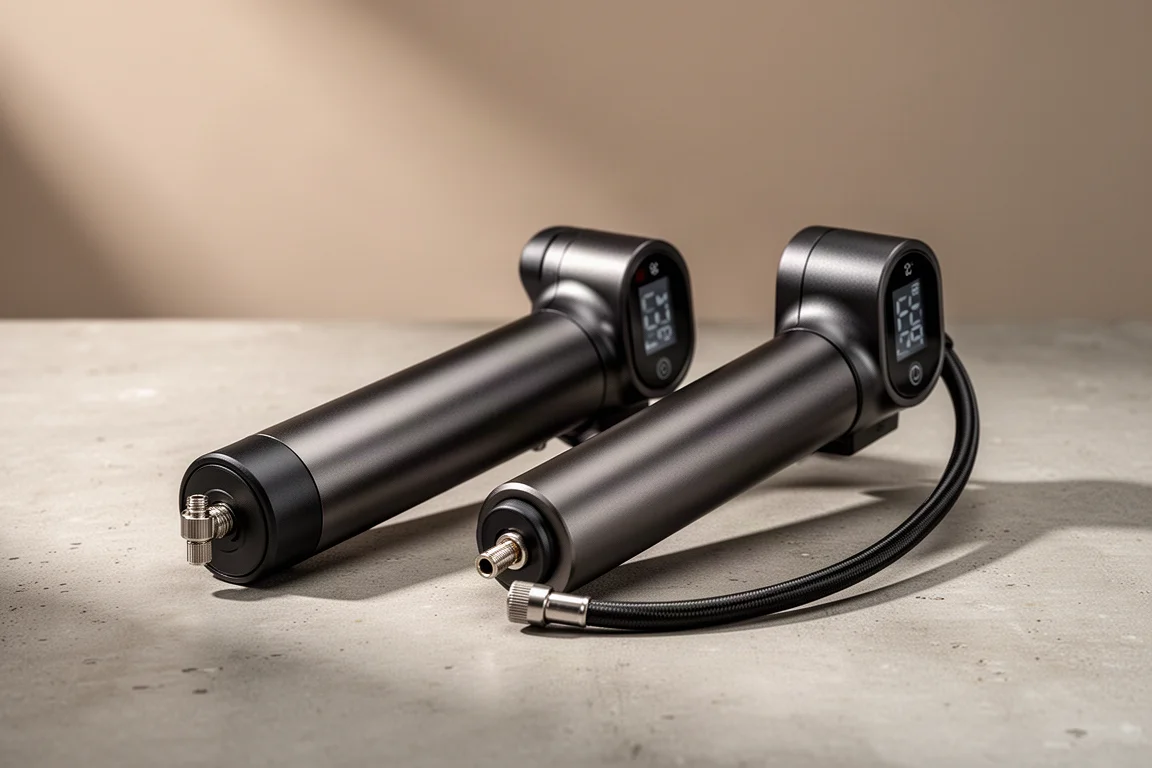
A practical look at two battery-powered bike pumps: what they do well, where they fall short, and which one suits which kind of rider.