Camping Heaters
Best Portable Camping Heaters 2026: Mr. Heater Portable Buddy, Kovia Cupid, and NatureHike 3in1 Compared
Three popular portable heaters compared on fuel type, output, run time, safety systems, and the spaces each one actually suits.
Introduction
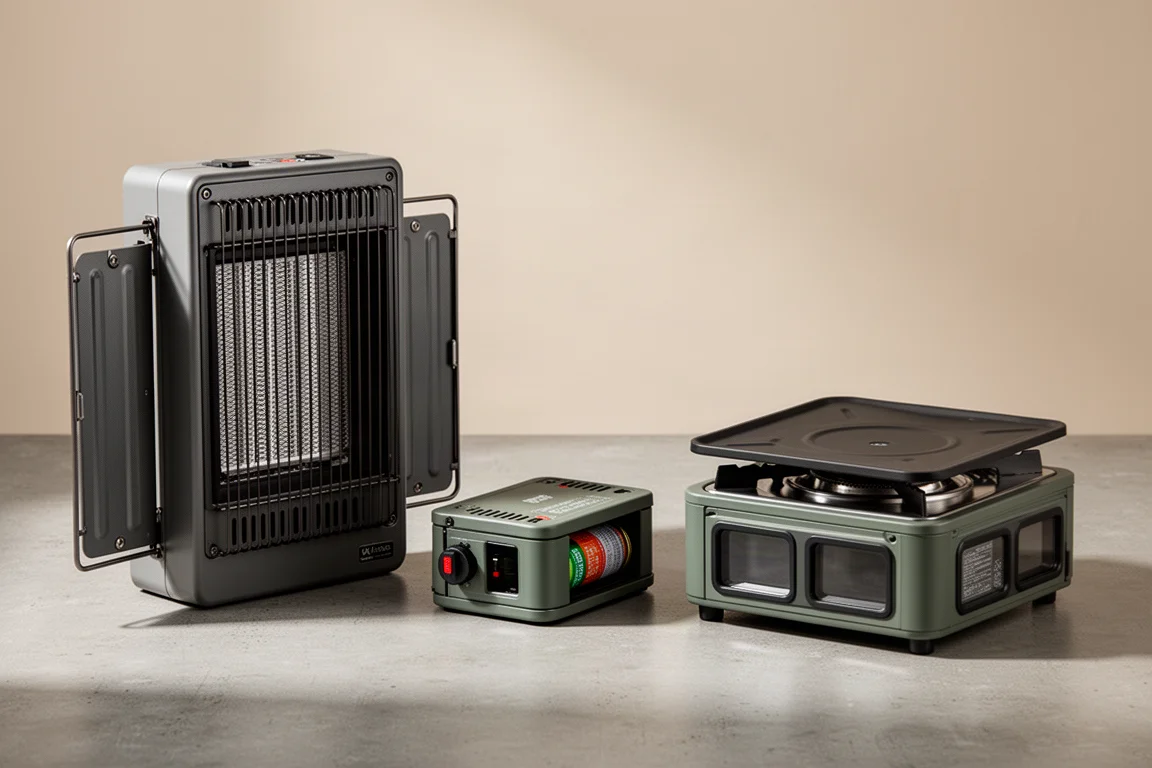
Cold weather arrives quickly in the mountains, and a reliable heat source is what separates a comfortable shoulder-season trip from a miserable one. Portable heaters have become standard equipment for off-grid cabins, campers, truck beds fitted with a camper top, tents of every size, and emergency kits at home.
Three models dominate that conversation: the Mr. Heater Portable Buddy, the Kovia Cupid, and the NatureHike 3in1. They do the same basic job, but they are genuinely different tools, and each performs better in situations the others handle poorly. The point of this comparison is not to crown a single winner. It is to make the differences clear enough that you can match a heater to the space you actually plan to heat.
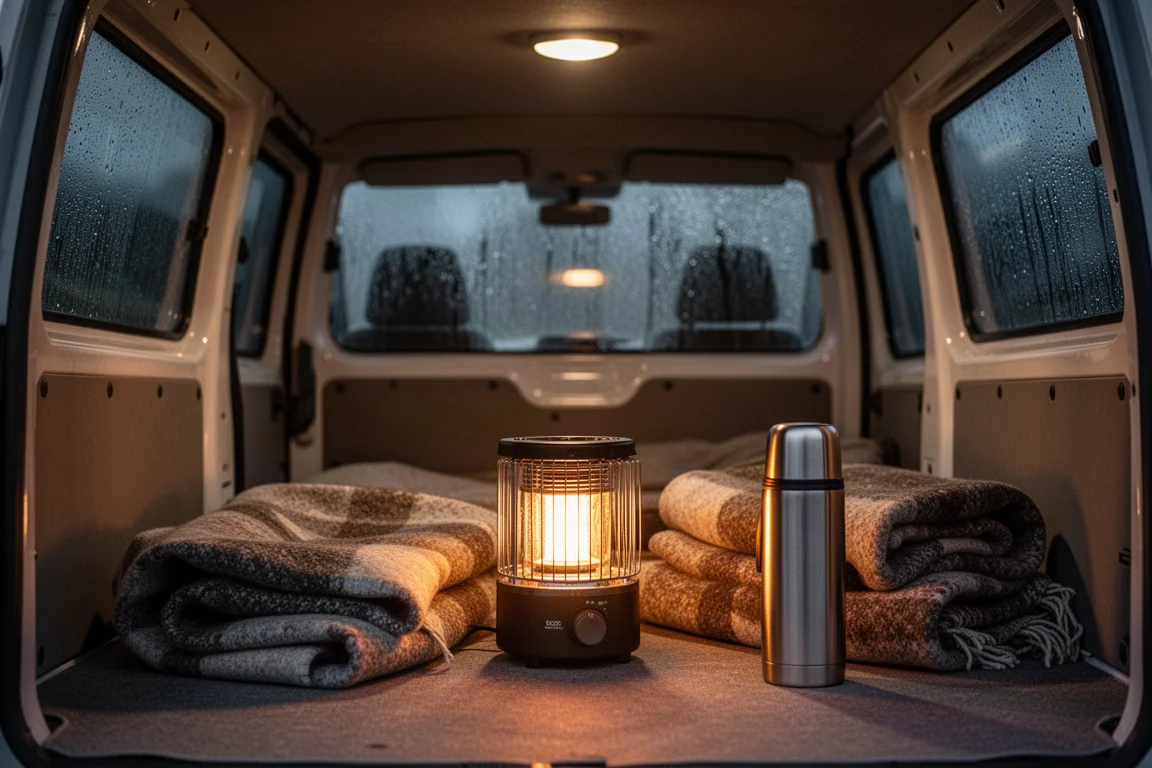
One safety note belongs up front. Burning fuel in an enclosed space always requires ventilation and a carbon monoxide monitor. With those precautions in place, any of these heaters can be used safely inside an off-grid trailer, a cabin, a tent, or a vehicle.
How to Choose a Portable Camping Heater
Fuel type is the first decision, because it determines everything downstream. The Mr. Heater Portable Buddy runs on propane only. The Kovia Cupid and the NatureHike 3in1 both run on butane only. Propane is easier to source in large quantities and pairs with refillable 20 lb tanks, while butane canisters are compact and simple to swap.
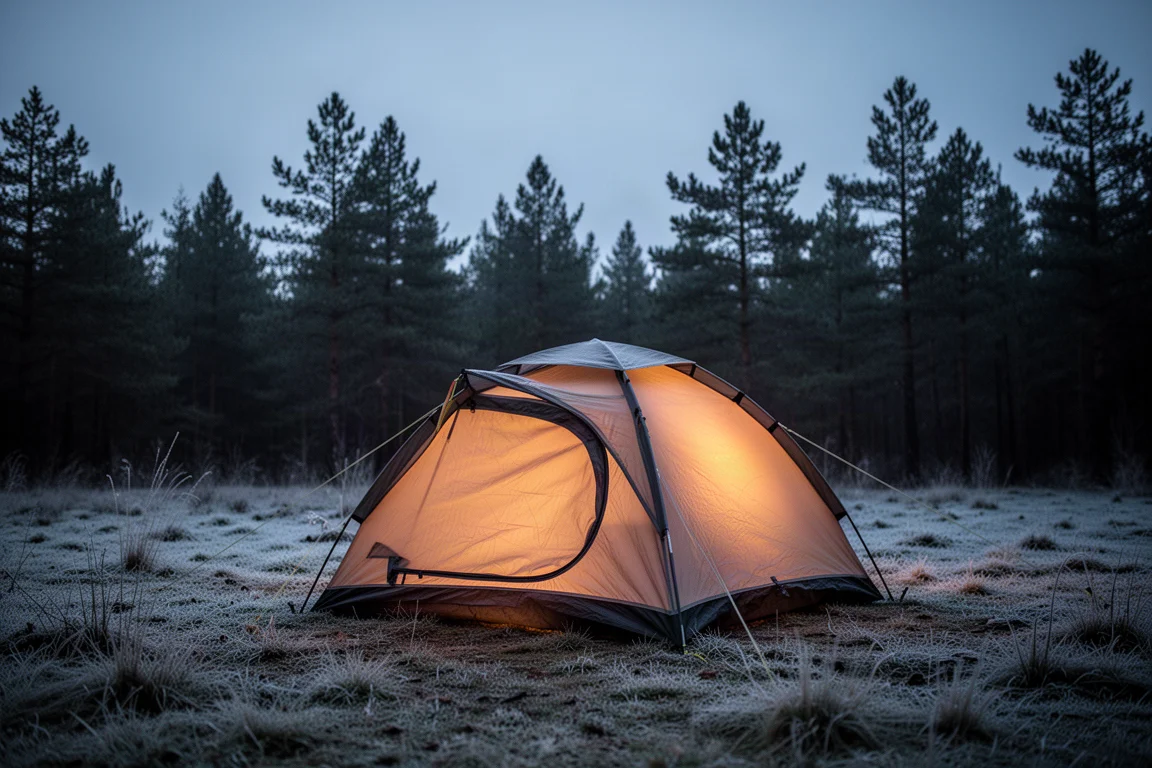
Output matters less than matching output to space. A heater that is too powerful for a small tent cannot simply be turned down far enough to be comfortable, which leads to the frustrating cycle of switching a unit on and off all night. Run time, footprint, and safety systems all follow from that same question of where the heater will be used.
Heat direction is the last variable and one that is easy to overlook. Some heaters push warmth forward and upward. Others also radiate from the sides through dedicated windows, which changes how close the unit can sit to a wall or a vehicle interior panel.
Mr. Heater Portable Buddy: Propane Power for Larger Spaces
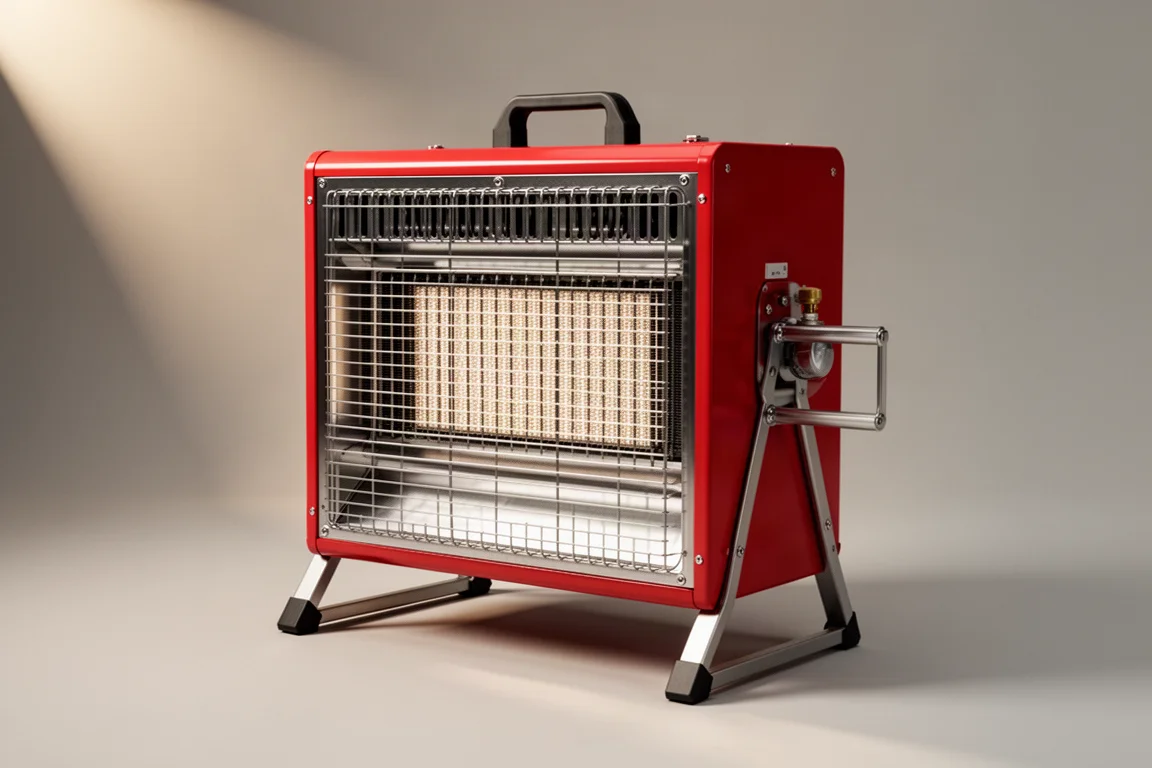
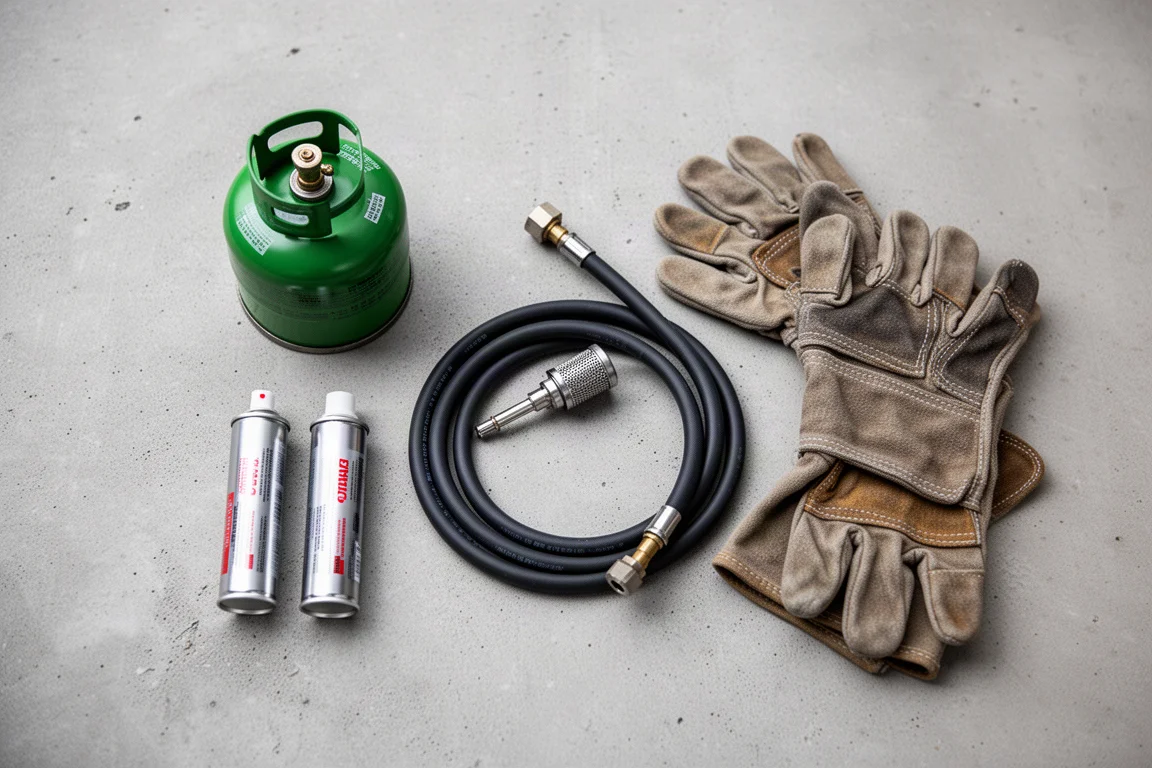
The Mr. Heater Portable Buddy is the largest and most powerful of the three. It stands 15 inches tall, measures 14.2 inches wide, and has a depth of roughly 9 inches. It runs on propane only, and there are two ways to feed it. You can attach a one pound cylinder directly, or you can fit a filter, run a hose to a 20 lb canister, and feed the unit from there. The filter can be left in place permanently, and the side panel swings out so a one pound cylinder sits off to the side, or the hose can be routed up through the bottom of the housing.
Output is controlled by two settings: 4,000 BTU on low and 9,000 BTU on high. Run time with a one pound cylinder is six hours on low and three hours on high. With a 20 lb tank, a hose, and a filter, run times become exceptionally long. The unit is available in red and green, and it is the medium-sized version in the range, with a larger model also offered that puts out more heat.
Two safety systems are built in. A low-oxygen sensor shuts the heater down if oxygen levels drop in an enclosed space, and a tip-over sensor cuts it off if the unit is knocked over.
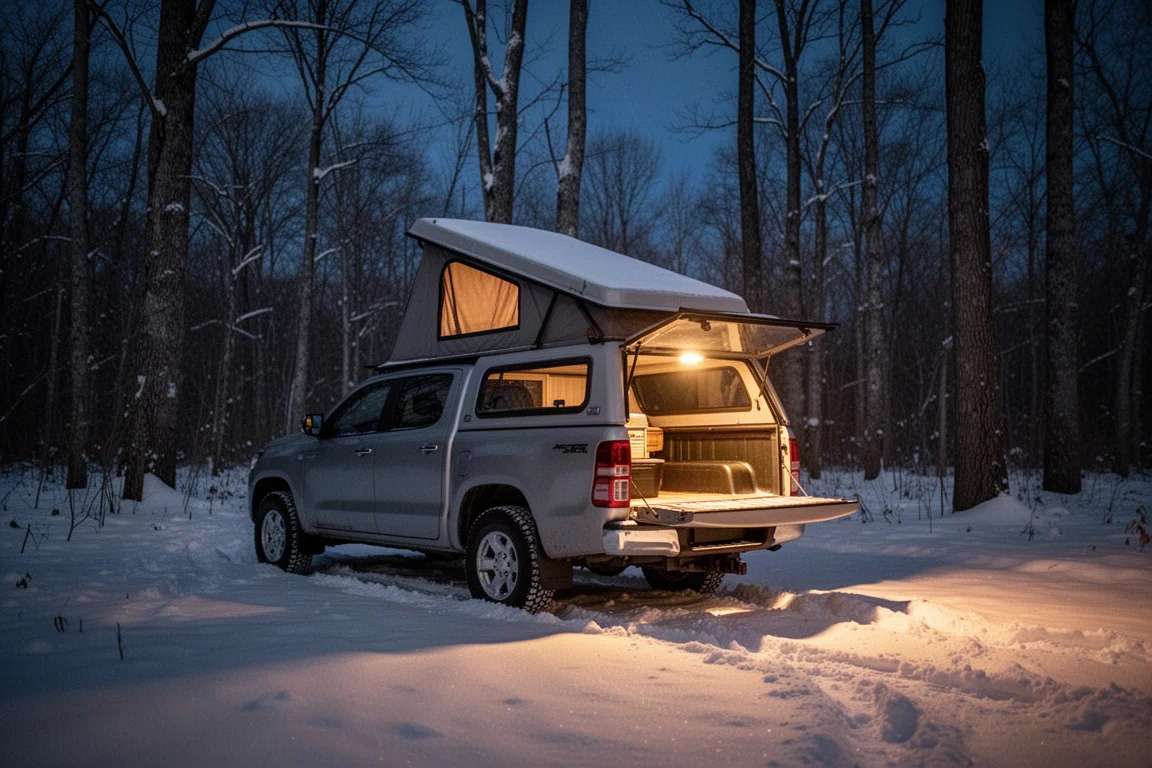
This is a heater for bigger volumes. It suits off-grid cabins, very large tents, tents larger than four-person capacity, and covered truck beds. For smaller spaces it is simply too powerful, and even on low it puts out far more heat than a two or three-person tent needs. It can warm a cup of coffee placed on top, but it is not a stove and should not be treated as one.
Kovia Cupid: Compact Butane Heat for Small Spaces
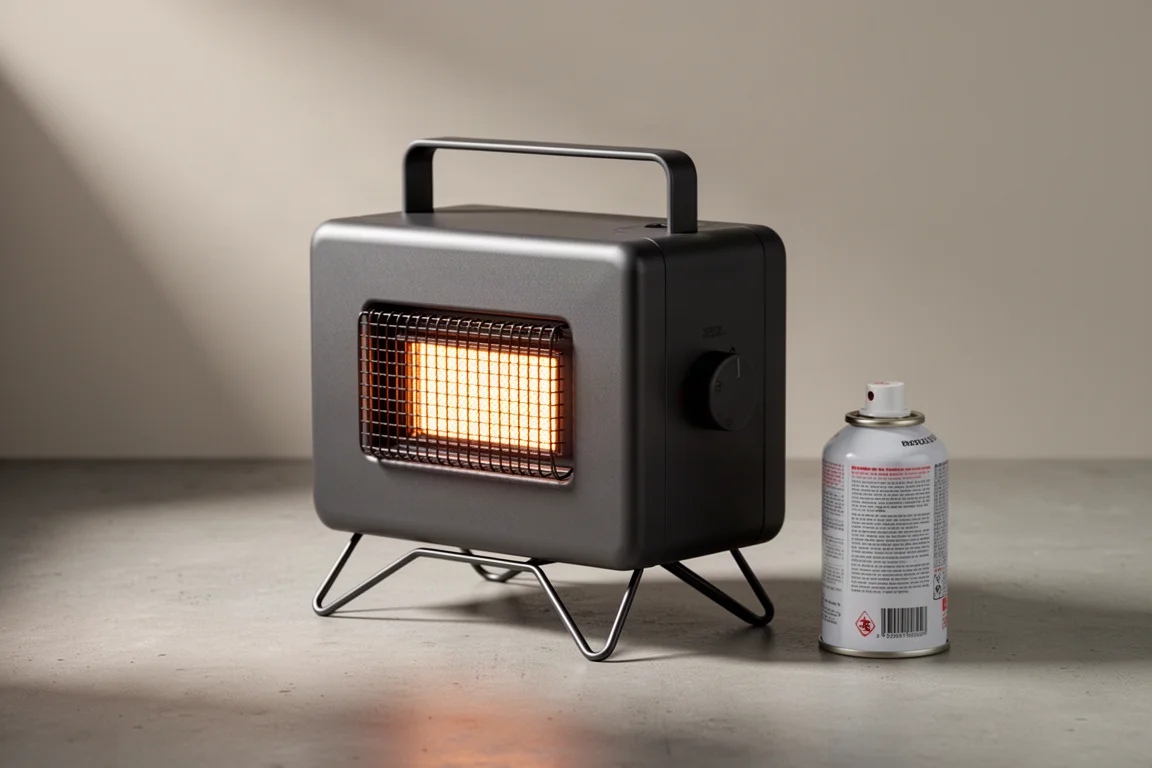
The Kovia Cupid is a very different design. It runs on butane only, and there is a single model with two revisions. The difference between them is how the fuel canister connects: the older version uses a twist-lock system where the canister slides into a window and locks into place, while the newer version uses a magnet to pull the canister in and hold it. The unit measures 10.3 inches wide, stands 7 inches tall, and has a depth of 5.3 inches.
The manufacturer has never published a BTU figure for this heater. Based on how it performs next to the low setting of the Portable Buddy, output is estimated at roughly 3,000 to 4,000 BTU, with around 3,500 the most likely figure. A full canister delivers about four hours of run time on low and two hours on high. Tip-over protection is the only safety system included.
This is the heater for genuinely small spaces: an SUV, a camper, or a two or three-person tent. It can also take the chill off a larger space when conditions are not severe, working well down to roughly 40 to 30 degrees Fahrenheit. Below that, it does not produce enough heat to warm the space. It is a heater and nothing more, and it cannot be used to heat anything placed on top of it.
NatureHike 3in1: A Heater That Doubles as a Stove
The NatureHike 3in1 is the most versatile of the three, and also the one that demands the most care. It runs on butane only, with the canister sliding in and locking via a magnet. It is offered in green and in a light khaki that reads almost white. Dimensions are 7.6 inches tall, 7.3 inches wide, and 6.5 inches deep, making it the most compact unit here.
Maximum output is 3,753 BTU, and unlike the Cupid it can be dialled back to a very low level while still producing meaningful heat. That range is what makes the run times possible: three to four hours on high, and up to eight hours straight on low with a full canister.
Heat leaves this unit in four directions. It radiates forward, upward, and out through windows on both sides. Whether that is an advantage or a problem depends entirely on placement. In a vehicle, the side radiation means the heater cannot be pushed up against a wall or panel. It is worth knowing that some visually similar heaters from other brands seal off the sides entirely, so they radiate far less from the body. That is a different design with different performance.
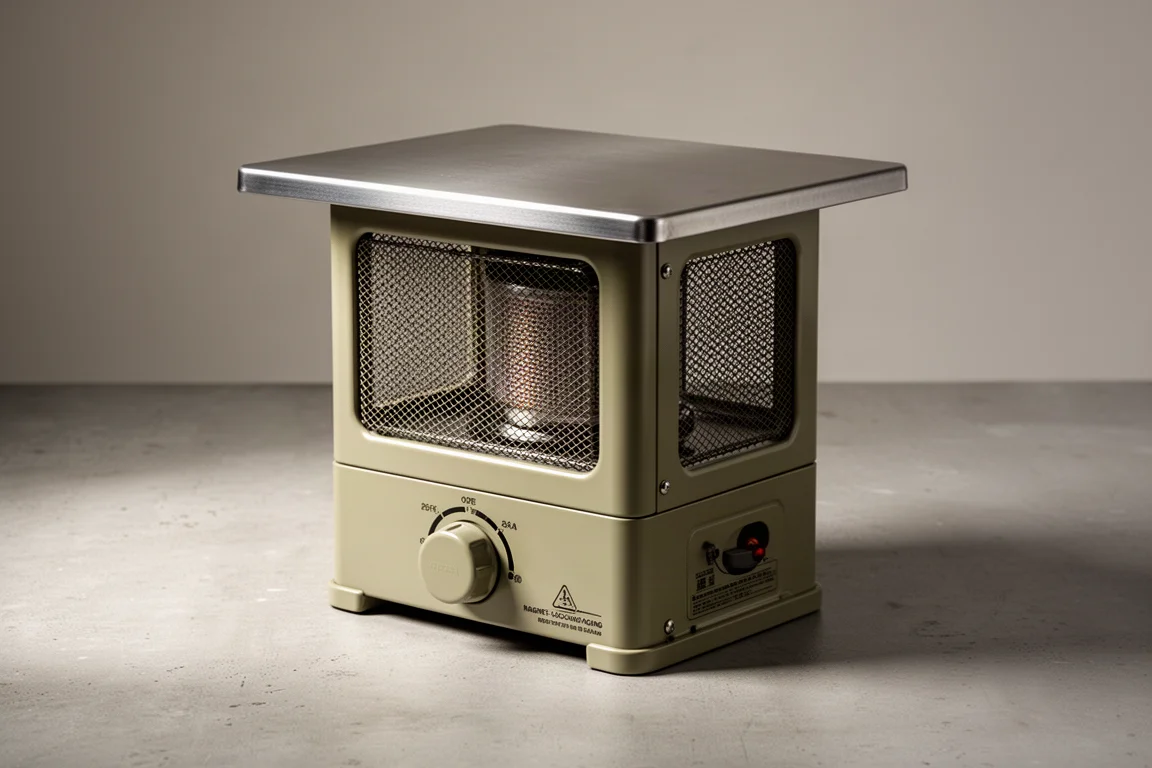
The 3in1 name comes from its second role. A large flat top accepts pans, cups, and pots, so it works as a light cooking surface as well as a heater. For best cooking results, attach the front tray and place a sheet of foil in front of the heater so heat is directed up into the base of the pot or pan. It is good enough to get the job done, and it is useful in a pinch, but it will not replace a dedicated stove for serious cooking. Think of it as a heater first and a way to warm food and water second.
As far as is known, this unit has no built-in safety systems, so it needs to be used with particular attention. Price at the time of writing was around $70.
Which Setup Makes Sense: One Heater or Two?
One heater is rarely enough to cover every situation. The clean split is between large spaces that need high output and small spaces that need low, controllable output.
The Mr. Heater Portable Buddy is the obvious anchor for the larger end of that range. Nothing else here matches its output, its run time on a 20 lb tank, or its suitability for cabins and large tents. The second choice comes down to how and where you plan to use it.
If a vehicle is part of the plan, the Kovia Cupid is the easier and safer option. It does not radiate heat from its sides, so it can sit closer to interior panels, and it is simple to operate in a car or a small tent. The NatureHike 3in1 makes more sense when a vehicle is not involved. It offers a longer run time, finer control over output, and heat that spreads in four directions rather than two. It also brings light cooking capability that the Cupid does not have.
Buying all three is a legitimate approach if your trips vary widely. Together they cover large tents and cabins, small tents and vehicles, and light cooking, which is a lot of versatility for the money. Most buyers, though, will be well served by the Portable Buddy plus whichever of the two butane heaters matches the spaces they actually camp in.
Conclusion
The Mr. Heater Portable Buddy, the Kovia Cupid, and the NatureHike 3in1 are all strong heaters, and none of them is a poor choice. They simply solve different problems. Match propane output to a large space, match compact butane heat to a small one, and treat the NatureHike as a heater that can occasionally cook. Whichever route you take, ventilation and a carbon monoxide monitor should be part of the kit from day one.
Further reading
Related Reviews
Camping Heaters
Kovea Cupid Heater Review: Compact Butane Warmth for Small Spaces
A long-term look at the Kovea Cupid, a compact 3,333 BTU butane heater built for small tents, vehicles, and cabins, including its strengths, its trade-offs, and who should buy it.
Camping Heaters
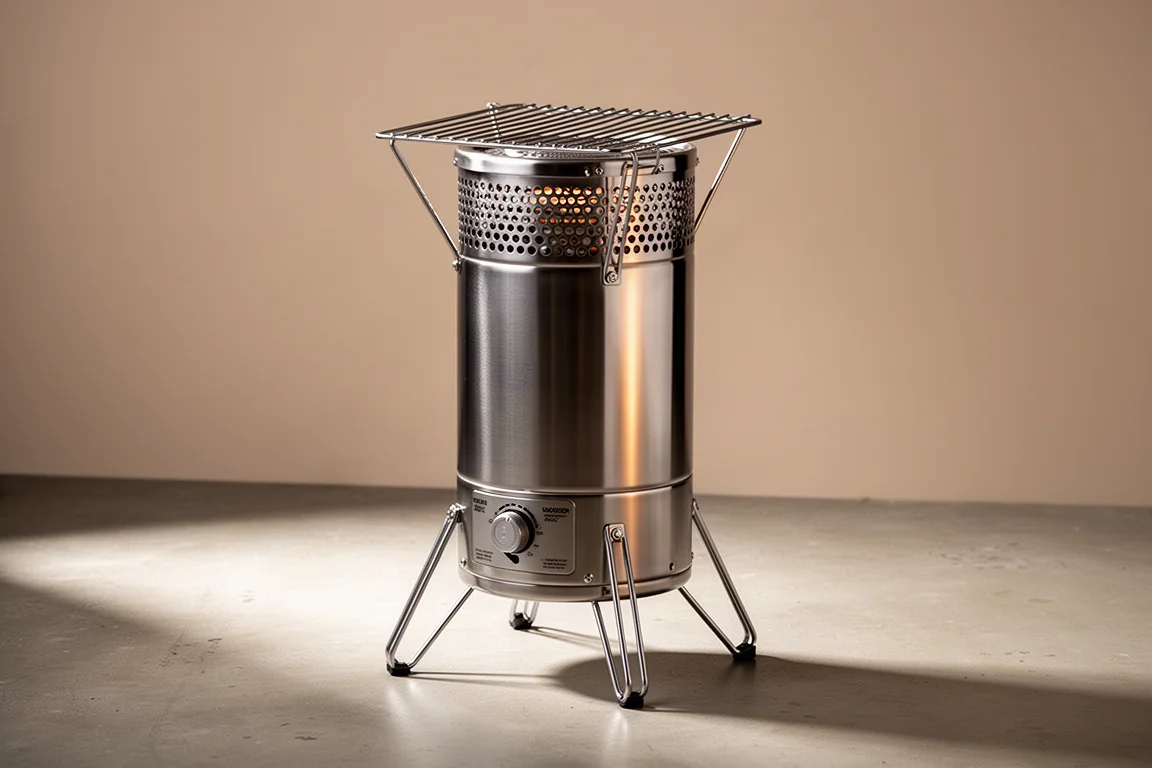
Kovea GigaSun Heater Review: Extreme Propane Heat for Emergencies and Off-Grid Use
A close look at the Kovea GigaSun, a propane heater with extraordinary output, a stainless steel build, and a heat level that suits emergency backup better than tent camping.
Camping Heaters
Mr. Heater Buddy Review: A Dependable Propane Heater for Cold Weather Camping
A close look at the Mr. Heater Buddy, covering its 4,000 and 9,000 BTU output, fuel efficiency, safety shut-offs, and the hose detail worth understanding before you buy.