Work Lights
Best Pocket Work Lights: Five Practical Picks for Mechanics and DIYers
Five compact rechargeable work lights compared on output, runtime, mounting, and everyday usability, from Snap-On and Klein to Milwaukee and Olight.
Introduction
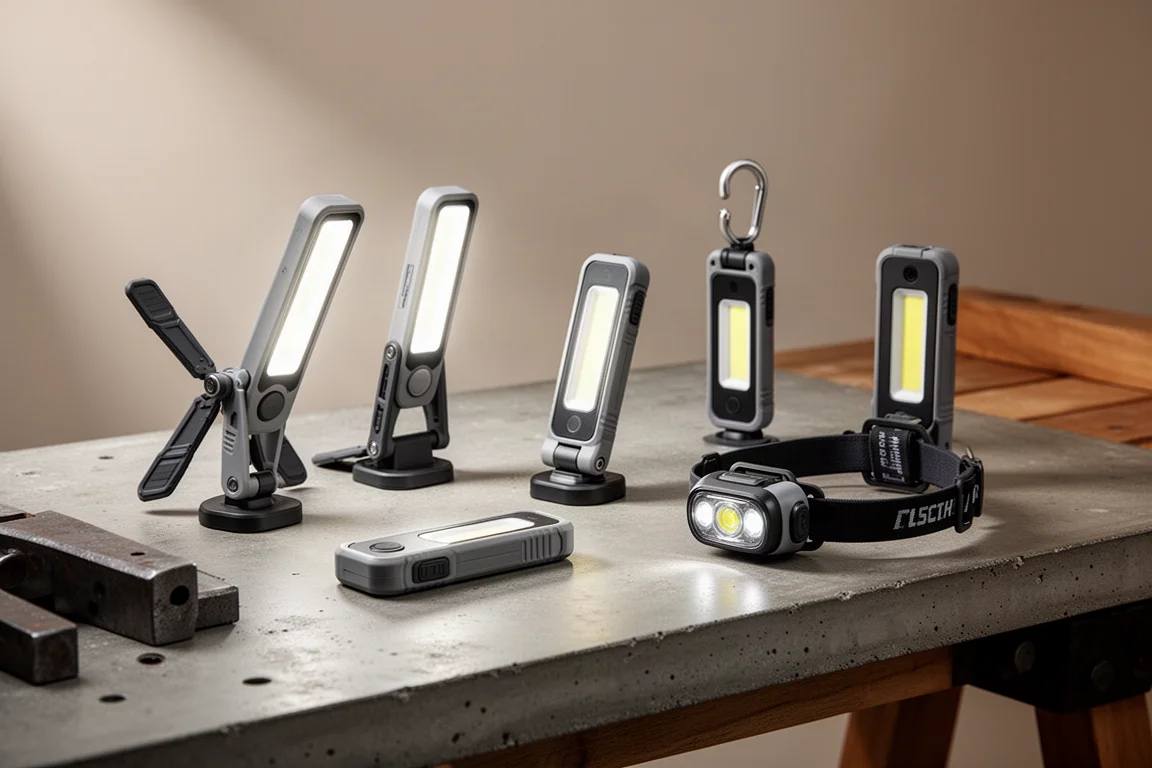
A good pocket work light is one of those tools you end up using far more often than expected. Whether you are snapping a light to a vehicle frame for area lighting or slipping one into a pocket for quick access, the difference between a well-designed light and a frustrating one shows up fast. This roundup compares five compact options, including two thin rechargeable pocket lights that go head to head, a Milwaukee favorite with an articulating head, a modified headlamp trick, and an Olight alternative in a similar form factor.
What Matters in a Pocket Work Light
Before diving into individual picks, a few criteria shape how these lights compare: output and how the beam spreads, useful runtime on both high and low settings, mounting options like magnets and articulating bases, battery indicators, charging type, and how easy it is to avoid accidentally turning the light on in a pocket or bag.
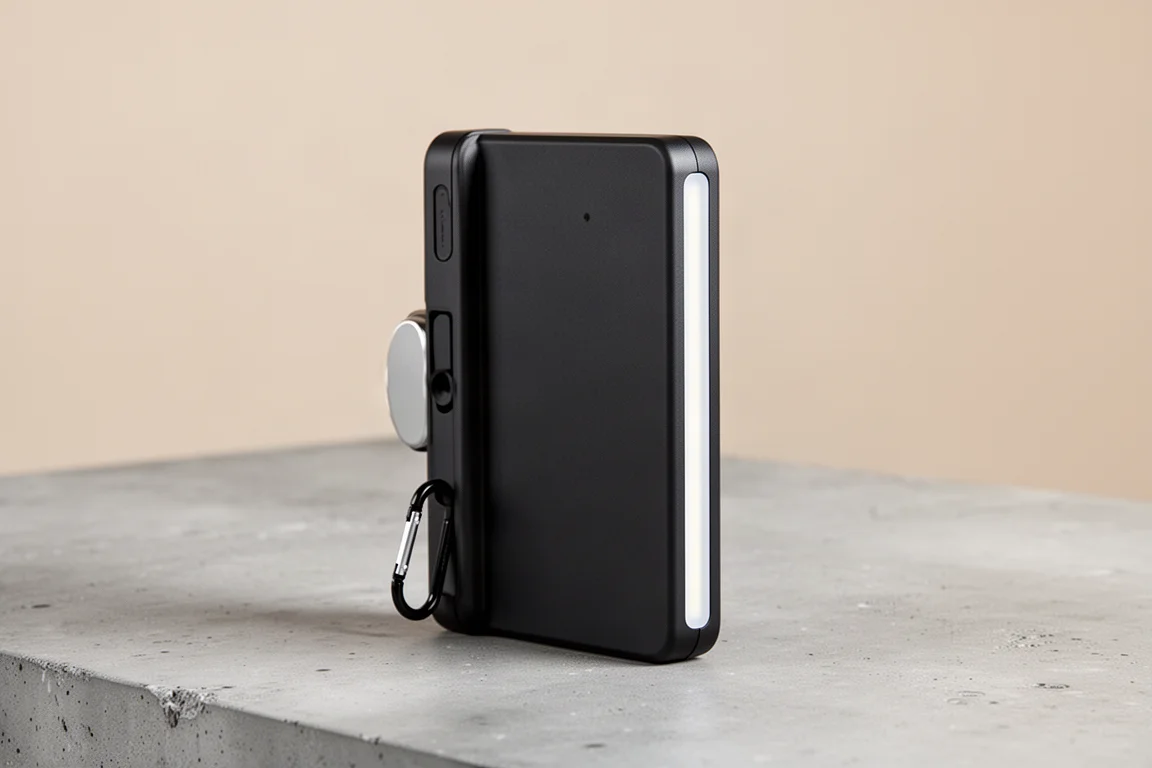
Snap-On Pocket Work Light
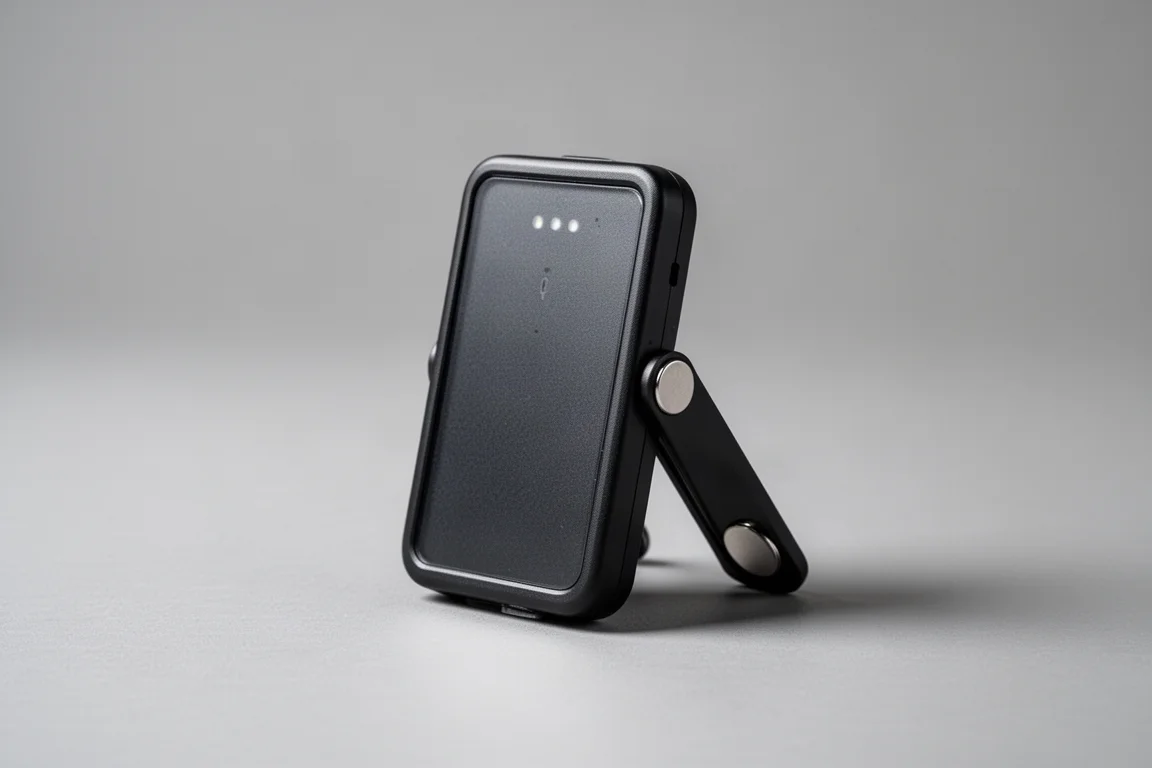
This USB-C rechargeable light is thin, light at under five ounces, and built to live in a pocket. It carries a 2,000 mAh battery, shows a battery indicator when turned on, and features an articulating wing on the side with two magnets for attaching to metal, or for use as a stand. Output runs from about 400 lumens on high down to a genuinely low 40-lumen setting, with roughly three hours of runtime on high and much longer on low. It is currently priced at $52.50, though note that stock has been back-ordered on the Snap-On website.
The beam presents as a clear, bright light, and stepping from 400 down to 40 lumens is a noticeable, useful drop for close-up work. Its main shortcoming is pocket carry: for a light designed for pockets, the clip is not secure enough to keep it there reliably. It also comes in more colors than the Klein, which matters to some buyers.
Klein Work Light
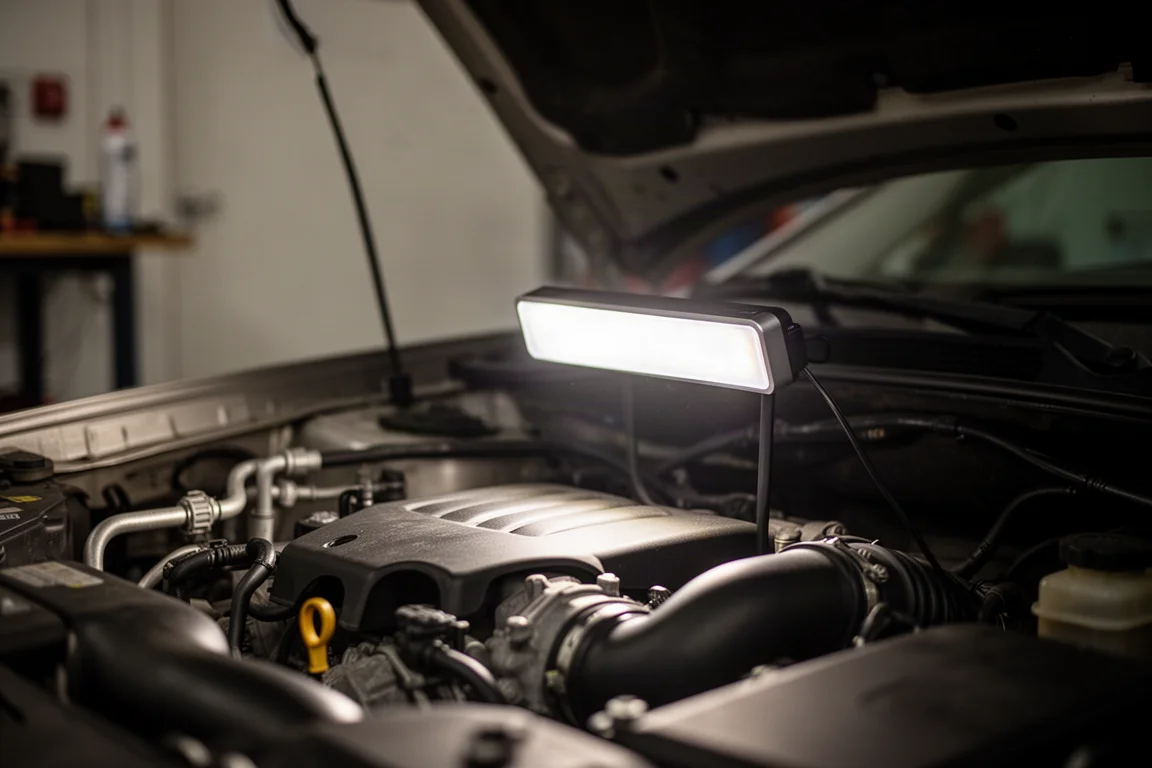
The Klein runs at about 460 lumens on maximum, roughly 60 lumens more than the Snap-On, though the difference is not noticeable in practice given differences in beam spread and color. The beam is more uniform and slightly spotlight-like in presentation, with visible rows of LEDs. Runtime is the standout: around nine hours starting on high before throttling down, and a claimed 16 hours on the lower 175-lumen setting.
The articulating base is genuinely hard to beat. It offers 360-degree rotation in one axis and 270 degrees in another, with a magnet for mounting to vehicle frames or other steel, plus a carabiner-style attachment point. The folded base also doubles as a lens cover. Priced at $39.95 just about everywhere, it also has a larger battery that can output power to charge a phone, which helps explain why it weighs nearly twice as much as the Snap-On. One complaint: the low setting at 175 lumens is not really low, and it uses the older micro USB rather than USB-C.
Milwaukee Work Light
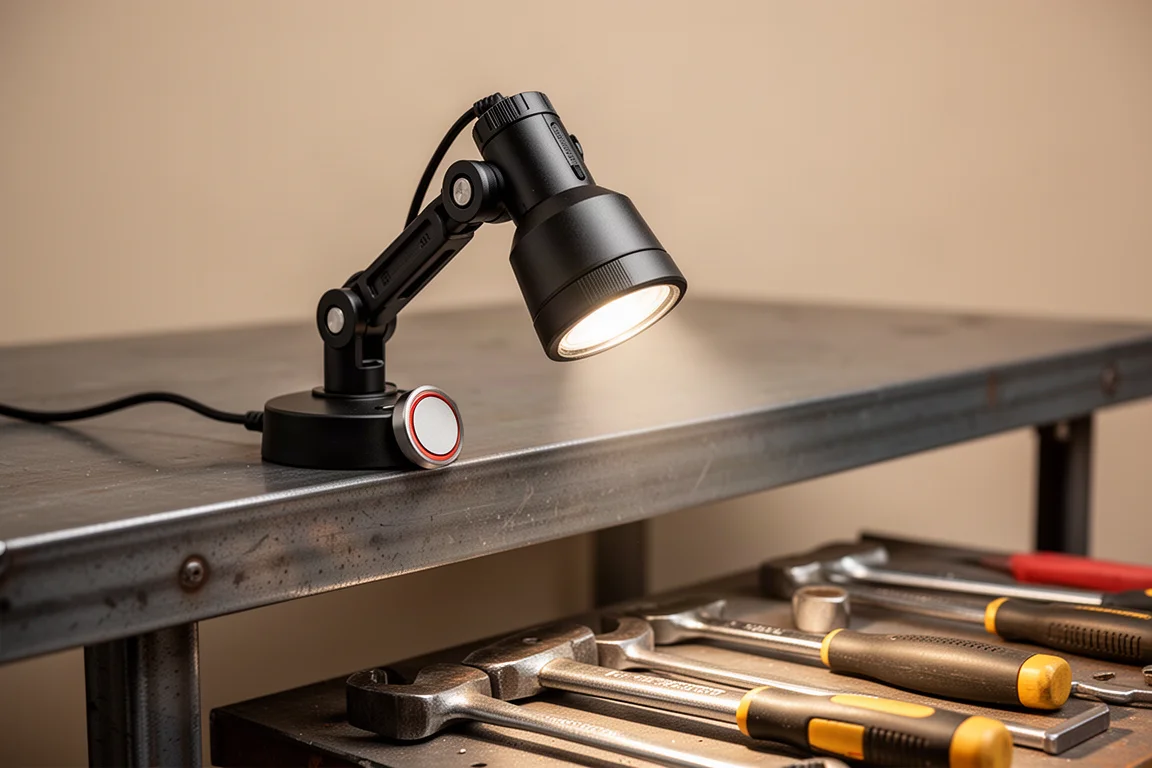
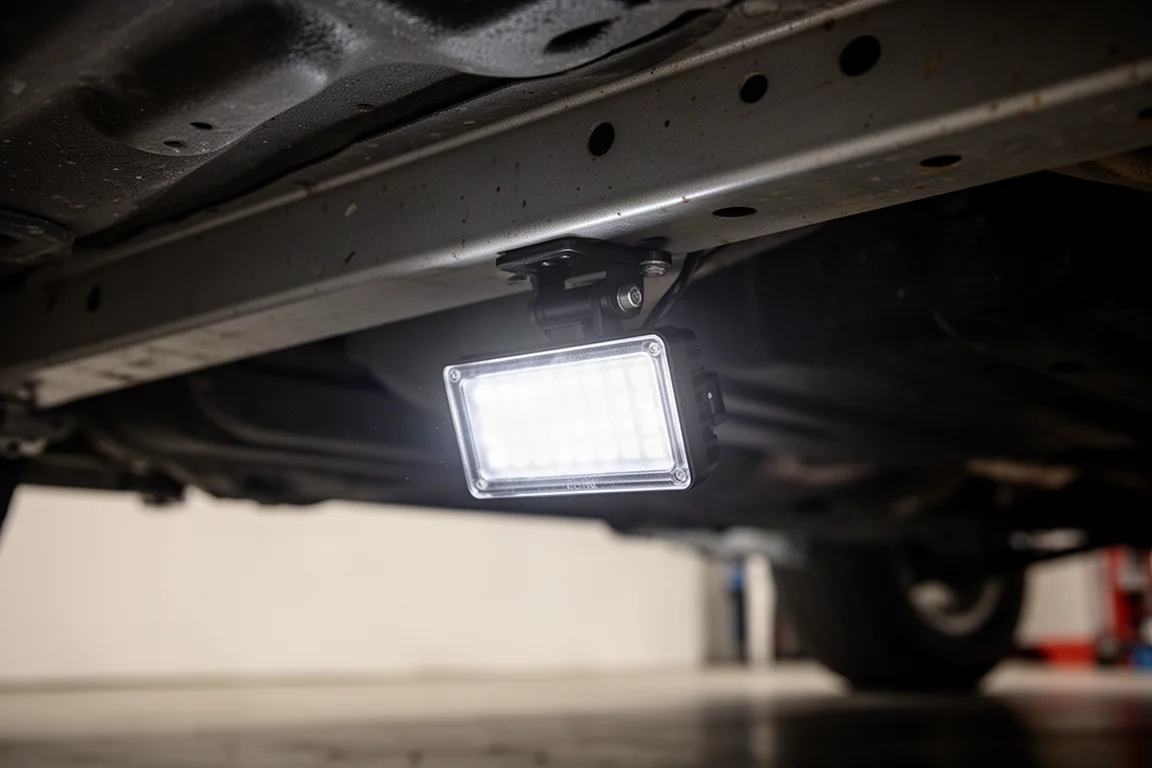
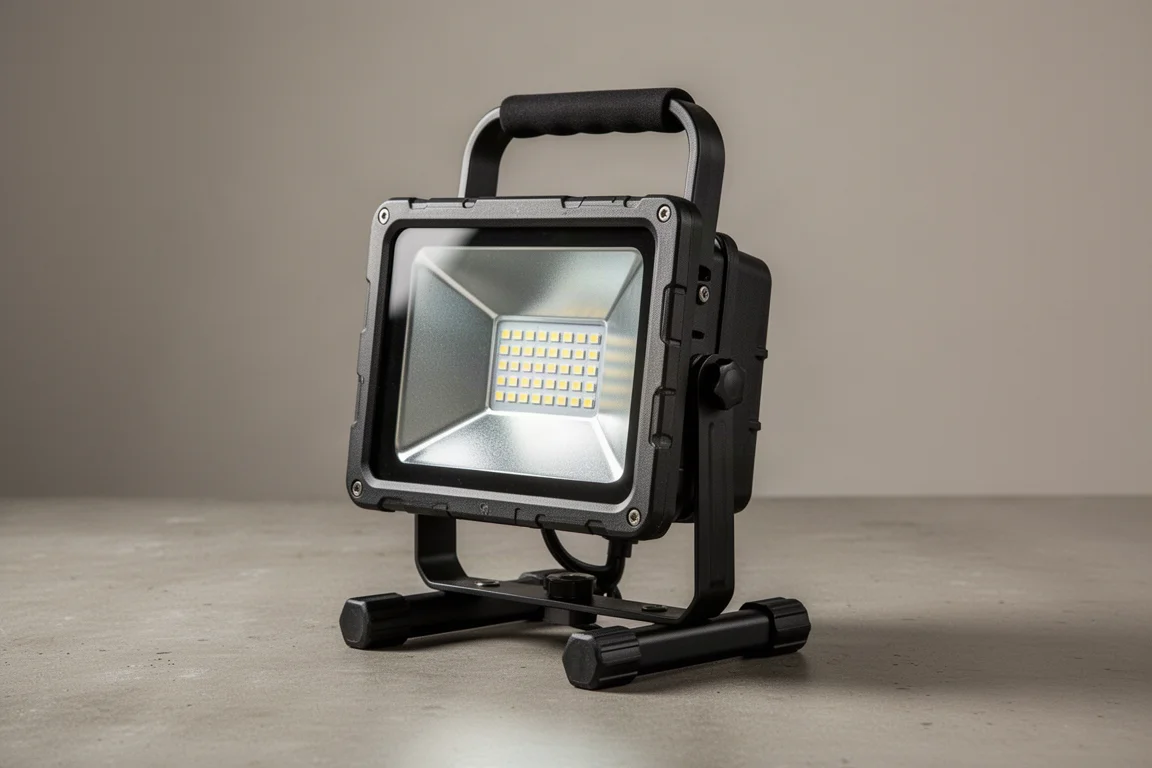
A long-standing favorite, this compact Milwaukee light has an articulating head that rotates to 90 degrees and slightly past, around three output settings, and a battery indicator. It also has a strong magnet that easily mounts the light to metal surfaces so you can adjust the aim once it is attached. One quirk: the clip sits on what many would consider the wrong side. Minor gripes aside, it is a useful, solid, dependable light.
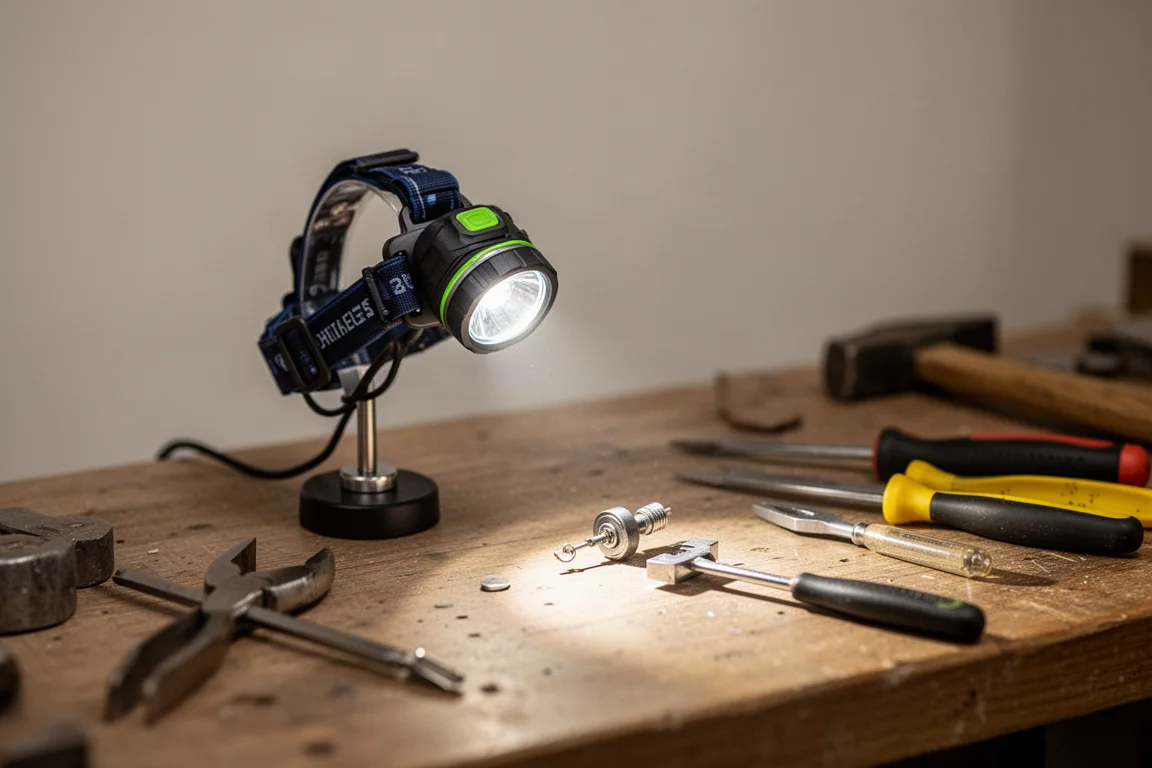
Milwaukee Headlamp as a Mini Work Light
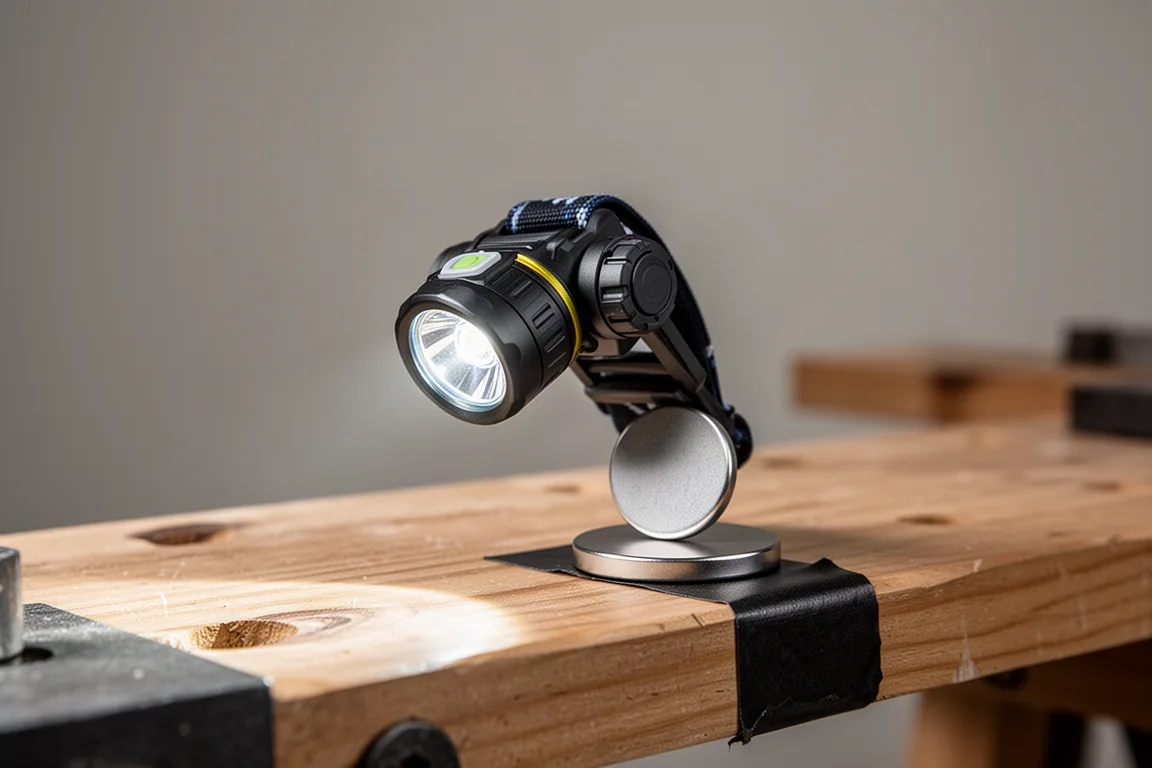
This entry is a battery-powered Milwaukee headlamp repurposed with electrician’s tape and a neodymium magnet. With the headband removed, it becomes a tiny, aimable work light that can point wherever needed or prop up on its own like a kickstand. As a proof of concept it works well, and for some users it may be more useful in this role than as a headlamp. Once the setup is dialed in and anchored more permanently, it becomes an even more capable micro work light.
Other Options Worth Knowing
Two older Snap-On lights also earn mentions. A classic simple model with micro USB charging, bright/less bright/off modes, and a very strong magnet has survived years of abuse and still works, though a gap around the switch let in debris and needed tape and cleaning. A newer thin Snap-On light is very bright but turns on far too easily with a flush touch and takes seconds to shut off, which is a genuine safety concern; the owner ended up building a metal cage just to store it.
Olight also offers a light in a similar thin form factor with a flexible stand. These inexpensive pocket lights have somewhat mixed reviews overall, but both the Snap-On and Klein in this comparison come across as solid performers. At the very high end of the category, some lights simply outclass everything else on price, power, simplicity, durability, brightness, and runtime, and are worth considering separately if budget is no object.
Overall Buying Advice
If you need to carry a light in your pocket, the Snap-On is the nicer pick, though the clip needs improvement and availability is currently limited. If you want a light that does a few more things for less money, the Klein’s articulating base, longer runtime, and power-out charging make it very hard to beat at $39.95. Both charge quickly and use similar four-step battery indicators, so for many buyers it simply comes down to preference and whether pocket carry or versatile mounting matters more.
Conclusion
The Klein stands out as the best all-around value with its articulating magnetic base and long runtime, while the Snap-On pocket light wins on low weight and a truly useful low mode if you can find one in stock. The Milwaukee options cover compact mounting flexibility and clever DIY adaptability, and Olight offers another form-factor alternative for budget-minded shoppers. Match the light to how you actually work, and any of these will earn its place in a pocket or toolbox.
Further reading
Related Reviews

Work Lights
Milwaukee M12 Rover Review: A Compact Work Light That Goes Where You Do
The Milwaukee M12 Rover is a compact, versatile work light with three brightness levels, multiple mounting options, and USB-C charging for your devices.
Work Lights
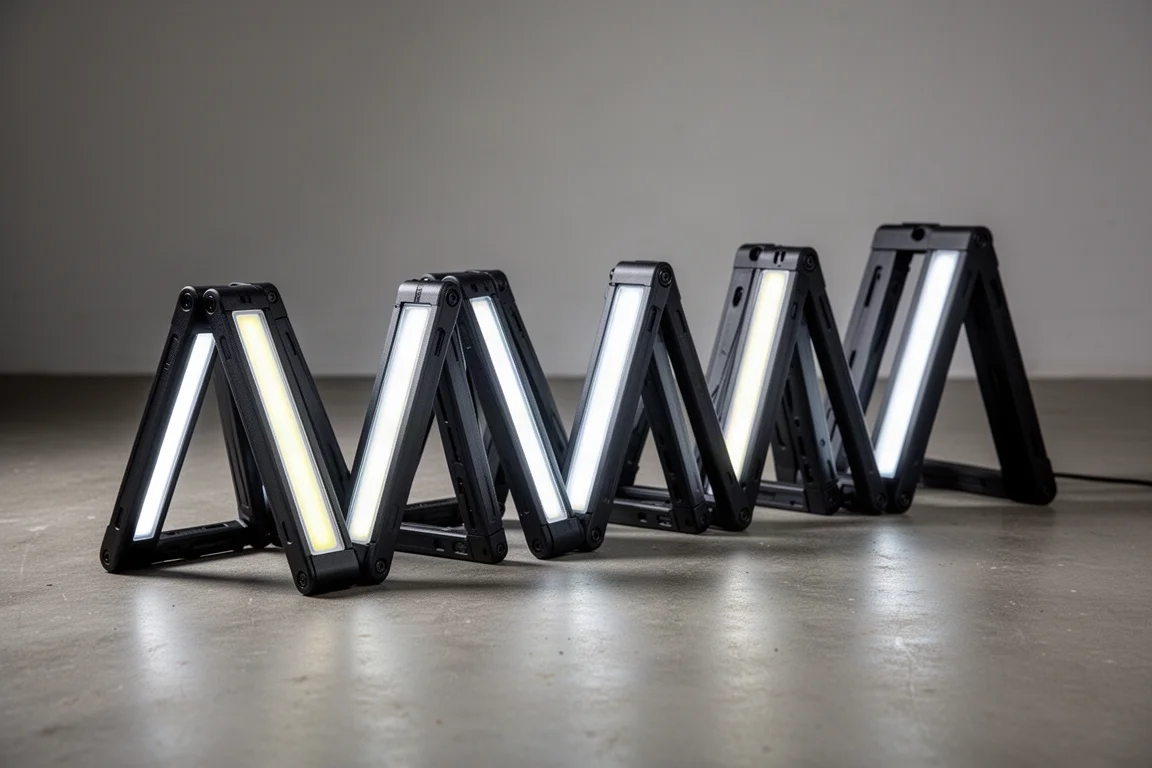
Best Folding Work Lights Compared: Budget Picks to Tool Truck Tough
Seven folding work lights tested for real lumen output, runtime, charging, and drop durability, from a $20 Amazon seller to Snap-on.
Work Lights
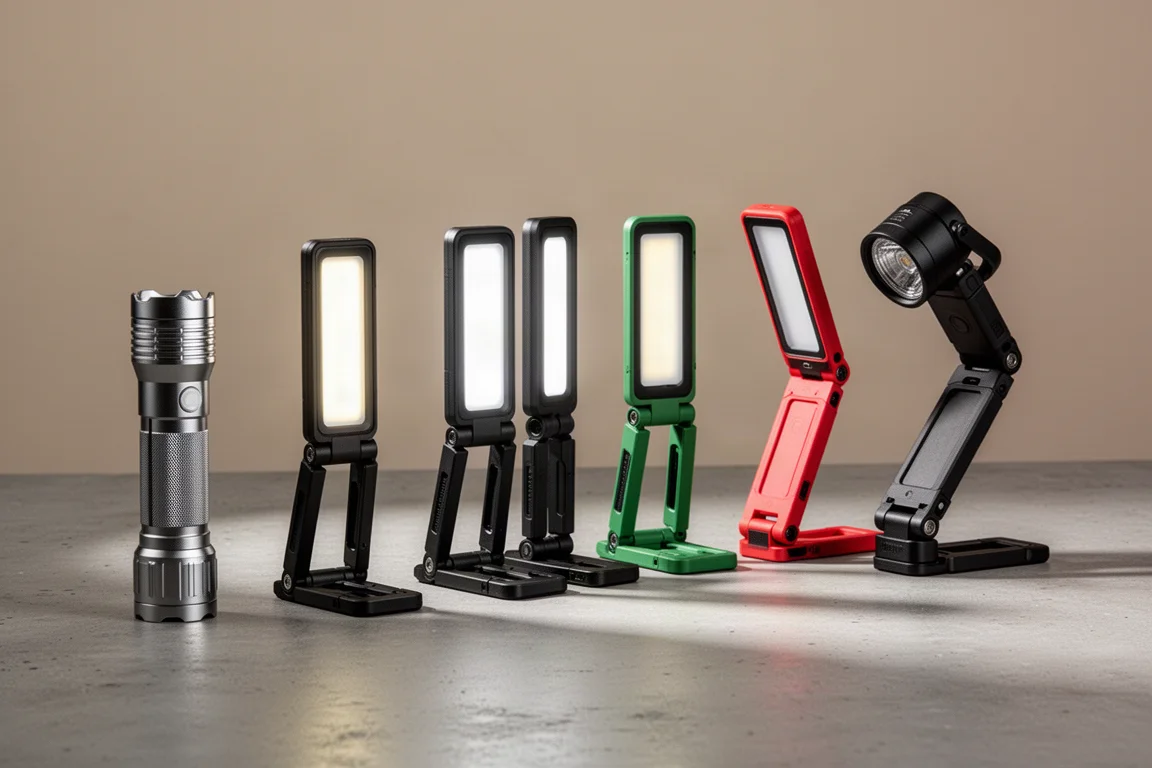
Best Hinged Work Lights: 7 Options for Aiming Light Exactly Where You Need It
From classic Maglite designs to modern dual-hinged stick lights, seven work lights that make it easy to aim a beam into tight spaces.