Stationery
Best Pocket Notebooks: 6 Alternatives That Outshine Field Notes for Fountain Pen Users
Six charming pocket notebooks with superb paper, from Tomoe River staples to a delightful bird watching passport.
Introduction
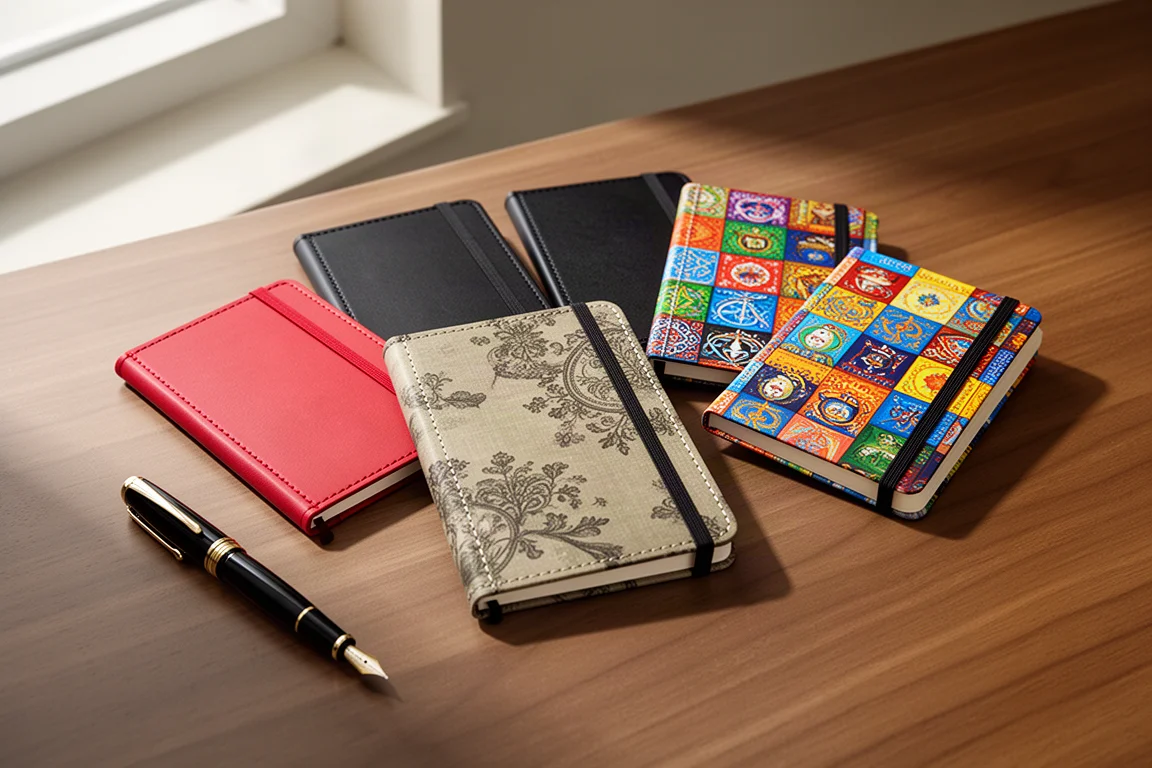
Field Notes practically rebuilt the American pocket notebook industry, but if you write with a fountain pen, the paper eventually lets you down. The good news: several alternatives keep the same pocketable charm and dimensions while offering dramatically better paper. Here are six worth your pocket space, plus the one we would buy first.
Why Field Notes Set the Standard
The small farm notebook dates back to the 19th and early 20th centuries, when agricultural and seed companies handed them out to American farmers for recording crop yields and daily reminders. In 2007, designers Aaron Draplin and Jim Coudal resurrected the format, sourced and made entirely in the United States, and it took off.
The formula is genuinely good: 3.5 by 5.5 inches (89 by 140 mm), 24 sheets or 48 pages, three staples, thick covers with a water-resistant finish, rounded corners that slip into a pocket nearly undetected, and a charming inside back cover with a ruler and fields for your name and coordinates. At around $5 each or roughly $14 for a three-pack, they are inexpensive, and the special edition covers are lovely. Their famous slogan says it all: “I’m not writing it down to remember it later. I’m writing it down to remember it now.”
The catch is the paper. These books are made for everyone, and most people never need more. But if you draw, or write with beloved fountain pens and care about how ink behaves, you can do better without losing the charm.
What the Classic Field Notes Gets Right
Before the alternatives, credit where due: the dimensions are perfect, the price is low, the covers are thick and often beautiful, and filling one up quickly always feels satisfying. The paper simply does not hold up to wet fountain pen inks the way enthusiast paper does, which is the single reason this list exists.
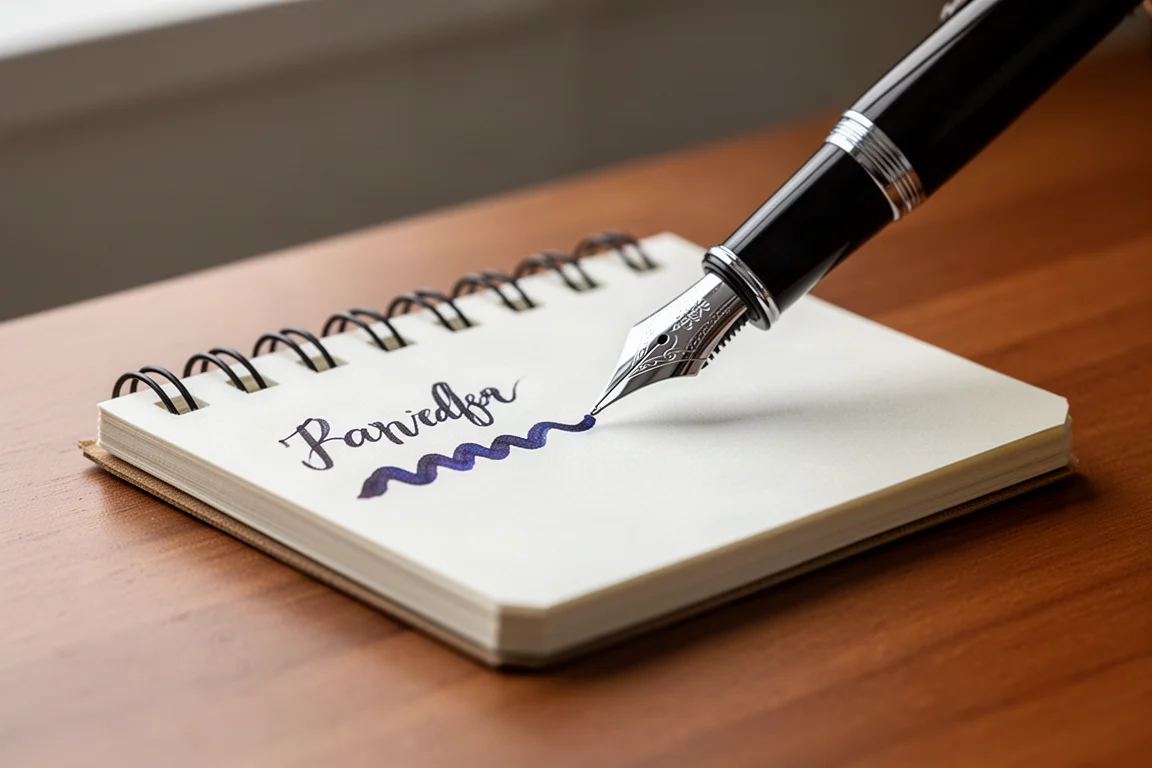
If you write with gel or ballpoint pens, the original remains a perfectly fine choice. Everyone else, read on.
Lockby Pocket Notebook: Tomoe River on a Budget
The Lockby pocket notebook matches the classic 3.5 by 5.5 inch format but upgrades to 72 pages of 68 gsm Tomoe River paper, which is close to engineered for fountain pens. The stitched binding feels high quality, and it comes lined, blank, or dot grid; the dots offer the most flexibility for switching between straight writing and sketching.
In long-term use, the paper performs beautifully: inks express their color well, there is minimal ghosting, and no bleed through whatsoever, so you can write confidently on both sides of every page. At about $8 a book, with multipacks available, it is an easy recommendation for anyone passionate about nibs, line width, and penmanship.
Fabriano EcoQua: Thirteenth-Century Pedigree
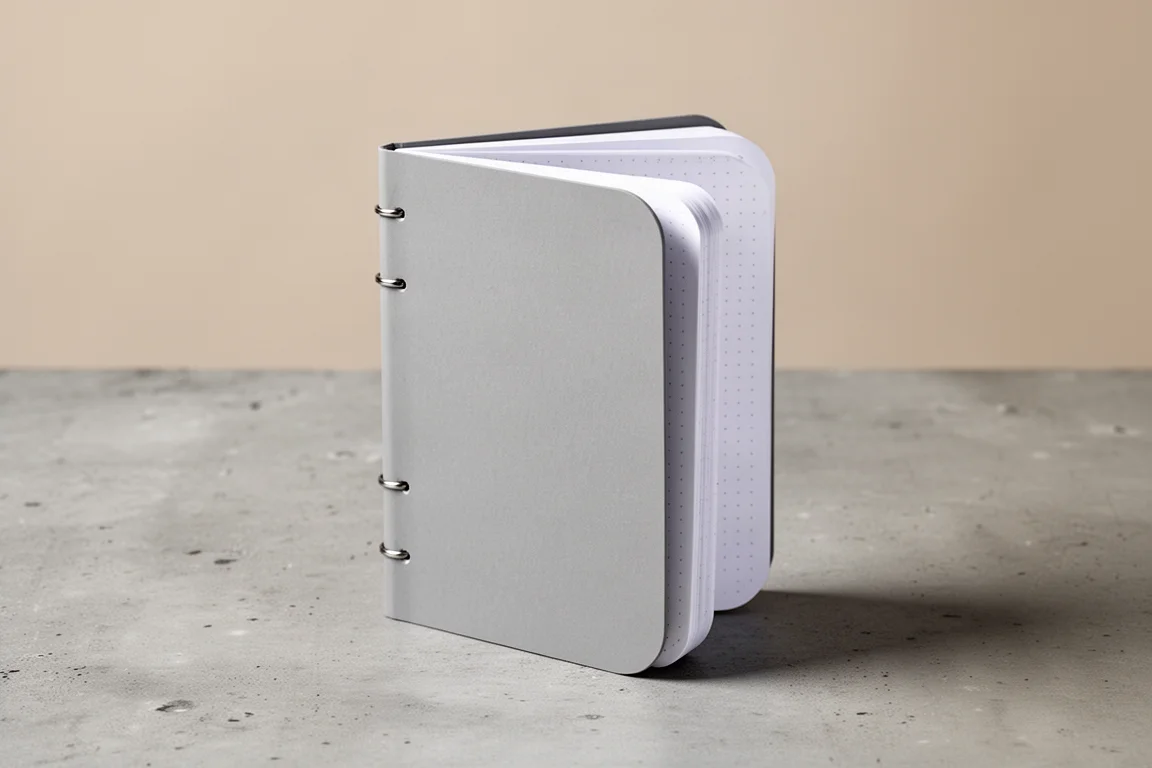
Fabriano was founded in 1264 and made paper for Leonardo da Vinci and Michelangelo, which is hard to beat for heritage. The EcoQua pocket book brings a heavy 290 gsm cover with nice stiffness and rounded edges, available in several vivid, almost neon colors if you buy the multi-pack. It has 48 pages of 90 gsm paper, made in Italy, with two staples holding it together.
The paper is the star: smooth, resistant to feathering, and with no bleed through, only the faintest show-through that never stops you using both sides. A four-pack runs around $14, which is tremendous value. The covers are plainer than Field Notes editions, but washi tape and glue fix that, and the heritage alone makes this an inspiring little book to carry.
Nemen N192A Reporters Notebook: The Professional’s Choice
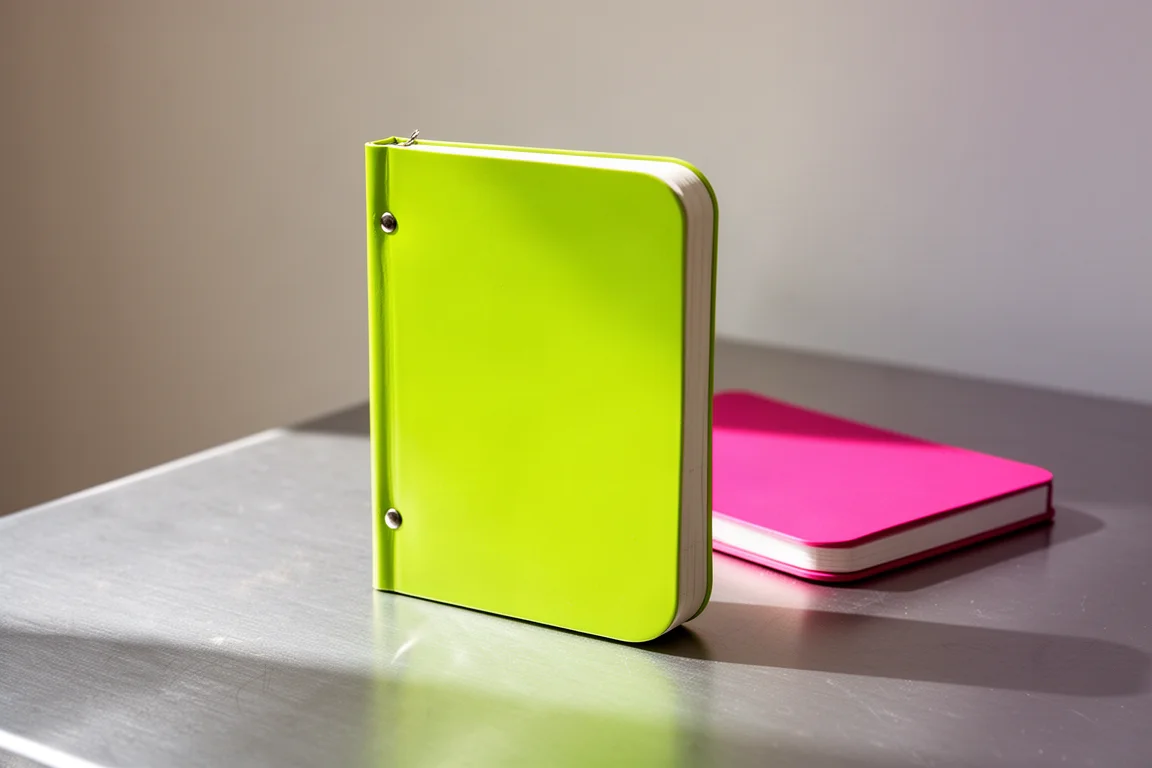
The Nemen N192A shifts the format: a top spiral binding near B7 size, around 76 by 127 mm, with rounded edges and 5 mm lined ruling that lands close to perfect spacing. The top spiral means the binding never gets in the way, the book fits easily in a palm or a top pocket, and you can tear out a page cleanly to share a phone number or a quick note without wrecking the whole book, something stapled notebooks cannot do.
The 70 gsm paper is thinner than some rivals, yet even with a range of inks there is no bleed through at all, just a beautifully finished surface that is a joy to write on. At around $5 or $6 and made in Japan, with a discrete black cover that does not scream for attention, this feels like the notebook a Japanese salaryman might carry: ready to park ideas, stay under the radar, and outsource a little mental space.

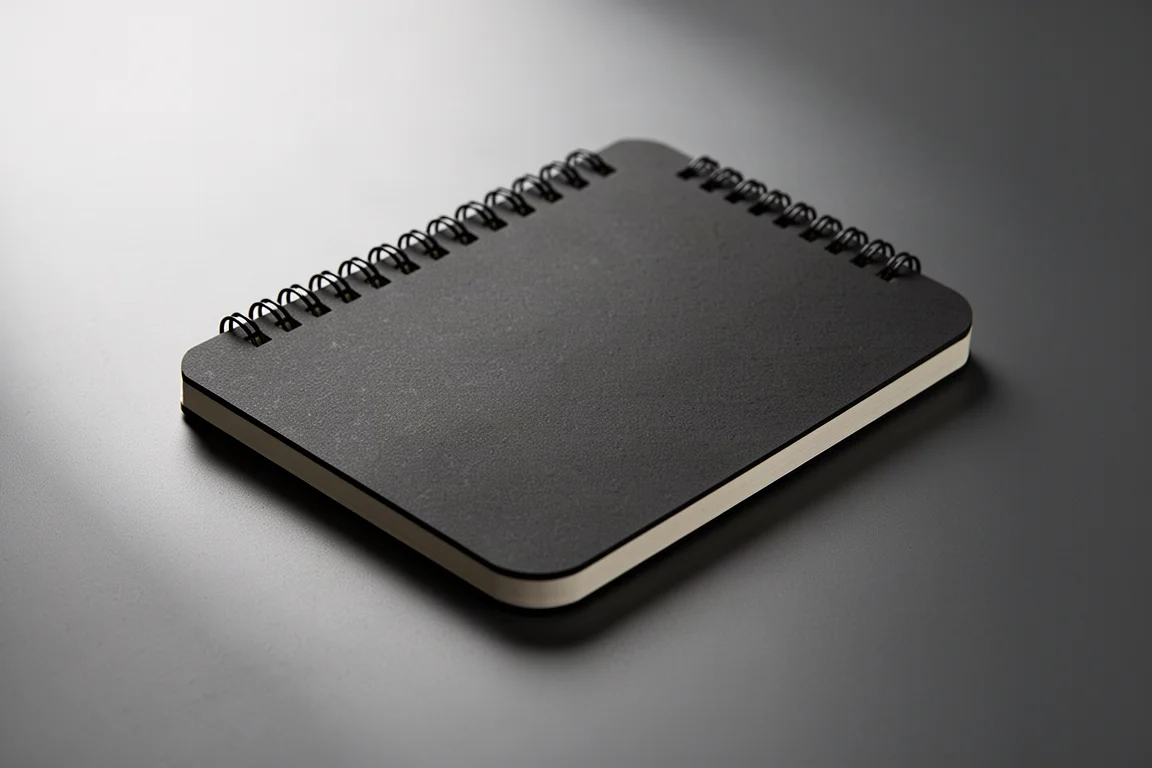
Clairefontaine Basics Life Unplugged: Maximum Pages
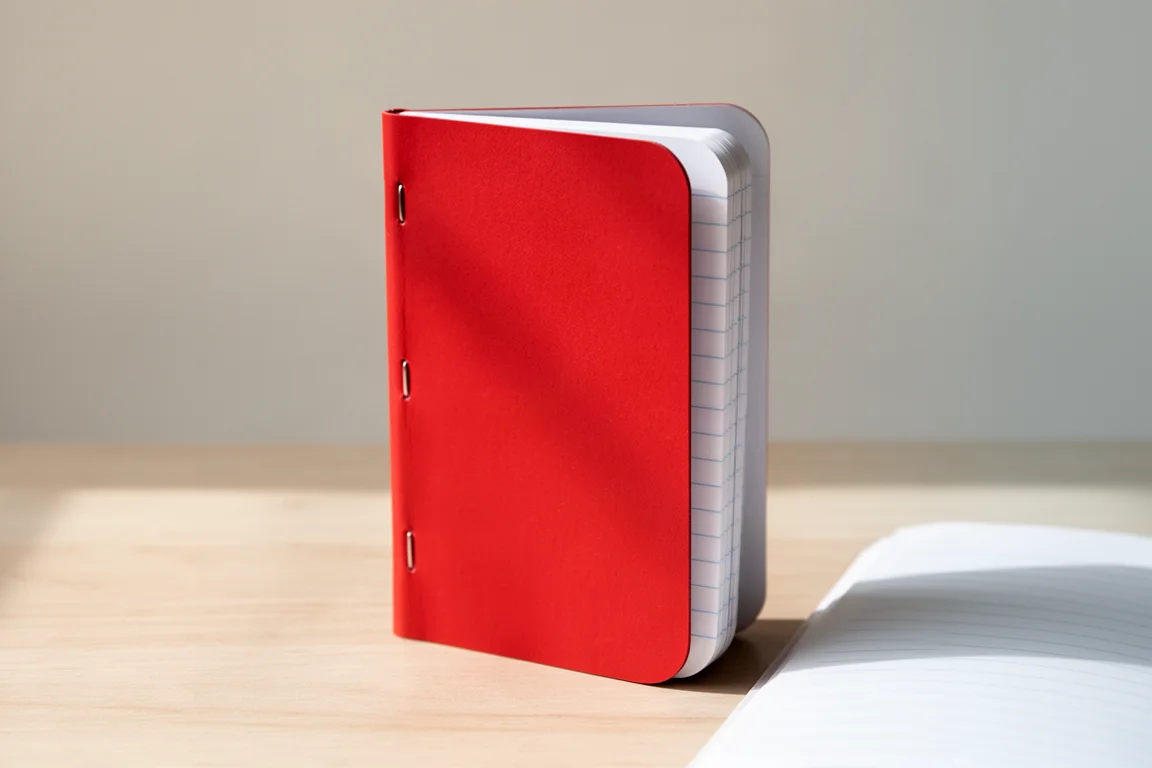
From France comes the Clairefontaine Basics Life Unplugged, in the same 3.5 by 5.5 inch dimensions as Field Notes but considerably thicker thanks to 96 pages. That extra real estate matters if you write a lot, want to use it as an insert in a journal cover, or are filling pages with scripts, article ideas, or short stories.
The 90 gsm paper is superb: gorgeous blue lines, ink expressed perfectly, no ghosting, no bleed through, and a fluid, smooth writing experience. Clairefontaine has been making paper since 1858 and it shows. Two caveats: it is stapled with just two staples, and the cover is not the most durable under pocket jostling. It also resists lying flat, clamping shut like a clam until you fight it open. At around $6 US, though, the paper makes up for a lot.
Hi Yamamoto Riki Museum Line: The Romantic Pick
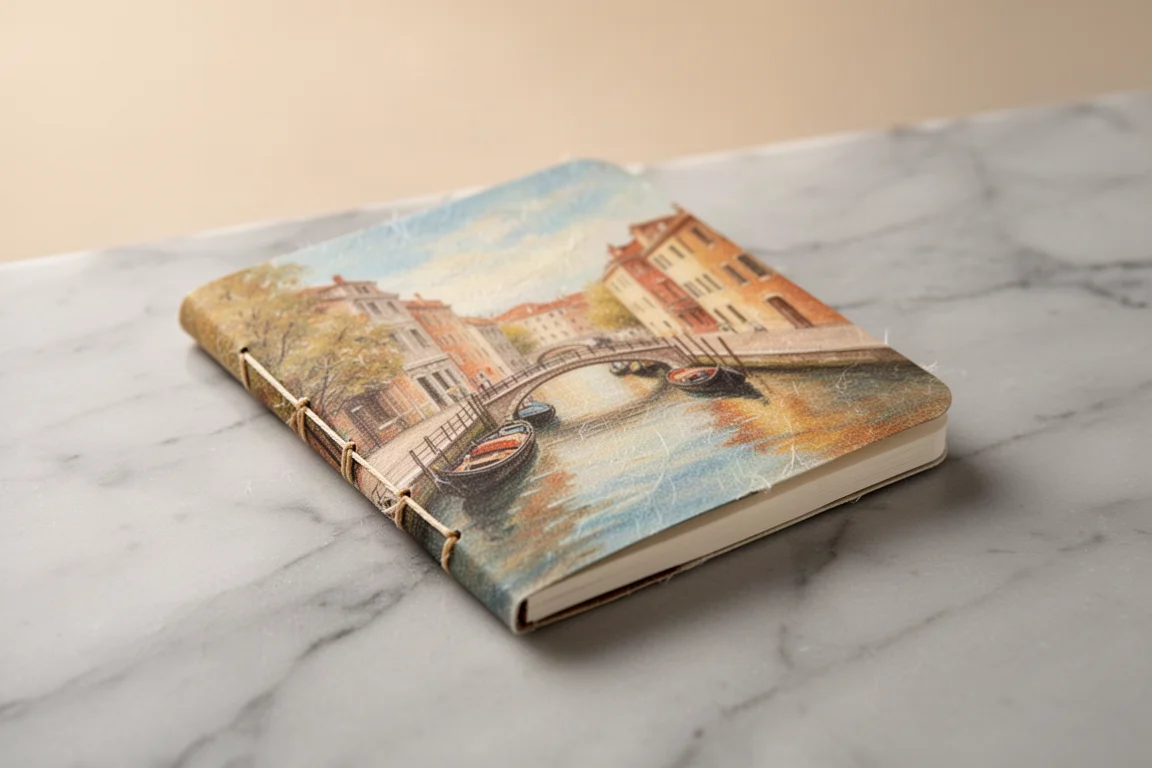
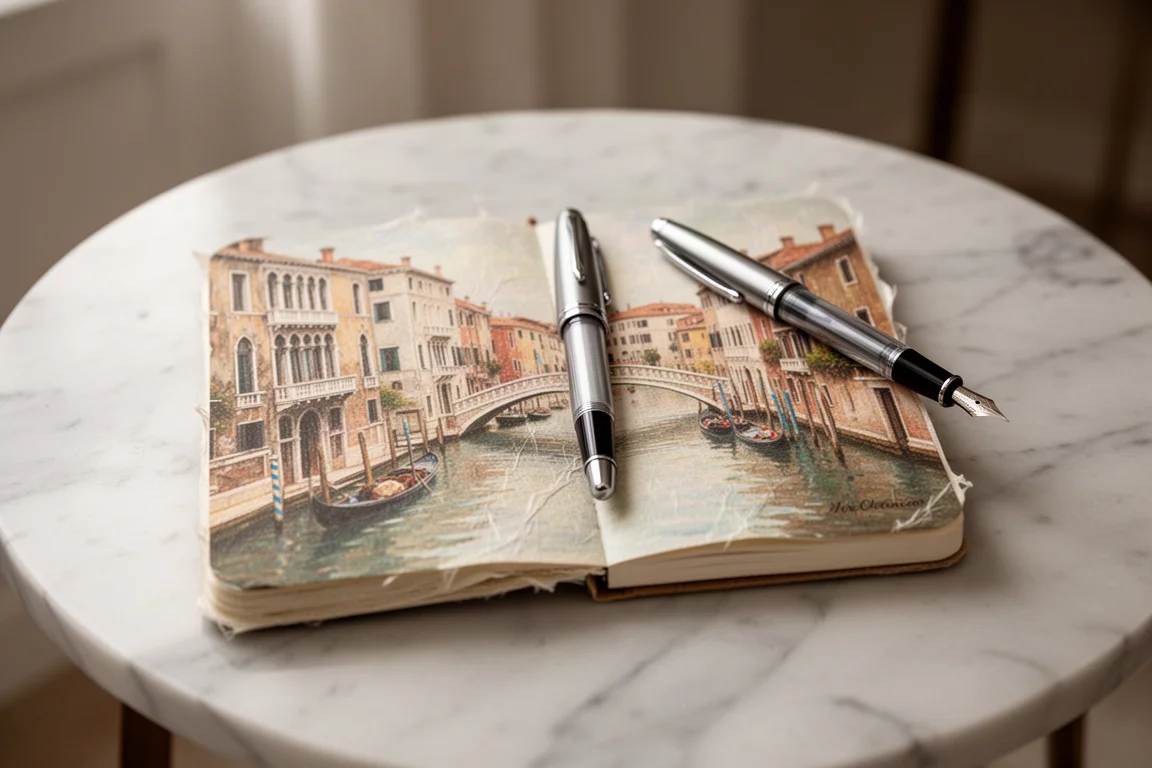
This one wins on charm. The Hi Yamamoto Riki Museum line features a waxed paper cover with a muted, beguiling Venetian scene, and the slightly smaller 3.5 by 4.9 inch format makes it even easier to stow and slide into a pocket. It has 60 pages, a sewn binding that lets the book lie flat, and paper labeled as “chiffon cream, fountain pen friendly.”
That last claim holds up: despite the thin feel, it handles fountain pen ink marvelously, with no ghosting, no bleed through, and no feathering at all, which is genuinely impressive. Between the cover, the portability, and the paper, this became a quiet favorite.
Bird Watching Passport Notebook: The Charming Bonus
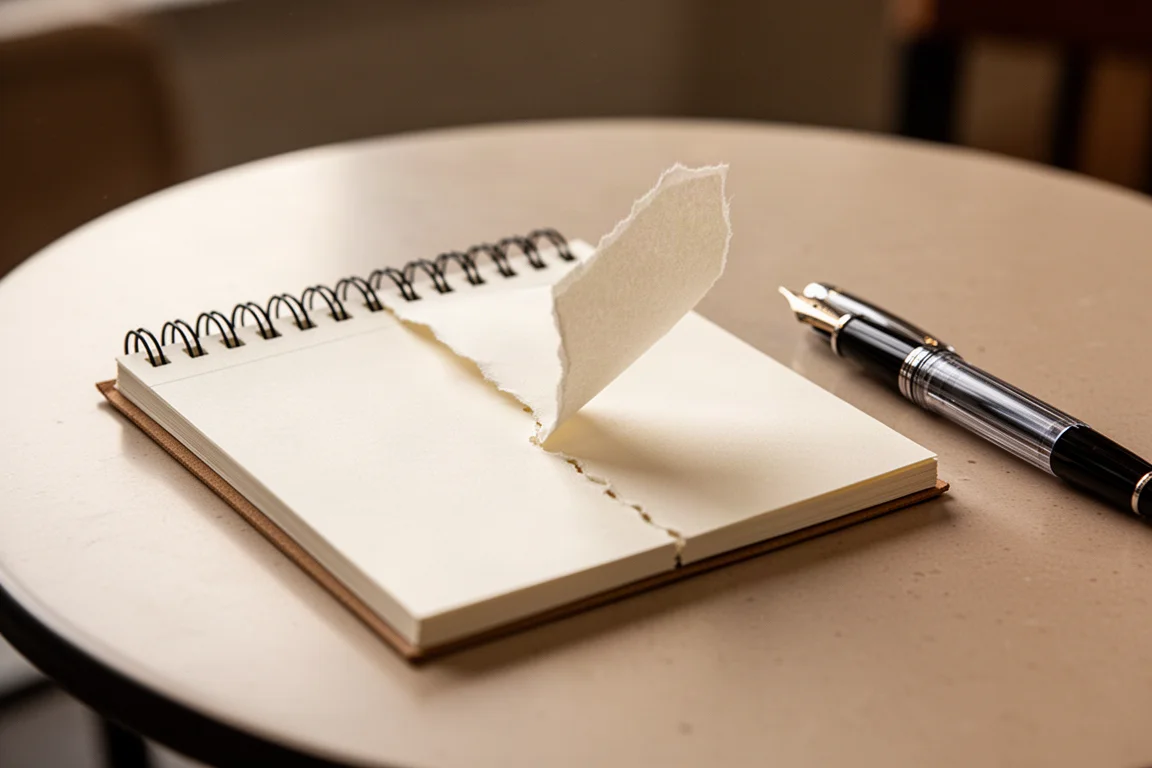
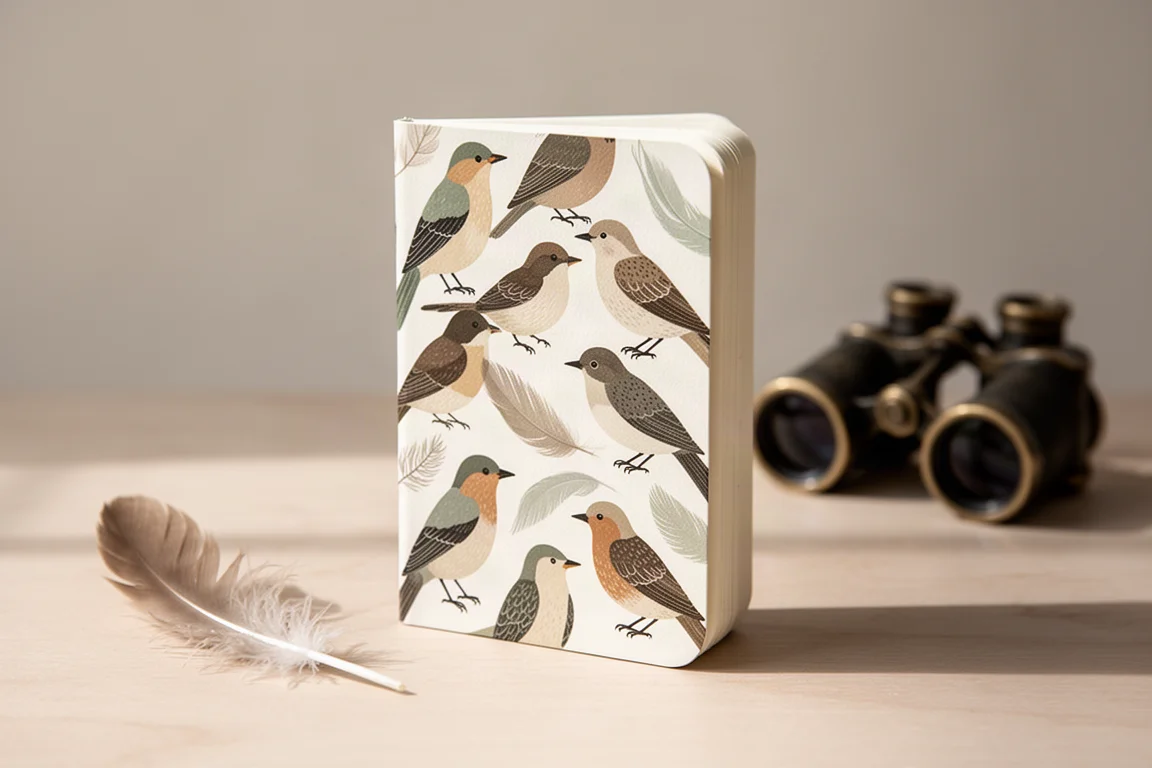
From the Unemployed Philosophers Guild comes the bird watching passport notebook, bought purely because sometimes charm matters. Each observation page includes fields for date, start time, location, weather, habitat, observations, and a species list, plus a sketch page for capturing identification features before consulting a field guide. The back holds an identification guide, and the front offers more on birds and birding.
The surprise is the paper: at only $7, nobody expects fountain pen friendly stock, yet it delivers with no ghosting, no feathering, and no bleed through. You do not need to be a birder to enjoy it; fill it with any notes you like. If you were to buy just one thing from this list, this is the pick for pure charm and fun.
Overall Buying Advice
Every notebook here succeeds where it matters most: paper. None ghost, bleed, or feather under fountain pen ink. Choose by format and personality. Want Tomoe River at $8? Lockby. Want heritage and vivid covers? Fabriano. Need a professional, tear-out-friendly reporter format? Nemen. Need maximum pages for long-form writing? Clairefontaine. Want beauty and a book that lies flat? The Yamamoto Museum line. And if charm is the goal, the bird watching passport wins outright.
Conclusion
Field Notes earned its reputation, but these six alternatives prove you can keep the pocketable format and gain genuinely enthusiast-grade paper. Our overall favorite is the Hi Yamamoto Riki Museum line for its size, flat-lying sewn binding, and surprising paper performance, while the bird watching passport notebook is the one we would tell anyone to buy first. Pick the one that matches how you actually write, and your pocket will thank you.
Further reading
Related Reviews
Stationery
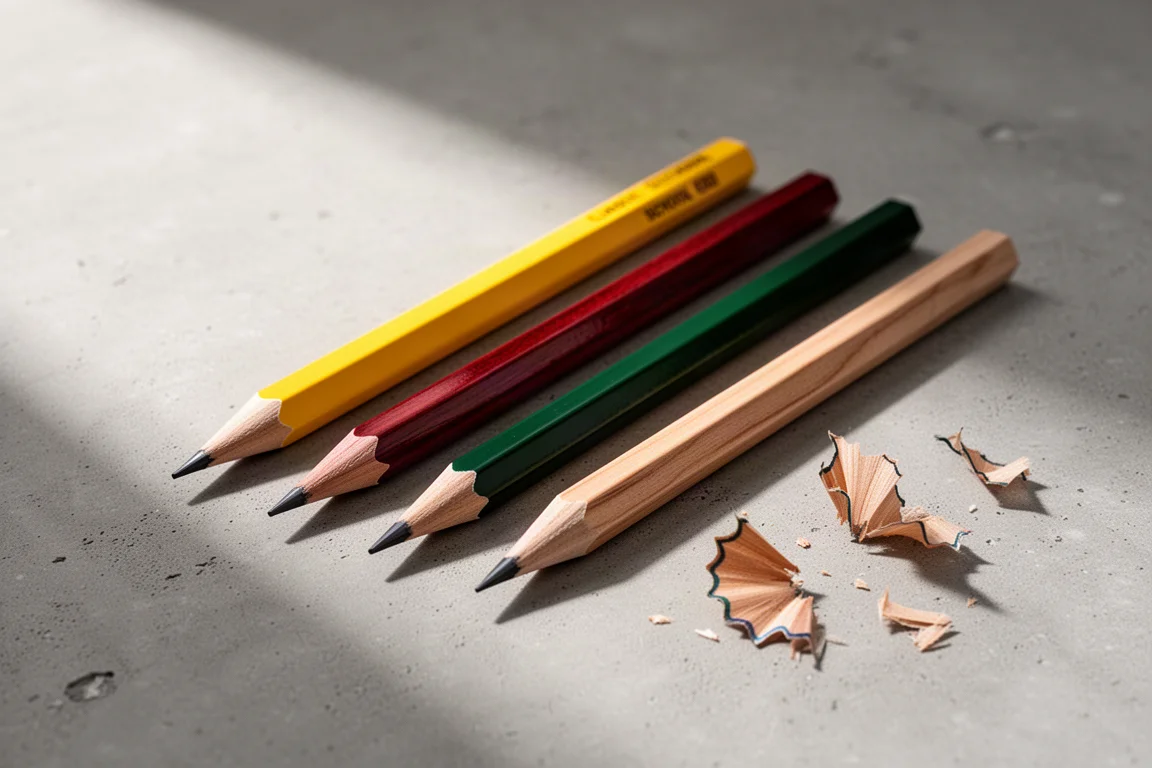
Musgrave Pencils Review: Four Classic Pencils from Tennessee's Last Pencil Factory
We put four Musgrave pencils to paper, from the classic Harvest to the Unigraph 1200 drawing pencil, to see what a century-old Tennessee workshop can still do.
Stationery
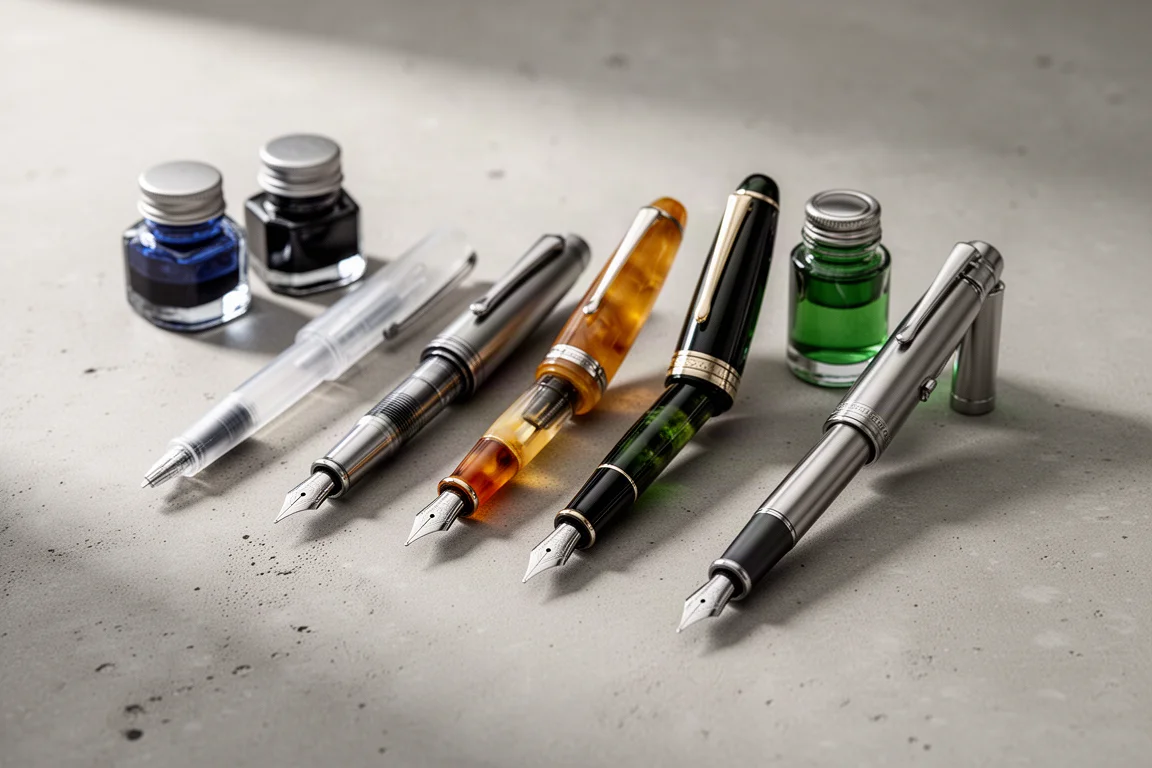
Fountain Pen Tiers Explained: From Starter Pens to Luxury Grails
A practical overview of the different levels of fountain pens and inks, from a sub-$20 starter setup to Italian piston fillers and retractable gold-nib everyday carries.
Stationery
HP Premium 32 lb Copy Paper Review: A Fountain Pen Friendly Everyday Printer Paper
A heavy, smooth 120 GSM copy paper that handles fountain pens far better than standard printer stock, with only minor trade-offs in shading and sheen.