Stationery
Best Planner and Journal Sizes: A5, B5, B6, A6 and Beyond Compared
From Leuchtturm1917 A5 classics to pocketable Hobonichi planners, a practical look at how notebook size shapes your planning and journaling style.
Introduction
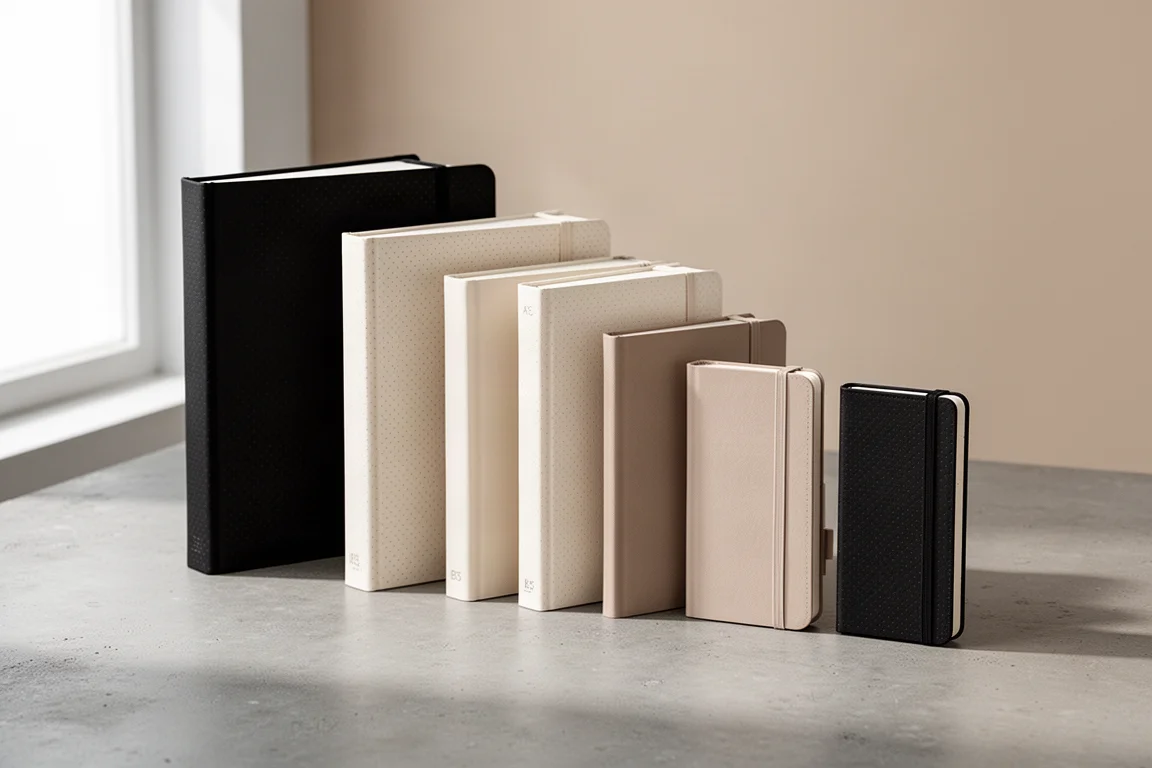
There is no single perfect planner or journal size. The A5 notebooks that suit one person may feel cramped to another, while a slim B6 or wallet-size planner can transform how often you actually use it. This guide walks through the most popular sizes, the notebooks that represent them well, and who each format suits best.
A5: The Safe, Universal Choice
A5 planners and journals are universally loved and often the safest starting point. They are spacious enough for plans, tasks, notes, and journal entries, yet portable enough to slip into a bag for school, work, or personal use. The size is far less daunting than printer paper, which makes it a welcoming format for beginners dipping their toes into planning or journaling.
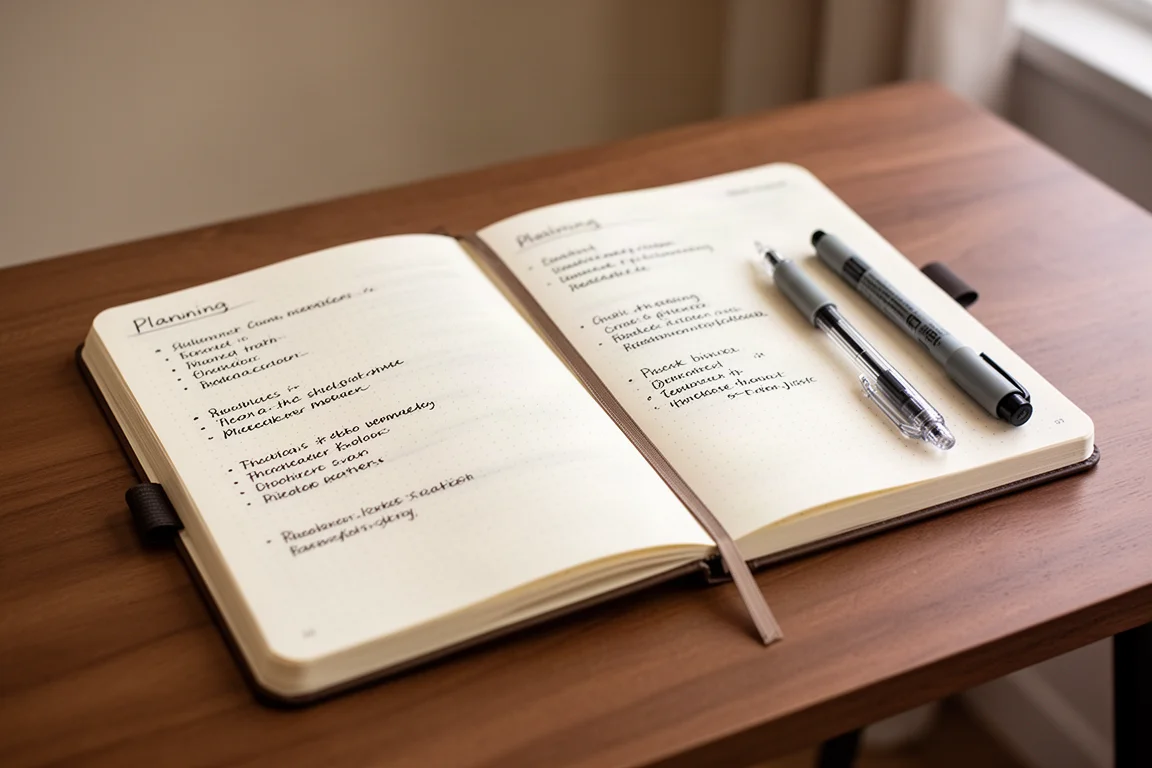
Leuchtturm1917 A5 Dotted Hardcover Notebook
The A5 Large dotted hardcover from Leuchtturm1917 comes with 251 pages of 80 gsm paper with a slight yellow tint, two ribbon bookmarks, a back cover pocket, an elastic closure, and a sticker label sheet for archiving covers and spines. It is offered in many colors. The paper holds up to most media, including watercolors, water-based markers, colored pencils, micron pens, gel pens, and fountain pens, with alcohol-based inks as the main exception. Many people started bullet journaling in these, and they remain a dependable choice, whether as a planner or a dedicated diary.
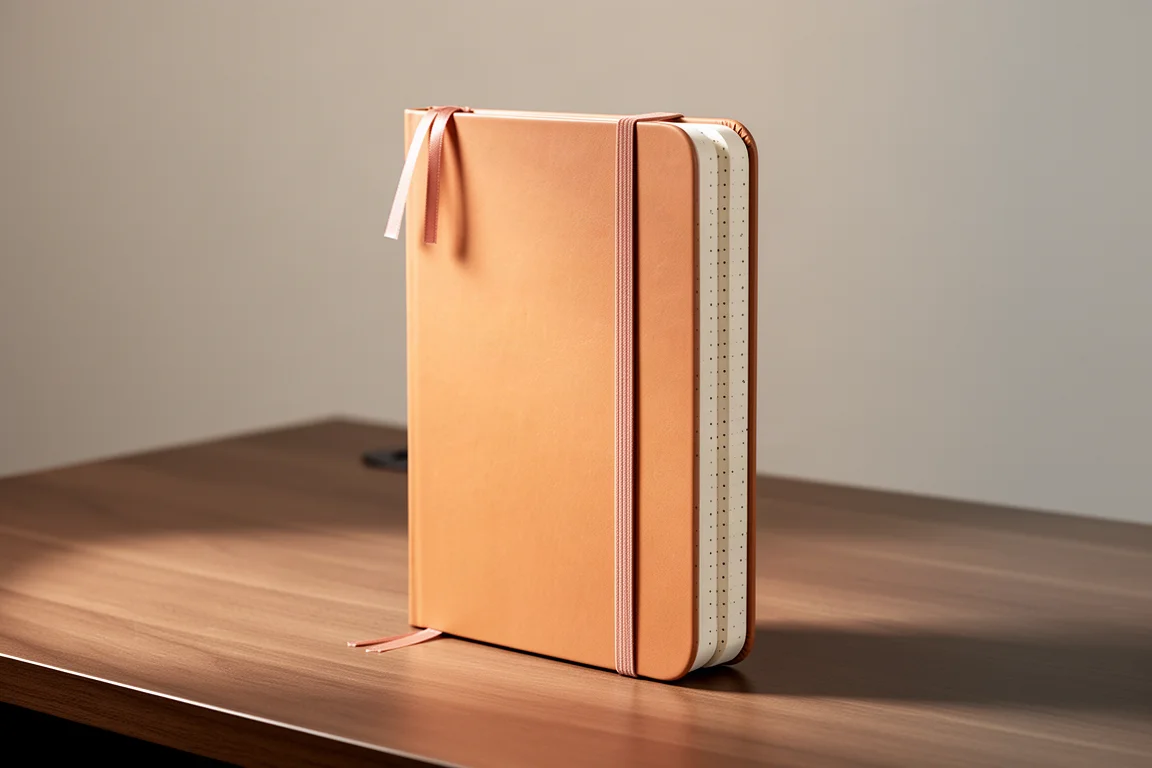
Archer and Olive A5 Dotted Journal
Archer and Olive A5 dotted journals come hardcover with 160 or 192 pages, an elastic closure, a back pocket, two ribbon bookmarks, a pen loop, and a small charm on one bookmark. Seasonal design releases add variety, often in limited stock. The signature feature is thick 160 gsm paper that resists ghosting, ideal for anyone who loves to decorate and layer media. The craft edition pairs 160 dotted craft pages with that same 160 gsm weight, bringing out contrast in white gel pens and pencils, and now appears mainly in seasonal launches. The blackout edition uses 160 dotted black pages at roughly 150 gsm and typically returns around Halloween. The main trade-off is page count: moving down from 251 pages to 160 is a real adjustment, and heavy users may find themselves rationing space or pasting in extra sheets.
B5: Room to Breathe
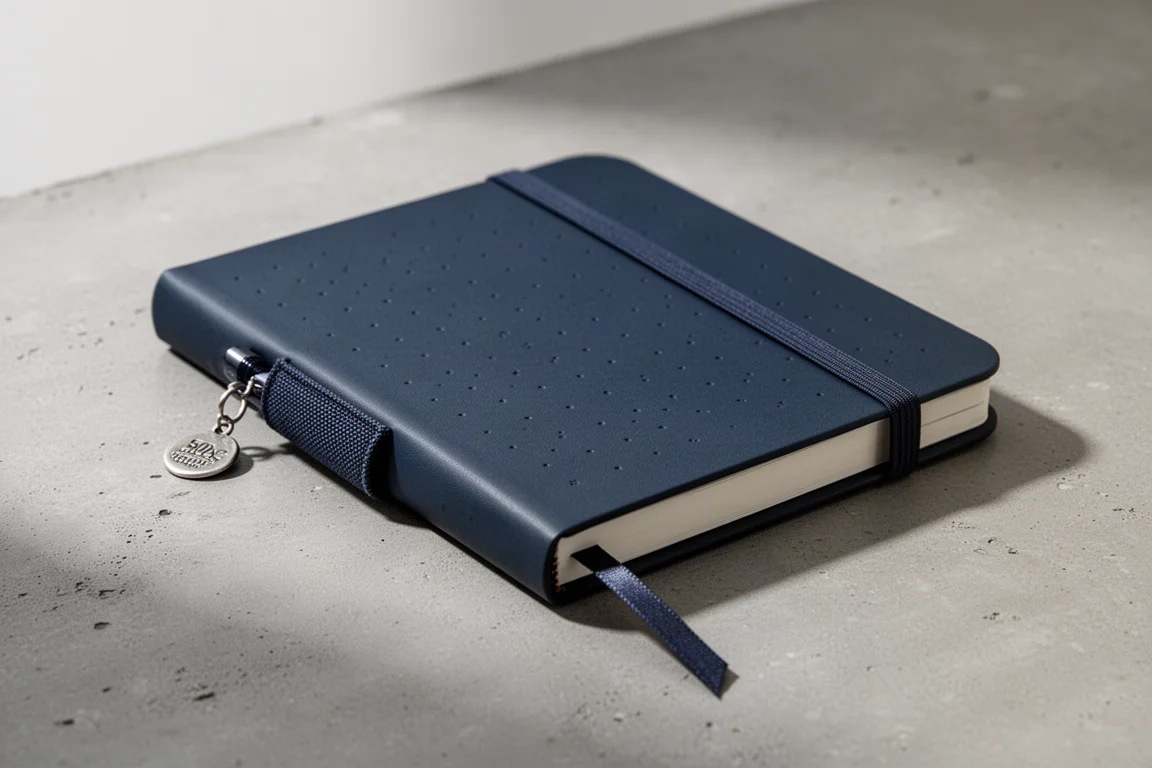
Stepping up to B5 changes the planning experience noticeably. With more room per spread, it becomes easier to fit yearly, monthly, and weekly layouts alongside trackers without feeling squeezed.
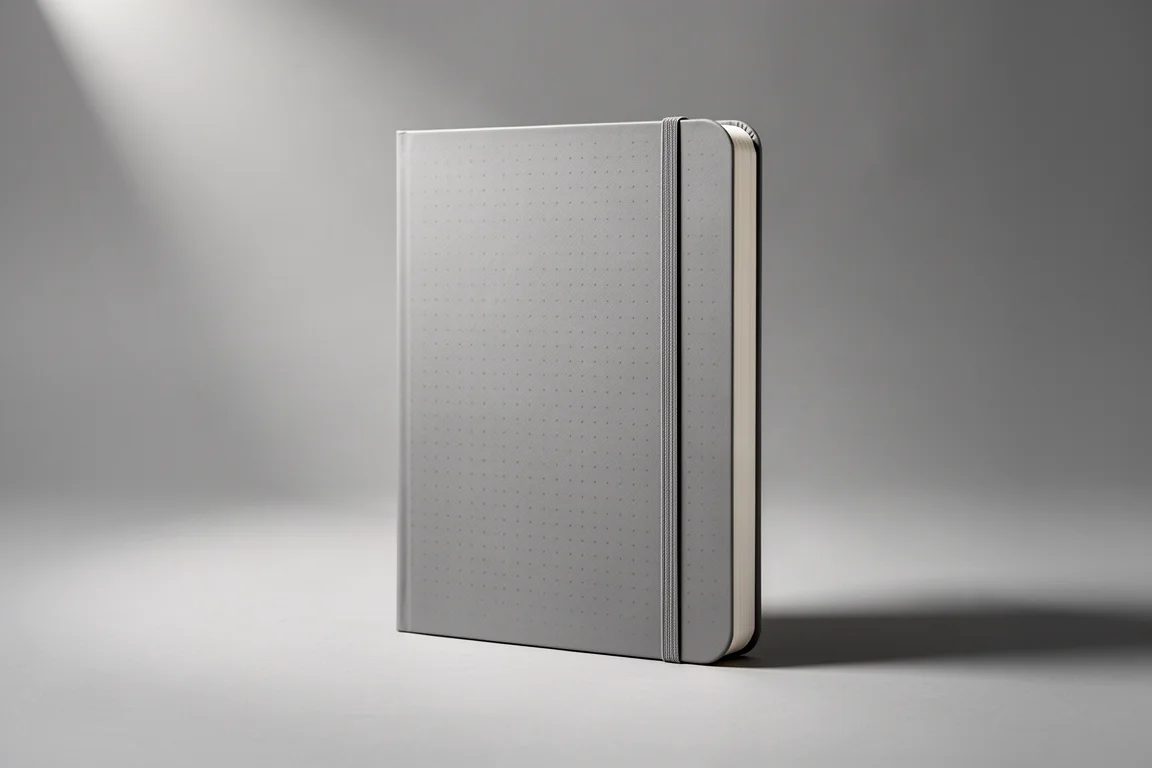
Archer and Olive B5 Dotted Notebook
The B5 Archer and Olive keeps everything from the A5, including the thick 160 gsm paper, elastic closure, back pocket, two ribbon bookmarks, and pen loop, but offers the extra width of the B5 format with 160 pages. It suits a one-notebook-per-year system, where each page has a purpose and there is still space for creativity. It is also a strong pick as a creative dump journal, with pages thick enough to handle almost any medium without ghosting.
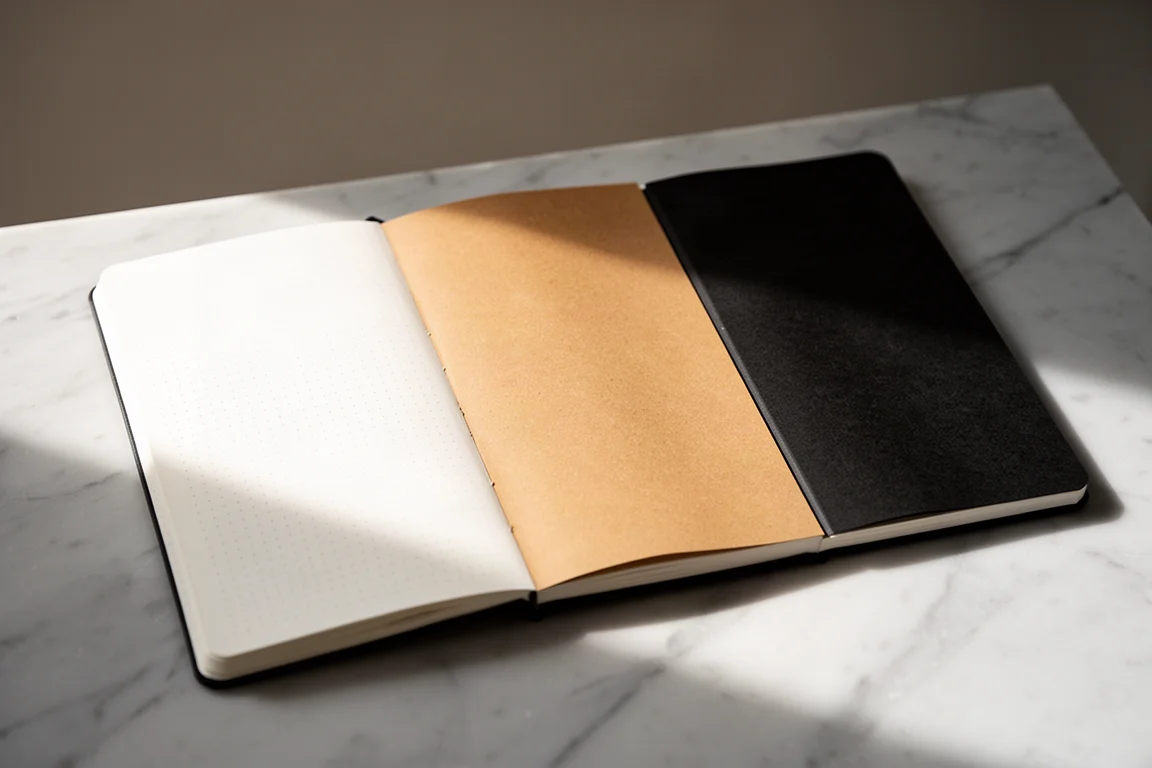
Archer and Olive B5 Neapolitan Notebook
The B5 Neapolitan may be the standout of the whole format. It combines white, craft, and black dotted pages in one notebook, so you get the contrast benefits of toned paper without being locked into an all-black journal. That mix allows a wide variety of supplies across the book, making it one of the most versatile notebooks available. It tends to appear in seasonal releases rather than the permanent line, and an A5 Neapolitan version occasionally surfaces during sale events.
B5 Alternatives Worth a Look
Notebook Therapy B5 Dotted Journal
Notebook Therapy B5 dotted journals are extremely comparable to the Archer and Olive equivalents, offering a similar thick-paper, hardcover experience in the same generous format. If you like the B5 layout but want a different design language, they are an easy swap.
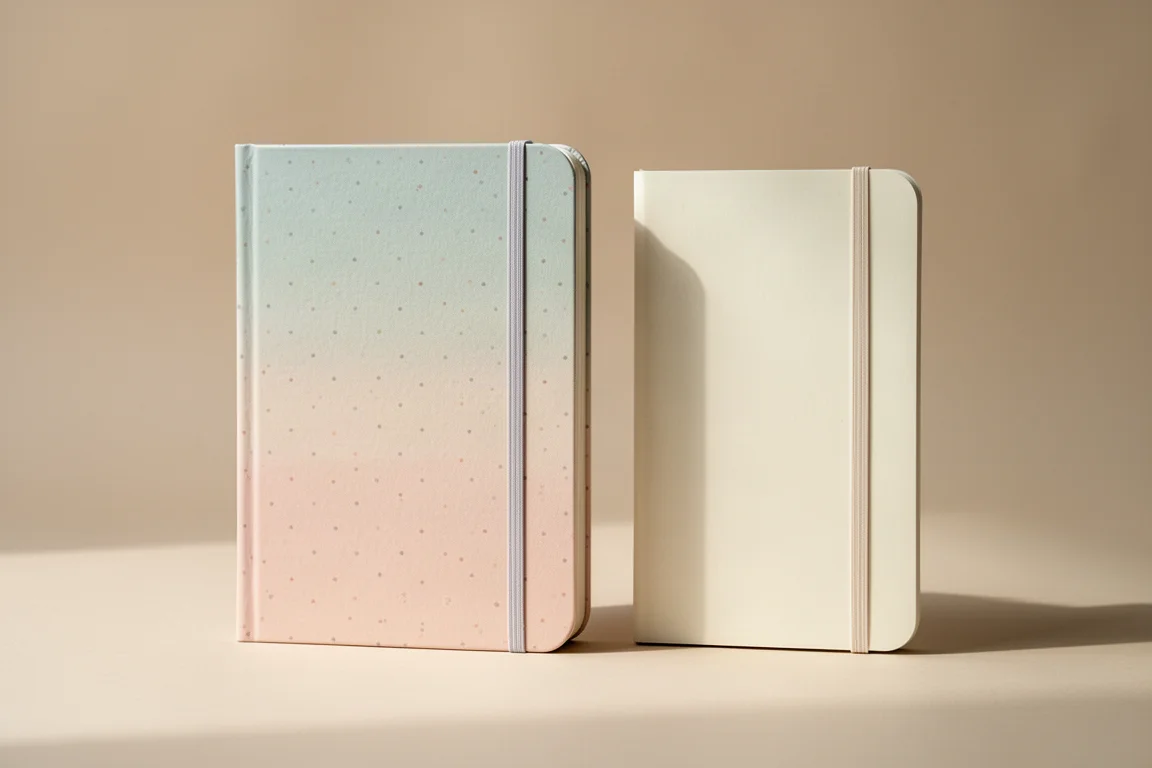
Leuchtturm1917 B5 Dotted Notebook
The B5 version of the Leuchtturm1917 dotted notebook shares all the A5 features, including the elastic closure, back pocket, two ribbon bookmarks, and 80 gsm paper, but comes with 219 pages instead of 251. It is a good middle ground if you want Leuchtturm paper quality with more writing width.
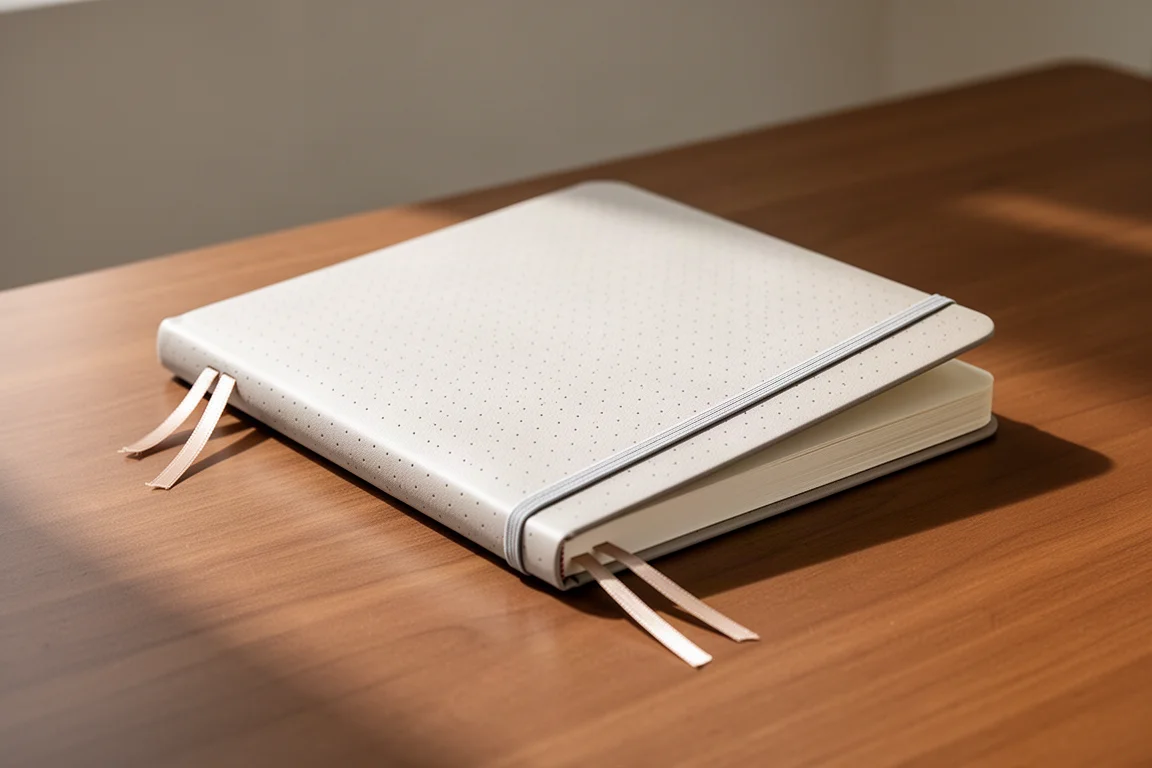
Going Smaller: B6 and A6
Downsizing is where things get interesting. Thin paper, light weight, and compact footprints make these formats far easier to carry, and some find them more satisfying to fill.
Sterling Ink B6 Common Planner
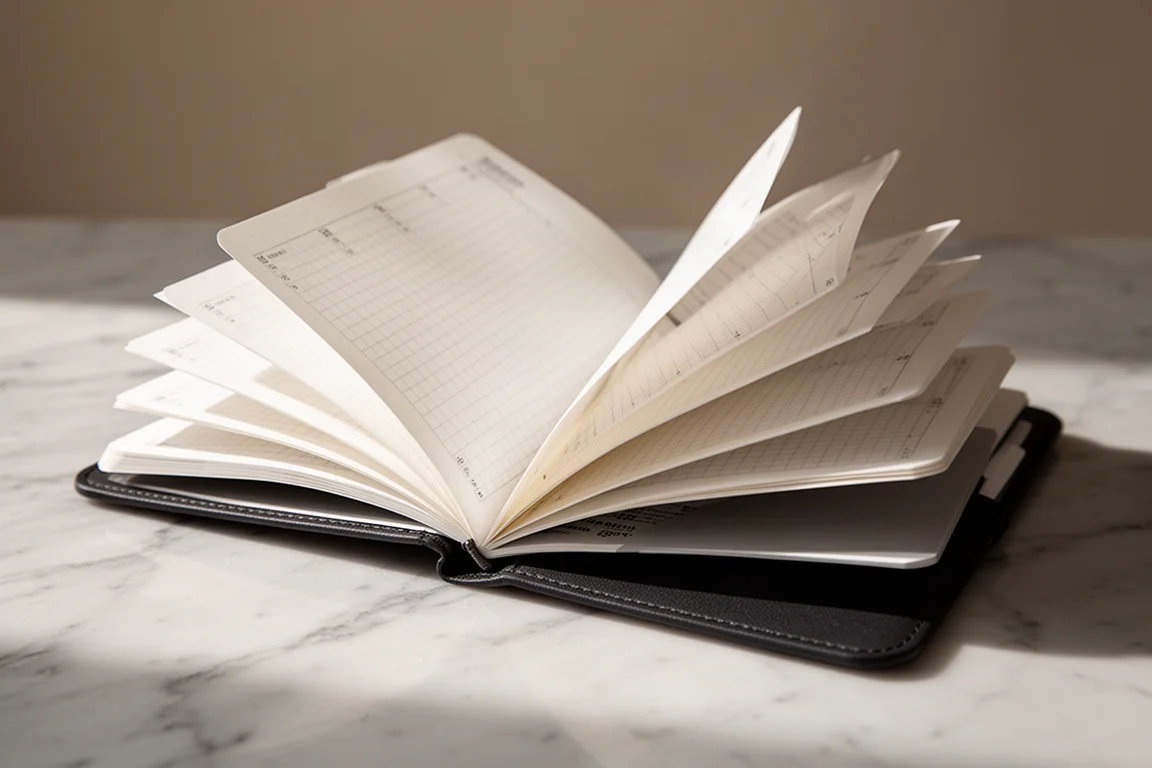
The B6 Common Planner pairs a PU leather cover with 520 pages of thin 52 gsm Tomoe River paper. It is the thinnest paper you will find in most planners, and while ghosting is expected, it holds up well to most media aside from alcohol-based inks. There is something genuinely satisfying about flipping through a book with pages this light. Slightly smaller than A5 but still spacious, the grid spacing fits a lot of information per page, and the light weight makes it genuinely easy to take out and about.
Hobonichi A6 Hon
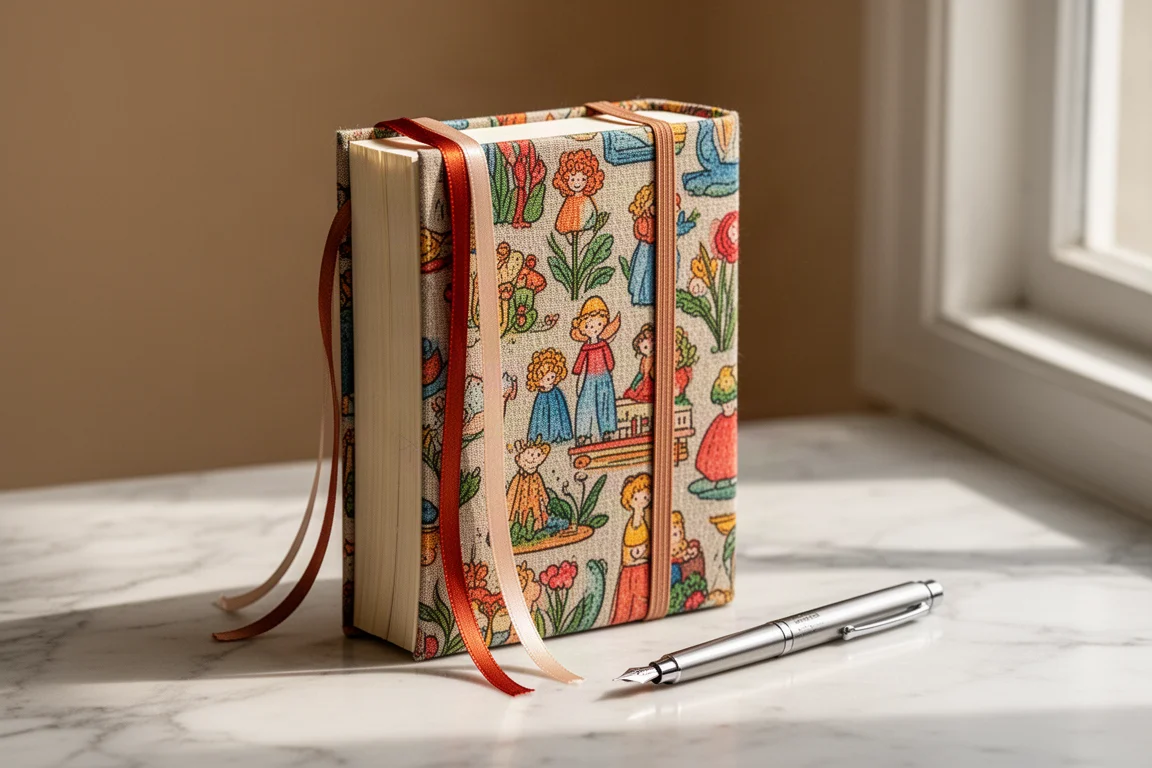
The A6 Hobonichi Hon is the smallest format here, and it works beautifully as a journal and memory-keeping book. It comes with a specially designed cover, roughly 464 pages of the same 52 gsm Tomoe River paper, and two ribbon bookmarks. Daily pages are perfect for capturing small details of the day, and a typical entry takes only about ten minutes to fill, making it ideal when you have just a few spare minutes. As a planner the size may feel tight to some, but as a daily journal it is hard to beat.
Hobonichi Weeks
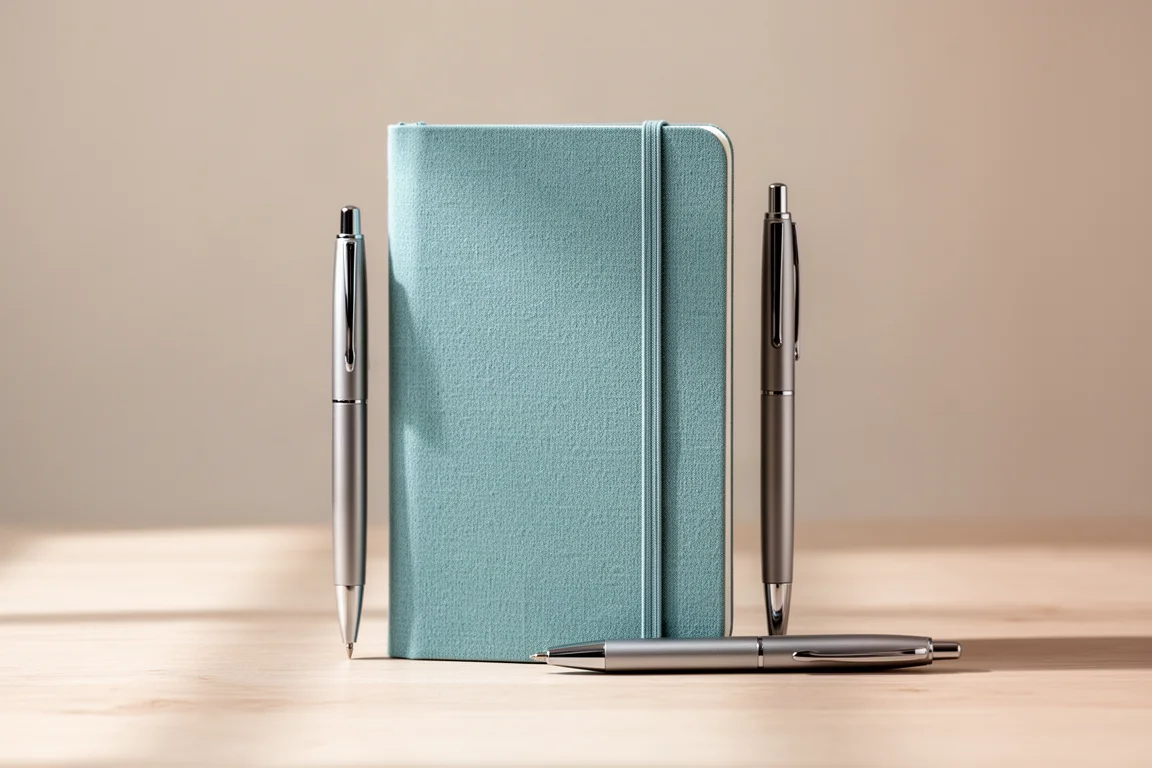
The Weeks is a wallet-size planner with a height between A5 and B6 but narrower than B6, making it very slim and compact. It is the kind of planner that disappears into a bag or pocket and stays with you everywhere, which makes it especially appealing for on-the-go scheduling.
Choosing the Right Size for You
The right answer depends on how you actually plan. If you decorate heavily or use wet media, thick paper like Archer and Olive’s 160 gsm stock removes the ghosting problem entirely. If you write a lot and want maximum room, B5 or a higher page count like the Leuchtturm1917 A5 matters more. If portability and lightweight paper appeal to you, the B6 and A6 formats are surprisingly capable.
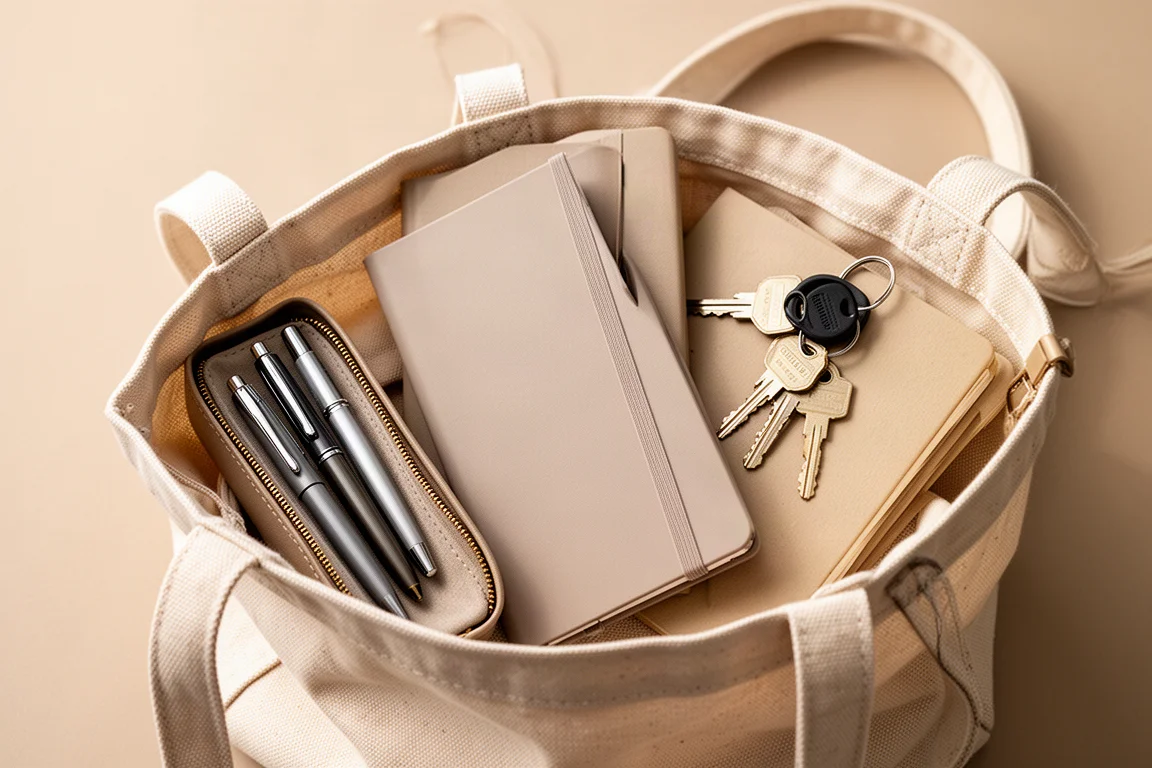
And if your current system starts feeling stale, sometimes all you need is a different size, or even just different colored paper. Changing the paper color alone can reshape which pens and materials you reach for and reignite motivation to use your planner.
Conclusion
Planner size is a personal fit, not a universal rule. The A5 remains the reliable default, B5 rewards generous planners, and the compact B6 and A6 formats prove that smaller can be just as satisfying. Trying a new size now and then may be exactly what keeps your planning habit alive.
Further reading
Related Reviews
Stationery
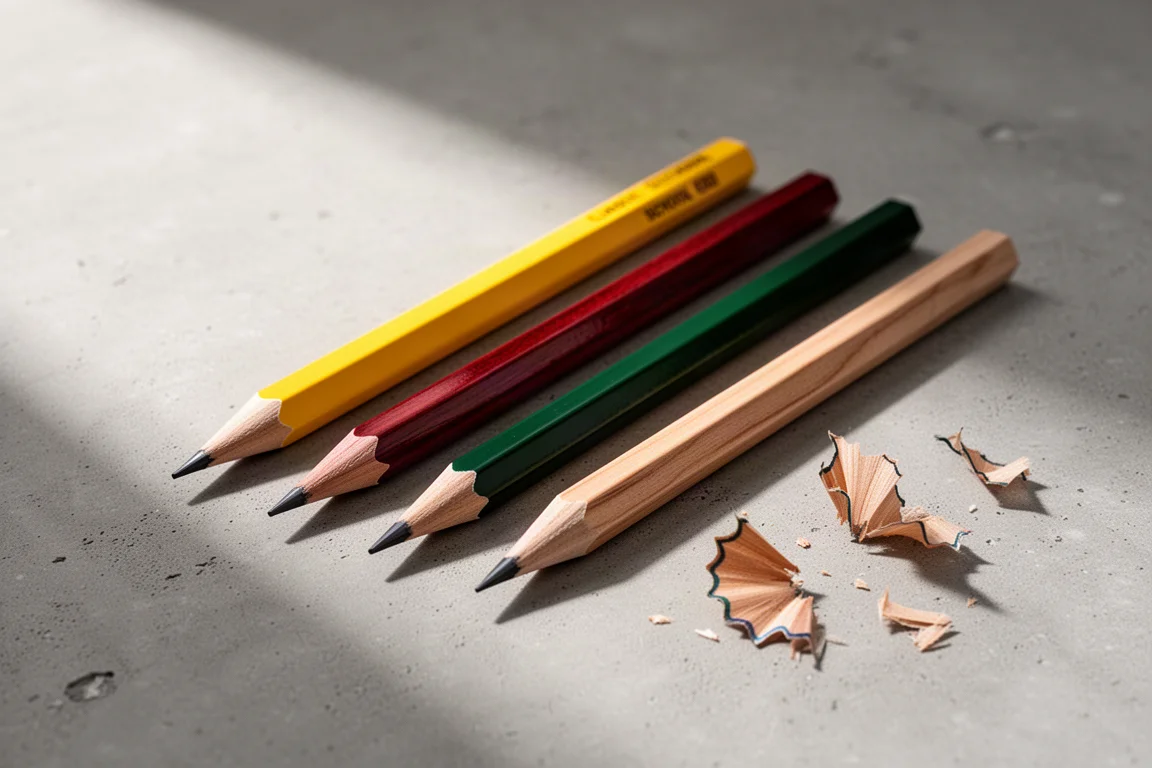
Musgrave Pencils Review: Four Classic Pencils from Tennessee's Last Pencil Factory
We put four Musgrave pencils to paper, from the classic Harvest to the Unigraph 1200 drawing pencil, to see what a century-old Tennessee workshop can still do.
Stationery
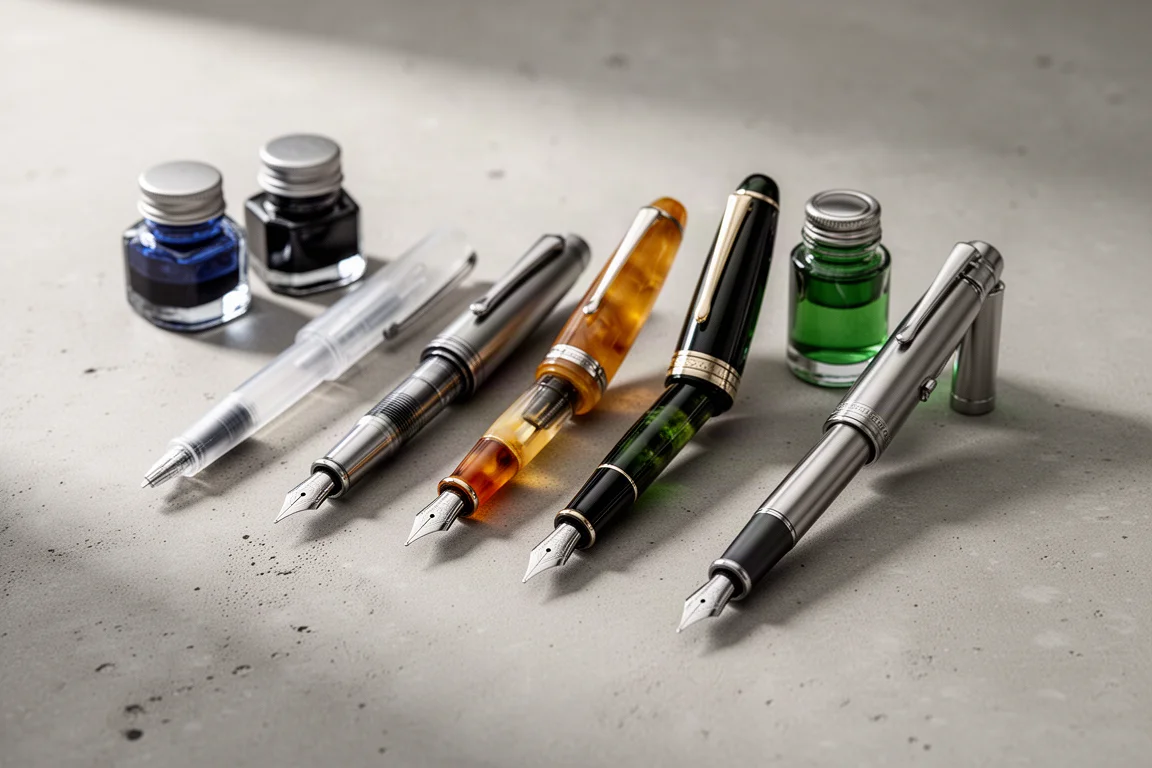
Fountain Pen Tiers Explained: From Starter Pens to Luxury Grails
A practical overview of the different levels of fountain pens and inks, from a sub-$20 starter setup to Italian piston fillers and retractable gold-nib everyday carries.
Stationery
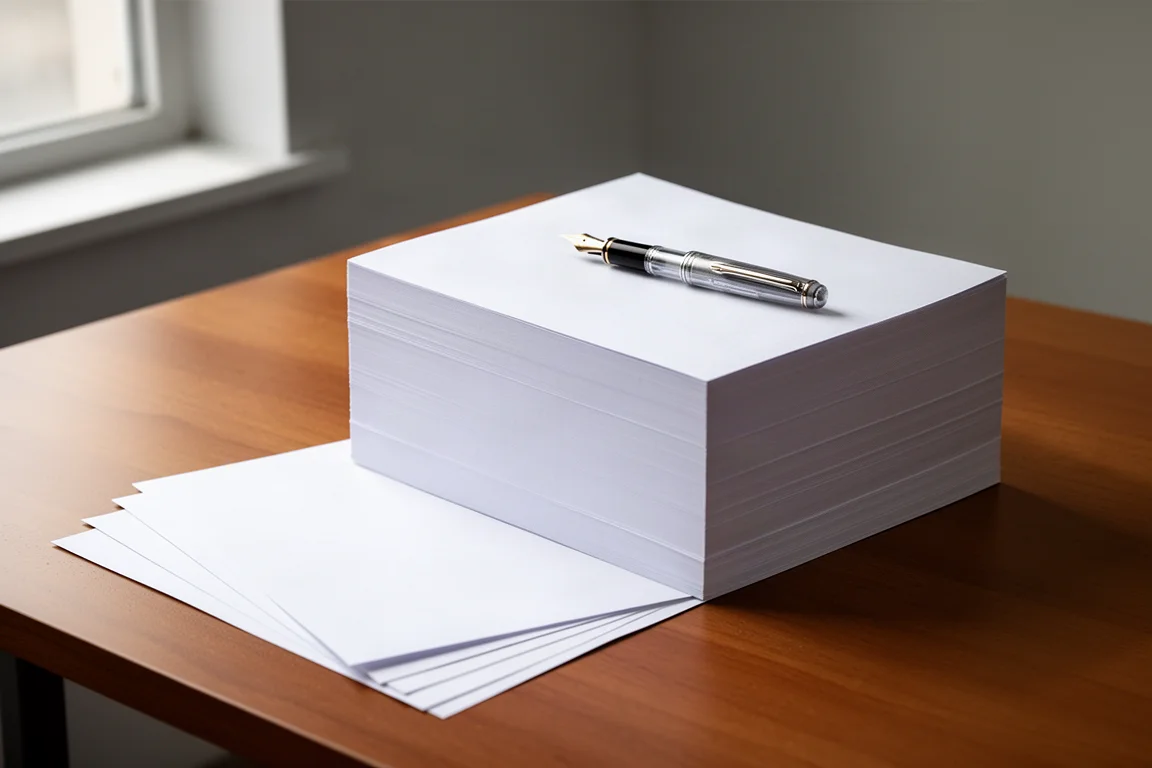
HP Premium 32 lb Copy Paper Review: A Fountain Pen Friendly Everyday Printer Paper
A heavy, smooth 120 GSM copy paper that handles fountain pens far better than standard printer stock, with only minor trade-offs in shading and sheen.