Stationery
Best Pens for Thin Planner Paper: What Works on 52 GSM Tomoe River-Style Pages
We tested 25 pens, pencils, brush pens, markers, and watercolors on the thin paper of the Sterling Ink Common Planner. Here is what smears, what ghosts, and what earns a spot in your kit.
Introduction
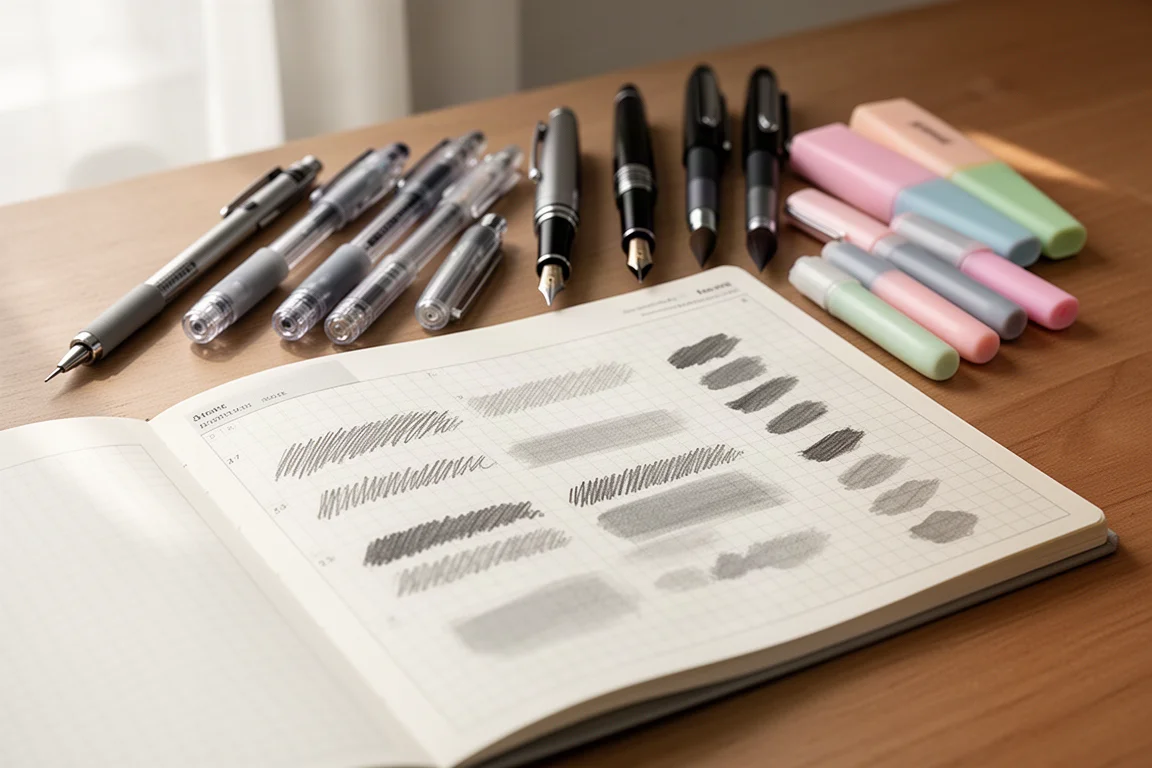
Thin planner paper changes everything about which pens you can trust. The Sterling Ink Common Planner uses Tomoe River-style paper at around 52 GSM, a far cry from the thick 160 GSM stock many journalers are used to. On paper this thin, a pen that dries fast, resists smearing, and ghosts minimally is worth its weight in gold.
To find out what actually holds up, we put a wide assortment of supplies through the same routine: writing samples, immediate smear tests, five-second and ten-second smear tests, and a page-flip inspection for ghosting and bleed-through. The results were mostly encouraging, with a few clear standouts and a few pens that demand patience.
The Planner: Sterling Ink Common Planner
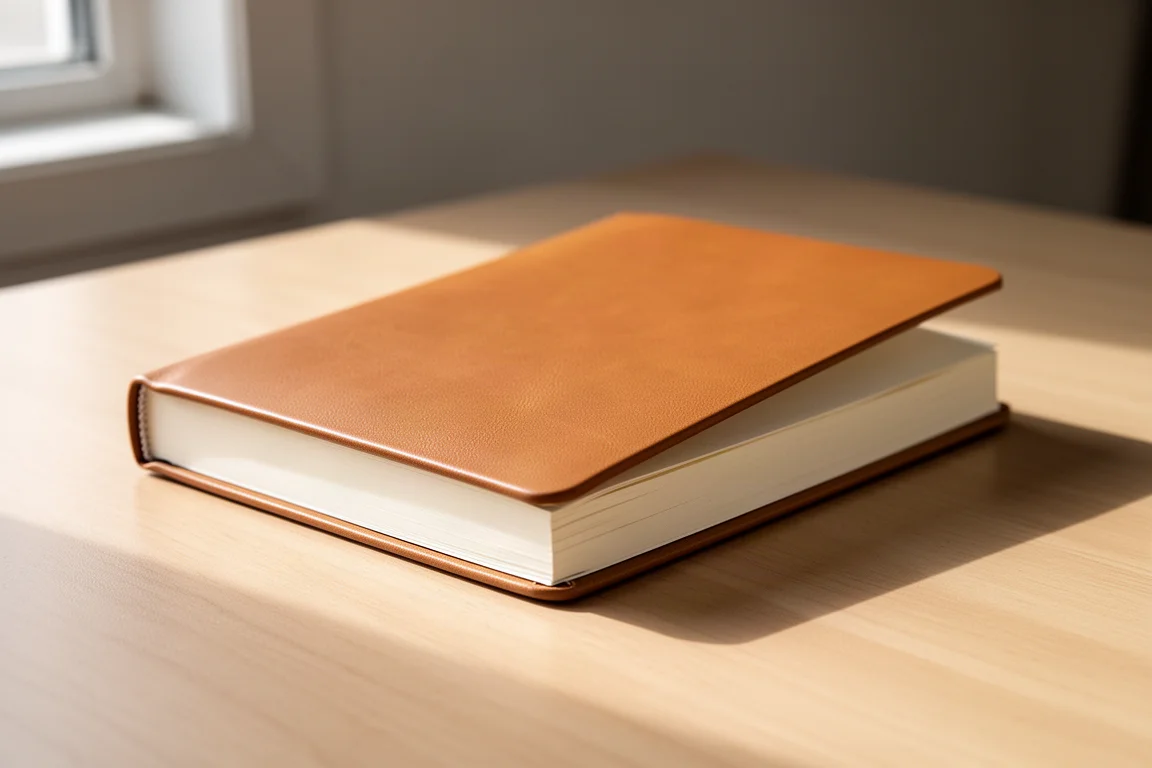
Most of the Common Planner is made up of blank grid pages in the back, useful for journal entries, daily logging, or additional planning. Because most people use these pages mid-book rather than at the very end, the test was done on a regular blank page rather than the back cover, so the effect on surrounding pages stayed realistic.
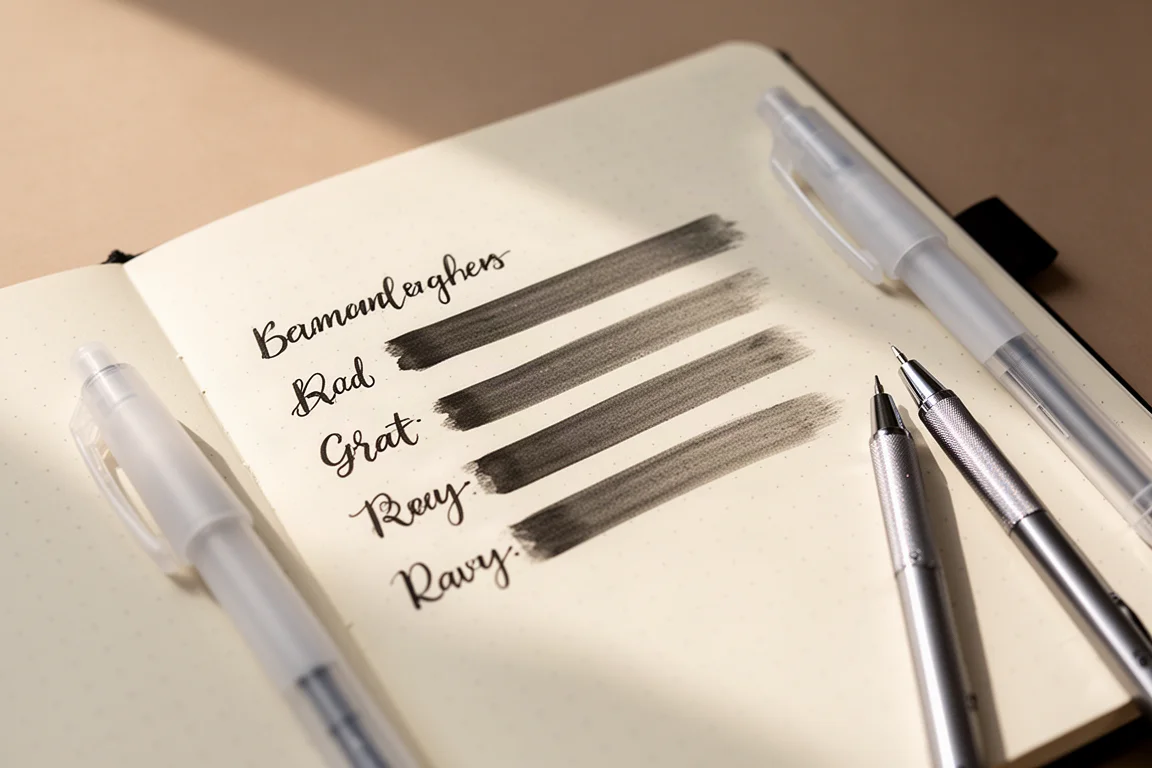
Good news up front: after drying, not a single pen in the entire test bled through this paper. Ghosting is noticeable with most inks, which is expected at 52 GSM, but bleed-through never happened, even with watercolor.
The Pencil: Tombow MonoGraph
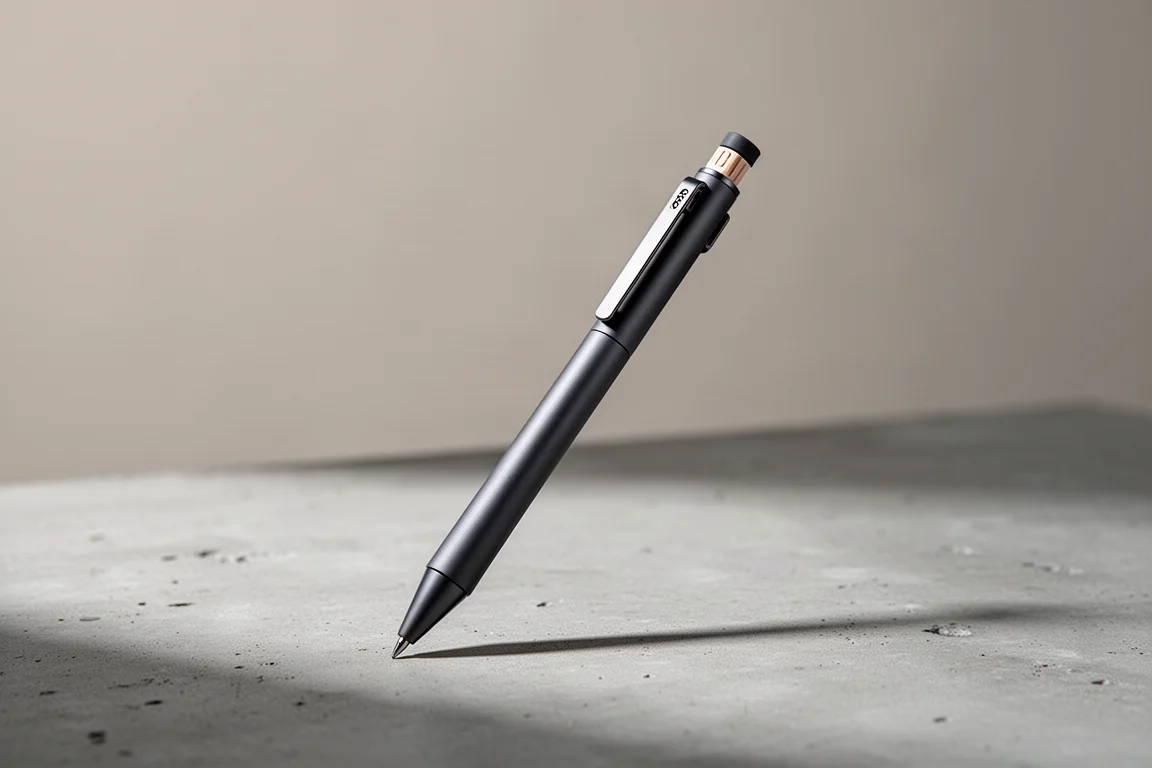
Graphite usually earns a reputation for smearing, but the Tombow MonoGraph mechanical pencil defied expectations. Smudging was barely visible even immediately after writing, and virtually non-existent at five and ten seconds. If you sketch layouts in pencil before committing to ink, this is an easy carry.
Gel Pens: The Smear Test Battleground
Gel ink tends to sit on top of coated thin paper longer, so drying time matters more here than anywhere else.
The Fine-Line Winner: Uni-ball Signo DX 0.28
This 0.28 mm pen is the most-used item in the planner so far, and for good reason: the extremely fine nib makes writing easier in tight vertical weekly spreads, and the ink reads surprisingly dark for such a thin line. Only a trace of smearing appeared immediately after writing, with virtually none at five and ten seconds.
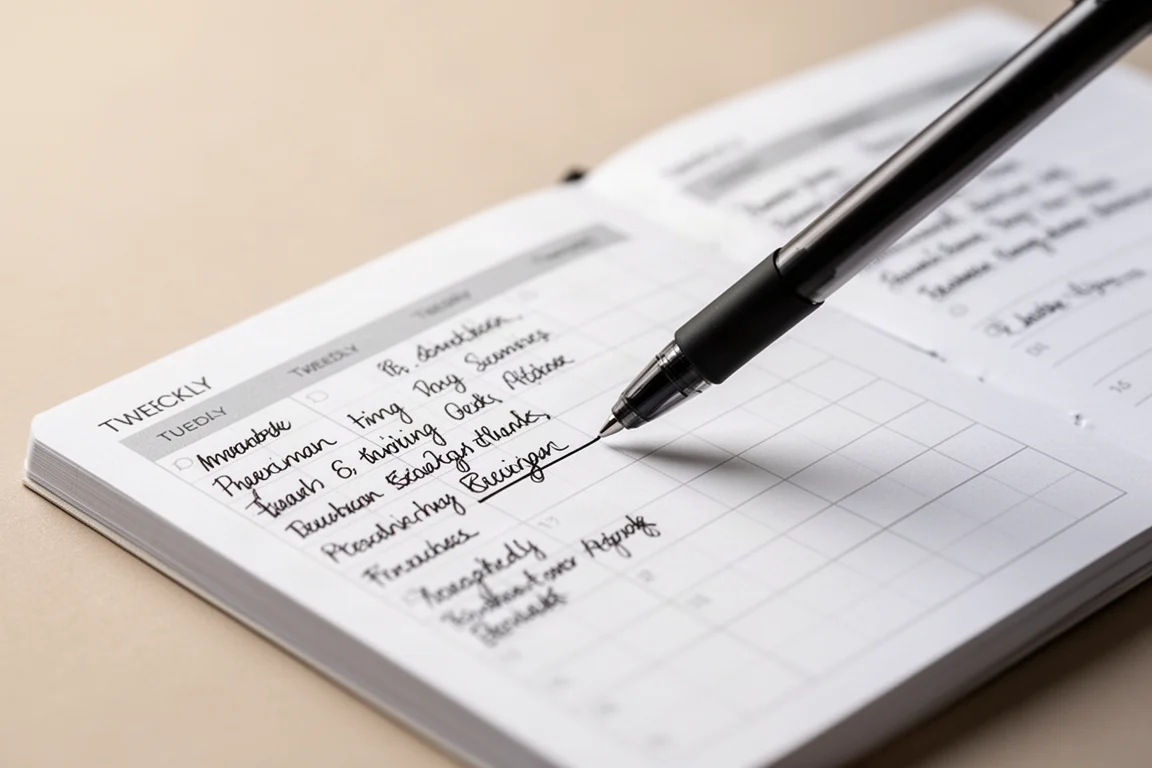
Results can vary slightly depending on your hands, since sweat or lotion can make any ink smear more easily, but the Signo DX 0.28 is the safest gel pick on this paper.
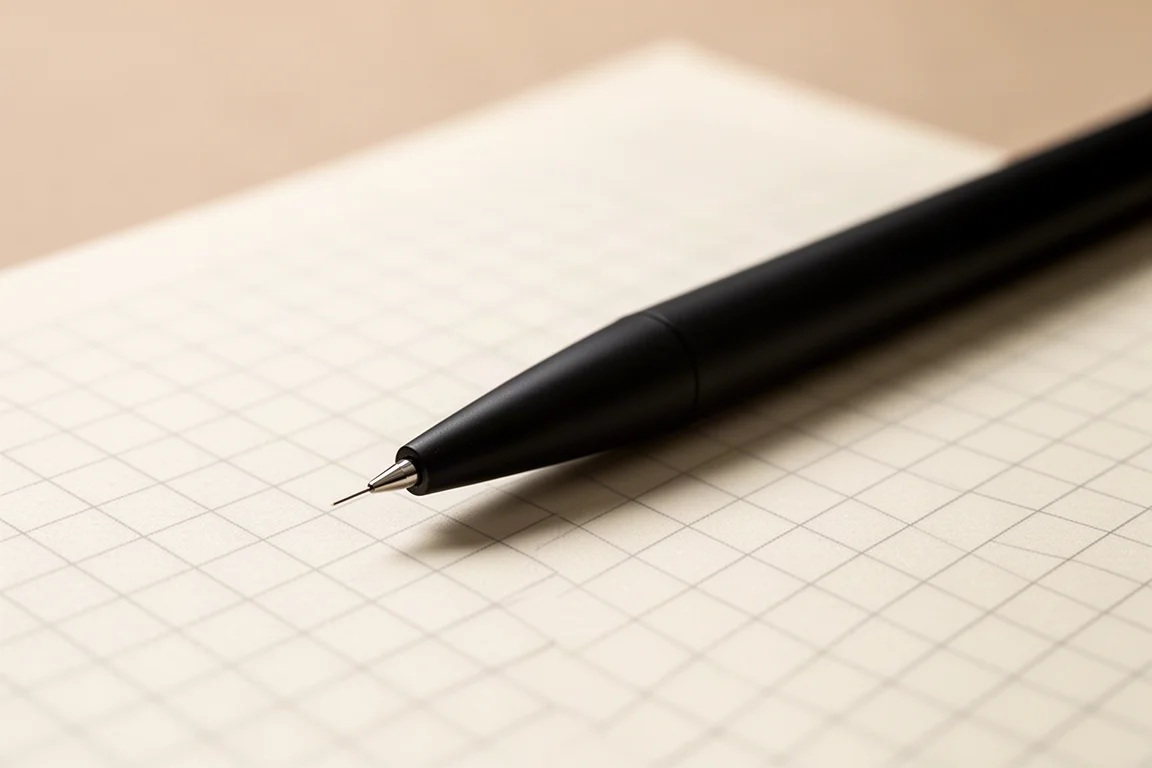
Close Contender: Uni-ball One 0.38
The Uni-ball One in black is remarkably dark and pigmented, and it performed better than its thicker-tipped rival: a little smudging at one second, but basically clean at five and ten seconds. For an impressively dark 0.38 line, this is a strong choice.
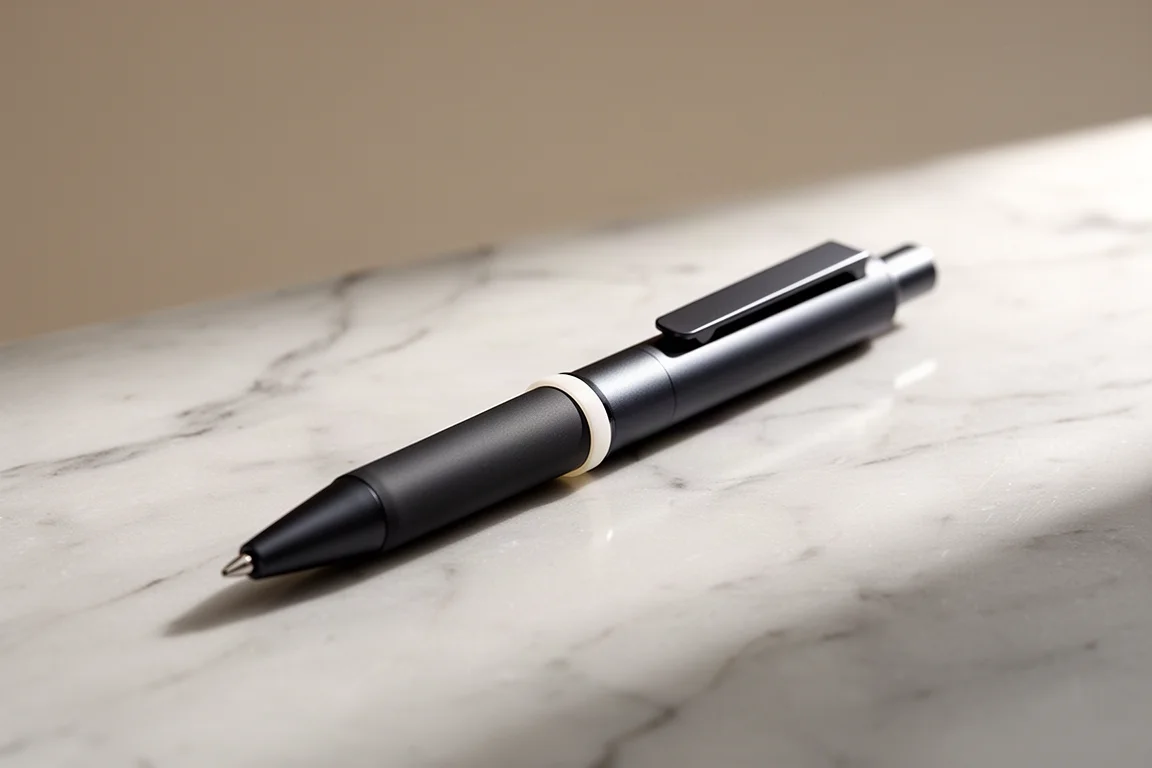
The One That Needs Patience: Pilot G2 0.38
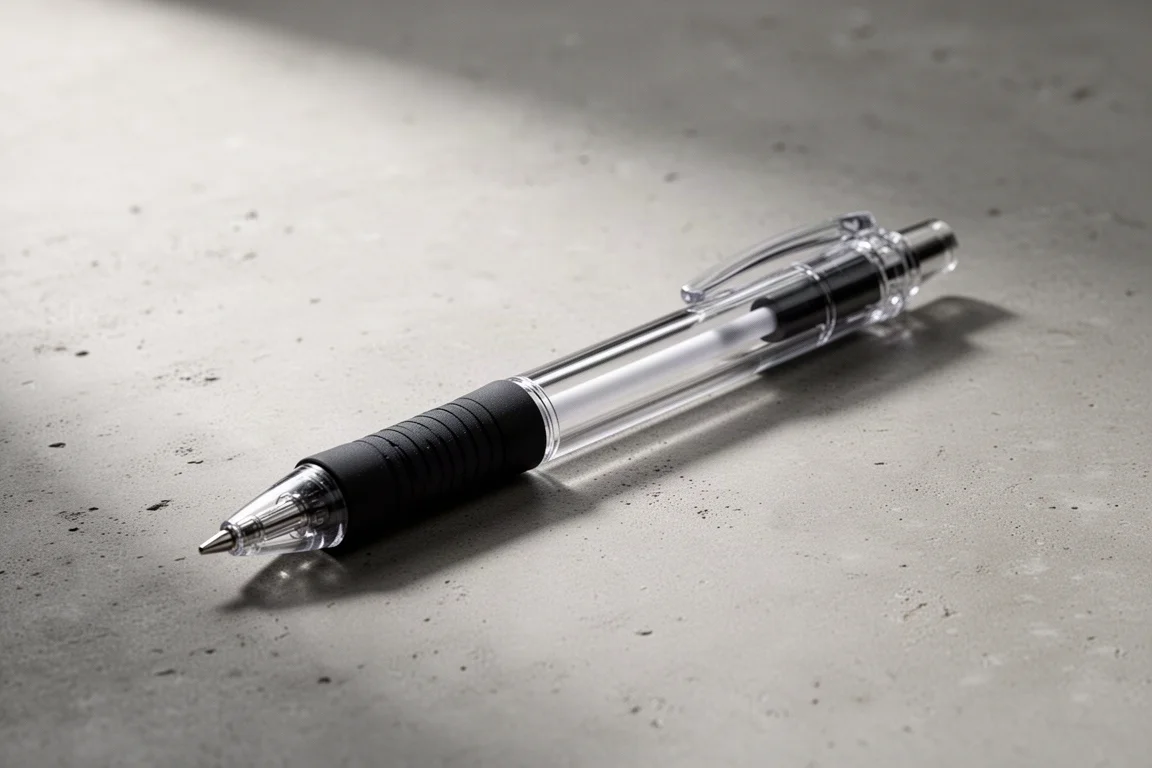
The Pilot G2 at 0.38 mm produced slightly thicker lines and therefore more ink on the page, and it smeared at every stage. It improved at five and ten seconds but still left a trace. If you love the G2, plan to wait longer before turning pages or layering.
Worth a Mention
The Zebra Sarasa Vintage gel pen in camel yellow needed extra drying time too, with noticeable immediate smudging and only slight residue at ten seconds. The Uni-ball Signo white gel pen, often used to cover tiny mistakes, is juicy and slow to dry, but interestingly it is far more visible on the back of the page than on the front, so use it sparingly on thin paper.
Ballpoint: Uni Jetstream
Not typically a ballpoint fan, but the Jetstream writes with gel-pen smoothness and dried with absolutely no smudging at any stage. That instant-dry behavior is exactly why it has a devoted following among planner and Hobonichi users on this paper, and it is a superb option for fast writers and left-handed users.
Fineliners: Sakura Pigma Micron 02
The Pigma Micron in size 02 sits nicely between the other nib sizes in the line. There was smearing immediately after writing and the faintest trace at five and ten seconds, though it was subtle. Keep in mind that thinner nib sizes in the range likely dry faster, while larger sizes will need more time.
Fountain Pens: Beautiful but Demanding
Fountain pen ink is the least forgiving category on thin paper, and the results confirmed it.
The TWSBI Eco with Diamine Oxblood ink smeared badly at all three stages, meaning you need to let it dry completely before touching the page or flipping it. The Pilot Metropolitan with Pilot brown ink was similar: significant immediate smearing, noticeable at five seconds, and a slight residue at ten. To its credit, the fine nib wrote smoothly on this paper with no scratchiness or roughness at all, so the paper itself handled the nib well. Fountain pens remain viable here, they simply require a deliberate, unhurried hand.
Brush Pens on Thin Paper
Brush pens are where headers and accents happen, and drying times varied widely.
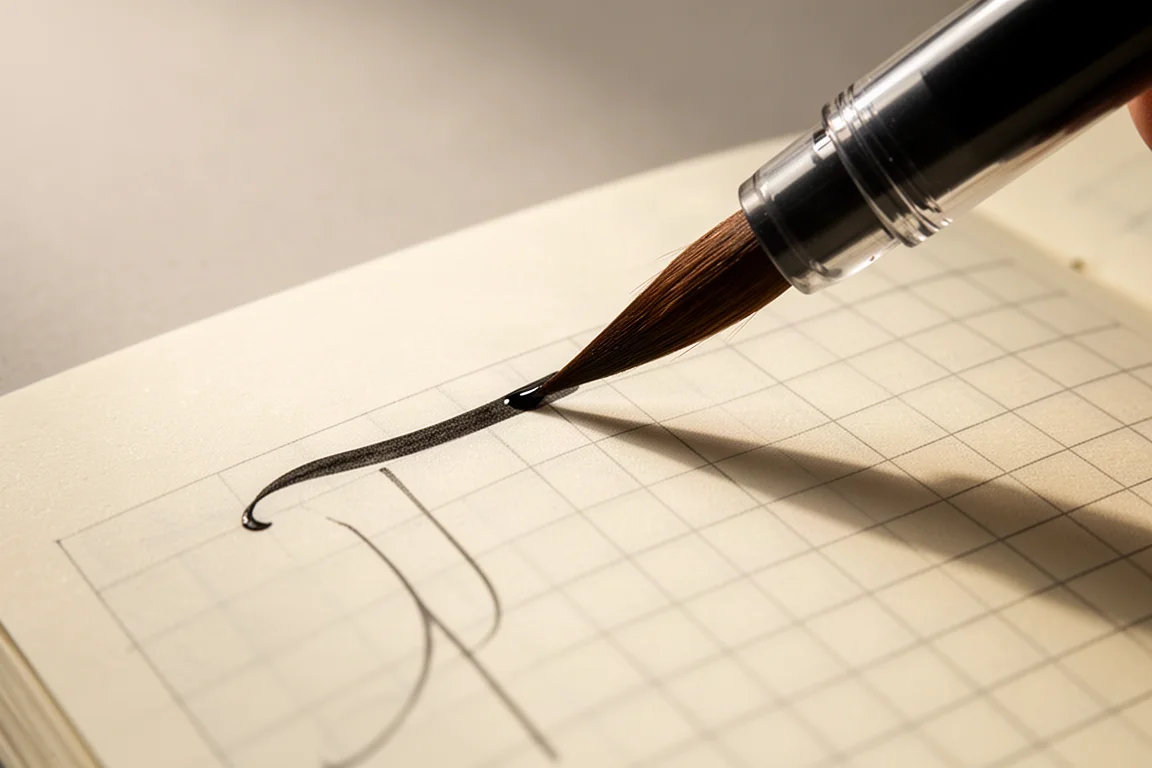
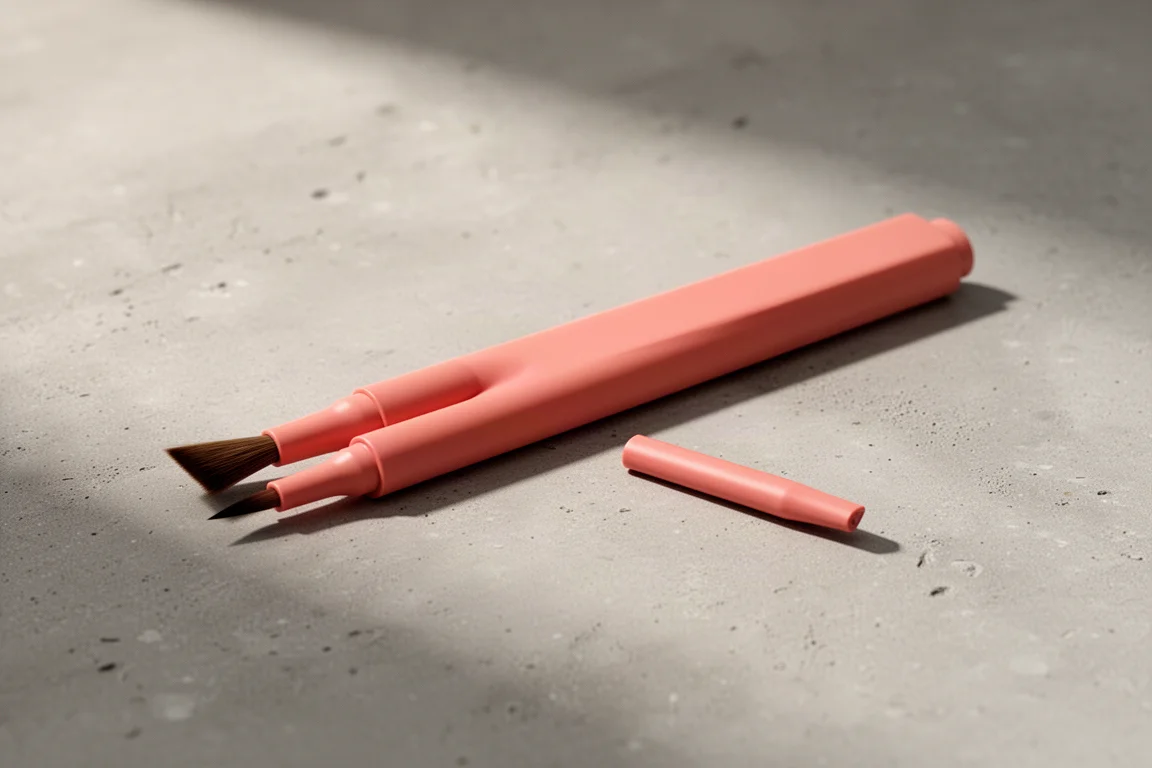
The Tombow Fudenosuke hard tip needed only a short wait, with slight immediate smearing and solid results at five and ten seconds. The Tombow Dual Brush pen 772 was a pleasant surprise, with just a whisper of smudge at one second and clean results at five and ten. Both ends of the double-ended Tombow behaved similarly. The Sailor Shikiori brush pen in a foresty pine green also did well, and its fine side showed even less smearing than the brush side.
The Zig CoCo brush lettering pen and the Pentel Fude Touch were slower: the Zig smeared badly at one and five seconds with improvement by ten, while the Fude Touch left only minimal traces at five and ten seconds. Both are usable, just give them time, especially if they are writing headers.
Highlighters and Erasable Pens
The Zebra Mildliner in copper, a longtime favorite, smeared only immediately after application on both the brush and fine tips, then looked perfectly clean at five and ten seconds. The Stabilo Boss in a soft pastel green followed the same pattern: smudging at one second, a trace at five, clean at ten. Both are safe choices for this paper with a short pause after highlighting.
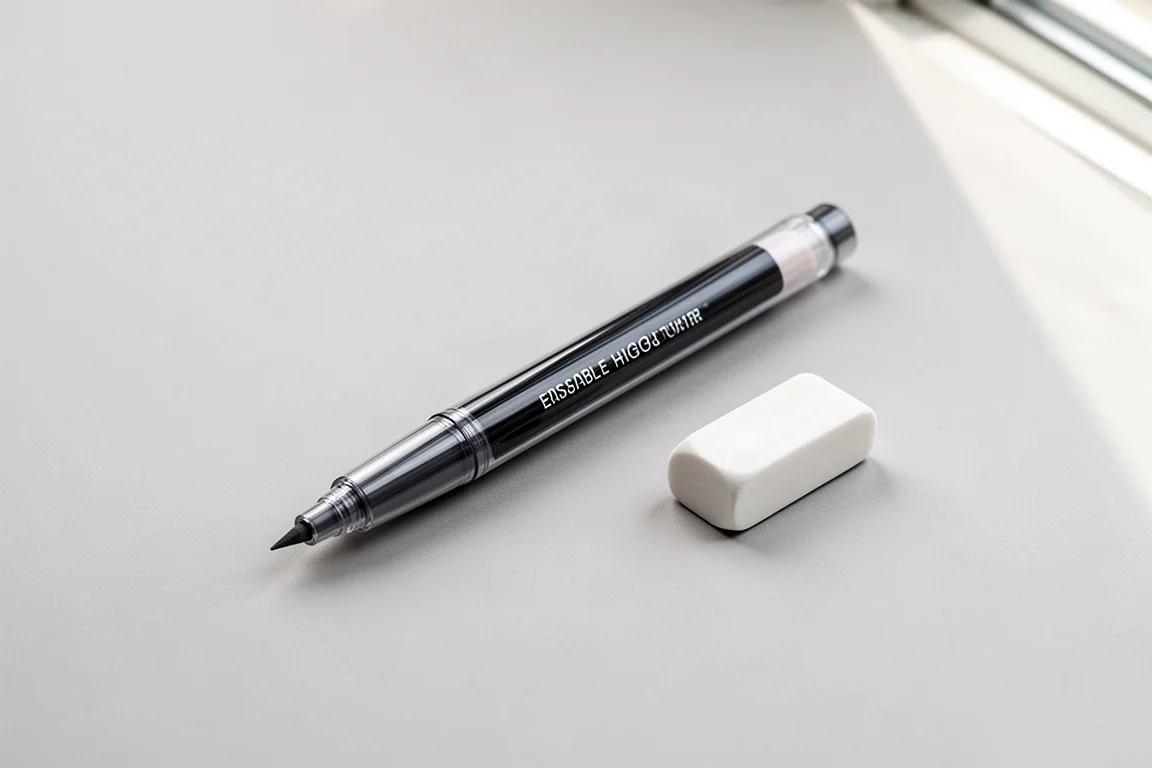
The Pilot FriXion gel pen in black impressed on both fronts. Smearing was minimal after the first second and gone by ten, and the erasing function worked nicely, though faint traces of the erased area remain visible on this paper, something that was not an issue on thicker 160 GSM stock.
Markers Worth Knowing About
The Zebra Mildliner earns its spot as the default highlighter here, doubling as a marker thanks to its dual tips.
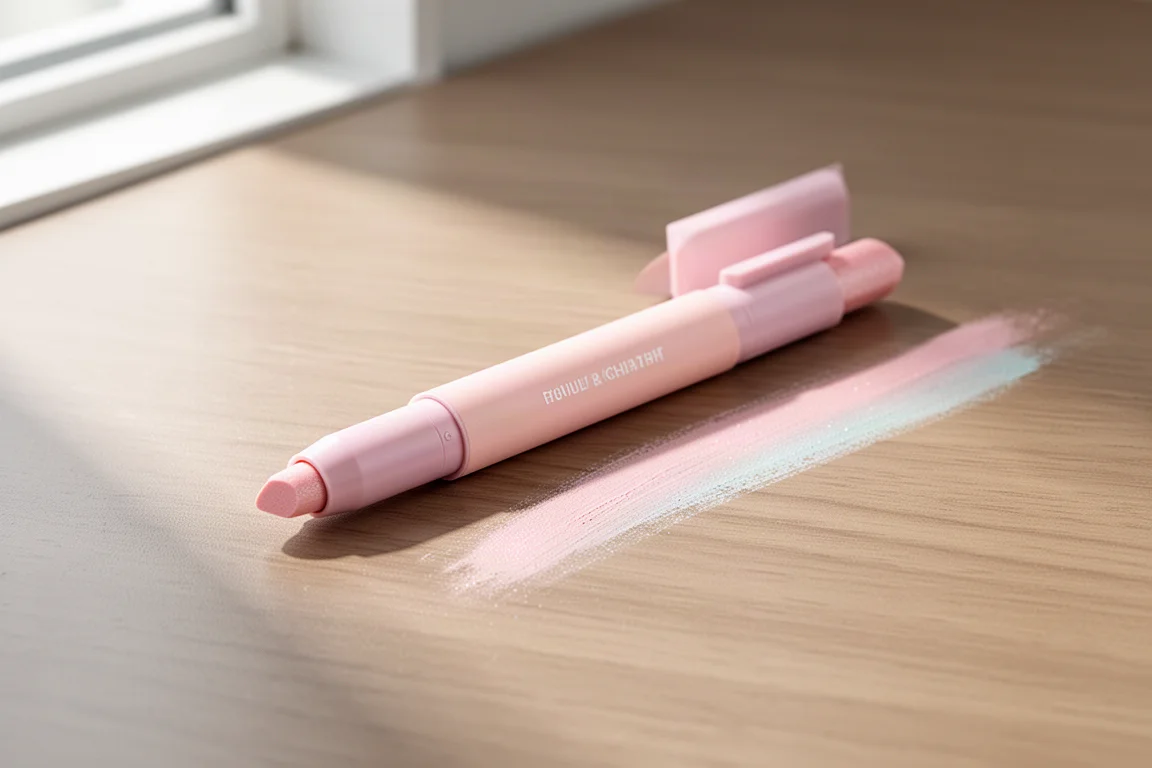
Other markers were more of a mixed bag. The Tombow TwinTone smeared slightly on its thick side even at ten seconds, while the fine side was clean by five. The Zebra Click Art showed the worst ghosting of the entire test, on the verge of bleeding through, and needed the full ten seconds to dry. The Crayola Super Tips, as expected, were nearly flawless after the first second. The Kuretake Zig Clean Color Dot marker applies a lot of ink in one concentrated spot, so both the fine nib and the dot end needed extra drying time, with smudging persisting across most stages.
Stamps, Watercolor, and Miscellaneous Media
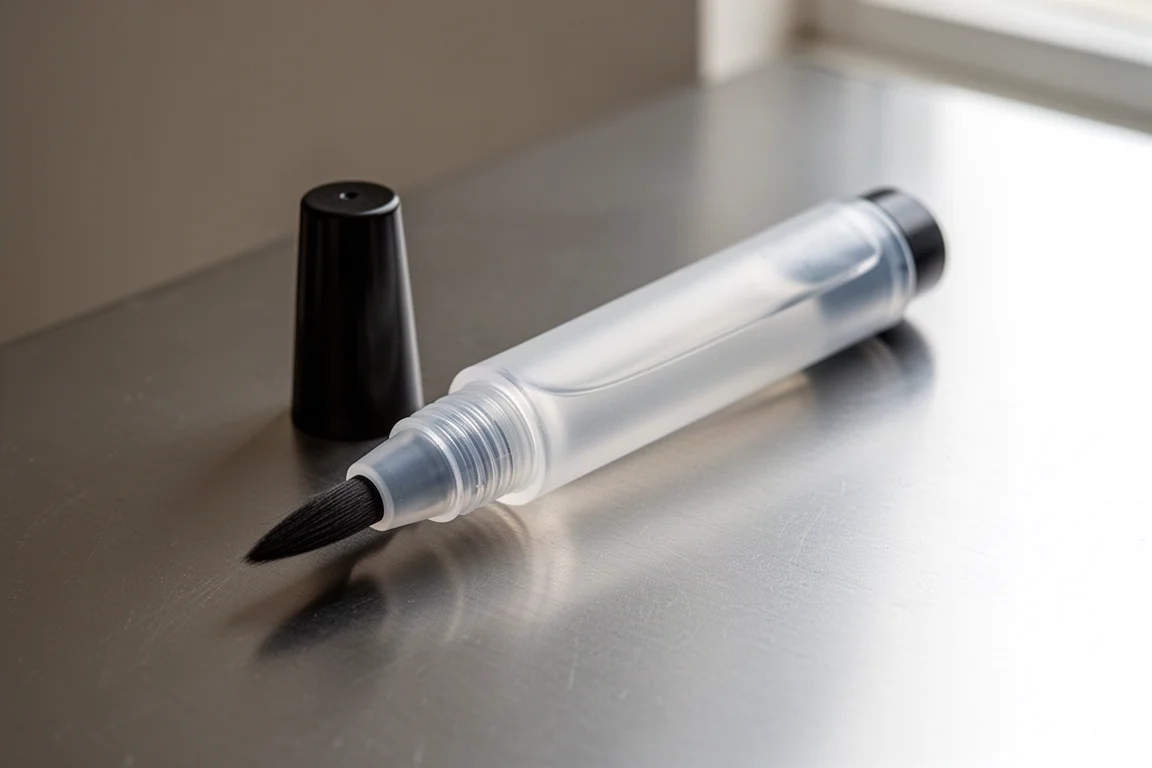
Two non-pen tests rounded things out. A budget craft ink pad with alphabet stamps showed no bleed-through at all, a genuinely surprising result for 52 GSM paper. Watercolor was the bigger revelation: a Pentel Aquash water brush paired with St Petersburg White Nights pan watercolors left no sign of pigment on the reverse side. The paper did wrinkle slightly from the water, but for anyone wanting to paint washes in a thin-paper planner, the pigmentation itself behaves beautifully.
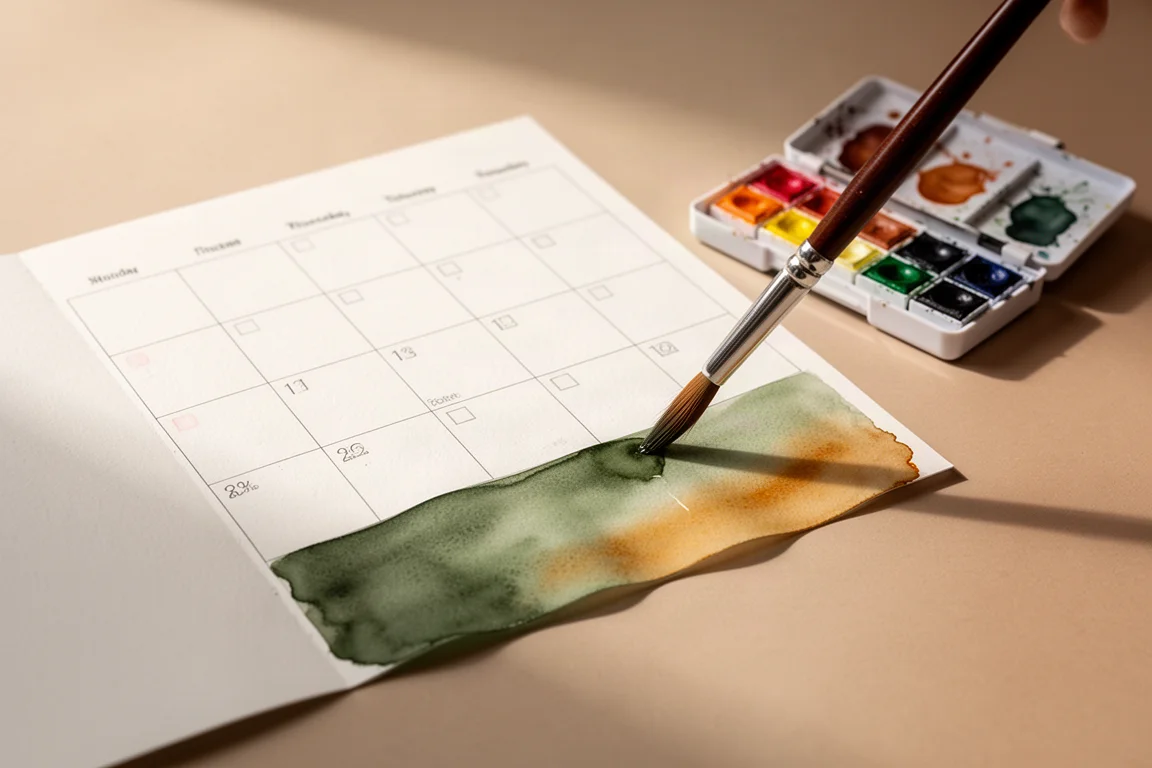
If you want to experiment with wet media in a journal like this, a refillable water brush is the gentlest way to control how much water hits the page.
Buying Advice
If you are choosing supplies for thin 52 GSM paper, prioritize fast-drying ink first. Ballpoints like the Jetstream and fine gel pens like the Signo DX 0.28 are essentially worry-free. Pencils and Mildliners are safe. Juicy inks, fountain pen ink, and dot markers all work, but only if you build a short drying pause into your workflow. No tested supply bled through, so the real risk is smearing, not damage.
Conclusion
Thin planner paper is more forgiving than its reputation suggests. With a handful of fast-drying picks and a little patience for the slow ones, you can use nearly any supply in your collection. Test a page in the middle of your own planner, check the reverse, and you will quickly learn which pens deserve a permanent place in your bag.
Further reading
Related Reviews
Stationery
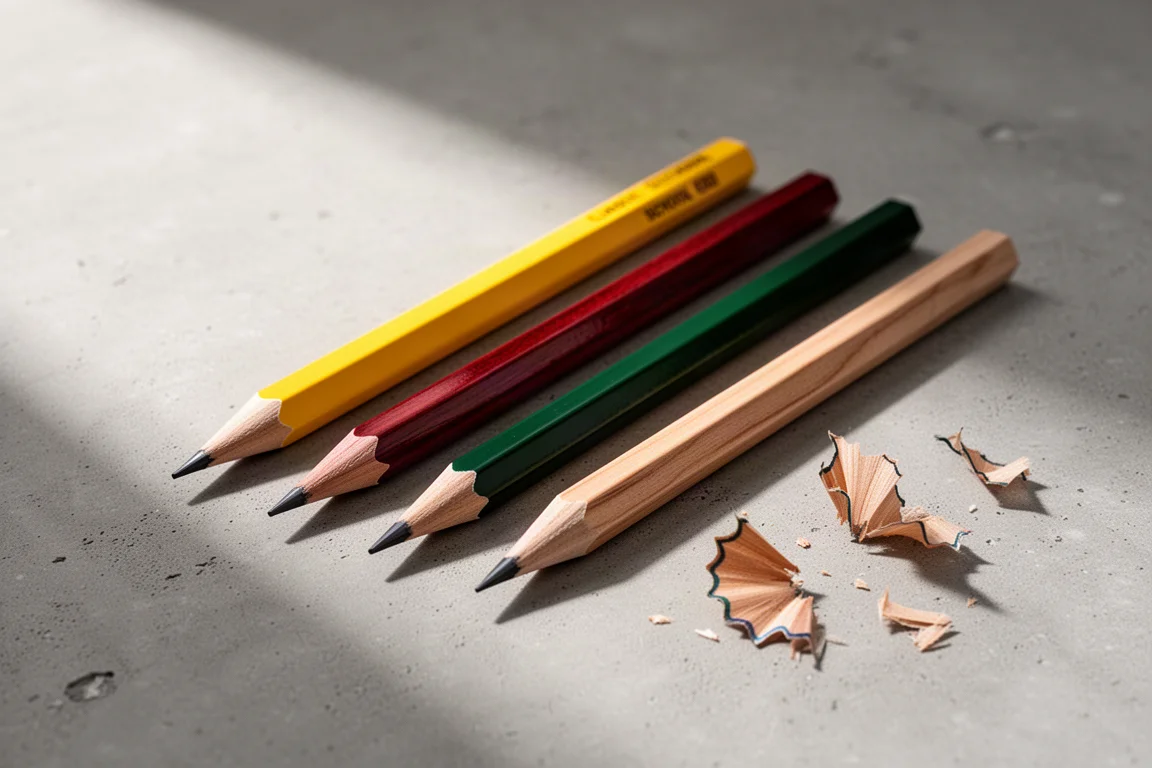
Musgrave Pencils Review: Four Classic Pencils from Tennessee's Last Pencil Factory
We put four Musgrave pencils to paper, from the classic Harvest to the Unigraph 1200 drawing pencil, to see what a century-old Tennessee workshop can still do.
Stationery
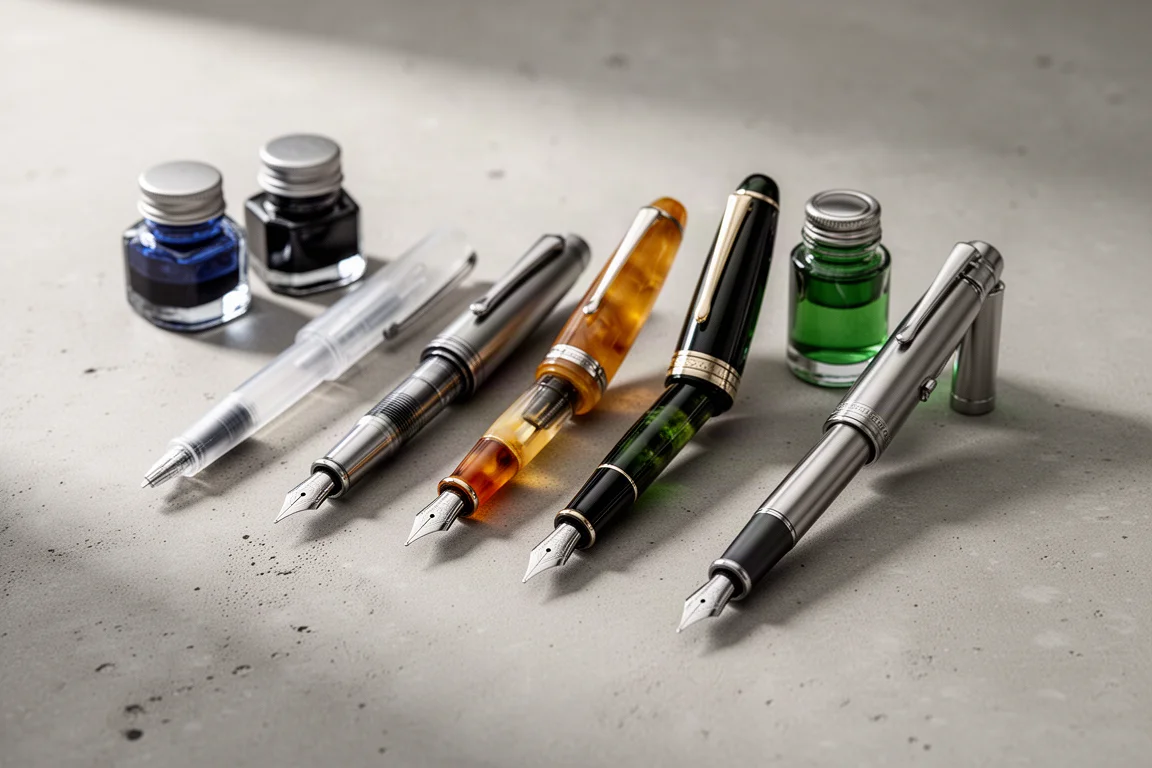
Fountain Pen Tiers Explained: From Starter Pens to Luxury Grails
A practical overview of the different levels of fountain pens and inks, from a sub-$20 starter setup to Italian piston fillers and retractable gold-nib everyday carries.
Stationery
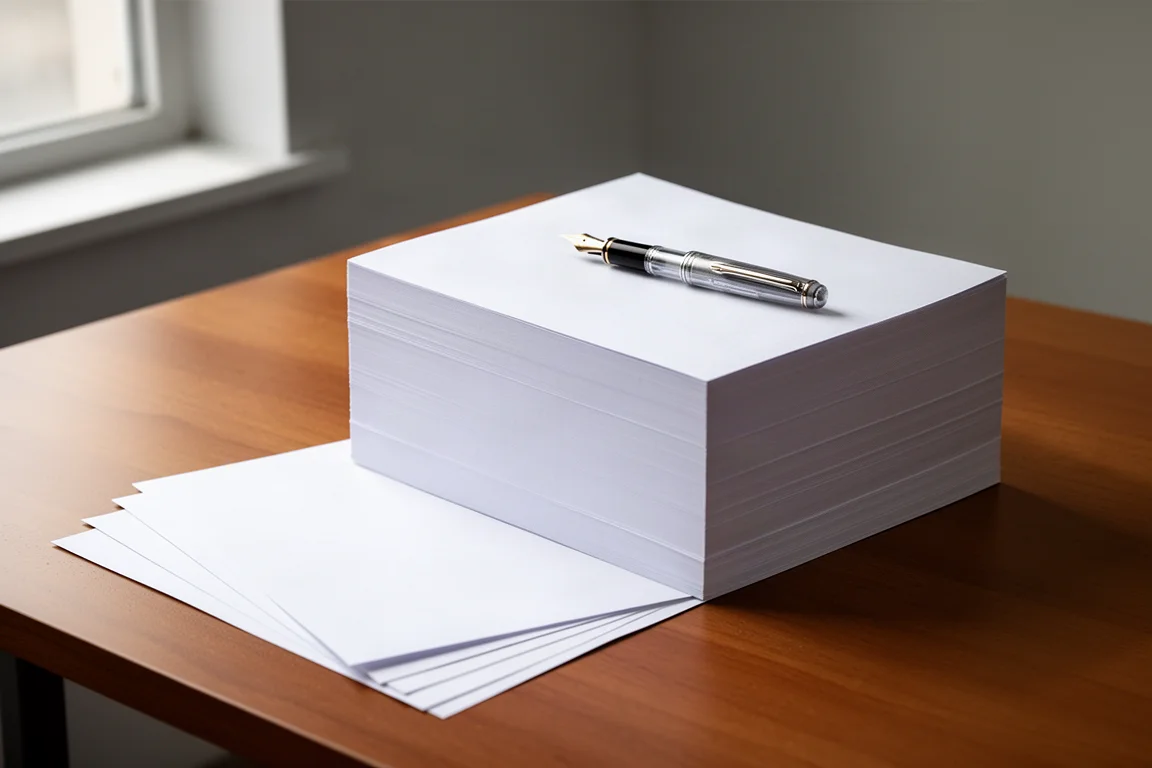
HP Premium 32 lb Copy Paper Review: A Fountain Pen Friendly Everyday Printer Paper
A heavy, smooth 120 GSM copy paper that handles fountain pens far better than standard printer stock, with only minor trade-offs in shading and sheen.