Stationery
Best Pens for Every Handwriting Style: 9 Picks Worth Trying
From cursive enthusiasts to left-handed writers, find the pen that matches how you actually write, with key buying considerations explained.
Introduction
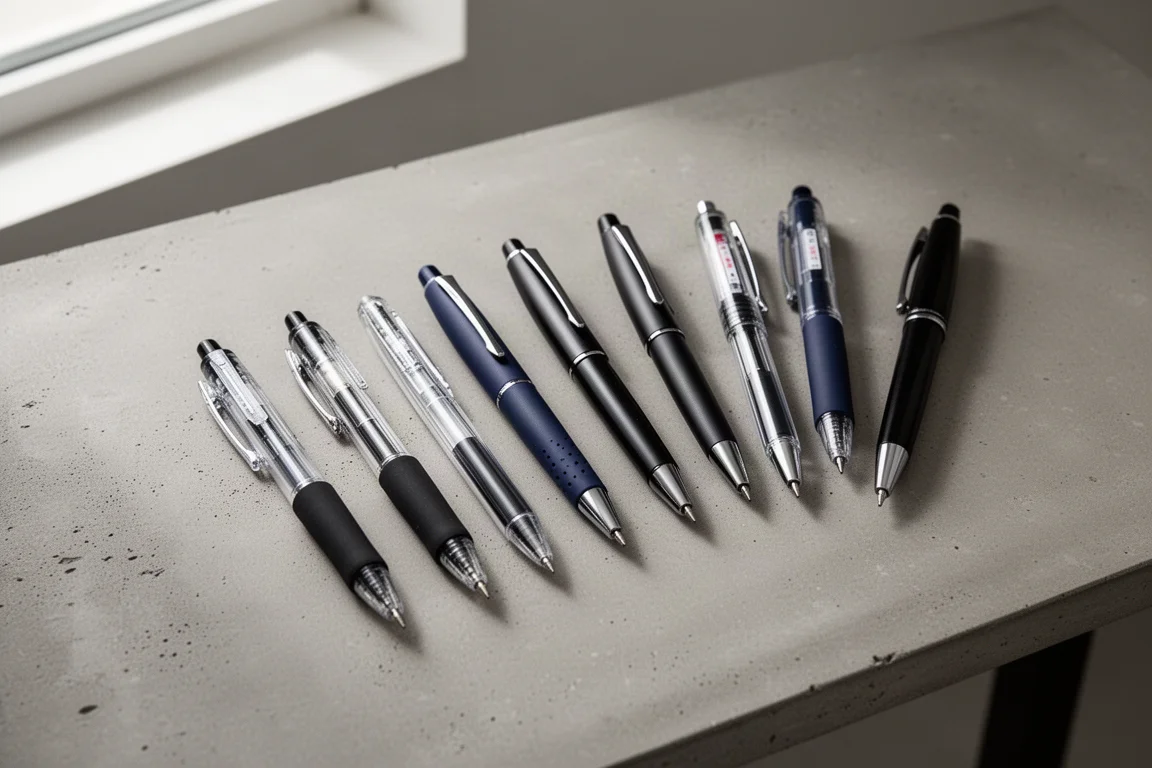
The best pen for you depends less on brand hype and more on how you actually write. A pen that a fast note-taker swears by can smudge all over the page for a left-handed writer, and an ultra-fine tip that suits tiny lettering can feel scratchy to someone with a broader hand. Below we break down the characteristics that matter, then match nine well-regarded pens to specific handwriting styles.
What to Consider Before Buying
Pen type. The three most popular types are ballpoint, gel, and rollerball, and the difference comes down to ink formula. Ballpoints use oil-based ink, gel and rollerballs use water-based ink, with gel ink thicker and rollerball ink more liquid. That affects performance: ballpoint ink dries almost instantly, while rollerball ink can take much longer.
Pen body. The body is not just about looks. A well-balanced pen fits nicely in your grip and reduces the chance of hand cramps. Look for grip sections wide enough for your fingers to get a good hold, especially if you have larger hands.
Ink flow. Good ink flow writes smoothly without much pressure, but ink that is too wet can bleed through the paper, and ink that is too dry can skip. The right balance depends on the writer.
Dry time. Quick-drying ink is a must for left-handed and fast writers, but ink that dries too fast can soak into paper fibers and increase feathering or bleedthrough.
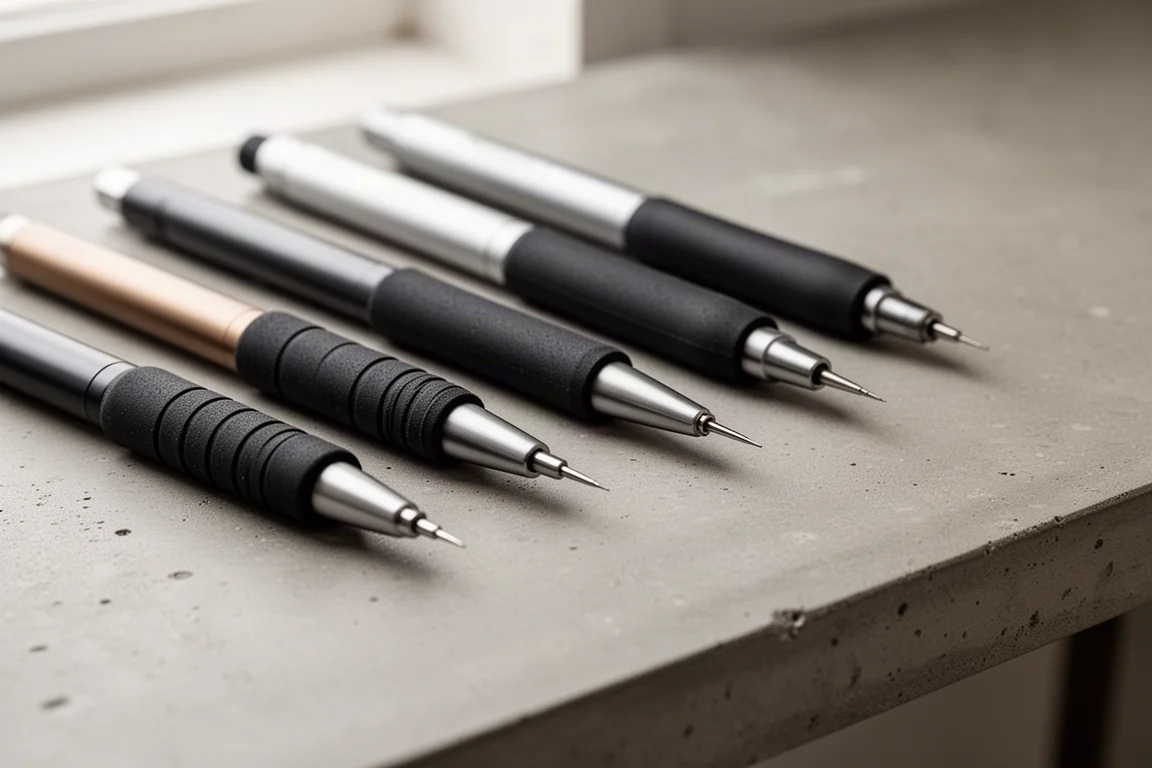
Tip size. For most writers, 0.5 mm and 0.7 mm tips balance reasonable dry times with smooth flow. Smaller tips dry faster but can feel scratchy; broader tips feel smoother but dry slowly.
Best for Print Writing: Zebra Sarasa Clip
The Zebra Sarasa Clip is a dependable workhorse pen. Its archival quality ink flows smoothly and ensures your writing will last, while the rubber grip keeps it comfortable to hold. A handy push clip attaches to pockets and bulky book covers, and the wide range of tip sizes and colors makes it appealing to any note-taking enthusiast.
Best for Cursive Writing: Uni-ball Air
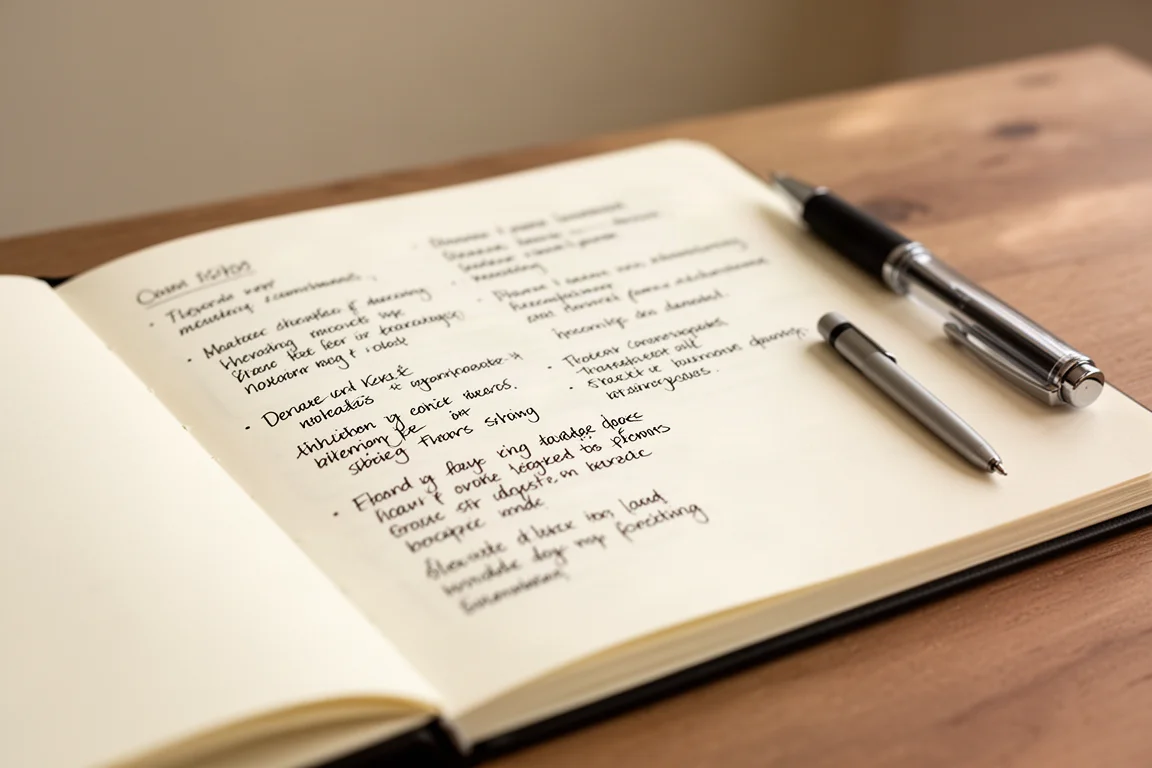
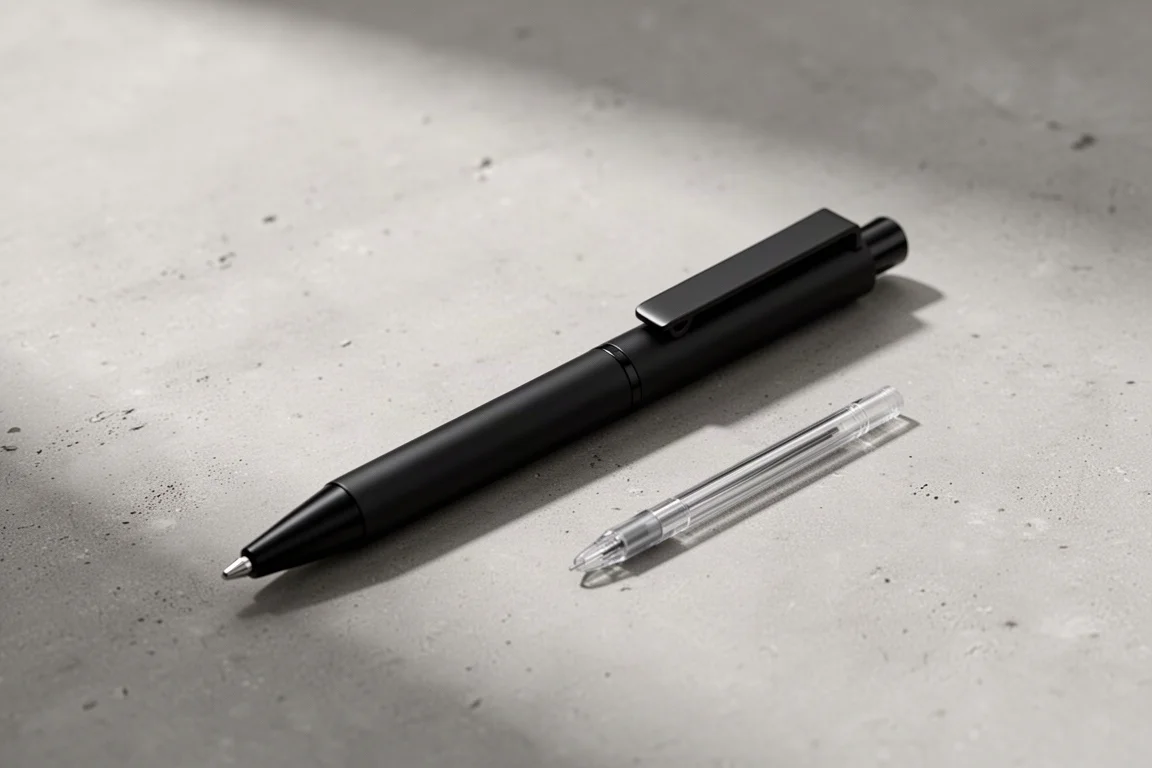
Cursive relies on continuous strokes with only brief pauses, so you need a pen that will not skip. The Uni-ball Air is a rollerball with generous ink flow and a special tip that can be used at any angle, so your writing session stays uninterrupted.
Its liquid ink can bleed through low-quality printouts and copy paper. If that bothers you, the 0.7 mm Uni-ball Signo is a good alternative, since its gel ink is less likely to bleed through the page.
Best for Small Handwriting: Pilot Hi-Tec-C
Tiny handwriting pairs best with tiny tips, and the Pilot Hi-Tec-C is built for precise lettering. It comes in tip sizes as small as 0.25 mm, so you can pack plenty of words into compact spaces. Start with the 0.4 mm tip before reaching for smaller sizes, because the ultra-fine tips can feel scratchy.
Best for Large Handwriting: Zebra Surari Ballpoint Pen
Large handwriting benefits from a broad tip, and the 1.0 mm Zebra Surari Ballpoint Pen keeps your writing from looking spidery or uneven. Its emulsion ink formula flows so smoothly that you might mistake it for a gel pen.
Best for Left-Handers: Zebra Sarasa Dry
Smudged ink is a constant concern for left-handed writers, which is why the fast-drying Zebra Sarasa Dry stands out. It uses Zebra’s DRYJELL ink, which dries 85 percent faster than comparable gel pens, and it will not bleed through the page. It comes in three tip sizes and black, blue, and red inks.
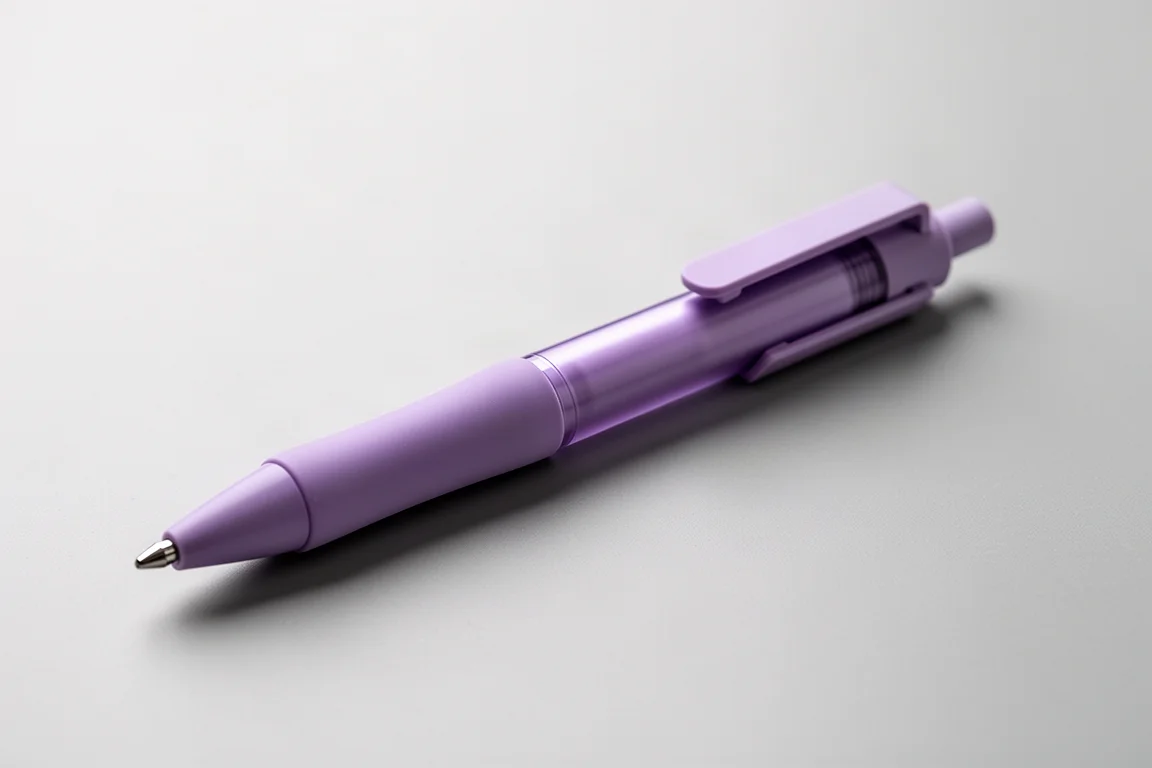
Best for Heavy-Handed Writers: Uni-ball Signo Premier 207
The Uni-ball Signo Premier 207 is designed with heavy-handed writers in mind. Its wide, squishy grip is comfortable to hold, and the gel ink flows smoothly, so you do not have to press hard to create crisp, vibrant lines.
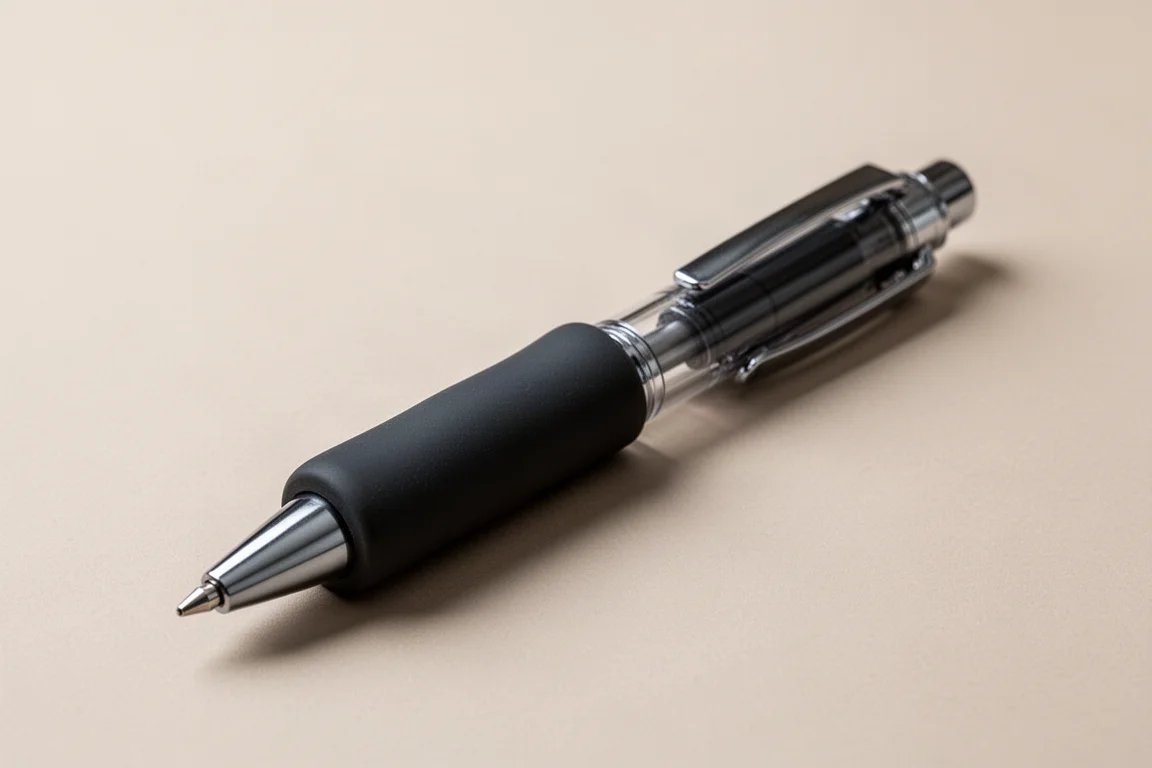
Best for Slow Writing: Uni Jetstream
To combat smudged notes and distracting bleedthrough, a ballpoint like the Uni Jetstream suits slow writers well. Unlike liquid ink, its oil-based ink will not soak into the paper. The low-viscosity ink is richly pigmented and needs much less pressure to create a dark line compared with other ballpoints.
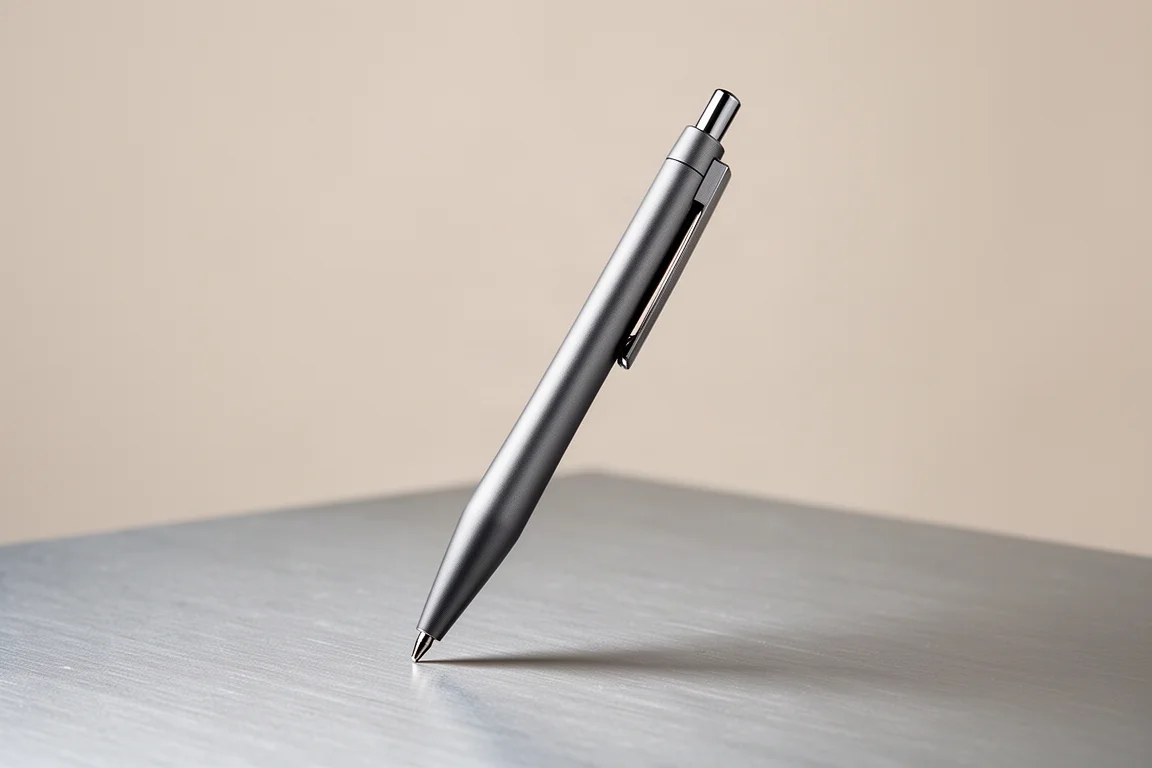
Best for Fast Writing: Pentel EnerGel
Fast writers need a pen that can keep up and will not smear, and the Pentel EnerGel fits that brief. Its ink flows effortlessly with a light touch and dries remarkably quickly. It is available in conical, needle point, retractable, and capped body styles.
Buying Advice
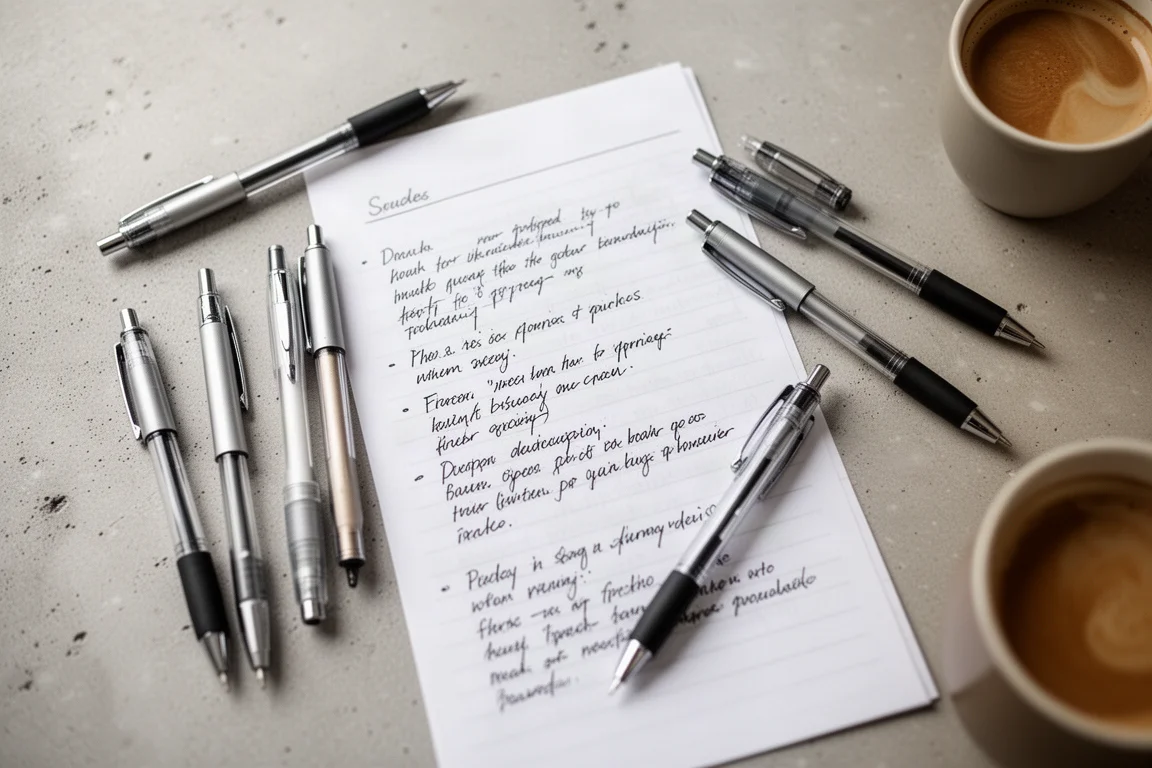
Start by matching the pen to your main pain point. If smudging is the issue, prioritize fast-drying ink like the Sarasa Dry or EnerGel. If skipping interrupts your cursive, look at the Uni-ball Air. If your hand cramps or you press hard, the Signo Premier 207’s cushioned grip is worth a look. And if you are unsure, a versatile workhorse like the Sarasa Clip at 0.5 mm is a safe starting point that suits most writers.
Conclusion
There is no single best pen, only the best pen for your handwriting style. Match tip size to your lettering, ink formula to your speed and smudging concerns, and grip to your hand, and any of the picks above should make your writing noticeably more comfortable.
Further reading
Related Reviews
Stationery
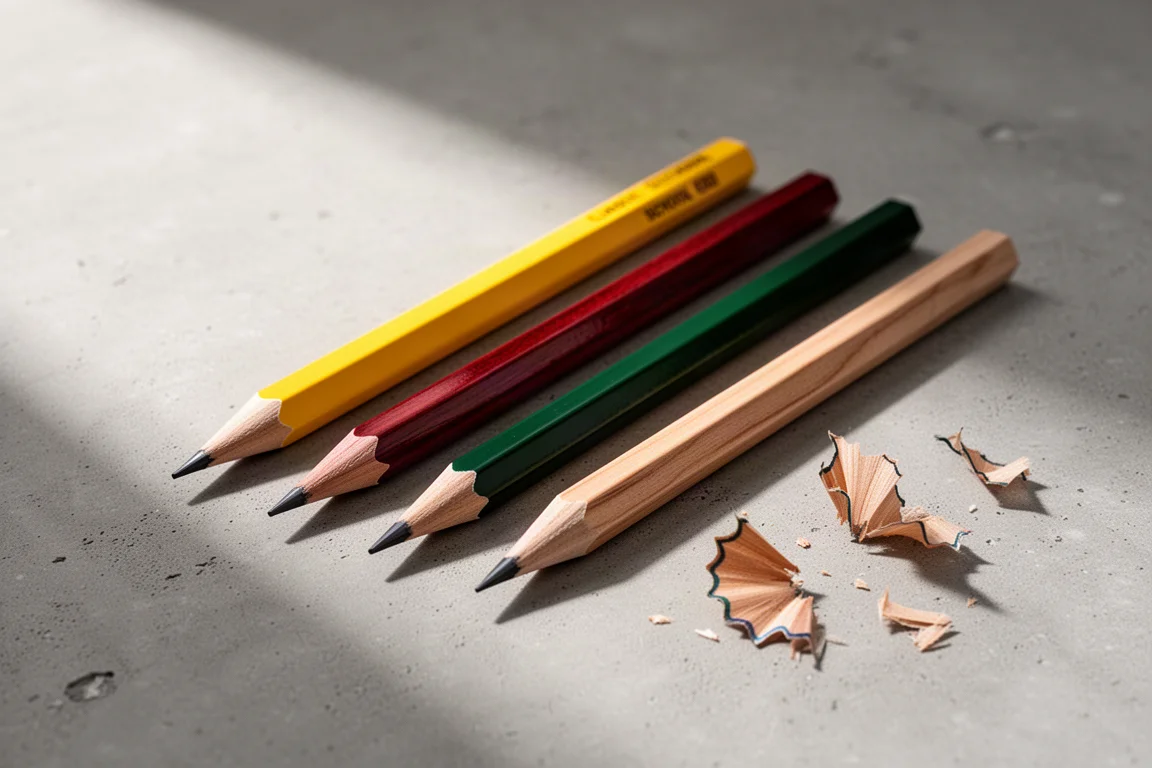
Musgrave Pencils Review: Four Classic Pencils from Tennessee's Last Pencil Factory
We put four Musgrave pencils to paper, from the classic Harvest to the Unigraph 1200 drawing pencil, to see what a century-old Tennessee workshop can still do.
Stationery
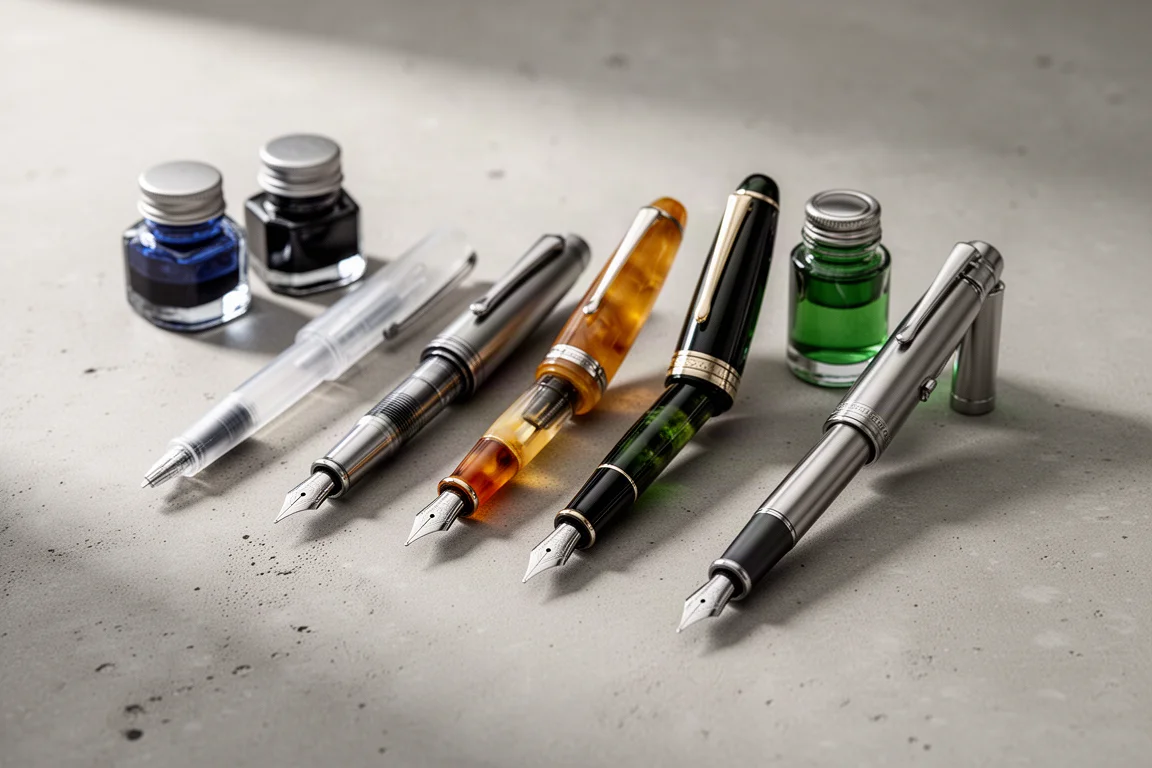
Fountain Pen Tiers Explained: From Starter Pens to Luxury Grails
A practical overview of the different levels of fountain pens and inks, from a sub-$20 starter setup to Italian piston fillers and retractable gold-nib everyday carries.
Stationery
HP Premium 32 lb Copy Paper Review: A Fountain Pen Friendly Everyday Printer Paper
A heavy, smooth 120 GSM copy paper that handles fountain pens far better than standard printer stock, with only minor trade-offs in shading and sheen.