Stationery
The Best Pen for Everyday Writing, Judged by the Five Metrics That Actually Matter
One humid evening showed why the pen you reach for matters more than the pen you admire. We compare the Uni-ball Jetstream against popular alternatives on startup, dry time, climate, refills, and comfort.
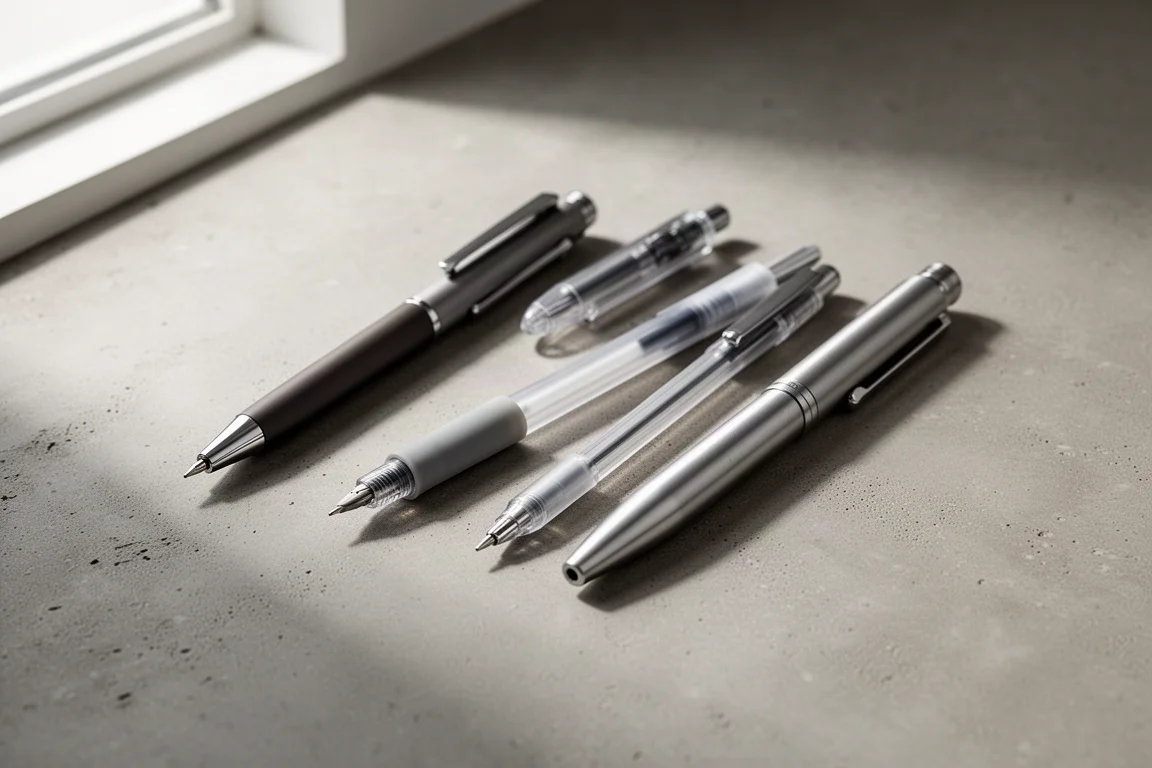
Introduction
Any pen anyone has ever handed you is really just a combination of a few variables: ink chemistry and nib. That sounds abstract until one of those variables fails you at the worst possible moment. Picture a humid evening on the other side of the world, three lines into the last entry of the year in a 5-year diary, and a pen that simply stops laying ink. Not out of ink, just skipping, dragging, refusing a clean line. That happened with a gel refill chosen not because it performed best, but because the brand story sounded reliable. Brand identity does not get stress tested until real life does it for you.
That kind of moment is a useful reset. Instead of choosing pens because of the story attached to them, it makes sense to choose them against the things that actually determine whether words show up on a page and stay there. This guide walks through exactly that, and it points to a clear answer for most people.
What Actually Makes a Pen Good
The five variables that matter to virtually every pen user are refreshingly practical:
- Does it start writing immediately, every time?
- Does it dry fast enough that a stray hand will not smudge it?
- Does it hold up when the air itself is working against you, meaning heat and humidity?
- Can you find a refill or cheap replacement in basically any city on Earth, same day?
- Is it comfortable to use for your typical writing session lengths?
Notice that form factor and aesthetics are not on this list. This is a ranking of output, not prettiness. If a beautiful expensive pen you use twice a year makes you happy, that is a perfectly valid choice. It is just a different job.
Most common pens map cleanly onto this framework. The Uni-ball Vision and Uni-ball Eye use liquid ink that is vivid but slow to dry, waterproof and fade-proof once it finally sets, as long as you do not touch it too soon. The classic Bic Crystal uses thick, oil-based ink that dries quite quickly. A fountain pen delivers liquid ink through a nib, where the line shifts with pressure and angle, and it is slower to dry than almost anything else. The Pilot G2 is a gel-thickened water-based ink that is smooth and vivid but very slow to dry. The Pilot FriXion dries fast for a gel pen and is even erasable, but it vanishes in ambient temperatures that are hot enough. And then there is the Jetstream: an oil-based backbone engineered to flow like a gel, so it looks and feels smooth and vivid on the page while drying very quickly.
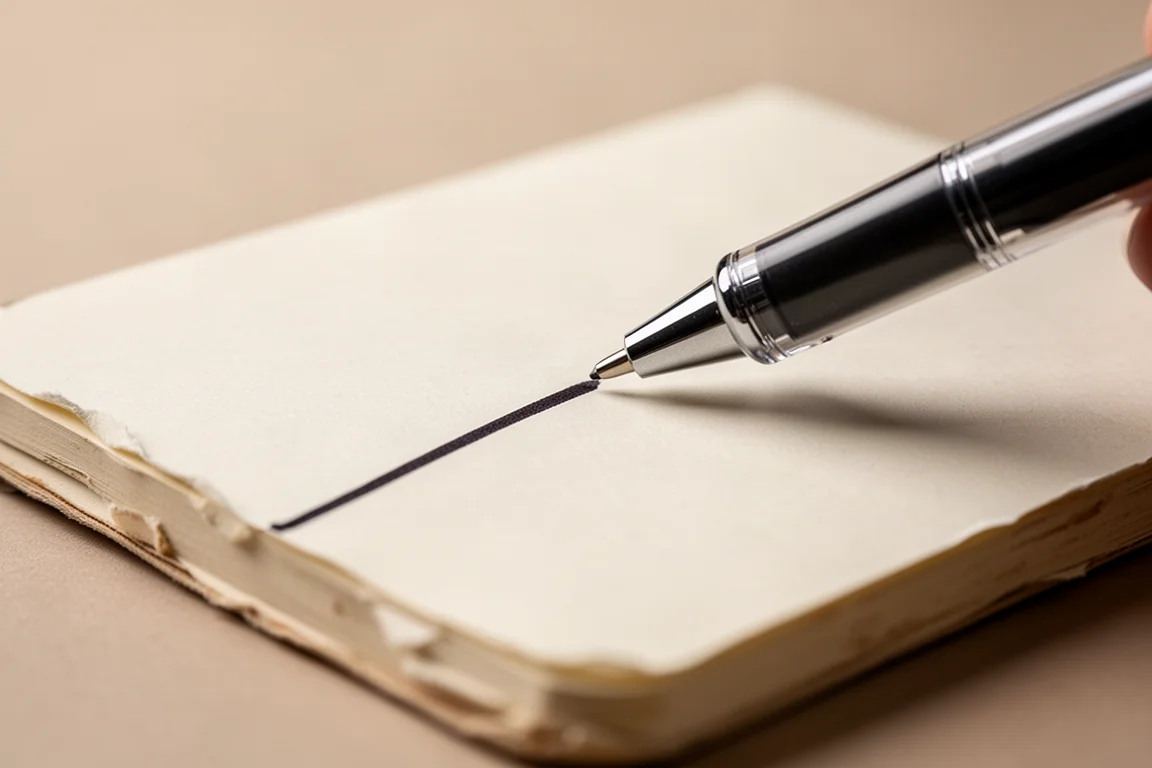
The Winner: Uni-ball Jetstream
In no uncertain terms, the best pen for most people is the Jetstream by Uni-ball. That is not the pen most pen enthusiasts publicly love, but it is the pen the five metrics keep pointing back to.
Startup is the first win. Jetstreams use a twin ball mechanism, a small spring that holds the tip’s ball forward when you are not writing, so the ink neither leaks nor flows backwards while sitting in a bag. You never need to think about it. It just starts.
Dry time is the headline. Uni-ball’s own claim is that the ink dries nine times faster than a standard ballpoint, and daily use absolutely tracks with that. In a swipe test immediately after finishing writing samples, the Jetstream is by far the top performer. That also makes it doubly great for left-handed writers, who spend less time dragging a hand through wet ink.
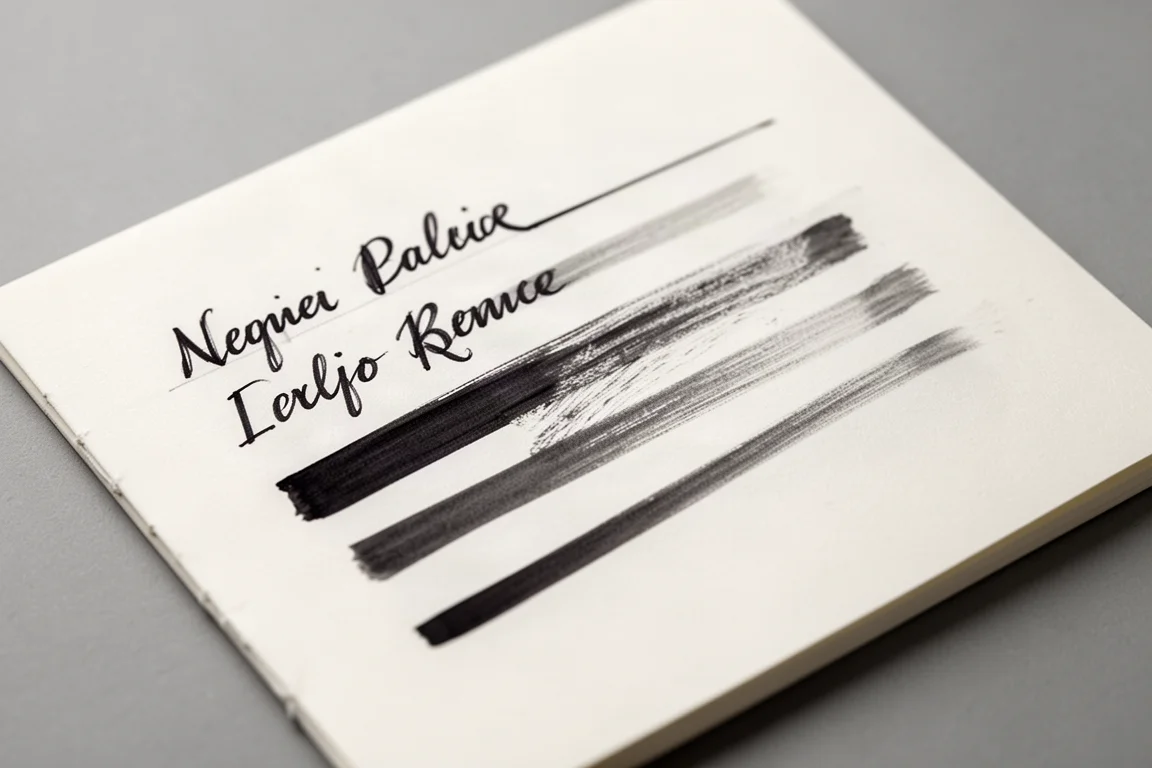
Climate is where the chemistry genuinely matters, and it is not marketing fluff. Oil-based ink is naturally water-resistant, does not react with a highlighter, and does not behave differently depending on how much moisture is sitting in the air. Humid hotel patios included.
Refill availability is the fourth metric, and it is where the Jetstream is almost unfairly good. Whether it is a one or two US dollar complete Jetstream or a five dollar refill that drops into a premium metal body just as easily, both refills and complete pens are a solved, boring problem wherever you are. If you lose the whole pen in a city you have never been to, the Jetstream lineup is so ubiquitous that you can replace the ink-to-paper experience at virtually any school or office supply store, same day, for less than a coffee.
Comfort is the last metric, and it depends on what you are doing. Signing a form or scribbling a grocery list barely registers. Writing for an hour straight in back-to-back meetings matters a lot more. Either way, that is a pen body decision, not an ink decision, and the Jetstream lineup covers the full range: a one or two dollar clicker, a nine dollar version with a squishy grip and thicker barrel for longer sessions, a fifteen dollar option with three colored inks and a pencil, and more form factors at every price point.
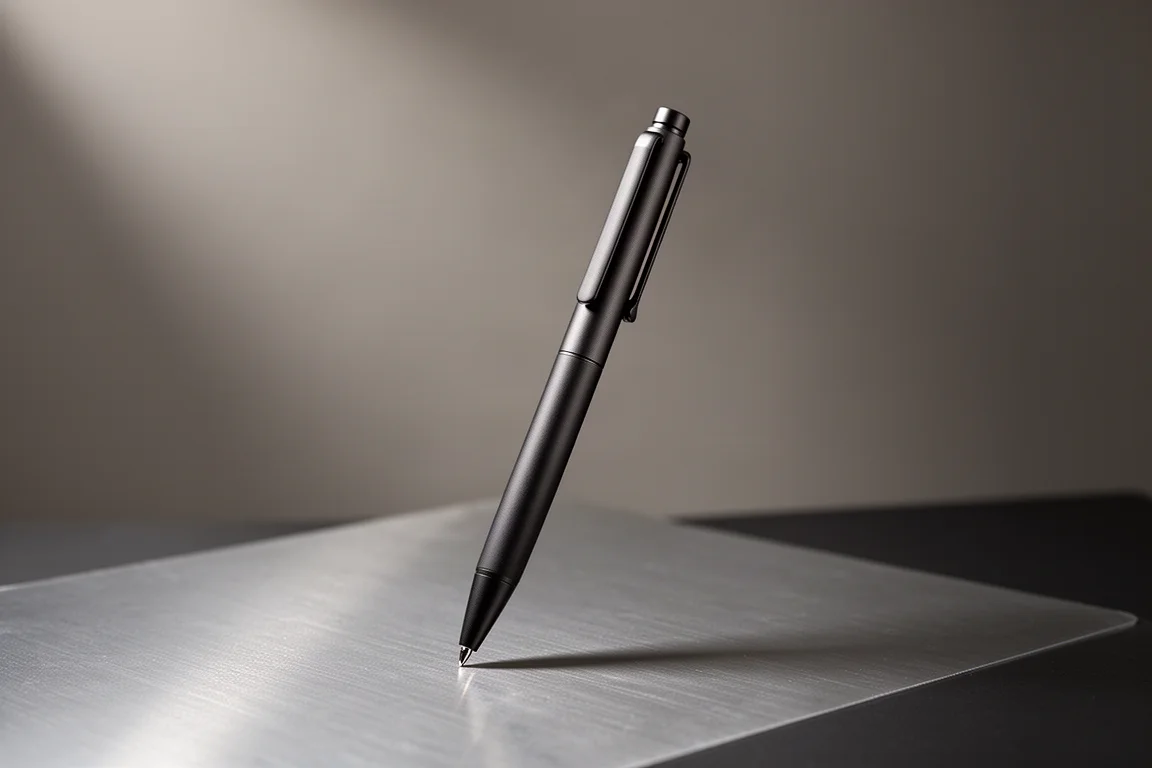
Pilot G2: A Great Writer with a Patience Requirement
The Pilot G2 is genuinely a great pen. The gel-thickened water-based ink is smooth and vivid, and it is easy to see why it is so popular. Its weakness is simple and unavoidable: very slow drying time. If your hand moves across fresh ink, expect to own that smudge.
For left-handed writers or anyone writing in hot, humid conditions, that slow dry time is the metric where the G2 falls down. For everyone else, it remains a smooth, vivid, dependable writer as long as you give the ink a moment to set.
Pilot FriXion: Smooth, Fast, and Erasable
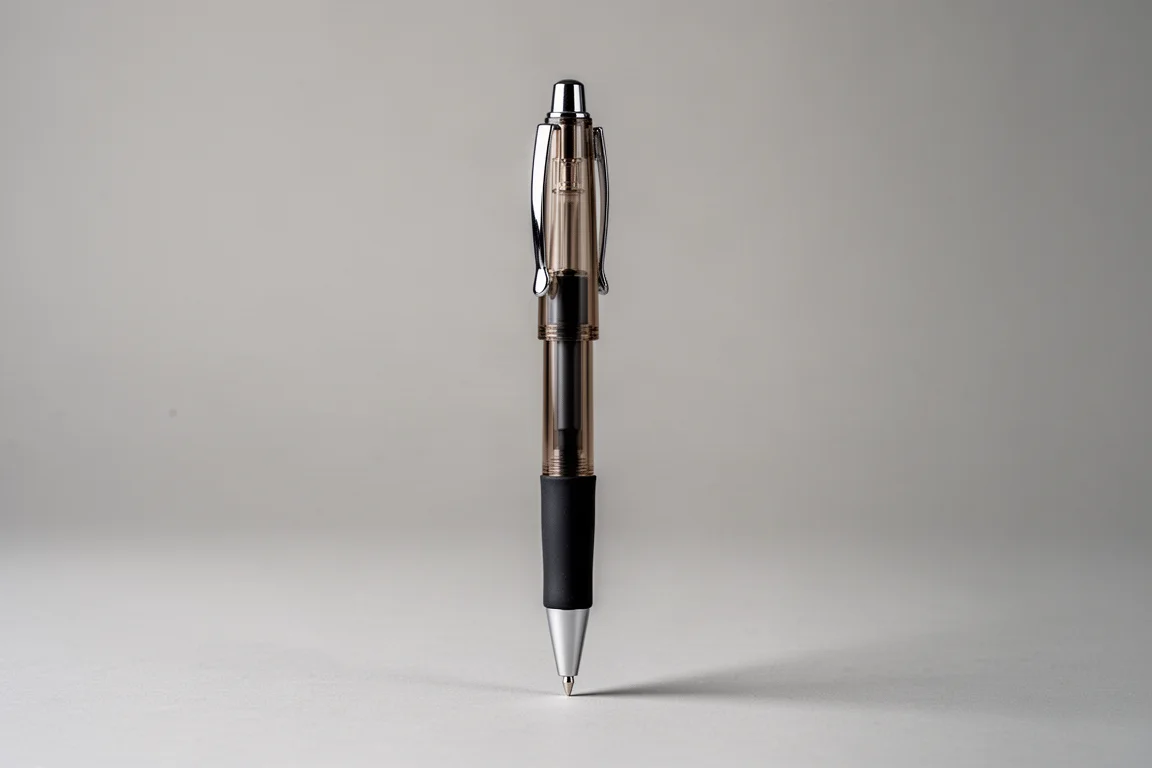
The Pilot FriXion is still a gel-based ink, smooth and vivid, and it dries fast for a gel pen. It is also erasable, which makes it uniquely useful for planners, notebooks, and anything you like to revise.
The trade-off is dramatic: the ink literally vanishes in ambient temperatures that are hot enough. That makes it a risky choice for a travel journal or a document you need to survive a hot car, a windowsill, or a tropical climate. Great pen, wrong job for anything that needs to last in the heat.
Bic Crystal: The Famous Fallback
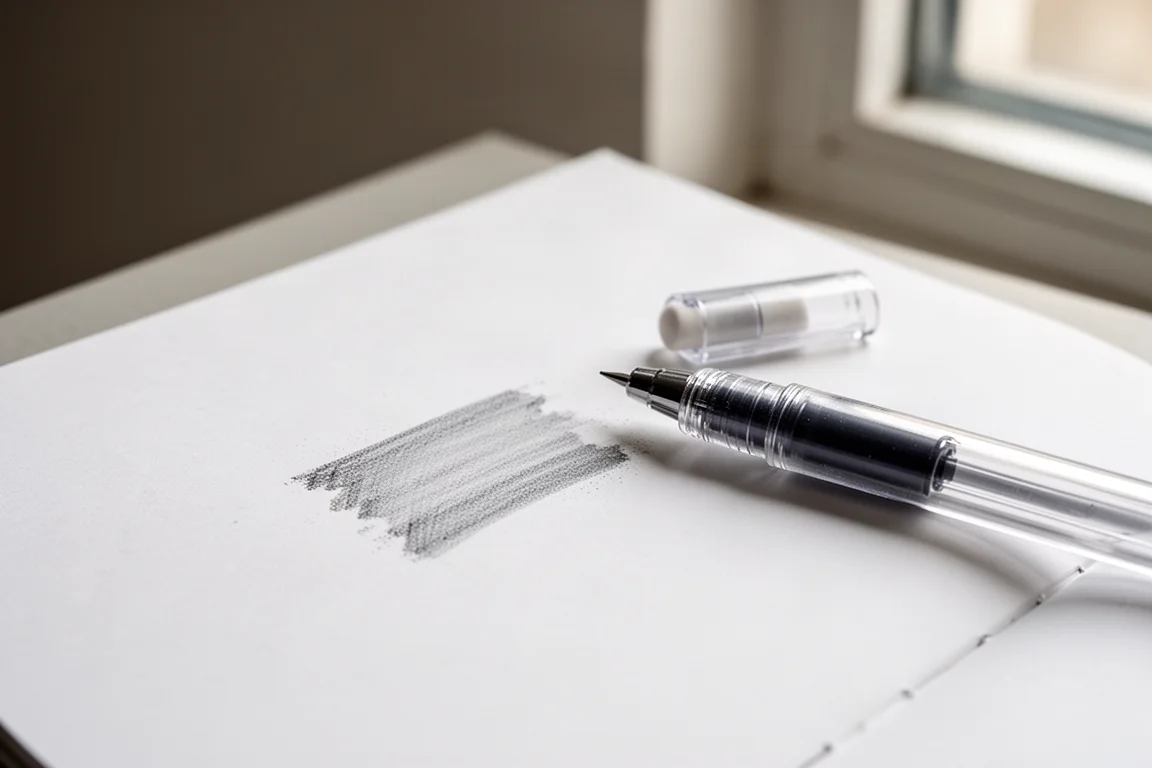
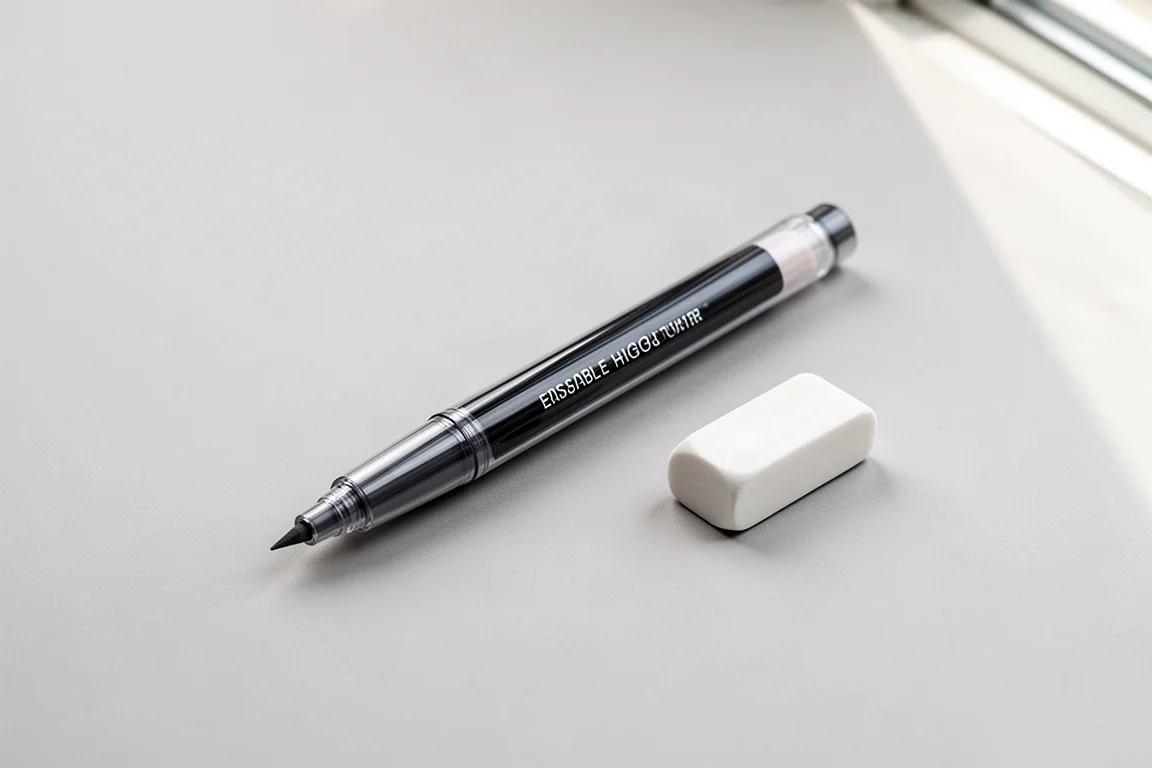
The Bic Crystal is probably one of the most famous pens in history, and its oil-based ink dries quite quickly. It also delivers exactly what its chemistry predicts: a thick, slightly scratchy line.
As a cheap, always-available fallback that starts and dries reliably, it holds up well against the five metrics. As a daily writing instrument for long sessions, the scratchy feel is the honest trade-off you accept.
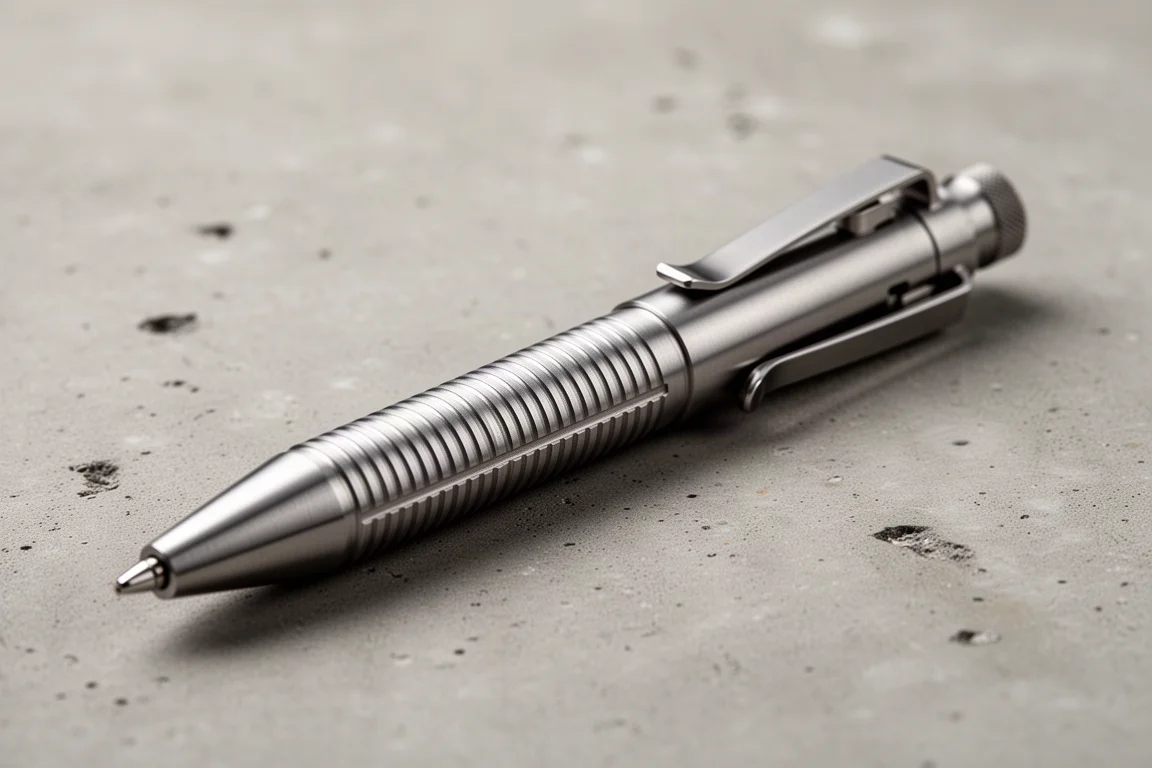
Refills and Bodies: Tactile Turn Bolt Action Pen
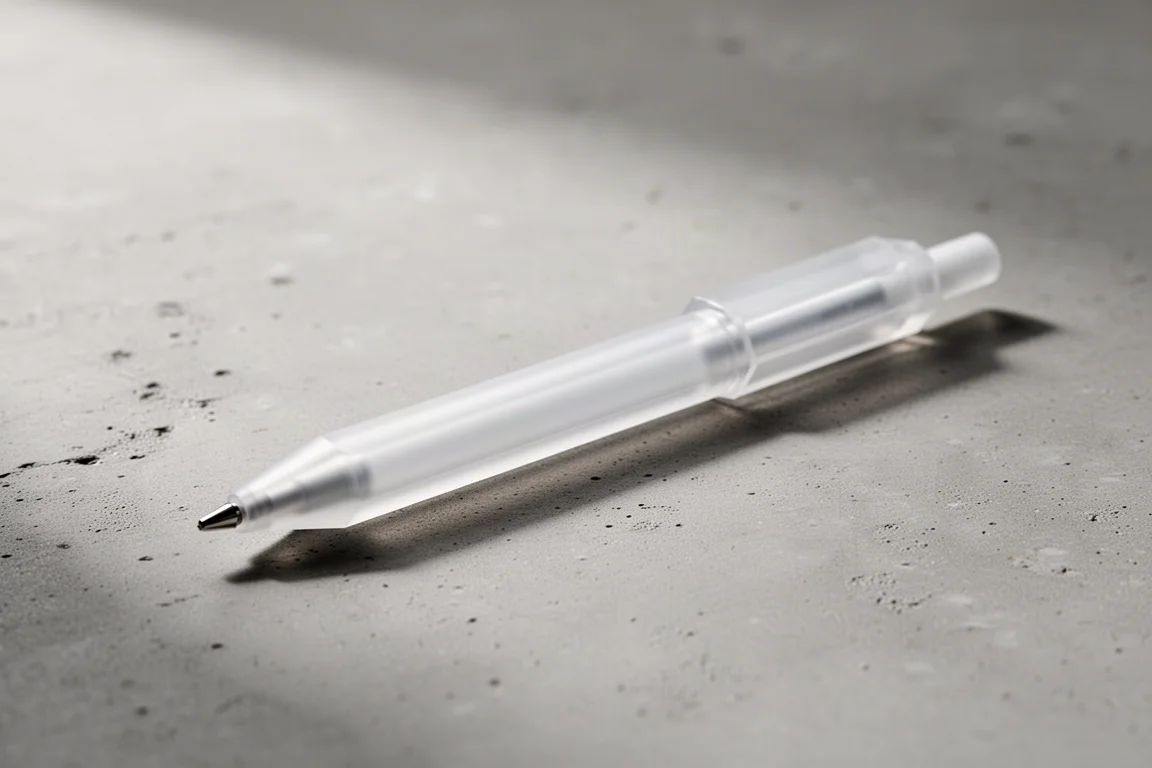
The ink matters more than the body, and that opens up an interesting option: a premium body with humble, universally available ink. The Tactile Turn Bolt Action Pen is exactly that kind of host. A five dollar Jetstream refill drops into a roughly one hundred dollar titanium body just as easily as into a plastic clicker, giving you the same reliable ink-to-paper experience in a far more satisfying object.
The takeaway from the Jakarta incident is worth repeating here: an enthusiast pen body is a fine home for a refill, as long as you pick that refill based on tested performance rather than brand loyalty. A Jetstream refill is the plug-and-play choice that works anywhere.
The Lamy Safari Exception
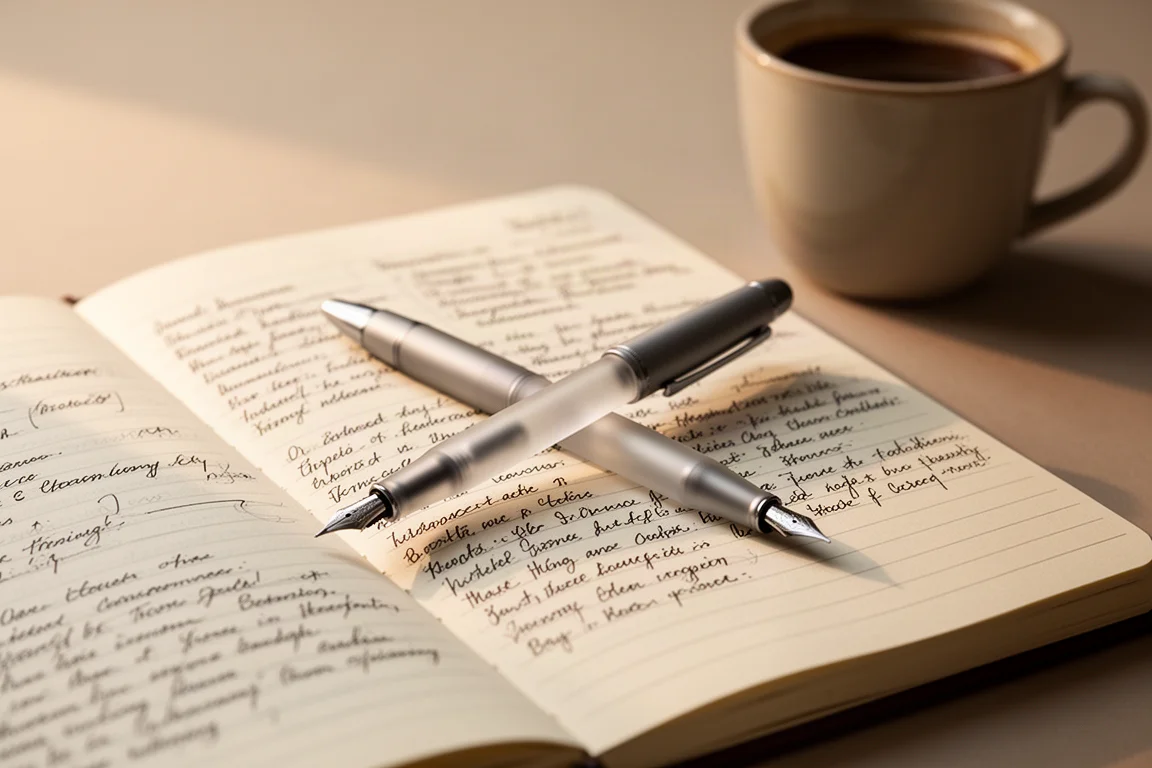
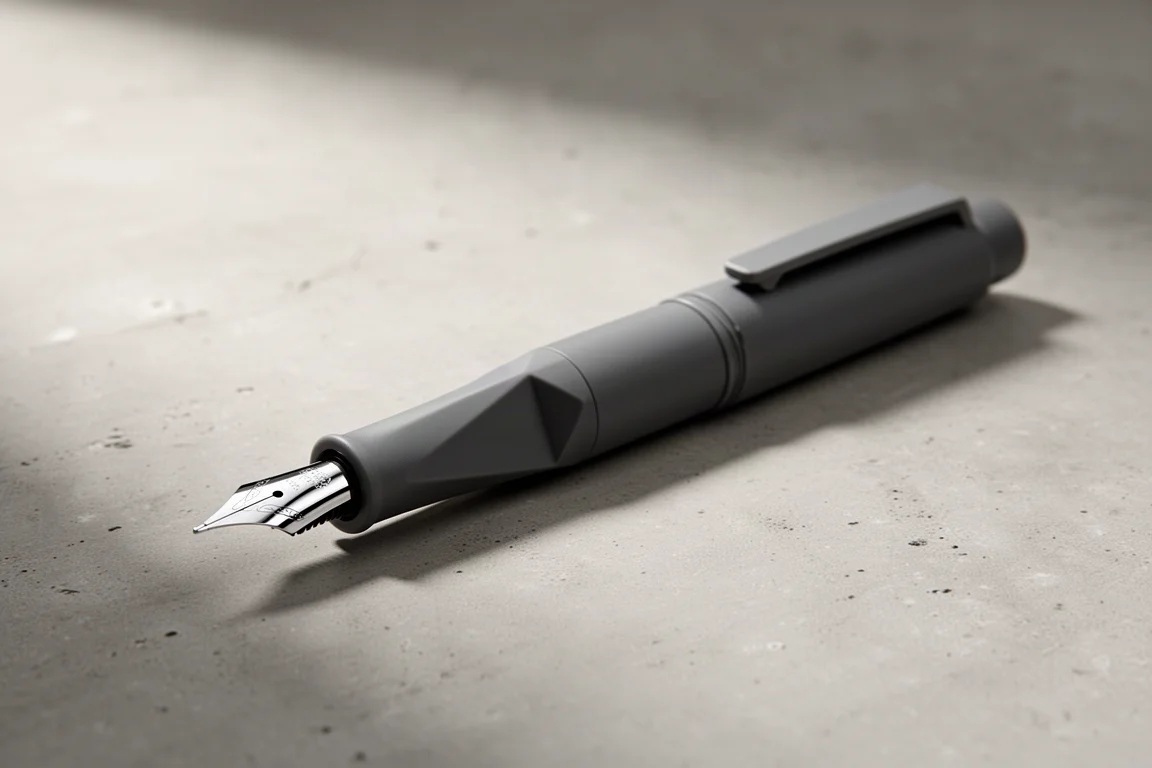
Here is a confession that proves the point of all this: daily carry for actual work is still two Lamy Safari fountain pens. They lose pretty much all five categories. Liquid ink through a nib is slow to dry, finicky in a bag, and far harder to replace in an unfamiliar city. They are used anyway, simply because they are liked.
And “I like it” is allowed to be the answer, including if the pen you like is one that failed someone else in the humidity. The important thing is knowing which decision you are making: choosing a pen because you tested it against what you need, or choosing it because you like the story you get to tell about it. Both are genuinely fine. Knowing the difference is the value.
Conclusion
For the five things that actually determine whether words show up on a page and stay there, the Uni-ball Jetstream is about as close to an objectively correct answer as a pen gets. It starts every time, dries nine times faster than a standard ballpoint, shrugs off heat and humidity, and can be replaced almost anywhere for less than a coffee. Everything else you pay for, grip feel and desk presence, buys appearance rather than performance.
The real takeaway is not to switch pens today. It is the decision framework: pick the metrics that matter to how you actually write, test your own pen against them honestly, and know when you are buying performance versus buying a story. What works for one writer may not work for you, and that is exactly the point.
Further reading
Related Reviews
Stationery
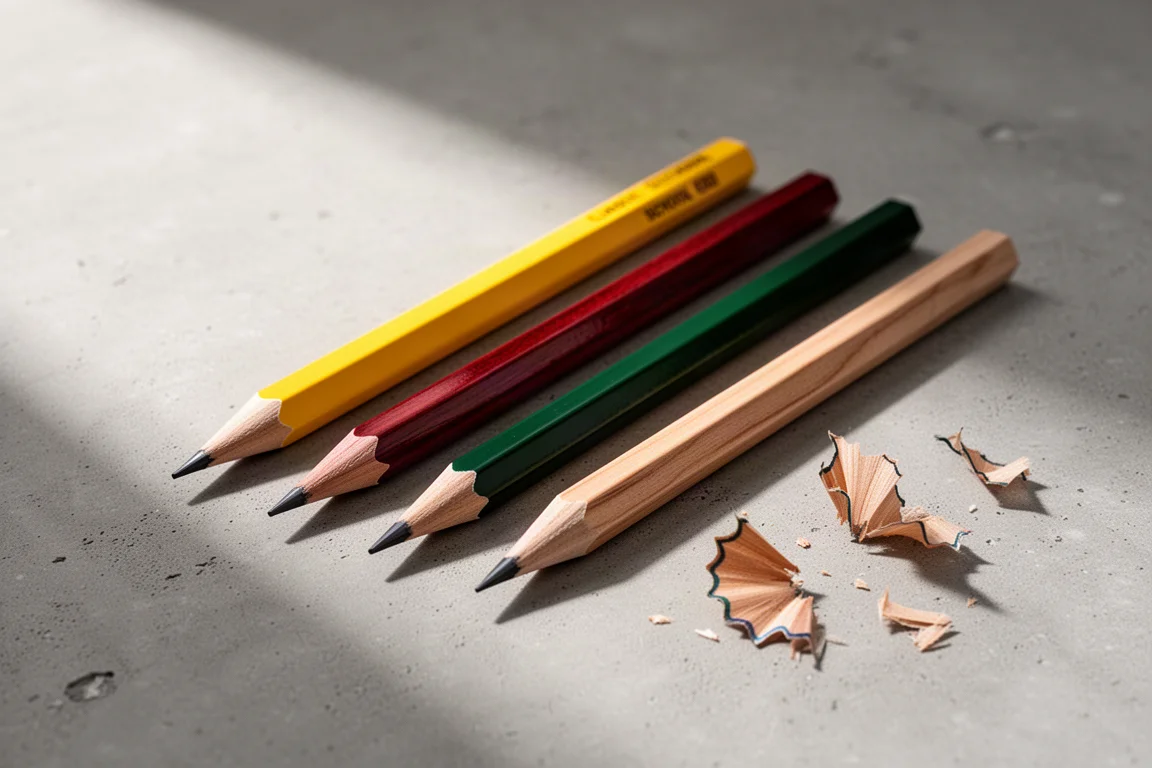
Musgrave Pencils Review: Four Classic Pencils from Tennessee's Last Pencil Factory
We put four Musgrave pencils to paper, from the classic Harvest to the Unigraph 1200 drawing pencil, to see what a century-old Tennessee workshop can still do.
Stationery
Fountain Pen Tiers Explained: From Starter Pens to Luxury Grails
A practical overview of the different levels of fountain pens and inks, from a sub-$20 starter setup to Italian piston fillers and retractable gold-nib everyday carries.
Stationery
HP Premium 32 lb Copy Paper Review: A Fountain Pen Friendly Everyday Printer Paper
A heavy, smooth 120 GSM copy paper that handles fountain pens far better than standard printer stock, with only minor trade-offs in shading and sheen.