Hiking Backpacks
Best Osprey Backpacks 2026: Five Popular Packs Compared
A practical comparison of five popular Osprey hiking backpacks, covering weight, features, back systems, hip belts and sizing so you can pick the right one.
Introduction
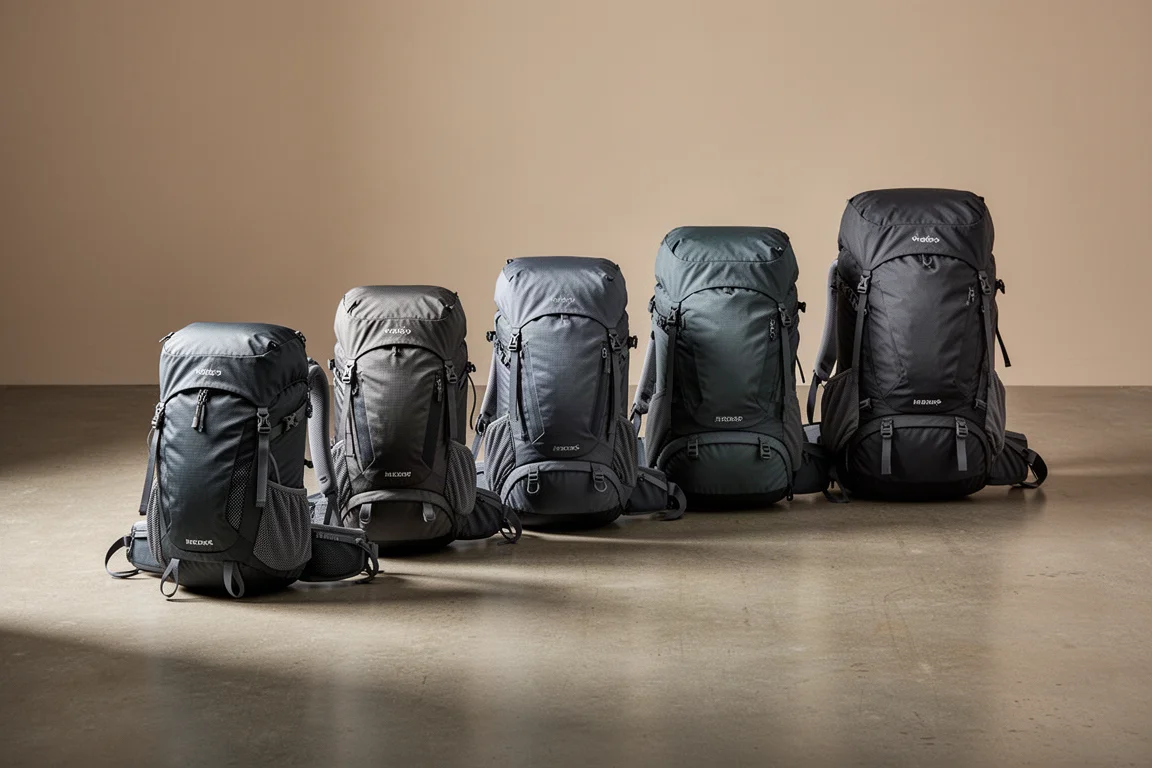
Osprey makes some of the most widely used hiking and backpacking packs, and the five models compared here cover genuinely different priorities: minimum weight, best value, the largest feature set, and maximum comfort with heavy loads. All five have been used on real trips, and all five are good at something specific. None of them is a universal answer, so the sensible approach is to match the pack to the way you actually walk.

This comparison looks at the Levity 60, Rook 65, Kestrel 68, Atmos AG 65 and Aether 60 AG. For each one, the details that matter most are capacity options, weight, packed dimensions, pocket layout, the back system, hip belt and shoulder strap comfort, and how much sizing adjustment you get.
How These Five Packs Compare
The single biggest difference between these packs is the back system, and it shapes almost everything else.
AirSpeed is a suspended design: the pack hangs away from your back, leaving a noticeable gap. It feels comfortable and works especially well in summer, because air moves between the pack and your back.
AirScape sits much closer to your body. That keeps the load near your centre of gravity, which helps when you are scrambling, but it does mean a sweaty back in warm weather, and it is less comfortable than the other systems once the pack is fully loaded.
AntiGravity is the top of the range option, with a great deal of design work behind the comfort it delivers. It is the system that lets you keep loading a pack up without paying for it in aches.
Hip belts and shoulder straps scale with the intended load too. The lighter packs use thinner, airier padding, while the heavy-load packs use wide, heavily padded hip belts with large pockets.
Sizing is worth real attention. These packs come in different size runs, and the sizing varies noticeably from model to model. Where possible, try a pack on in a shop before buying, the same way you would with hiking boots.
Osprey Levity 60: The Fast and Light Option
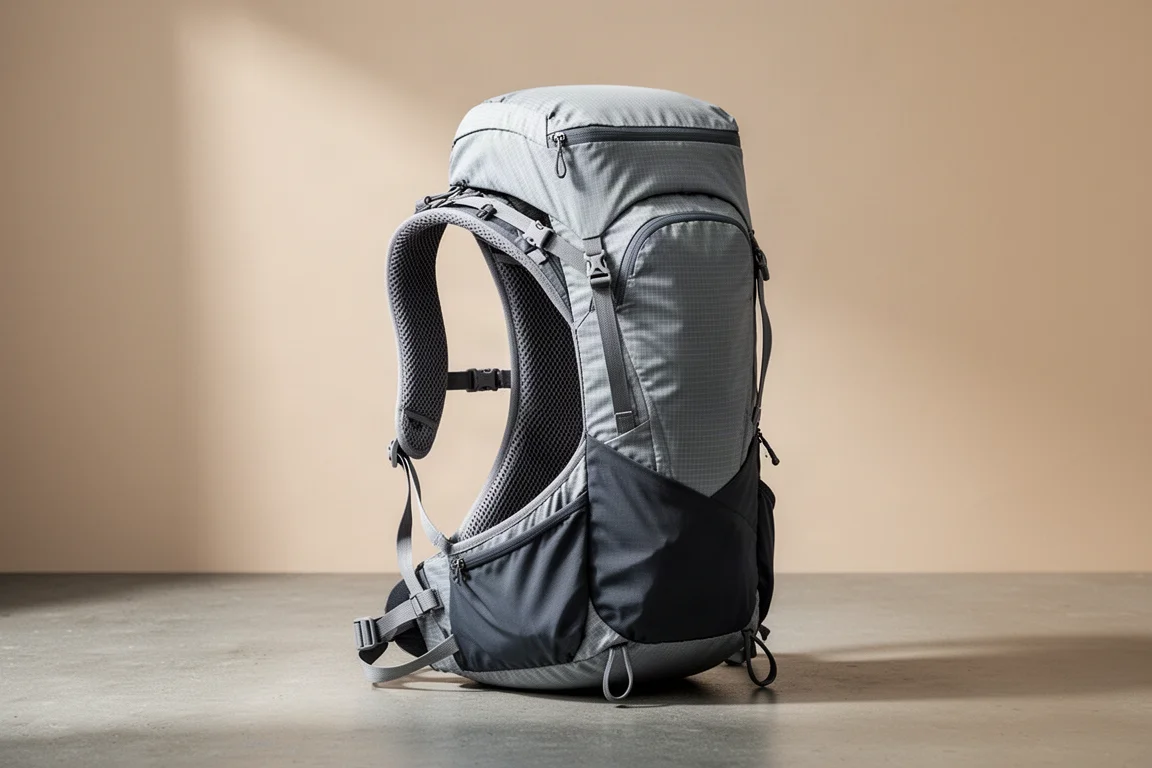
The Levity 60 is an ultralight pack at a feathery 900 grams, which is lighter than most rucksacks of any size. It is available in 45 and 60 litre versions. That low weight comes from a deliberately stripped-down design: two side pockets, one zip pocket on the lid, and a hydration reservoir sleeve are close to the full feature list on the front and sides. It measures 72 cm tall, 40 cm wide and 33 cm deep, and it costs around £220, which is a lot for a pack this bare.
The AirSpeed back system suspends the pack away from your back, and it is genuinely comfortable, particularly in summer. The hip belt is skinny and airy with no pockets at all, while the shoulder straps are surprisingly thick and comfortable considering how little the pack weighs.
Sizing is the main caveat. The Levity comes in small, medium and large with no back-length adjustment, so it is very limiting if you get the size wrong.
Osprey Rook 65: Best Value in the Range
At around £150, the Rook 65 is the cheapest pack in this group and arguably the best value. It comes only in a 65 litre version and weighs 1,600 grams, which is impressive for the capacity. Packed dimensions are 74 cm tall, 42 cm wide and 36 cm deep.
The feature set is modest but sensible: a zip pocket on the outside of the lid with nothing on the inside, two-way mesh bottle pockets that you can reach from the top or from the side, a sleeping bag compartment, and a waterproof cover at the bottom. The one clear omission is a front stash pocket, which is a fair criticism at this price.
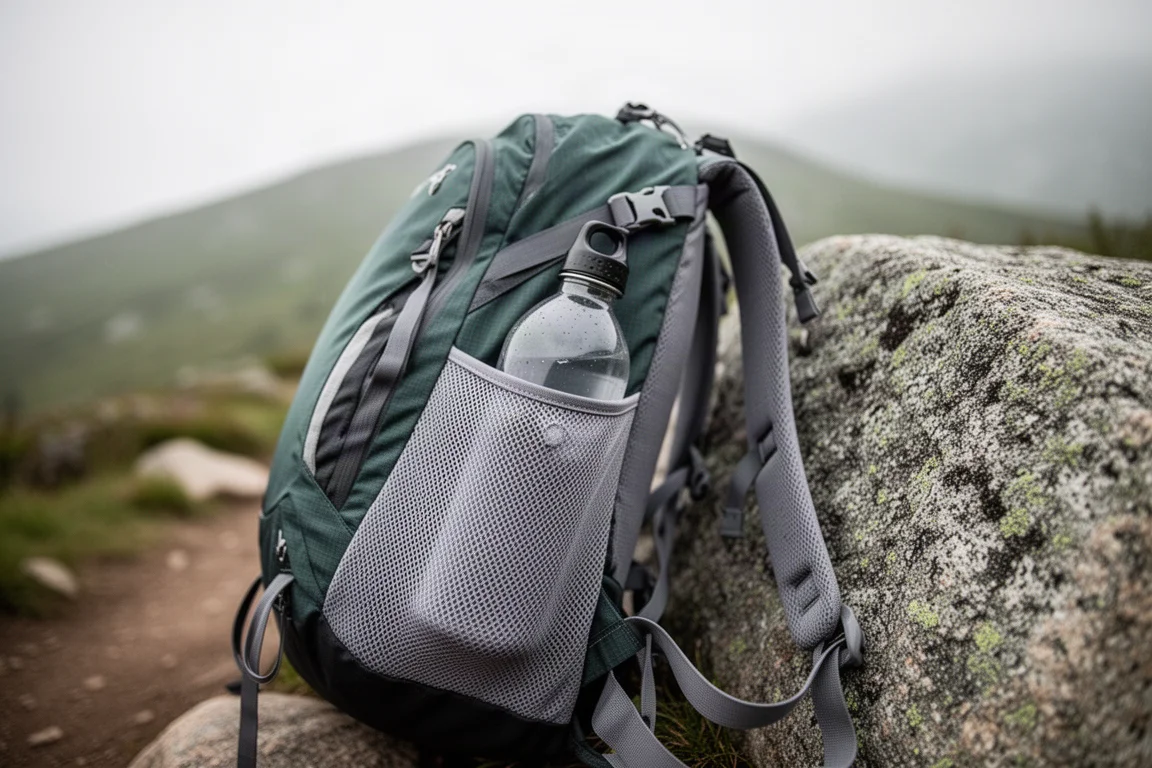
The AirSpeed back system is superb and is the strongest argument for this pack. The hip belt has generous pockets with average padding and limited ventilation, and the shoulder straps are padded enough for a certain amount of weight. Load the Rook up too far and the shoulders start to ache, and it runs warm in summer. It comes in one size, but four points of adjustment let you slide the back panel up and down, which covers a useful range of torsos.
Osprey Kestrel 68: Feature-Rich but Weight-Limited
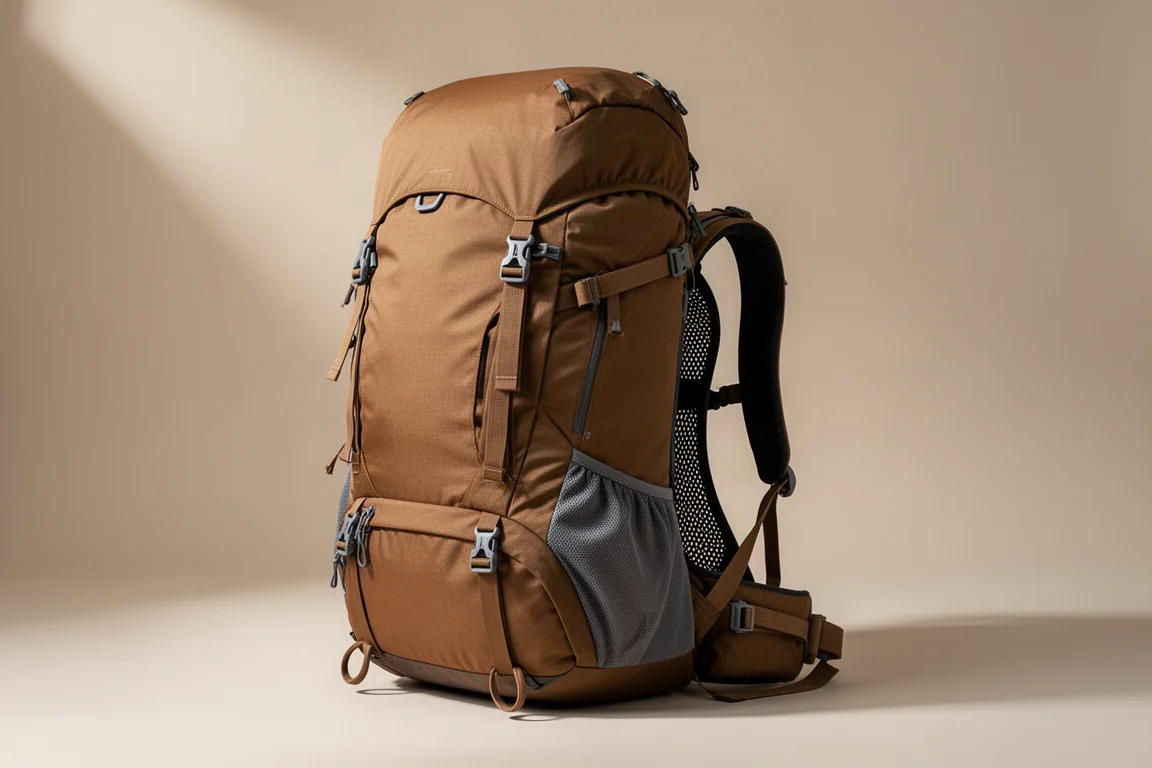
The Kestrel 68 costs around £200 and weighs 1,800 grams. It is the most widely available pack here in terms of capacity, with 38, 48, 58 and 68 litre versions, and the 68 litre model measures 74 cm tall, 37 cm wide and 37 cm deep.
This is where the feature count climbs. There is a zip on the outside of the lid and a mesh zip pocket on the inside of the lid, a side zip for tent poles, a second zip on the opposite side for reaching into the main compartment, a sleeping bag compartment, and a waterproof cover at the bottom.
The AirScape back system keeps the pack close to your body, which makes a real difference when scrambling because the weight stays near your centre of gravity. The trade-off is a sweaty back in summer and less comfort than the other systems when the pack is fully loaded. The hip belt and shoulder straps follow the same pattern as the Rook, and sizing runs across small, medium and medium, large with a sliding back panel for adjustment.
The honest limitation is capacity. At 68 litres this pack is being pushed beyond its comfort zone, and heavier loads will show up as achy shoulders and hips. The smaller versions are the sweet spot, and it is best kept to 58 litres or below.
Osprey Atmos AG 65: Built for Heavy Loads
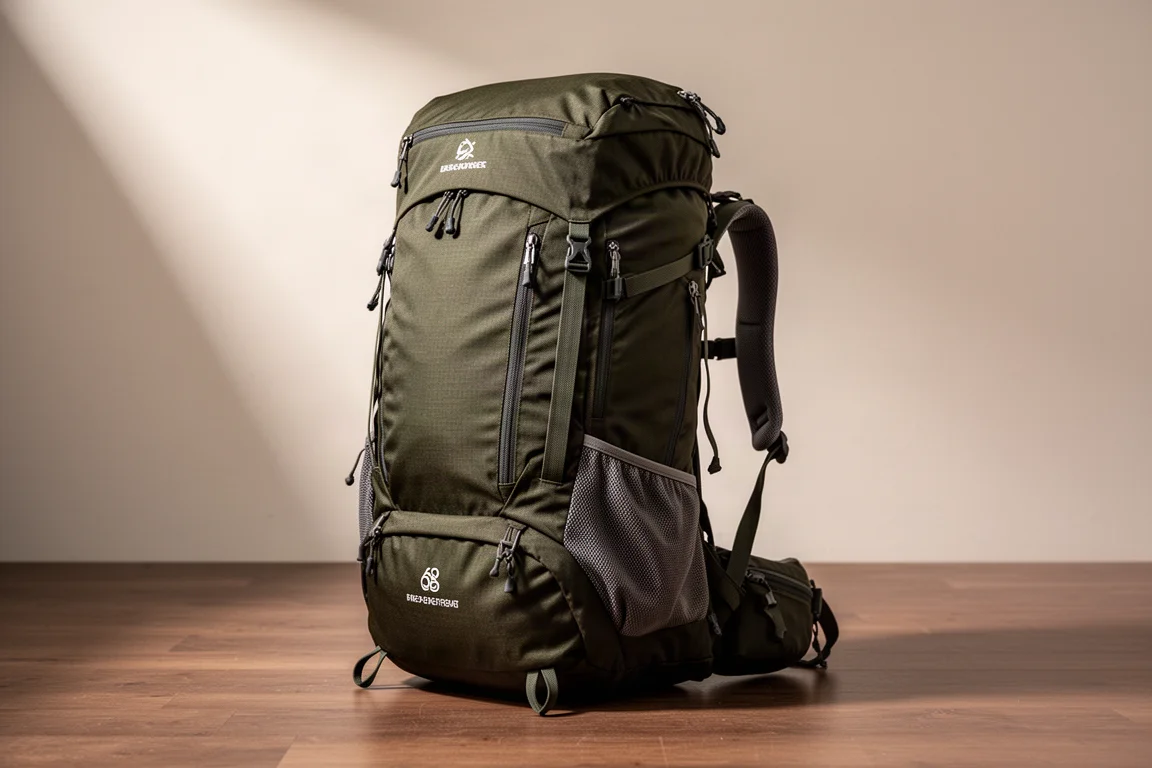
The Atmos AG 65 is a step up in every sense. It costs around £265, weighs 2,200 grams, and measures 87 cm tall, 39 cm wide and 41 cm deep.
The AntiGravity back system is the centrepiece, and it is unbelievably comfortable. This is the pack that lets you take 20 kilos with you, which matters if your kit includes a four-season tent, a large sleeping bag, cooking gear and plenty of clothing. It has the best adjustability of all five packs, with four points of adjustment for fine tuning.
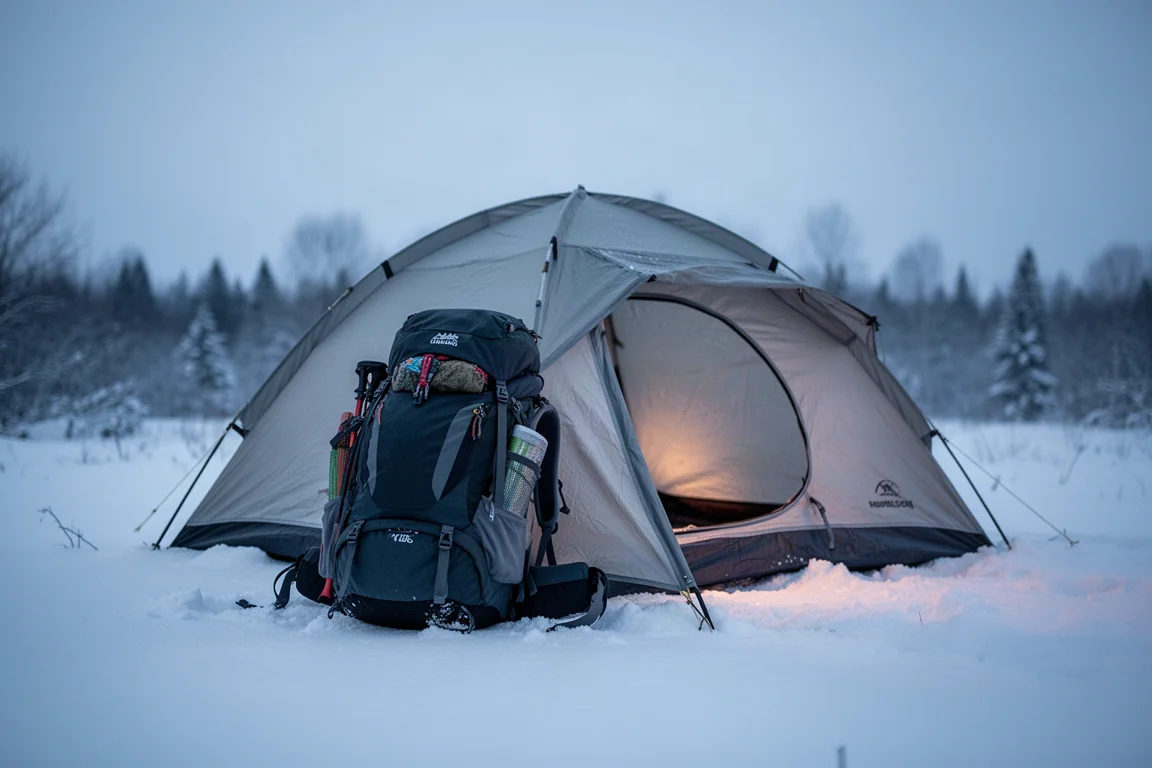
The feature set is strong. There is a zip in the top lid and a waterproof cover on the lid, the lid is removable, and a secondary lid means you can leave the main lid at home if you do not need the full 65 litres. There is no pocket inside the main lid, but you do get two-way mesh pockets, side zips that open into a large inner pocket rather than the main compartment, a front stash pocket, and a sleeping bag compartment at the bottom.
Comfort is the real story. The hip belt is huge, with ventilation, massive pockets and a great deal of padding, and the shoulder pads are enormous. You can carry 20 kilos and stay very comfortable, and with that load it is likely to feel better than a lighter pack carrying 15.
Osprey Aether 60 AG: Long-Term Comfort at a Price
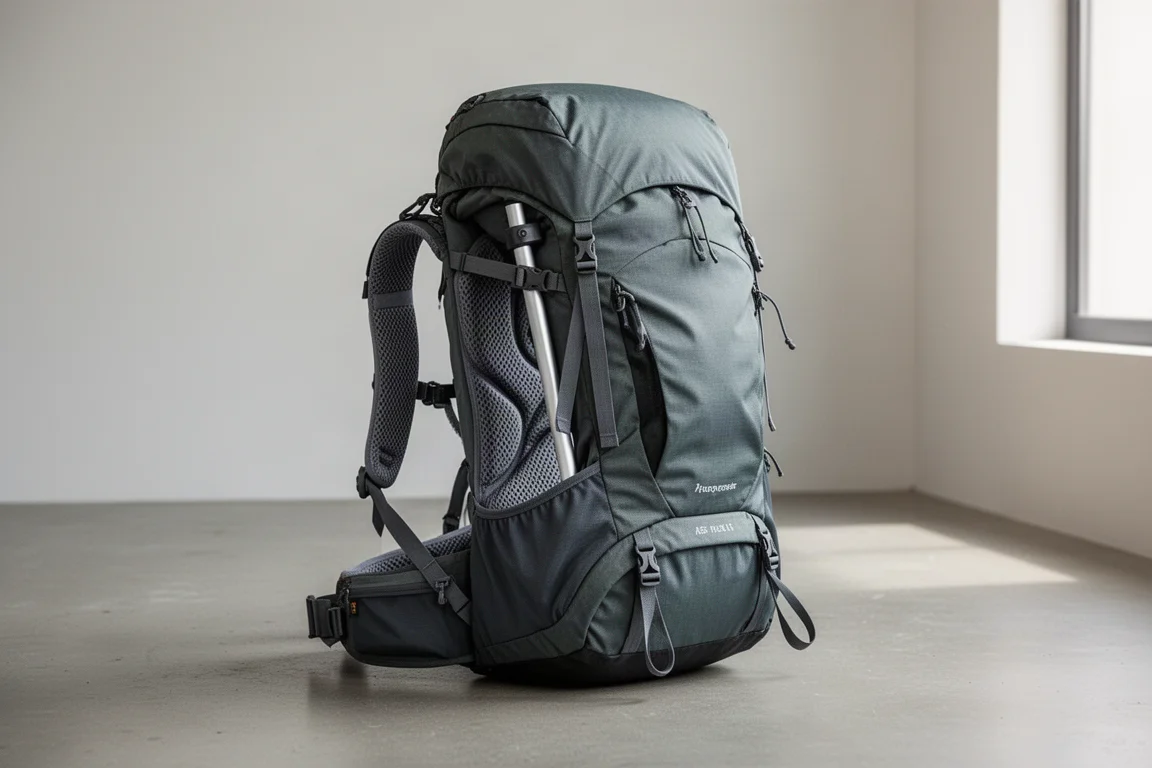
The Aether 60 AG is the smallest pack in the Aether line, which runs up to 100 litres. It costs around £220, weighs 2,300 grams, making it the heaviest pack here, and measures 83 cm tall, 39 cm wide and 31 cm deep.
The feature list covers most of what you would want: a zip on the top lid, a waterproof cover on the lid, a mesh pocket on the lid, two-way mesh side pockets, a sleeping bag compartment, and a side zip for reaching into the main compartment. It also offers a great deal of adjustability, so it can be fine tuned to fit properly.
Like the Atmos, the Aether uses the AntiGravity back system, and it is a fantastic pack to carry fully loaded. You can walk with weight all day, and the system works well in summer and in winter. There are two drawbacks. The first is cost, as it sits well over £200. The second is weight at 2.3 kilos, although it does not feel that heavy on your back, and a heavier pack does bring benefits once the gear inside is heavy too. Build quality is a genuine strength, and these packs are made to last for years and years.
Buying Advice: Matching the Pack to the Trip
For fast and light trips, the Levity is the obvious answer. If weight means everything to you and you want a summer pack that carries light kit, it is hard to beat at 900 grams, as long as you accept the limited features and the fixed sizing.
For value, the choice is between the Rook and the Kestrel, and the Rook just edges ahead because its back system is superb for the money. If you go for the Kestrel, choose carefully: the smaller versions are excellent and the 68 litre model is a compromise rather than a benefit.
For heavy kit and longer trips, the Atmos AG 65 and the Aether 60 AG are the two to consider. Both are built to carry serious weight in comfort, and both are well made. If money is no object and you want the most capable pack of the group, the Aether is the one to pick.
Whatever you choose, buy the right size. These packs have different size runs and different levels of adjustment, so try one on before you commit.
Conclusion
There is no single best Osprey backpack here, only the best one for your trip. The Levity 60 wins on weight, the Rook 65 wins on value, the Kestrel 68 wins on features at smaller capacities, and the Atmos AG 65 and Aether 60 AG win on comfort with heavy loads. Decide how much weight you realistically carry, how much you are willing to spend, and how much adjustment you need, and the right pack becomes clear.
Further reading
Related Reviews
Hiking Backpacks
Decathlon MT 900 70+10 Backpack Review: Big Capacity, Heavy Weight, High Price
A feature-dense 80-liter hiking backpack with excellent build quality, ten pockets, and dual loading, held back by a six-pound weight and a $210 price.
Hiking Backpacks
Martingtop 65L MOLLE Hiking Backpack Review: Capacity and Value, Undone by Hardware
A 65-liter tactical-style internal frame pack with MOLLE webbing, an adjustable torso, and a rain cover, held back by slipping hardware and a flexible frame.
Hiking Backpacks
Osprey Rook 65L First Look: Osprey's Most Affordable 65L Backpack
A detailed first look at the Osprey Rook 65L, the least expensive 65-litre pack Osprey makes at $190, covering its suspension, storage layout, weight, materials, and the trade-offs to weigh before buying.