Stationery
Six Note-Taking Tips for Students, Plus the Stationery That Makes Them Easier
Practical note-taking habits for class, paired with quiet pens, smudge-resistant inks, tracing sticky notes, and other tools that support them.

Introduction
Good notes are the foundation of doing well in school. The information your teachers share in class shows up on homework, midterms, and finals, so how you capture it matters. These six tips cover the habits that make class notes easier to review later, along with specific pens, sticky notes, and page flags that solve the small frustrations that get in the way: noisy pens, smeared ink, and textbooks you can’t write in.
Tip 1: Get Rid of Distractions
Distractions will ruin your focus, especially in the middle of a lesson. You probably can’t stop your classmates from fidgeting, but you can remove the distractions within your control, and yes, that includes silencing your phone. Even on vibrate, incoming notifications can pull your attention away. A few lost seconds is enough to miss something important.
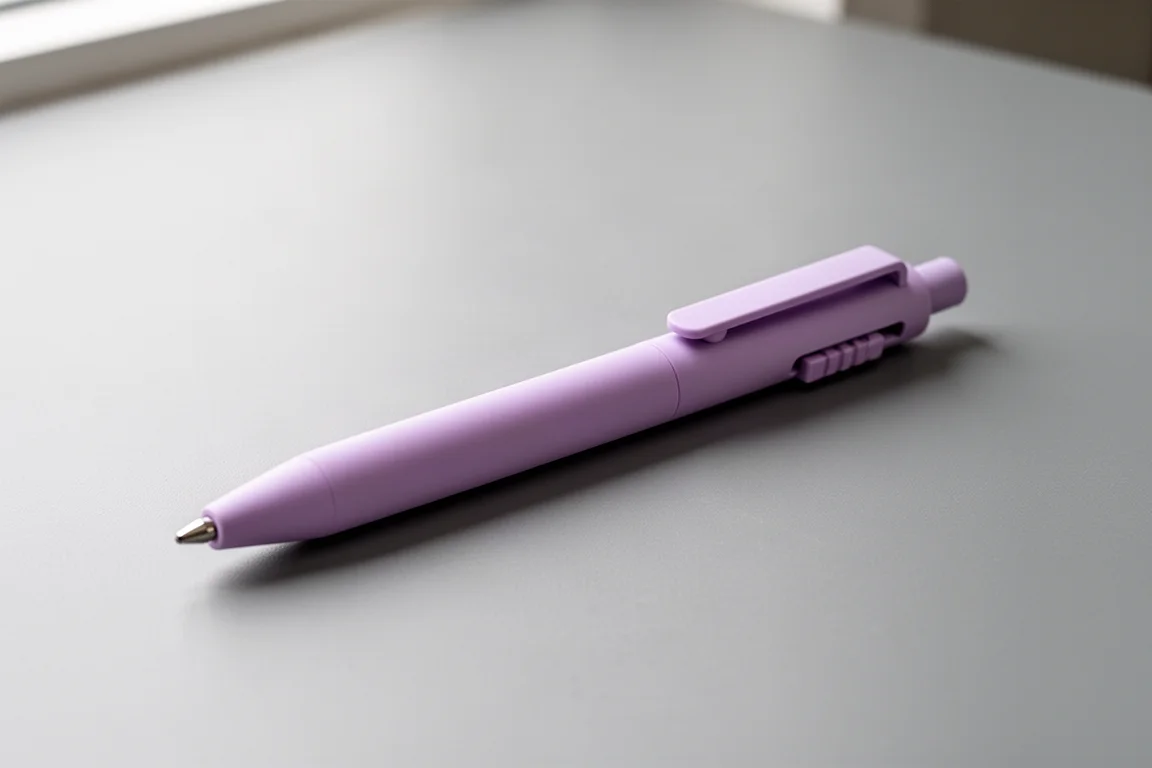
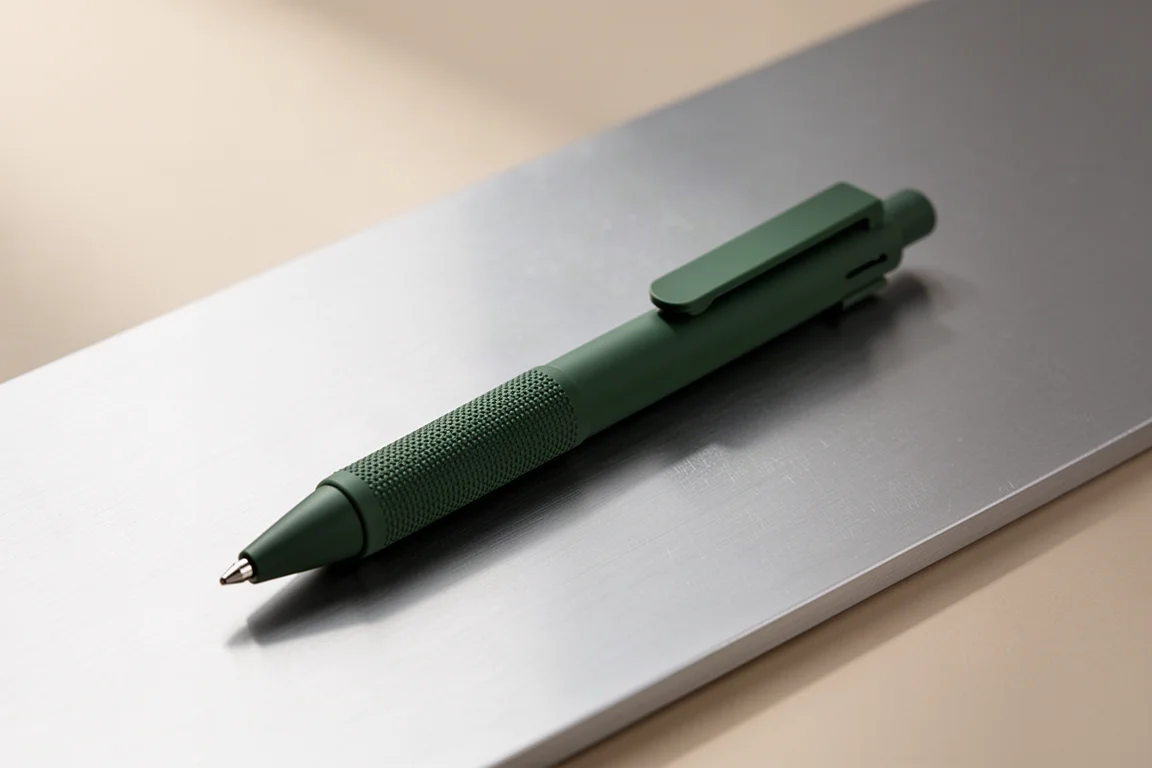
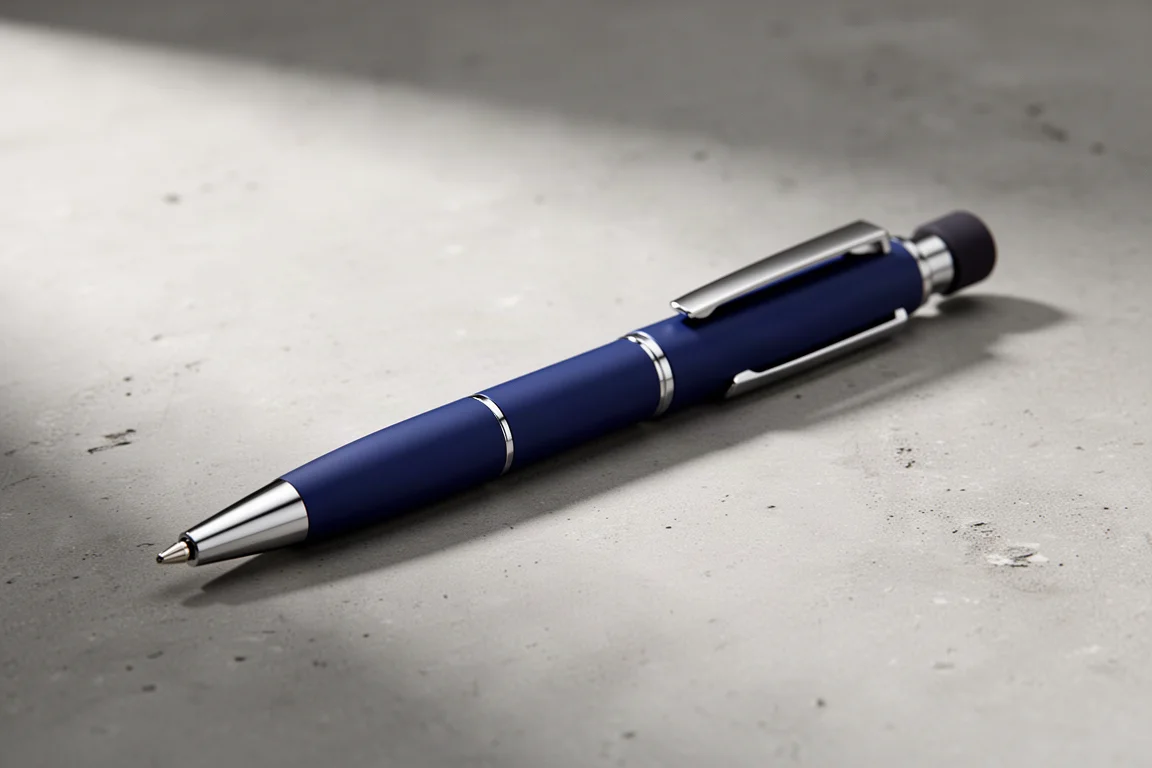
Be mindful of your neighbors too. Clicking your pen might help you concentrate, but the people around you won’t appreciate the noise. Quiet-click pens are the simple fix: the Zebra bLen, Pentel Calme, and Pilot FriXion Ball Knock Zone all use click mechanisms that are noticeably less distracting than those on regular pens.

Tip 2: Use Bullet Points to Organize Your Notes
The outline format is a tried-and-true note-taking method. It is faster than writing in paragraphs, and it organizes your notes at the same time. The key is not to copy the lecture word for word. Condense it down to the main ideas, then use indented bullet points to add supporting information or examples under each one.
Keep your outline neat by using graph or dot grid paper. Paper with tick marks along the top and bottom of the page also helps you keep your indentations straight. Notebooks and loose-leaf paper from brands like Kokuyo and Maruman are reliable choices for this style.
If something in the lecture confuses you, mark it with a sticky note right away and ask your teacher to clarify while it is fresh in your mind. If you would rather not ask during class, write the question down and follow up after class, during a break, or by email at the end of the day.
Tip 3: Mark Up Textbooks With Removable Sticky Notes and Page Flags
Unless you bought your textbook, you are expected to return it free of writing and underlining at the end of the year. Marking up your books is still one of the best ways to flag important information for later review, so the solution is to mark the book without writing on it.

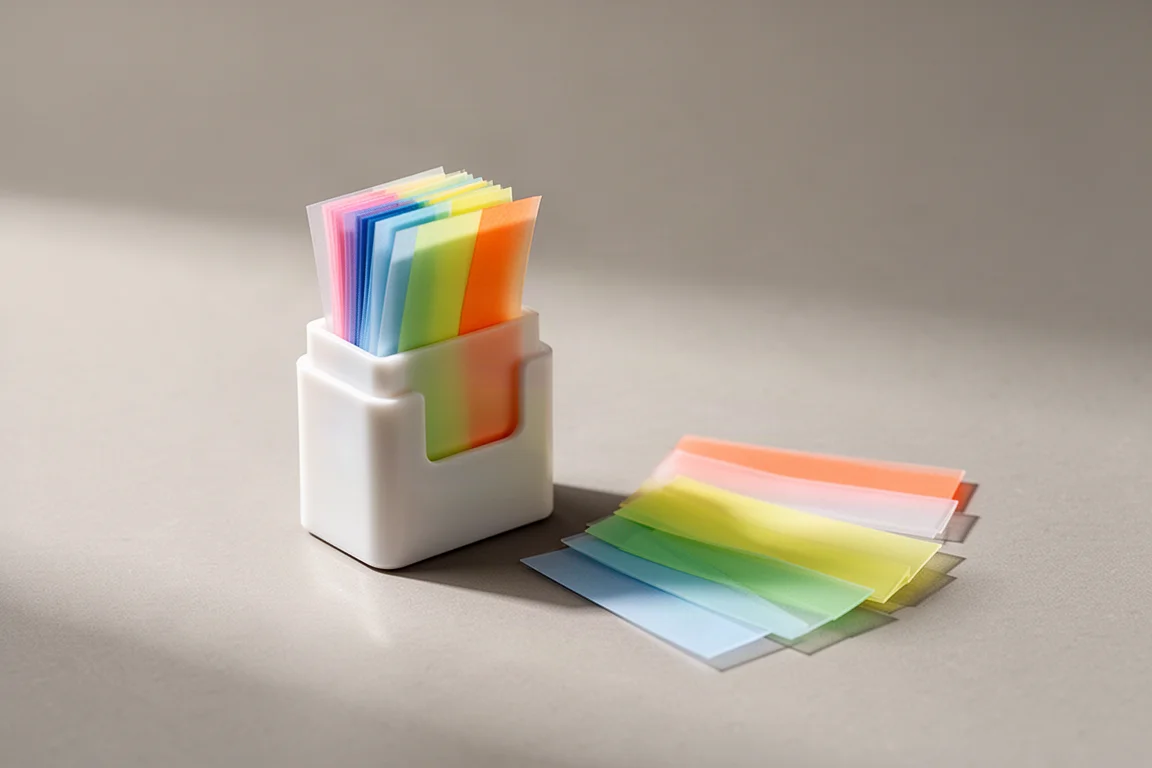
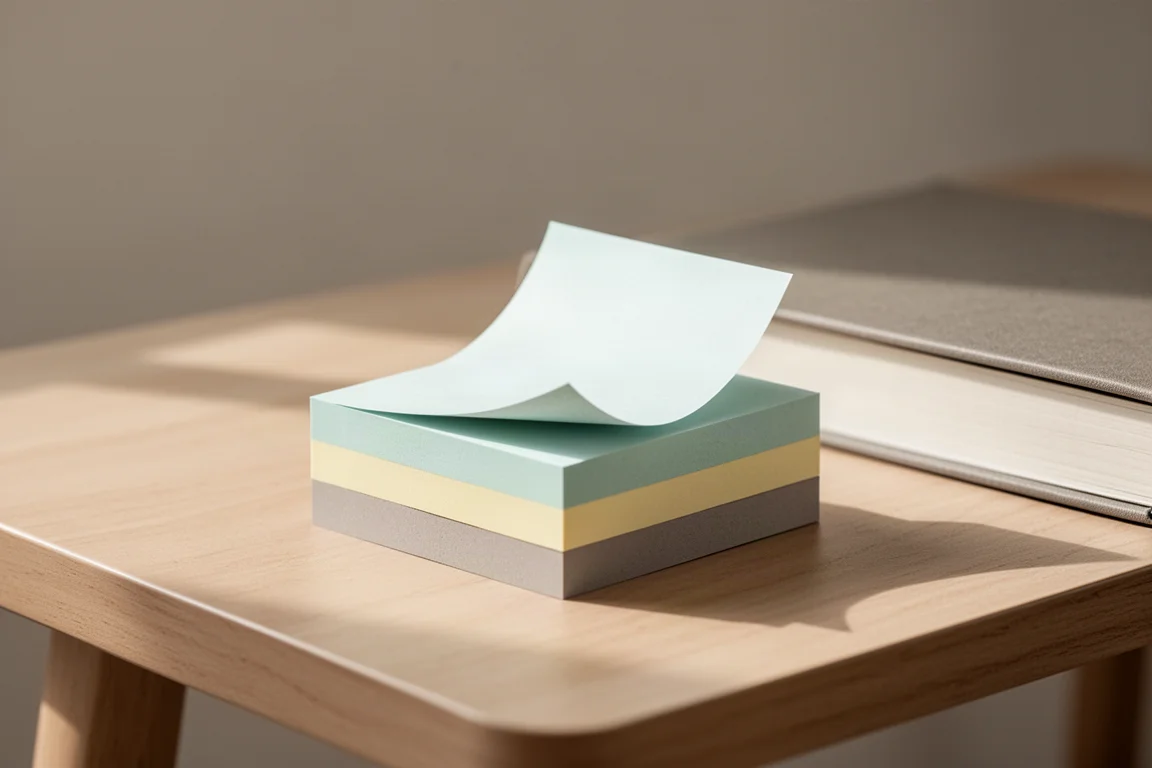
Page flags like the Beverly Cocosasu let you flag important pages and draw attention to specific lines or paragraphs without leaving a mark. For longer notes, write on sticky notes and attach them to the page. The Kokuyo Tack Memo comes in a variety of sizes, so you have plenty of room to write. At the end of the year, peel everything off and you have a clean textbook again.
Tip 4: Use Smooth Pens That Pair Well With Highlighters
The last thing you need while following a lecture is a pen that skips and scratches against the paper. Worse is writing an entire page of notes only to watch it smear when you go over it with a highlighter.

Low-viscosity ballpoint pens are the answer. The Uni Jetstream and Pilot Acroball both have inks that flow as smoothly as gel ink, yet you can highlight over them immediately without smudging. And don’t highlight haphazardly; a deliberate highlighting system makes review far more effective.
If you can’t give up gel pens, don’t worry. The Zebra Sarasa Mark On uses specially formulated ink that resists smearing under highlighters. Just be sure to let your writing dry completely before you highlight over it.
Tip 5: Trace Diagrams From Your Textbook With Clear Sticky Notes
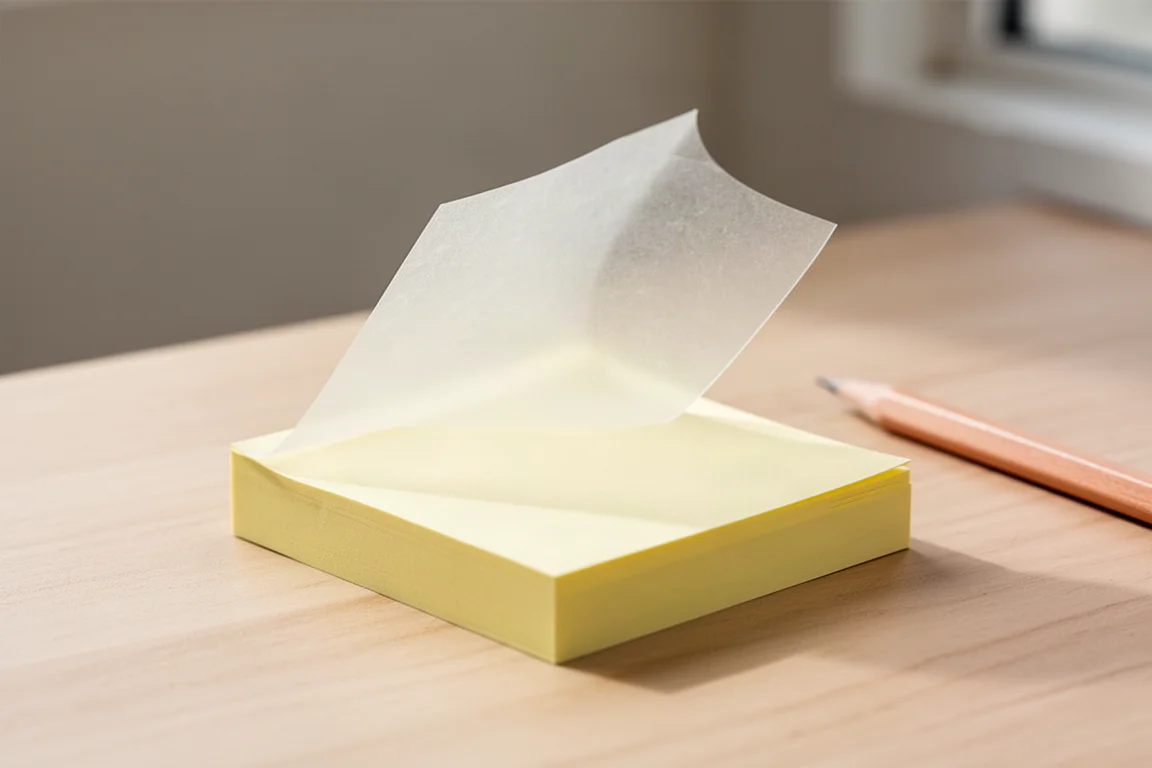
Adding diagrams to your notes makes them easier to understand, but painstaking hand copies take a lot of time. Bonomemo Tracing Sticky Notes are made of see-through vellum, so you can place them directly over a textbook diagram and trace it with ease. They work best with pencils, ballpoint pens, and permanent markers.
Tip 6: Create Study Groups to Go Over the Material
Studying with classmates pays off in different ways depending on the subject. For English and history, different interpretations and perspectives help you understand the material better. For math and science, you can share your grasp of a concept with classmates and benefit from theirs in return.
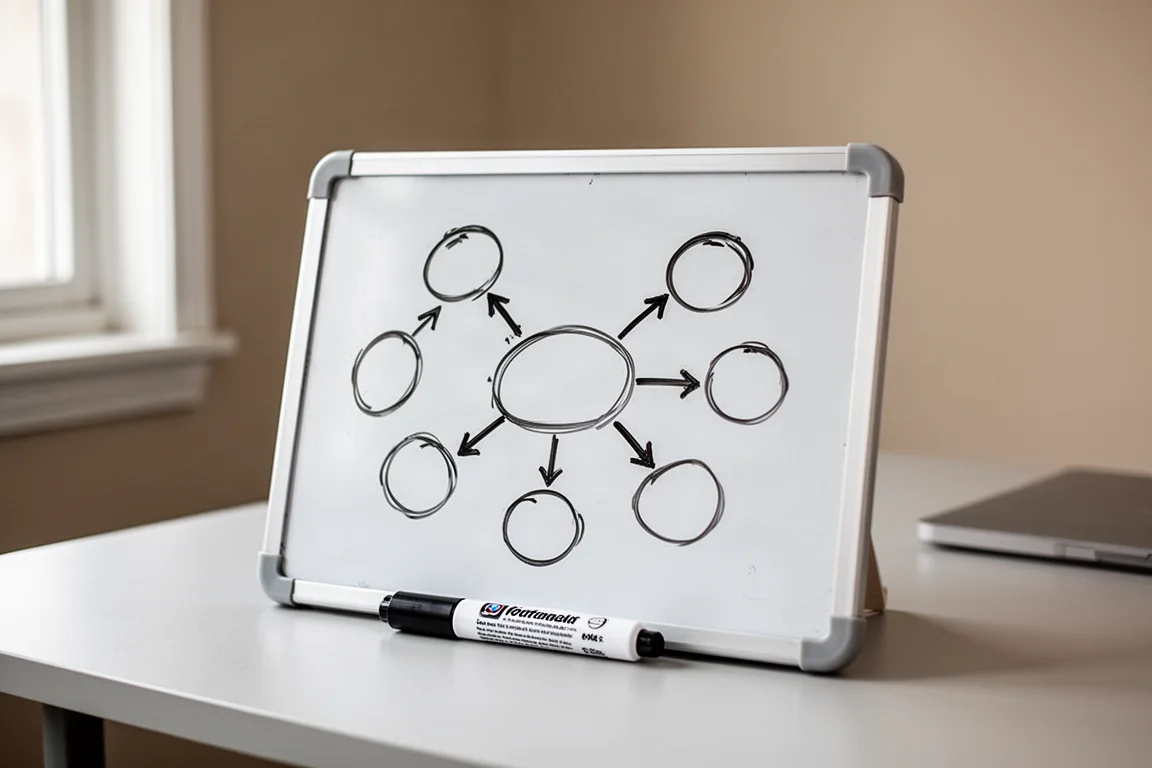
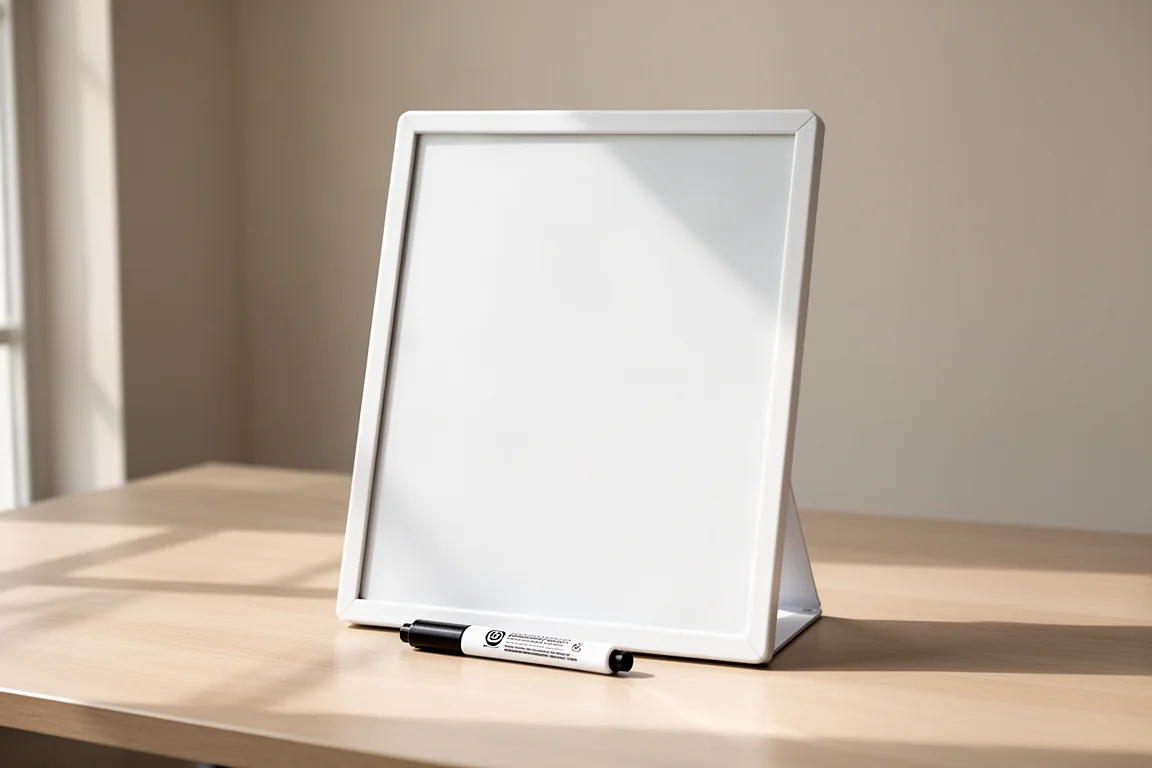
Add to your notes whenever your study group brings up important points you hadn’t thought of. Try using a whiteboard to create concept maps and organize your ideas, or present the material to the group as if you were the teacher; explaining it out loud quickly reveals any holes in your knowledge. If your study space has no whiteboard, the Gakken Write White fits neatly in a backpack so you can carry one with you.
One caution: check the syllabus or ask your teacher before collaborating. Some teachers don’t allow group work on homework, in case students copy each other.
Conclusion
Better notes come from a handful of small habits: removing distractions, organizing with bullet points, flagging questions as they arise, and reviewing actively with others. The right stationery removes the friction from each one, whether that is a quiet-click pen, an ink that survives highlighting, or a sheet of vellum that lets you trace a diagram in seconds. Pick the tips that match your classes and build them into your routine one at a time.
Further reading
Related Reviews
Stationery
Musgrave Pencils Review: Four Classic Pencils from Tennessee's Last Pencil Factory
We put four Musgrave pencils to paper, from the classic Harvest to the Unigraph 1200 drawing pencil, to see what a century-old Tennessee workshop can still do.
Stationery
Fountain Pen Tiers Explained: From Starter Pens to Luxury Grails
A practical overview of the different levels of fountain pens and inks, from a sub-$20 starter setup to Italian piston fillers and retractable gold-nib everyday carries.
Stationery
HP Premium 32 lb Copy Paper Review: A Fountain Pen Friendly Everyday Printer Paper
A heavy, smooth 120 GSM copy paper that handles fountain pens far better than standard printer stock, with only minor trade-offs in shading and sheen.