Cycling Gear
Best New Road Bike Tech 2026: Seven Upgrades Worth a Closer Look
A practical roundup of the wheels, saddles, power meter pedals, groupsets and race bikes getting attention this season, with notes on who each one genuinely suits.
Introduction
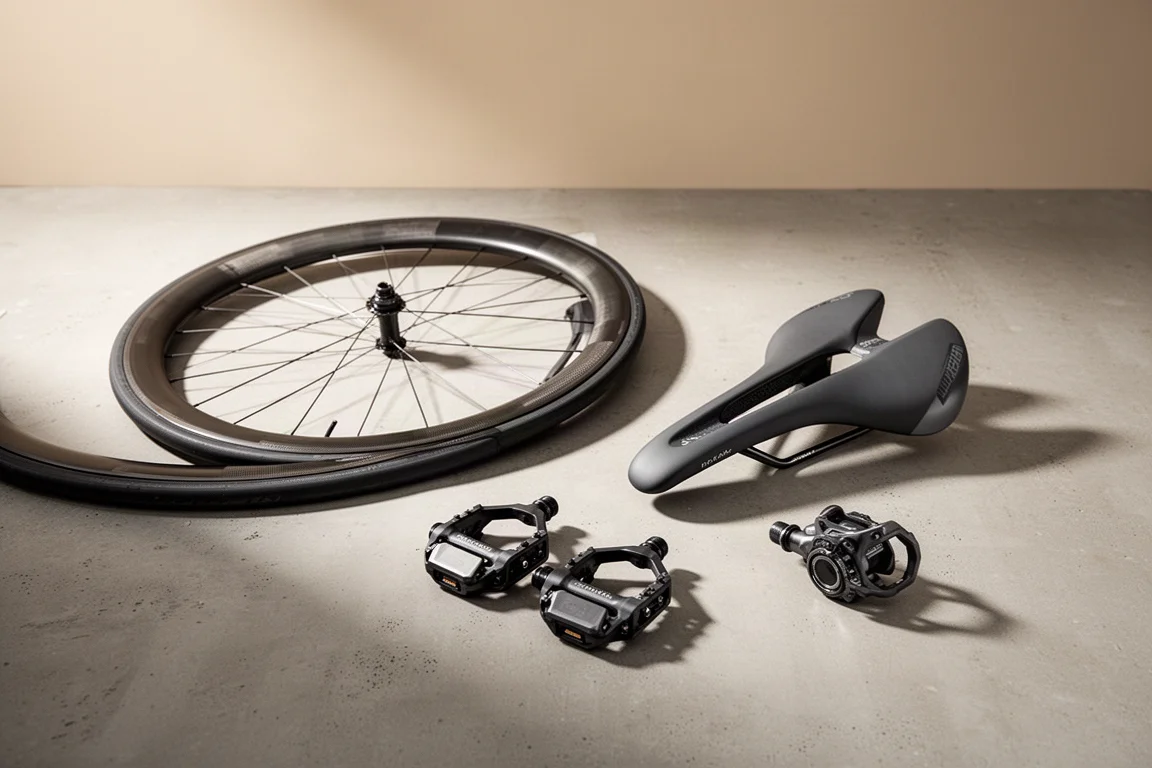
This season’s new road bike hardware has a clear theme: components that answer questions riders already ask themselves. Zipp has moved a pressure sensor inside the rim. Campagnolo has restored the thumb shifter and cut its prices. Favero has removed the external pod from its power meter pedals and saved weight doing it. Prologo has built a time trial saddle that weighs almost nothing and costs a great deal. Alongside them, two race bikes arrive with spec sheets that invite direct comparison.
The seven products covered in this roundup:
- Zipp 353 NSW and Zipp 303 S wheels with pressure sensing built into the rim
- Prologo Predator 01T time trial saddle
- Favero Assioma Pro RS power meter pedals
- Campagnolo Super Record 13 groupset
- Ribble Ultra Race
- Scott Addict RC
Some are halo products with narrow audiences. Others are broadly sensible upgrades. The notes below are about matching each one to a real riding need rather than chasing a headline number.
What We Look For in New Cycling Tech
The first thing worth checking on any new component is how a claimed figure was reached. Low weight is easy to advertise and harder to live with, particularly when it comes from removing material from a part that takes a beating. A rim that is lighter and measurably stronger is a more interesting proposition than a rim that is simply lighter.
The second is integration that solves an existing annoyance rather than creating a new one. Sensors, apps and head units are only useful if the information arrives at a moment when a rider can act on it.
The third is price movement relative to the previous generation. New features usually arrive with a premium attached, so a flagship product that costs roughly what its predecessor cost, or less, stands out quickly.
The fourth is longevity. Narrower chains, thinner casings and integrated one-piece structures all save weight or add stiffness, and each one shifts wear and serviceability in a direction that is not always obvious on the showroom floor. For anything that is going to be ridden hard and often, that trade-off deserves more attention than a gram count.
Zipp’s Pressure-Sensing Wheel Range
Zipp has introduced a pressure sensor that sits entirely inside the rim, with no external hardware on the wheel. It wakes when the bike is moved, and it reports against pressure parameters you set yourself. A green flash means the tyres are within range, a red flash means they are not, and the status can be read in the app or on a Hammerhead Karoo.
The most useful application is tubeless. Anyone who has left a bike sitting for a week knows the routine of squeezing a tyre and guessing. The second is puncture detection: a head unit flagging pressure falling on a descent gives a rider information before a slow leak becomes a fast one. Riders who already check pressures before every ride may find the at-home use case largely replaces something they do in a few seconds anyway.
Zipp 353 NSW
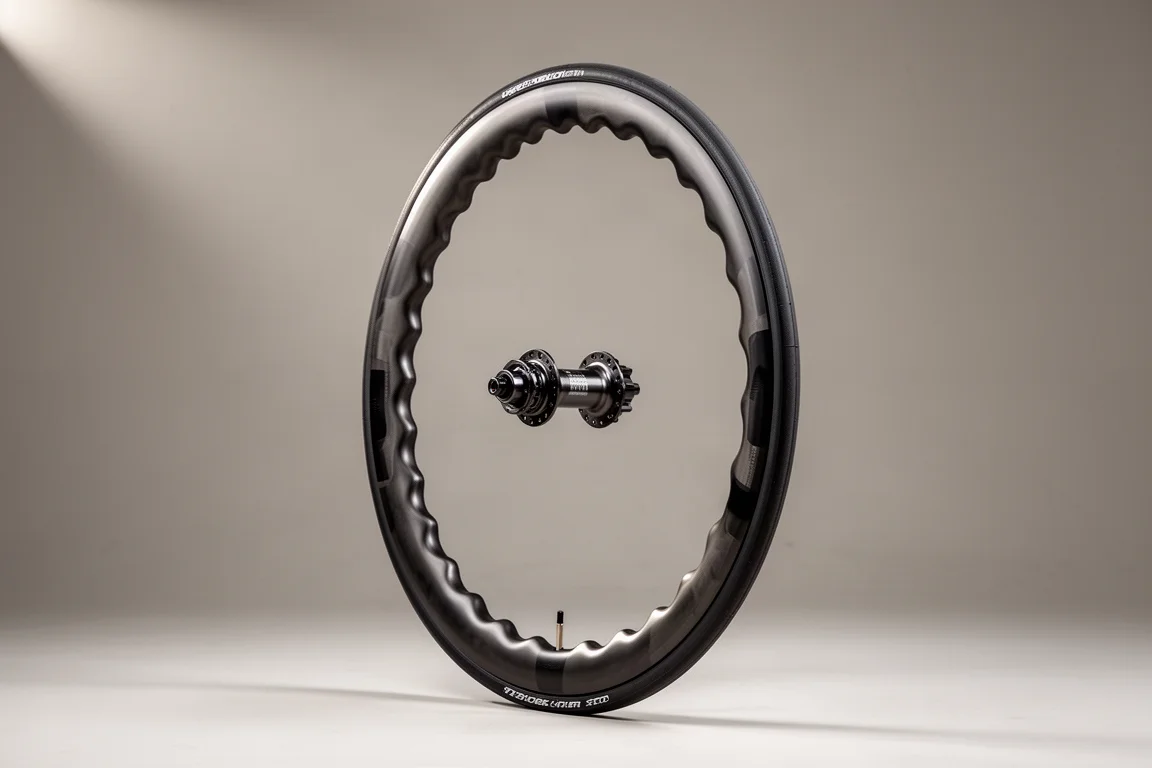
The flagship of the release pairs the sensor with a claimed 16 percent stronger rim, a sawtooth profile and a redesigned hub that should cope far better with gritty conditions than earlier designs did. Claimed weight is 1,310 g for the pair. In the US it lands at around $4,300, which is only about $120 above the outgoing wheelset, an unusually restrained increase for a new flagship.
Zipp 303 S
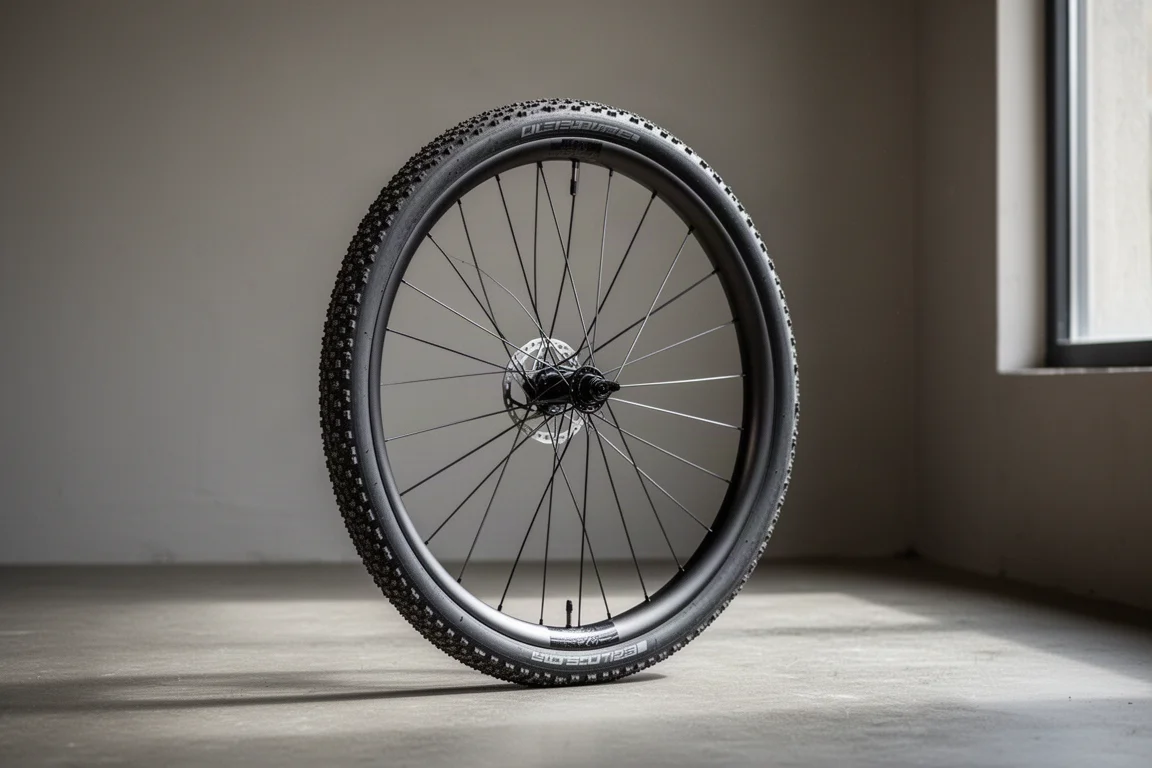
The 303 S is positioned as the all-rounder, aimed at riders who split their time between road and gravel. Claimed weight is 1,440 g for the pair, and the same in-rim sensing approach carries across. For riders who want one wheelset to cover both surfaces, it is the more sensible of the two.
Prologo Predator 01T: A Lightweight Time Trial Saddle
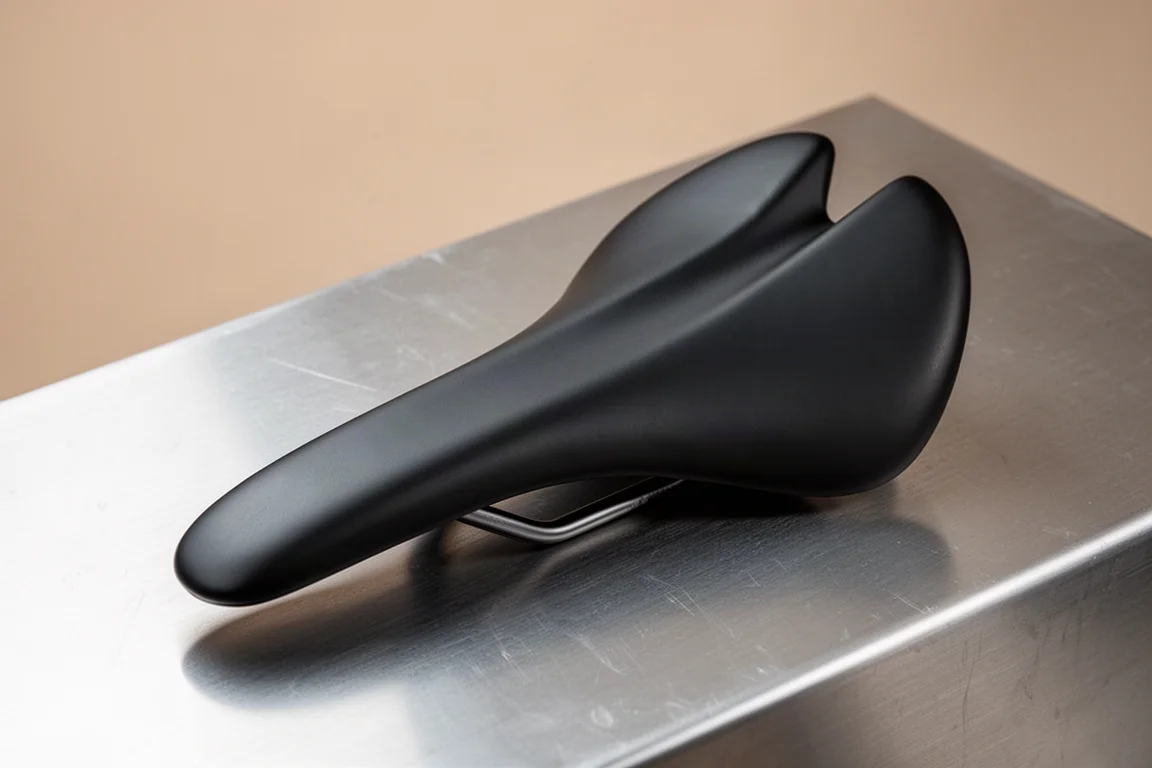
Prologo’s Predator 01T is a time trial saddle that weighs a claimed 135 g and costs £1,250. The weight comes from a single-piece construction: instead of a top plate with separate rails and padding, the whole structure is one integrated plate. It has already been used at the highest level of the sport.
There is also a tail at the rear that acts as a small fairing. The aerodynamic claim attached to it is best treated with caution. Once clean air has passed over a rider’s legs, shoulders and moving head, the flow behind them is already disrupted, and any gain from a saddle tail is very small and effectively unmeasurable in real conditions.
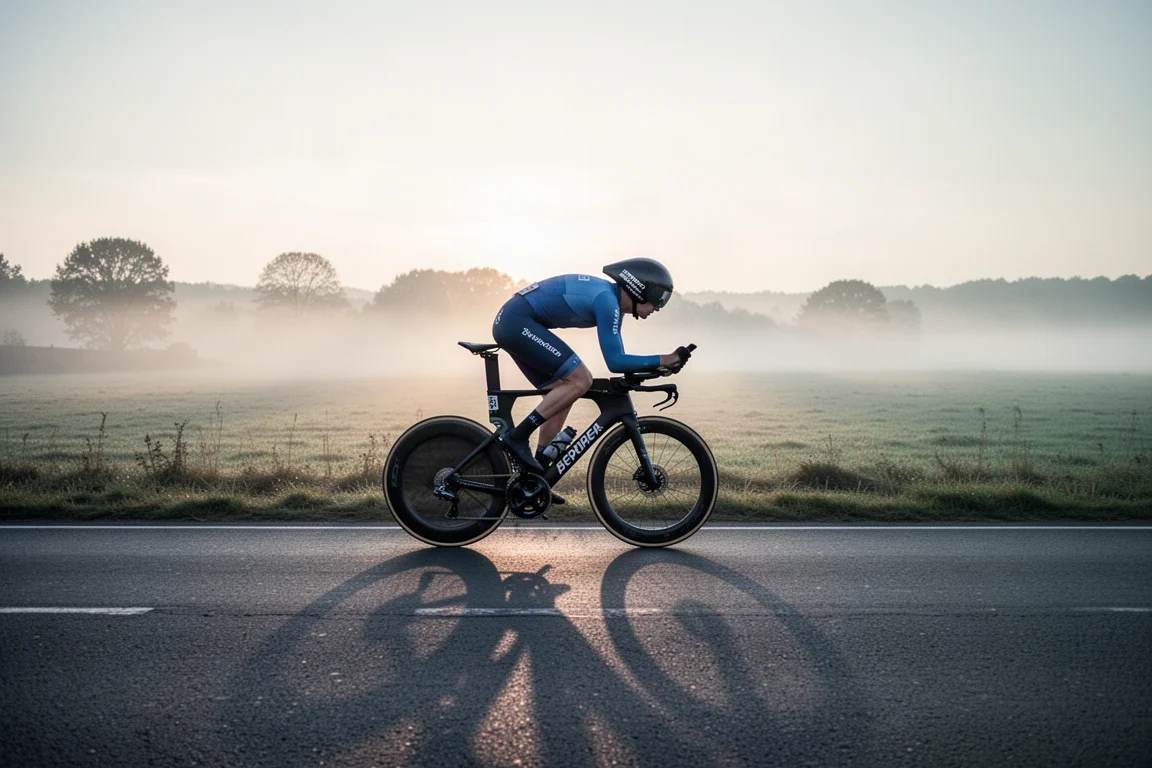
For that reason this is a product for a narrow audience. Riders chasing time trial placings at the pointiest end of the field may find the combination of low weight and a shape built specifically for an aggressive position worth the outlay. Everyone else is paying a large sum for a component that will not change their ride in any way they can detect.
Favero Assioma Pro RS: Power Meter Pedals Without the Pod
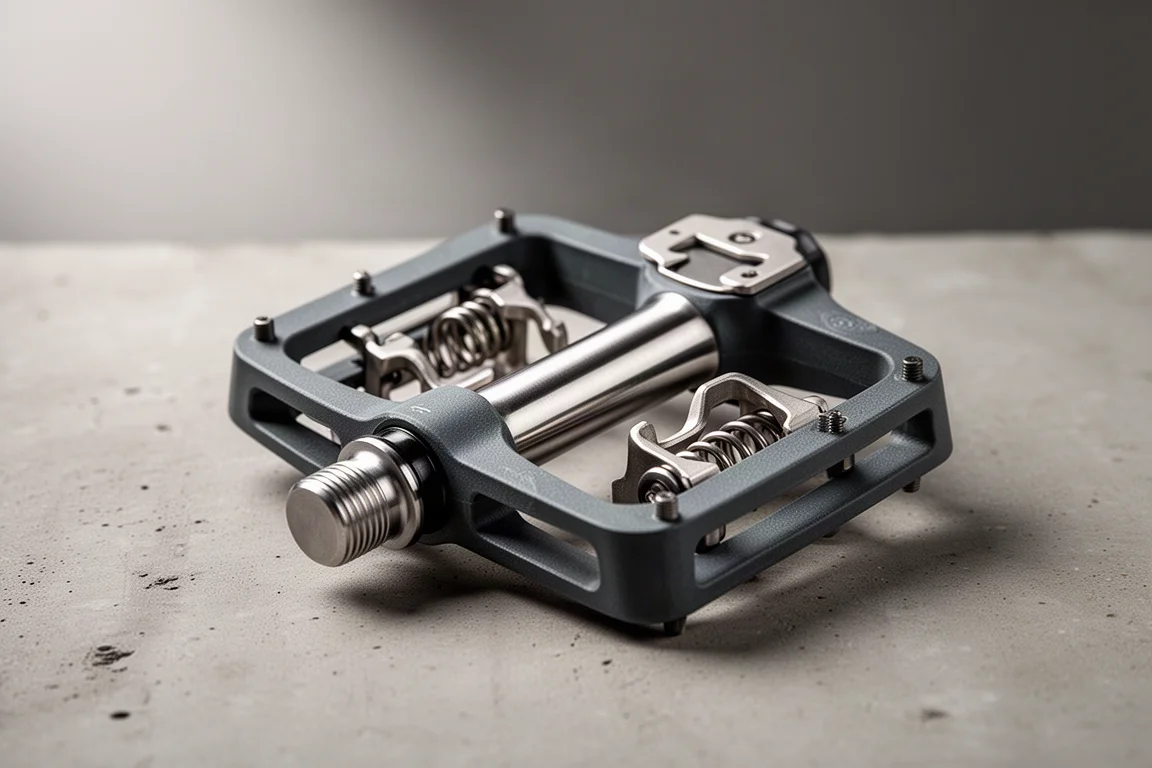
Favero’s pedals have long occupied a useful niche: reasonably priced, broadly compatible and, crucially, uneventful to own. The Assioma Pro RS is the next step in that line, and there are two meaningful changes.
The first is the removal of the external pod that previously sat on the axle next to the pedal thread. In Favero’s naming, the Pro designation marks the absence of that pod. The second is the cleat standard. The RS stands for road and Shimano, and the version released so far works with Shimano road cleats.
Favero claims these are the lightest power meter pedals on the market at 123.5 g per pedal. The margin over the nearest rival is roughly 15 g, which is marginal in absolute terms but real. Stack height is claimed at 10.5 mm, lower than both the Garmin Rally and the Look Keo, and the Q factor stays at 53 mm, consistent with the competition.
Because the battery, strain gauge and charging electronics live in the spindle, the pedal body is replaceable and swappable. Riders who damage a body can buy a replacement, and riders who want to run a different cleat system can fit an alternative body. Pricing is competitive for the category: dual-sided from £649, $789 or €699, single-sided from £399, $499 or €439, with an upgrade kit available to convert a single-sided set later.
Campagnolo Super Record 13: Thirteen Speeds and a Returning Thumb Shifter
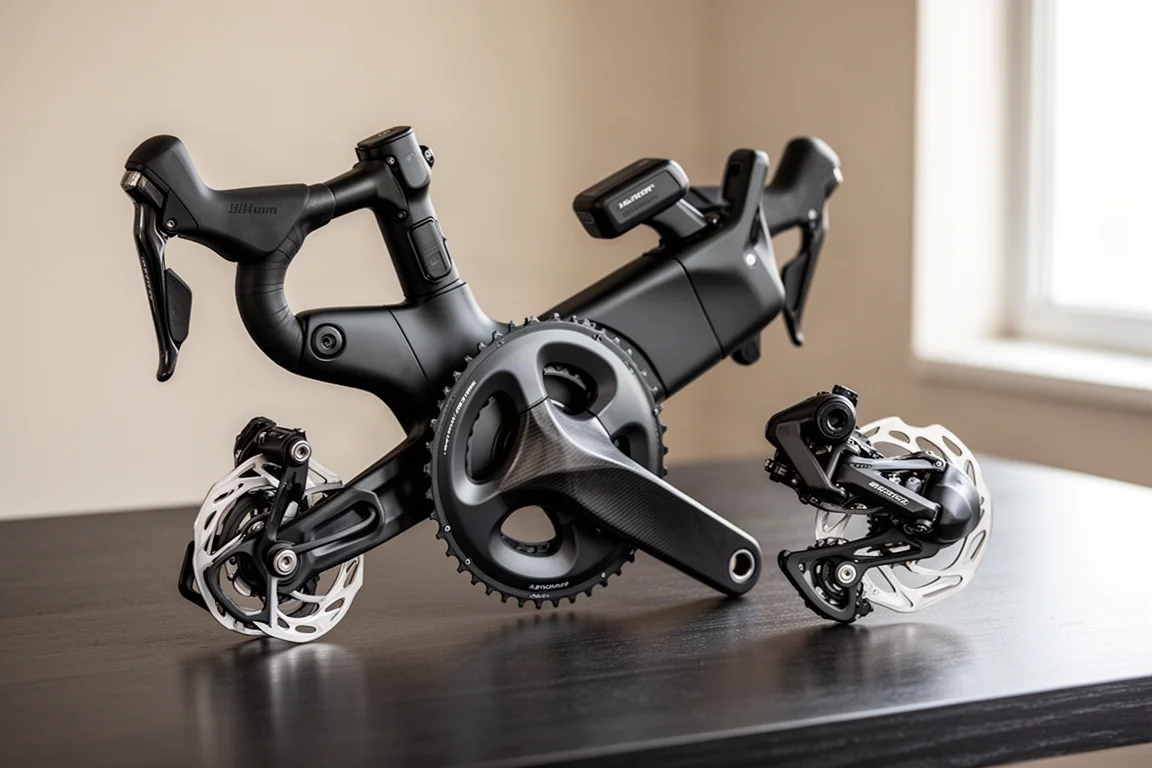
Super Record 13 is the first 2x13-speed groupset, and it arrives after a previous wireless generation that drew heavy criticism for poor shifting and a very high price. The clearest signal that Campagnolo has responded is the return of the thumb shifter, renamed from the internal button and reshaped into a lower-profile lever that is easier to operate from different hand positions. The hood shape has been reprofiled to suit it, and the brake levers now flare slightly outwards, which should feel more natural in the drops or on flared bars.
The 13th sprocket is achieved by bringing the sprockets closer together and narrowing the chain. That sits at the practical limit of what current hub spacing allows, and a narrower chain will not last as long as a wider one for a given material, so durability is the open question. The brakes, which were a genuine strength of the previous generation, have been carried forward and developed further.
Elsewhere the picture is promising. The My Campy app continues to be developed, and a fully programmable button on the hoods can control a phone, a head unit or the gears themselves. The groupset has already been raced at the top level.
Price is where the change is most striking. Compared with the previous non-power-meter version, the new groupset is around £600, €650 or $900 cheaper. Since most riders buy groupsets as part of a complete bike rather than on their own, the real benefit is that stock builds with Super Record 13 should sit closer to rival flagship groupsets, which matters for a brand that had been disappearing from bike ranges.
Ribble Ultra Race: A Punchy British Race Bike
The Ultra Race merges two earlier Ribble platforms, the aero Ultra SLR and the race-focused Endurance SLR, into one frameset. The result is claimed to be two watts faster than the Endurance bike and 75 g lighter, with the frameset coming in at a claimed 775 g for a size 56 unpainted. A new handlebar sits up front.
Pricing spans a wide range. The line opens with a 105 Di2 build on Mavic wheels from £3,699 in the UK, though the US price for that same build is considerably higher. At the top, the range reaches £10,500. The most interesting build sits in the middle: Dura-Ace with Zipp wheels at around £7,999, which looks competitive for the specification.
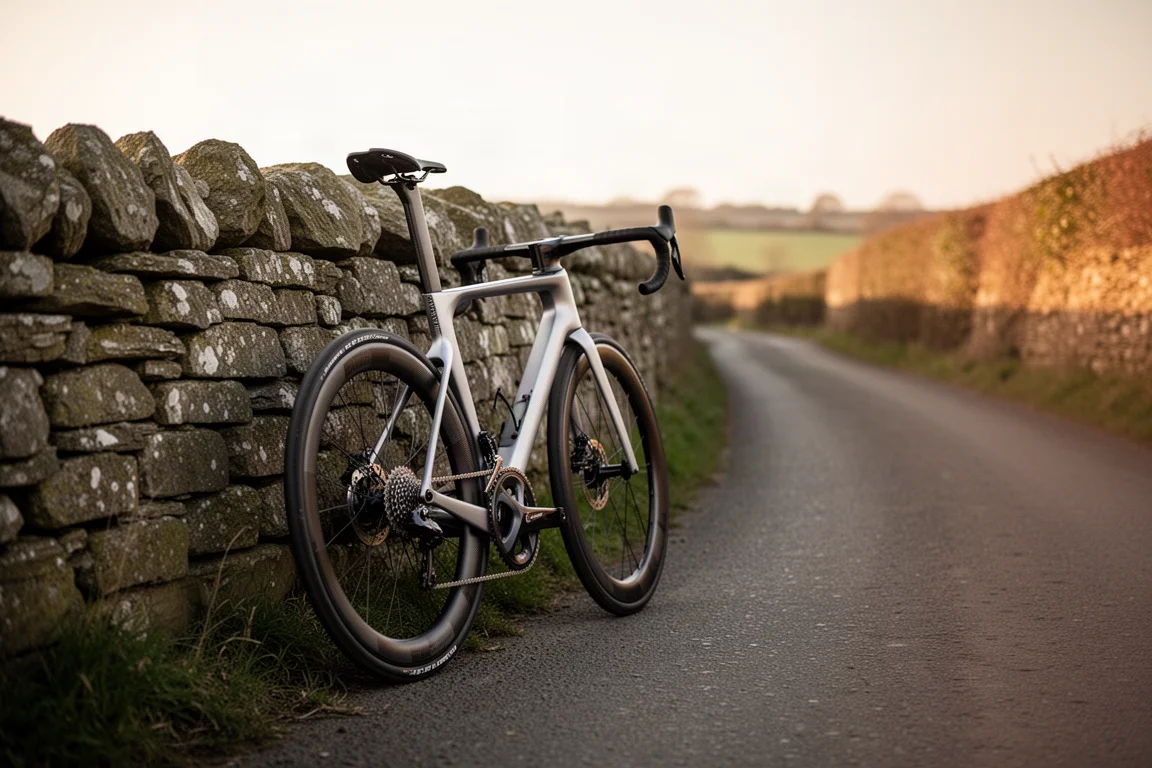
The whole bike is claimed at 7.55 kg. That is a solid figure for the money, but not an exceptional one, and the market at this price is crowded with bikes that post similarly good numbers. The honest position is that the numbers alone do not separate it.
Scott Addict RC: The Value Benchmark
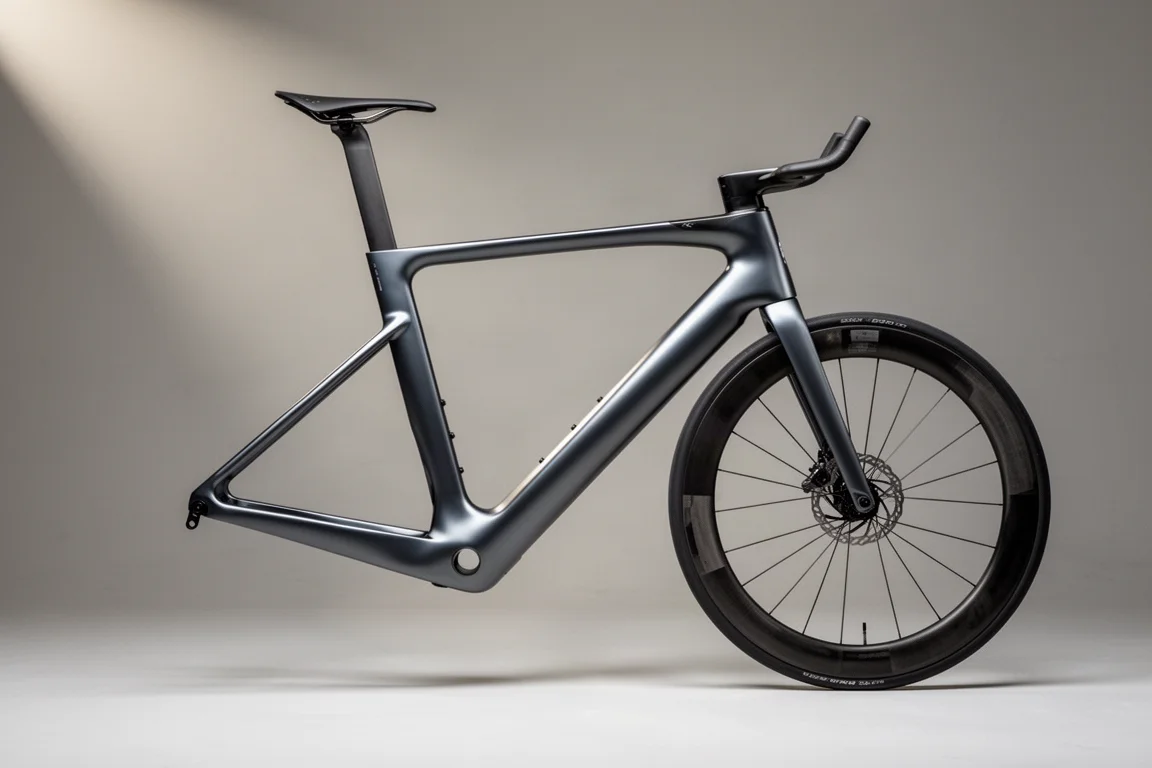
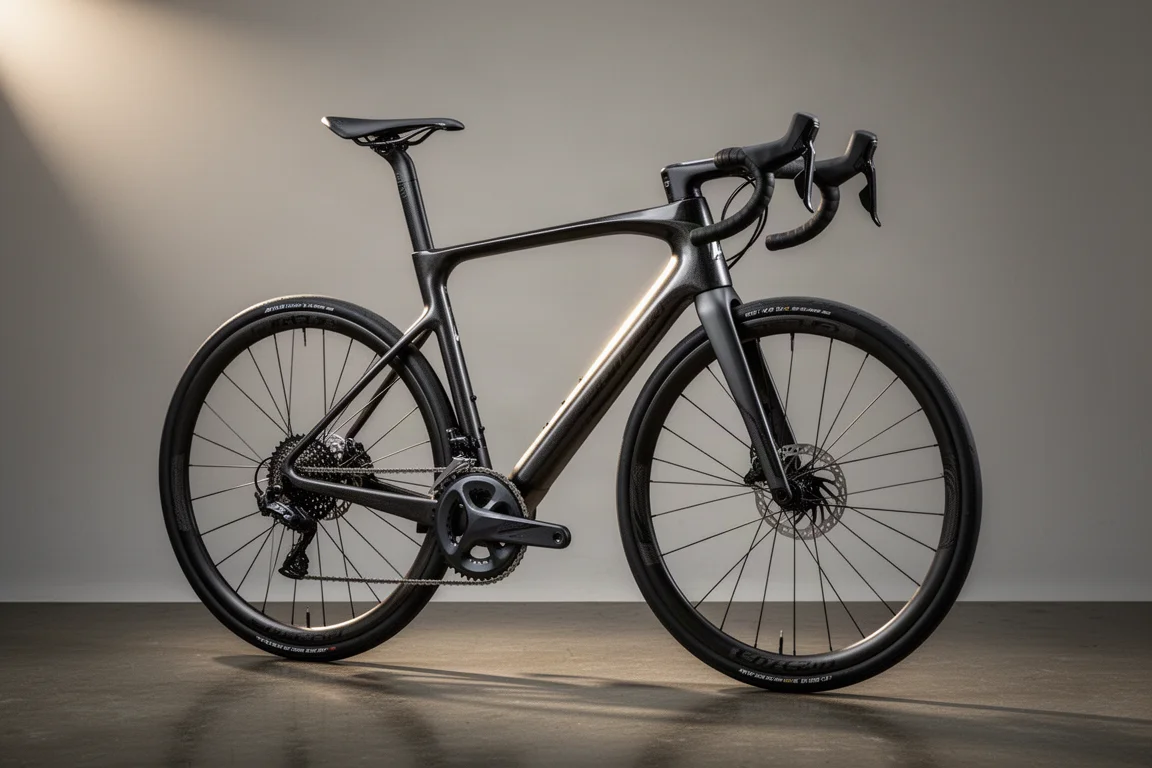
The Scott Addict RC is the obvious comparison point for the Ribble’s Dura-Ace build, and it makes that comparison difficult. At £8,699 it comes with Syncros carbon wheels, a carbon integrated cockpit, a Dura-Ace groupset and a claimed 6.8 kg weight, which is right at the UCI limit.
The frame is the more interesting part. It uses a new construction method that leaves very little residual carbon epoxy in the structure, which is a genuinely current approach to frame building rather than a marketing line. On paper, the Addict RC delivers a lighter bike with an equivalent groupset for a modest amount more, from a larger brand with a broader dealer and support network.
The trade-off is that it sits at the top of this roundup’s price bracket and its gains are concentrated in weight, with little margin left against the UCI limit if a rider wants to add anything. Even so, it is the benchmark any similarly priced race bike now has to answer to.
Buying Advice: Where the Money Makes Sense
The most defensible purchases in this group are the two Favero options and the Campagnolo groupset, because both answer a specific problem at a price that is competitive for what they do. A power meter pedal that removes the pod, stays compatible with a common cleat system and sells below its main rival is a straightforward recommendation. A flagship groupset that costs meaningfully less than the generation it replaces is rarer than it should be.
The wheels are a matter of how much you value the sensor. If tubeless pressure checks are a weekly irritation, the integration is genuinely elegant and the price increase over the previous generation is modest. If you already check your pressures before every ride, the argument is weaker and the puncture-detection use case is the one worth paying for.
The Prologo saddle and the two race bikes are the ones to approach slowly. The saddle is a specialist item at a specialist price. Between the Ribble Ultra Race and the Scott Addict RC, the spec sheets currently favour the Scott, but spec sheets are not ride quality, and a good frameset with a slightly heavier build can easily outperform a lighter one in the real world.
If a component sits at the very top of the market, it is worth asking what it replaces in your routine. Anything that removes a repeated annoyance or adds a genuine safety margin earns its place. Anything that only exists to shave grams you will never notice is better left on the shelf until the price falls.
Conclusion
This batch of new road bike tech is more considered than it first appears. Zipp’s in-rim sensor is neatly executed and the price increase is small, Favero has trimmed weight and removed a long-standing irritation, and Campagnolo has addressed its critics directly with a cheaper, better-shaped groupset.
The specialist items are where restraint pays. A £1,250 time trial saddle and a pair of closely matched race bikes are all worth owning in the right context, but they reward riders who already know exactly what they need. Match the product to the problem and most of these upgrades make far more sense than their price tags first suggest.
Further reading
Related Reviews
Cycling Gear
8 Cycling Products Riders Keep Coming Back To
Eight cycling components and accessories with clear strengths, honest trade-offs and long-standing reputations among riders and mechanics.
Cycling Gear
Aero Helmets and Bottle Setups Tested: Six Options Ranked by Measured Watt Savings
Wind tunnel data on six aero helmets and bottle setups, with real watt savings, practical trade-offs, and guidance on what is worth buying first.
Cycling Gear
Aero Road Bikes and Fast Tires Worth Watching in 2026
Four aero road bikes and one fast road tire, with the real strengths, the open questions, and what to check before you buy.