Cycling Gear
Best New Cycling Gear and Tech: Locks, Heated Trousers, Carbon Wheels and More
Seven new cycling products worth knowing about, from angle grinder resistant locks and a rotating ground anchor to heated warm-up trousers, handmade carbon wheels, a filter bottle and a limited-run enduro frame.
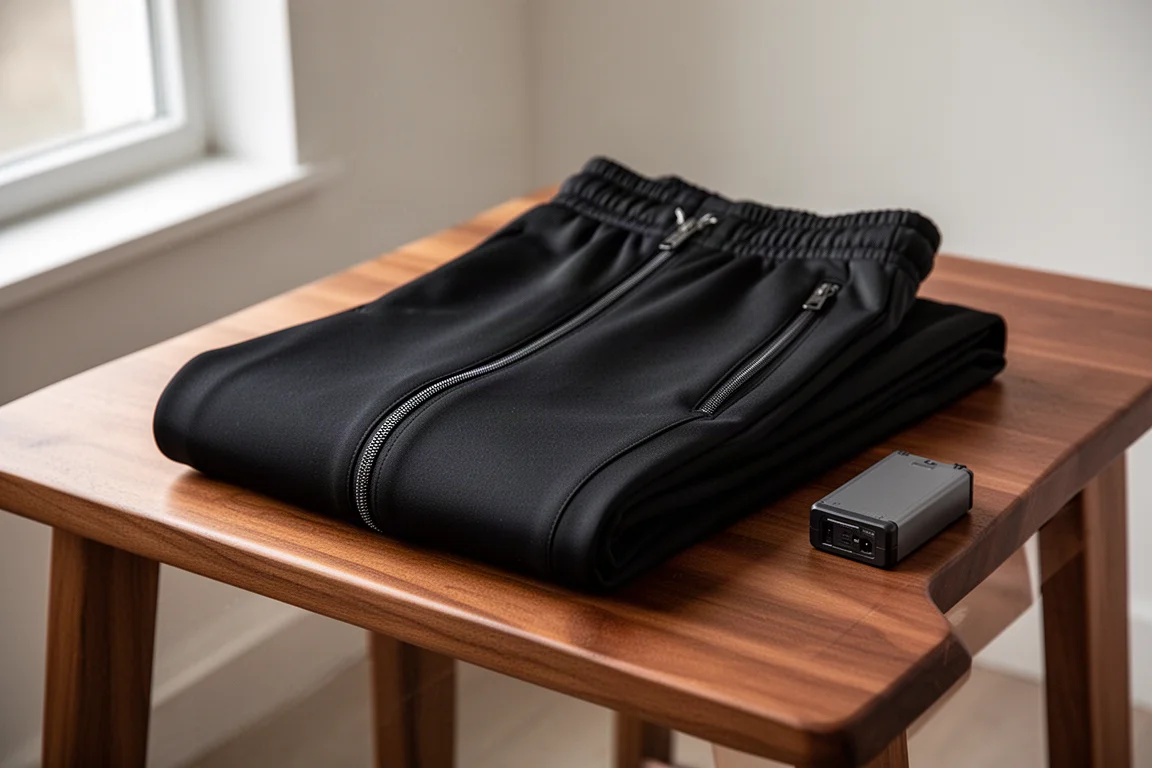
Introduction
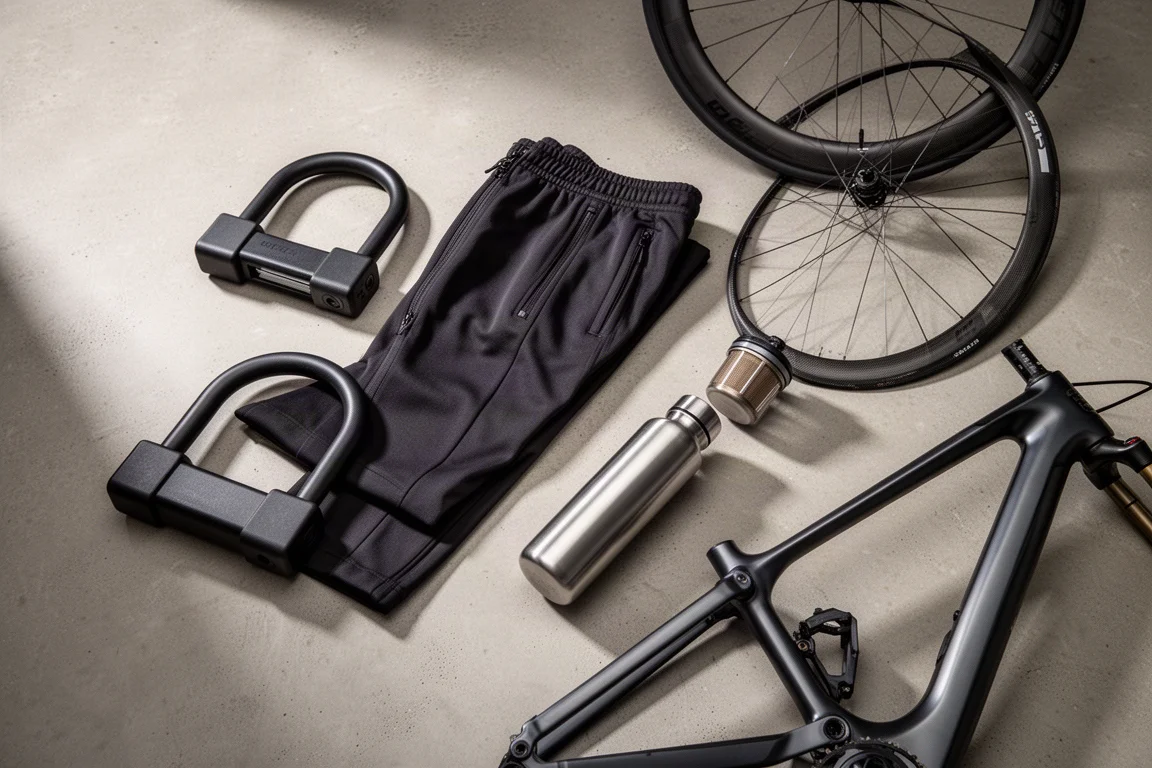
Not every product in this roundup is for every rider, and that is the point. The seven items below cover both ends of cycling spending: hardened security hardware built to make a thief’s job genuinely difficult, and a handful of upgrades aimed at warmth, hydration and performance.
Some are practical purchases you could justify tomorrow morning. Others sit firmly in dream-build territory. What they share is a clear reason to exist, plus a set of trade-offs worth understanding before any money changes hands.
What to Look For
Three questions separate useful gear from expensive clutter. First, what problem does it actually solve, and how often does that problem show up in your own riding? Second, what engineering backs the claim: materials, construction method, or a measurable number the brand is willing to publish? Third, what does ownership cost over time, including replacement parts, charging and installation?
For security products the calculation usually comes down to weight and price against resistance to attack. For clothing and hydration the maths is simpler, but the details still matter: how long a battery lasts, how often a filter needs replacing, and how easily a garment comes off when you are already tired and muddy.
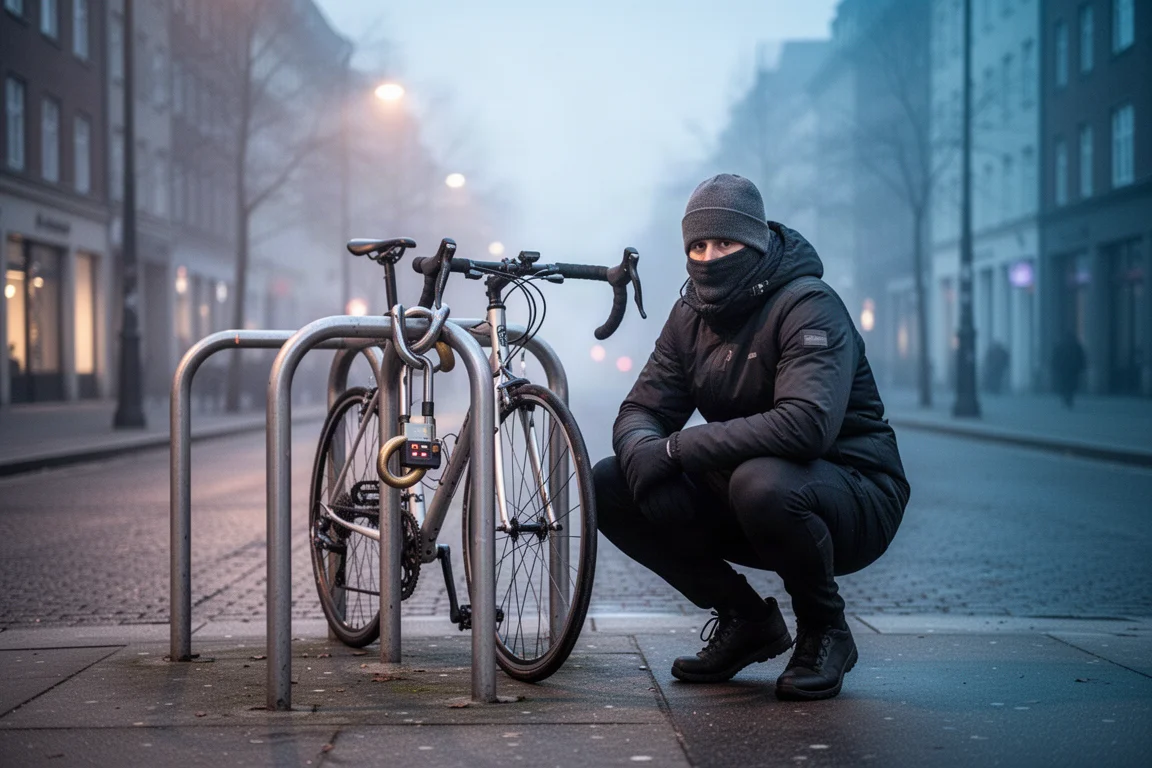
It also helps to separate products you can justify this season from those that belong on a longer-term wish list. Both have a place in a roundup like this one, as long as the difference between them is clear.
Hiplok DX1000: A Bigger Angle Grinder Resistant D Lock
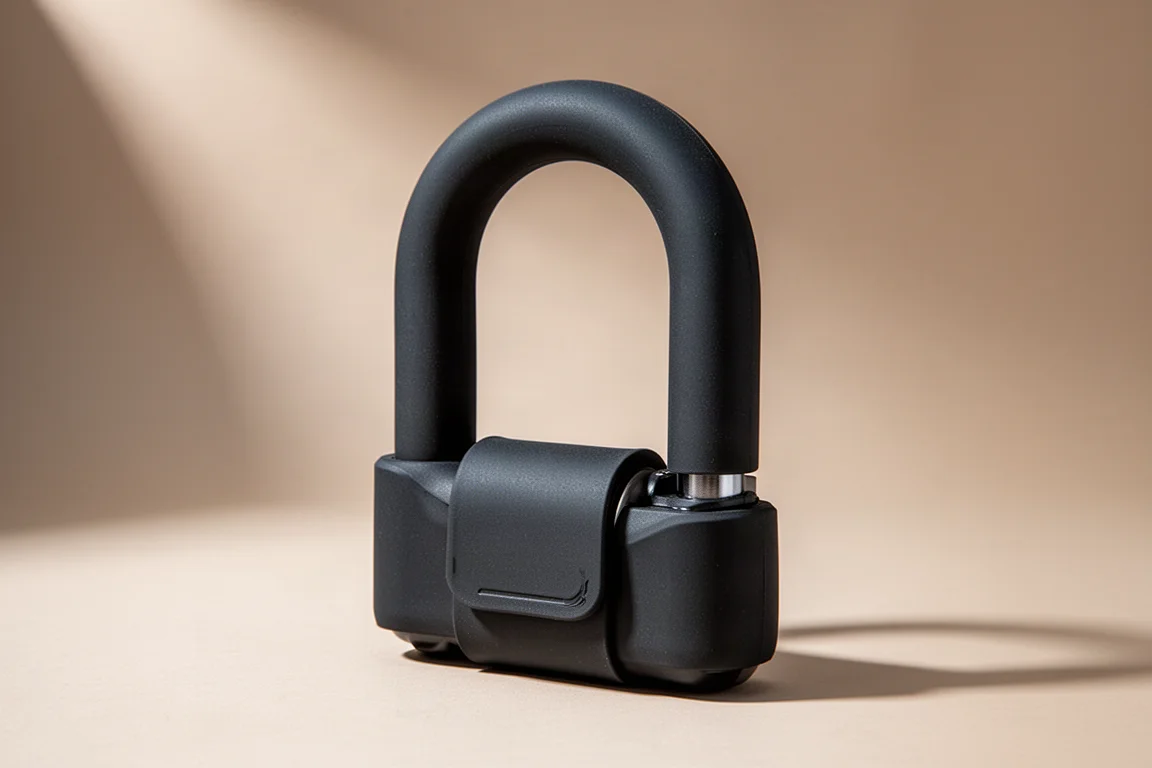
Hiplok’s new 1000 series adds three products to the range: the DX1000 lock and the AX1000 and A1000 ground anchors. The headline material is Ferosafe, which is welded to the metal core of the lock shackle and casing. Hiplok claims it is more resistant to angle grinder attacks than any other material used in locks, and the line already includes the D1000, which set a high benchmark for the range.
The DX1000 is essentially a larger version of that D1000. The extra size is intended to make it easier to lock even the bulkest electric bikes and the more unusual full suspension layouts, where frame shapes rarely cooperate with a standard shackle. It weighs 2.6 kg and costs £300 or $350. That weight is the honest cost of the extra material: this is a lock you leave at a fixed spot, or carry only when the destination matters more than the ride.
Hiplok AX1000: A Rotating Ground Anchor
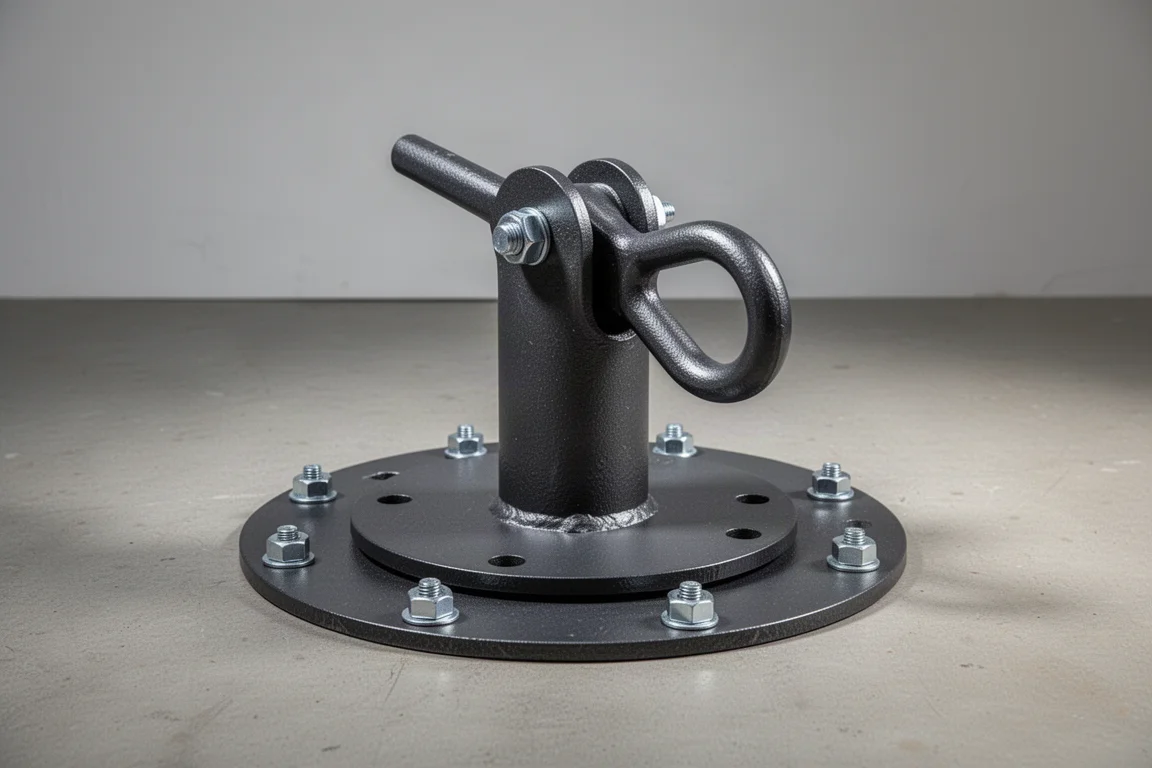
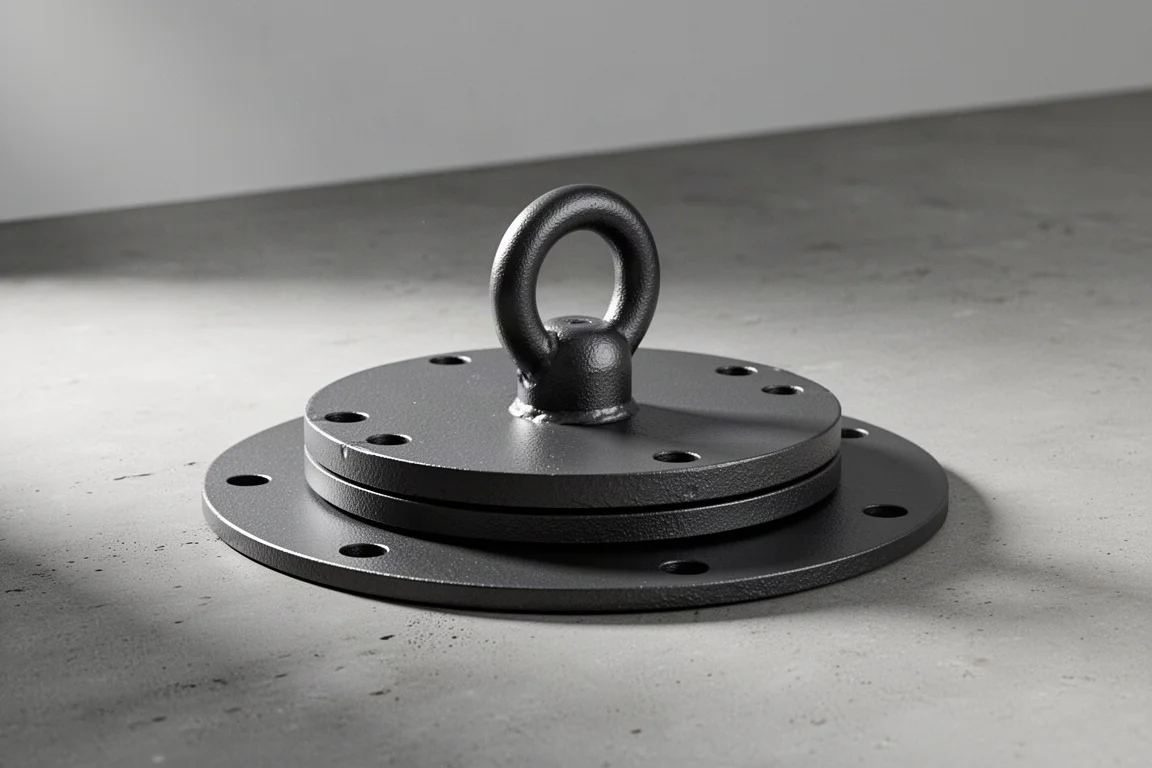
The AX1000 is the larger of the two new anchors and the more flexible of the pair. It pairs a two-piece reinforced base with eight anchor points that hold a rotating arm. The arm turns a full 360 degrees and pivots 180 degrees, so it can be folded flat when it is not holding a bike. That makes it easier to find a locking position that works in a tight garage or a small courtyard.
Hiplok supplies all the hardware needed to install it, and the anchor can be used indoors or outdoors. At £350 or $450 it is a serious investment, and it only makes sense if you have a permanent spot to bolt it into and a bike worth that level of protection.
Hiplok A1000: A Simpler Rotating Ground Anchor
The A1000 drops the rotating arm but keeps the rotating two-piece base, which makes it more versatile than a standard fixed ground anchor while staying simpler to install. It is the more affordable of the two at £200 or $250, and like the AX1000 it arrives with the necessary hardware and can be mounted indoors or outdoors.
For riders who want a dependable fixed point to lock to rather than the extra articulation of the AX1000, this is the more sensible choice.
Hoops Heated Trousers: Keeping Muscles Warm Between Efforts
Hoops heated trousers are built for the gap between a warm-up and a start line. Heating elements sit over the glutes, quads, hamstrings and calves, powered by a battery that lives in a pocket and plugs into the garment. They are full zip-through, so they can be removed without taking your shoes off, which matters when you are standing in mud with a race about to begin.
The idea is to hold working muscles at an optimal temperature until moments before the start. Research from Steve Faulkner at Nottingham Trent University identified 43°C as an optimal temperature for increased blood flow, increased performance and injury prevention, and Hoops claims a 9.6% increase in power. The trousers are also useful well beyond racing: a freezing Saturday on the touchline is exactly the kind of occasion they were made for.
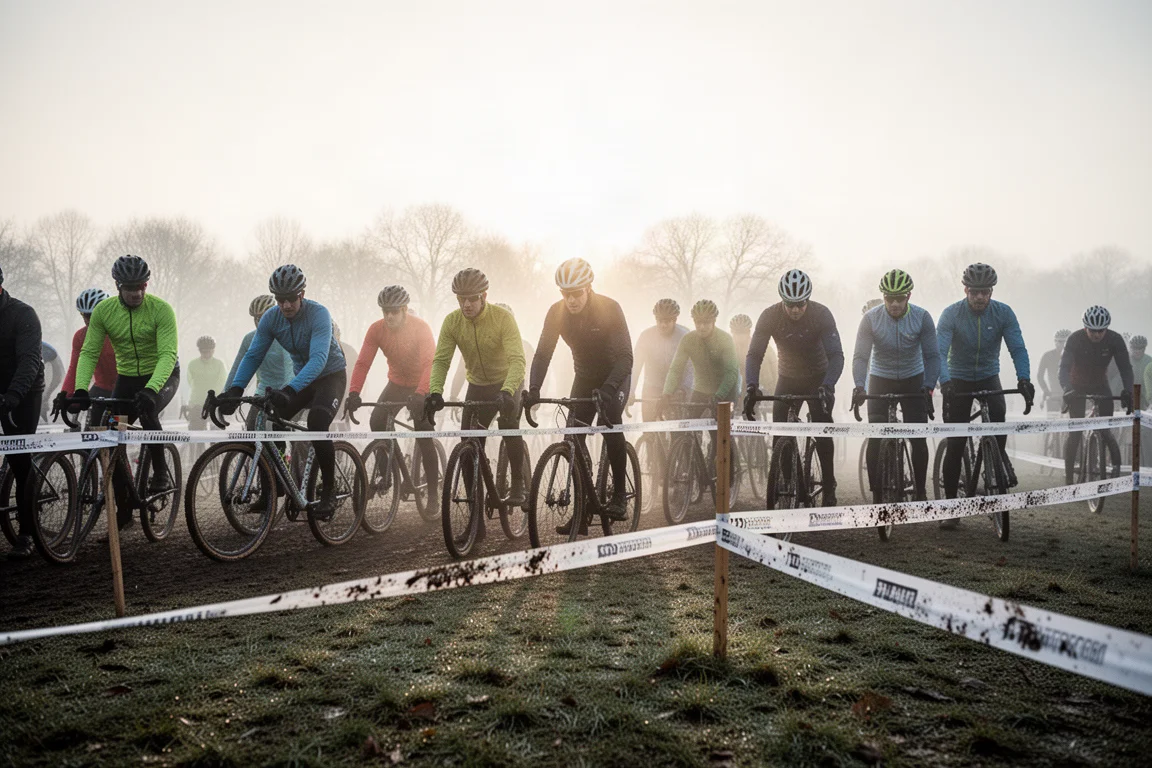
Because they are battery powered, they need charging before use, and the benefit depends on how much time you spend waiting around in the cold. For riders with a regular race schedule or long, cold warm-ups, that is a fair trade.
Campagnolo Hyperon: Handmade Carbon Road Wheels
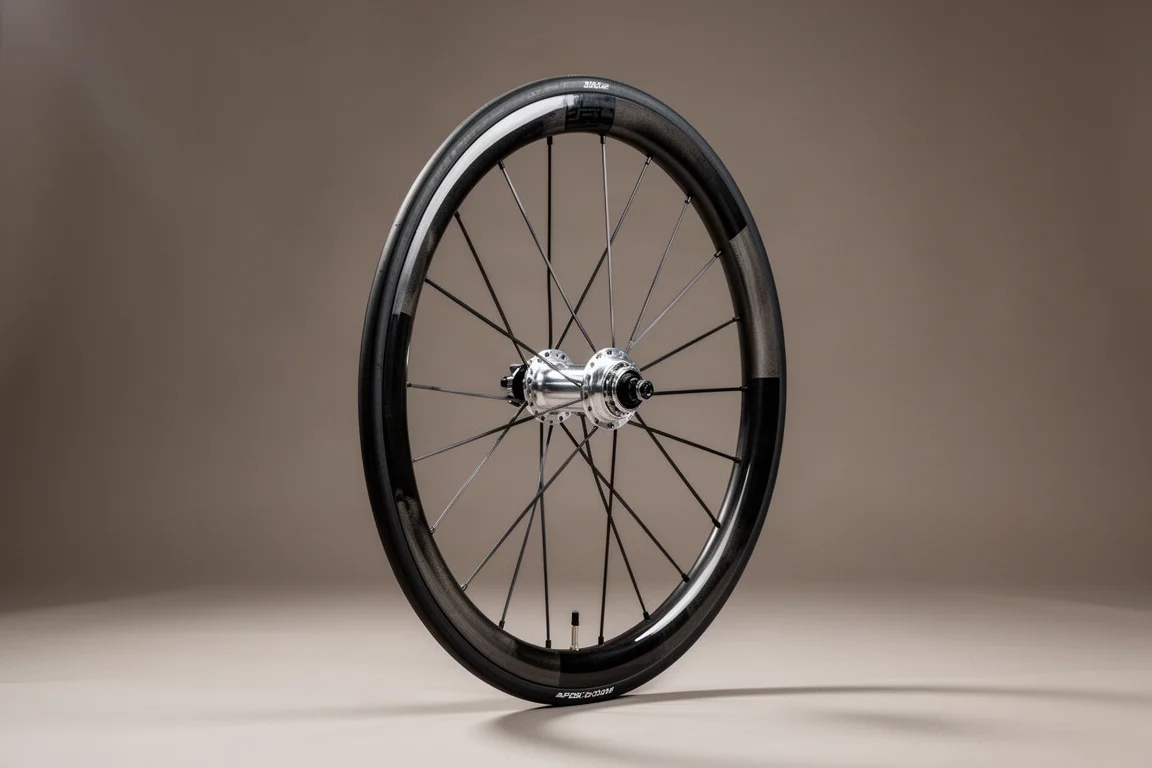
Campagnolo’s Hyperon sits below the range-topping Hyperon Ultra, which costs £3,200 or $4,099. The Hyperon is £2,300 or $2,790, and while there may be an element of paying for the brand name, the construction is far from ordinary. The rim is 37 mm deep with a 21 mm internal channel, made using the brand’s handmade ultra-light carbon process, in which carbon layers are aligned at specific angles to reach an optimal blend of carbon and resin.
Rather than the typical four quadrants, the rim is built as a single smooth piece, which Campagnolo says fortifies its strength, and it is finished with the mirror-like C-Lux treatment. The spoke setup is more conventional than the Ultra’s, with external nipples at the rim, and the hubs use second-tier USB ceramic bearings rather than the top-spec Cult models. Hub shells are lightweight alloy rather than carbon, and the wheelset uses the standard N3W body.
Campagnolo claims a weight of 1,340 g, against 1,240 g for the Ultra. On the scales, a Hyperon wheelset came in at 1,432 g including tubeless valves and a Shimano HG freehub body, which is a fair chunk over the claimed figure.
GRAYL UltraPress: Purified Water on the Move
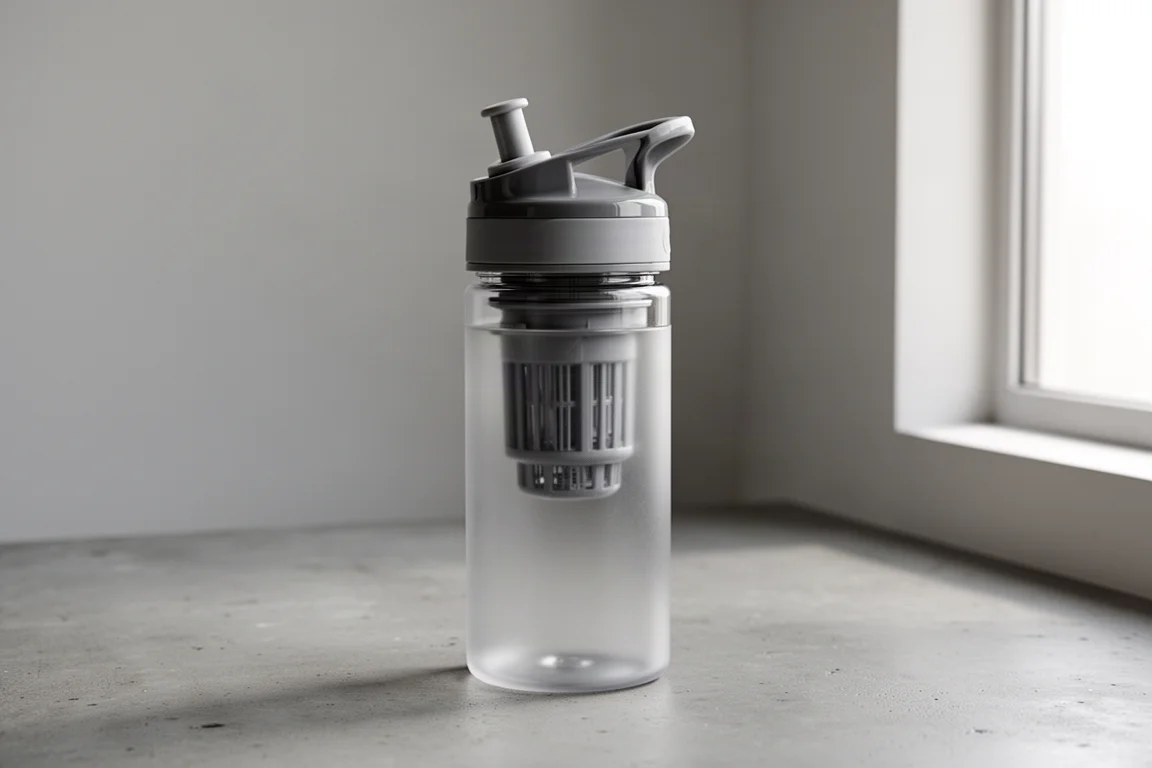
The GRAYL UltraPress looks like a water bottle, but it carries a purifier cartridge. Fill the outer cup with water from any source, press the filter through, and within seconds you have drinkable water. That turns a long ride with no taps or shops into a far less stressful proposition.
Each replaceable filter is rated for roughly 350 cycles, equivalent to about 250 litres of water. The UltraPress holds 500 ml and is sized to slip into most bottle cages, so it can live on the bike rather than in a pack. It costs £90 or $89.95 and comes in four colour options, plus a titanium version for titanium fans.
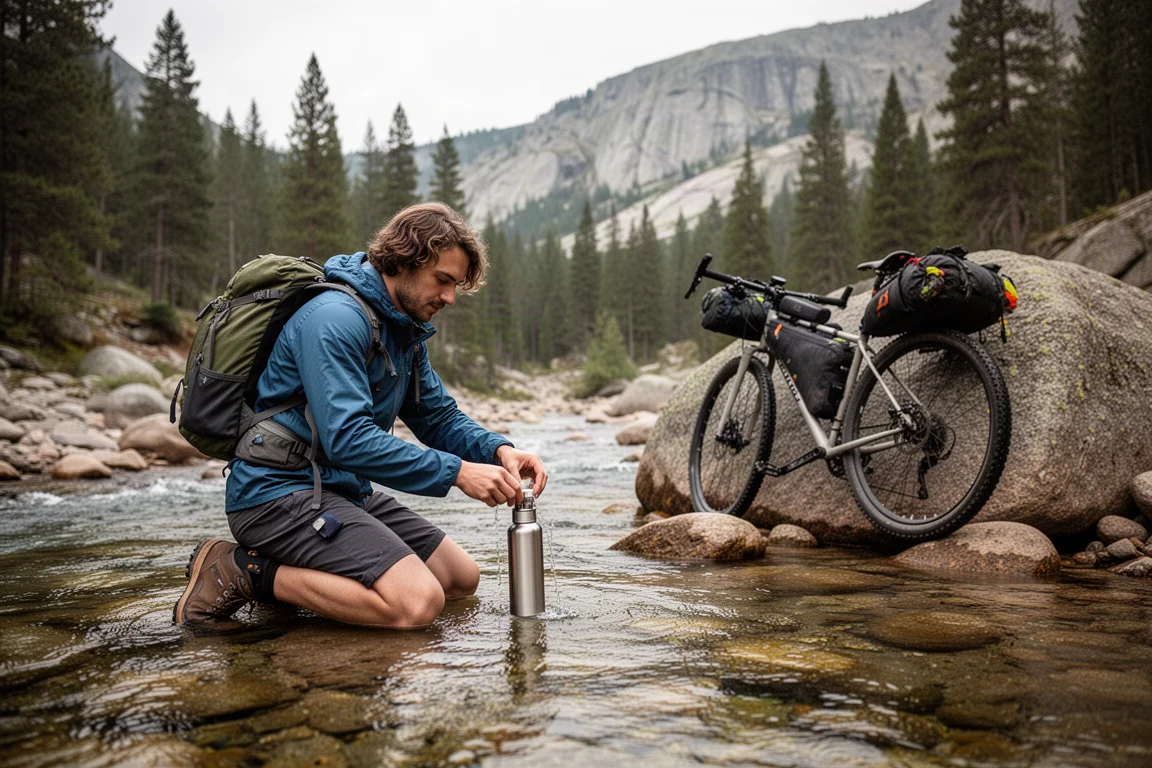
The trade-off is capacity and upkeep: 500 ml is a modest amount for a long day out, and the cartridge is a consumable rather than a one-off purchase. For bikepacking and remote routes, that is usually an easy calculation to make.
Last Tarvo MX: A Handmade Enduro Frame
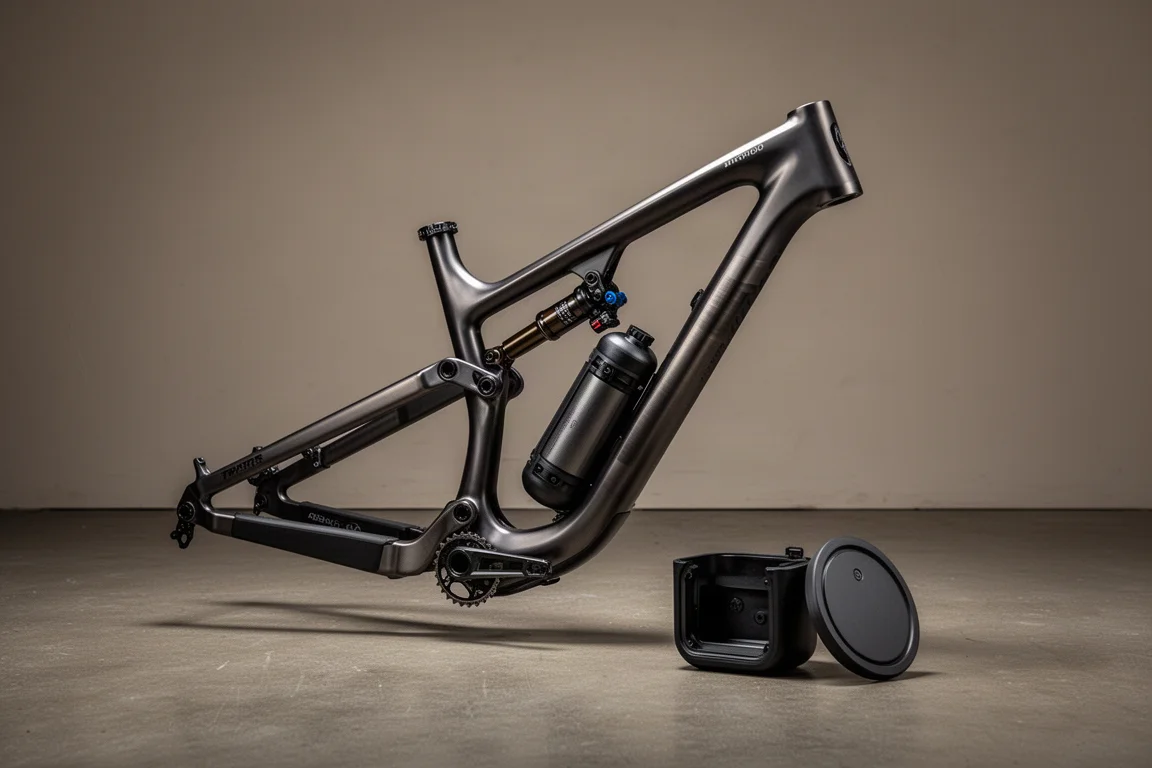
Last is a small German brand with a history of exotic, hand-made bikes, and the Tarvo is limited to just 100 pieces per year. The first generation was touted as the lightest enduro frame on the market, and Last claims the latest version is still the lightest enduro-capable frame in the world while adding more features than its predecessor.
The rear triangle has been completely redesigned, but the flex stay suspension design remains. More interesting is the versatility: swapping the rocker links, fork and shock turns the Tarvo into Last’s shorter travel Sinto, Asco and Celos models, covering everything from a down country build to a full enduro machine on the same frame. Internal frame storage adds everyday practicality, with a lid that pops off and snaps back using a strong magnet.
In full 29er mode the frame takes up to a 180 mm fork with 160 mm of rear travel. This build is mulleted with a 27.5 inch rear wheel, running 170 mm of travel with a 170 mm fork. Frame sizes are based on rider height rather than the usual small to extra large, with a size 175 joined by 165, 185 and 195 options.
Pricing puts it firmly in dream-build territory: framesets start at €4,399 without a shock, complete bikes from €6,869, and a build with SRAM XO transmission, Box Factory suspension and carbon Newman wheels reaches €10,129.
Buying Advice
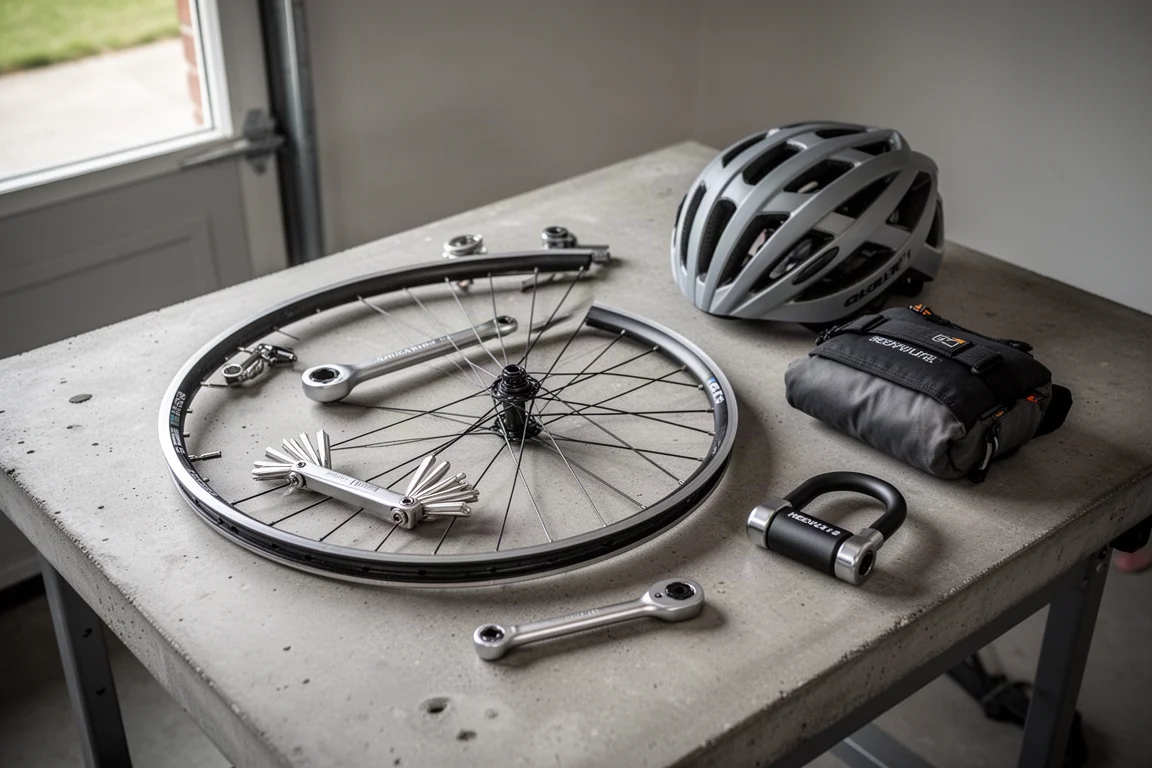
If your priority is protecting a bike that lives outside or in a shared garage, the security hardware here is the most consequential spending in this roundup. The DX1000 is the lock to choose when you need a shackle that fits an awkward frame, and the AX1000 or A1000 only make sense alongside a permanent, bolt-down location. Weight and price are the honest costs of that protection.
The rest of the list splits cleanly. The Hoops trousers and the GRAYL UltraPress are comfort and practicality purchases, both aimed at riders who spend time in cold or remote conditions, and both carry ongoing costs in charging or replacement cartridges. The Campagnolo Hyperon and the Last Tarvo MX sit at the other end, where the appeal is craftsmanship and engineering as much as performance per pound.
Conclusion
Seven products, seven different reasons to exist. Security hardware for riders who have already lost a bike, or would rather not. Heated trousers for anyone who has stood shivering at a start line. A filter bottle for long days away from civilisation. And two premium builds for riders who care about how something is made as much as what it weighs.
Match the purchase to the problem you actually have, and the money becomes much easier to defend.
Further reading
Related Reviews
Cycling Gear
8 Cycling Products Riders Keep Coming Back To
Eight cycling components and accessories with clear strengths, honest trade-offs and long-standing reputations among riders and mechanics.
Cycling Gear
Aero Helmets and Bottle Setups Tested: Six Options Ranked by Measured Watt Savings
Wind tunnel data on six aero helmets and bottle setups, with real watt savings, practical trade-offs, and guidance on what is worth buying first.
Cycling Gear
Aero Road Bikes and Fast Tires Worth Watching in 2026
Four aero road bikes and one fast road tire, with the real strengths, the open questions, and what to check before you buy.