Aquarium Equipment
Best Nano Reef Aquariums for Beginners: Three Practical Setups to Consider
Three nano reef aquarium systems that demonstrate beginner-friendly approaches to saltwater reefing, from all-in-one kits to compact pico tanks.
Why Nano Reef Aquariums Work for Beginners
Nano reef aquariums are small enough to fit almost anywhere, affordable to set up, and genuinely rewarding to maintain. They make an ideal entry point into saltwater reefing because they deliver the visual appeal and biological complexity of larger systems without requiring extensive space or budget. If you are considering your first saltwater tank, a nano setup is a practical starting point.
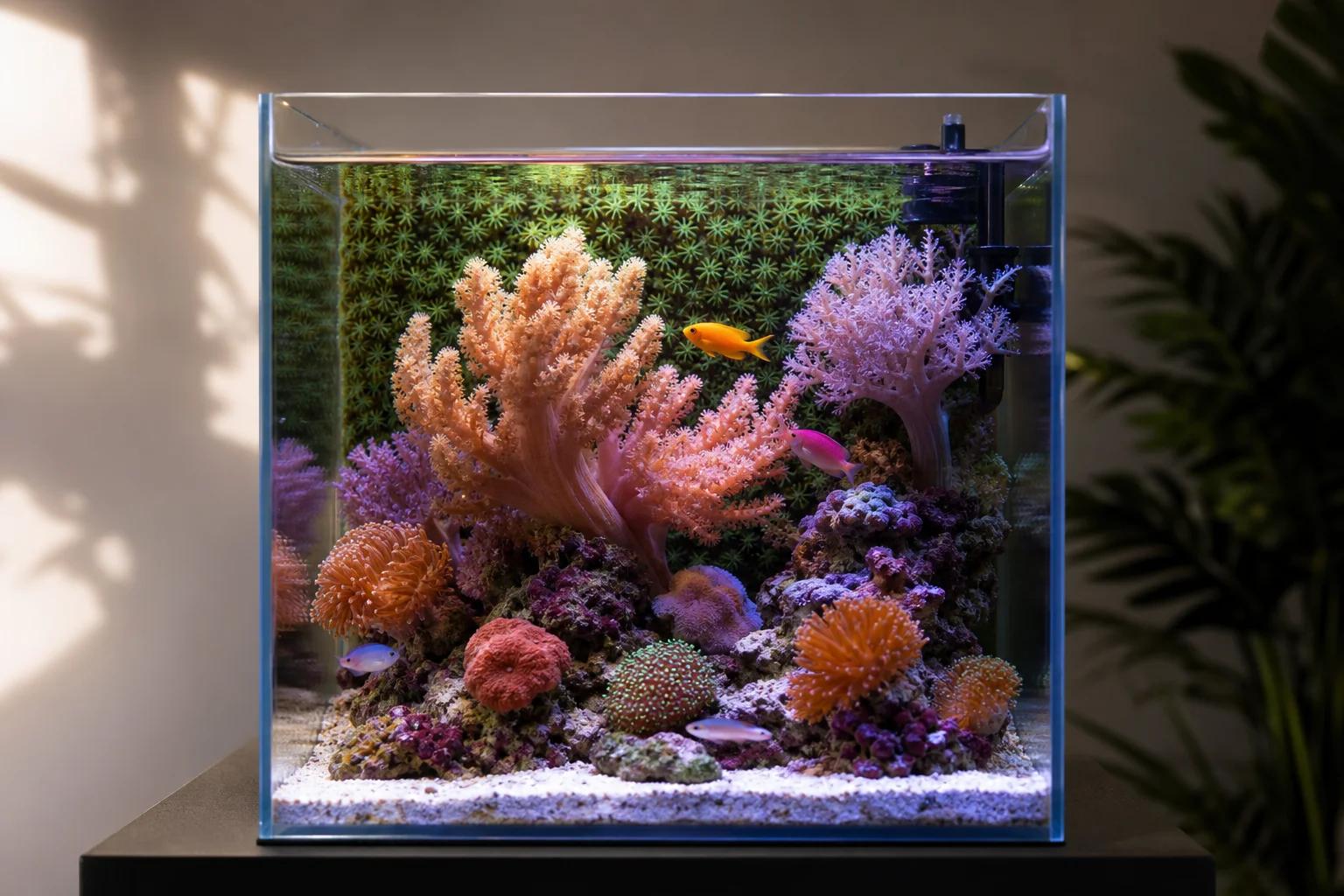
The appeal lies in their accessibility. You can build a vibrant, colorful reef in a 20-gallon tank or even smaller, and the learning curve is manageable if you understand the fundamentals of reef keeping.
Understanding Coral Types and Care
Not all corals demand the same level of expertise. The easiest corals to keep are soft corals, which require minimal supplementation and tolerate wider ranges of water parameters. After soft corals come LPS corals, which are meaty corals with a calcified skeleton. These need additional calcium and alkalinity supplements to grow properly.
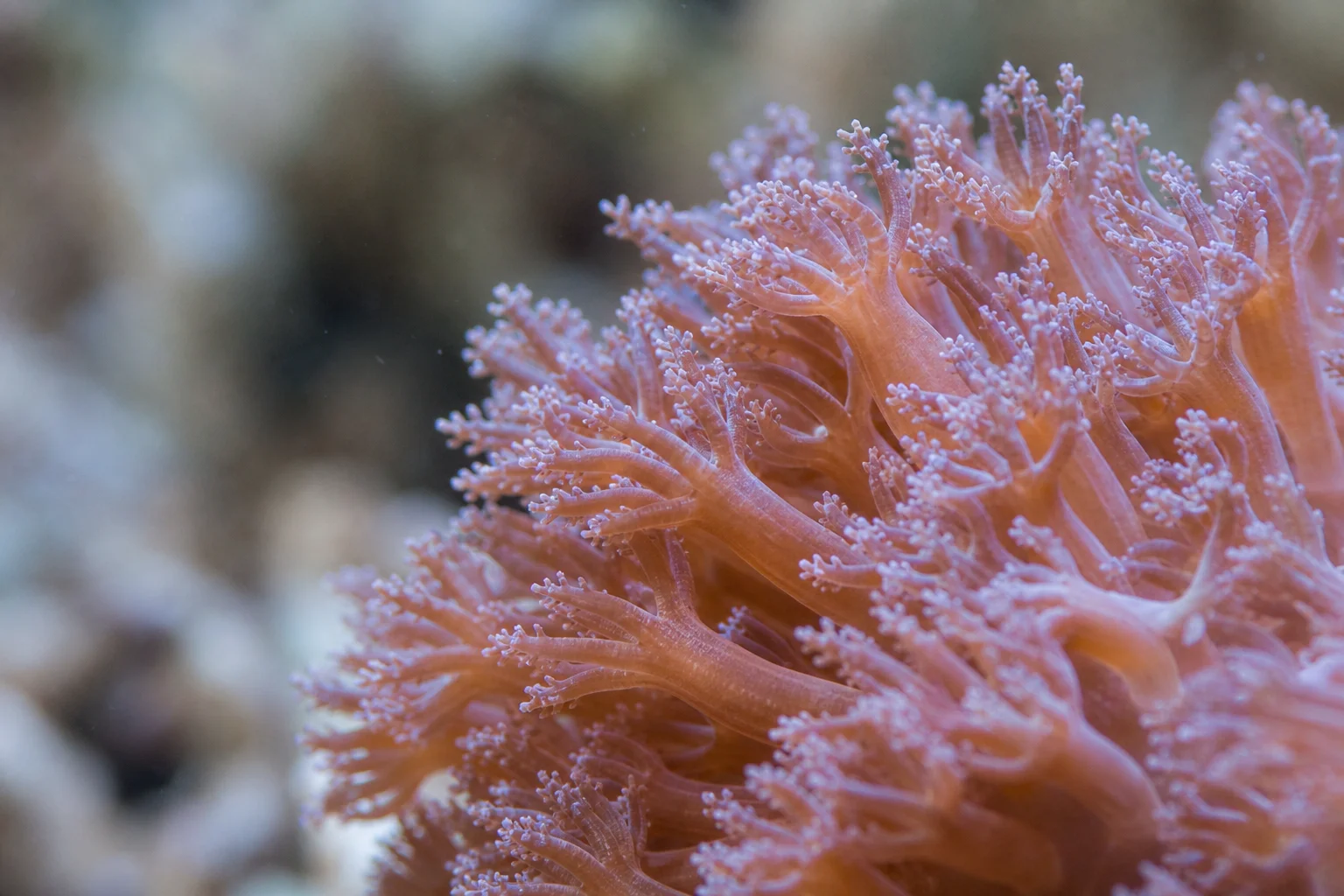
SPS corals, or small polyp stony corals, are more challenging because they require very stable water parameters and consistent lighting. NPS corals, or non-photosynthetic corals, obtain their nutrition by capturing plankton from the water column rather than relying on photosynthesis. If you are a beginner, focusing on soft corals and hardy LPS species will set you up for success.
Red Sea Max Nano: The All-In-One Approach
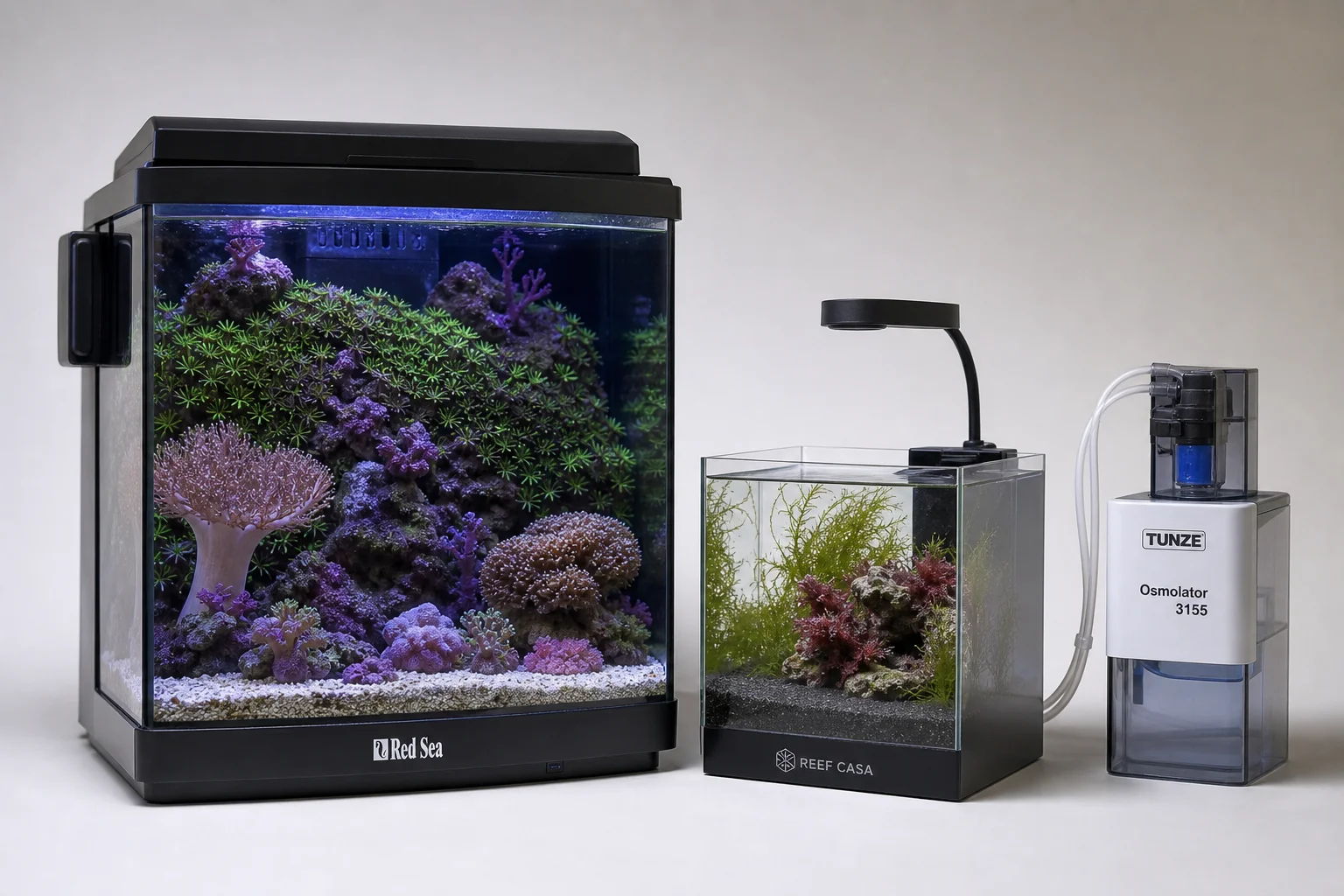
The Red Sea Max Nano is a 20-gallon all-in-one system that has proven itself as a reliable platform for beginner and intermediate reefing. One real-world example has been running since the end of 2022 with vibrant soft corals, including green star polyps that have completely covered the back wall in just two years.
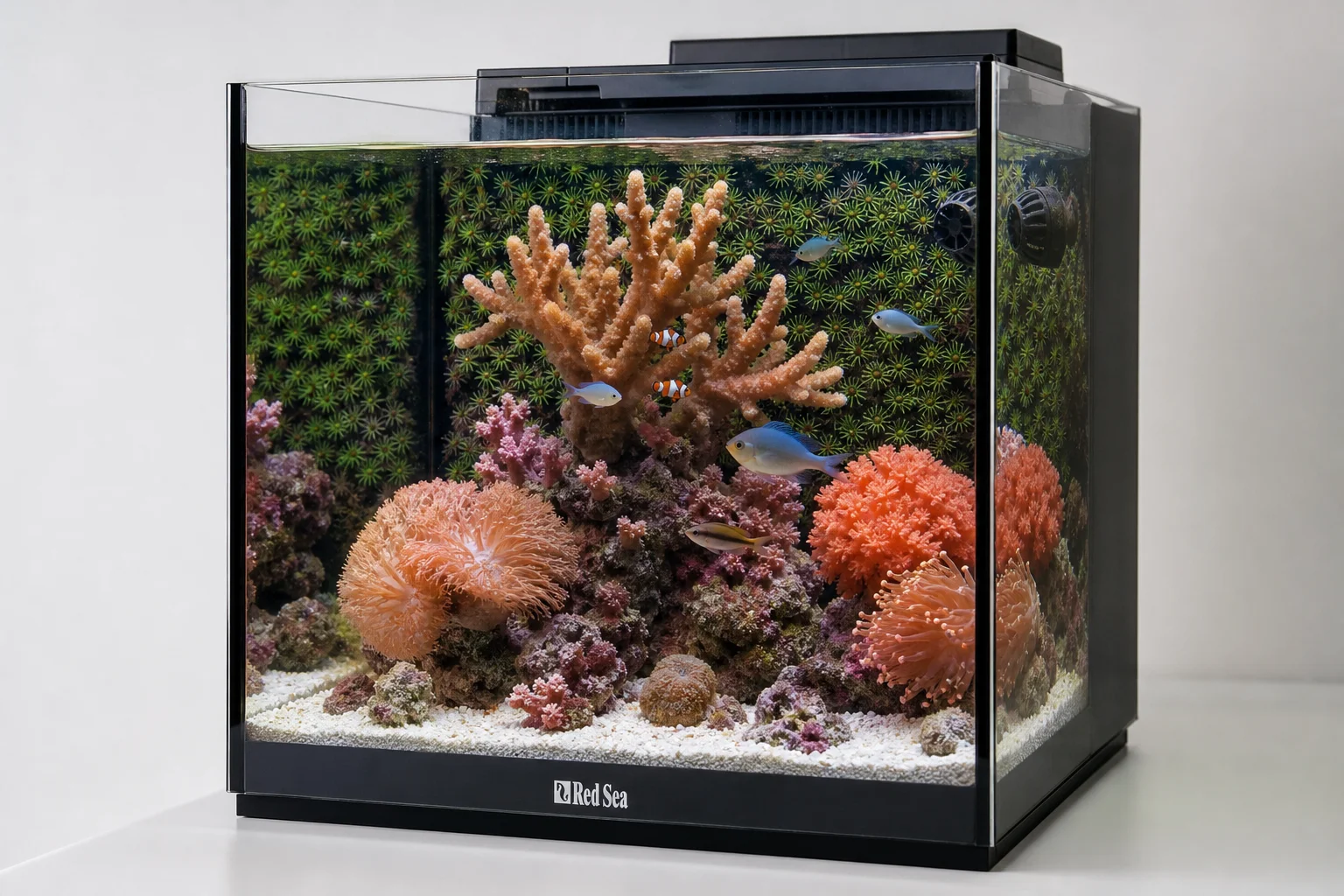
This setup demonstrates what is possible with consistent care. The tank houses a pair of clownfish, an emperor angelfish, sexy shrimp, and a blood red shrimp, alongside a diverse coral collection. The owner performs 15-liter water changes every 2 to 3 weeks and uses supplements from brands like Tropic Marine and Aquaforest to maintain water chemistry.
Maintenance and Water Chemistry
Keeping a nano reef healthy requires attention to water parameters. The most important measurements are calcium, magnesium, alkalinity, salinity, and pH levels. Regular testing ensures the corals and fish have the nutrients they need to thrive.
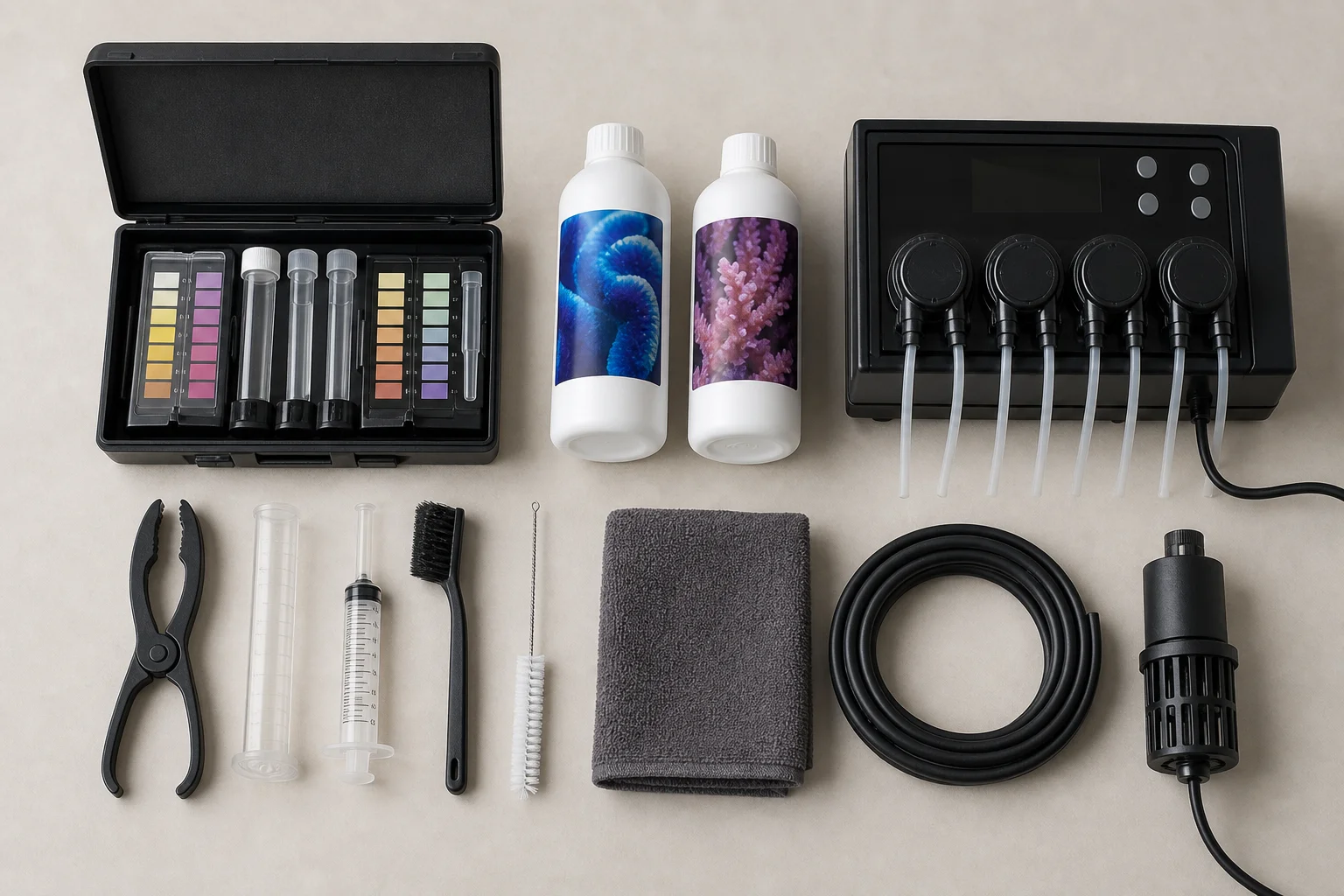
Dosing calcium and alkalinity solutions through an automated dosing pump removes guesswork and ensures consistent supplementation throughout the day. Water evaporation is a constant factor in reef tanks, and replacing it with reverse osmosis water keeps salinity stable. Many experienced keepers use automated top-off systems to handle this task reliably.
The Tunze Osmolator: Automated Water Evaporation Control
Evaporation is one of the most common maintenance challenges in reef keeping. The Tunze Osmolator automatically measures water loss and replenishes the tank with reverse osmosis water, eliminating the need for manual top-offs.
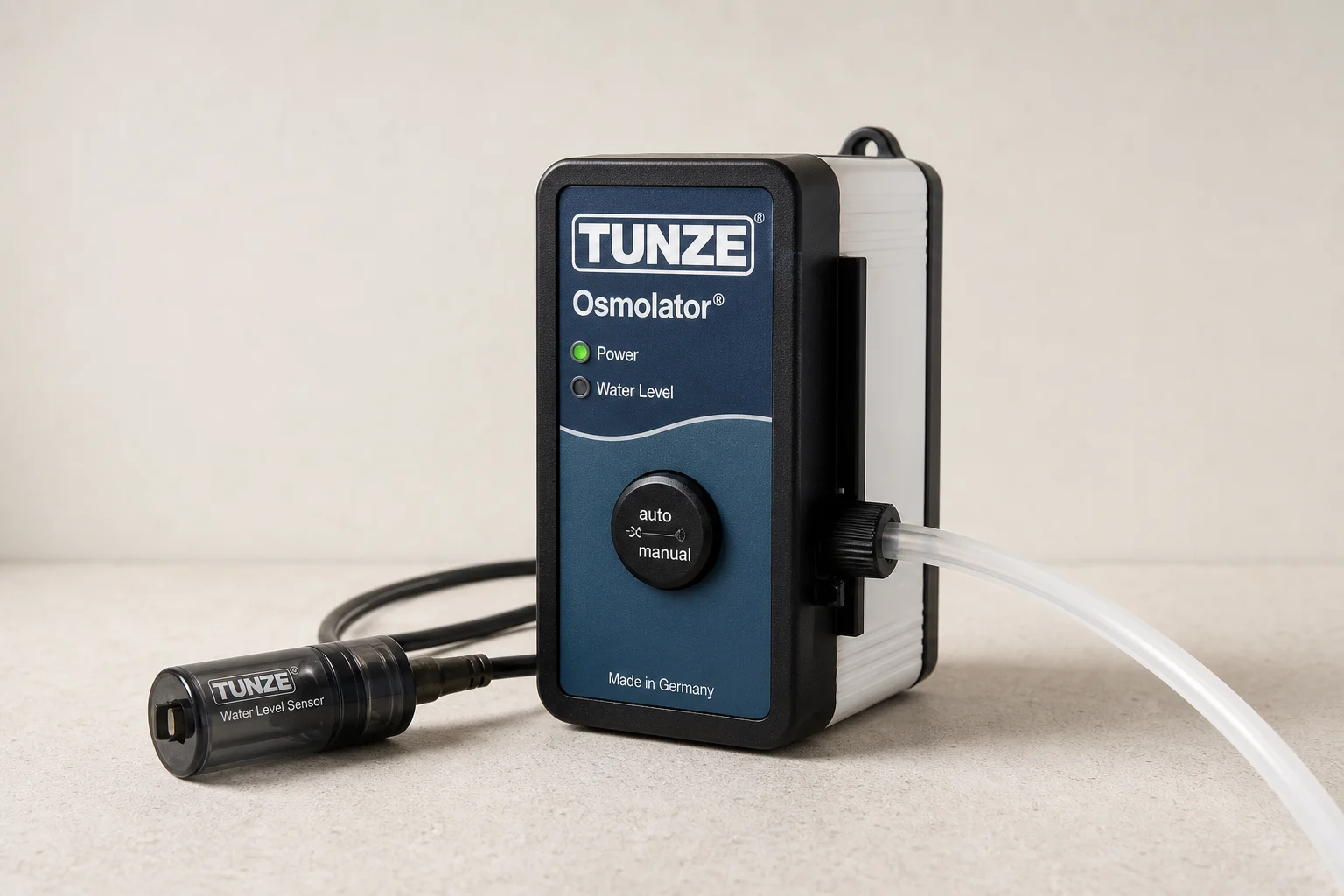
This device is particularly valuable in nano tanks, where even small evaporation losses can shift salinity noticeably. By maintaining consistent water level, the Osmolator helps keep parameters stable, which is especially important for corals that are sensitive to salinity swings.
The Reef Casa Pico Aquarium Option
For those who want to start even smaller, the Reef Casa Pico Aquarium is a 6-gallon compact system that delivers surprising biodiversity. One example uses dark sand substrate and hosts macro algae, mangrove plants, a cleaner shrimp, and a selection of small corals including blastomussa, acanthastrea, and scolymia pieces, plus mushroom corals.
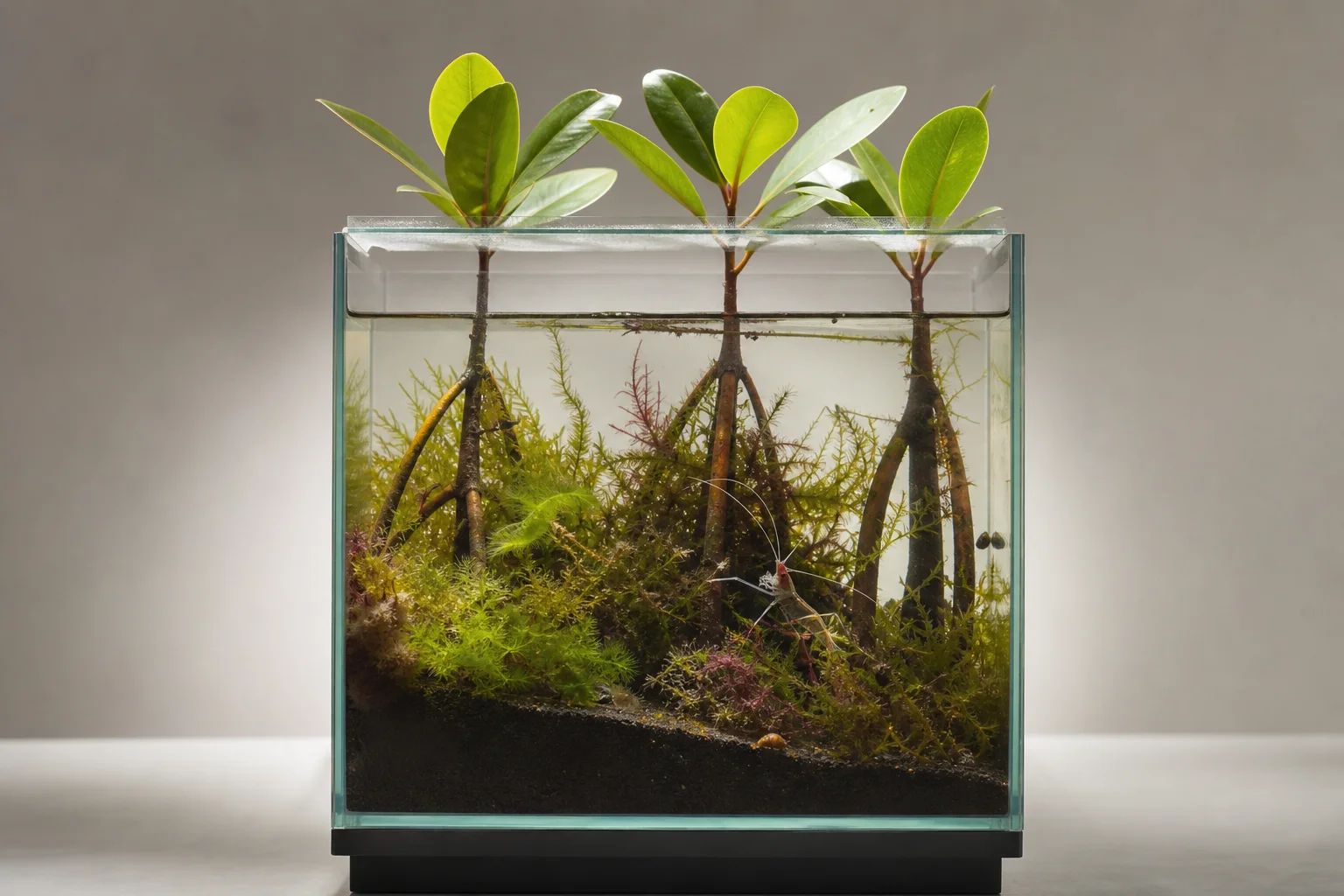
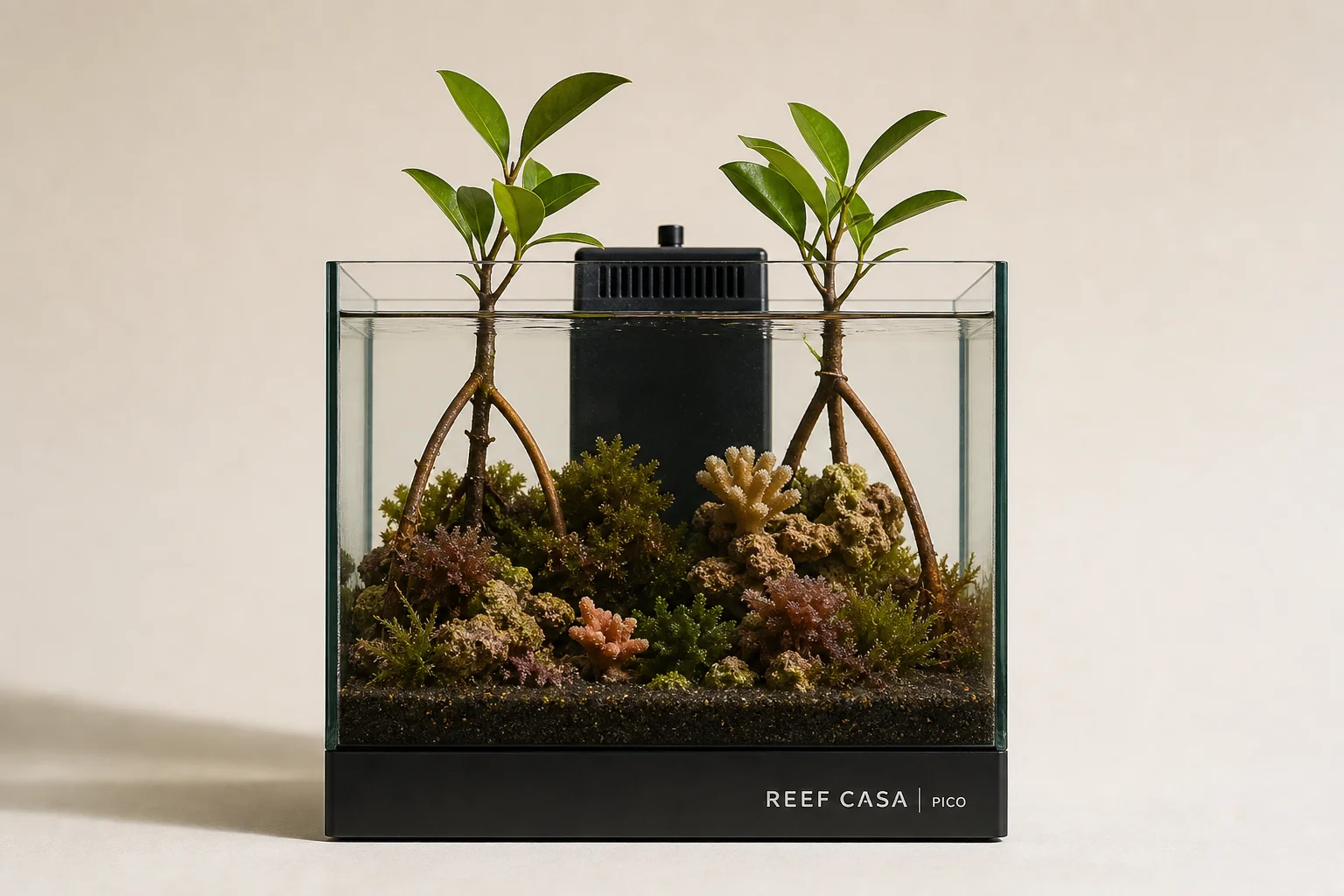
The Pico format is ideal if you have limited space or want to experiment with a second tank. Because it is smaller, it requires more frequent attention to water parameters, but the compact footprint and lower cost make it an attractive option for hobbyists who want to explore reefing without a large initial investment.
Conclusion
Nano reef aquariums prove that you do not need a large tank to build a thriving, colorful saltwater ecosystem. Whether you choose an all-in-one 20-gallon system like the Red Sea Max Nano, a compact 6-gallon pico tank, or something in between, the key is understanding coral types, maintaining stable water chemistry, and investing in reliable equipment like automated top-off systems. With these fundamentals in place, beginners can create aquariums that are both beautiful and sustainable.
Further reading
Related Reviews
Aquarium Equipment
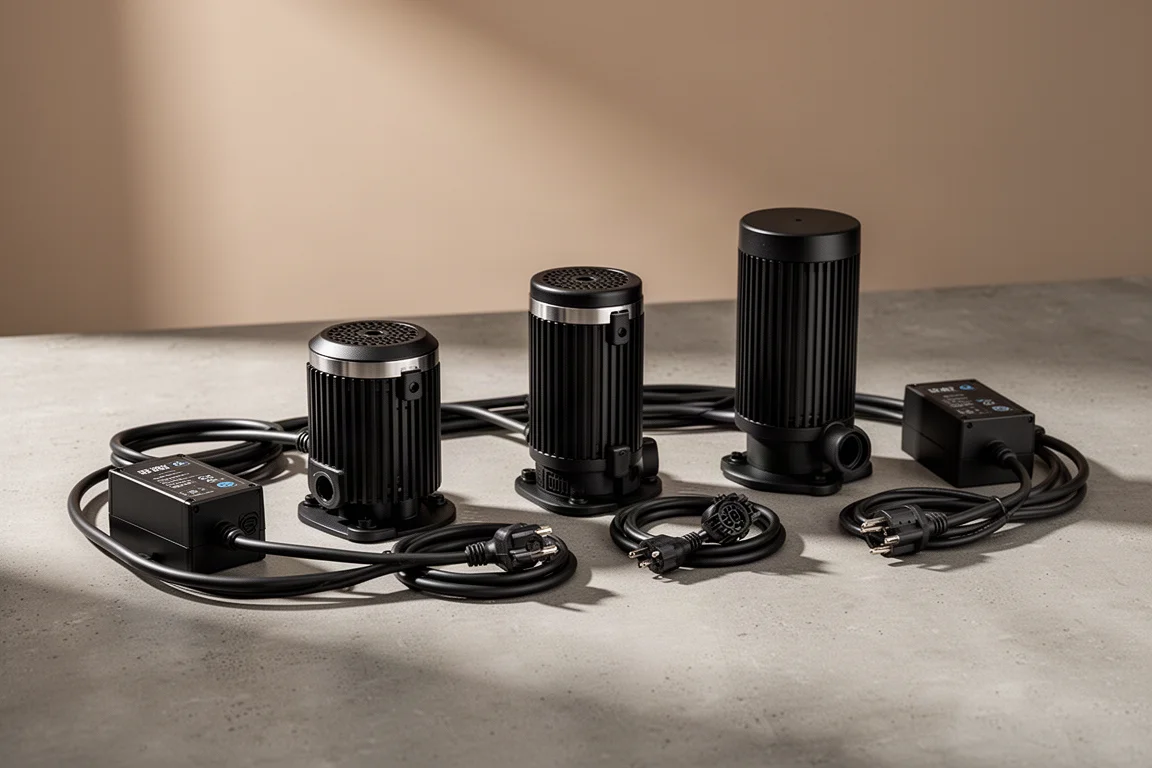
Abyzz Professional DC Pumps: A100, A200, and A400 Reviewed
A closer look at three German-made DC return pumps built for large reef systems, with titanium internals, fine flow control, and a 10-year warranty.
Aquarium Equipment
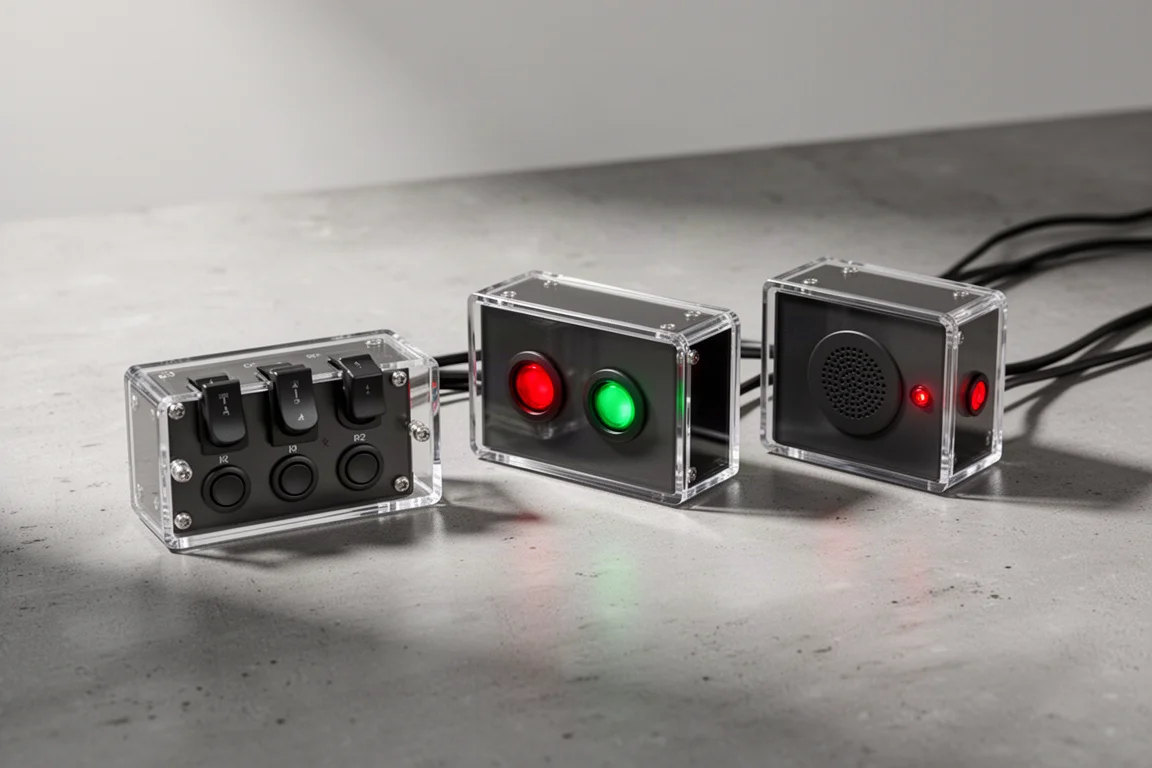
AdaptiveReef Controller Accessories: Three Tactile Upgrades for Your Reef Controller
A practical look at three AdaptiveReef add-ons that put physical switches, at-a-glance status lights, and a loud alarm within arm's reach of your reef tank.

Aquarium Equipment
Adaptive Reef Controller Boards: Basic vs Deluxe for Cleaner Aquarium Gear
A practical look at the Adaptive Reef Basic and Deluxe controller boards, what each one includes, and how to choose the right size for your tank gear.