Mountain Bike Tires
Best Mountain Bike Trail Tires: Seven Options for Grip, Speed and Durability
A practical roundup of seven trail tires, from all-out grip options to fast-rolling all-rounders, with the trade-offs worth checking before you buy.
Introduction
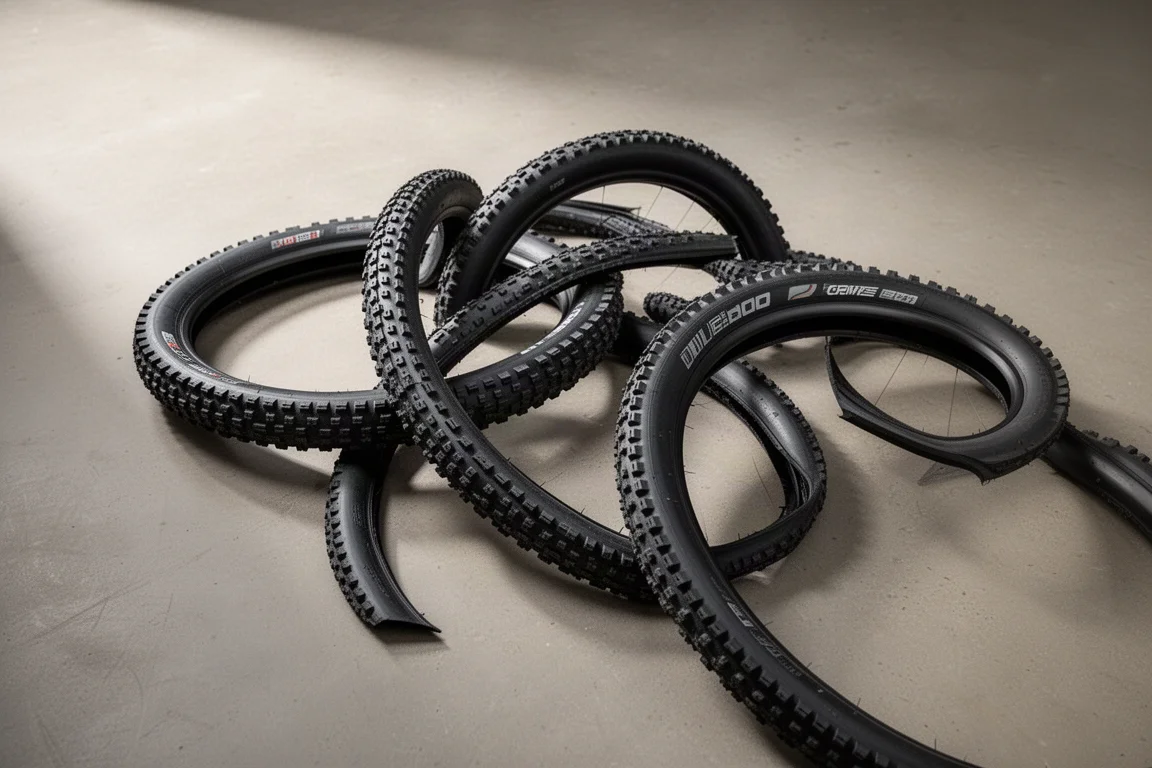
Trail tires have one of the toughest jobs on a mountain bike. They have to be light and fast enough to pedal all day, grippy enough to trust when the trail turns loose, wet or steep, and tough enough to survive rock strikes and hard landings. No single tire does all of that perfectly, which is why the seven options below cover a wide spread of priorities, from out-and-out grip monsters to quick-rolling all-rounders.
Each tire here has earned its place through long-term riding in mixed conditions. For every entry, we cover what it does well, where it gives something away, and which casing and compound combination makes the most sense for a trail bike.
What Makes a Good Trail Tire
Every tire on this list is a bundle of compromises. Tread depth and knob shape decide how much bite you get and how quickly the tire clears mud. The rubber compound decides how much of that bite turns into usable grip, and how long the tread survives. Casing construction sets the weight, the support under hard cornering, and the resistance to punctures and pinch flats.
The trade-offs run in predictable directions. Soft compounds grip harder but wear faster and roll slower. Open, aggressive tread clears mud well but can feel vague on hardpack. Reinforced casings shrug off abuse but add weight and rolling resistance. The right answer depends on where you ride and how hard you push.
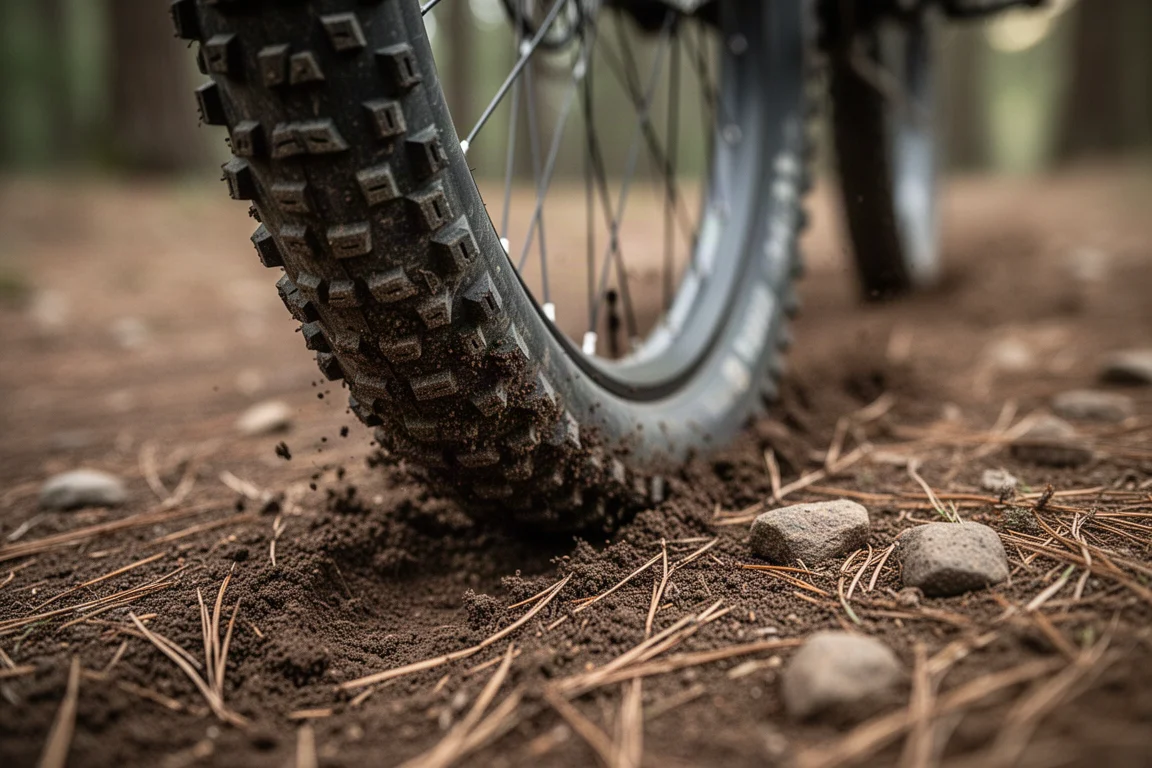
Riders who spend most of their time on hardpack and gravel usually prefer faster, rounder profiles. Riders who chase steep, loose or wet terrain get more from softer rubber and taller shoulder knobs. The sections below work through both ends of that spectrum.
Maxxis Assegai
If one tire has proven itself as a true all-rounder, it is the Maxxis Assegai. It is a genuine grip monster at all lean angles and in a wide range of conditions. The tread pattern was developed in collaboration with downhill legend Greg Minnaar, and the alternating 2x3 block arrangement down the center is paired with substantial cornering knobs.
Fitted up front, the Assegai feels extremely consistent. You can lean hard on the side knobs and tip the bike from side to side without the grip level changing abruptly. That makes it a real confidence booster, because the available traction is easy to judge and trust. It is a different feel from the brand’s classic Minion DHF, which can seem vaguer if you do not properly lean into the side knobs.
Grip is not only down to the softest rubber either. Even the hardest dual compound versions are tenacious, though they do not feel quite as invincible as the more expensive compound options. The range is broad, spanning EXO, EXO+, DoubleDown and DH casings, combined with MaxxGrip, MaxxTerra or dual compounds. Our all-round pick is the EXO+ casing with the MaxxGrip compound.
The Assegai is not perfect. Even the lighter casing and harder compound versions roll slowly, while the softest versions do not have the best wear life. It is also not the best choice in the deepest mud, or when run out back, where it can clog and lose braking traction. For most of the year, run it up front in a soft compound and pair it with something faster rolling and harder wearing at the rear.
Maxxis Minion DHR II
A quick myth-buster first: DHR does not stand for rear, as many riders assume. It stands for race. Plenty of riders swear by the Minion DHR II for downhill racing, and it works just as well on a trail bike.
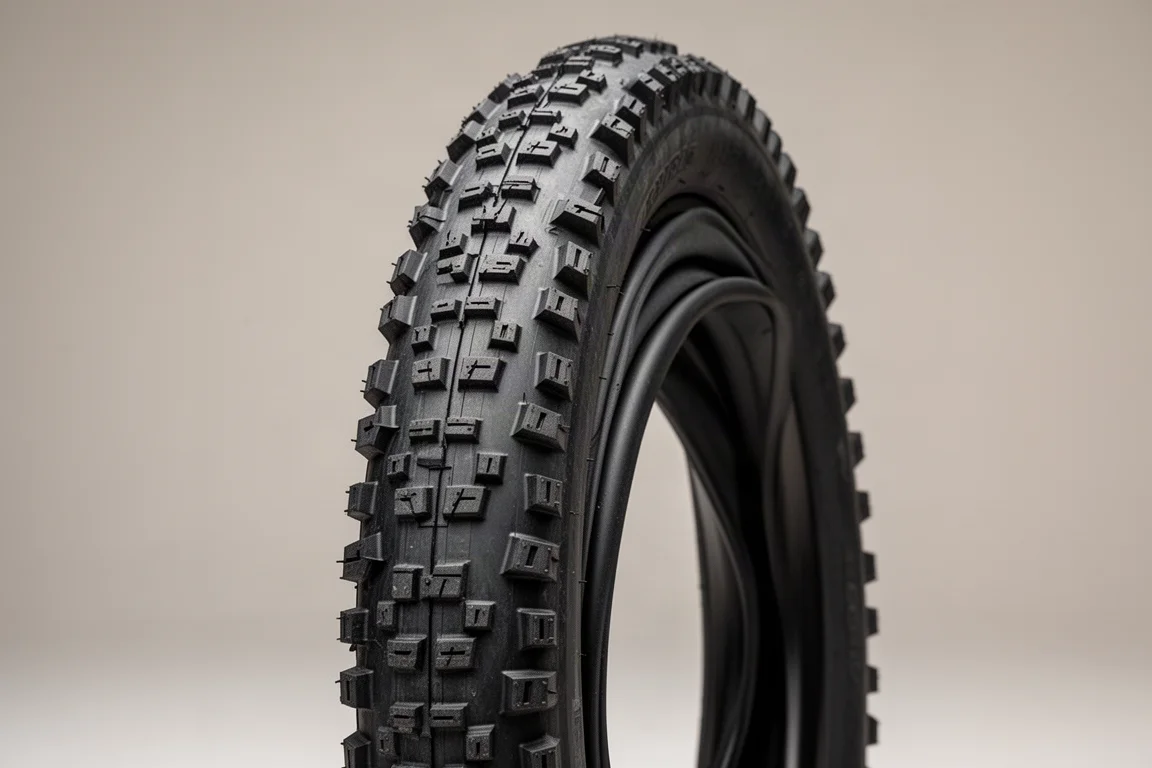
Like the Assegai, it is available in a huge range of sizes, casings and compounds. Also like the Assegai, it is not at its best in the sloppiest mud, but it offers better braking traction in all conditions thanks to the wide paddle tread down the center. The transition to the shoulder knobs is not quite as predictable as on the Assegai, and overall grip levels may even be a touch higher. You simply need to be a little braver to exploit them. That holds true whether you run the tire at the front or the rear. Historically it has mostly been a rear tire, but more and more brands and riders are enjoying the benefits of running it at both ends of the bike.
The best option depends on your definition of a trail bike. A lighter 2.4 EXO with MaxxTerra suits everyday trail riding, while riders who push harder tend to prefer the more robust EXO+ or DoubleDown casings paired with the MaxxGrip compound. As a versatile all-rounder, it is a brilliant choice for a trail bike.
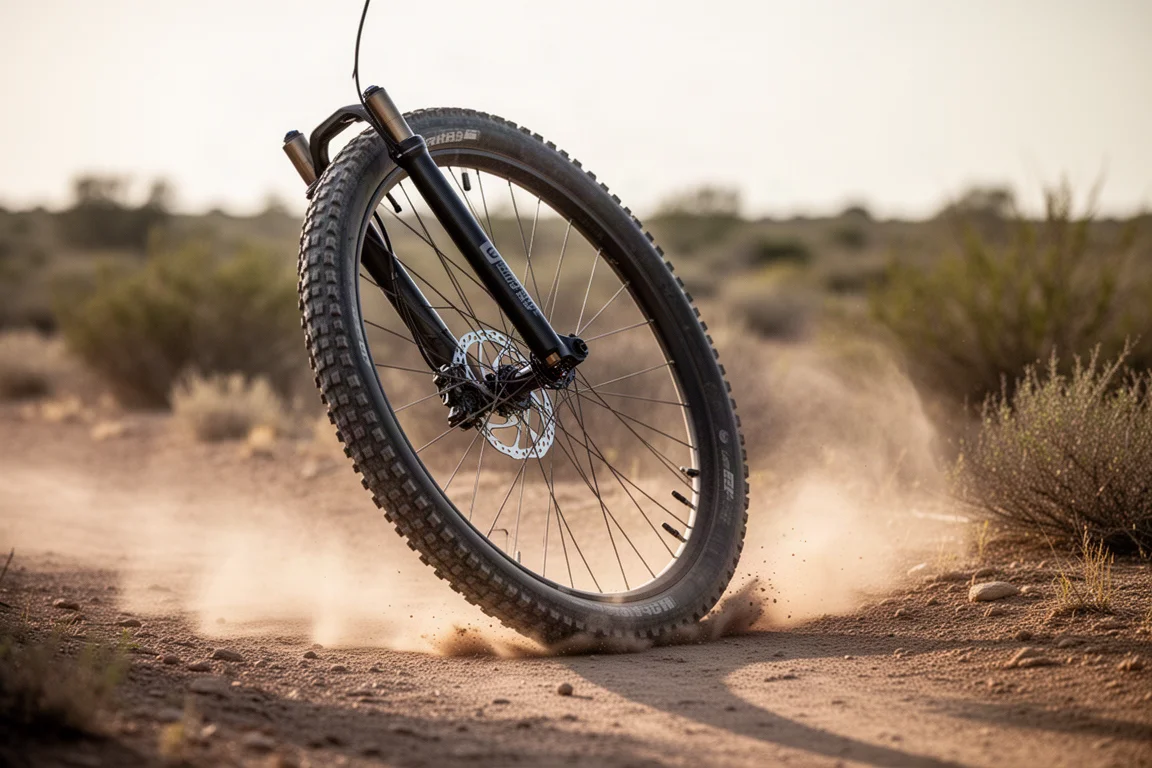
If you want one tire that covers a lot of ground, the DHR II is among the easiest recommendations here. It is quick to live with, widely available across sizes and builds, and it rewards riders who are willing to commit to the corner.
Schwalbe Magic Mary
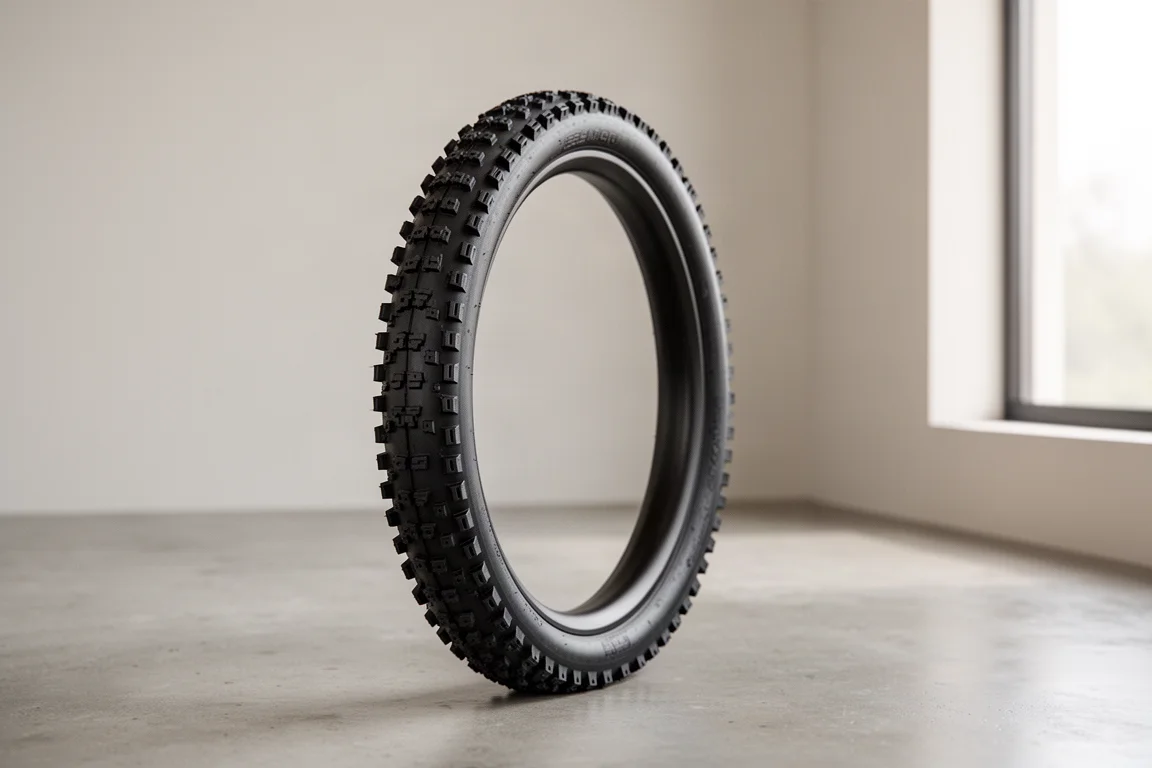
Schwalbe builds the Magic Mary as a downhill and enduro tire, but trail riders can take advantage of the aggressive tread pattern too. It has strong shoulder knobs for cornering and an aggressive, open central pattern that helps it bite into the ground and clear mud.
The range covers plenty of casings and compounds for specific needs, including lighter casings for trail riding. The Addix Soft compound with the Super Trail carcass provides the best balance of grip, support and weight. Despite the sticky compound and aggressive tread, the rounded carcass makes it more predictable than square profile tires, and it rolls respectably well, if not rapidly.
No matter what the trail surface looks like, the Magic Mary performs strongly. The sticky compound glues to hardpack terrain, the large knobs dig into softer and muddier ground well, and even over wet rocks and roots it grips securely. The only real downside is the relatively high price. Team it with a faster rolling tire out back and you have a very capable set of trail rubber.
Schwalbe Nobby Nic
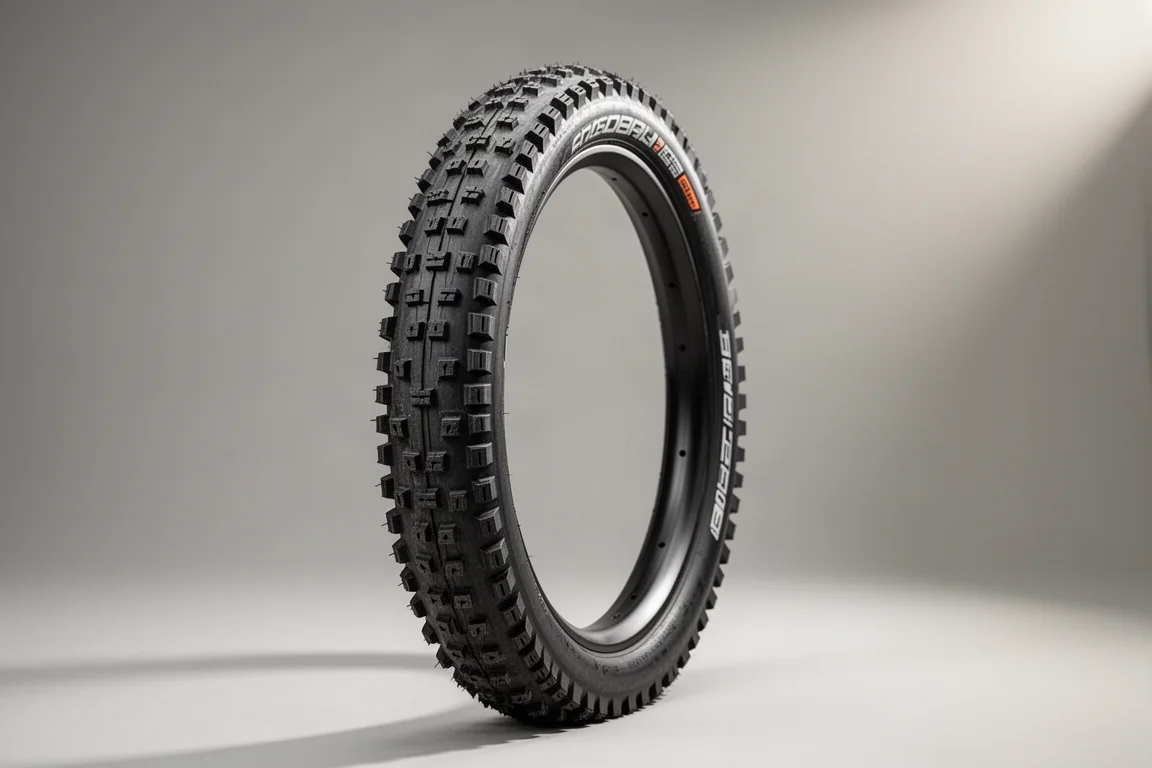
If you want one of the fastest trail tires that still grips tenaciously, the Schwalbe Nobby Nic should be high on your list. Earlier versions divided opinion, but the latest version is much improved. It retains the rolling speed of its predecessor while finally offering the grip the tread pattern always promised.
As with the Magic Mary, the Super Trail carcass with the Addix Soft compound is the option to choose. The Super Trail casing is not the most damped or supple, and it bounces off trail features a little more than casings that conform better to the ground, but the Addix Soft compound still grips effectively on all surfaces.
It performs well on hardpack gravel and provides enough bite to cut into loose dirt and mud, an area earlier versions struggled with. Even on slippery rocks and roots it rarely gets caught out and stays planted. Take care when choosing your compound, because the Addix Soft option is a much better choice than Speedgrip.
The carcass is rounded like the Magic Mary for predictability, but unlike its more aggressive sibling, the side knobs do not dig in as tenaciously, particularly up front. More aggressive riders are best pairing it with a Magic Mary at the front. For less hardcore riders who want a fast rolling, grippy and predictable trail tire that can run at either end of the bike for most of the year, the Nobby Nic is a great shout.
Continental Kryptotal
Continental has long been popular with road riders, but it was not the first brand most mountain bikers thought of when replacing their rubber. The launch of the current mountain tire series changed that, and since then Continental tires have seen more than their fair share of World Cup downhill wins and podiums.
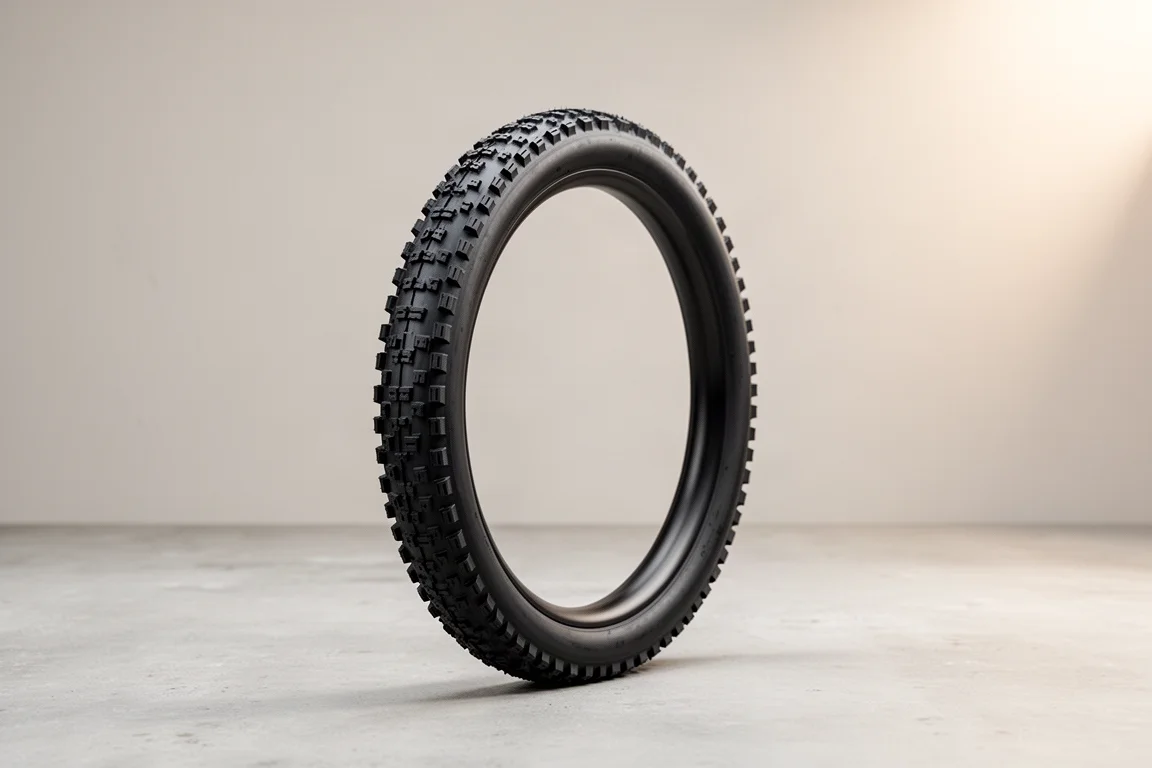
As with every tire, it comes down to balancing compromises, and the Kryptotal, the front version in particular, does this really well. The soft Black Chili rubber compound paired with the tall, blocky tread offers enough bite across a wide variety of surfaces, wet or dry, yet it rolls at a decent pace considering the grip on offer. You can pilot it safely over a wet set of roots without both wheels snaking side to side, and on faster trail sections it does not feel so soft that it drags.
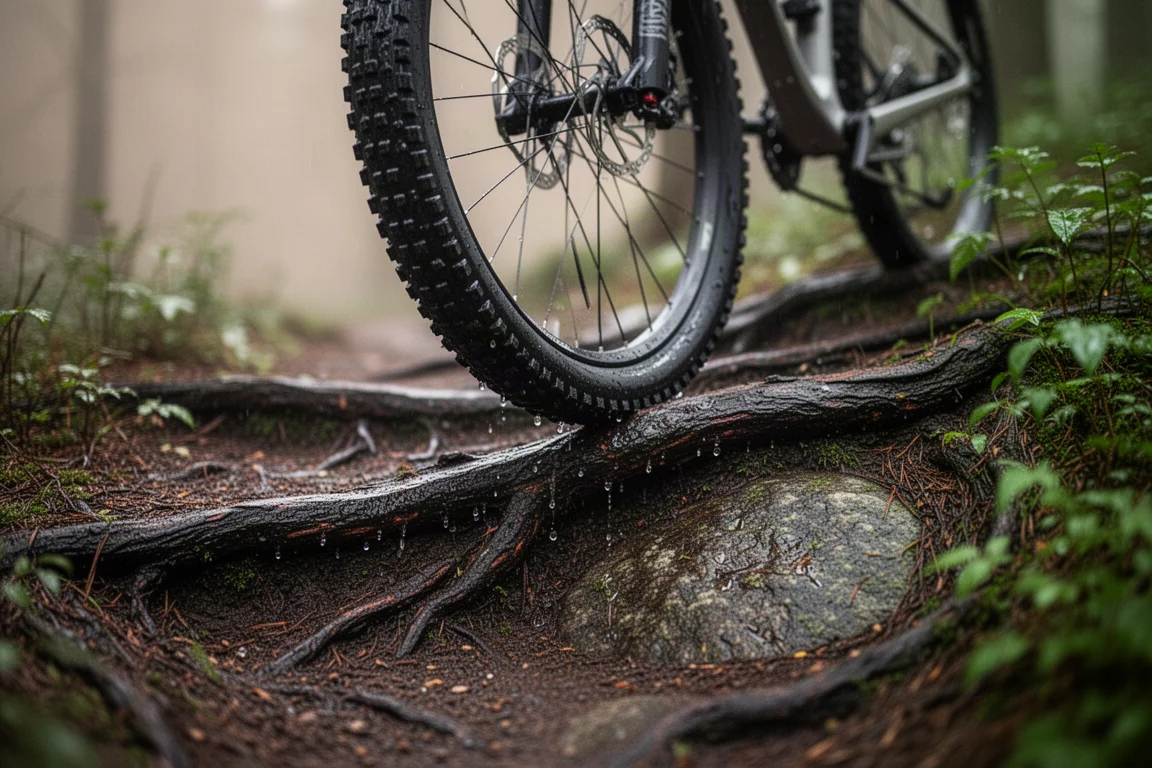
Grip and braking traction are impressive just about everywhere, and the Kryptotal withstands abuse well, with wear less pronounced than on other tires. The front version with the soft compound and tough Enduro casing costs around £72.95, and in practice it lasts well enough to justify that outlay. The Enduro casing also does a decent job of warding off impacts. It is not the lightest at just over 1,200g, but the heavily reinforced single ply construction with Apex pinch puncture protection keeps air where it needs to be.
The main thing missing is more rubber and casing choice. A soft compound paired with the lighter Trail casing, or the Enduro casing with the harder wearing Endurance compound, would round out the range nicely.
Specialized Butcher
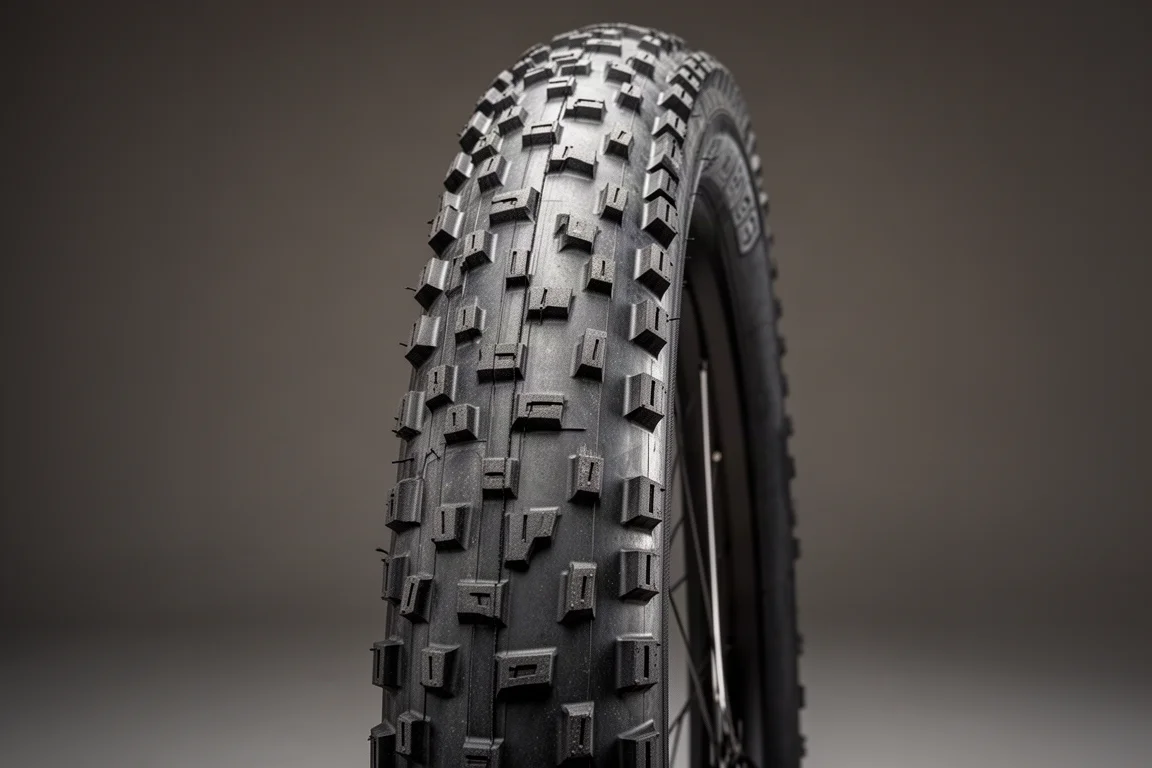
Specialized tires have not always had the best reputation, but the latest generation is a massive step up. It offers excellent performance and exceptional value, sometimes around half the price of the competition. The Butcher is a mainstay of the range, and since its latest redesign it has impressed time and again.
It uses the brand’s T9 series rubber compounds, and the softest T9 is our choice. It may be labelled as the downhill compound of the range, but it is perfectly at home on a trail bike. It offers good grip in the dry, a lovely damped feeling thanks to the slow rebound of the rubber mix, and it rolls decently well. Riders who want more speed can choose the slightly harder T7 compound, though some grip is sacrificed.
The Butcher comes in an array of casing options. The middleweight Grid Trail option is the sensible pick, similar to Maxxis EXO+ and Schwalbe Super Trail, and a good compromise between acceptable weight, puncture protection and casing stability. The tread is not dissimilar to the classic Minion DHF, and the squarer profile than other tires here means you can really lean it over if you are brave enough.
Where it comes unstuck is on wetter terrain, where it feels less sure-footed and confidence inspiring than others. It also packs more easily with mud, which it then struggles to clear. For drier trails, though, the Butcher is a bargain all-rounder.
Specialized Purgatory
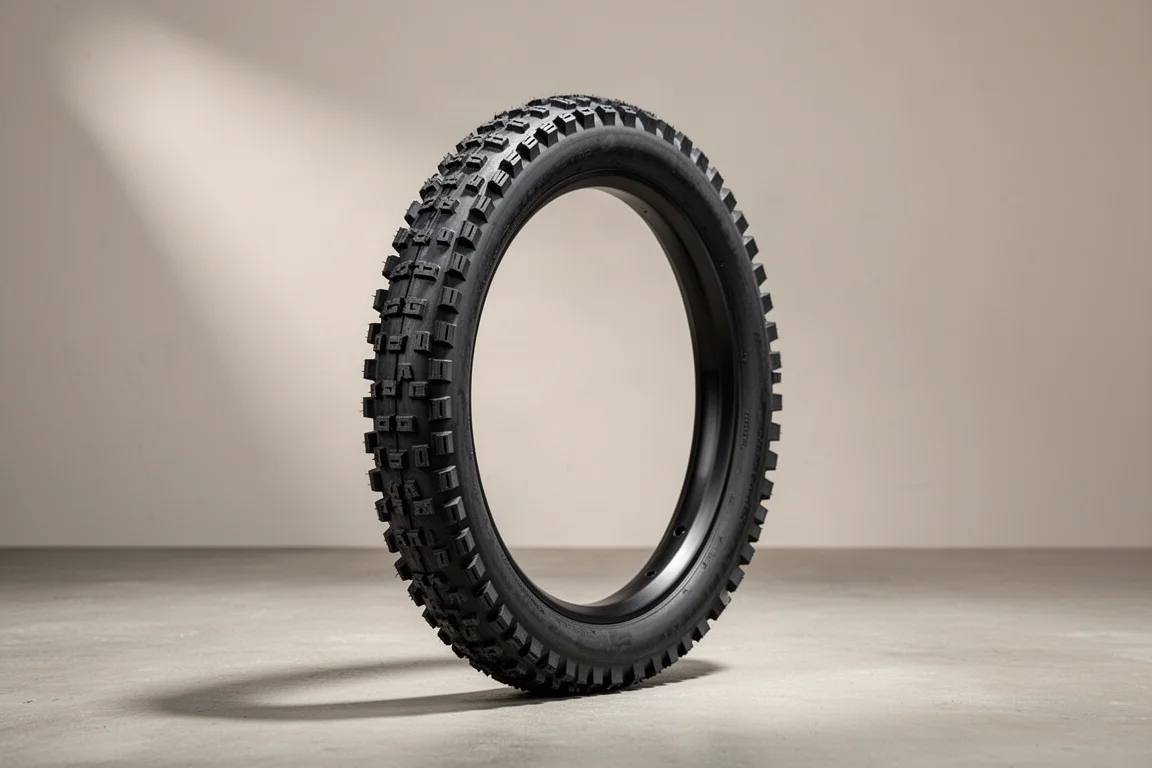
The Purgatory is another Specialized tire that has seen its fair share of revisions, and the latest version is the best yet. It features a totally different tread pattern to its predecessor, far more open in its design. Despite being less aggressive than the other tires here, it has still proven to be a great trail riding all-rounder.
It does not have the sheer, belligerent grip and confidence of the Assegai, the Magic Mary or even the DHR II. What it does have is a wonderfully damped and controlled ride, particularly in the Grid T9 version. That allows the tire to conform to the ground and offer far more grip and confidence than the low height knobs would suggest.
Running the T9 up front with a tougher, harder wearing Grid Trail T7 at the rear is a go-to setup for fast-paced trail riding. Even through an untypically wet and muddy spring, it proved reliable and trustworthy in all but the very deepest mud. On hardpack trails it still performs exceptionally well, rolling speed is excellent, and the casings have stood up well to the abuse.
The latest Purgatory has really impressed. Riders seeking all-out grip will be better served elsewhere, but if your trail riding sits closer to traditional cross country than enduro, it should be high on your wish list.
Buying Advice: How to Pair Front and Rear Tires
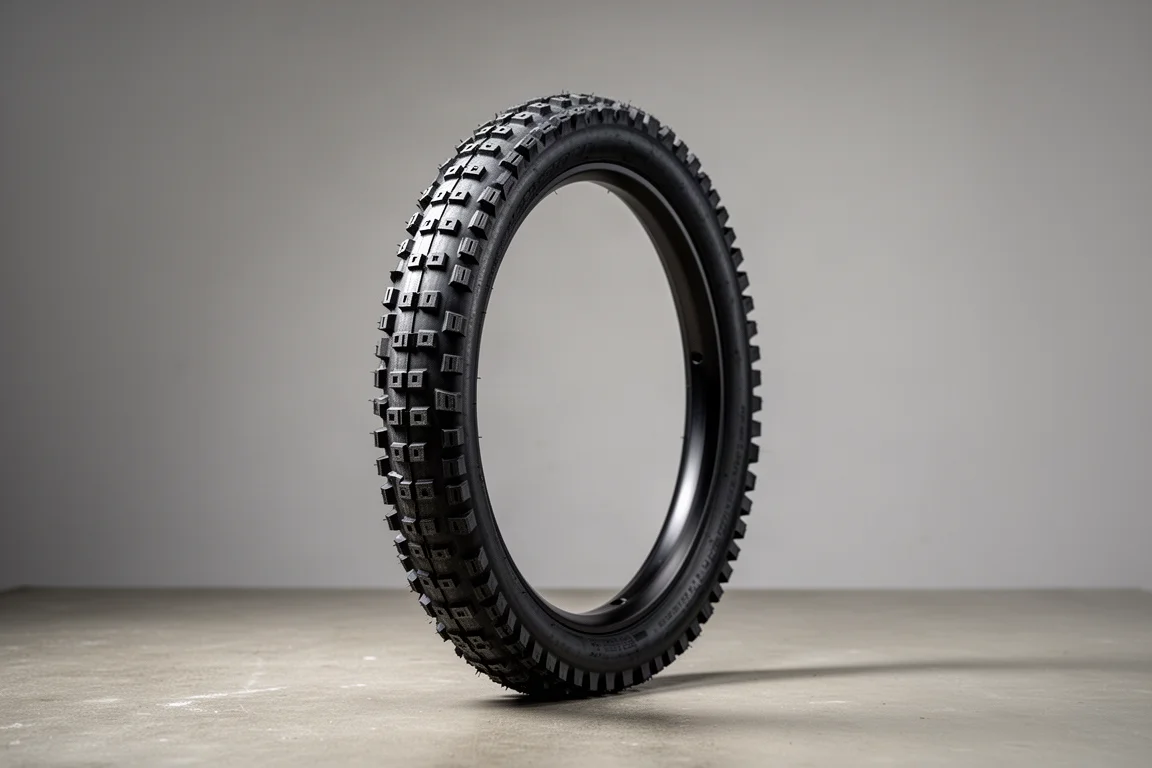
Most riders get the best result by treating the front and rear tires as two different jobs. Up front, grip and predictability matter most, because that is the end that decides whether a corner sticks. A softer, taller-knobbed tire such as the Assegai, the Magic Mary or the Kryptotal front gives you the confidence to lean the bike over and the consistency to judge how much grip is left.
At the rear, a faster rolling and harder wearing tire keeps speed up and lasts longer. The Minion DHR II, the Nobby Nic and the Purgatory all work well here, and each brings a slightly different balance of braking traction and rolling speed.
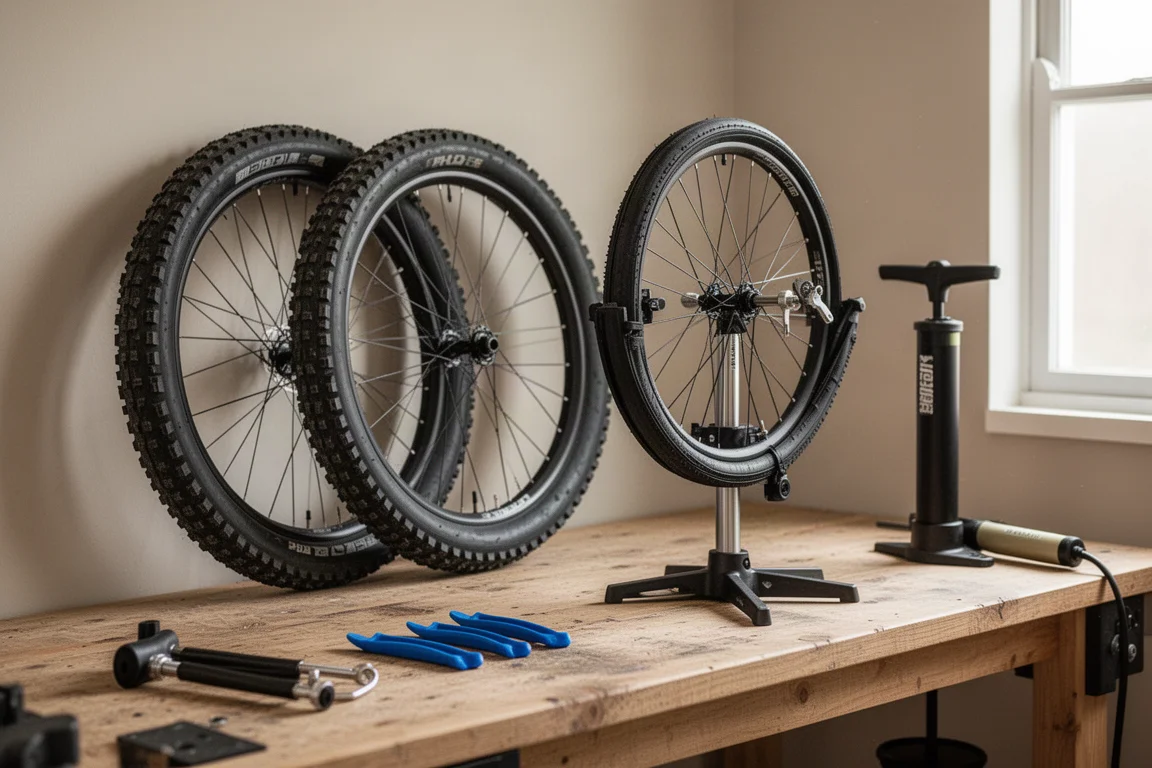
Casing choice matters as much as tread. The middleweight options, such as EXO+, Super Trail, Grid Trail and the Enduro casing, are the sweet spot for most trail riders: a good compromise between acceptable weight, puncture protection and stability under hard cornering. Riders who regularly hit rocky terrain or push hard should step up to the more heavily reinforced casings, while riders who value speed and low weight should stay with lighter casings and harder compounds. Compound choice follows the same logic: soft rubber for wet, loose and steep conditions, harder rubber for dry hardpack and longer tread life.
Conclusion
There is no single best trail tire, only the best tire for the way you ride. The Maxxis Assegai remains the benchmark all-rounder for riders who want maximum front-end grip and predictable cornering. The Minion DHR II is the versatile option that works at either end of the bike. The Schwalbe Magic Mary is the pick for aggressive, muddy riding, while the Nobby Nic is the fast-rolling trail companion for riders who want grip without drag. The Continental Kryptotal balances pace, grip and durability, and the Specialized Butcher and Purgatory deliver strong performance at a friendlier price.
Match the front tire to the grip you need, the rear tire to the speed and wear life you want, and the casing to the terrain you actually ride. That combination will do more for your trail riding than any single upgrade.
Further reading
Related Reviews
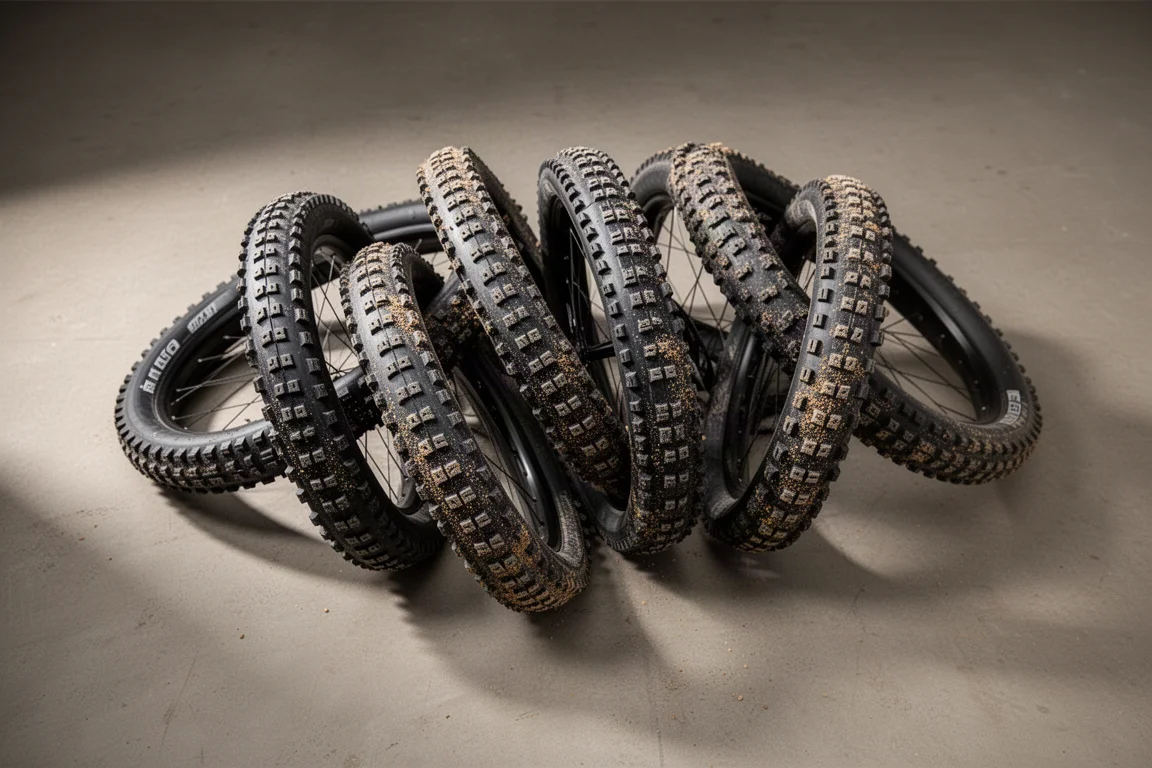
Mountain Bike Tires
Best Trail Mountain Bike Tires: Seven Proven Options for Confident Trail Riding
Seven trail mountain bike tires tested across hardpack, roots and mud, from grip-focused front tires to fast-rolling all-rounders and standout value picks.

Backpacking Gear
Building a 10 lb Base Weight: An Ultralight Backpacking Gear List
A practical walkthrough of the ultralight pieces behind a 10 lb base weight, from a 765 g pack and a roomy one-person tent to a full camp chair and a dependable water filter.
Road Bikes
10 New Road Bikes Worth Watching: Aero, Titanium, Steel and Endurance Standouts
A practical roundup of 10 new road bikes, from aero flagships chasing single-watt gains to titanium, steel and endurance platforms built for real roads.